


A secluded forest sanctuary where Kerry Hill’s architecture, Japanese craftsmanship, and nature exist in extraordinary harmony
Book now
Why DNA Hotels loves it
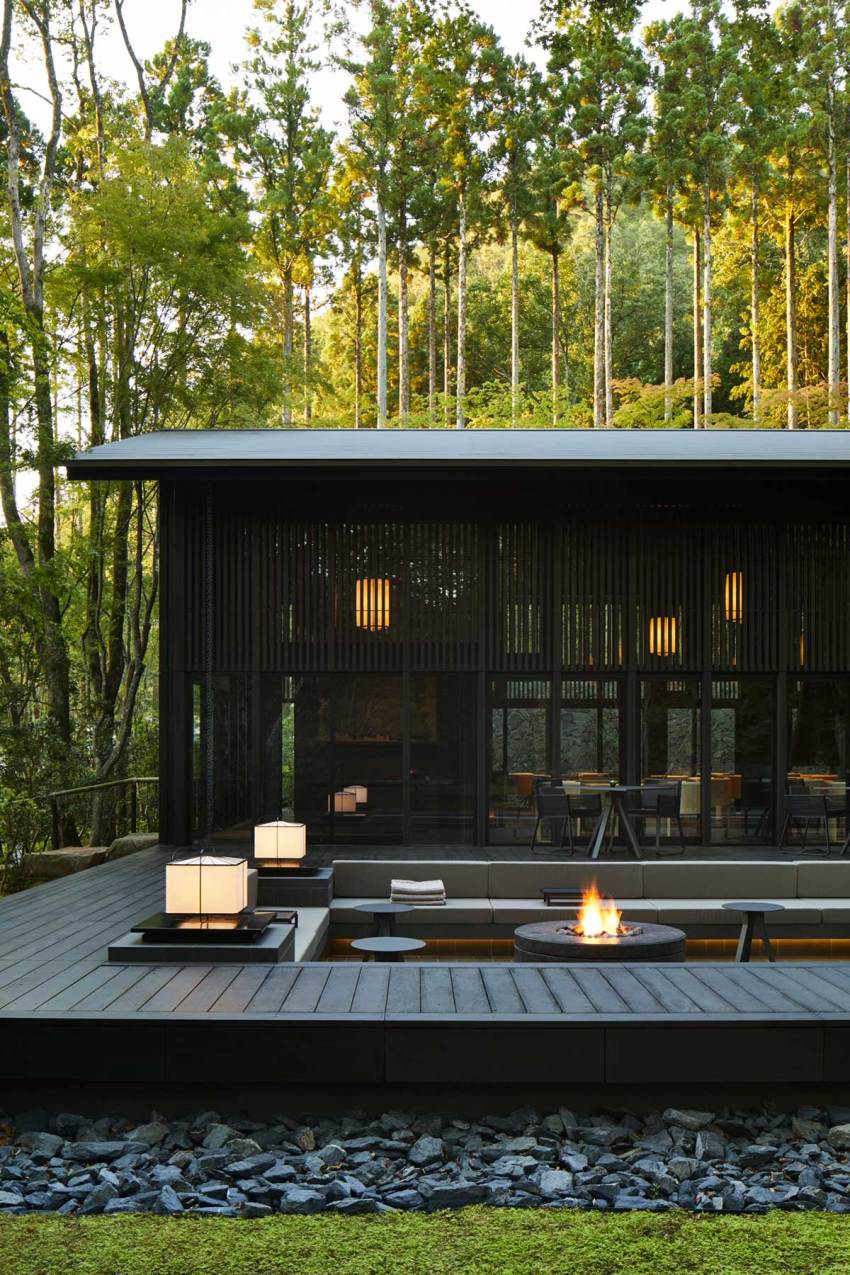
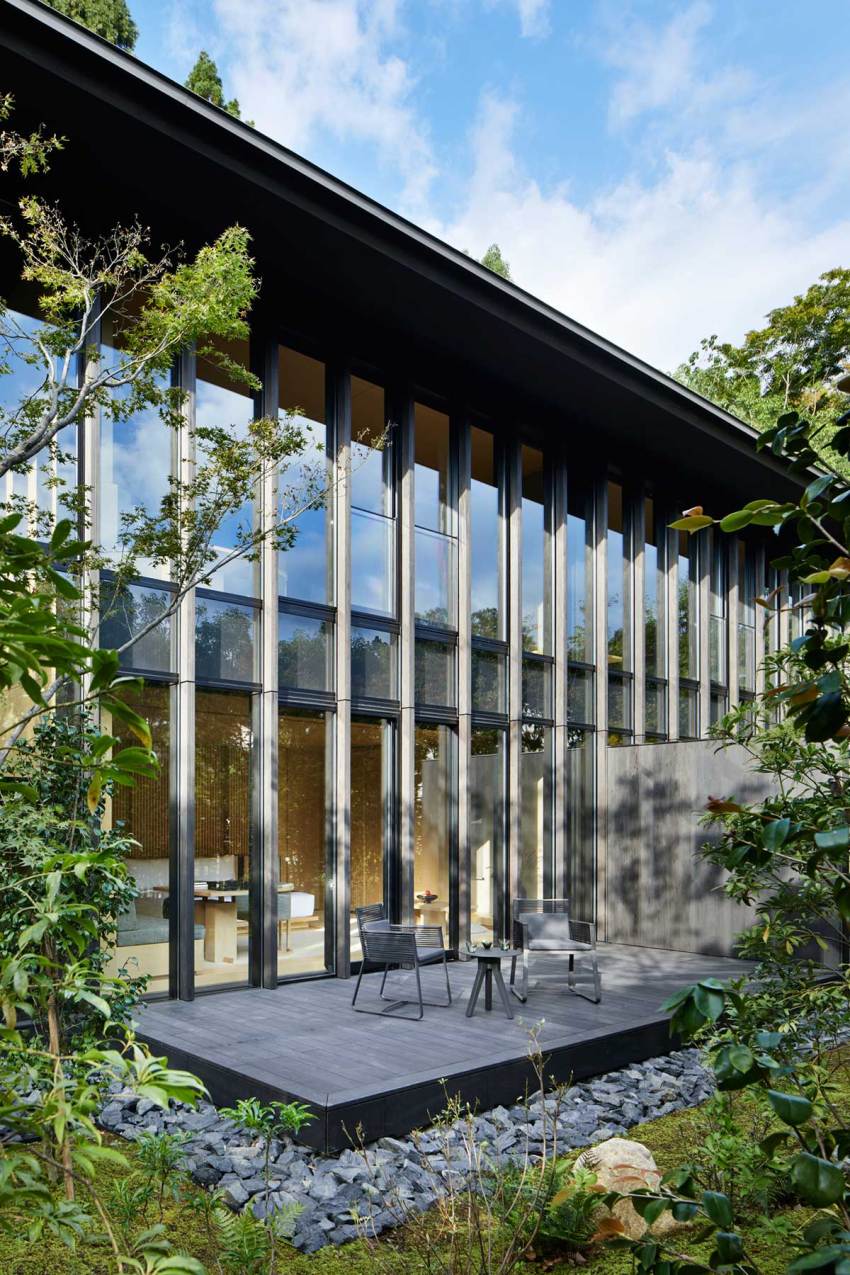
One of Kerry Hill’s final projects, with low-slung pavilions designed to disappear almost completely into a 32-hectare forest landscape.
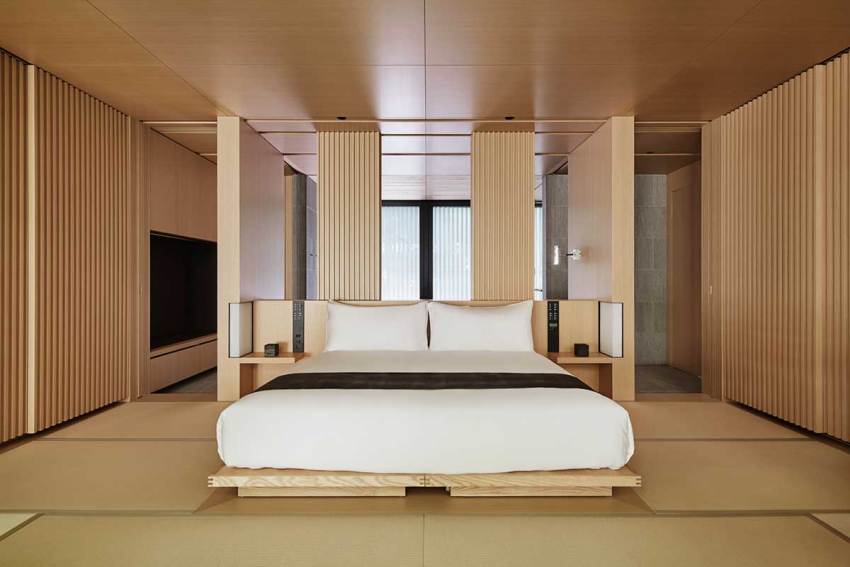
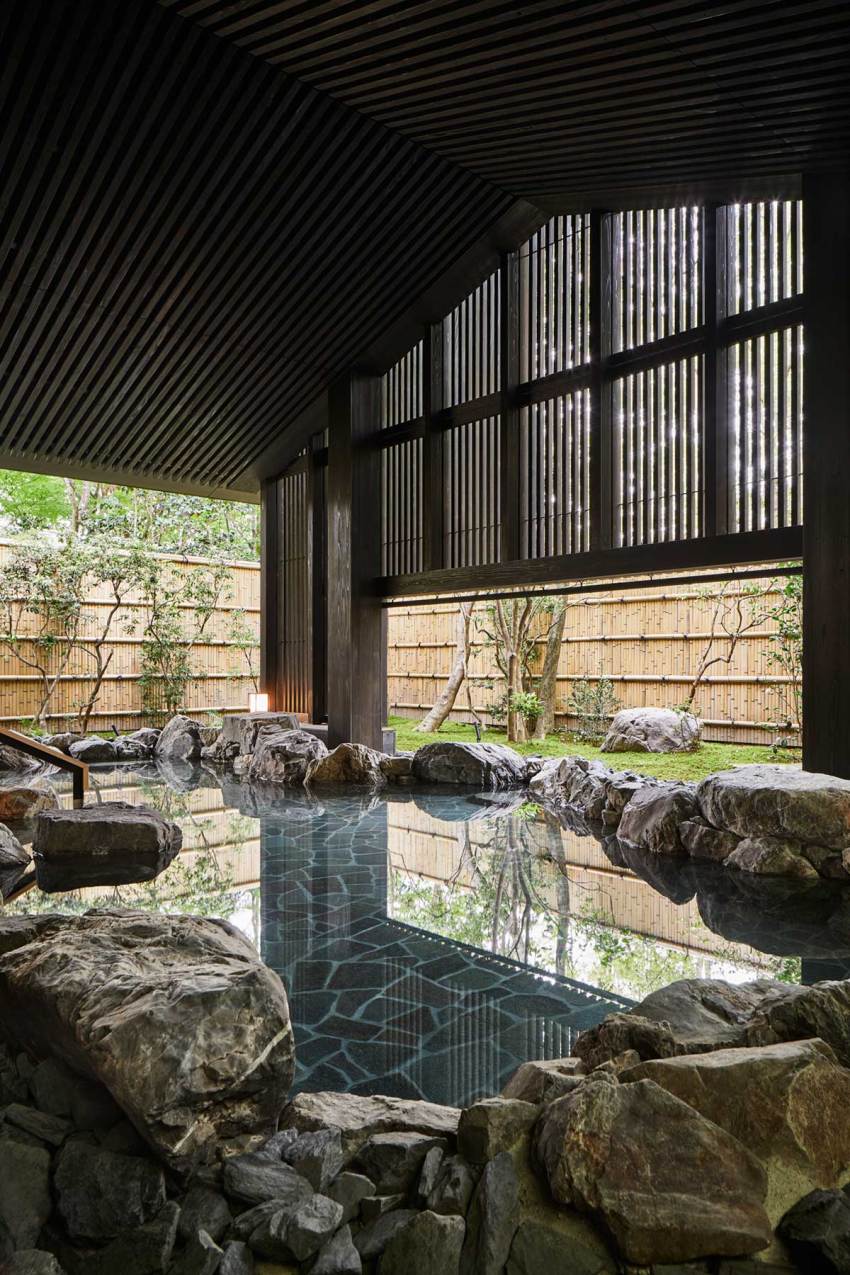
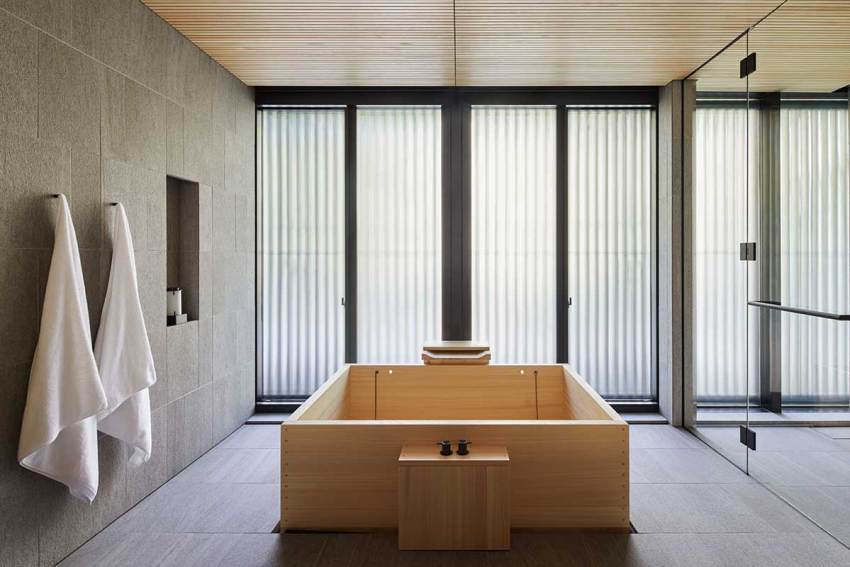
Contemporary interpretations of the ryokan combine hinoki baths, washi paper, natural timber, and exceptional Kyoto craftsmanship with Aman’s signature restraint.
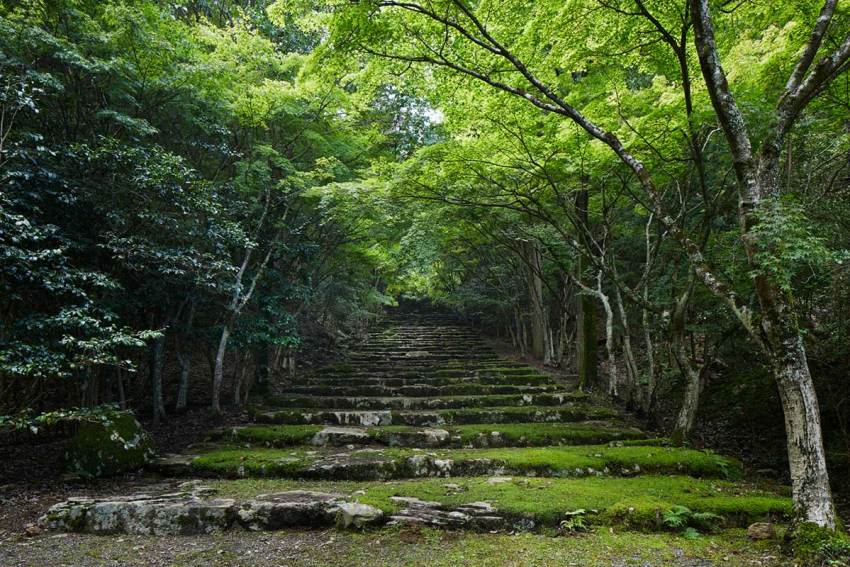
An extraordinary setting of moss gardens, maple groves, ancient stone pathways, and cedar forest that makes nature the defining experience of the hotel.
The Stay
Aman Kyoto | Japan
A Secret Kyoto
Some hotels retreat from the city. Aman Kyoto seems to disappear from it entirely. Hidden within 32 hectares of forest at the foot of Mount Daimonji, the resort occupies an extraordinary landscape of moss-covered stones, maple trees, cedar groves, and pathways that feel as though they have existed for centuries. The land was once assembled by a collector who dreamed of creating a museum devoted to Kyoto’s celebrated obi textiles. The museum was never built, leaving the landscape largely untouched until Aman discovered it decades later. What remained was something far more valuable: silence, space, and a secret garden waiting in the forest.
Architecture That Almost Disappears
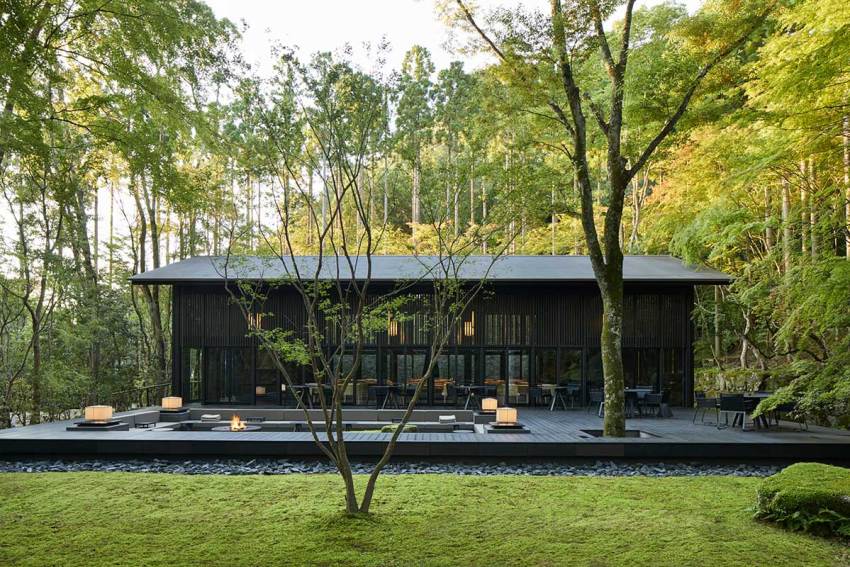
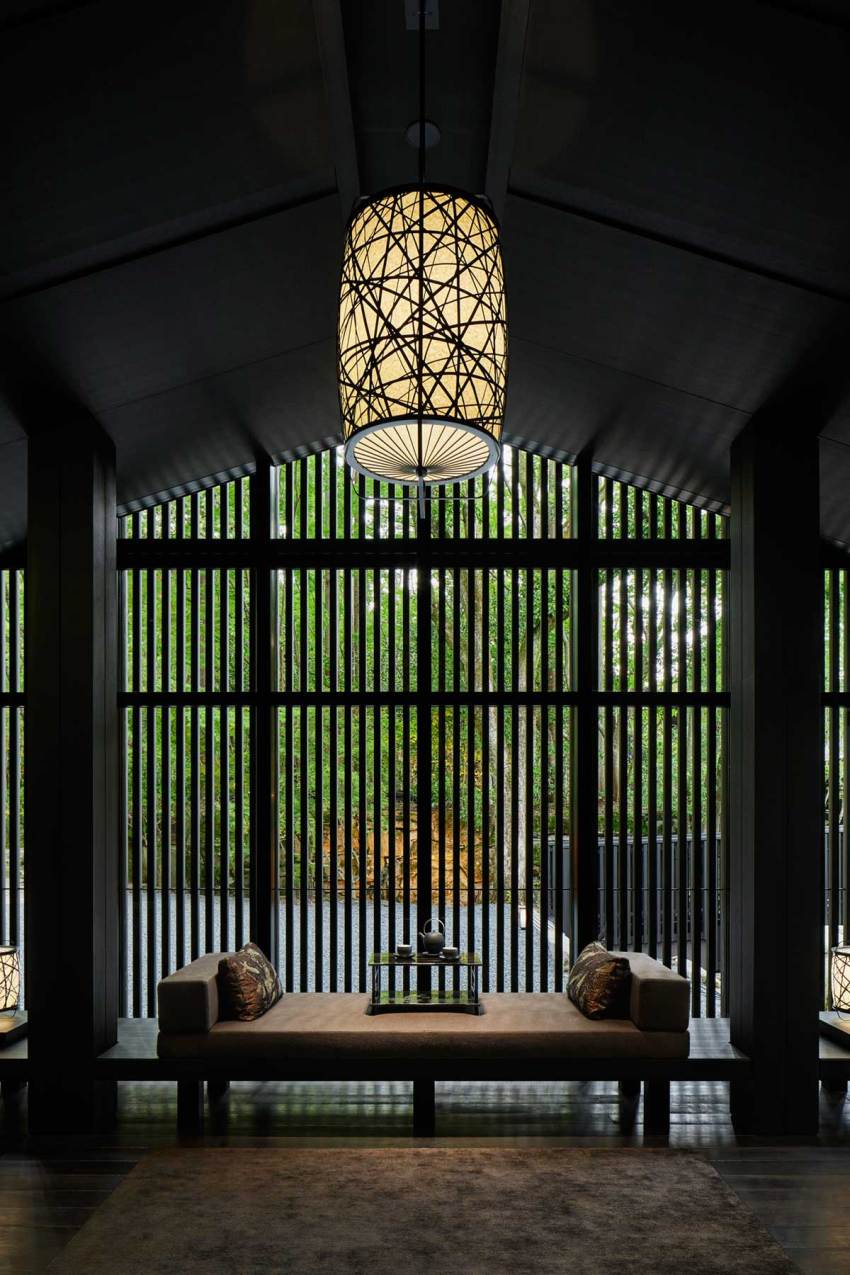
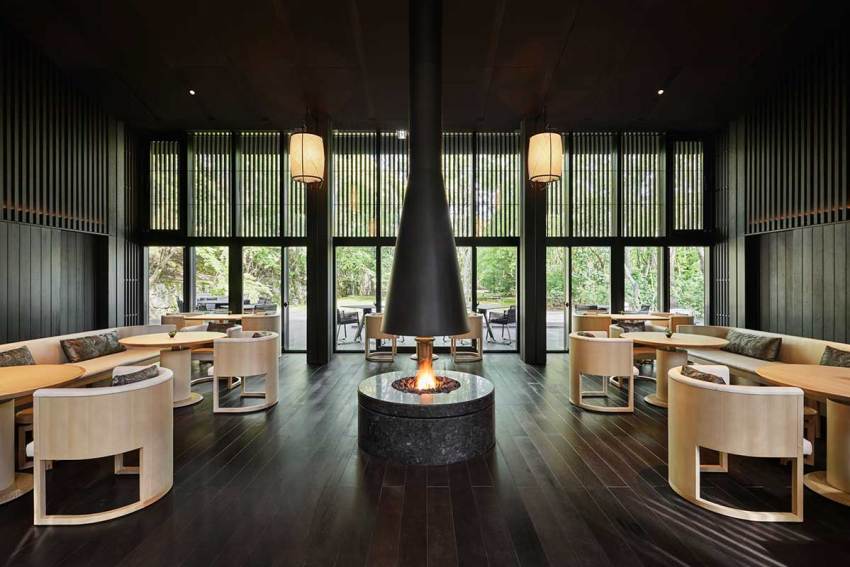
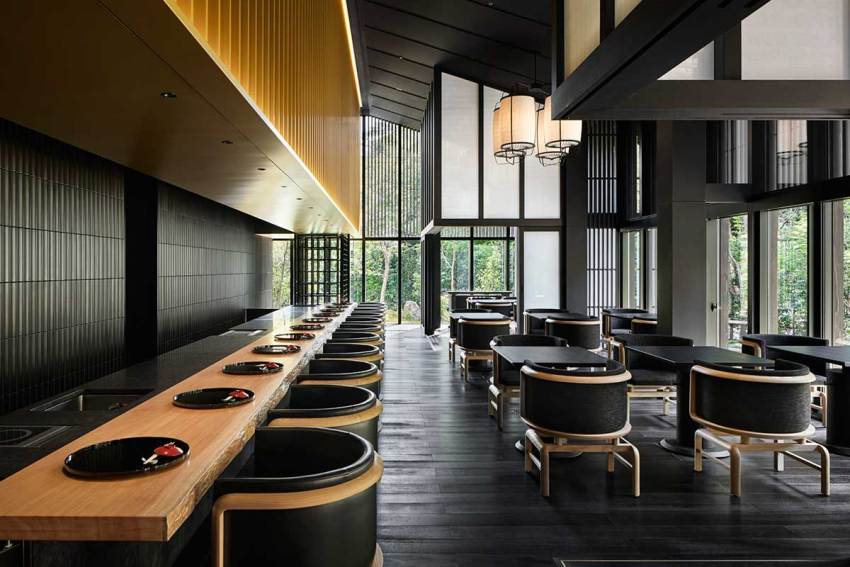
For the late architect Kerry Hill, the landscape demanded restraint. Rather than imposing a monumental resort upon it, he scattered a collection of low pavilions between the trees, allowing the forest to remain the protagonist. Timber screens, natural stone, dark metal, and expansive glazing give the architecture an almost elemental simplicity. Covered walkways frame fragments of moss and forest. Glass walls dissolve boundaries between inside and outside. Changing daylight becomes as important as any material. The buildings don’t ask to be admired. They ask you to look beyond them.
A Contemporary Interpretation of the Ryokan
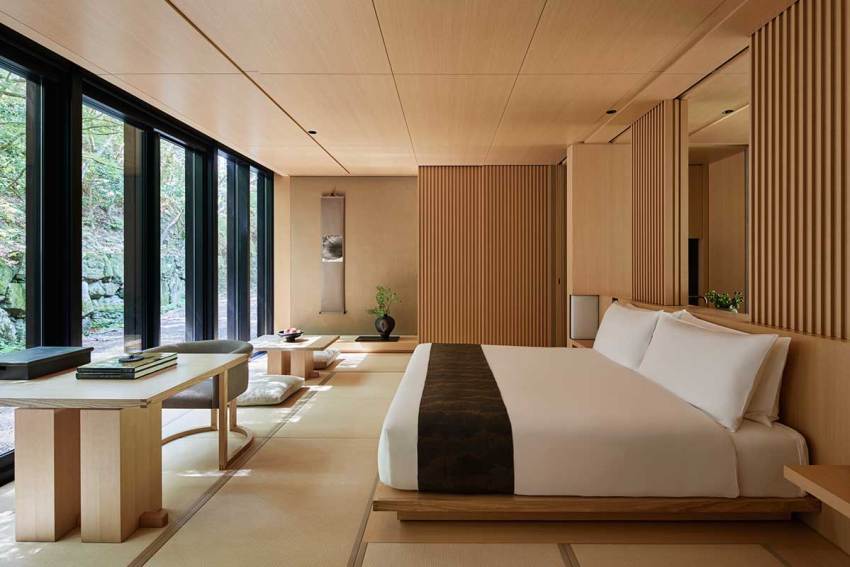
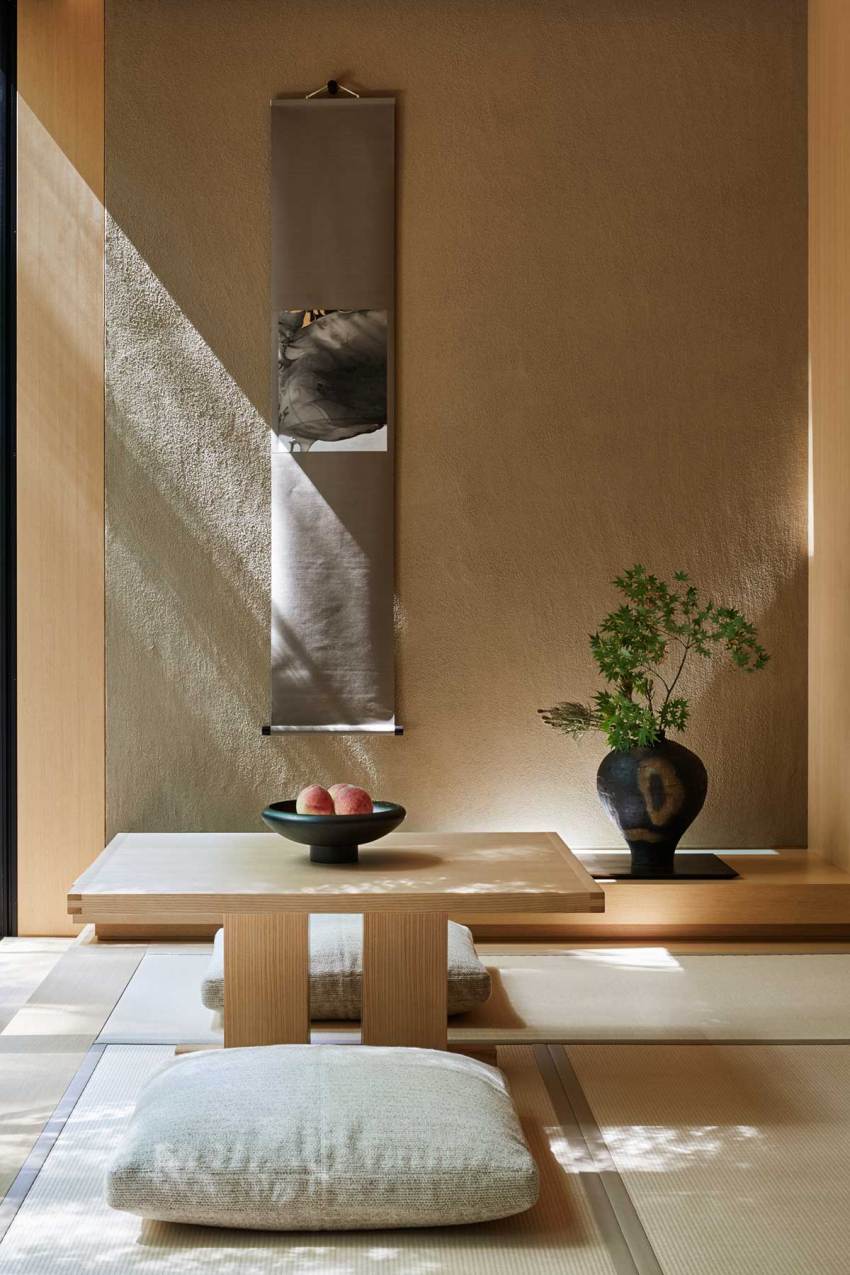
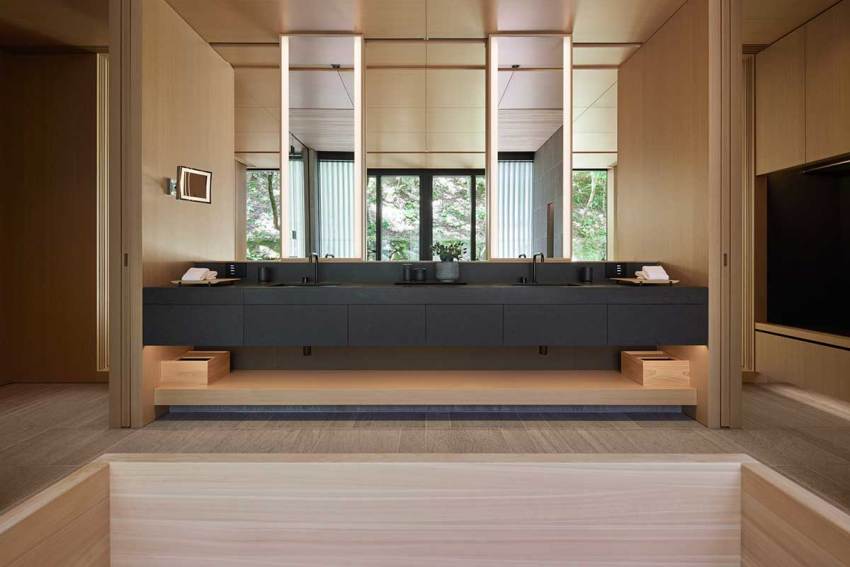
The guestrooms continue this philosophy of quiet reduction. Natural timber, handmade washi paper, stone, ceramics, calligraphy, and tactile textiles reference Japanese traditions without attempting to recreate a historic ryokan. Deep hinoki cypress baths transform bathing into ritual, while floor-to-ceiling windows turn the surrounding forest into living artwork. And that artwork constantly changes. Spring brings blossom. Summer fills the windows with intense green. Autumn turns the maples crimson and gold. Winter reduces the landscape to branches, stone, and snow. The rooms need remarkably little decoration when nature provides so much.
A Landscape Made for Wandering
Moving through Aman Kyoto is part of the experience. There is no theatrical central axis or grand procession through the resort. Instead, pathways wander between trees, across stone bridges, past hidden gardens, and through landscapes shaped by moss, water, and changing light. The property reveals itself gradually. Morning mist catches between cedar trunks. Sunlight illuminates an old stone lantern. A garden suddenly appears beyond a bend in the path. Architecture continually steps aside to let these moments take over.
Kyoto Through Food and Ritual
The connection to place extends naturally into dining. At The Living Pavilion and The Restaurant by Aman, seasonal ingredients and Kyoto’s culinary traditions shape menus influenced by kaiseki and the surrounding landscape. Mountain vegetables, local produce, freshwater fish, and carefully selected sake make dining another expression of season and place. Wellness follows the same philosophy. Onsen-inspired bathing, thermal experiences, and treatments rooted in Japanese traditions unfold against forest views, making the spa feel less like a separate facility than another layer of the landscape. Everything returns to the same essential elements: water, wood, stone, silence.
Why It Works
Aman Kyoto is an exceptional demonstration of what happens when architecture knows when to disappear. In one of Kerry Hill’s final works, buildings, gardens, craftsmanship, and hospitality become almost inseparable from the forest surrounding them. There is extraordinary luxury here, but remarkably little spectacle. Instead, Aman gives prominence to things that cannot easily be manufactured: space, silence, changing seasons, and time. It is Kyoto distilled to its quietest elements—and one of the purest expressions of the Aman philosophy.
Information
At a glance
Architecture
Kerry Hill Architects
Opened / Renovated
2019
Size matters
24 rooms & 2 villas (60-241m2) (646-2,594 sq ft)
Interior design
Kerry Hill Architects
Bathroom Amenities
custom
Featured in
Don't take our word for it


Handpicked worldwide
A carefully curated collection of exceptional boutique and design hotels across the globe.
Design with soul
Architecture, atmosphere and craftsmanship come together in stays with a clear identity.
Hidden, not hyped
Independent boutique hotels you rarely find on mainstream booking platforms.
Travel guidance
Personal recommendations and thoughtful support from people who actually know the places.