


A Different Side of San Sebastián
ARIMA Hotel brings Passivhaus architecture, Scandinavian calm, forest views and serious wellness together in a sustainable retreat on the green edge of San Sebastián.

Why DNA Hotels loves it
Passivhaus certification is integral to the architecture, from the sun-responsive aluminium façade to heat-recovery ventilation, rainwater reuse, and carefully controlled indoor air quality.
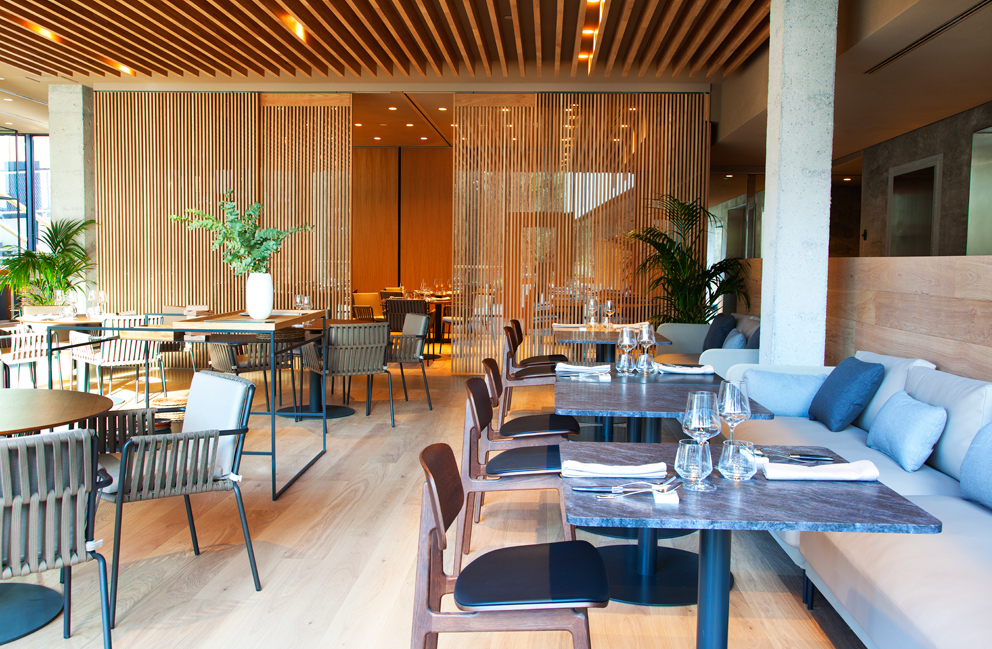
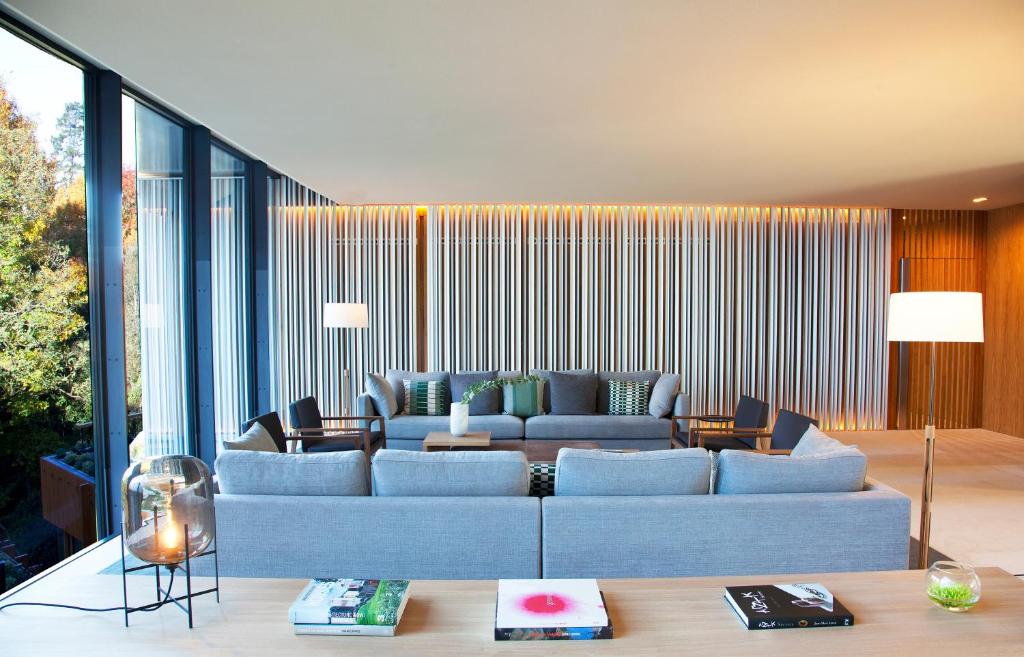
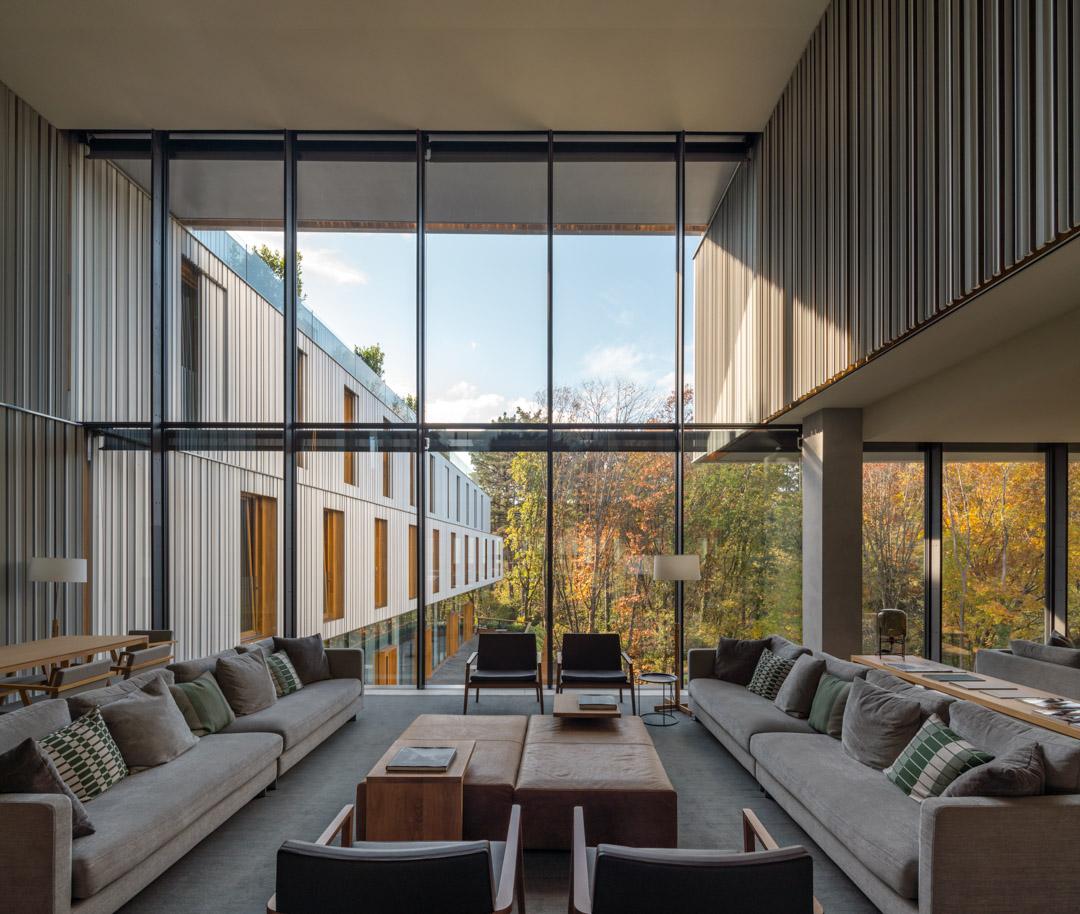
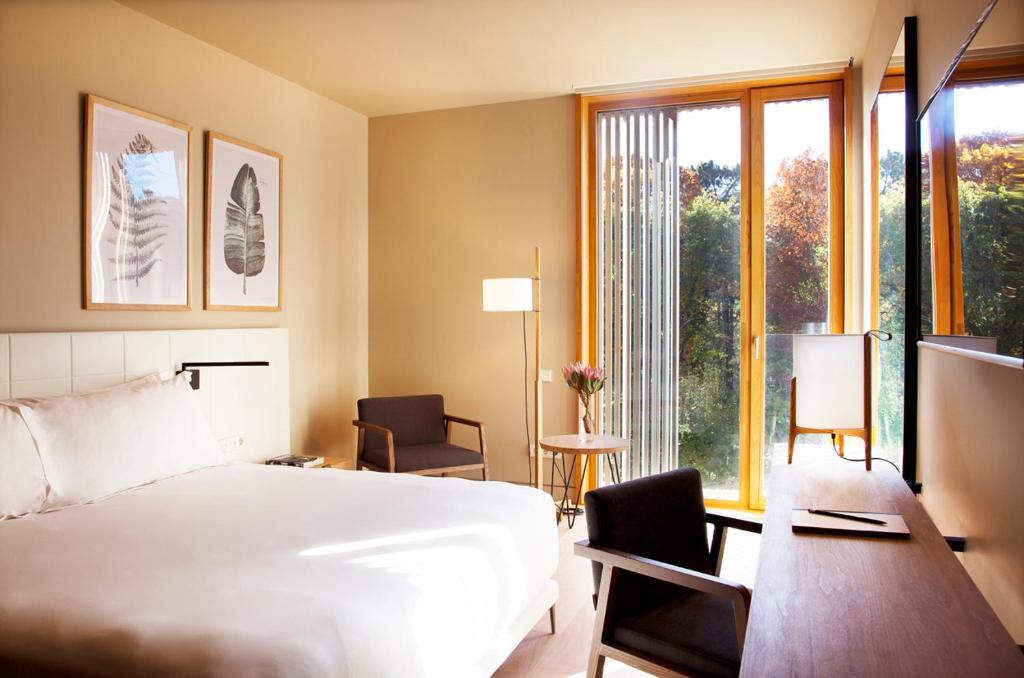
The 69 rooms and public spaces pair pale timber, natural light, botanical references, and Nordic restraint with views into the surrounding Miramón Forest.
Sustainability continues beyond the guestrooms into Foresta, its Passivhaus wellness complex, and restaurants built around organic and locally sourced produce.
The Stay
A Passivhaus-certified retreat where Scandinavian calm, Basque forest, and serious sustainable design come together
San Sebastián is usually sold through beaches, pintxos bars, Belle Époque architecture, and some of the most celebrated restaurants in Europe. ARIMA Hotel offers another version of the city. Set among the trees of Miramón Forest, less than three miles from the centre, this family-run hotel exchanges urban intensity for greenery, silence, and an unusually serious approach to environmental design. The result feels closer to a Scandinavian forest retreat than a conventional city hotel. But beneath that apparent simplicity is a building doing a remarkable amount of work.
A Façade That Follows the Sun
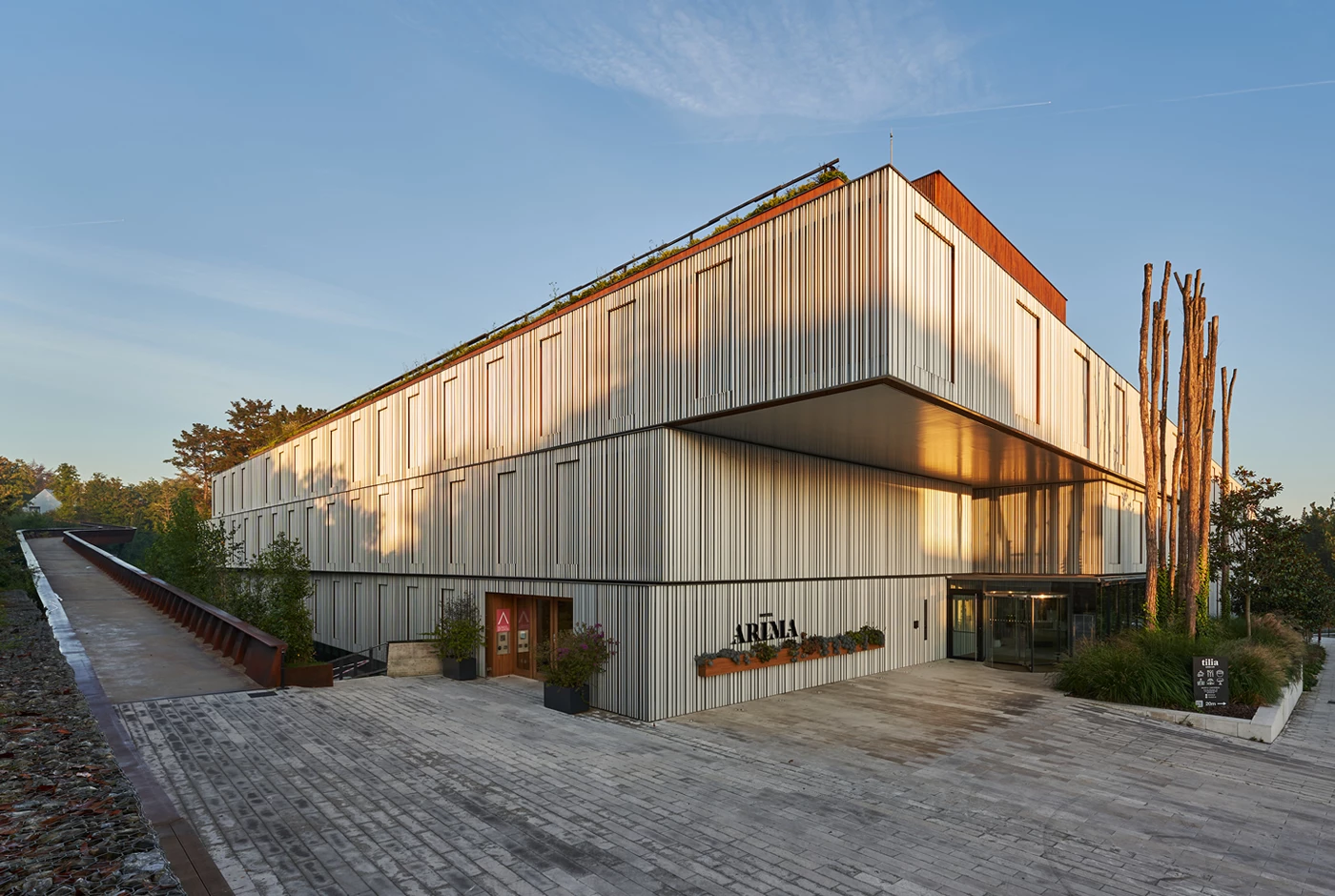
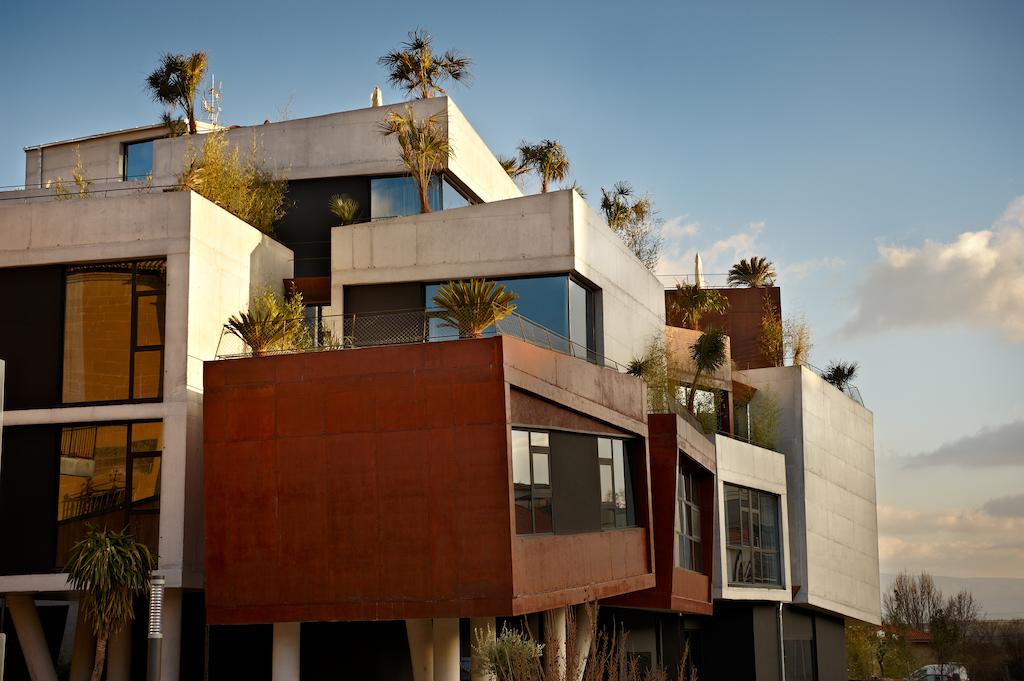
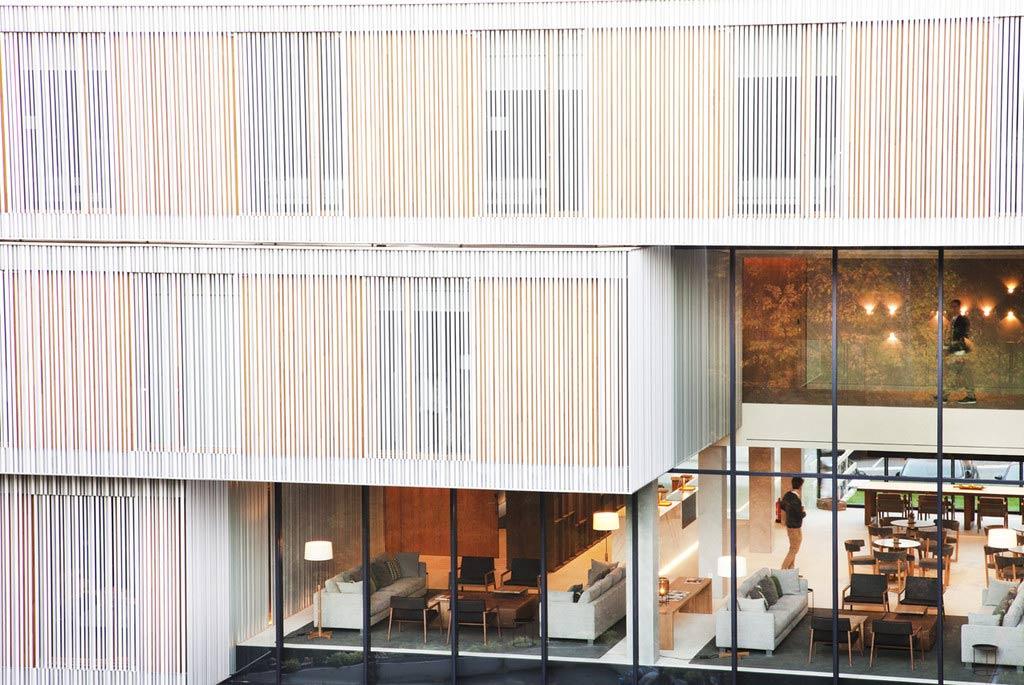
ARIMA’s most visible environmental feature wraps around its exterior. Rows of aluminium slats give the building an almost armour-like appearance, creating strong vertical rhythms across the façade. They are not simply decorative. The elements move according to the position of the sun, controlling solar gain and helping regulate temperatures inside the building. It is one component of a much larger strategy that earned ARIMA Passivhaus certification, with extremely low energy consumption achieved through insulation, airtight construction, heat recovery, solar control, and carefully managed ventilation. Sustainability here is architecture. Not styling.
The Luxury of Good Air
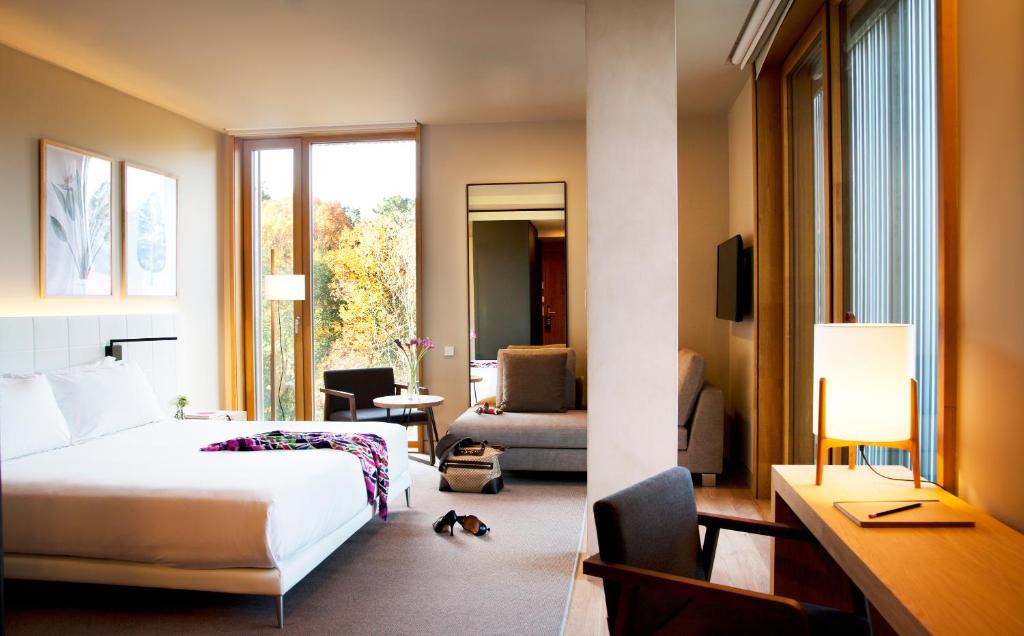
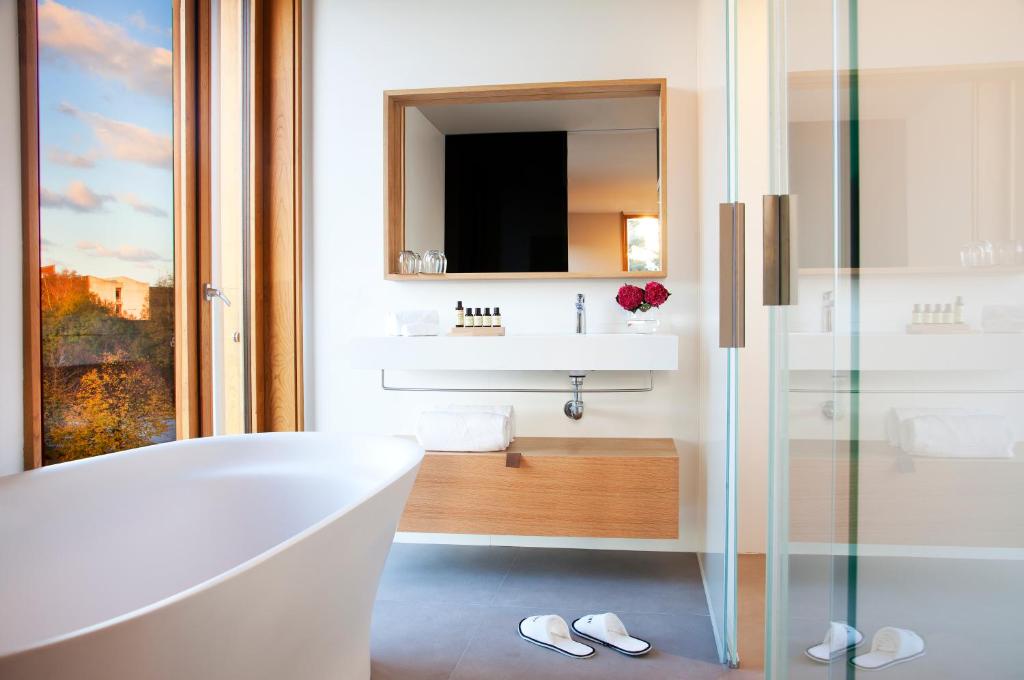
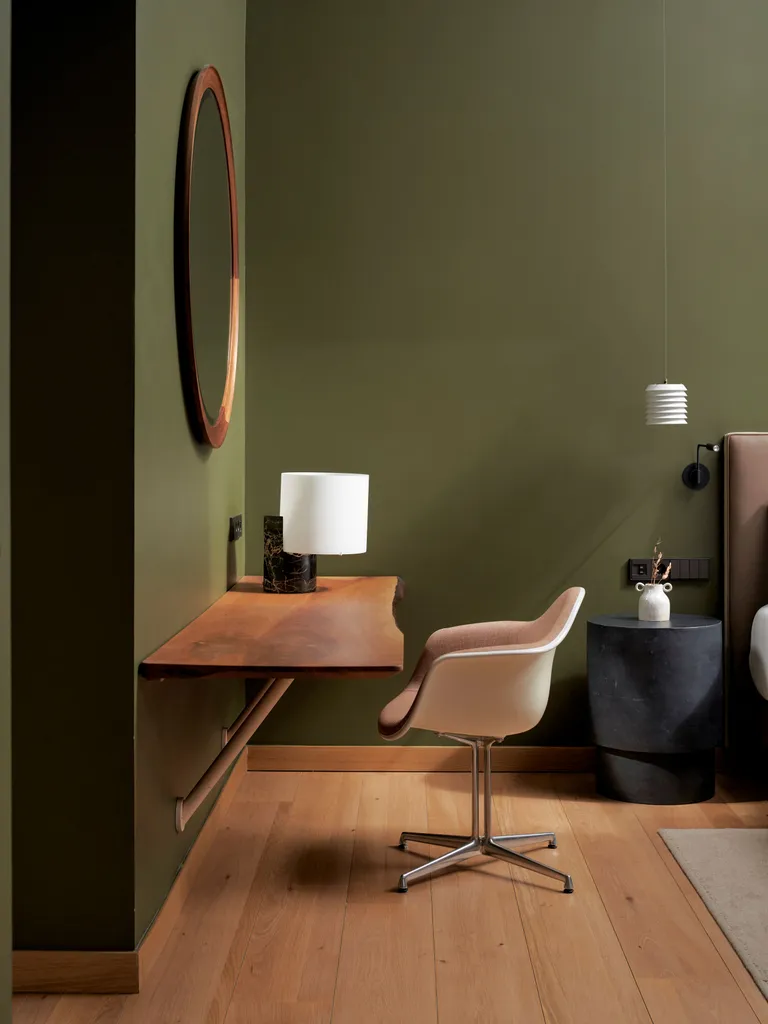
Inside, the technology largely disappears. The 69 rooms are bright and deliberately restrained, dominated by white surfaces, pale timber, soft textiles, and botanical artwork. Large windows pull the surrounding greenery into the rooms. Lighting and blinds are centrally controlled, while the mechanical ventilation system continuously manages air quality, humidity, temperature, and CO₂ levels. Even the toilets use filtered rainwater. Recycling bins are integrated discreetly into the bathroom cabinetry. Soundproofing adds another, less visible form of comfort. ARIMA demonstrates something sustainable hotels sometimes forget: environmental performance is most convincing when the guest experiences it simply as a better room.
Scandinavian Calm in Basque Country
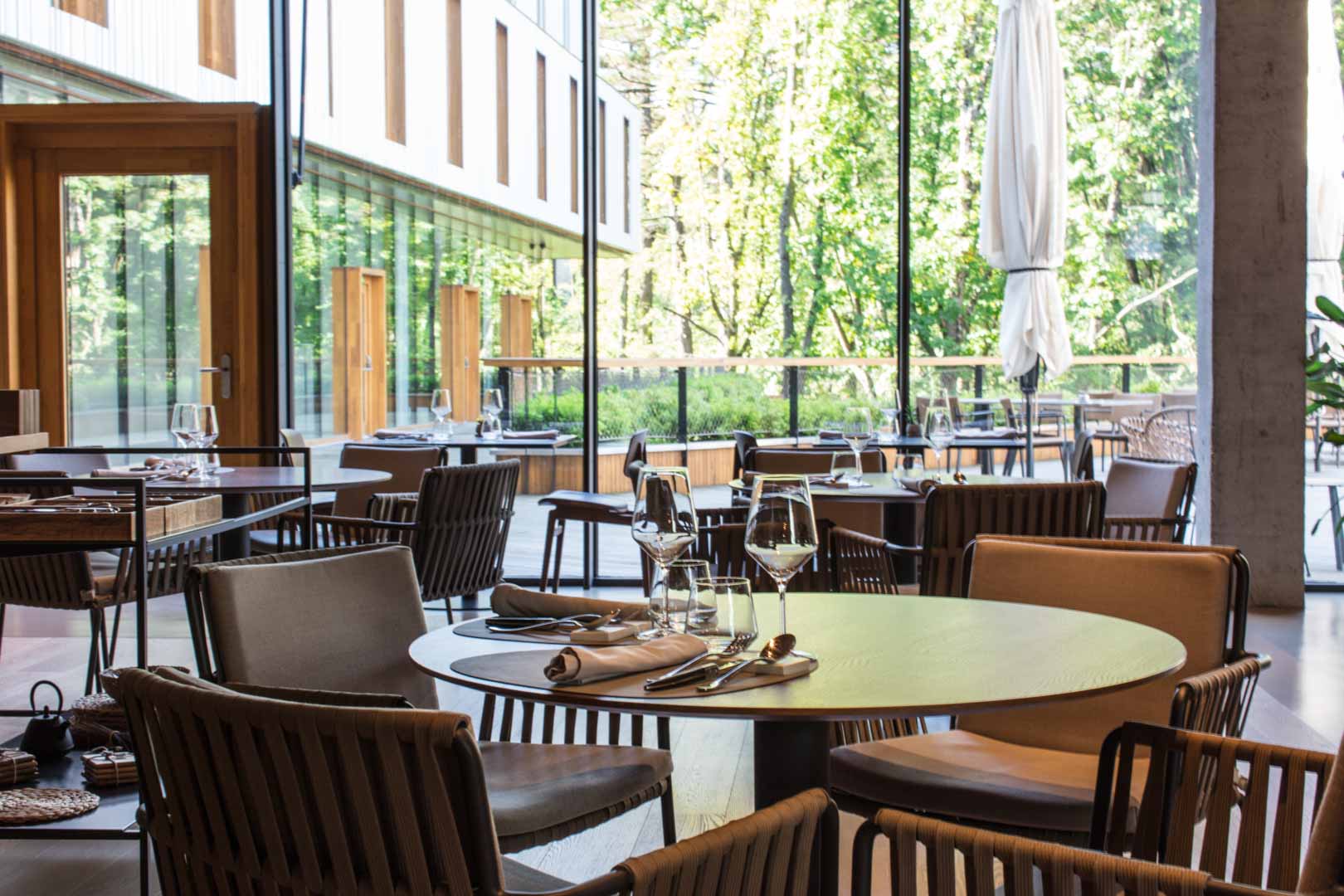
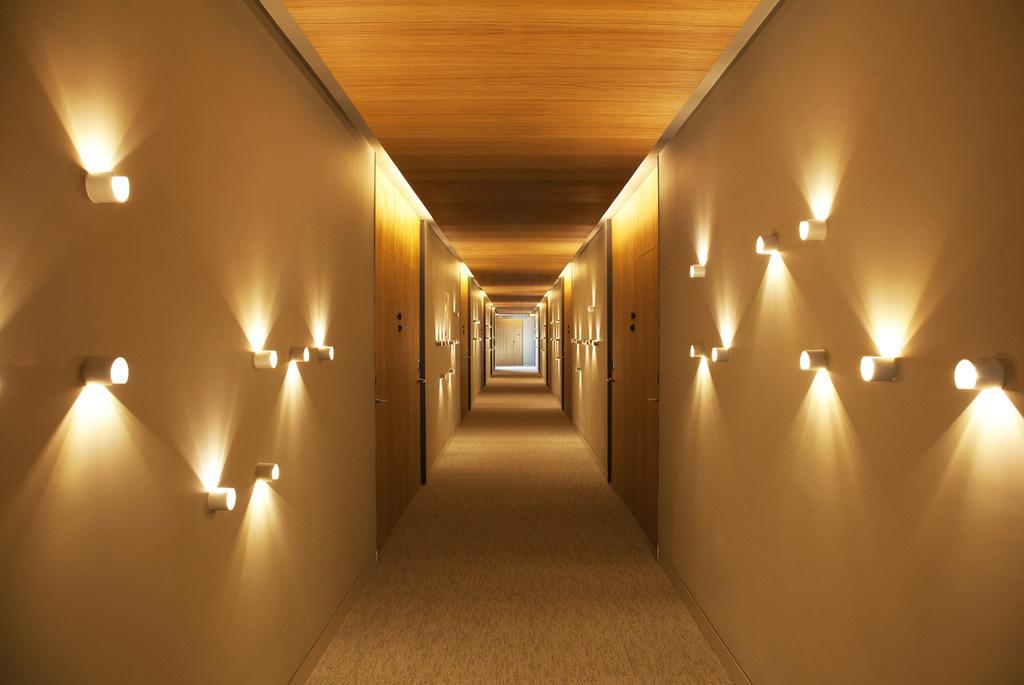
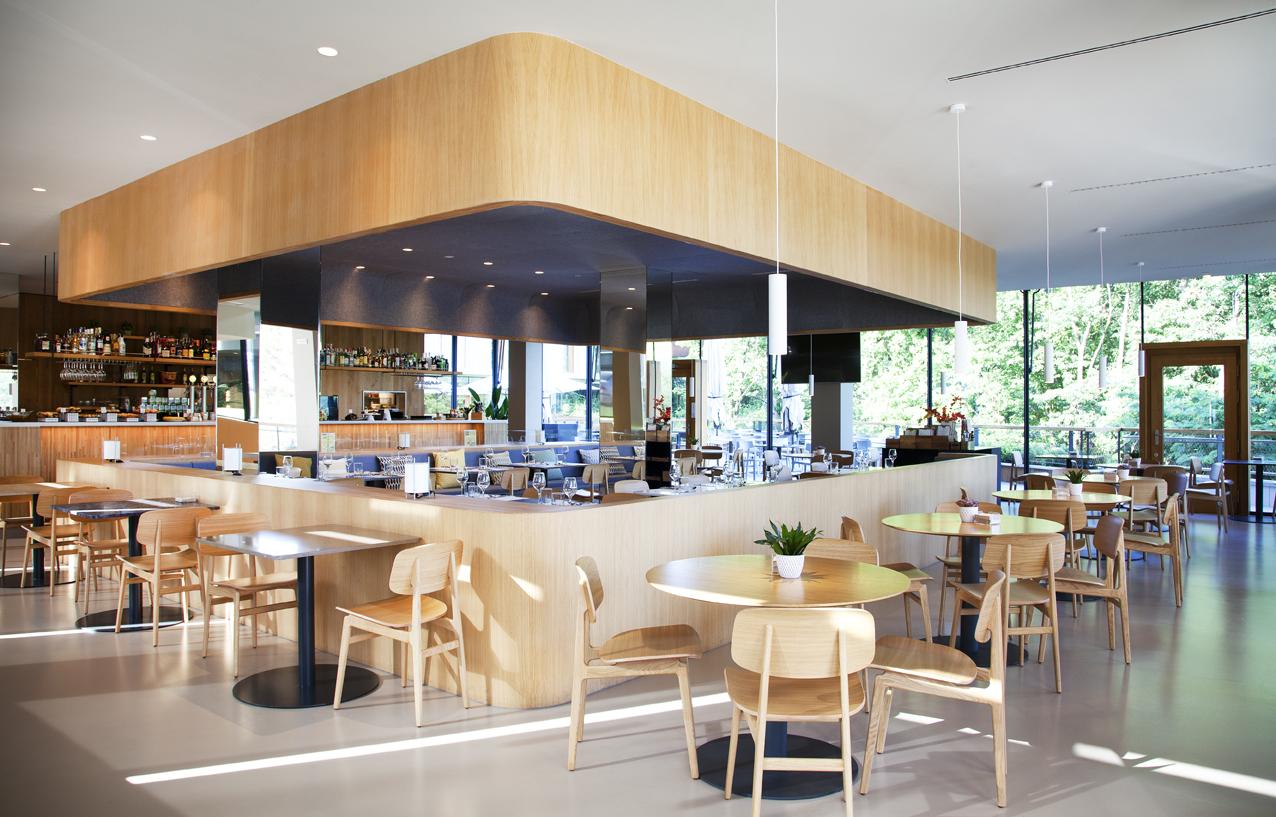
The public spaces follow the same visual language. Floor-to-ceiling glazing. Light woods. Nordic-influenced furniture. Soft illumination. Long views through the building toward the forest. There is little visual noise. Rather than filling the hotel with obvious references to Basque culture, the interiors respond to the landscape through material, light, and atmosphere. The architecture creates distance from the city without actually requiring guests to leave it behind. San Sebastián remains close. The forest feels closer.
Foresta Goes Further
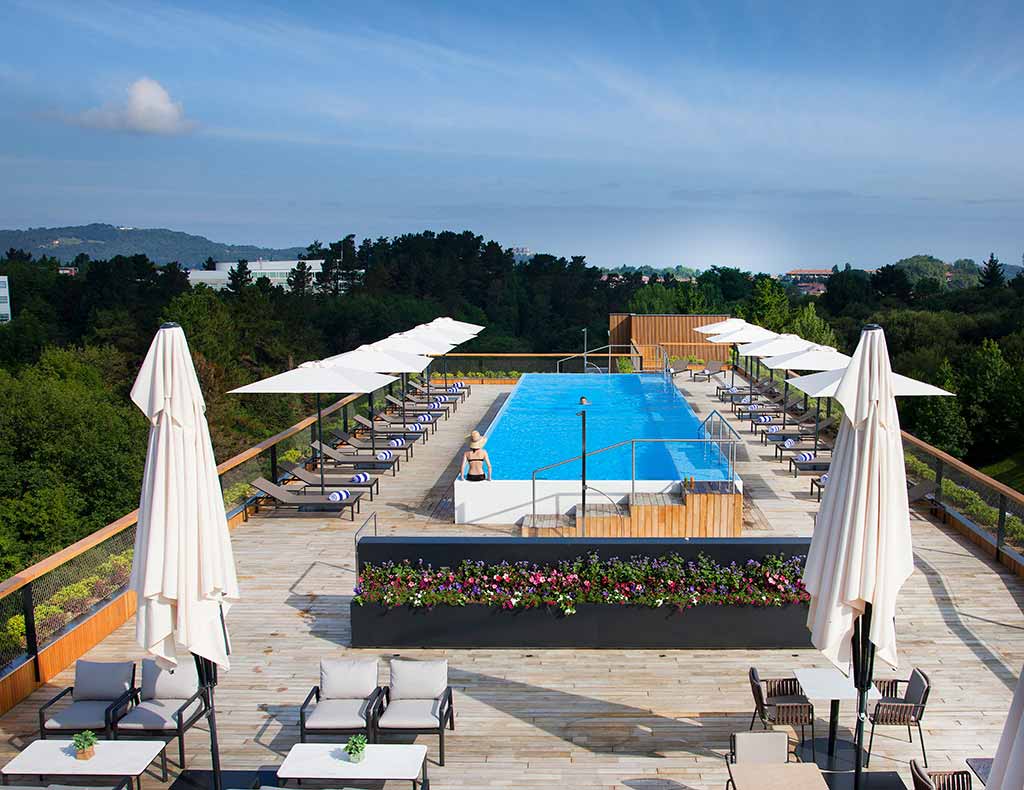
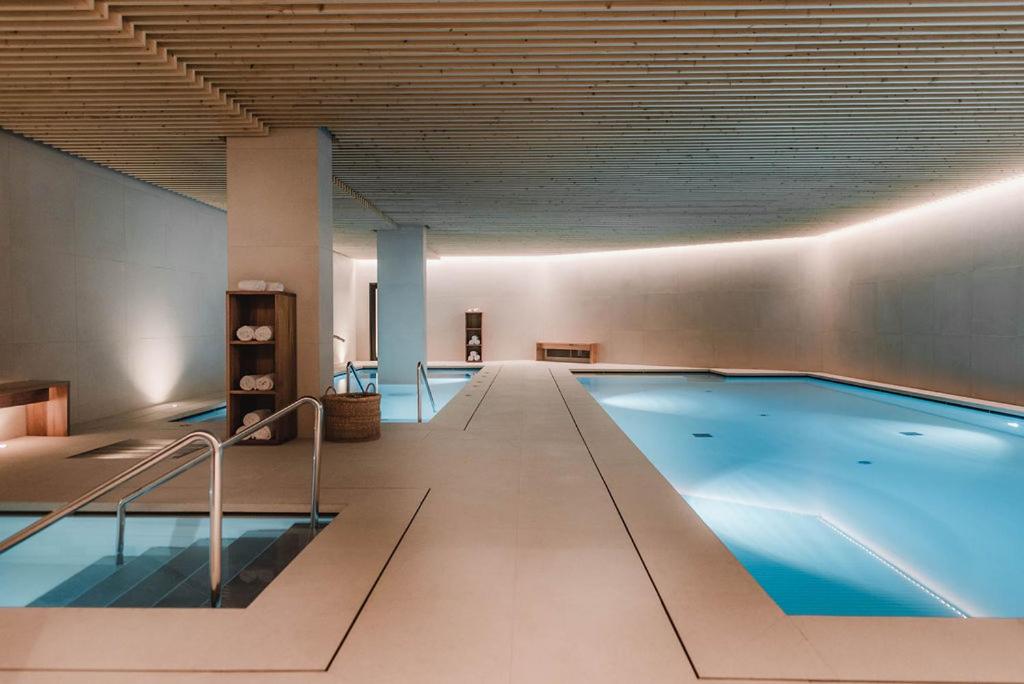
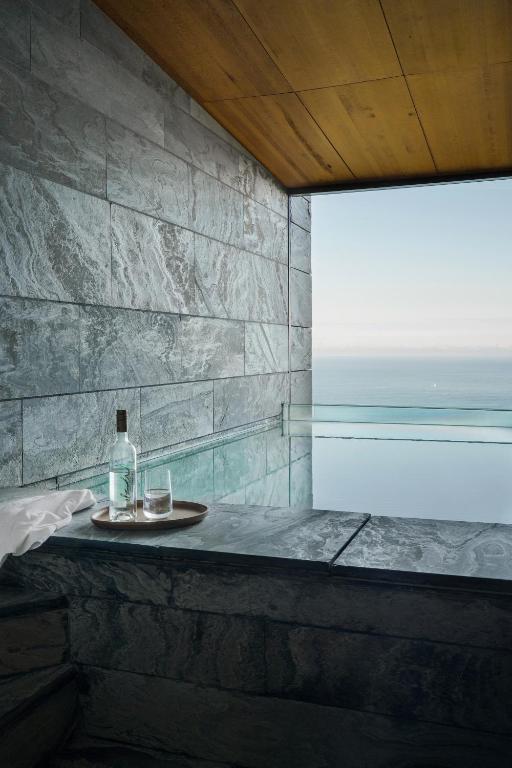
The wellness complex occupies the hotel’s lower level and takes ARIMA’s environmental ambitions somewhere unusual. Foresta is itself designed according to Passivhaus principles, an impressive proposition for an energy-intensive spa environment. There is a hydrotherapy pool, swimming pool, ice plunge, infrared saunas, treatment rooms using Natura Bissé products, and an extensively equipped gym with dedicated spaces for classes. During summer, attention shifts upward. A seasonal rooftop pool and bar open above the trees, giving the otherwise inward-looking hotel a more social dimension. It is one of Arima’s clever contrasts. Forest retreat below. Summer rooftop above.
Basque Produce, Lighter Touch
Food follows the same locally grounded philosophy. Misura is the more ambitious restaurant, working with seasonal produce and a menu that combines starters with dishes from the grill. Vegetables receive considerably more attention than is typical in a region famous for its devotion to meat and seafood. Tilia is the informal alternative, moving between deli, café, pintxos, and internationally influenced dishes throughout the day. Breakfast pushes the sustainability philosophy furthest, with an organic selection of breads, charcuterie, yoghurt, fruit, juices, seeds, and made-to-order dishes. Again, the environmental message is present without needing to dominate the experience.
Why It Works
ARIMA Hotel works because sustainability is not treated as a collection of worthy extras. It determines how the building shades itself, breathes, heats, cools, manages water, and connects its guests to the forest outside. The Scandinavian-influenced interiors give all that technology an unexpectedly soft expression: pale wood, daylight, silence, and greenery rather than an overtly eco aesthetic. Add the unusually ambitious Foresta wellness complex, thoughtful food, and proximity to one of Europe’s great culinary cities, and ARIMA becomes something more interesting than simply San Sebastián’s green hotel. It shows that environmental performance itself can be part of good hospitality.
Featured in
Don't take our word for it

Handpicked worldwide
A carefully curated collection of exceptional boutique and design hotels across the globe.
Design with soul
Architecture, atmosphere and craftsmanship come together in stays with a clear identity.
Hidden, not hyped
Independent boutique hotels you rarely find on mainstream booking platforms.
Travel guidance
Personal recommendations and thoughtful support from people who actually know the places.