The Hotel That Almost Isn’t There

Glass-walled cabins suspended above a wild Norwegian river valley, where Jensen & Skodvin’s architecture does almost everything possible to disappear.

Book now

Why DNA Hotels loves it

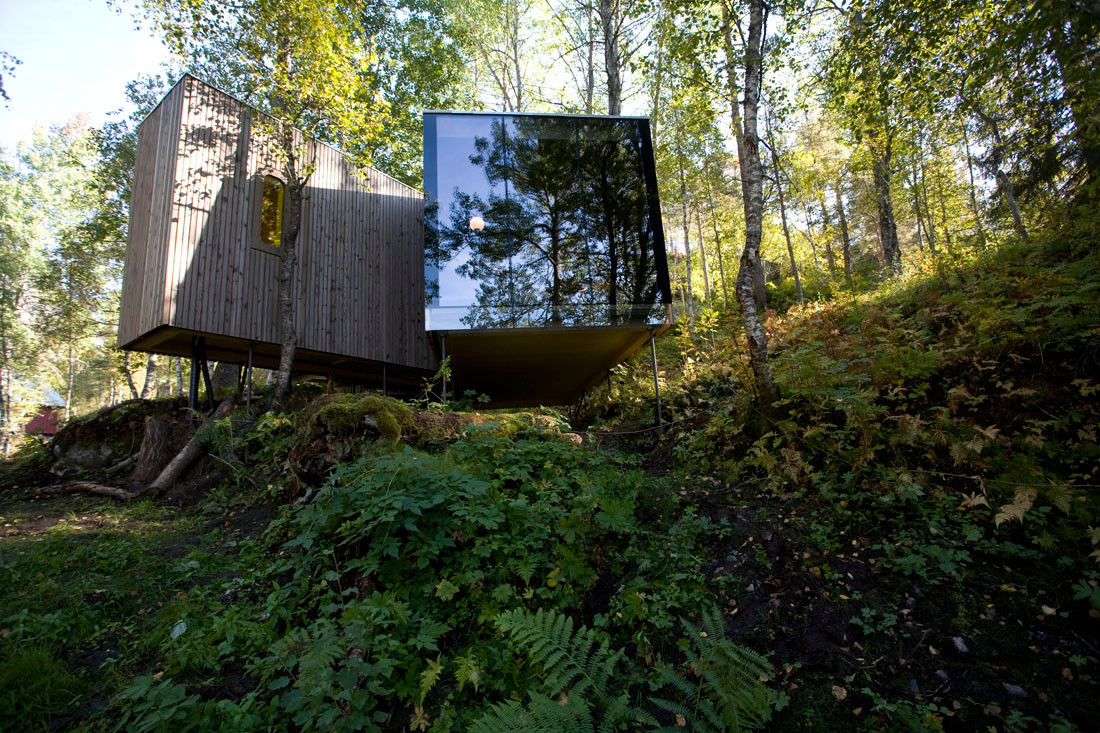
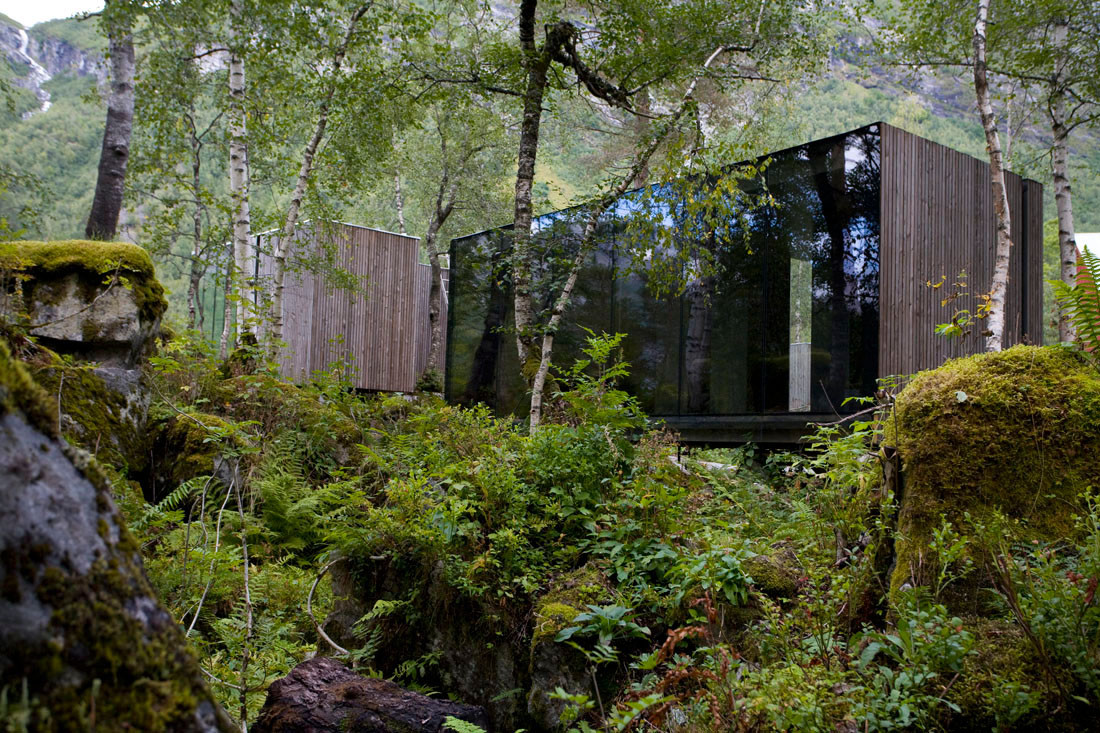
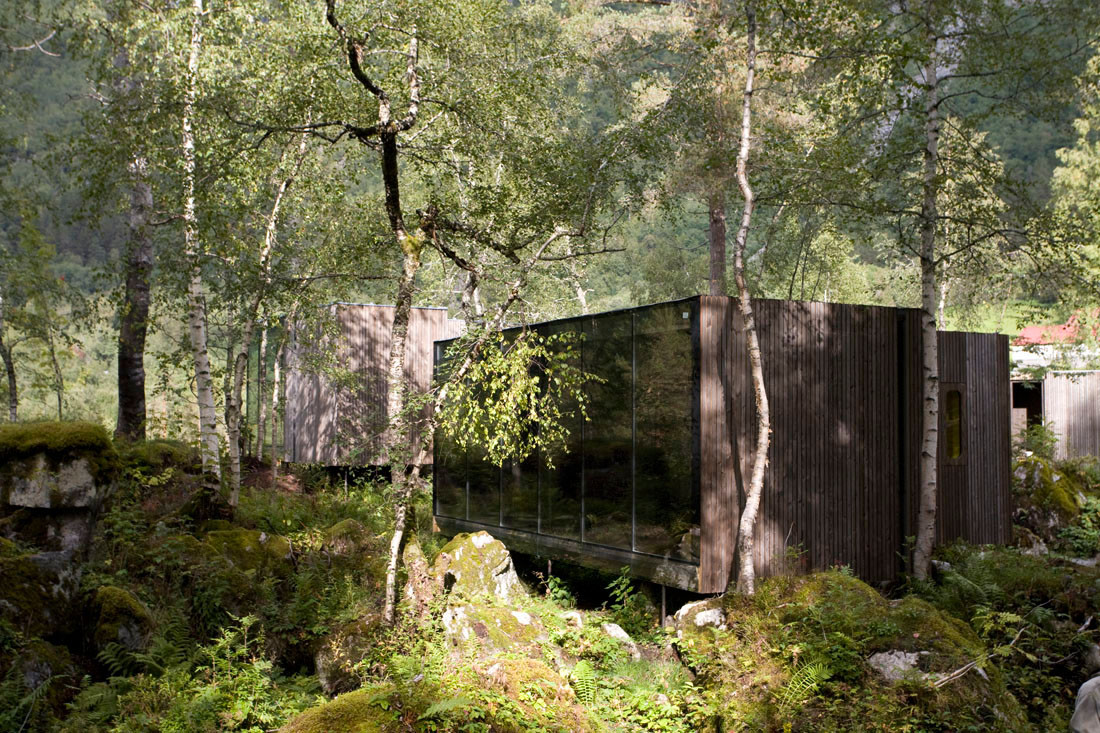
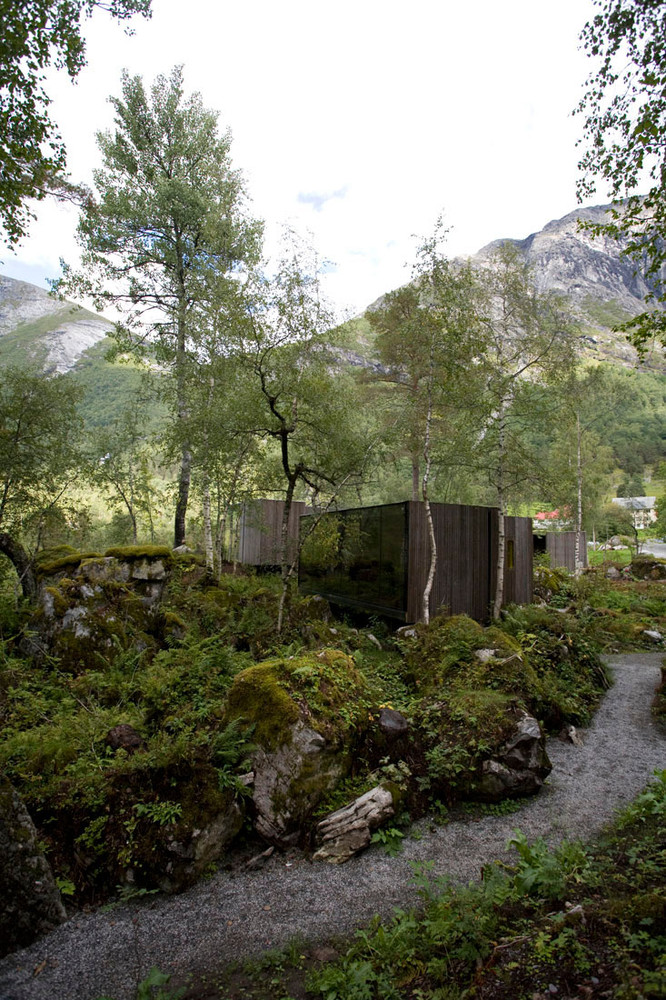
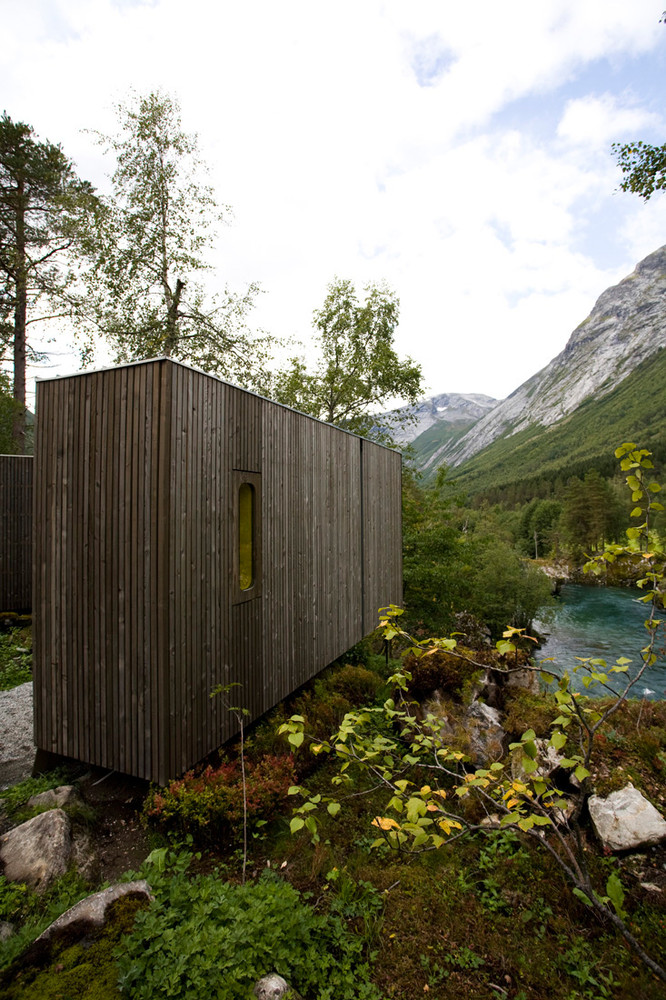
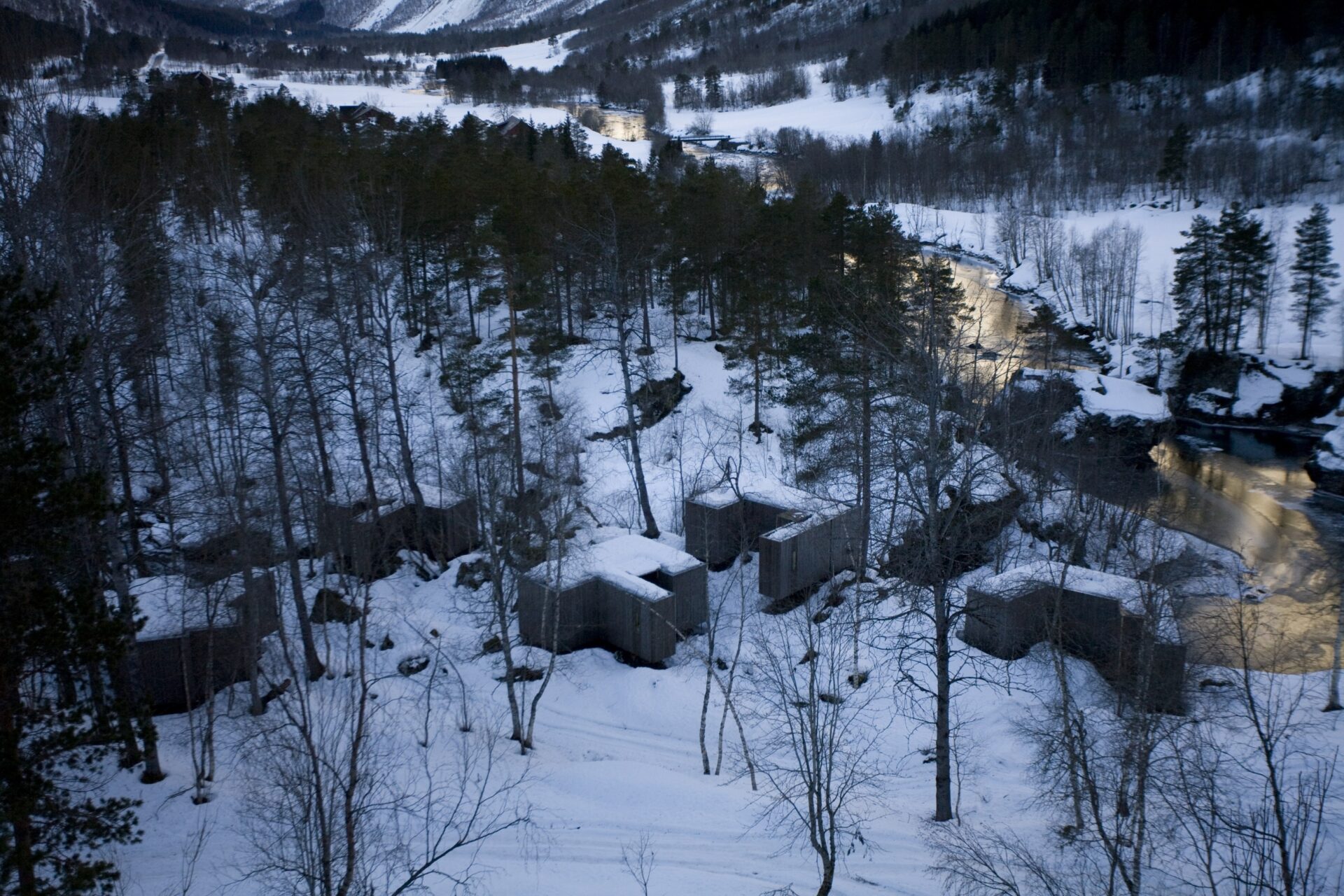
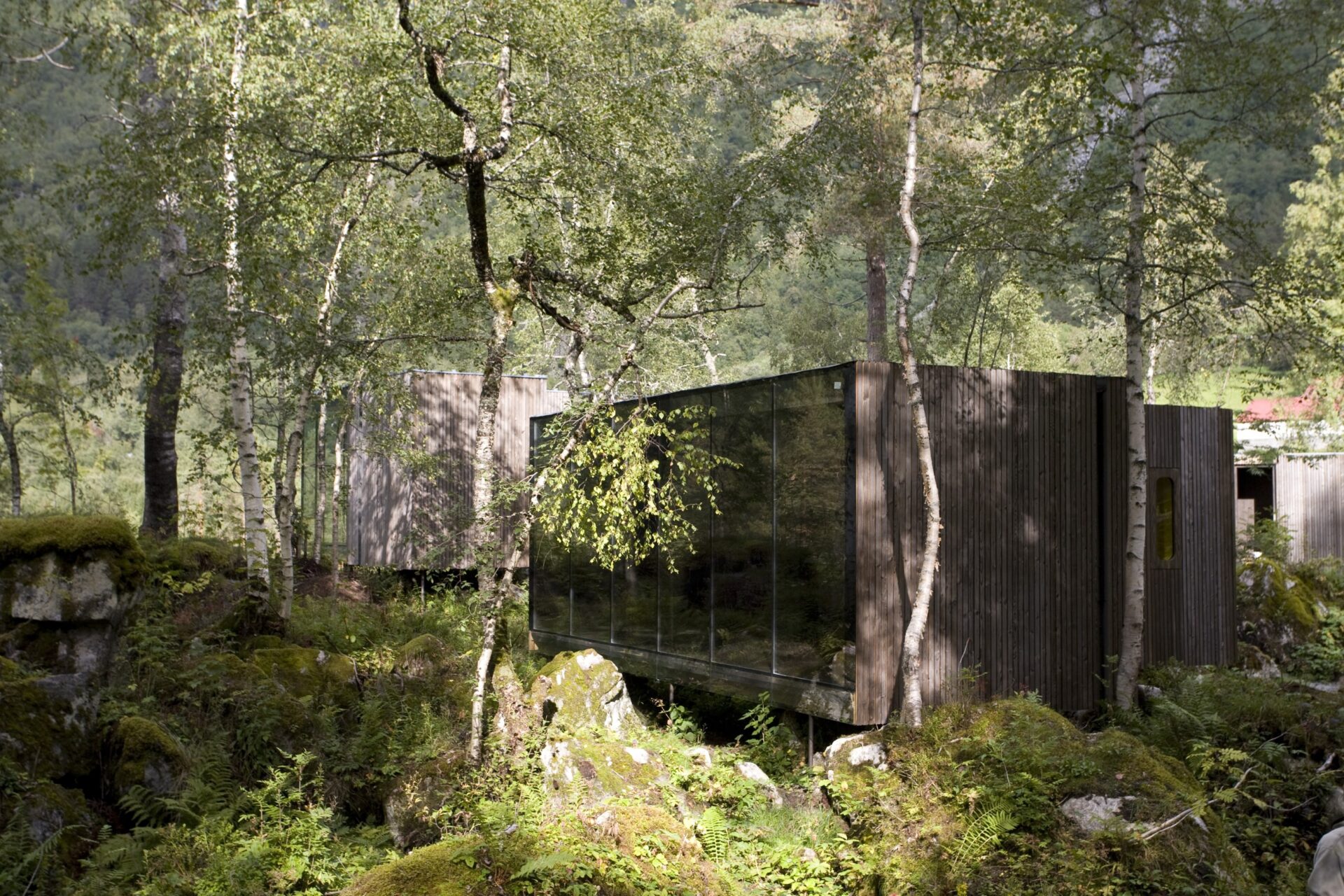
Jensen & Skodvin rejected the conventional hotel block in favour of individual timber cabins scattered through the terrain, each precisely positioned to frame its own private piece of forest, river or rock.

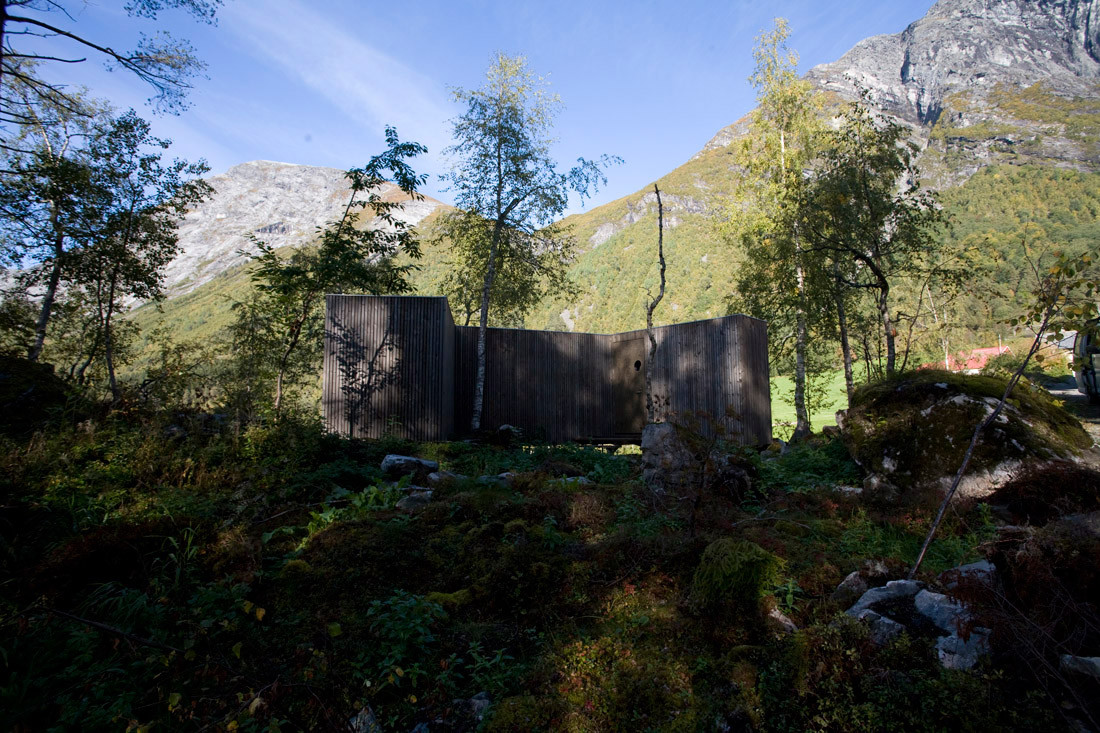
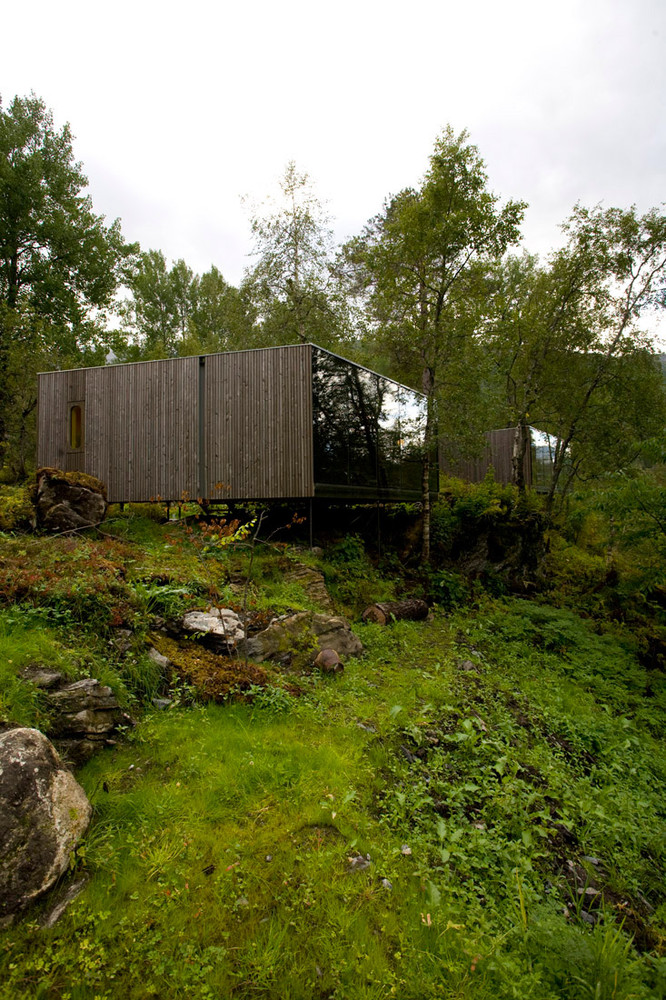
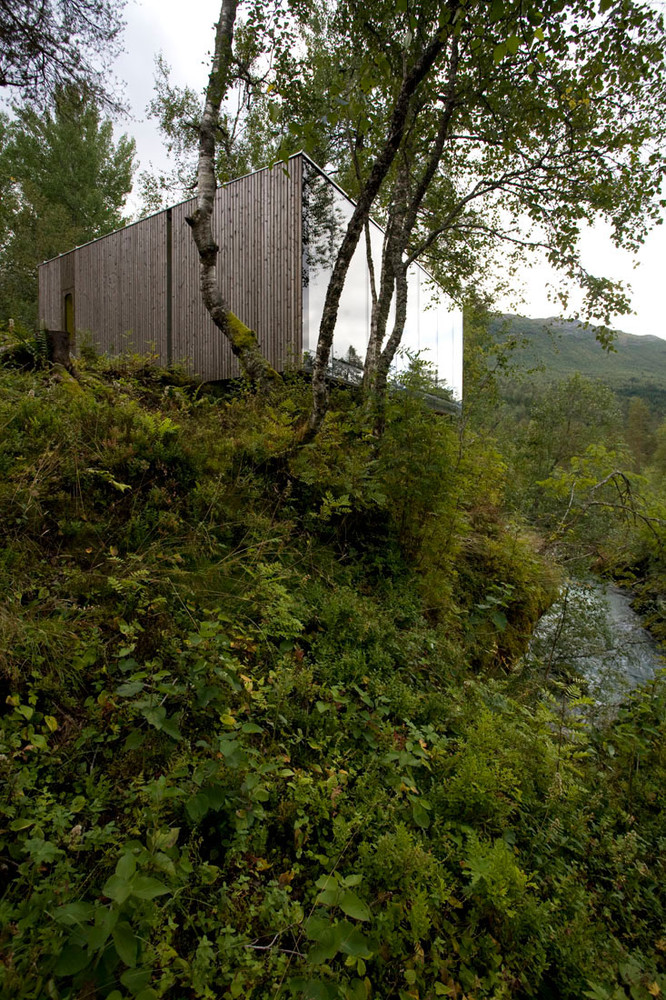
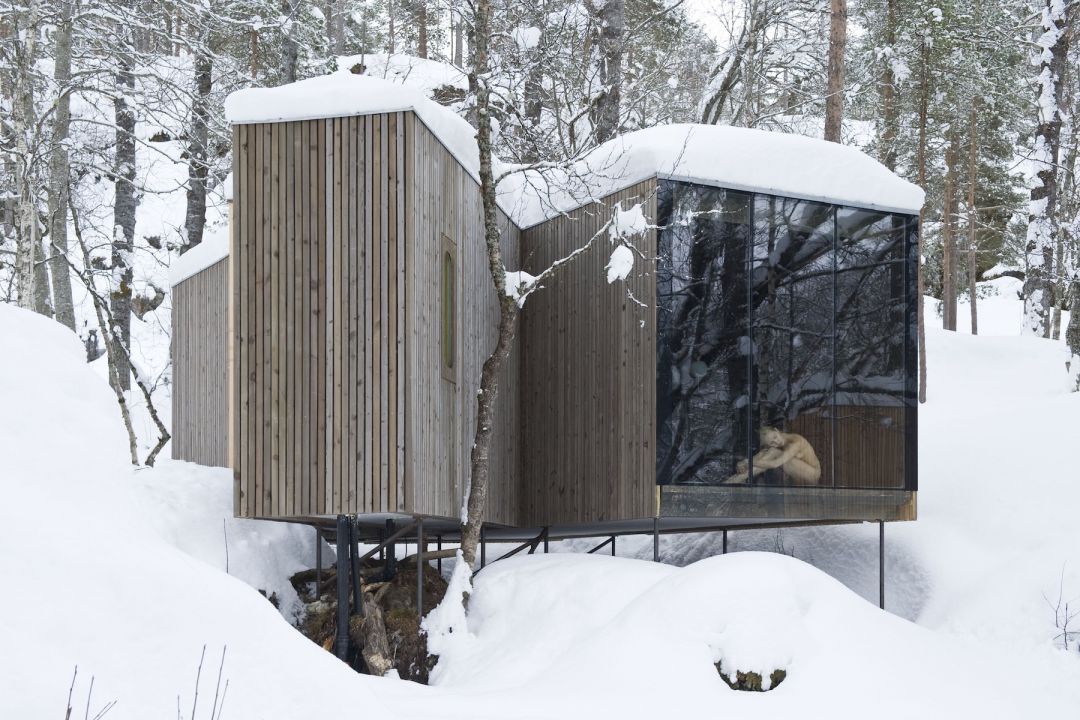
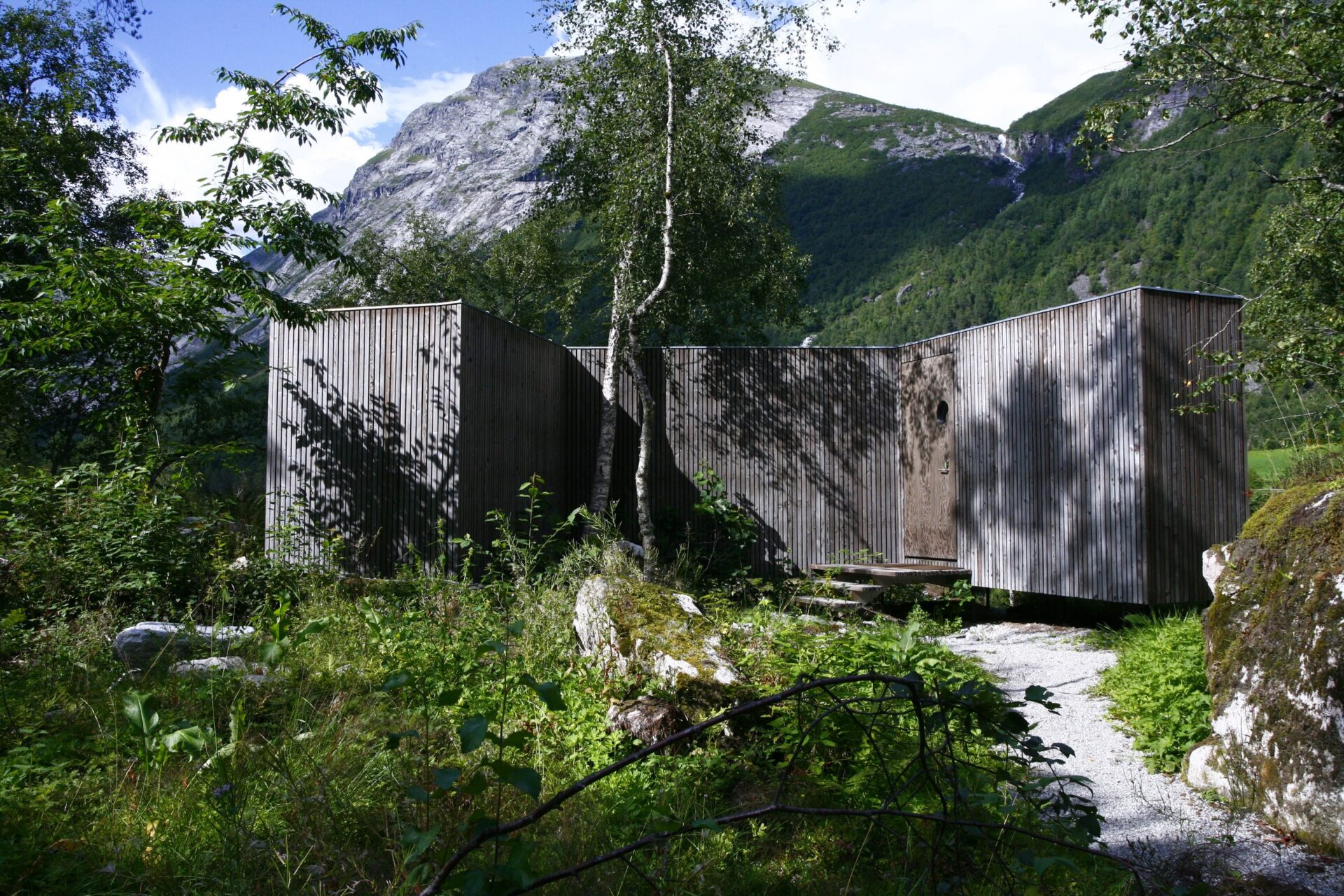
The architecture barely touches the ground: cabins stand on slender steel rods drilled into the rock, avoiding blasting, major foundations and unnecessary disturbance of the existing vegetation.

Juvet has become a modern architectural icon without becoming an architectural spectacle — famous from Ex Machina and Succession, yet still defined by moss, water, silence and the view rather than cinematic fame.

The Stay

Juvet Landscape Hotel blends radical Norwegian architecture with forest, river and rock, creating an extraordinary retreat where the landscape always takes centre stage.

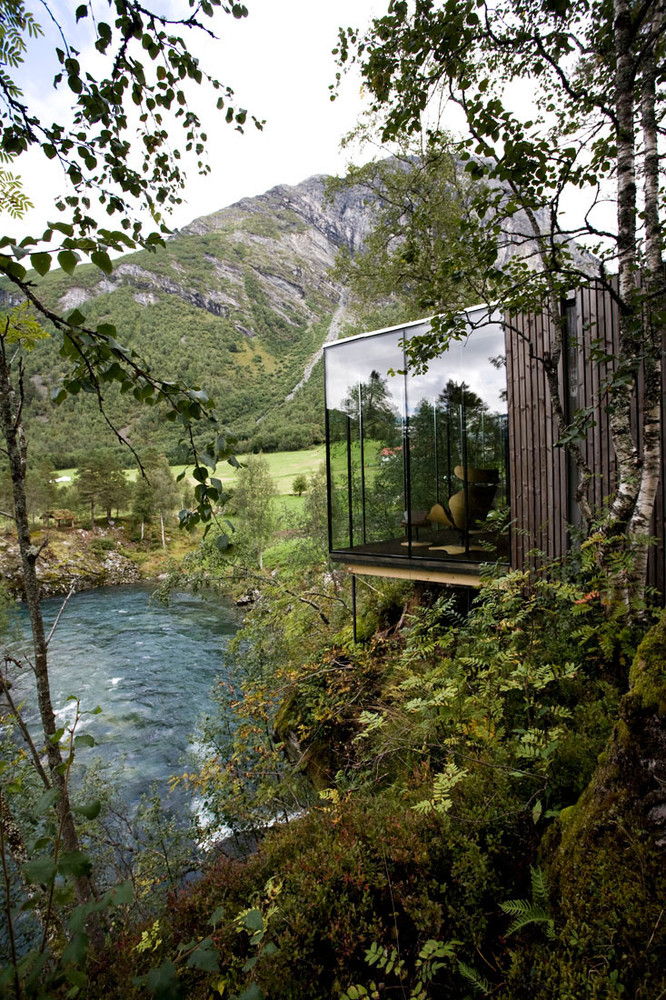
Juvet Landscape Hotel sits deep in Norway’s Valldal valley, close to the dramatic Gudbrandsjuvet gorge and surrounded by forest, rock and the rushing Valldøla River. The original idea was strikingly simple: instead of placing a hotel on the landscape, could architecture make it possible to stay inside the landscape without destroying it? Owner Knut Slinning worked with Norwegian architects Jensen & Skodvin to find the answer. There would be no conventional hotel building. No long corridors. No stacked rooms. Instead, individual cabins would be dispersed through the existing terrain, each responding to the trees, rock formations, slope and view already there. The result still feels radical.

Nine Rooms, Nine Landscapes

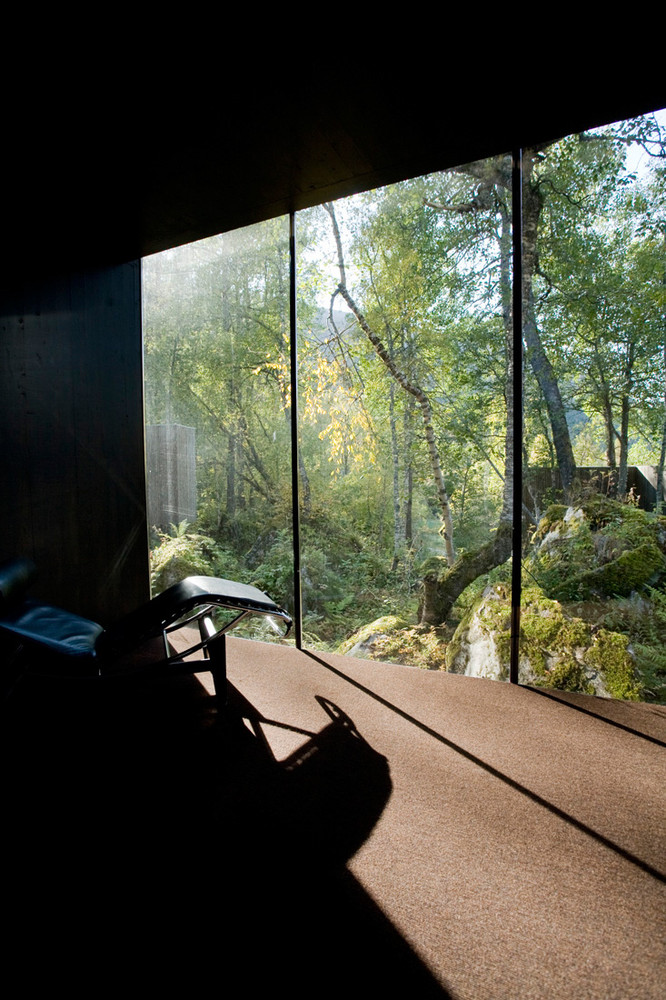
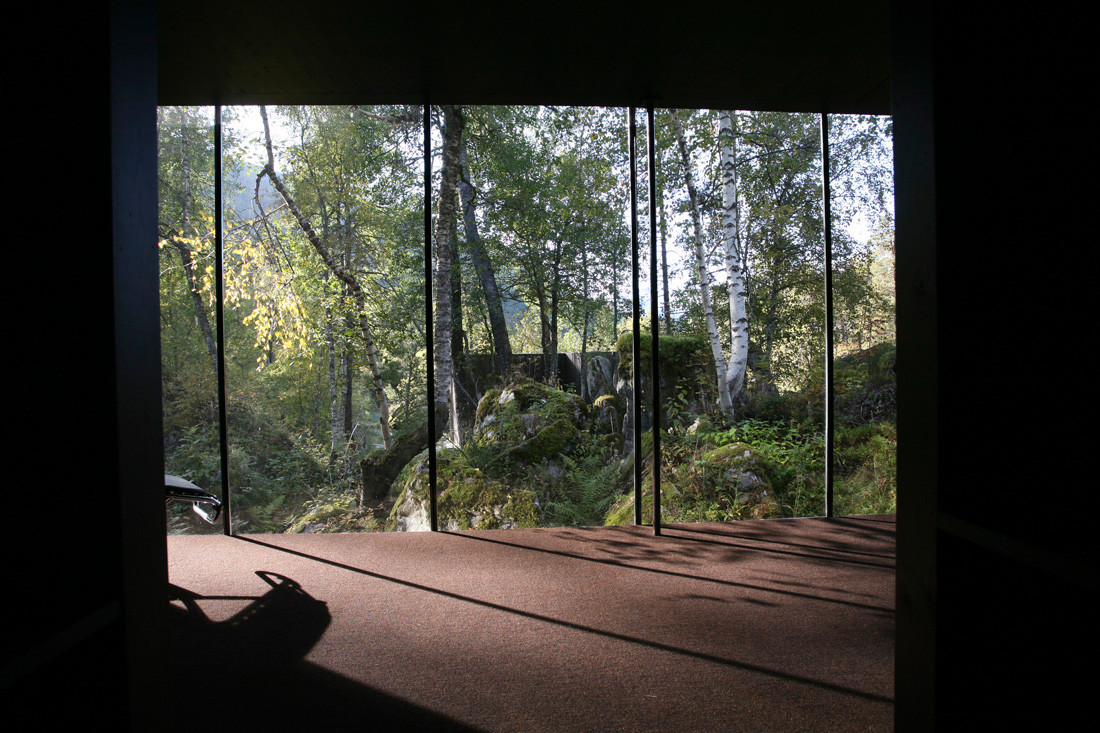
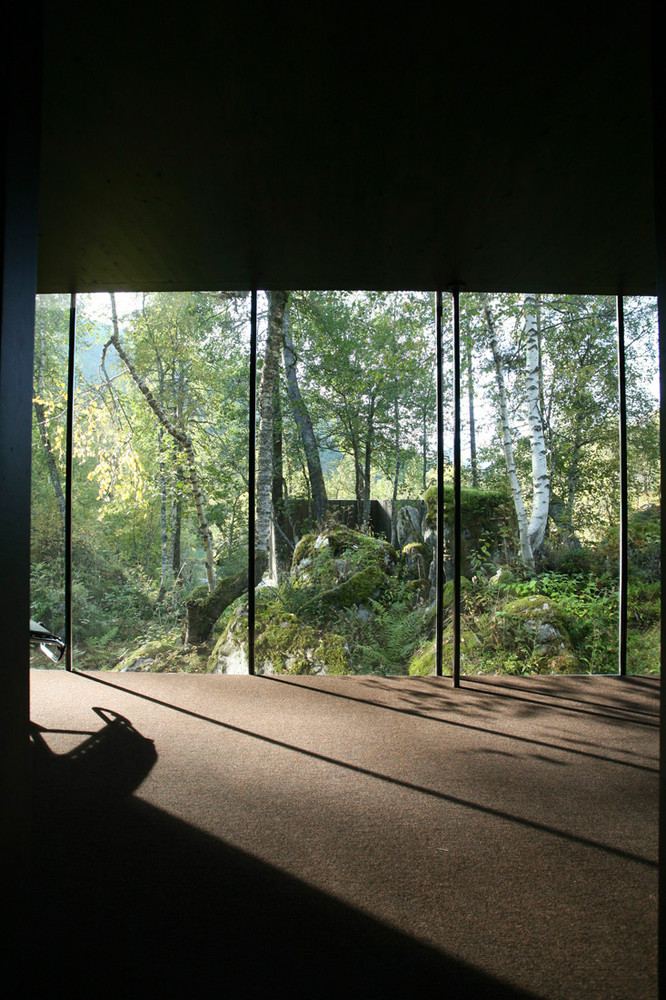
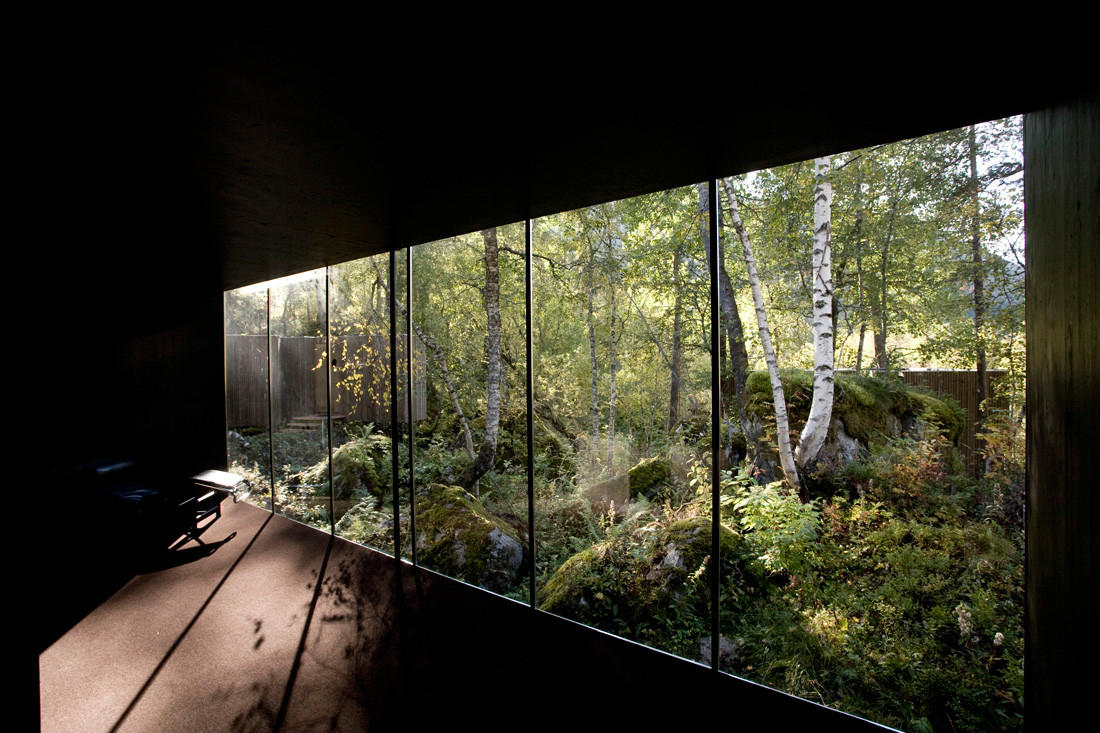
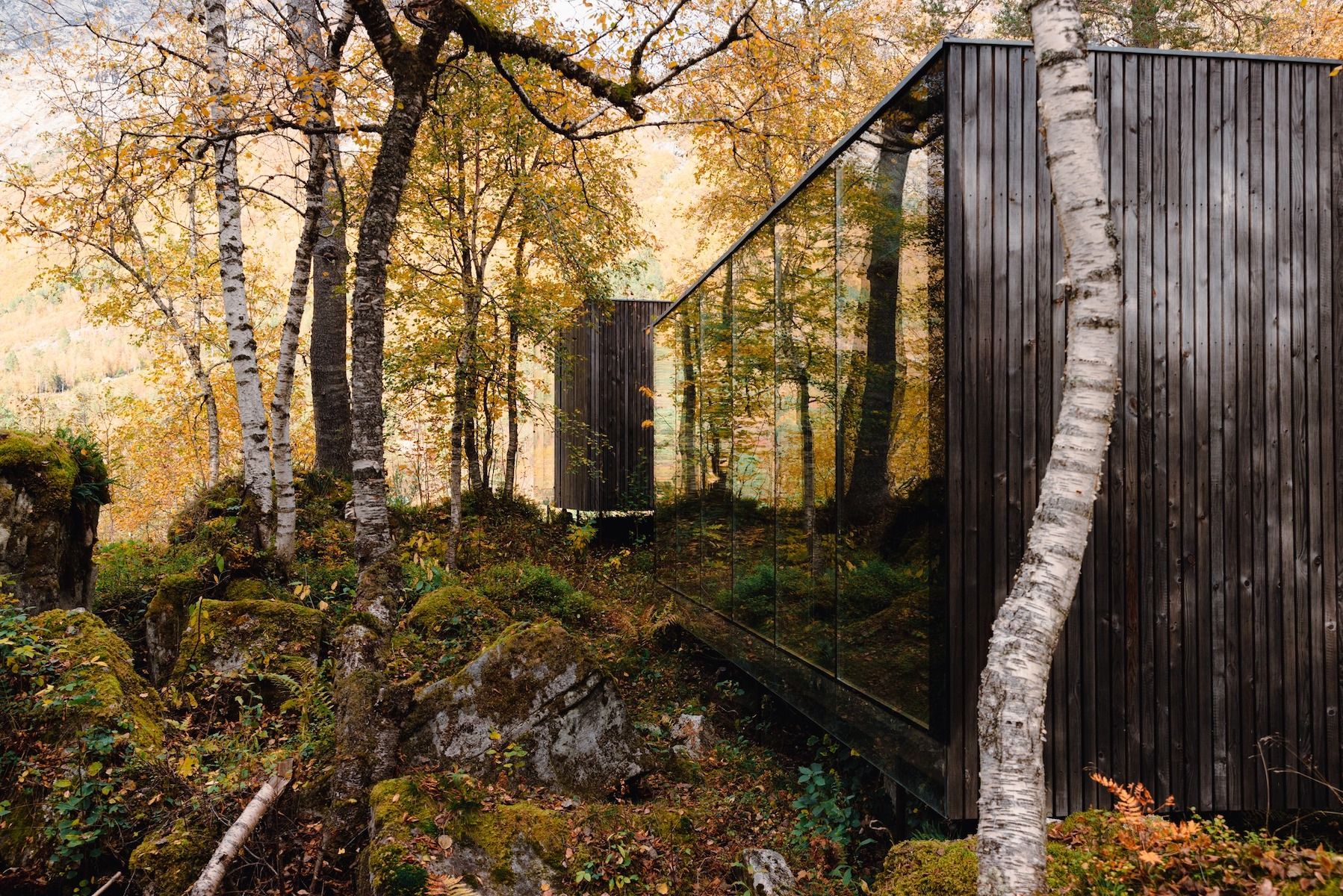
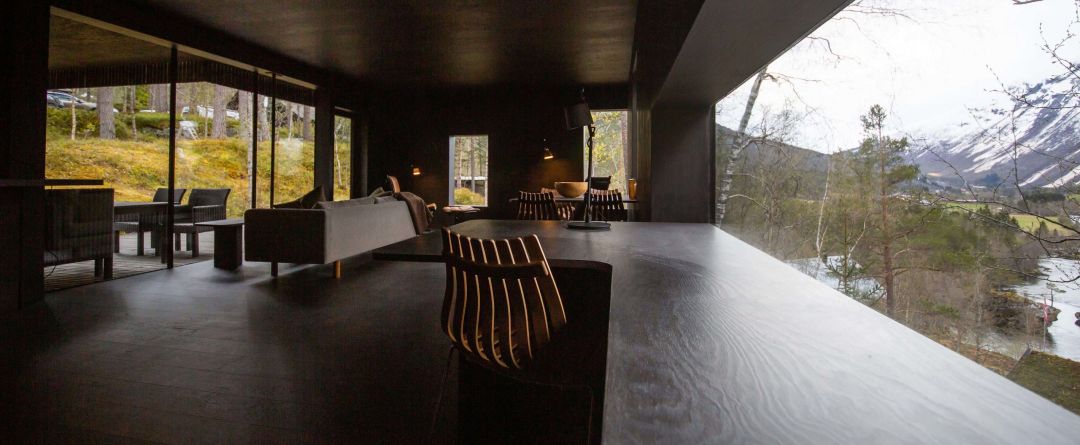
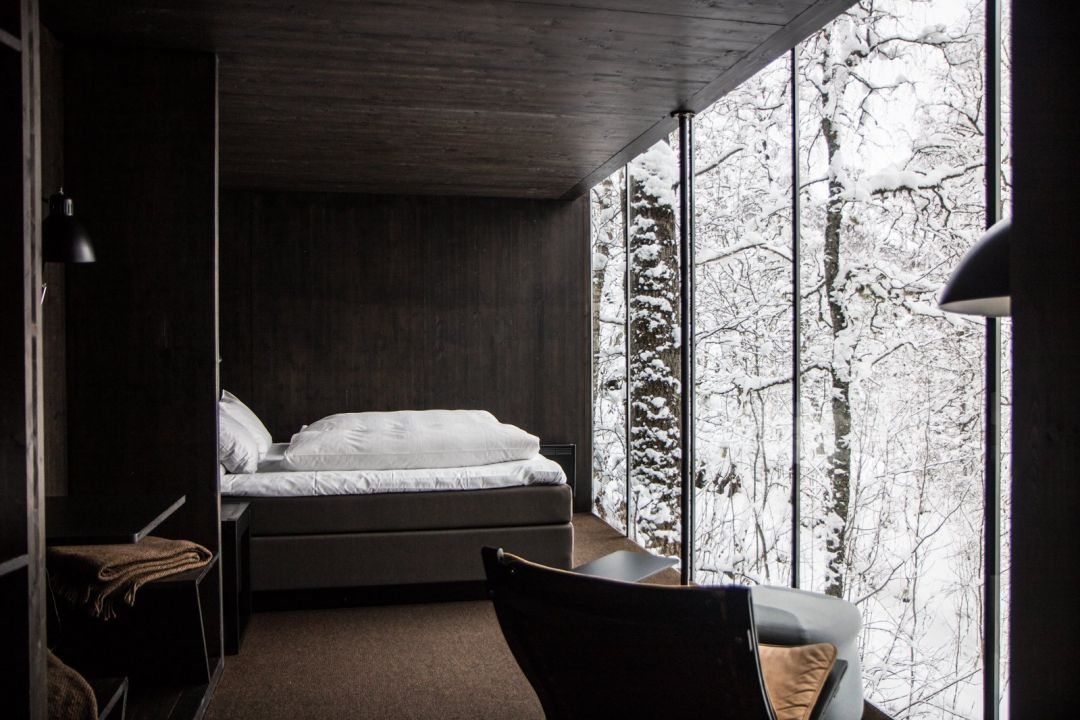
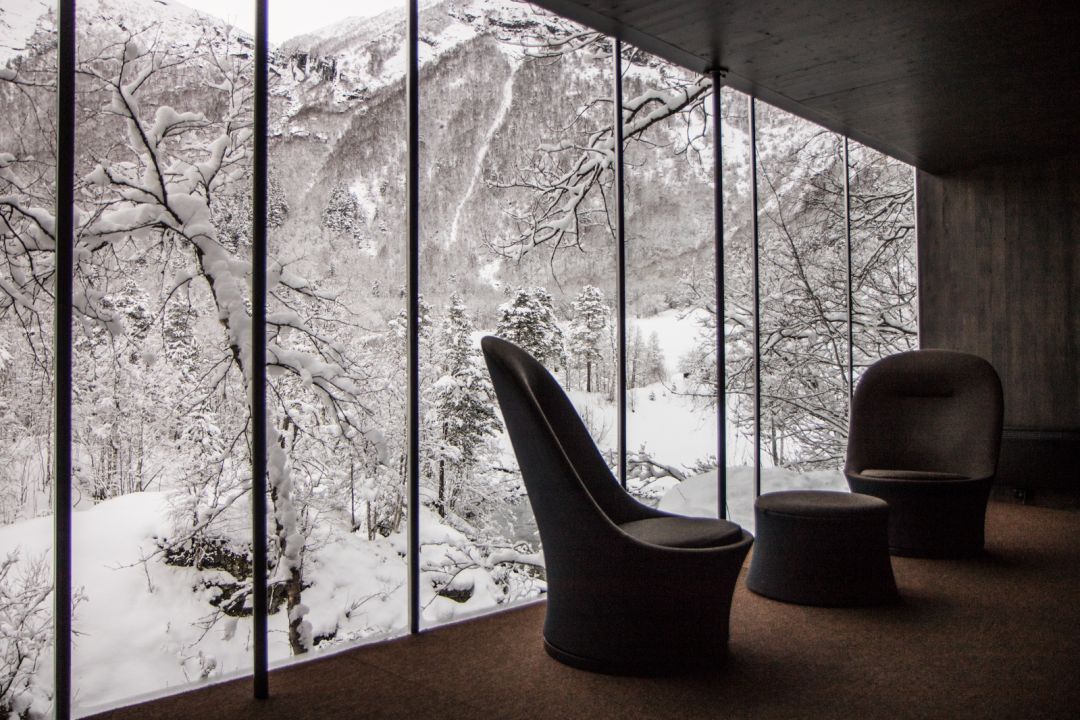
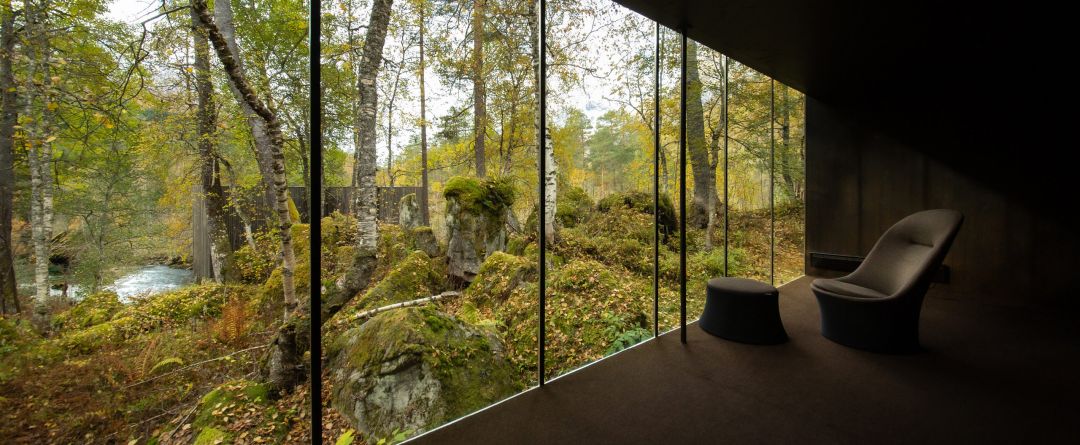
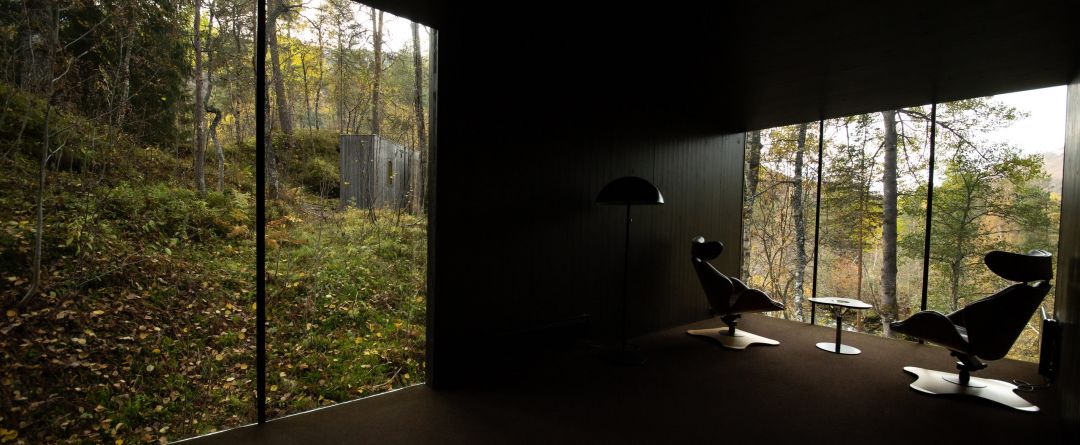
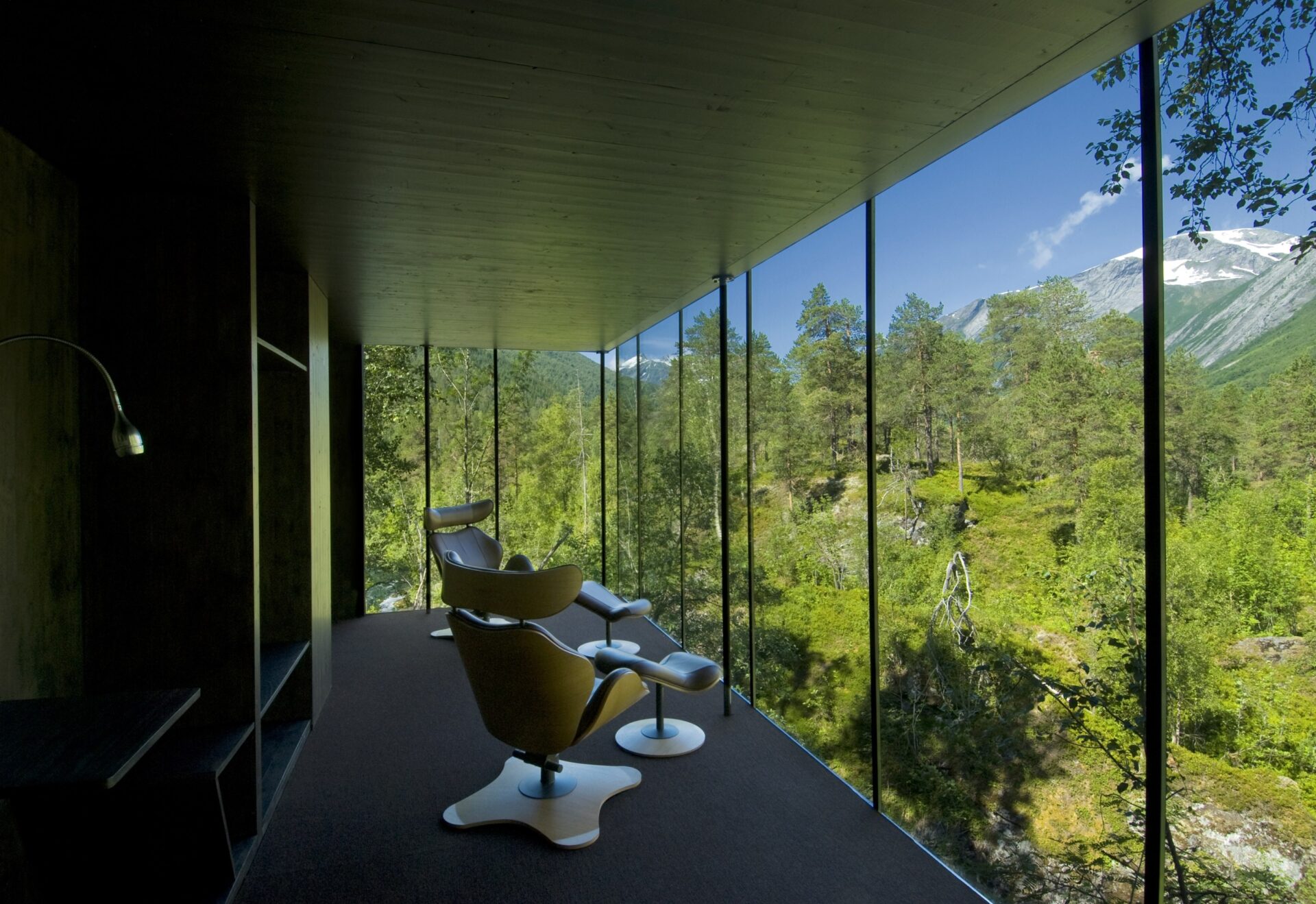
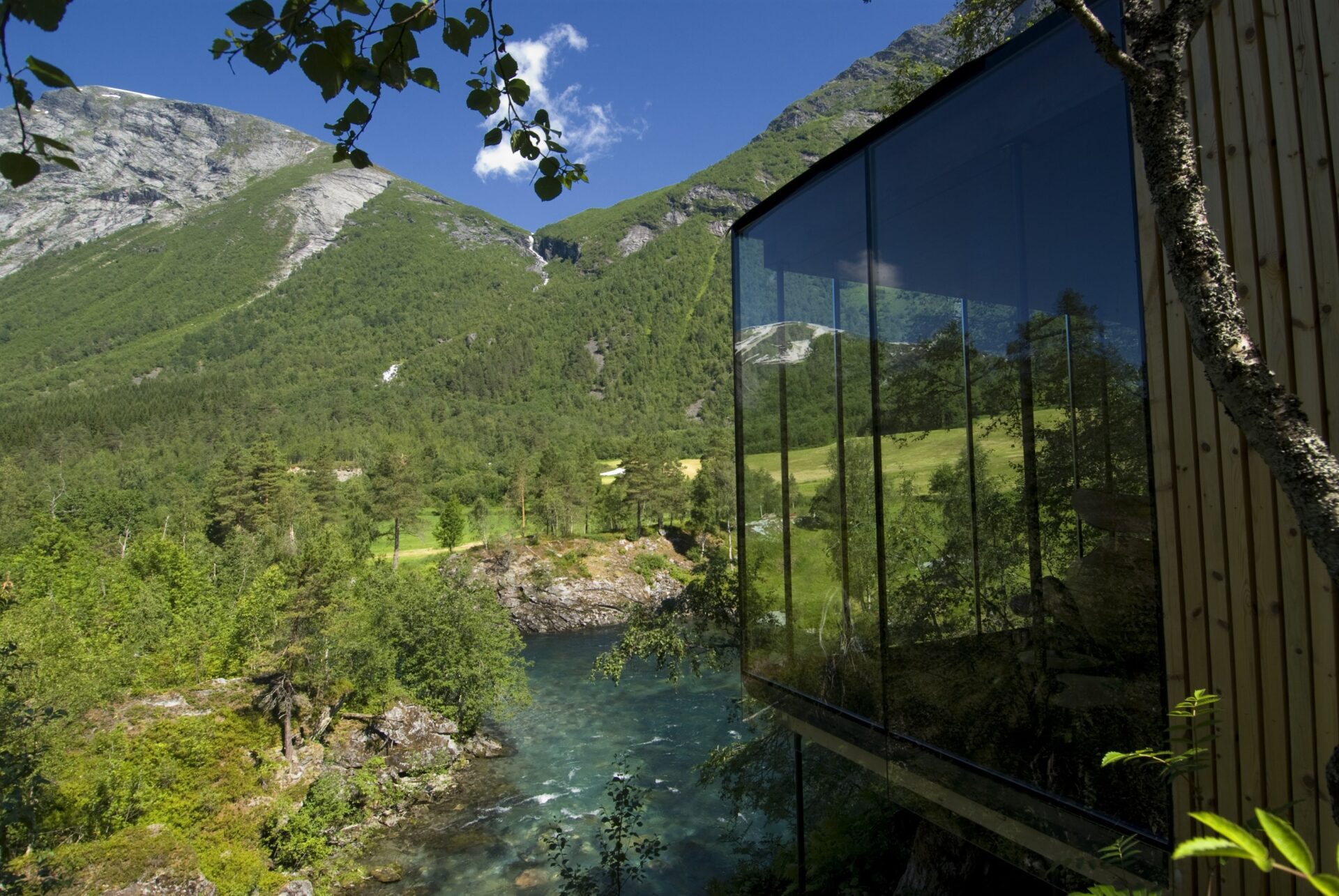
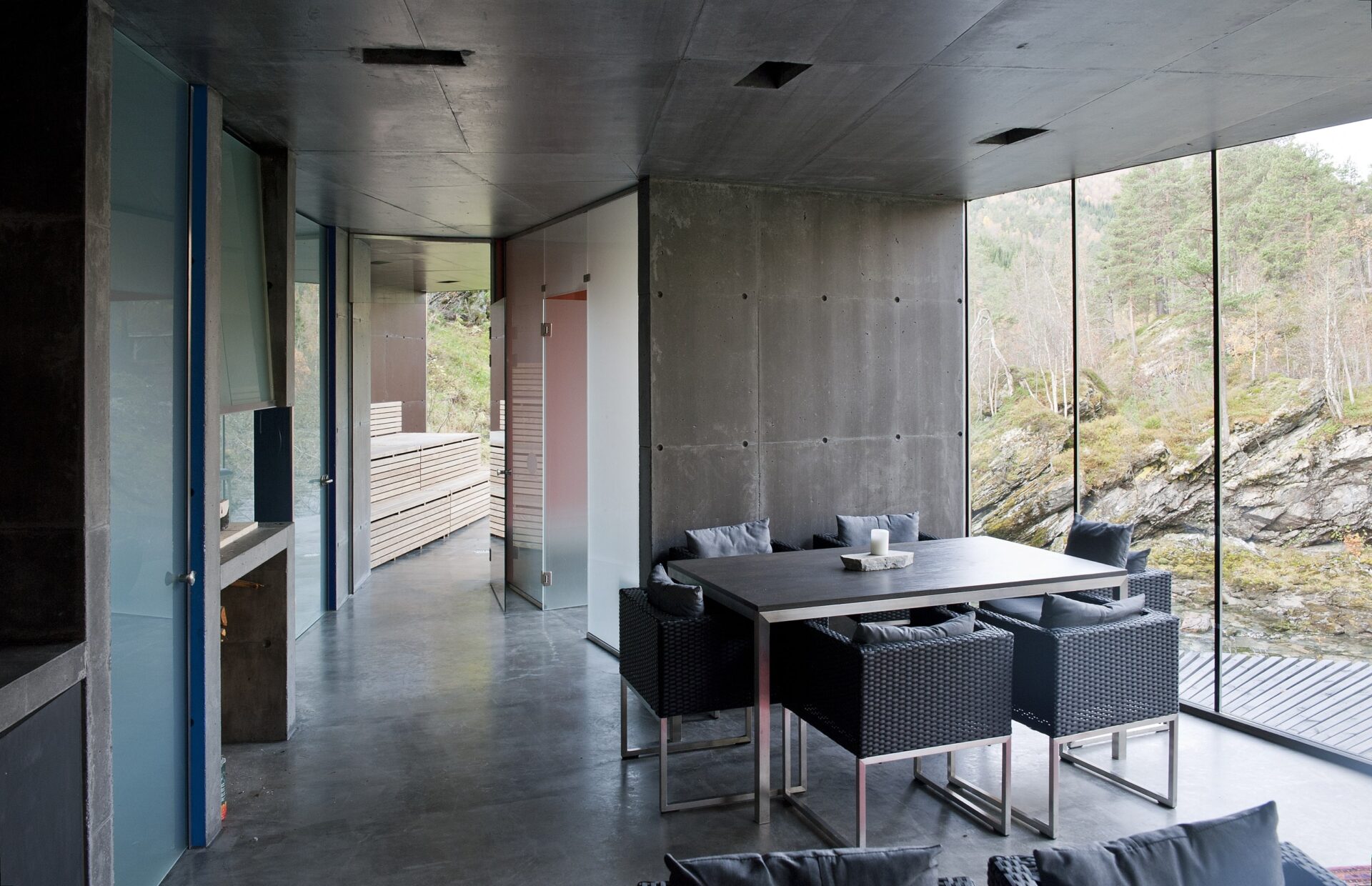
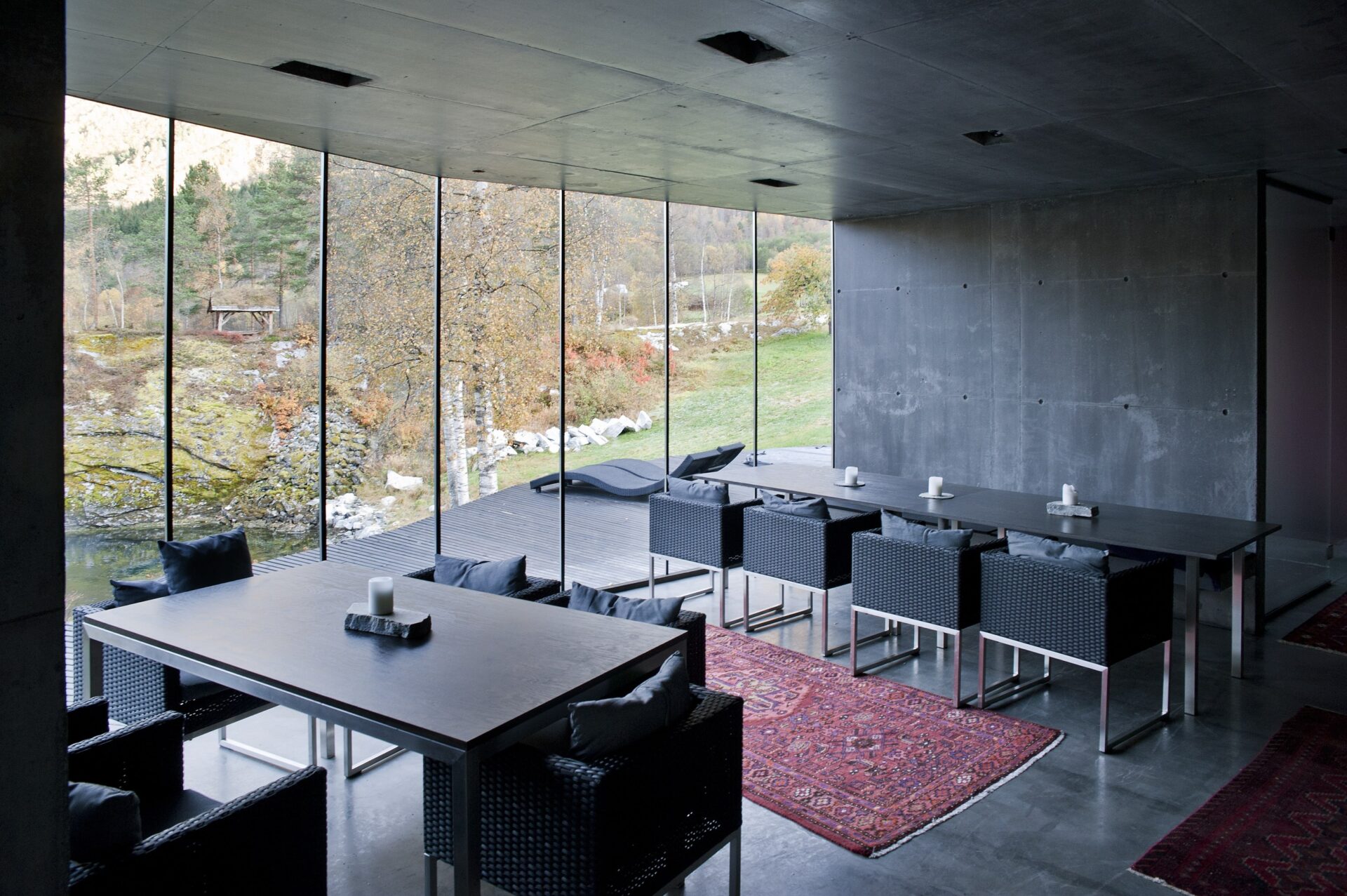
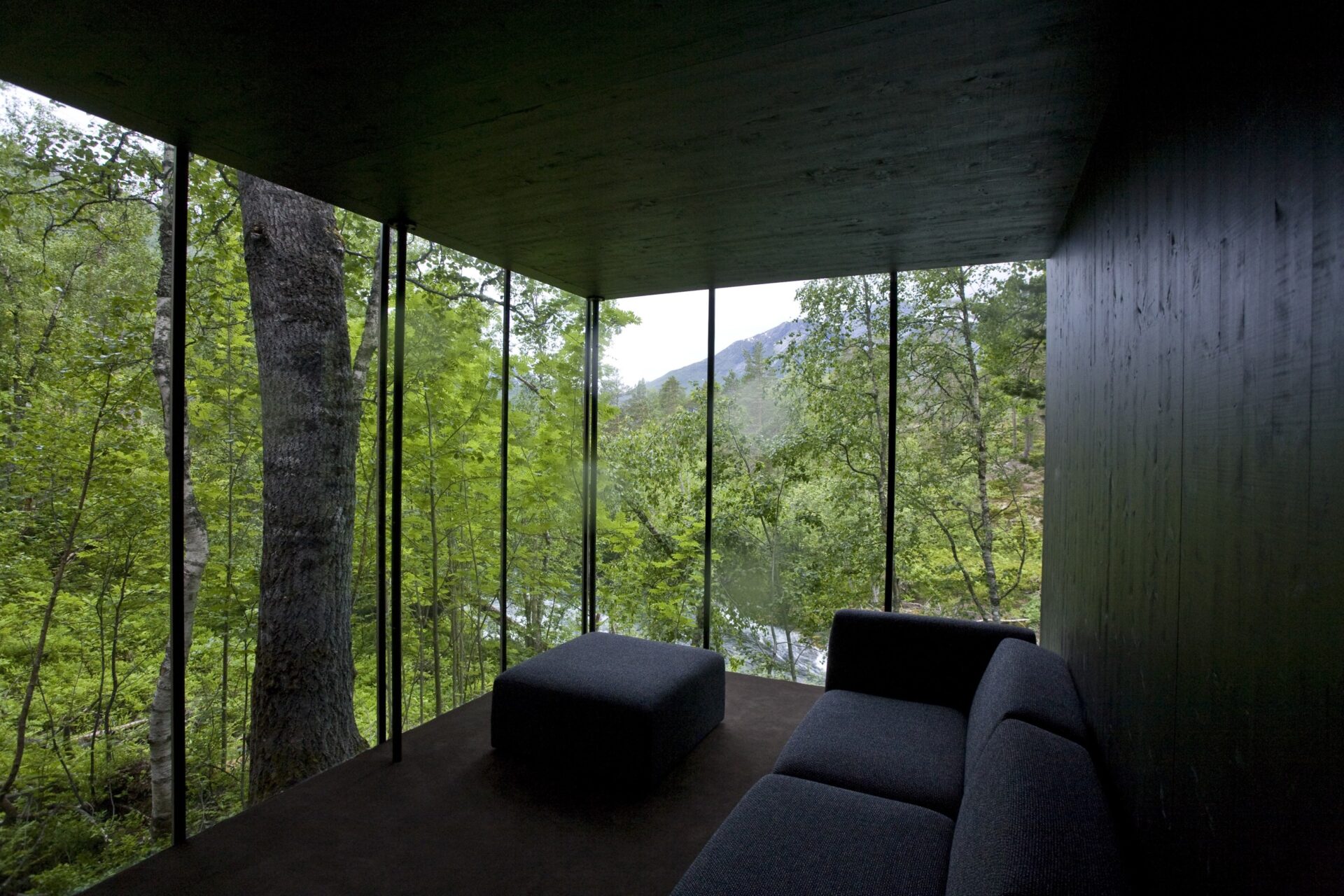
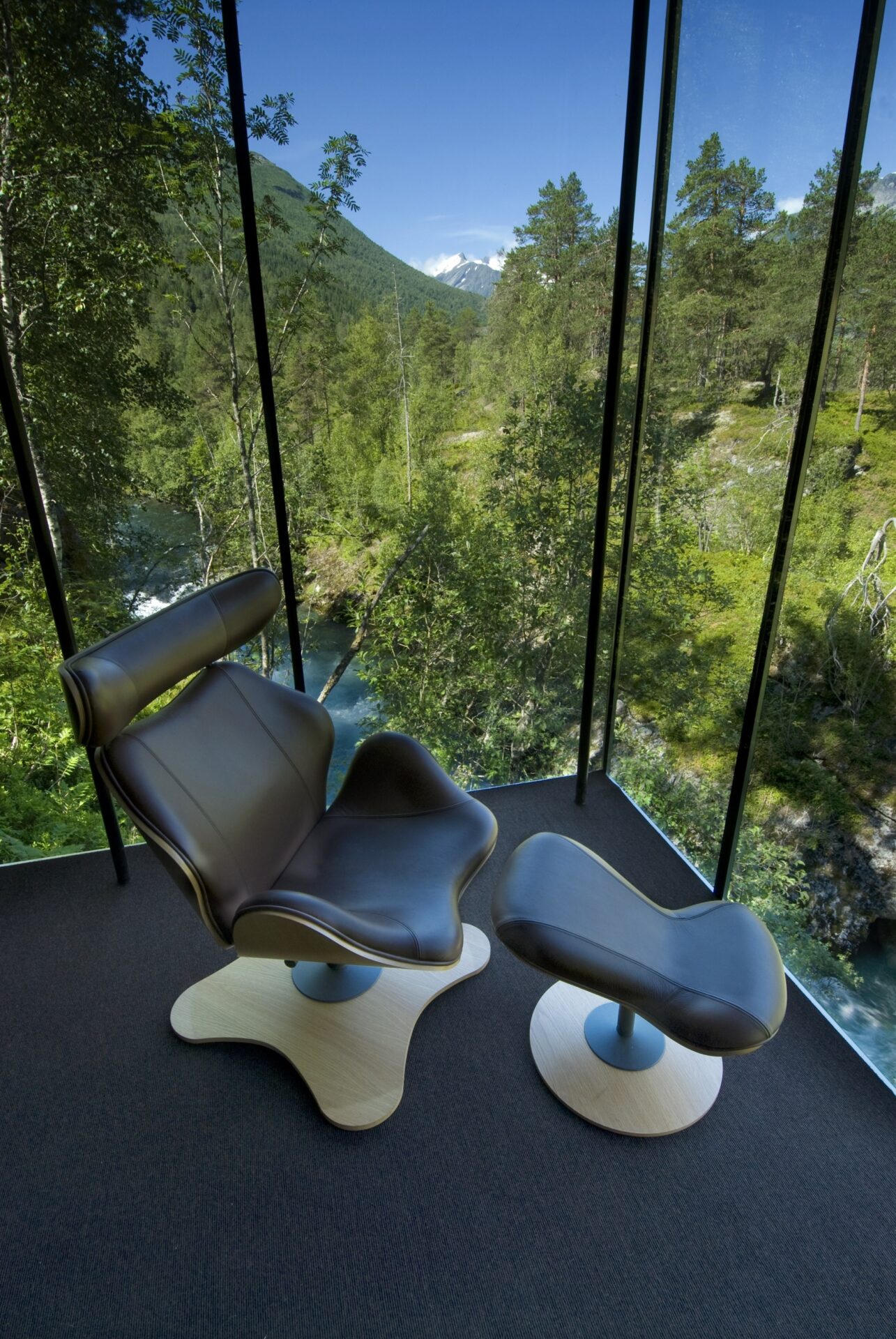
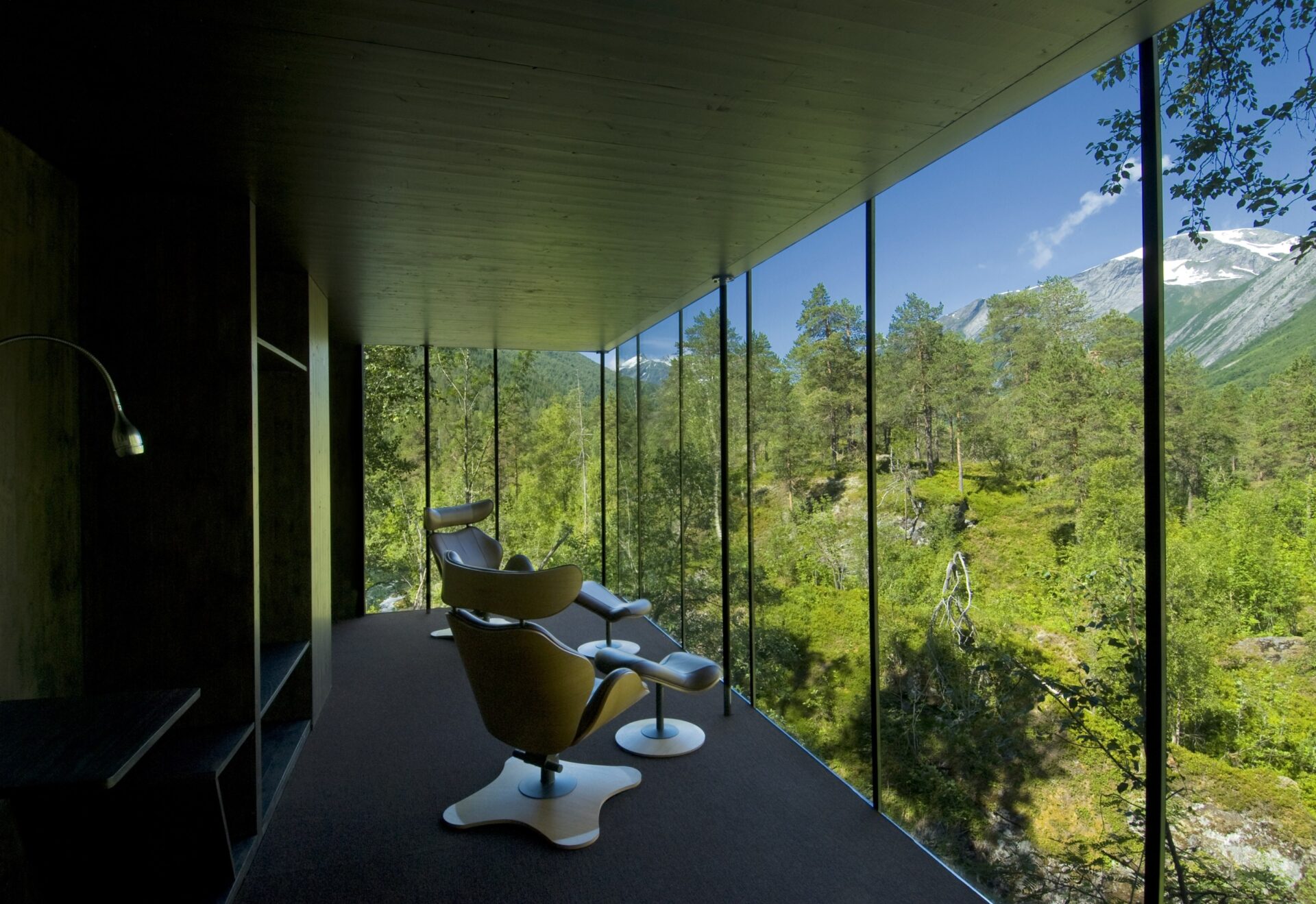
The original Landscape Rooms form the architectural heart of Juvet. Each is slightly different because each site is different. One may look directly into dense woodland, another towards the river, another at a rock face or across the valley. One or two walls are almost entirely glass. There are no curtains. Privacy comes from orientation rather than screening: the architects positioned every room so carefully that no cabin looks directly into another. What you see from bed is not another guest, but weather moving through birch trees, water tumbling through the valley or snow settling across the forest. The landscape becomes both artwork and entertainment.

Black Timber, Maximum View

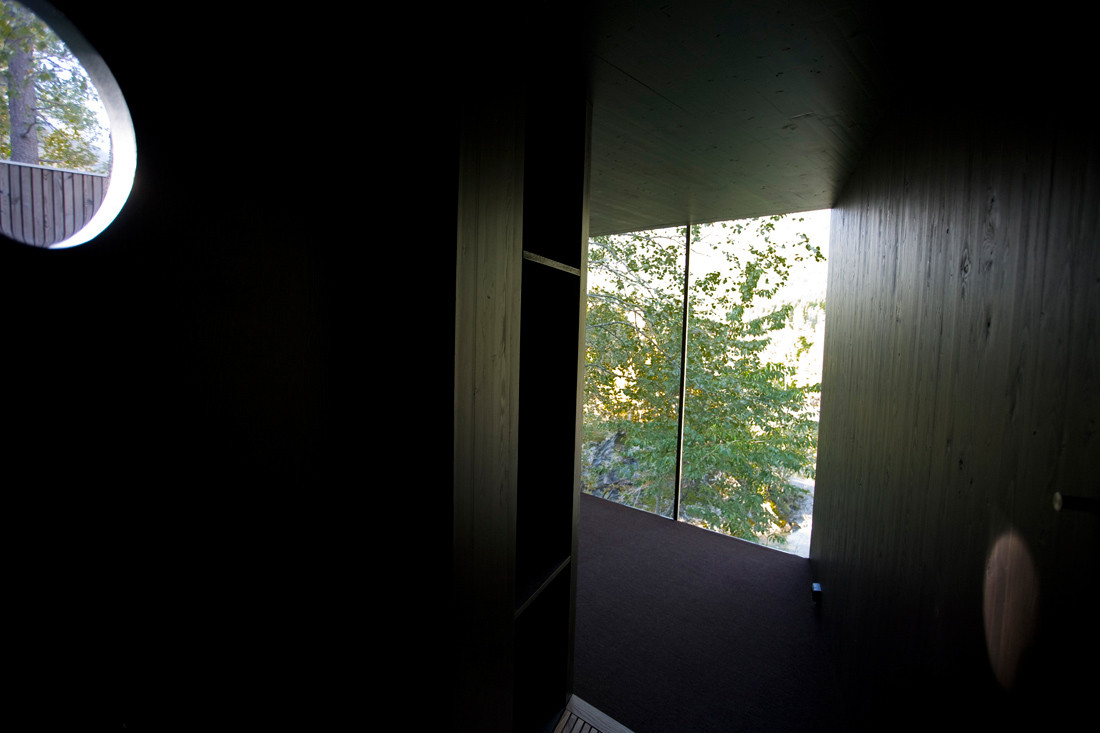
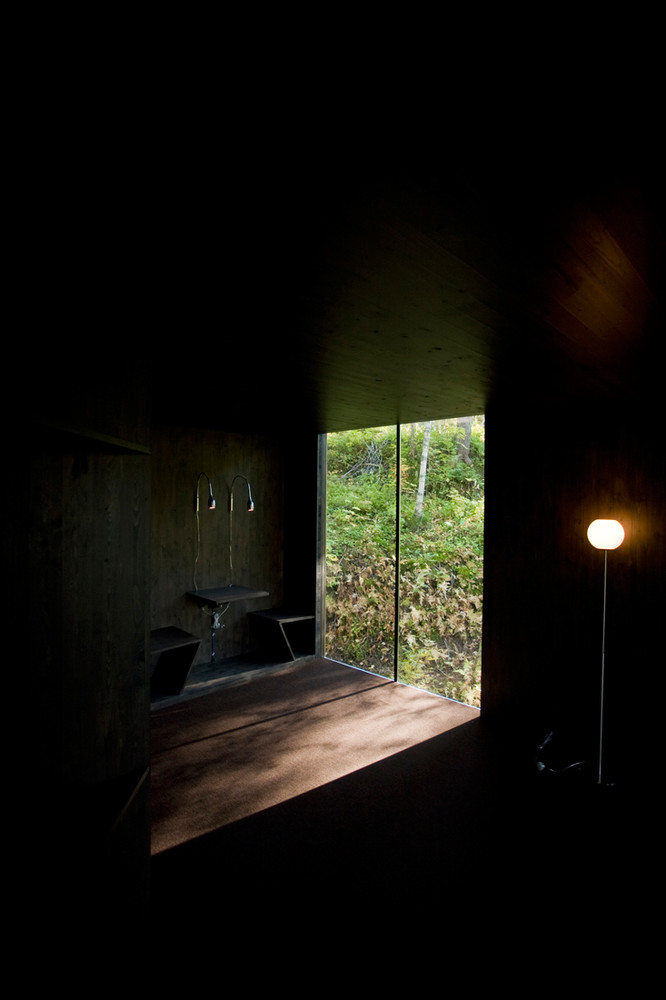
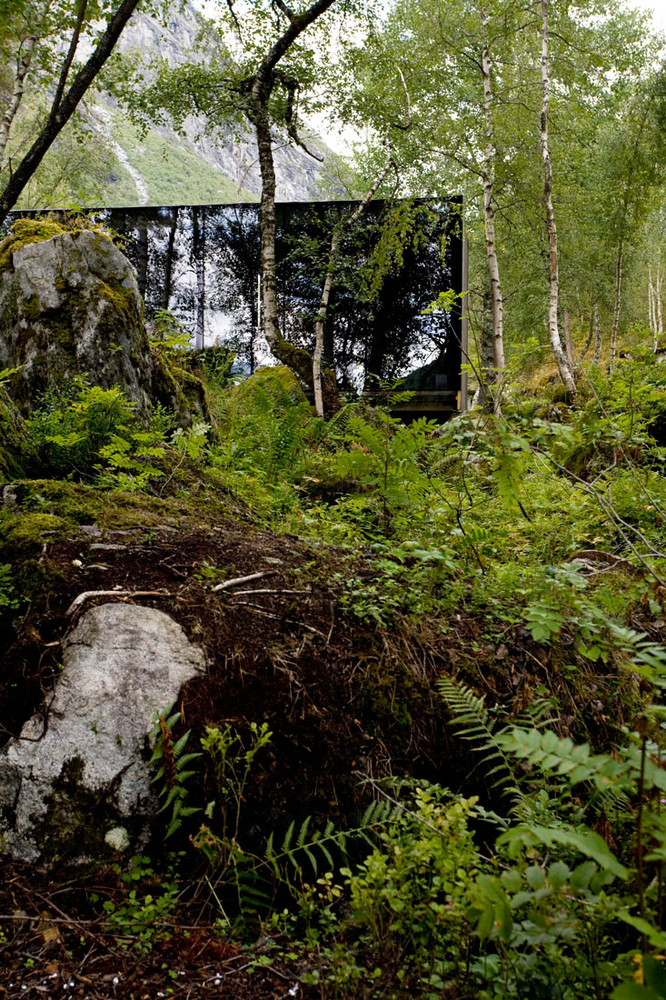
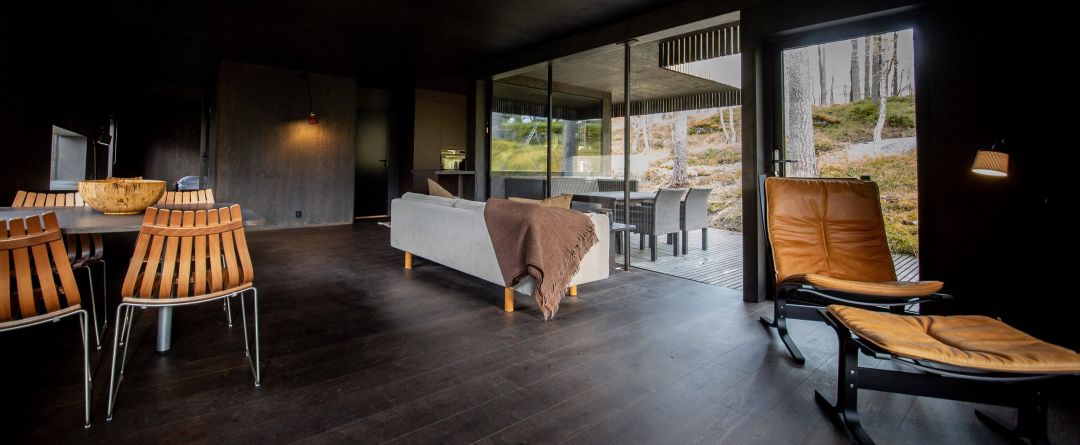
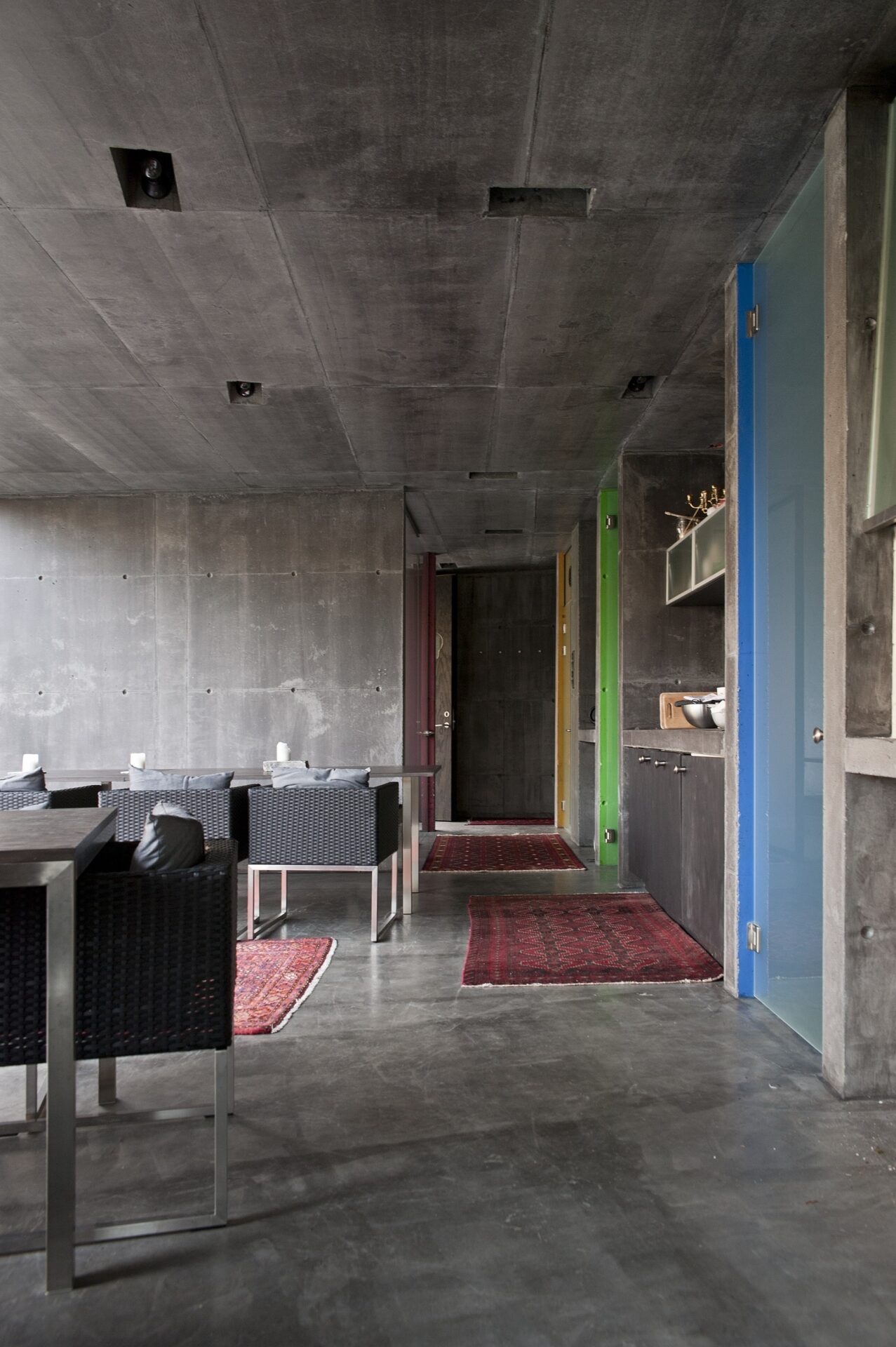
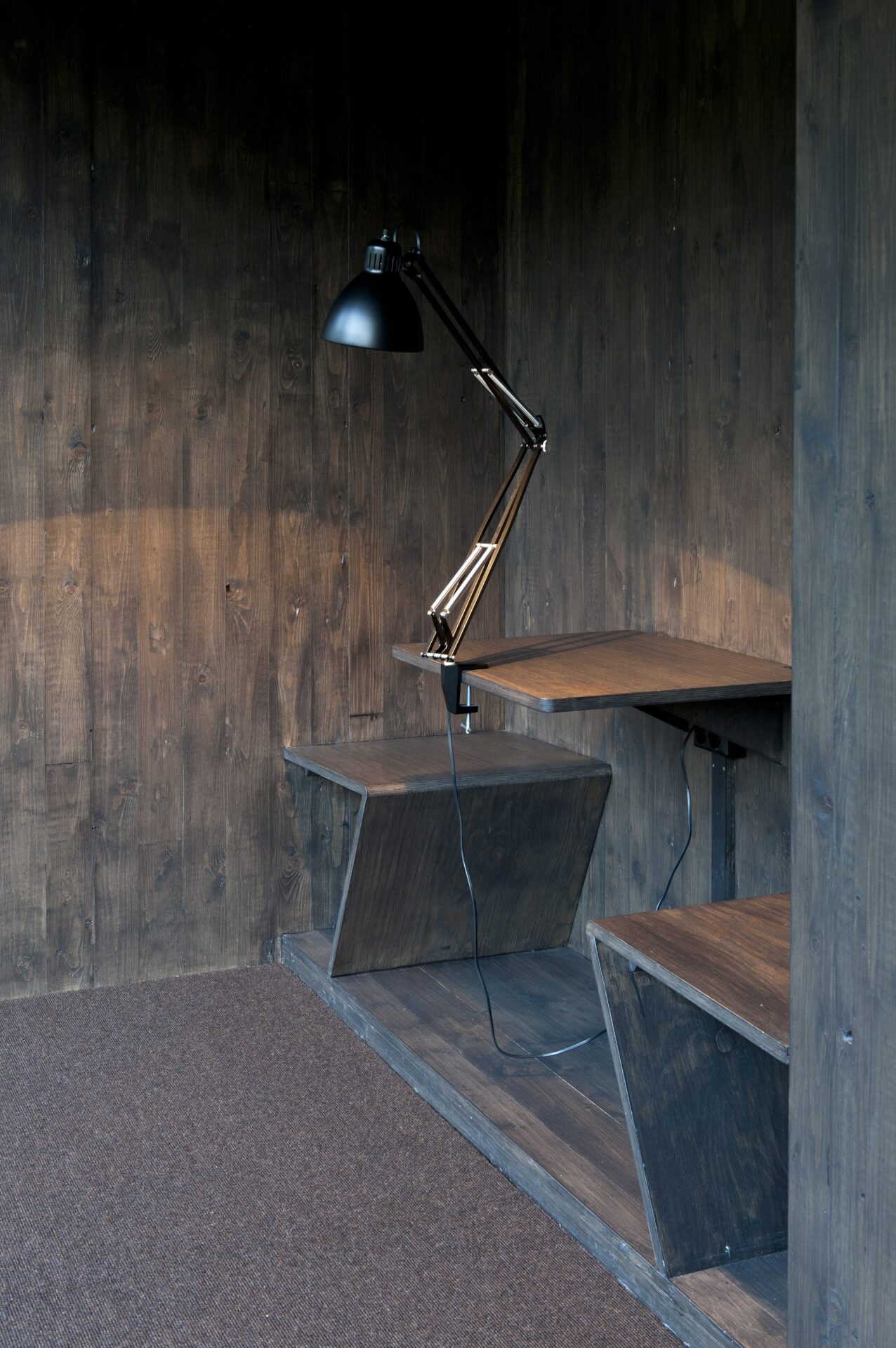
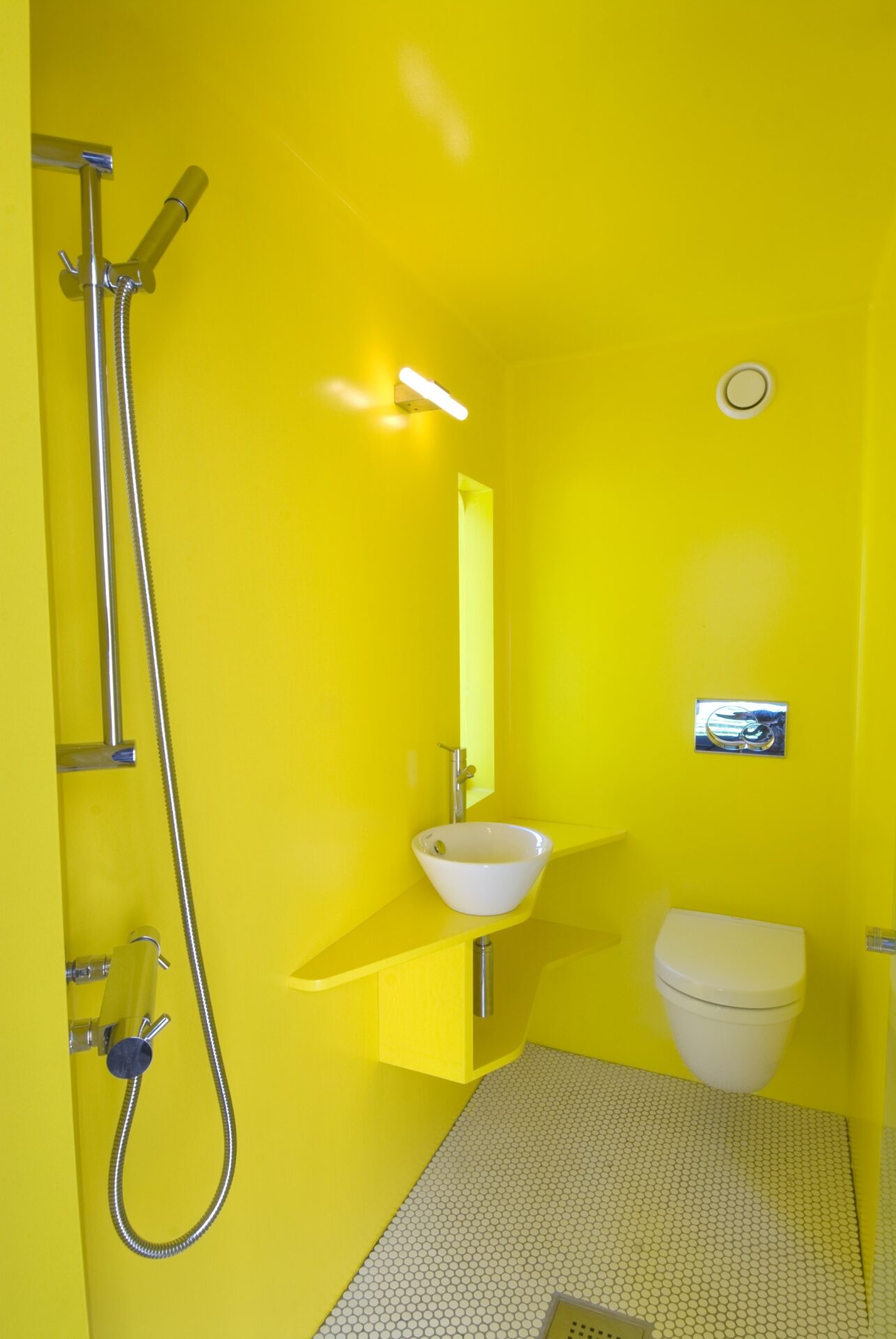
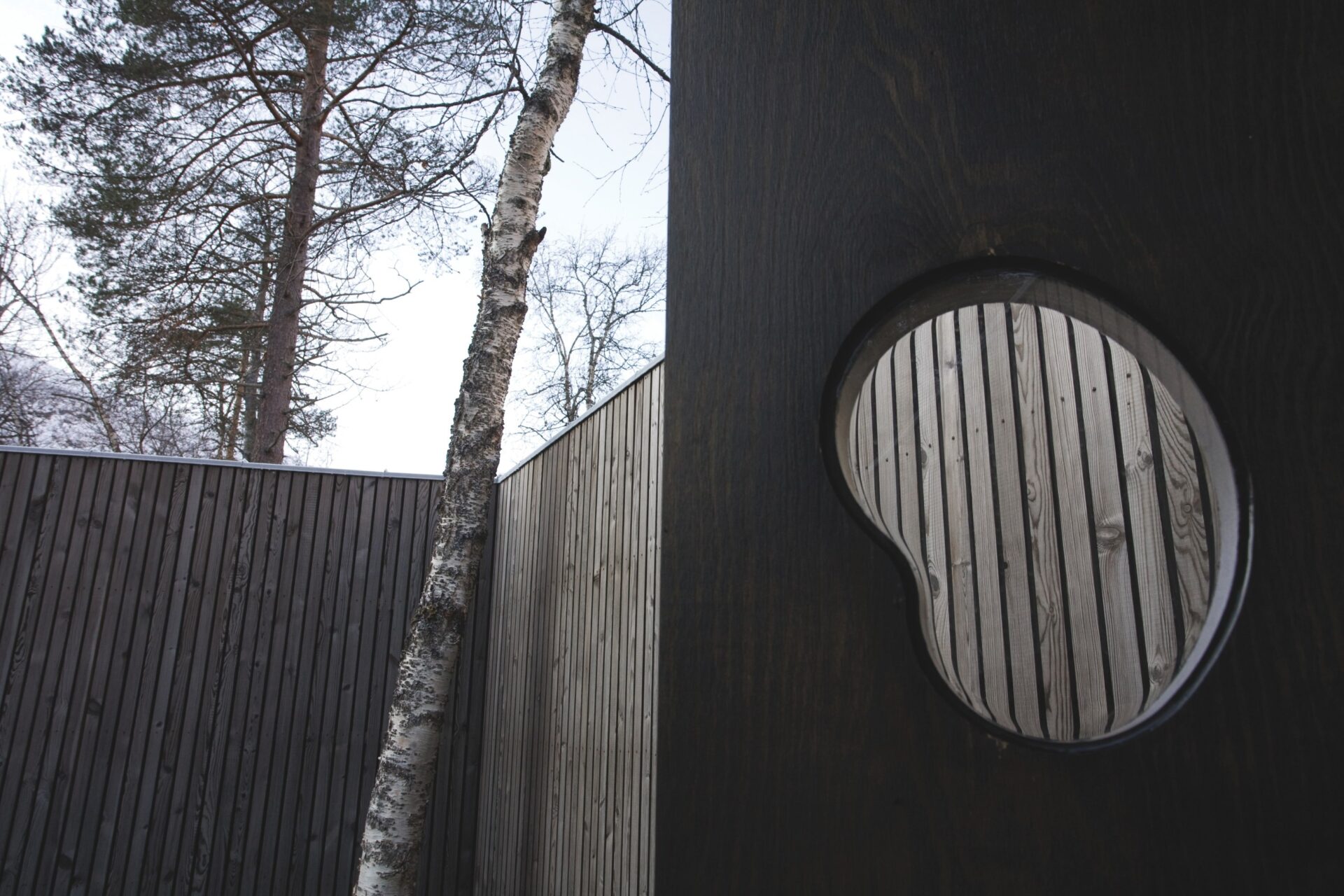
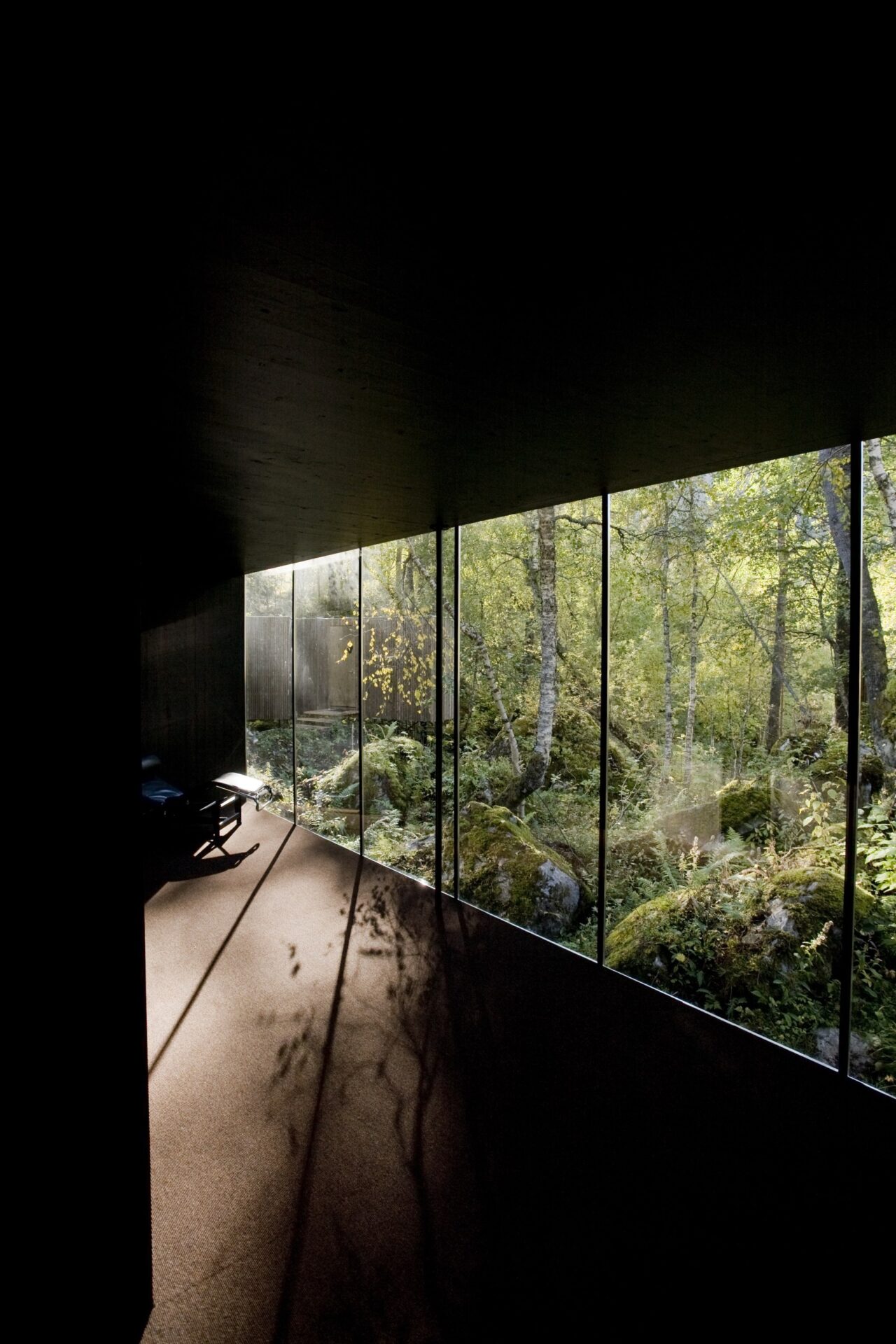
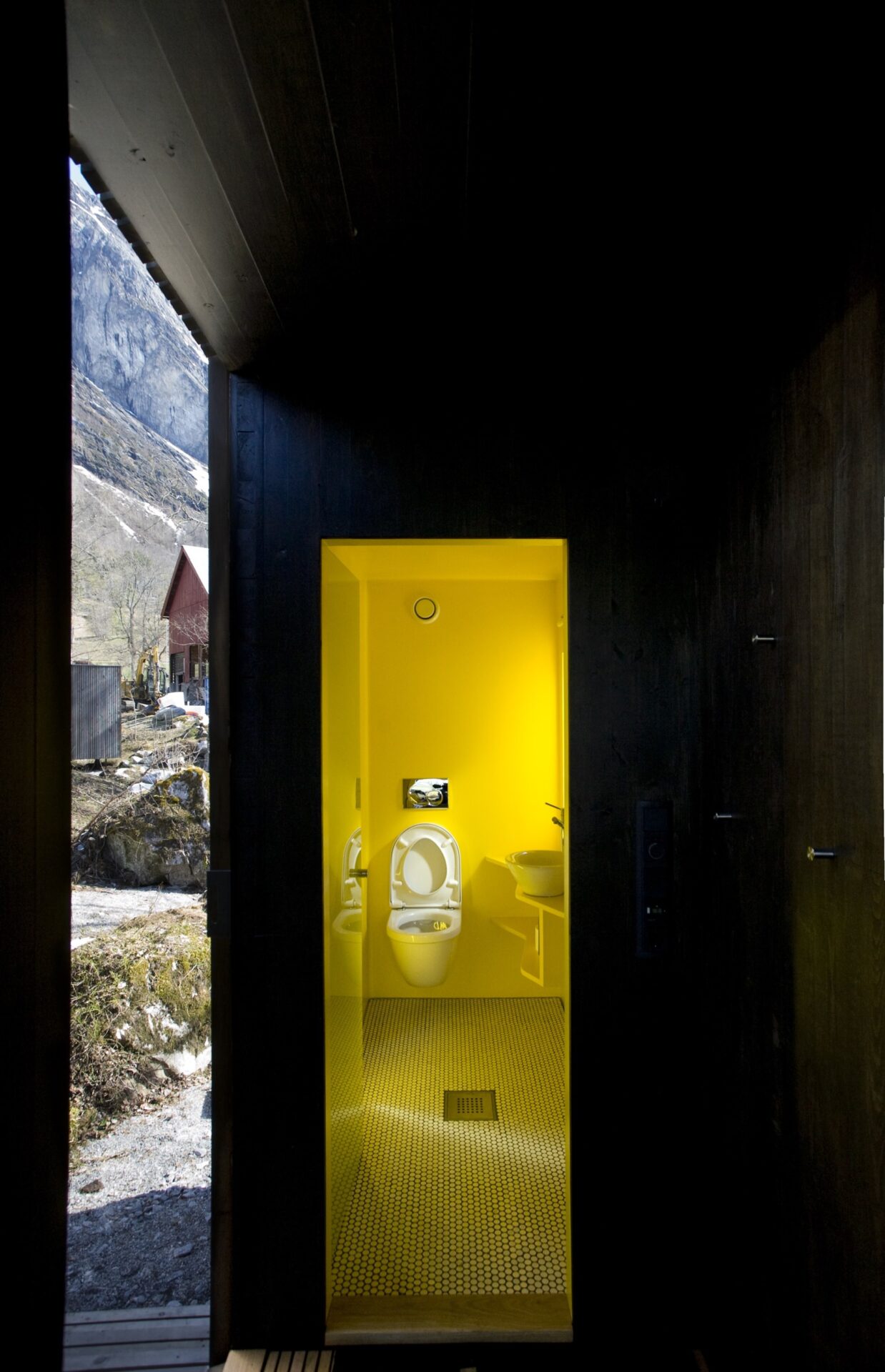
Inside, almost everything retreats. Floors, walls, furniture, shelving and benches are made from the same substantial timber construction, creating a deliberately restrained visual field. The wood is treated with dark pigmented oil, reducing reflections in the huge glass surfaces and making the interior virtually disappear after nightfall. It is architecture designed not to compete. The bed matters. The warmth matters. The window matters most. Later Bird Houses take the idea even further. Inspired by traditional Norwegian stabbur food-storage buildings, these tiny cabins cling to the steep landscape with little more than a bed, compact bathroom and carefully framed openings onto the forest. Less hotel room, more observation hide.

Sustainability Starts With Not Destroying the Site

Juvet’s most interesting environmental idea has little to do with bamboo toothbrushes or towel cards. It is the ground beneath the hotel. The architects argued that preserving topography should itself be considered a form of sustainability. Conventional construction typically begins by clearing, excavating, levelling and rebuilding a site so architecture can occupy it. Juvet reverses that logic. The cabins sit on steel rods drilled into the rock, allowing vegetation, stones and natural contours to remain largely where they were. The geometry of the buildings adapts to the landscape rather than demanding that the landscape adapt to the buildings. More than 15 years later, moss and vegetation have grown around the structures so convincingly that some appear to float within the forest.

Old Farmhouse, New Architecture

The contrast becomes even stronger in Juvet’s communal spaces. Meals are not served inside a glossy contemporary restaurant but around a shared table in the historic farm buildings. Timber walls, candlelight, antique furniture and the physical weight of the old structures provide the counterpoint to the abstract glass boxes outside. Breakfast is straightforward and generous. Dinner is communal, seasonal and rooted in Norwegian produce, bringing everyone back together after hours spent almost completely alone in the landscape. It is an important part of Juvet. The cabins create solitude; the farmhouse creates community.

Hot Water, Cold River

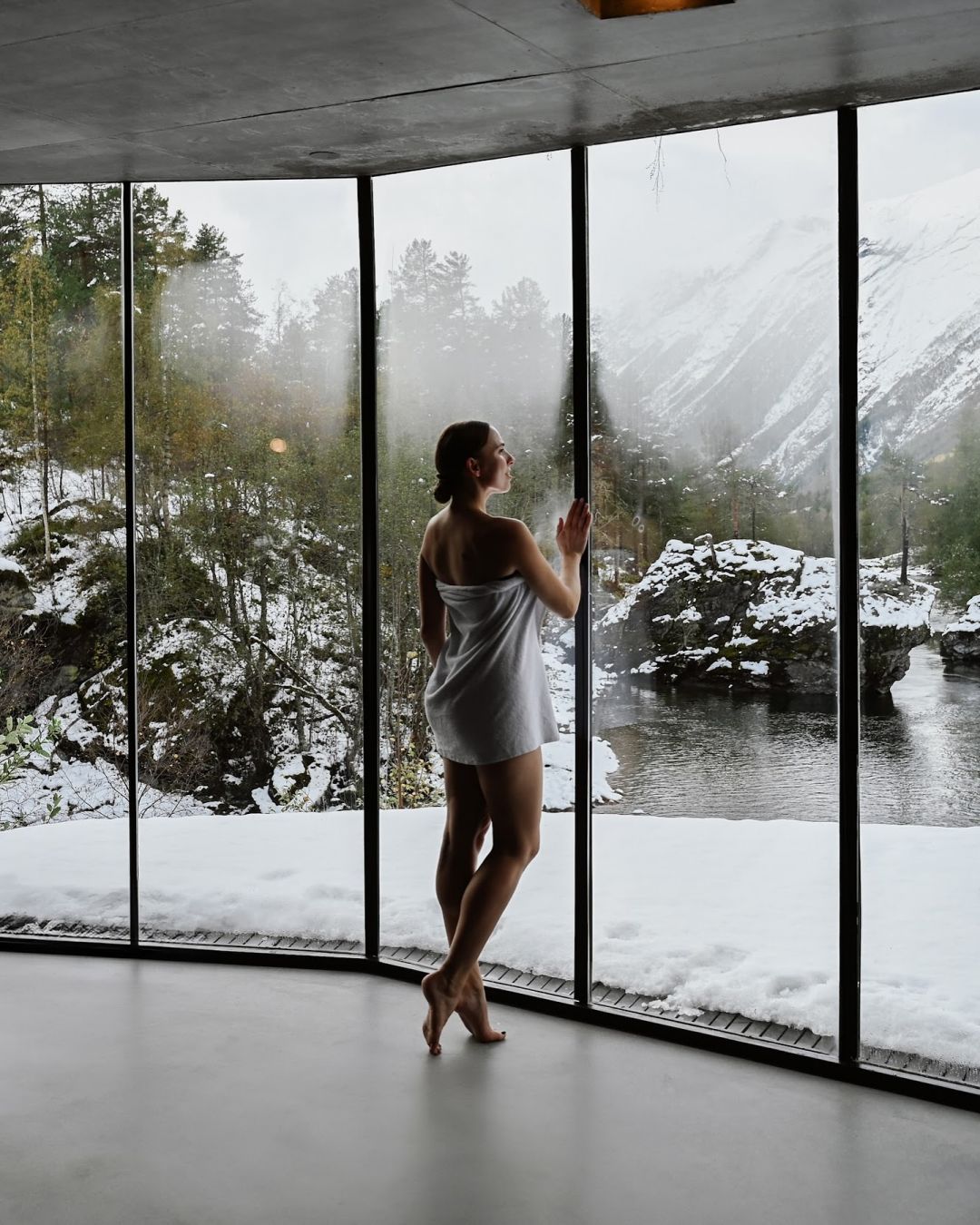
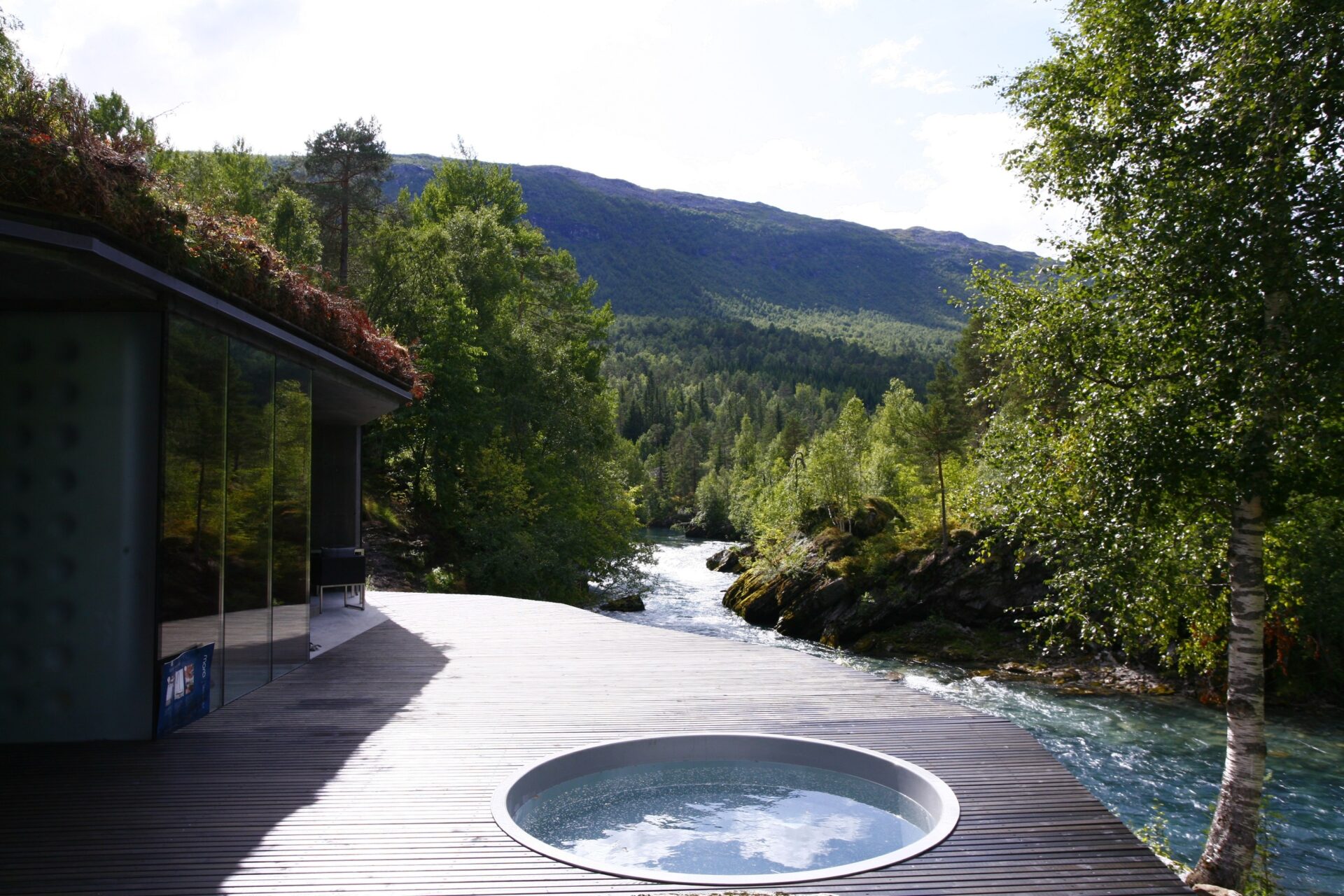
The Bath House follows exactly the same architectural philosophy. Set beside the Valldøla River, its sauna and relaxation spaces frame the water through broad glass openings while remaining deliberately modest in scale. There are hot tubs outside, heat inside and freezing river water nearby for anyone committed enough to the Nordic ritual. Again, the spa itself is hardly the point. The river is.

From Architectural Secret to Screen Star

Juvet had already become something of a pilgrimage site for architecture lovers when Alex Garland chose it as part of the setting for Ex Machina. Then Succession arrived. Its appearance as the remote Norwegian retreat used during the GoJo negotiations introduced the place to a much wider audience. Few hotels could survive that kind of pop-cultural exposure without becoming defined by it. Juvet can. The architecture is simply too closely tied to its landscape to become a film-set novelty.

Why It Works

Juvet Landscape Hotel works because Jensen & Skodvin understood something many supposedly nature-led hotels still miss: being surrounded by nature and being subordinate to it are not the same thing. Here, architecture steps back. There are no decorative gestures competing with the forest, no attempt to manufacture rusticity and remarkably little between you and the landscape itself. A glass wall. A dark room. A bed. Outside: rock, river, forest, weather. And that is enough.

Information

At a glance

Hideaway Nature Architecture Eco & Sustainability Independent Design Vibe: Quiet

Architecture

Jensen & Skodvin

Opened / Renovated

2008

Size matters

9 cabins

Handpicked worldwide

A carefully curated collection of exceptional boutique and design hotels across the globe.

Design with soul

Architecture, atmosphere and craftsmanship come together in stays with a clear identity.

Hidden, not hyped

Independent boutique hotels you rarely find on mainstream booking platforms.

Travel guidance

Personal recommendations and thoughtful support from people who actually know the places.