


A contemporary interpretation of the ryokan where Kyoto craftsmanship, architecture, and everyday rituals shape the experience
Book now
Why DNA Hotels loves it
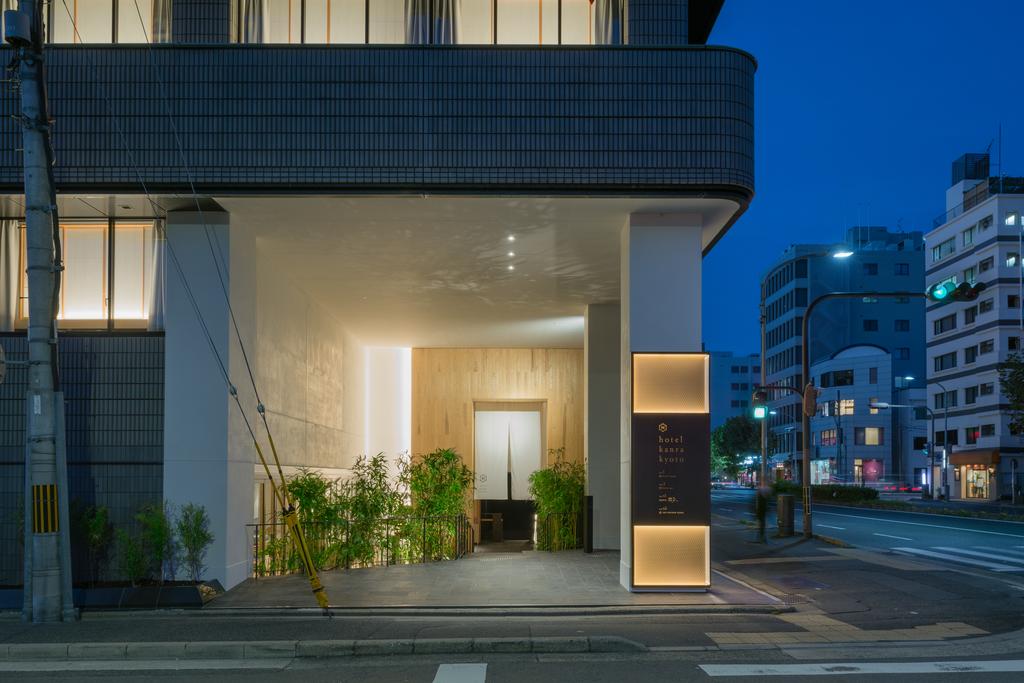
A thoughtful contemporary interpretation of Kyoto architecture, translating the spirit of machiya townhouses and traditional ryokan into a modern urban hotel.
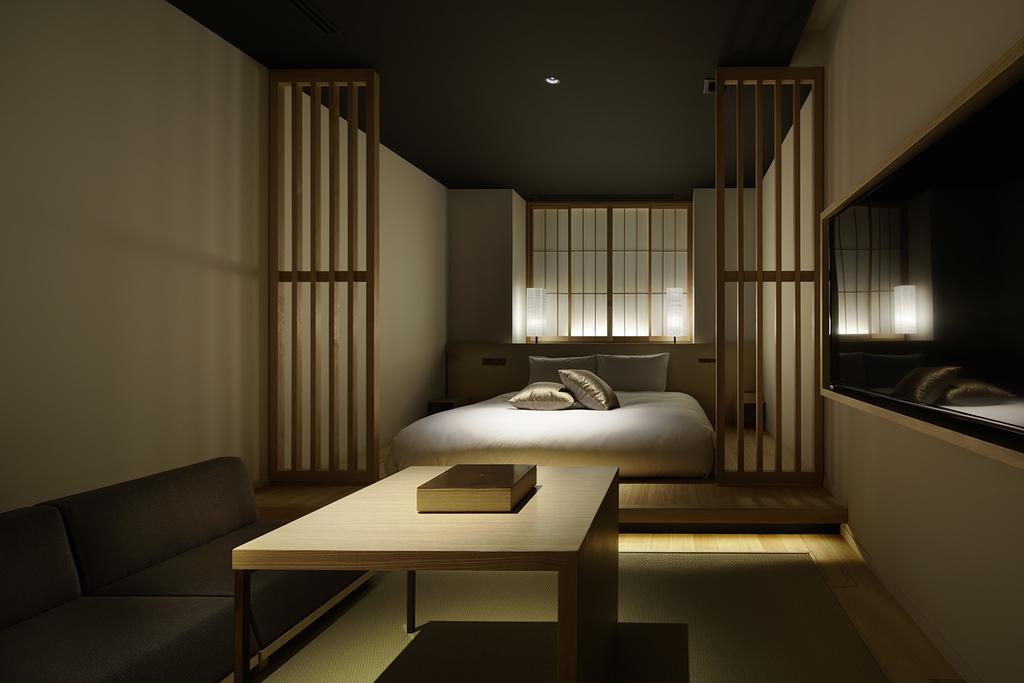
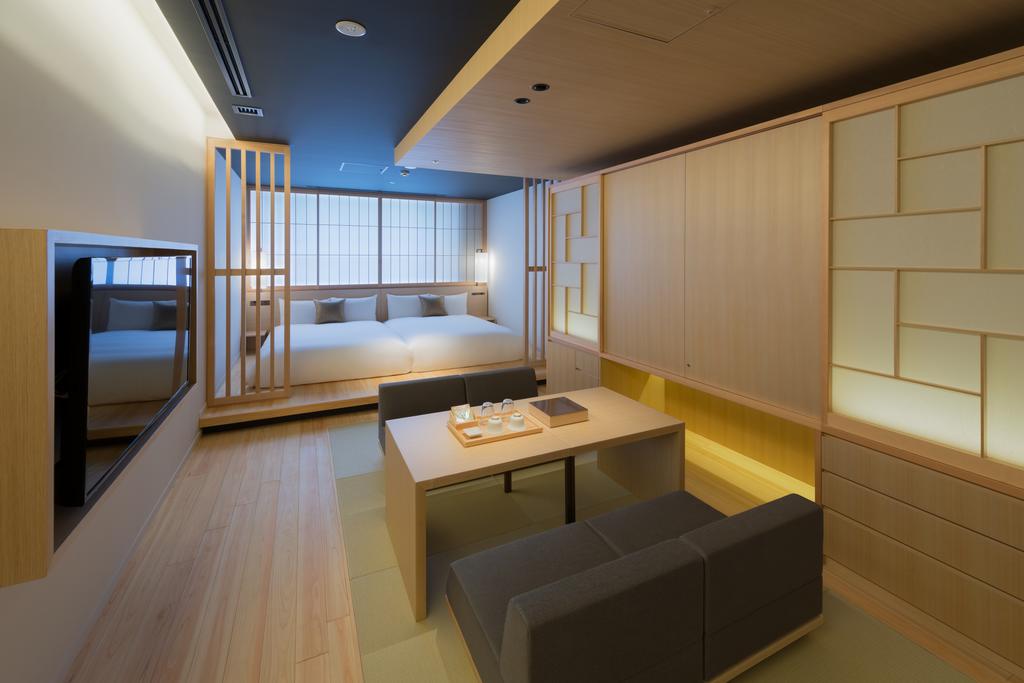
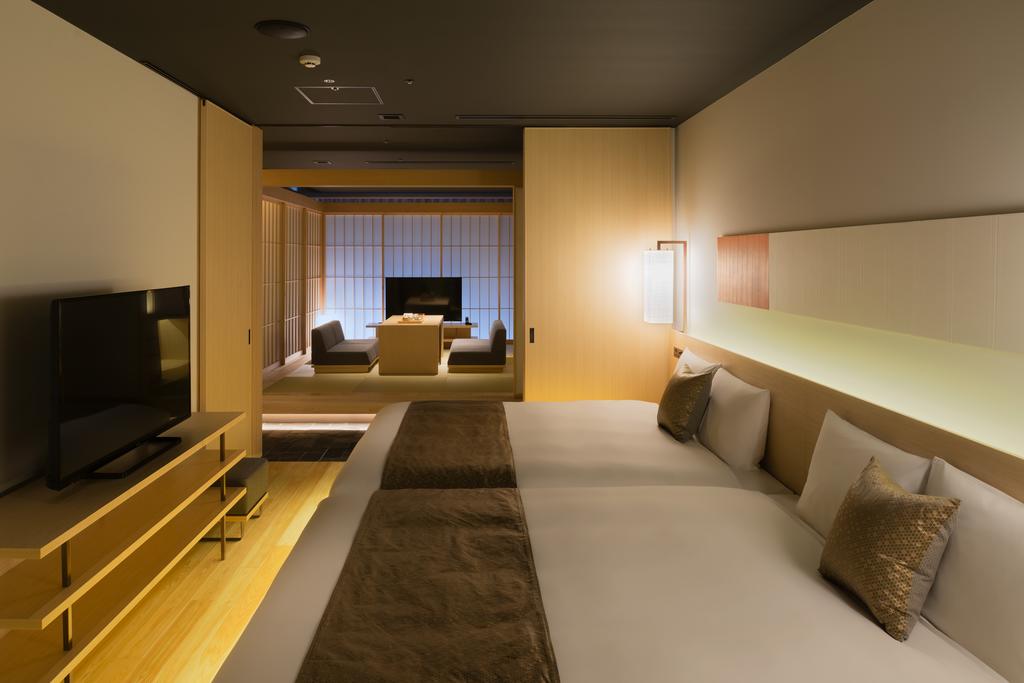
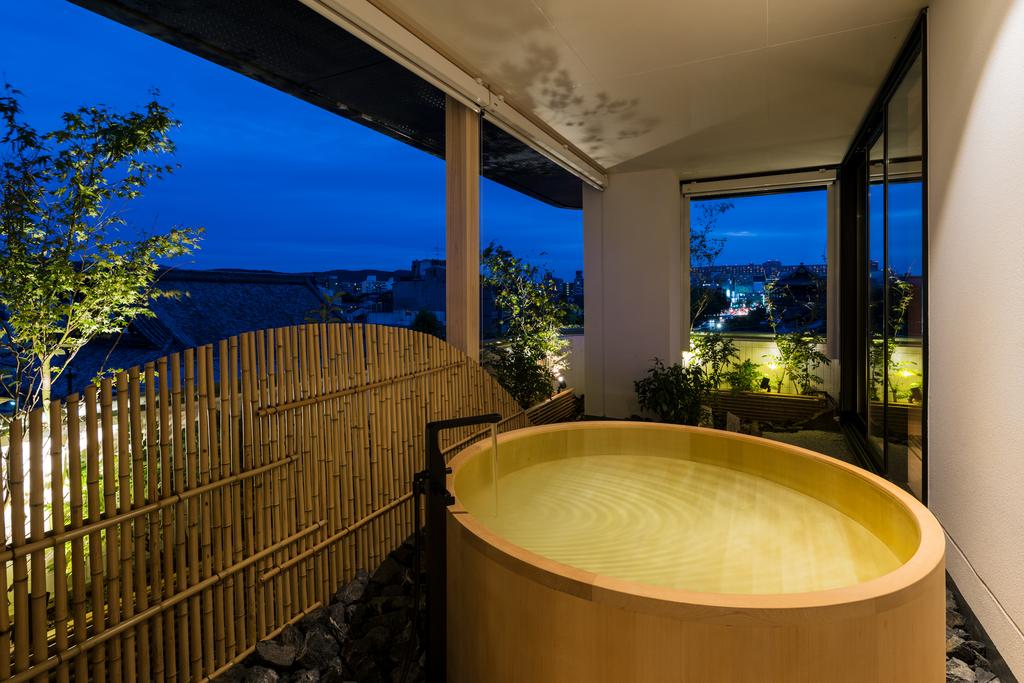
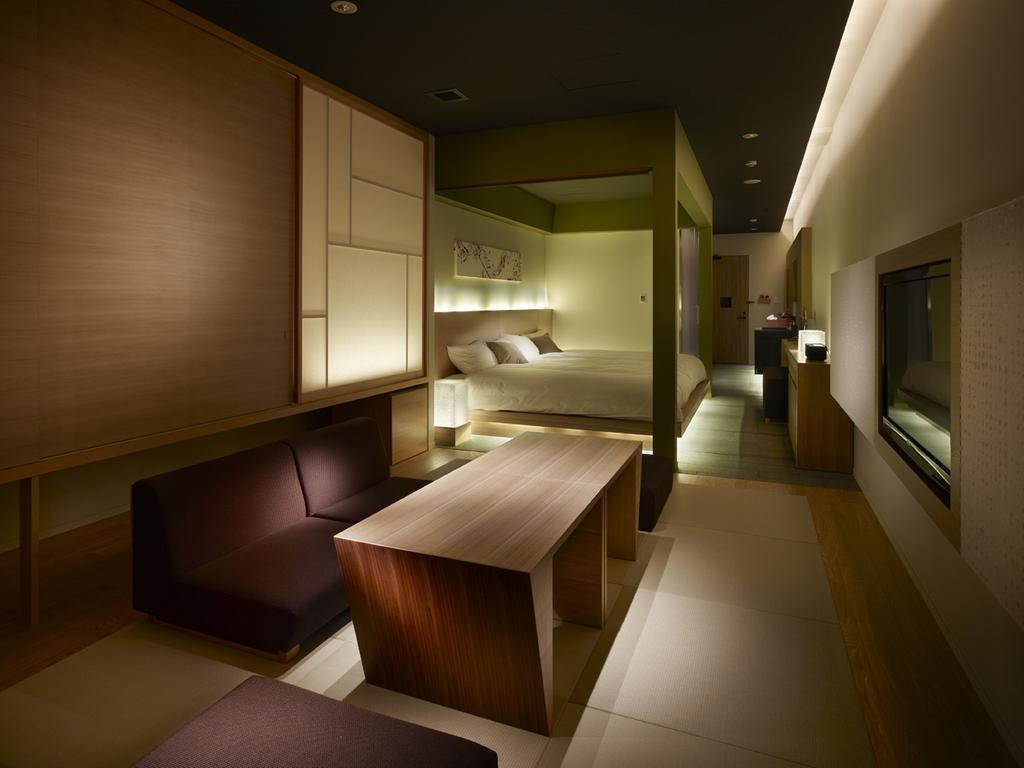
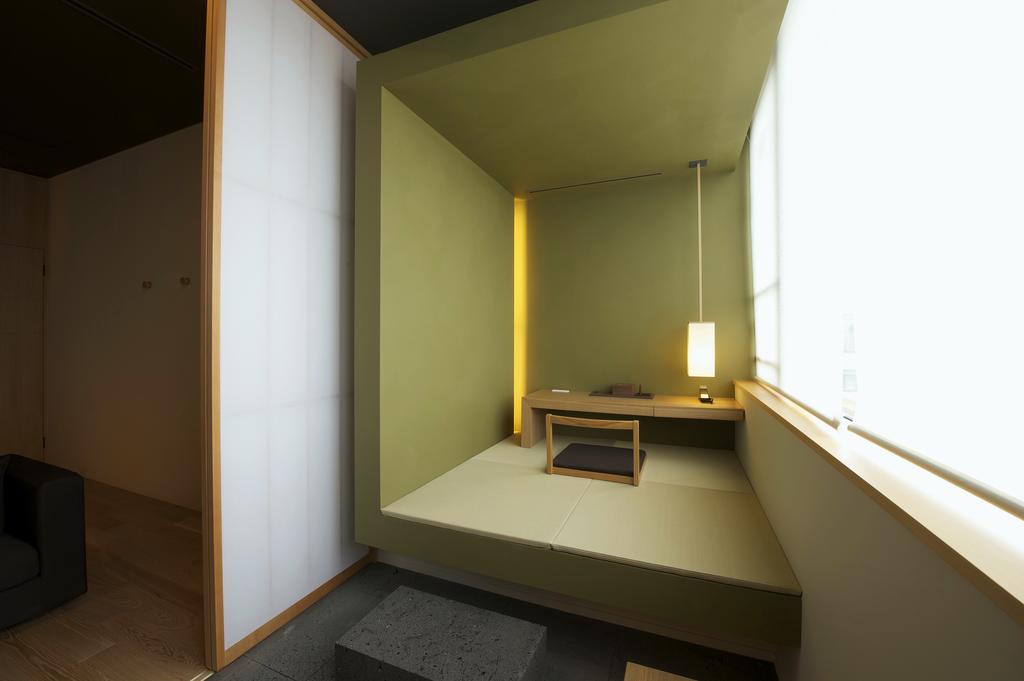
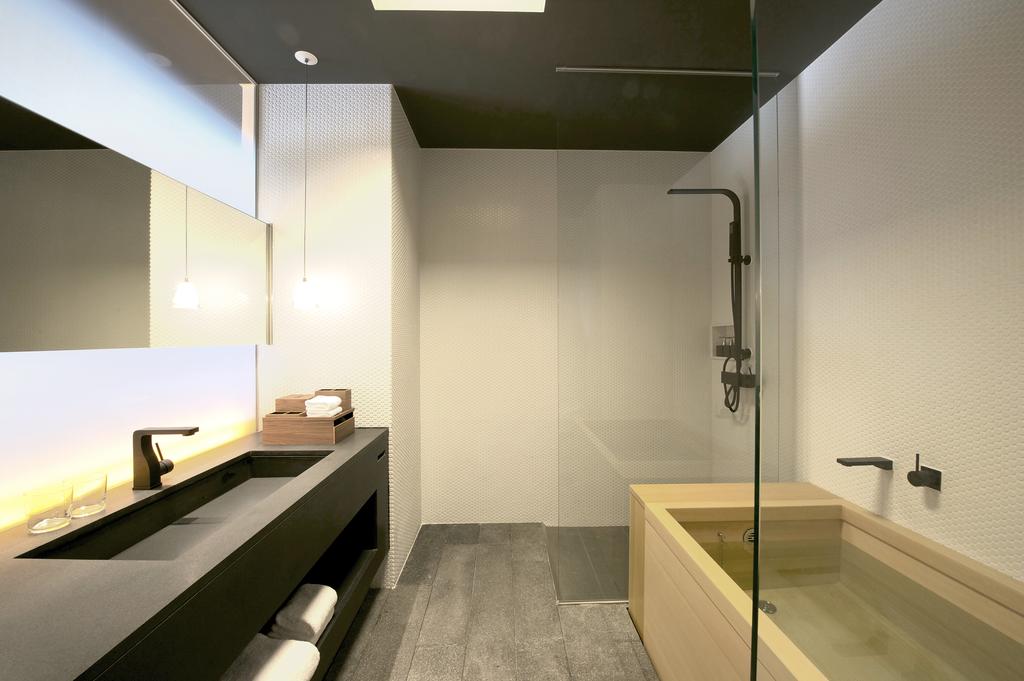
Beautifully tactile rooms combining tatami, timber, lattice screens, deep soaking tubs, Kiyomizu-yaki ceramics, and locally crafted details.
A genuine commitment to Kyoto's living craft culture, connecting guests with local ceramicists, textile makers, tea producers, and artisans.
The Stay
Hotel Kanra | Kyoto, Japan
Kyoto, Reinterpreted
Some hotels preserve tradition. Hotel Kanra allows it to evolve. Set between Kyoto Station and the historic streets of Higashiyama, Kanra approaches the city’s extraordinary cultural heritage without attempting to recreate the past. Instead, traditional architecture, craftsmanship, and hospitality are translated into a contemporary language that feels unmistakably Kyoto. Long before the modern ryokan became a hospitality trend, Kanra understood that authenticity isn’t about imitation. It’s about interpretation.
A Hotel Built Around Craft
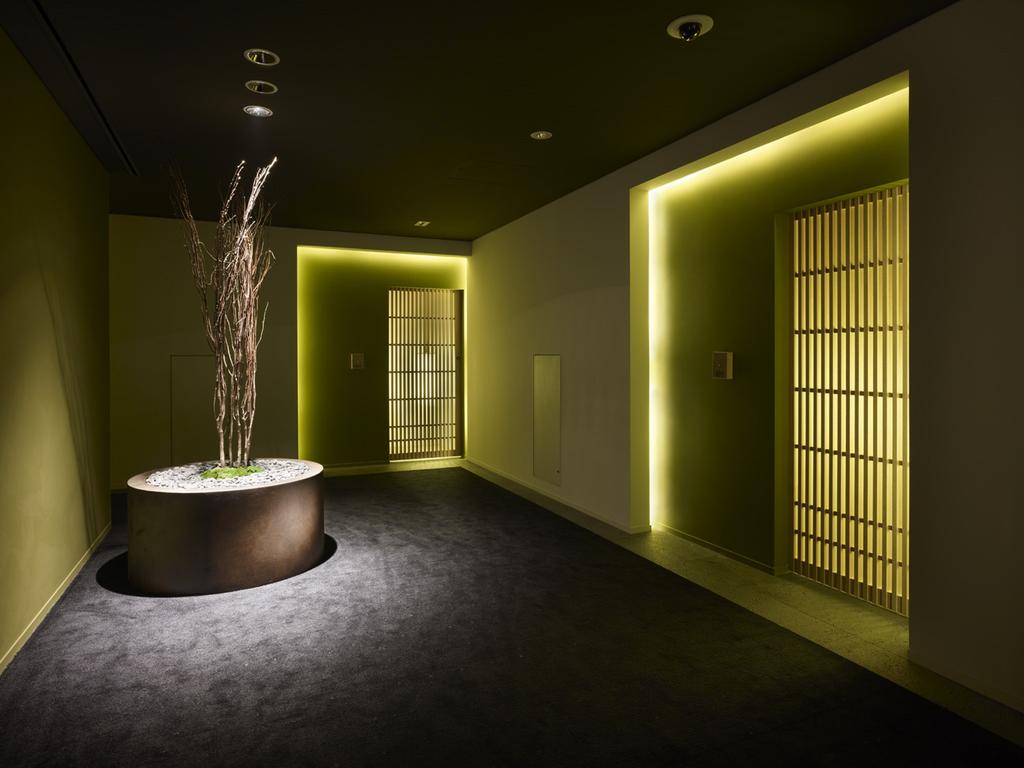
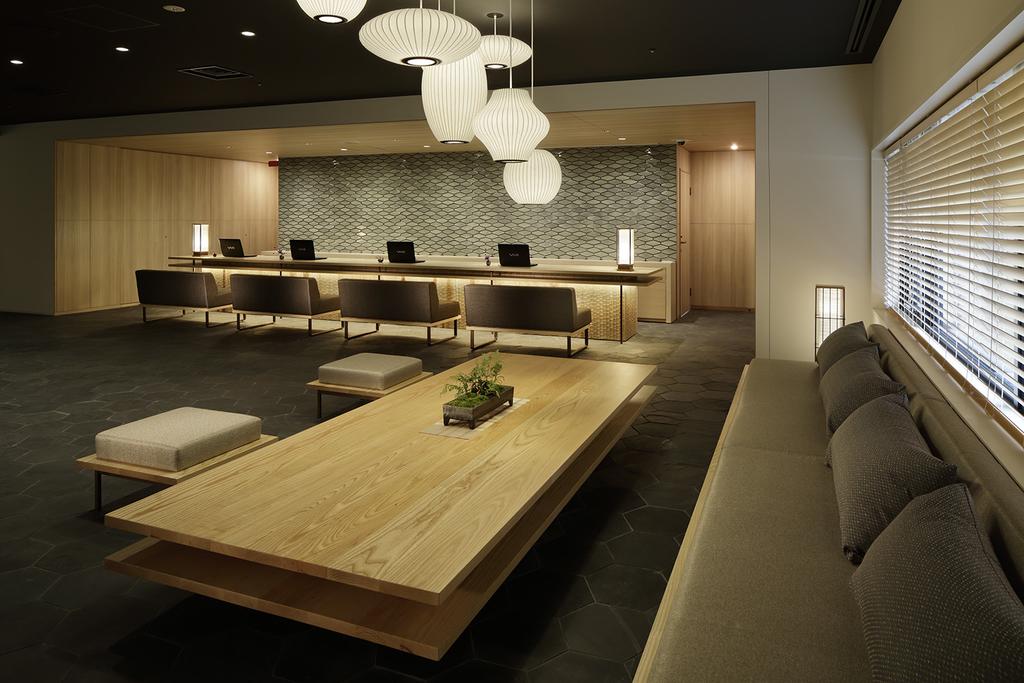
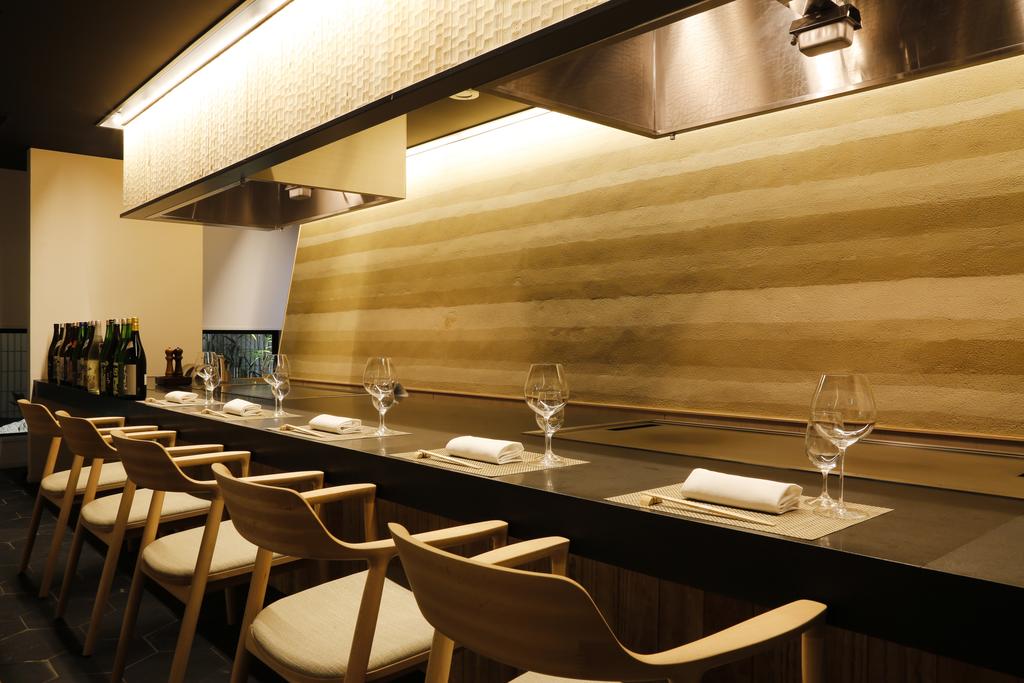
From the moment you enter, materials establish the mood. Natural stone, warm timber, paper, ceramics, and softly filtered light create an atmosphere that feels closer to a beautifully composed residence than a conventional city hotel. The lobby flows into spaces showcasing objects by Kyoto makers, from ceramics and textiles to incense and traditional crafts. These aren’t decorative gestures added to create a sense of place. Craftsmanship is embedded throughout the hotel. The result is understated, tactile, and deeply human.
A Contemporary Ryokan
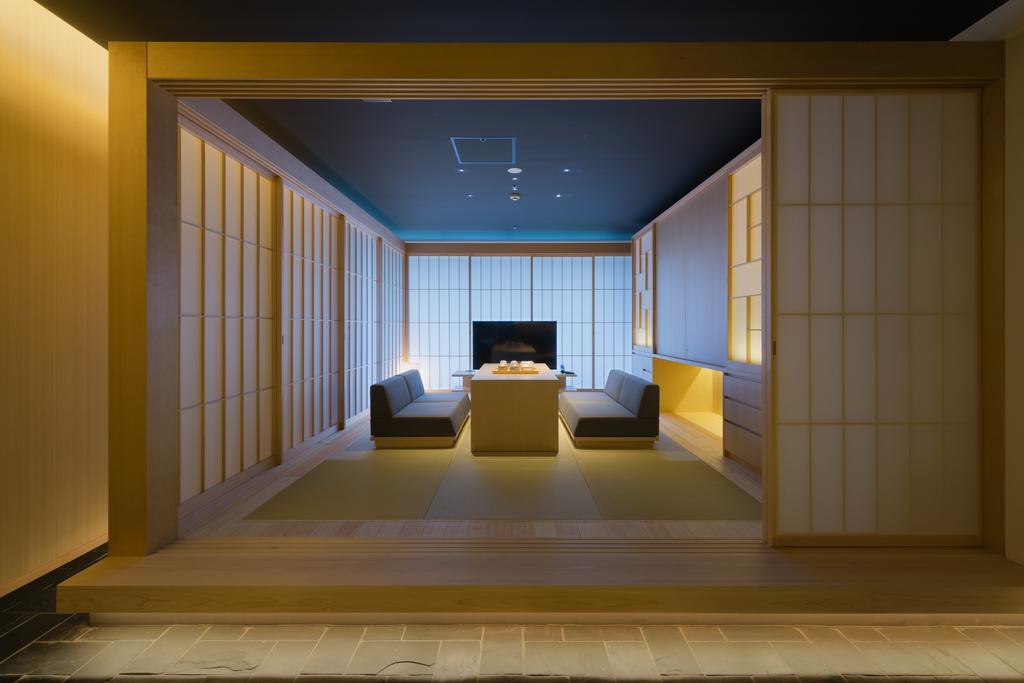
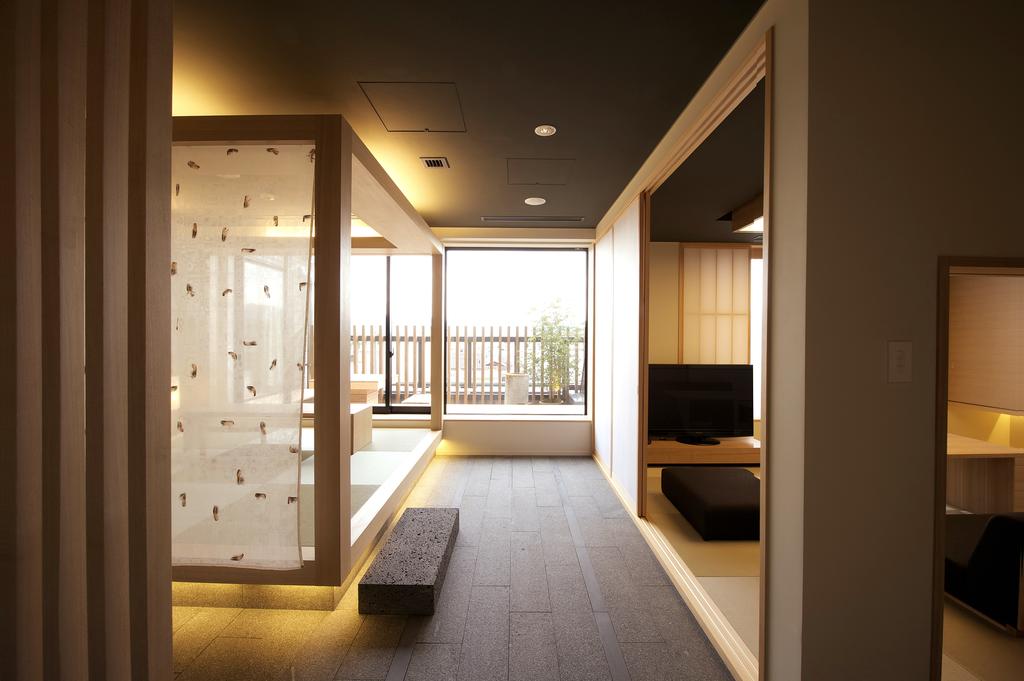
The guestrooms are where Kanra’s philosophy becomes particularly convincing. Arrival unfolds gradually through timber lattice screens, lantern-like lighting, and stone thresholds inspired by the spatial language of Kyoto’s traditional machiya. Beyond them, generous rooms combine tatami floors and natural timber with clean contemporary furnishings and locally made objects. Deep soaking tubs turn bathing into ritual, while Kiyomizu-yaki ceramics, Kyoto textiles, artisan sweets, and tea from Marukyu Koyamaen bring the city’s craft traditions into everyday moments. Nothing feels theatrical. This is Kyoto tradition made genuinely livable.
The Architecture of Transition
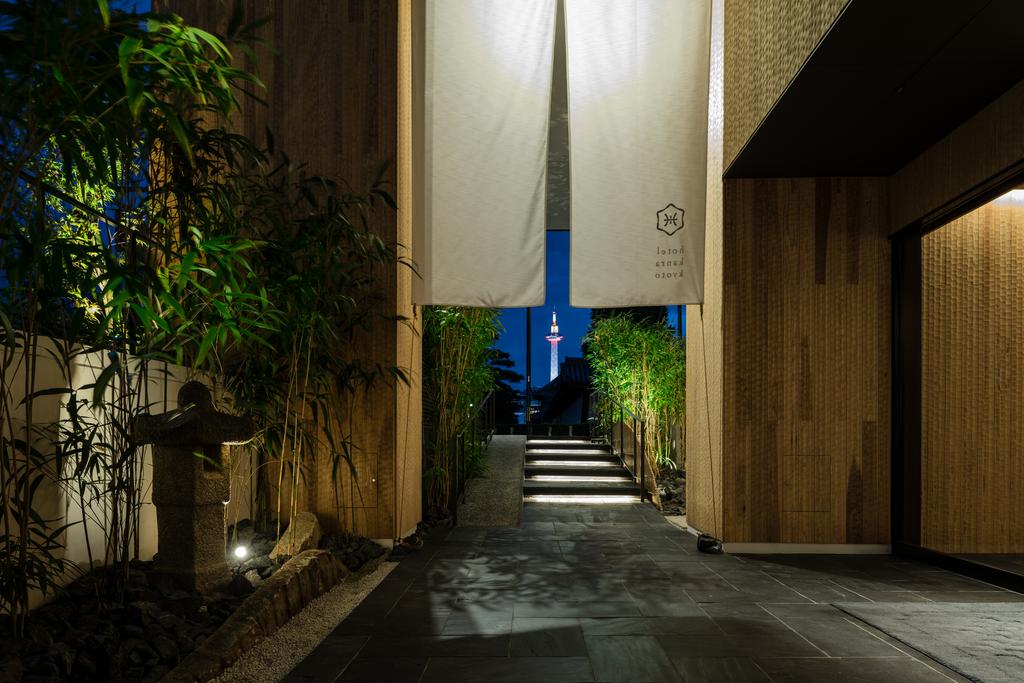
Kanra understands that Japanese architecture is as much about movement as rooms. Corridors become carefully composed pathways. Light filters through timber screens. Courtyards interrupt the architecture unexpectedly. Boundaries between interior and exterior soften as you move through the building. These moments encourage something increasingly rare in city hotels: attention. You notice the texture of timber. The changing quality of daylight. The transition from stone to tatami beneath your feet. Architecture quietly changes your pace.
Kyoto’s Living Craft Culture
Kanra’s relationship with Kyoto extends well beyond its interiors. Collaborations with local ceramicists, craftspeople, tea producers, workshops, and cultural institutions connect guests with the people continuing traditions that have shaped the city for generations. That distinction matters. Rather than presenting Kyoto craftsmanship as something historical to be admired behind glass, Kanra treats it as a living culture—something still being made, used, adapted, and passed forward. The hotel becomes a bridge between visitor and city.
Why It Works
Hotel Kanra demonstrates how tradition can inform contemporary hospitality without becoming costume. Through thoughtful architecture, tactile materials, beautifully crafted rooms, and genuine relationships with Kyoto’s makers, it captures the city’s identity through experience rather than decoration. Quiet, warm, and exceptionally considered, Kanra offers a modern interpretation of Japanese hospitality that feels neither nostalgic nor trend-driven—just deeply, convincingly Kyoto.
Information
At a glance
Architecture
Norito Nakahara
Opened / Renovated
2010
Size matters
68 rooms & suites (30-103m2) (323-1,110 sq ft)
Interior design
Norito Nakahara
Featured in
Don't take our word for it


Handpicked worldwide
A carefully curated collection of exceptional boutique and design hotels across the globe.
Design with soul
Architecture, atmosphere and craftsmanship come together in stays with a clear identity.
Hidden, not hyped
Independent boutique hotels you rarely find on mainstream booking platforms.
Travel guidance
Personal recommendations and thoughtful support from people who actually know the places.