


Saint-Tropez, Before the Superyachts
La Ponche preserves the intimate spirit of old Saint-Tropez, blending Fabrizio Casiraghi’s understated Mediterranean design with Bardot-era glamour, artistic history and life beside the sea.

Why DNA Hotels loves it
Fabrizio Casiraghi’s renovation respects La Ponche’s extraordinary history rather than turning it into a nostalgic stage set.
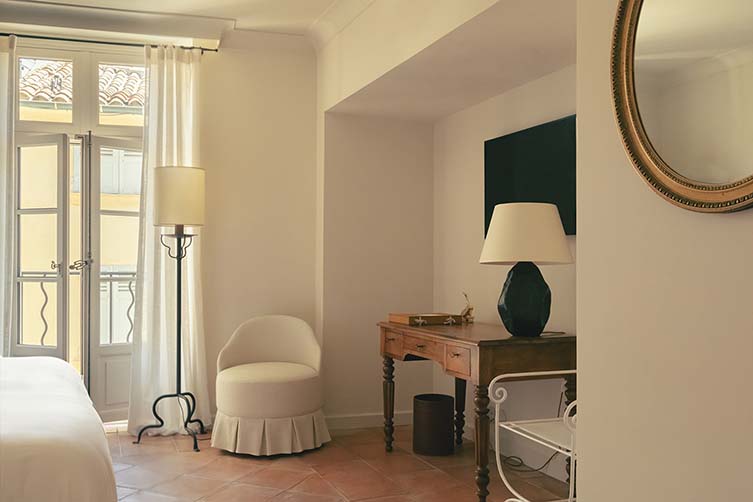
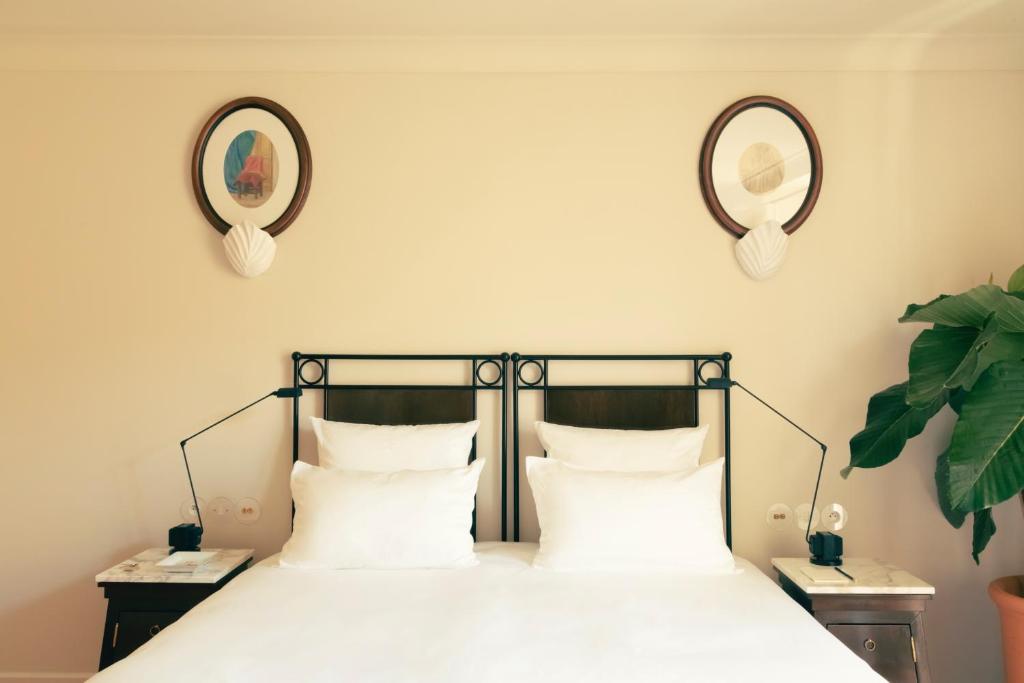
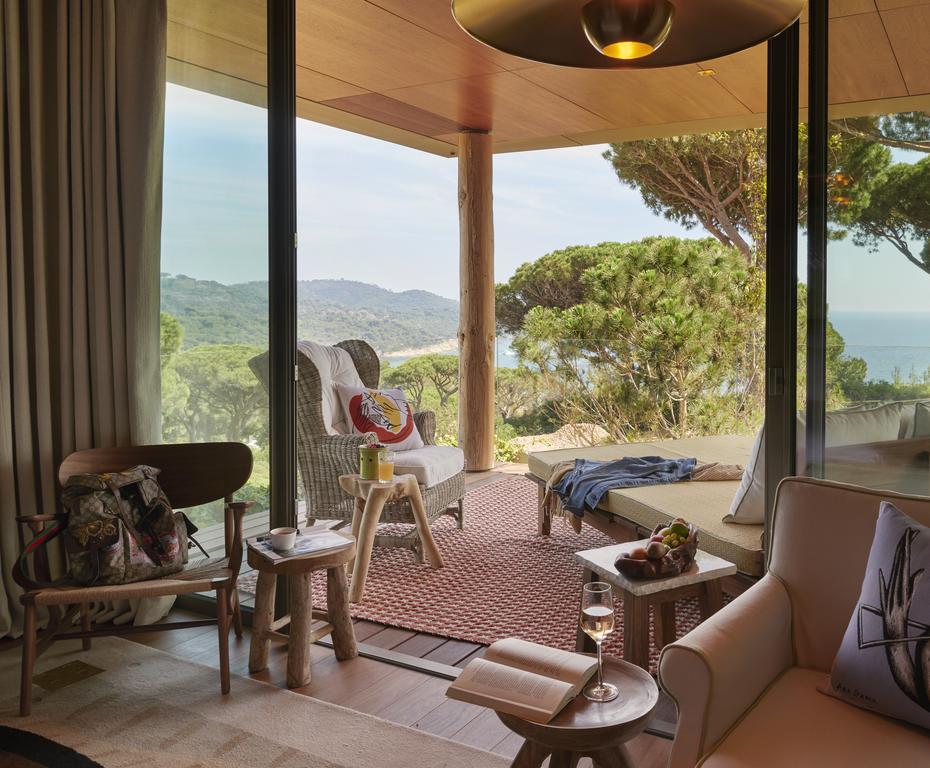
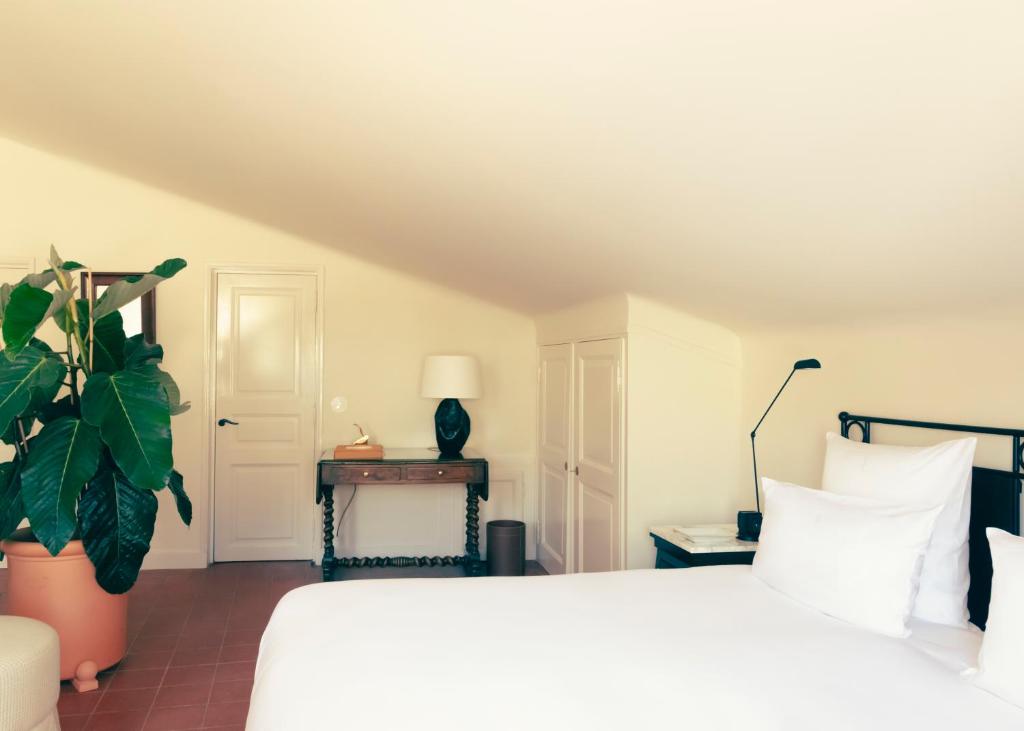
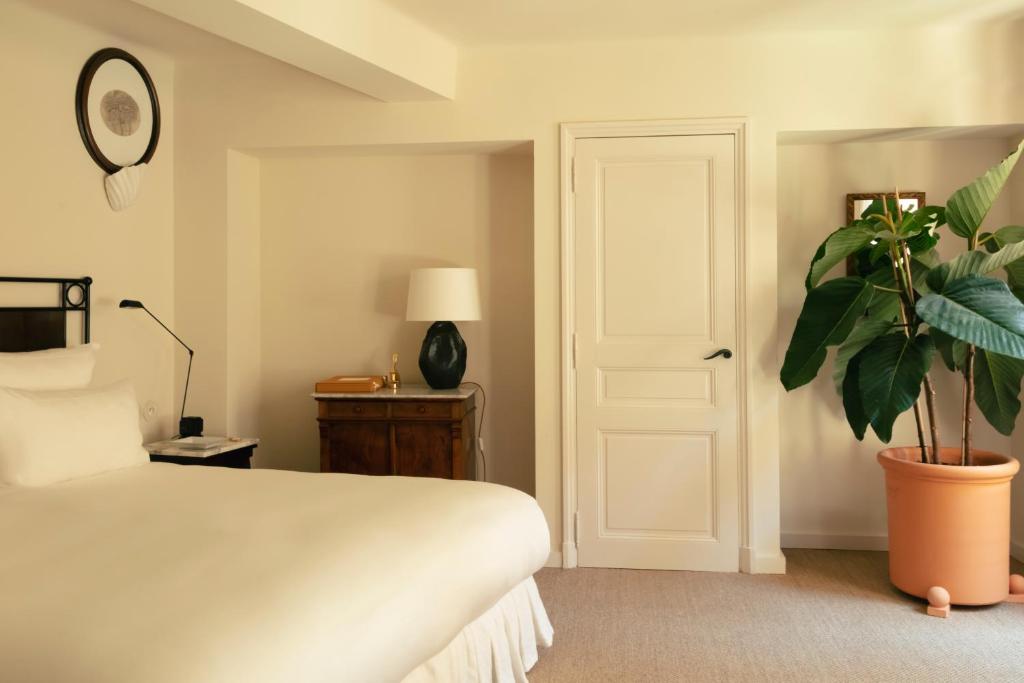
Its 21 rooms preserve the scale and intimacy of the original hotel, with walnut joinery, Picasso lithographs, Jacques Cordier artworks and traditional Provençal details.
Few hotels are so intertwined with the mythology of Saint-Tropez — from Brigitte Bardot and Romy Schneider to Sartre, Simone de Beauvoir, Boris Vian and Picasso.
The Stay
Bardot-era glamour, Mediterranean intimacy and a Riviera legend carefully brought back to life
La Ponche existed before the yachts, boutiques and mythology. What began as Simone Duckstein’s parents’ modest establishment in 1938 became a gathering place after the war for local fishermen, artists, writers, actors and the bohemian crowd drifting south from Paris. By the 1950s, guests arrived on the Blue Train at Saint-Raphaël or drove through the night to a village still regarded as a little Mediterranean paradise. Then came And God Created Woman. Brigitte Bardot, Roger Vadim and Jean-Louis Trintignant stayed here. So did Françoise Sagan, Boris Vian, Jean-Paul Sartre, Simone de Beauvoir, Romy Schneider, Catherine Deneuve, Michel Piccoli and Jack Nicholson. La Ponche became part hotel, part salon, part private refuge. Its appeal was discretion. No guest book. No fuss. No mythology manufactured after the fact.
Fabrizio Casiraghi Leaves the Myth Intact
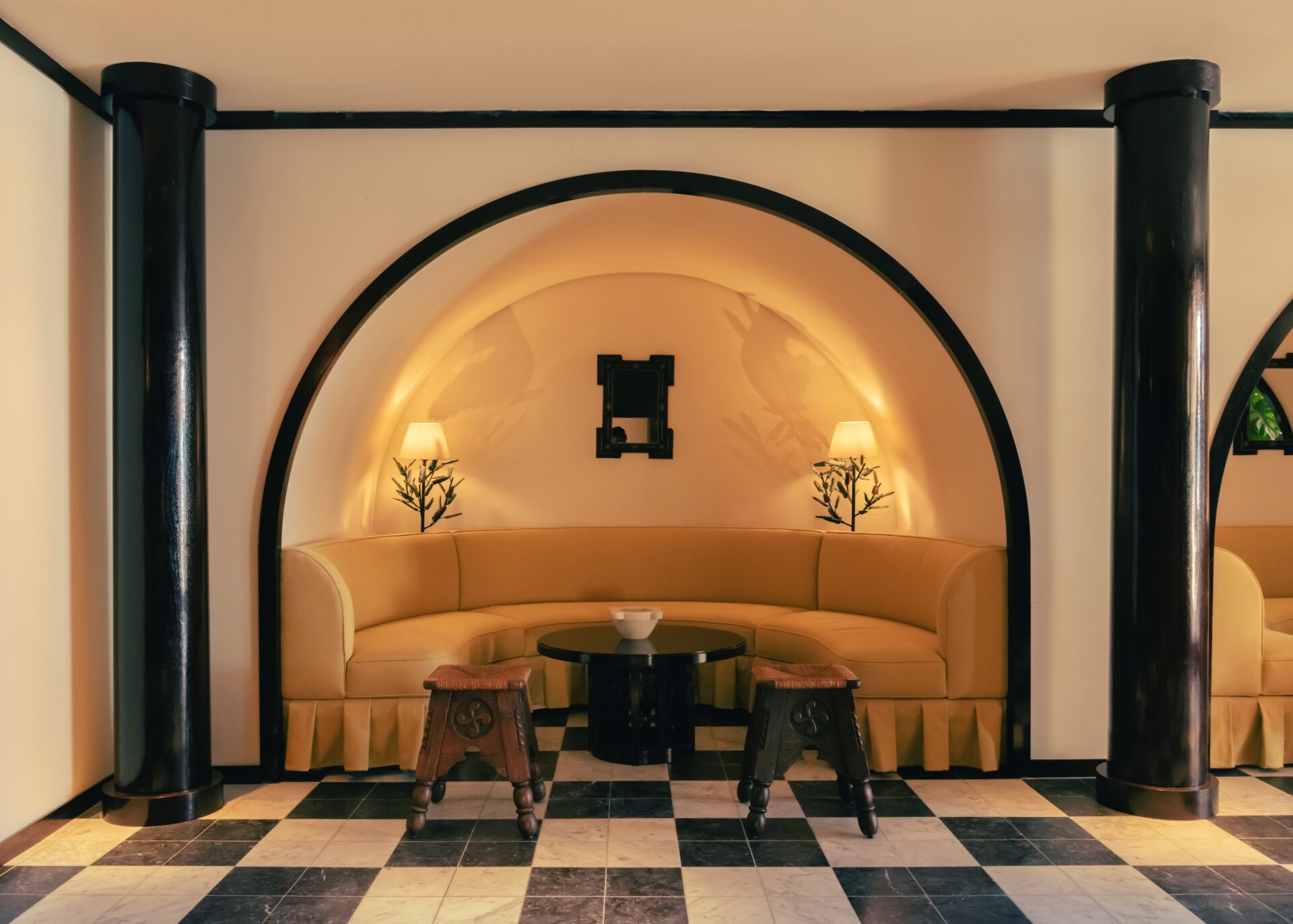
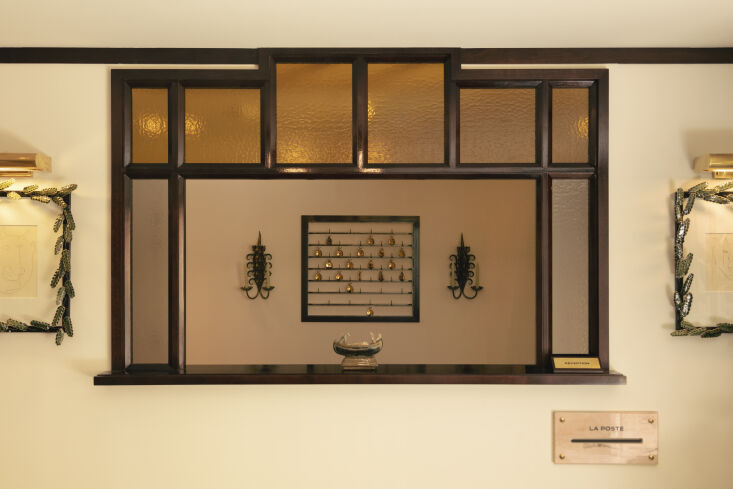
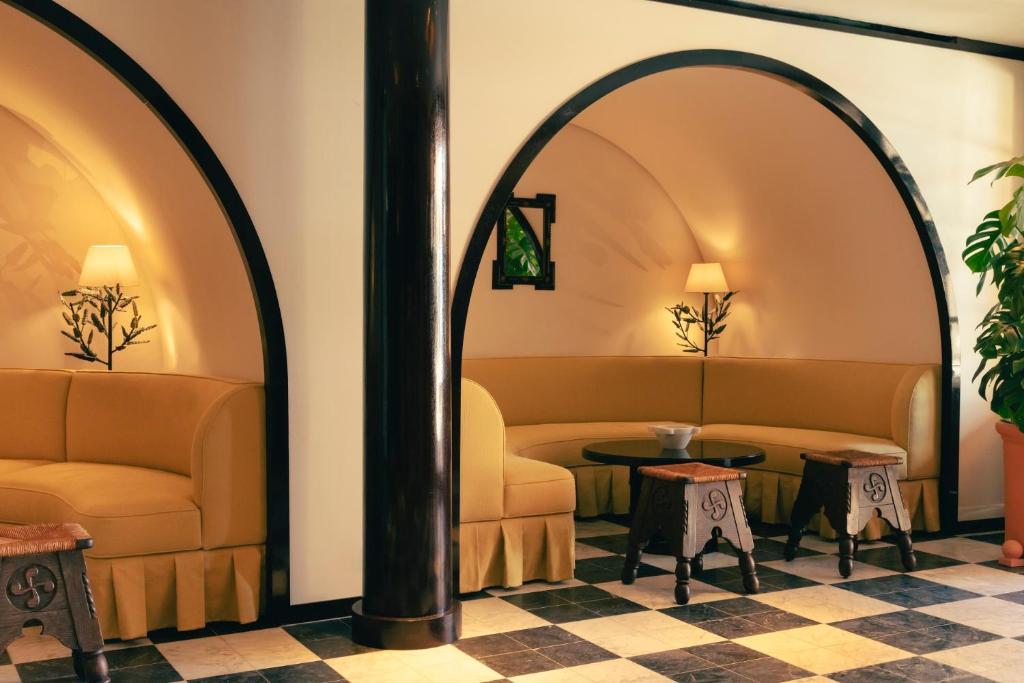
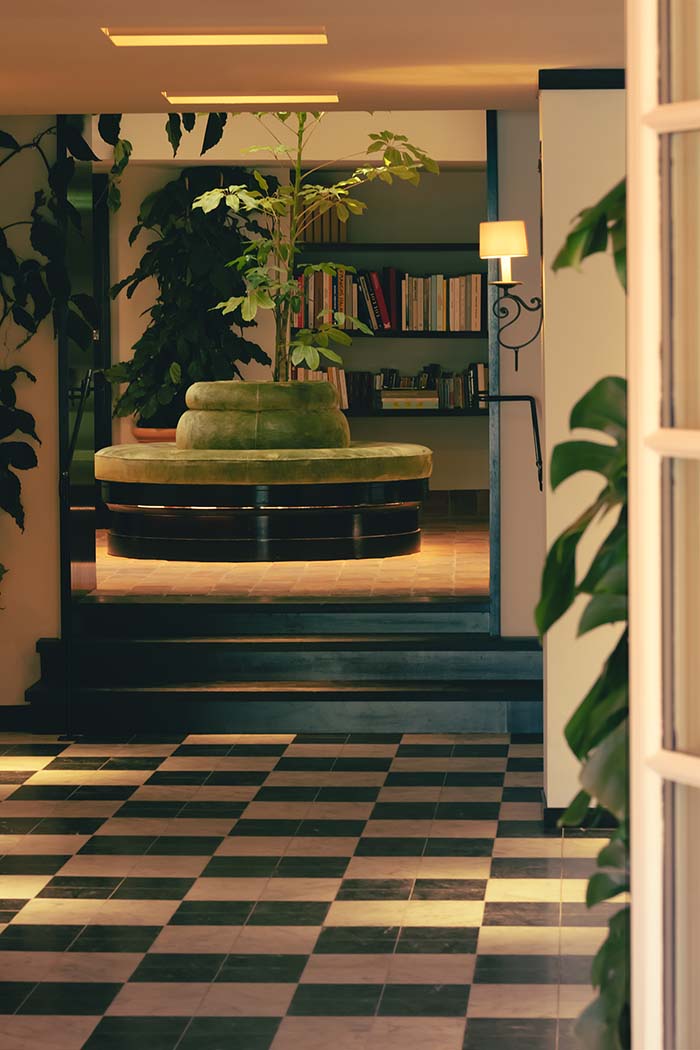
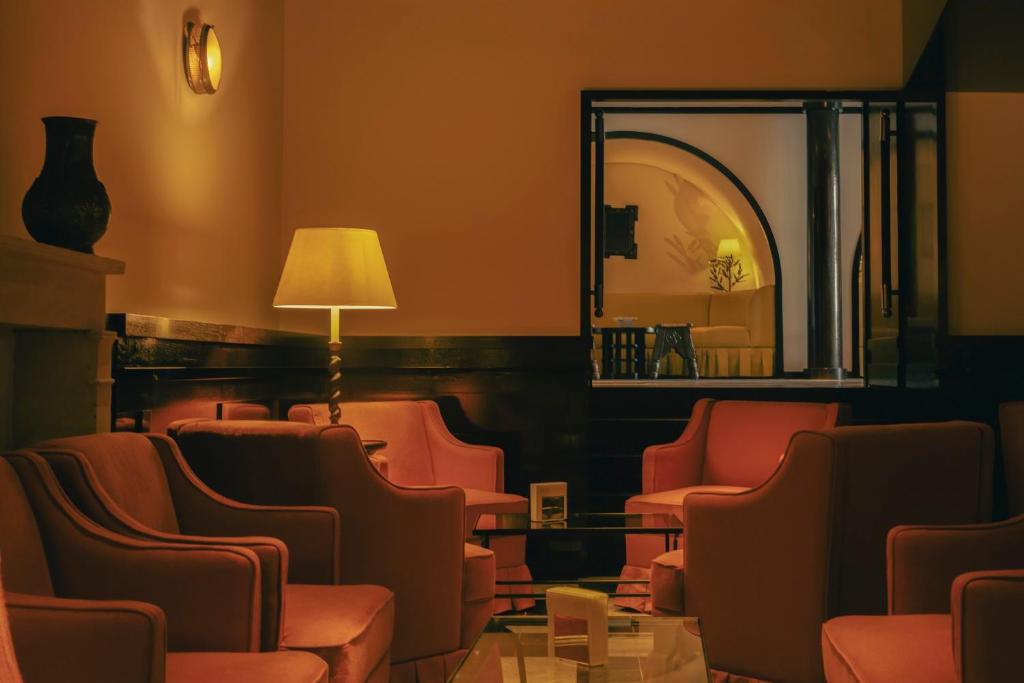
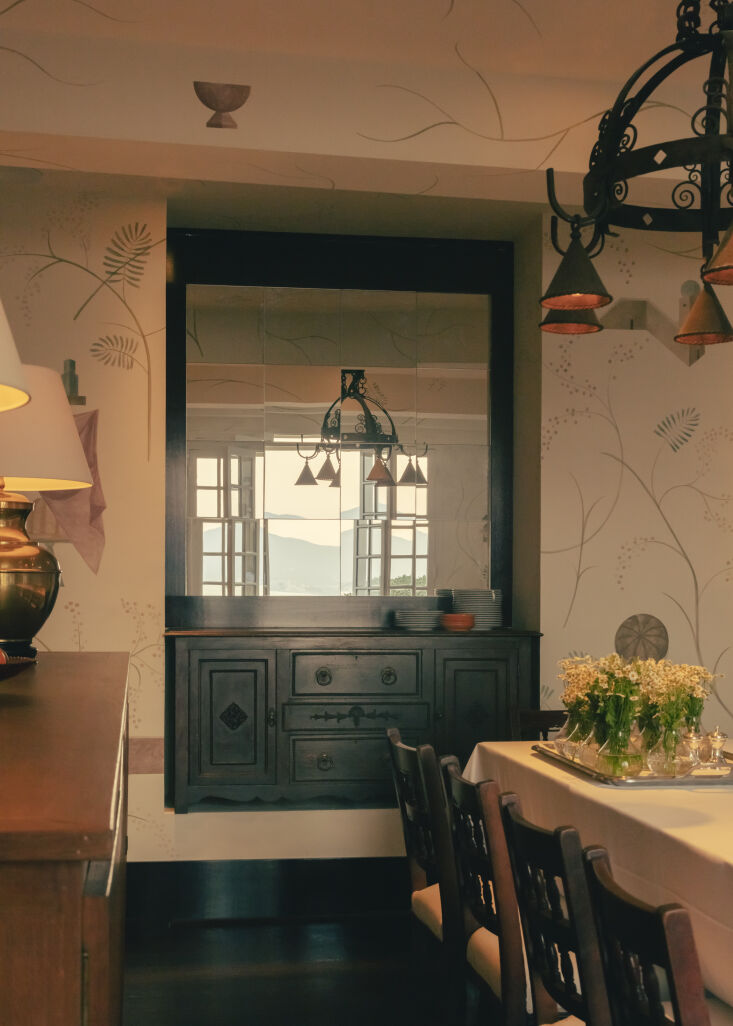
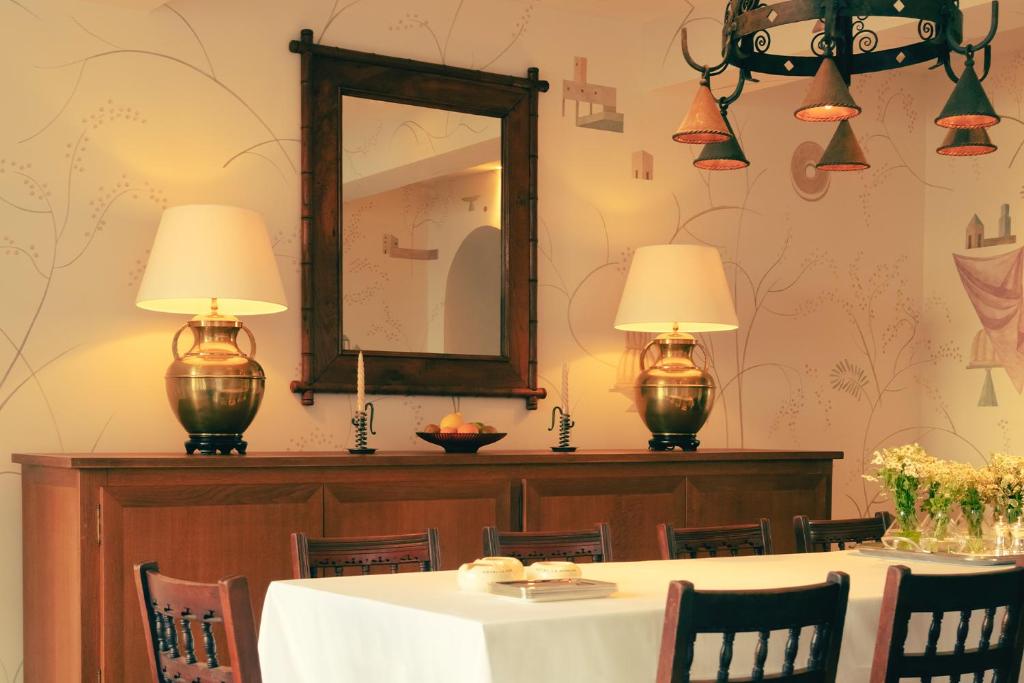
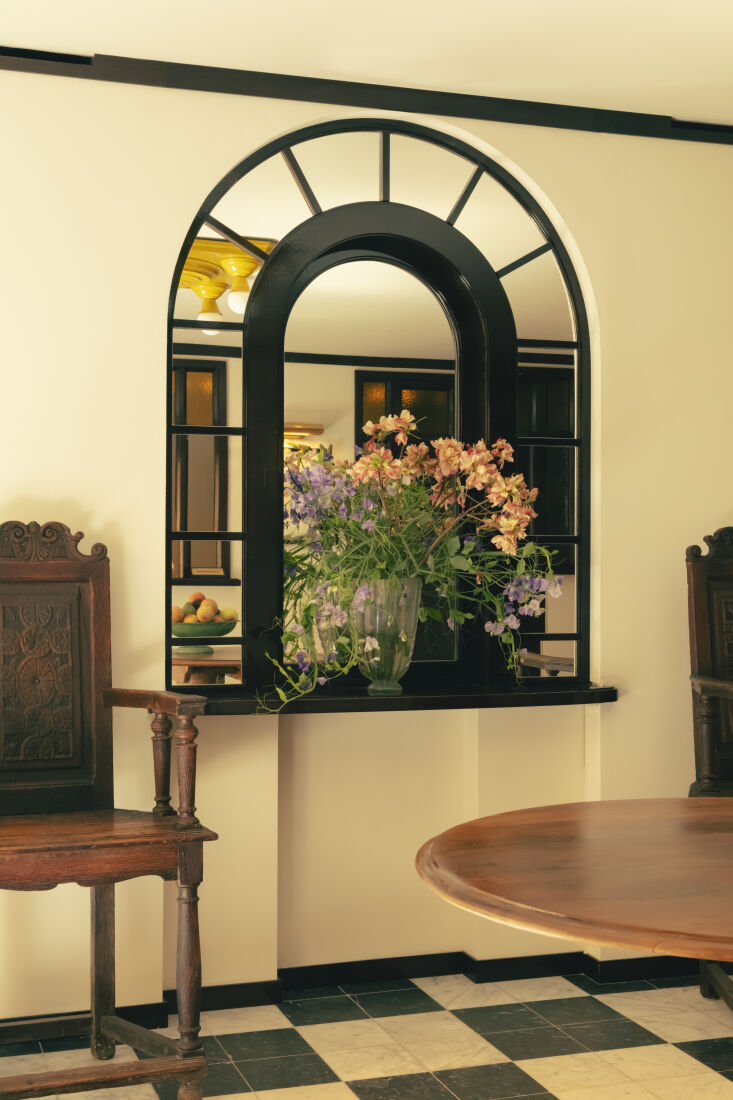
Renovating such a place required restraint. Milanese designer Fabrizio Casiraghi approached the eight-month transformation not as a reinvention but as the imagined renovation of an inherited Mediterranean holiday house. His references were Saint-Tropez first, with traces of Capri and Positano: the 1960s, summer idleness, objects accumulated over time and rooms that feel collected rather than decorated. The architecture was largely left alone. Instead, Casiraghi introduced a visual rhythm of black-and-white checkerboard floors, ivory walls, American walnut, gloss-varnished dark timber, traditional brass room keys and carefully chosen vintage-style furniture. The famous bar became one of his strongest interventions. Mirrored shelving glows behind bottles beneath a walnut ceiling, while wrought-iron tables, movable armchairs, a fireplace and checkerboard tiles resurrect something of the old Saint-Germain-des-Prés spirit once brought here by Boris Vian and his friends. History remains visible.
21 Rooms, Each Carrying a Memory
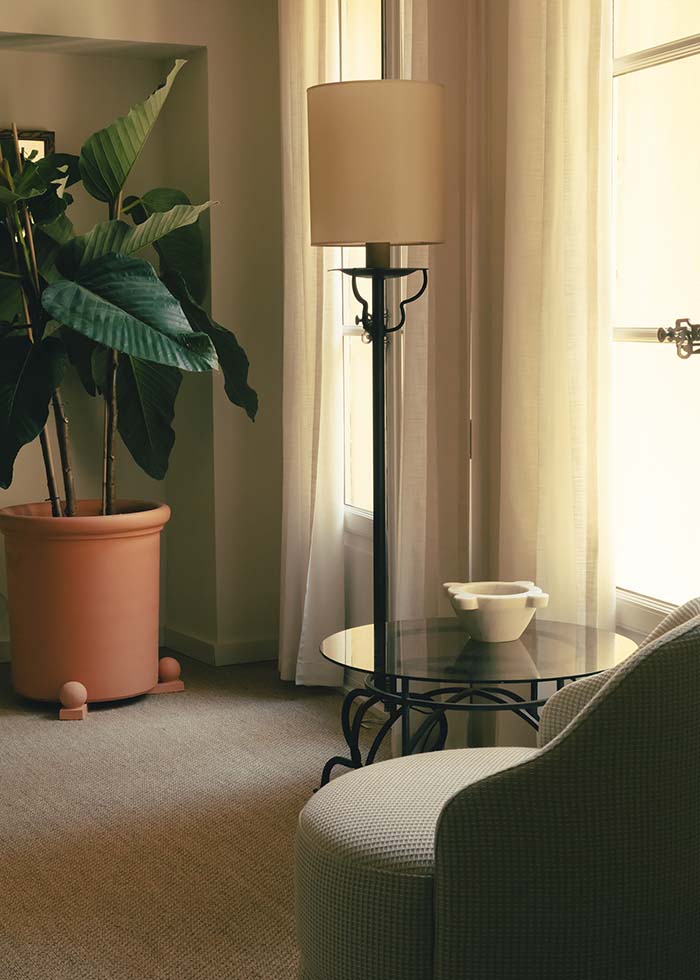
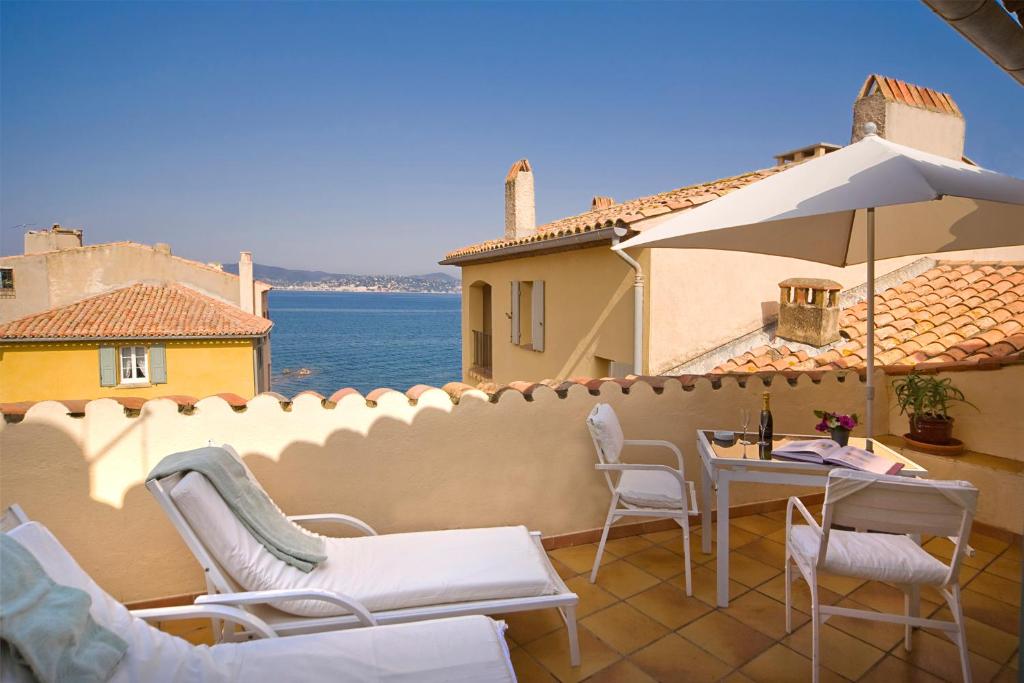
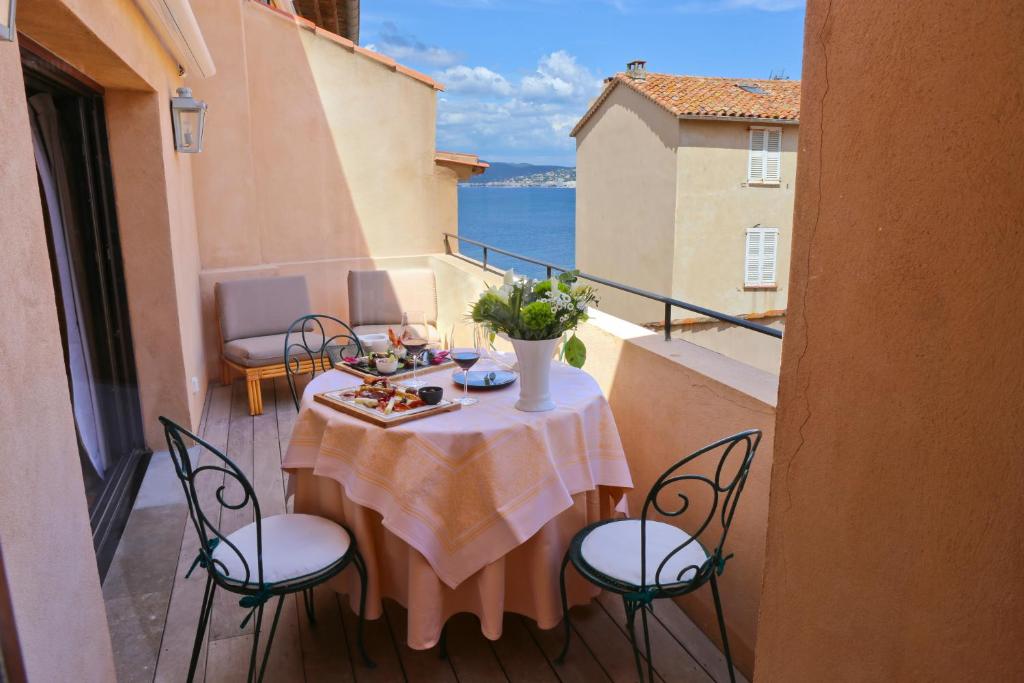
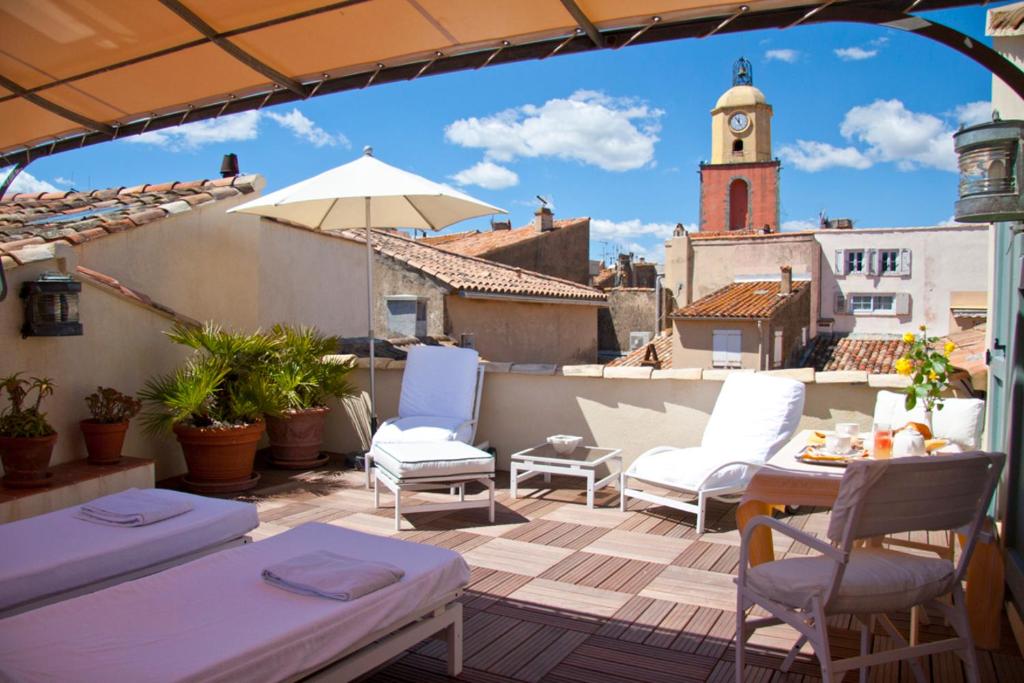
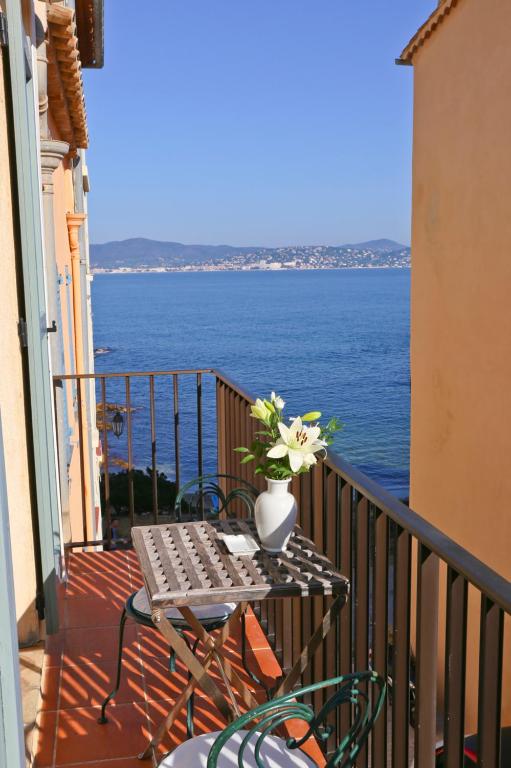
La Ponche has only 21 rooms and suites, spread through a slightly irregular collection of ochre village houses beside the water. Each is named after one of the hotel’s celebrated former guests. Casiraghi deliberately kept them simple. Off-white walnut joinery sits beside darker glossy timber, traditional tiled floors and fabrics by Loro Piana and Pierre Frey in muted greens, yellows and oranges. Art is used sparingly: works by Jacques Cordier, Simone Duckstein’s first husband, appear alongside original Picasso lithographs and ceramic details by Victor Levai. The most storied is Room 8, once associated with Romy Schneider and Daniel Biasini. Its terrace is almost as large as the room itself, opening across the rooftops, citadel, bell tower and Mediterranean. There is even a room dedicated to Simone Duckstein herself. Memory is not confined to an archive here. You sleep inside it.
From the Terrace to the Water
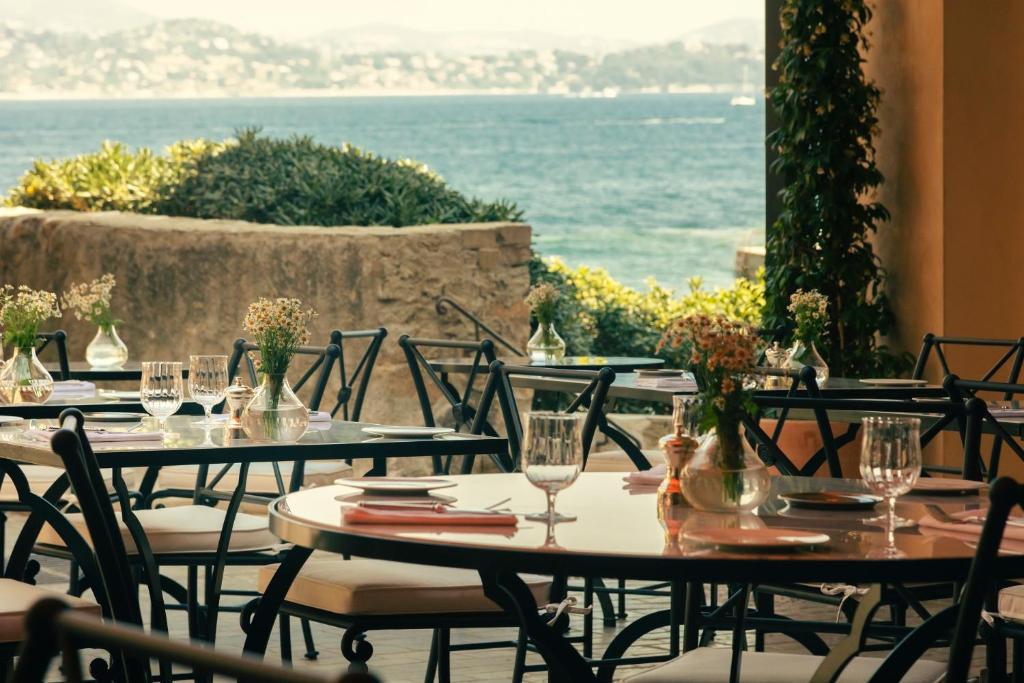
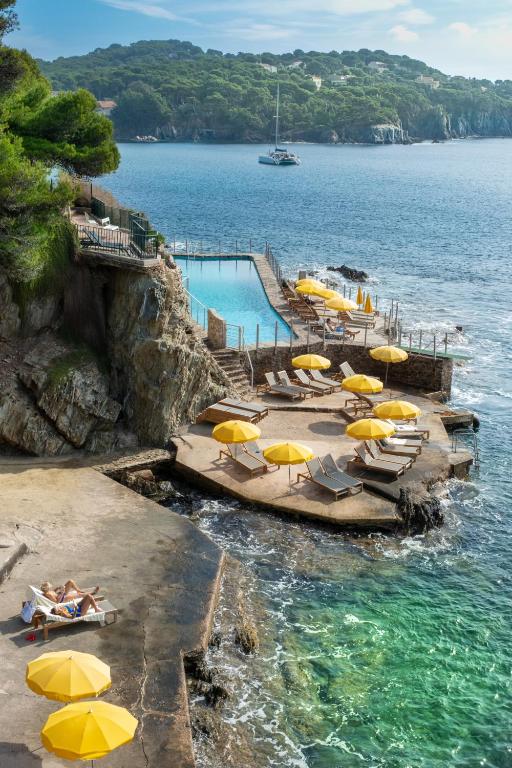
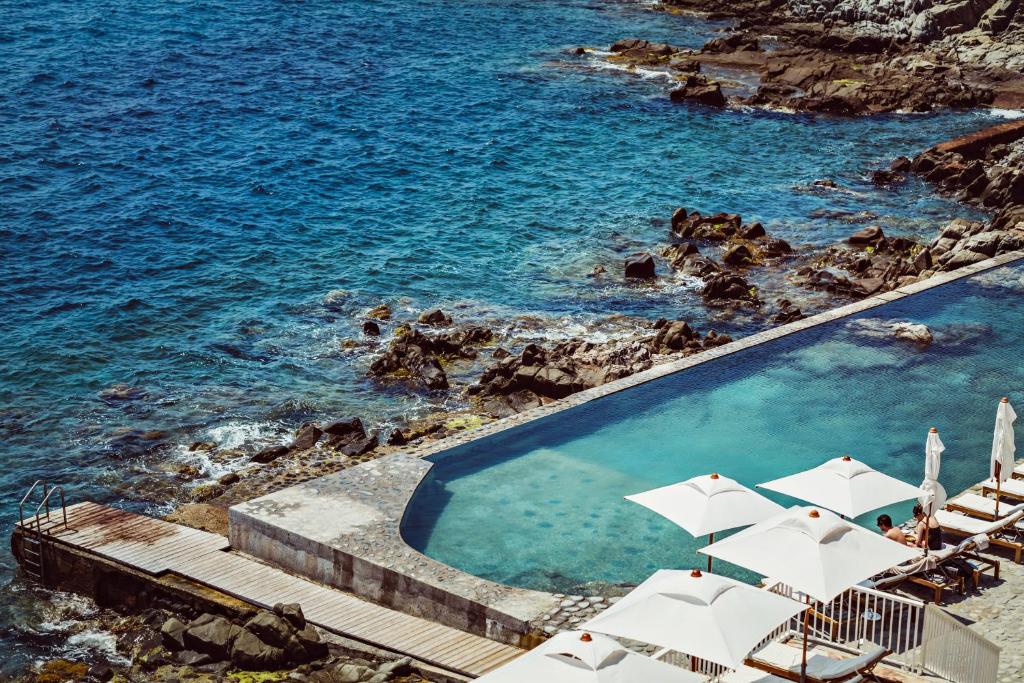
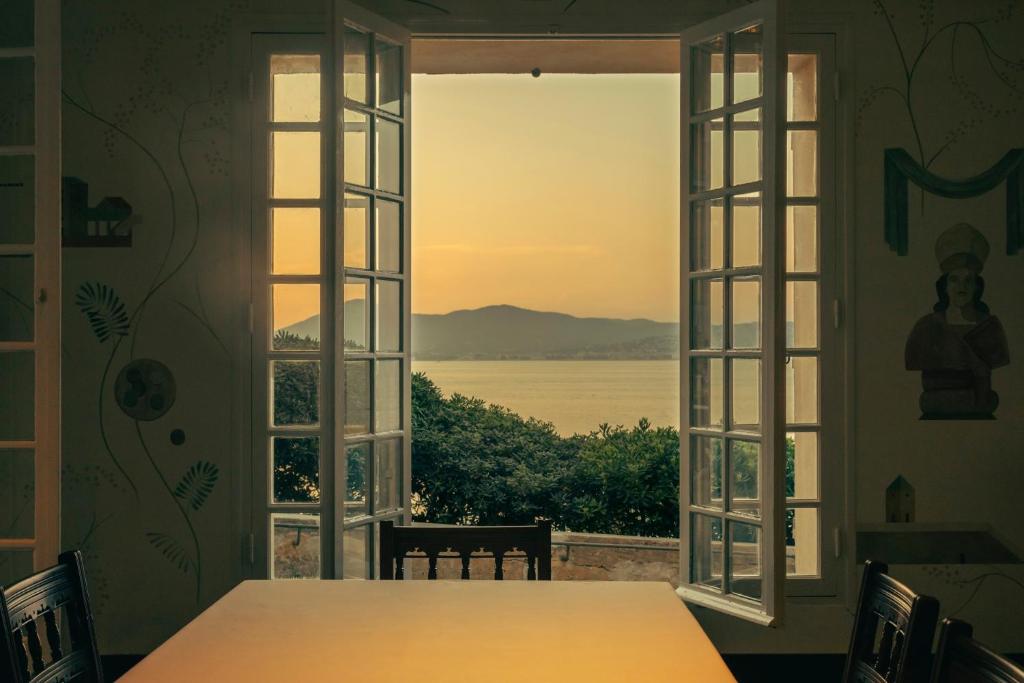
La Ponche’s great luxury is geographical. Step outside and the little pebble beach is almost beneath the building, the water close enough that the sound of the waves becomes part of the hotel. The pontoon functions as its unofficial seaside terrace, used for morning yoga and swimming before the streets of Saint-Tropez properly wake. The restaurant occupies another privileged edge between hotel and village. Chef Thomas Danigo built his menu around Mediterranean produce rather than elaborate technique: local vegetables, daily fish, grilled lobster, bouillabaisse and ingredients shaped by what arrives from the market. Lunch keeps things relaxed; dinner becomes slightly more formal without losing the uncomplicated spirit of the place. And then there is the bar. It remains La Ponche’s social engine, deliberately open beyond the hotel itself — a place for cocktails, conversation, private concerts and the kind of late night that once made this small corner of Saint-Tropez famous.
A Different Saint-Tropez
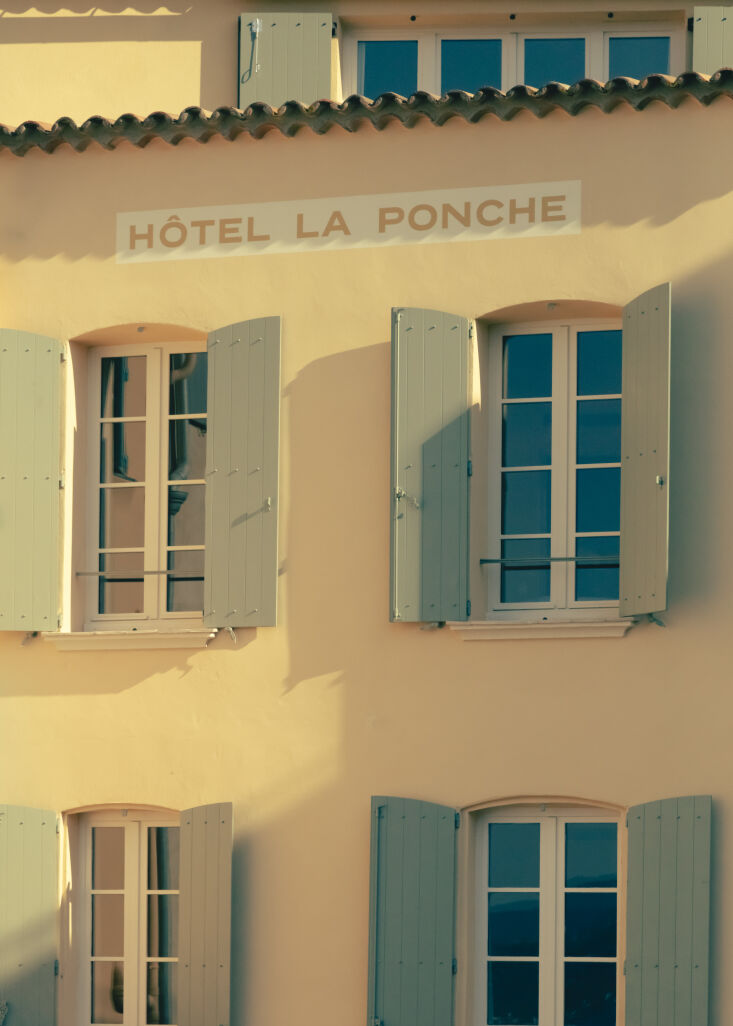
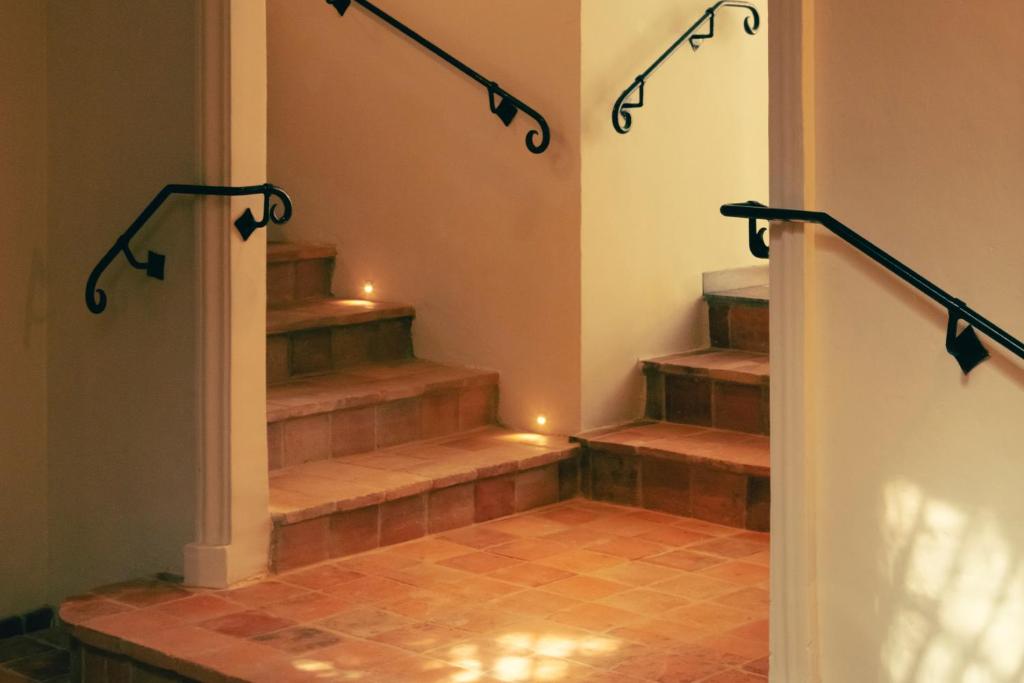
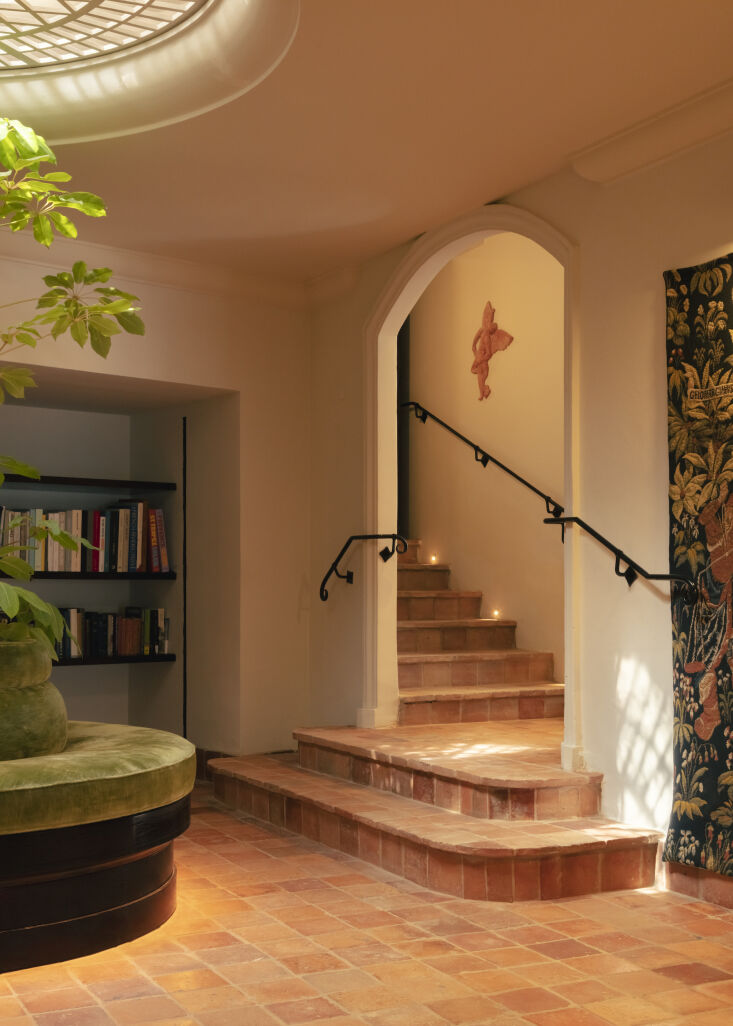
For all its famous names, La Ponche feels strikingly removed from the performative side of modern Saint-Tropez. There is no enormous pool, no sprawling resort landscape and no need to manufacture a beach-club fantasy. Instead, there are cobbled lanes, fishing-village houses, a tiny beach and the old harbour only minutes away. That intimacy is precisely the point. Casiraghi has restored glamour without polishing away the wrinkles. Black-and-white marble meets red Provençal tiles. Picasso hangs beside local art. A five-star hotel still feels strangely like someone’s slightly eccentric house by the sea. Luxury feels personal rather than monumental.
Why It Works
La Ponche succeeds because its greatest asset was never simply design. It was atmosphere. Fabrizio Casiraghi understood that the correct response to a hotel associated with Bardot, Sagan, Sartre, Vian and Schneider was not to recreate the 1950s but to preserve the looseness that made those people want to come here in the first place. The rooms remain small. The building remains irregular. The beach is still just outside. Locals can still drift into the bar. Simone Duckstein’s memories remain part of the house. Saint-Tropez has changed almost beyond recognition around it. La Ponche somehow still feels like La Ponche.
Information
At a glance
Architecture
Opened / Renovated
1938, renovated 2021
Size matters
21 rooms & suites (20-72m2) (215-775 sq ft)
Interior design
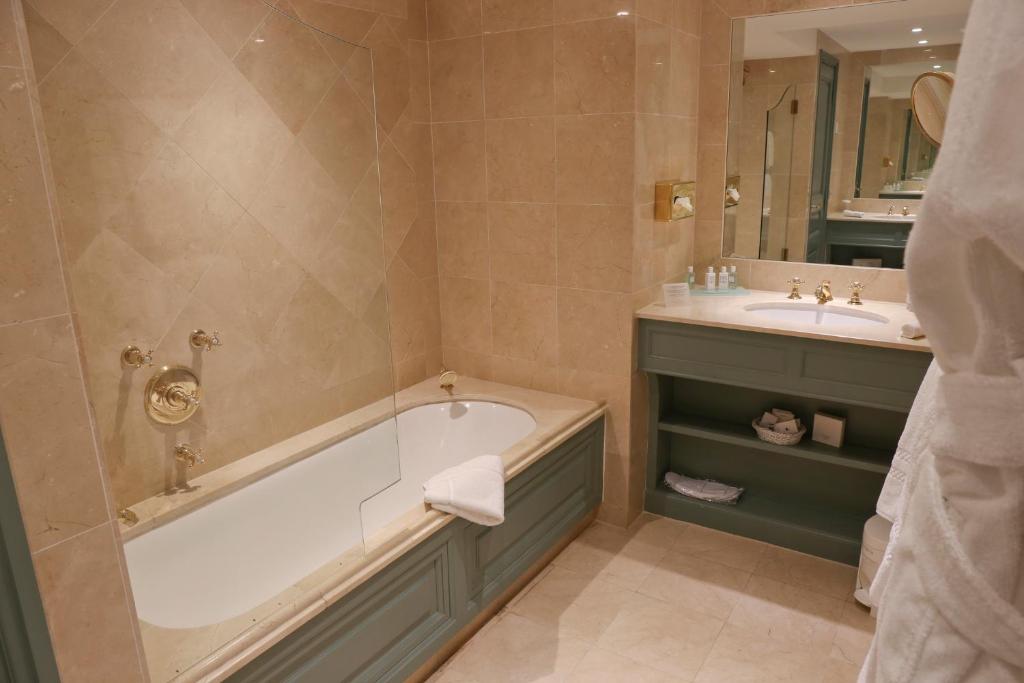
Bathroom Amenities
Hermès
Featured in
Don't take our word for it



Handpicked worldwide
A carefully curated collection of exceptional boutique and design hotels across the globe.
Design with soul
Architecture, atmosphere and craftsmanship come together in stays with a clear identity.
Hidden, not hyped
Independent boutique hotels you rarely find on mainstream booking platforms.
Travel guidance
Personal recommendations and thoughtful support from people who actually know the places.