


A Family House, Not a Hotel
A six-room Ortigia hideaway where a restored 19th-century palazzo feels more like the home of a particularly well-travelled family.

Why DNA Hotels loves it
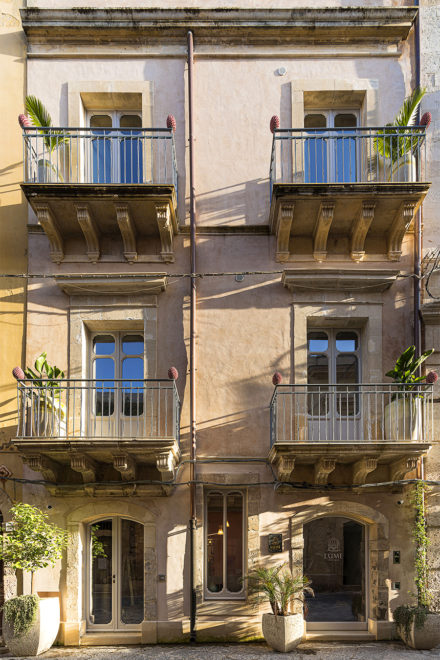
Parisian decorator Prune Merlin transformed a crumbling 19th-century house in Ortigia with her cousin Hanawa and his partner Ronan, creating a deeply personal six-room hotel shaped by family, friendship and a shared love of Sicily.
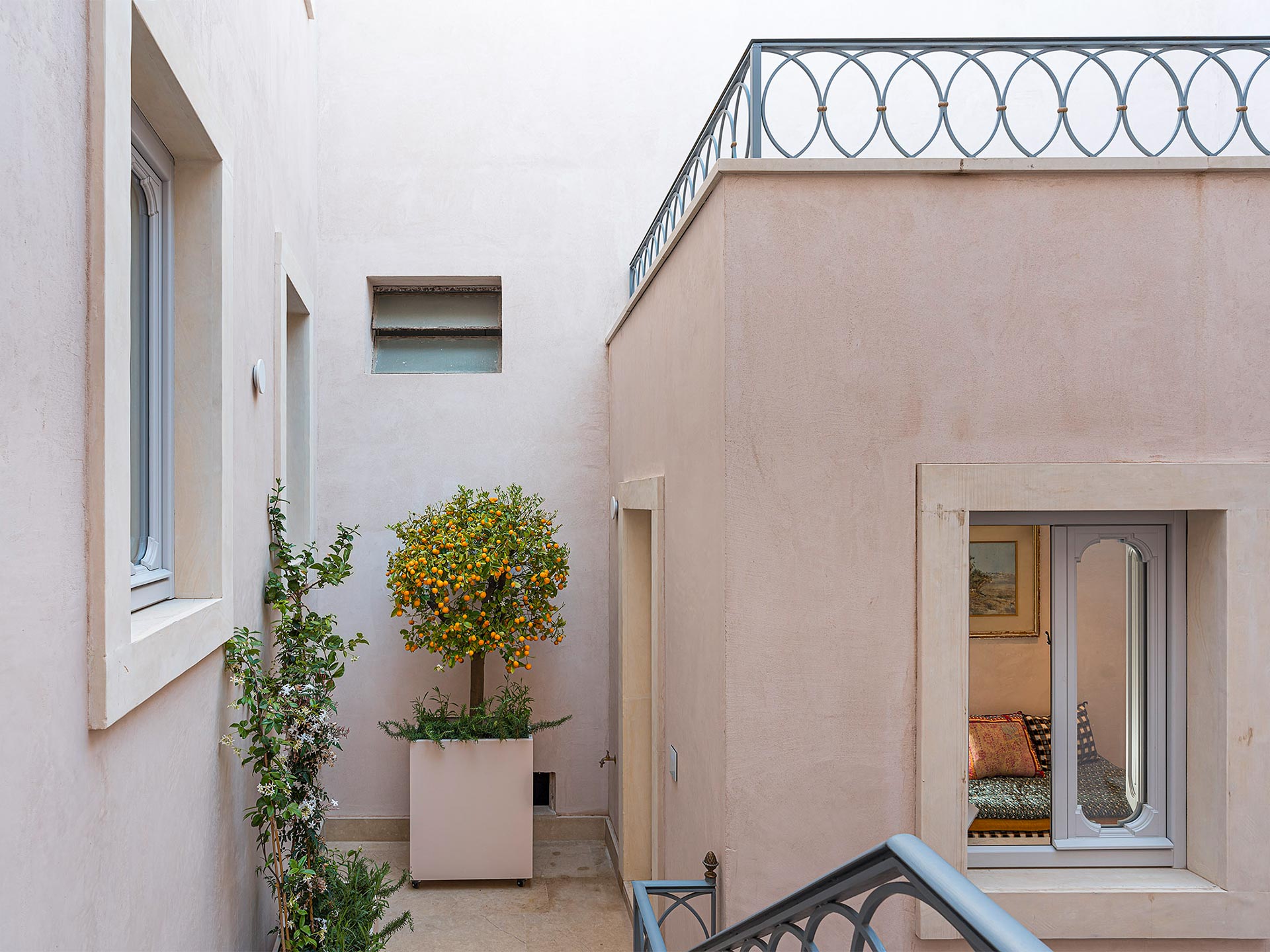
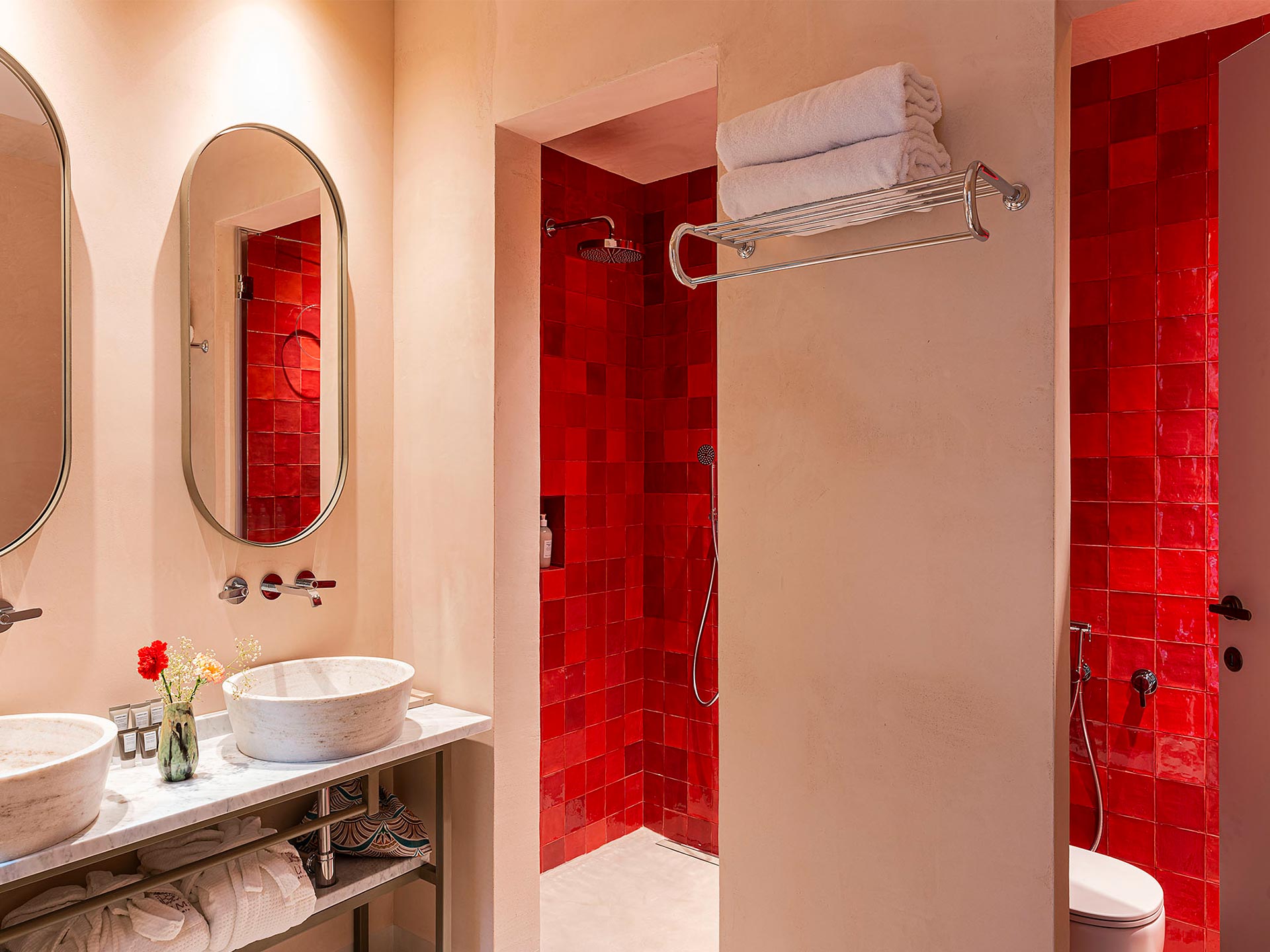
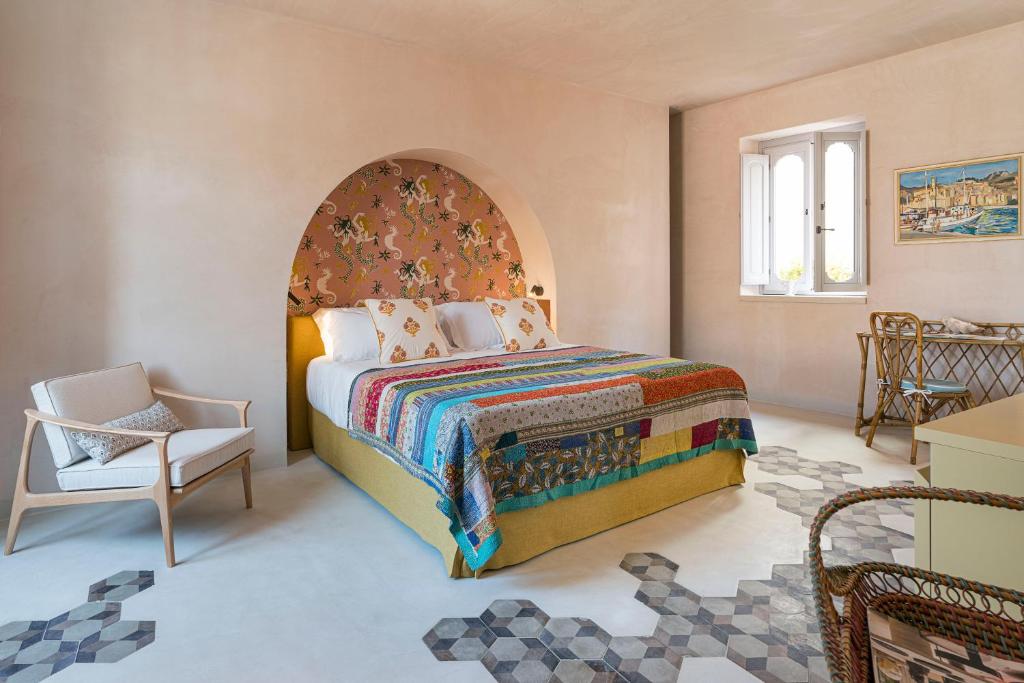
The restoration by architect Antonio Burgo and 18LAB uncovered original arches, blocked openings and the old courtyard staircase, while reclaimed cement tiles, lime plaster, vintage finds and colourful textiles give the interiors their layered, lived-in character.
Homemade breakfast, a rooftop terrace, hammam and small spa make Lùme unusually complete for somewhere this intimate — without losing the atmosphere of a private house.
The Stay
Lùme is an intimate six-room Ortigia hideaway where restored palazzo architecture, eclectic design and personal hospitality create the feeling of a beautifully lived-in Sicilian home.
Lùme began with a holiday-home search. Parisian decorator and boutique owner Prune Merlin came to Ortigia, fell for the island almost immediately and bought a crumbling three-storey house on Via Larga. What started as a private family project gradually became something more ambitious: a guesthouse that would feel as warm and personal as a home. To run it, she brought in her Italian cousin Hanawa and his partner Ronan, who both left their Paris lives behind. That family connection is not marketing copy. It is the whole idea.
Rediscovering the Palazzo
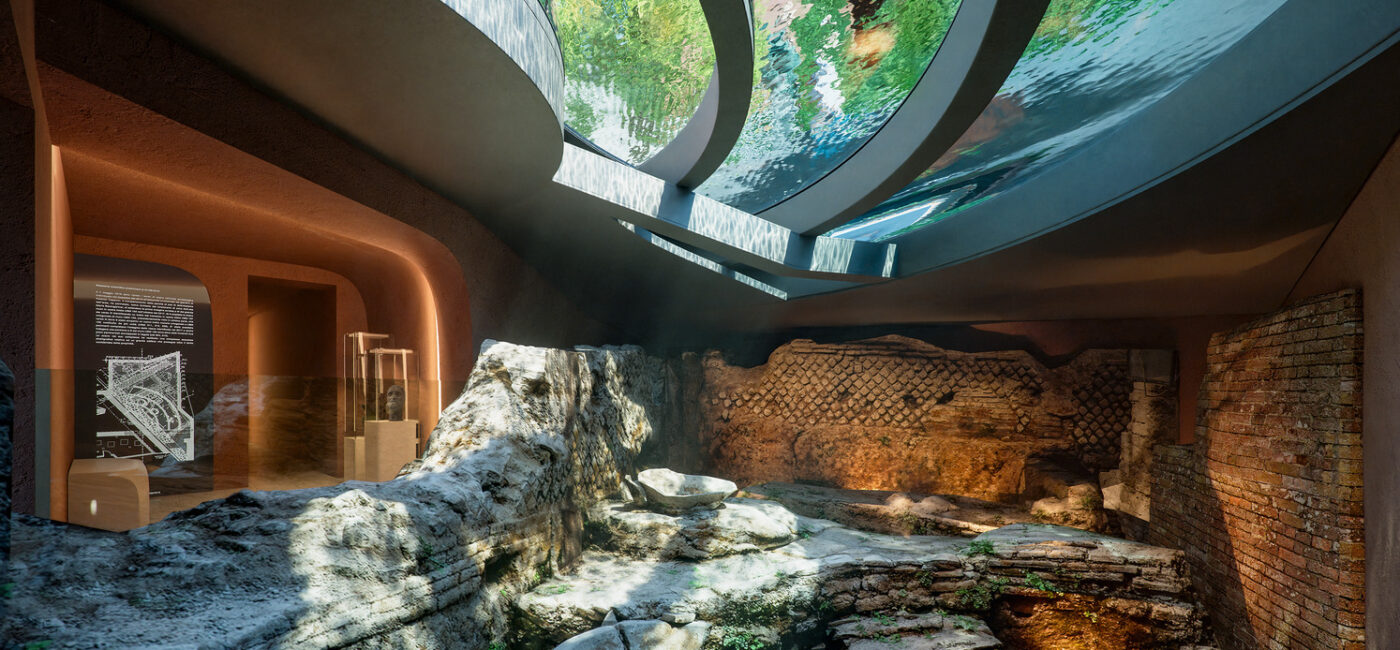
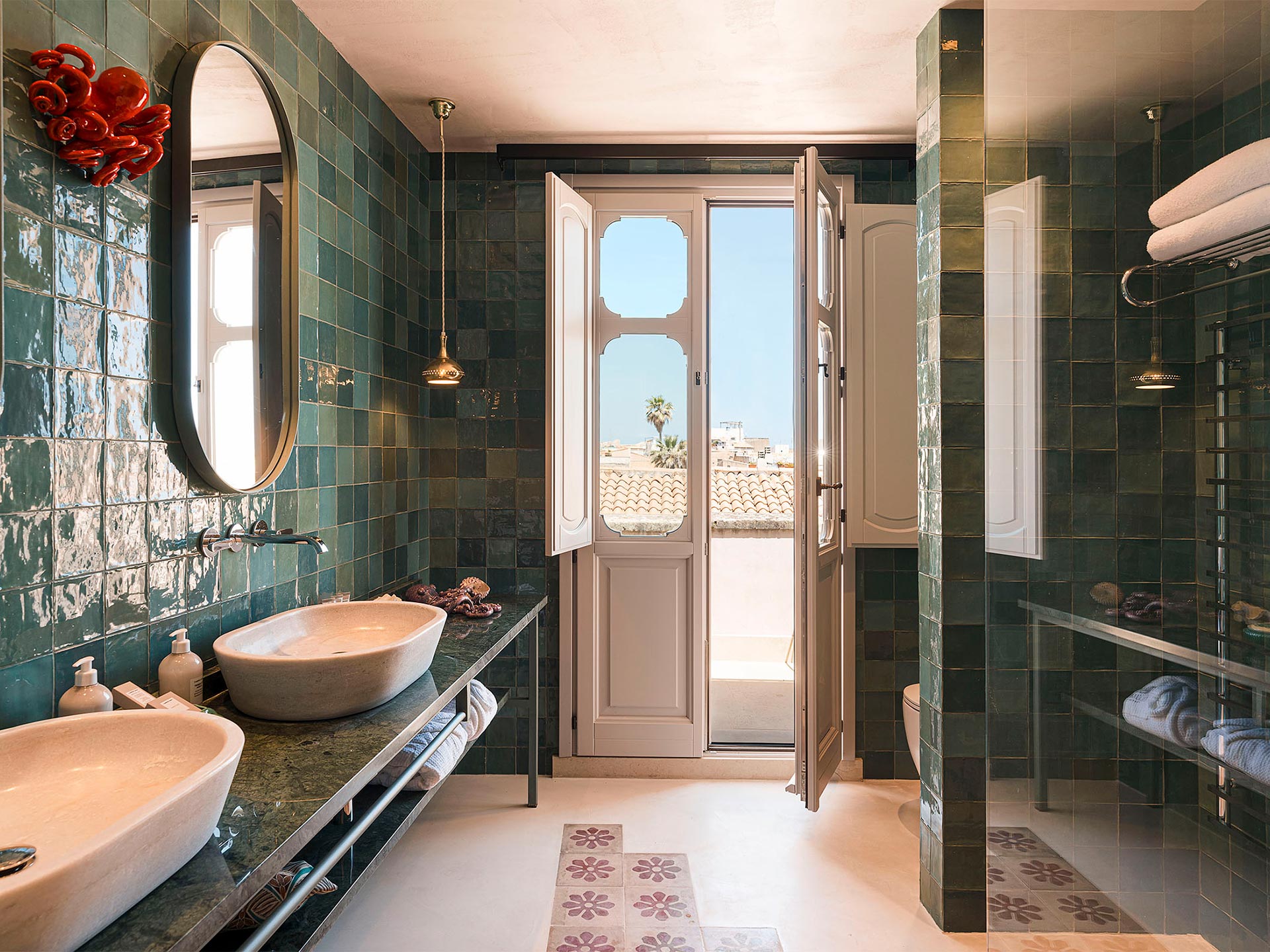
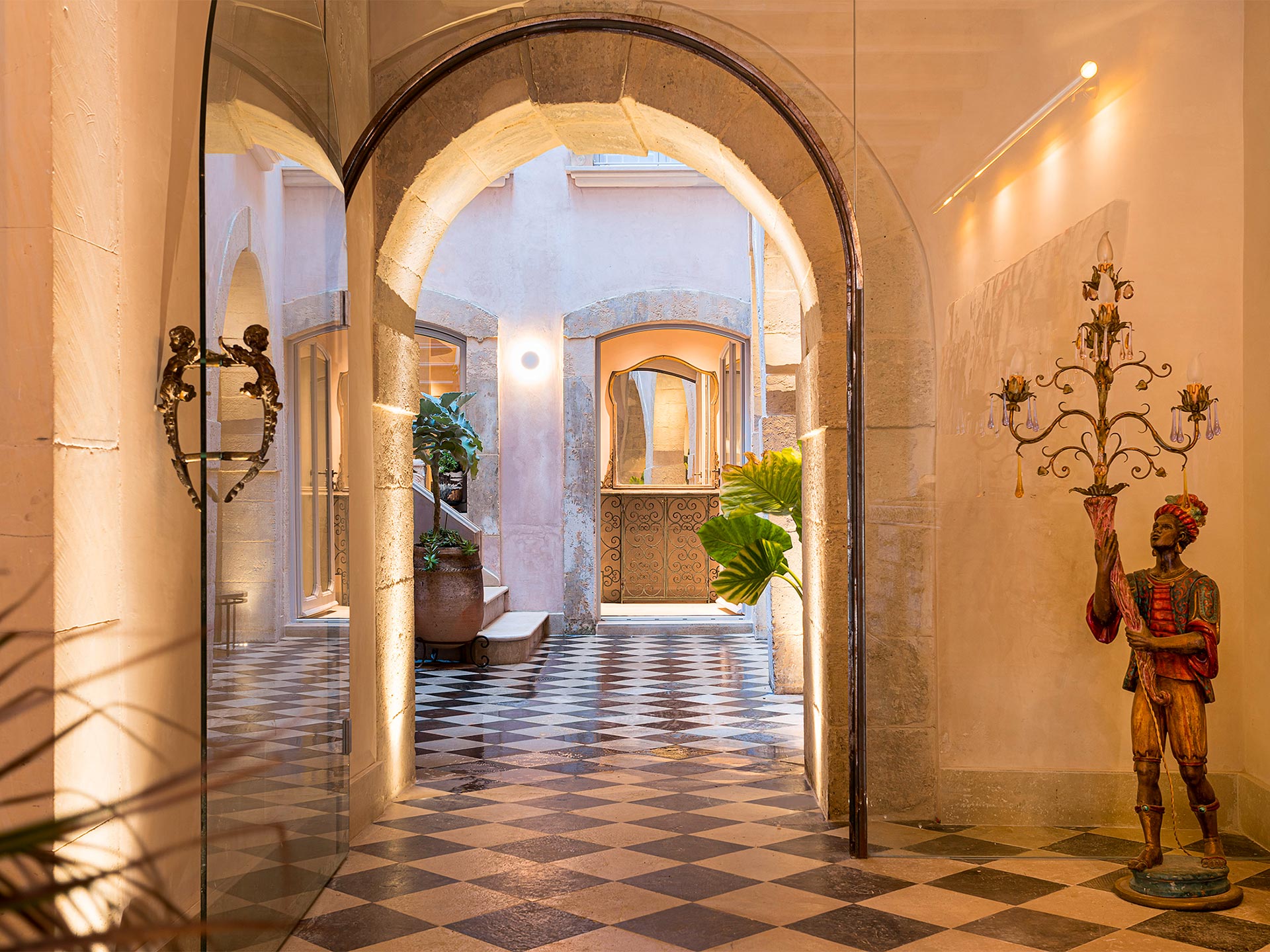
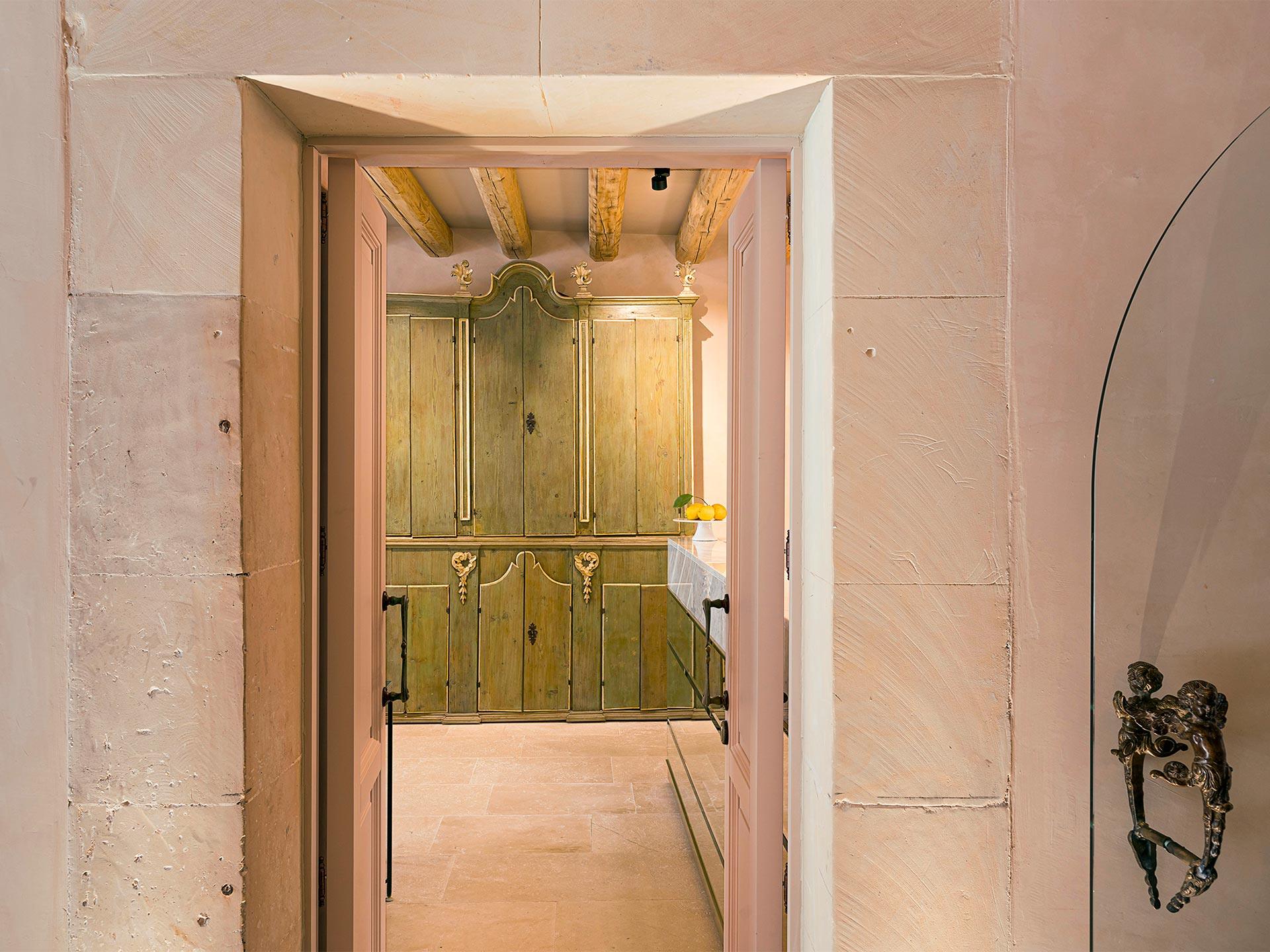
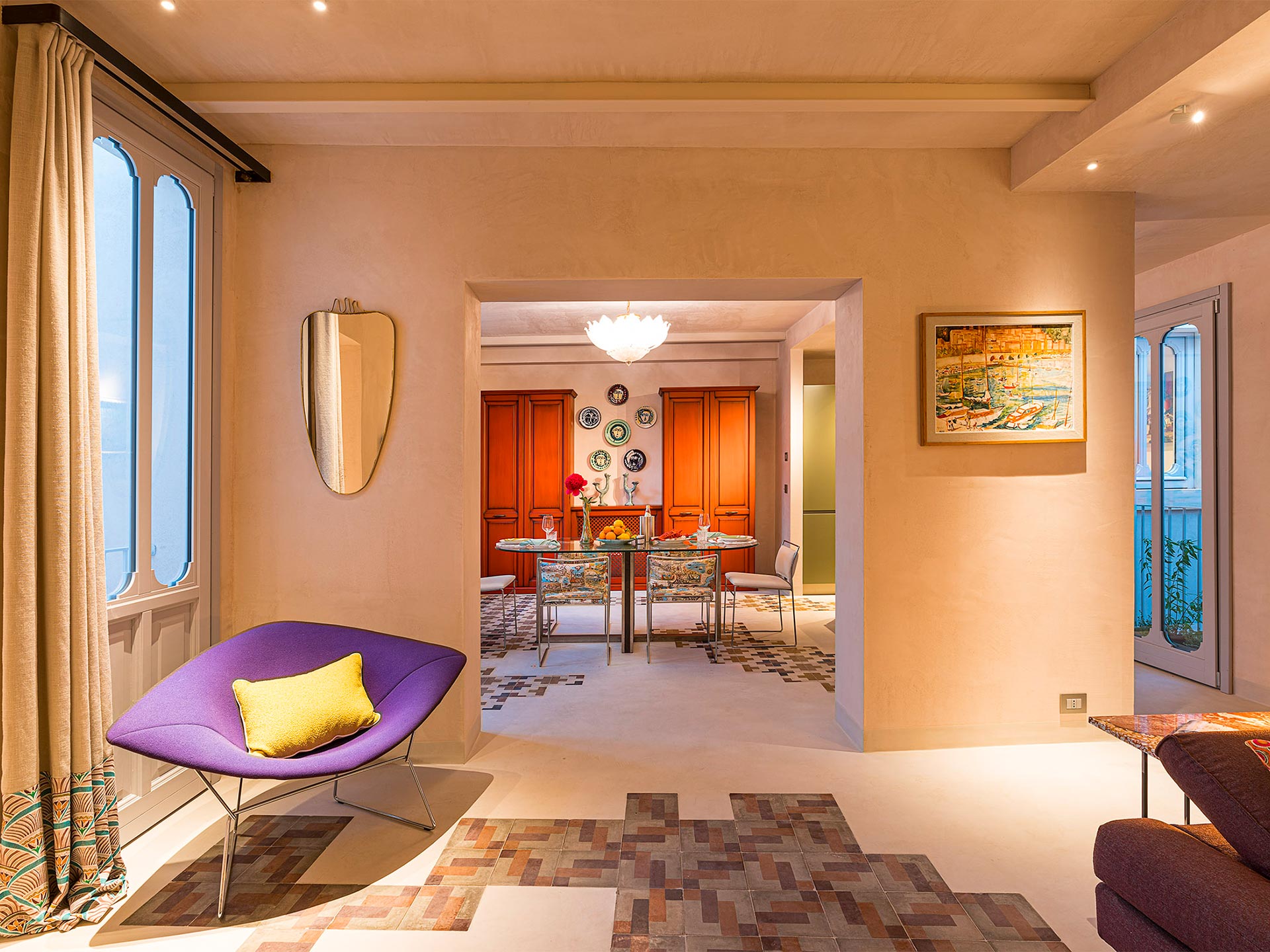
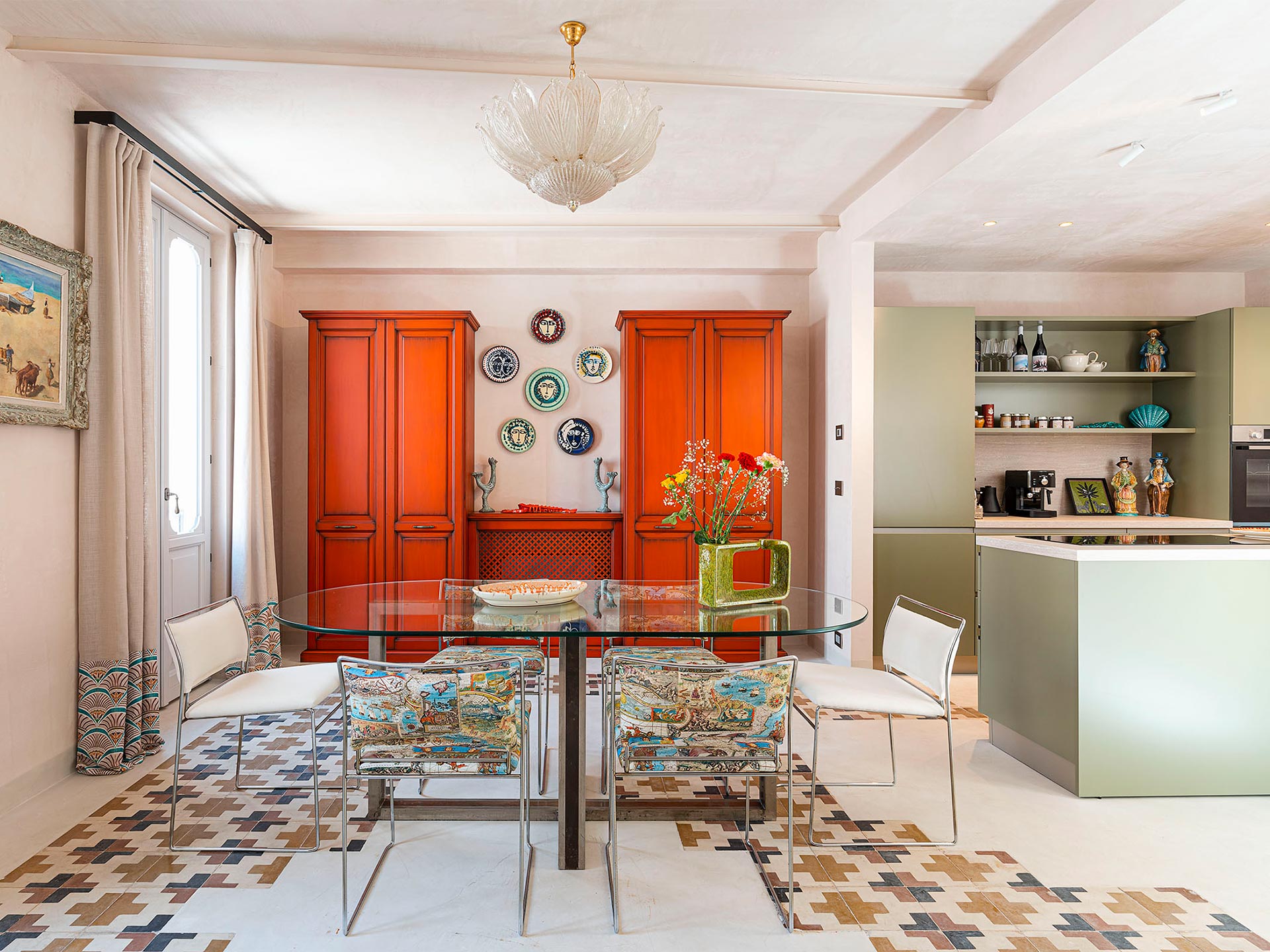
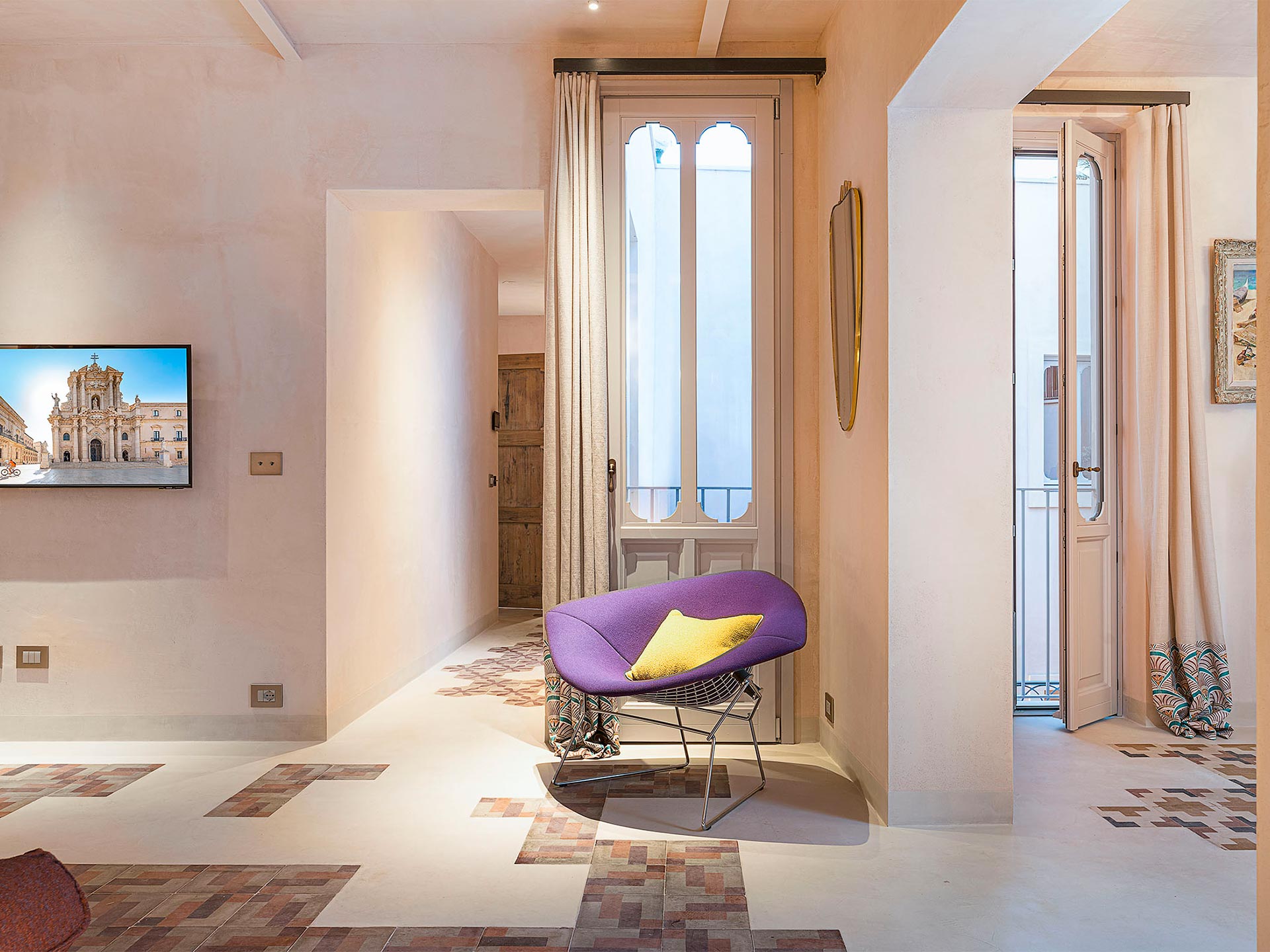
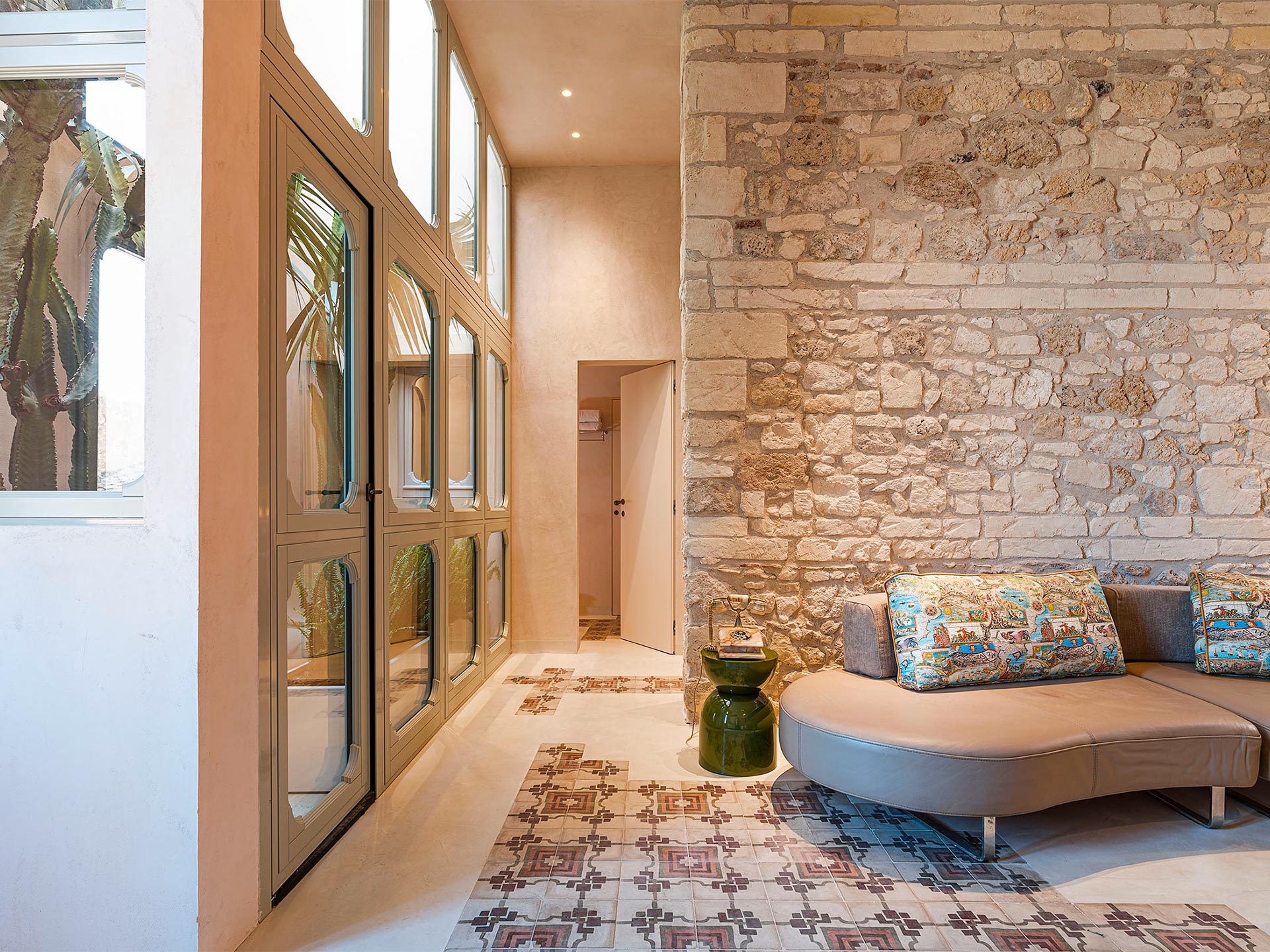
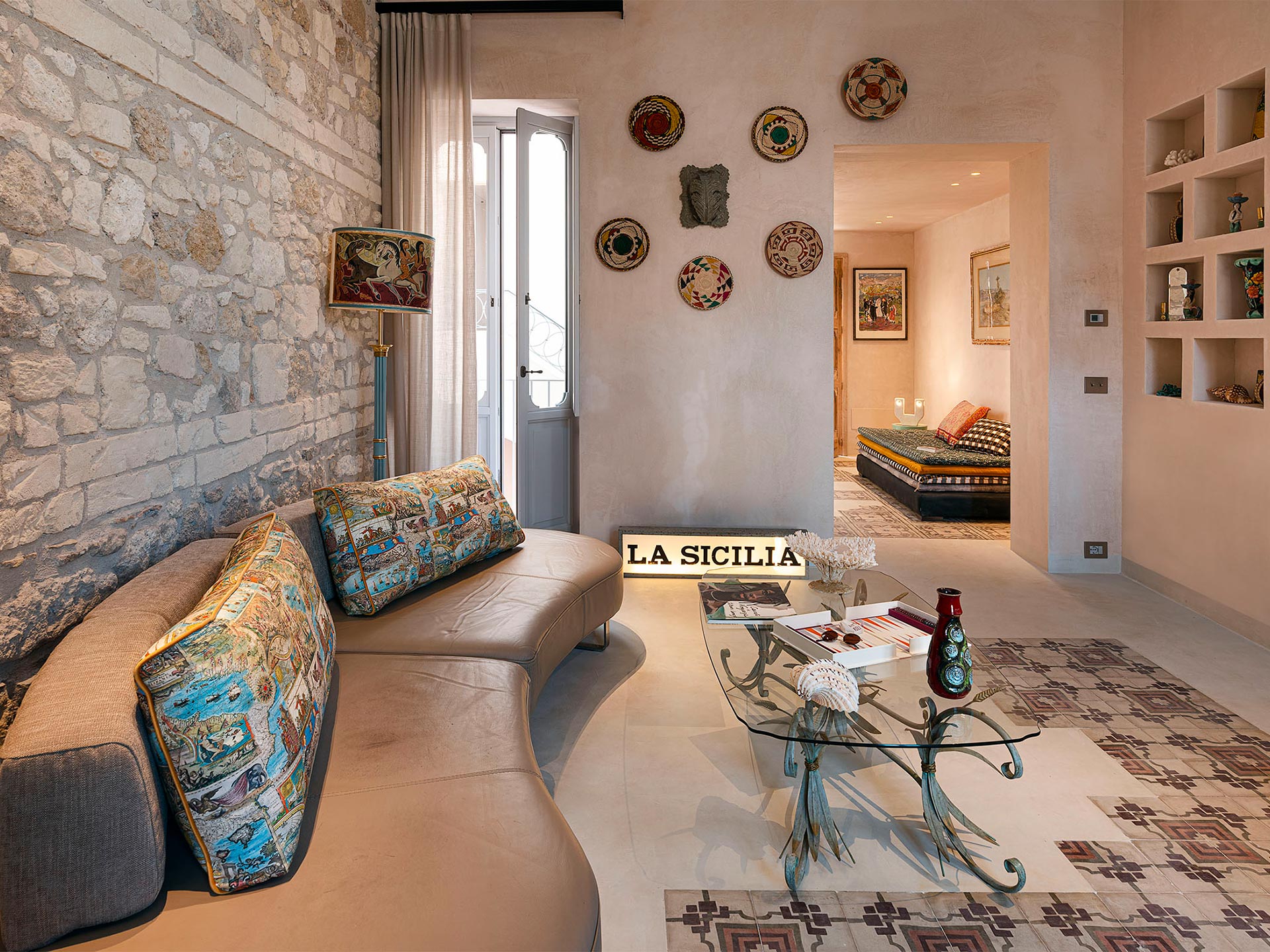
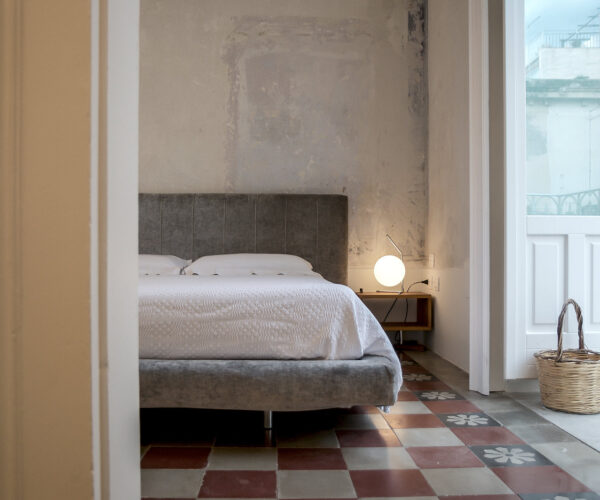
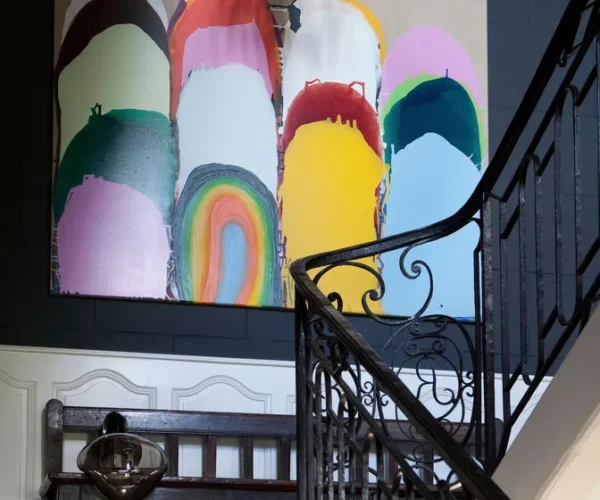
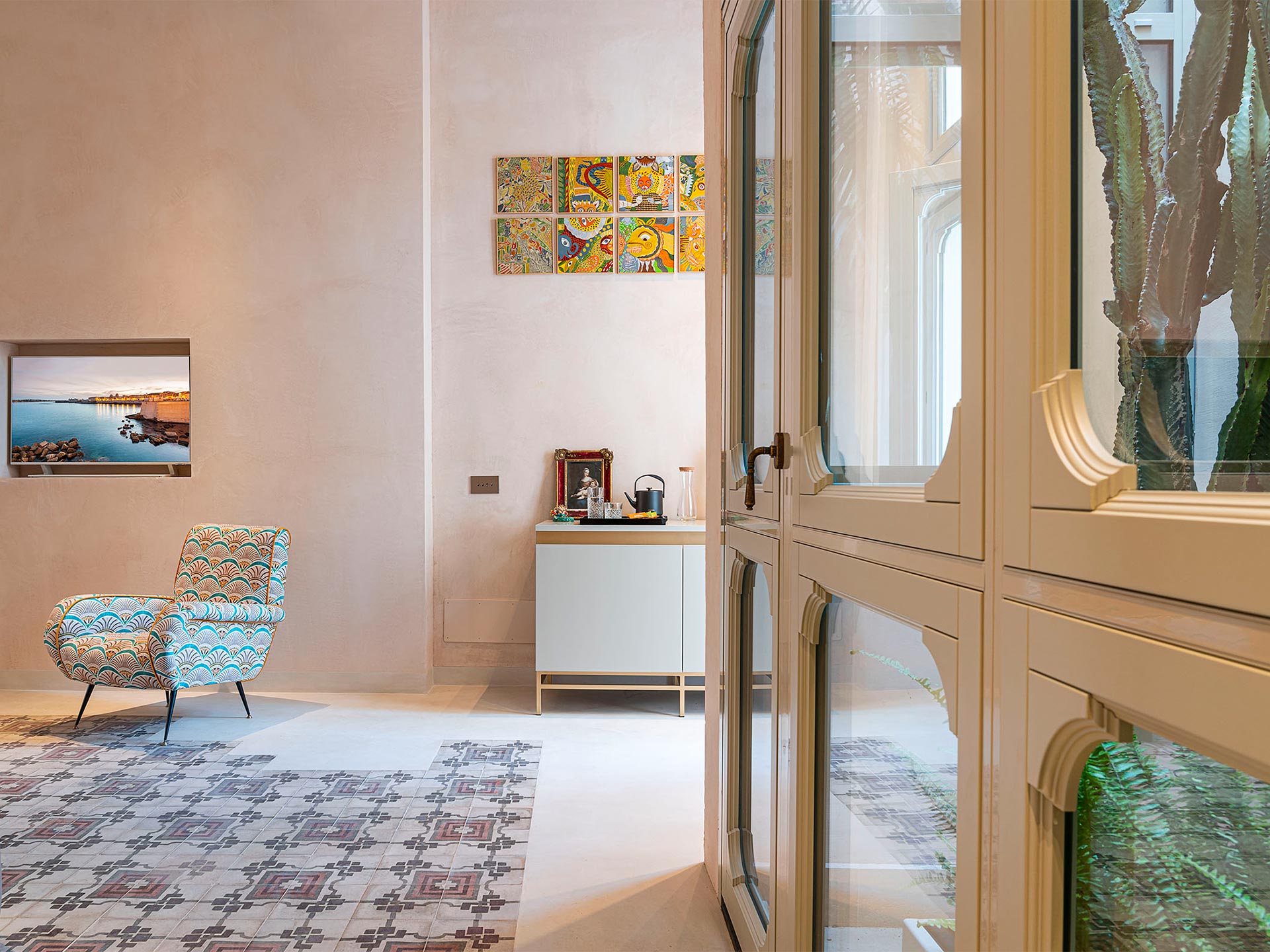
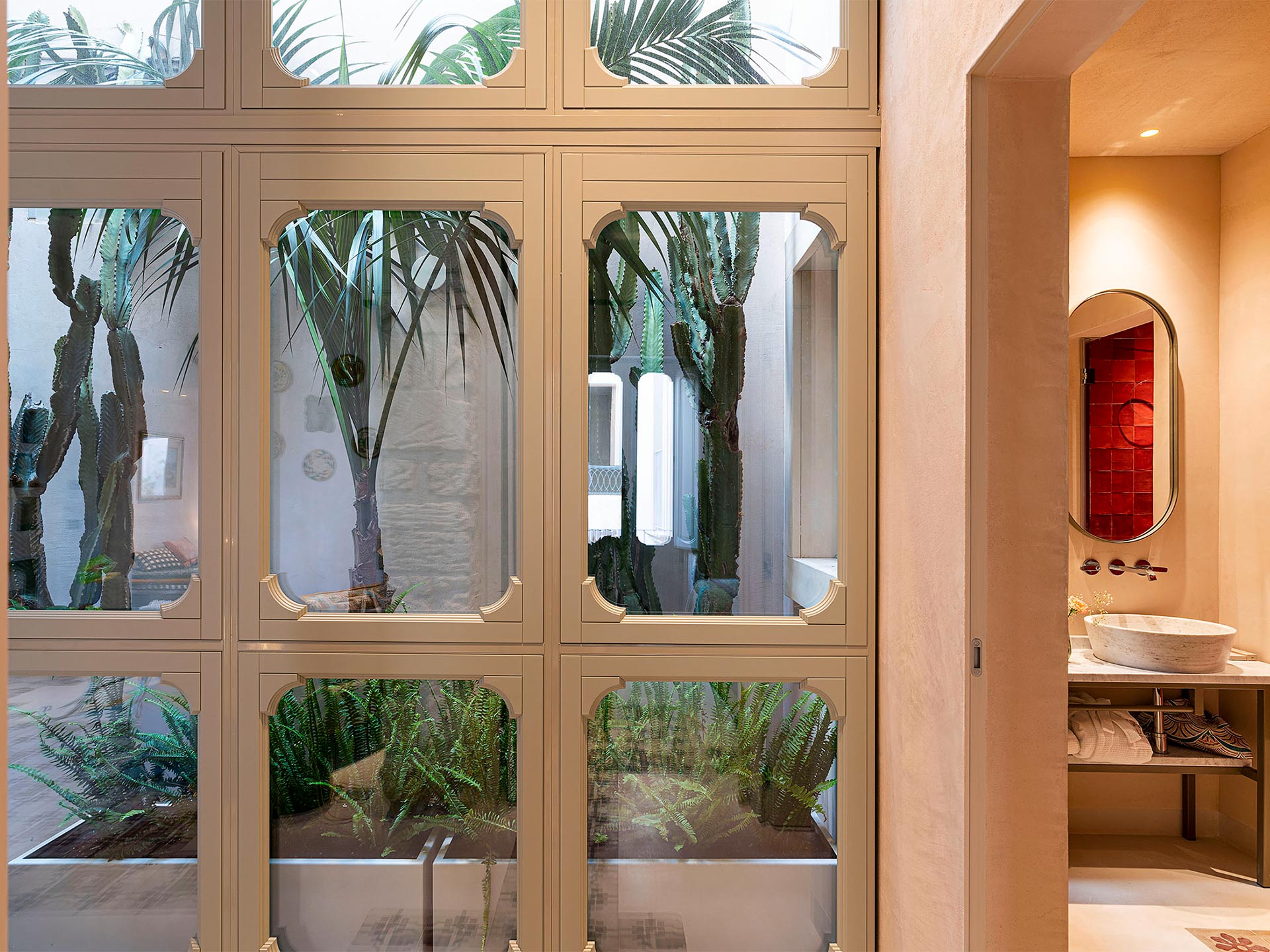
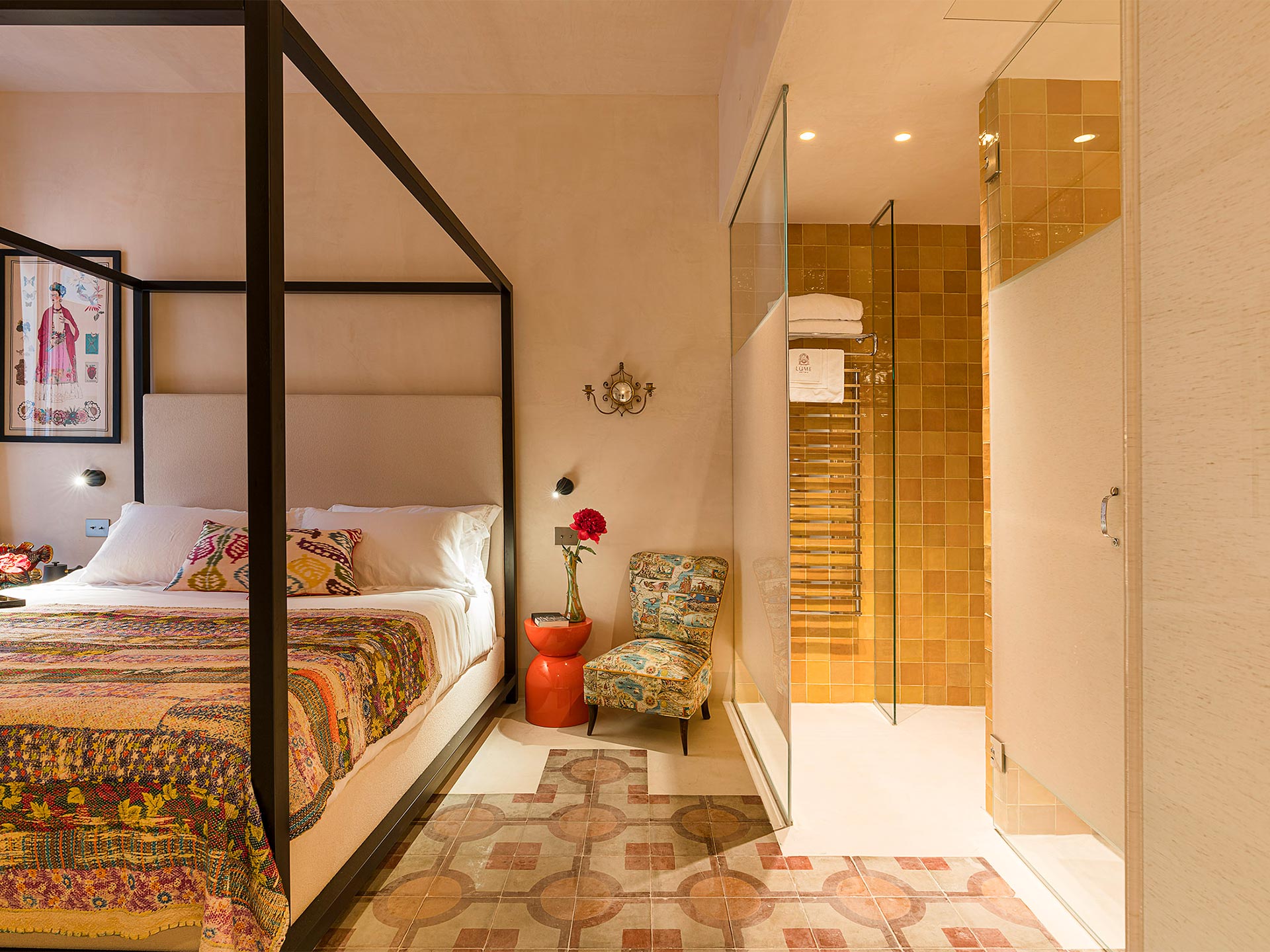
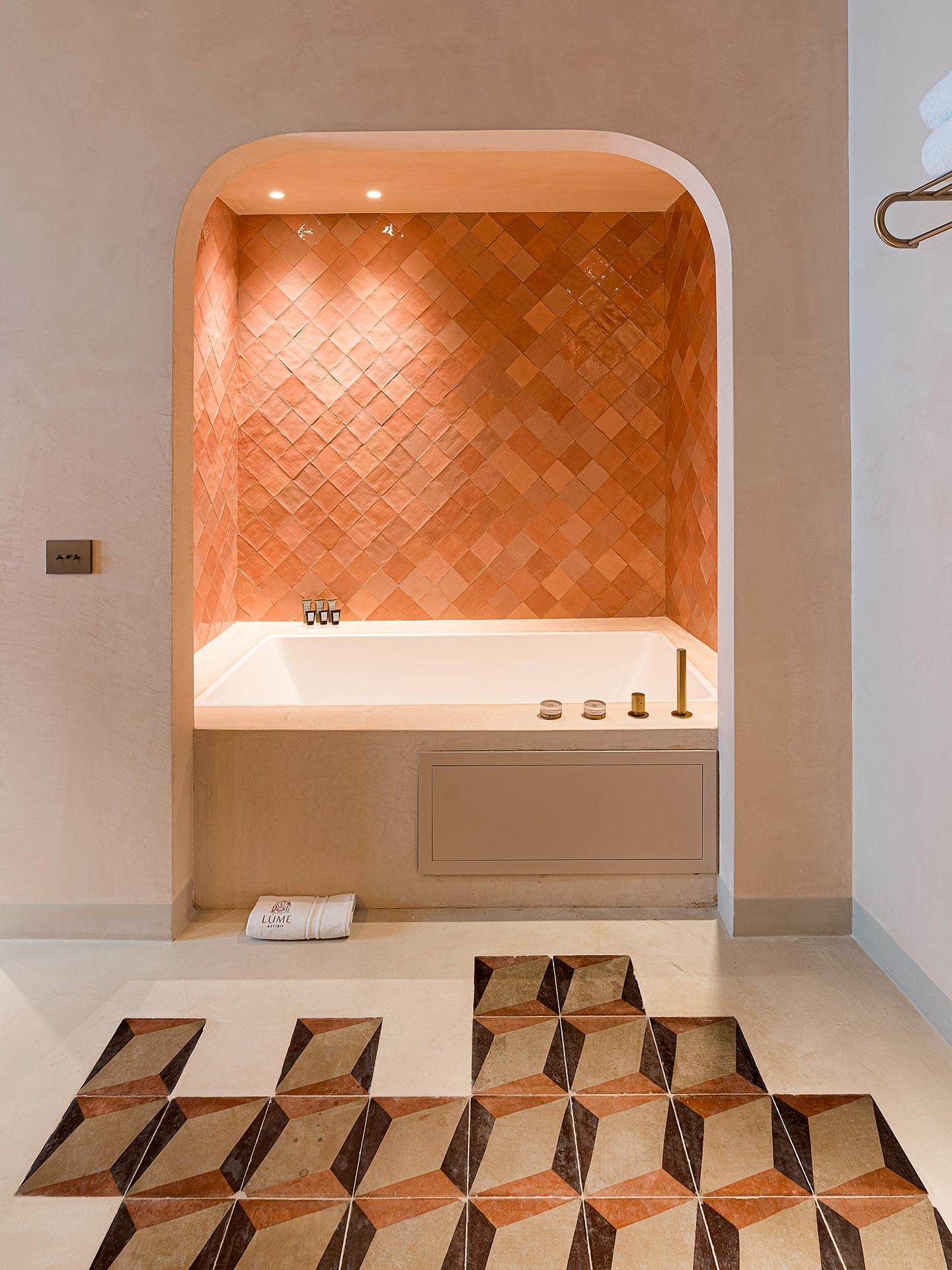
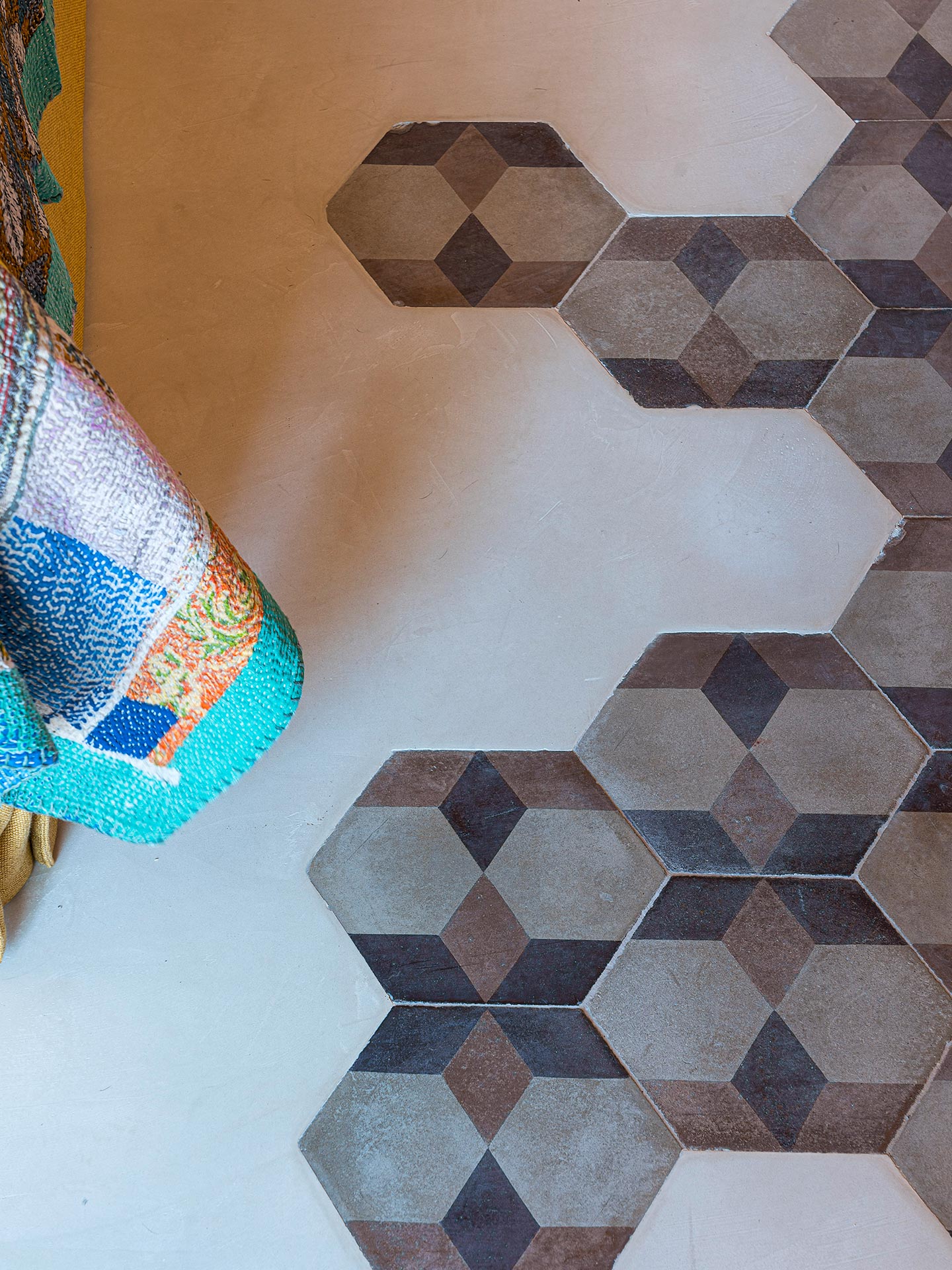
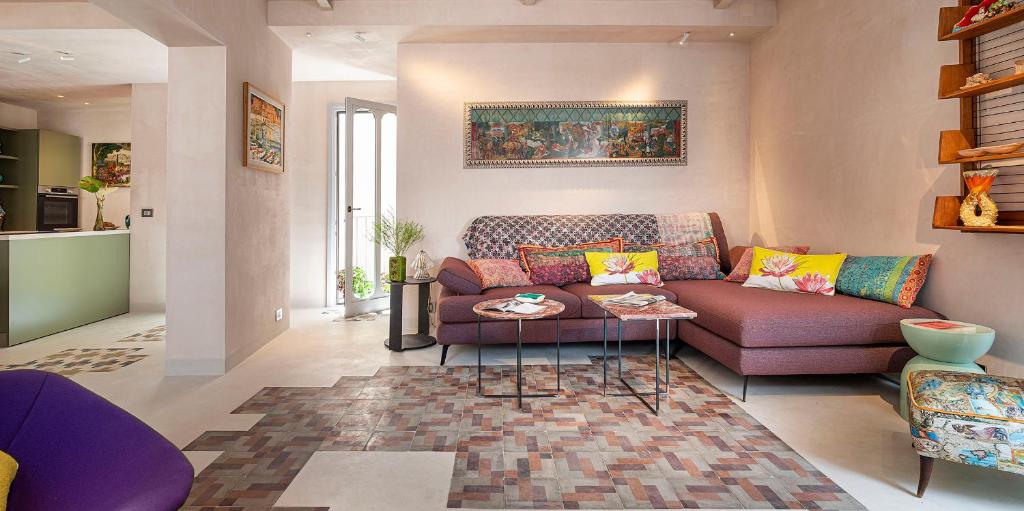
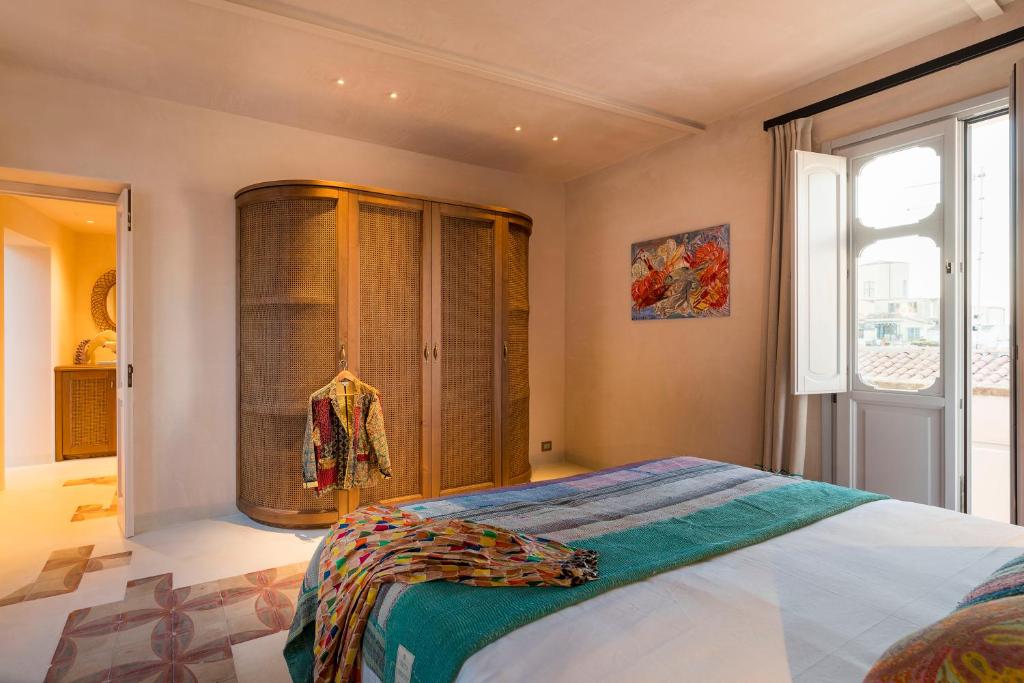
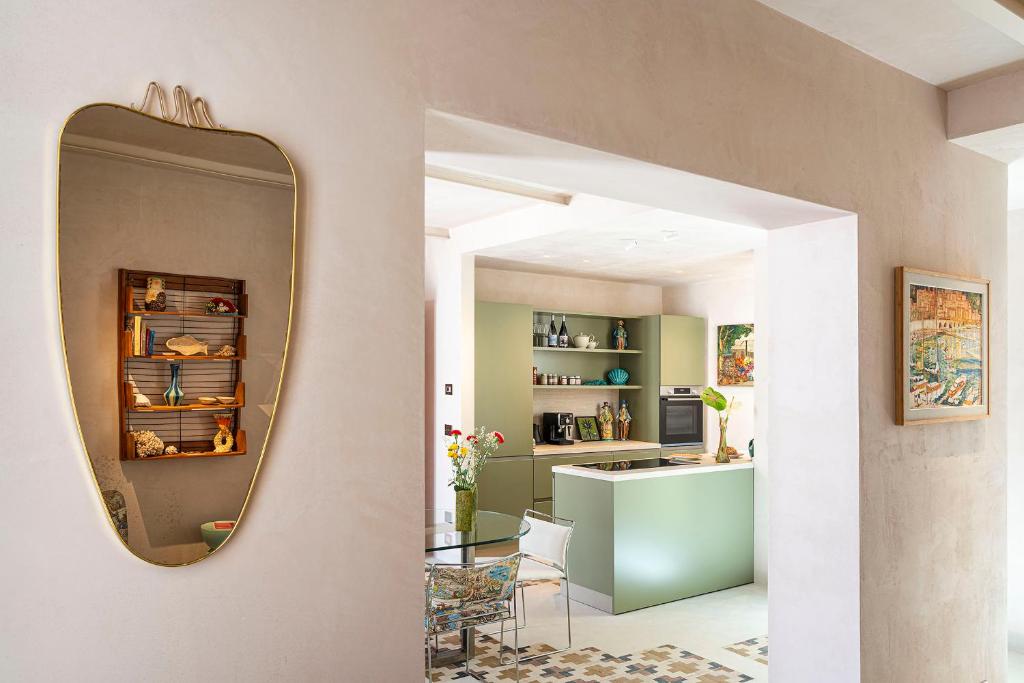
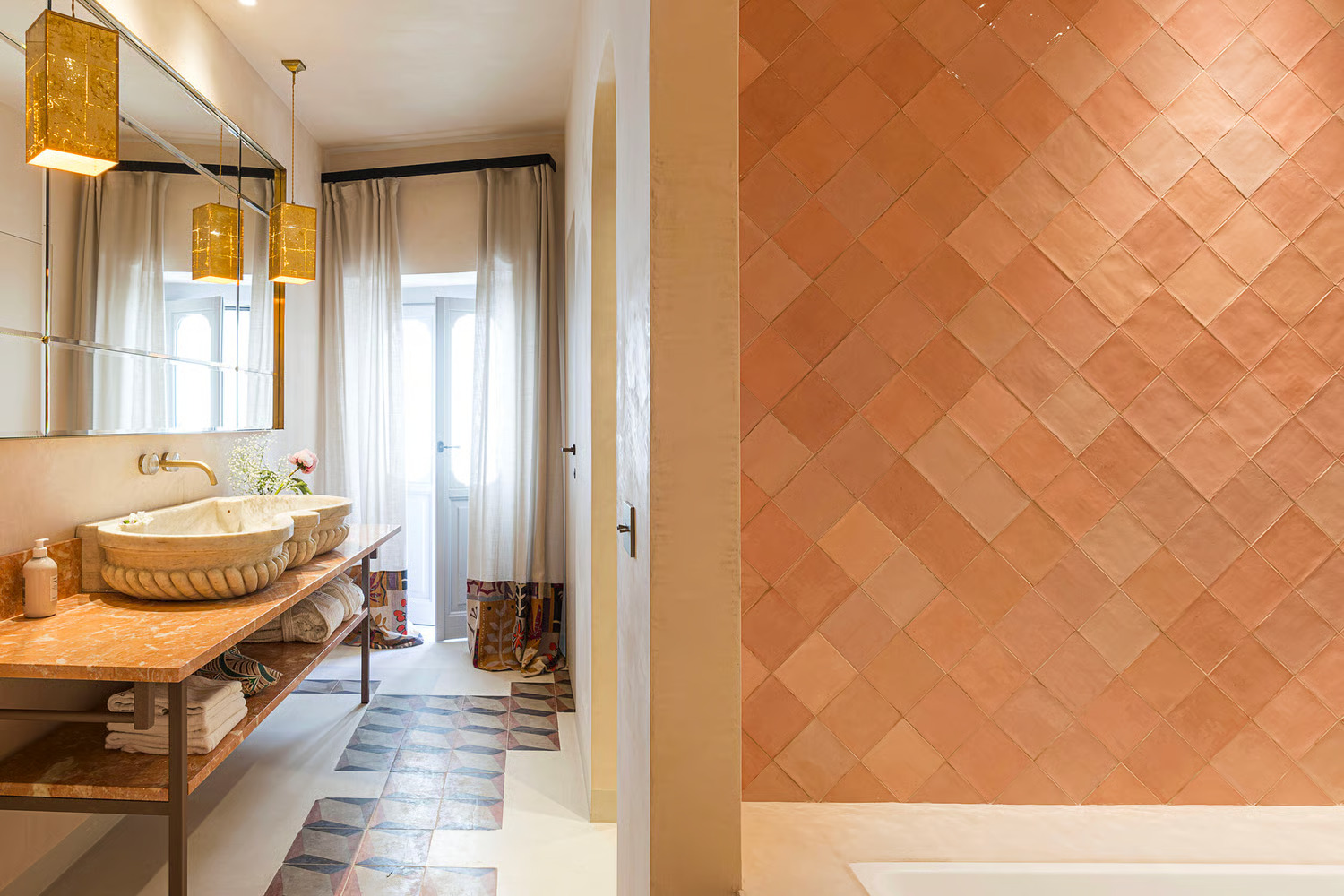
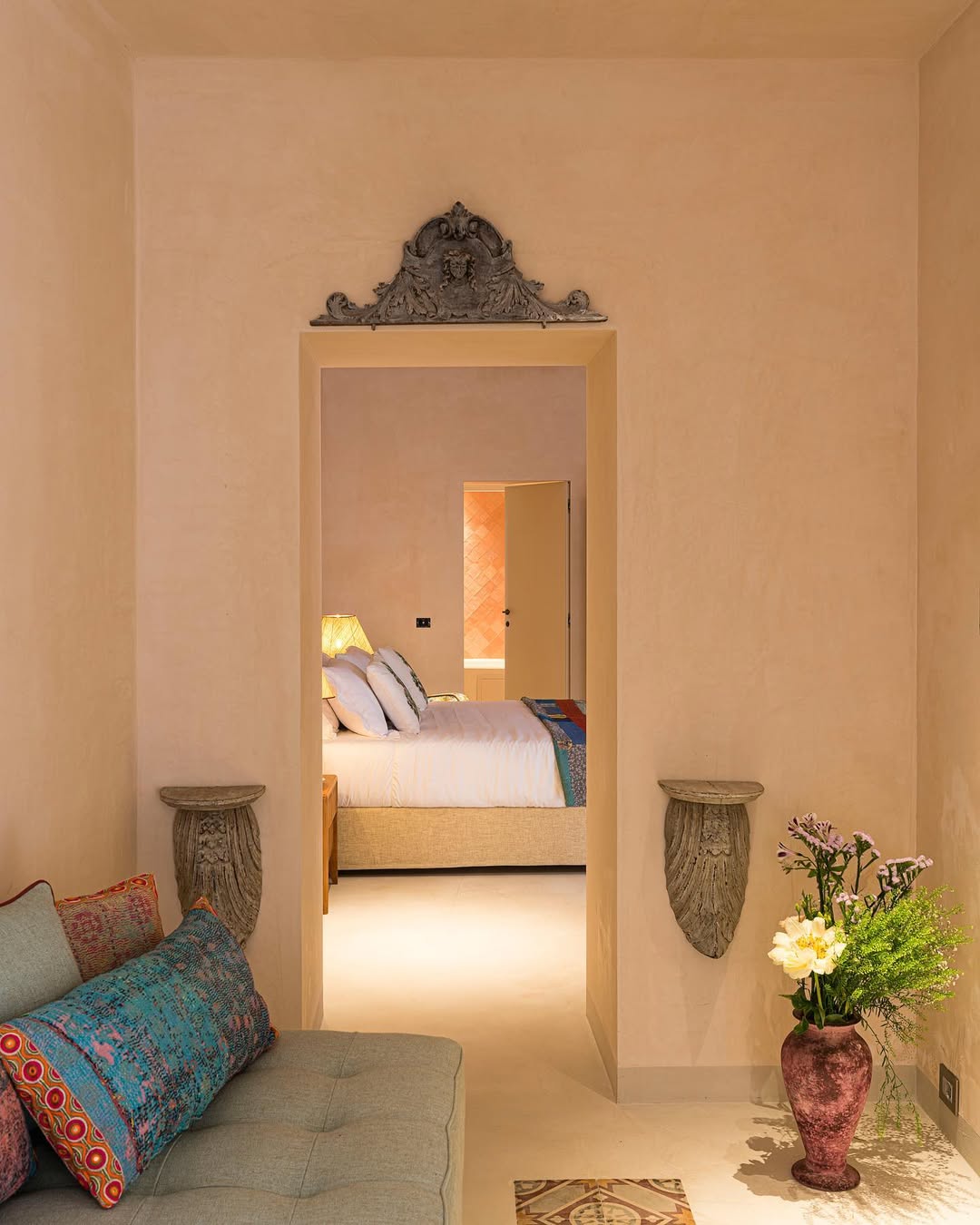
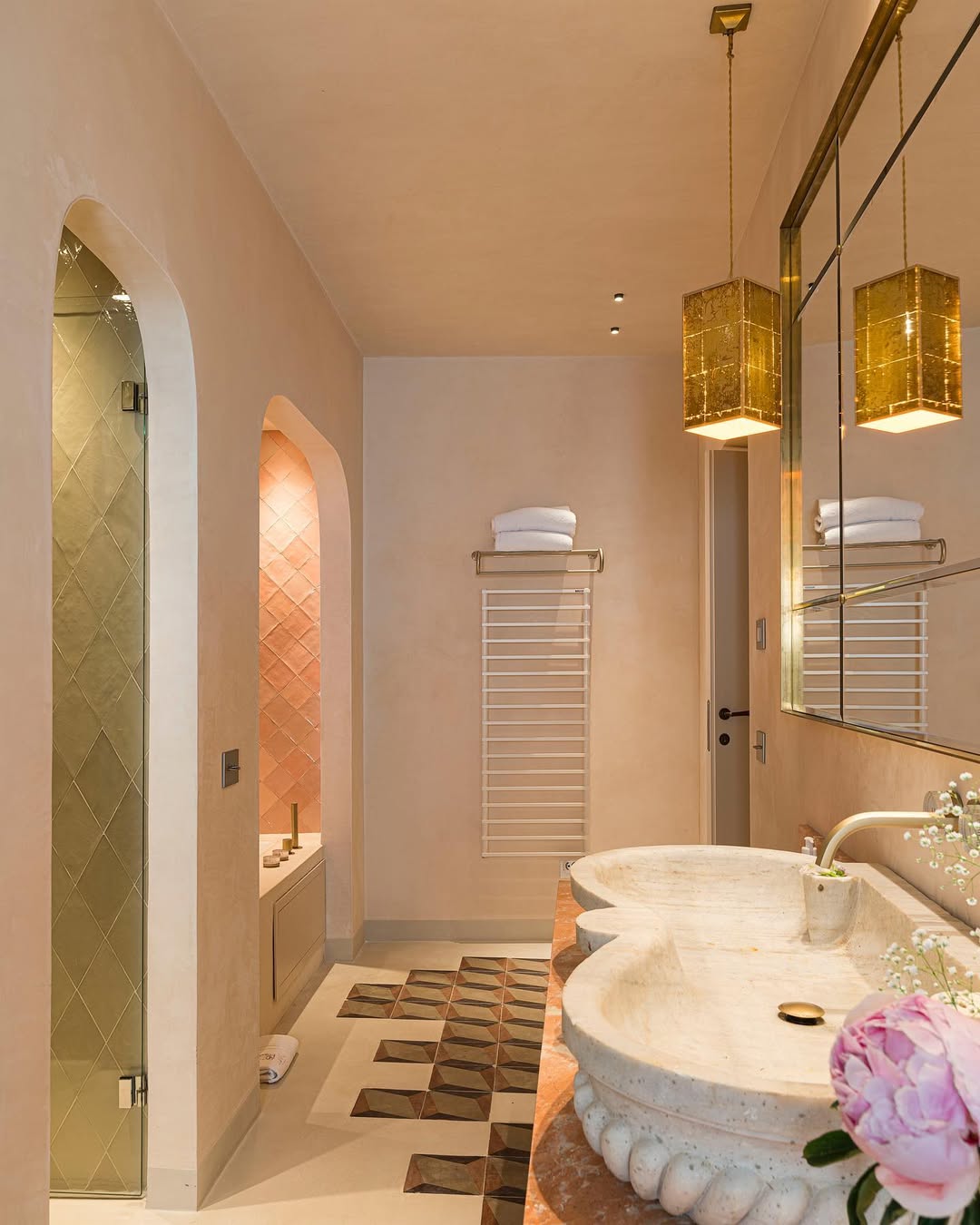
The building had been altered repeatedly over the decades, particularly from the 1970s onward, with walls and later additions obscuring much of its original structure. A careful renovation peeled those layers away. Old arches reappeared. Blocked openings were uncovered. The original staircase in the internal courtyard was restored and reworked as part of the circulation through the house, eventually leading upward toward one of Ortigia’s most panoramic terraces. The materials were kept deliberately tactile and imperfect. Reclaimed Sicilian cement tiles are set into resin-cement floors. Lime plaster gives the walls softness. Stone, ceramics and vintage pieces keep the rooms grounded in place. Nothing feels overly polished. That is precisely the point.
Prune’s Eye
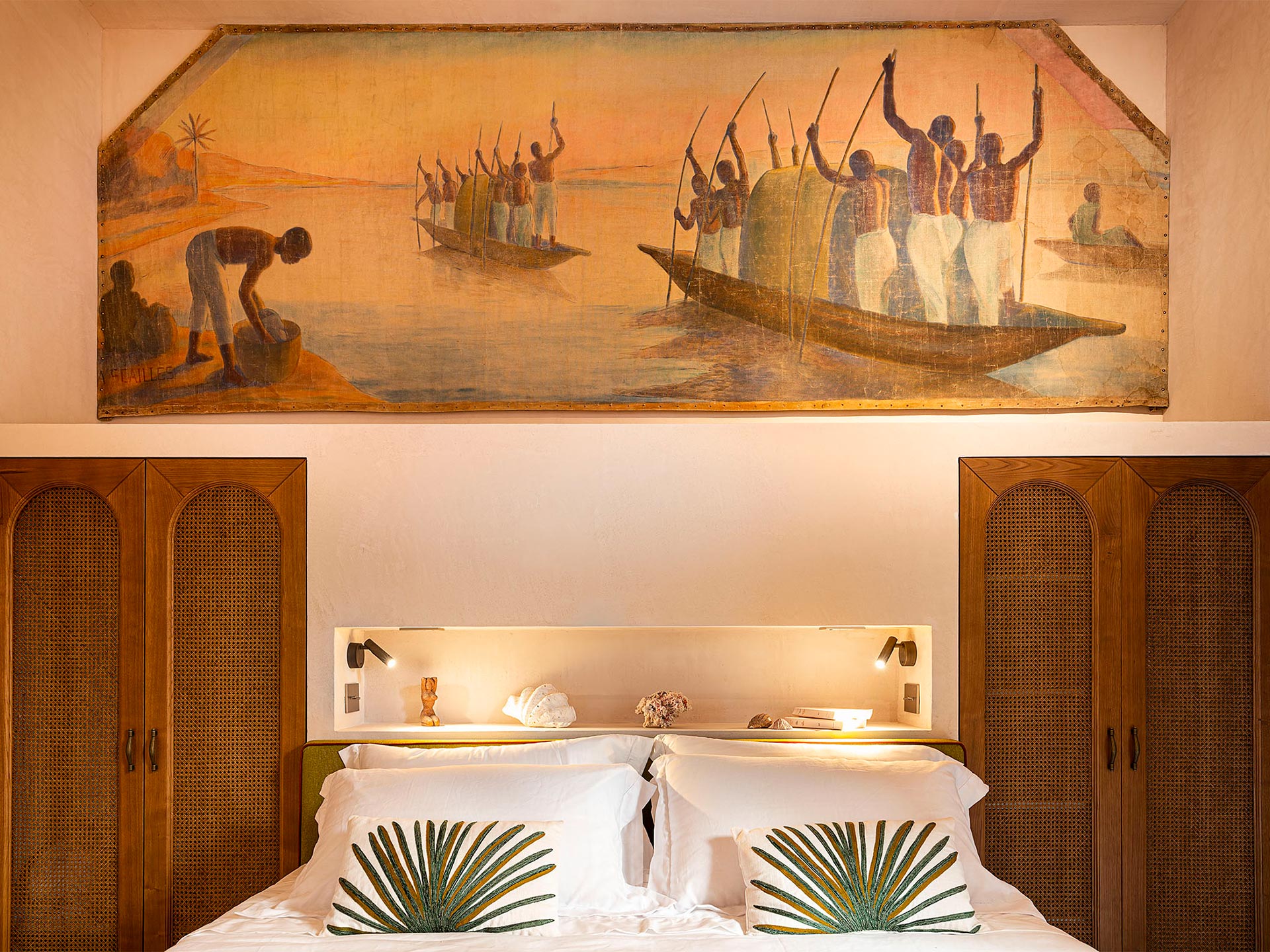
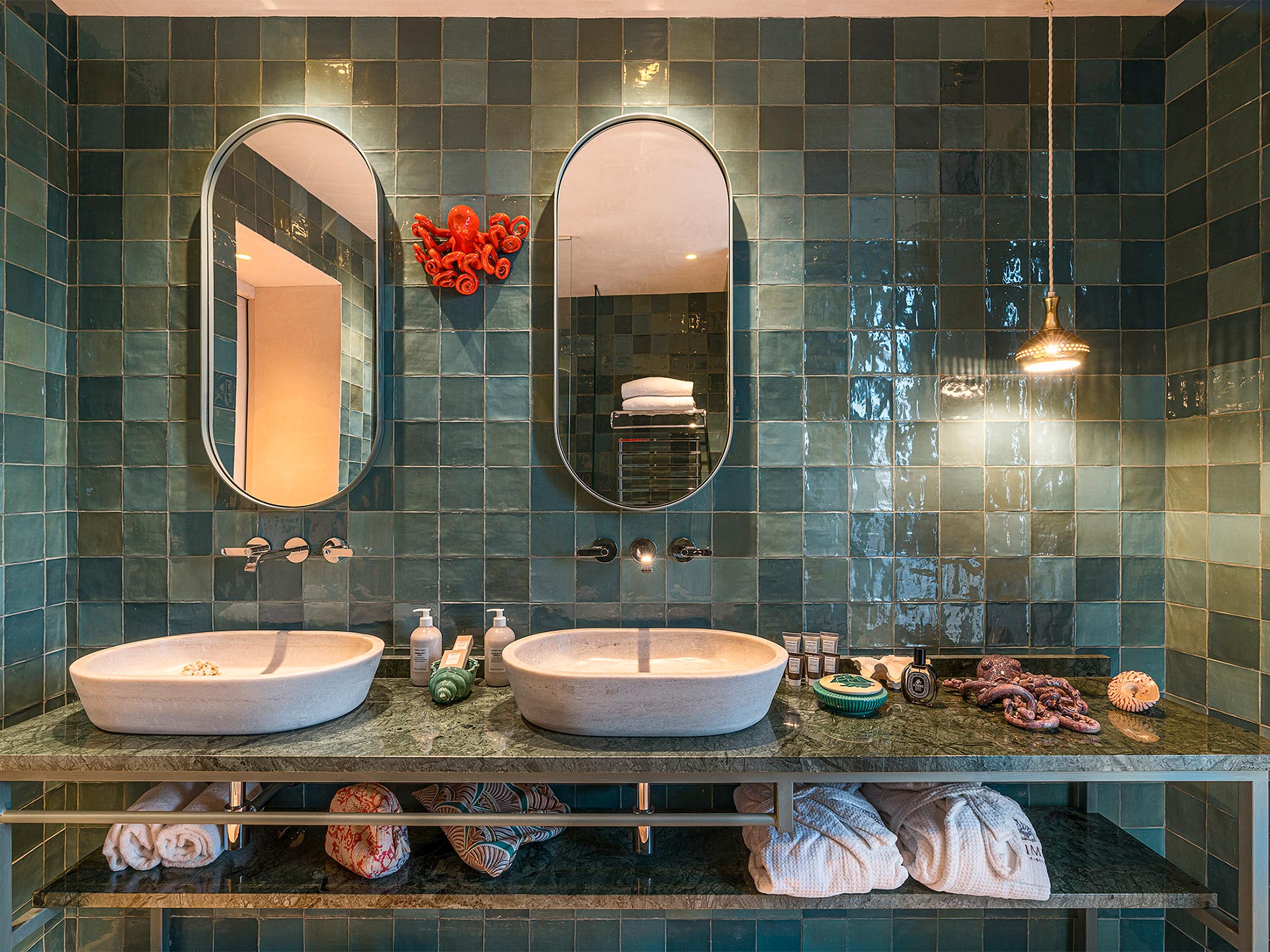
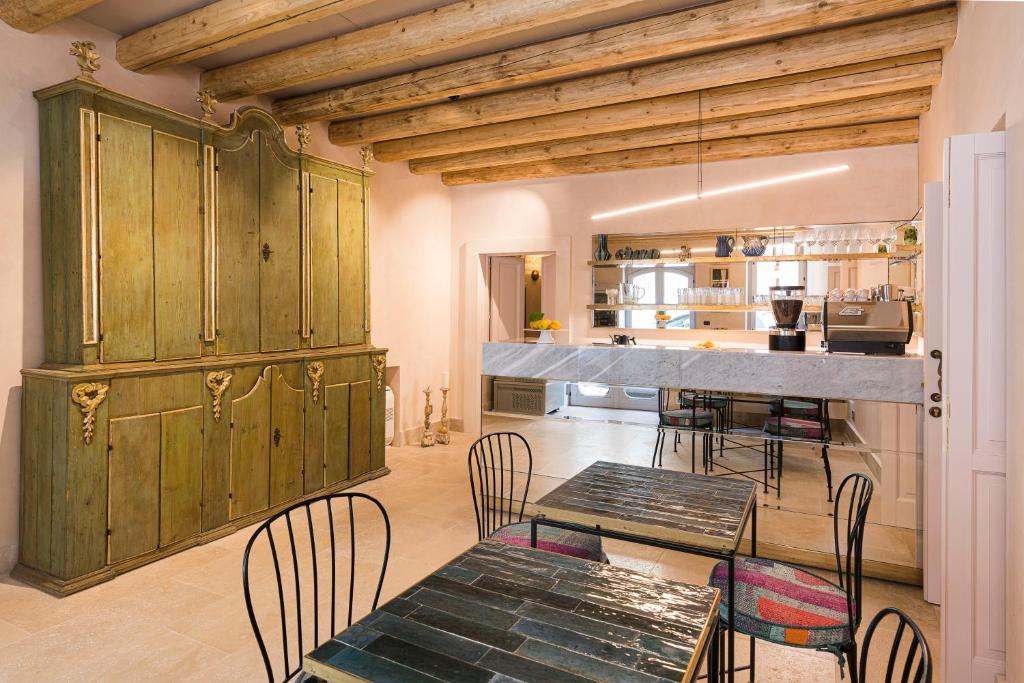
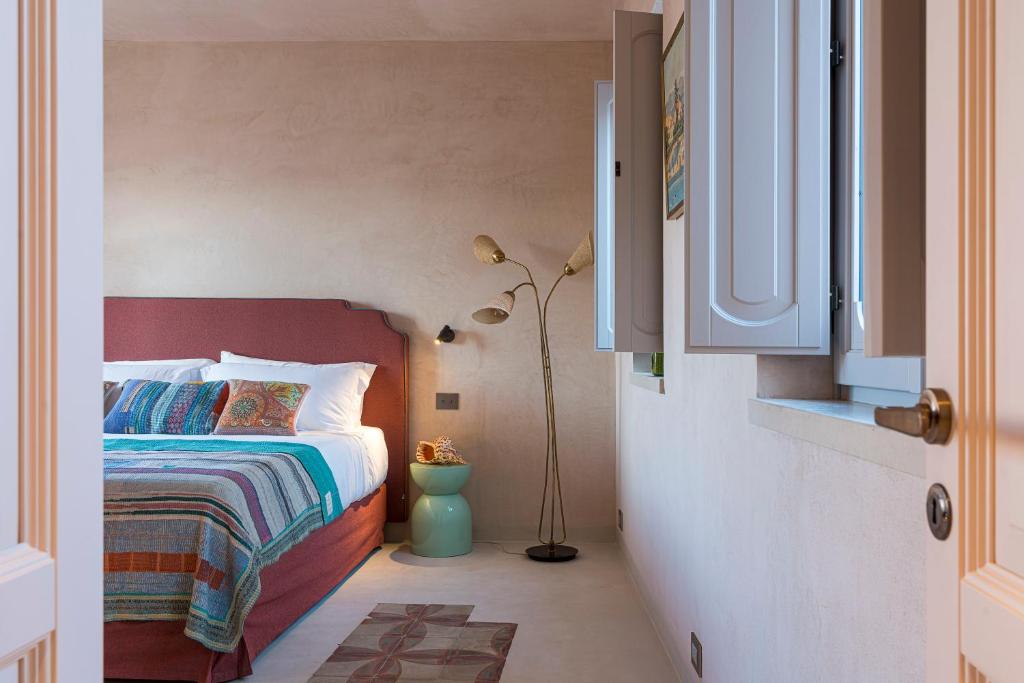
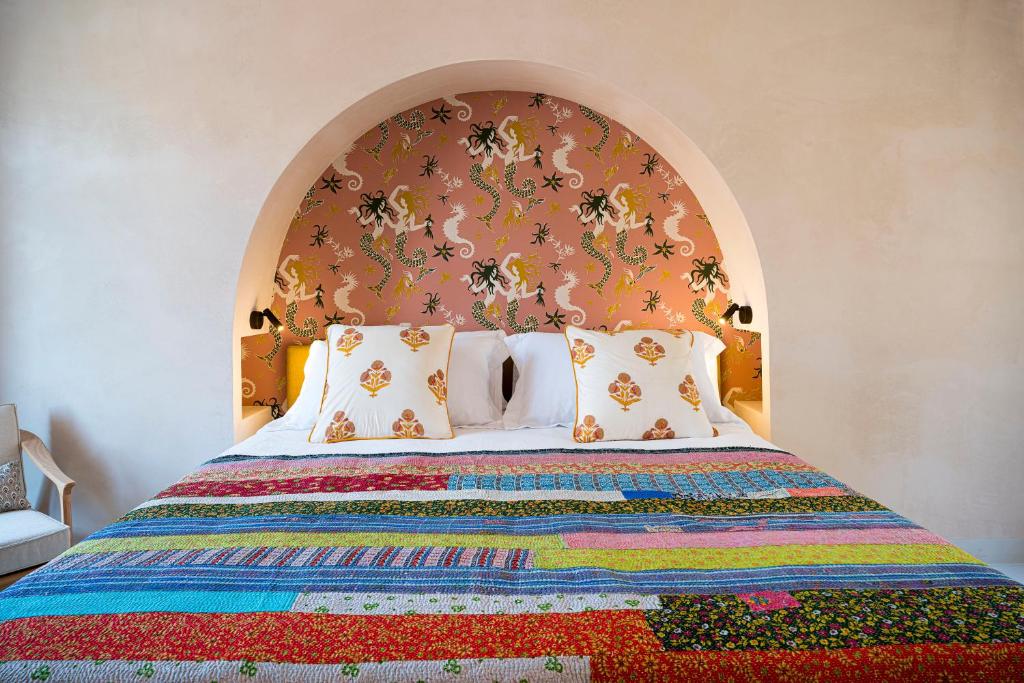
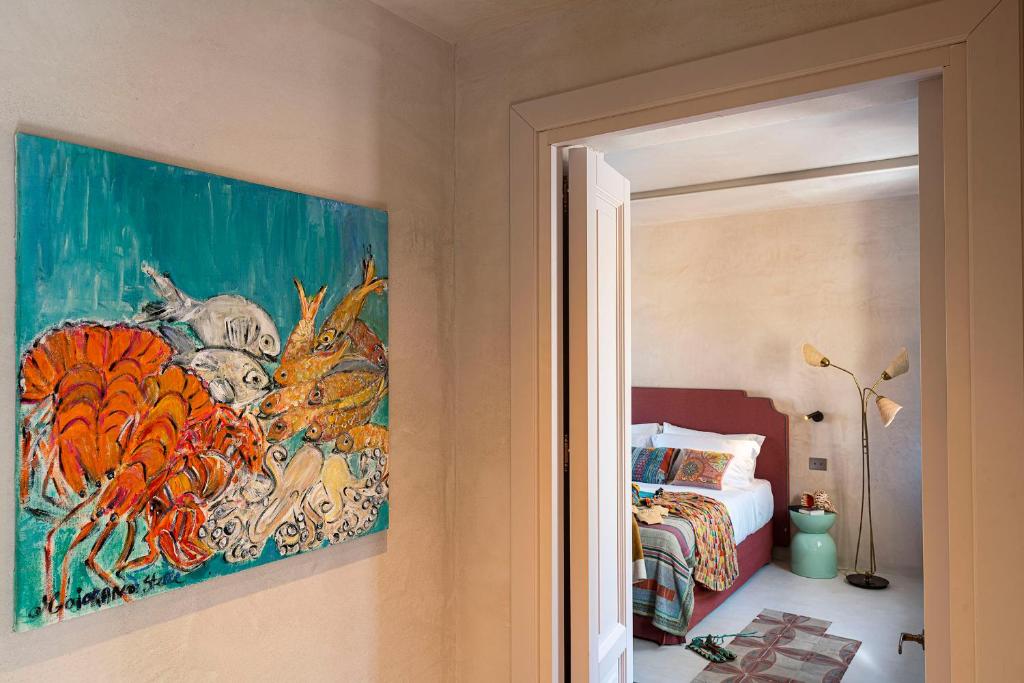
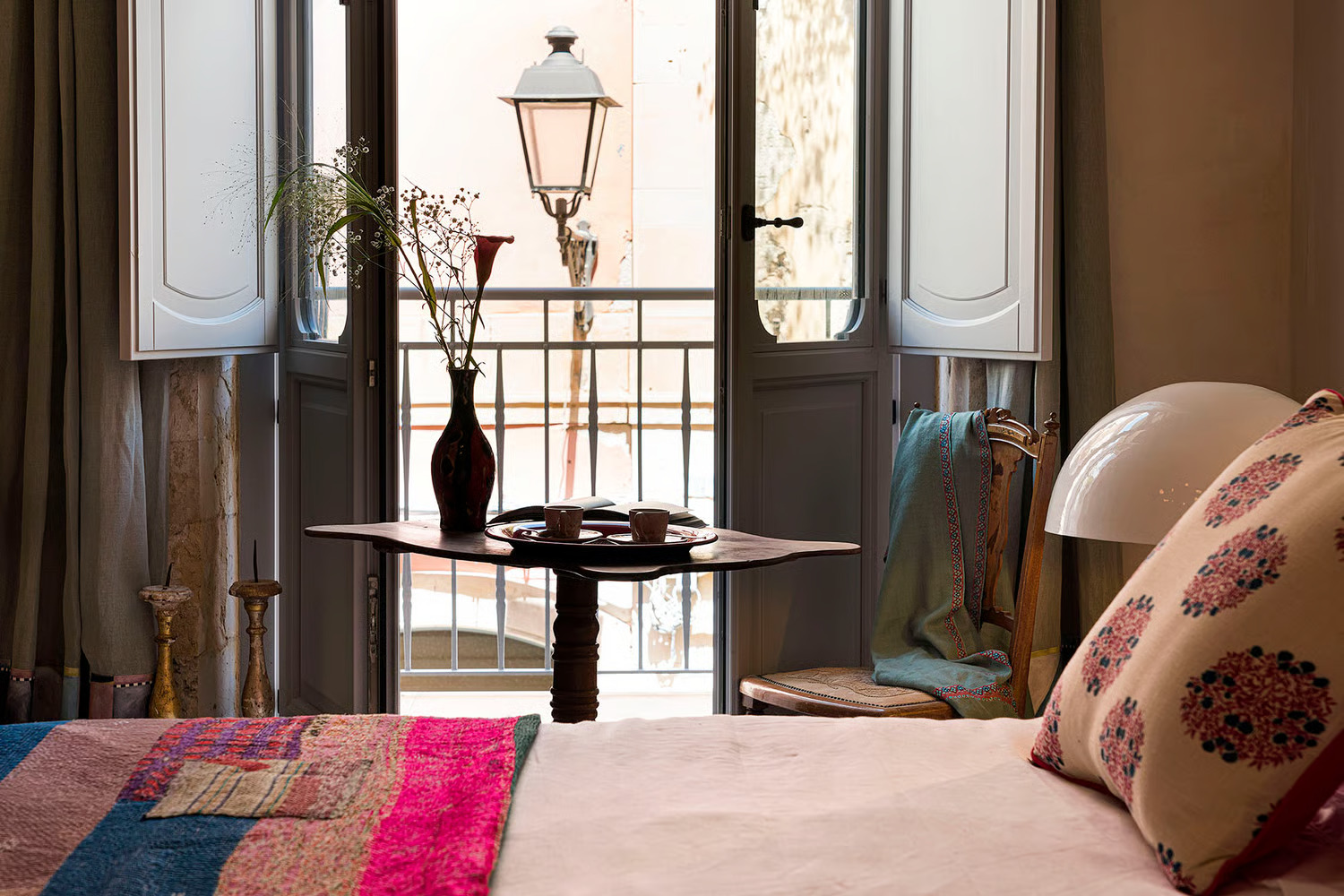
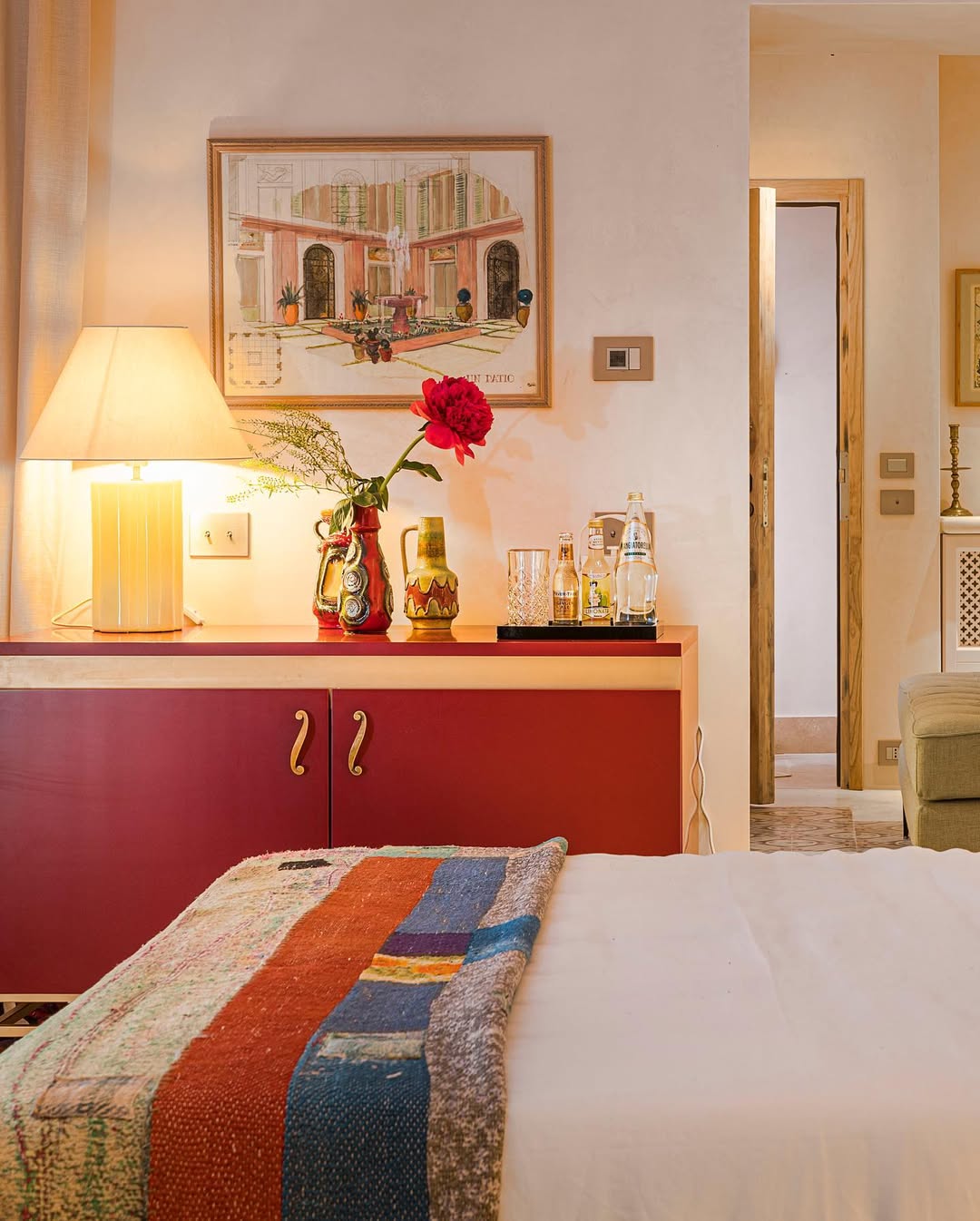
Prune’s background in interiors is everywhere. She sourced furniture and objects in Paris, Milan, Normandy and Sicily, including local markets in Modica, mixing French sensibility with Mediterranean colour and Sicilian craft. Bright textiles sit alongside old furniture. Hand-painted tiles meet marble. There are ceramics, seashells, quilts, mirrors and pieces that feel collected rather than specified. A custom tapestry by artist Pascal Monteil adds another layer. The overall effect is closer to the home of someone with very good taste than a carefully branded boutique hotel. Which is much harder to achieve.
Six Rooms, Six Personalities
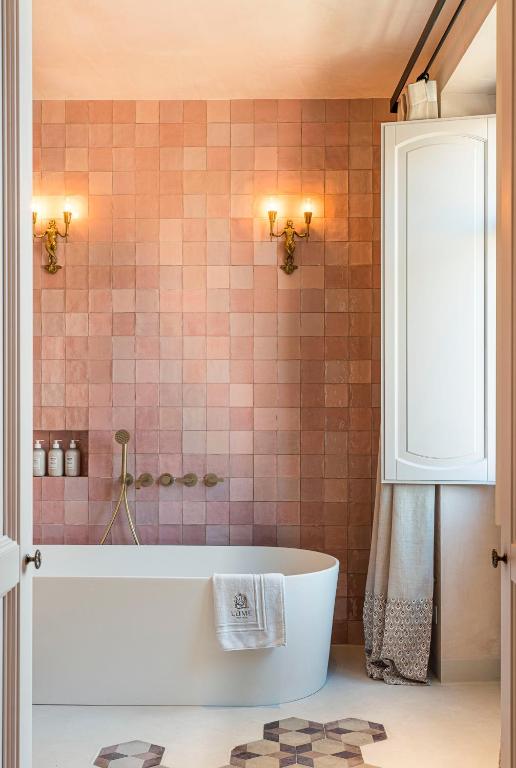
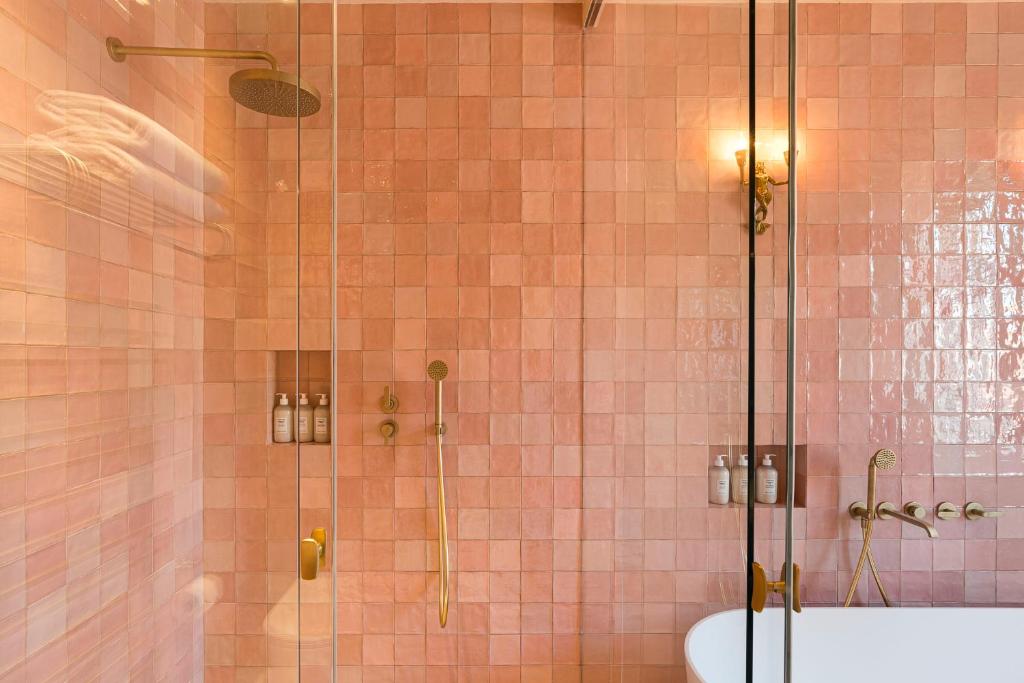
There are just six rooms and suites, and each has its own character. One might pair a freestanding bath with soft pink tones. Another feels almost nautical. Elsewhere, there are balconies, winter gardens, large terraces and the top-floor Attico apartment with its own kitchen and generous living space. The rooms do not follow a hotel template. They follow the building. And because the palette mixes vintage pieces, handmade objects and different textiles, they feel related without looking repeated.
Breakfast Matters Here
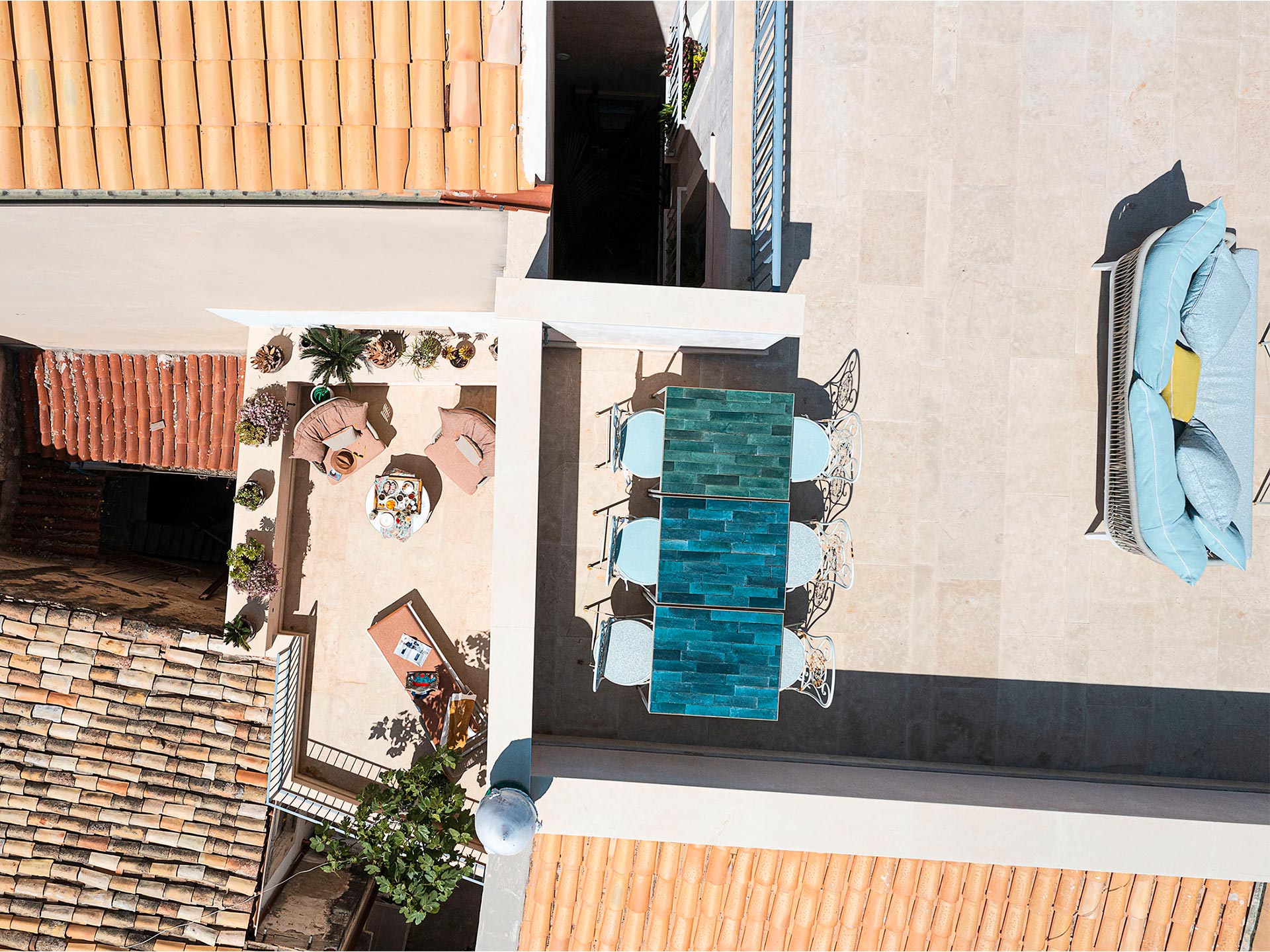
The first thing you may notice in the morning is the smell. Ronan makes banana bread and granola, while breakfast brings together local blood orange and kumquat jams, sheep’s ricotta, Bronte pistachios, almond cream, seasonal fruit and coffee roasted near Etna. It is domestic in the best possible way. Breakfast stretches late, and on good days the rooftop becomes the obvious place to linger. This is Sicily. Nobody should be rushing breakfast.
A Little More Than Expected
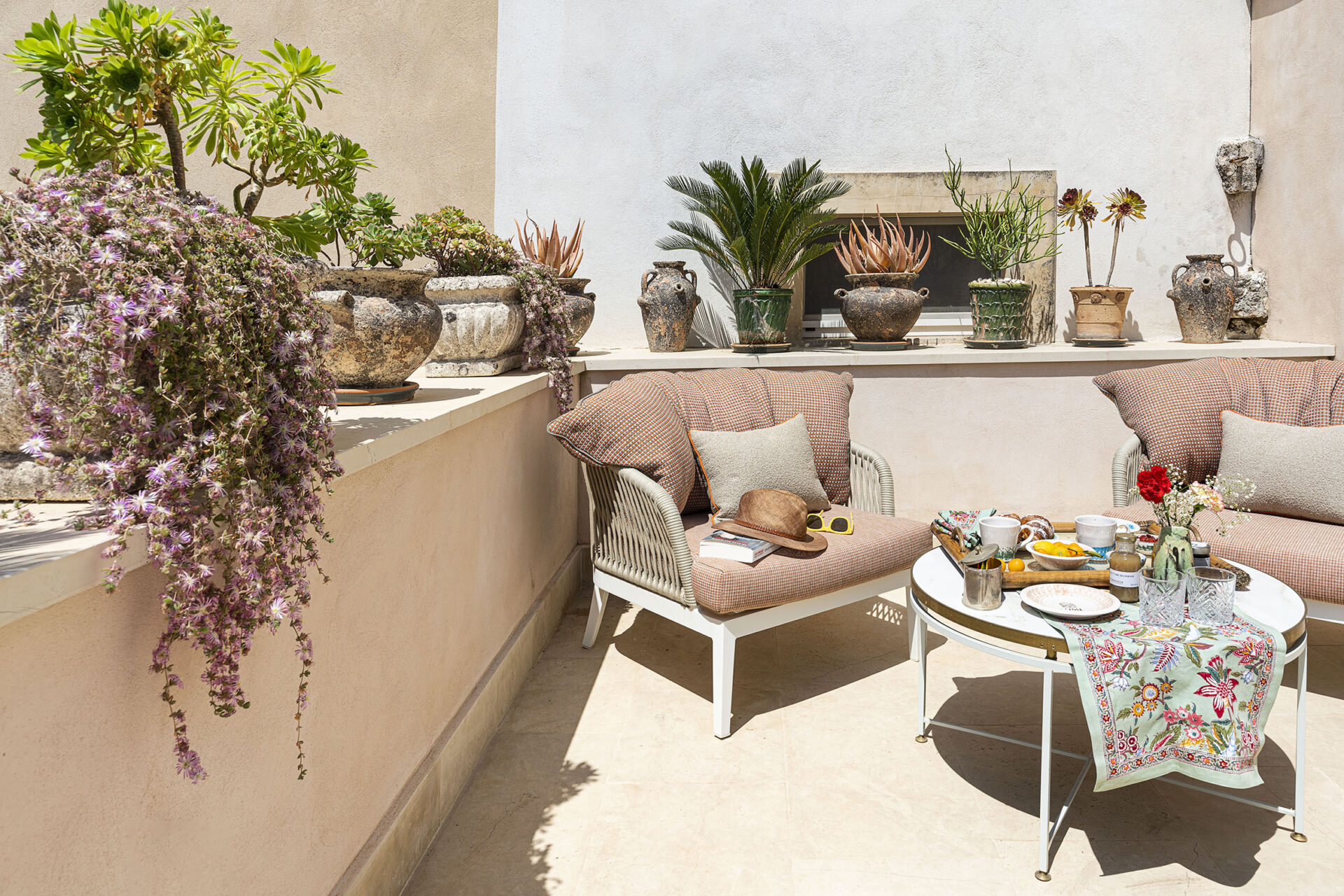
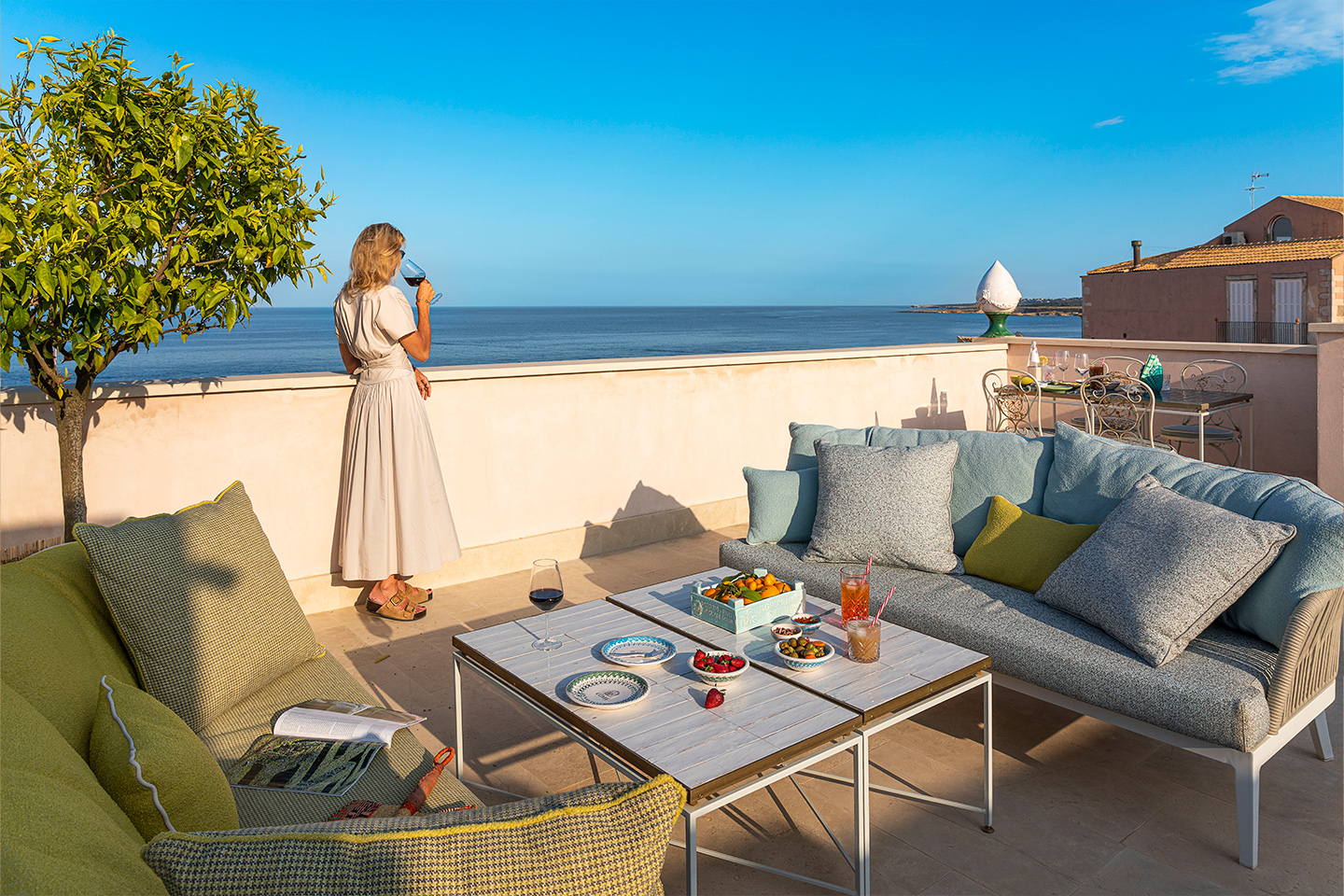
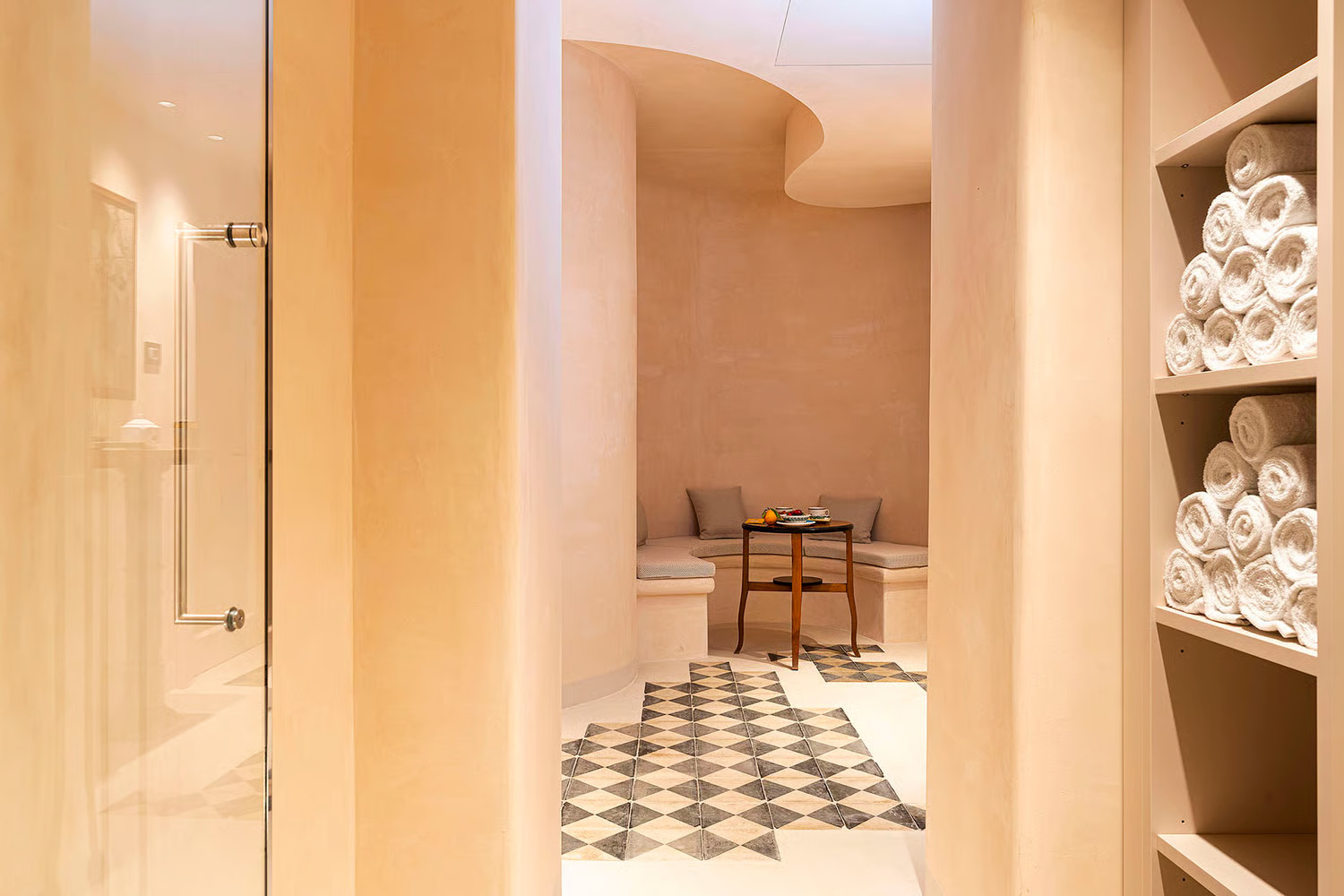
For six rooms, Lùme has an unusually generous list of extras. There is a hammam, a small fitness room and a treatment space offering Ayurvedic massage and other treatments. The rooftop terrace works for breakfast, aperitivo and doing very little at all. There is no full restaurant, but that almost suits the house better. Ortigia is outside the door, full of cafés, wine bars and restaurants, and the team actively sends guests toward the places they genuinely like. Hospitality here feels personal rather than programmed.
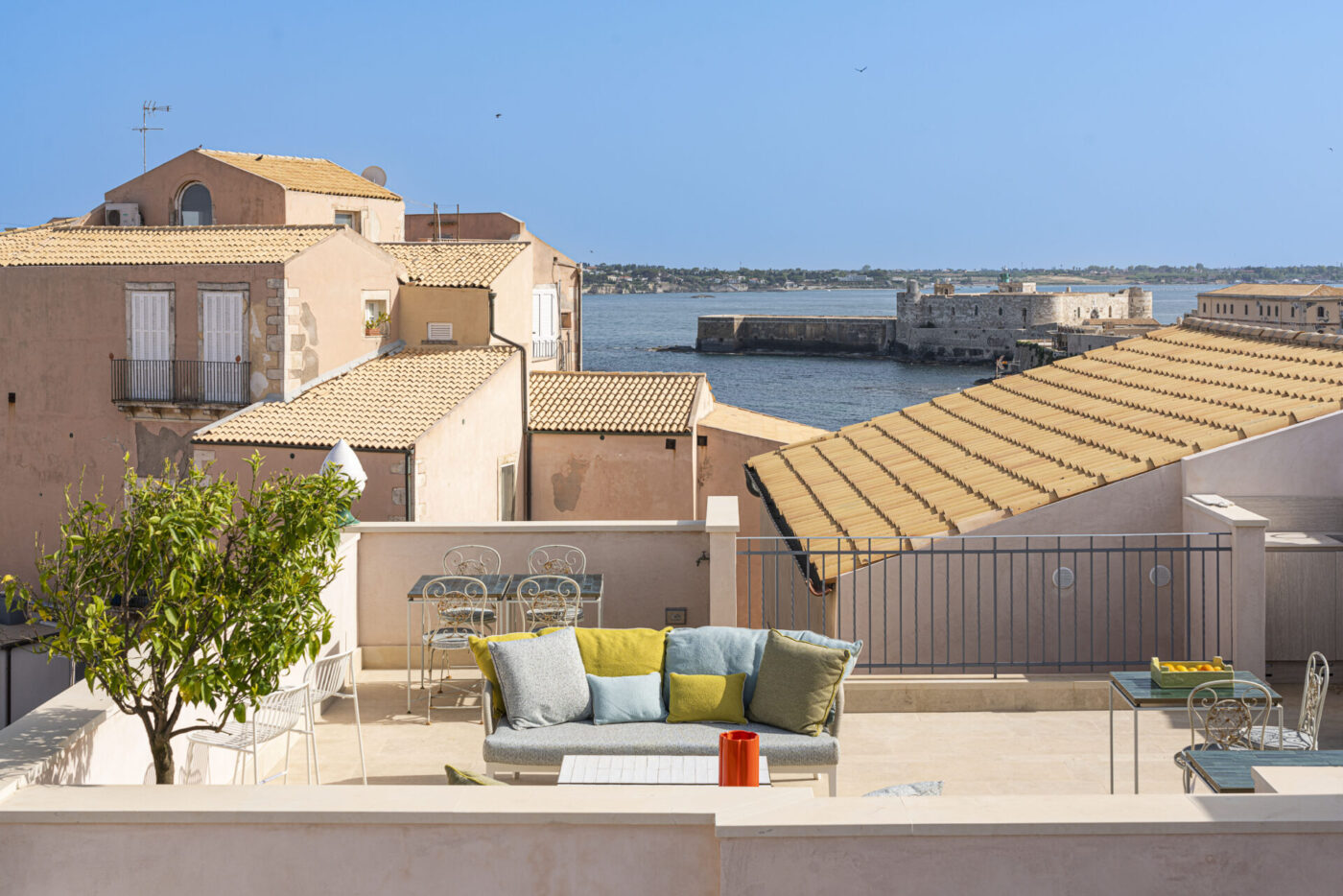
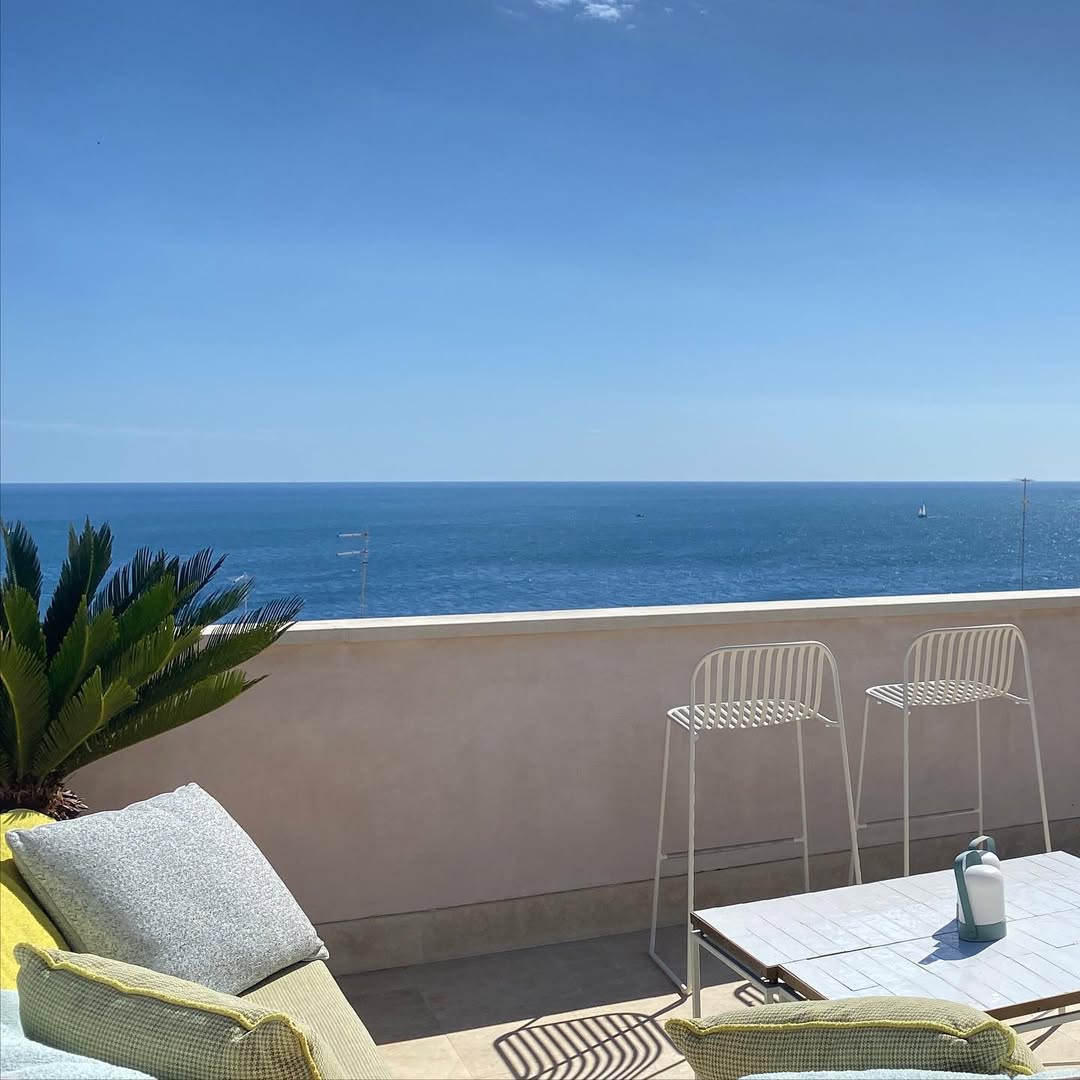
Ortigia From Above
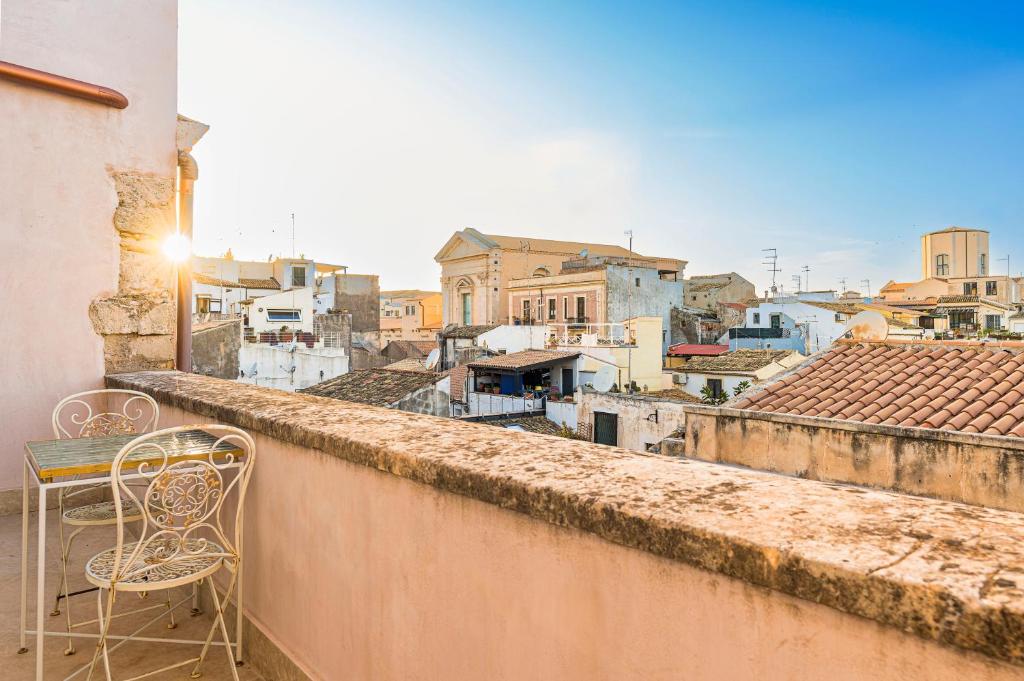
The rooftop may be Lùme’s most memorable shared space. From here, terracotta roofs, church domes and layers of old Syracuse stretch toward the Ionian Sea. By late afternoon, Etna wines, local beers, cheeses and salami can appear while the light starts changing across the city. It is one of those hotel spaces that manages to feel less like a facility and more like somewhere you happened to be invited.
Why It Works
Lùme is small enough that personality cannot hide behind architecture, branding or service rituals. Fortunately, it has plenty of it. The restoration respects the old house without fetishising it. The decoration is sophisticated without looking staged. And the people running it are visibly part of the experience. There are more luxurious hotels in Sicily. There are grander palazzi. But few feel this personal. Lùme is exactly what it set out to be: a house in Ortigia where guests are temporarily folded into the family.
Information
At a glance
Interior design
owner designed
The Small Print
minimum stay 2 nights
Featured in
Don't take our word for it



Handpicked worldwide
A carefully curated collection of exceptional boutique and design hotels across the globe.
Design with soul
Architecture, atmosphere and craftsmanship come together in stays with a clear identity.
Hidden, not hyped
Independent boutique hotels you rarely find on mainstream booking platforms.
Travel guidance
Personal recommendations and thoughtful support from people who actually know the places.