


Vienna, Without the Gilding
Miiro Palais Rudolf reimagines a 19th-century Vienna townhouse through James Thurstan Waterworth’s layered interiors, Austrian art and antiques, bringing quiet residential elegance to the Innere Stadt.

Why DNA Hotels loves it
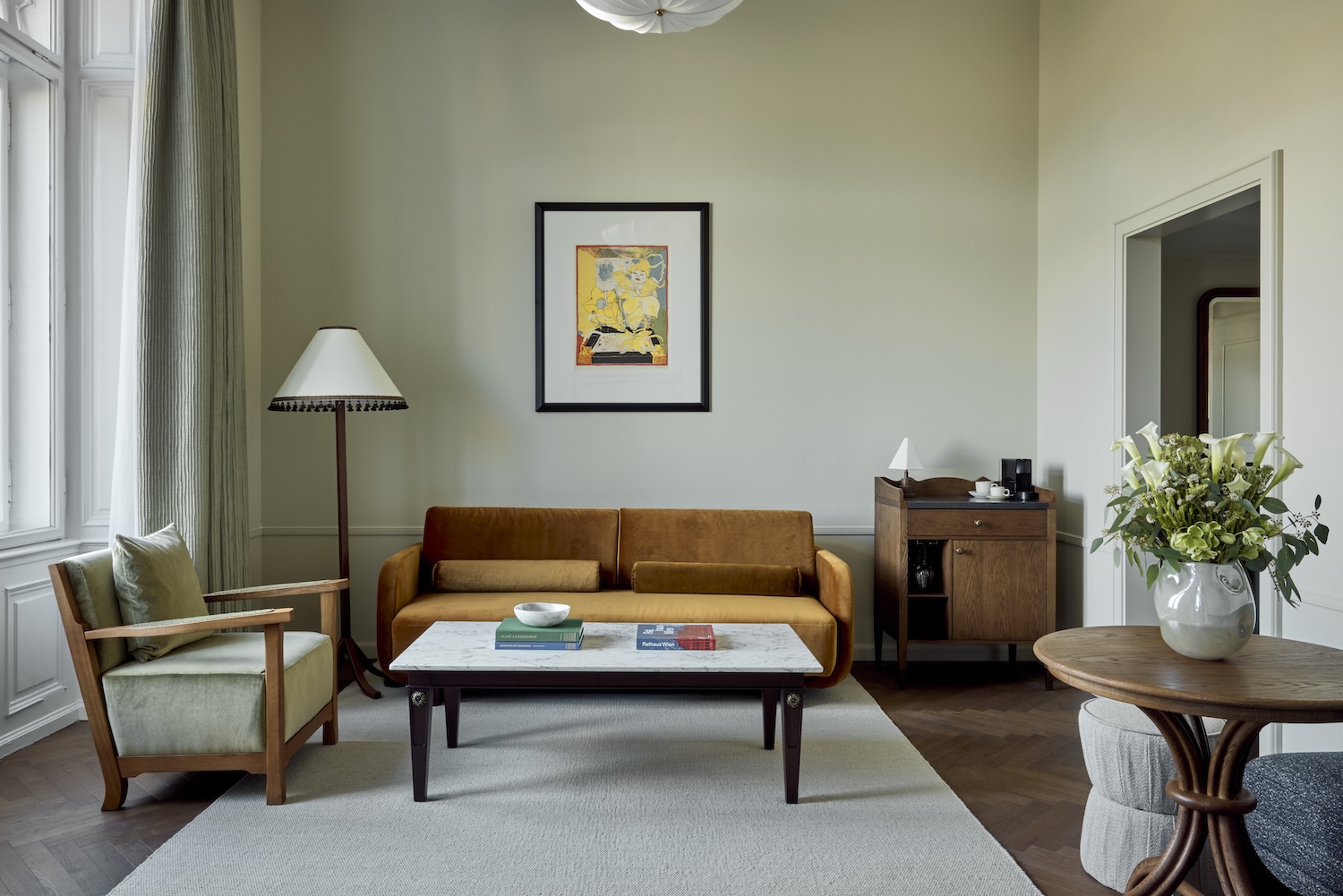
James Thurstan Waterworth and Vienna-based architect Gabriel Kacerovsky reinterpret the Viennese townhouse through warm colours, parquet, vintage furniture and locally sourced antiques rather than imperial nostalgia.
Austrian art is integral to the interiors, with works by Maria Lassnig, Peter Sengl, Jürgen Messensee, Max Weiler, Rudolf Hradil and Christian Ludwig Attersee turning the hotel into a quietly impressive collection.
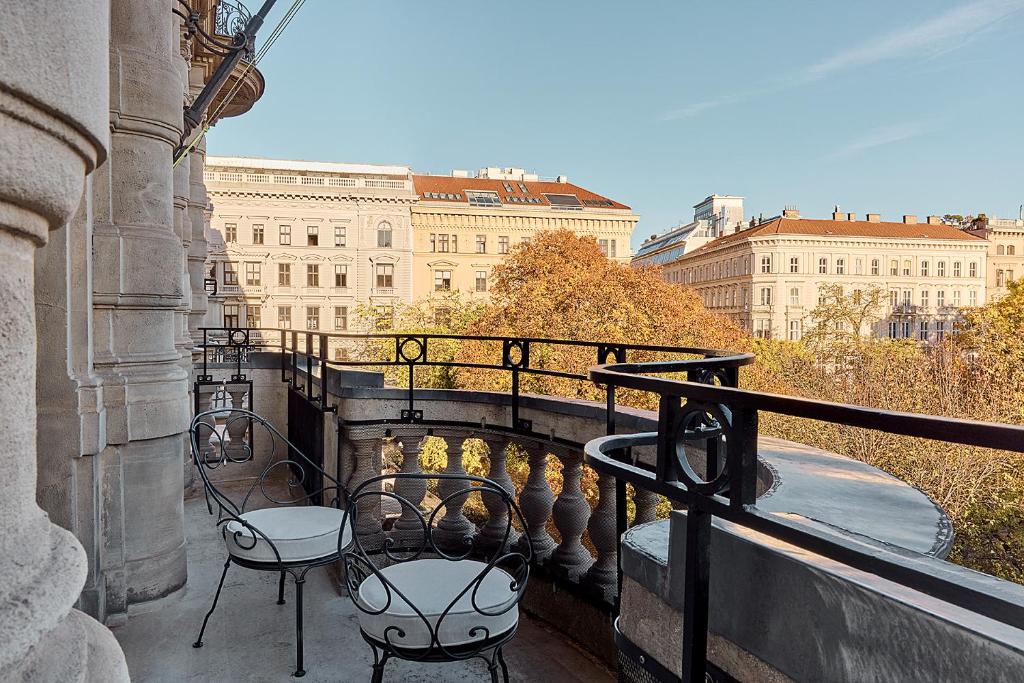
Its position overlooking leafy Rudolfspark brings an unexpectedly residential calm to the Innere Stadt, while Vienna's historic centre remains comfortably walkable.
The Stay
A 19th-century townhouse where Thurstan layers Viennese antiques, contemporary art and quiet residential elegance overlooking Rudolfspark.
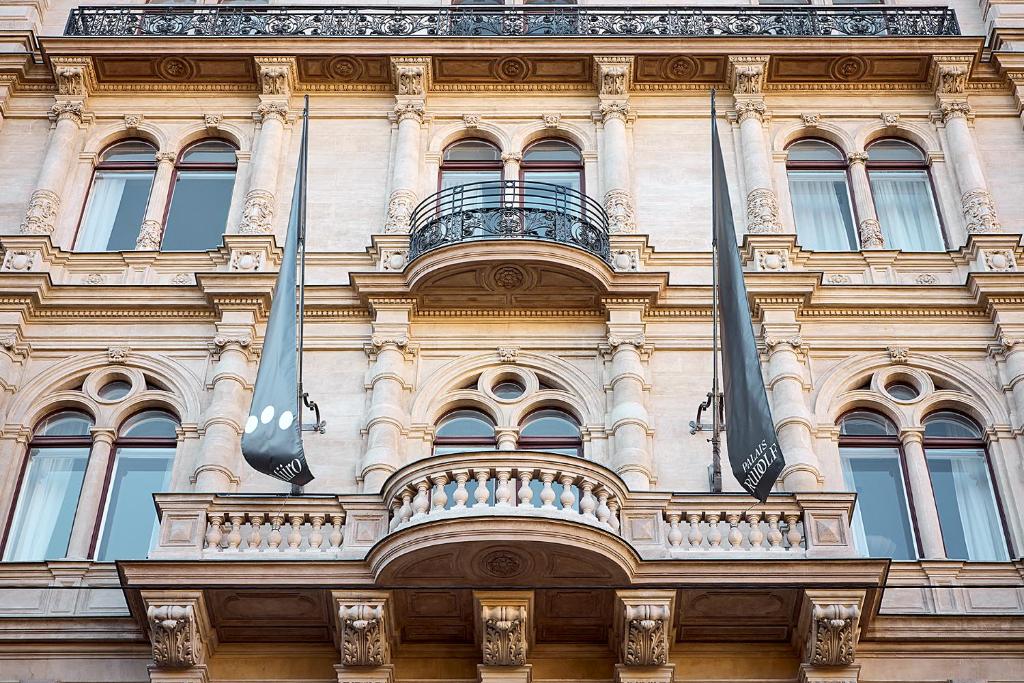
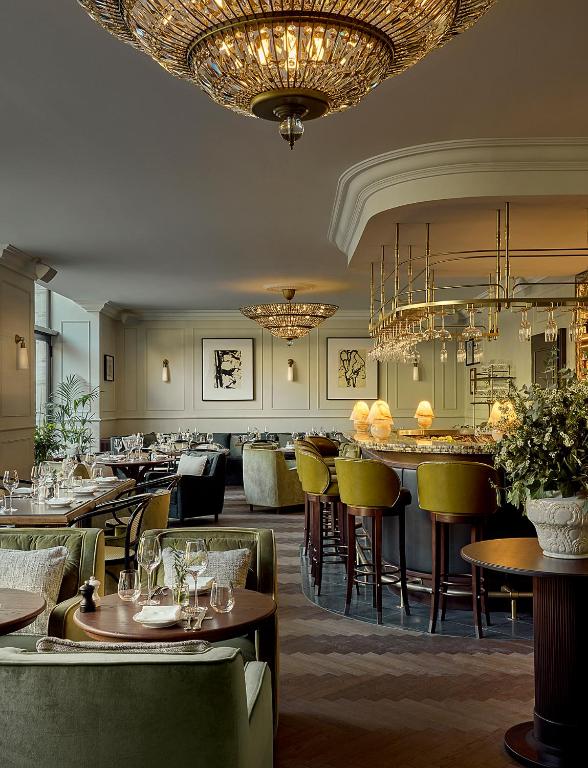
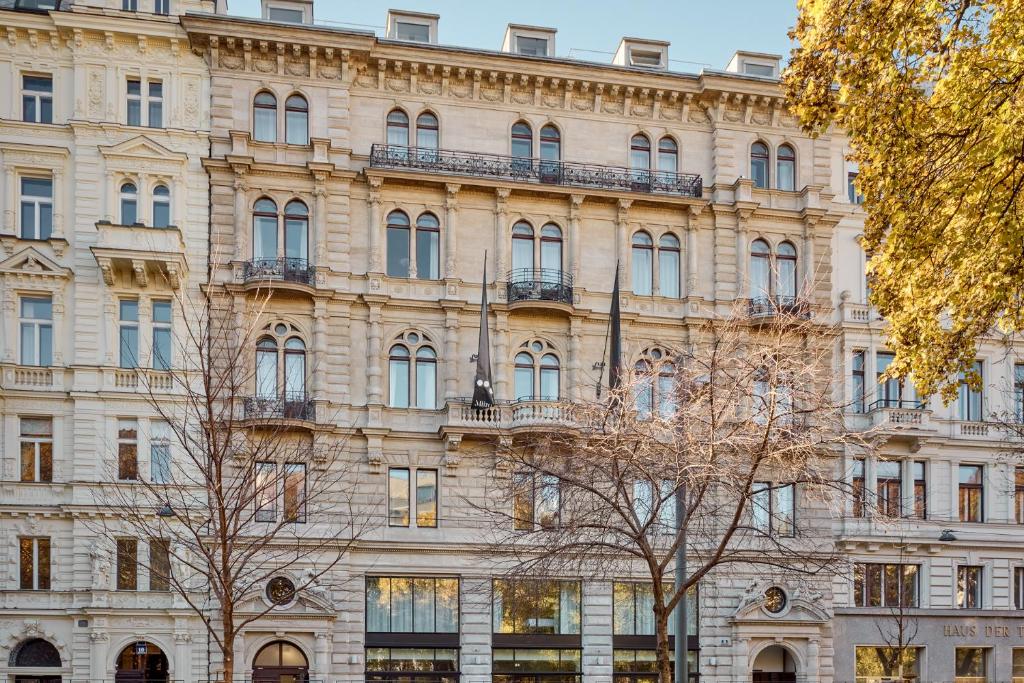
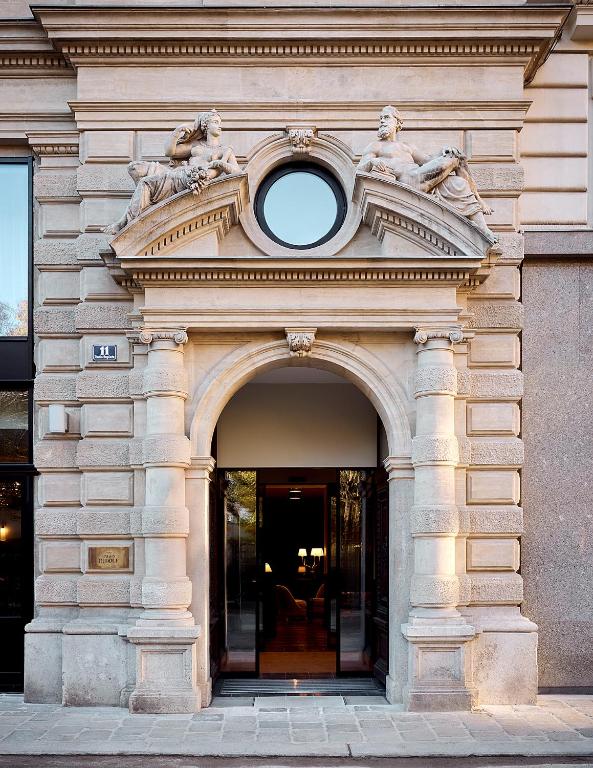
Vienna has enough grandeur already. Baroque façades, imperial palaces and gilded interiors are everywhere, so Palais Rudolf takes the more interesting route: restraint. Miiro’s first Vienna hotel occupies a historic townhouse on Rudolfsplatz, overlooking the trees of Rudolfspark in the Innere Stadt. James Thurstan Waterworth of Thurstan developed the interior concept, while local architect Gabriel Kacerovsky of Archisphere handled its architectural execution. Together they treat the building less as a monument than as a grand Viennese residence that has continued to evolve. History remains present. It simply isn’t overplayed.
Collected, Not Decorated
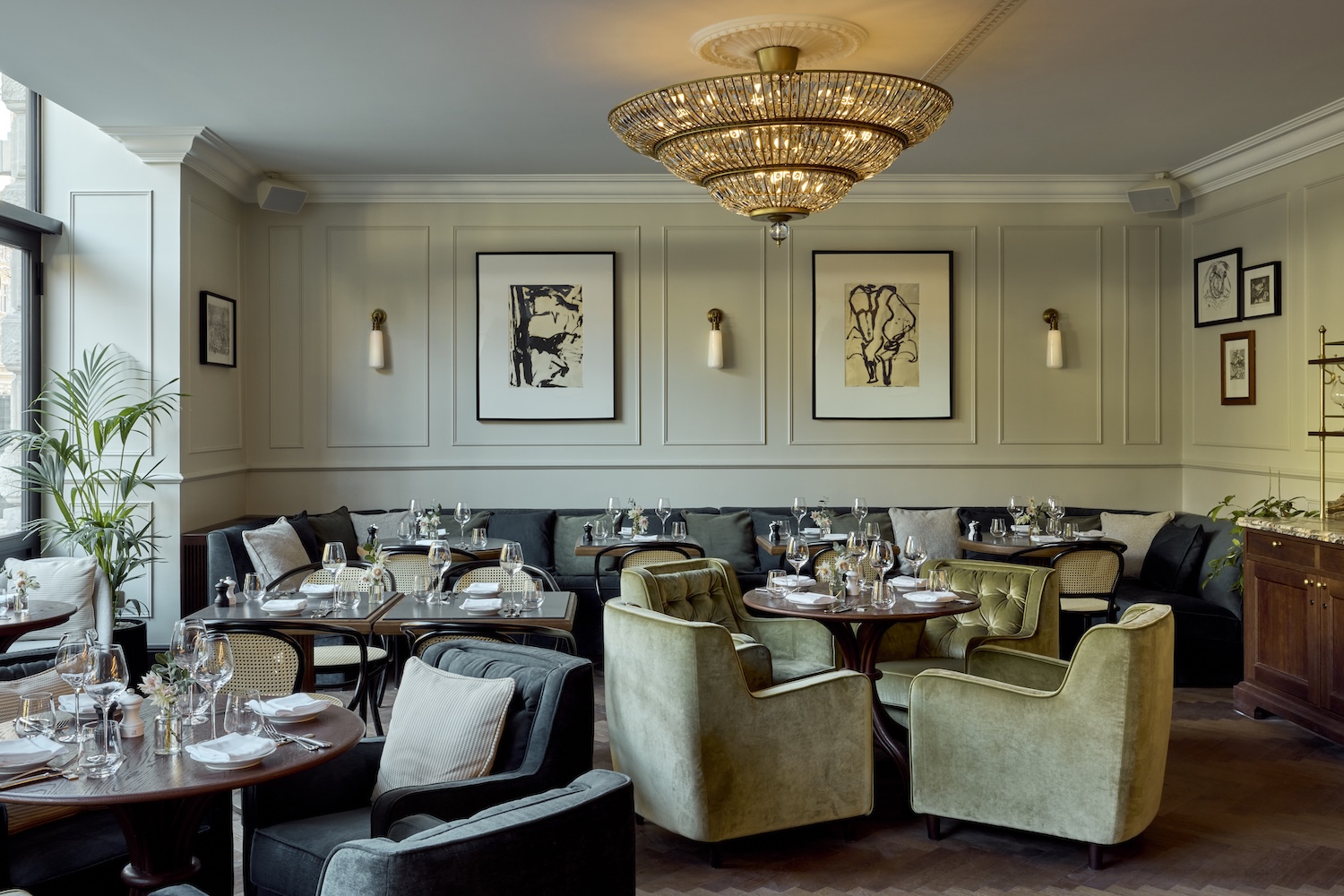
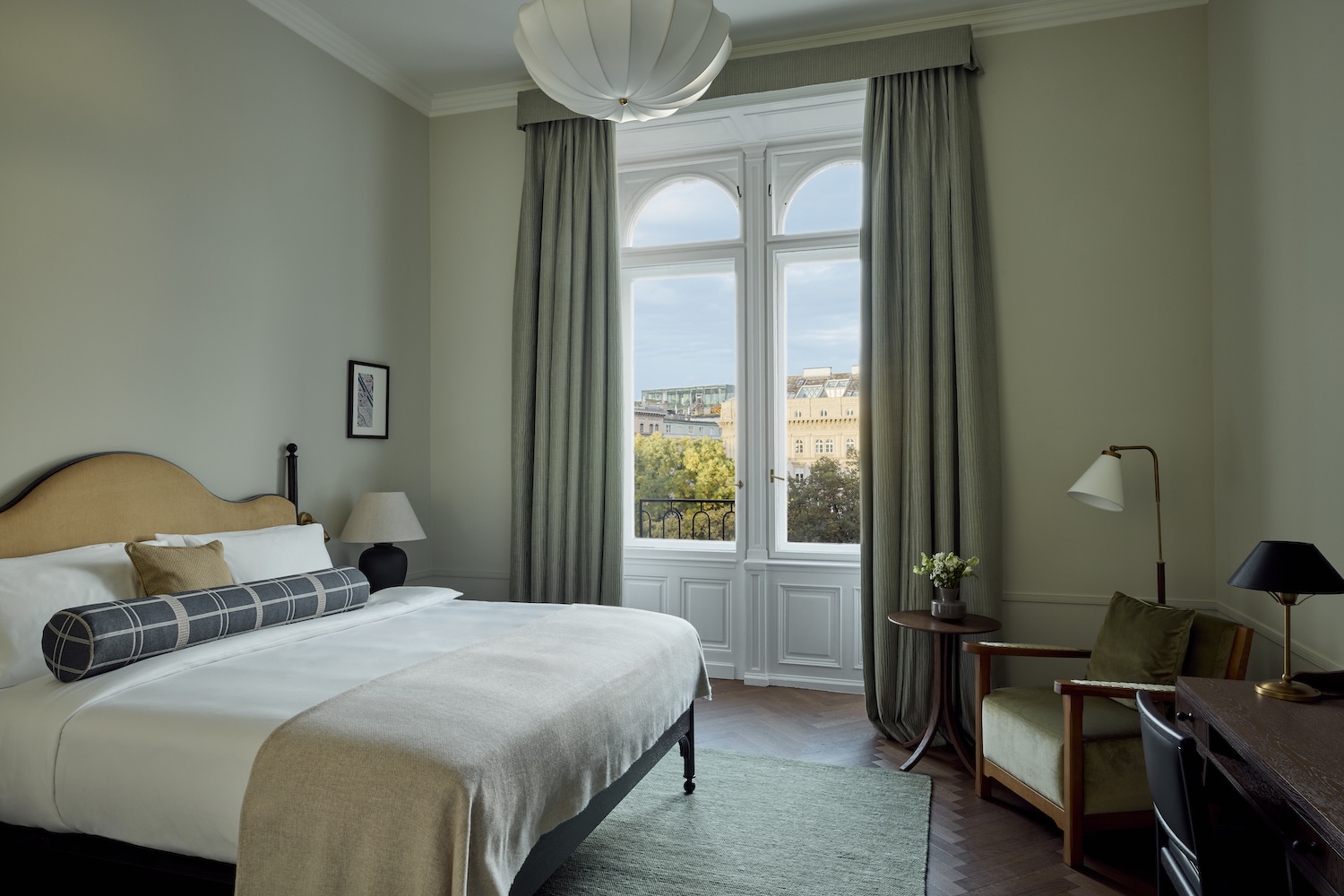
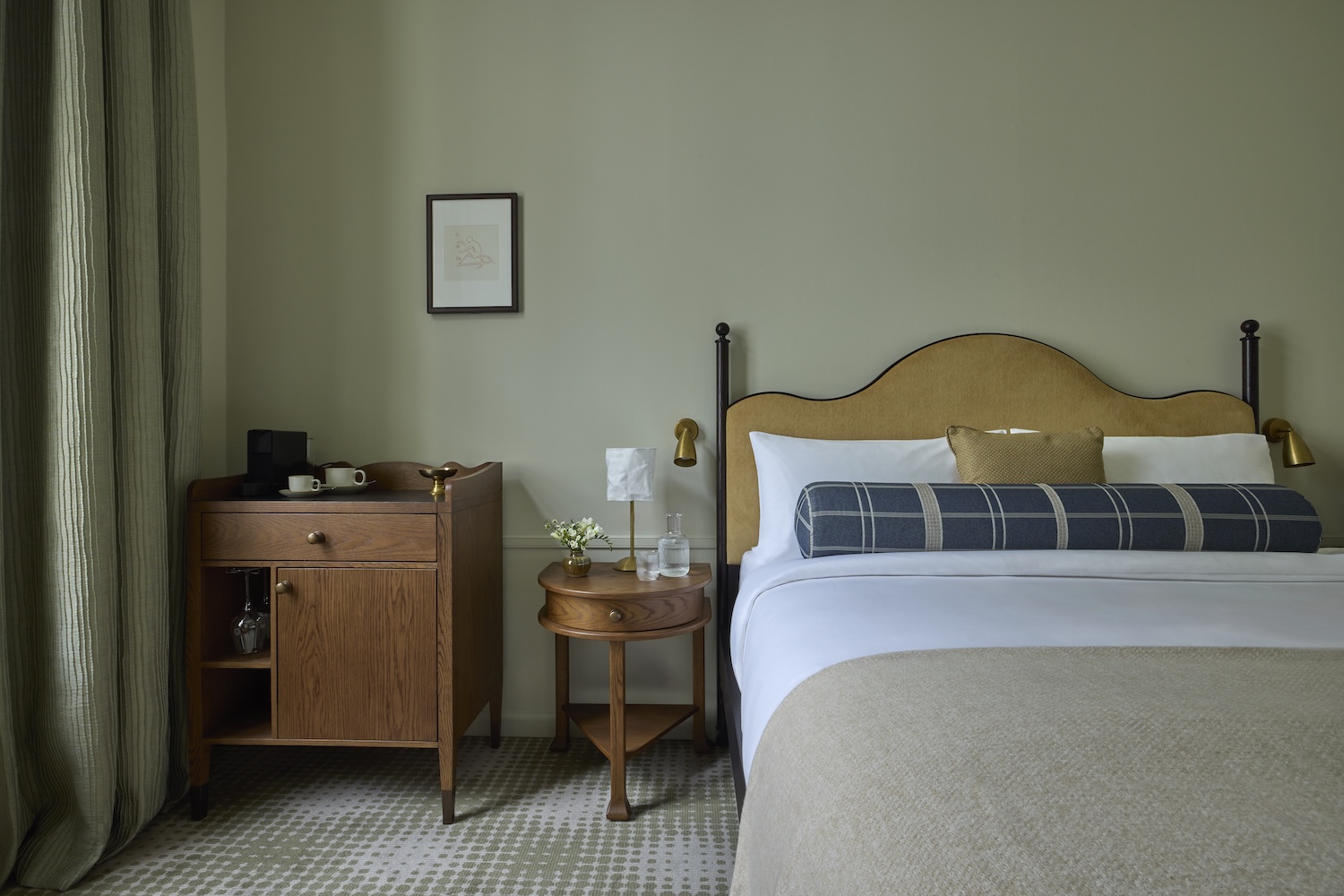
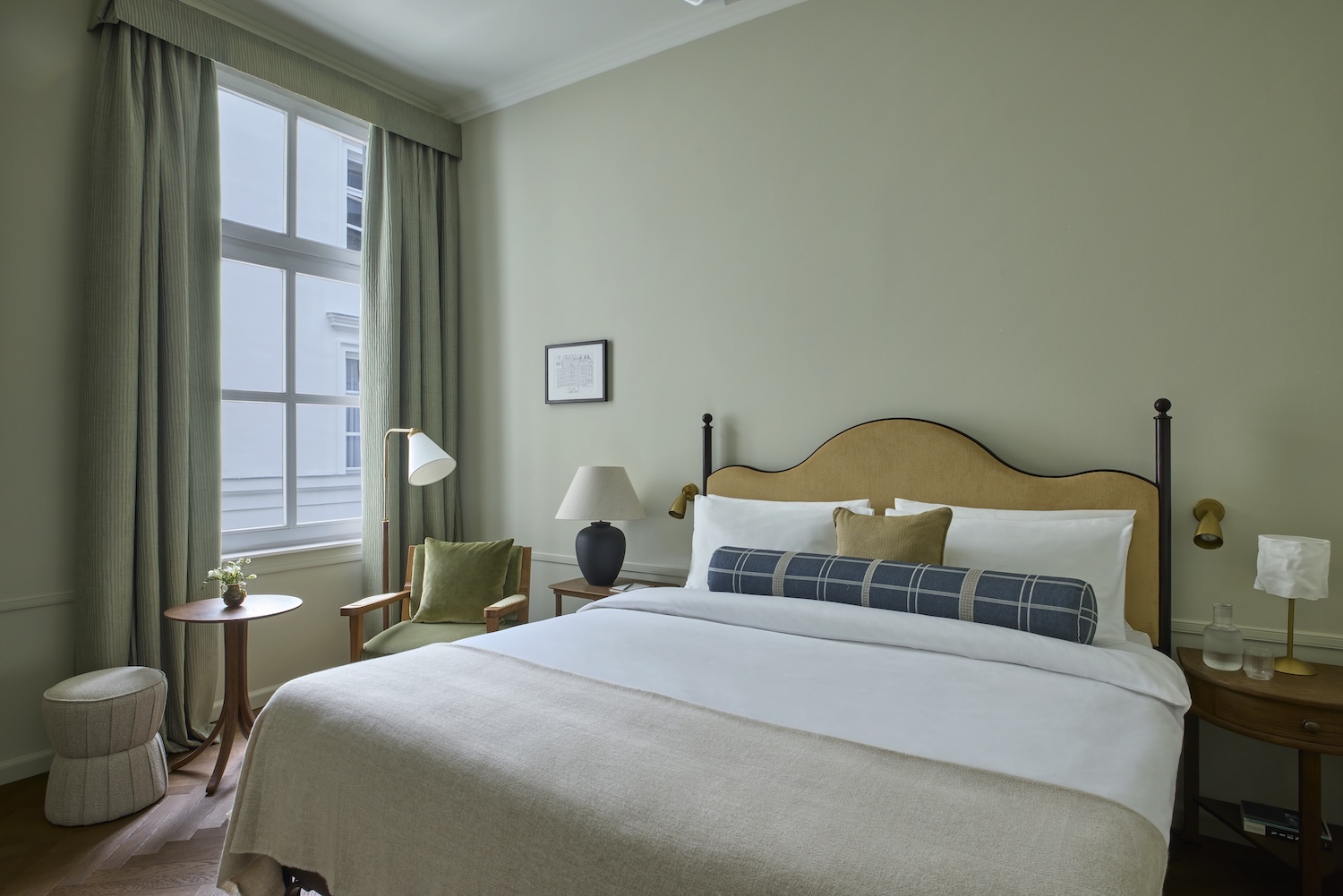
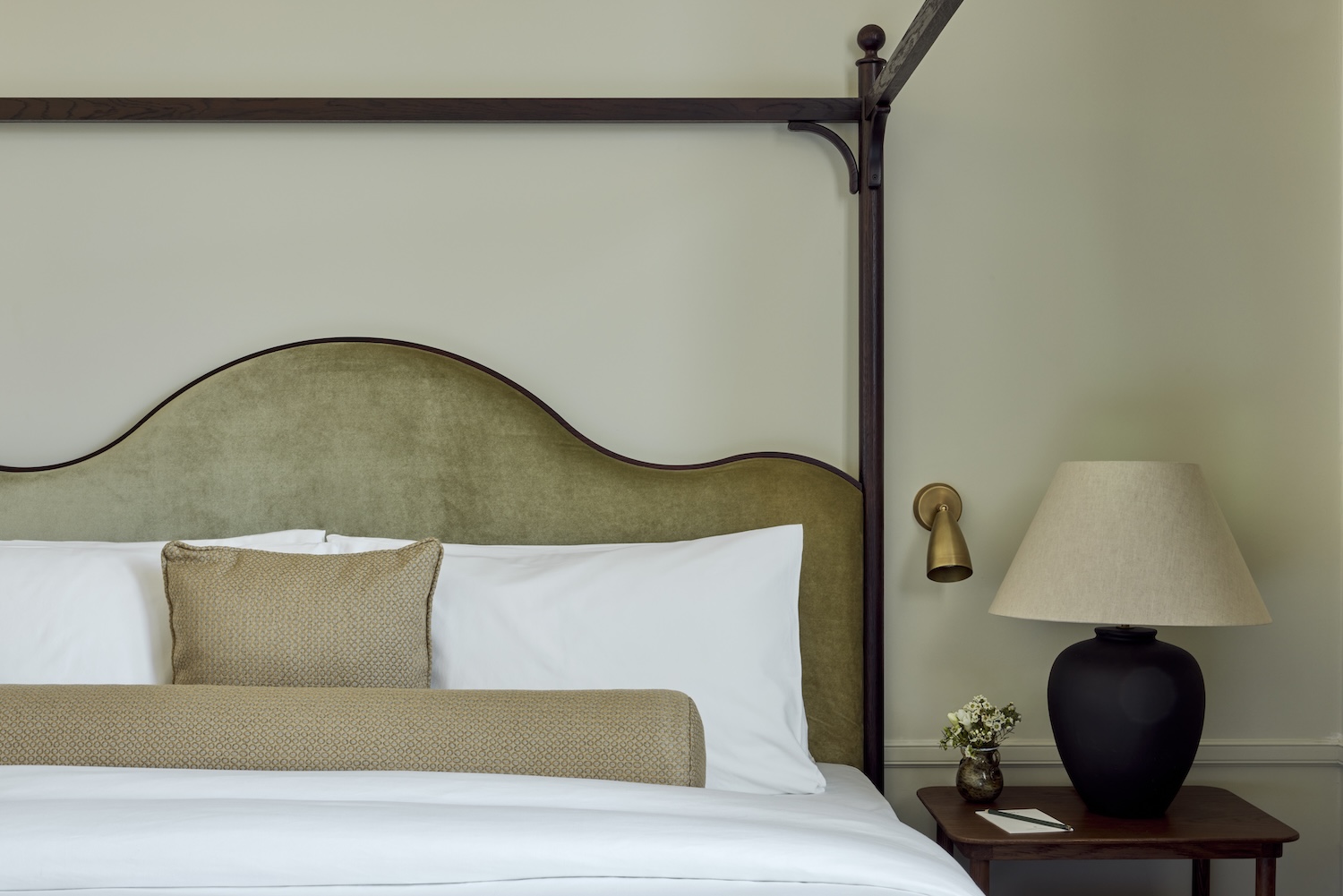
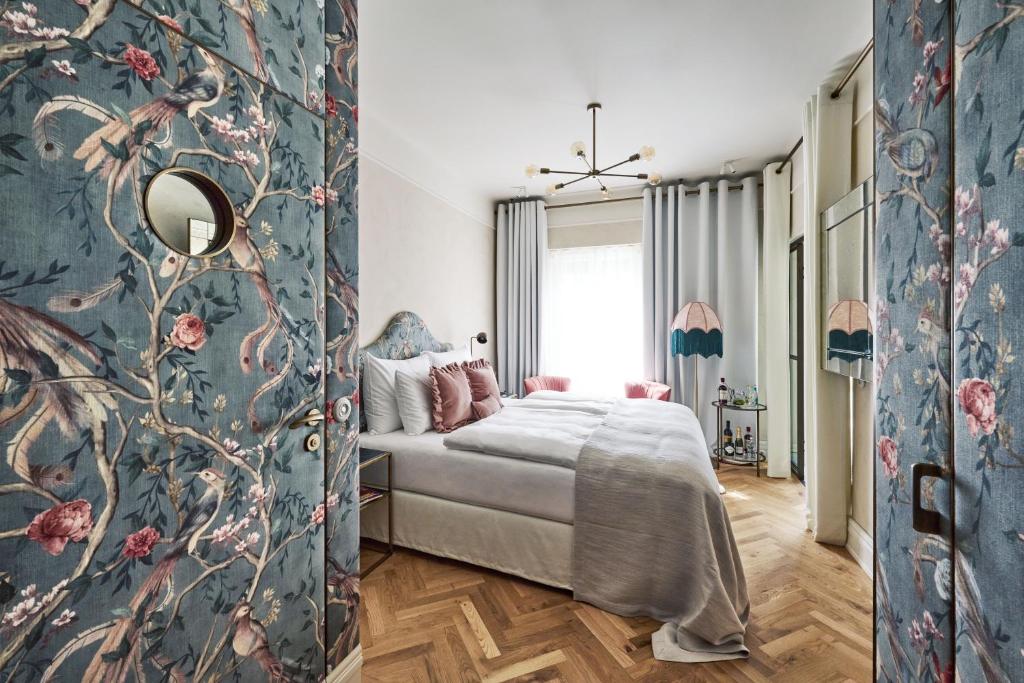
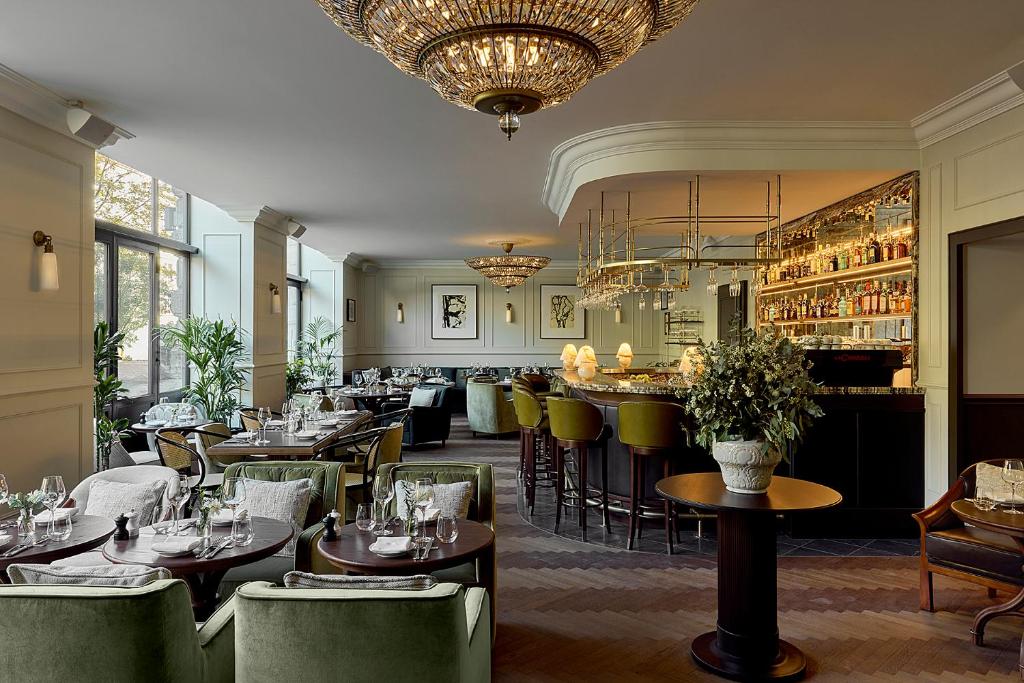
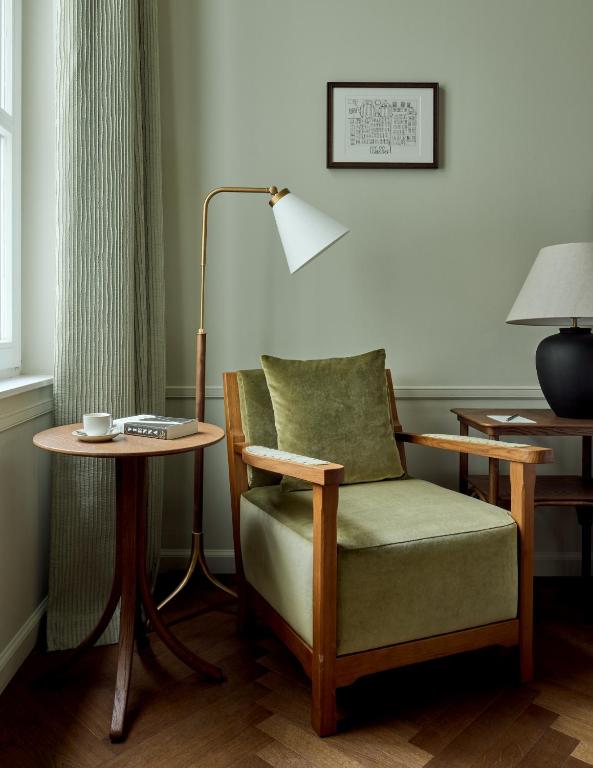
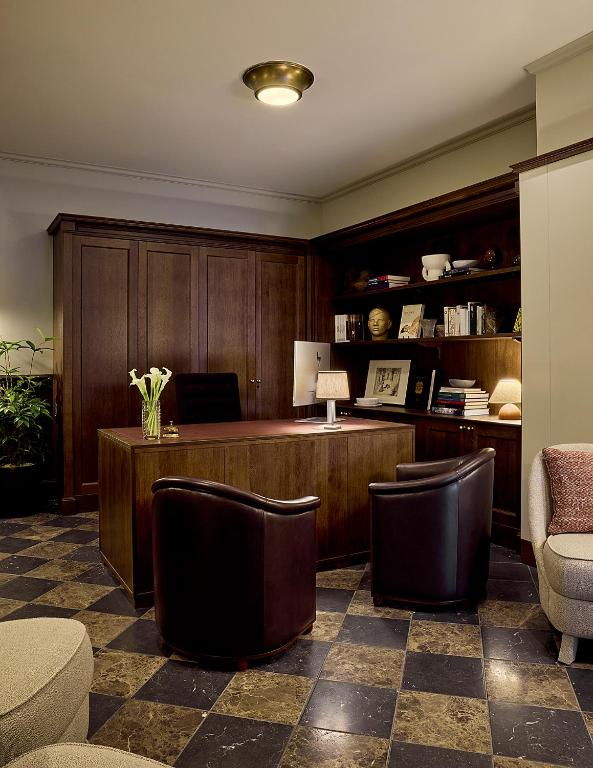
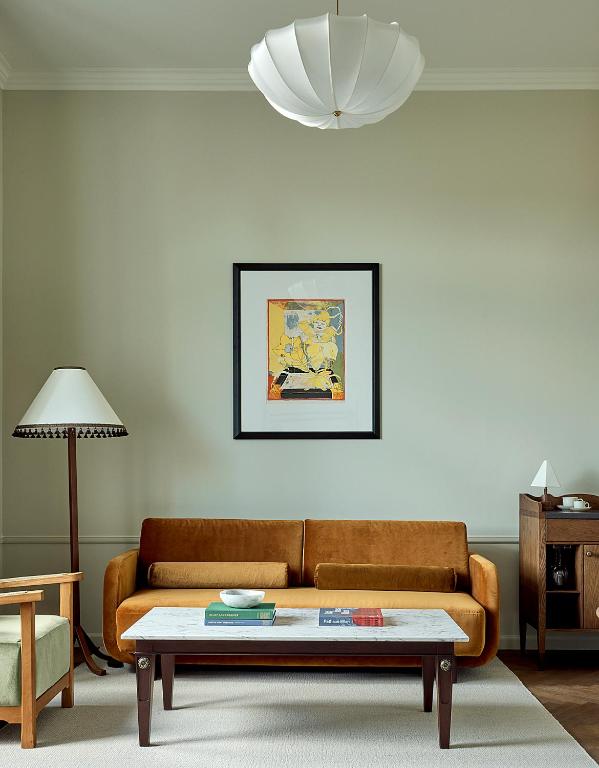
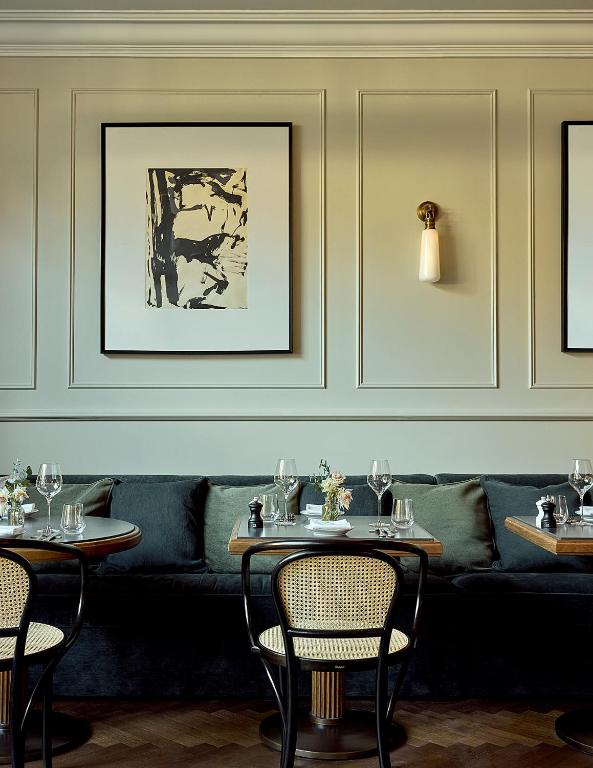
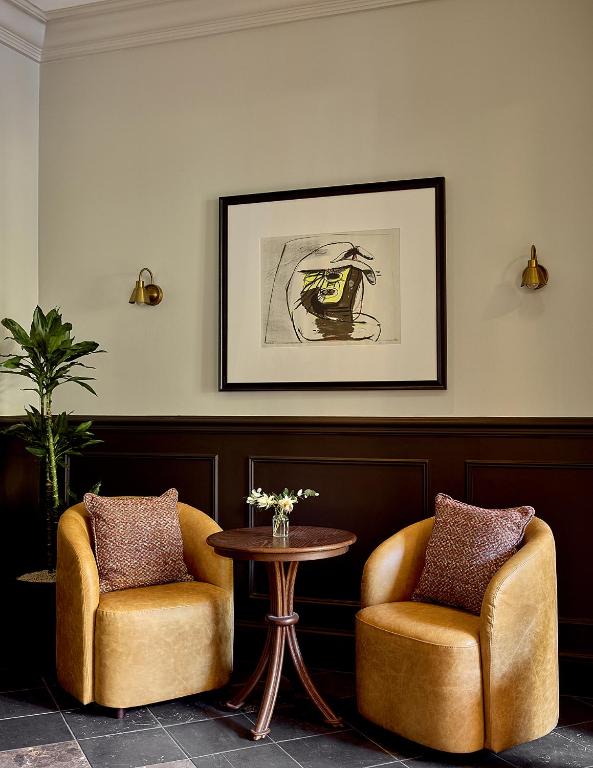
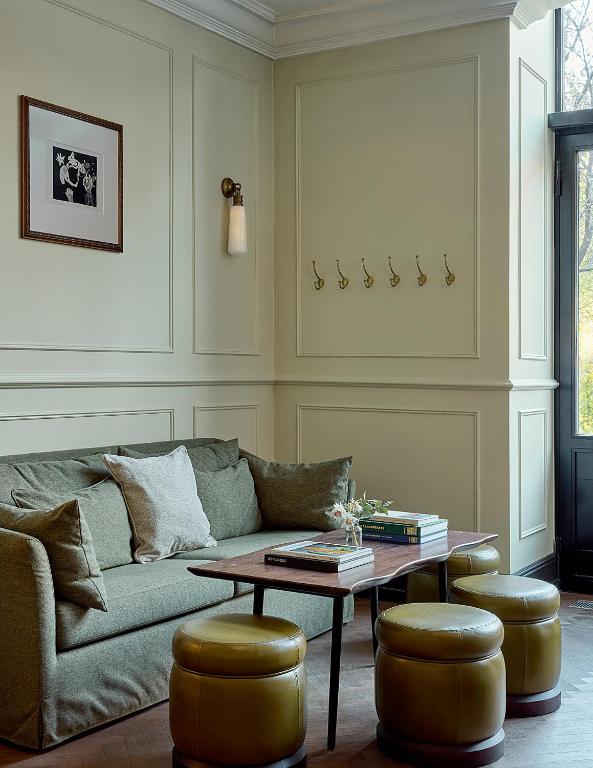
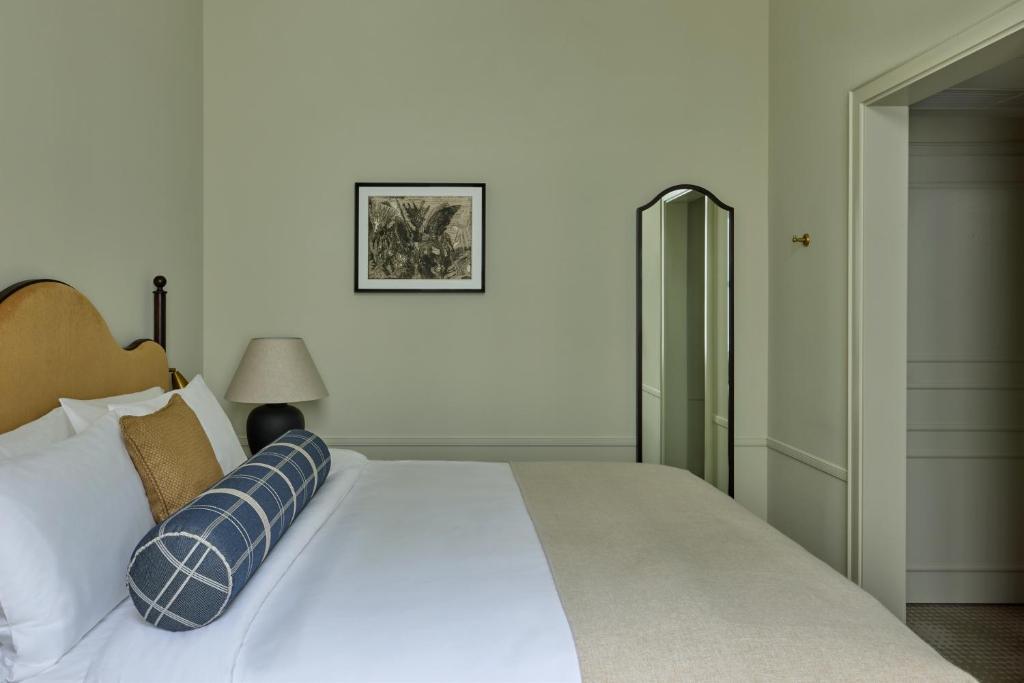
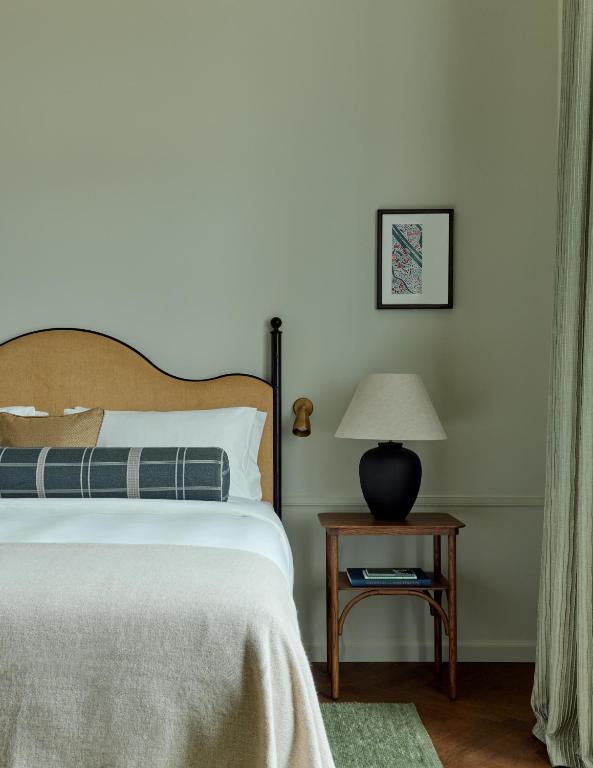
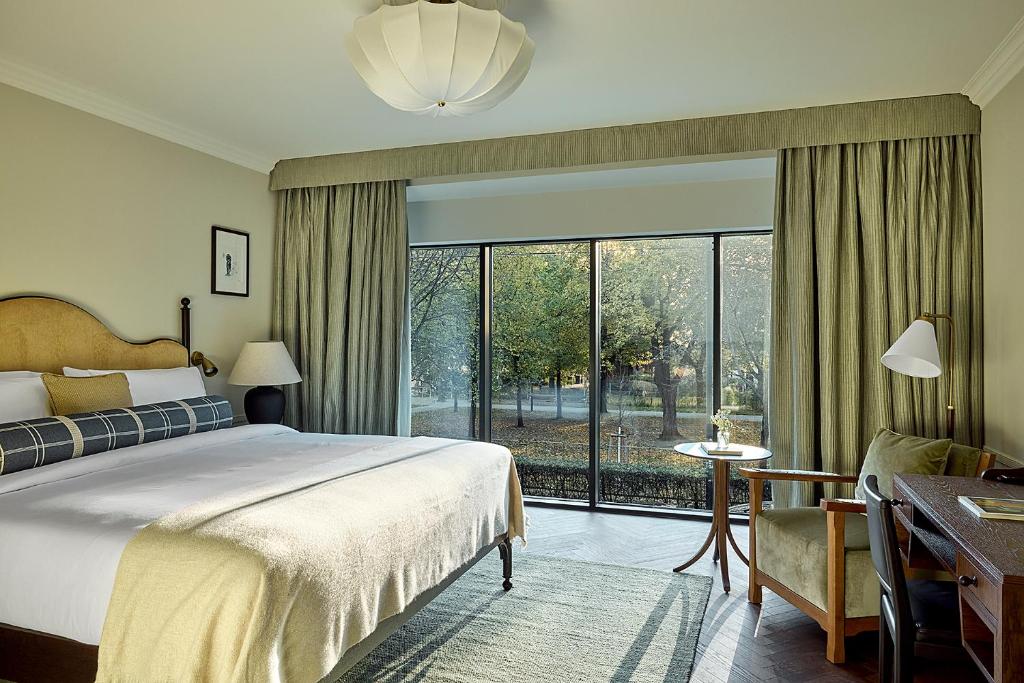
Thurstan’s interiors feel as though they have been assembled gradually rather than installed for an opening date. Blonde parquet floors, vintage and vintage-inspired furniture, tactile fabrics and a warm natural palette establish the residential character, while locally sourced antiques bring genuine age into the composition. That distinction matters. Instead of reproducing a particular period of Viennese design, the rooms mix objects and references from different eras. Old and new are allowed to sit comfortably together, creating interiors that reveal themselves slowly rather than relying on one dramatic gesture. The result is sophisticated without becoming formal — closer to an exceptionally well-kept Vienna apartment than a conventional luxury hotel.
Sixty-Four Viennese Rooms
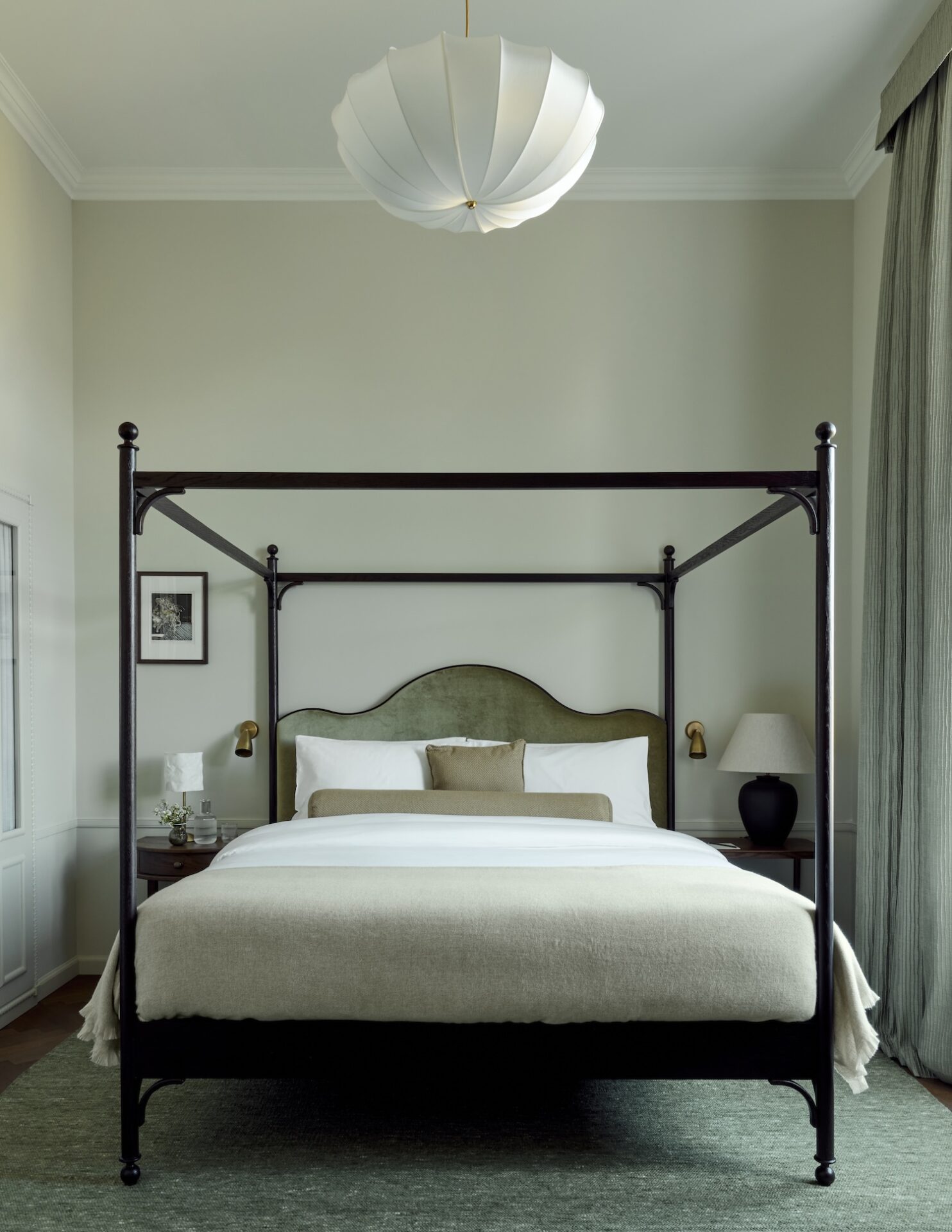
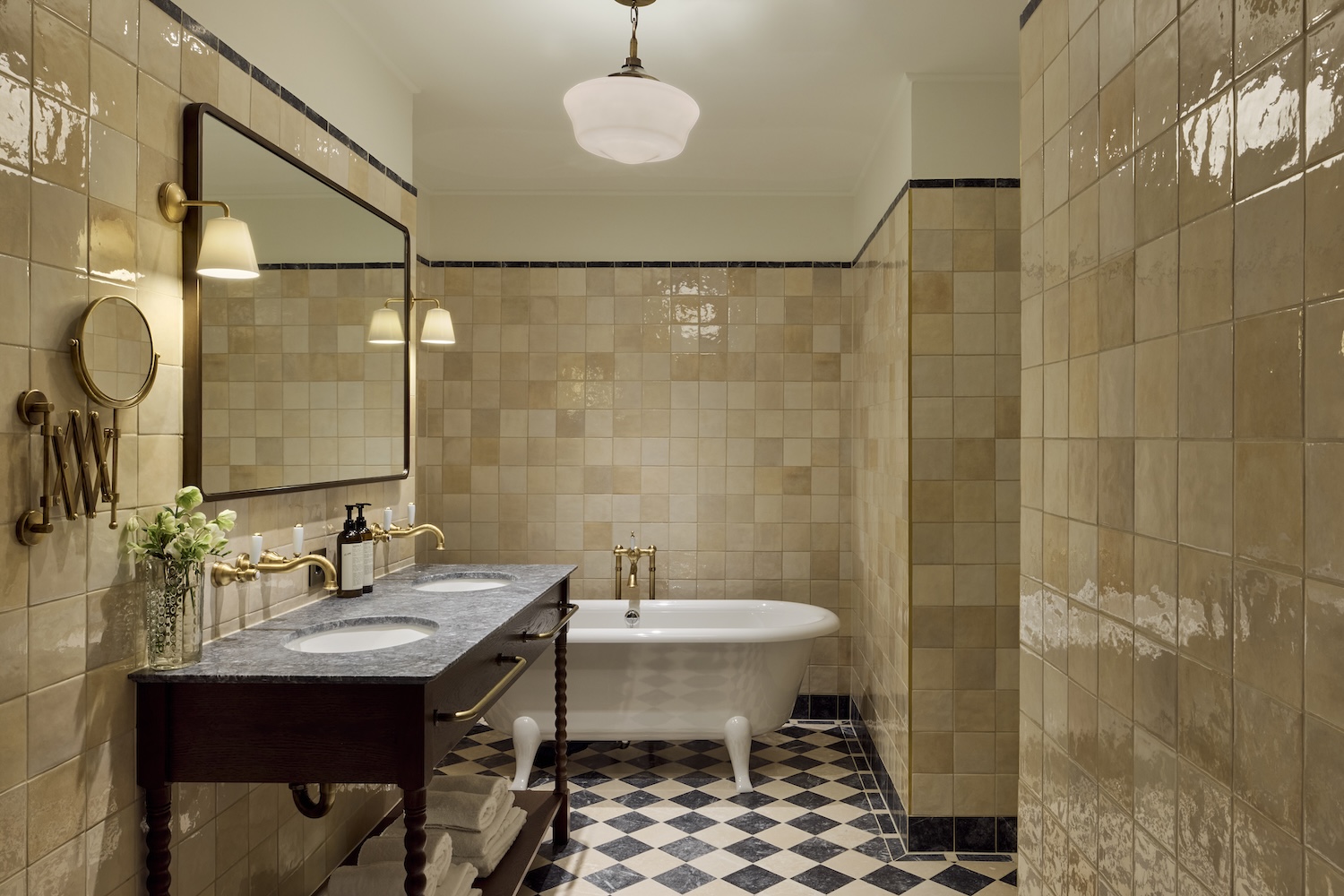
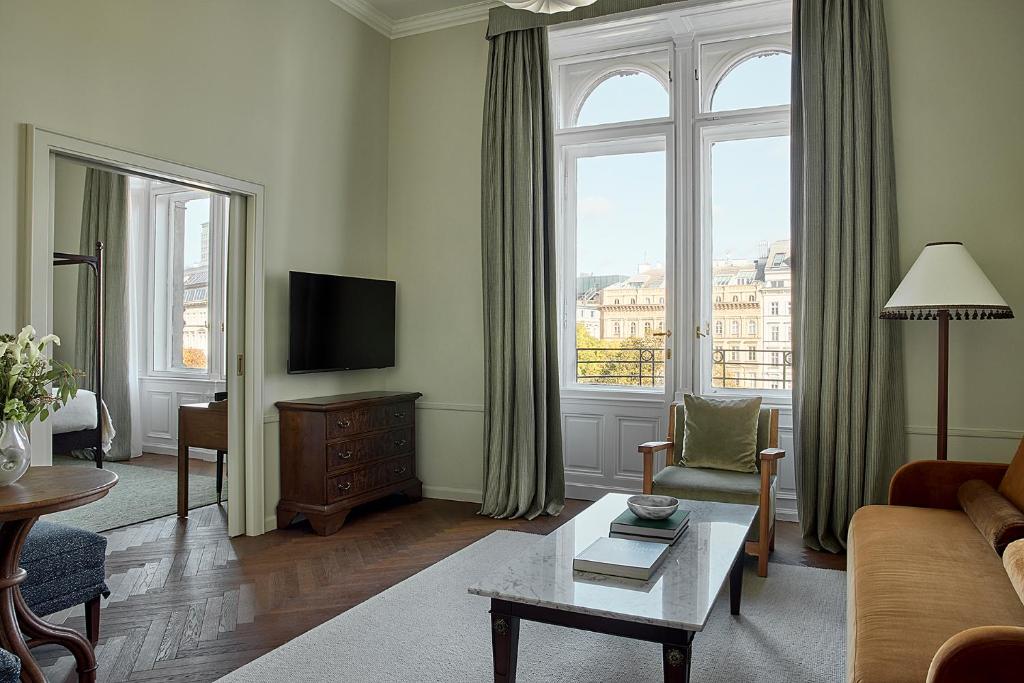
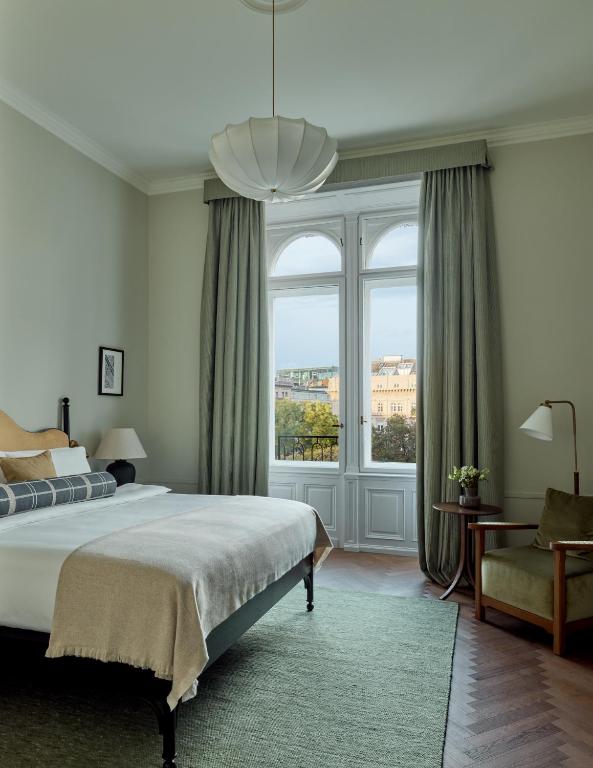
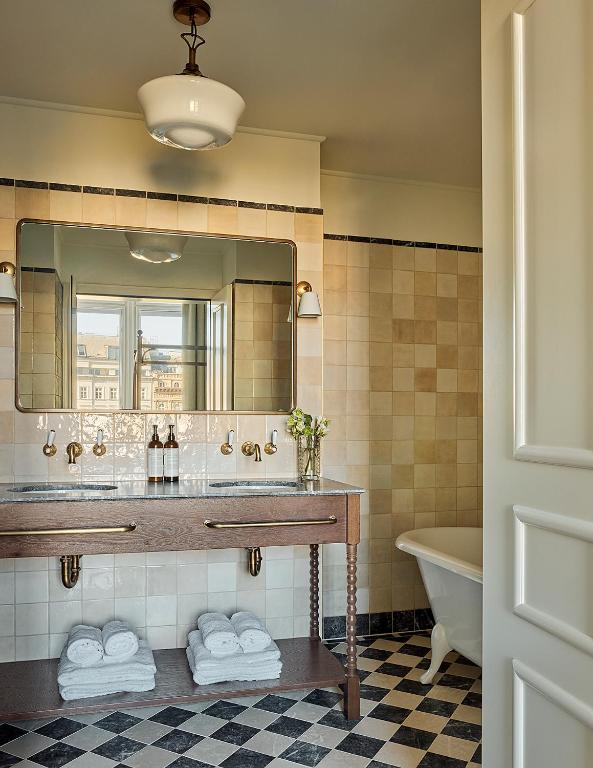
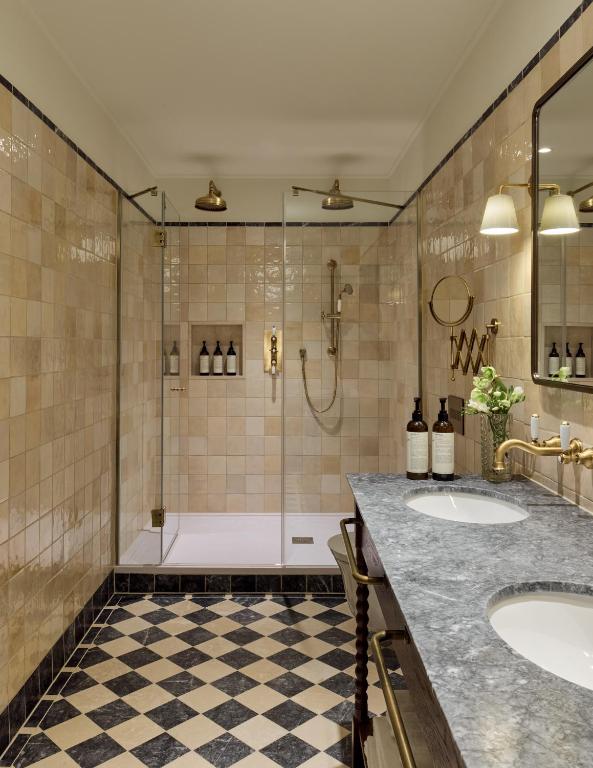
The 64 rooms and suites build on that domestic atmosphere. Classic, Superior and Deluxe categories vary in scale and outlook, while two larger suites introduce separate living areas and private balconies. Views open towards Rudolfspark, the historic neighbourhood or the quieter inner courtyard. Inside, warm timber, antique furniture, soft textiles and understated colours keep the atmosphere deliberately calm. Le Labo amenities add a contemporary layer without disturbing the old-world mood. This is not Vienna recreated as theatre. It is the idea of Viennese apartment life refined into a hotel room.
A Living Gallery
Art provides another connection between Palais Rudolf and the city around it. Rather than treating artworks as decorative finishing touches, the hotel incorporates pieces by established Austrian artists including Maria Lassnig, Peter Sengl, Jürgen Messensee, Max Weiler, Rudolf Hradil and Christian Ludwig Attersee. Against Thurstan’s restrained interiors, the collection introduces colour, personality and another generation of Austrian cultural history. It also prevents the residential concept from becoming overly nostalgic: this may be a historic townhouse, but its relationship with Vienna continues into the present.
From Kaffeehaus to Aperitivo
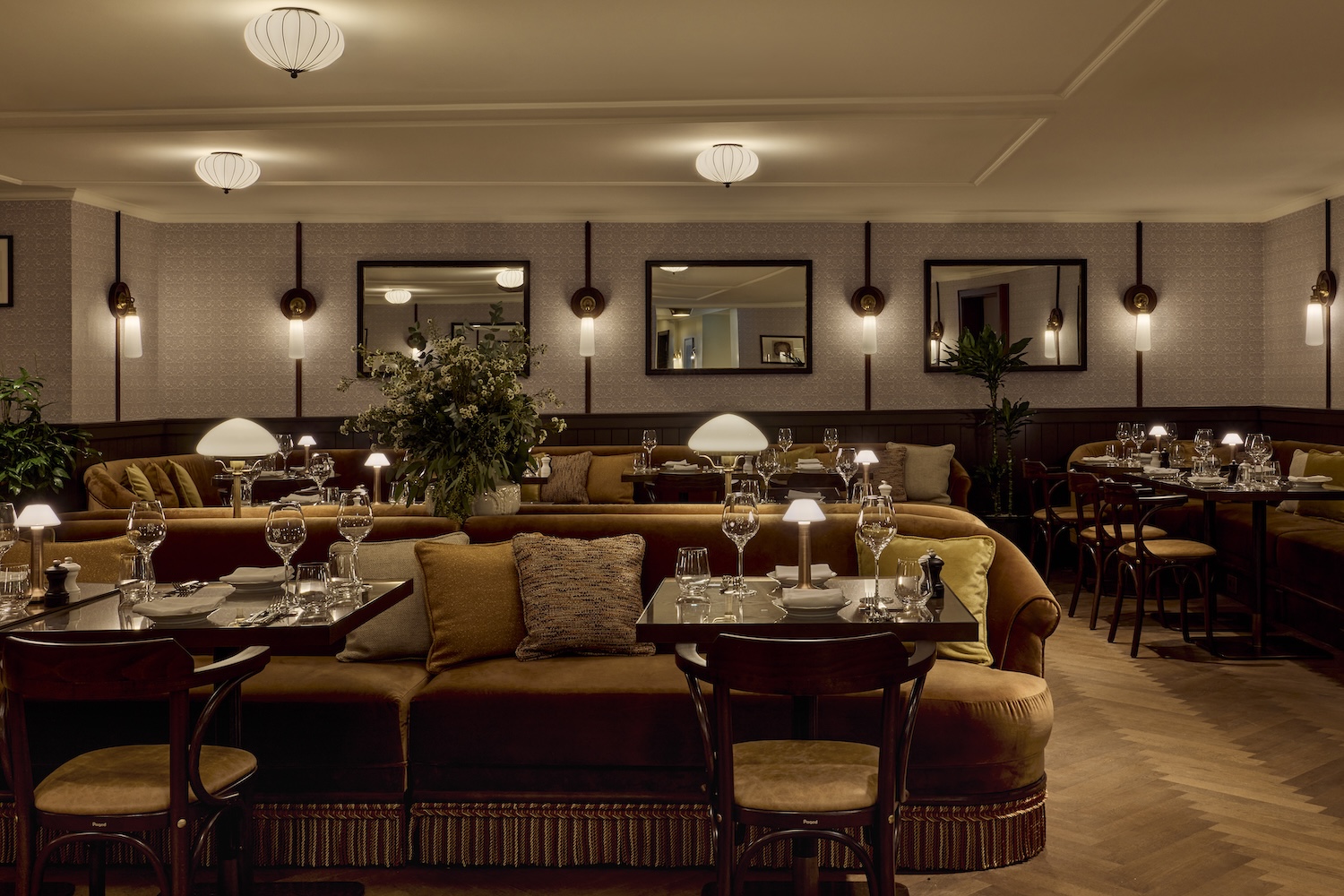
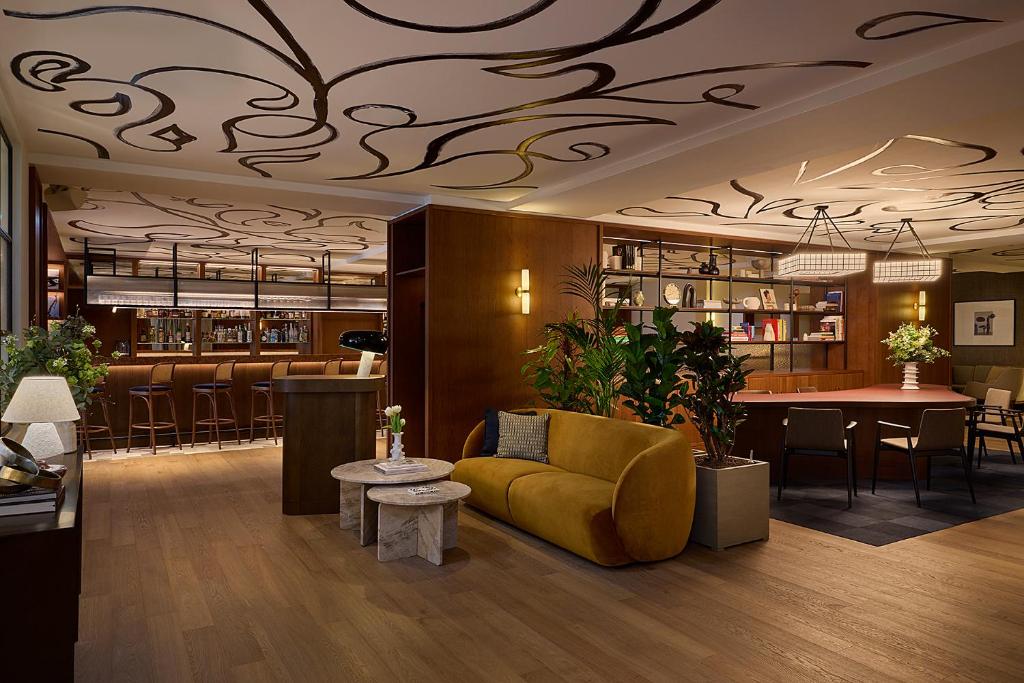
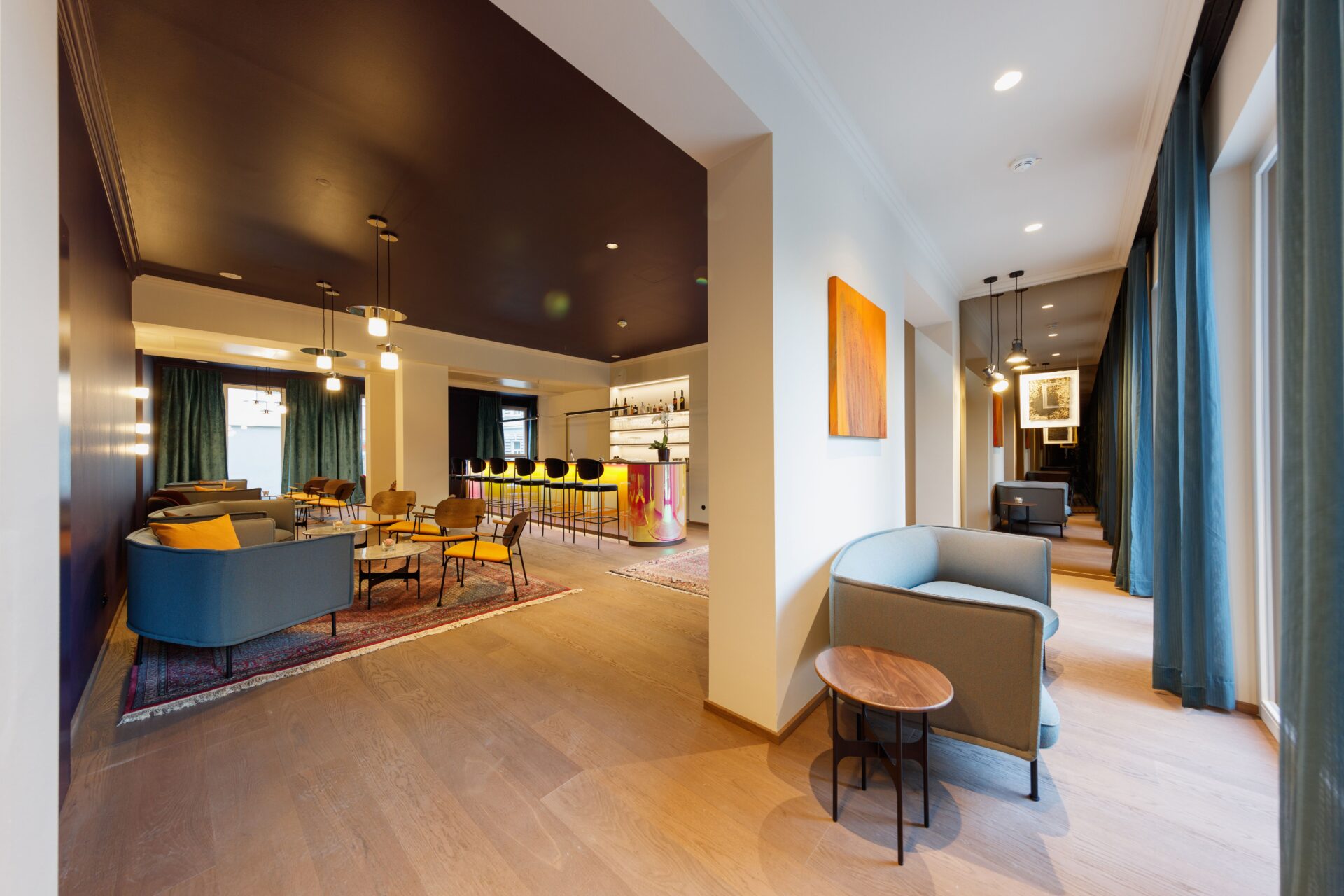
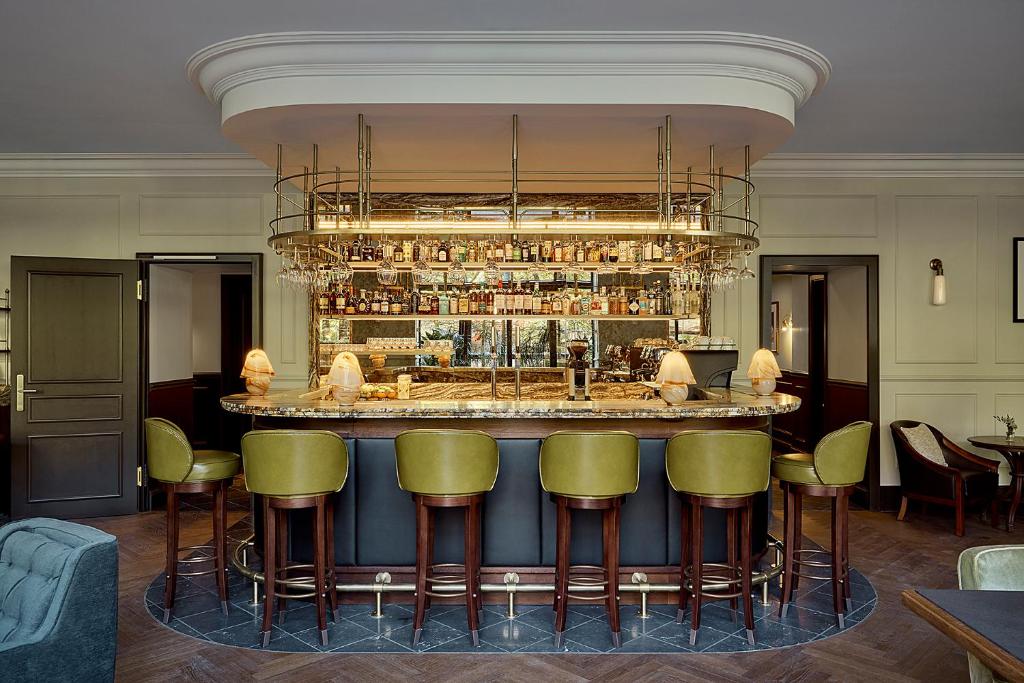
Downstairs, the social spaces take their cues from one of Vienna’s greatest institutions: the café. Baroness Bar overlooks Rudolfspark and shifts naturally from morning coffee and breakfast towards drinks, light bites and evening conversation. The broader food concept introduces Italian influences to that European café tradition, with the forthcoming Baroness restaurant intended to extend the rhythm into an Italian-inspired brasserie. Rather than building a self-contained hotel universe, Palais Rudolf seems comfortable encouraging guests to move between the hotel and the surrounding city. In Vienna, where lingering over a coffee has been elevated almost to a civic right, that feels entirely appropriate.
The Viennese Townhouse, Reconsidered
Palais Rudolf works because it resists the temptation to compete with Vienna’s imperial spectacle. The city already has palaces. What Miiro and Thurstan offer instead is something more intimate: the fantasy of having your own beautifully furnished townhouse in the Innere Stadt. Antiques carry real history, Austrian art introduces another cultural layer, the café tradition shapes the social spaces and Rudolfspark provides greenery outside the windows. Vienna remains unmistakably present, but never reduced to chandeliers and Habsburg nostalgia. Sometimes the most convincing way to capture a grand city is to turn the volume down.
Information
At a glance
Architecture
Opened / Renovated
2025 (previously K+K Palais)
Size matters
64 rooms & suites (17-53m2) (183-570 sq ft)
Interior design
James Thurstan Waterworth
Bathroom Amenities
Le Labo
Featured in
Don't take our word for it
Handpicked worldwide
A carefully curated collection of exceptional boutique and design hotels across the globe.
Design with soul
Architecture, atmosphere and craftsmanship come together in stays with a clear identity.
Hidden, not hyped
Independent boutique hotels you rarely find on mainstream booking platforms.
Travel guidance
Personal recommendations and thoughtful support from people who actually know the places.