


Seven Houses and a Secret Garden
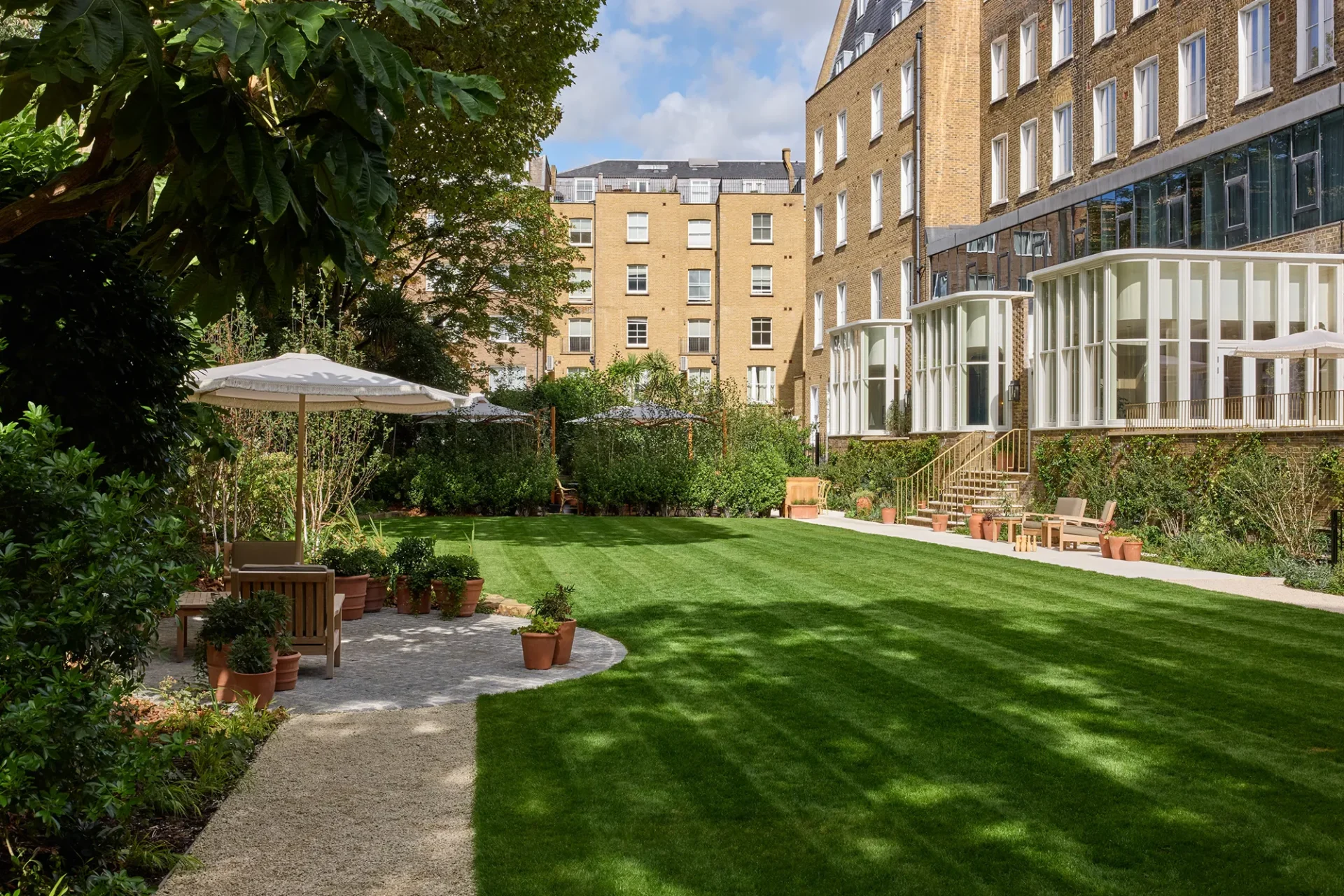
Templeton Garden transforms seven Victorian Earl’s Court townhouses into a contemporary garden retreat where residential interiors, orangery-inspired architecture and lush landscaping flow naturally together.

Why DNA Hotels loves it
Holland Harvey has transformed a terrace of Victorian townhouses with a contemporary rear extension inspired by traditional orangeries, drawing daylight deep into the building and reconnecting it with the garden.
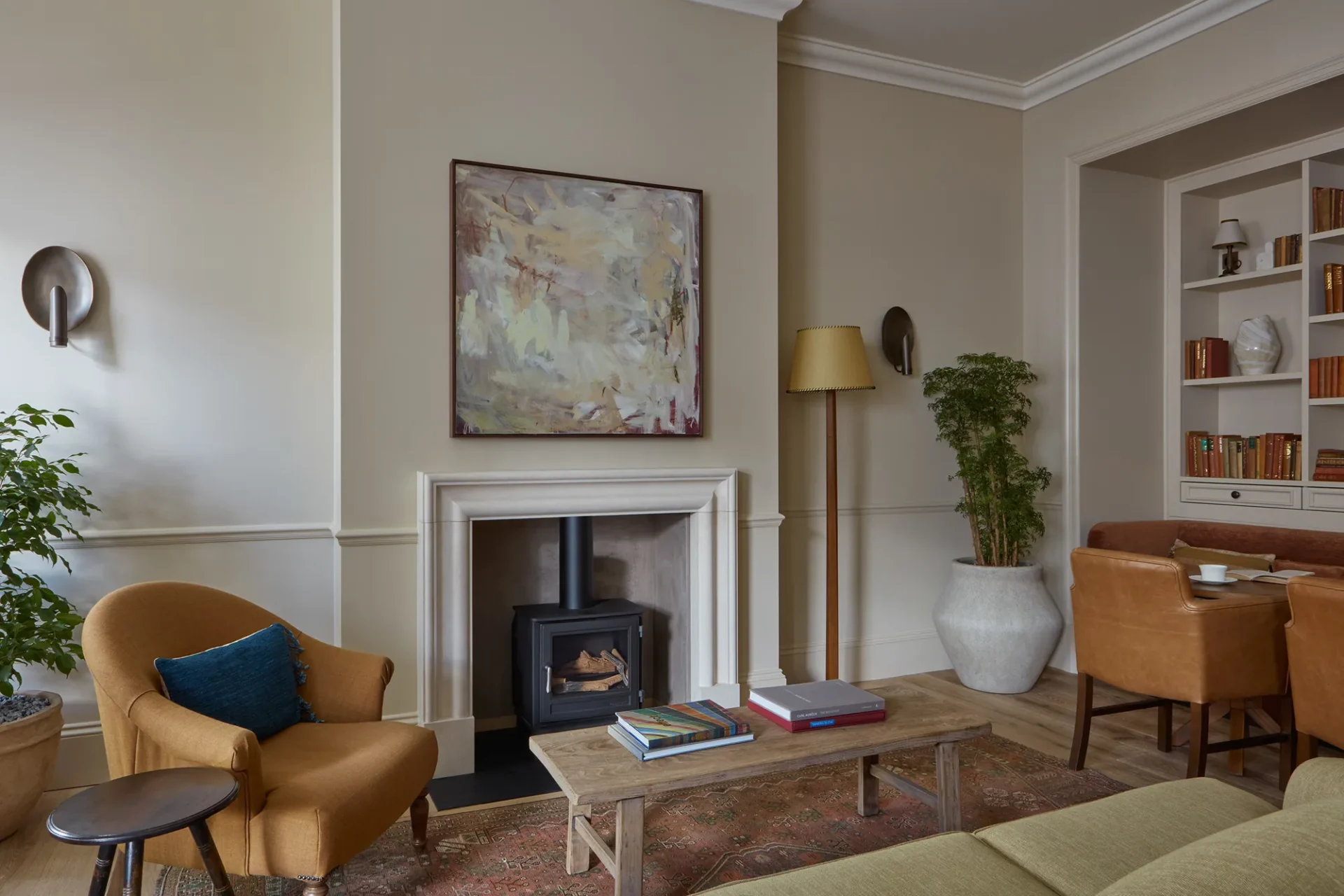
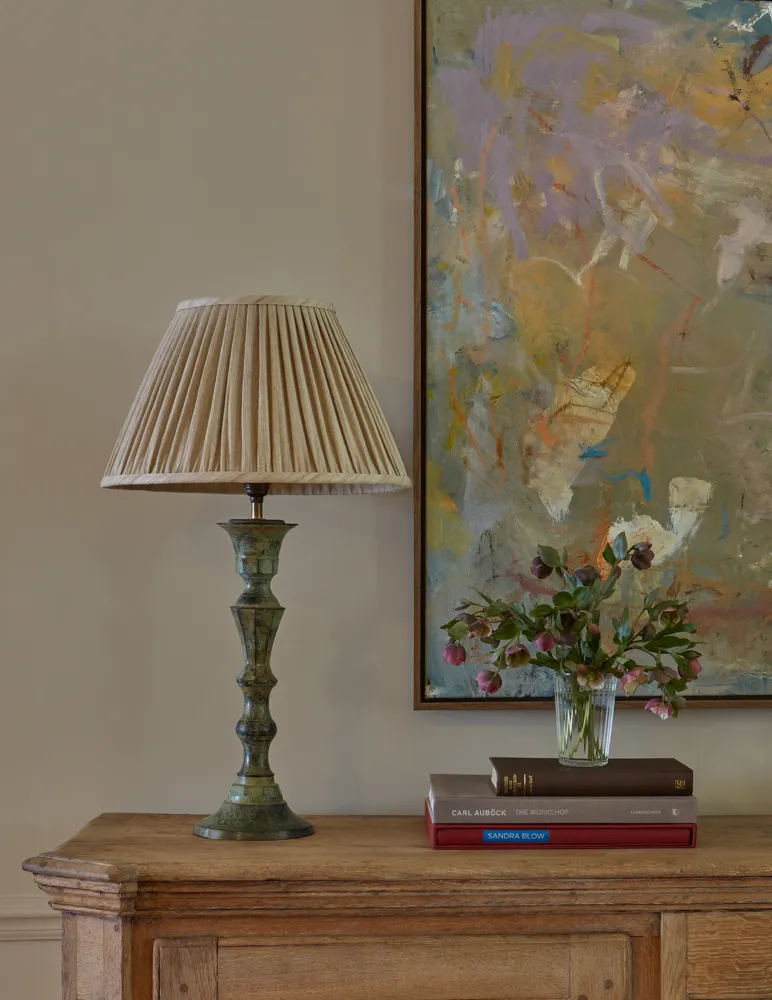
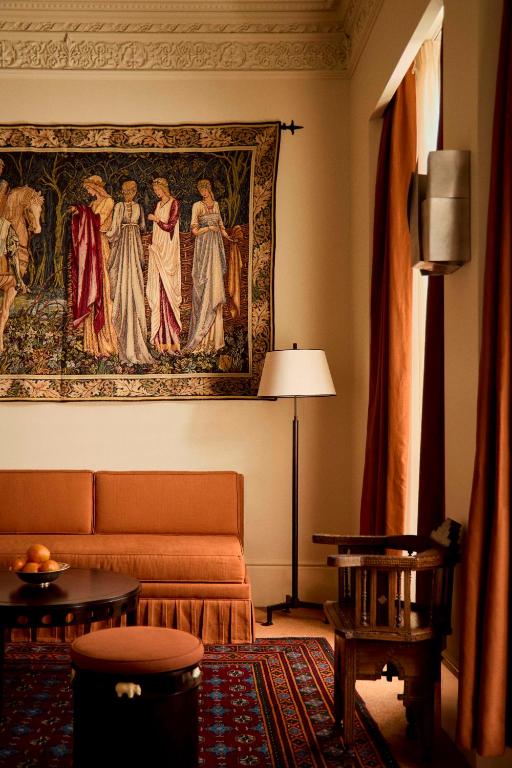
James Thurstan Waterworth of Thurstan brings a distinctly English residential sensibility to the interiors, layering antiques, upcycled materials, British craft and understated mid-century references.
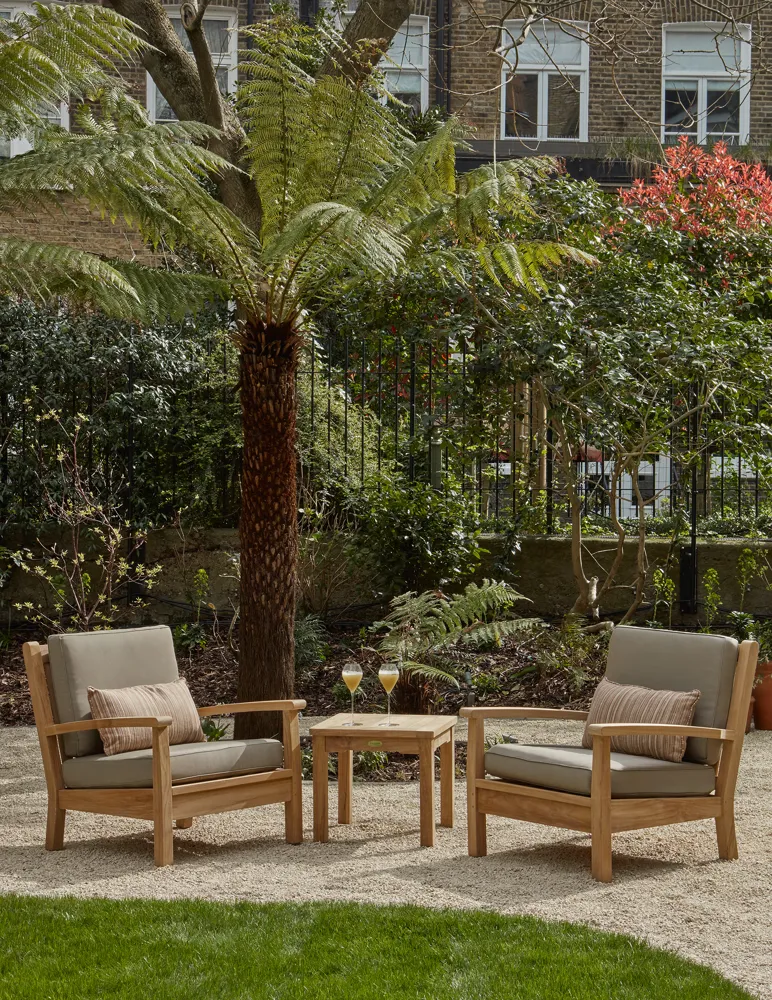
The garden isn't landscaping added to a hotel concept; it shapes the architecture, art, restaurant, cocktail bar and even the way guests move through the building.
The Stay
Seven Victorian townhouses in Earl’s Court reimagined by Holland Harvey and Thurstan around one of West London’s most unexpected private gardens.
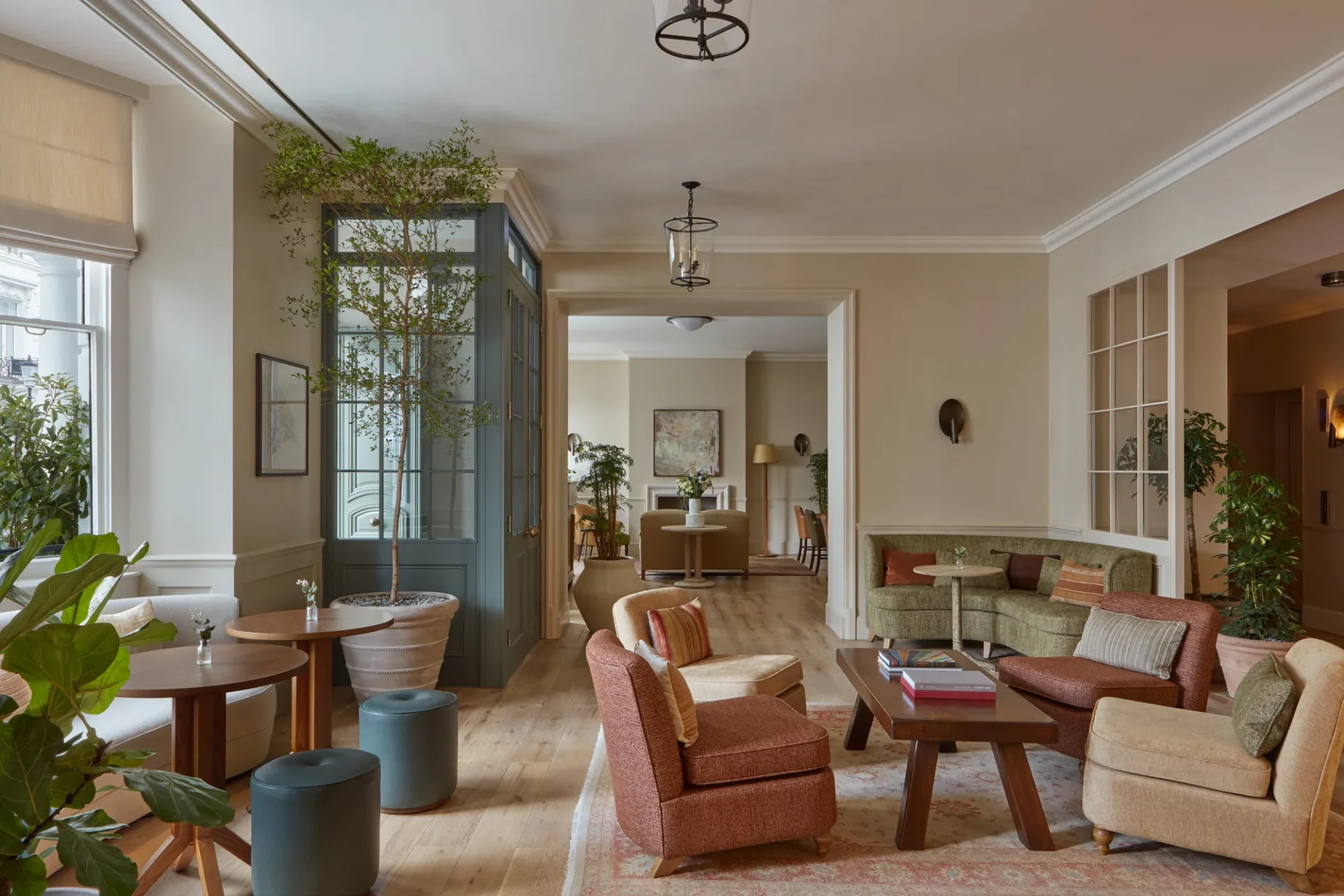
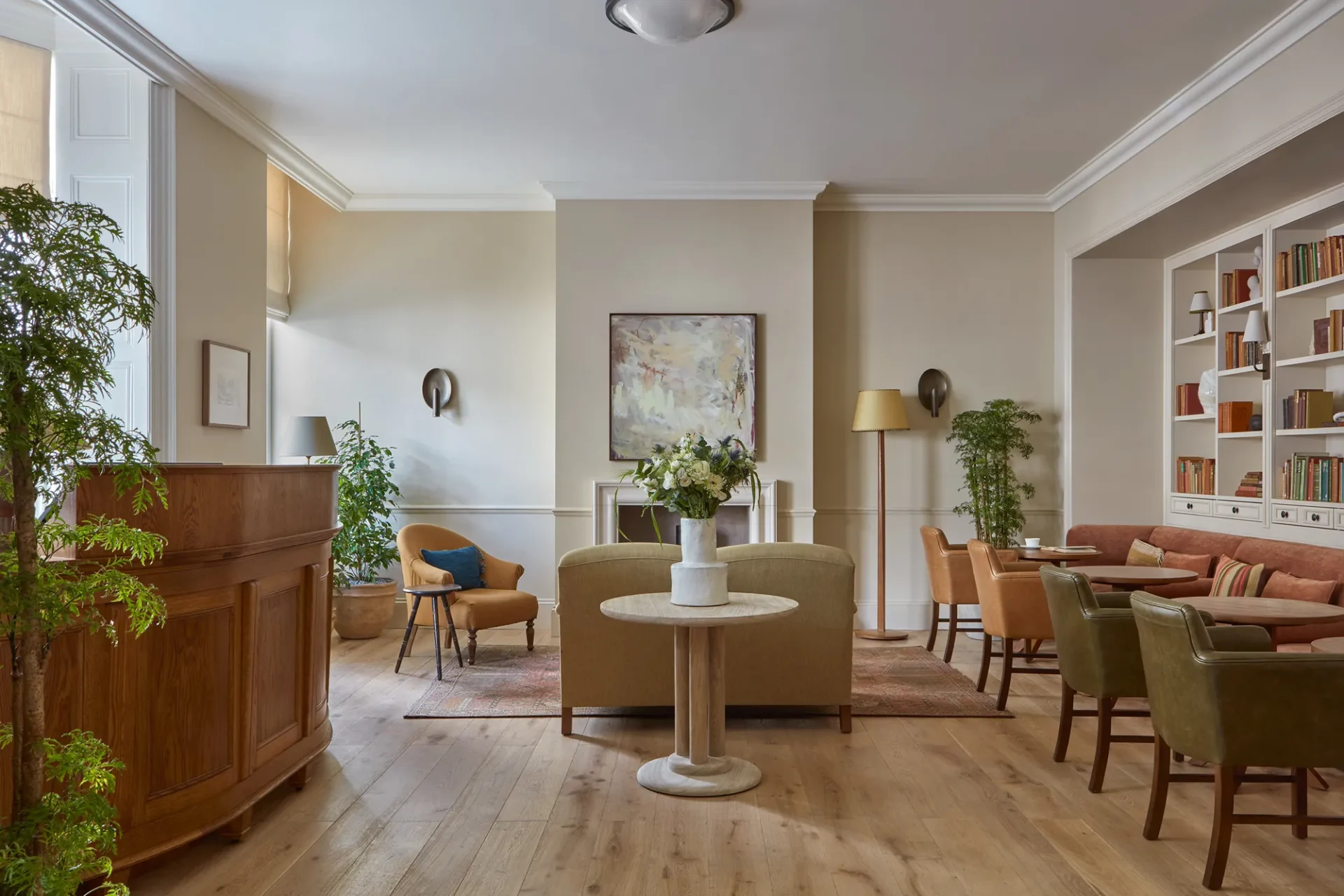
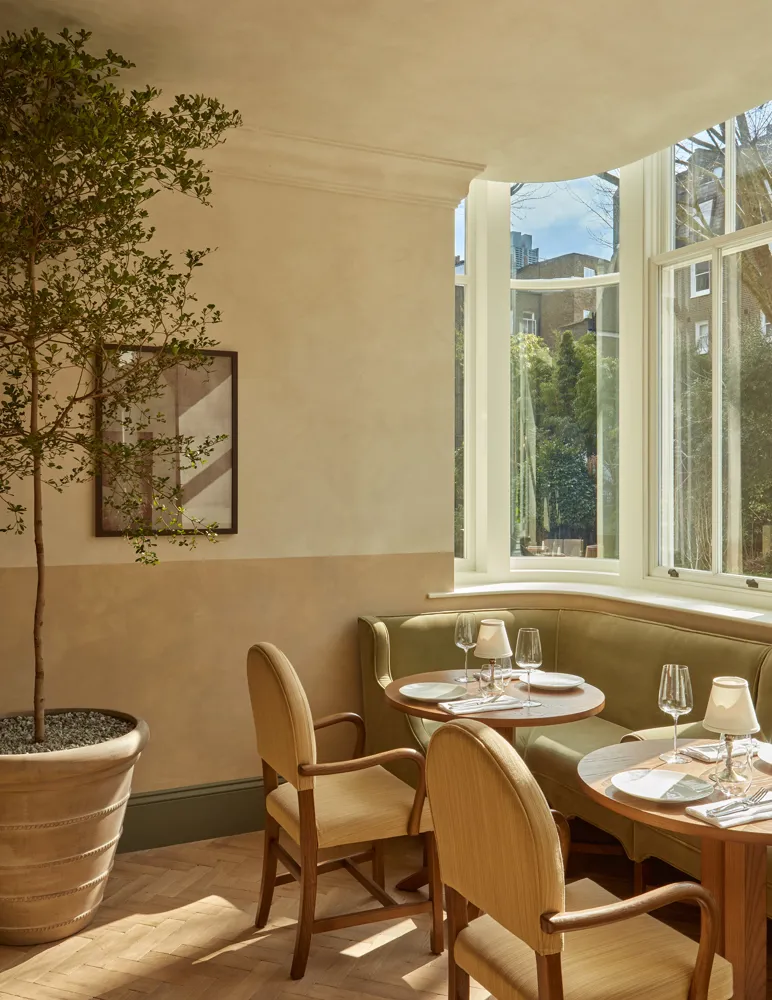
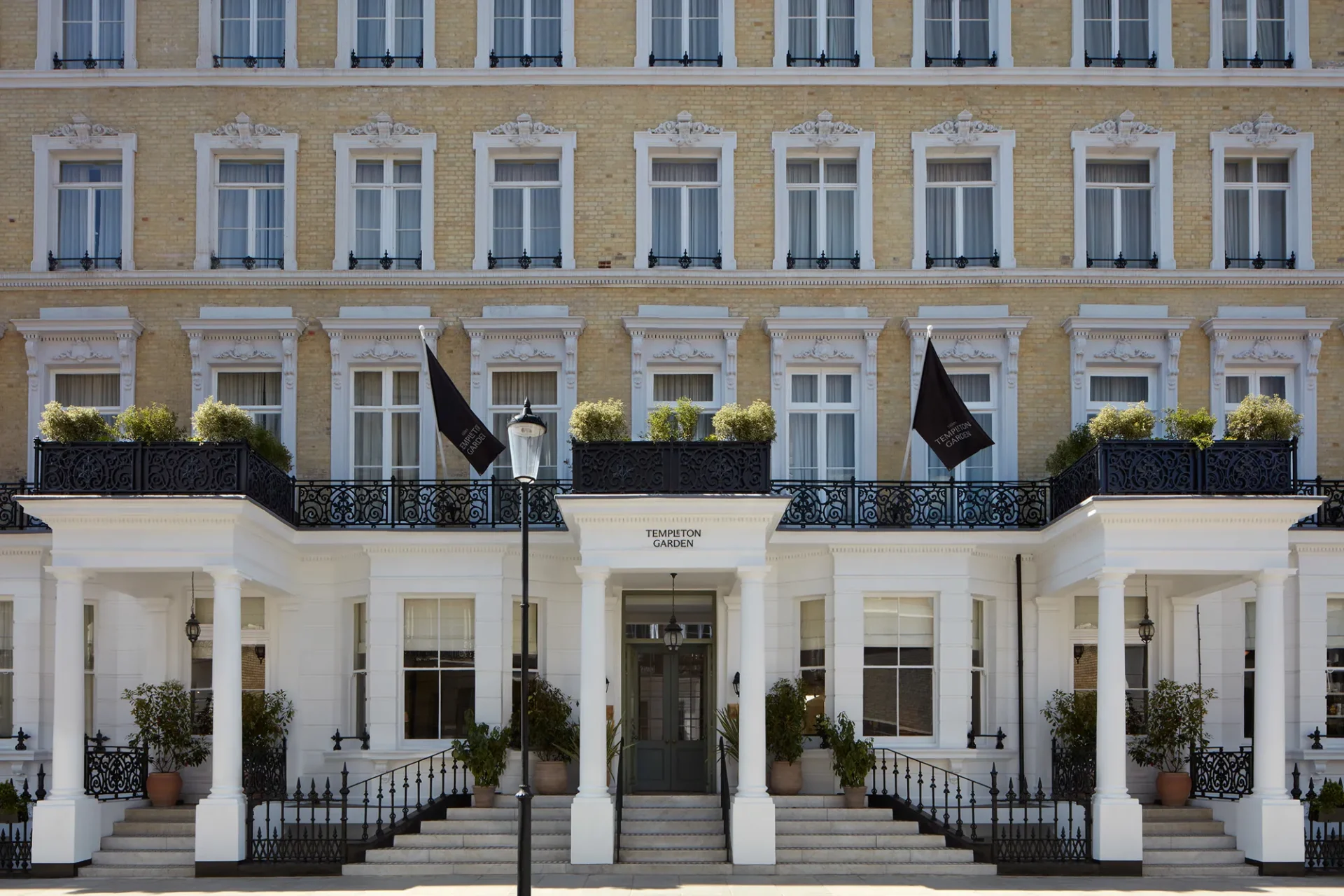
On a quiet residential street in Earl’s Court, Templeton Garden occupies a terrace of seven Victorian townhouses that were first converted into a hotel in the 1970s. Miiro’s arrival involved a far more fundamental rethink of the property. Holland Harvey led the complete refurbishment of the 156-room hotel, working within the Nevern Conservation Area to recover the residential character of the original buildings while opening them towards something previously largely hidden behind them: an unusually expansive private garden. From the traditional tiled entrance, long sightlines now extend through the ground floor towards greenery. For a hotel in central London, that connection with space, daylight and nature feels remarkably generous.
The Orangery Reimagined
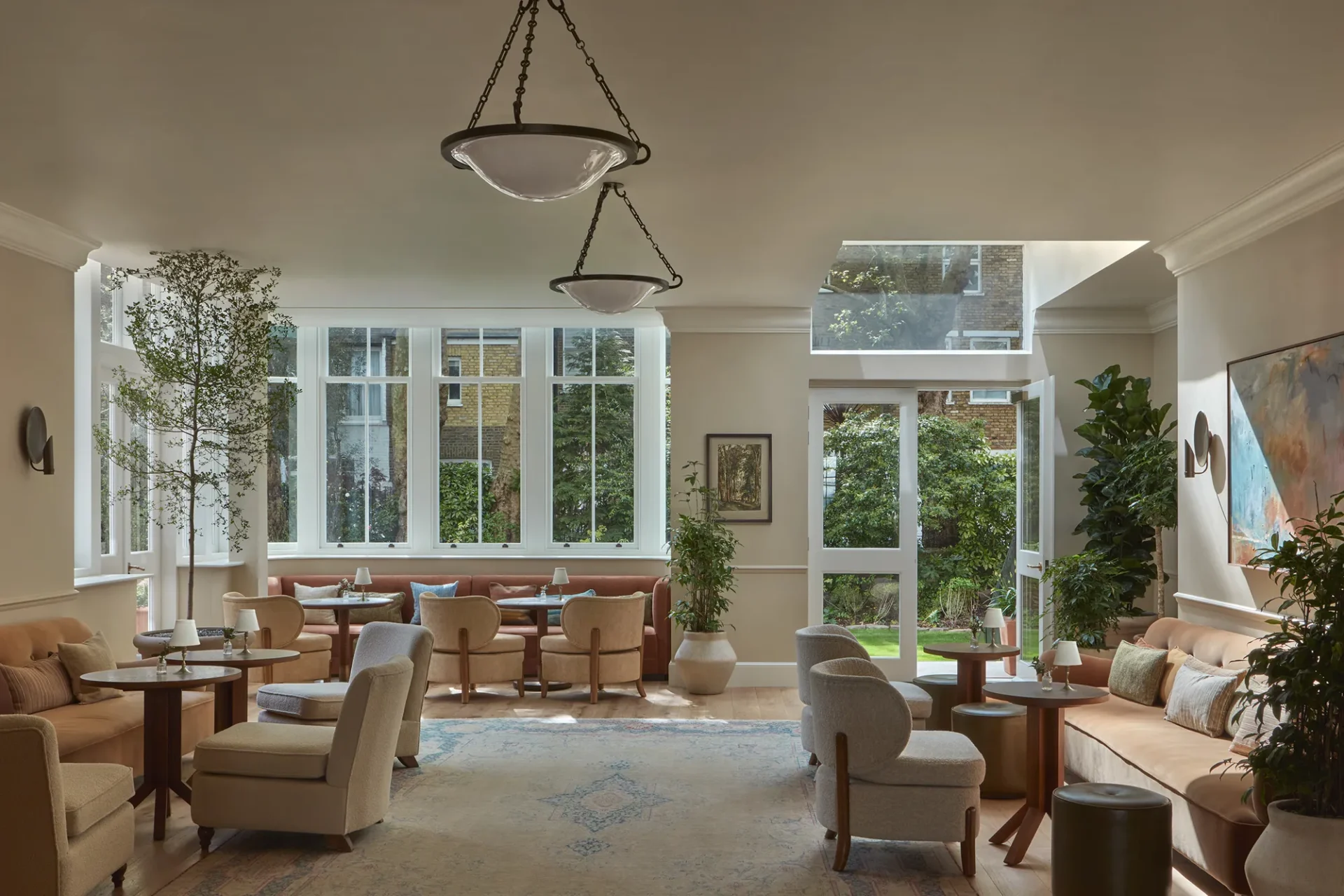
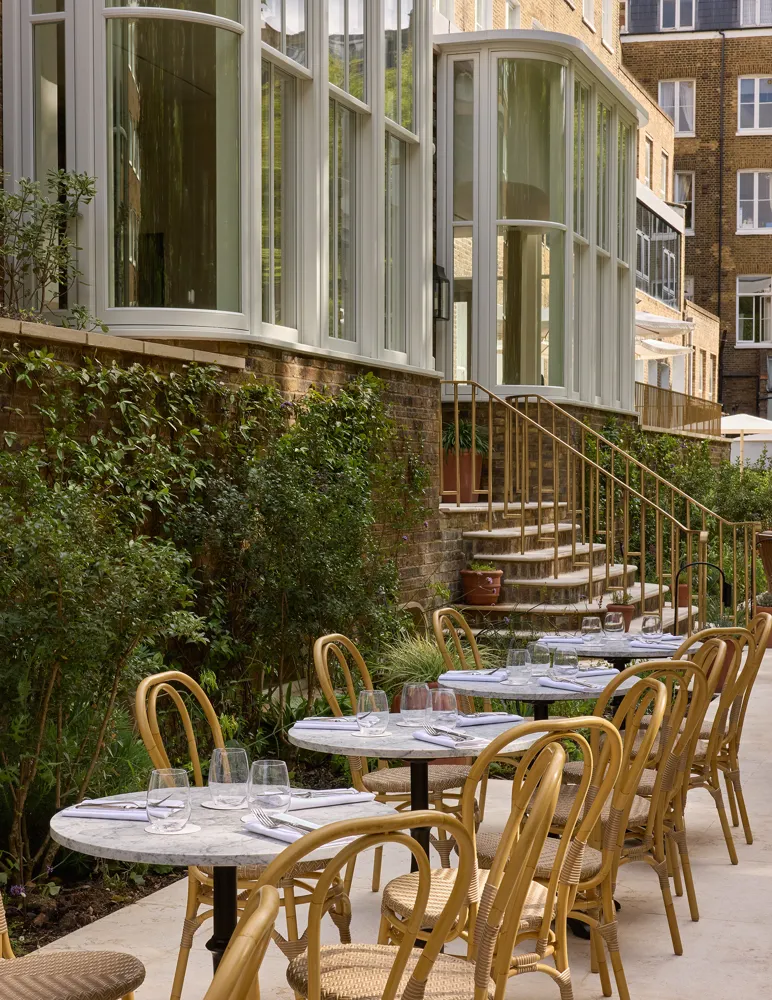
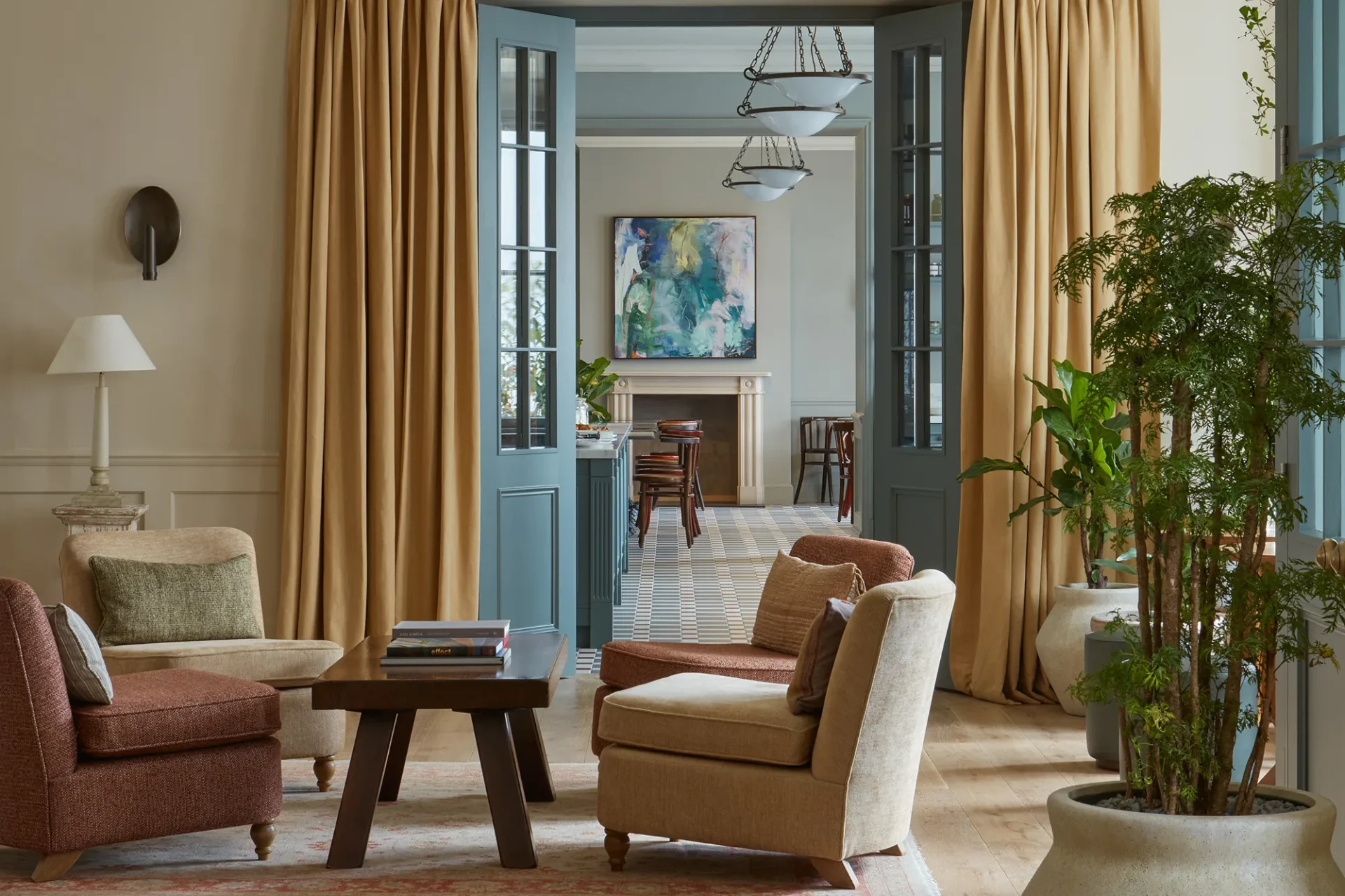
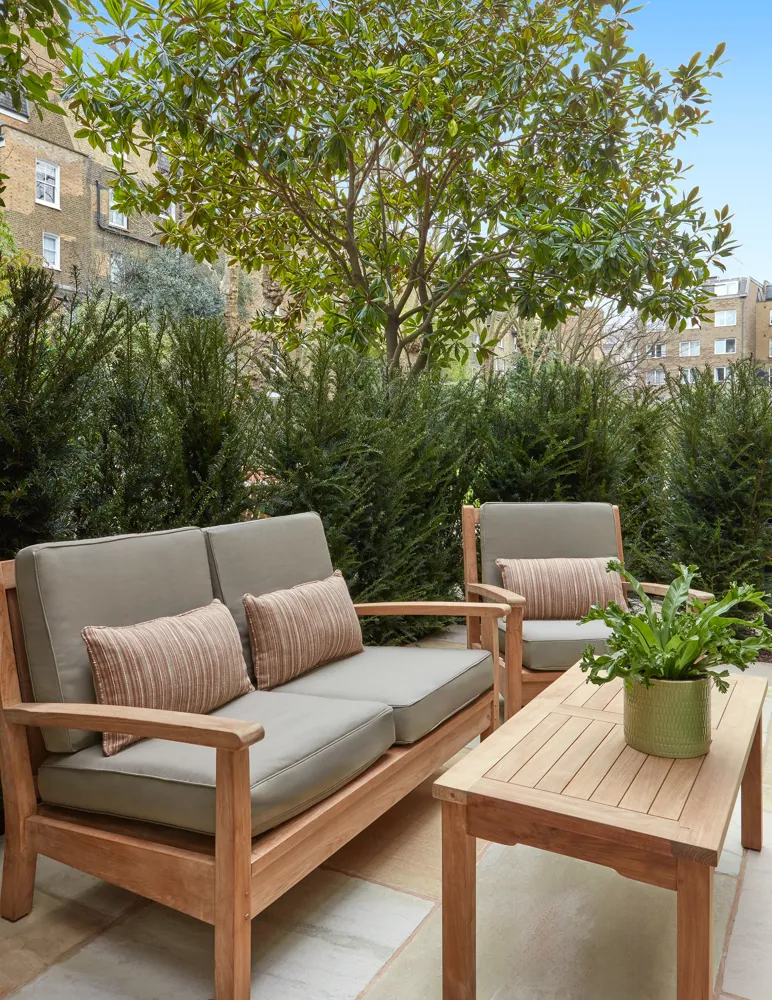
The most significant architectural intervention happens at the rear. Holland Harvey extended the basement and ground floor with a sequence of contemporary structures inspired by Victorian orangeries. Their proportions and rhythm respond to the existing terrace, but the architects deliberately avoided creating a historical imitation. Glass brings daylight deep into the formerly darker plan, while reworked lightwells create further visual connections between the interior and garden. The extension culminates in a terrace overlooking the landscape by Mueewsen Muldoon. Old and new remain legible, but the transition between townhouse and garden now feels natural.
English, Without the Clichés
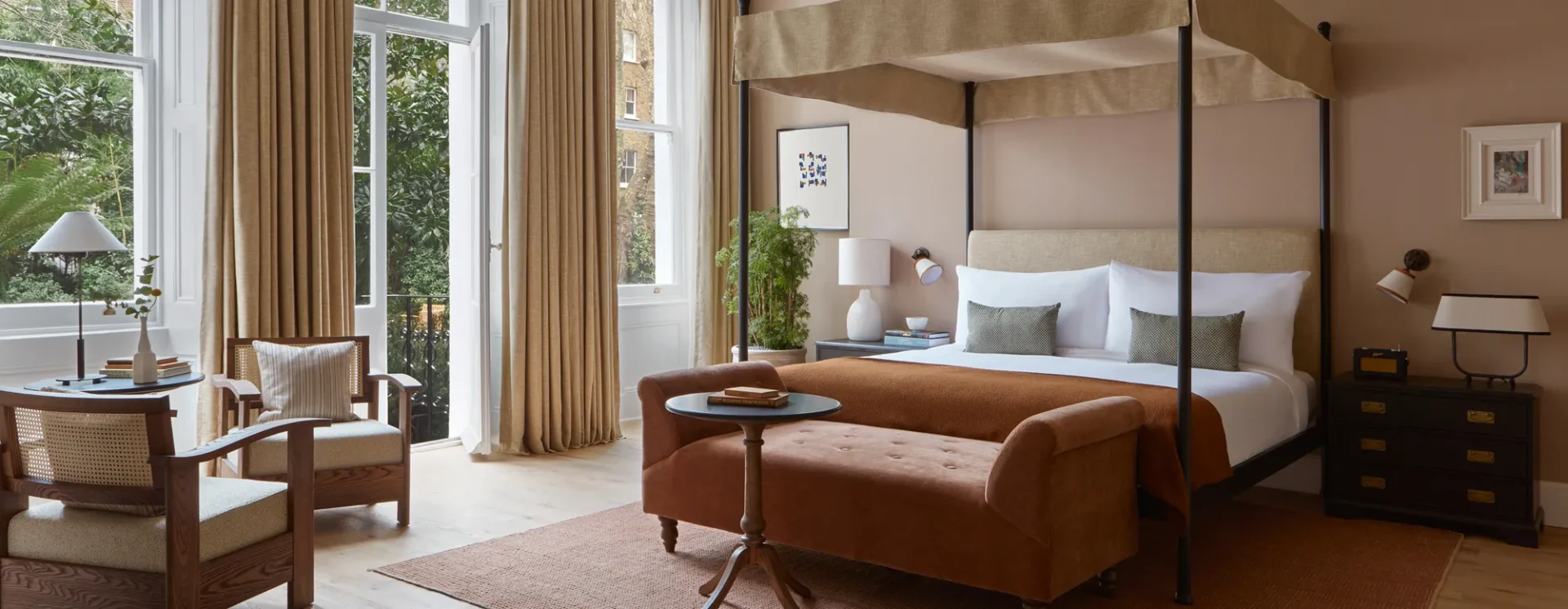
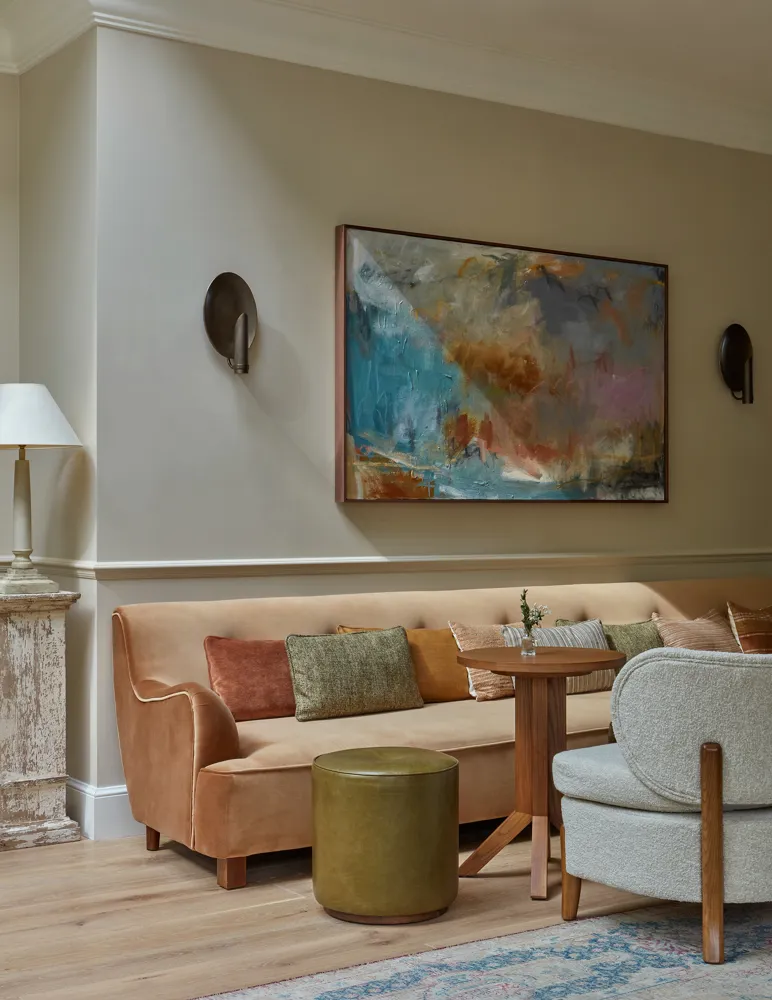
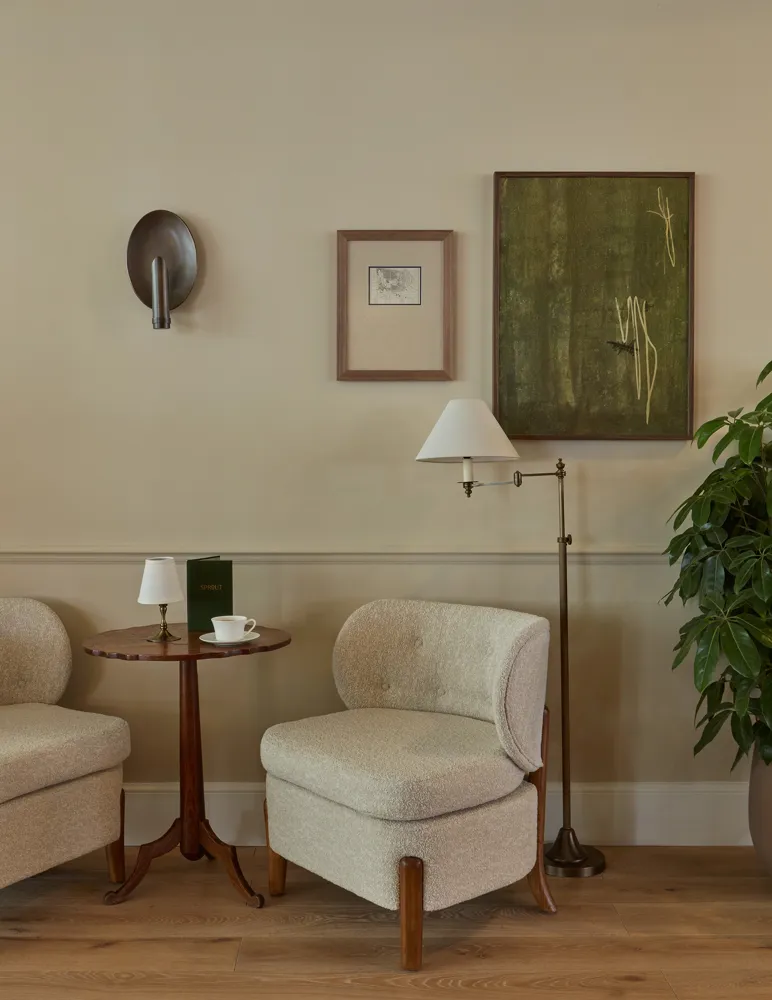
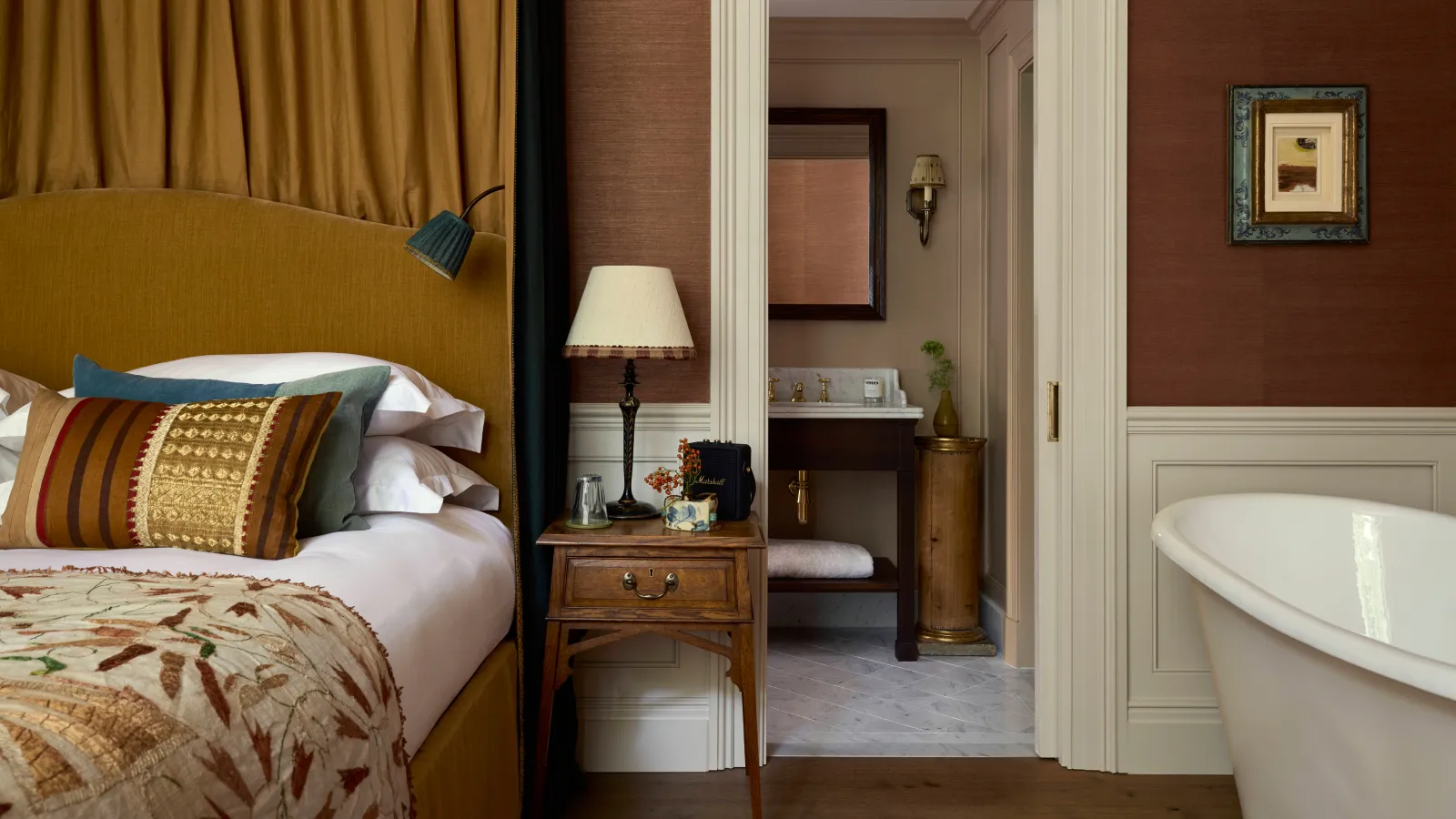
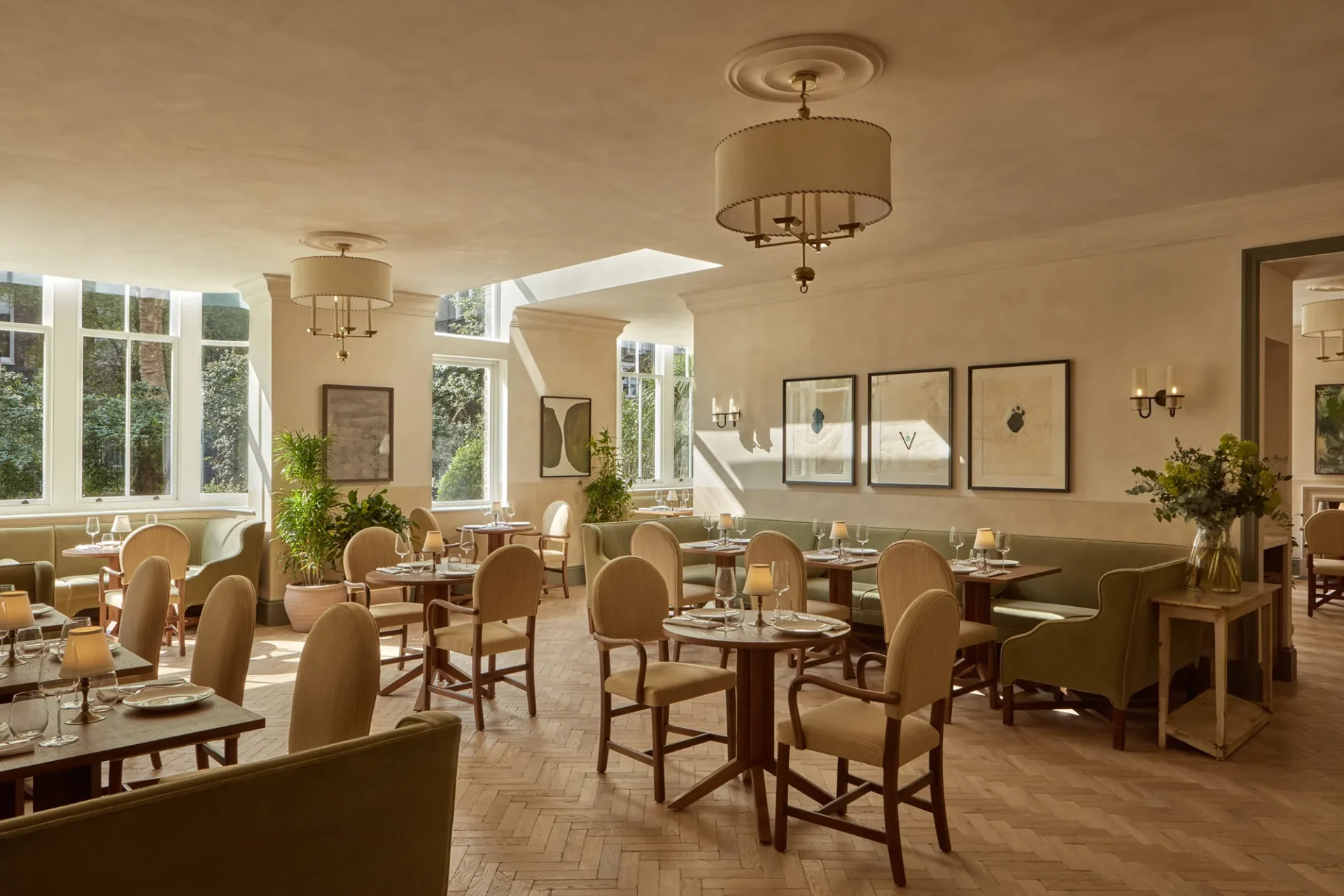
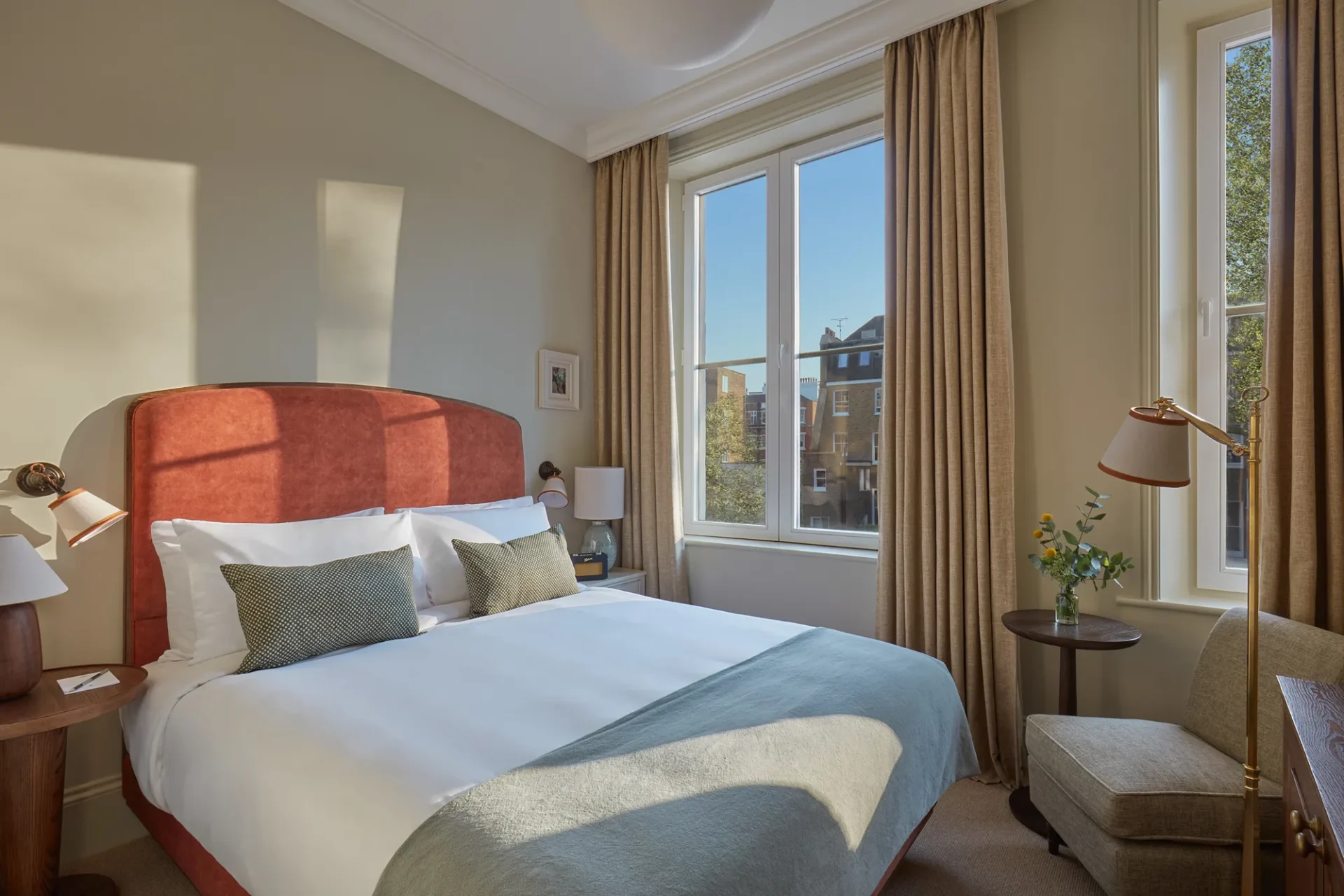
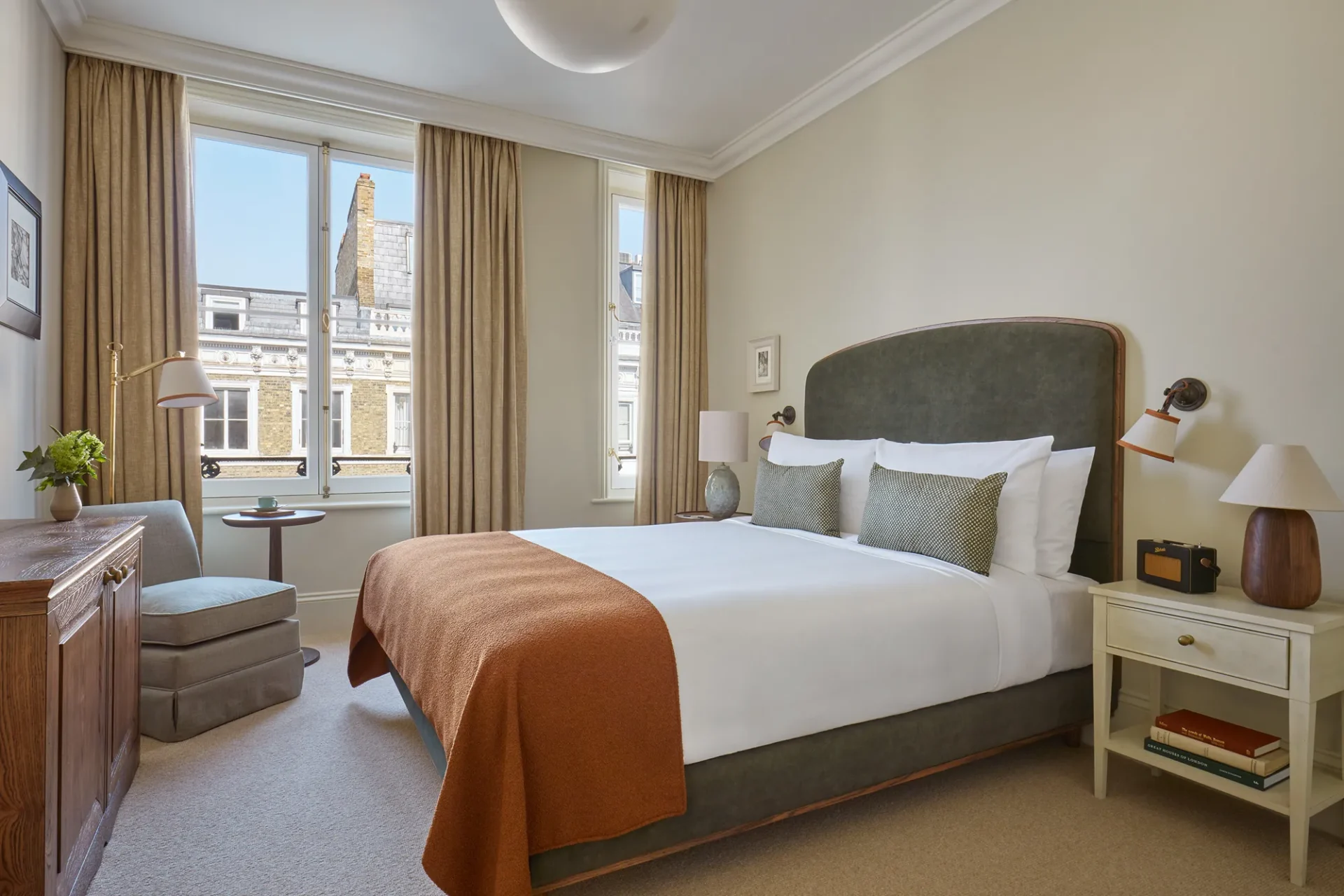
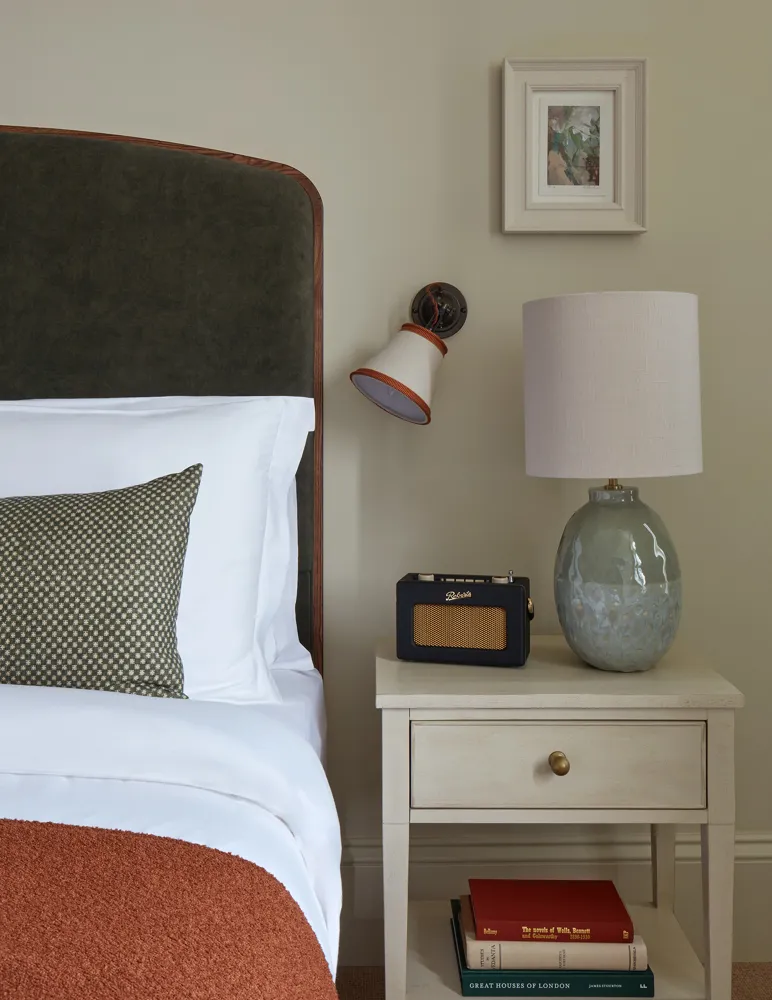
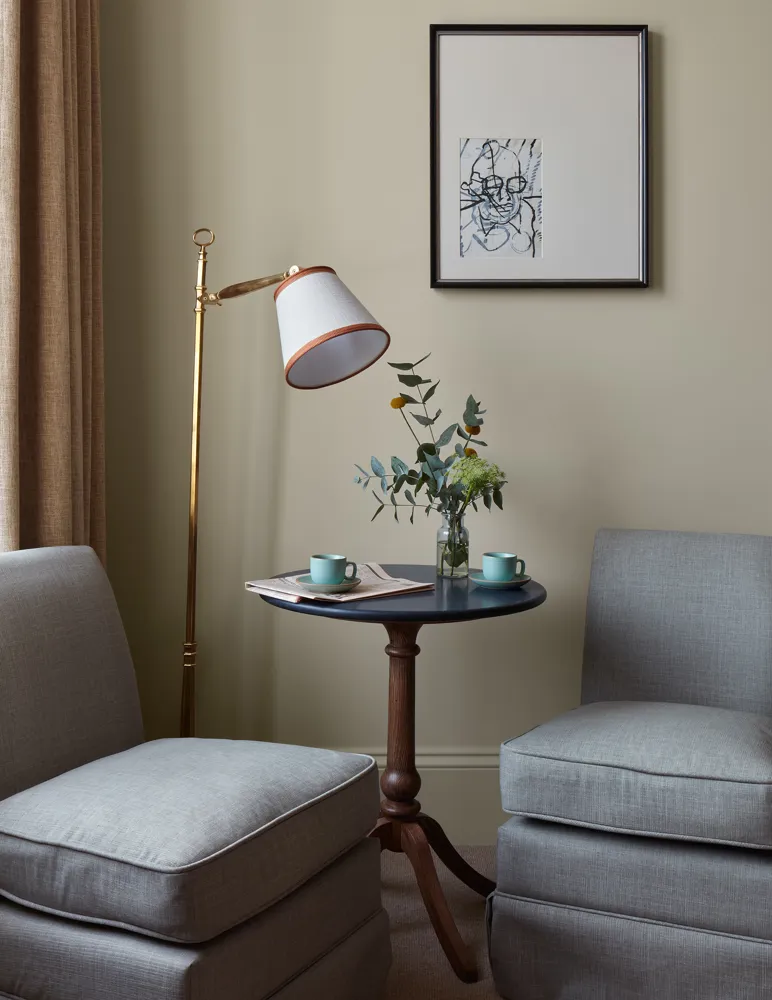
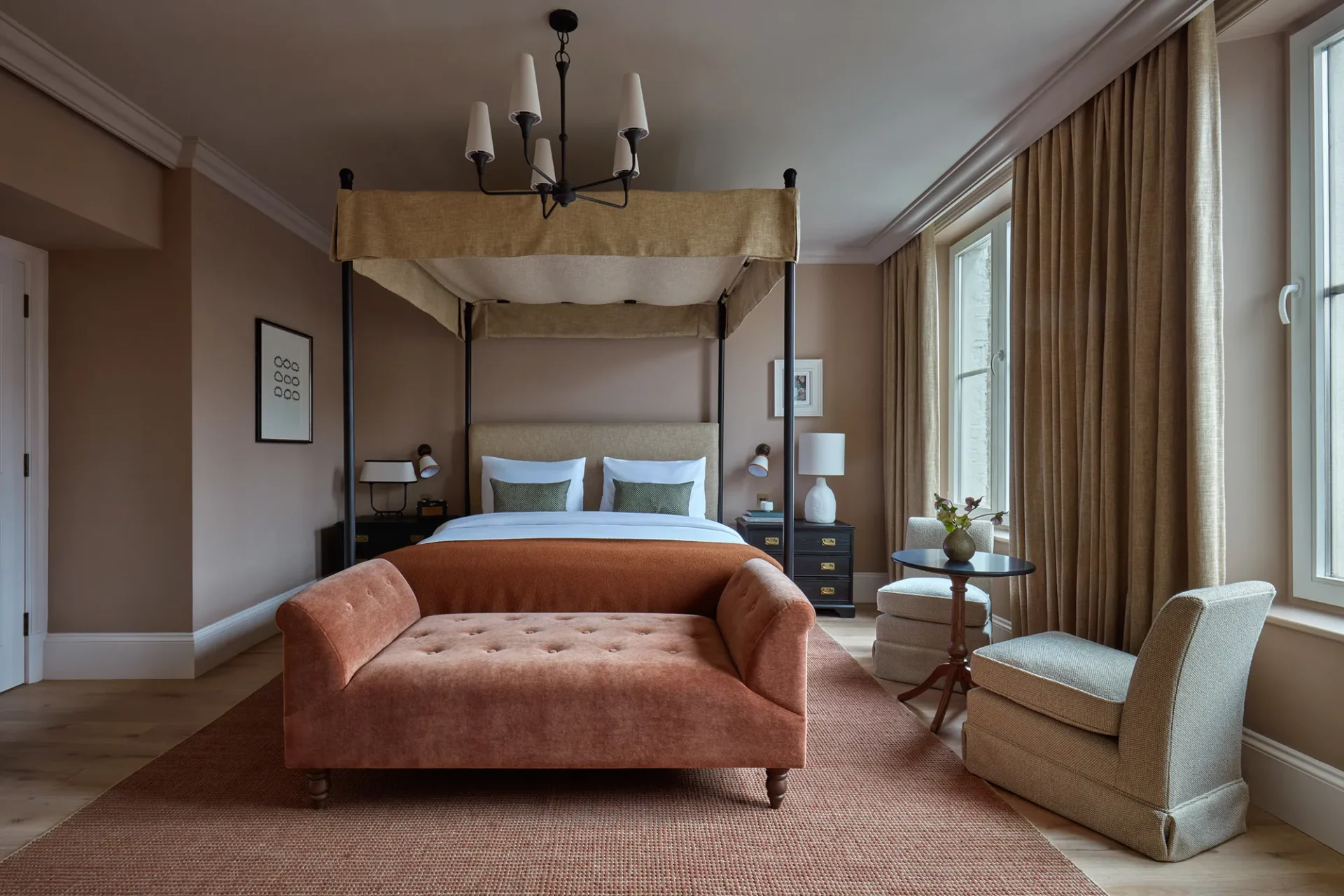
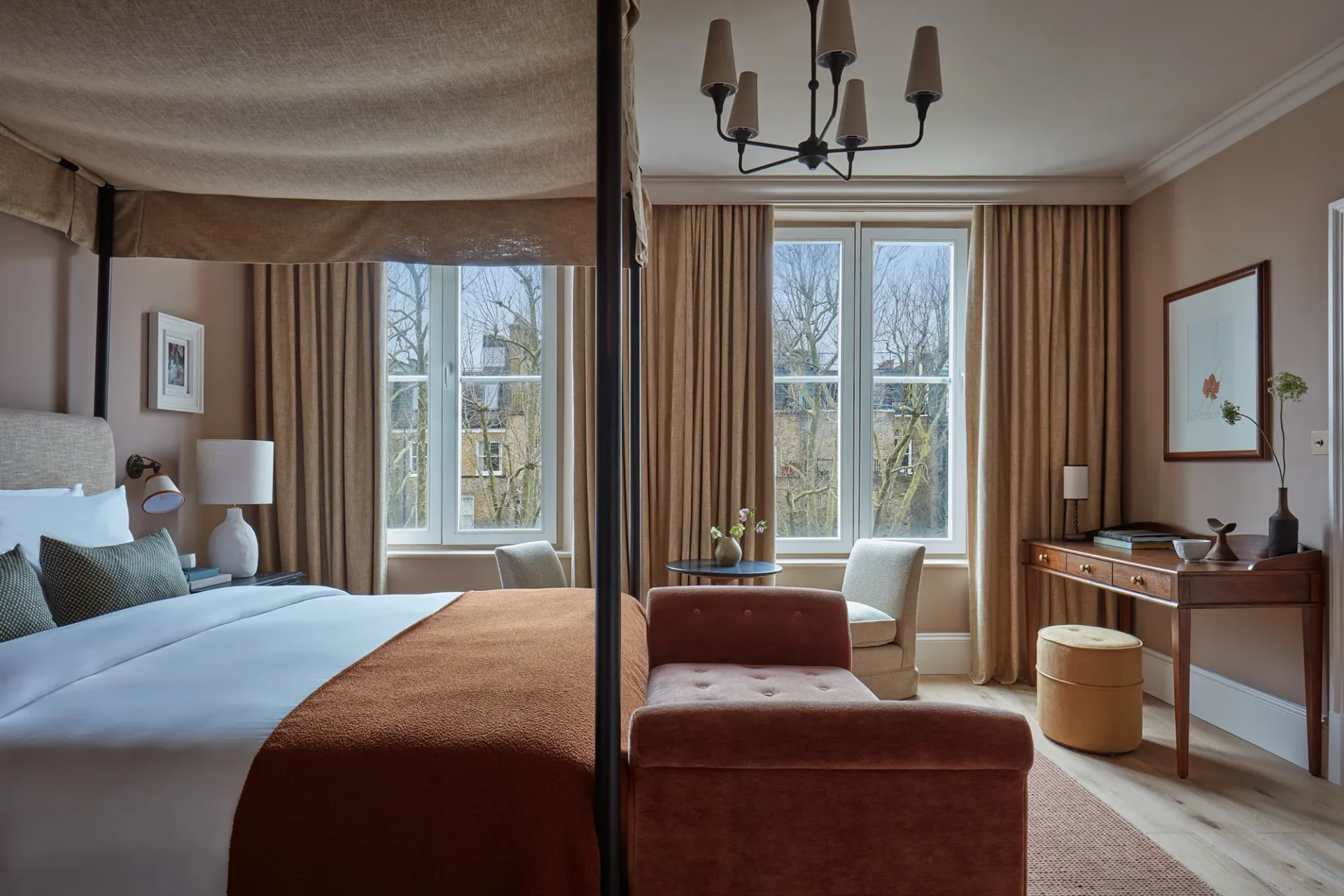
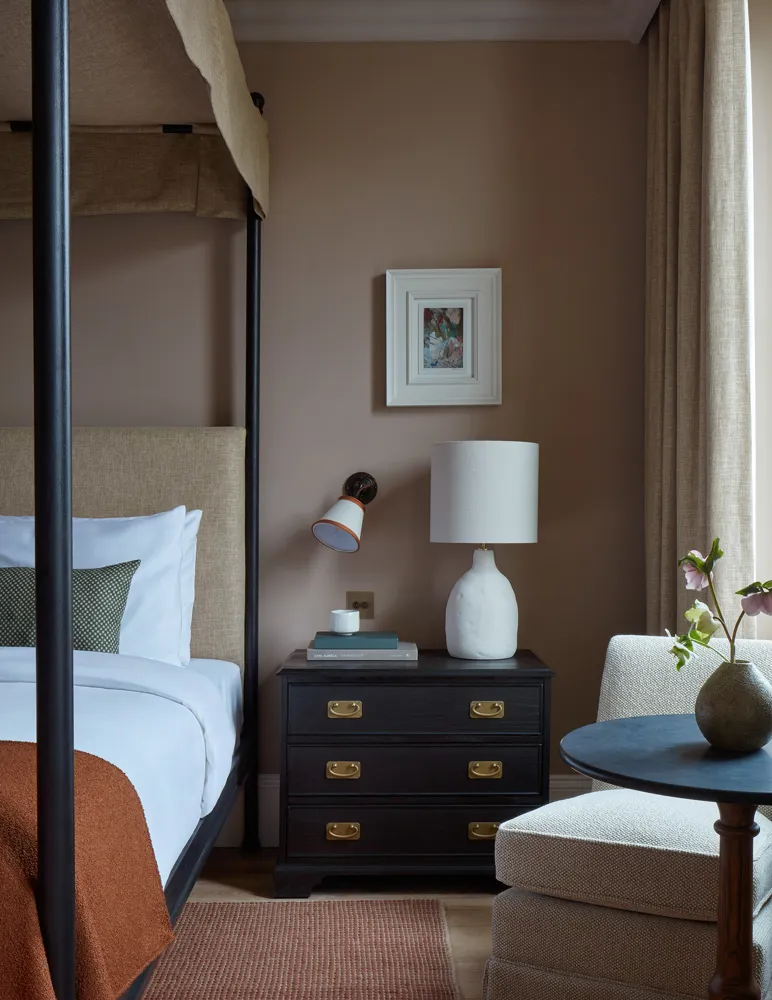
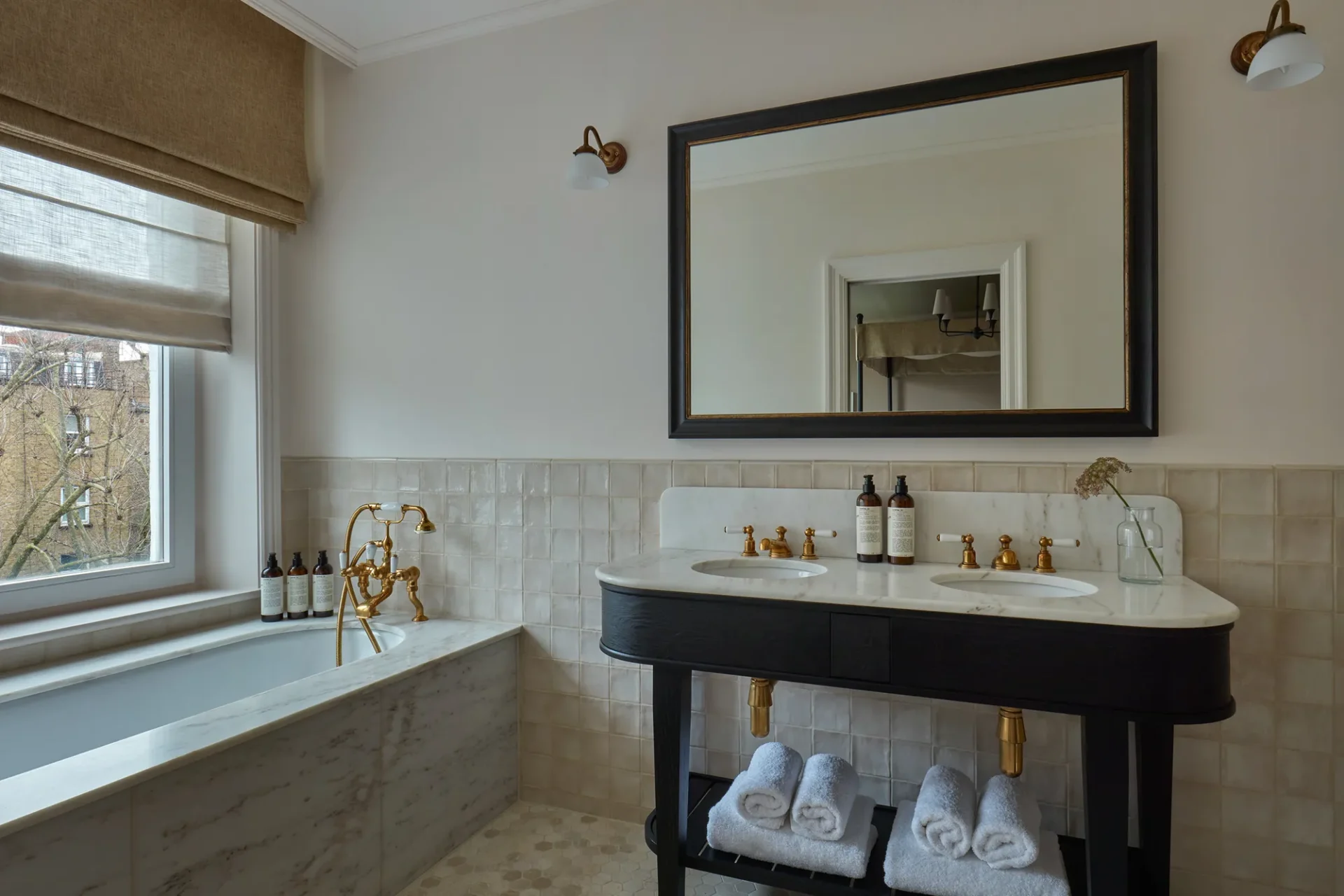
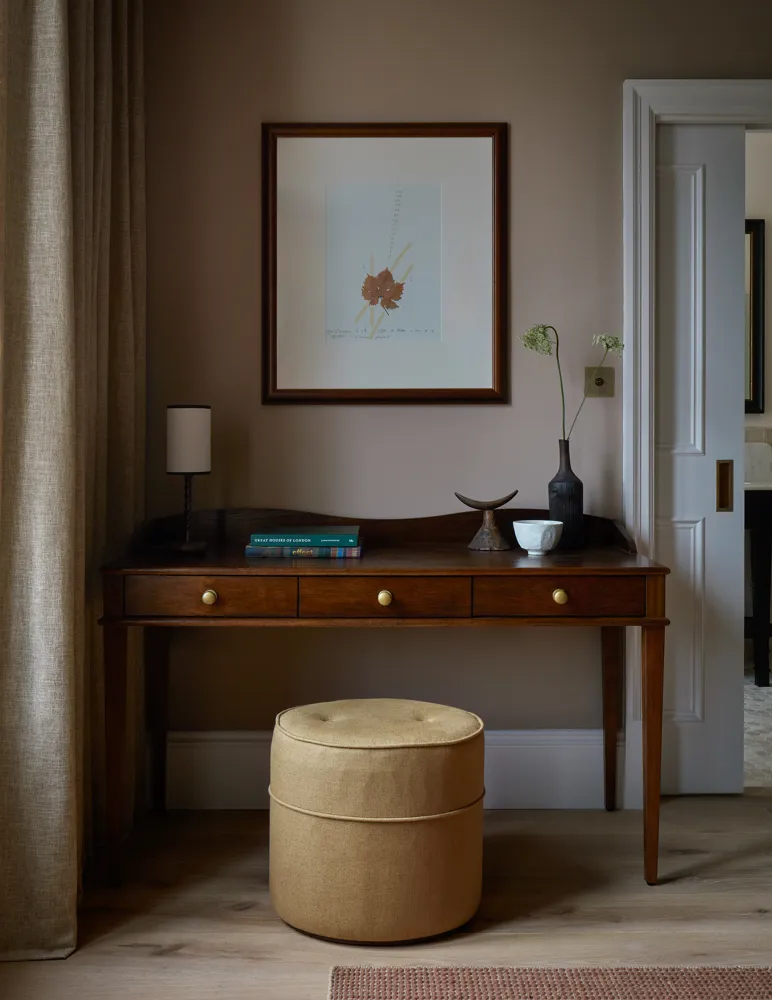
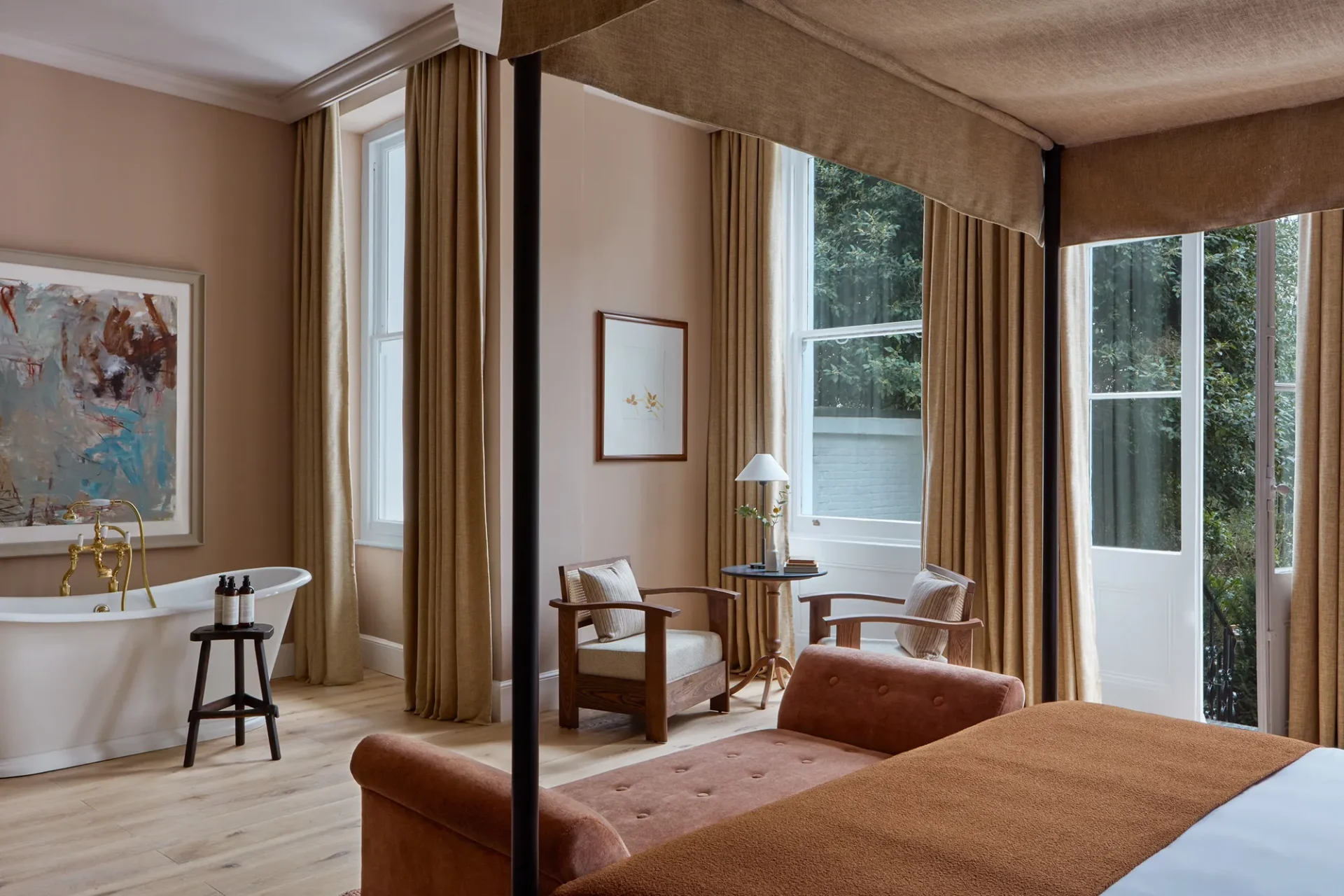
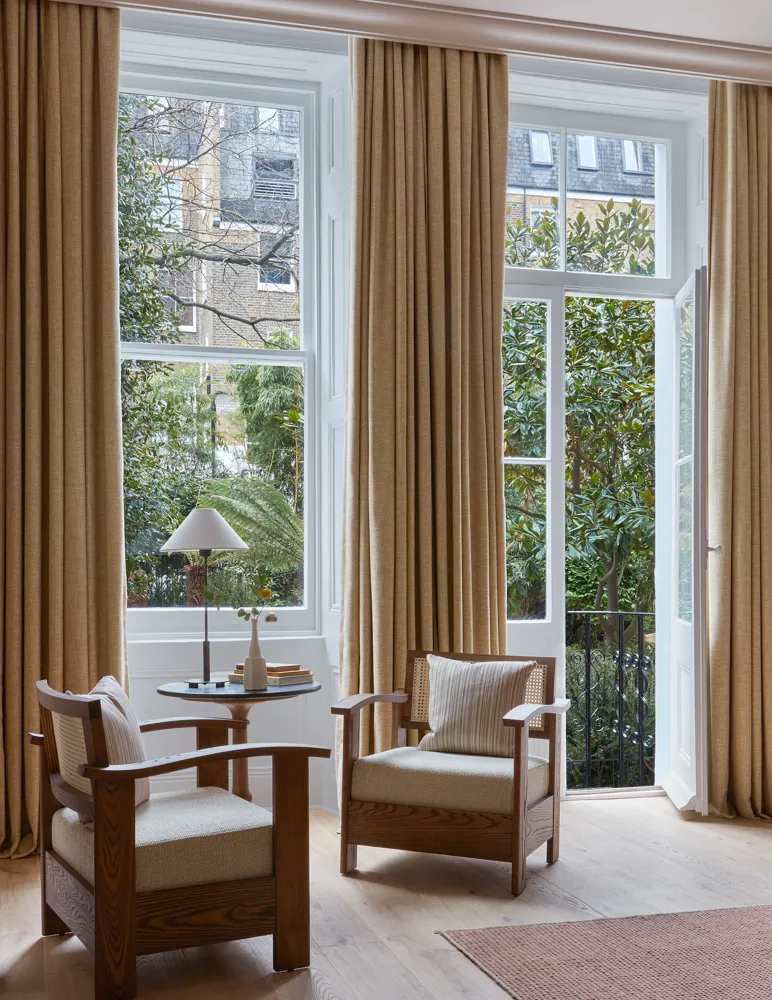
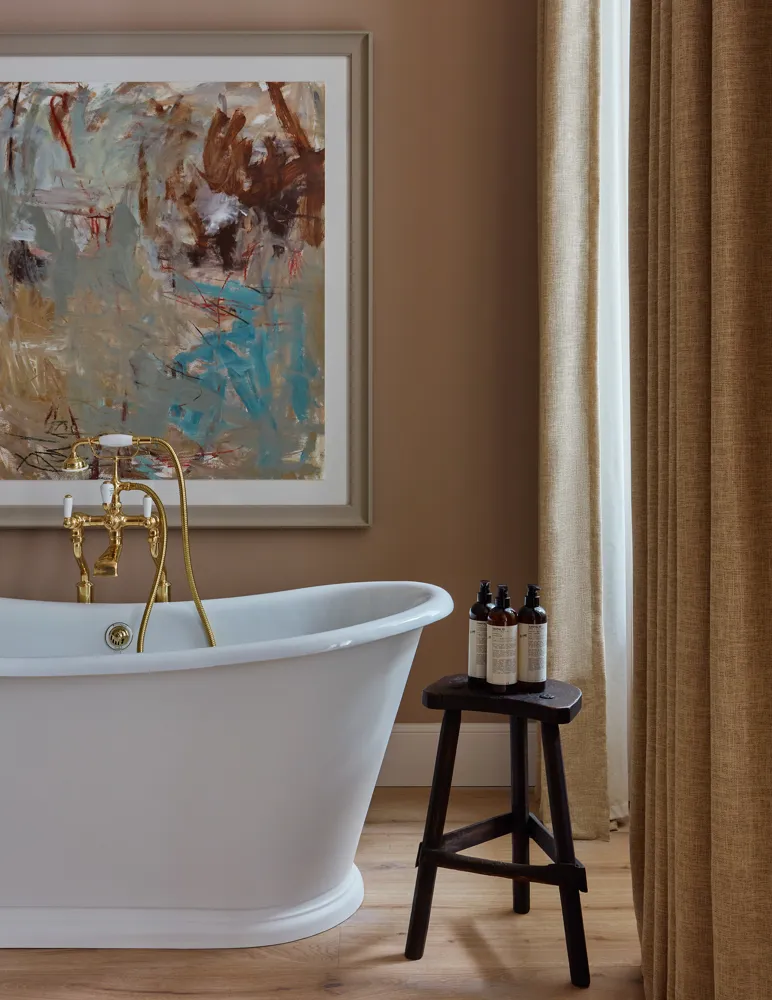
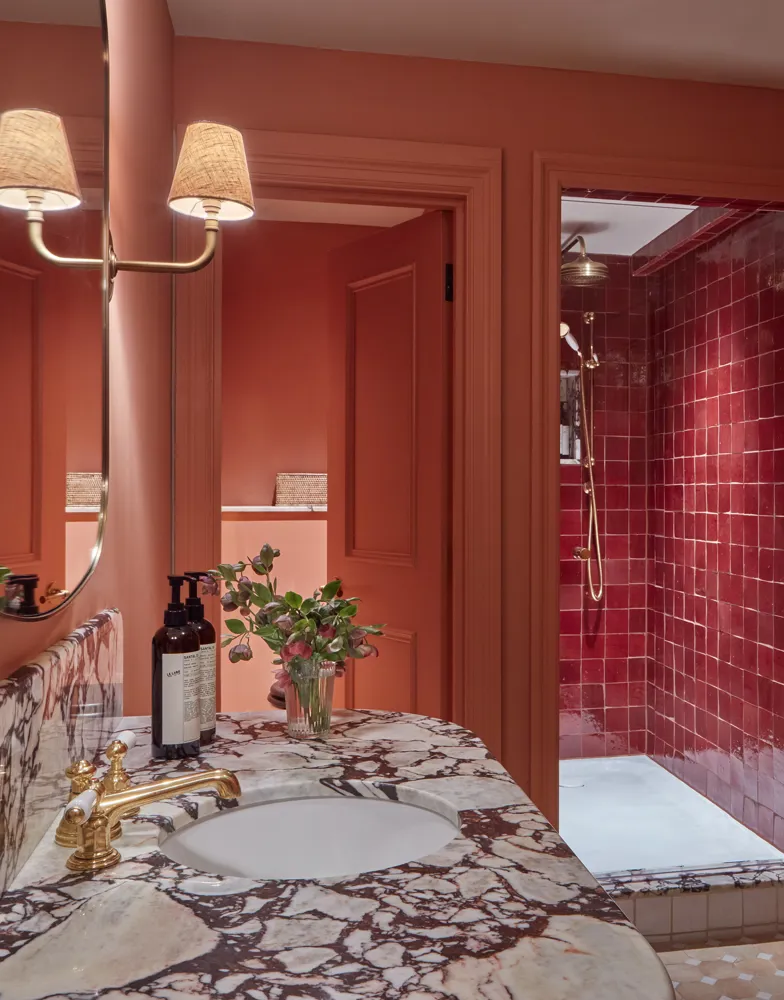
Inside, James Thurstan Waterworth takes a similarly restrained approach. Rather than filling the Victorian architecture with period references, Thurstan introduces a lighter version of English residential design: natural materials, warm timber, earthy colours, collected furniture, antiques and carefully chosen mid-century forms. There is a sense that things have accumulated rather than arrived as part of a single furniture package. Reused materials and locally sourced antique pieces reinforce that impression, while British designers and craftspeople give the interiors their individual details. The 156 rooms continue the approach in terracotta, taupe, timber and softly patterned textiles. At the top end, the Garden Suites introduce four-poster beds, freestanding baths, floor-to-ceiling windows and private terraces reached directly from the garden.
Art Grows From the Garden
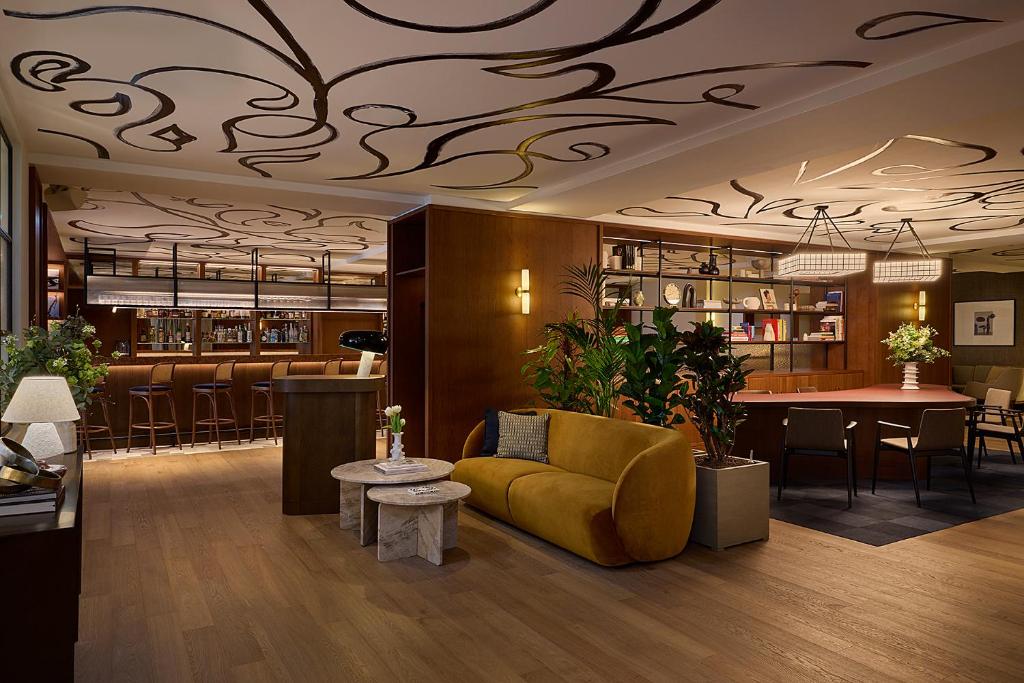
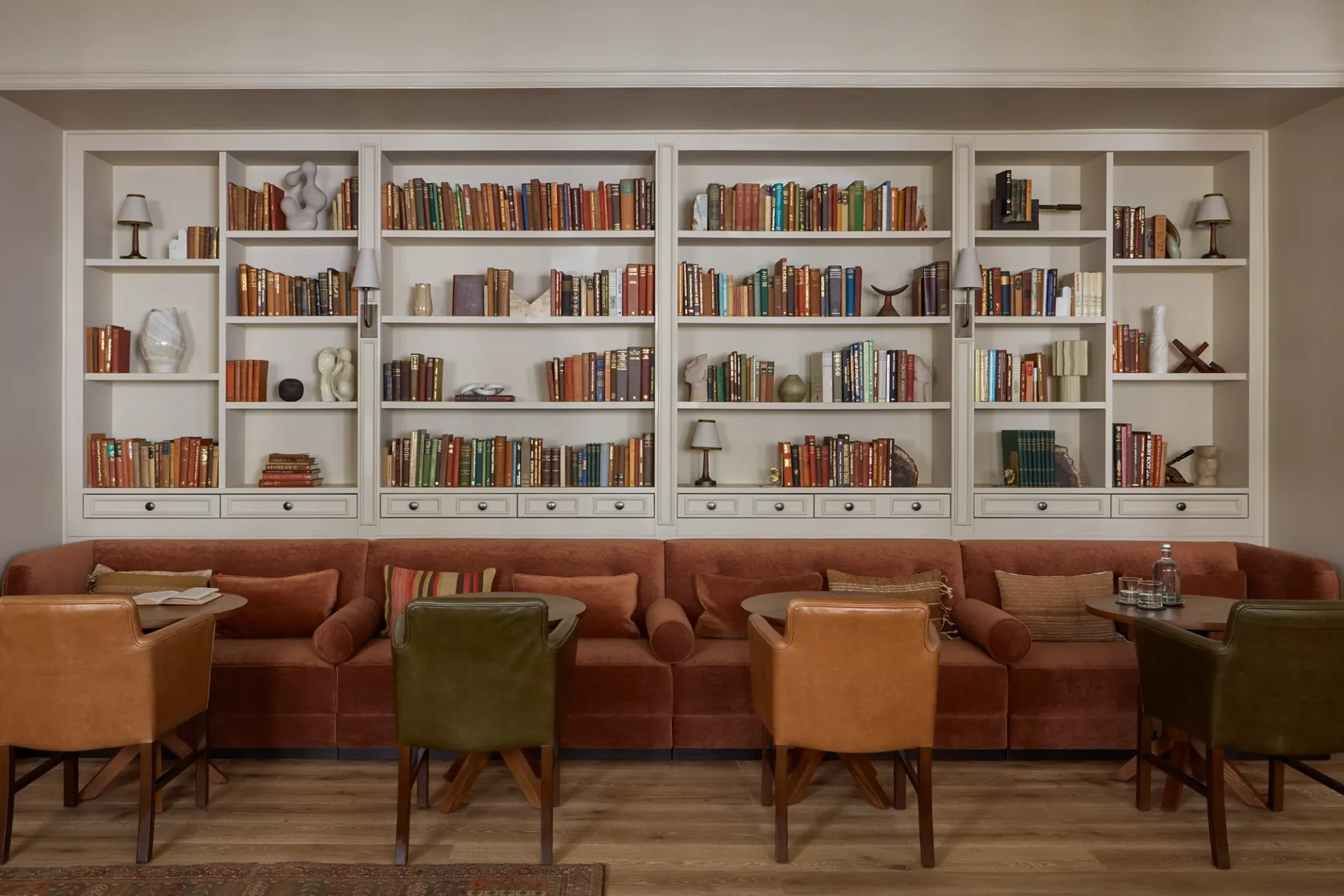
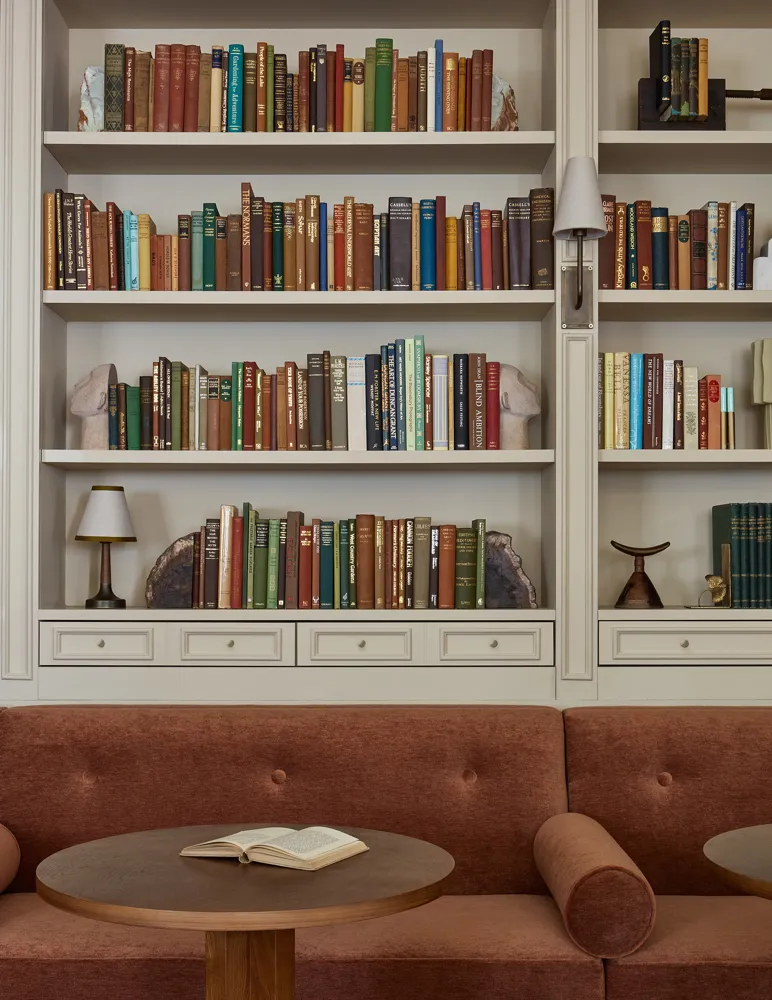
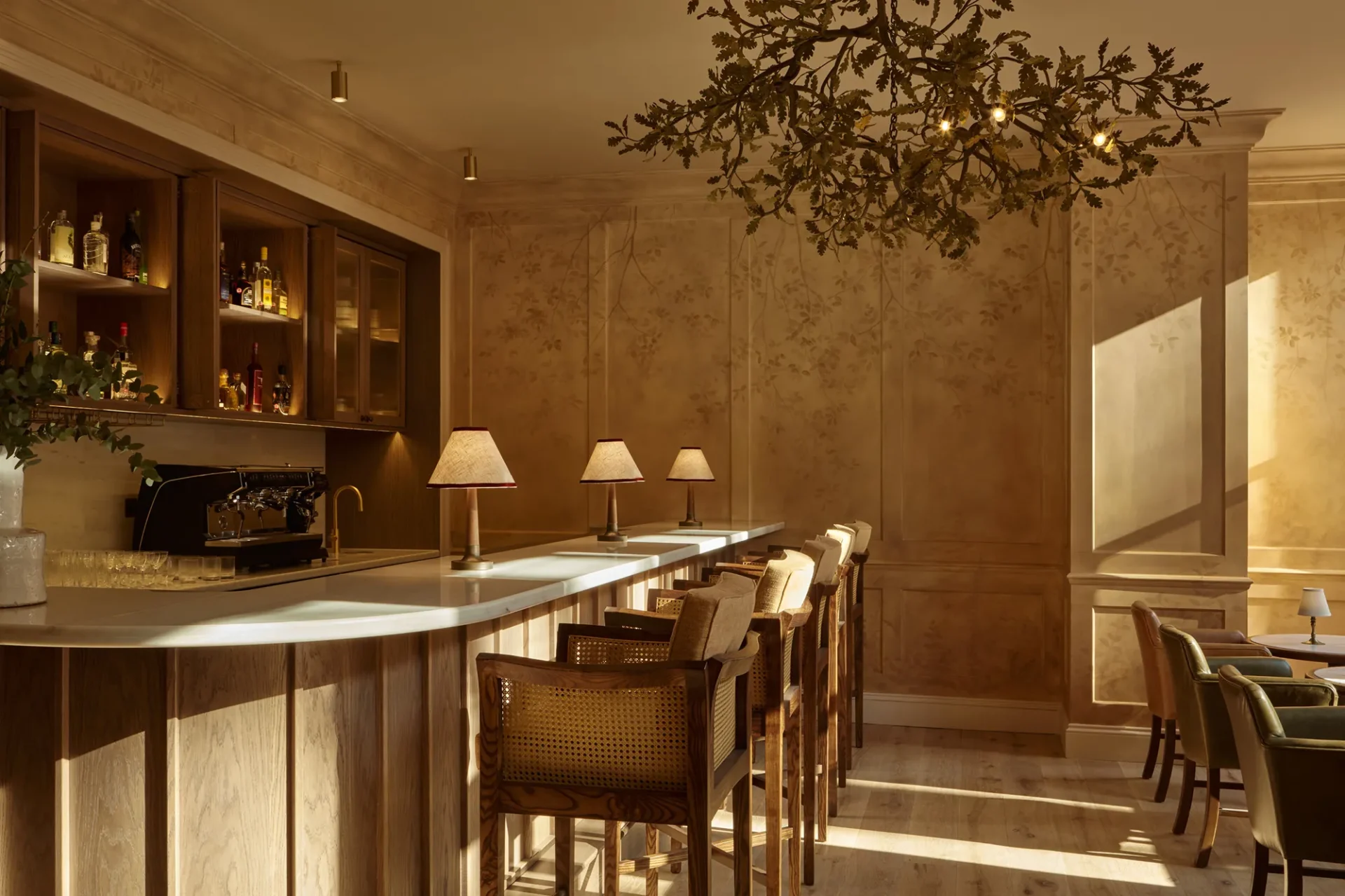
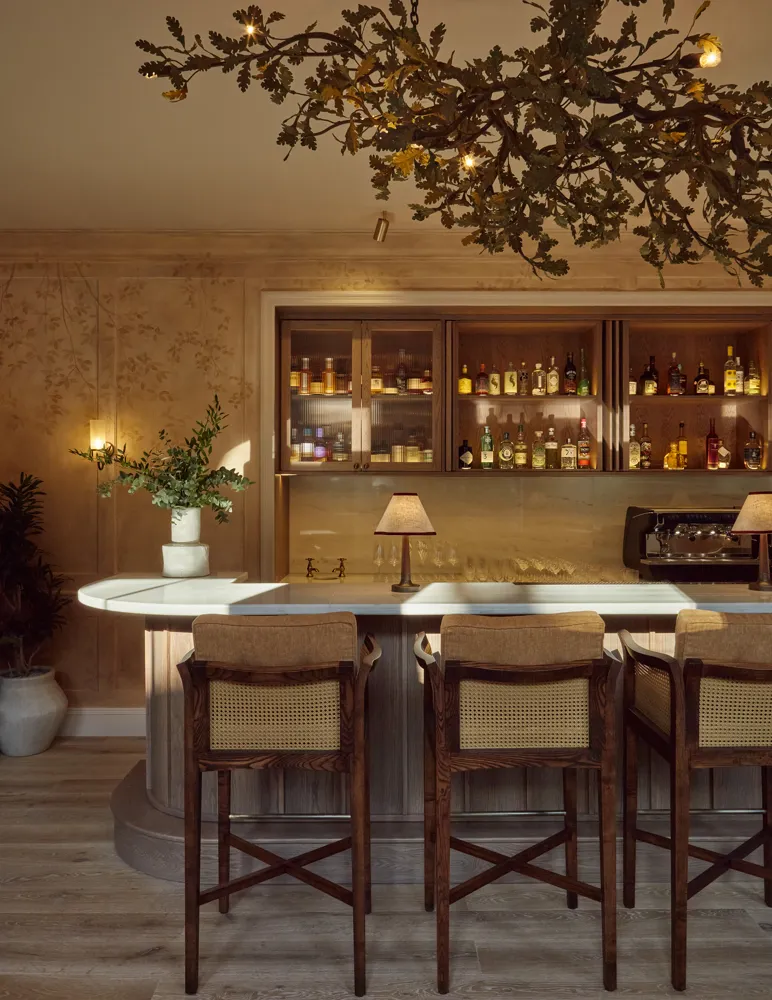
Art here has been treated as part of the architectural narrative rather than something added once the interiors were complete. Art Story worked with British painter Bethany Holmes on abstract works for the restaurant, bar and library, while the library’s collection of books and objects references Earl’s Court’s long creative history. In Pippin’s and Sprout, decorative artist Tess Newall looked directly outside for inspiration. Her hand-painted foliage responds to the garden and is paired with an extraordinary oak-branch chandelier, turning the landscape into an interior motif without resorting to botanical wallpaper everywhere. The result is subtle: the garden keeps reappearing in different forms as you move through the hotel.
Pippin’s, Sprout and Pip’s
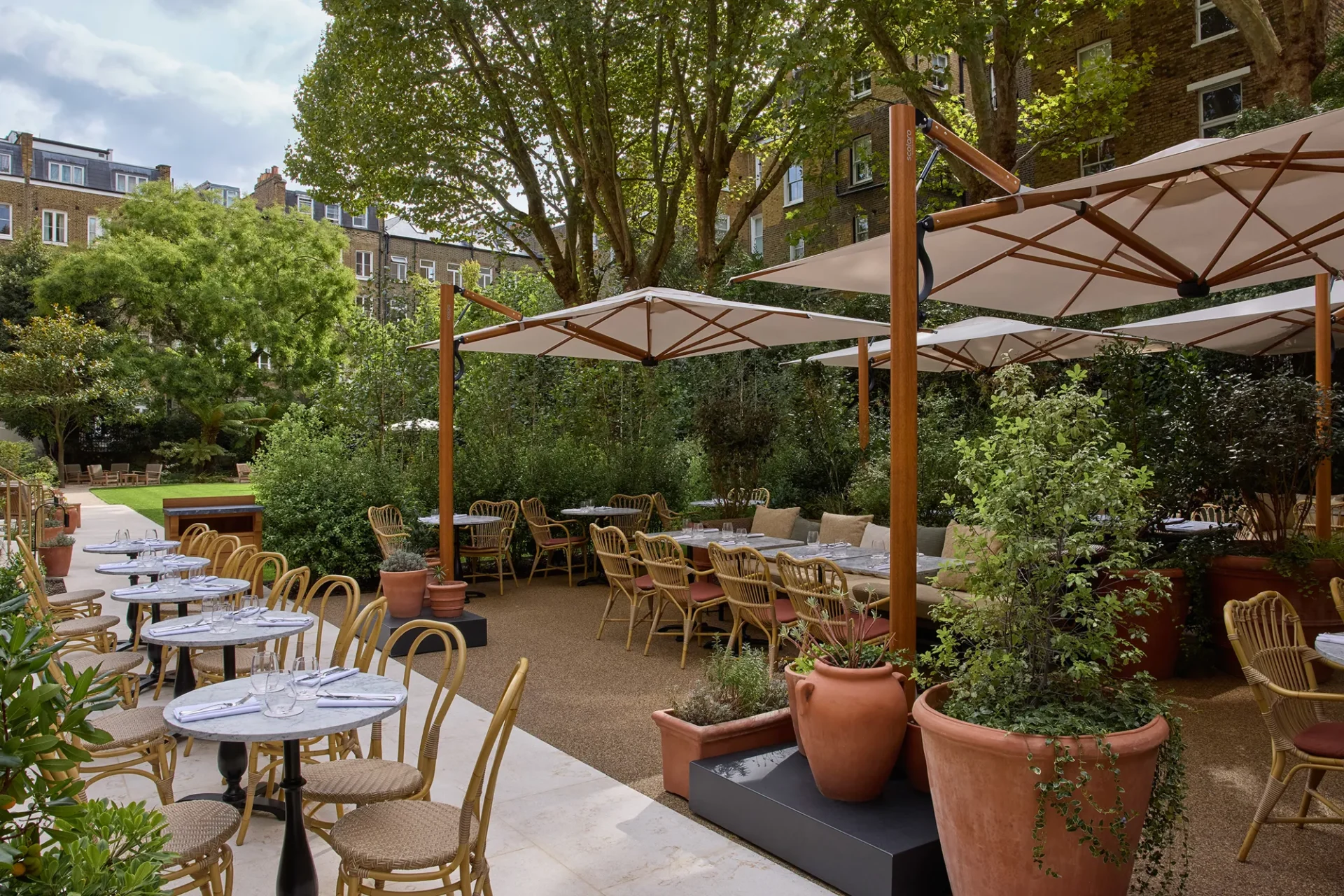
The ground floor has been deliberately designed as the hotel’s social heart, with café, library, restaurant and bar flowing from the entrance towards the garden rather than being treated as separate destinations. Pip’s café occupies the street-facing side and gives the neighbourhood an easy way into the hotel. Pippin’s, led by chef Liam Fauchard-Newman, looks towards the greenery and serves modern British cooking built around local suppliers, seasonal ingredients and herbs grown in the garden. Sprout changes the mood again. Softer lighting, deep seating, hand-painted details and seasonal cocktails make it more intimate, particularly after dark. Together, the three spaces give Templeton Garden the rhythm of a large house: coffee at the front, dinner towards the garden and somewhere smaller for a drink afterwards.
The Garden Is the Architecture
London has plenty of townhouse hotels. Templeton Garden becomes more interesting because Holland Harvey and Thurstan have resisted treating the Victorian buildings as the entire story. Instead, everything leads somewhere else. The entrance leads through the house. The house leads through the contemporary orangery. The orangery leads to the terrace. And the terrace finally opens onto the garden. Architecture, interiors, art and landscape all follow that progression. In a city where hotel space is usually measured rather carefully, Templeton Garden’s greatest luxury may simply be that it gives so much of itself over to green space.
Information
At a glance
Architecture
Opened / Renovated
renovated 2025 (previously K+K George)
Size matters
156 rooms & suites (16- 50m2) (172-538 sq ft)
Interior design
James Thurstan Waterworth
Bathroom Amenities
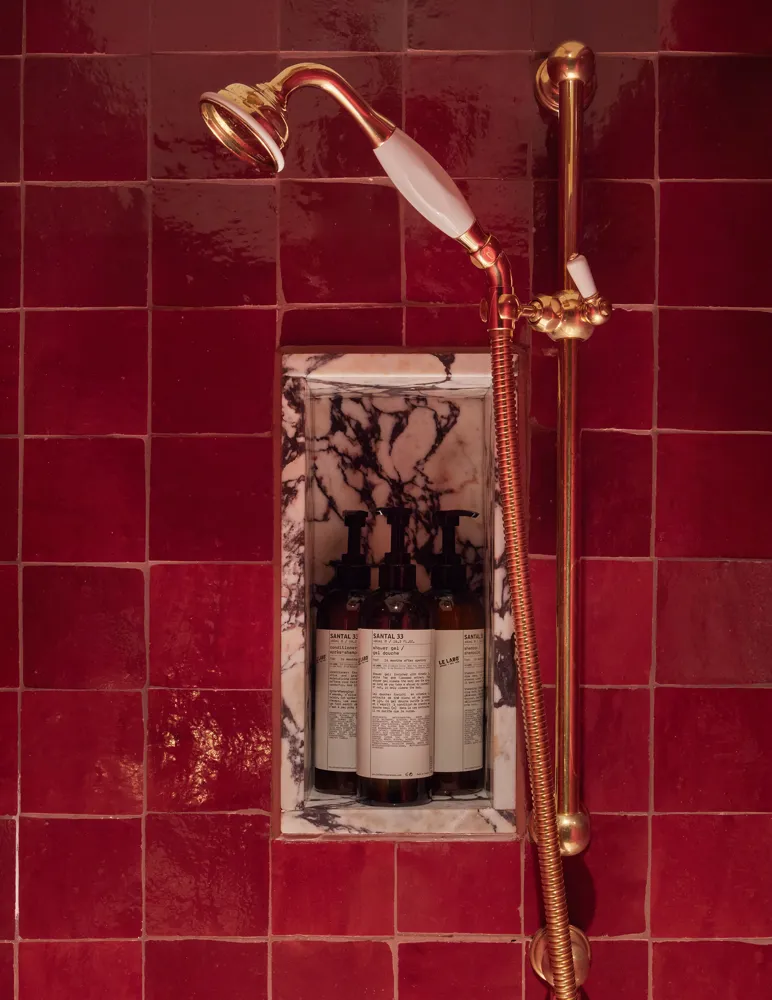
Le Labo
Featured in
Don't take our word for it



Handpicked worldwide
A carefully curated collection of exceptional boutique and design hotels across the globe.
Design with soul
Architecture, atmosphere and craftsmanship come together in stays with a clear identity.
Hidden, not hyped
Independent boutique hotels you rarely find on mainstream booking platforms.
Travel guidance
Personal recommendations and thoughtful support from people who actually know the places.