


A Hotel with a Past Worth Talking About
A characterful 1912 Providence building reinvented as a boutique hotel, combining industrial heritage, Shaker-inspired interiors, vintage furniture, local art and French-inspired dining.

Why DNA Hotels loves it
A characterful 52-room boutique hotel occupying a 1912 building with a colourful past, from charitable shelter to brothel and strip club, before becoming one of Providence's pioneering design hotels.
An intriguing combination of Shaker simplicity, industrial heritage, vintage European furniture and contemporary local art, with rooms ranging from compact doubles to cleverly designed bunk-bed configurations.
A strong connection to Providence's creative community, with a French-inspired neighbourhood bistro and a location in the heart of the city's increasingly interesting Downcity district.
The Stay
From Brothel to Boutique Hotel: Providence's Industrial Past Gets a New Identity
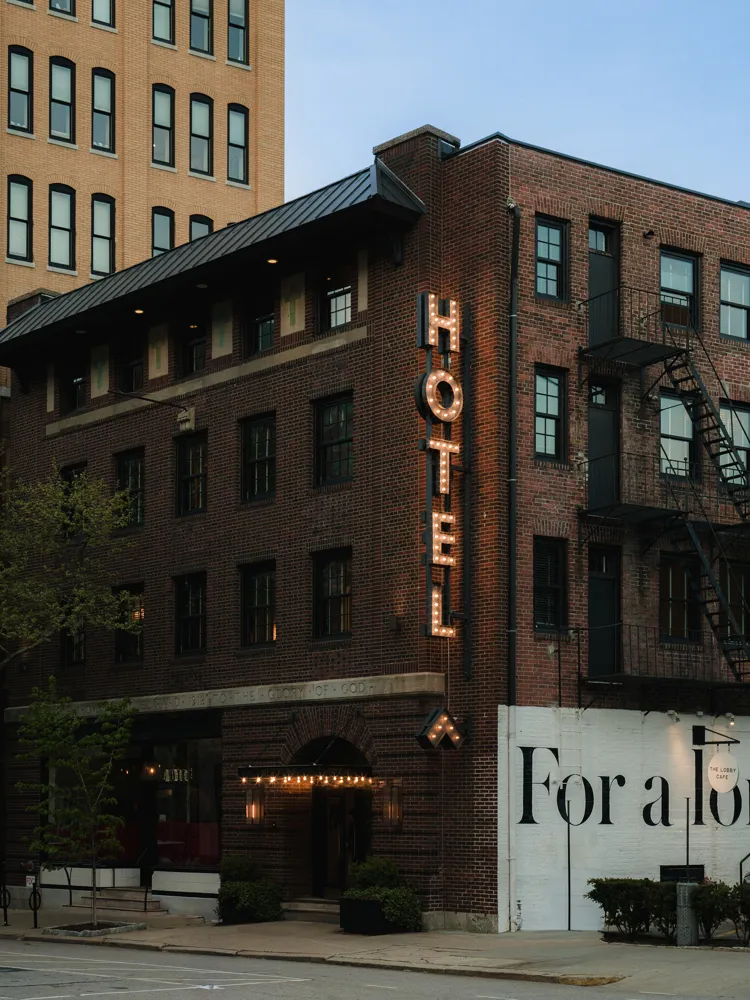
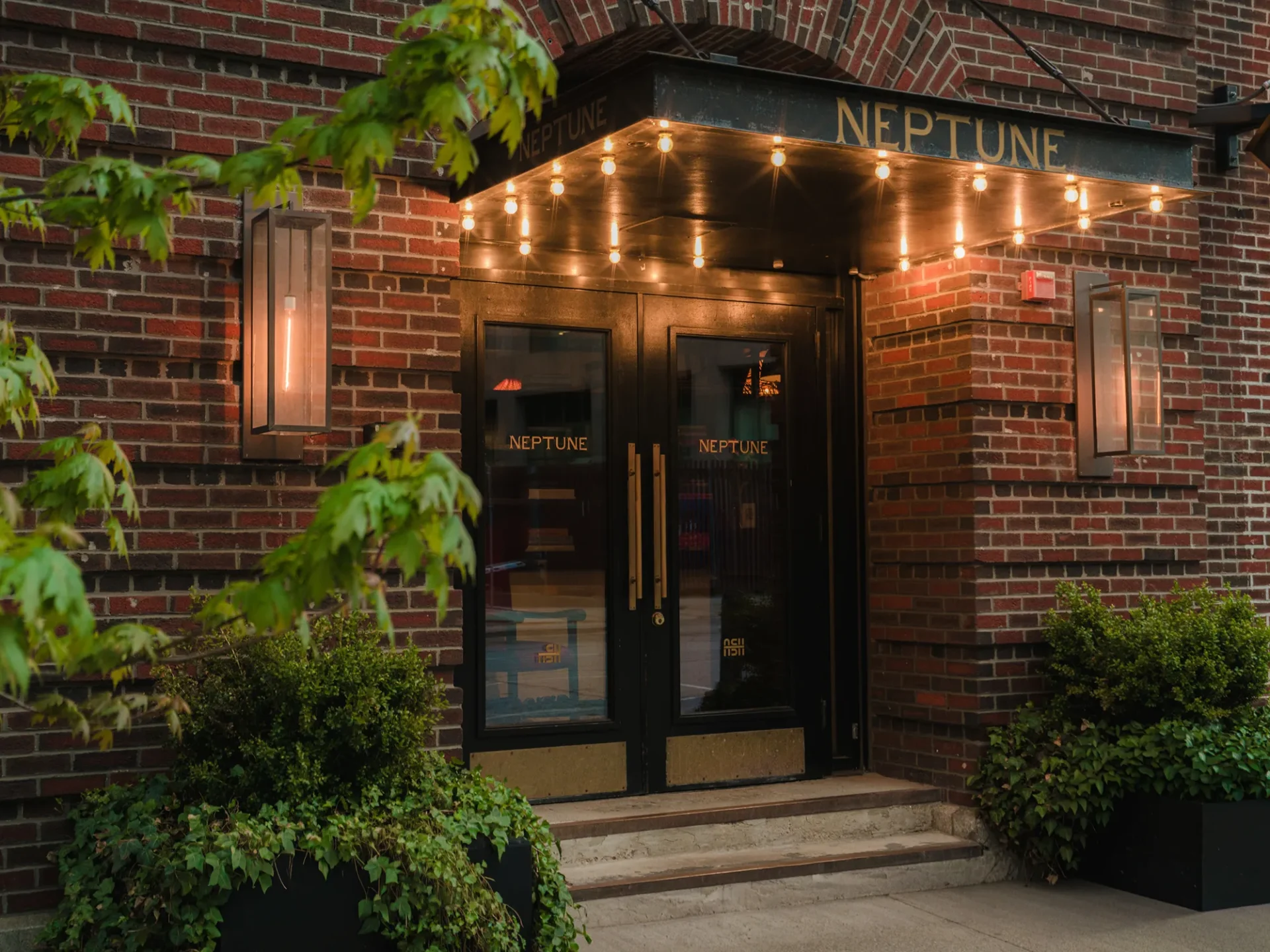
Some hotels have histories that their owners would rather forget. Others are clever enough to make something of them. Neptune, in downtown Providence, belongs firmly to the second category. Built in 1912 by the Episcopal Church as a shelter for people in need, the building at 122 Fountain Street subsequently became a brothel and eventually the Sportsman’s Inn, a strip club that closed in 2012. Not exactly the usual pedigree for a boutique hotel. In 2014, the building was reinvented as The Dean, the first hotel by hospitality company Ash. Its transformation helped introduce a new generation of independent accommodation to Providence, a former industrial city increasingly recognised for its creative energy. After eleven years, The Dean became Neptune in 2025, adopting a new identity inspired by the Roman god of the sea and Rhode Island’s maritime heritage. A fitting name for a building that has already lived several lives.
Industrial Providence, with a European Accent
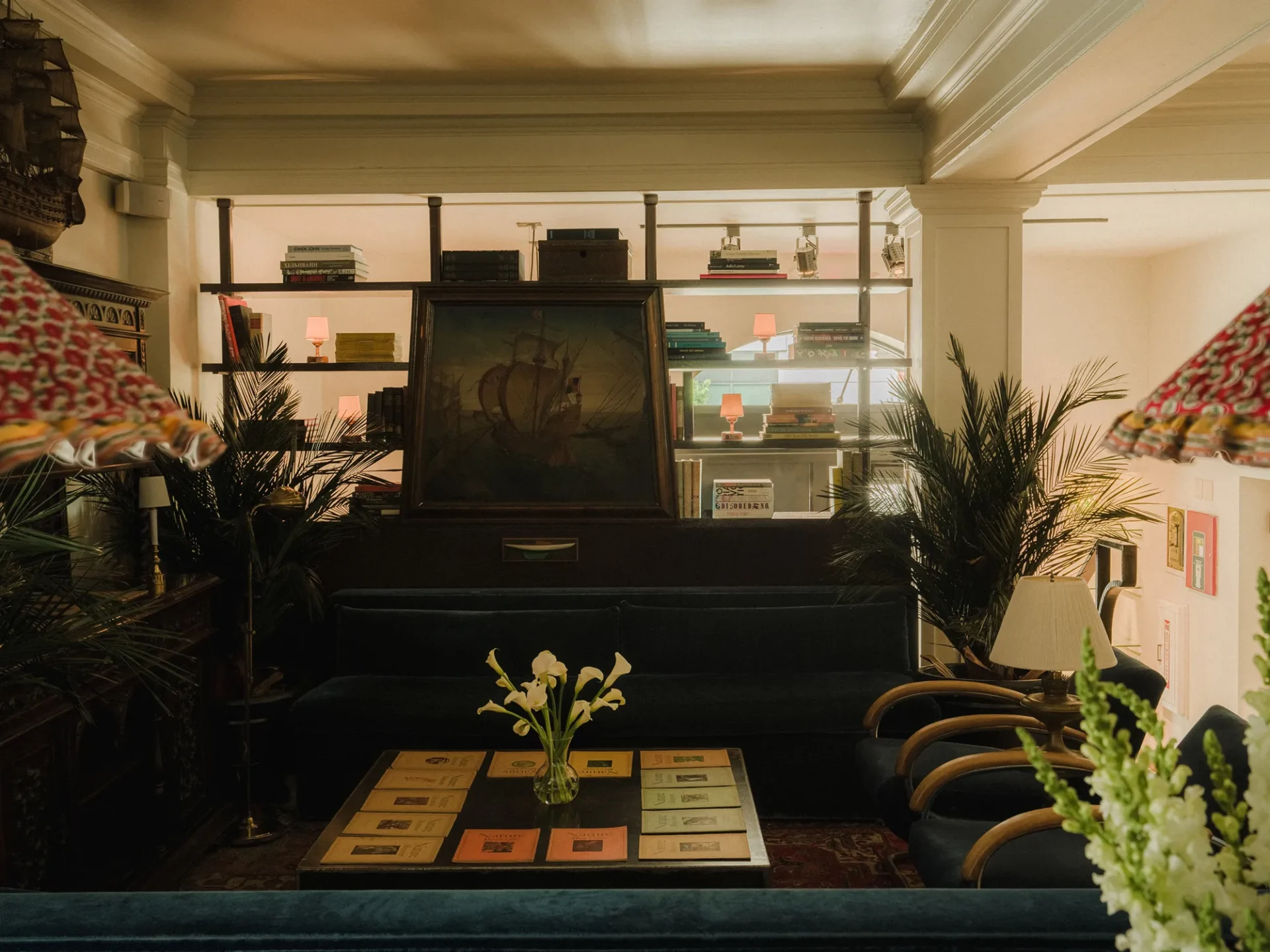
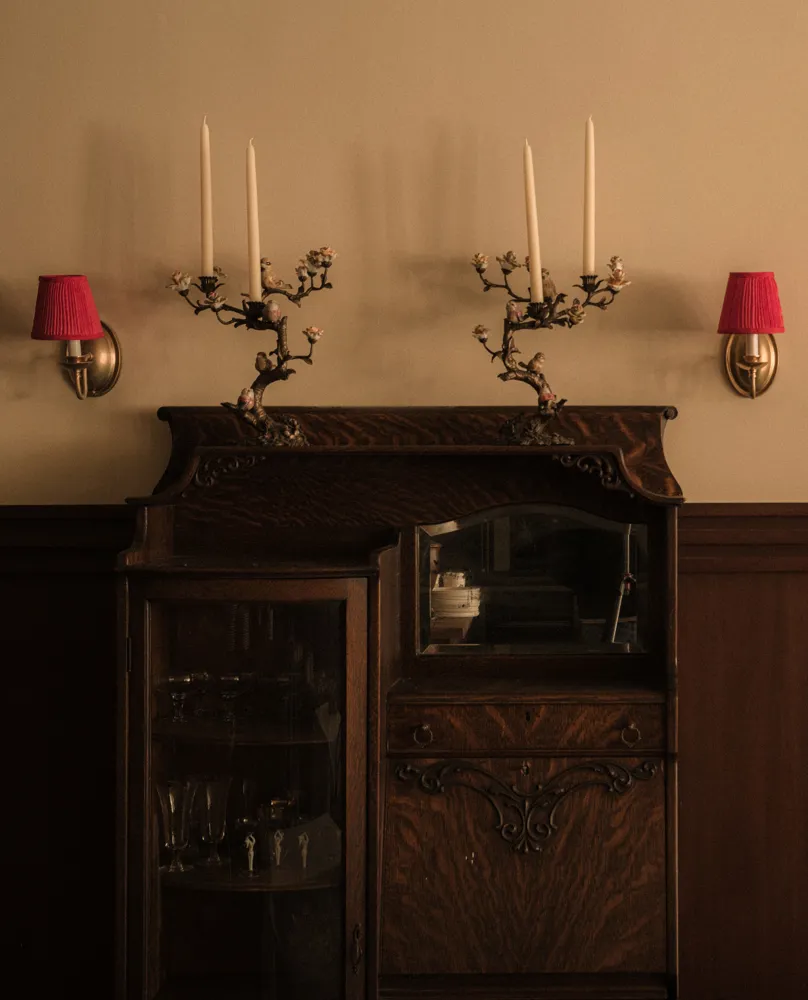
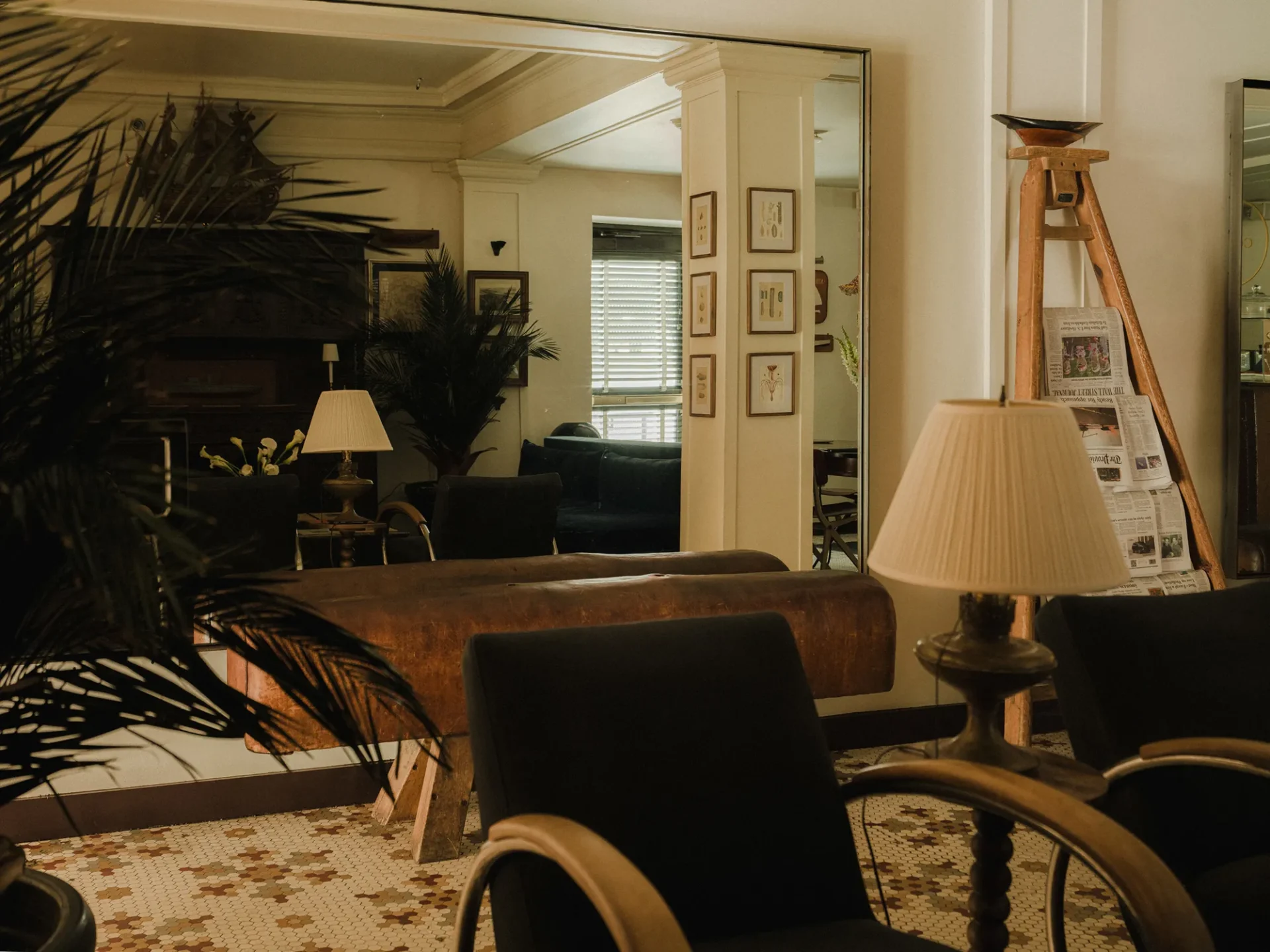
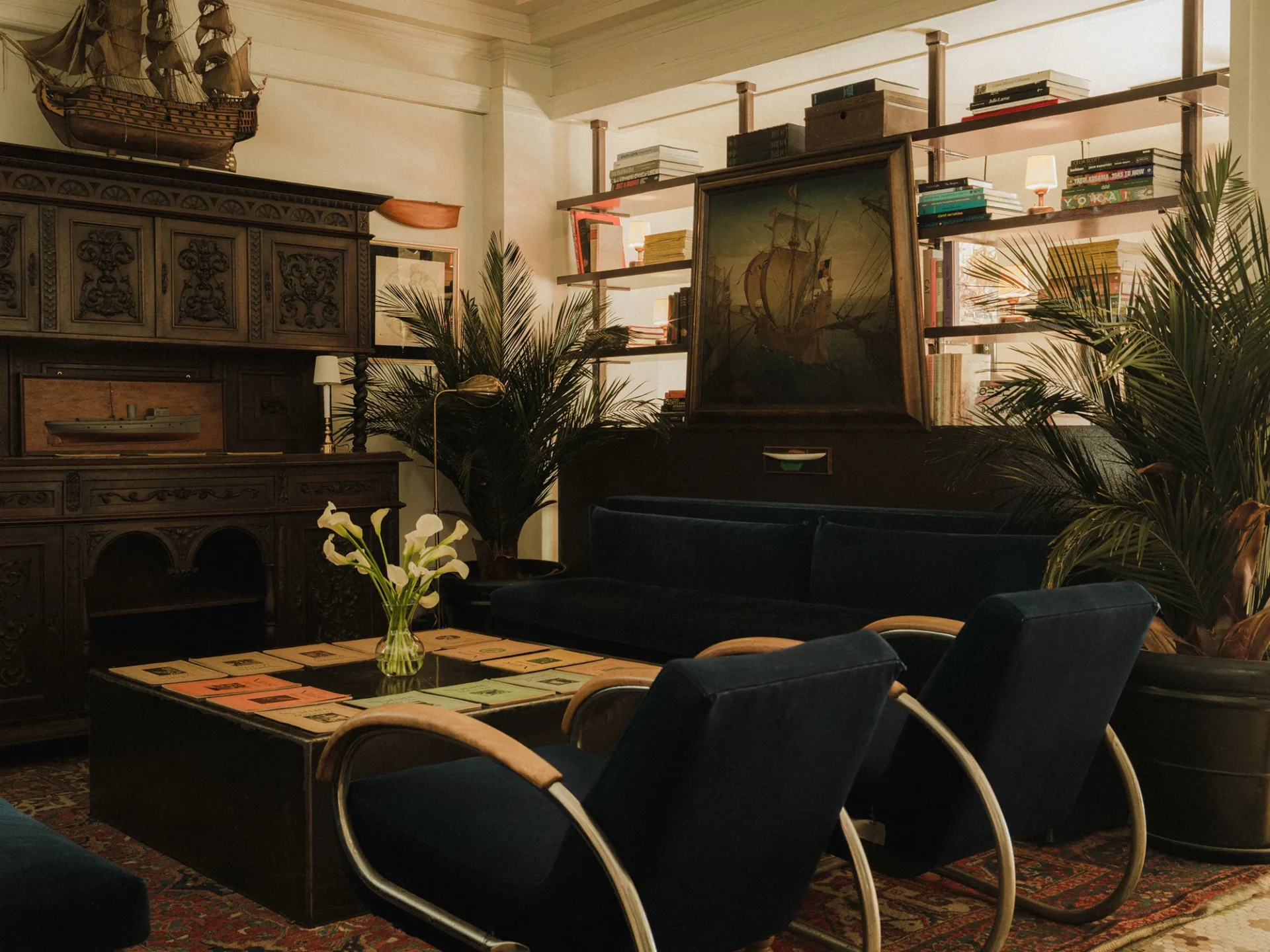
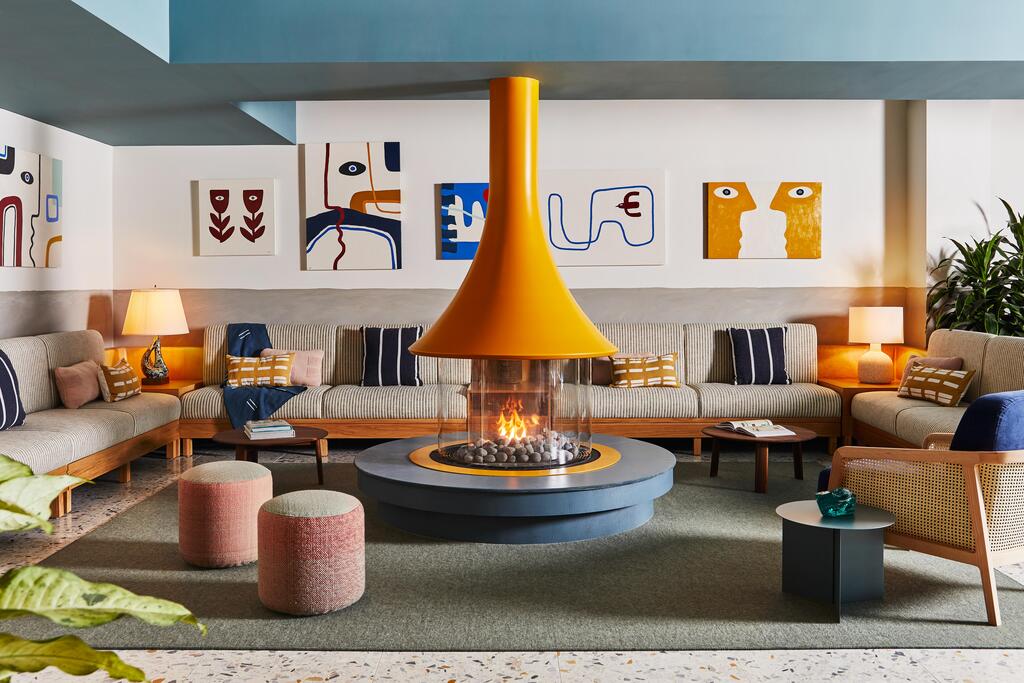
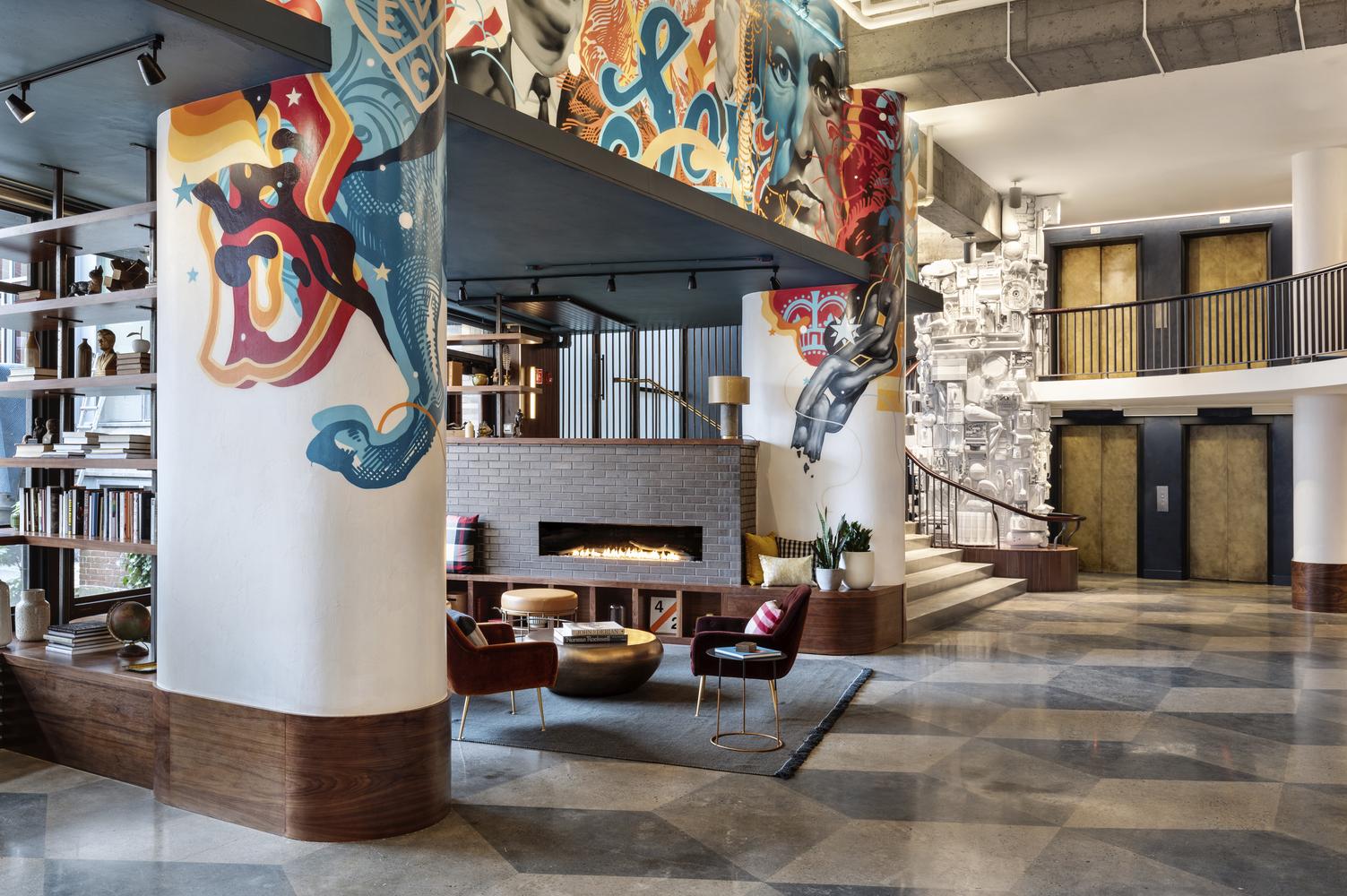
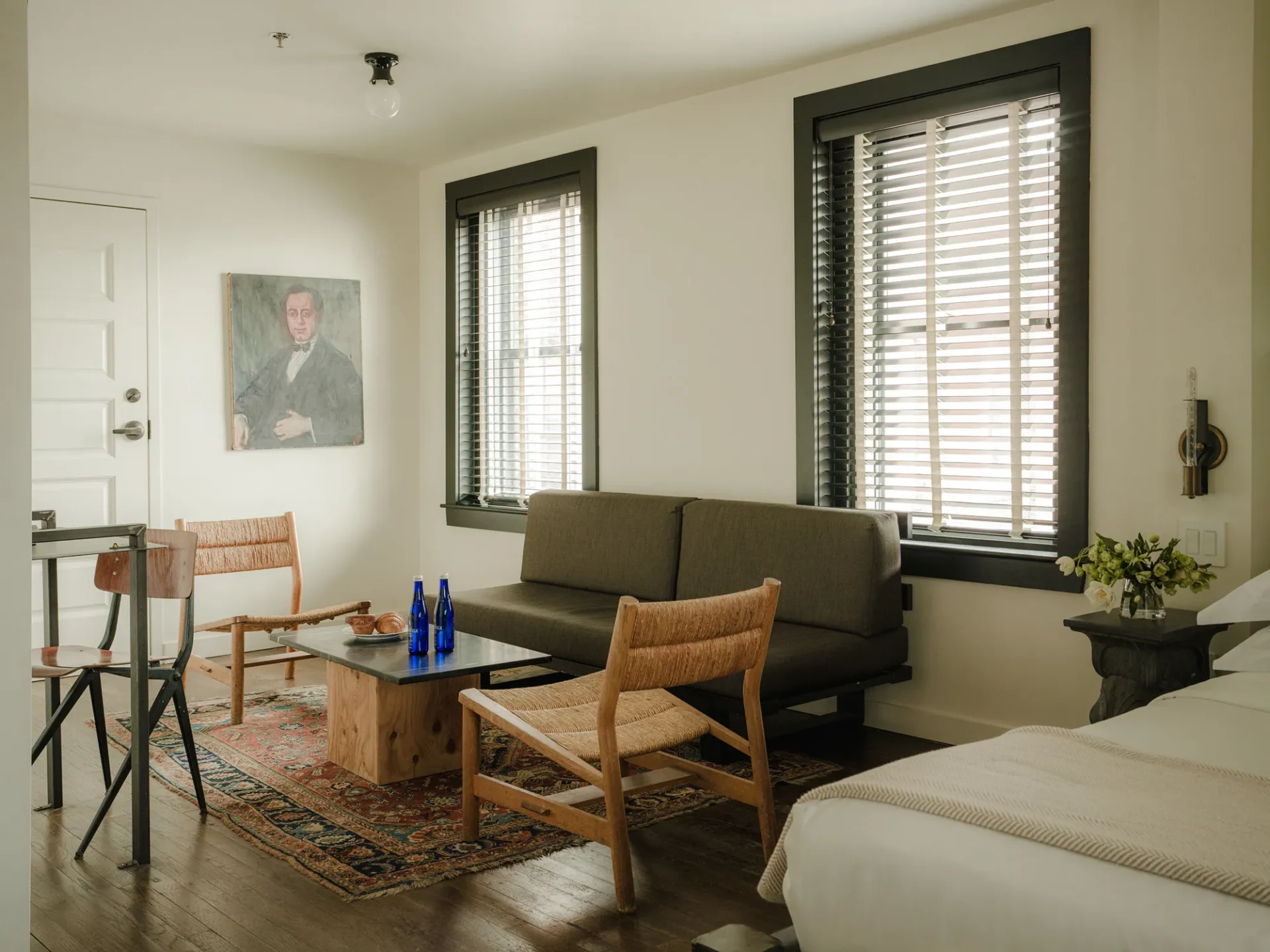
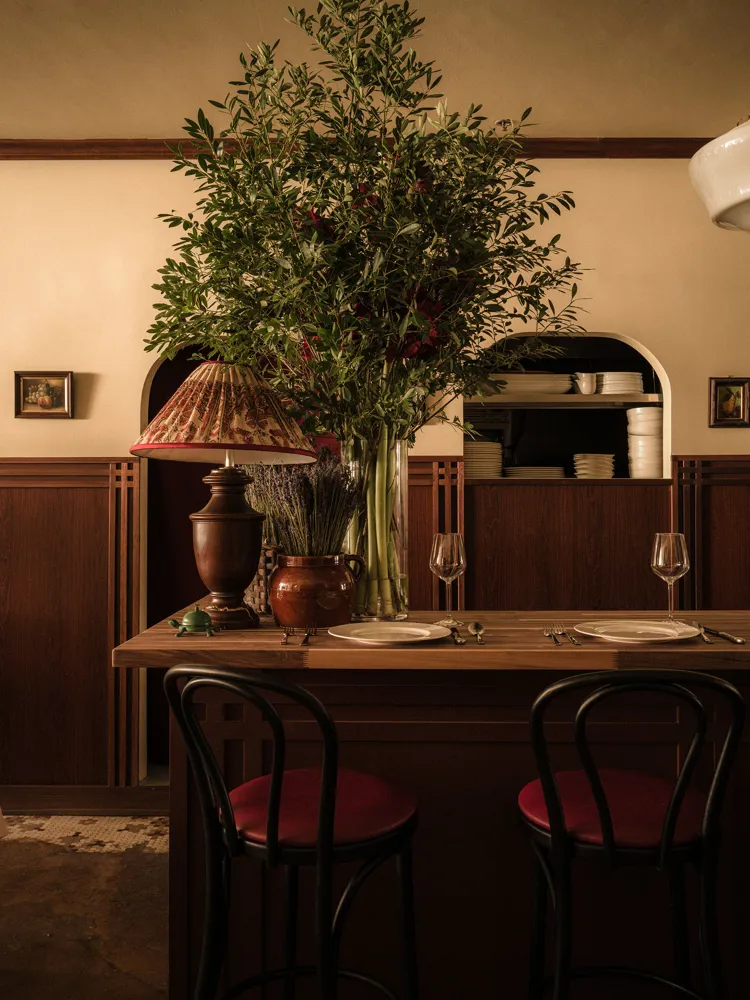
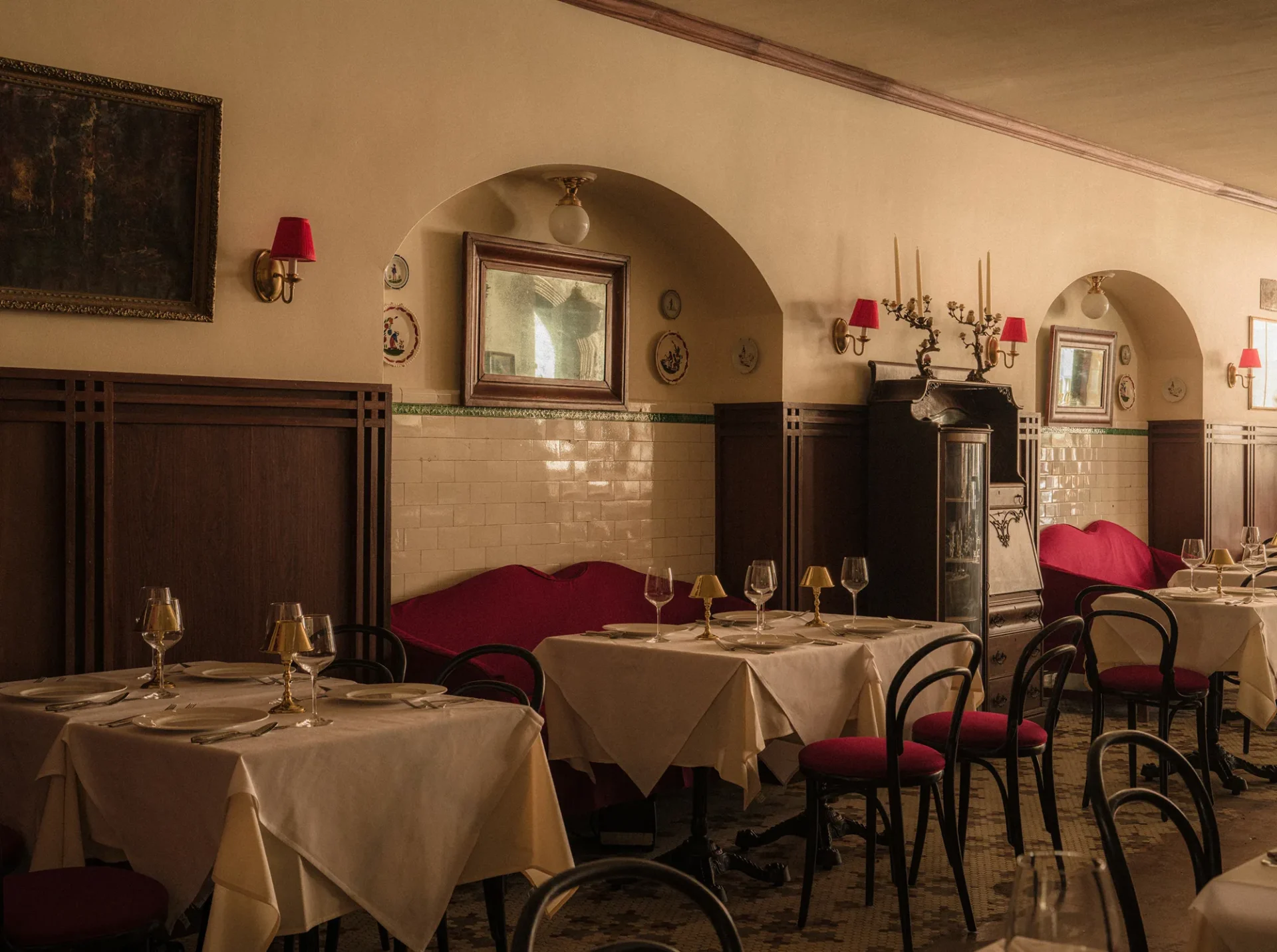
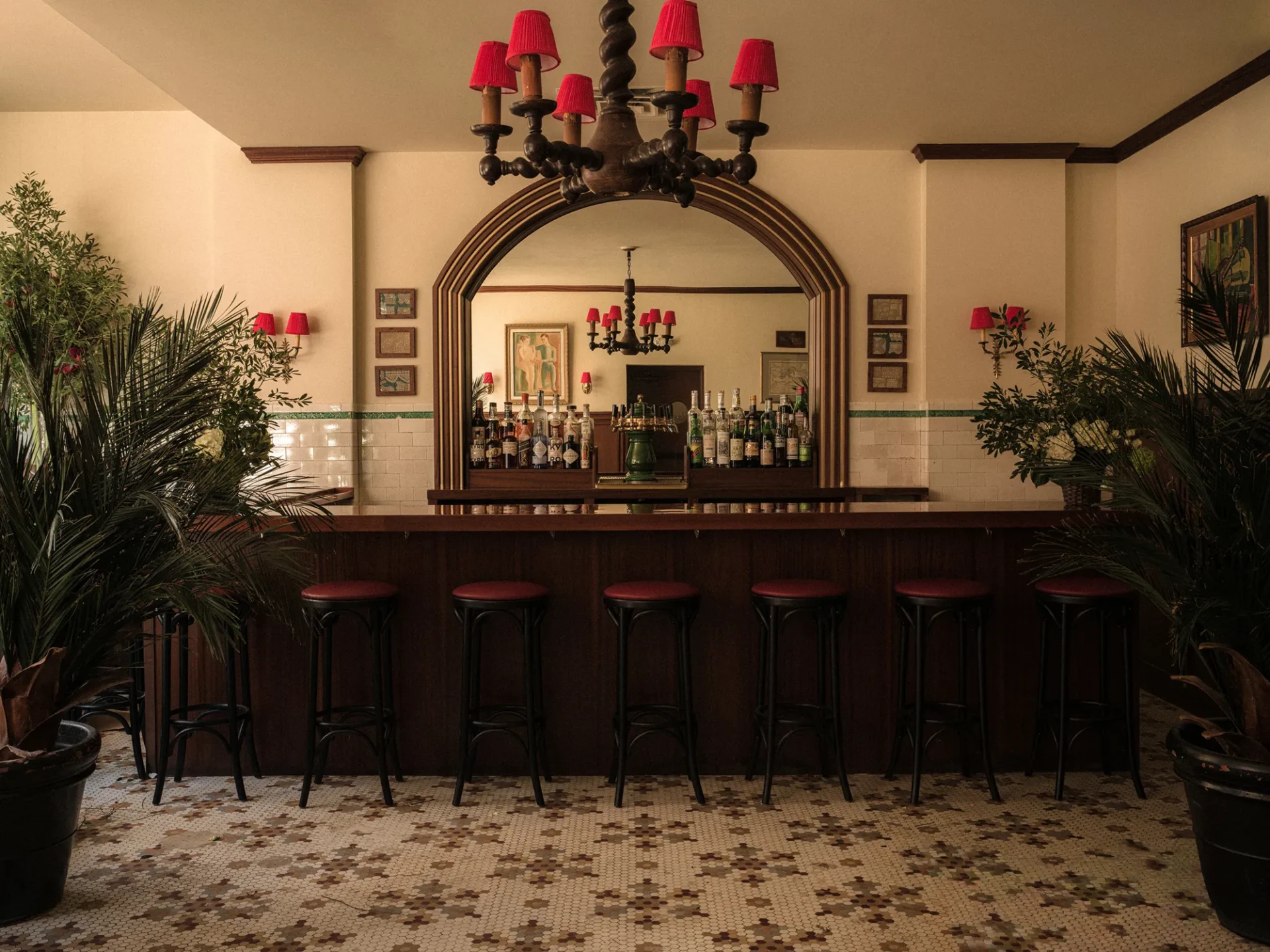
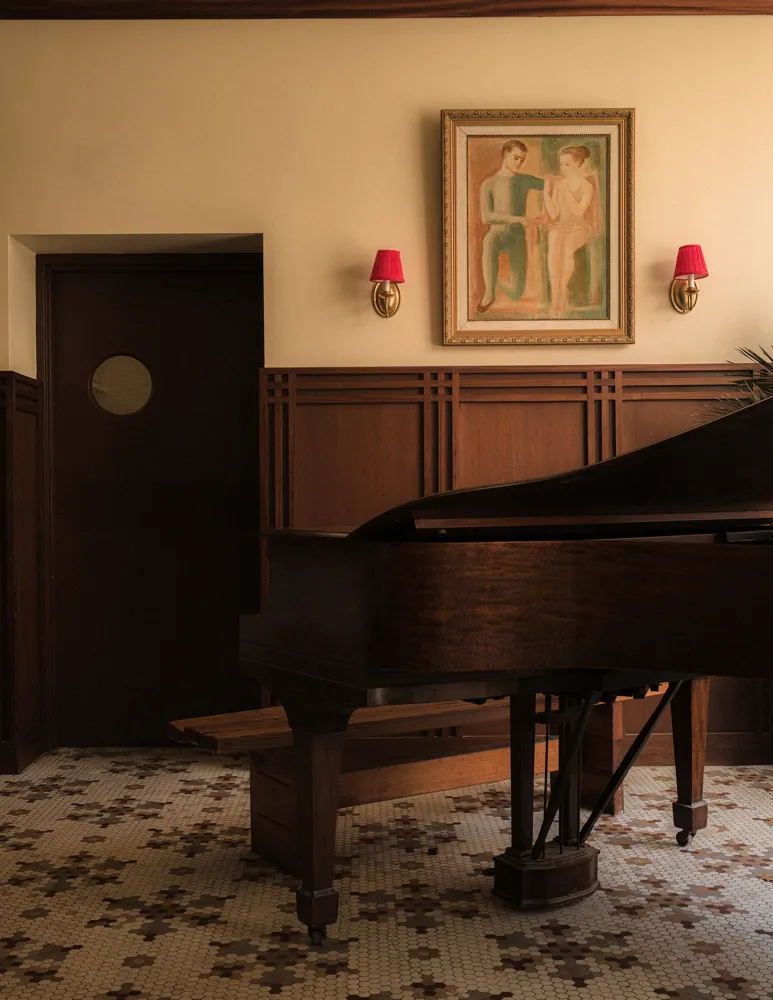
Once known as the Beehive of Industry, Providence built its prosperity on textiles, jewellery and manufacturing. Today, its industrial architecture provides a backdrop for a thriving creative community, supported by institutions such as the Rhode Island School of Design. Neptune reflects both sides of this identity. The renovation preserved original brickwork, tiles and structural details, including the building’s old-fashioned single-cab elevator. Inside, Shaker-inspired simplicity meets industrial materials, antique furnishings and a distinctly European sensibility. Whitewashed walls, dark timber, leather armoires and vintage Halabala chairs create an atmosphere that is understated without becoming anonymous. There is genuine history here, not simply another decorative interpretation of industrial chic.
Fifty-Two Rooms, Several Ways to Sleep
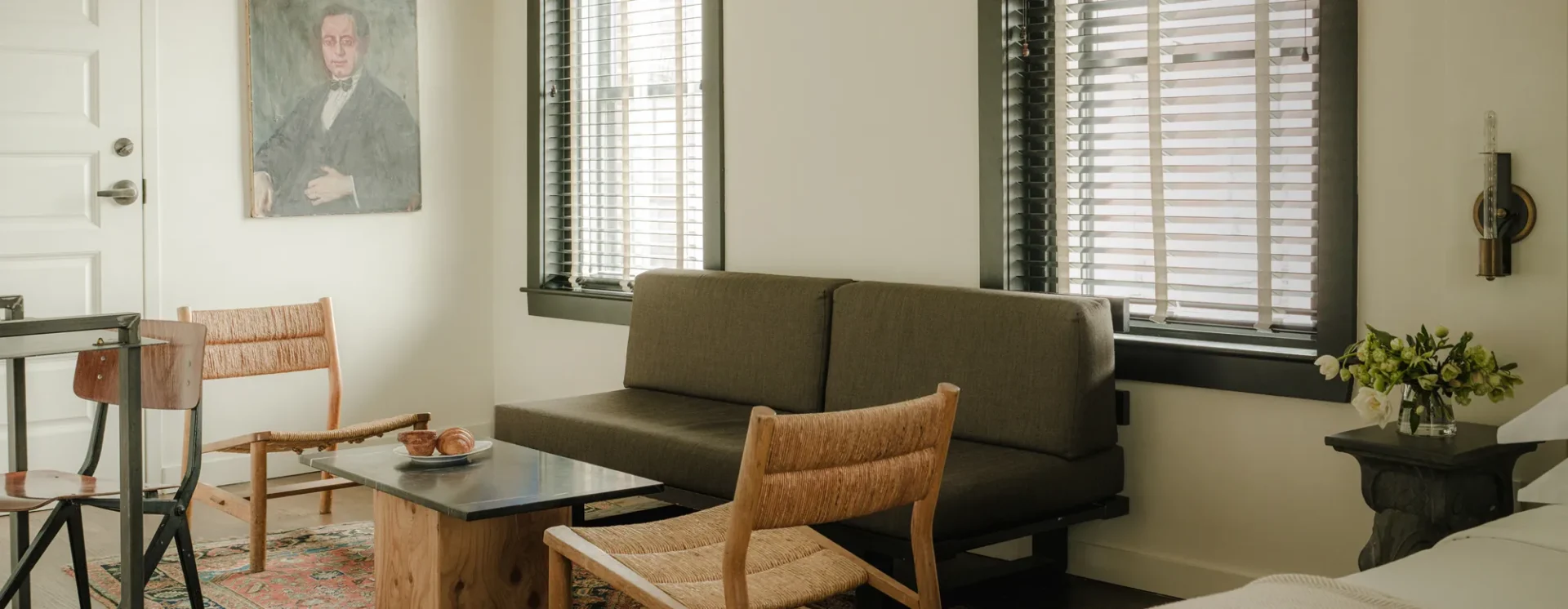
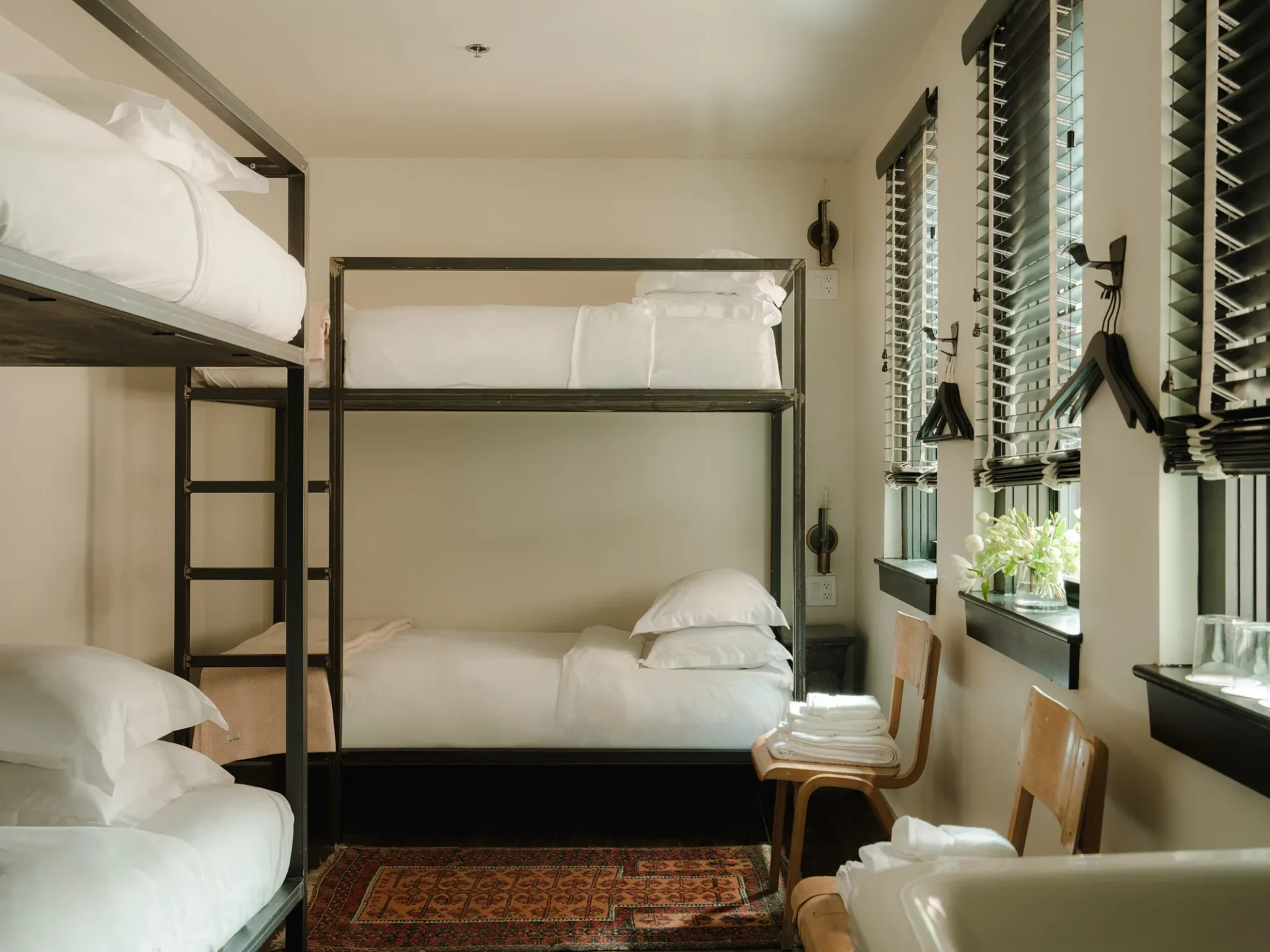
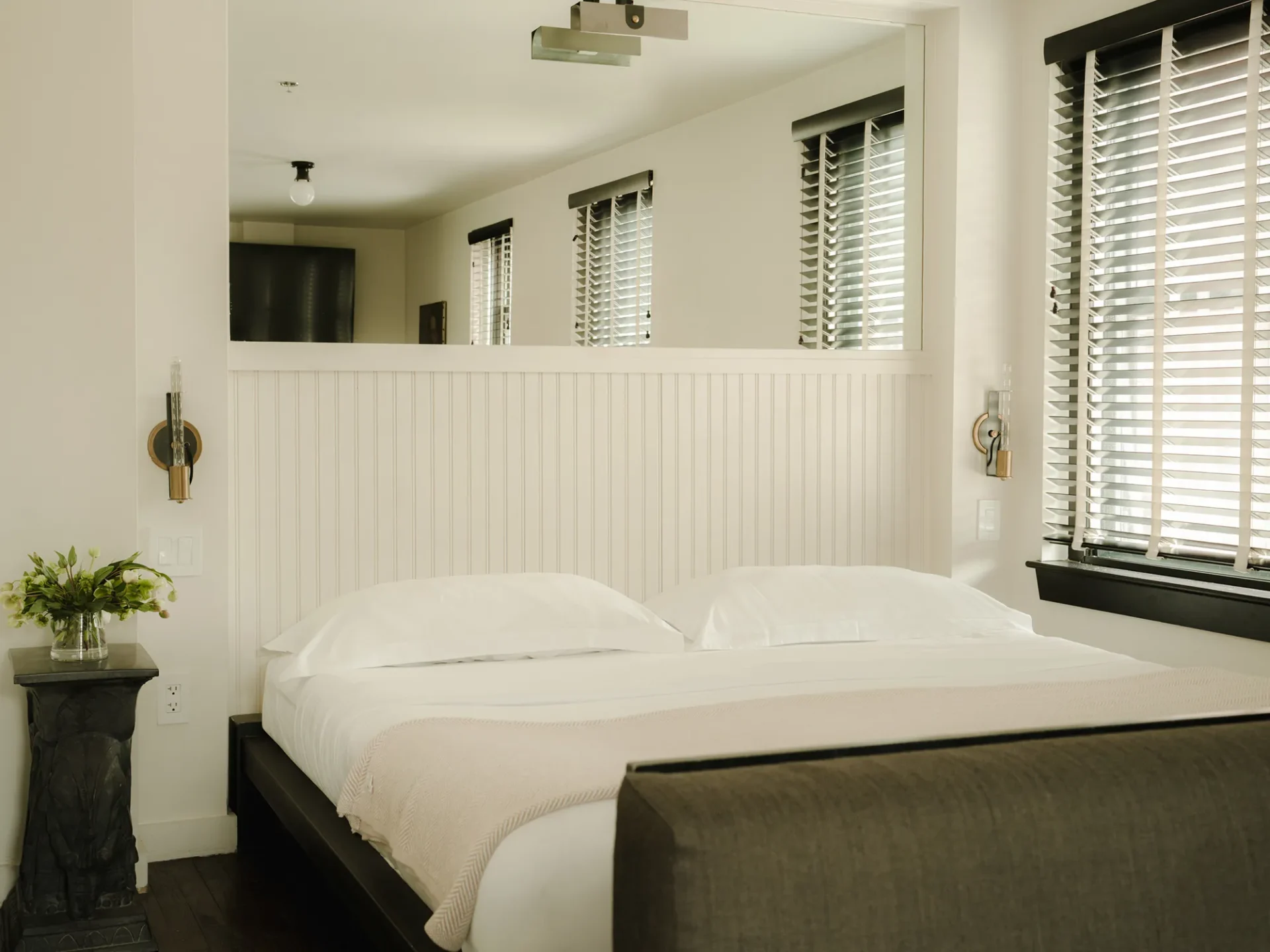
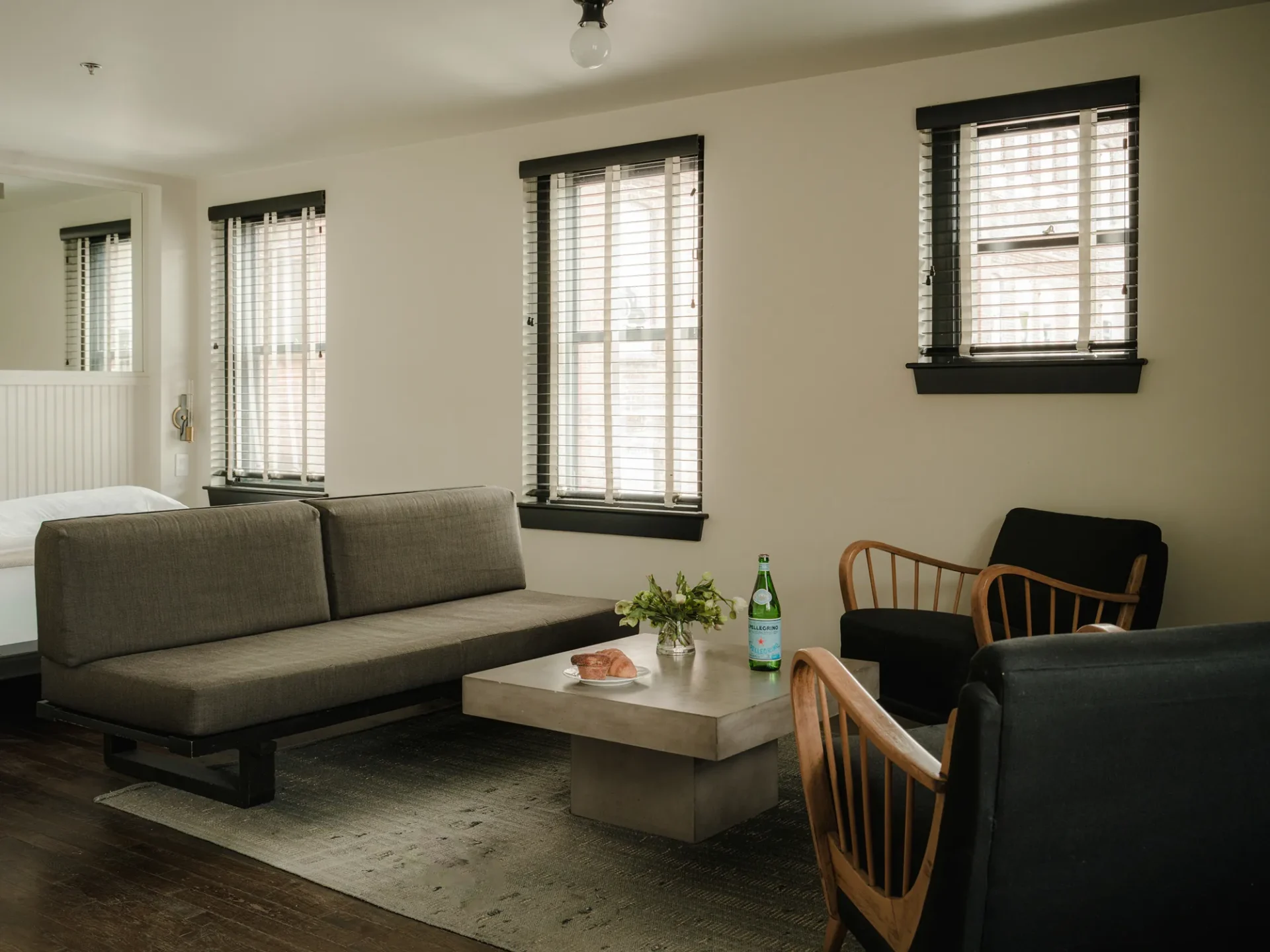
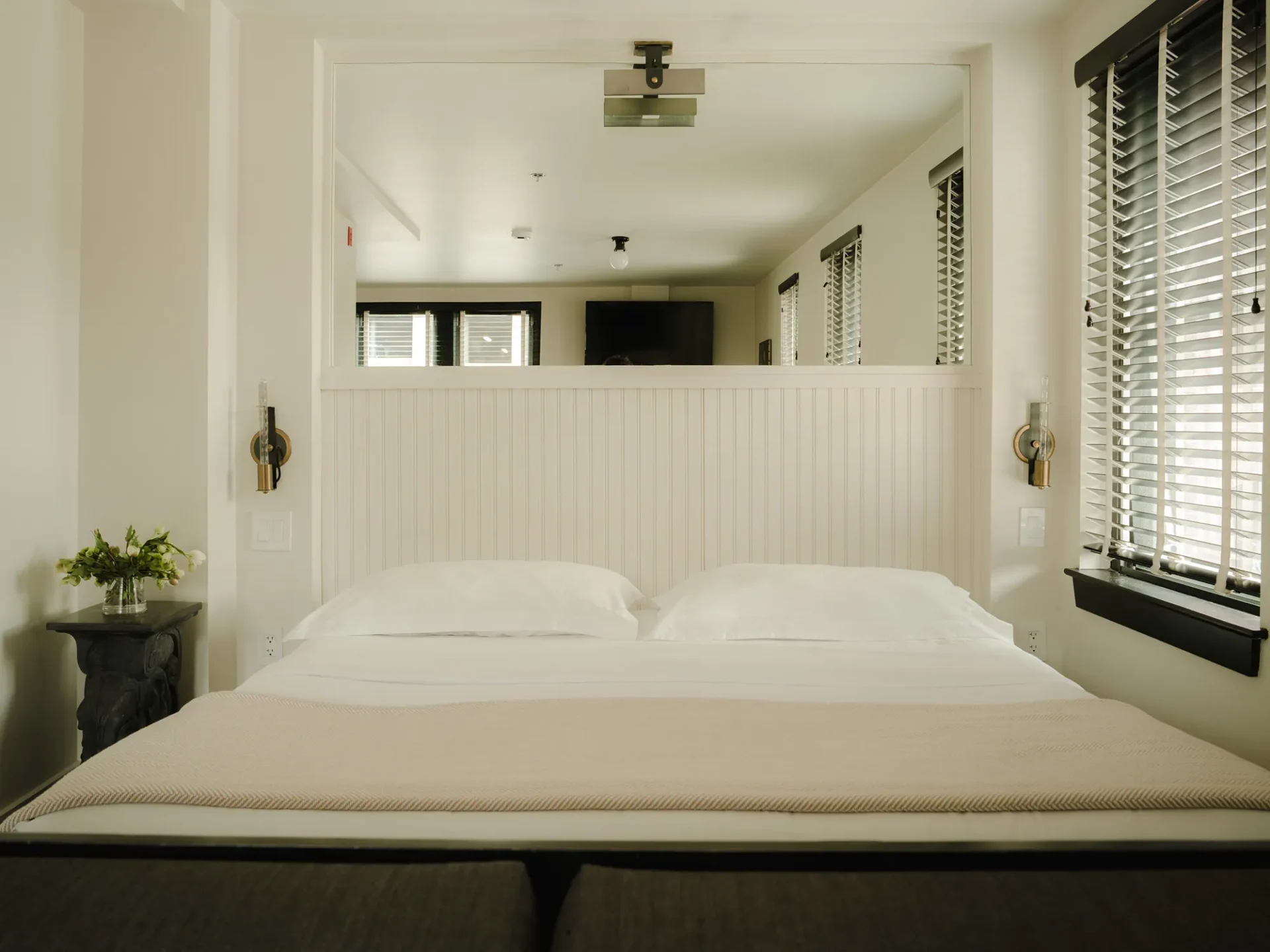
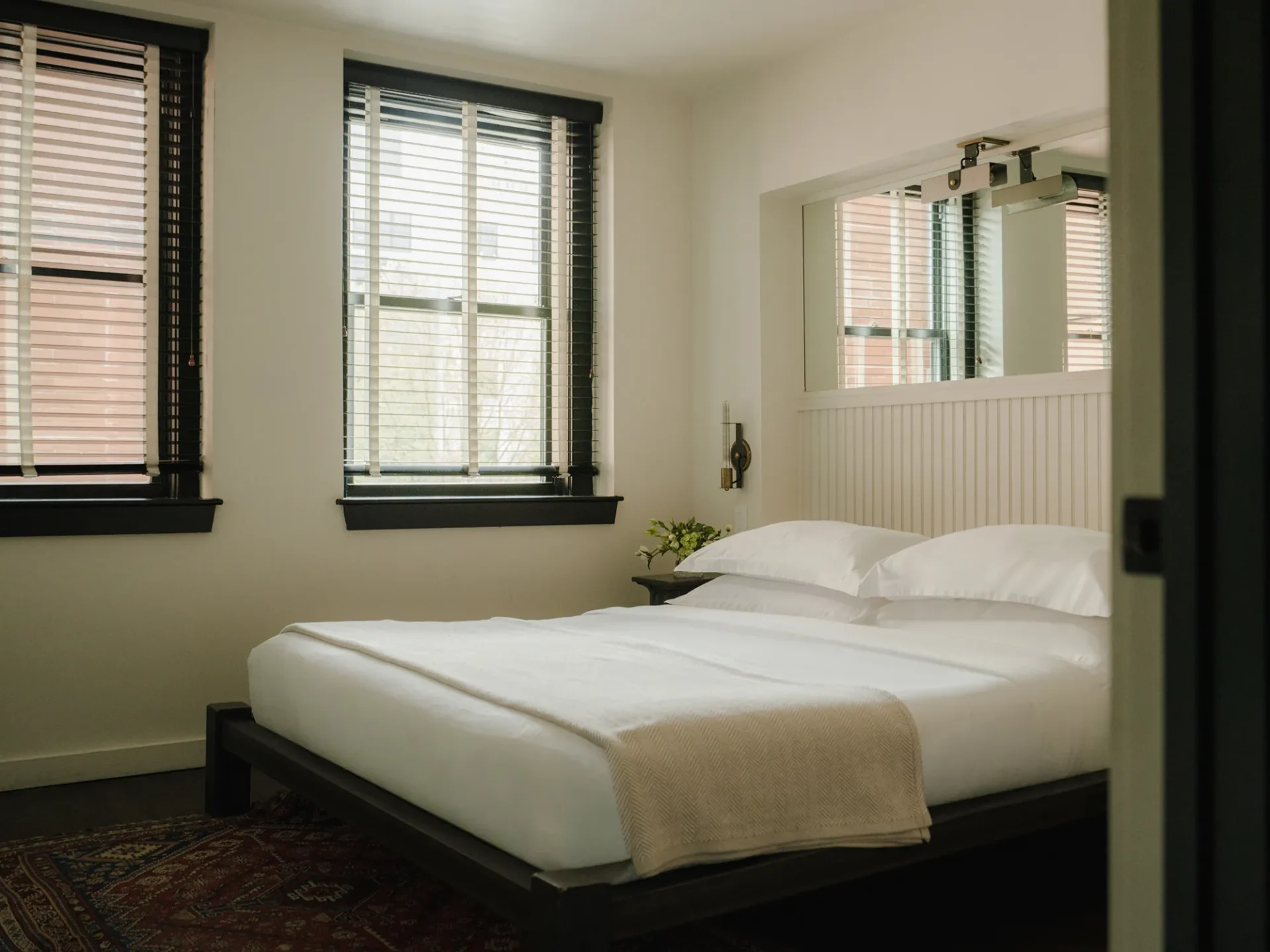
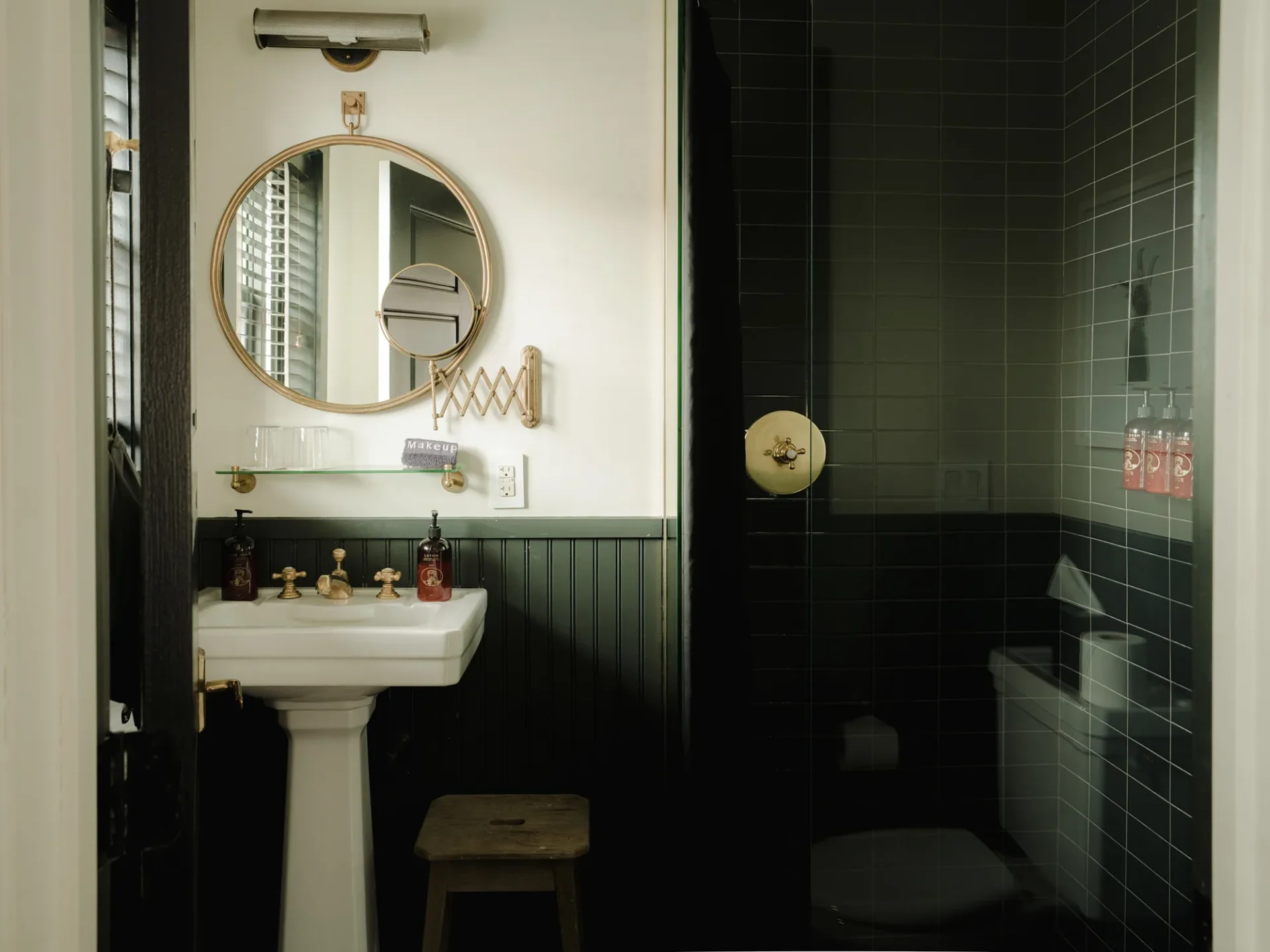
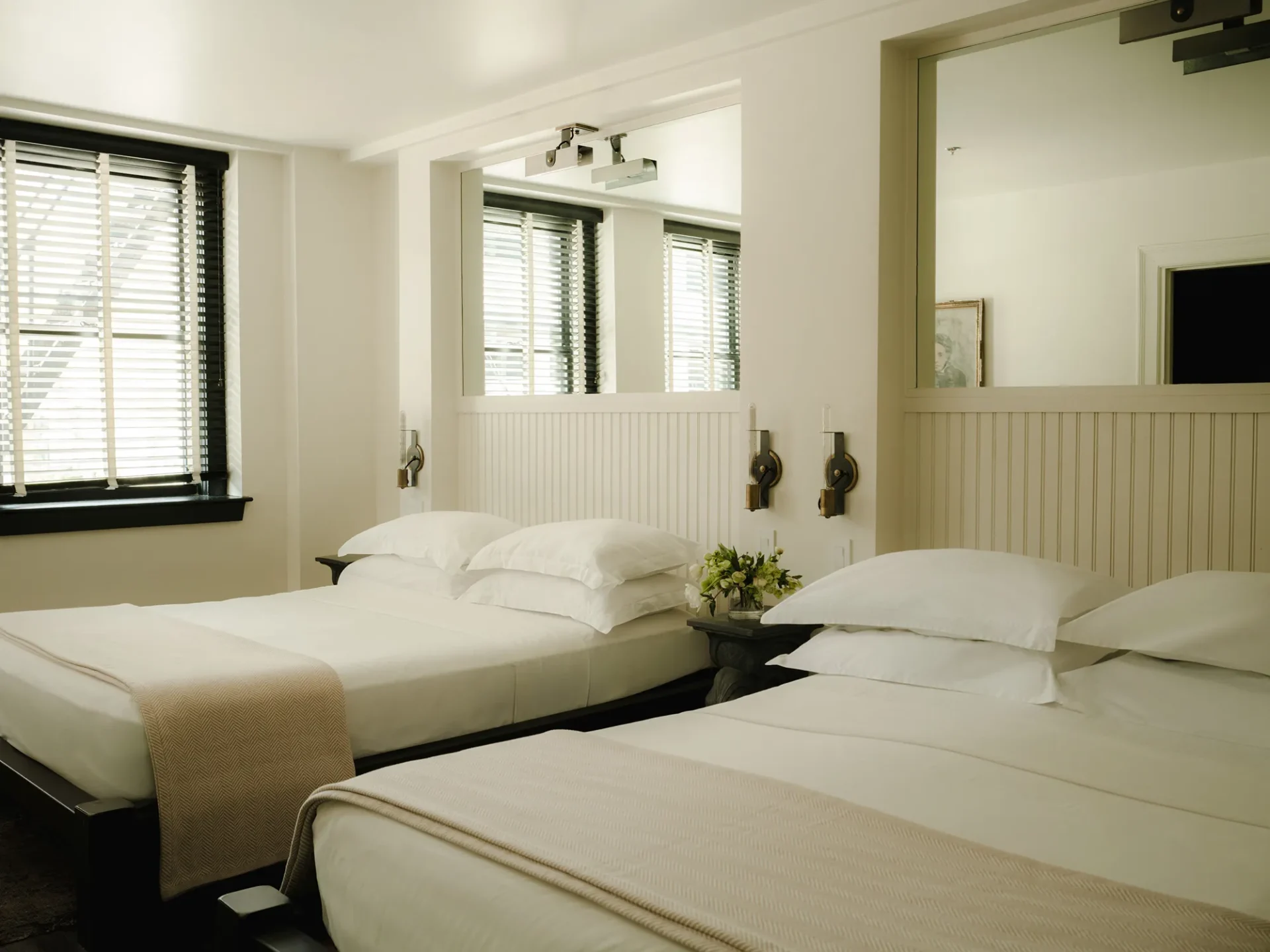
Neptune’s guestrooms favour character and intelligent use of space over unnecessary luxury. Crisp white beds, muted textiles, Matouk linens and black-and-white tiled bathrooms provide a restrained backdrop for antique furniture, bespoke pieces and locally produced artwork. Vintage-framed portraits sit alongside contemporary photography, reinforcing the hotel’s connection to Providence’s creative community. Some rooms are deliberately compact, while others feature custom-built bunk beds, an unusually practical solution for friends travelling together. Room categories have included names such as The Kin, The Classmates and The Gang, reflecting a refreshingly informal approach to accommodation. Good design, after all, doesn’t necessarily require enormous rooms.
A French Grandmother Comes to Providence
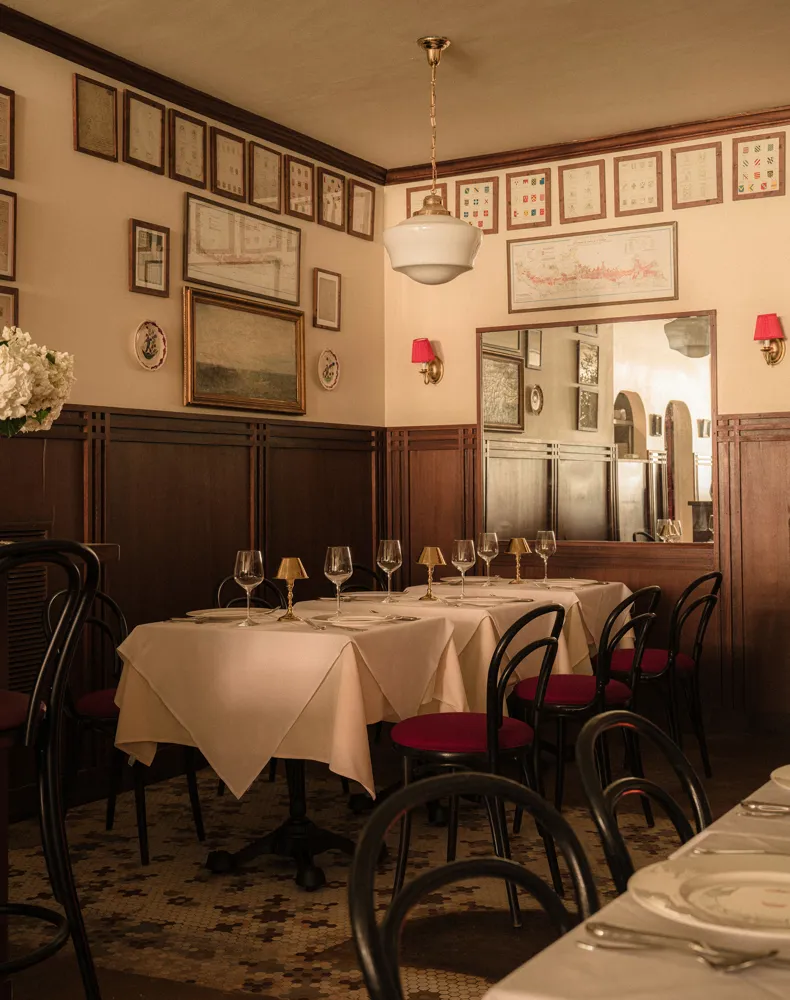
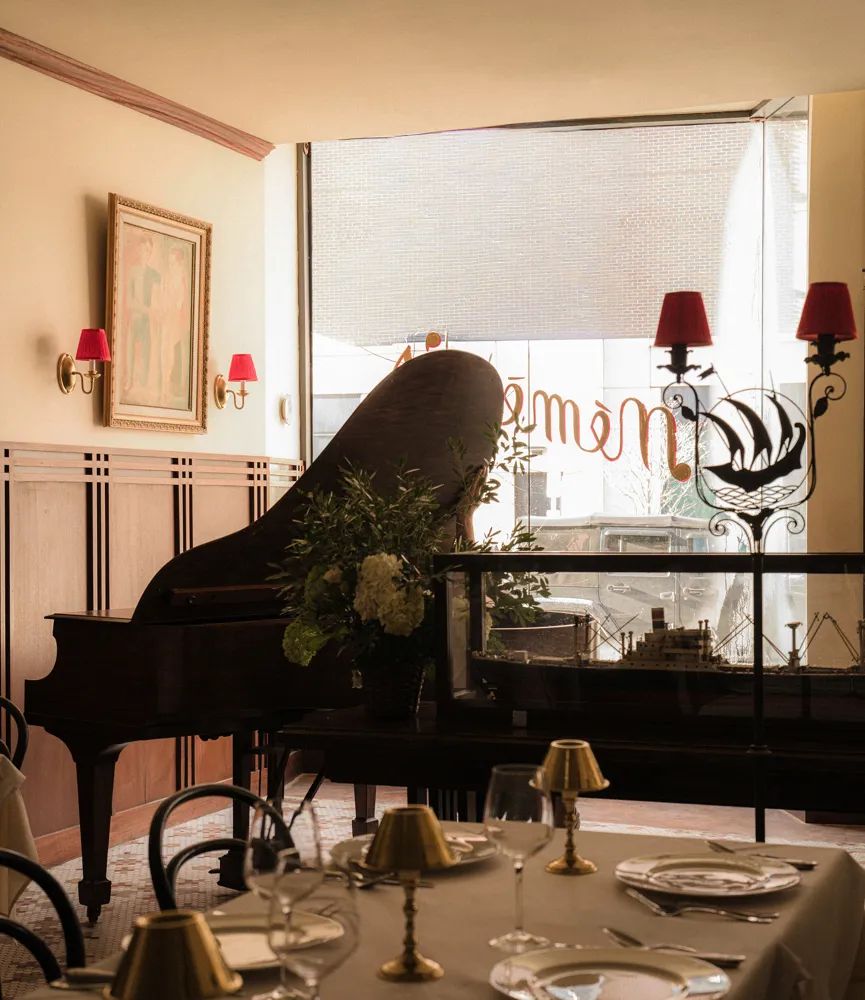
Food and drink have always played an important role here. During its years as The Dean, the hotel became known for independent concepts including North restaurant, the intimate Magdalenae Room and The Boombox karaoke lounge. Neptune’s new chapter introduces Mémère’s, a French-inspired bistro rooted in French-Canadian home cooking and New England’s seasonal ingredients. Named after an affectionate French term for grandmother, the restaurant celebrates the generosity of traditional family kitchens rather than the formality of grand French dining. It is a fitting addition to Providence, a city whose immigrant communities have helped create one of New England’s most interesting food scenes.
Downcity, Not Downtown
Neptune occupies a central position in Downcity, Providence’s historic commercial district, where grand early-twentieth-century buildings, former department stores and theatres coexist with galleries, independent restaurants and contemporary cultural spaces. The Rhode Island School of Design Museum, Providence Performing Arts Center and historic College Hill are all within easy reach.
The railway station also connects Providence with Boston and New York, making the city an appealing stop on an East Coast itinerary. And unlike its larger neighbours, Providence still offers the pleasure of discovering somewhere that hasn’t been entirely overwhelmed by its own popularity.
An Independent Hotel That Knows Where It Came From
Neptune’s appeal lies in its refusal to become too polished. The building is old, the rooms are sometimes small, and the design relies on character rather than spectacle. Its history is complicated, its interiors deliberately eclectic, and its identity remains closely tied to Providence’s industrial and creative heritage. The transition from The Dean to Neptune marks another chapter in the life of a property that has already undergone several remarkable transformations. Providence has reinvented itself more than once. So has this hotel.
Information
At a glance
Architecture
Opened / Renovated
2014, renovated 2025 (previously The Dean Hotel)
Size matters
52 rooms & suites (16-32m2) (175-350 sq ft)
Interior design
Ash, Xavier Donnelly
Bathroom Amenities
custom
Featured in
Don't take our word for it
Handpicked worldwide
A carefully curated collection of exceptional boutique and design hotels across the globe.
Design with soul
Architecture, atmosphere and craftsmanship come together in stays with a clear identity.
Hidden, not hyped
Independent boutique hotels you rarely find on mainstream booking platforms.
Travel guidance
Personal recommendations and thoughtful support from people who actually know the places.