


From Farmhouse to Gourmet Hotel
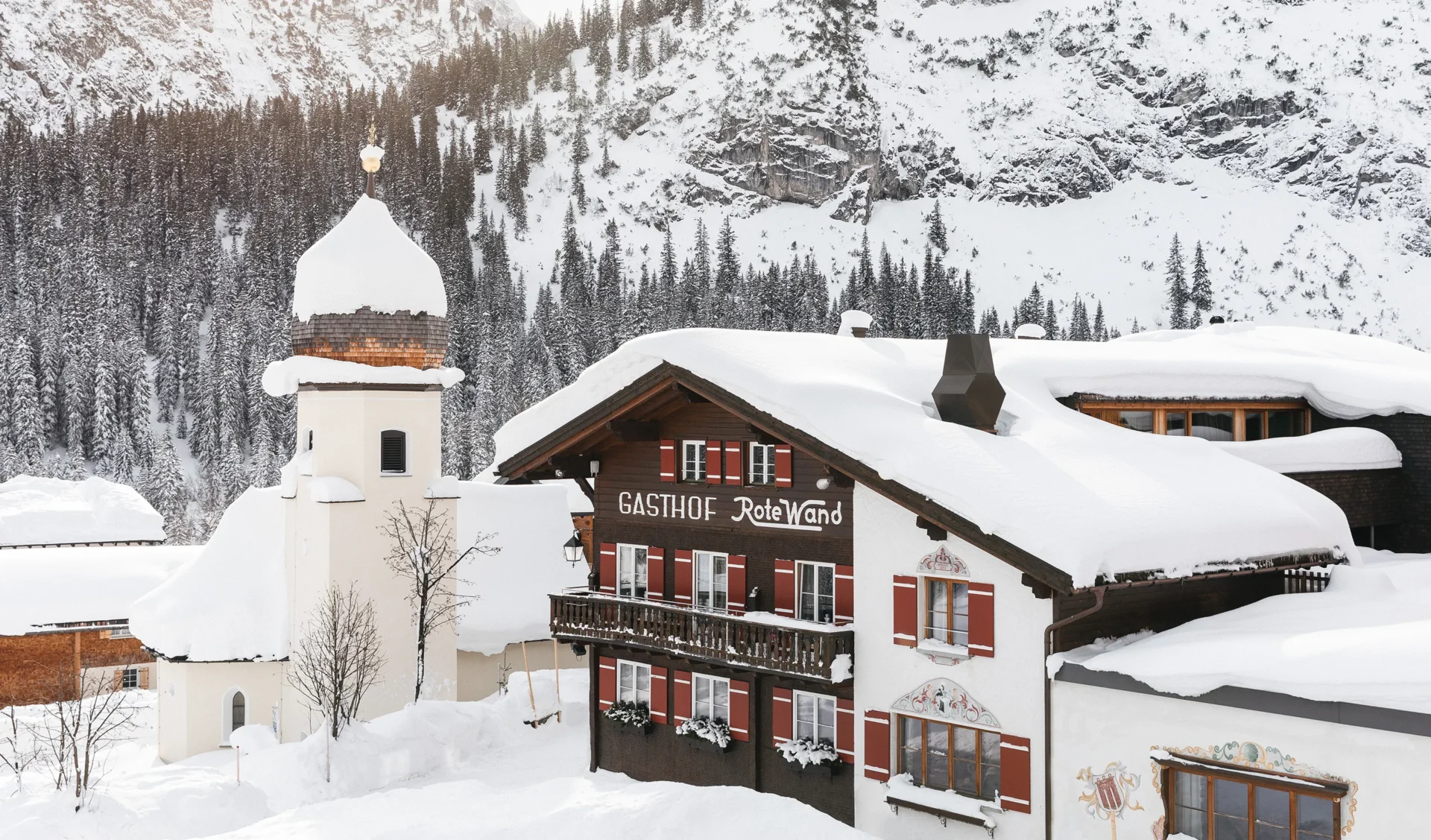
Rote Wand Gourmet Hotel brings contemporary Vorarlberg design to a historic Alpine inn in Zug near Lech am Arlberg, where five interconnected houses and a former schoolhouse combine traditional mountain architecture with pale sycamore, ash and spruce, locally crafted furniture and understated natural textiles, complemented by elegant guestrooms, a 1,500-square-metre spa with indoor and outdoor pools, and an exceptional culinary programme centred on Julian Stieger’s two-Michelin-starred Chef’s Table in the historic schoolhouse.

Why DNA Hotels loves it
A family-run Alpine inn with roots in the 17th century, transformed into a contemporary mountain hotel while retaining the architectural character and hospitality traditions of the Arlberg.
Five interconnected houses and a historic schoolhouse, with interiors celebrating local craftsmanship, pale Alpine timber and a restrained, distinctly Austrian design language.
An exceptional culinary reputation, led by Julian Stieger's two-Michelin-starred Chef's Table, alongside traditional Alpine cooking, a legendary fondue and an extensive mountain spa.
The Stay
Alpine Traditions, Contemporary Austrian Design, and Two Michelin Stars
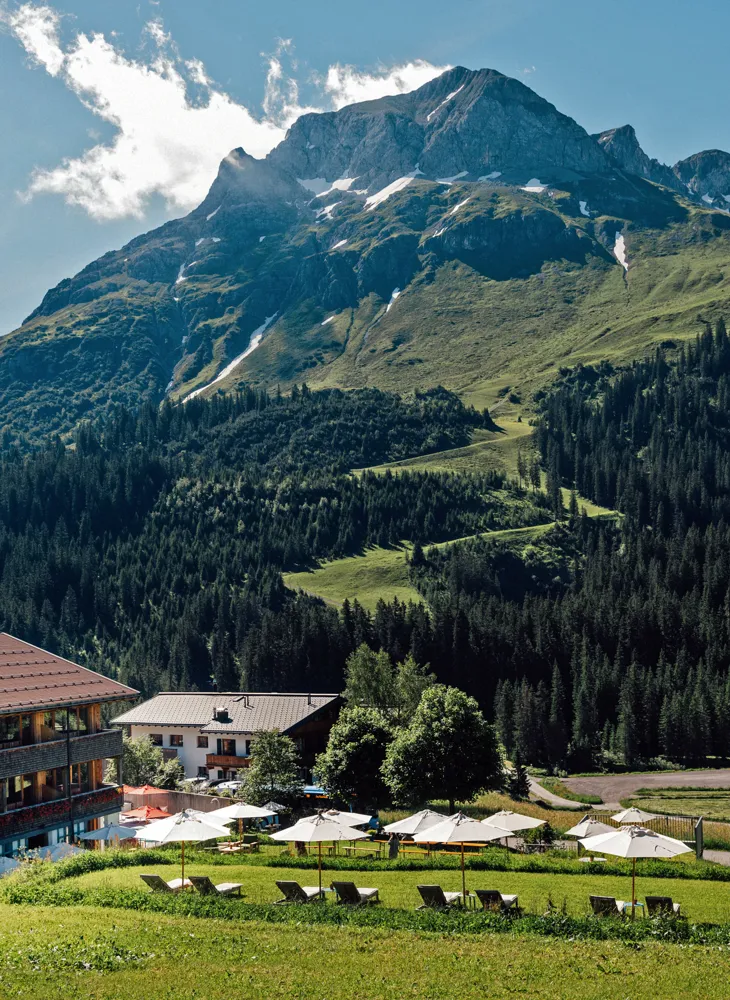
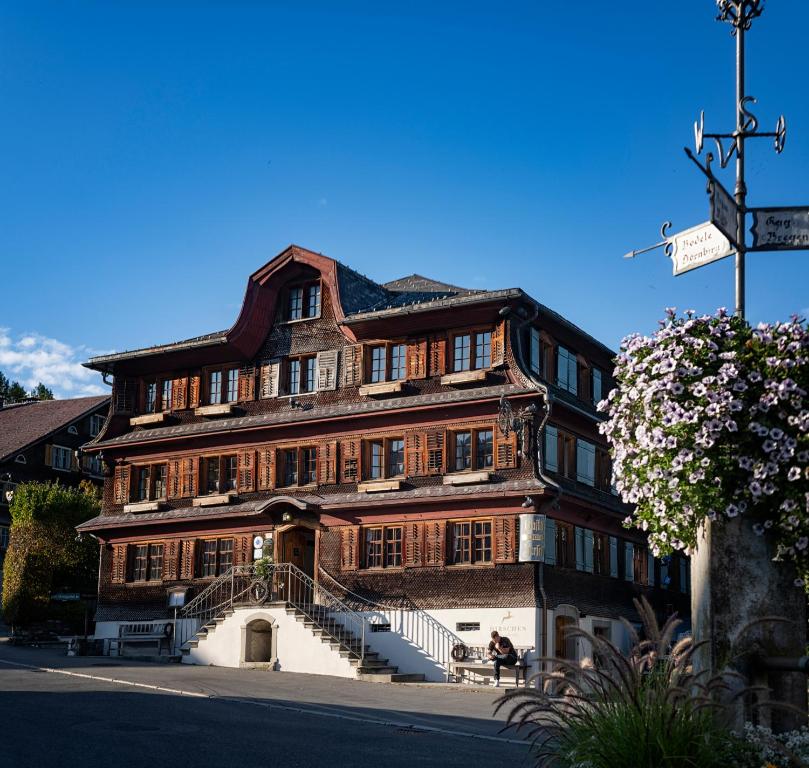
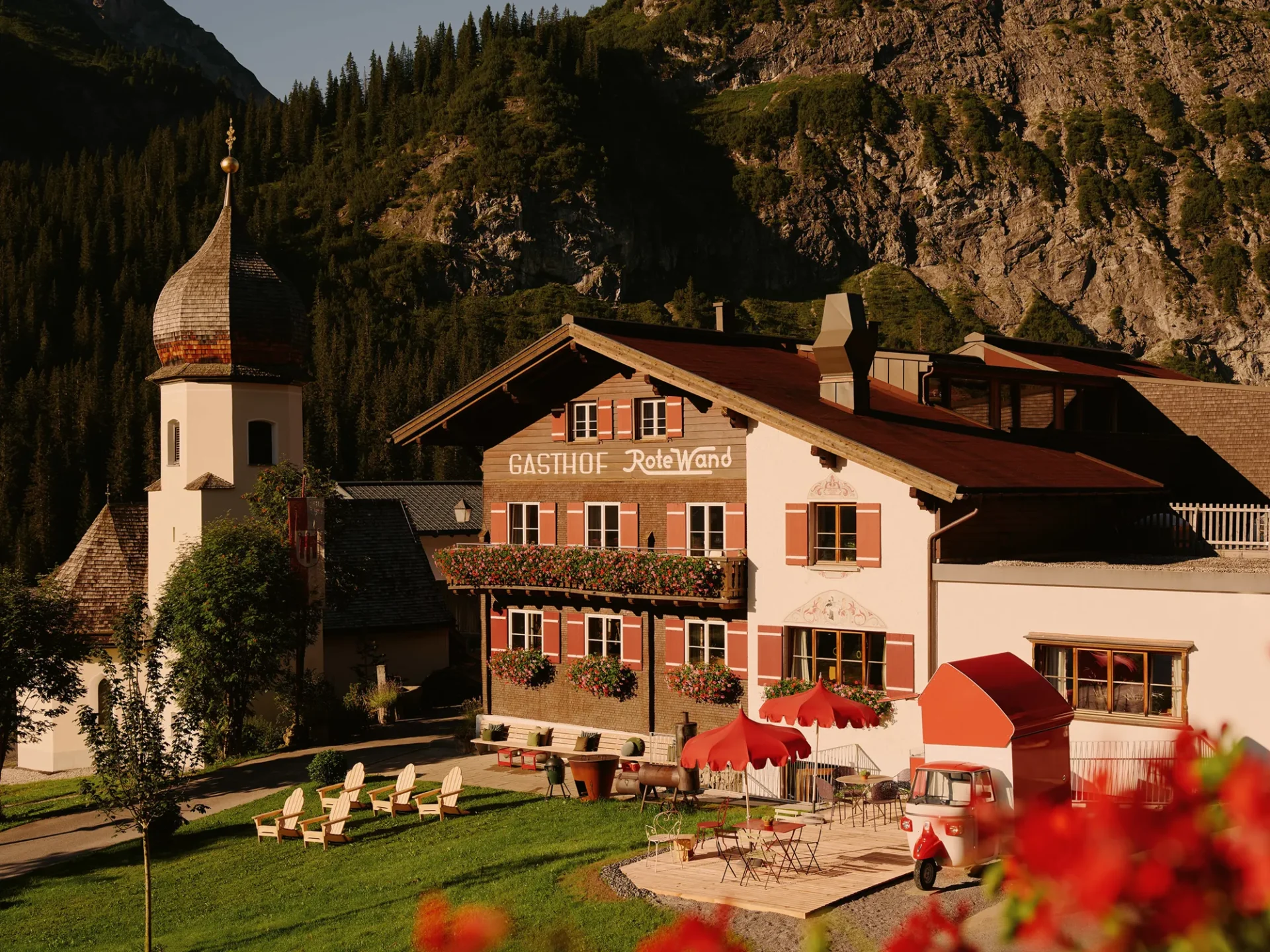
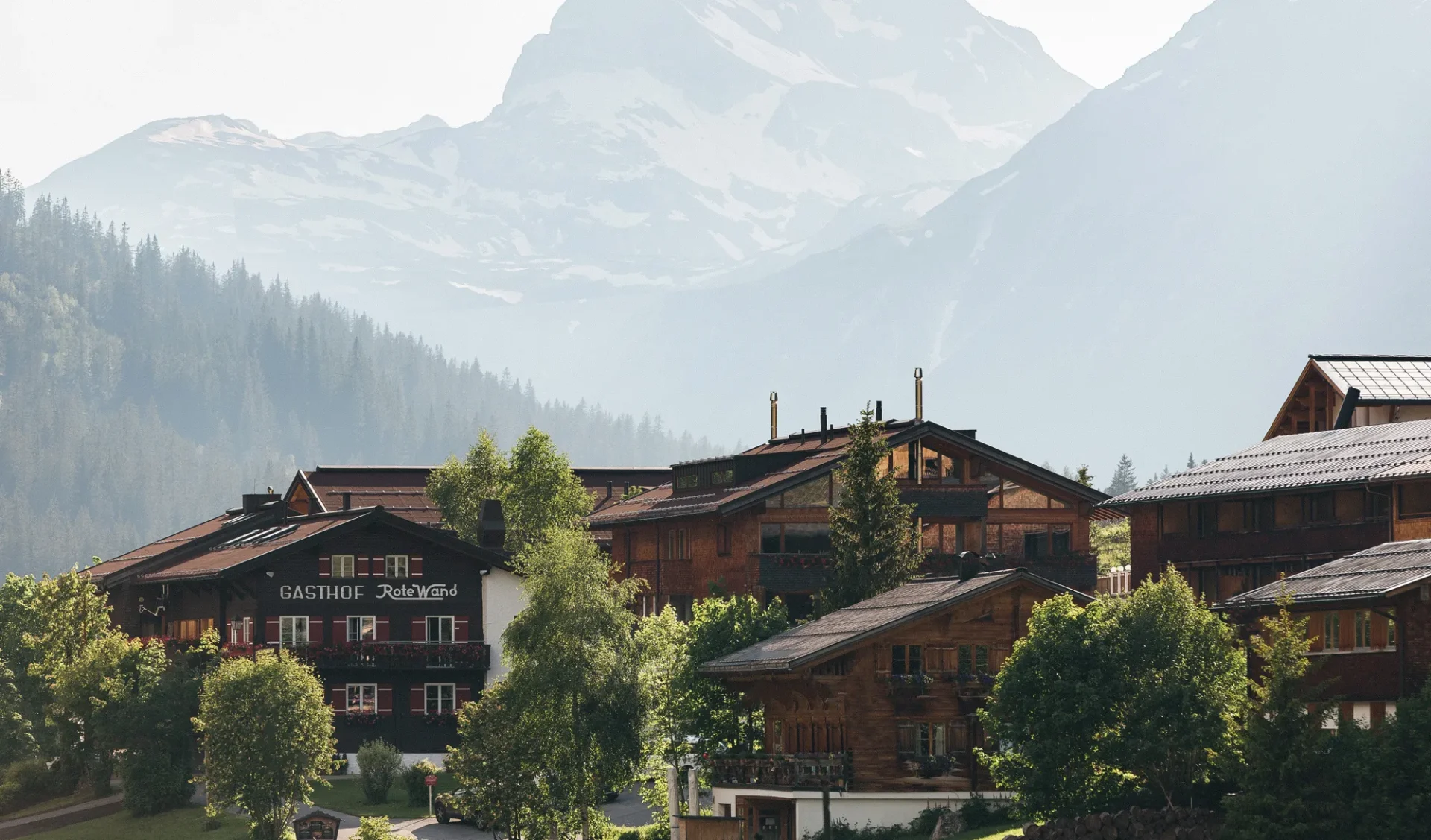
In the small Alpine village of Zug, just outside Lech am Arlberg, Rote Wand Gourmet Hotel has evolved from a modest farmhouse into one of Austria’s most interesting mountain hotels. The building’s history reaches back to the mid-17th century, although its transformation into a hospitality destination began in the 1950s, when the Walch family opened a café and guesthouse. Burgi Walch became known for her apple strudel and Kaiserschmarrn, while her husband Josef, a ski instructor, brought guests from Lech by horse-drawn sleigh for fondue evenings that occasionally ended with dancing in the cellar. Today, under the direction of their son Joschi Walch, the hotel has grown into a collection of contemporary Alpine buildings with a substantial spa and an ambitious culinary programme. Despite the changes, food and the family’s approach to hospitality remain central to its identity.
A Contemporary Interpretation of Alpine Architecture
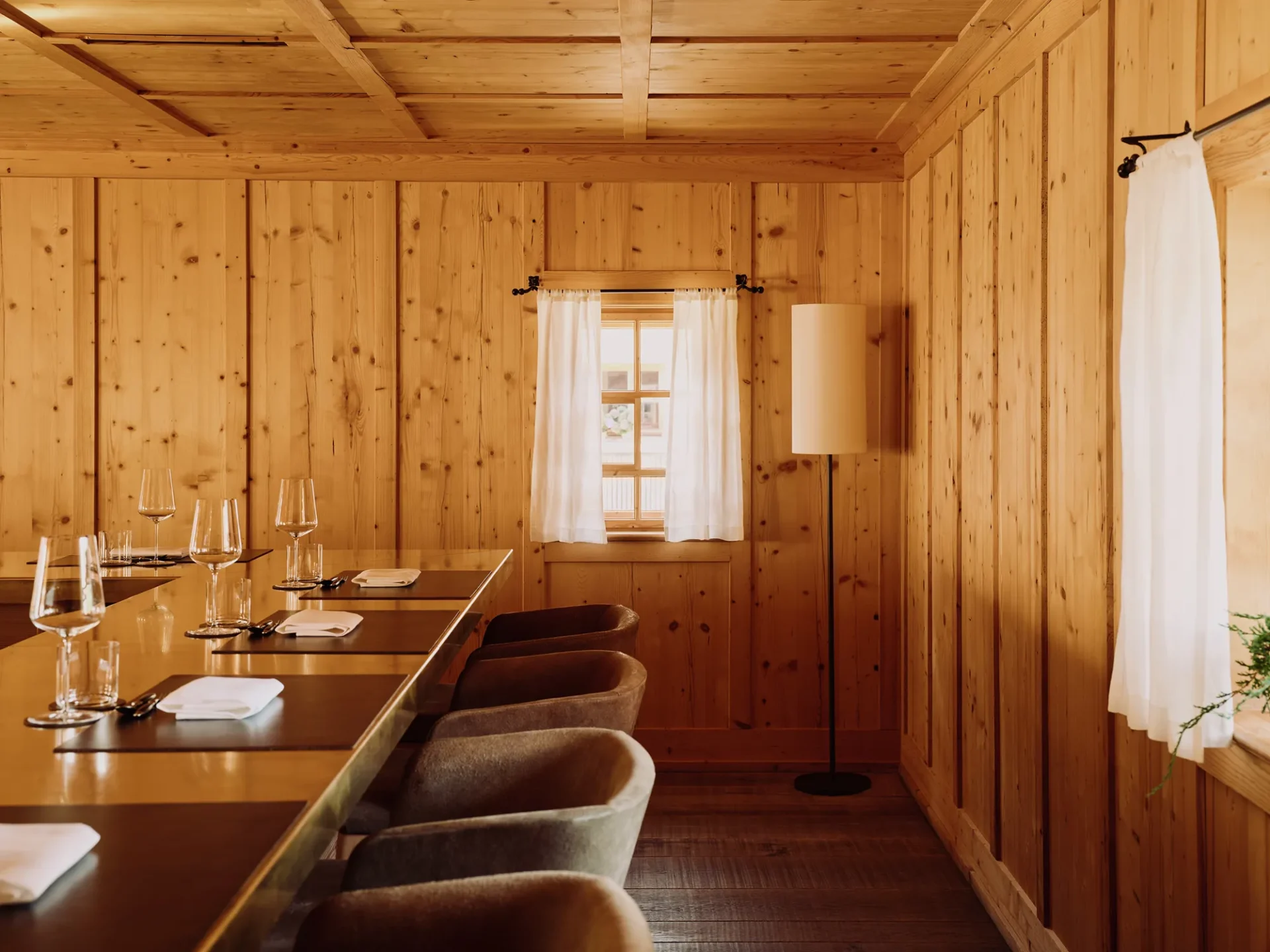
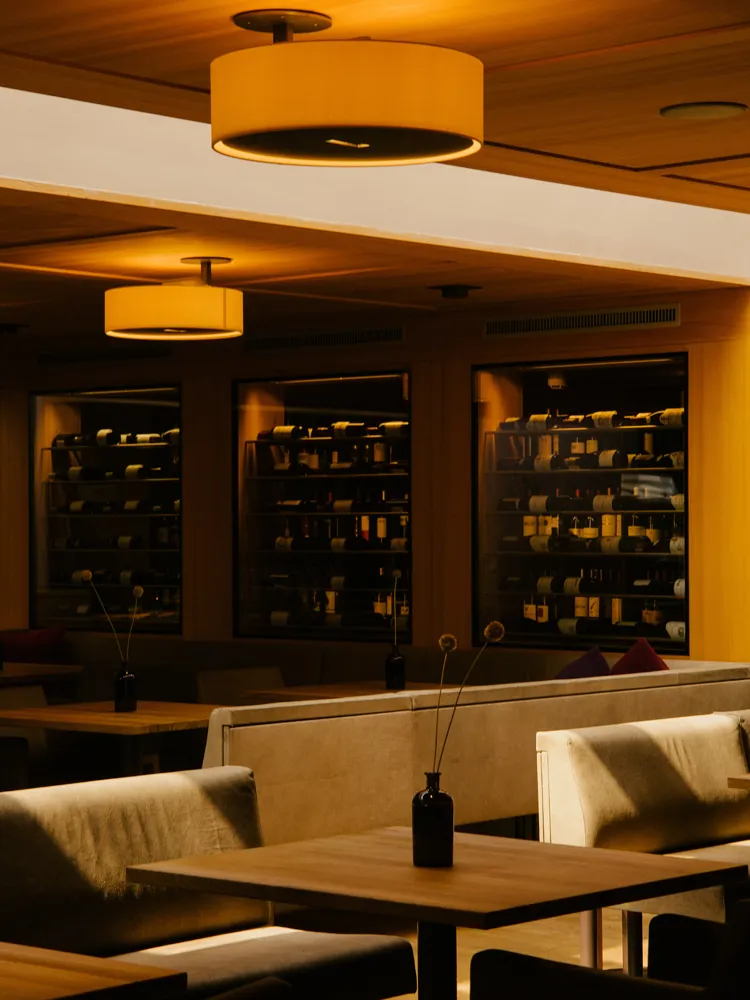
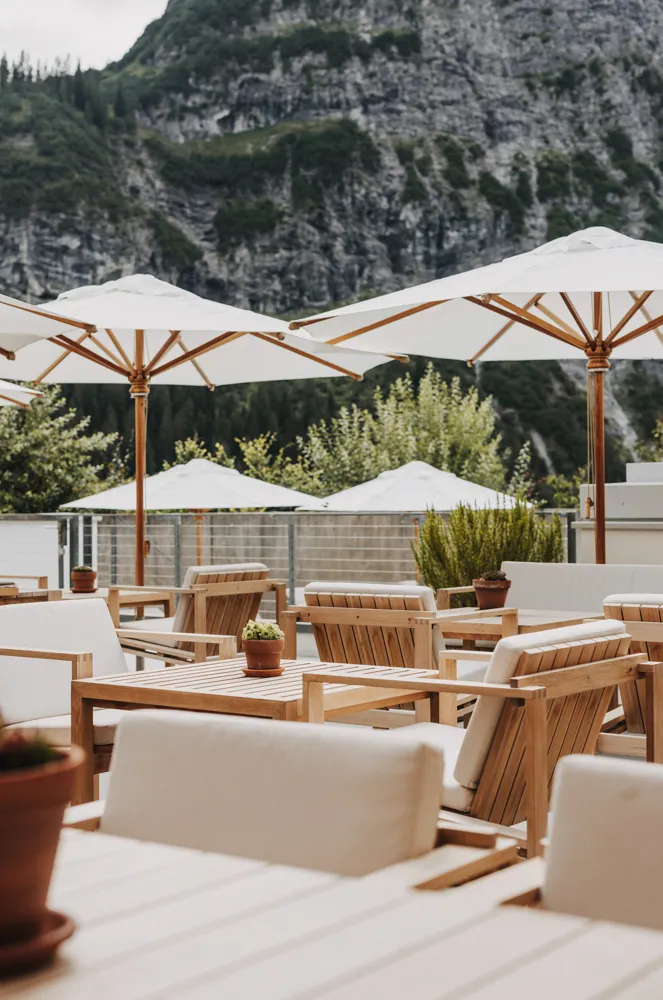
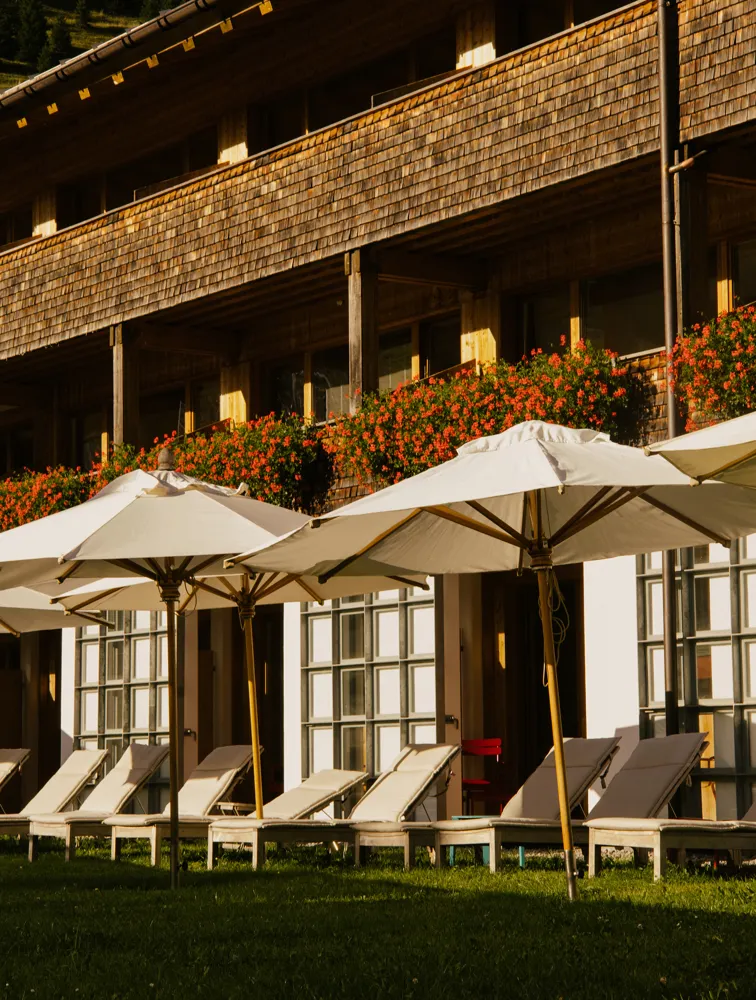
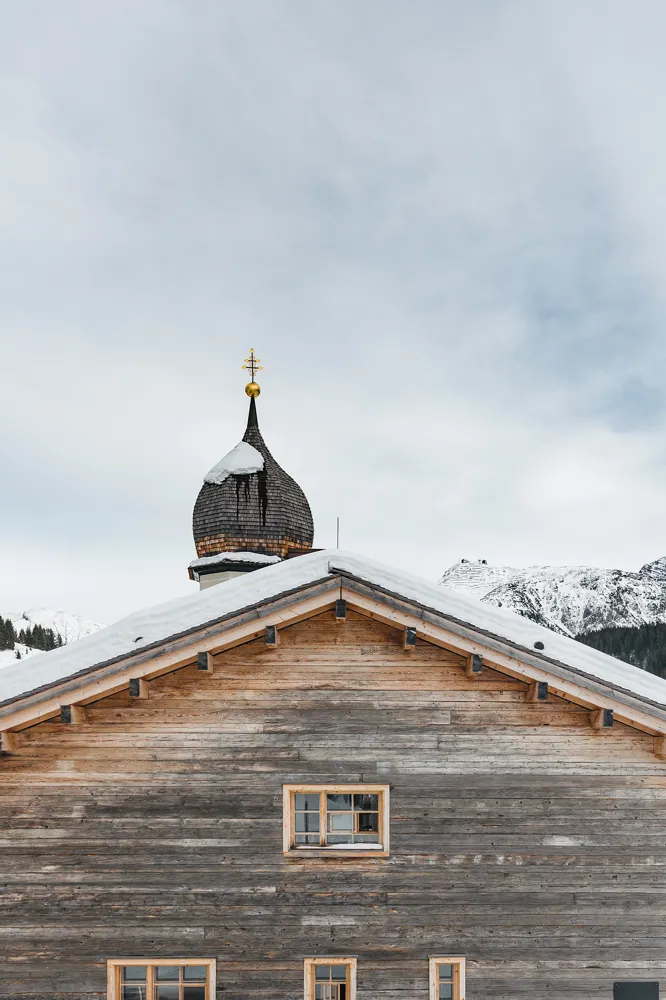
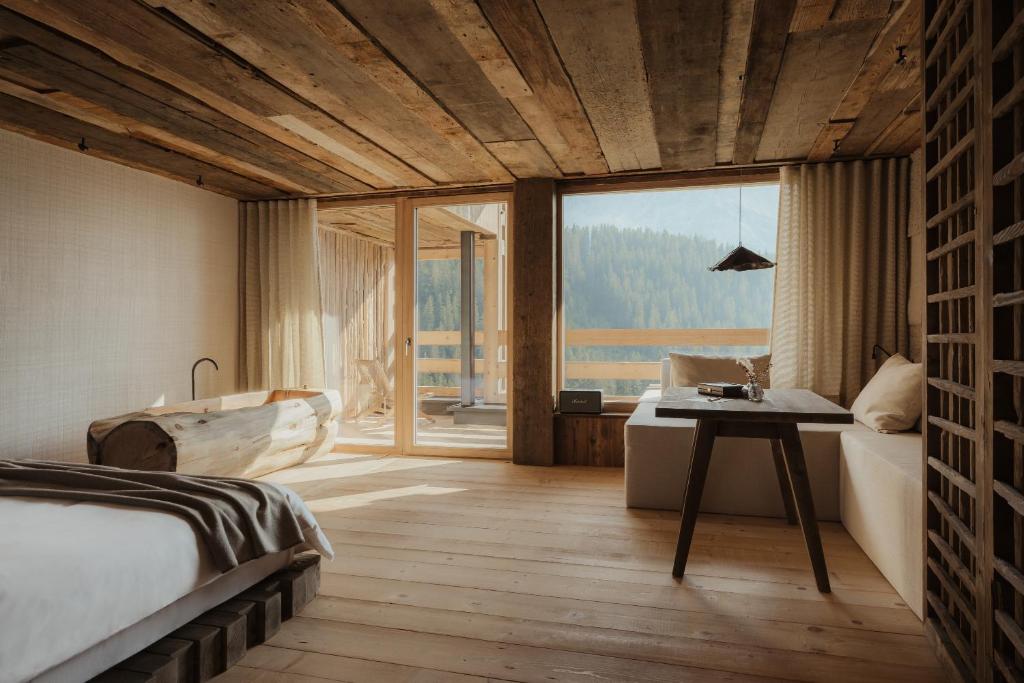
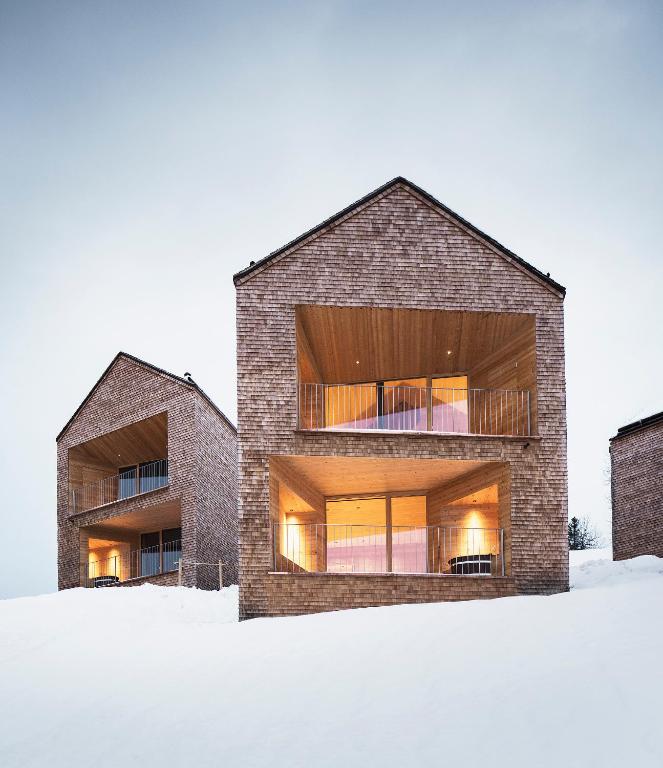
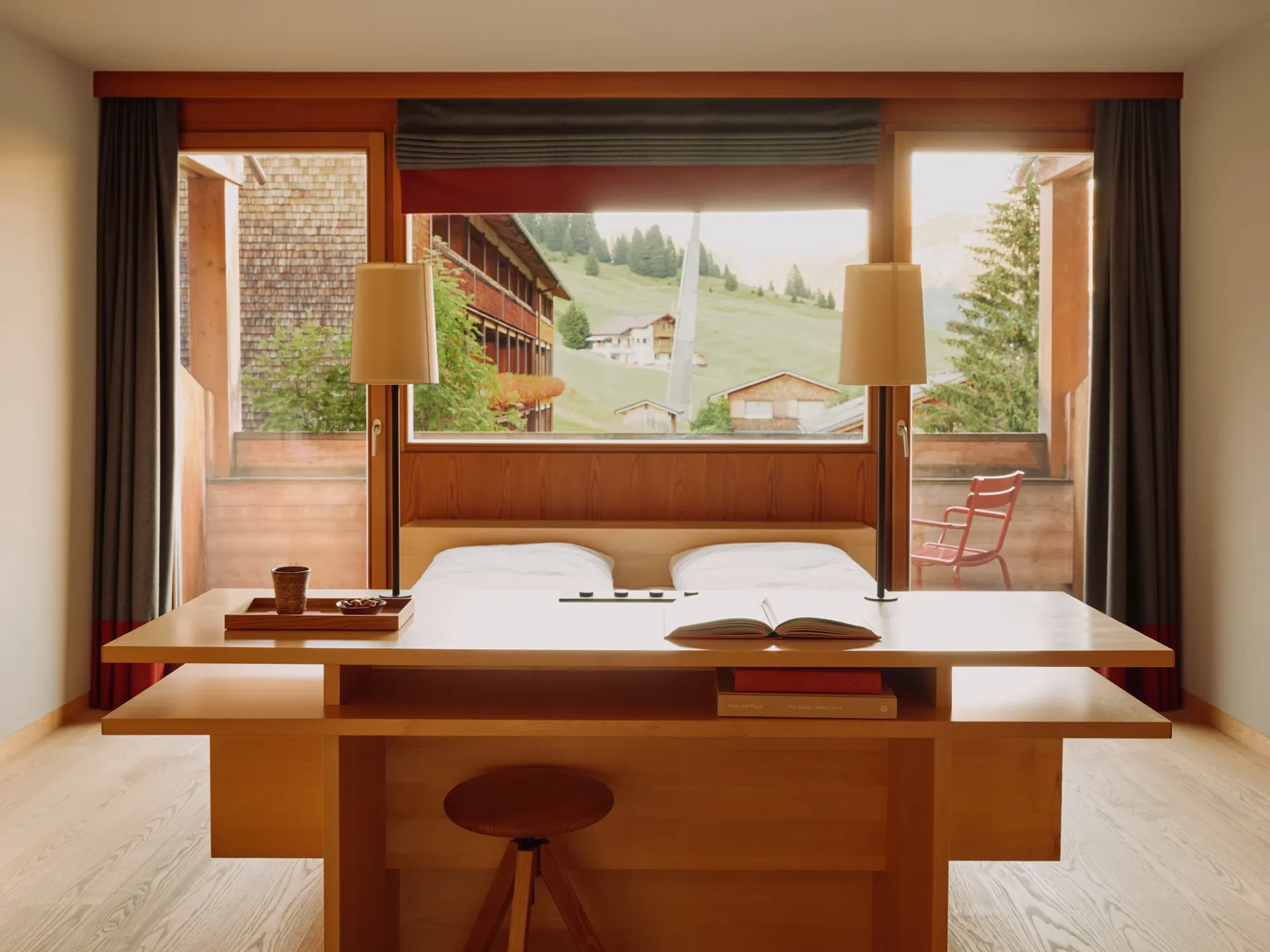
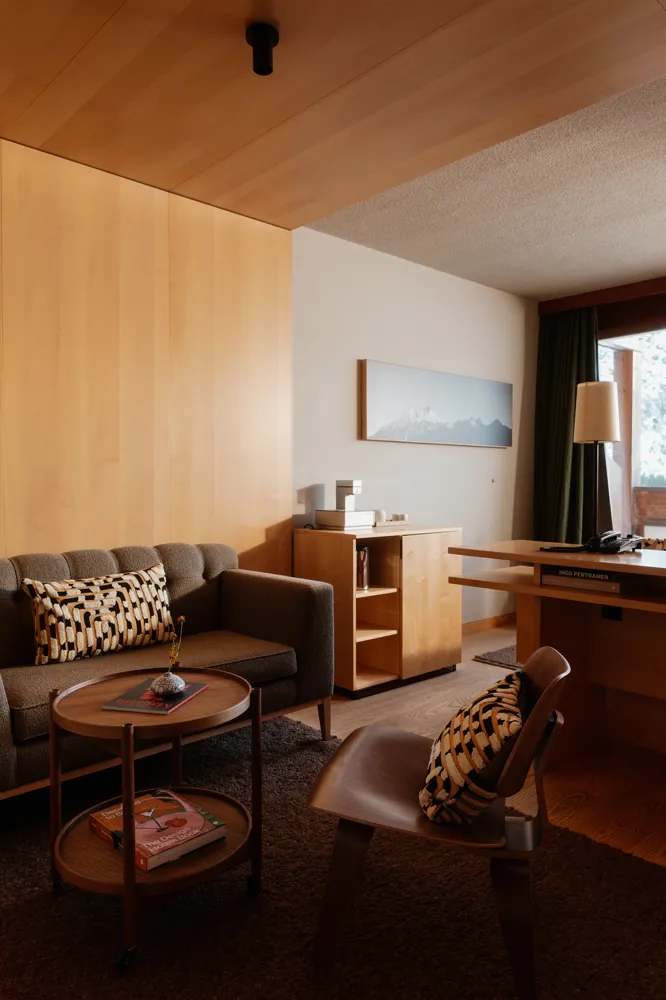
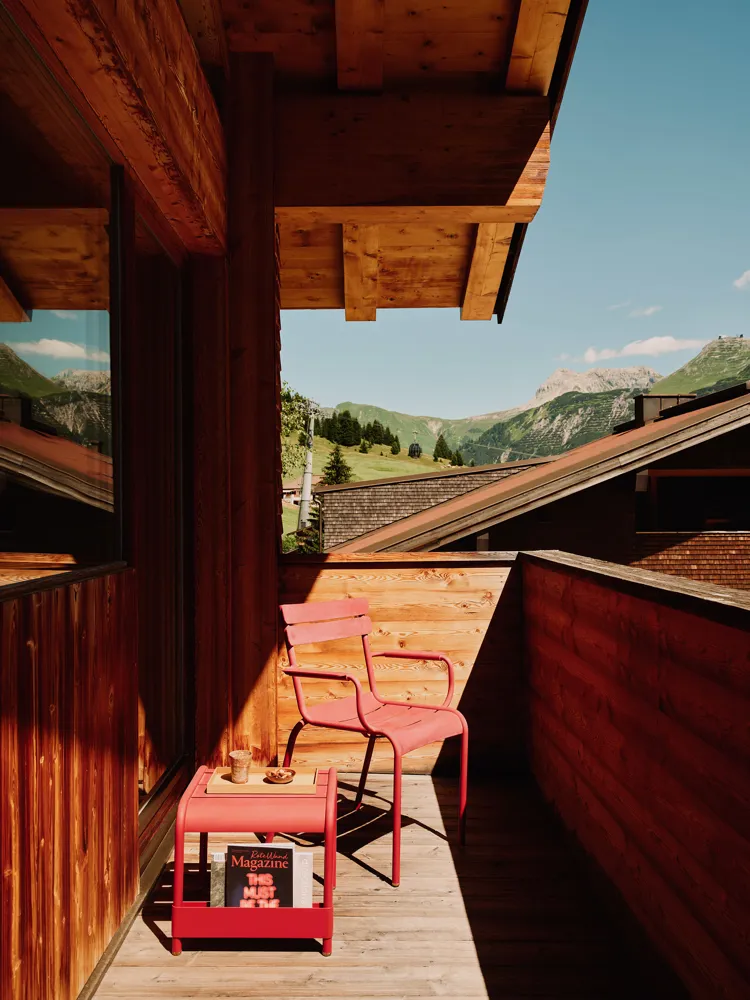
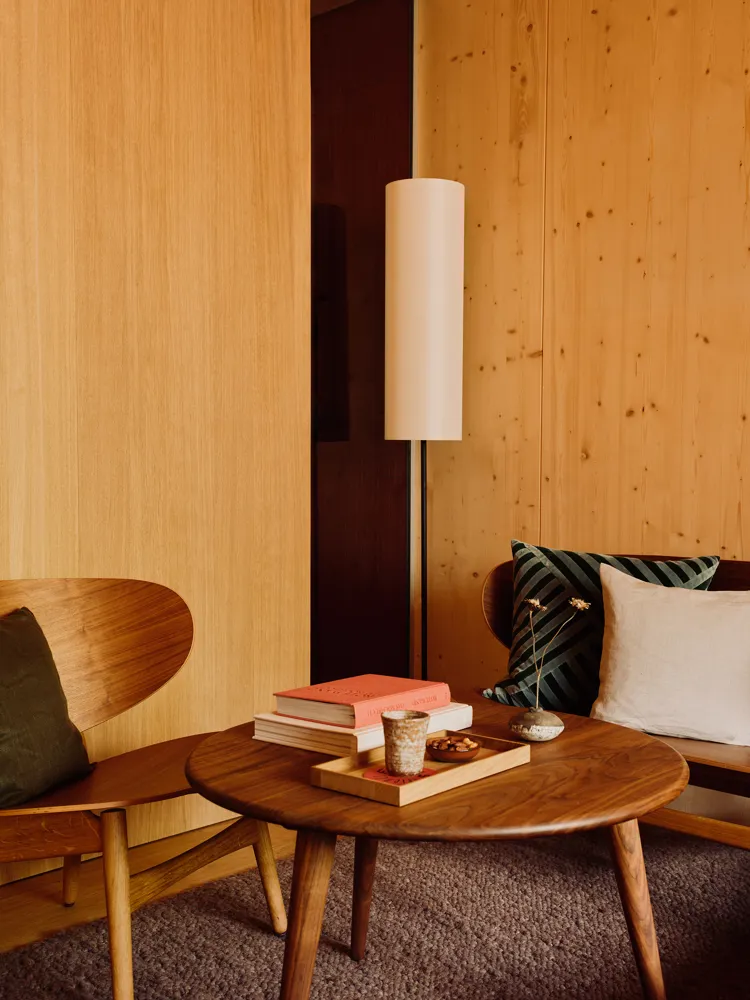
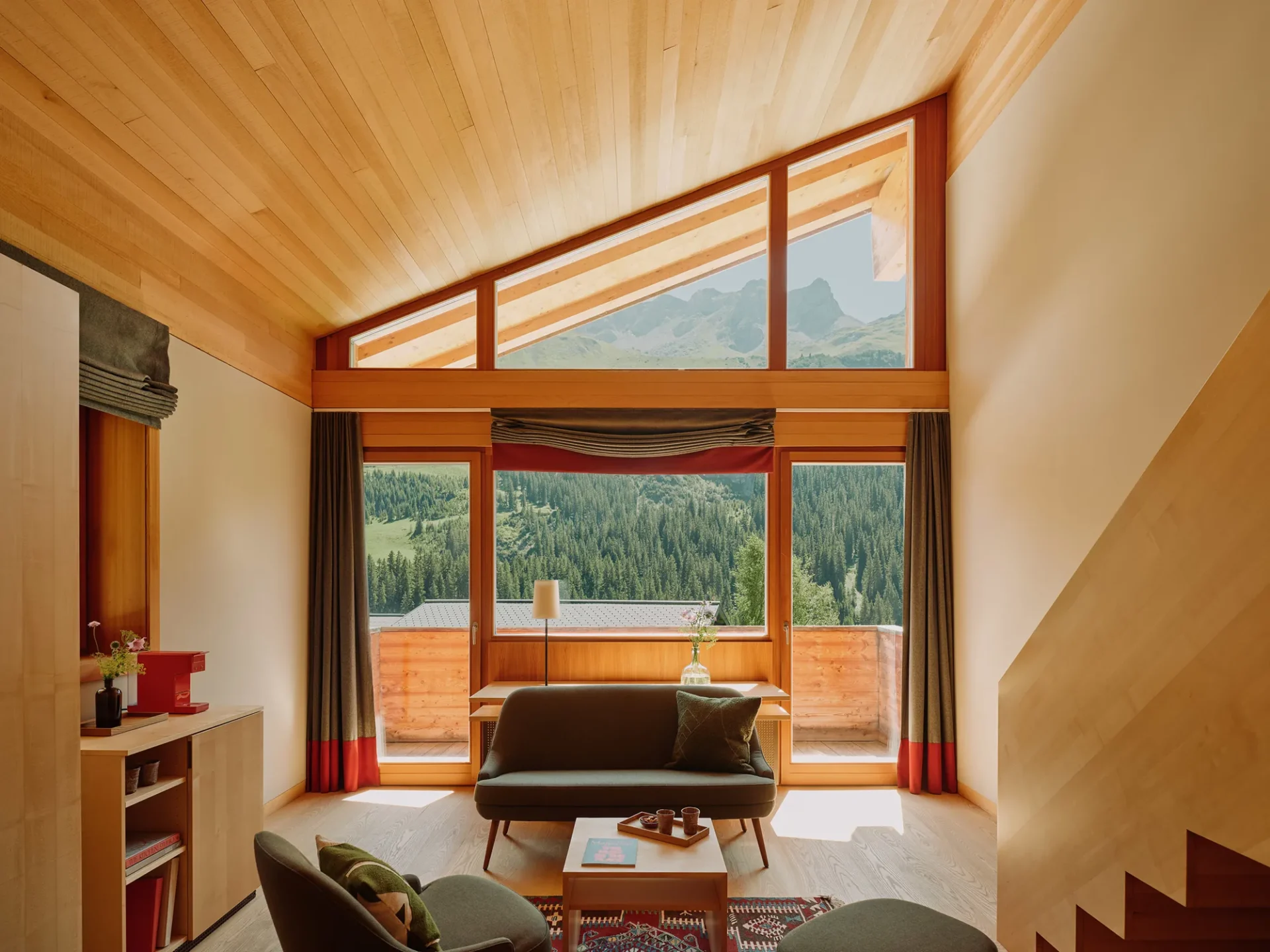
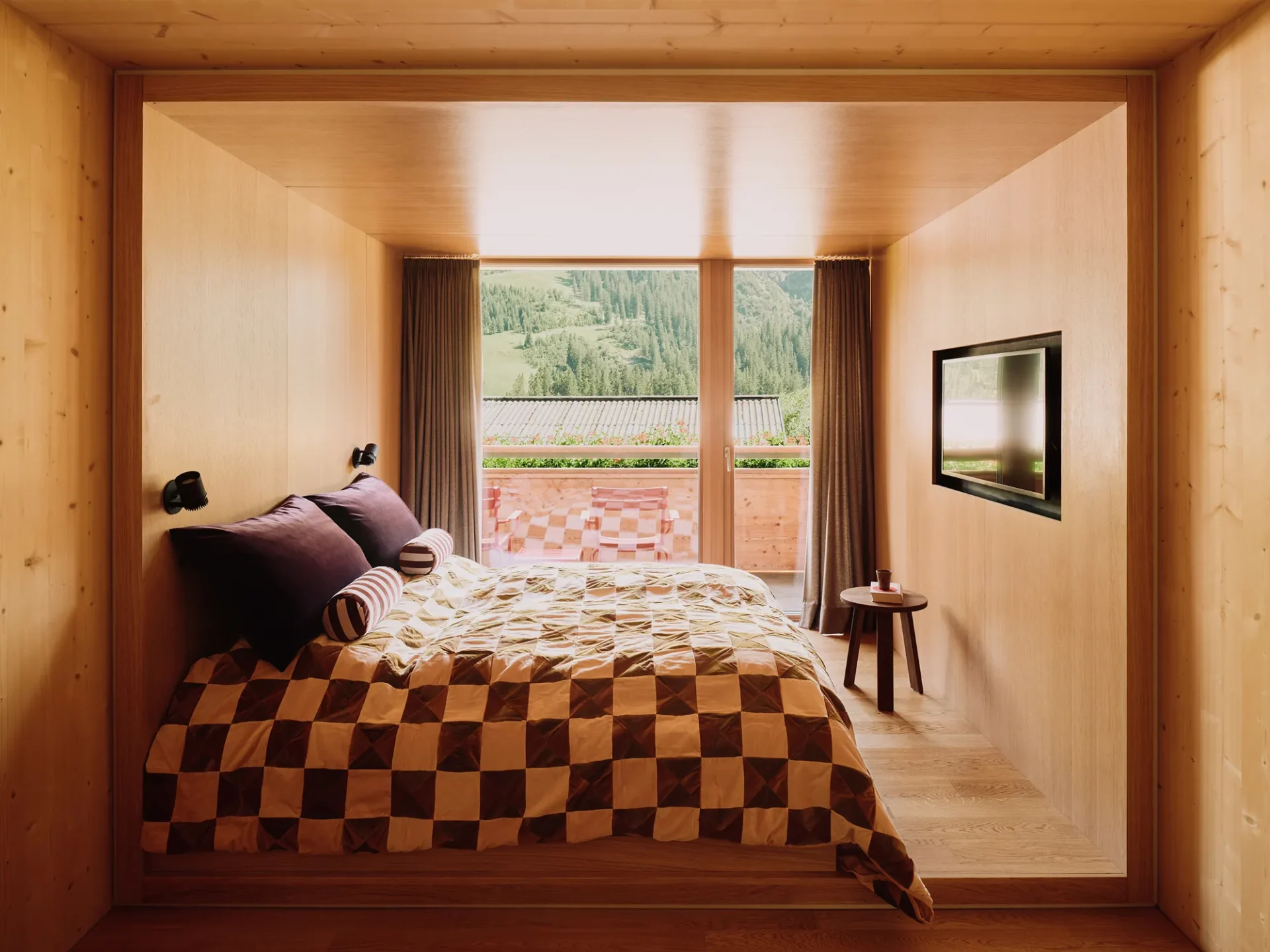
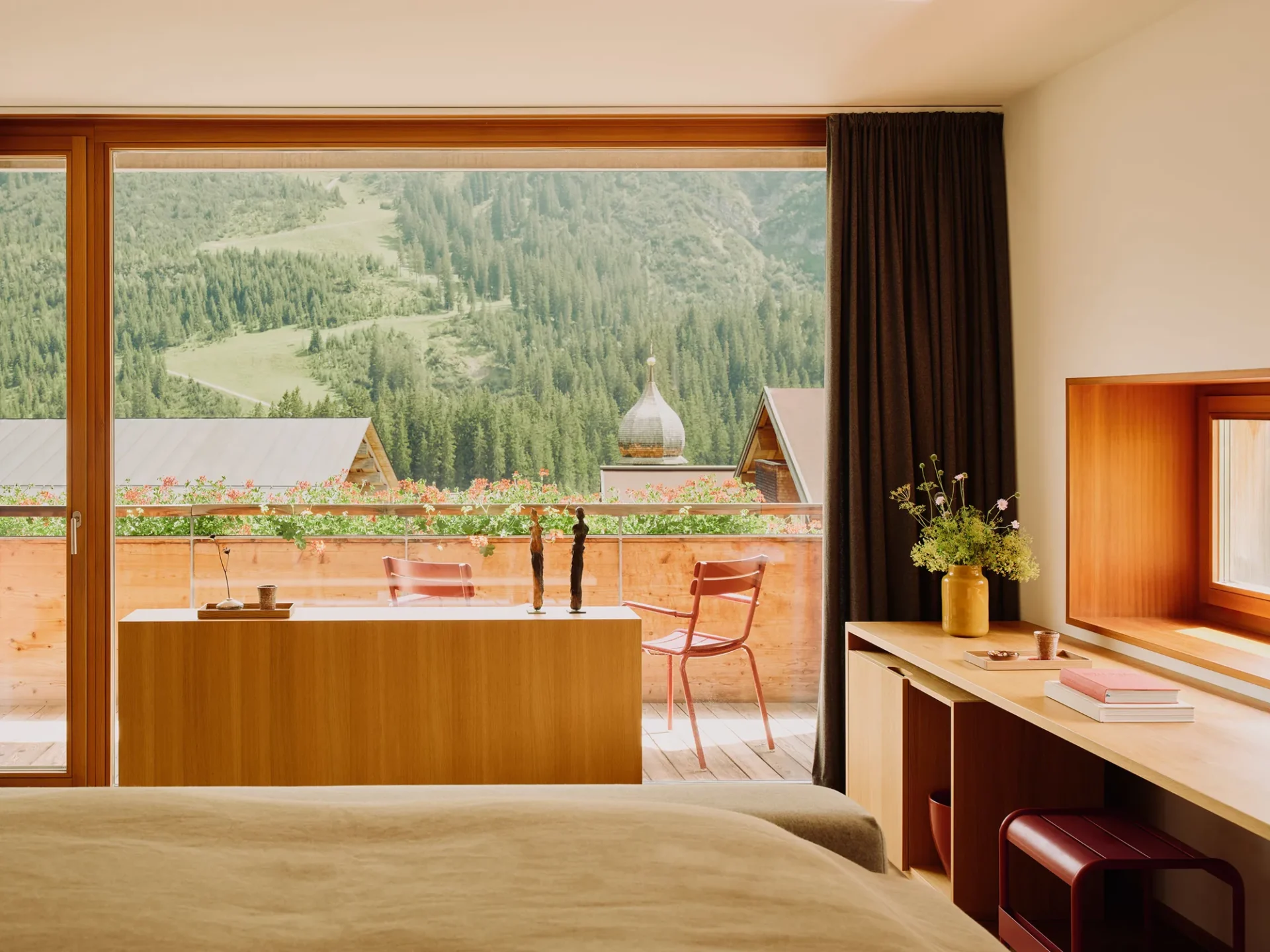
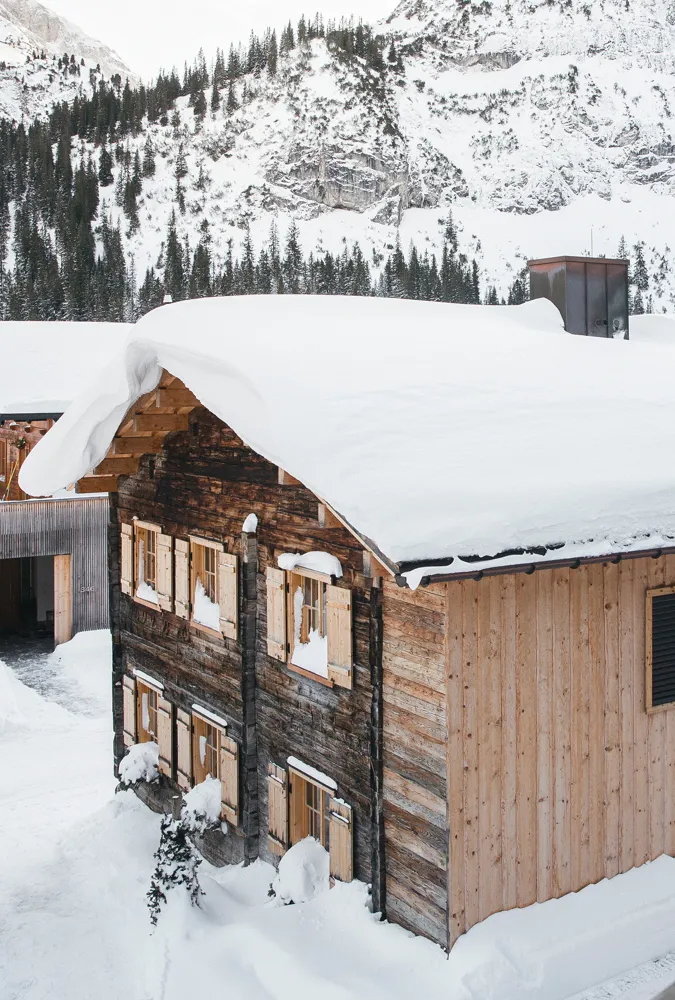
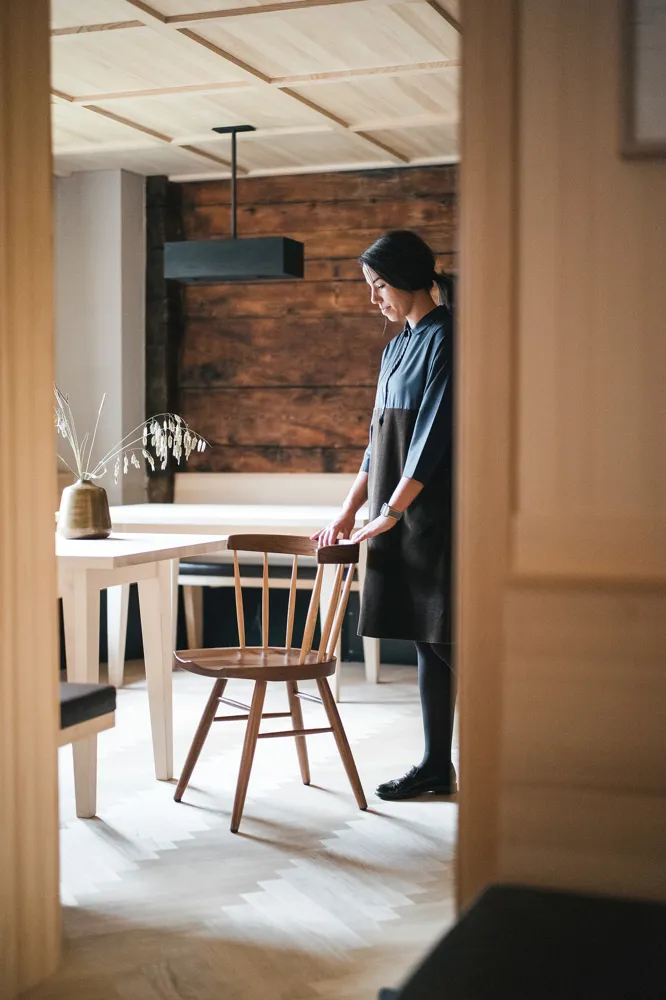
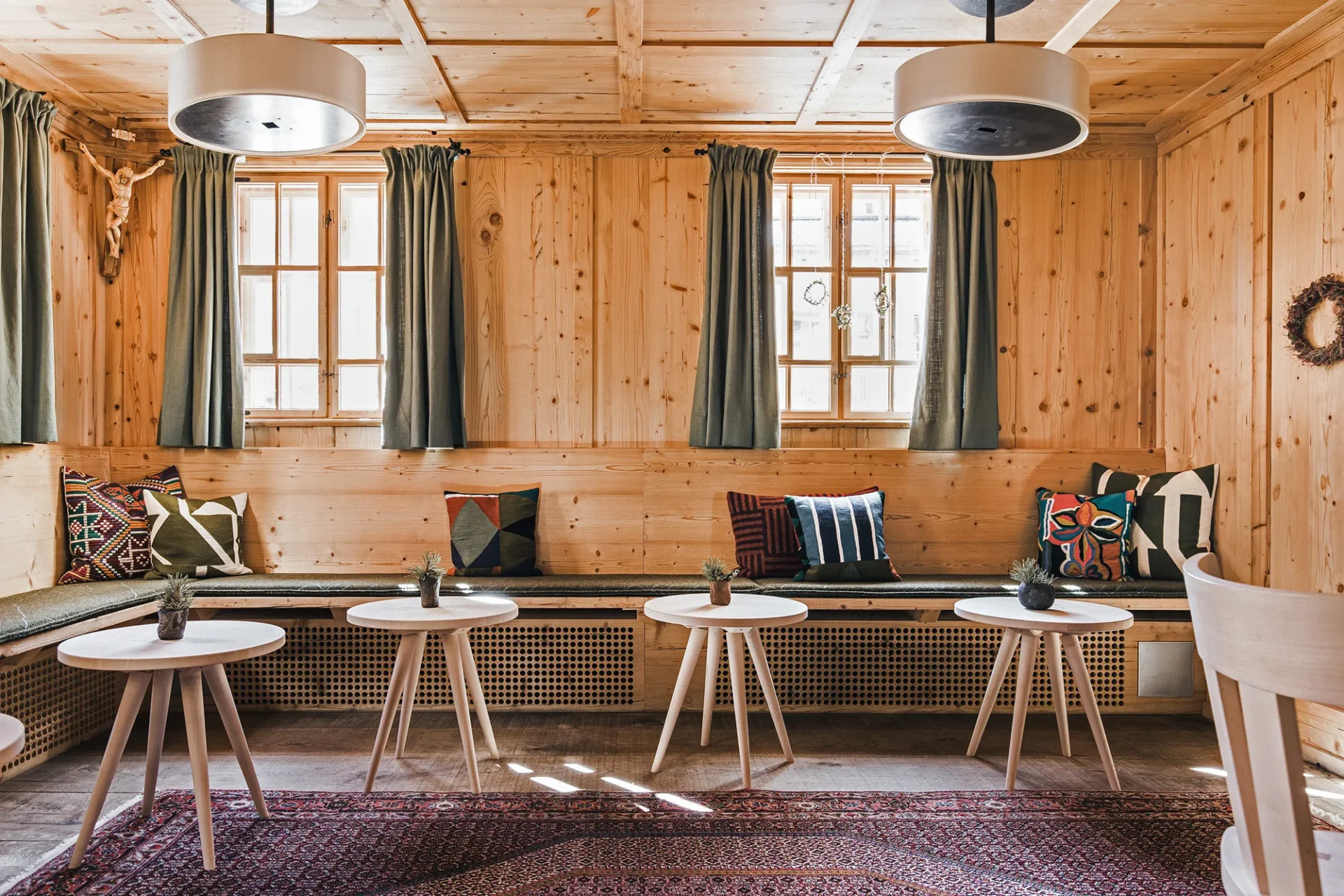
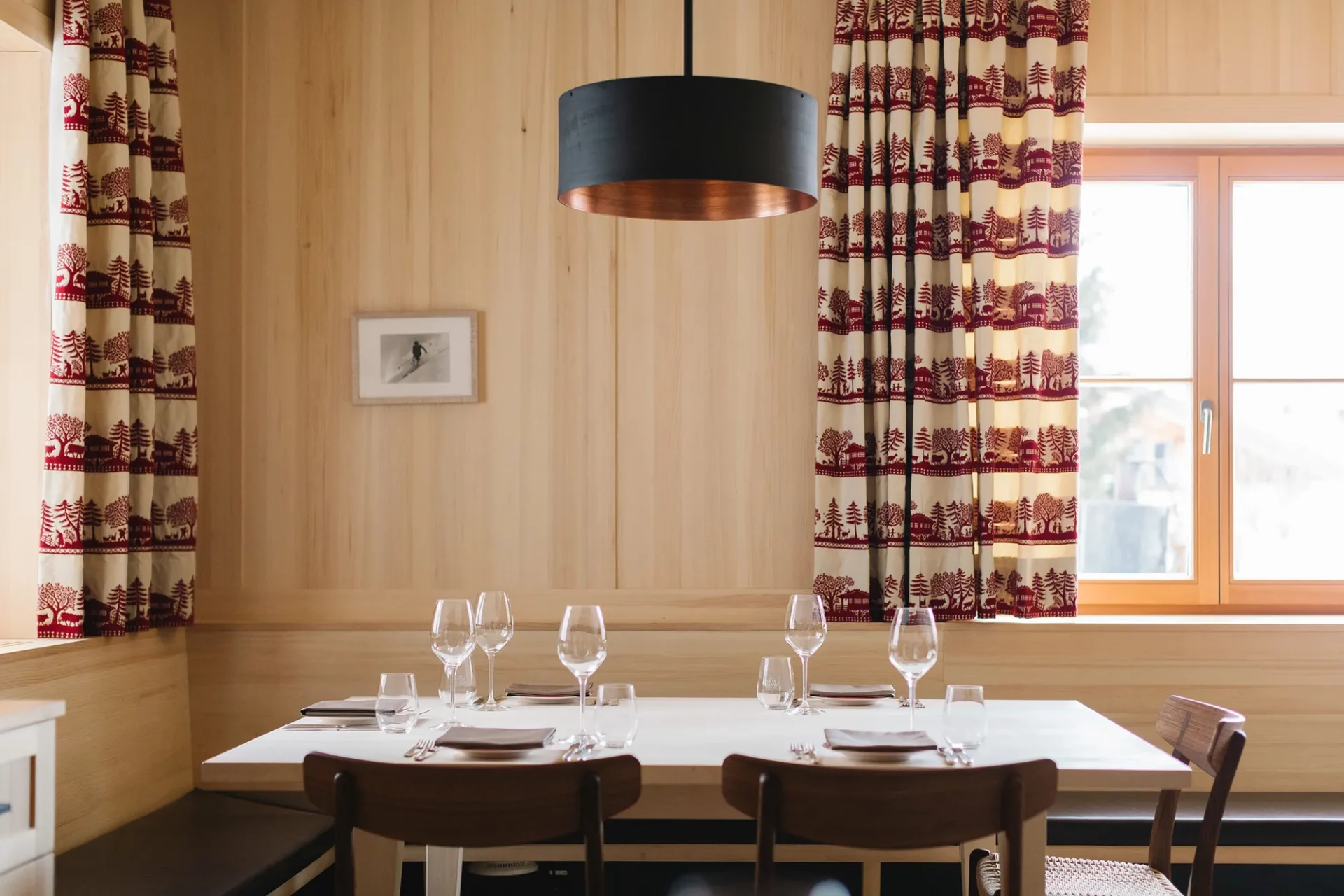
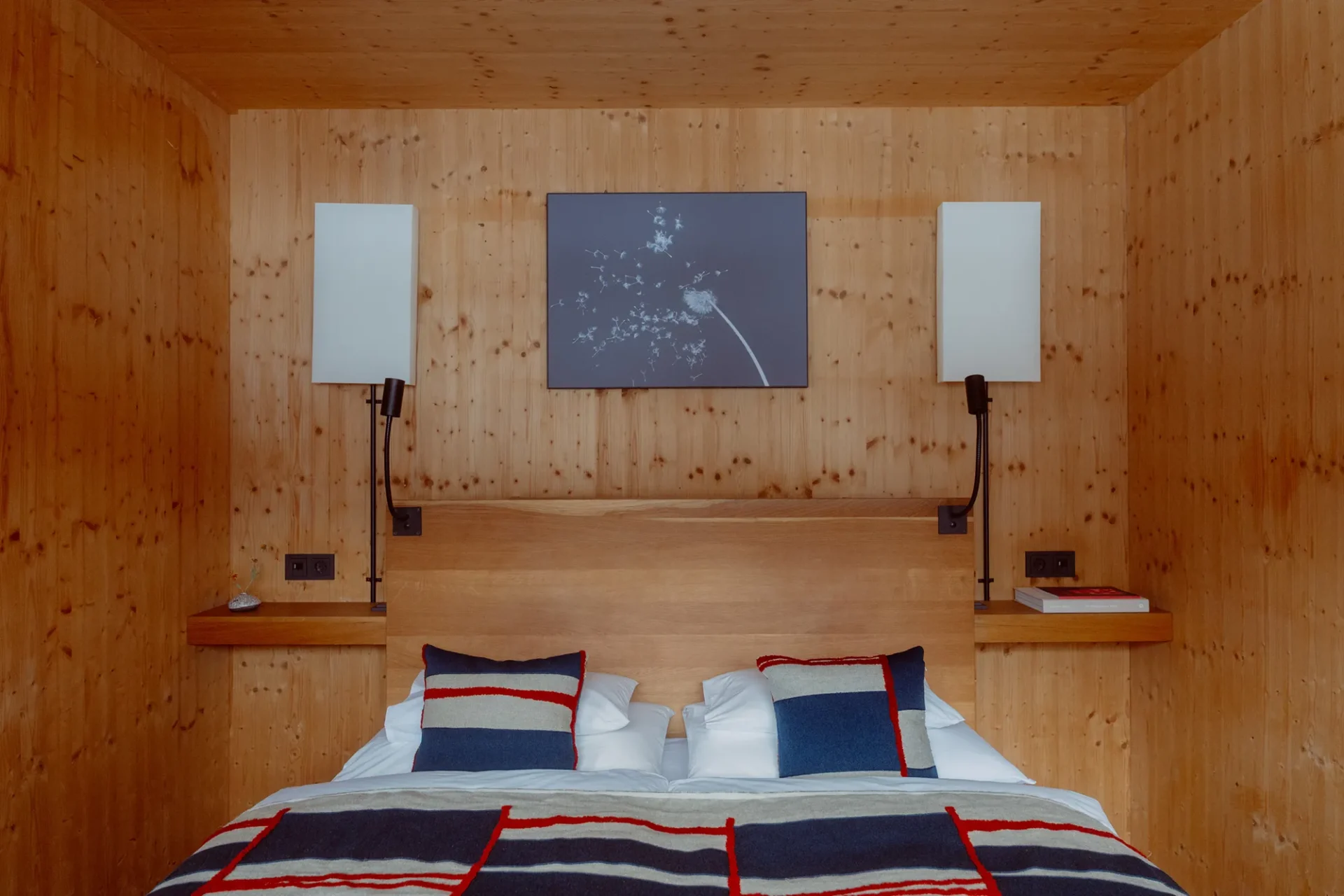
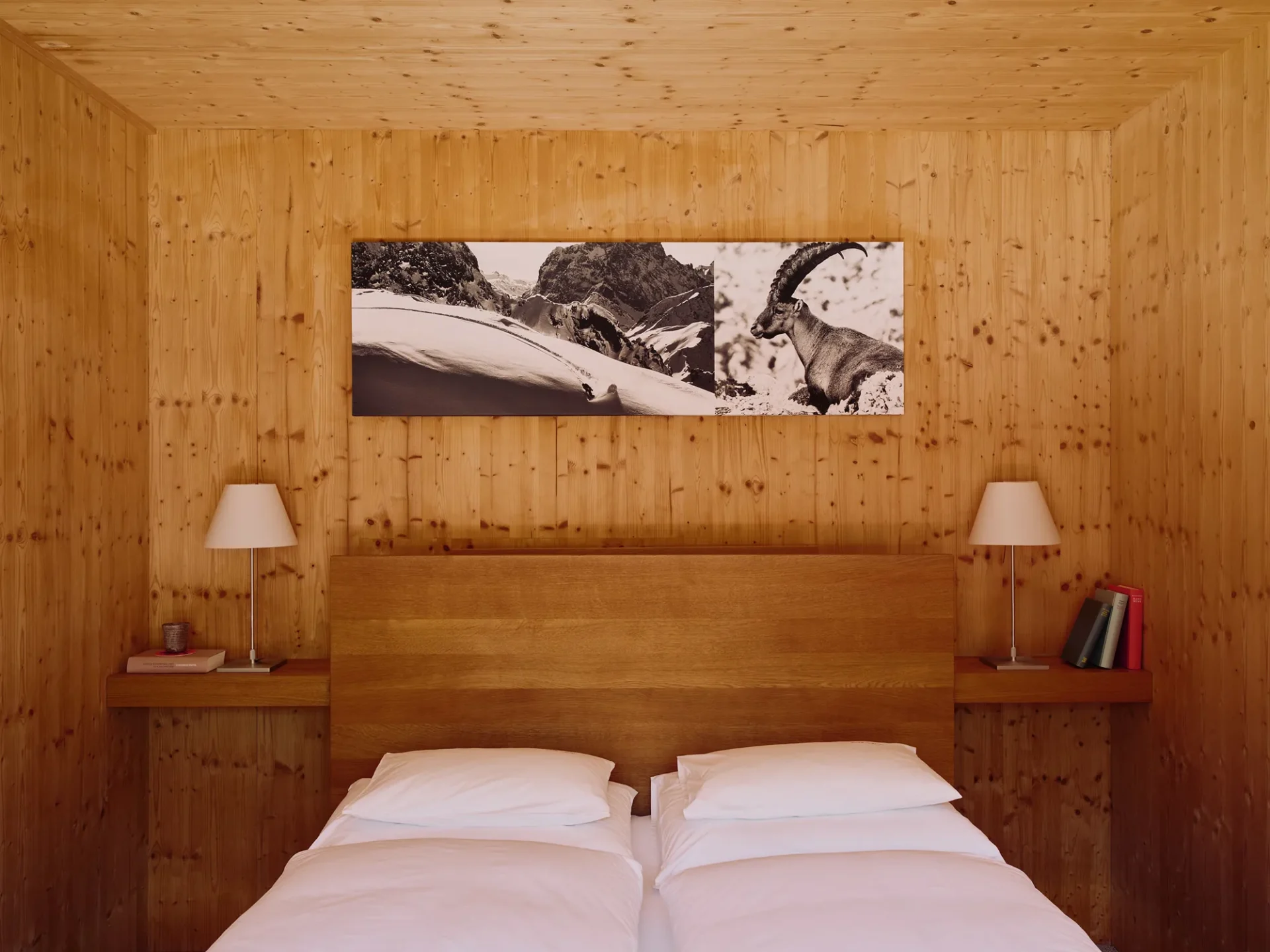
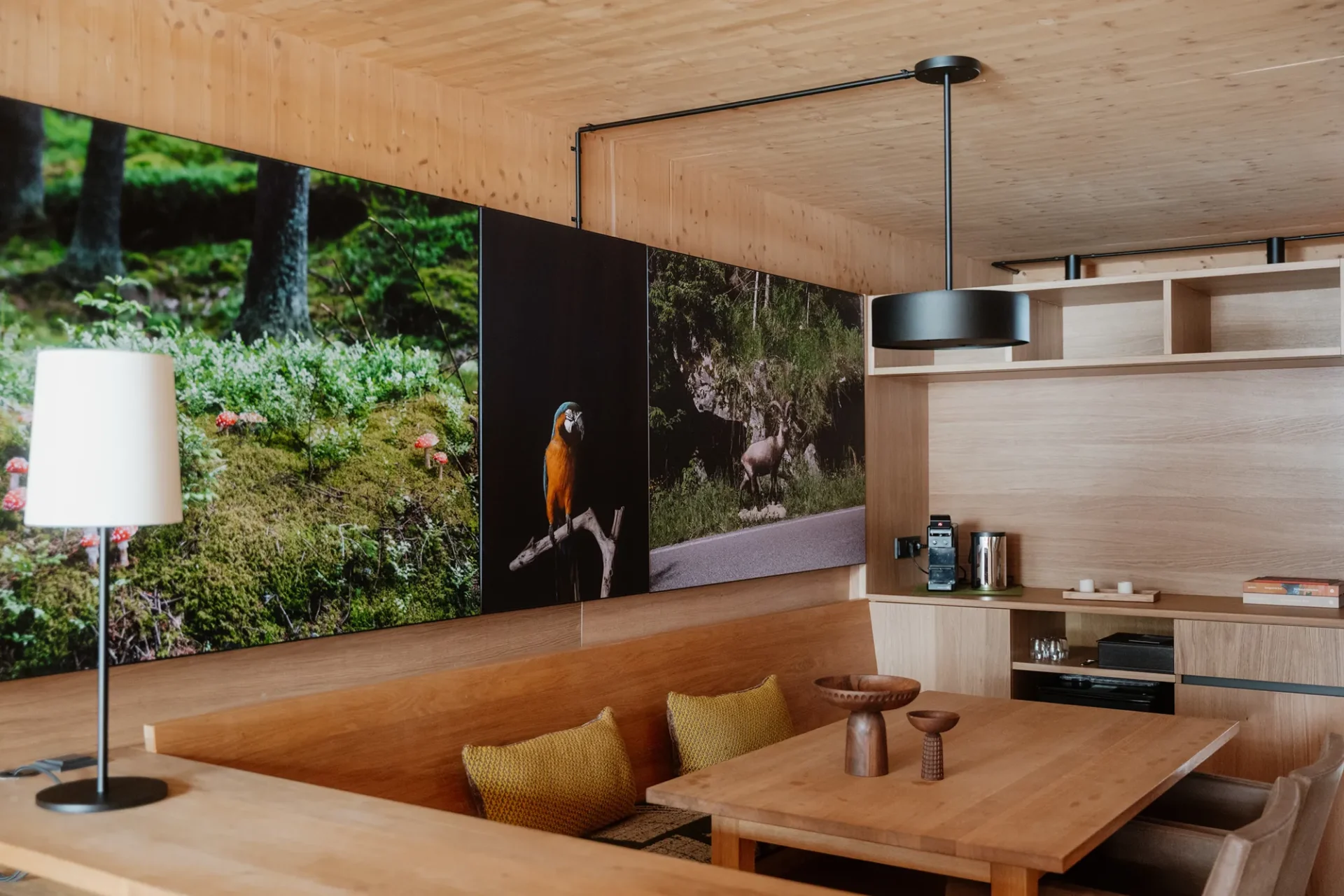
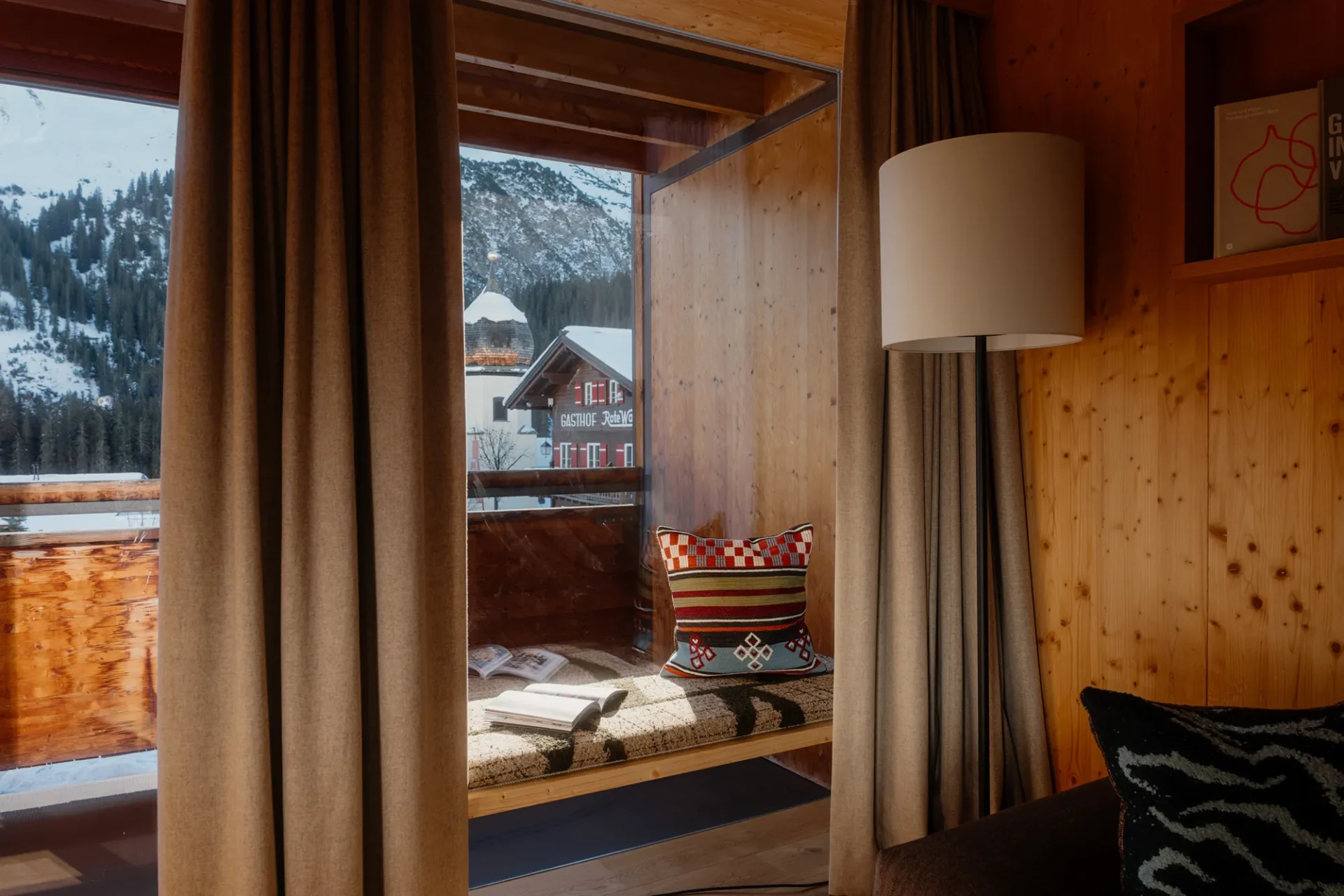
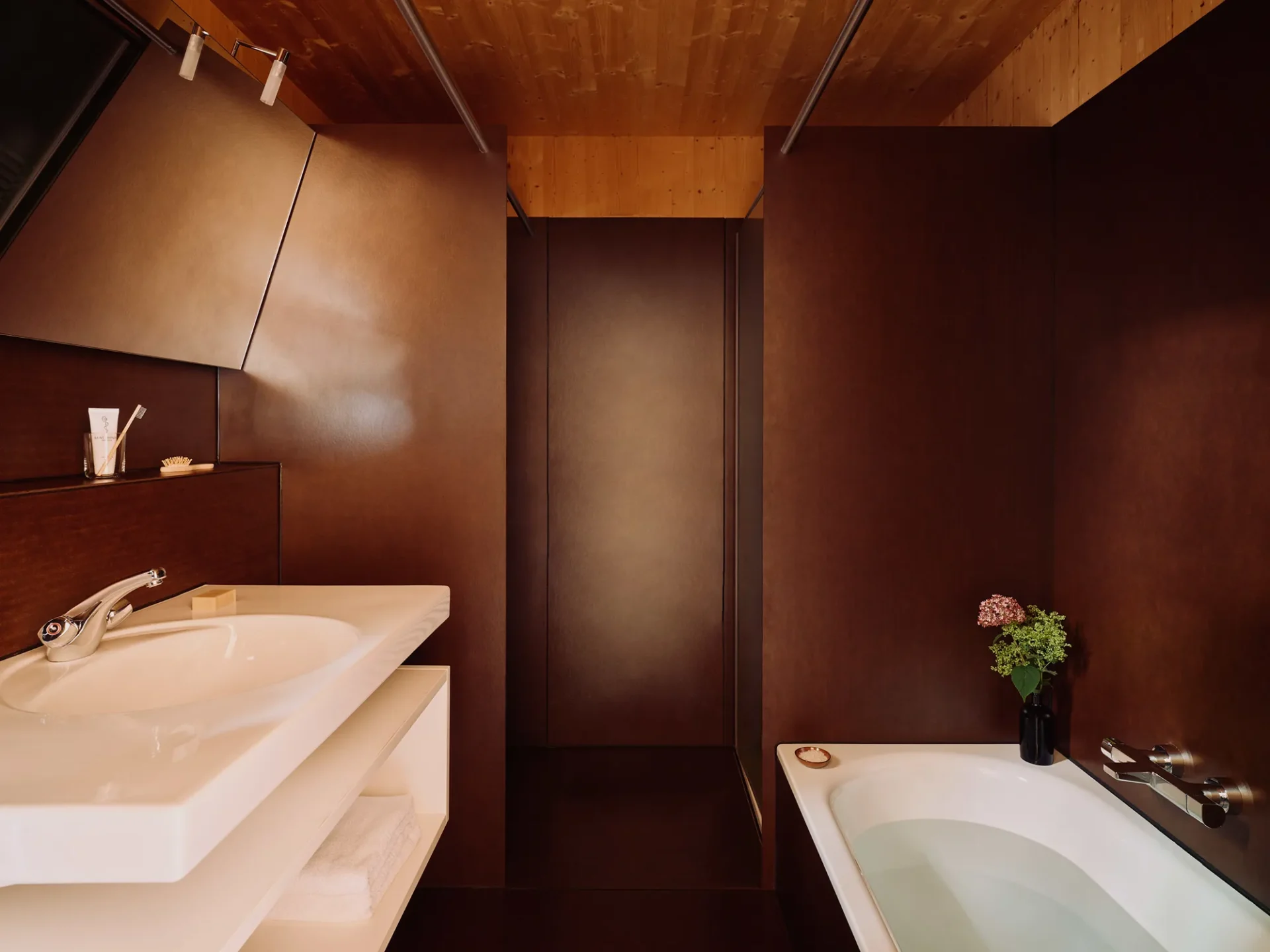
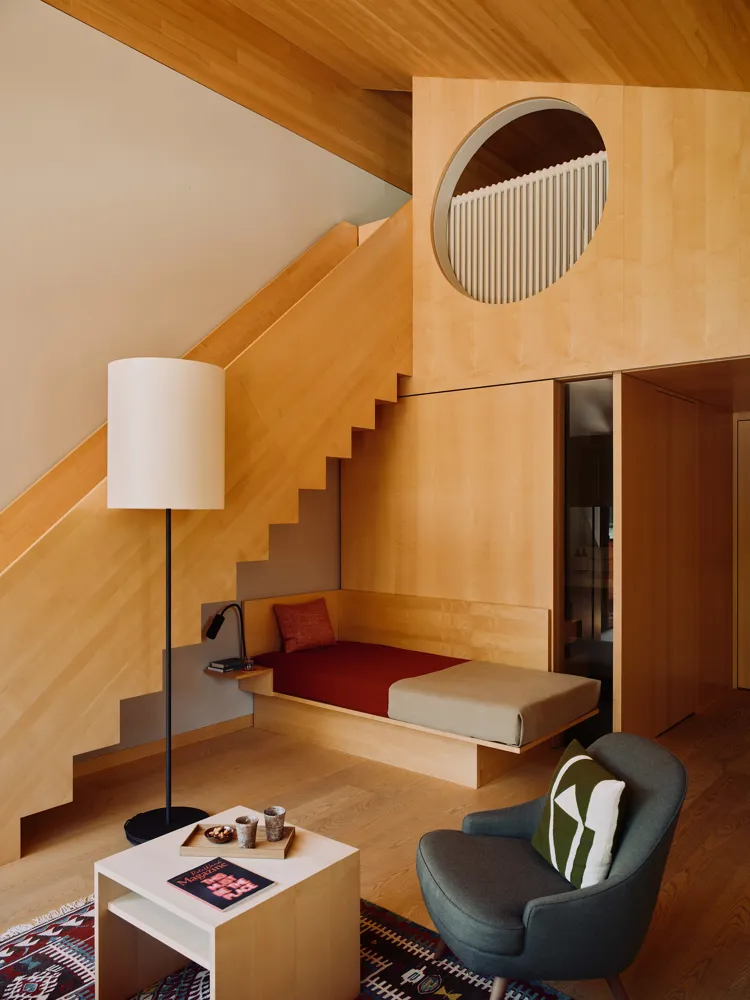
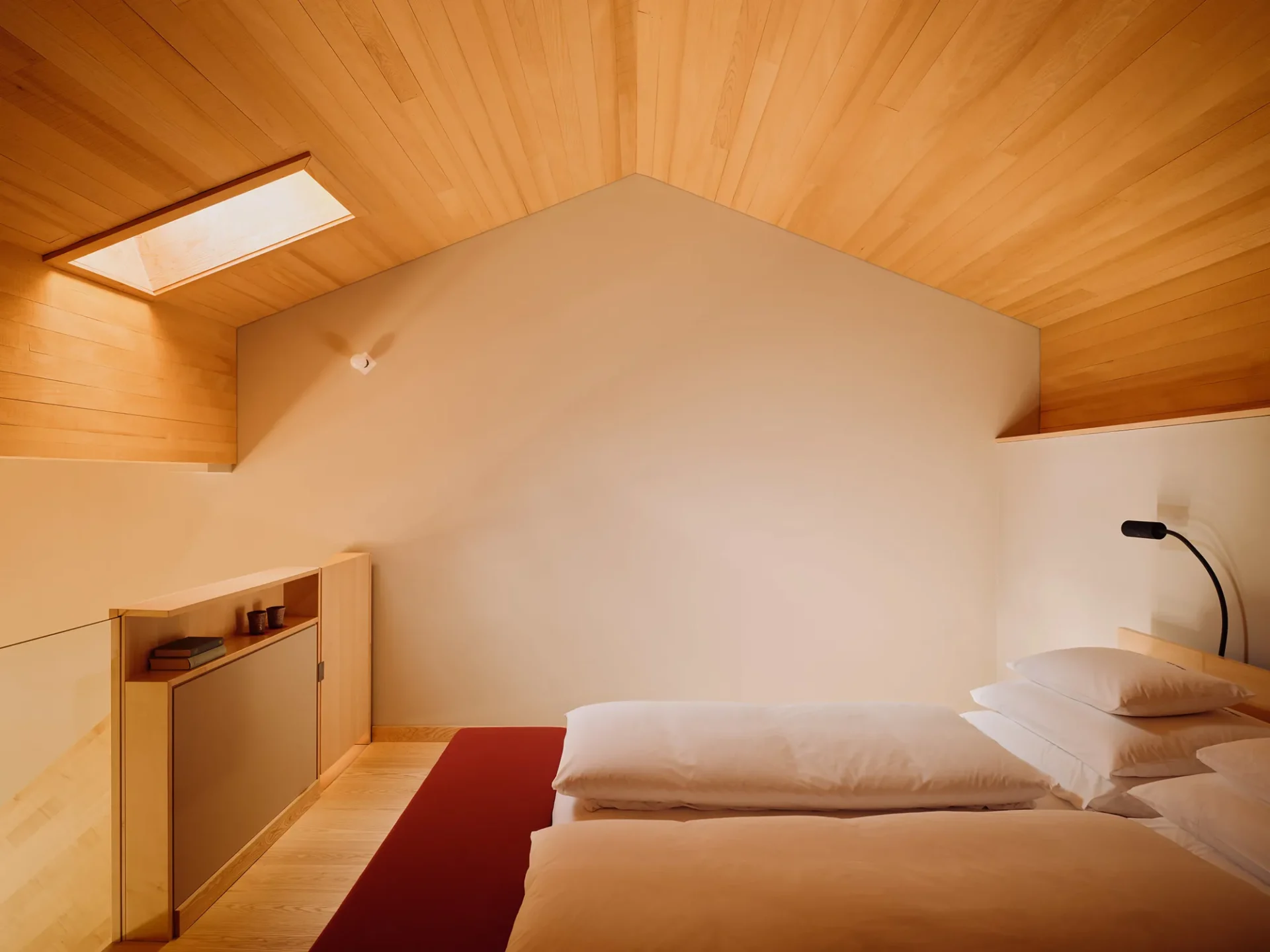
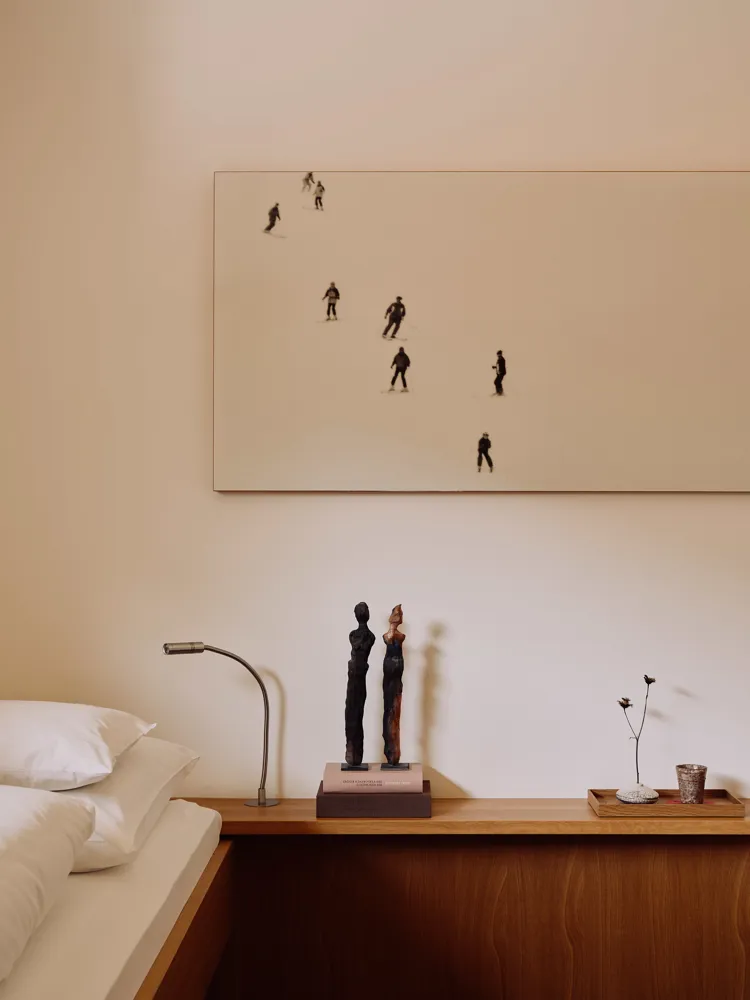
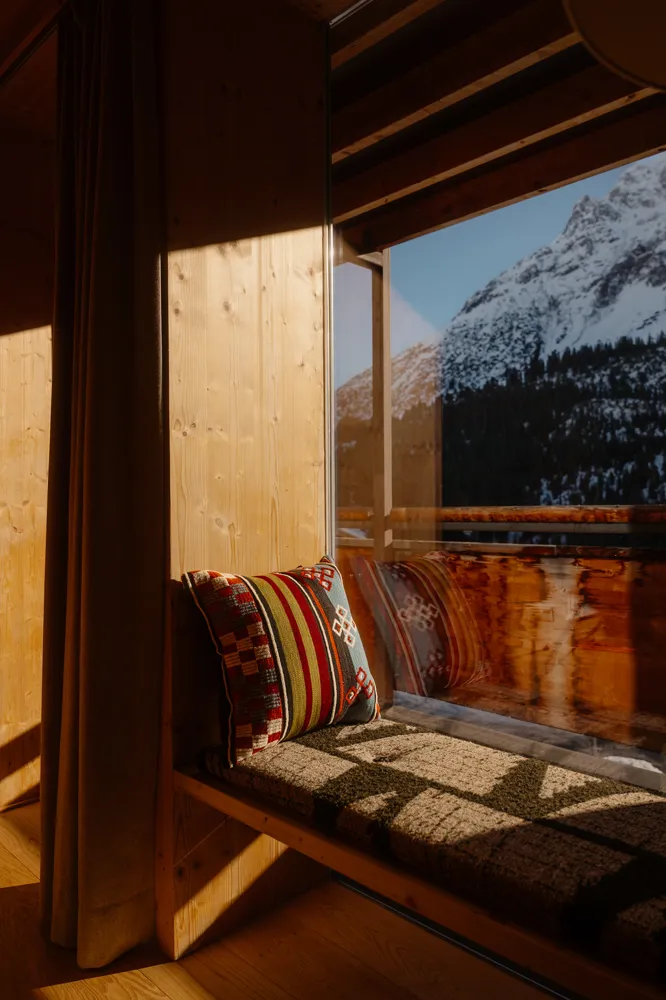
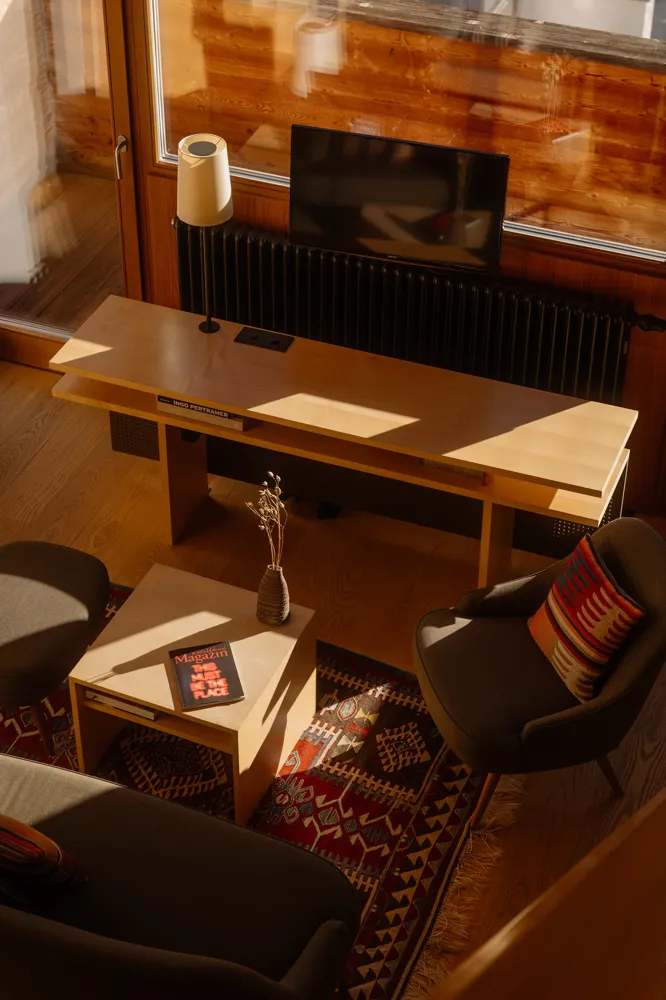
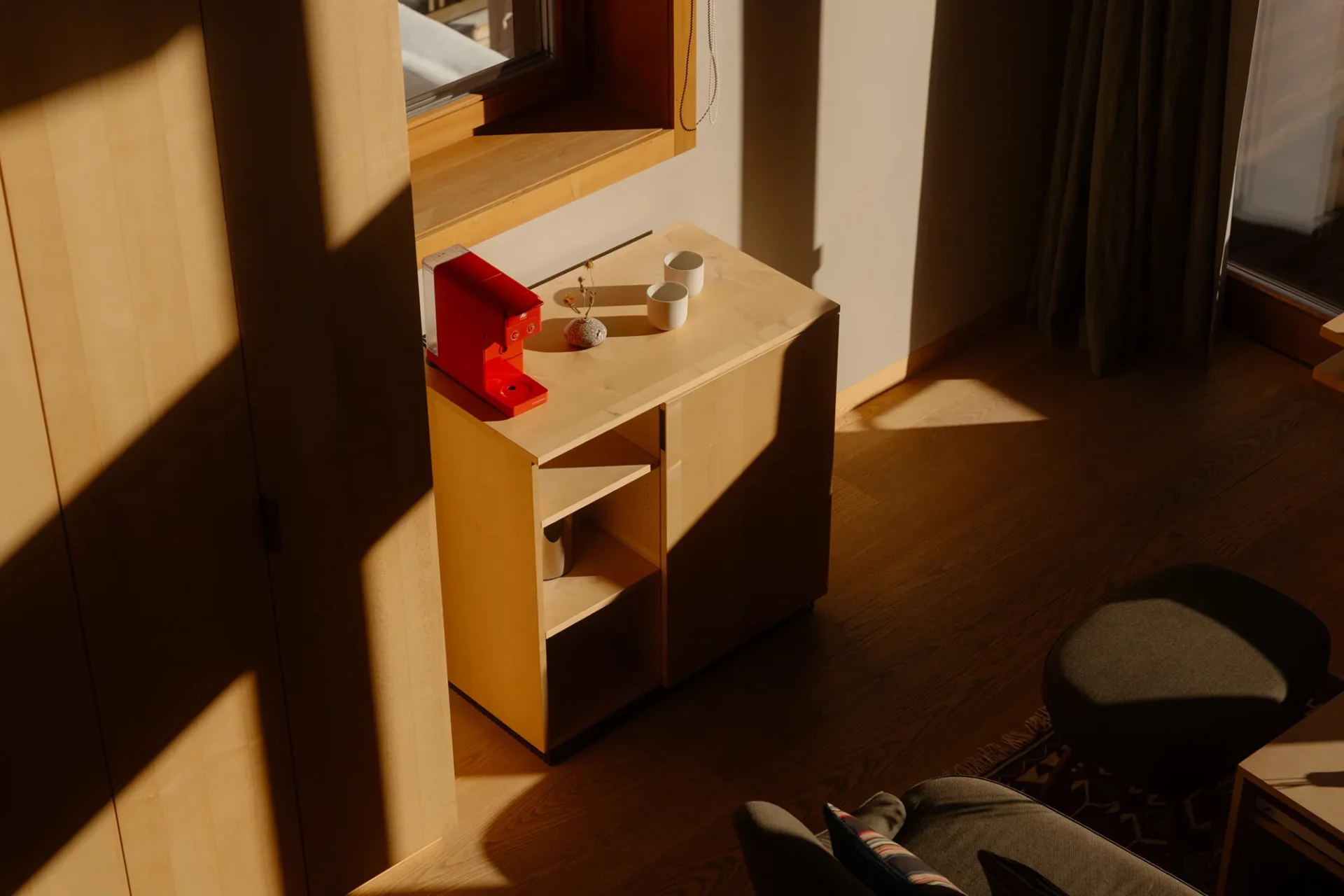
Rather than replacing its traditional buildings with a conventional luxury resort, Rote Wand has developed gradually into a collection of five houses and a former schoolhouse. The architecture retains the scale and character of the village, while the interiors introduce a lighter, more contemporary interpretation of Alpine design. Heavy timber decoration gives way to pale sycamore, ash and spruce, with locally crafted furniture, natural textiles and a restrained palette of white and grey punctuated by occasional red accents. The timber is deliberately left to age naturally, allowing the interiors to develop their own patina over time. Guestrooms combine simple forms, carefully considered lighting and regional craftsmanship, creating spaces that feel connected to Vorarlberg’s architectural traditions without reproducing the familiar mountain-chalet formula. The result is contemporary but unmistakably Alpine, with the surrounding landscape providing much of the visual drama.
Two Michelin Stars in the Old Schoolhouse
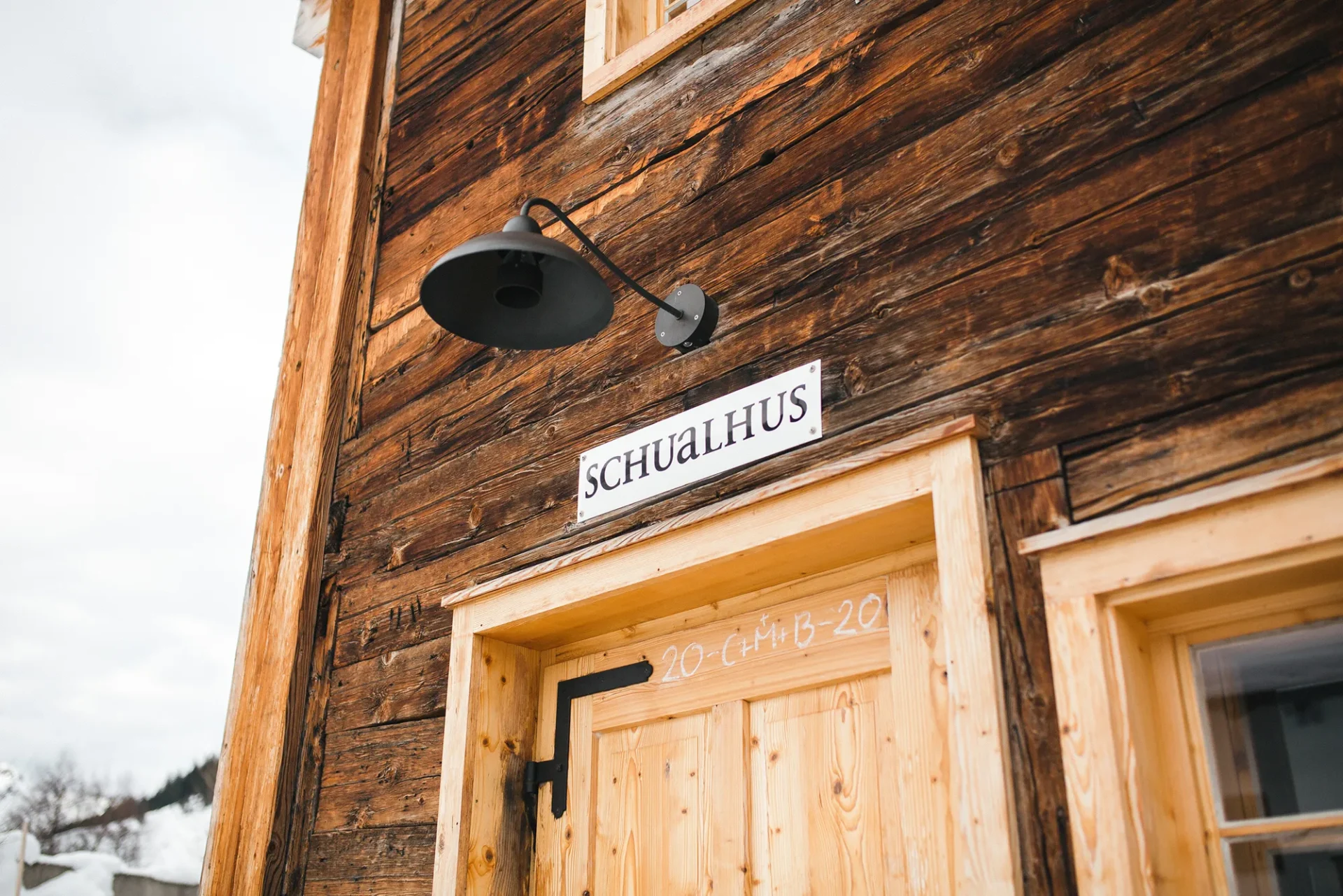
The hotel’s culinary ambitions are most clearly expressed at Rote Wand Chef’s Table, housed in the village’s former schoolhouse. Under chef Julian Stieger, who joined in 2022 after working in leading kitchens in New York, Vienna and Copenhagen, the restaurant has earned two Michelin stars. Its tasting menu of approximately 16 to 19 courses explores Alpine ingredients through contemporary techniques, combining regional traditions with a more international culinary perspective. The intimate setting brings guests close to the kitchen, making the preparation and presentation part of the experience. The contrast between the historic schoolhouse and the experimental cooking is particularly fitting for a hotel that has built its identity around the relationship between tradition and modernity.
Fondue, Kaiserschmarrn, and Alpine Comfort Food
Fine dining is only one part of Rote Wand’s culinary story. The hotel’s other restaurants continue the traditions that made the original guesthouse popular with locals and visitors. Austrian regional dishes, seasonal mountain ingredients and a longstanding fondue tradition sit alongside more contemporary Alpine cooking. Breakfast and dinner are important parts of the daily rhythm, while the bar and lounge provide informal places to gather after skiing or hiking. The connection to the Walch family’s history remains tangible, particularly in the emphasis on uncomplicated hospitality and familiar regional flavours. It is an appealing balance: guests can spend one evening exploring an elaborate Michelin-starred tasting menu and the next sharing a fondue, much as visitors did here generations ago.
Mountain Wellness, Inside and Out
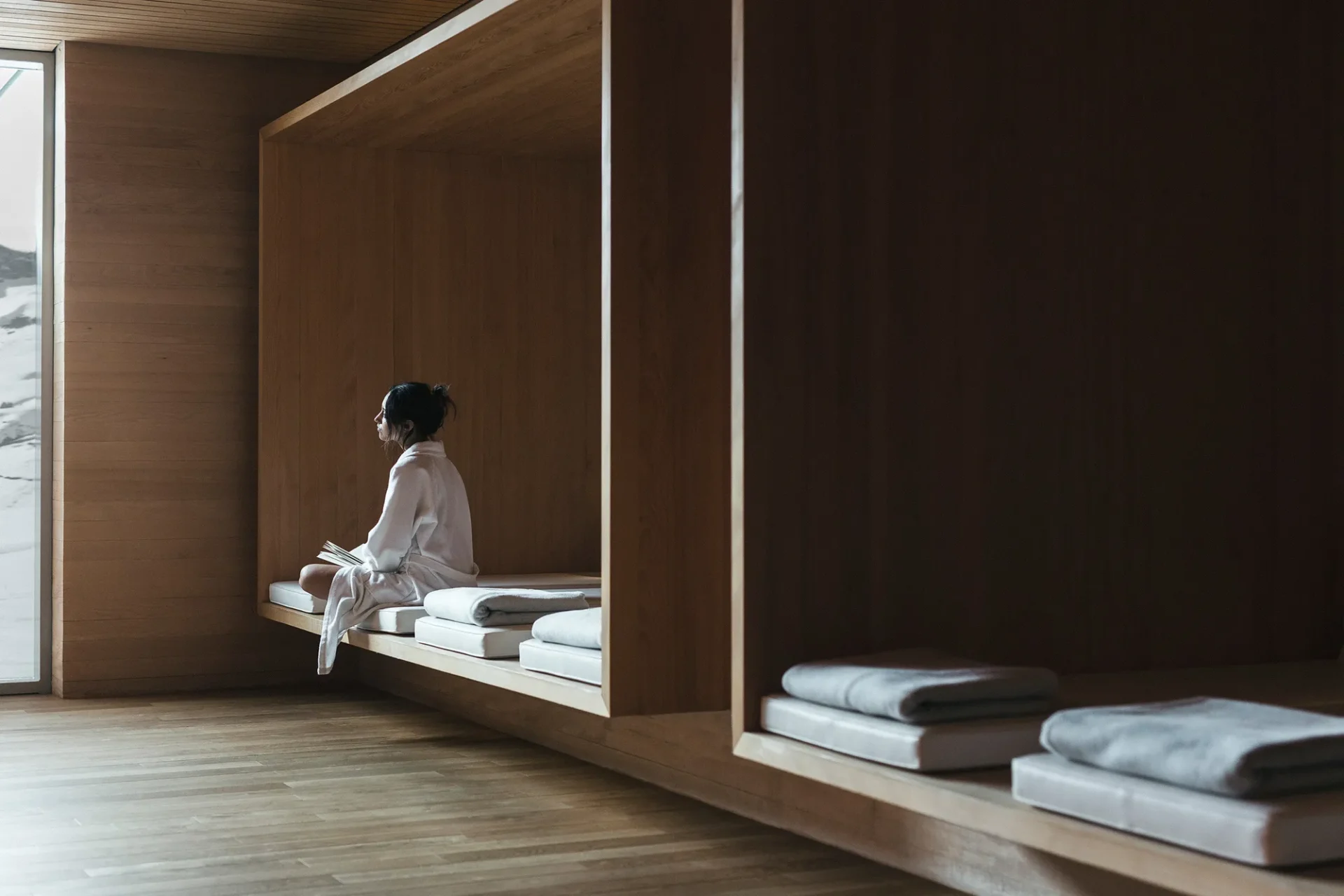
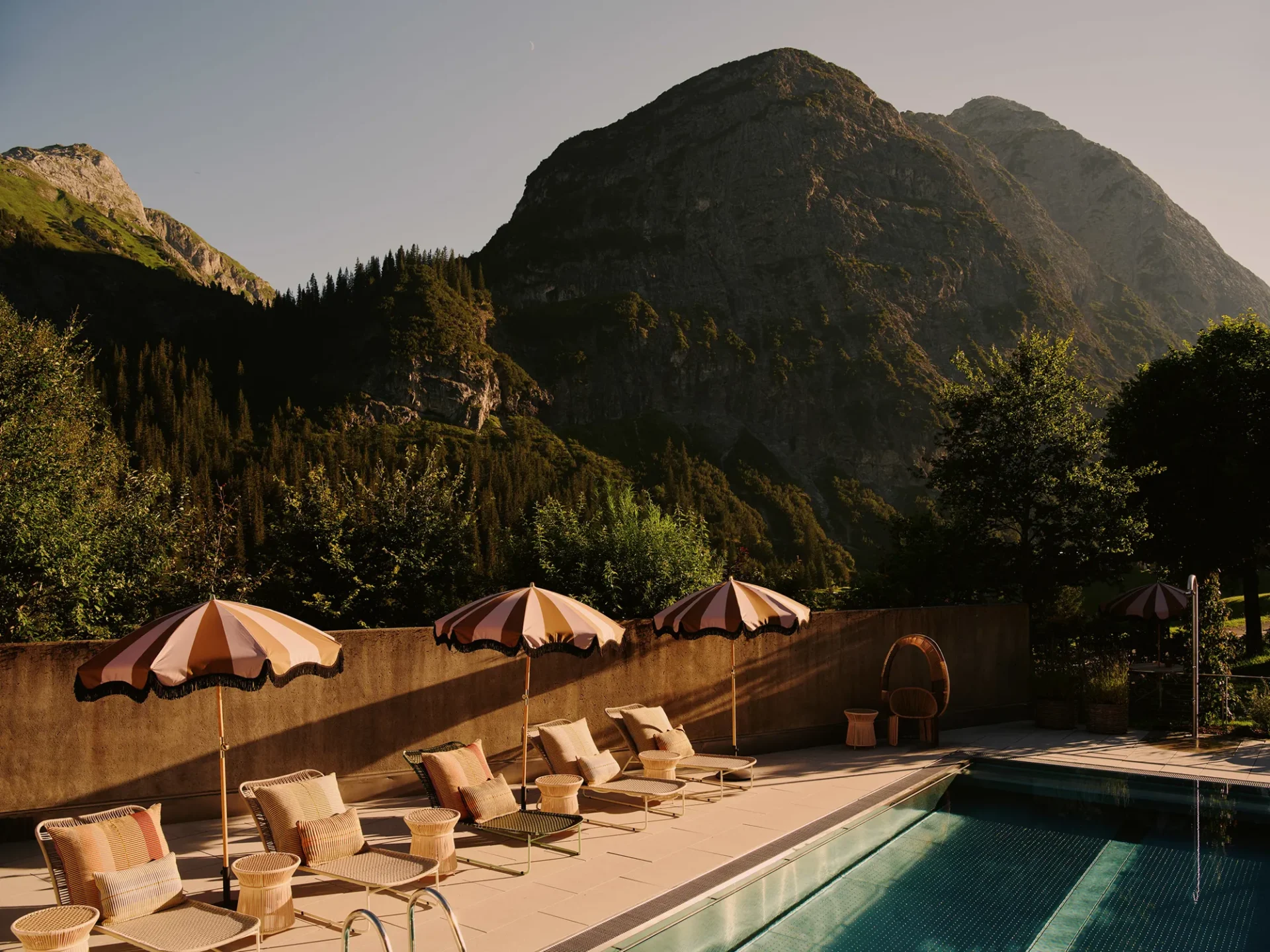
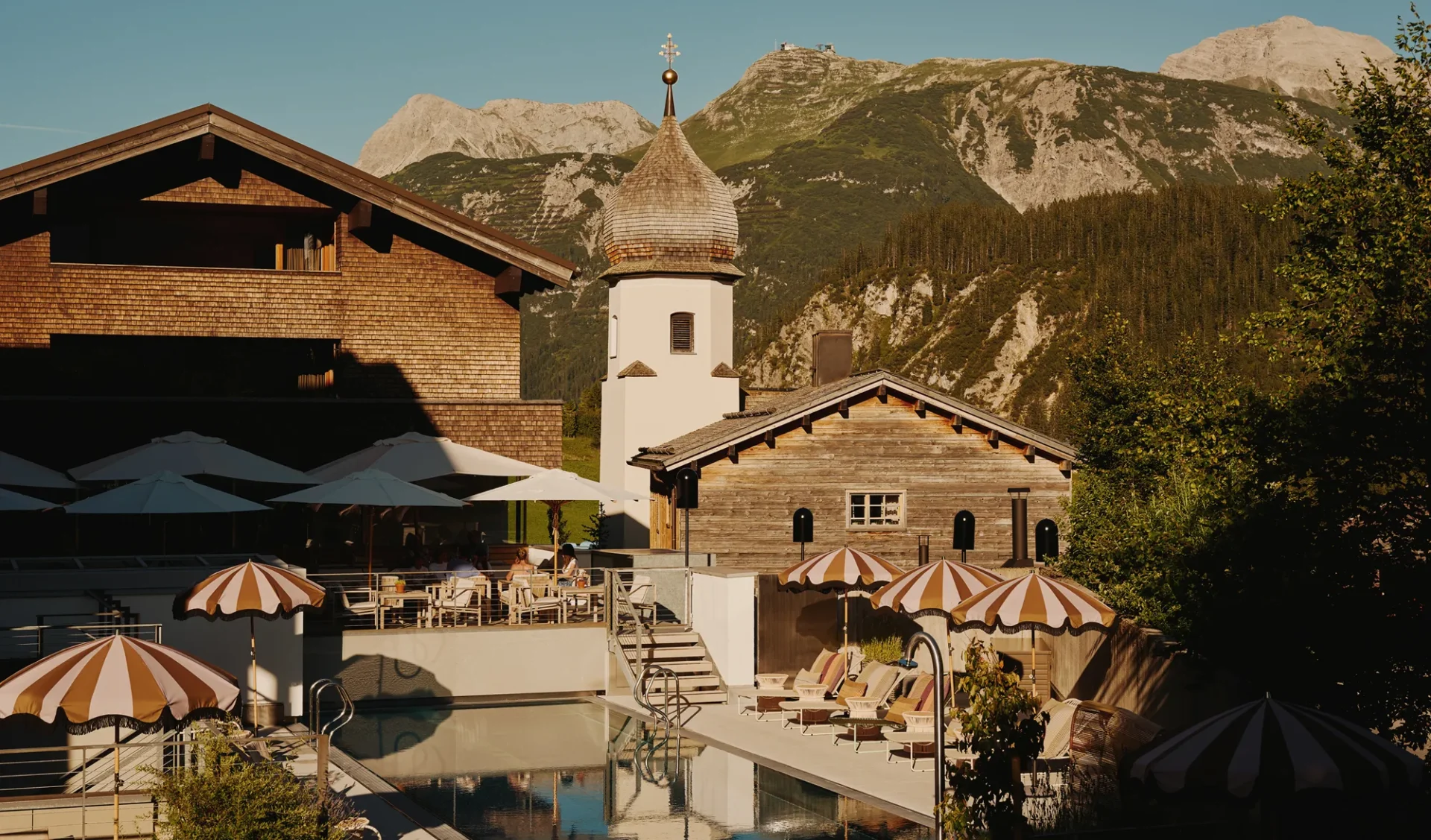
Rote Wand’s 1,500-square-metre spa introduces a more contemporary dimension to the traditional Alpine retreat. Facilities include a Finnish outdoor sauna, a brine steam grotto, bio and infrared saunas, relaxation areas and an indoor pool connected to a heated outdoor swimming pool. The latter is particularly appealing in winter, when the surrounding mountains are covered in snow. Treatments and fitness facilities complement the thermal experiences, offering recovery after a day outdoors. The design follows the hotel’s broader approach, combining natural materials, clean architectural lines and views of the surrounding landscape rather than elaborate decorative themes.
Beyond the Ski Season
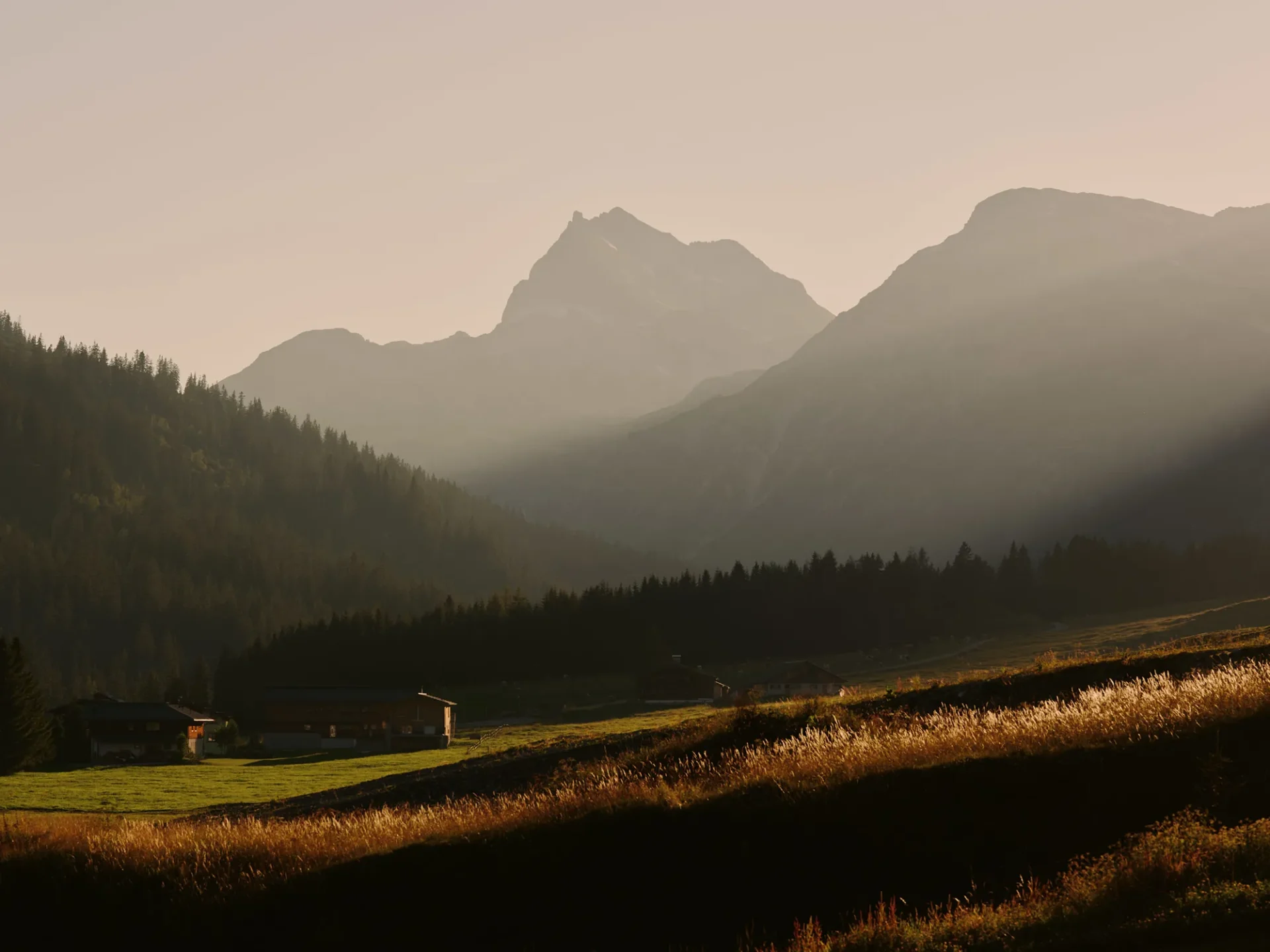
Lech am Arlberg is among Austria’s most established mountain destinations, with access to the extensive Ski Arlberg area connecting Lech, Zürs, St. Anton and neighbouring villages. Its appeal extends well beyond winter, however. Summer brings hiking trails, mountain biking, climbing, fishing and the quieter rhythms of an Alpine landscape dotted with traditional villages and grazing cattle. Zug itself offers a more intimate atmosphere than central Lech, with Rote Wand occupying a position that feels closely connected to village life. The hotel’s evolution reflects a wider movement in Vorarlberg, where contemporary architecture and traditional craftsmanship increasingly coexist without unnecessary nostalgia. At Rote Wand, that relationship is particularly evident: a centuries-old farmhouse, locally made furniture, a historic schoolhouse serving experimental cuisine and a family that still considers good food the foundation of a memorable stay.
Featured in
Don't take our word for it
Handpicked worldwide
A carefully curated collection of exceptional boutique and design hotels across the globe.
Design with soul
Architecture, atmosphere and craftsmanship come together in stays with a clear identity.
Hidden, not hyped
Independent boutique hotels you rarely find on mainstream booking platforms.
Travel guidance
Personal recommendations and thoughtful support from people who actually know the places.