


The Return of the International Grand Hotel
A bold 1970s-inspired renovation gives Europe’s first Sheraton a new Scandinavian identity, reviving the architectural confidence and social character that once made the brand matter.

Why DNA Hotels loves it
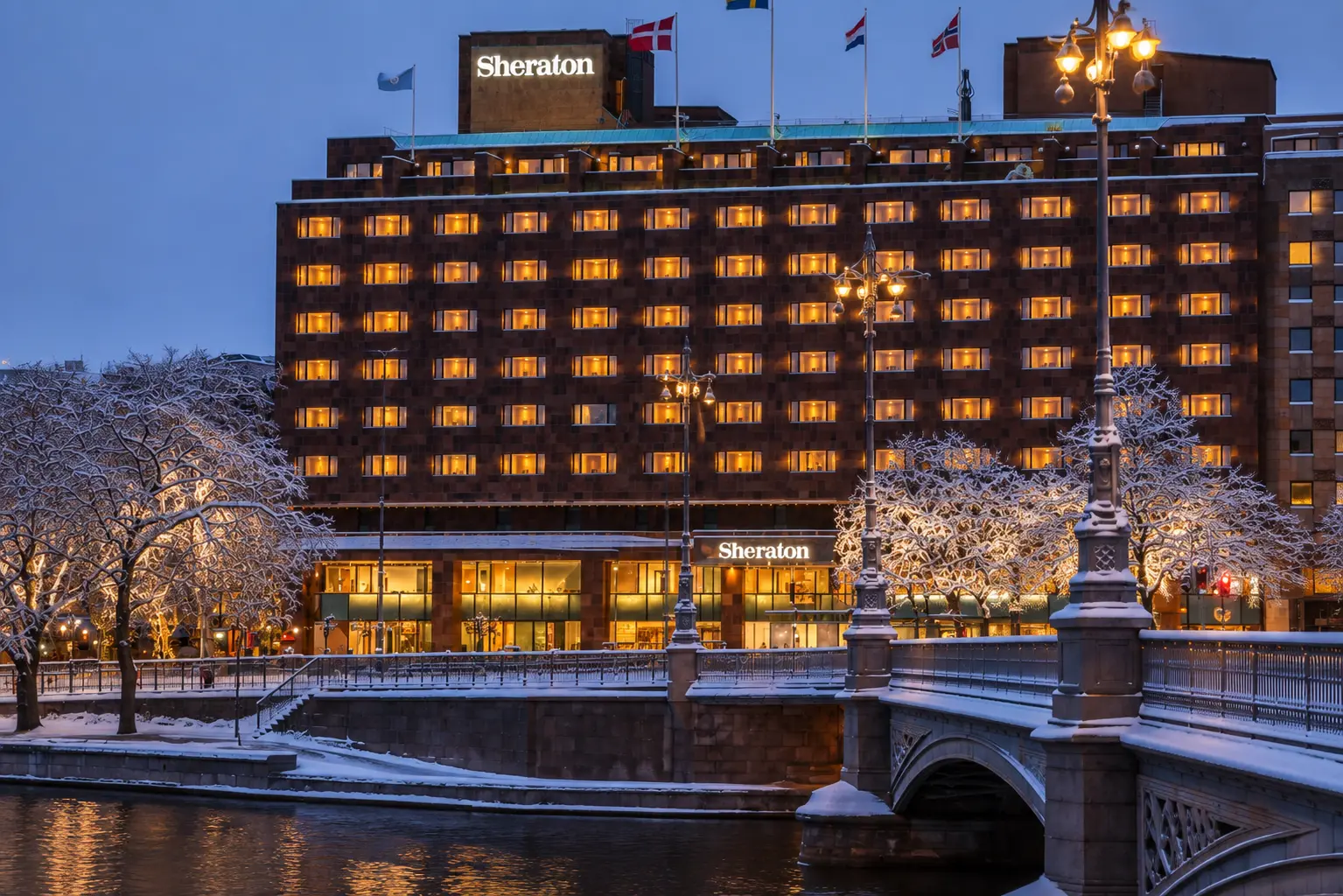
Opened in 1971 as Europe's first Sheraton, the hotel belongs to a generation when international hotel brands stood for architectural ambition, metropolitan glamour and a certain sense of occasion.
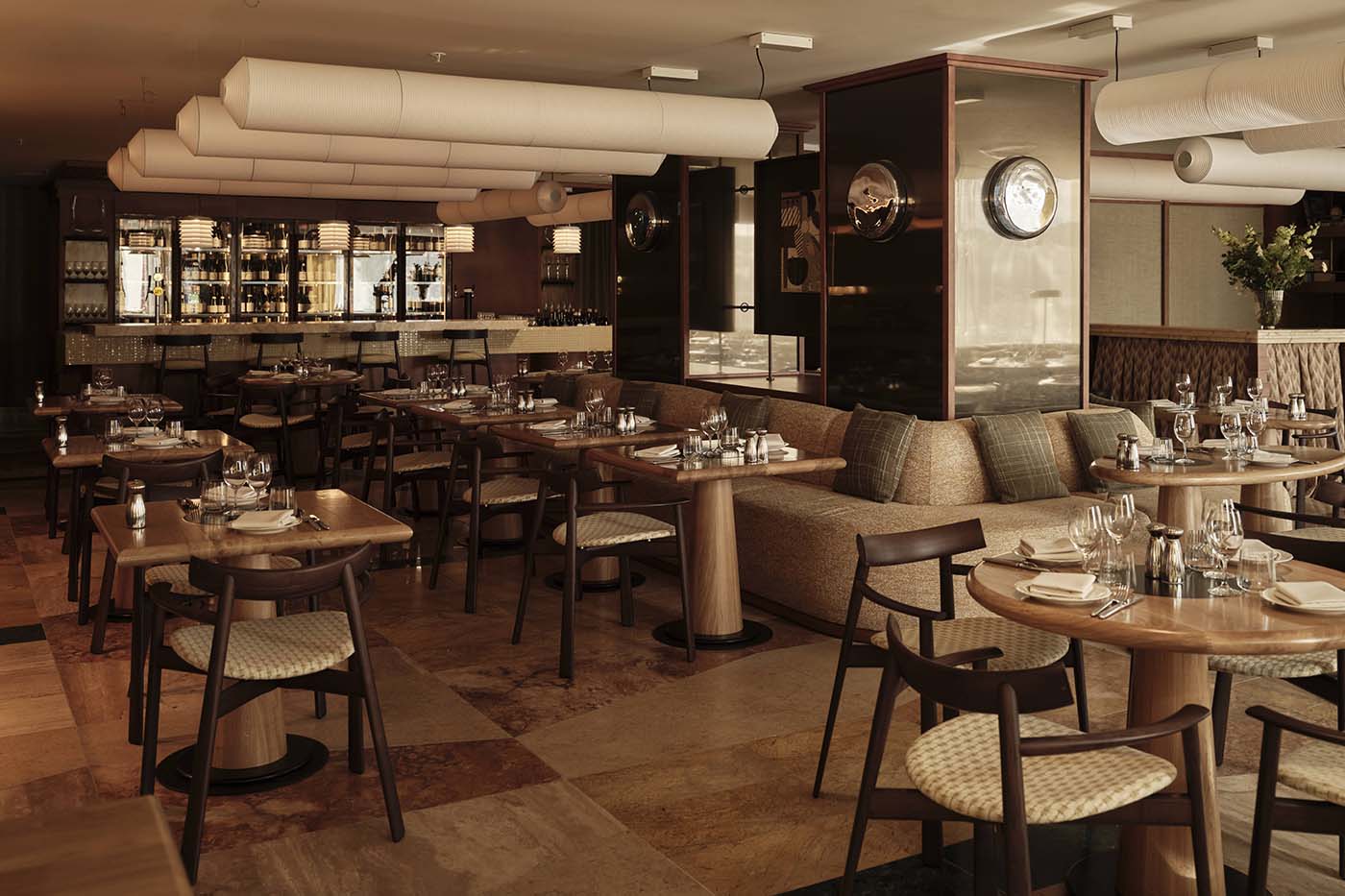
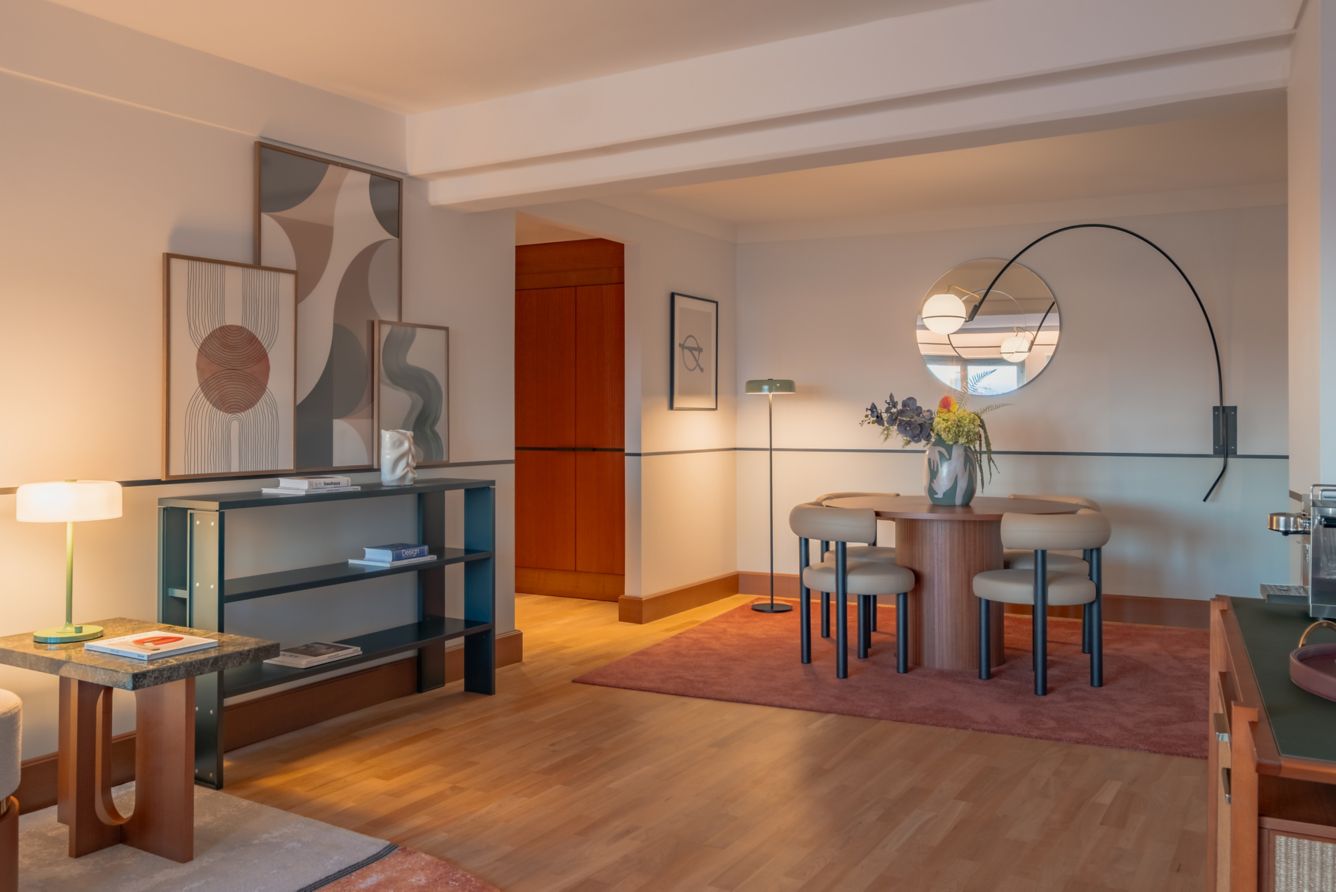
Barcelona-based ADC & Tuneu has reimagined its public spaces through a distinctly Scandinavian interpretation of the 1970s, combining Swedish design heritage with bold colours, expressive furniture and contemporary art.
The return of the hotel as a social destination, with Sally's Bar and Mr. Bronck restaurant at its heart, offers a promising alternative to the increasingly anonymous international chain hotel.
The Stay
The Reinvention of a 1970s Grand Hotel, and Perhaps a Way Forward for Sheraton
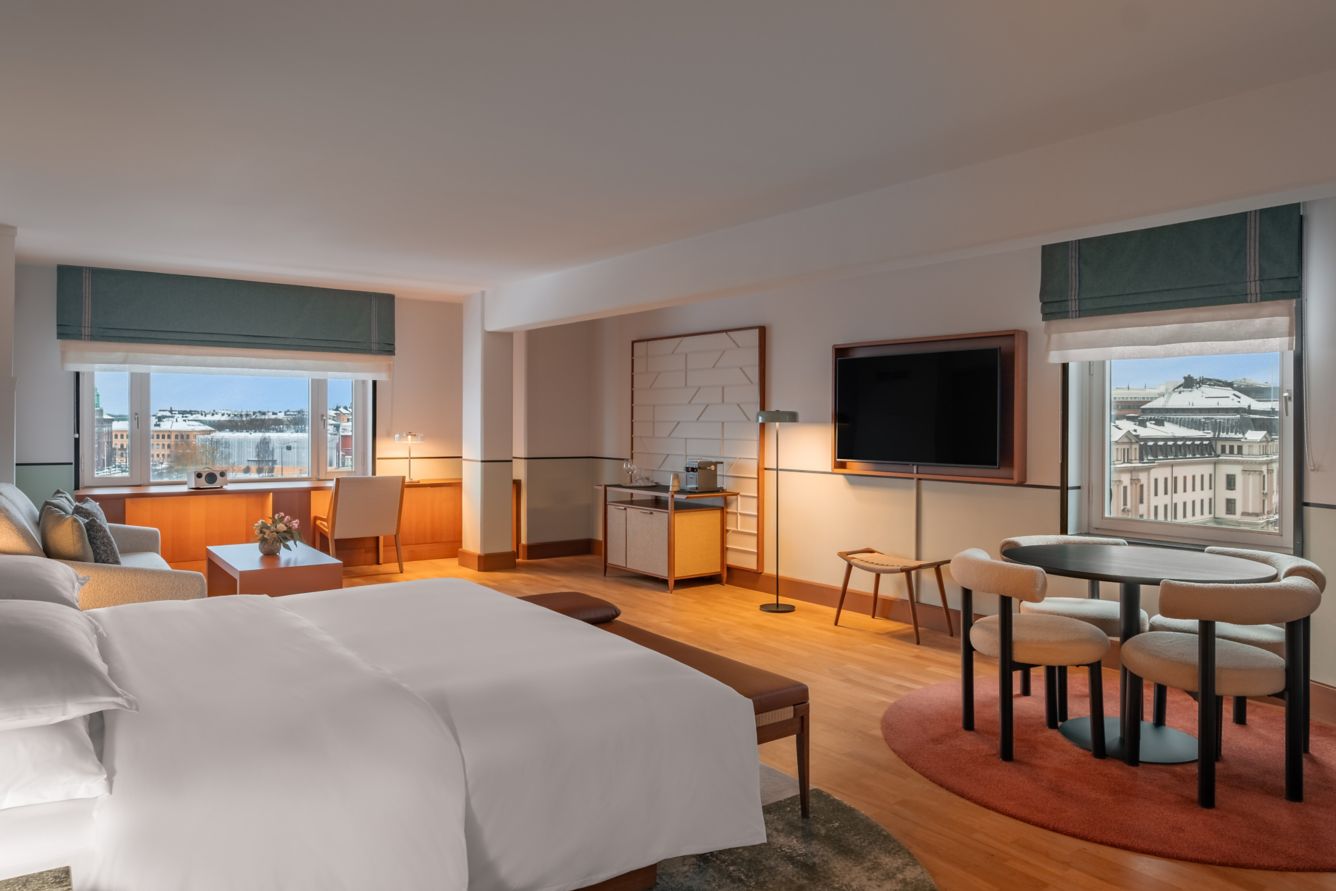
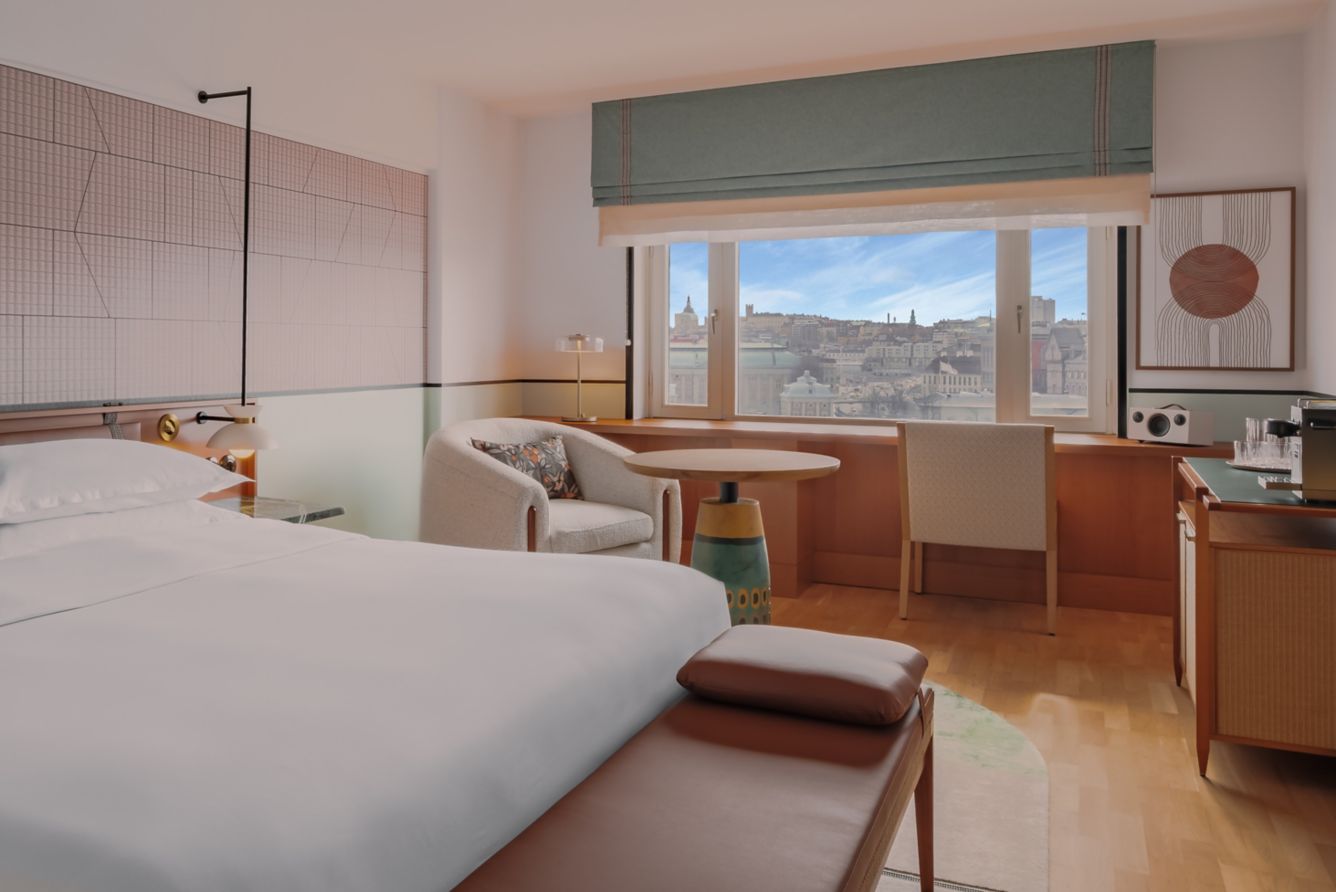
There was a time when Sheraton meant something. Alongside Hilton and InterContinental, it represented the international grand hotel: confident architecture, generous public spaces, proper restaurants and bars, and a certain cosmopolitan glamour. Sheraton Stockholm, opened in 1971 as the brand’s first European property, belonged firmly to that era. Overlooking City Hall, Gamla Stan and Lake Mälaren, it became a fixture of the Swedish capital. But as Sheraton expanded, the brand gradually lost much of its identity. What had once represented international sophistication became increasingly interchangeable with countless other chain hotels. The Stockholm property survived, one of relatively few Sheratons remaining in Europe, but its original character had faded. Its latest renovation is interesting precisely because it looks backwards to move forwards.
The Seventies, Reconsidered
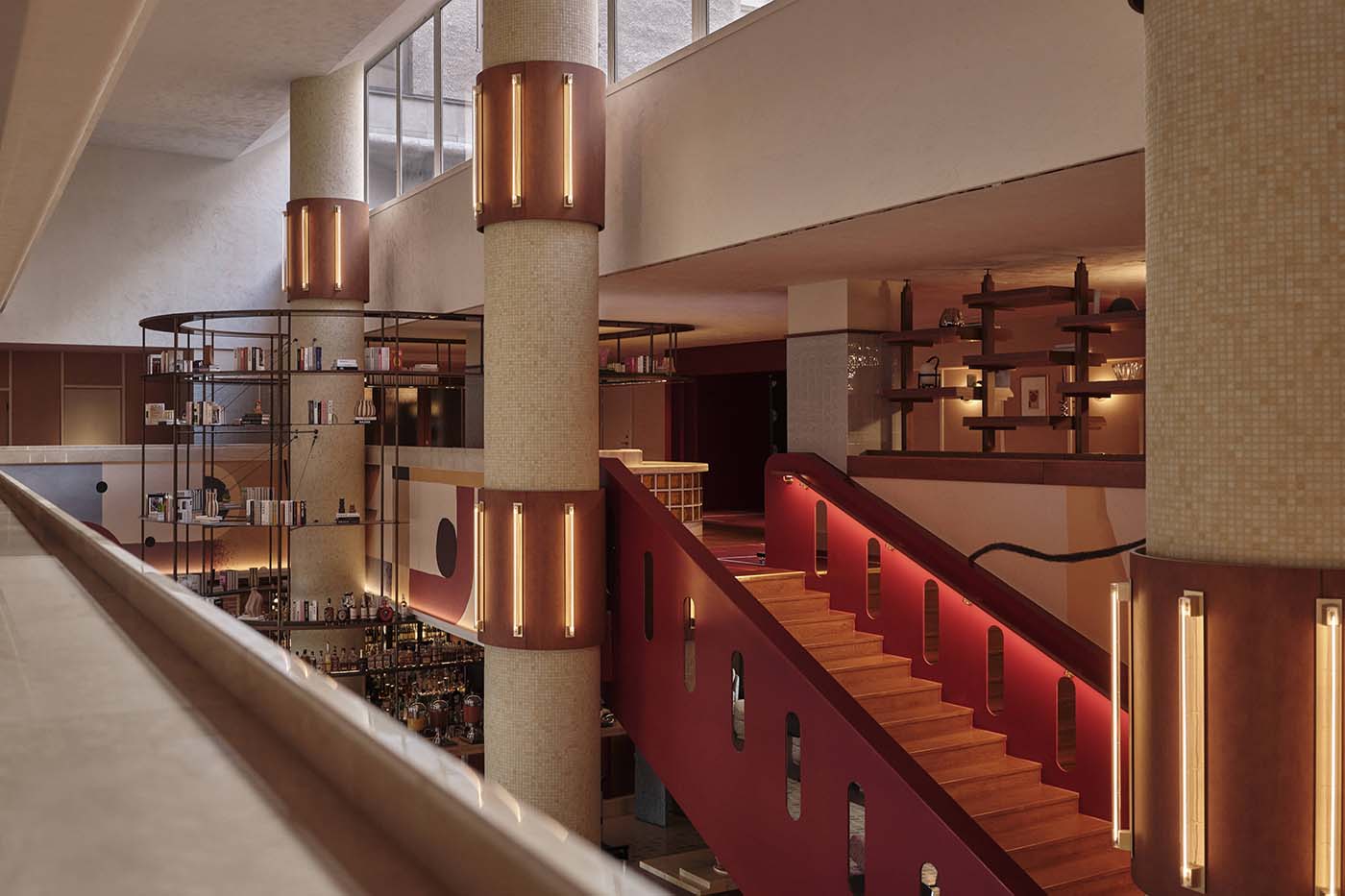
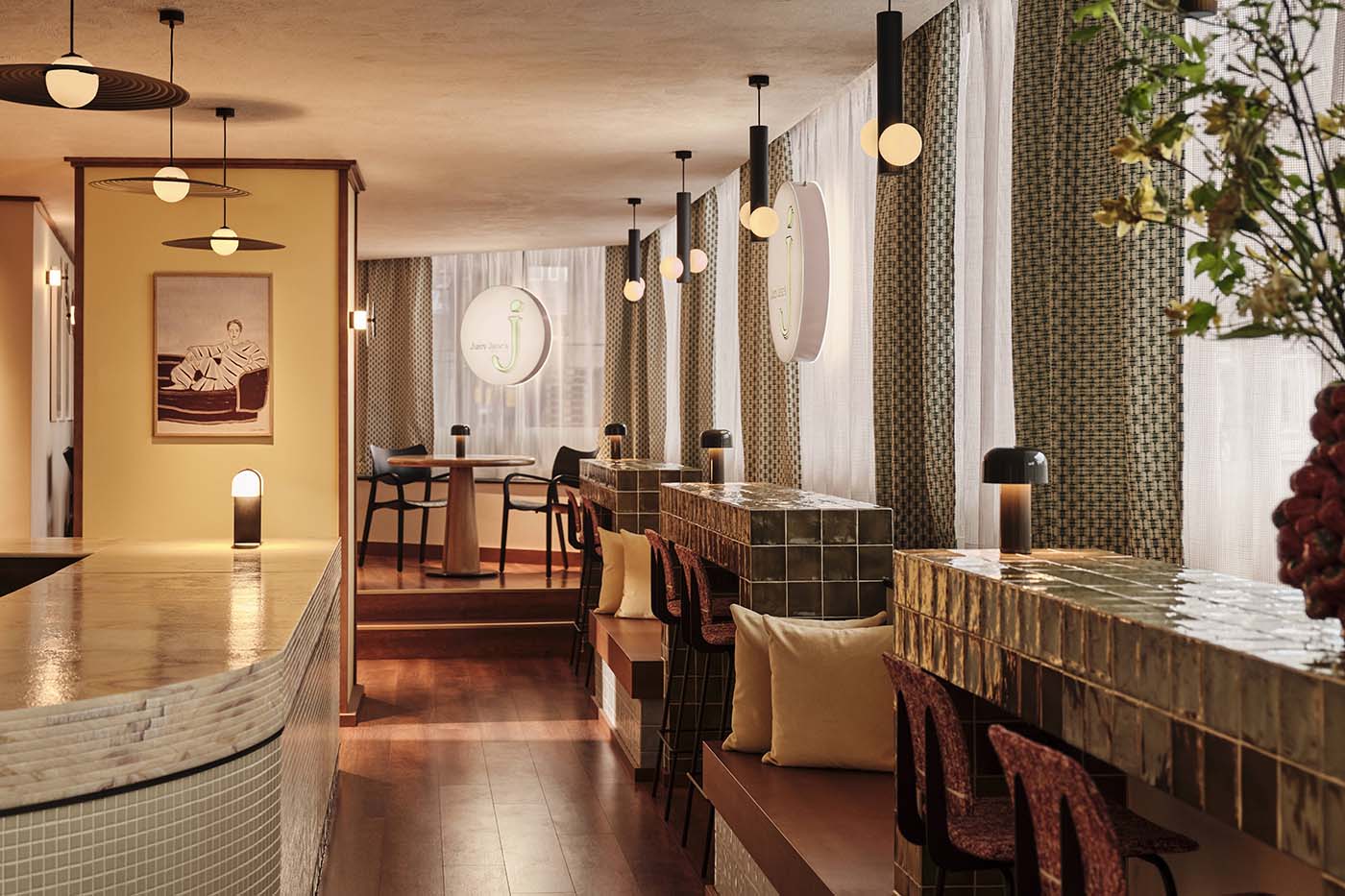
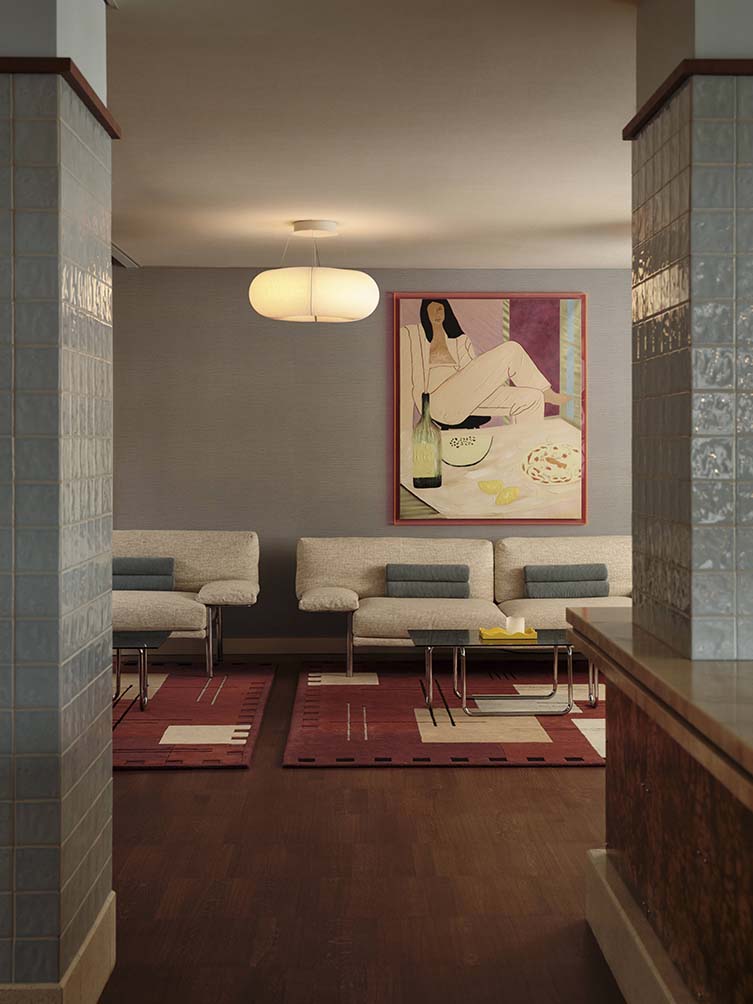
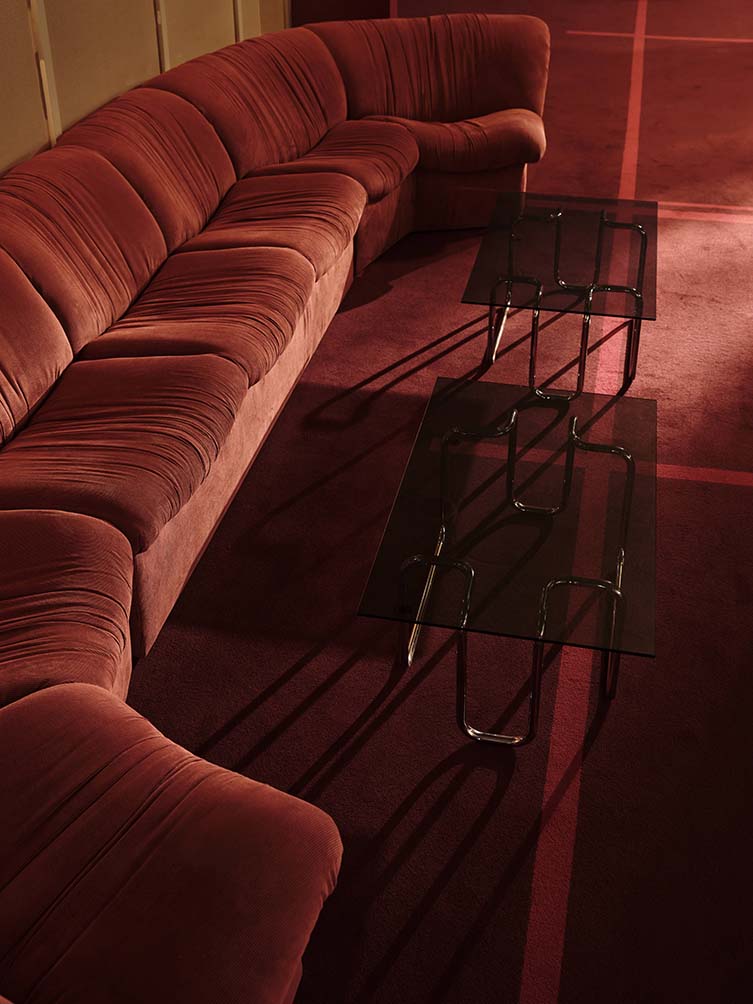
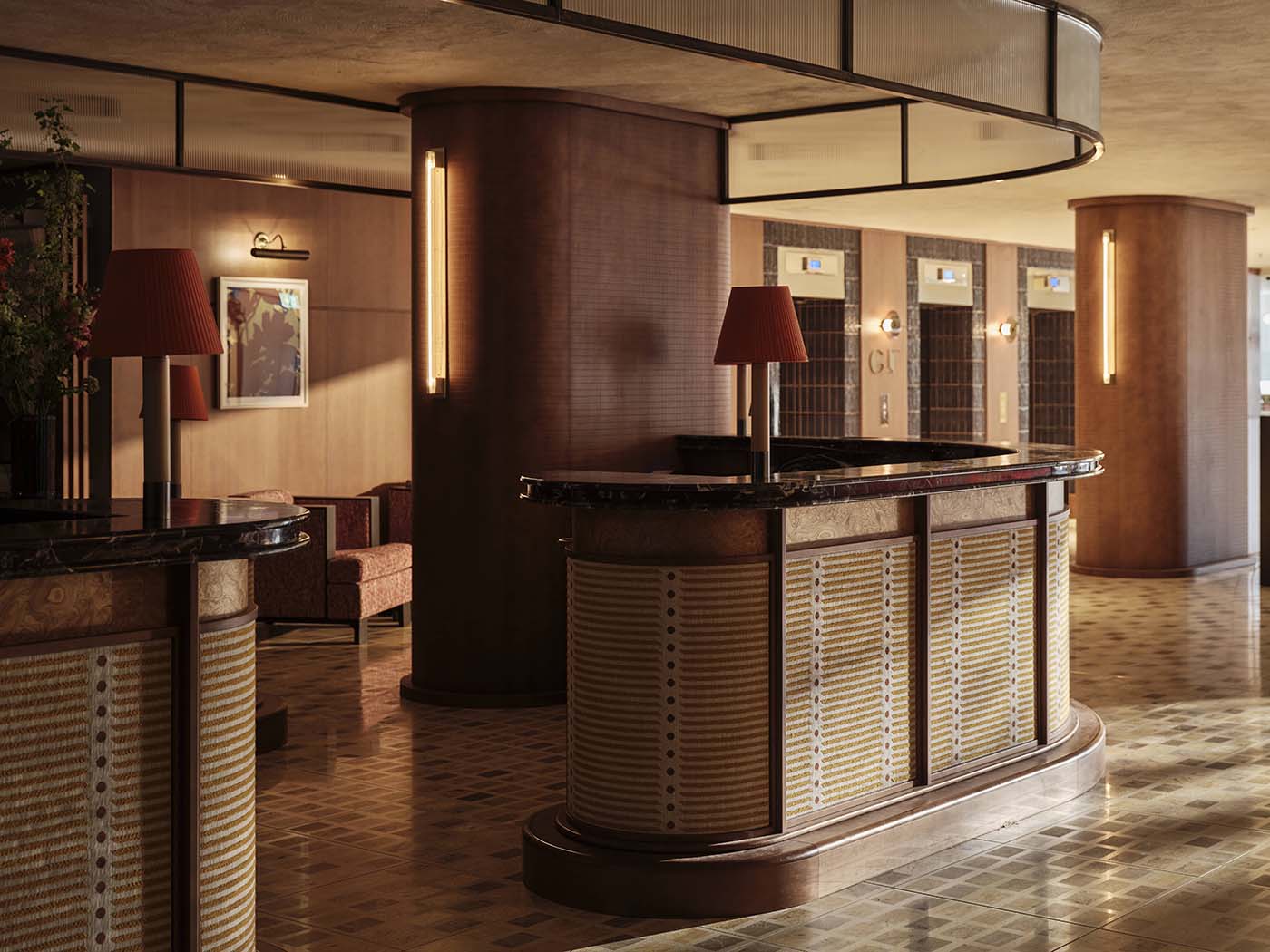
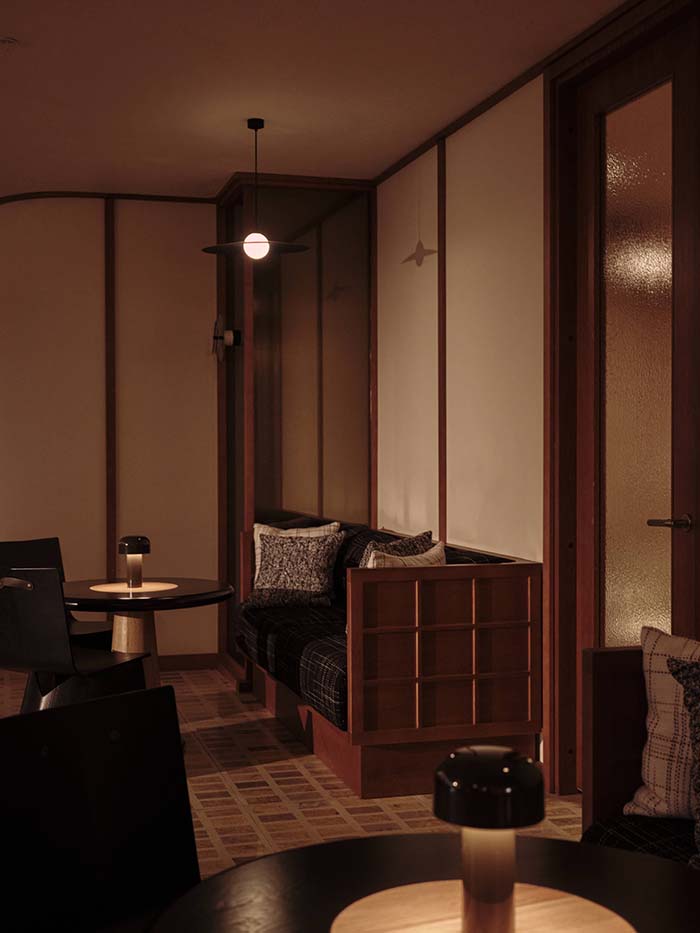
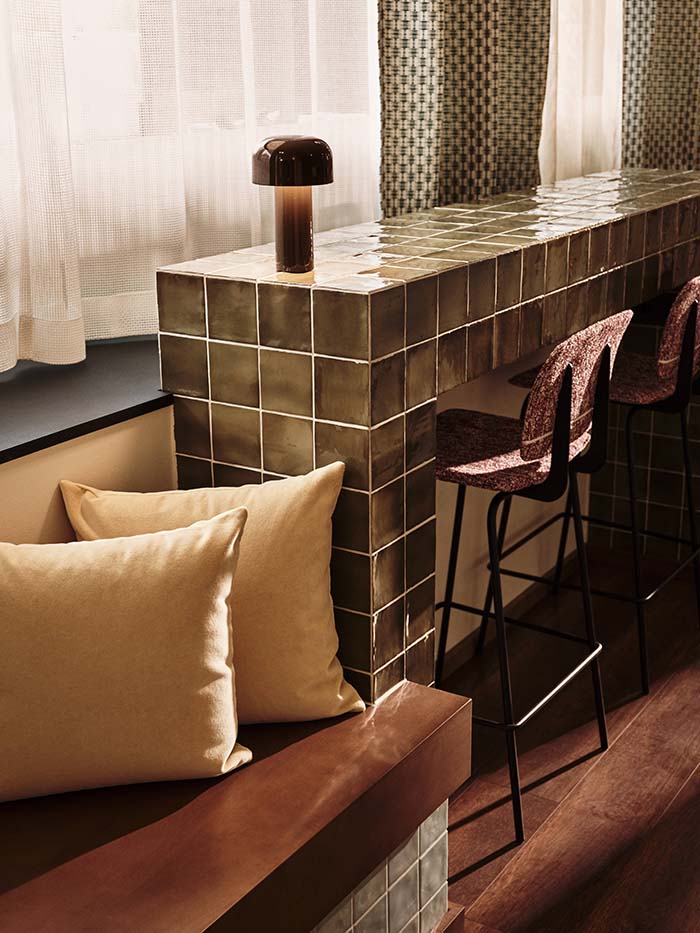
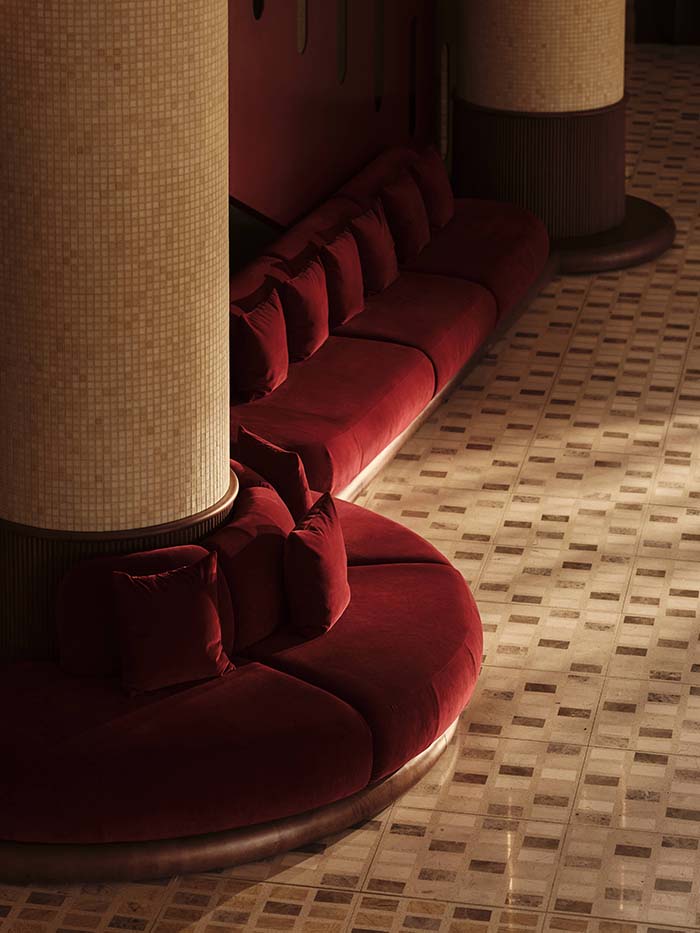
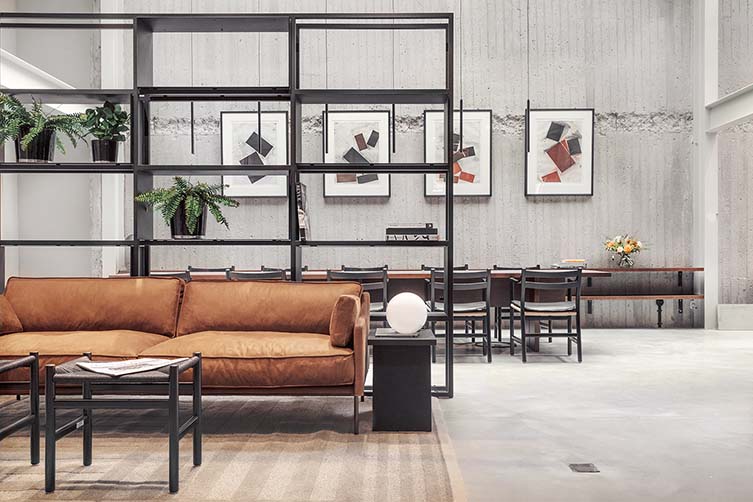
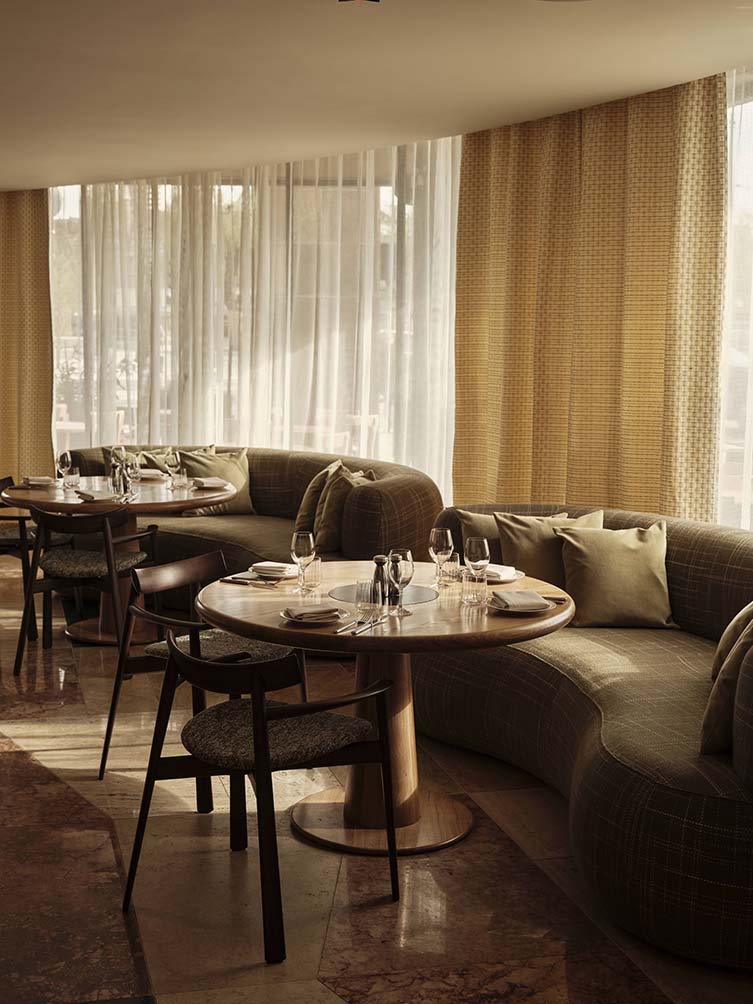
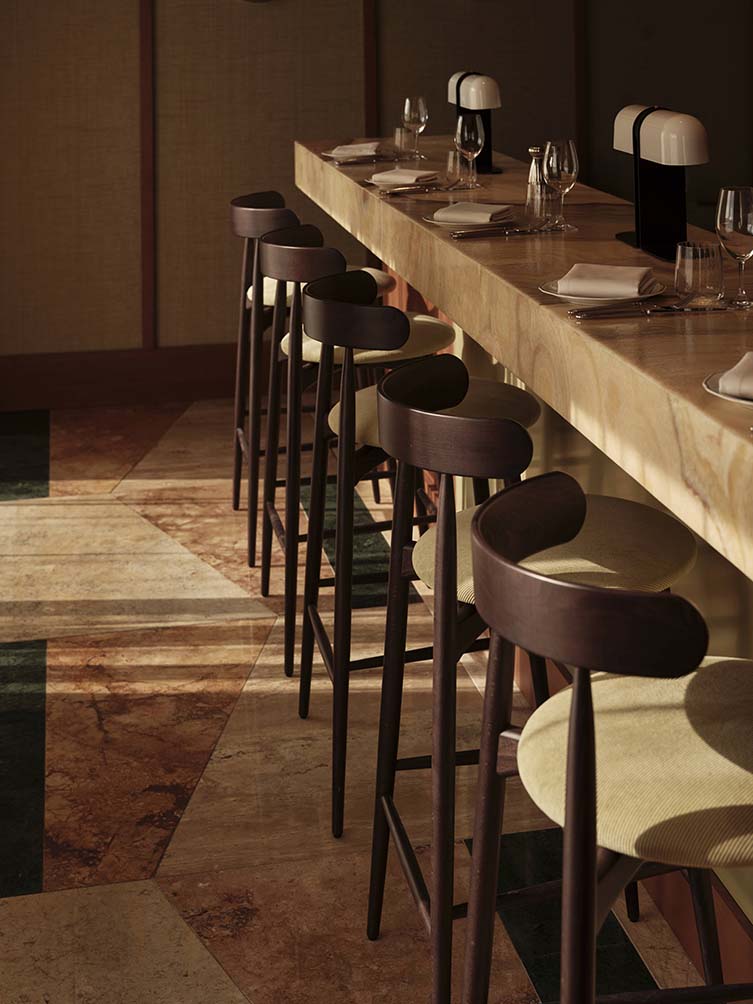
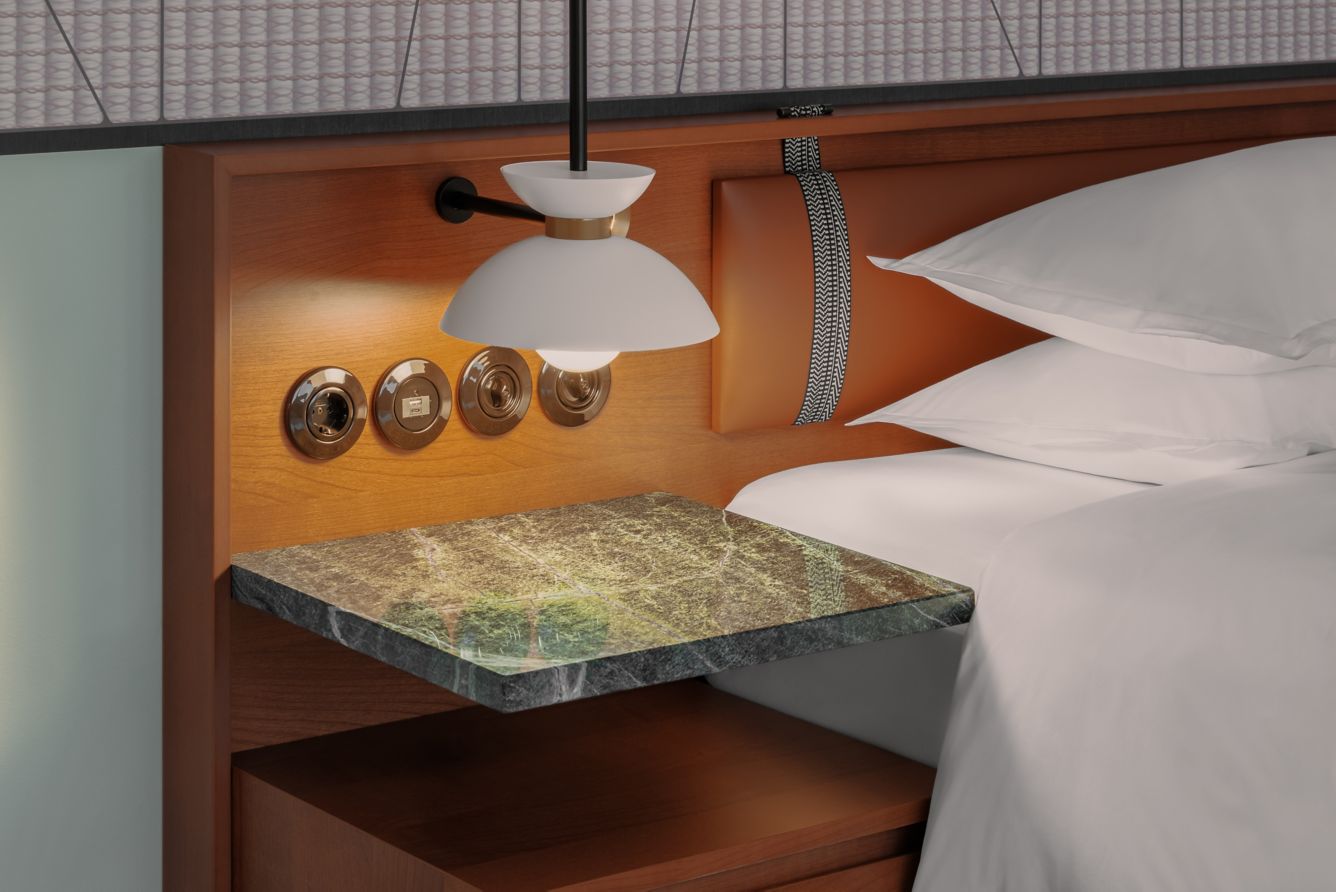
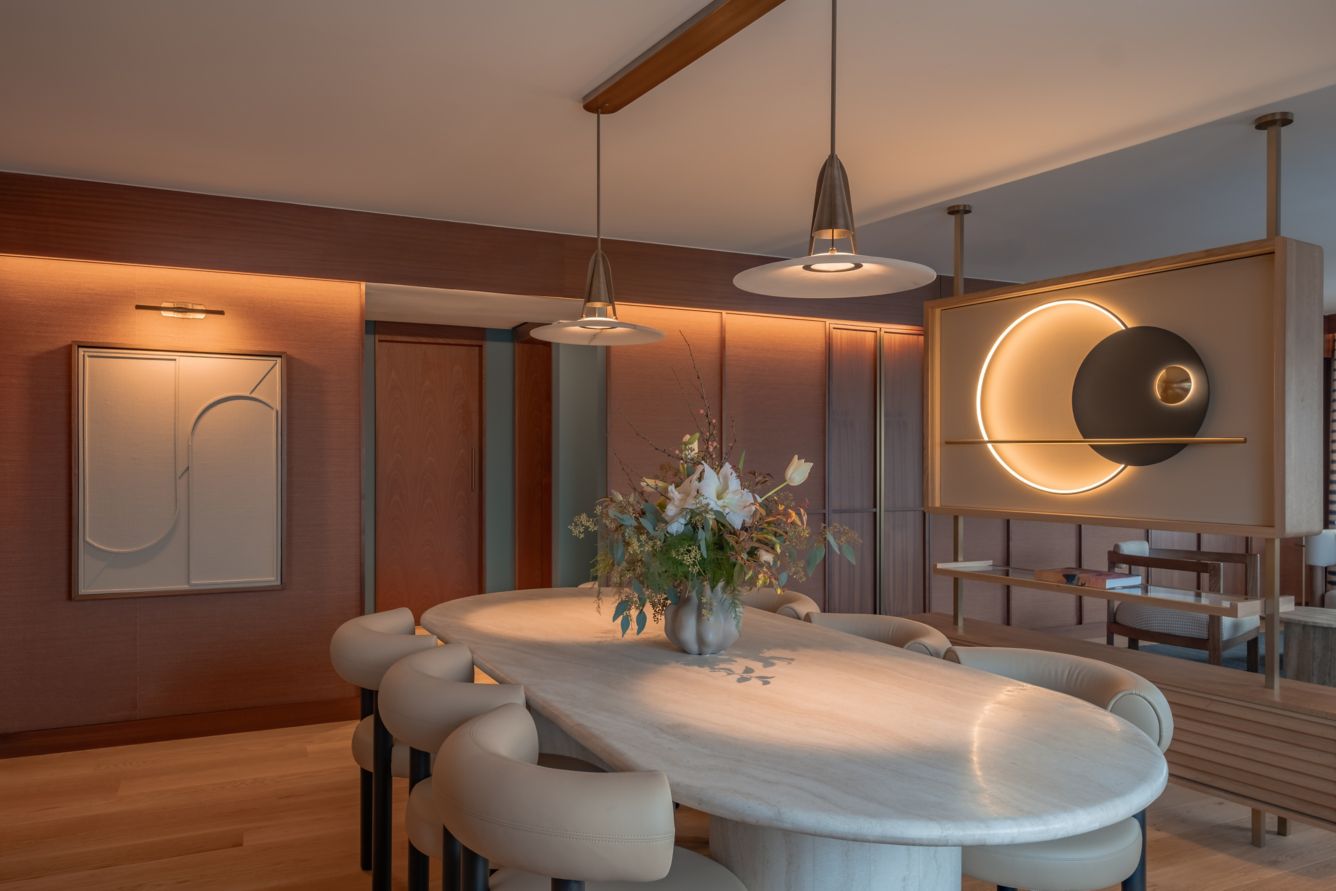
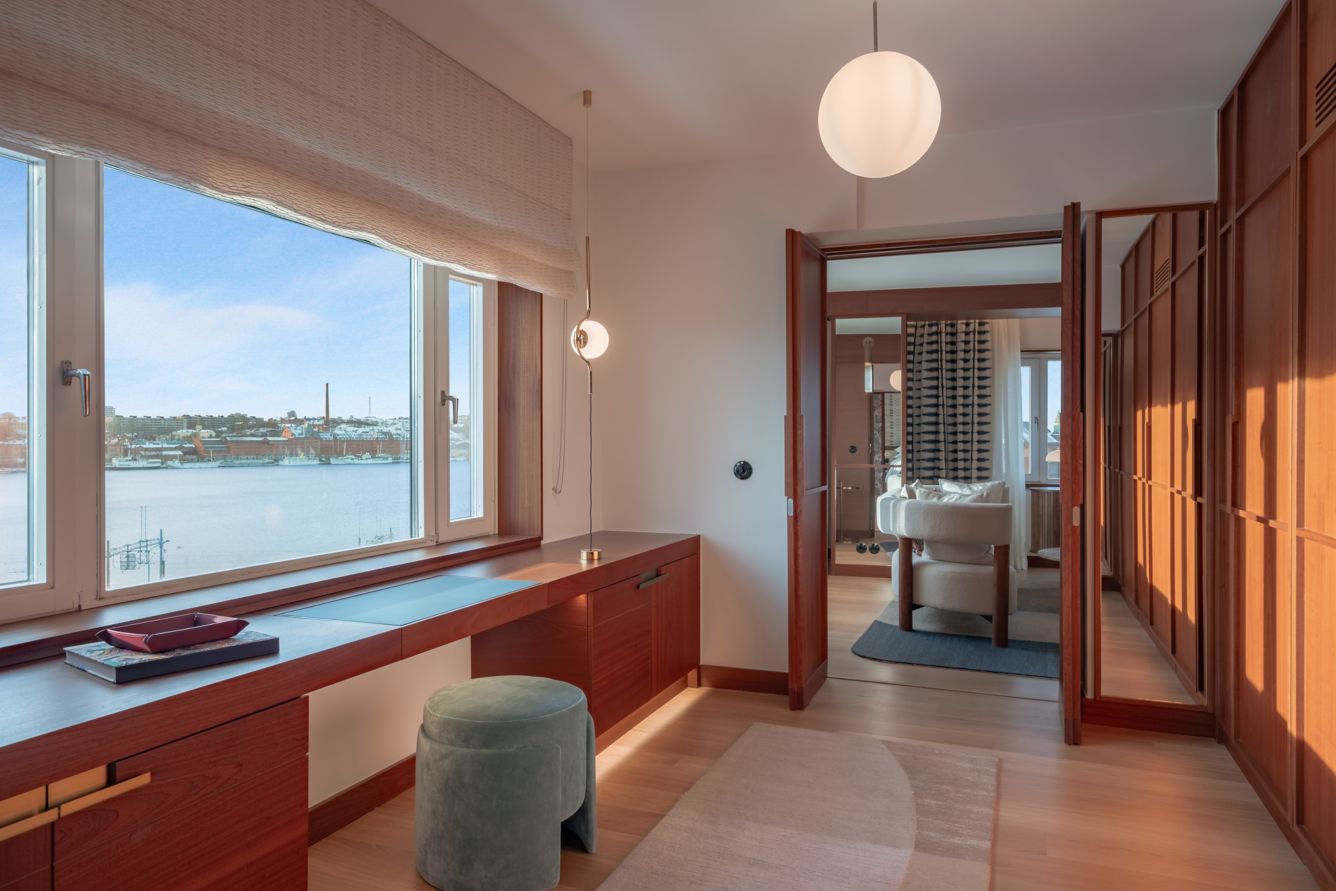
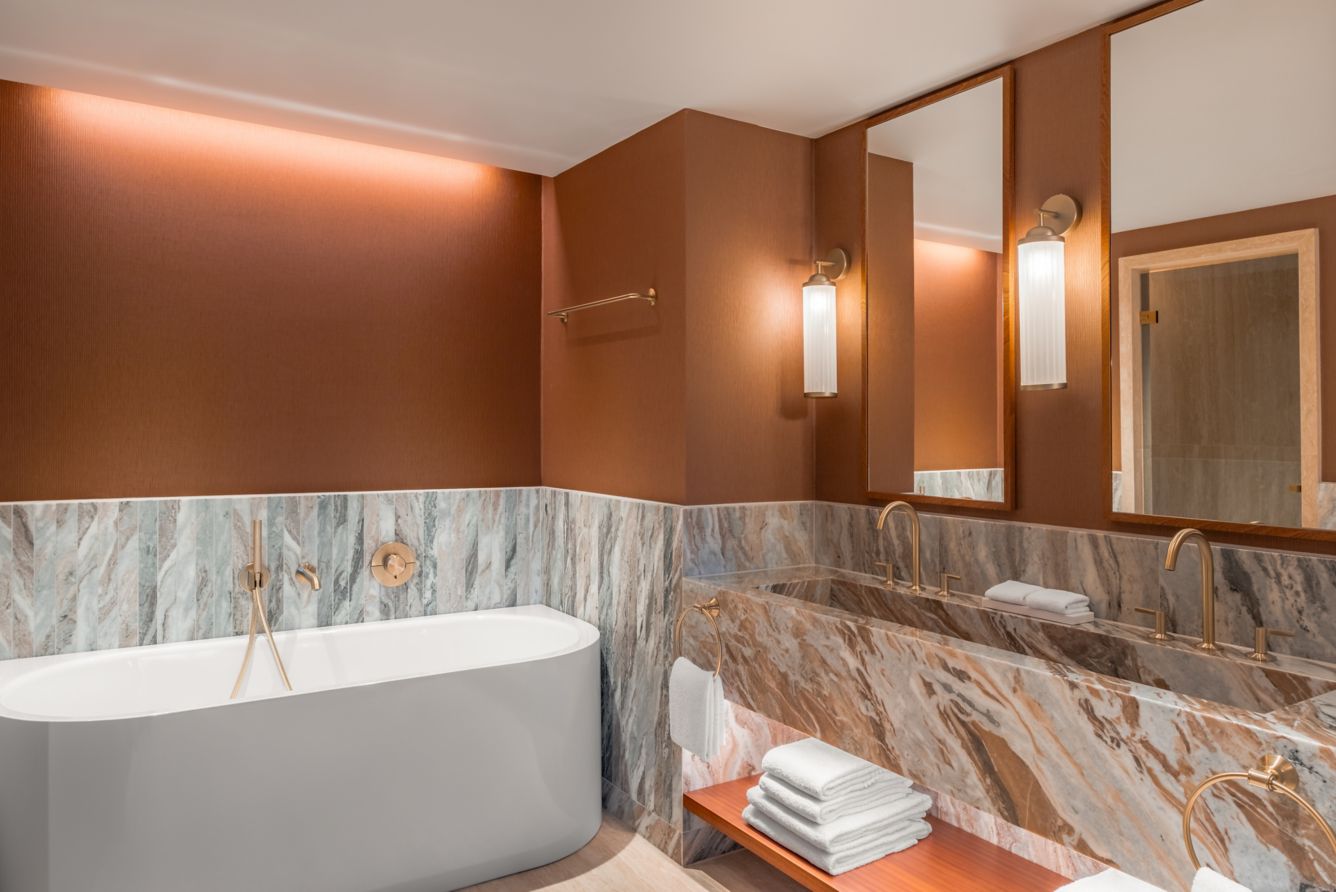
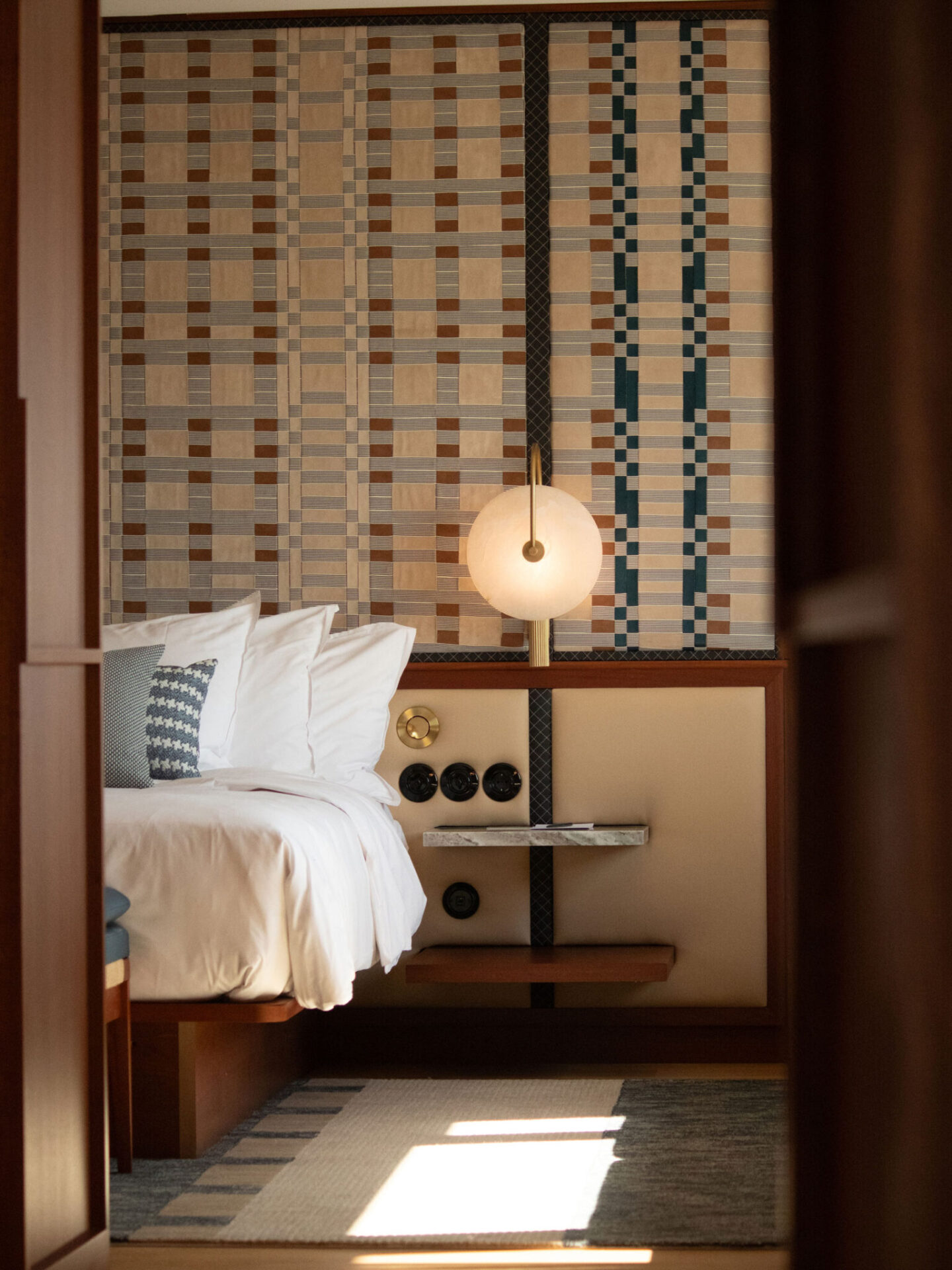
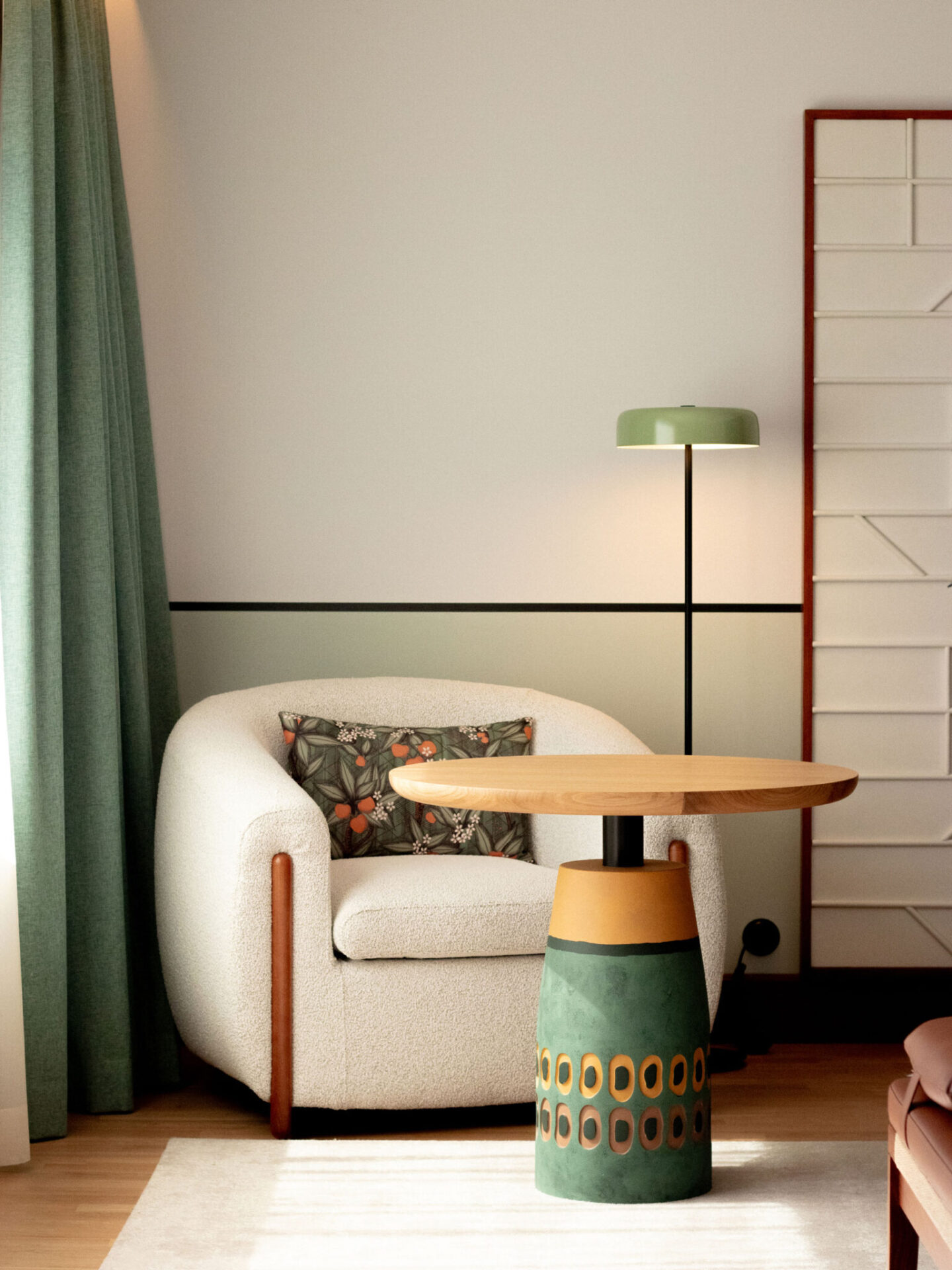
Barcelona-based ADC & Tuneu was commissioned to redesign the hotel’s public spaces, drawing on its 1970s origins rather than attempting to disguise them. The studio looked to Swedish architectural history, particularly Gunnar Asplund, alongside the expressive textiles of Svenskt Tenn, traditional Falu red and contemporary Scandinavian design. The resulting interiors are anything but the predictable beige of international hospitality. Cream mosaic columns, copper lighting, richly coloured upholstery and midcentury-inspired furniture give the spaces a confident personality. A striking red staircase connects the ground floor with the mezzanine, while a mural by artist Claudia Capdevila introduces a playful counterpoint to the architecture. Lighting from Santa & Cole and DCW éditions completes an eclectic but carefully controlled composition. It is not a reconstruction of the original Sheraton, nor a nostalgic 1970s pastiche, but a contemporary interpretation of an era when large hotels were allowed to have character.
Bringing Back the Hotel Lobby
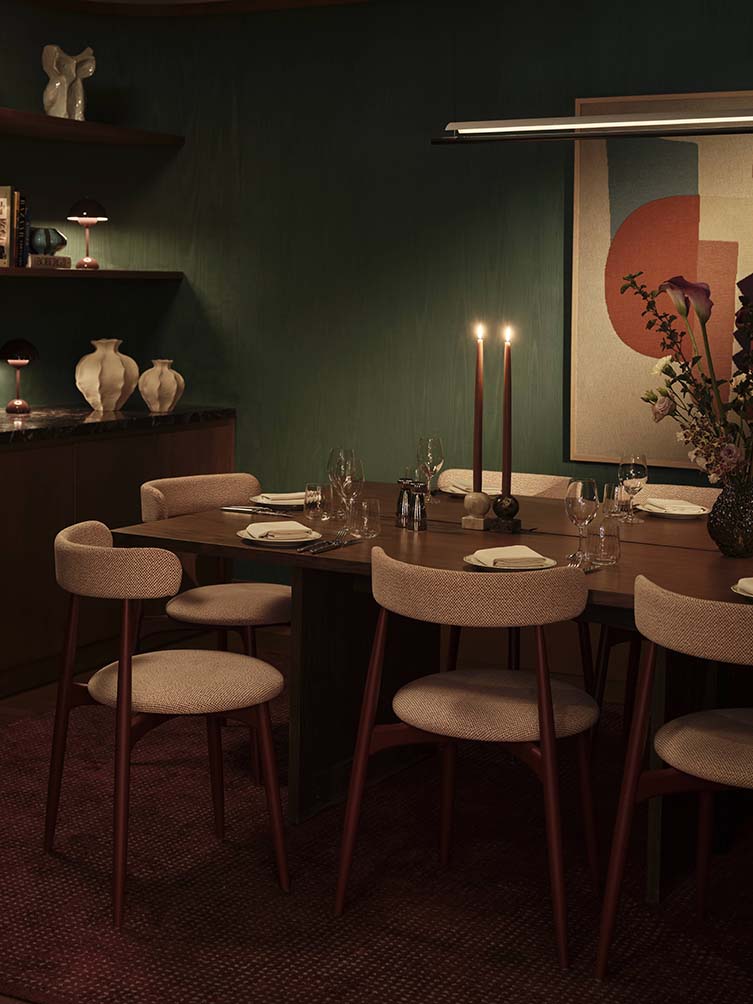
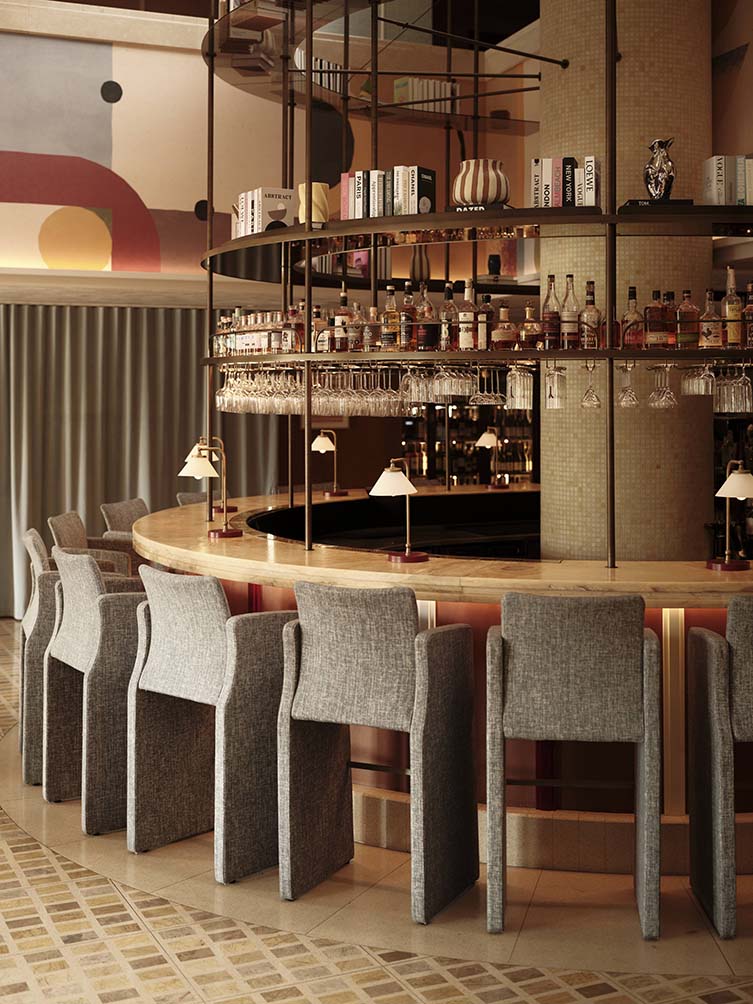
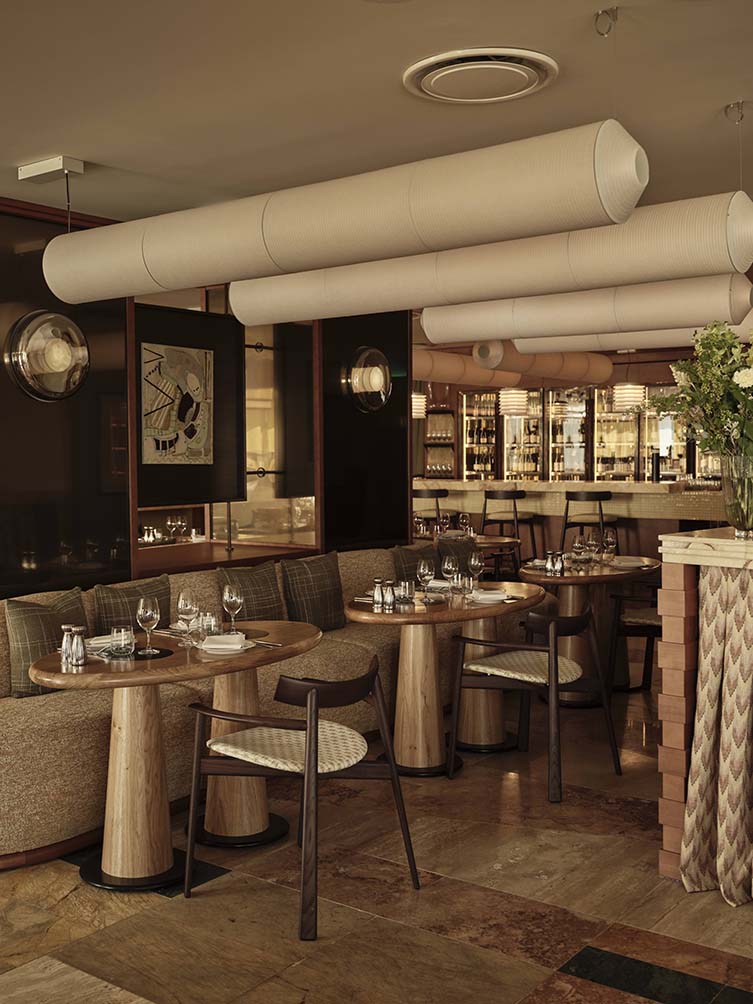
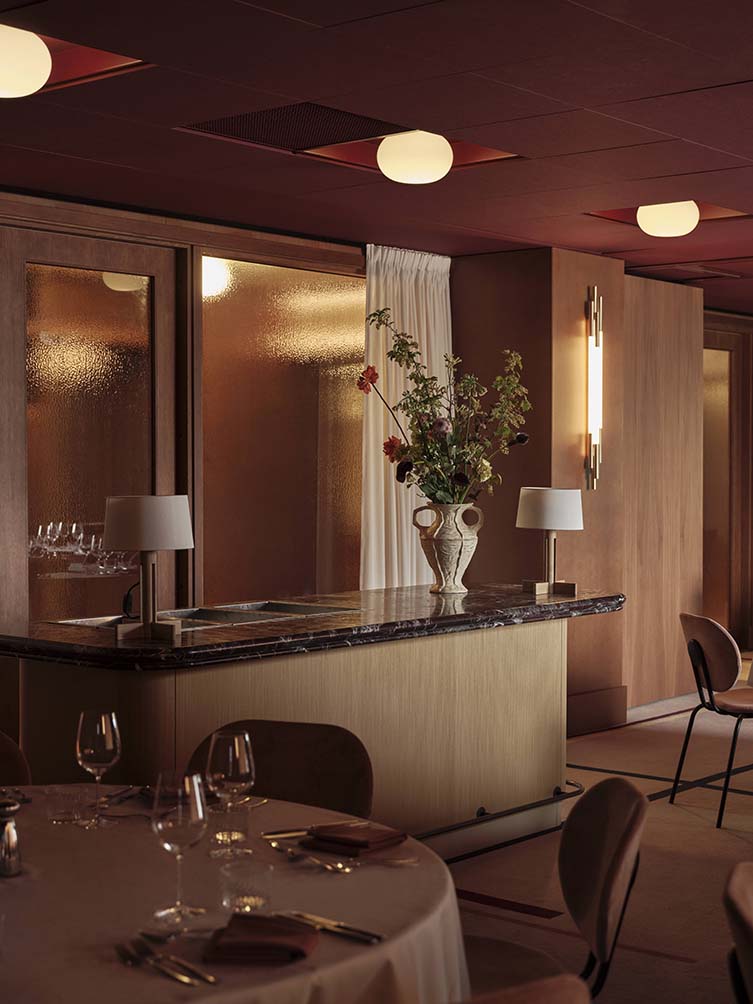
The most important change may be the transformation of the ground floor into a genuinely social space. Reception, informal work areas, dining and seating now connect around a double-height atrium, with Sally’s Bar at its centre. The ambition is to create somewhere Stockholm residents might actually choose to spend time, rather than a lobby designed primarily for checking in and out. This was once an essential part of the grand hotel’s appeal, before so many international properties became little more than efficient accommodation machines. The new Mr. Bronck restaurant reinforces that direction. Named after Swedish settler Jonas Bronck, whose name lives on in New York’s Bronx, it combines Scandinavian and American influences in both its menu and identity. Dark timber, colourful upholstery, recycled marble mosaics and two bars give it a more intimate character than the adjoining public spaces.
A Scandinavian Identity, Not a Brand Template
The renovation extends to the hotel’s meeting and event facilities, including the Red and Orange Ballrooms, where Swedish floral patterns and geometric designs replace the usual anonymous conference-hotel aesthetic. More interesting, however, is the philosophy behind the transformation. General manager Elin Roquet has been unusually direct about the need to make the hotel relevant again. Rather than attempting to appeal to everyone, the ambition is to create a property with a recognisable identity and a genuine connection to Stockholm. That means questioning some of the conventions of international chain hospitality, from the formality of service to the relationship between guests and public spaces. The challenge is considerable: giving a large Marriott-operated hotel an individual personality without losing the operational advantages of belonging to a global brand.
A Second Chance for Sheraton
Sheraton Stockholm makes a persuasive case for reinvention rather than rebranding. Its architecture, location and history were always valuable assets; what was missing was a clear idea of what the hotel should be today. ADC & Tuneu’s renovation restores some of the confidence associated with the original international grand hotels, while giving the building a contemporary Scandinavian identity. Whether it succeeds as a social destination remains to be seen, but the direction is encouraging. At a time when established hotel brands are increasingly overshadowed by newer lifestyle concepts, Sheraton Stockholm suggests that the answer may already be hiding in their own history. And for a brand that once helped define international hospitality, that would be a welcome comeback.
Information
At a glance
Architecture
AOS Arkitekter
Opened / Renovated
1971, renovated 2026
Size matters
463 rooms & suites (21-94m2) (226-1,012 sq ft)
Interior design
ADC & Tuneu
Bathroom Amenities
custom
Featured in
Don't take our word for it

Handpicked worldwide
A carefully curated collection of exceptional boutique and design hotels across the globe.
Design with soul
Architecture, atmosphere and craftsmanship come together in stays with a clear identity.
Hidden, not hyped
Independent boutique hotels you rarely find on mainstream booking platforms.
Travel guidance
Personal recommendations and thoughtful support from people who actually know the places.