


The former birthplace of 25hours gets a second life — colourful, communal and unmistakably Superbude.
Book now
Why DNA Hotels loves it
Superbude moved into the building that once housed the very first 25hours Hotel, giving an important piece of Hamburg's design-hotel history an entirely new chapter.
Industrial architecture and raw concrete are loosened up with bold graphics, colour, recycled materials and the brand's characteristic sense of humour.
With 126 rooms, flexible social spaces and a strong food-and-drink component, this is the grown-up Superbude — without growing boring.
The Stay
Superbude Altona – Hamburg, Germany
Where One Hotel Story Becomes Another
There is something wonderfully circular about Superbude Altona. Long before 25hours became an international hotel brand, its story began here in Hamburg-Bahrenfeld, inside a converted industrial building west of the city centre. Years later, another Hamburg-born hospitality idea moved in. Superbude Altona became the third Hamburg outpost of the unconventional hotel-hostel hybrid that had already established itself in St. Georg and St. Pauli. Rather than erase the building’s hospitality history, the new incarnation adds another layer to it. The result feels less like a conventional conversion and more like a hotel being handed from one generation of Hamburg creativity to the next.
Industrial Bones, Superbude Personality
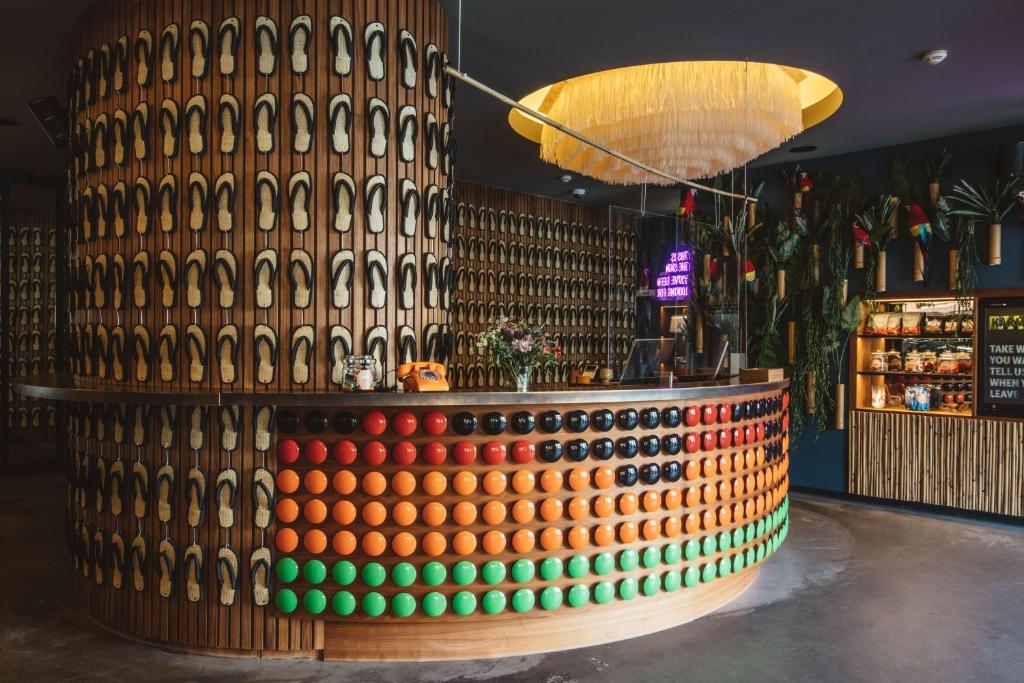
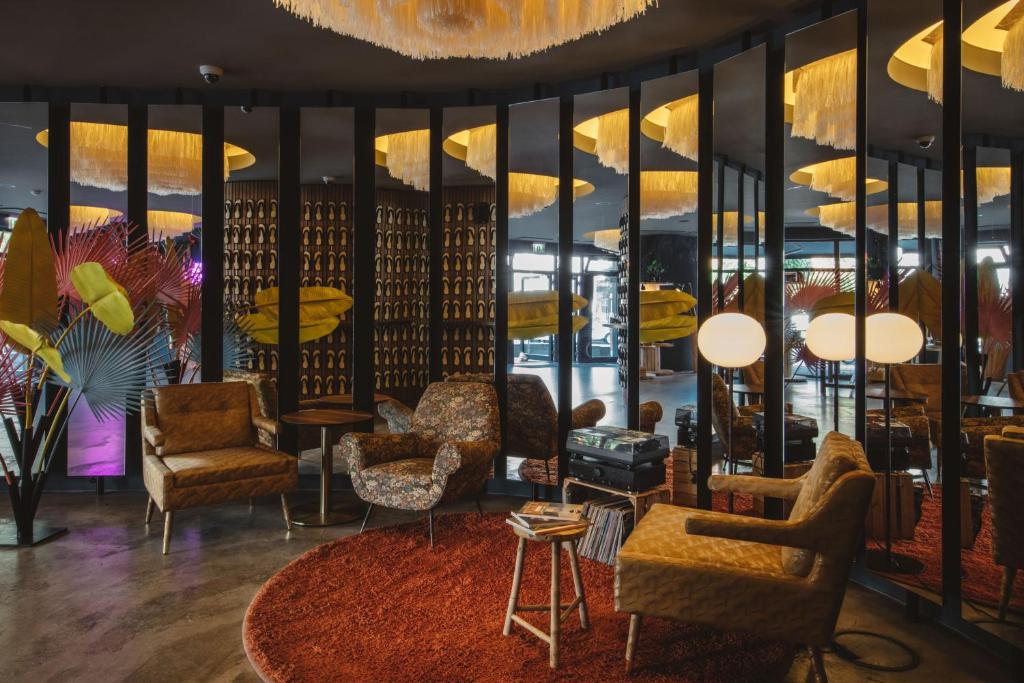
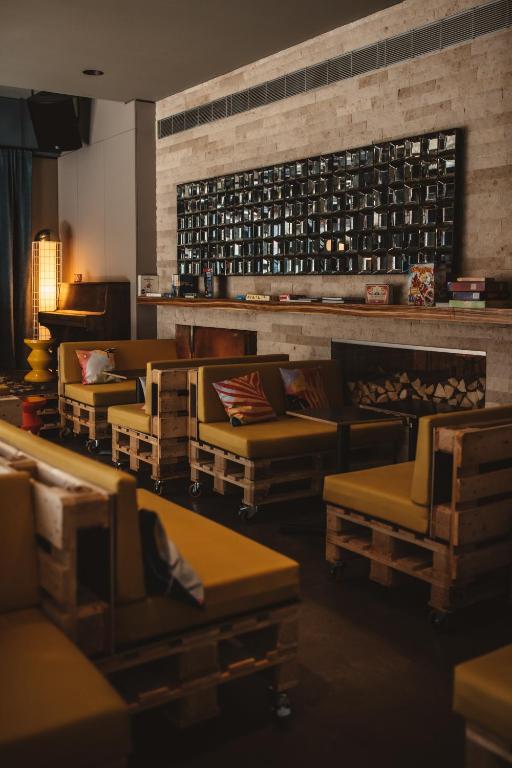
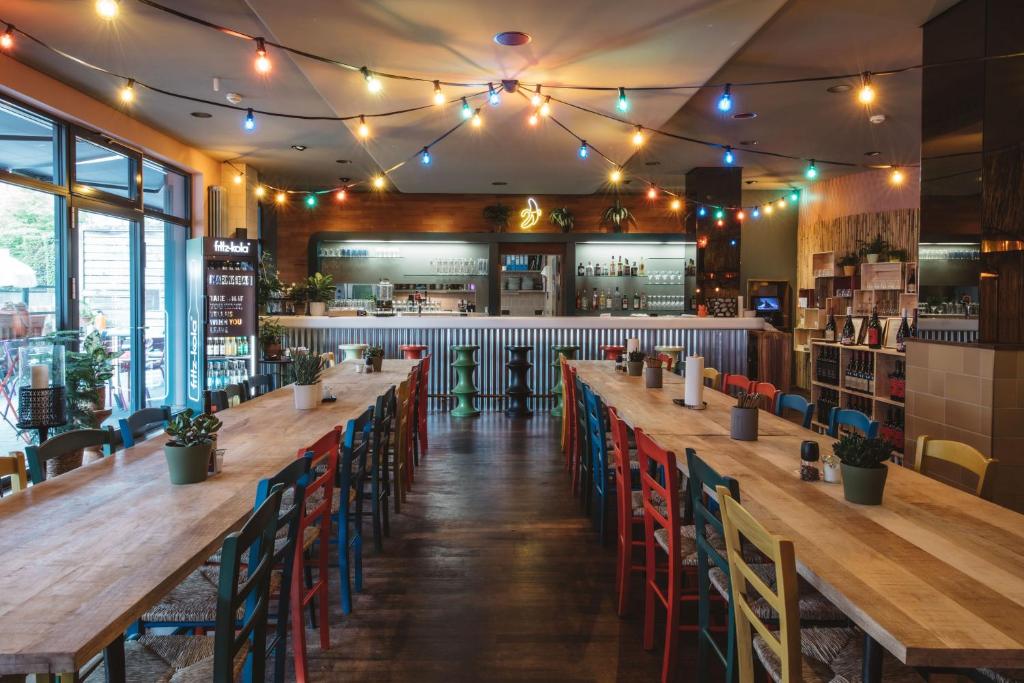
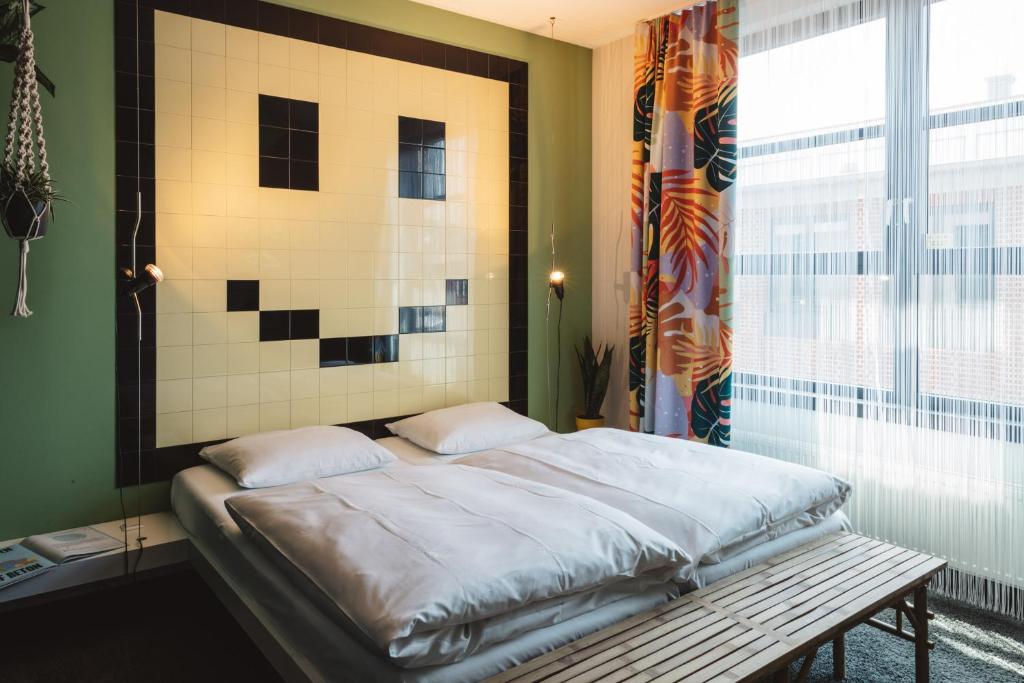
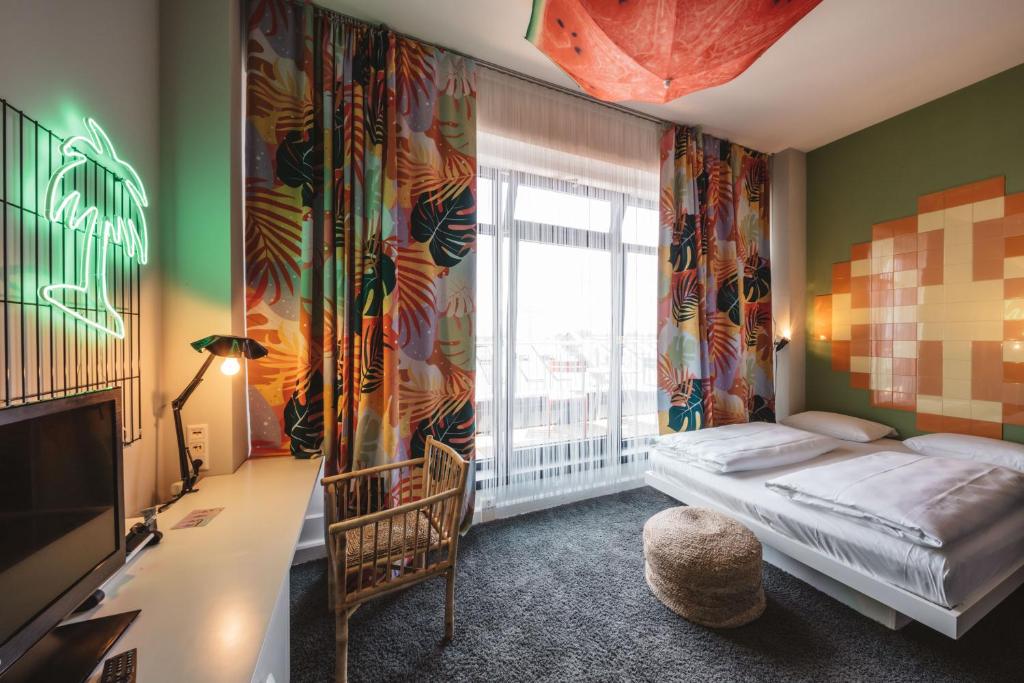
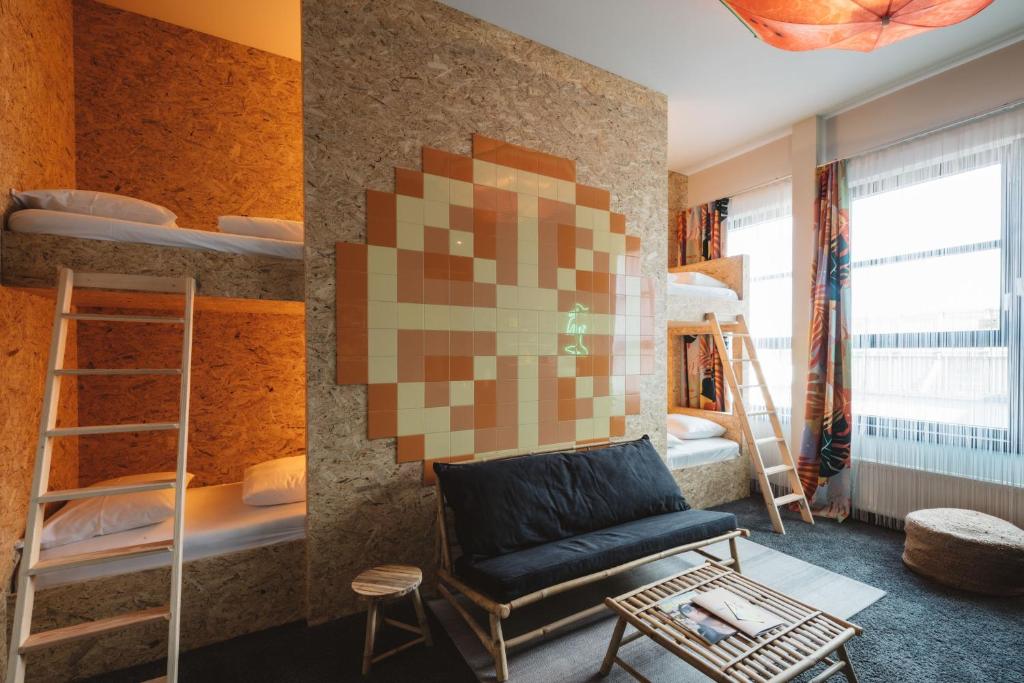
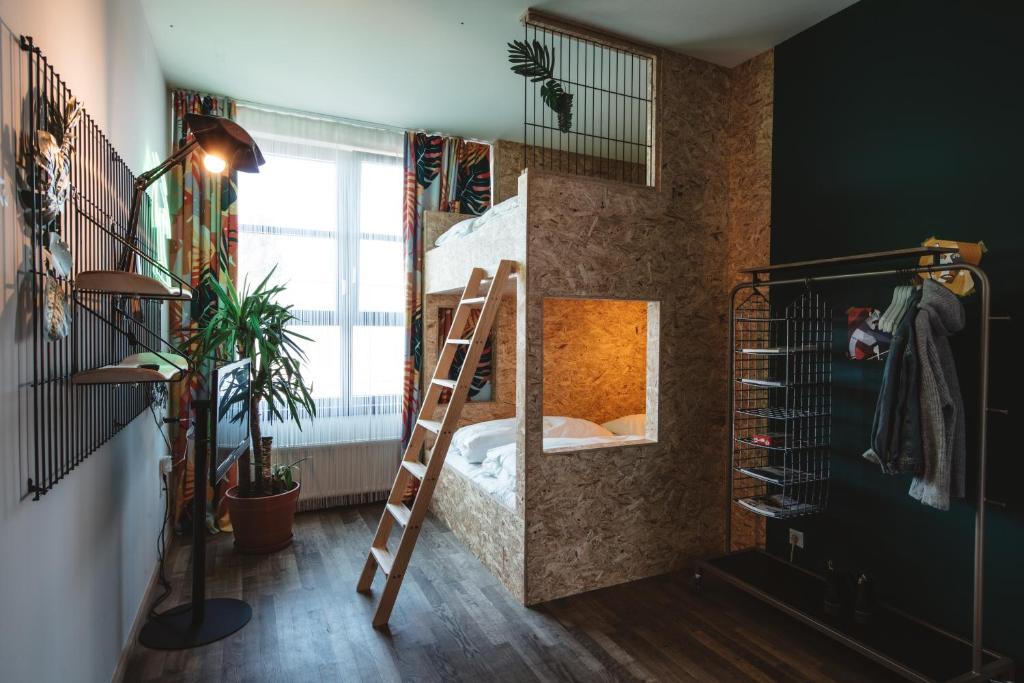
The architecture provides a suitably robust backdrop. Exposed concrete, generous volumes and the building’s industrial character remain visible, but Superbude has little interest in the solemn grey minimalism that so often accompanies converted factories. Colour crashes into concrete. Graphic wallpapers, mismatched furniture, playful objects and unexpected details give the spaces the slightly improvised character that has always defined the brand. Things don’t need to match perfectly. In fact, it’s generally more interesting when they don’t. The aesthetic is approachable rather than precious — design intended to be sat on, touched and lived with rather than admired from a carefully calculated distance.
126 Rooms, Plenty of Possibilities
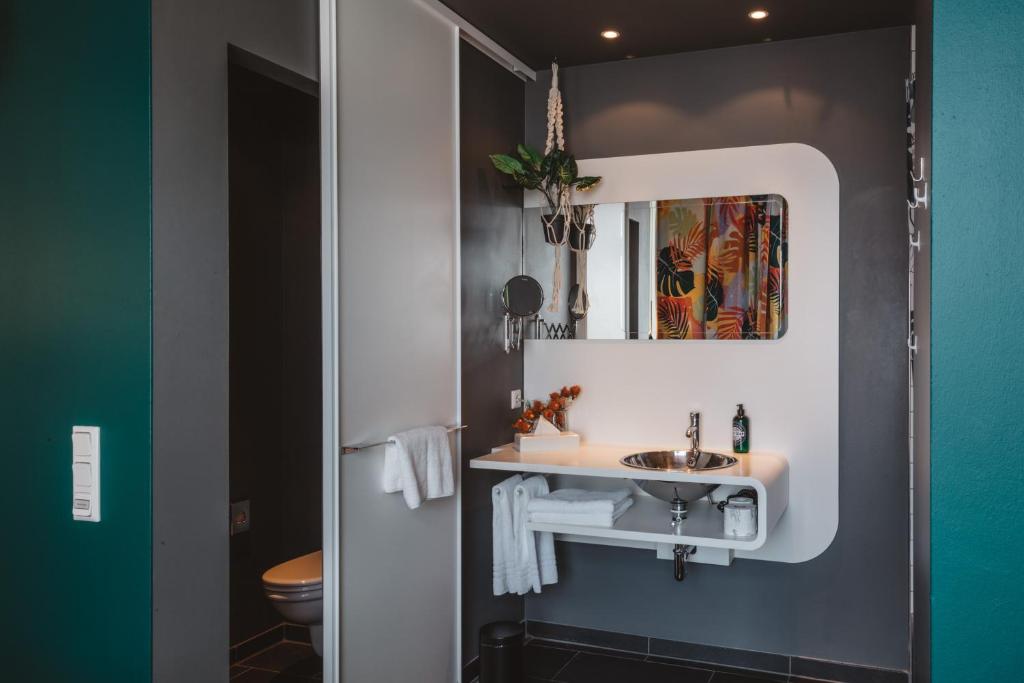
With 126 rooms, Altona is considerably larger than the original Superbude St. Georg. Accommodation ranges from straightforward doubles to larger rooms and studios suited to friends and families, maintaining the flexibility that has been fundamental to Superbude from the beginning. The essentials are deliberately uncomplicated: comfortable beds, private bathrooms, rain showers, good Wi-Fi and the technology contemporary travellers actually use. Then personality gets layered on top. Bold graphics, bright accents and unconventional details prevent the rooms from becoming anonymous, while flexible configurations make them work for very different kinds of guests. That’s an important part of the Superbude philosophy. A design hotel shouldn’t only be designed for couples with matching luggage.
The Kitchen Club Grows Up
As at its siblings, communal life matters just as much as the bedrooms. The Kitchen Club again functions as far more than somewhere to eat breakfast. Tables become workspaces, sofas become meeting places and the atmosphere changes throughout the day as guests eat, work, talk or simply hang around.But Altona has more room to play with. Its larger public spaces allow the social concept to expand, with lounge areas, games and plenty of corners where you can either join the action or retreat from it. The distinction between lobby, living room and neighbourhood hangout becomes intentionally blurry. That’s where Superbude is at its best.
More Than Breakfast
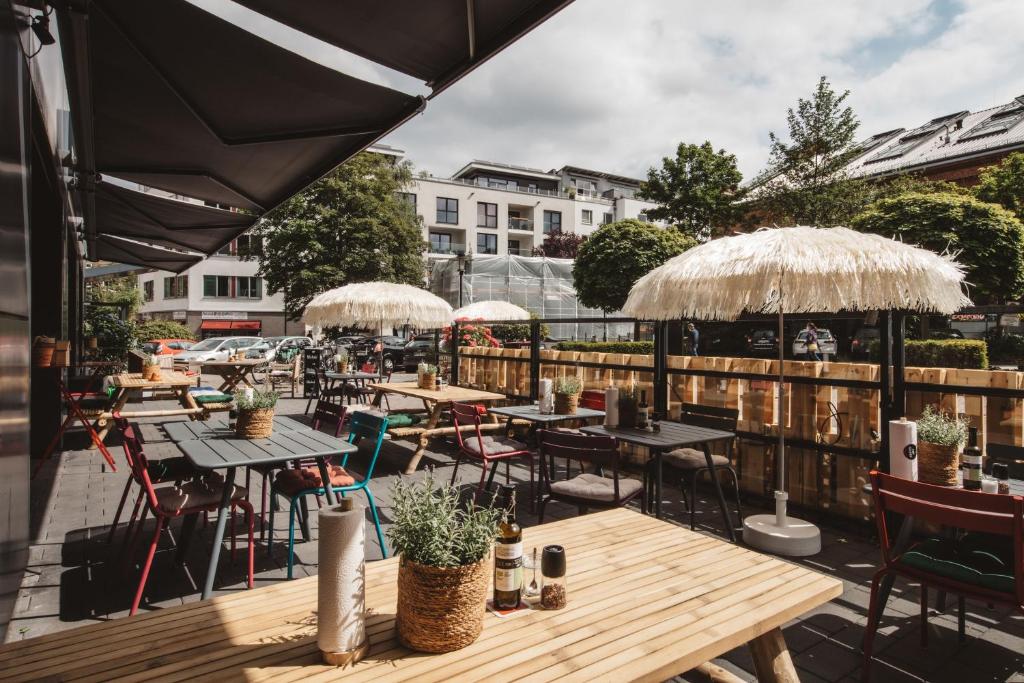
Food and drink also have a stronger presence here than at the earliest Superbuden. The hotel doesn’t treat eating as a functional add-on to the room rate, but as another reason for people to gather. That changes the rhythm of the property. Instead of the public spaces emptying once breakfast finishes, they can remain active throughout the day and into the evening — giving locals a reason to enter a building that might otherwise belong almost exclusively to travellers. And that matters in Bahrenfeld, where Superbude has more space to create its own scene than it would in the middle of St. Pauli.
Hamburg, Further West
The location gives this Superbude a noticeably different personality. Bahrenfeld doesn’t deliver Hamburg’s greatest hits the moment you walk outside. That’s part of its appeal. This is western Hamburg: more residential, more spacious and increasingly shaped by creative businesses, studios and converted industrial buildings. Altona, Ottensen and the Elbe are within reach, while the centre and St. Pauli remain easily accessible when you want them. Superbude therefore becomes more of a destination in itself. You aren’t staying here simply because everything on a tourist checklist is around the corner. You’re staying because this side of Hamburg offers a different way into the city.
Why It Works
Superbude Altona is an interesting evolution of the original idea. St. Georg established that budget hospitality could have serious design credentials. St. Pauli added neighbourhood attitude and turned up the volume. Altona gives the concept more space. And its previous life makes that evolution especially satisfying. A building that helped launch 25hours now houses another hotel concept that challenged conventional ideas about what affordable hospitality could look like. Superbude Altona doesn’t preserve that history behind glass. It simply picks up the story and keeps going — with more colour, more people and considerably less interest in behaving like a traditional hotel.
Information
At a glance
Opened / Renovated
2003 (previously 25hours Hotel The One)
Size matters
126 rooms (20-47m2) (215-506 sq ft)
Handpicked worldwide
A carefully curated collection of exceptional boutique and design hotels across the globe.
Design with soul
Architecture, atmosphere and craftsmanship come together in stays with a clear identity.
Hidden, not hyped
Independent boutique hotels you rarely find on mainstream booking platforms.
Travel guidance
Personal recommendations and thoughtful support from people who actually know the places.