Five Buildings, One Home

Five centuries of Porto architecture transformed by Frederico Valsassina and Space Copenhagen into an intimate residence where art, craft and hospitality become inseparable.

Book now

Why DNA Hotels loves it

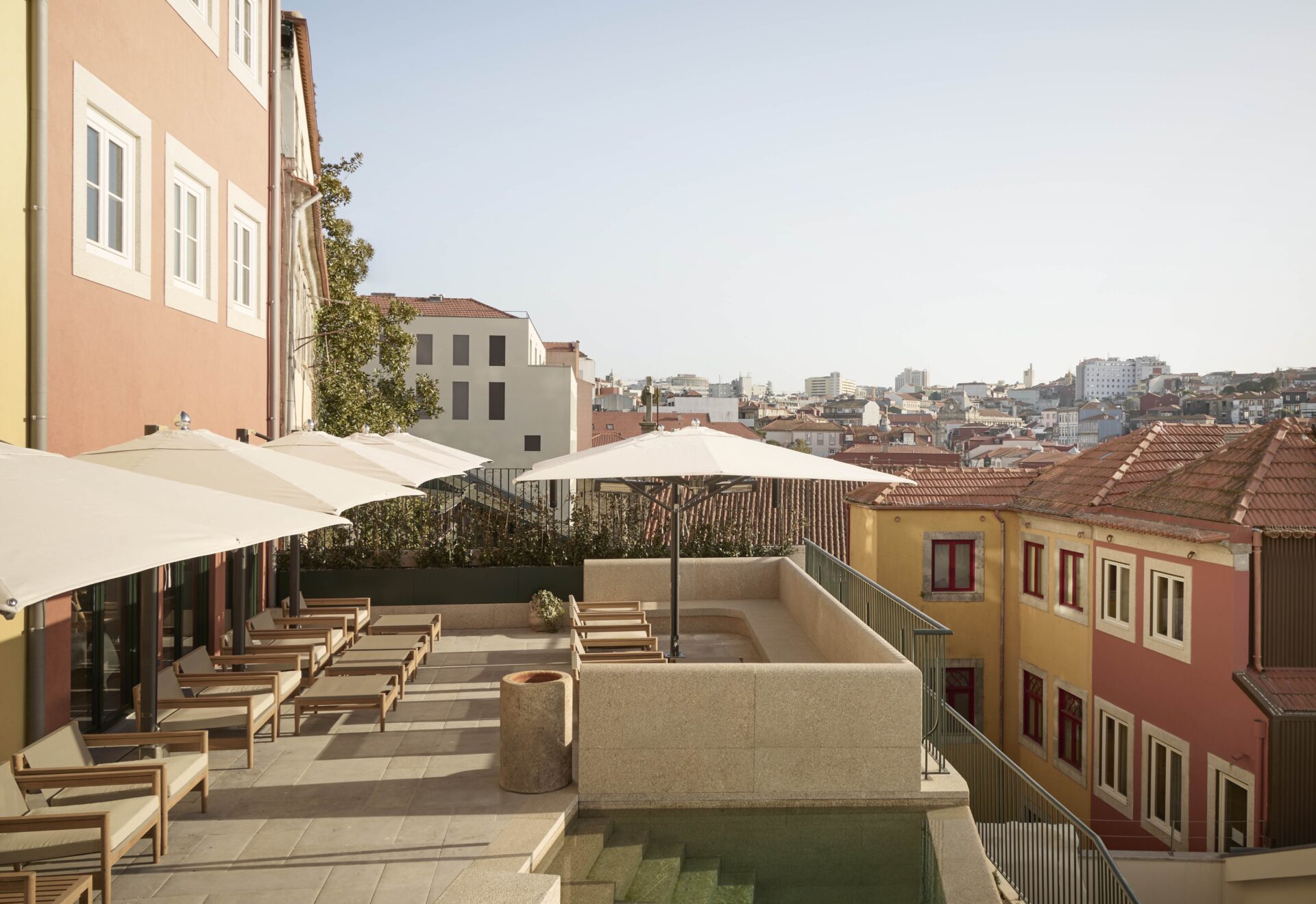
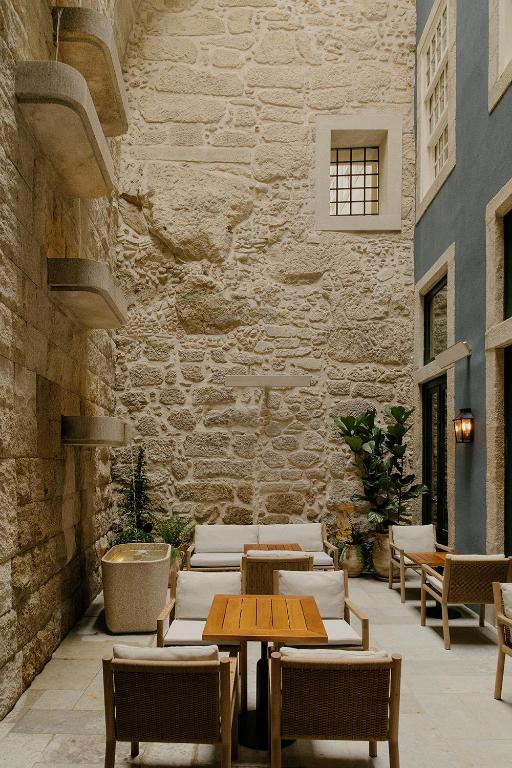
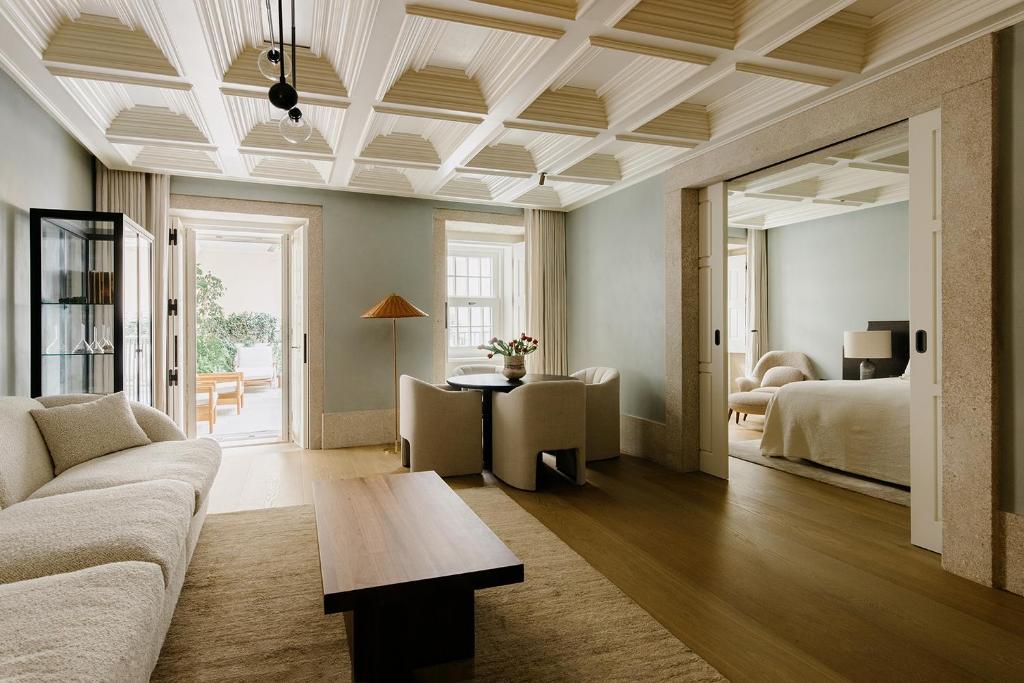
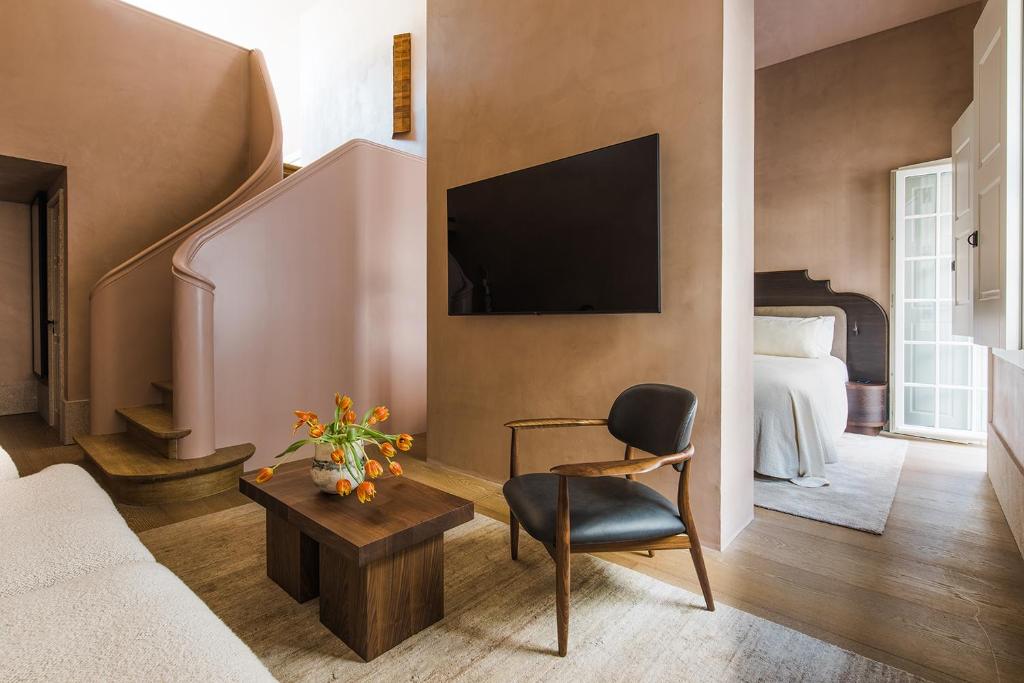
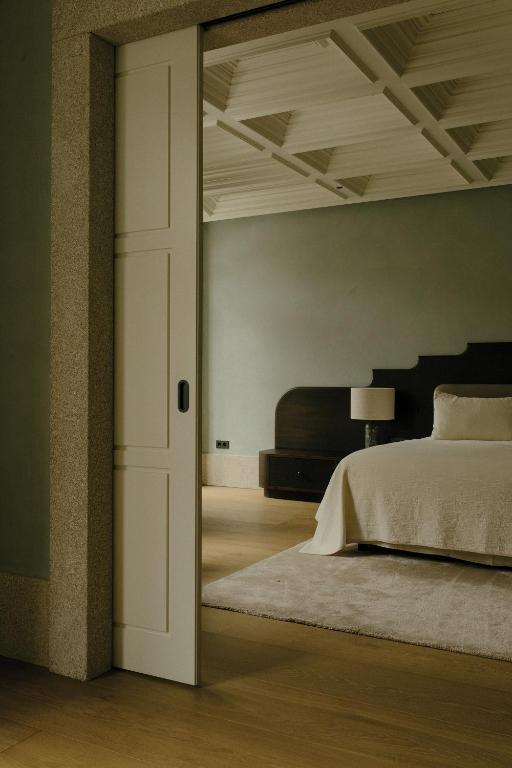
Five interconnected buildings dating from the 15th, 16th and 19th centuries were restored by Portuguese architect Frederico Valsassina, with Space Copenhagen layering contemporary Nordic restraint over their surviving stonework, ceilings and architectural irregularities.

Art is embedded in the architecture rather than added as decoration, from Álvaro Siza’s unique ceramic mural and Rui Chafes’ suspended steel sculpture to site-specific works by Portuguese and international artists.

With just 18 rooms and suites, no conventional reception desk and public spaces deliberately open to Porto, The Largo behaves more like an exceptionally well-run private residence than a traditional luxury hotel.

The Stay

A quietly luxurious Porto hideaway where centuries-old architecture, Scandinavian restraint, contemporary art and Portuguese culture come together.

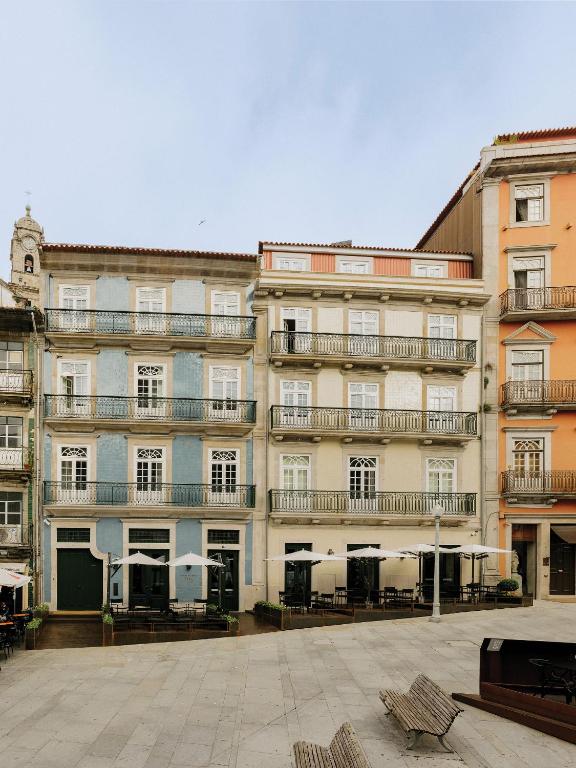
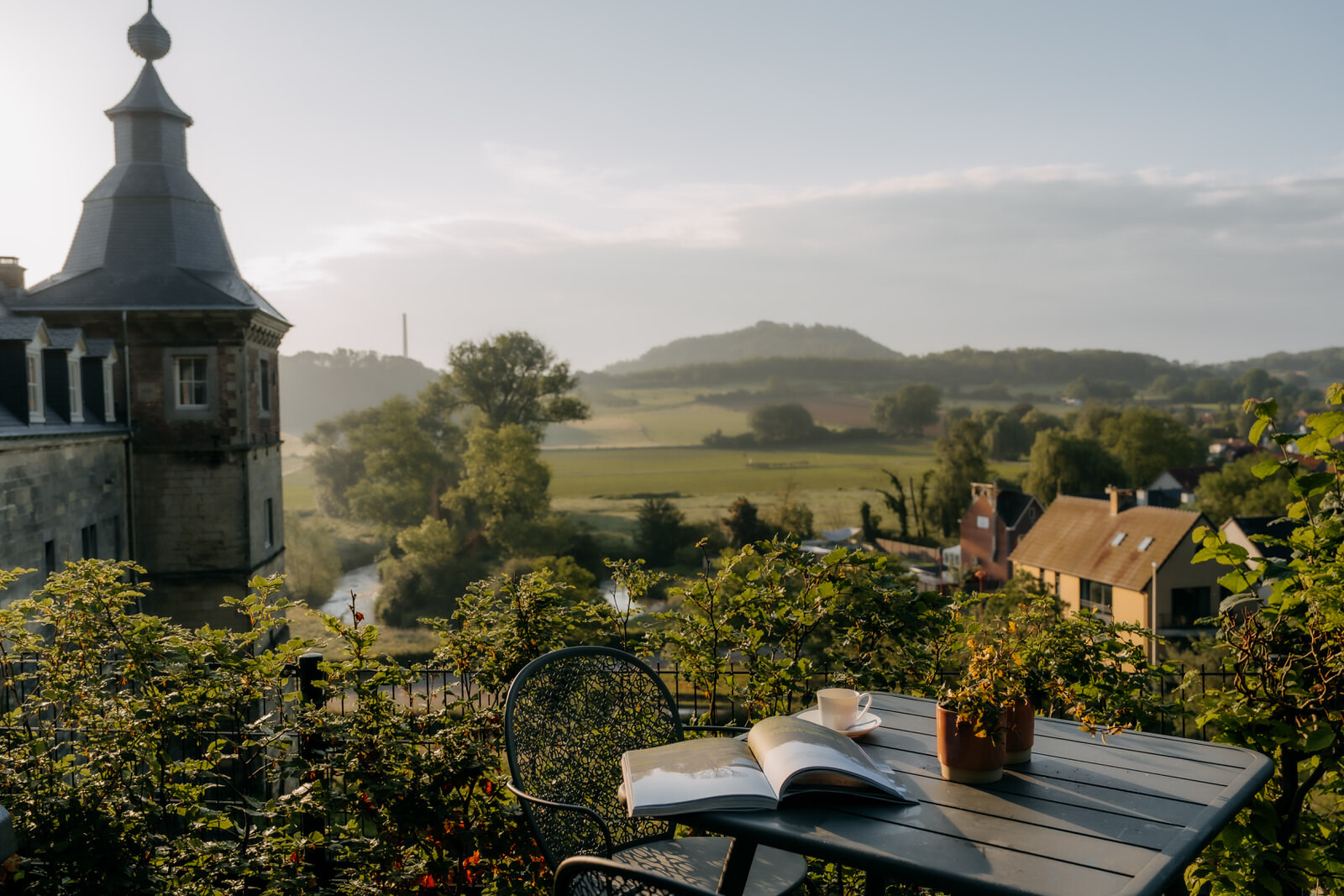
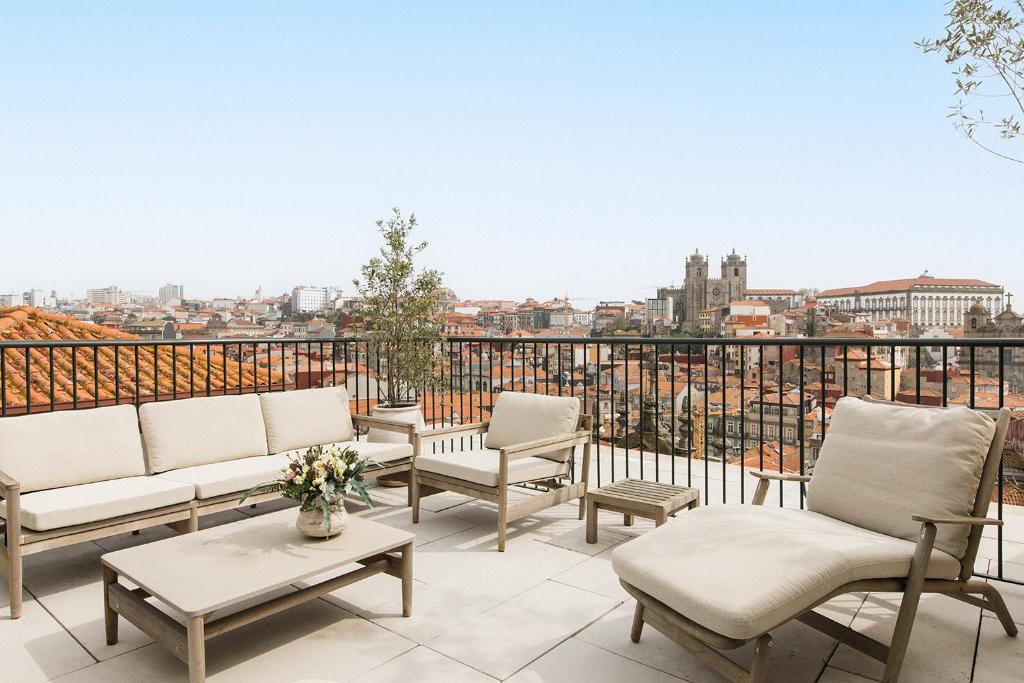
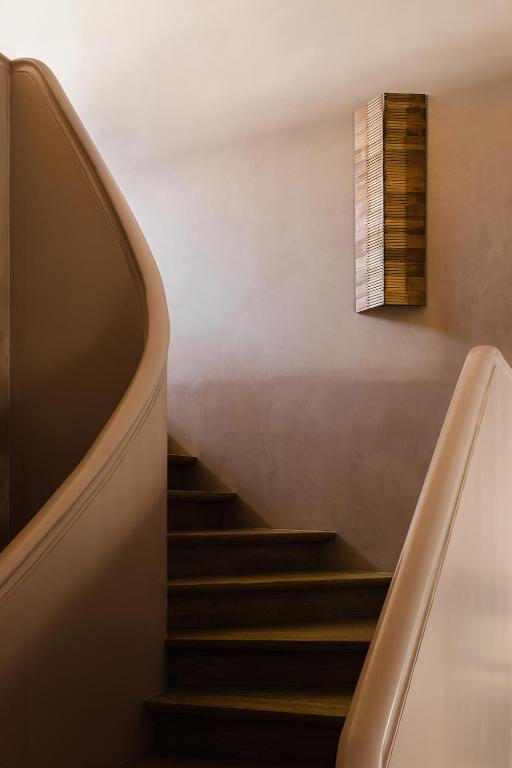
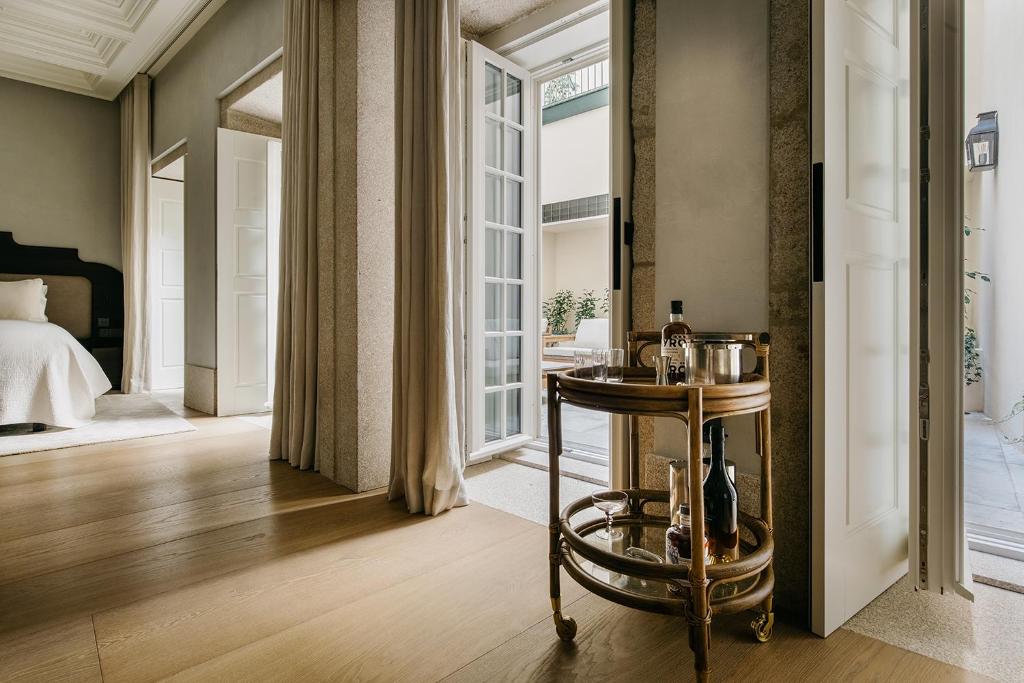
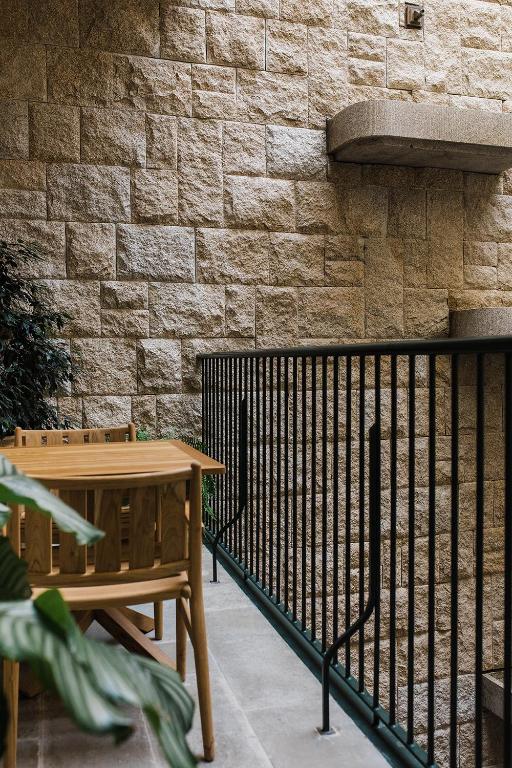
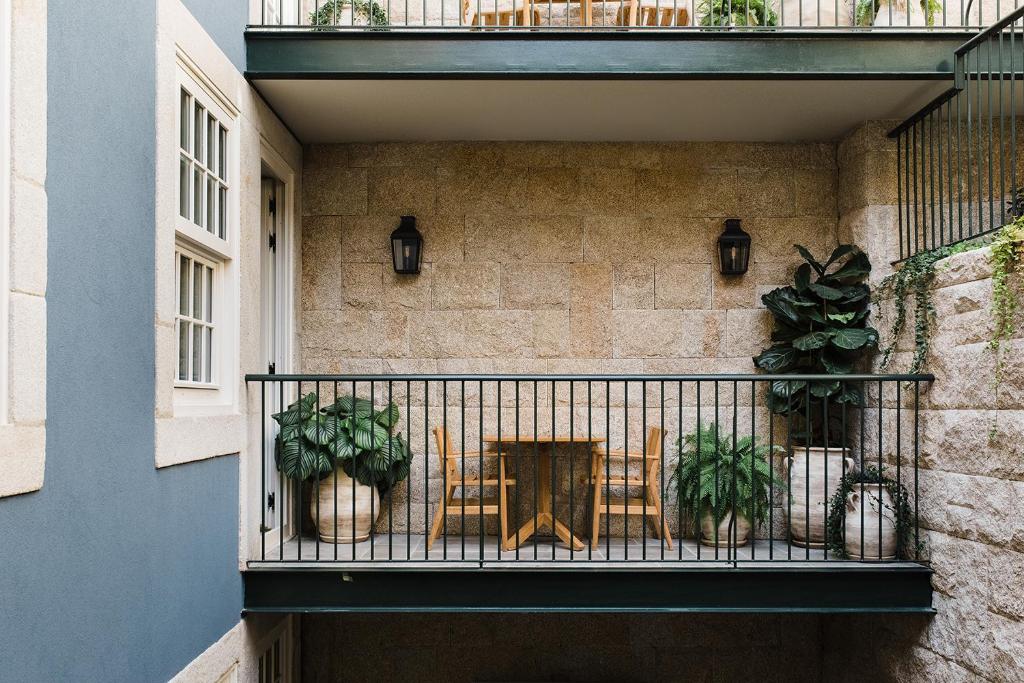
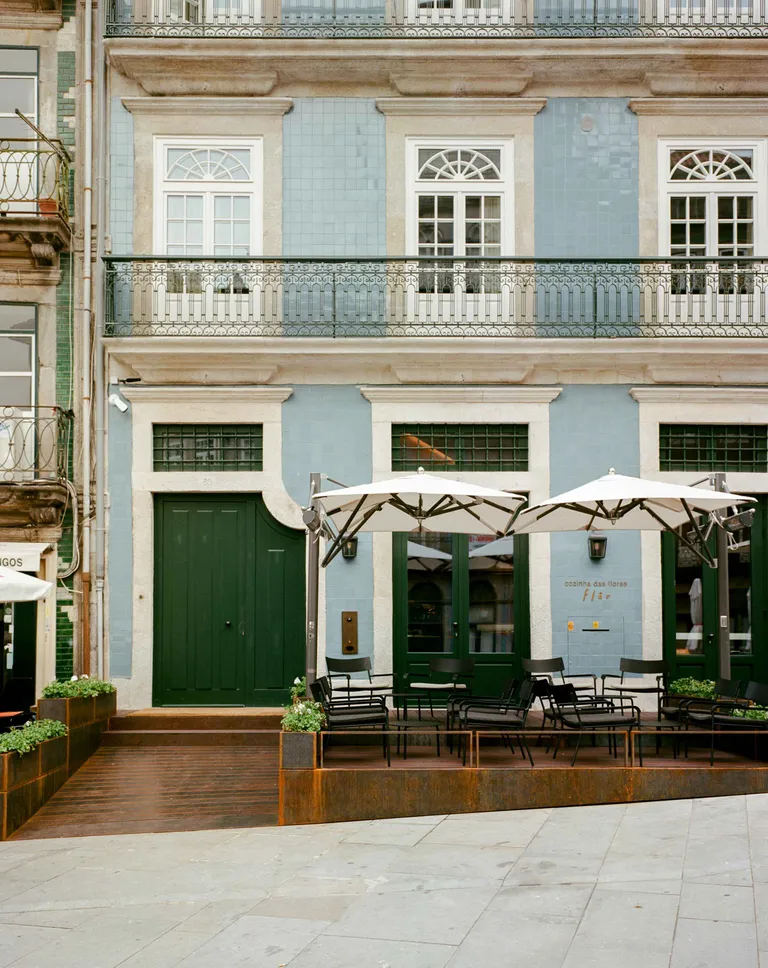
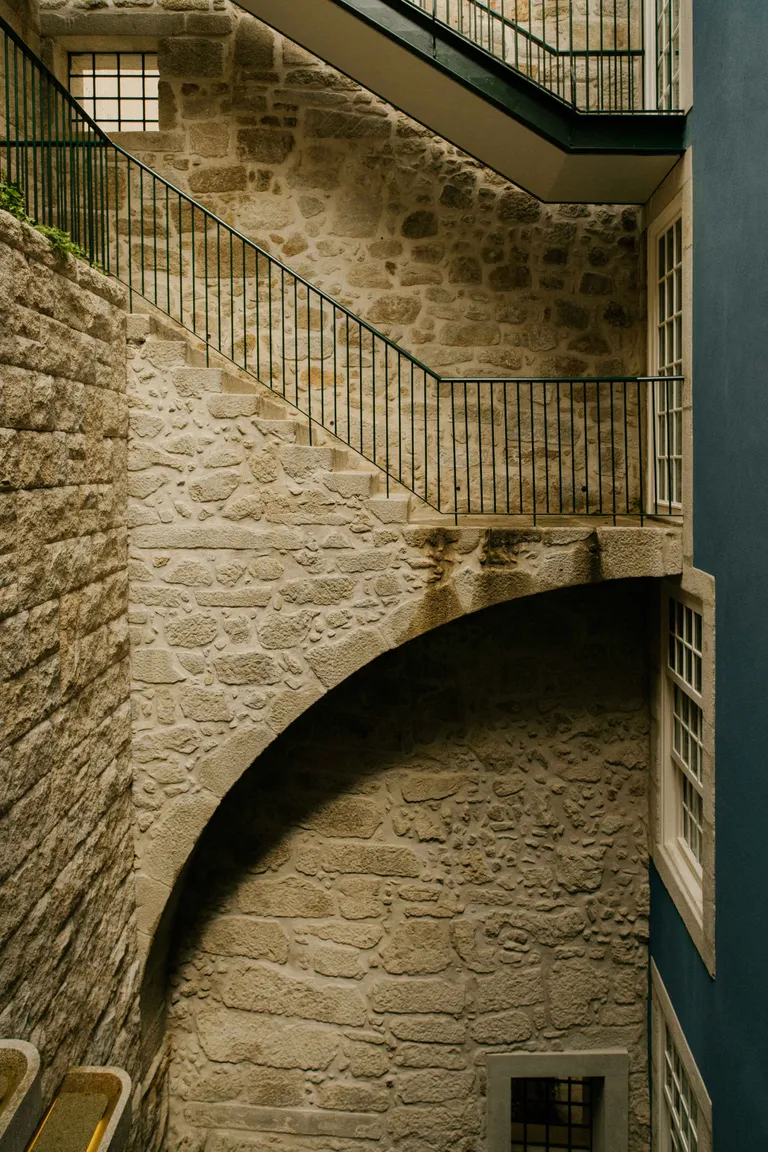
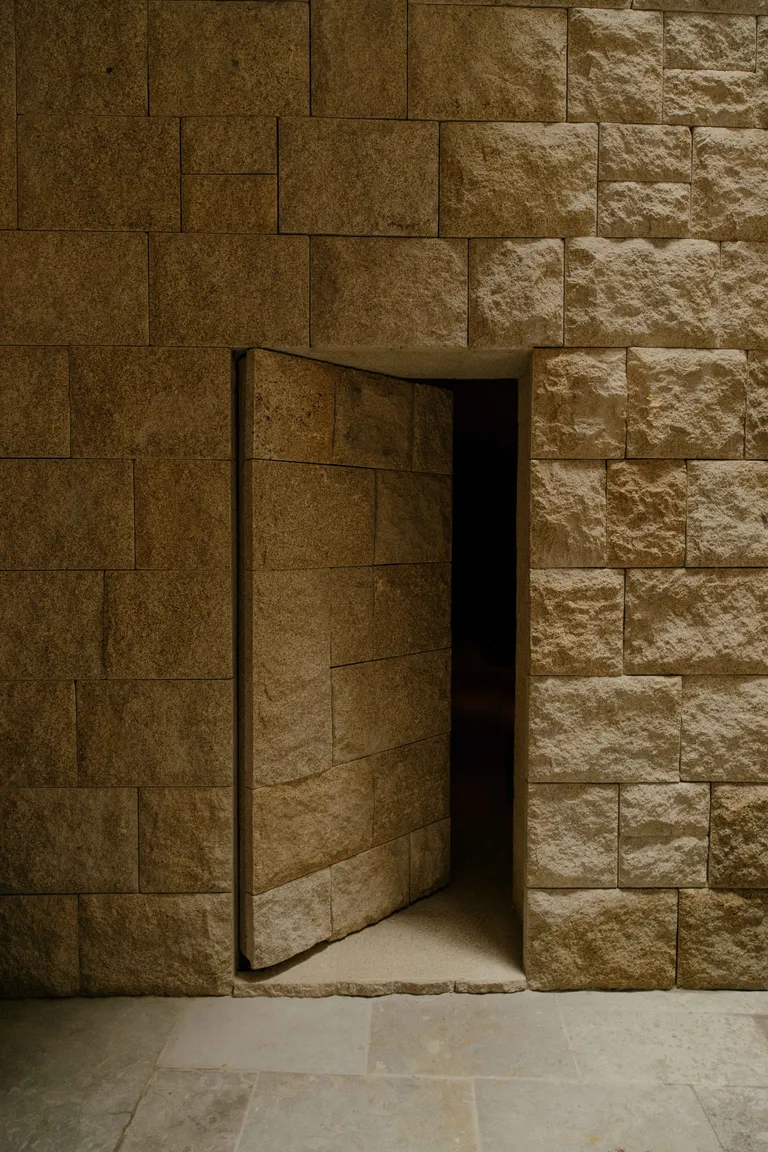
Behind an almost anonymous green door on Largo de São Domingos, The Largo unfolds through five interconnected buildings accumulated over centuries. Some date to the 15th and 16th centuries, others to the 19th. They began as commercial and residential spaces rather than a grand hotel, leaving Portuguese architect Frederico Valsassina with a complicated architectural puzzle rather than a pristine heritage monument. His restoration retains that complexity. Stone walls, historic ceilings, courtyards and unexpected level changes survive, while old openings and passages connect spaces that were never designed to function together. Space Copenhagen then worked inside this framework, stripping things back rather than smoothing everything into architectural perfection. The result feels discovered rather than designed.

Copenhagen Meets Porto

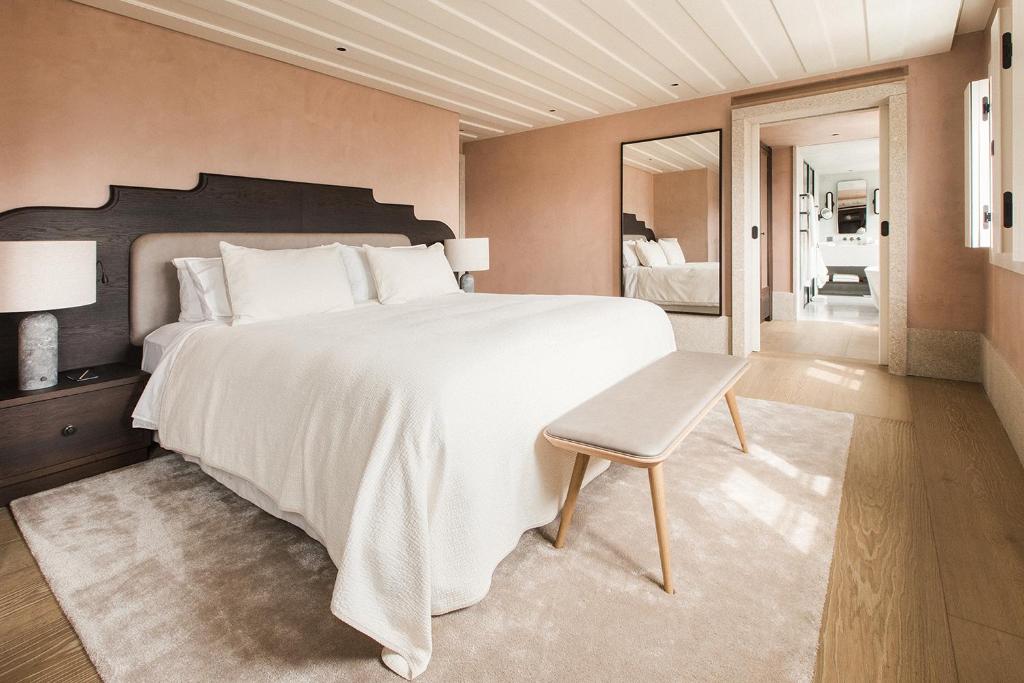
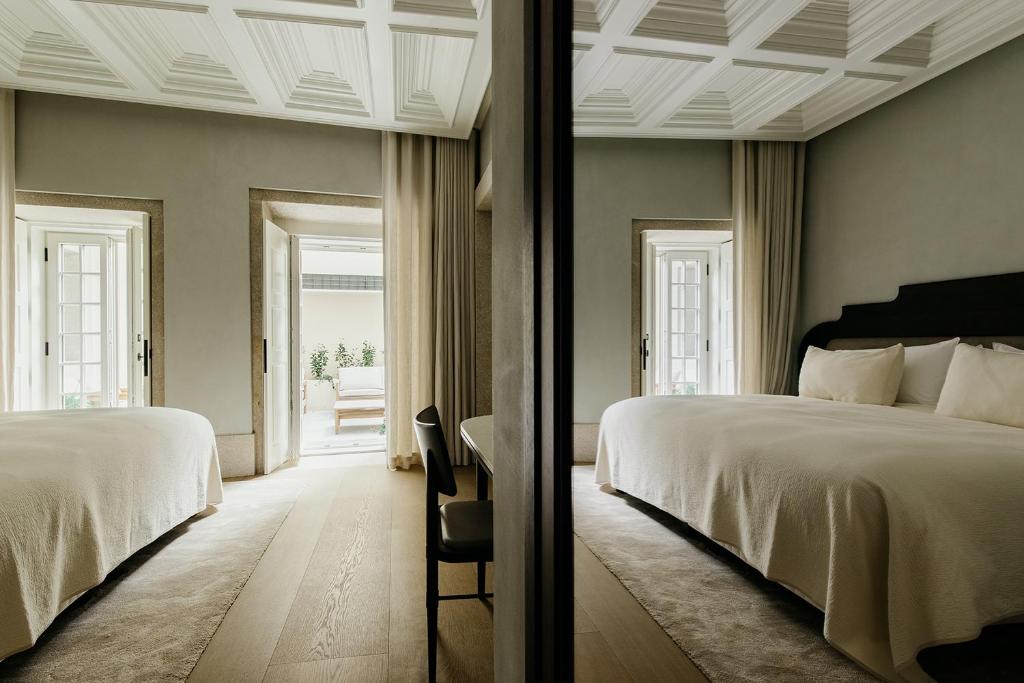
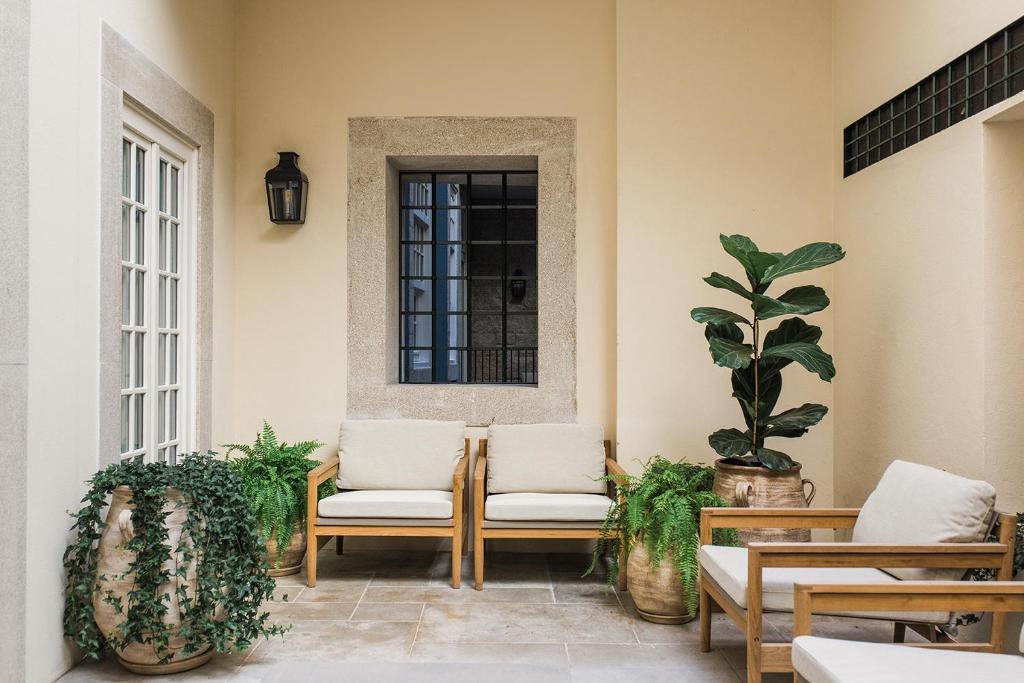
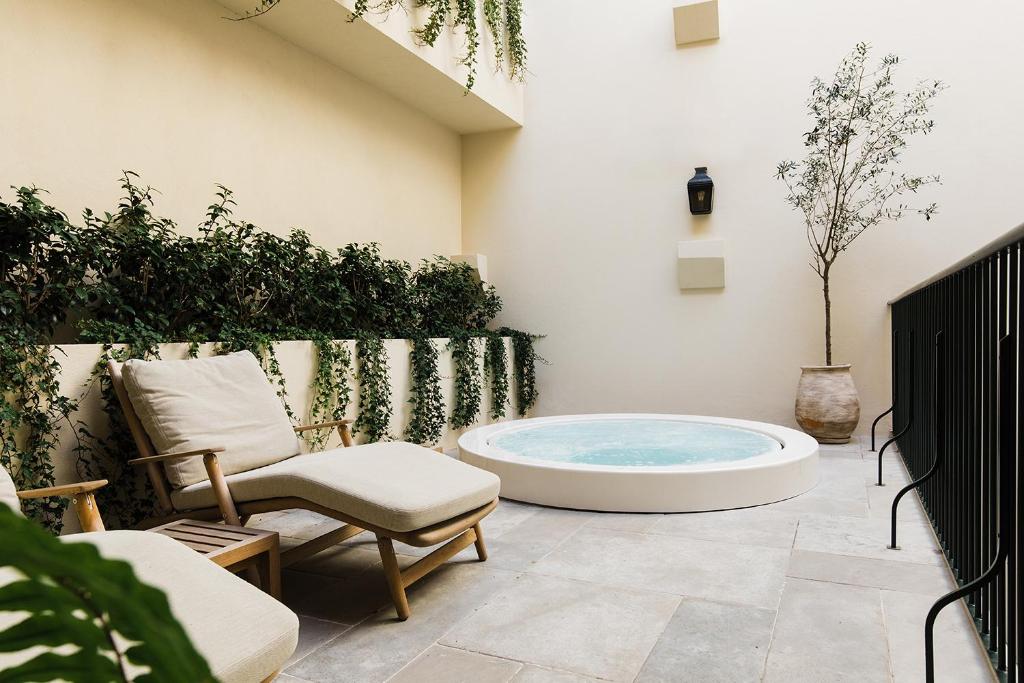
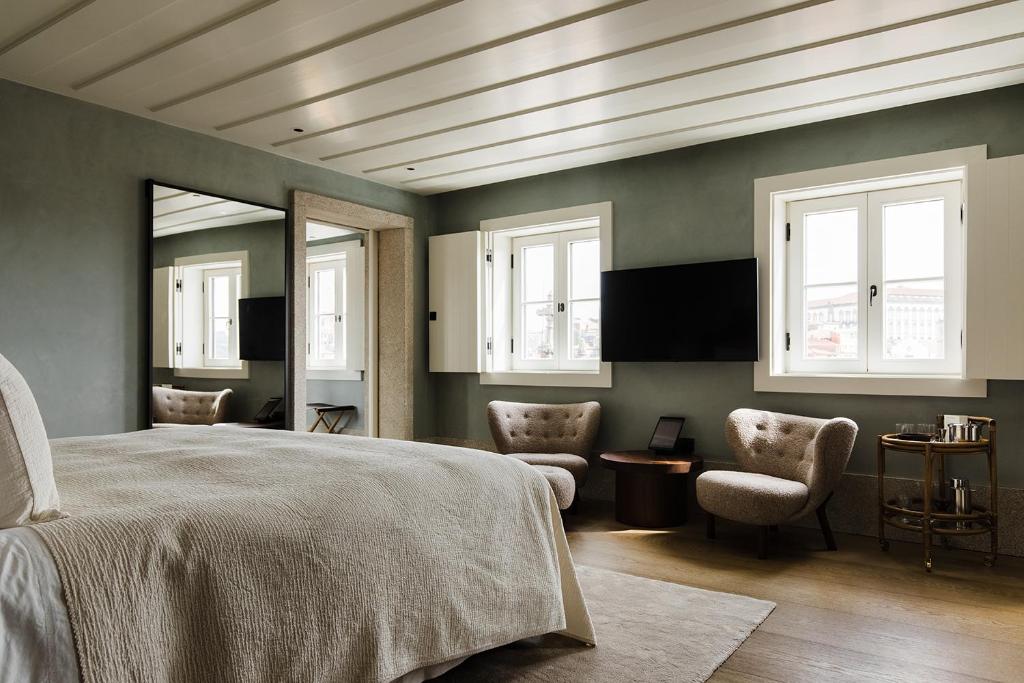
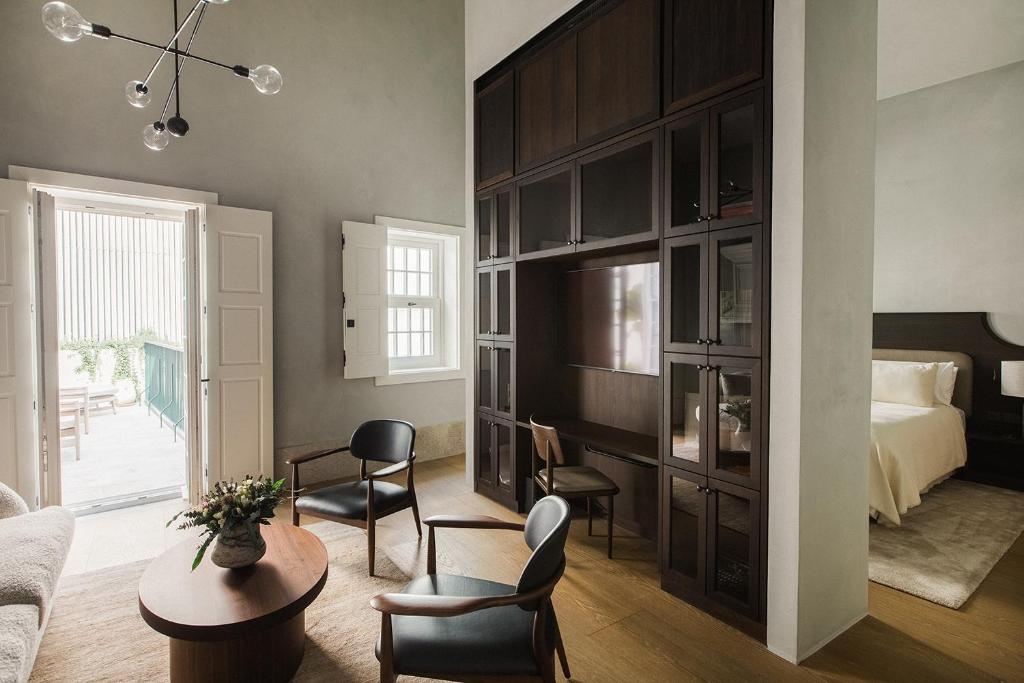
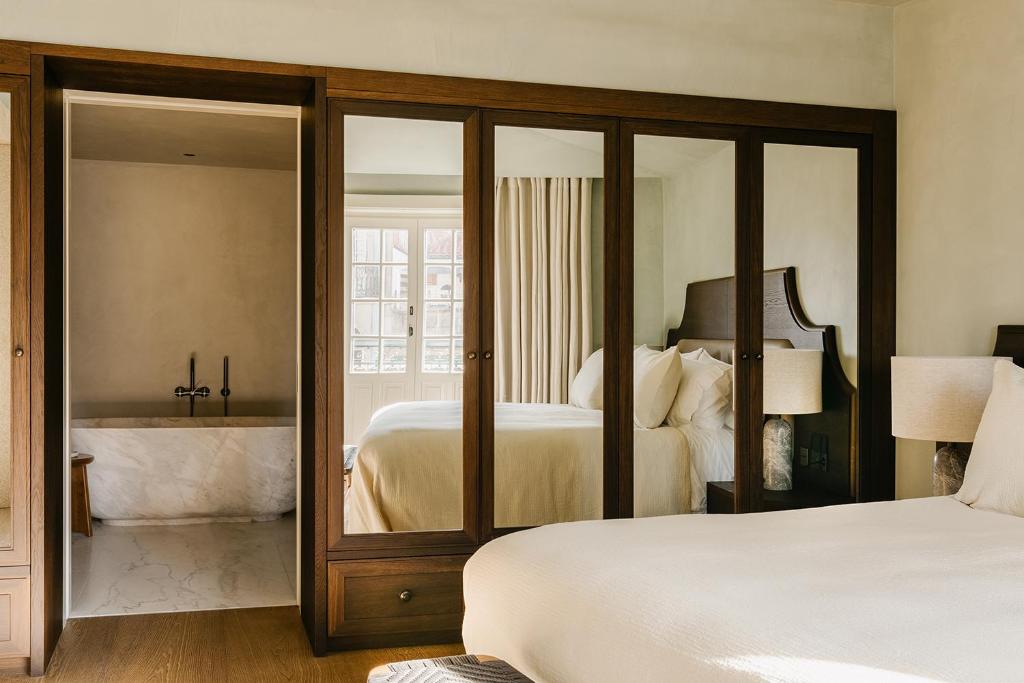
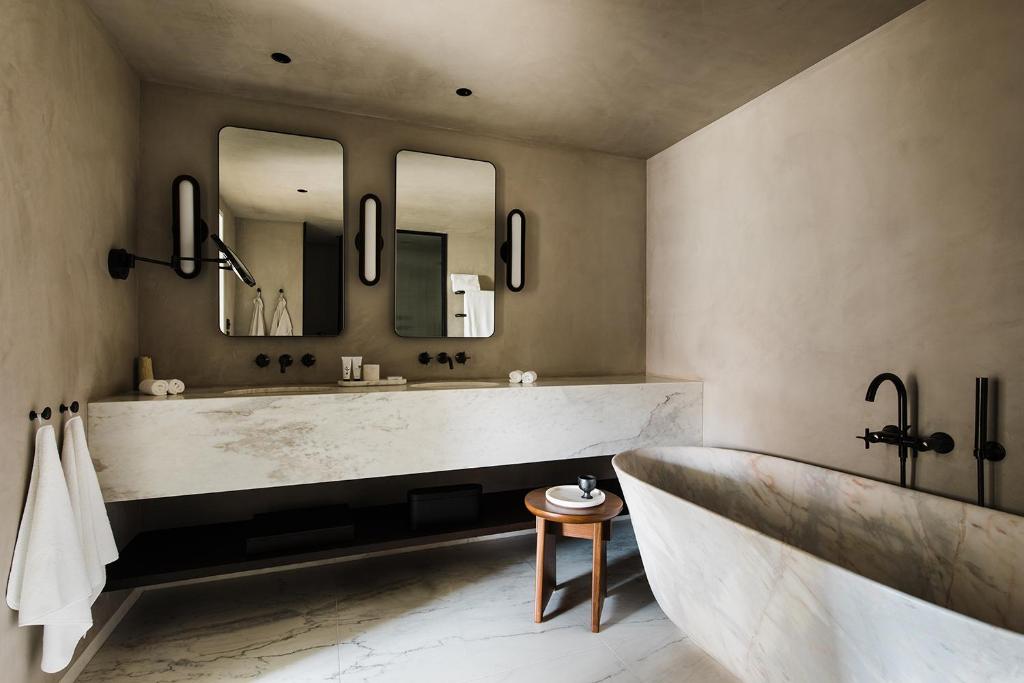
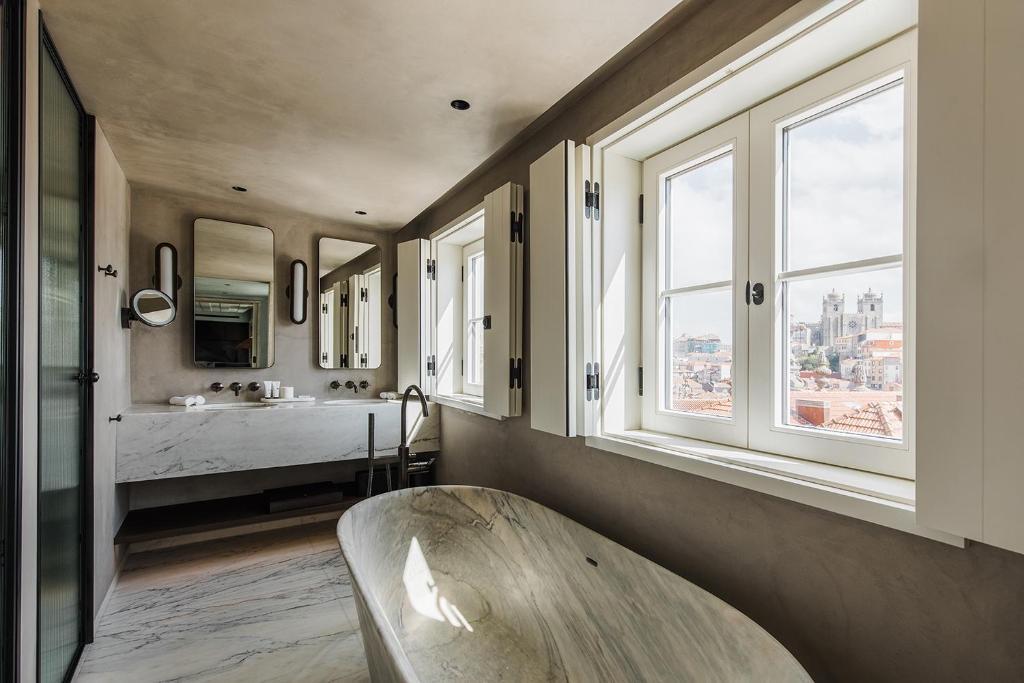
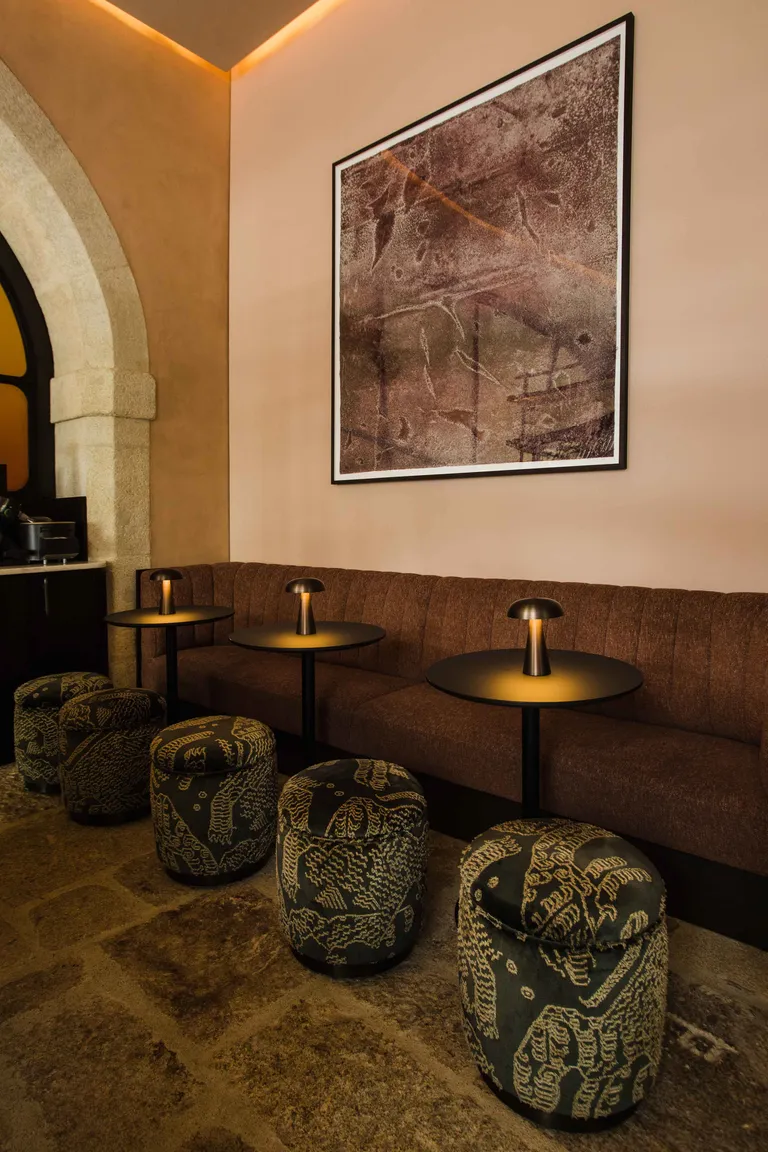
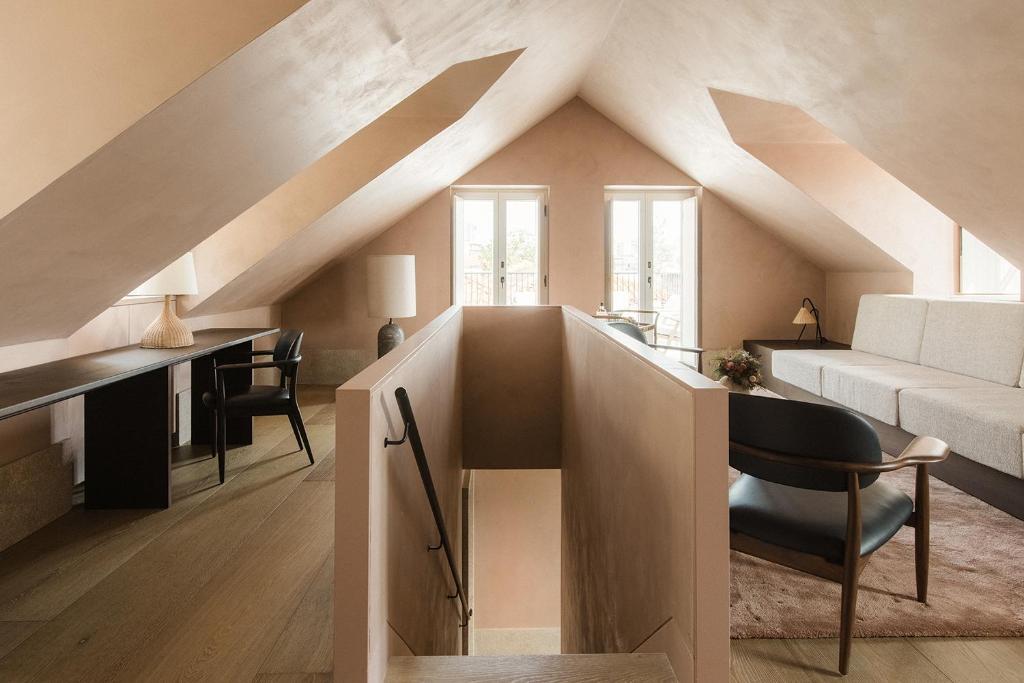
Space Copenhagen founders Signe Bindslev Henriksen and Peter Bundgaard Rützou describe their approach through materiality and what might be called aesthetic slowness. Muted colours, timber, stone and tactile fabrics create interiors of considerable restraint. Furniture is contemporary but quiet, allowing irregular masonry, restored ceilings and traces of the buildings’ previous lives to remain visible. The 18 rooms and suites are all different because the architecture gives them little choice. Many are unusually generous, closer to apartments than hotel rooms, with living and dining areas alongside bedrooms. Craftsmanship becomes the luxury: substantial wooden shutters, bespoke joinery and stonework, marble bathrooms and baths carved from single blocks of stone. Nothing needs to shout. Porto has already supplied enough texture.

Art Belongs to the Building

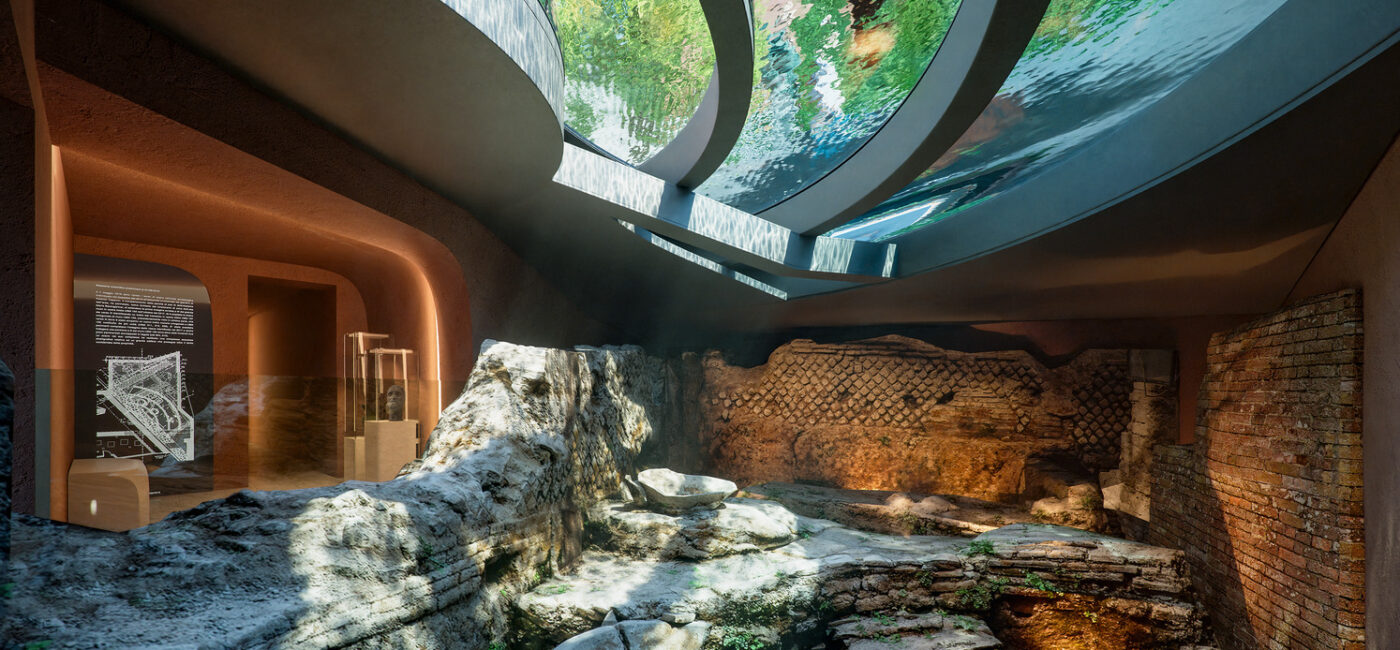
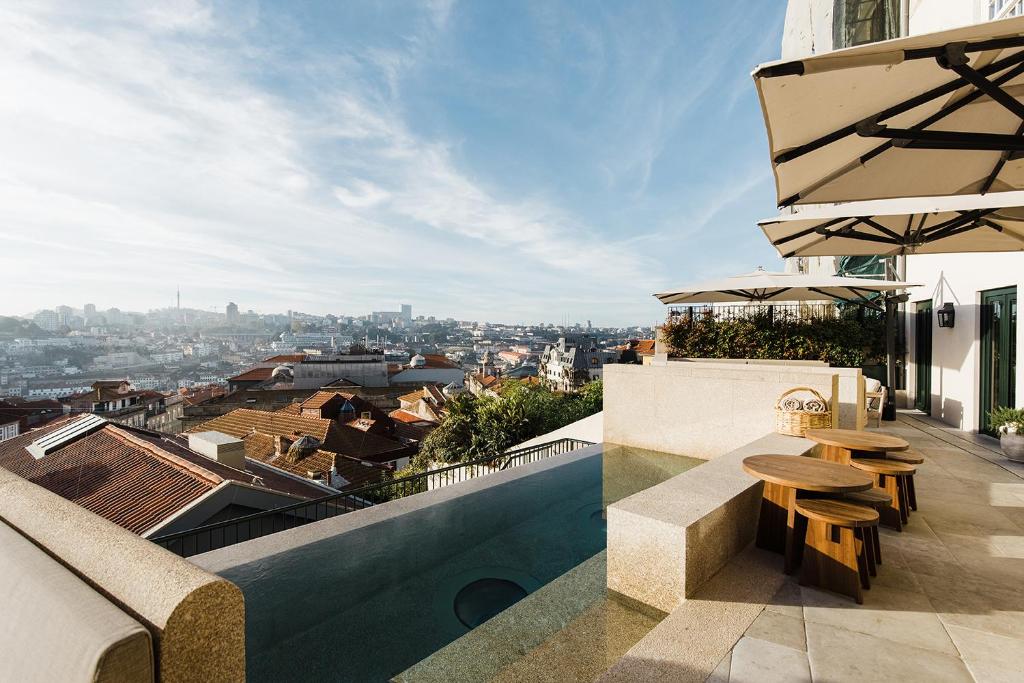
The Largo’s art programme is one of the strongest arguments for the hotel. Rather than purchasing a collection after the interiors were finished, art director Julian Sommer developed relationships with artists and makers and commissioned works responding directly to the architecture and Porto itself. Rui Chafes’ Luz Sobriamente Pura appears almost weightless despite being formed from dark steel, suspended beneath the swimming pool and responding to its circular openings above. Maíra Mafra’s A Shelter goes deeper into the building’s archaeology. Created after an open call, the hanging work incorporates ideas from centuries-old geometric ceiling elements discovered deteriorating during construction. Elsewhere, Bela Silva covers bathroom walls with her irreverent Kama Sutra of the Frog, while Sabine Marcelis uses translucent glass and diffused light to divide and connect spaces simultaneously. The art isn’t there to fill blank walls. Often, it explains why those walls matter.

Álvaro Siza Joins the Band

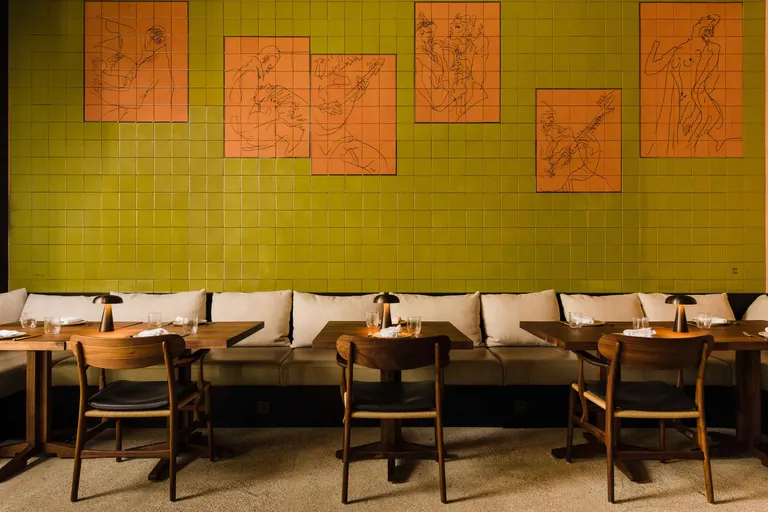
The most significant commission waits downstairs at Cozinha das Flores. Pritzker Prize-winning Porto architect Álvaro Siza created a ceramic mural depicting jazz musicians in loose, energetic lines of green and ochre. It is his only tile mural in Portugal. Siza chose ceramics partly because of their long architectural history in Portugal, but his subject is anything but solemn. Musicians appear caught mid-performance, giving the restaurant a sense of movement and conviviality. It is exactly the sort of cultural reference The Largo handles well: unmistakably Portuguese without becoming nostalgic. The foyer takes a more technological route. An interactive light installation conceived by Sommer and Can Yanardag transforms photographs of Porto’s streets into shifting abstractions that change with the seasons and respond to touch. The city keeps reappearing inside the hotel, but rarely literally.

Nuno Mendes Comes Home

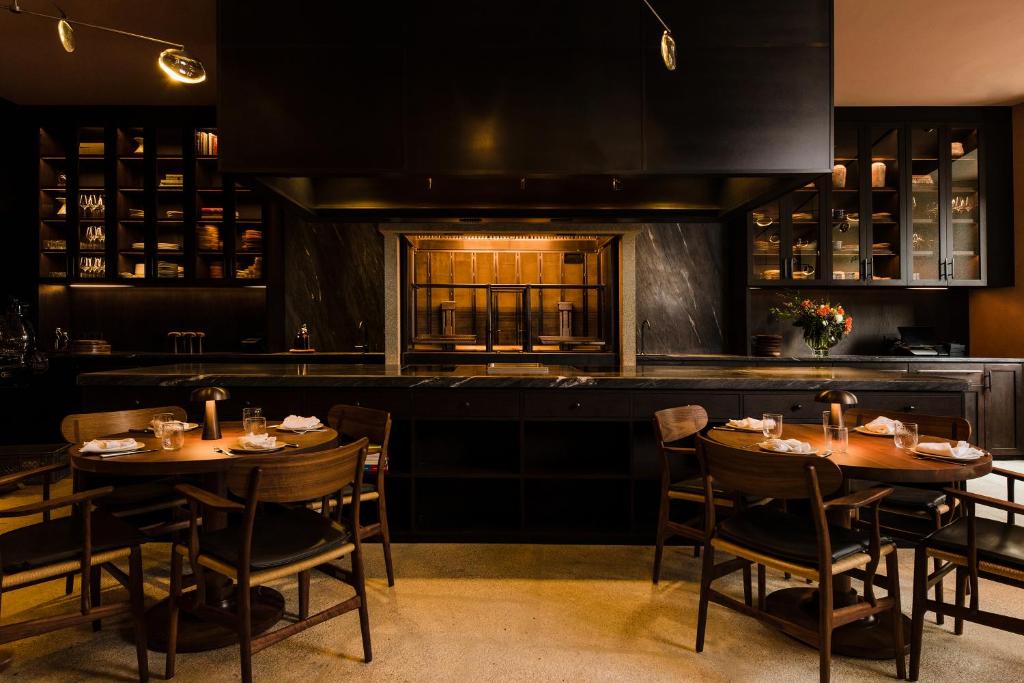
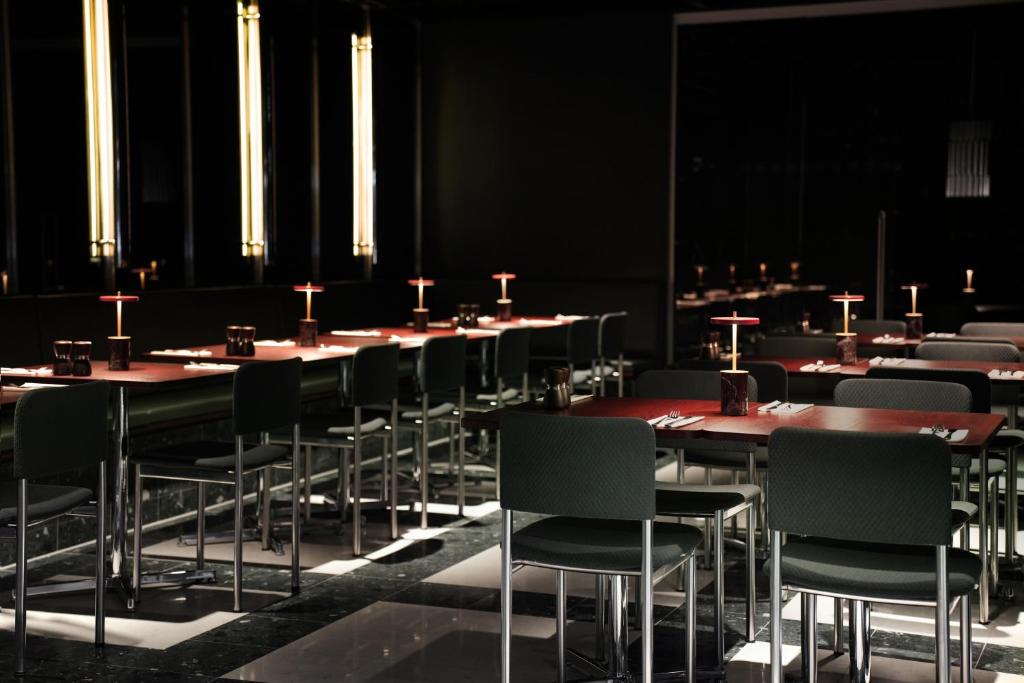
Food provides another connection to Porto. Portuguese chef Nuno Mendes oversees Cozinha das Flores, which has its own entrance from the street and is intended as a city restaurant rather than a dining room reserved for hotel guests. His cooking takes familiar Portuguese ingredients and memories in unexpected directions — from a savoury interpretation of pastel de nata made with turnip and caviar to spider-crab doughnuts, alongside vegetables cooked over embers and carefully sourced meat and seafood. Next door, Flôr extends the idea into drinks. Distilling, fermenting, clarifying and infusing bring ingredients as unlikely as yoghurt, white chocolate and local cod into the cocktail programme. The combination matters. The Largo wants Porto residents coming through the door as much as international guests.

Luxury Without the Lobby

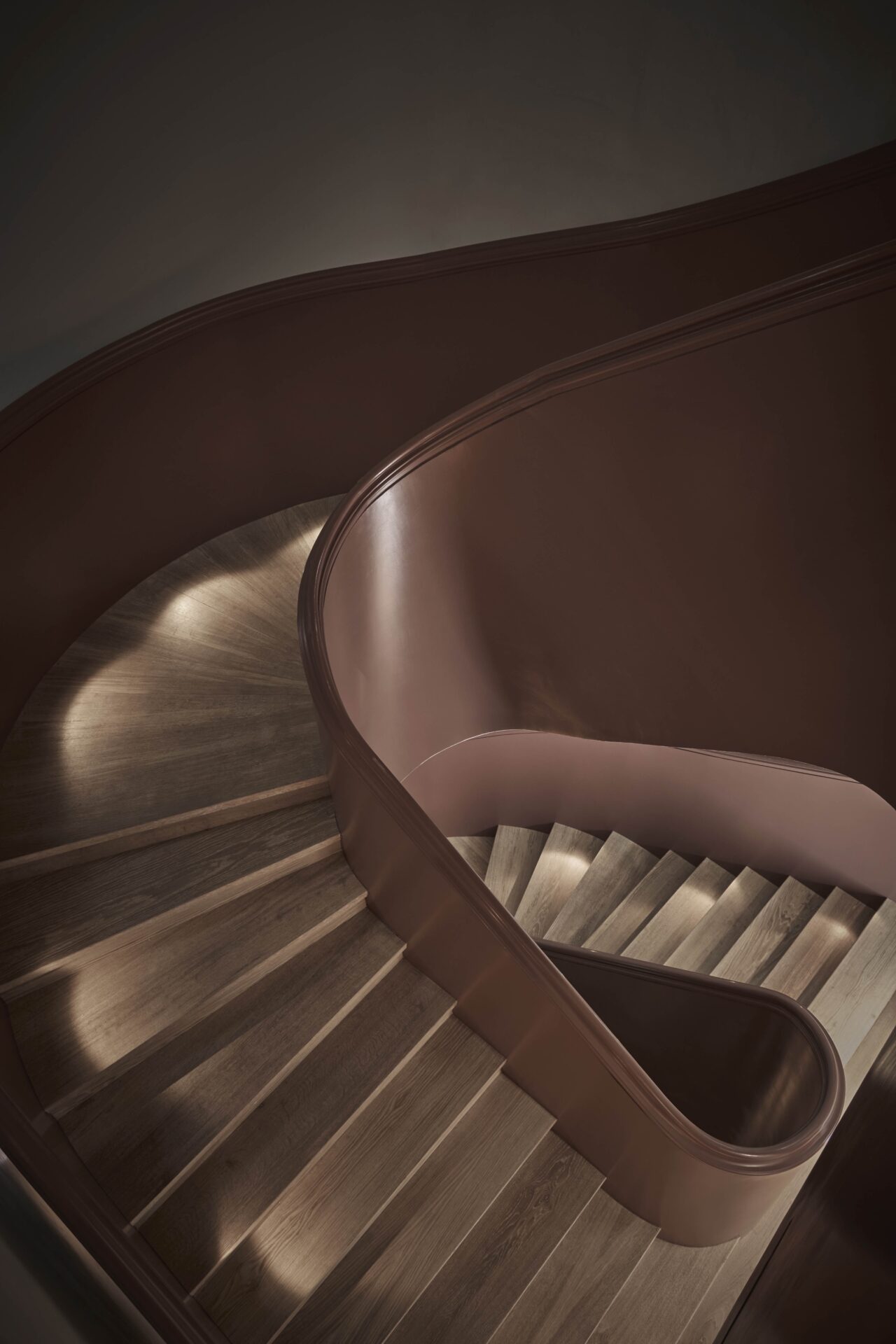
The most radical part of The Largo may be how little it behaves like a conventional luxury hotel. There is no formal reception desk. Check-in is personal rather than procedural. The property describes itself as the “Home of Porto”, and the absence of obvious hotel machinery is central to making that idea convincing. Even the route through the building becomes part of the experience: passages, exterior stairs, patios and a stone tunnel leading towards the wine cellar make moving between spaces feel exploratory. Service is correspondingly intensive, but much of it is designed to push guests beyond the building — into restaurants, museums, the Douro Valley and the wider region rather than keeping them captive behind the green door.

Porto, Built Into the Walls

The Largo could easily have become an exercise in exquisite international design: historic Portuguese shell, expensive Scandinavian furniture, serious art, excellent restaurant. What prevents that is the depth of its relationship with Porto. Valsassina preserved the accumulated architecture rather than tidying away its contradictions. Space Copenhagen allowed local stone, timber and craft to shape the interiors. Artists were asked to respond to the building and city. Álvaro Siza drew musicians across Portuguese ceramic tiles. Nuno Mendes returned to the food culture that formed him. Old and new never quite merge completely — and they don’t need to. The Largo is strongest in those gaps: Danish restraint against Porto stone, contemporary art against centuries-old ceilings, and one of the city’s most ambitious hotels hiding behind a green door with no sign telling you how ambitious it is.

Information

At a glance

Vibe: Quiet Pets allowed Wheelchair accessible Boutique Design Independent Luxury

Architecture

Frederico Valsassina

Opened / Renovated

2023

Size matters

18 suites (40-110m2) (431-1,184 sq ft)

Interior design

Space Copenhagen
Featured in

Don't take our word for it

Handpicked worldwide

A carefully curated collection of exceptional boutique and design hotels across the globe.

Design with soul

Architecture, atmosphere and craftsmanship come together in stays with a clear identity.

Hidden, not hyped

Independent boutique hotels you rarely find on mainstream booking platforms.

Travel guidance

Personal recommendations and thoughtful support from people who actually know the places.