From Thief Island to Design District

Oslo’s original contemporary design hotel pairs waterfront architecture, rich Scandinavian interiors and a serious art collection beside the Astrup Fearnley Museum.

Book now

Why DNA Hotels loves it

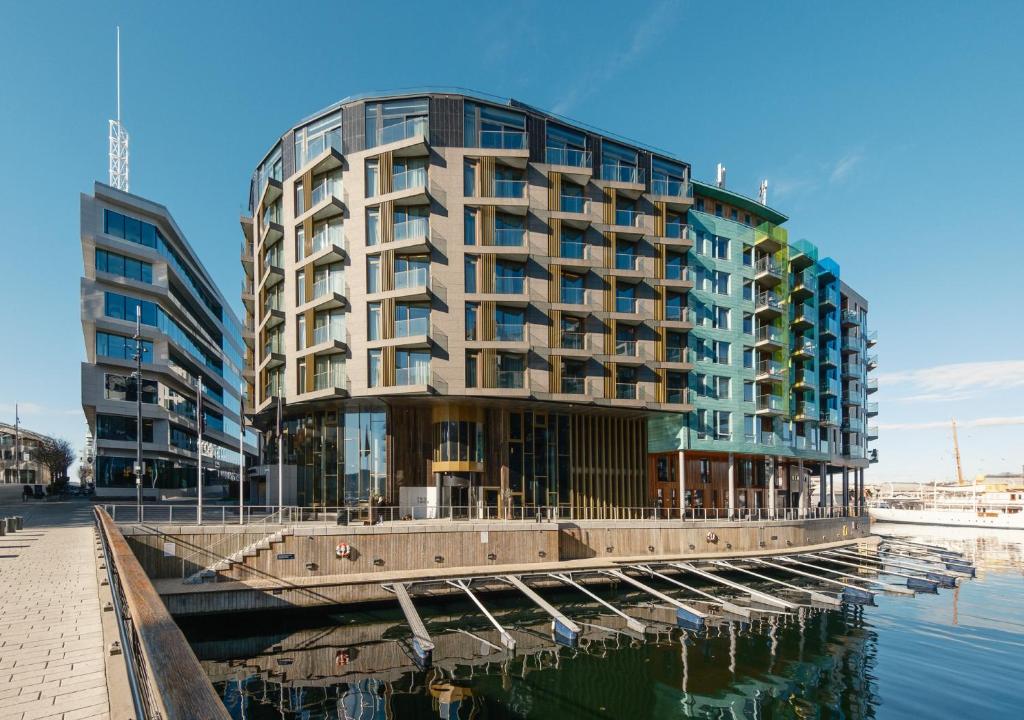
Opened in 2013 on Oslo’s regenerated Tjuvholmen waterfront, The Thief was designed by Mellbye Architects with interiors by Anemone Wille Våge, deliberately rejecting the pale-minimalist Scandinavian stereotype for something darker, warmer and more seductive.

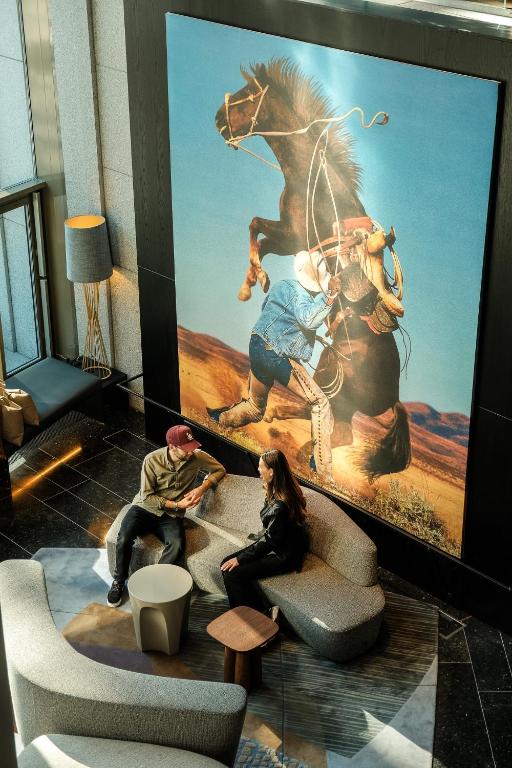
Its collaboration with the neighbouring Renzo Piano-designed Astrup Fearnley Museum turns contemporary art into part of the hotel’s identity, with works by artists including Andy Warhol, Richard Prince, Peter Blake, Fiona Banner and Niki de Saint Phalle.

From furniture by Patricia Urquiola and Antonio Citterio to its fjord-facing rooftop, spa and richly layered guestrooms, it remains one of the hotels that helped put contemporary Oslo hospitality on the international design map.

The Stay

The Thief pairs rich Scandinavian design and serious contemporary art with a prime waterfront setting beside Oslo’s Astrup Fearnley Museum.

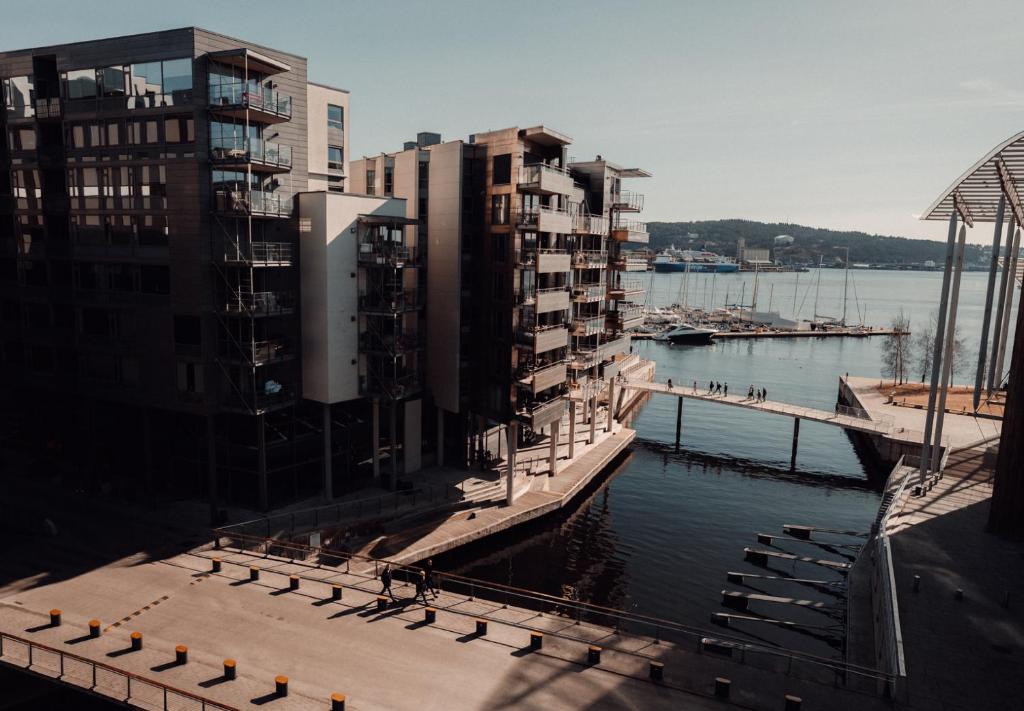
The name is not marketing invention. The Thief stands on Tjuvholmen — literally “Thief Islet” — an area historically associated with smugglers, criminals and other less reputable inhabitants of old Oslo. That reputation has long disappeared. Tjuvholmen is now one of the capital’s most polished waterfront districts, filled with contemporary architecture, galleries, restaurants and public art, with the Renzo Piano-designed Astrup Fearnley Museum sitting immediately beside the hotel. The Thief arrived in 2013 as part of this transformation, created by Norwegian hotelier Petter Stordalen as something Oslo did not really have at the time: a genuinely international, design-conscious luxury hotel with enough personality to compete with Copenhagen and Stockholm.

Architecture by Mellbye

Mellbye Architects designed the nine-storey building as part of Tjuvholmen’s tightly composed contemporary waterfront. Glass, granite and metallic detailing give the exterior an urban solidity that feels appropriate to the former docklands setting, while balconies and large windows keep the relationship with the fjord constantly present. This is not architecture designed to retreat politely into the background. The building feels substantial and metropolitan, but its scale remains intimate enough to avoid becoming another anonymous waterfront hotel. With 119 rooms and suites, it sits somewhere between boutique hotel and fully fledged luxury property.

Not Your Usual Scandinavian Minimalism

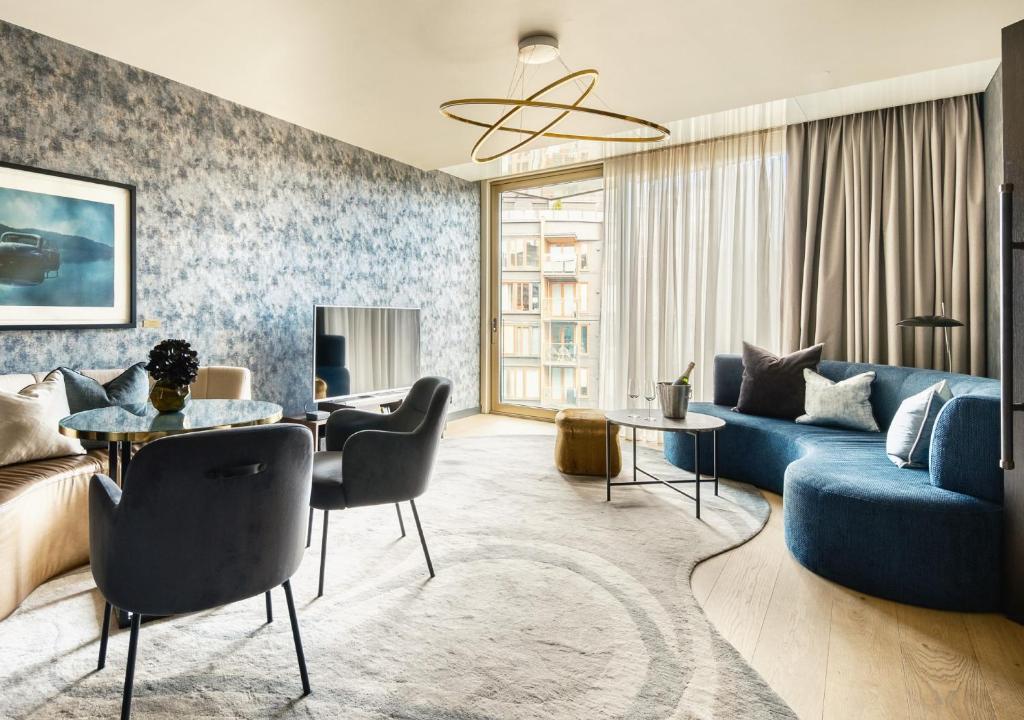
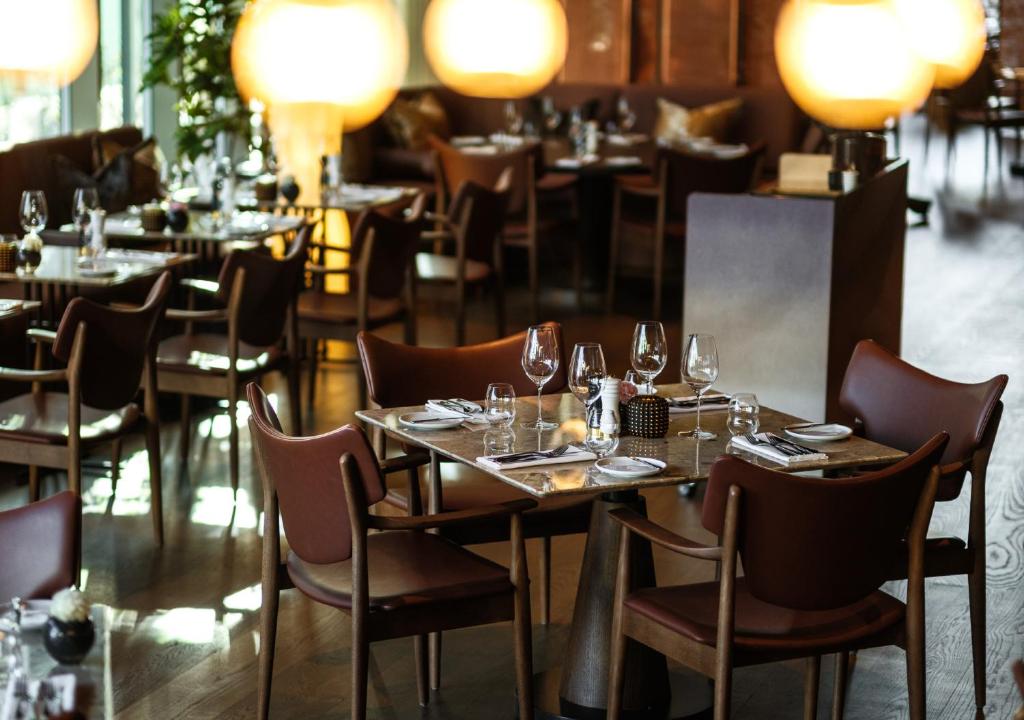
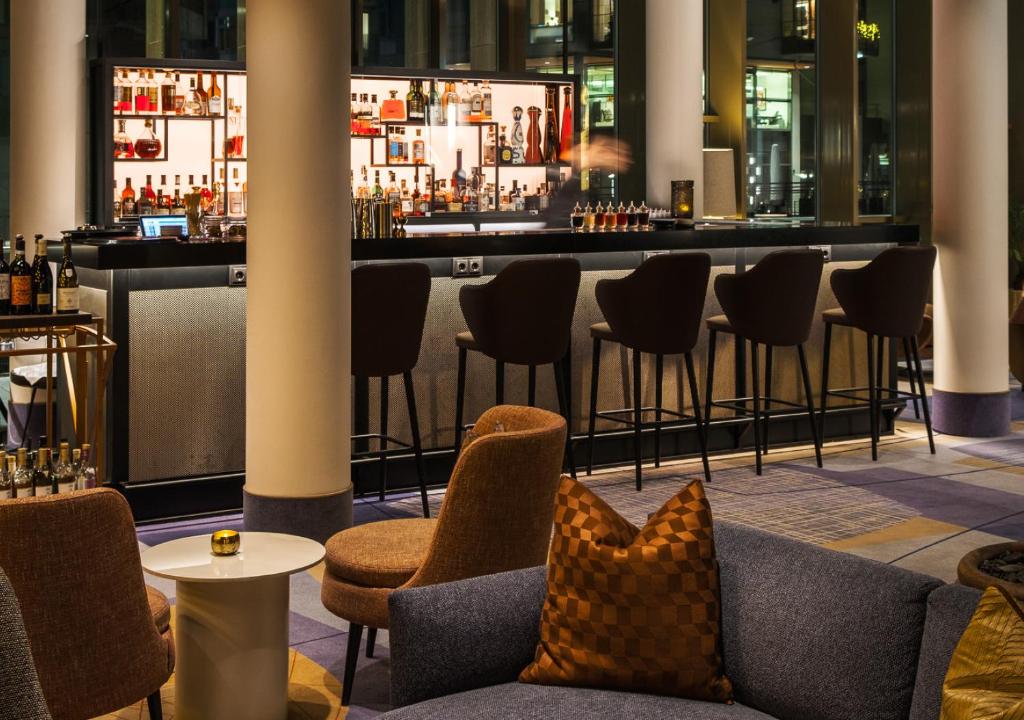
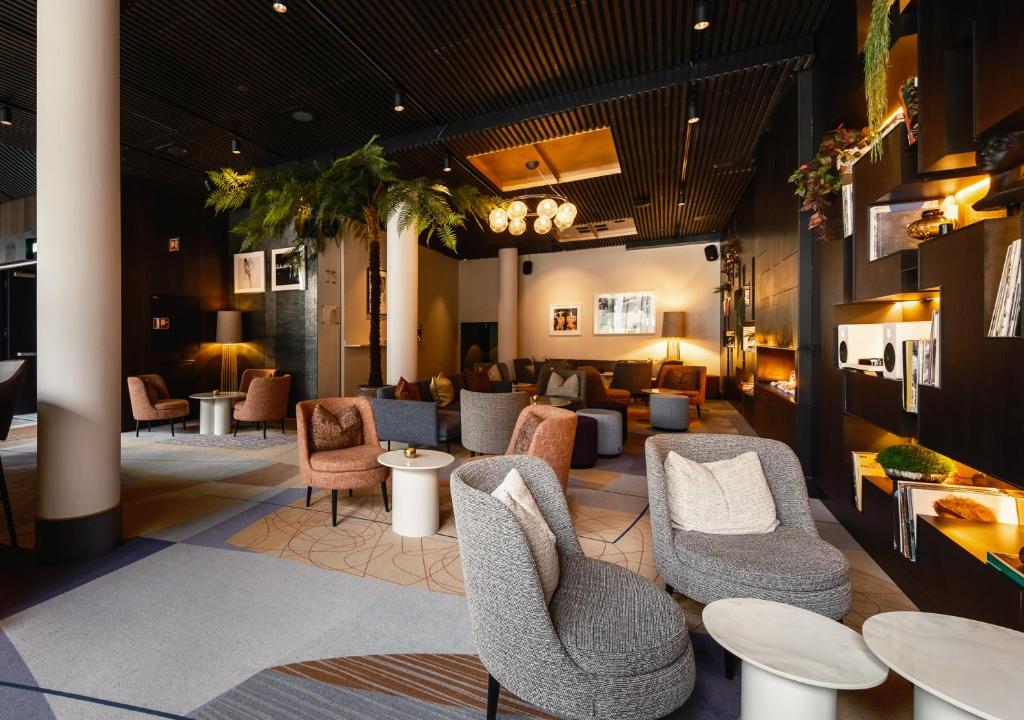
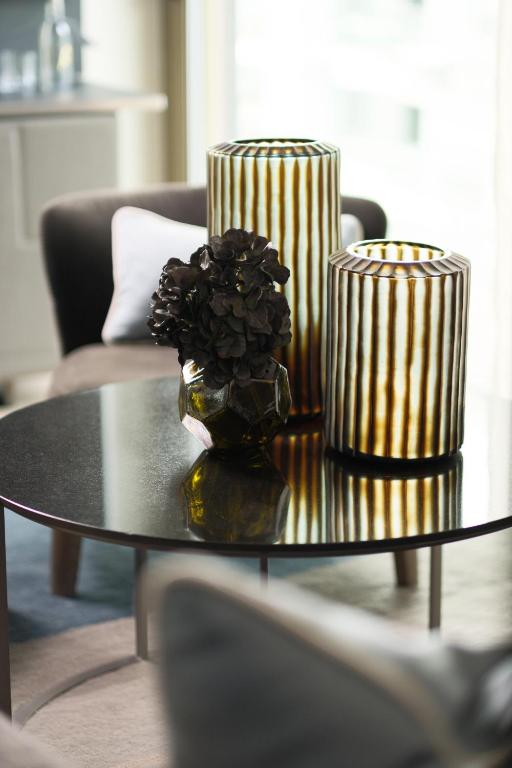
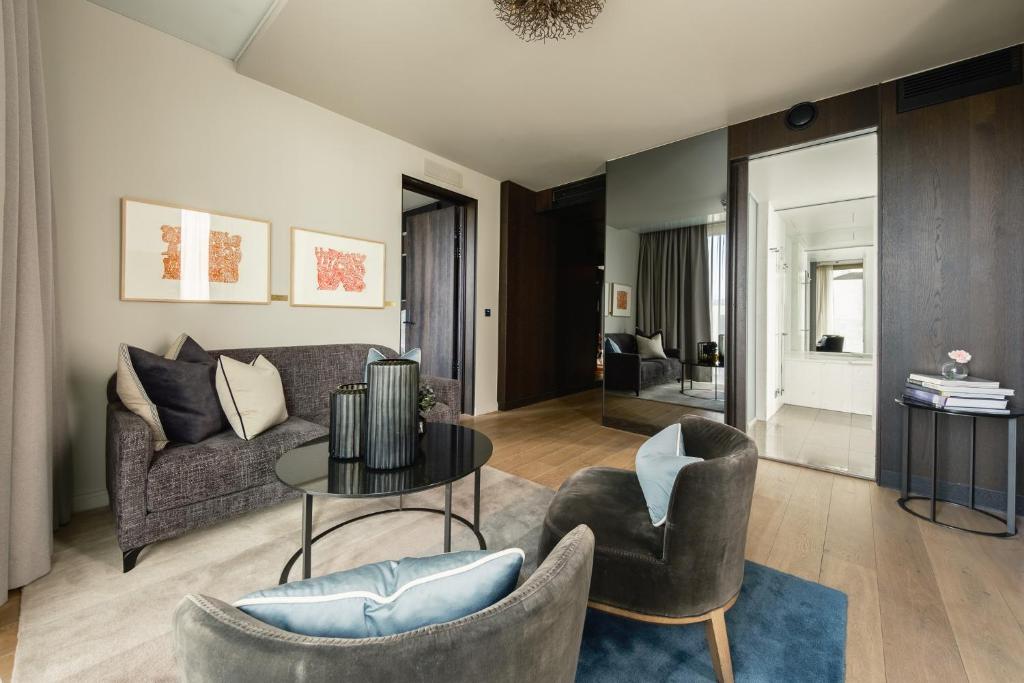
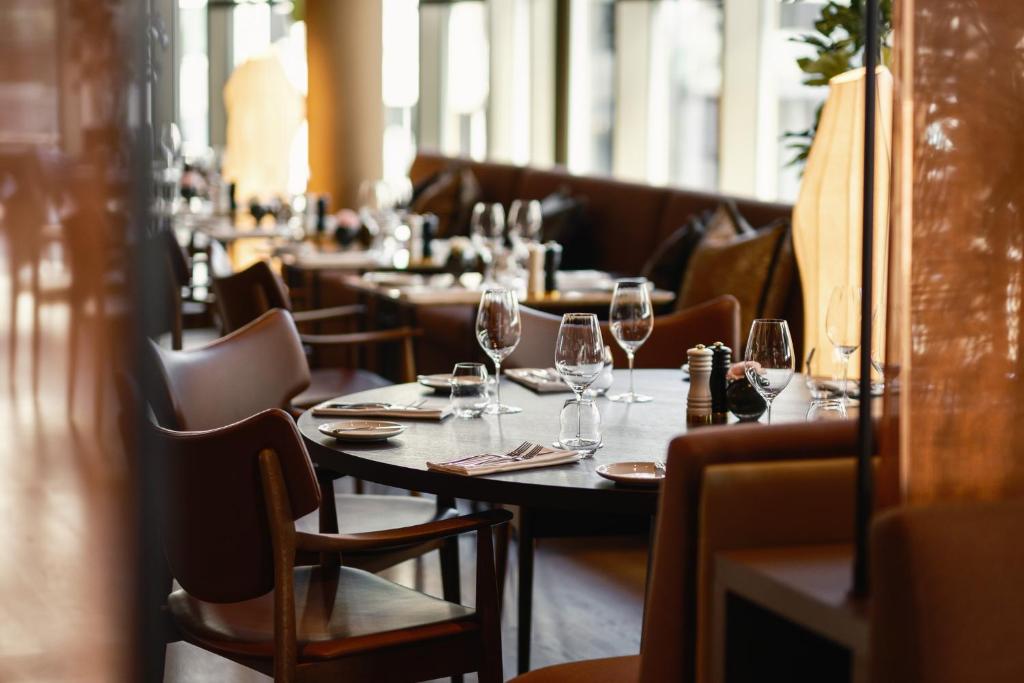
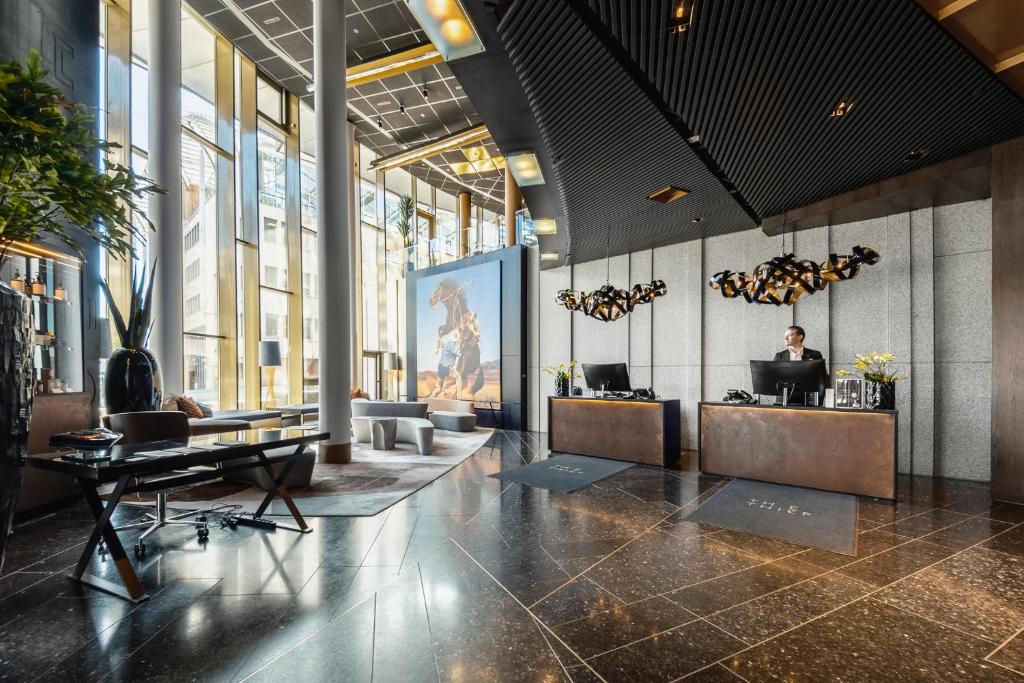
Interior designer Anemone Wille Våge intentionally moved away from the white timber, pale grey and reductive aesthetic often associated with Scandinavian hotels. Her references included Riva yachts and the refined interiors of French designer Jean-Michel Frank. The result is considerably richer. Twilight greys, deep blues, burnished orange, dark timber, polished stone and tactile textiles give the interiors an almost cinematic quality, while carefully controlled lighting creates areas of shadow rather than flooding everything with Nordic brightness. Furniture by designers including Patricia Urquiola and Antonio Citterio reinforces the international character. It feels Scandinavian, but never predictably so.

An Art Hotel That Actually Means It

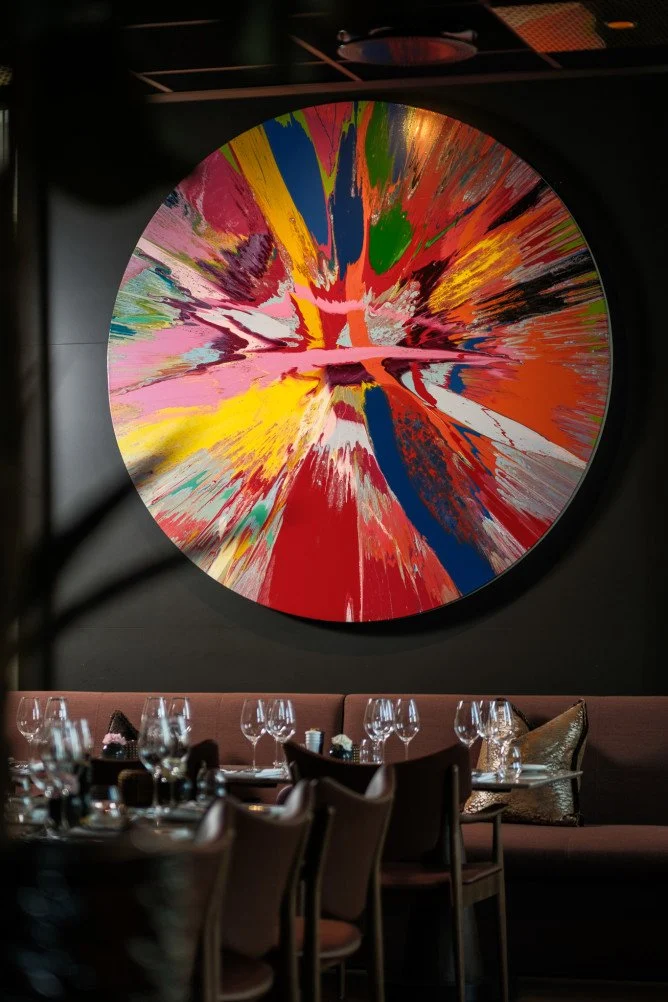
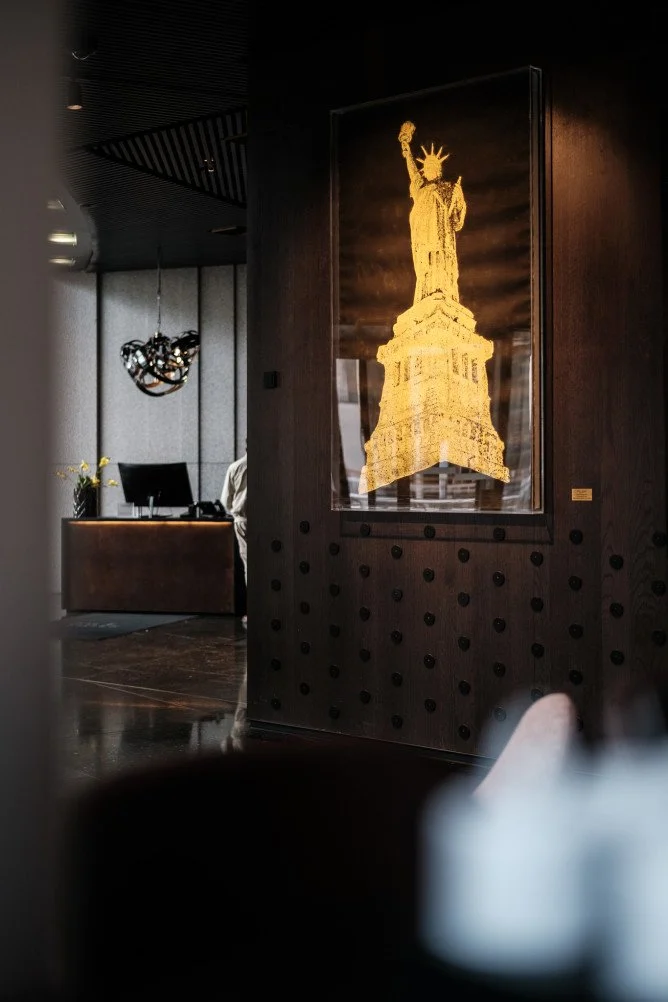
The Thief’s strongest distinction is its relationship with contemporary art. Former National Museum director Sune Nordgren curated the collection, while the neighbouring Astrup Fearnley Museum provides access to works from one of Scandinavia’s most important contemporary collections. This goes considerably further than hanging a few prints in the lobby. Works by artists including Andy Warhol, Richard Prince, Peter Blake, Fiona Banner, Tony Cragg, Niki de Saint Phalle and Norwegian artists appear throughout the hotel, while original works were selected for individual guestrooms. Even the lifts became exhibition spaces through commissioned video art. The idea of the “art hotel” is frequently abused. Here it has substance.

Rooms With Texture

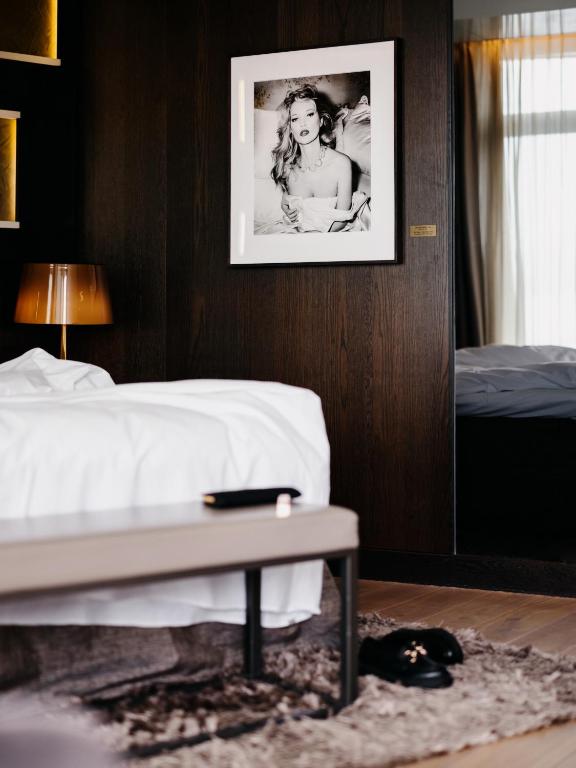
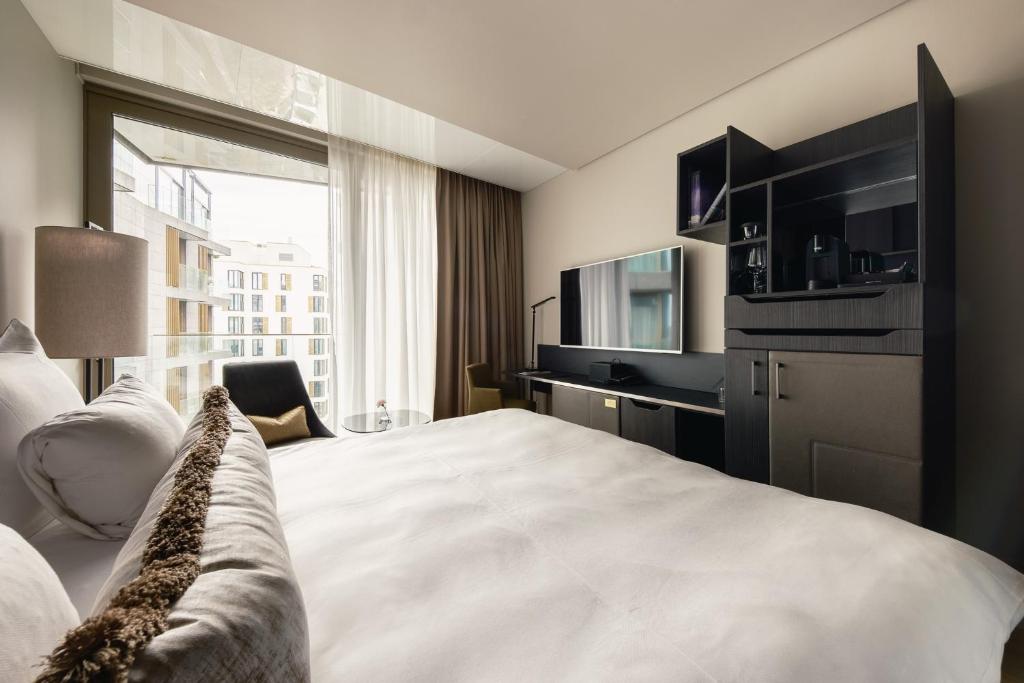
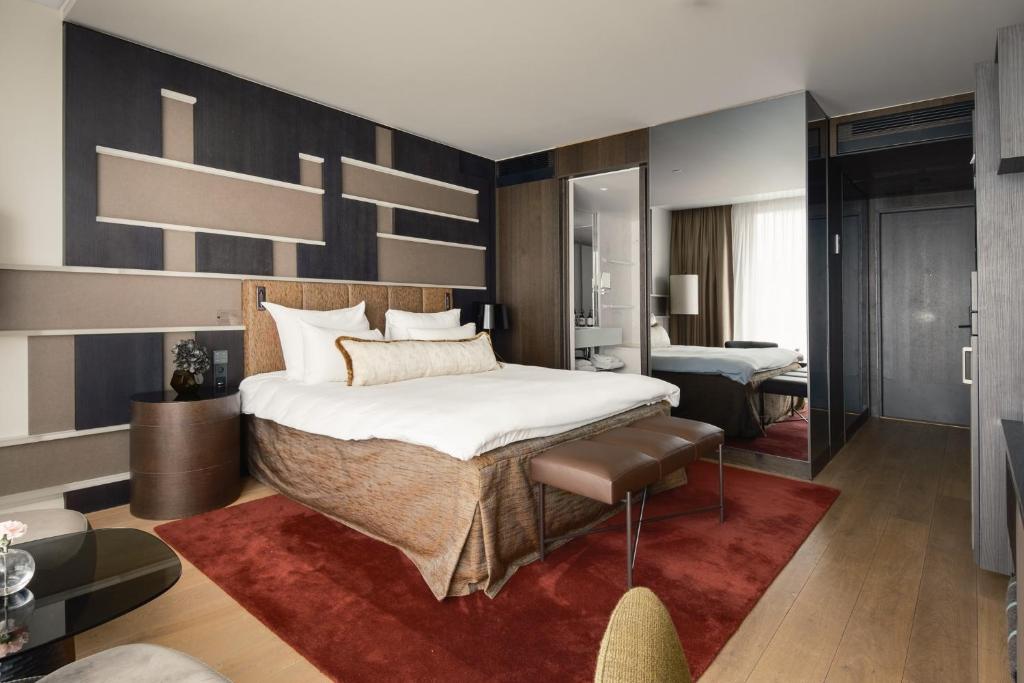
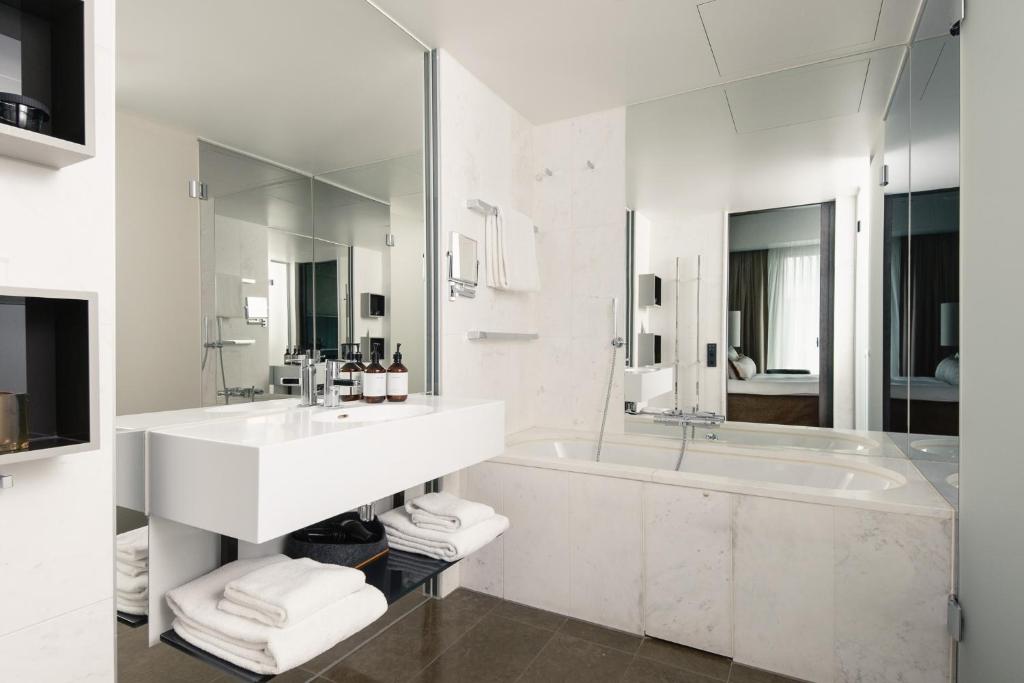
Guestrooms continue the darker, more tactile approach. Wool blankets, textured upholstery, timber, marble bathrooms and carefully selected furniture make them feel warmer and more layered than conventional Nordic minimalism. Large windows and balconies bring the harbour back into the composition, with views towards the fjord, Tjuvholmen’s canals, surrounding contemporary architecture or the Astrup Fearnley Museum. Some suites push the art and design concept further, including individually curated rooms associated with figures such as Peter Blake and British lighting designer Lee Broom. Technology is present but discreet. The room still feels like the main event.

Art Outside the Door

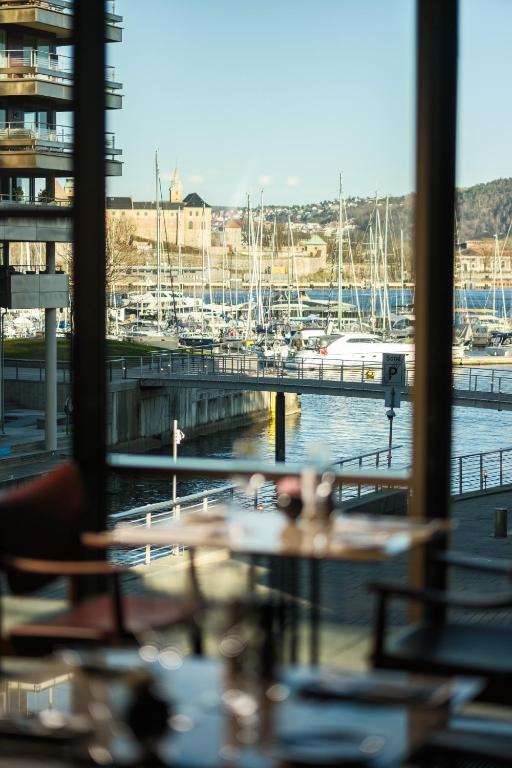
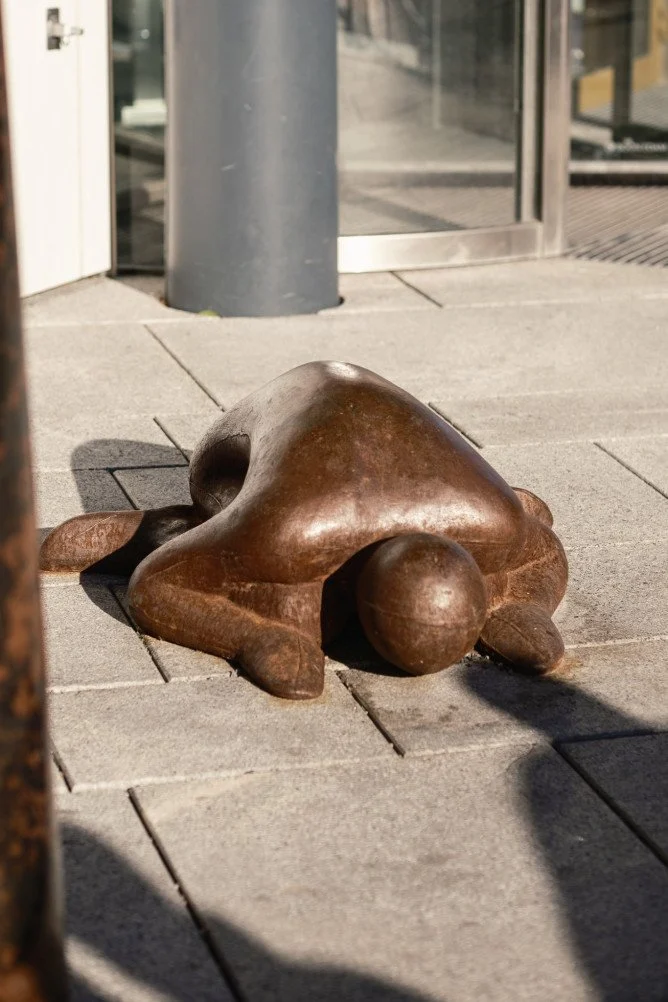
Few hotel-museum relationships are as literal as this one. Walk outside and Renzo Piano’s Astrup Fearnley Museum is next door, its sail-like roofs spreading across the waterfront. Beyond it, Tjuvholmen itself functions almost as an outdoor architecture and sculpture park. That makes The Thief especially interesting for DNA Hotels. The design experience is not contained inside the building. Hotel, museum, architecture, waterfront and public art all belong to the same urban composition.

Above Oslo Fjord

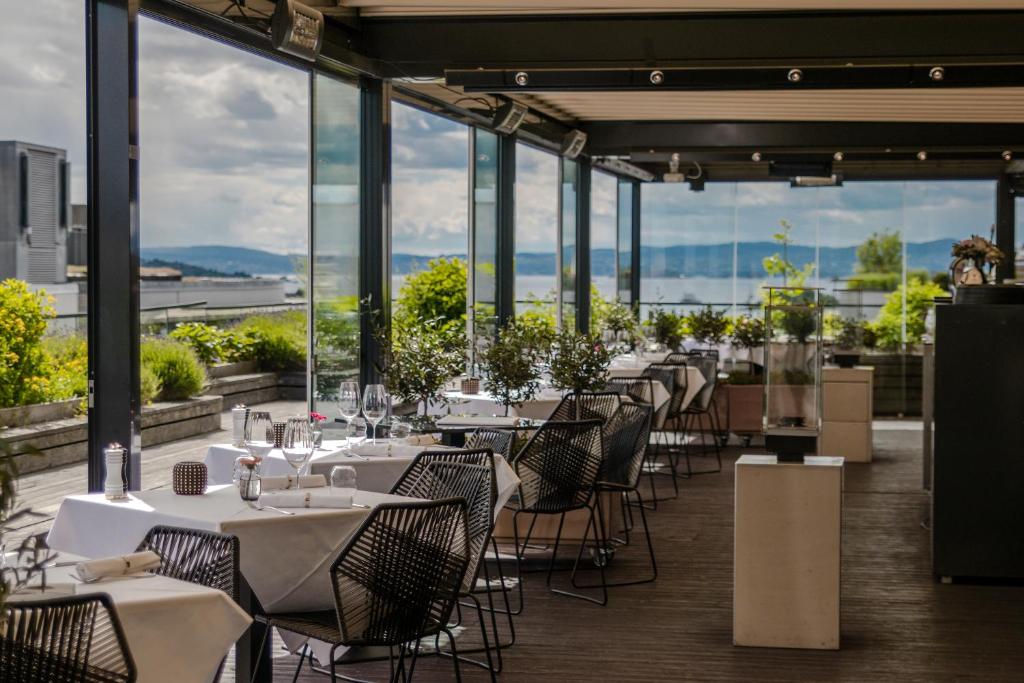
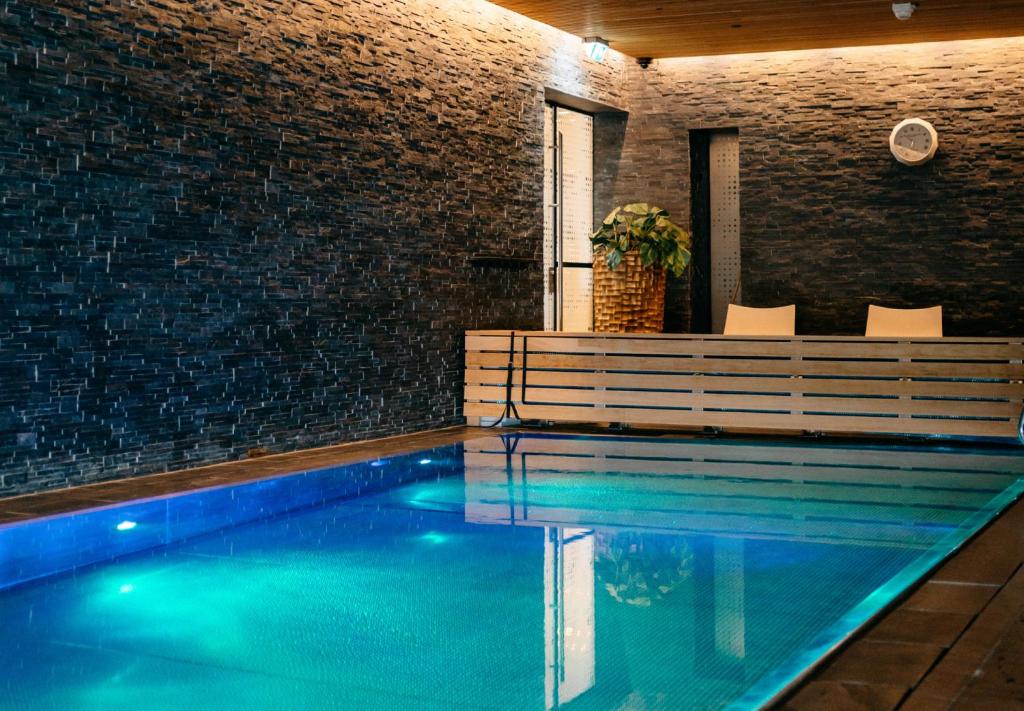
The rooftop is the hotel’s summer release valve. Looking across Oslofjord, islands and the changing Nordic sky, it gives the property a completely different character from its darker interior spaces. Downstairs, the spa provides the opposite experience: pool, sauna, hammam and treatment spaces designed for retreat from Oslo’s winter climate. Together they make the hotel work particularly well across the seasons. Summer is about the water. Winter is about turning inward.

Why It Works

The Thief mattered when it opened because it challenged the idea that Scandinavian luxury had to mean understatement, white walls and blonde timber. More than a decade later, that approach still gives it character. The architecture belongs convincingly to Oslo’s contemporary waterfront, the interiors are sophisticated without becoming sterile, and the art collection is integral rather than decorative. Most importantly, it has a genuine relationship with its surroundings. The Astrup Fearnley Museum is next door. Oslofjord is outside the window. Norwegian designers and makers appear throughout. Contemporary art runs through the building. The Thief may have borrowed its name from Tjuvholmen’s less respectable past. What it really stole was Oslo’s attention.

Information

At a glance

Art & Culture Design Architecture Bar Culture Eco & Sustainability Luxury Pets allowed Beach

Opened / Renovated

2013

Size matters

124 rooms & suites (24-94m2) (258-1,012 sq ft)

Interior design
Anemone Wille Våge

Featured in

Don't take our word for it

Handpicked worldwide

A carefully curated collection of exceptional boutique and design hotels across the globe.

Design with soul

Architecture, atmosphere and craftsmanship come together in stays with a clear identity.

Hidden, not hyped

Independent boutique hotels you rarely find on mainstream booking platforms.

Travel guidance

Personal recommendations and thoughtful support from people who actually know the places.