


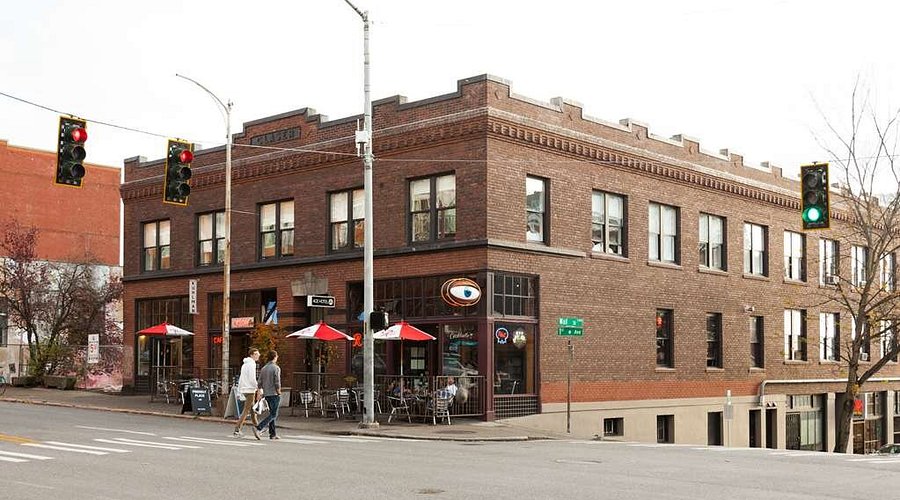
The original Ace: a former maritime workers’ lodging that helped rewrite the rules of boutique hospitality
Ace Hotel Seattle blends raw maritime heritage, vintage design and creative Belltown culture with the democratic spirit that helped redefine modern boutique hospitality.

Why DNA Hotels loves it
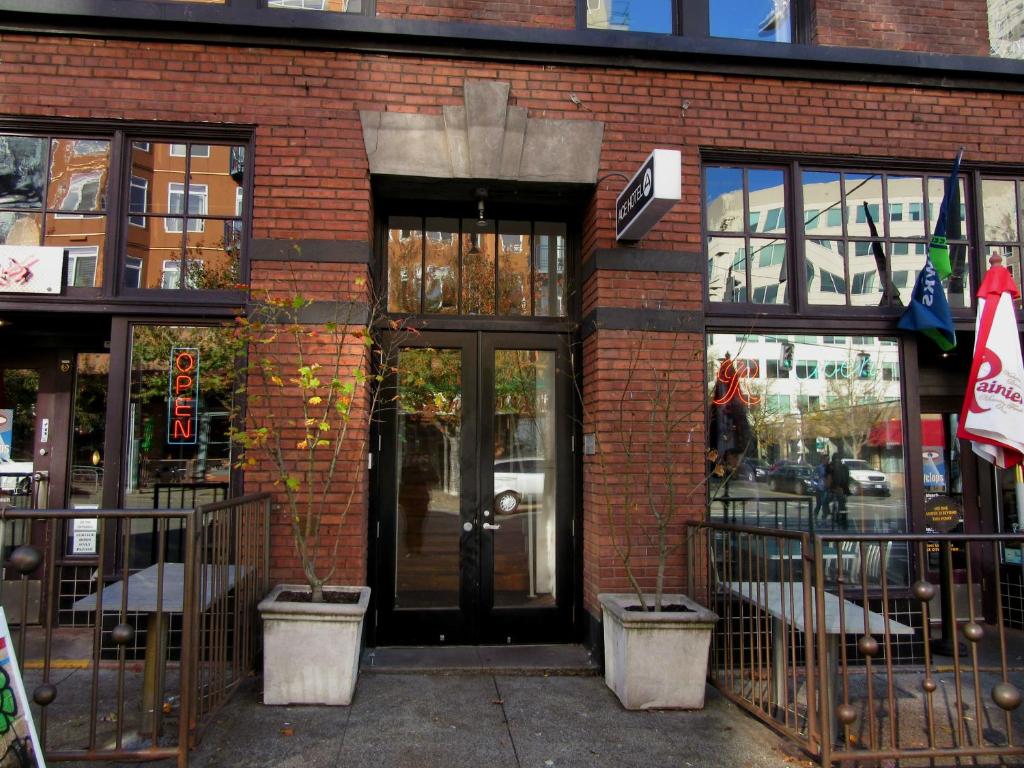
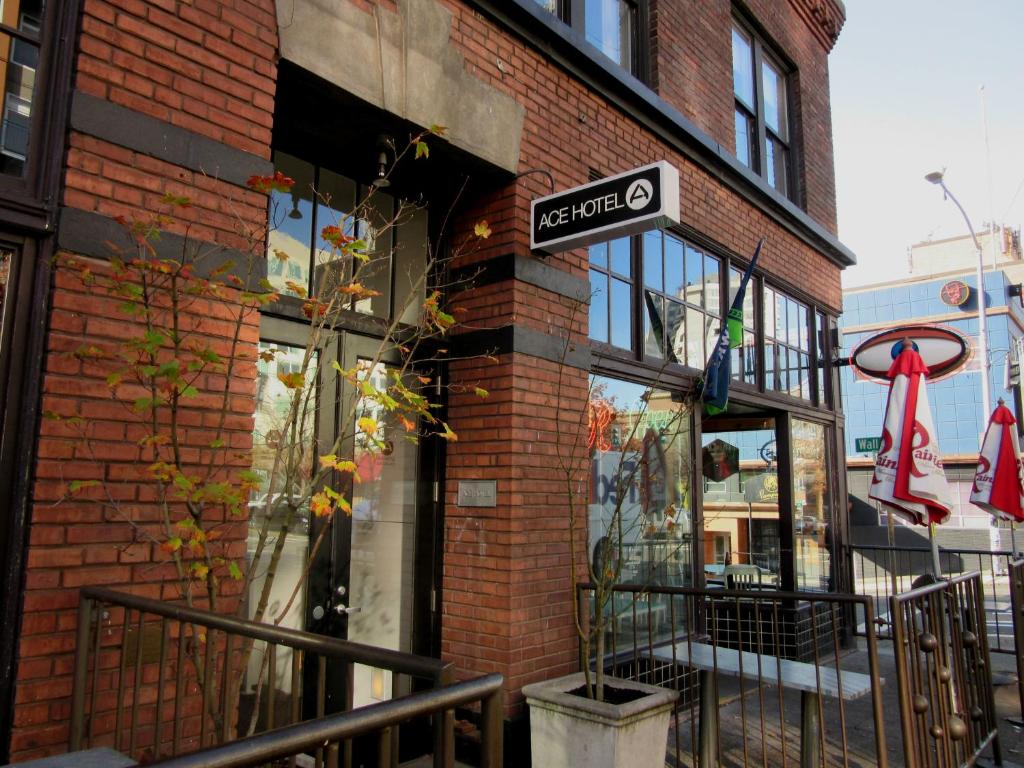
Opened in 1999 by Alex Calderwood, Wade Weigel and Doug Herrick, this 28-room Belltown original became the blueprint for the entire Ace Hotels philosophy.
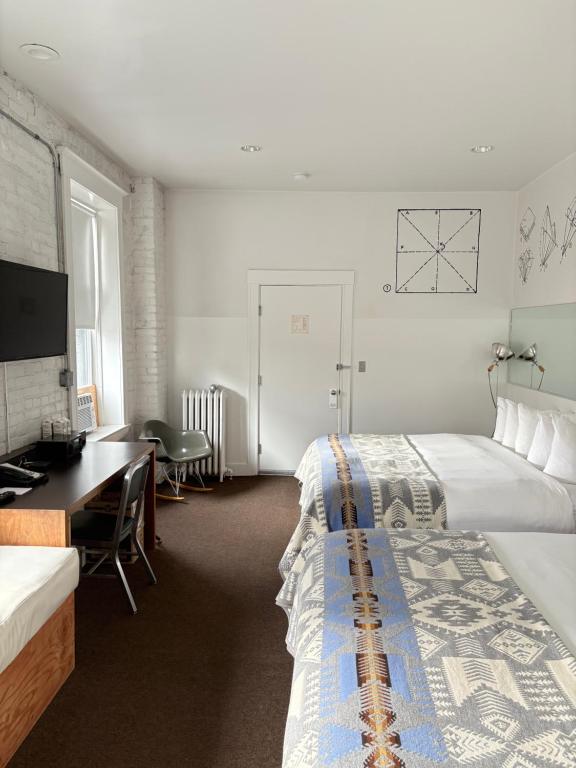
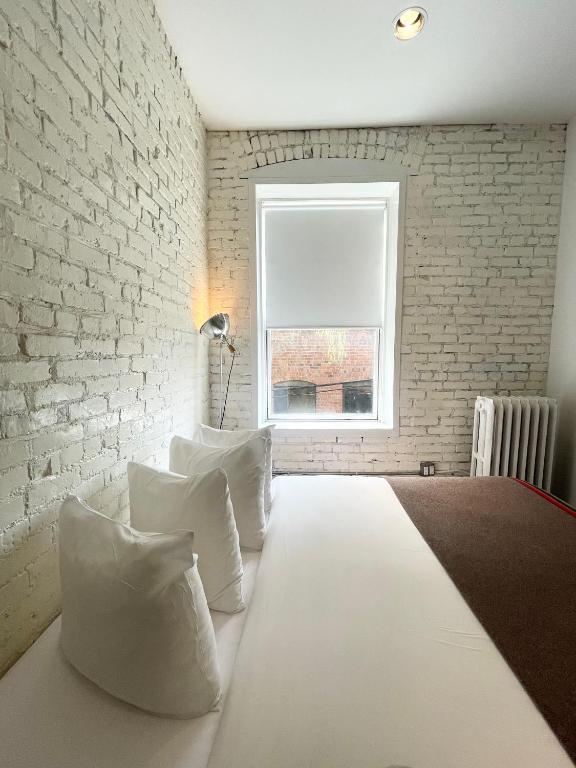
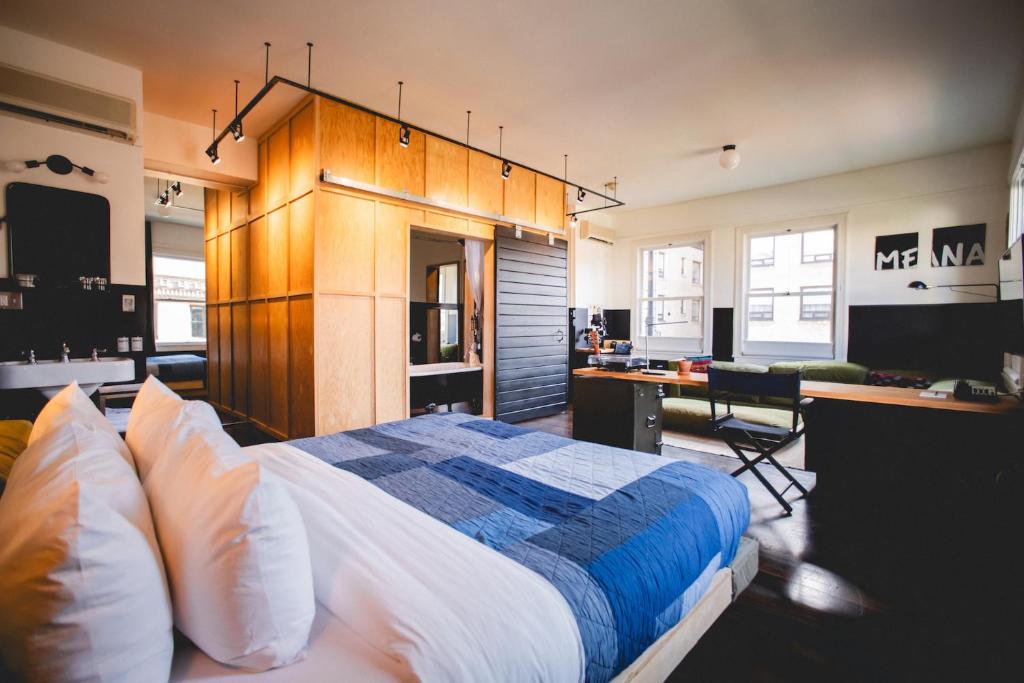
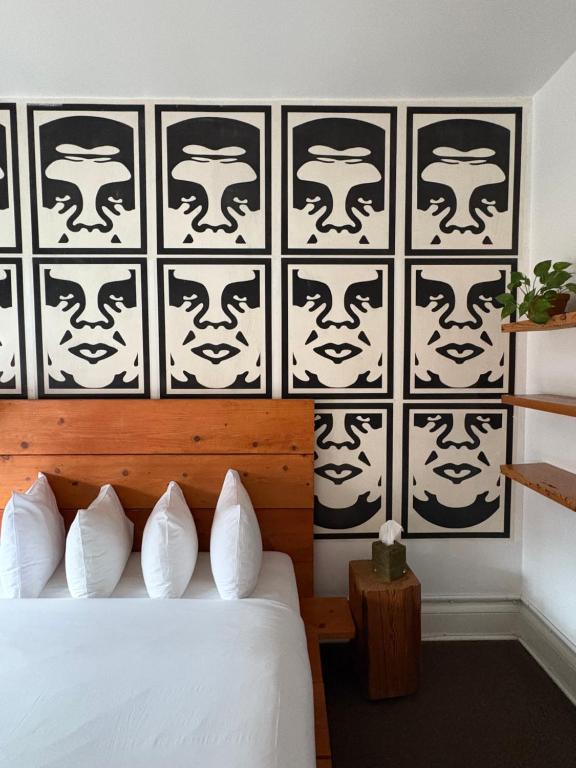
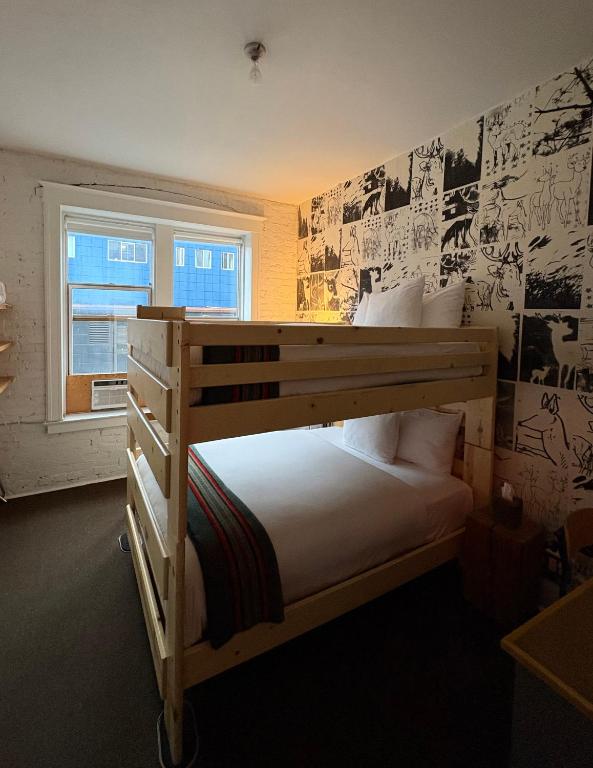
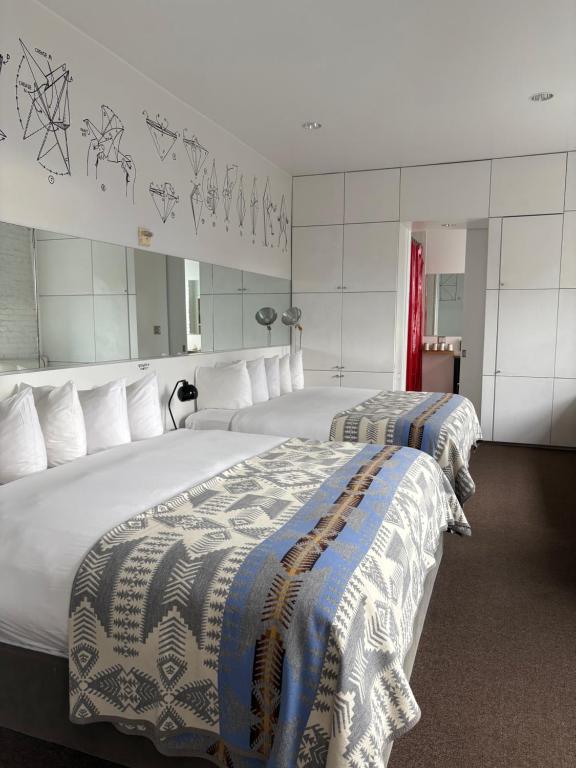
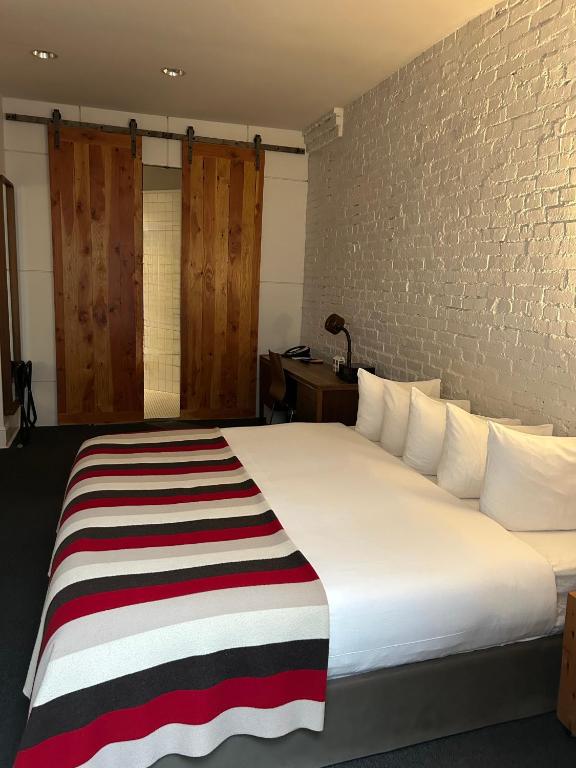
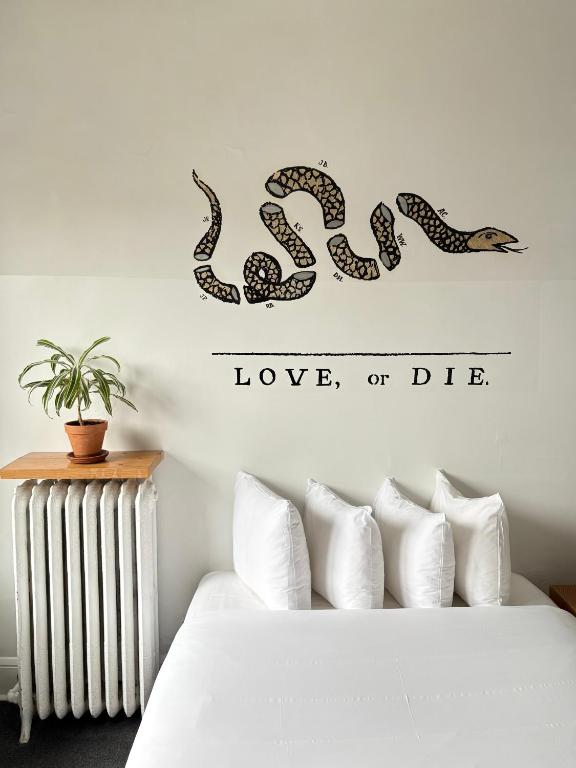
Whitewashed brick, soaring ceilings, vintage finds, local art and deliberately unfussy rooms proved that good design didn’t need marble bathrooms or conventional luxury.
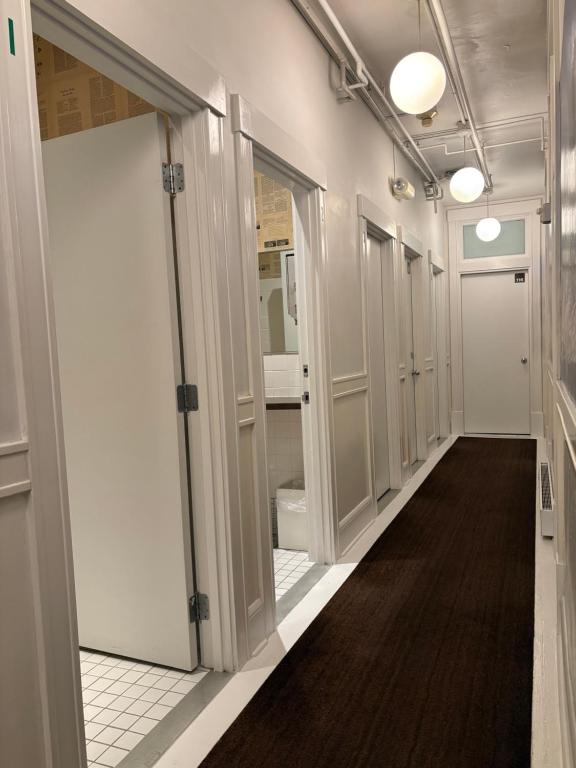
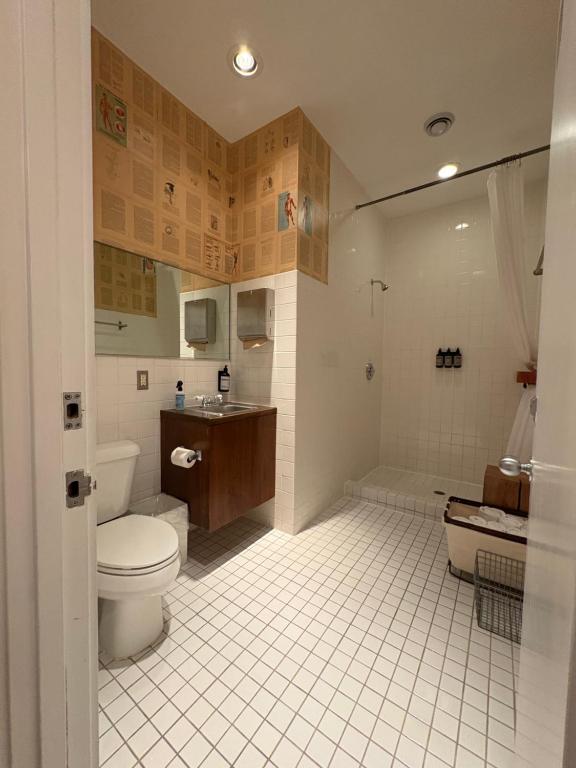
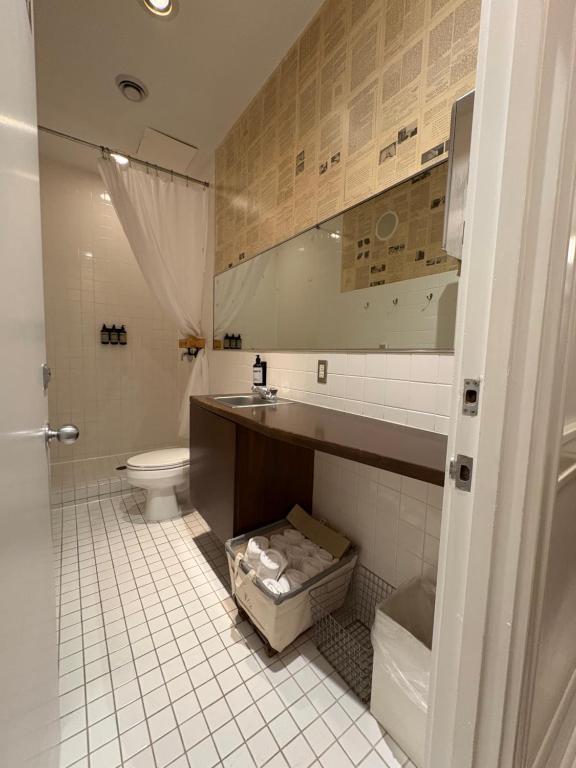
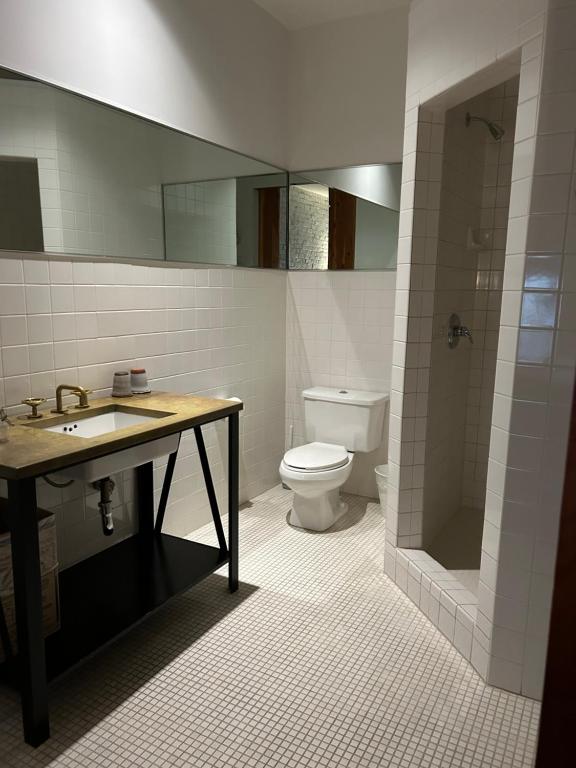
Its democratic approach remains the point: some rooms still use immaculate shared bathrooms, preserving the affordable, communal spirit that made Ace radical in the first place.
The Stay
Before Ace Became Ace
Long before Ace Hotels appeared in Portland, New York, Palm Springs or Kyoto, three friends took over a former maritime workers’ boarding house in Seattle’s Belltown neighbourhood and began experimenting. The idea was deceptively simple. What if a hotel could be inexpensive without being generic? Stylish without being precious? Connected to the creative life of its city rather than insulated from it? When Ace Hotel Seattle opened in 1999, boutique hospitality was still largely associated with glossy design, velvet ropes and expensive rooms. Ace proposed something almost opposite: fewer amenities, more character; vintage furniture instead of luxury catalogues; local culture instead of corporate lifestyle branding. It would become enormously influential.
White Brick, Walnut and Found Objects
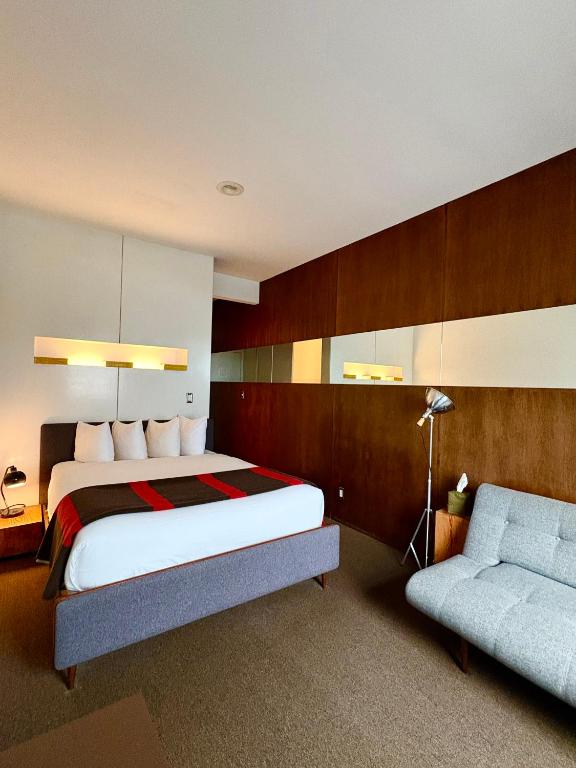
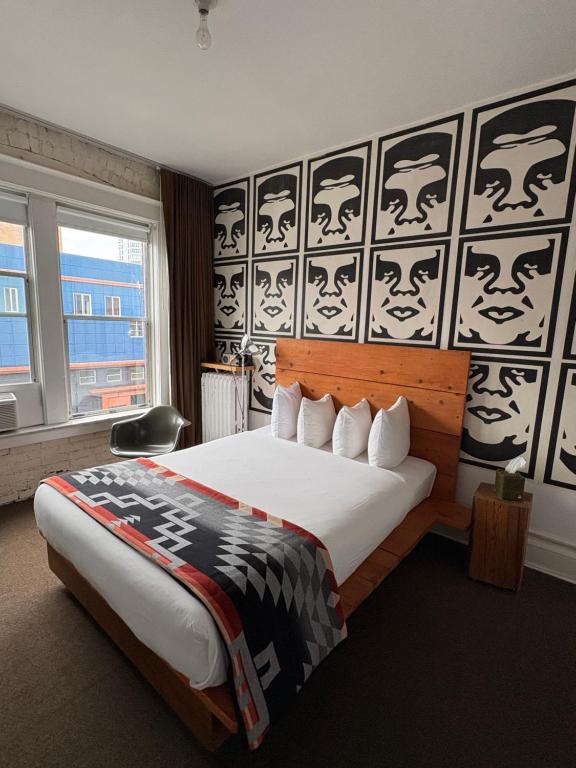
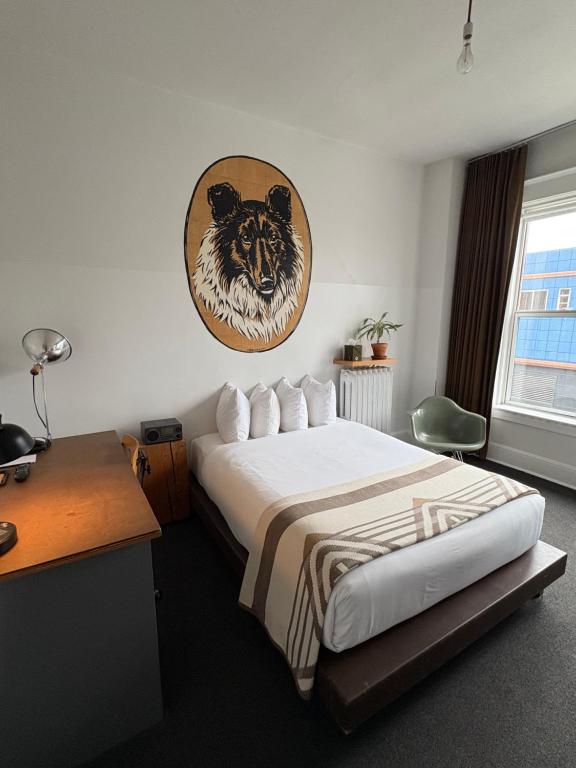
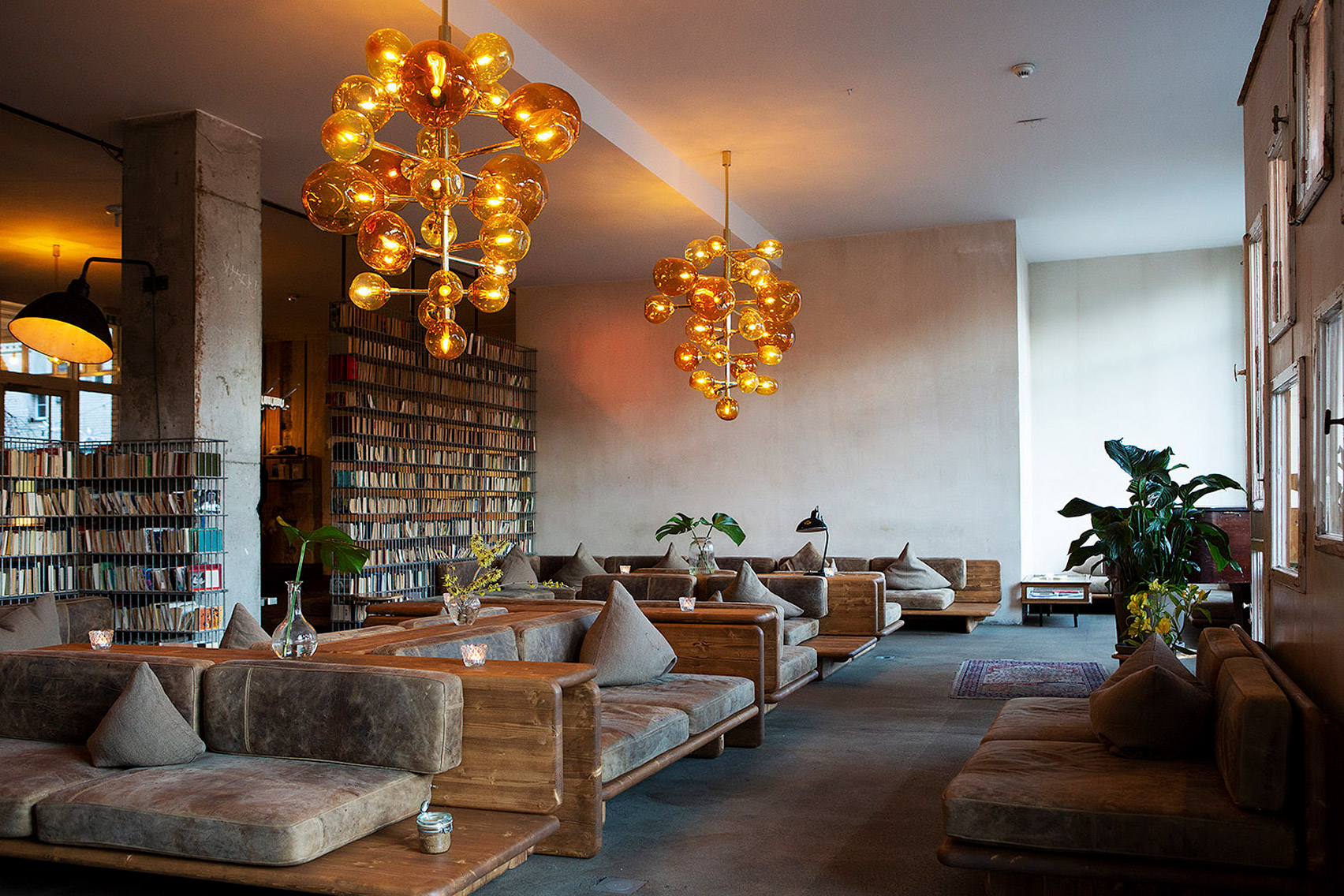
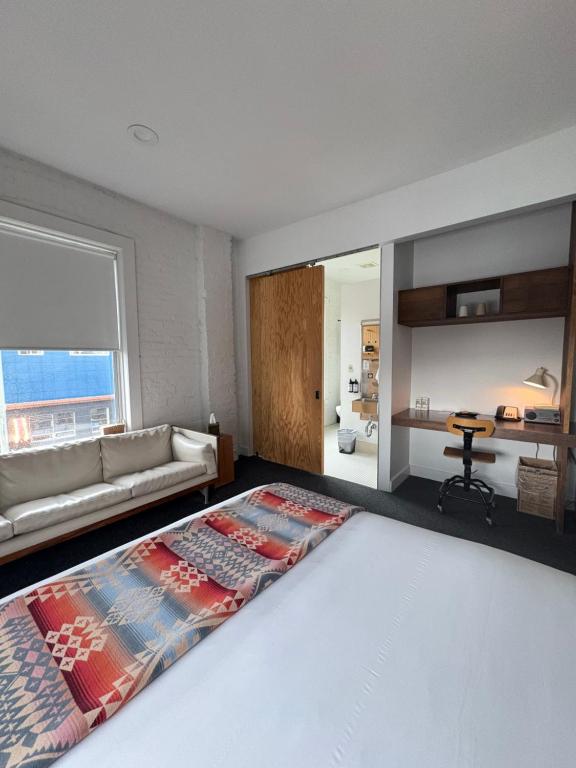
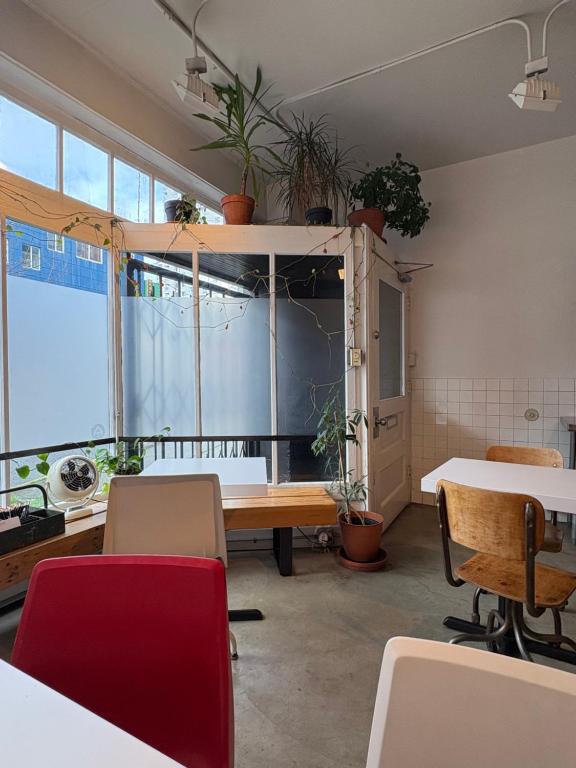
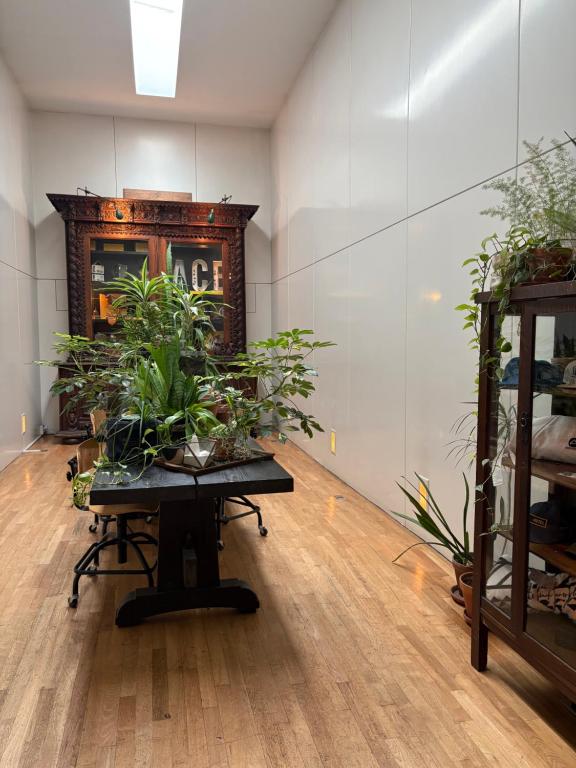
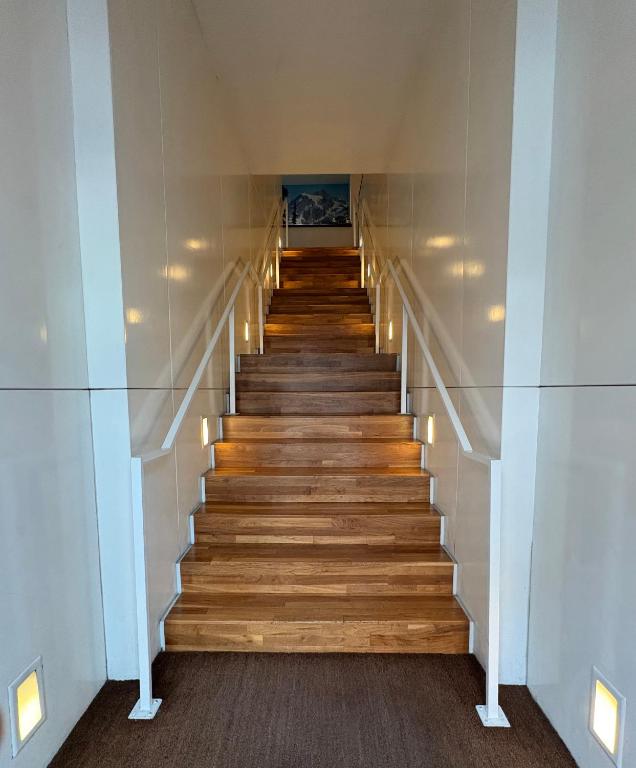
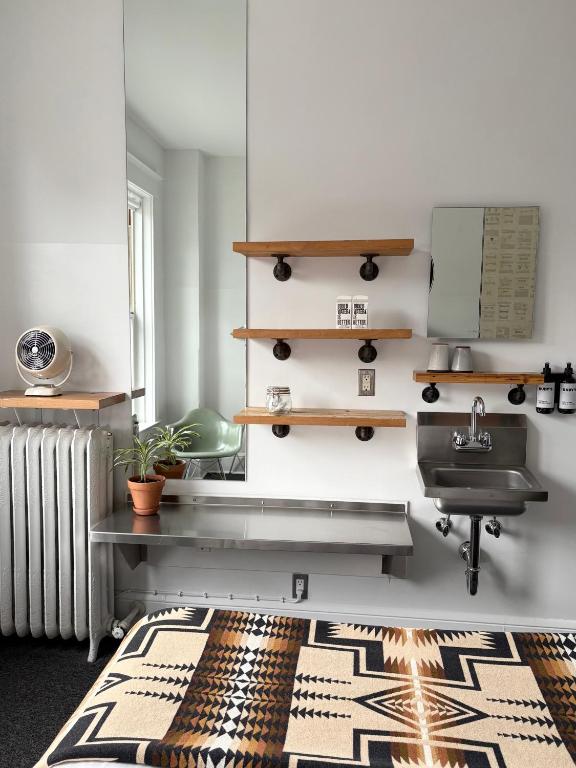
The building’s utilitarian history was never disguised. Whitewashed brick walls, original timber floors and ceilings reaching roughly fourteen feet create rooms that feel closer to artists’ studios than conventional hotel bedrooms. Against that raw shell sit flea-market finds, industrial pieces, simple contemporary furniture, Pendleton blankets and artwork with the slightly improvised quality that became part of Ace’s visual language. The lobby follows the same logic. Dark walnut flooring meets crisp white walls, communal tables, old books, curiosities and objects that seem collected rather than decorated into place. Antlers might share a cabinet with decades-old copies of National Geographic. Nothing appears too polished. That apparent informality is carefully judged.
The Luxury of Not Pretending
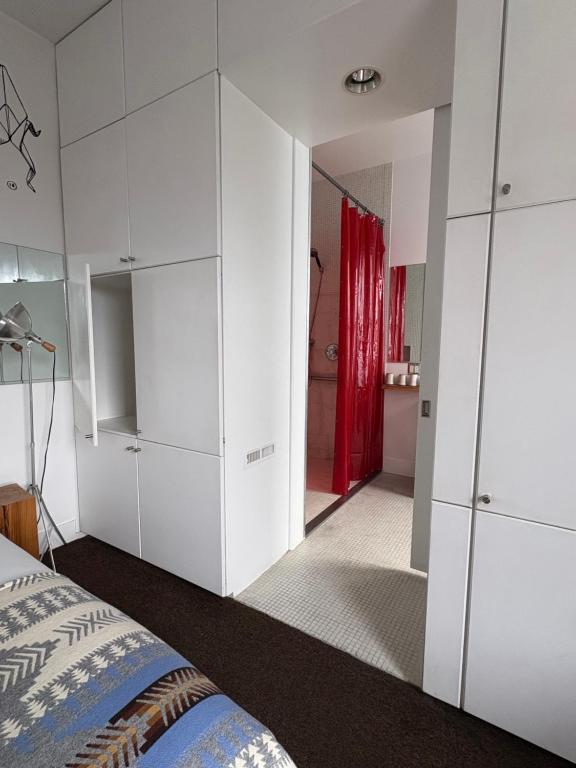
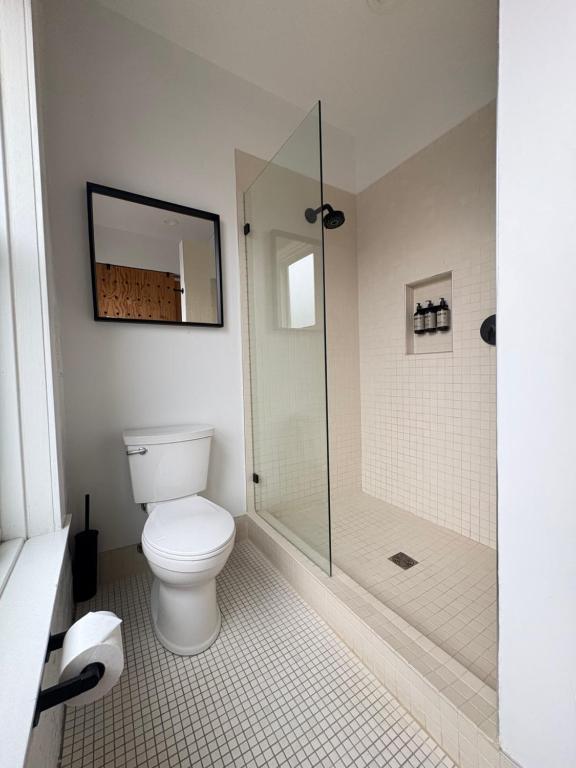
Ace Seattle’s most radical feature may now seem almost quaint: many of its rooms have shared bathrooms. Rather than hiding this fact, the hotel made it part of its proposition. Standard rooms offered smart design at prices accessible to musicians, artists, students and creative travellers who cared more about where they were staying than whether their bathroom was behind their own door. Deluxe rooms provided private facilities for those wanting more comfort, but the hierarchy remained refreshingly uncomplicated. It helped establish a type of hospitality that now feels familiar: the design-conscious hotel where atmosphere matters more than thread count.
Rooms Like Creative Crash Pads
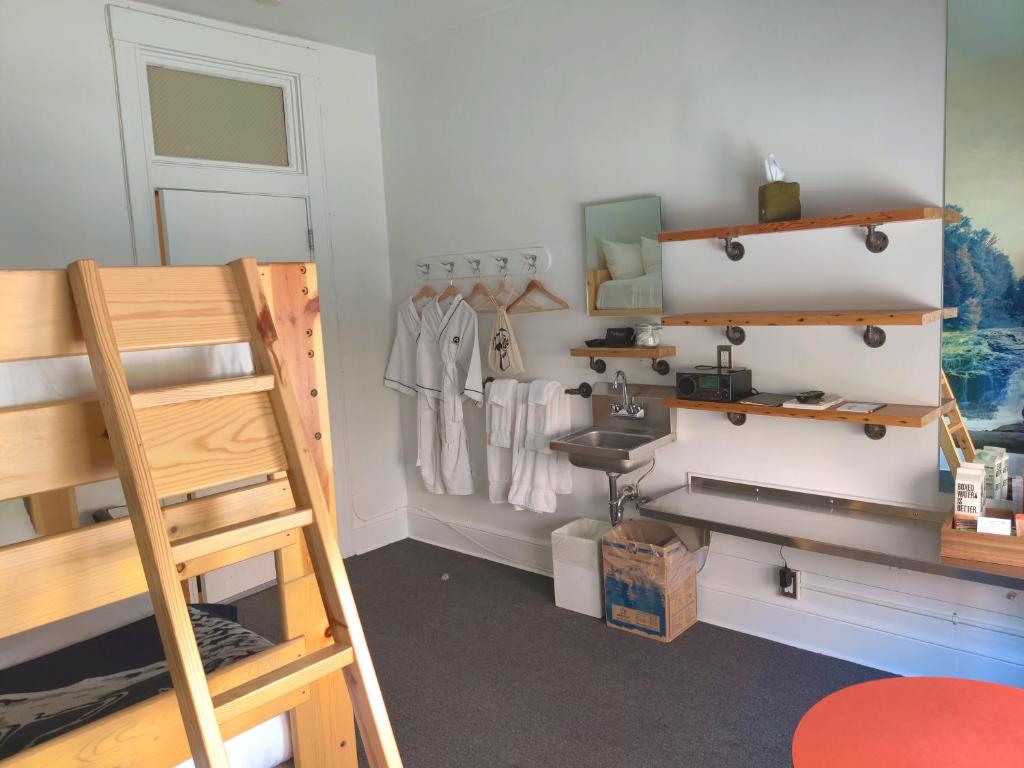
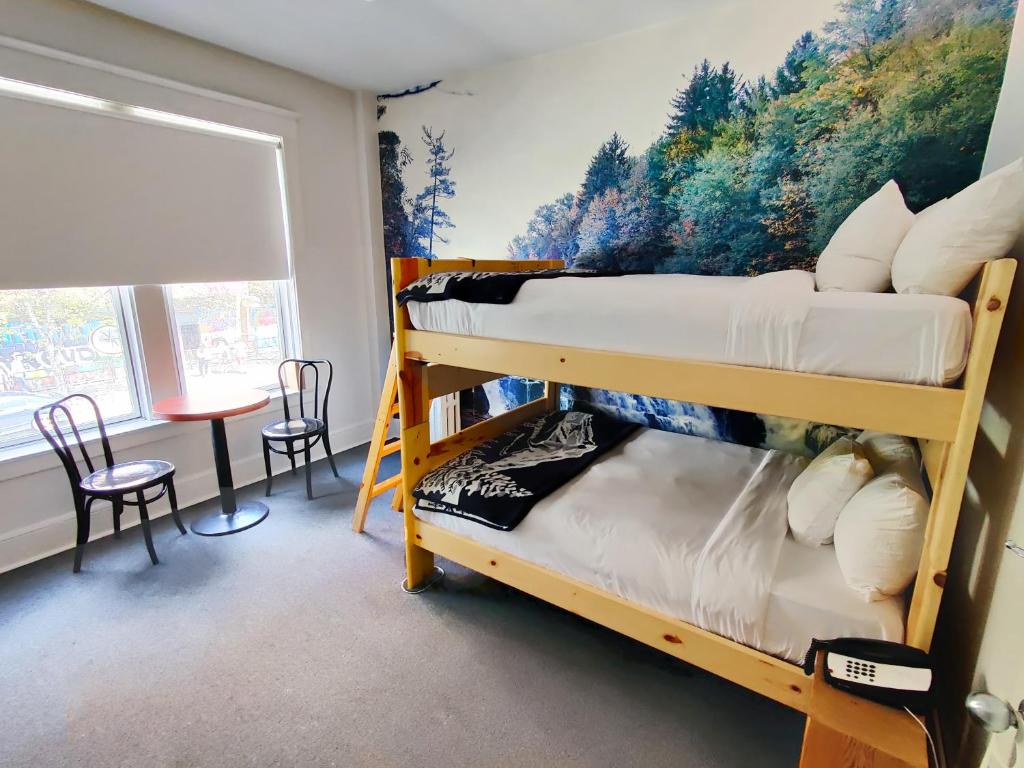
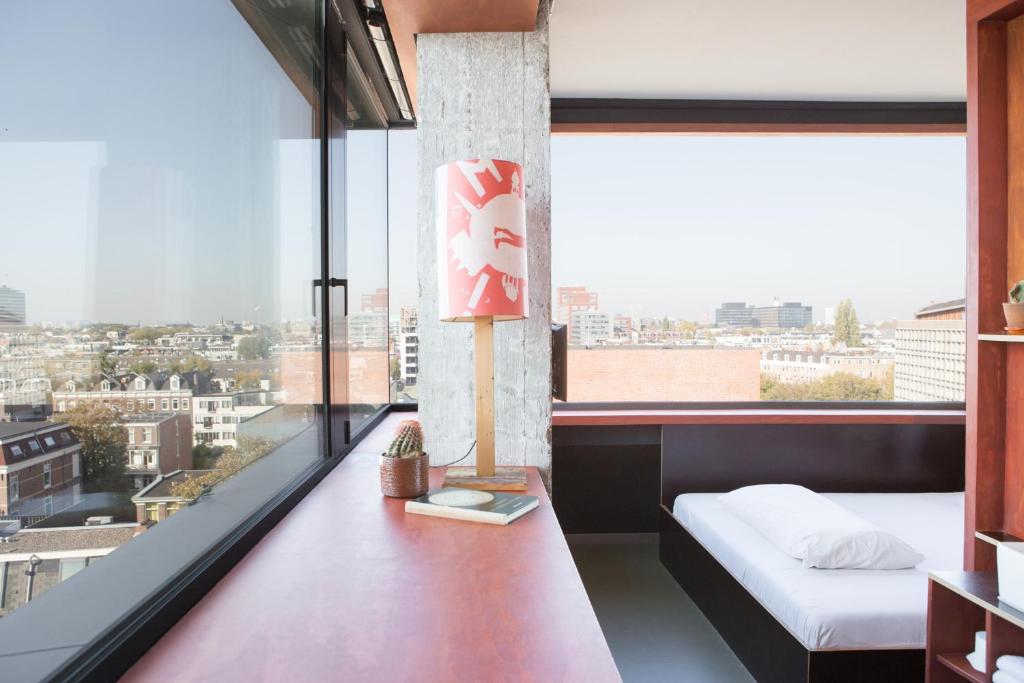
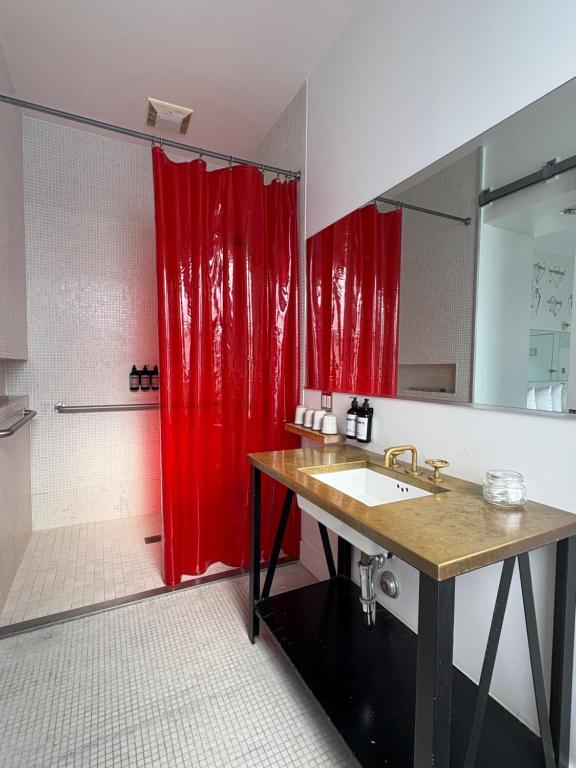
There are just 28 rooms, and their sparseness is part of their appeal. White walls and exposed brick provide the backdrop. Vintage pieces and graphic artworks introduce personality. Some rooms look towards Elliott Bay and the Olympic Mountains; others face directly into Belltown’s urban fabric. The best retain an almost hostel-like directness while avoiding anything institutional. Even the more elaborate rooms remain playful. One of Ace Seattle’s much-discussed early design gestures places a glass shower openly within the bedroom, turning a practical necessity into an architectural feature. There is very little excess. That is precisely the idea.
Belltown Before Bedtime
Ace’s location helped define the concept as much as its interiors. Belltown sits between downtown Seattle and Seattle Center, close to Pike Place Market, galleries, music venues, bars and the city’s waterfront. In the late 1990s, it offered exactly the mix of grit and emerging creative culture that the founders wanted the hotel to participate in. Ace never sought to become an enclave removed from its neighbourhood. The room was your base. The city supplied everything else. That philosophy encouraged guests to go outside—to find the bar, record shop, coffee counter or exhibition rather than expecting the hotel to manufacture an entire world behind its doors.
The Hotel That Changed the Conversation
Looking at Ace Seattle today, it is easy to underestimate how influential its ideas became. Communal tables. Locally sourced art. Vintage furniture mixed with contemporary pieces. Old buildings celebrated rather than sanitised. Great coffee treated as essential. Hotels functioning as neighbourhood living rooms. Affordable rooms designed for culturally curious travellers. These ideas spread throughout the hospitality industry so thoroughly that they eventually became clichés. Ace Seattle matters because it was practising many of them before there was a formula to copy. And unlike many hotels that subsequently adopted the aesthetic, the original never needed to manufacture authenticity. It already had it.
Why It Works
Ace Hotel Seattle is not luxurious in the conventional sense, and that distinction is fundamental to understanding why it belongs on DNA Hotels. Its importance lies in an attitude towards hospitality. Take an overlooked building. Respect its scars. Work with artists and makers. Spend intelligently rather than extravagantly. Give guests what they actually need. Connect them to the city. Let design provide identity rather than status. More than twenty-five years after opening, the rooms may still be simple and some bathrooms may still be shared, but the central idea remains remarkably contemporary. Ace Seattle didn’t simply anticipate the modern boutique hotel. It helped invent it.
Information
At a glance
Opened / Renovated
1999
Size matters
28 rooms (12-32m2) (129-344 sq ft)
Bathroom Amenities
custom
The Small Print
some rooms have shared baths
Featured in
Don't take our word for it
Handpicked worldwide
A carefully curated collection of exceptional boutique and design hotels across the globe.
Design with soul
Architecture, atmosphere and craftsmanship come together in stays with a clear identity.
Hidden, not hyped
Independent boutique hotels you rarely find on mainstream booking platforms.
Travel guidance
Personal recommendations and thoughtful support from people who actually know the places.