The Adolphus, Autograph Collection | Dallas, Texas | USA
Gilded Age Grandeur, Reimagined
Why DNA Hotels Loves It
● One of America’s great historic hotels, where Beaux-Arts architecture, European elegance, and more than a century of Dallas history come together under one roof.
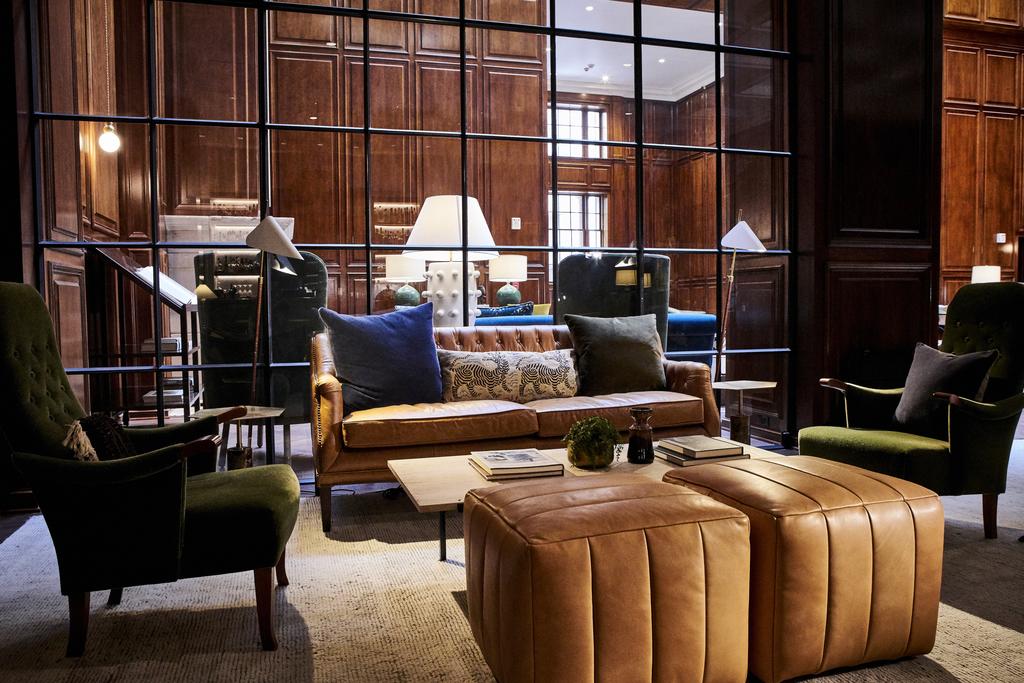
● Beautifully restored interiors that balance original craftsmanship with contemporary comfort, creating a timeless rather than nostalgic atmosphere.
● An exceptional collection of restaurants, bars, spa facilities, and cultural spaces that make The Adolphus as much a destination as a place to stay.
Dallas’ Original Grand Hotel
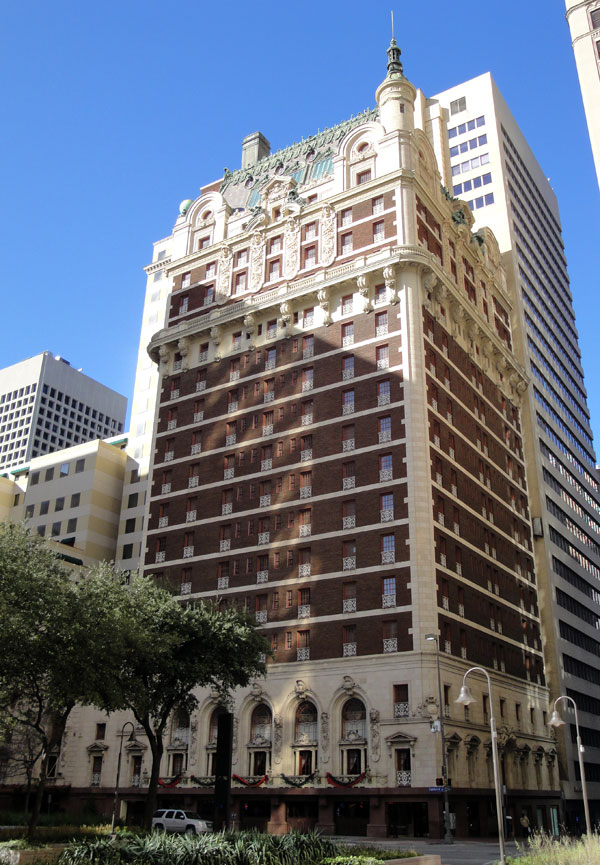
When The Adolphus opened its doors in 1912, it immediately changed the Dallas skyline. Commissioned by beer magnate Adolphus Busch and designed by St. Louis architects Barnett, Haynes & Barnett, the Beaux-Arts landmark stood as the tallest building in Texas and quickly became the city’s social heart. Presidents, royalty, Hollywood stars, musicians, and business leaders have all passed through its revolving doors, making it one of the most enduring symbols of Dallas hospitality. More than a century later, The Adolphus remains every bit as significant—but today, it feels remarkably current.
History Refined for a New Era
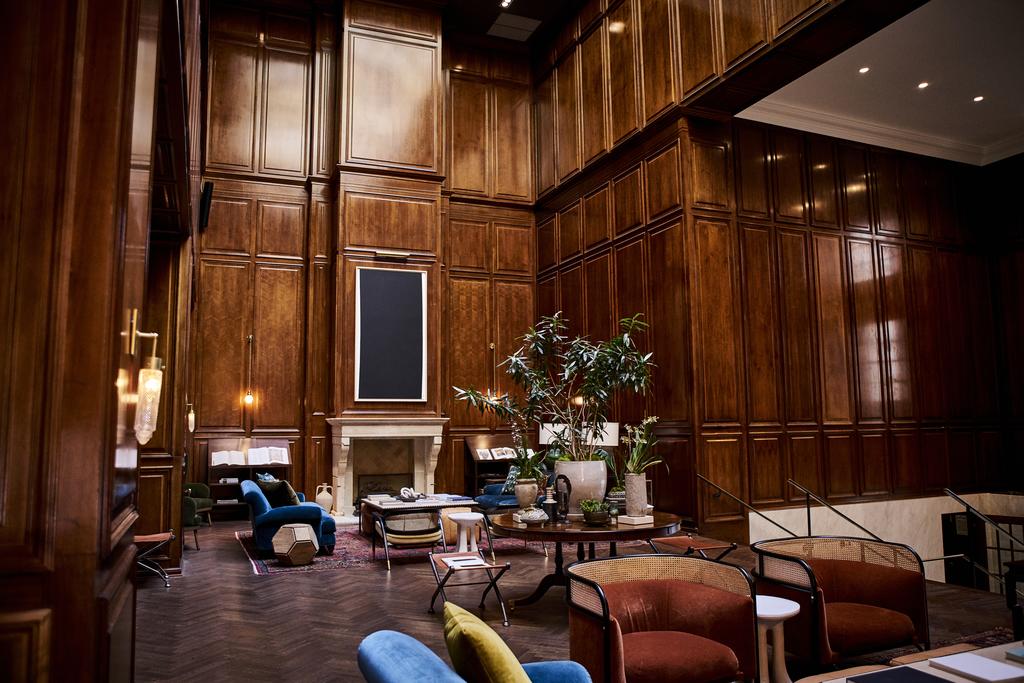
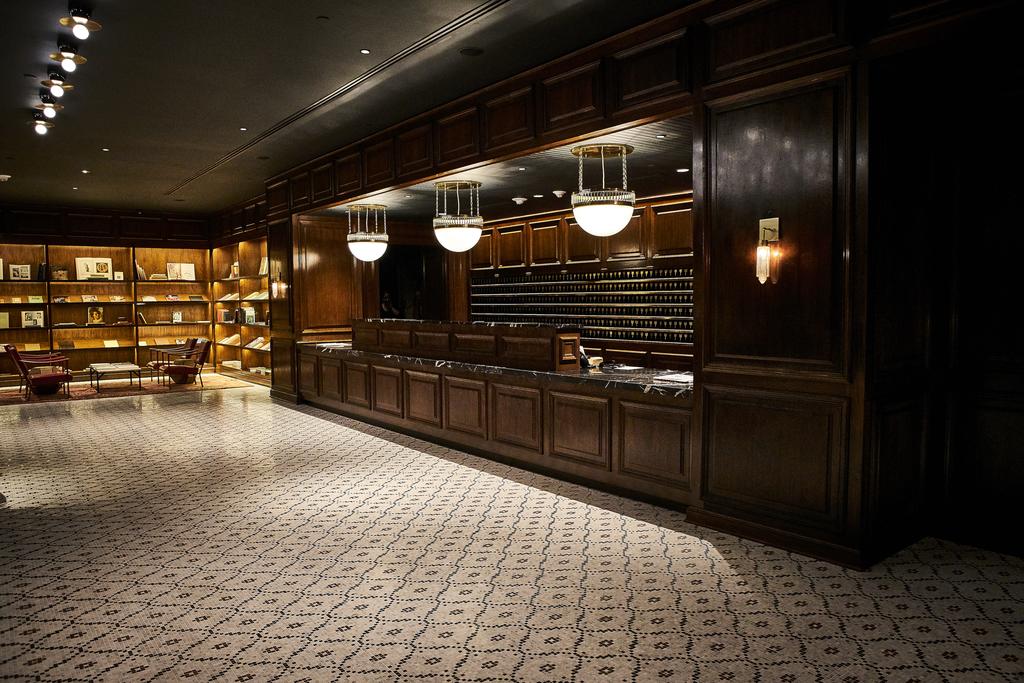
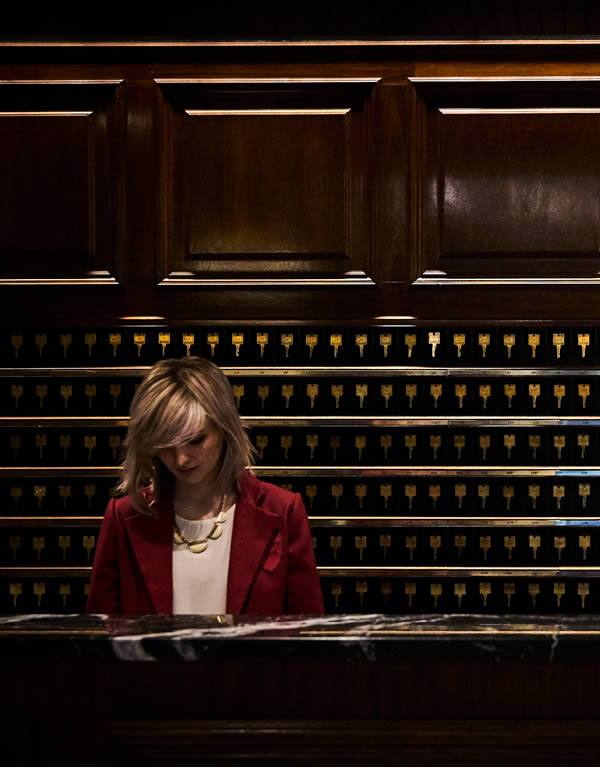
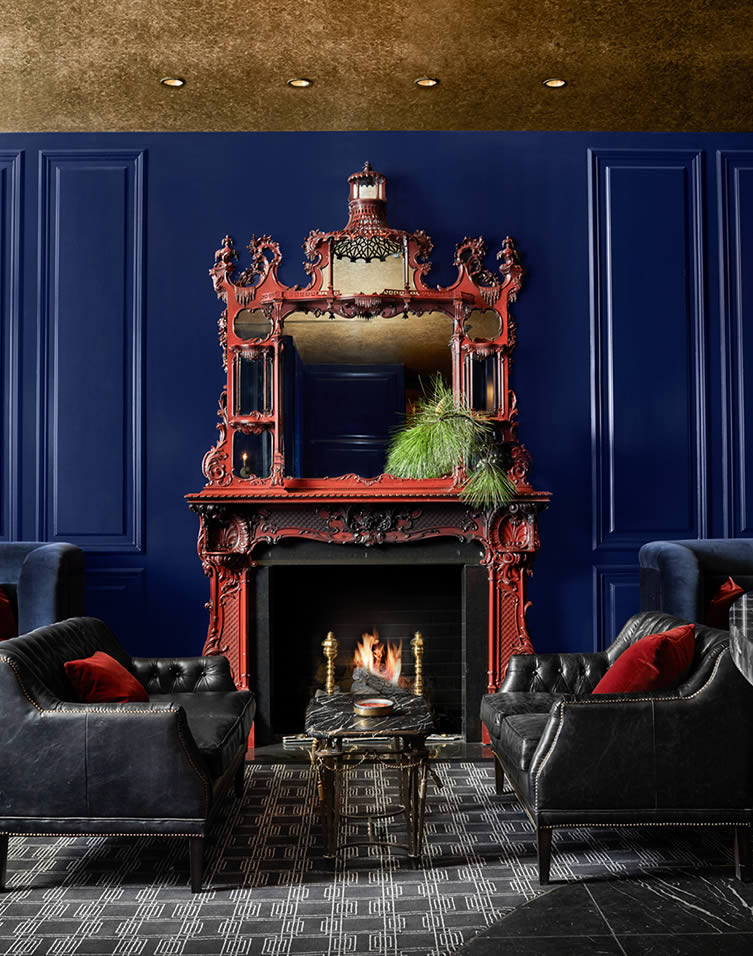
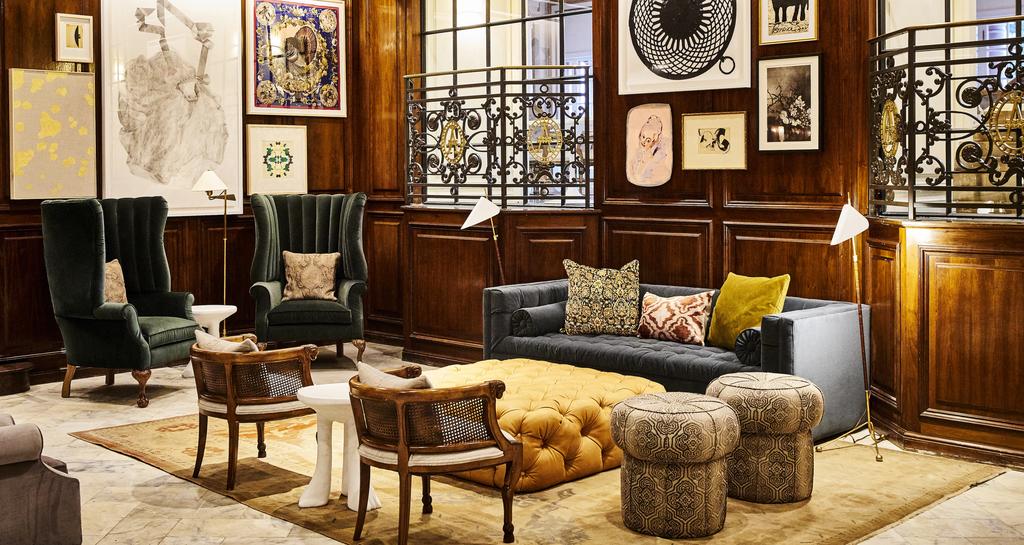
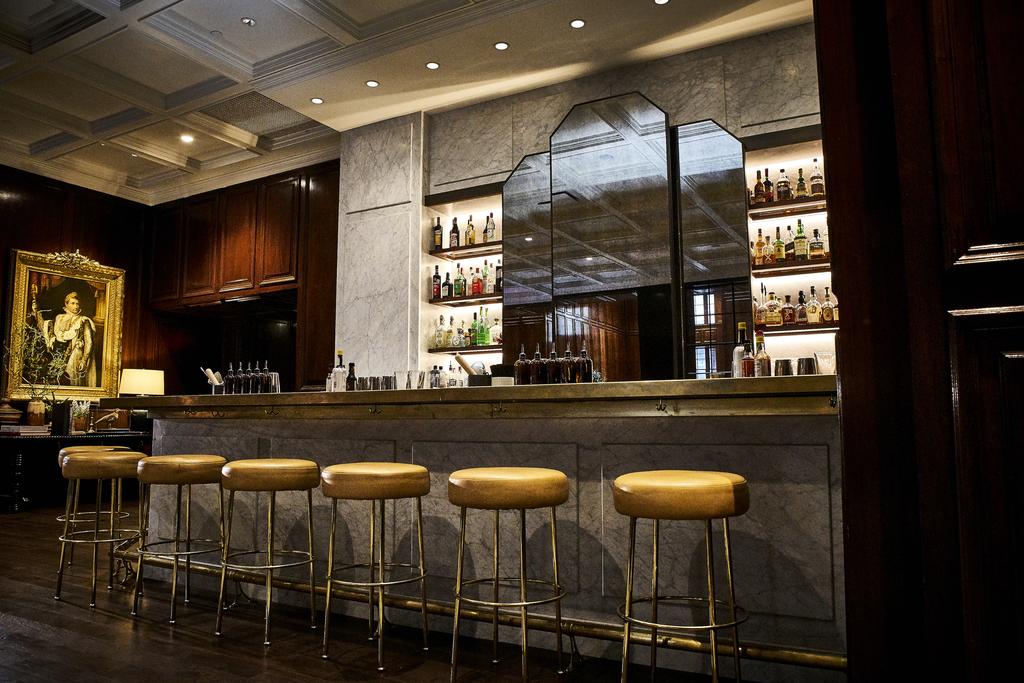
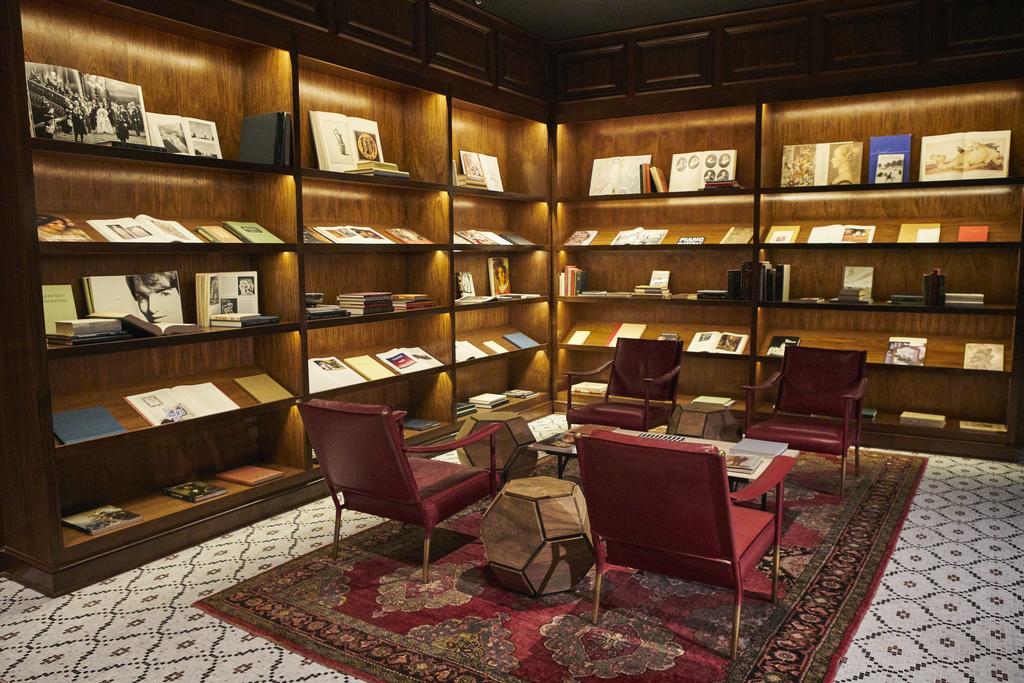
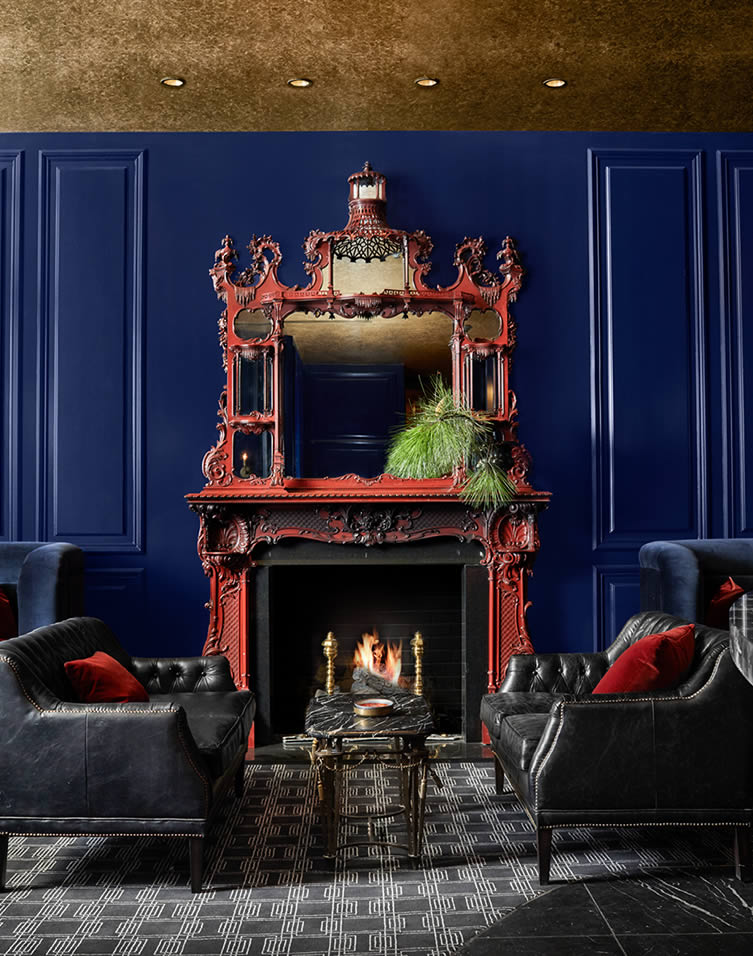
Rather than attempting to recreate the past, the hotel’s extensive restoration carefully reinterprets it. Design studio Swoon approached the interiors as though imagining a refined European residence that had evolved gracefully over generations. Original walnut panelling, marble fireplaces, decorative plasterwork, mosaic floors, and grand architectural details remain proudly intact, while contemporary furnishings, carefully curated artwork, warm colour palettes, and softer lighting bring a fresh sense of intimacy. The result is elegant without becoming formal, luxurious without feeling untouchable. It’s a masterclass in respectful restoration.
Rooms with Quiet Sophistication
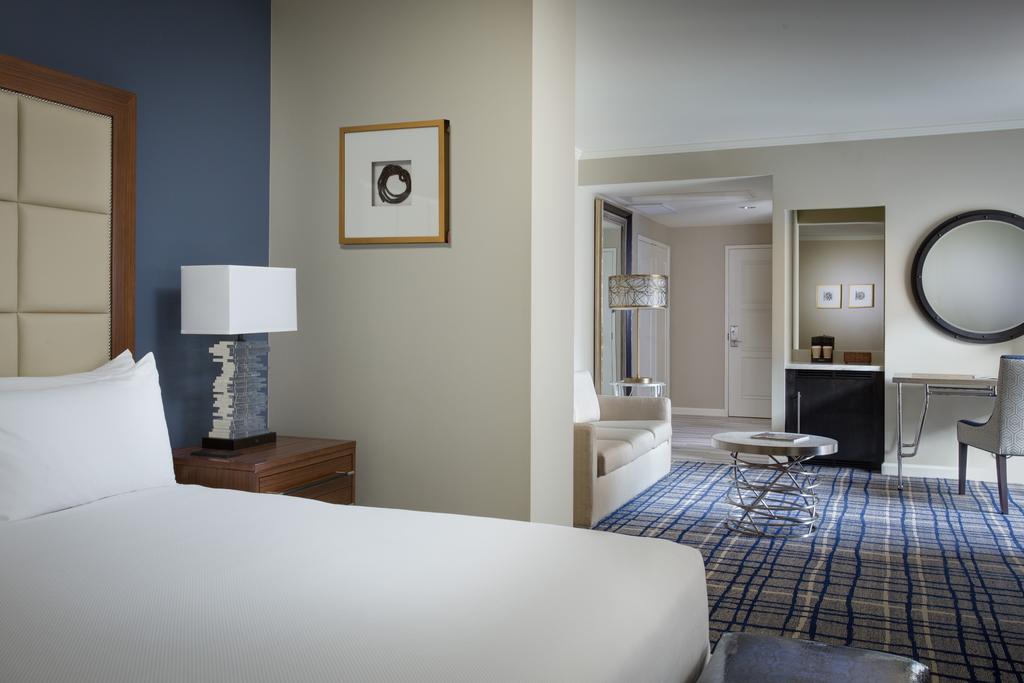
The guestrooms continue this balance between heritage and modern comfort. Large windows, tailored upholstery, velvet accents, leather finishes, rich timber, and subtle Art Deco references create spaces that feel residential rather than traditionally hotel-like. Neutral colours allow the building’s architecture to remain the focal point, while generous suites offer expansive living areas suited to longer stays or special occasions. Every detail feels carefully considered instead of overly decorative.
Dallas’ Dining Landmark
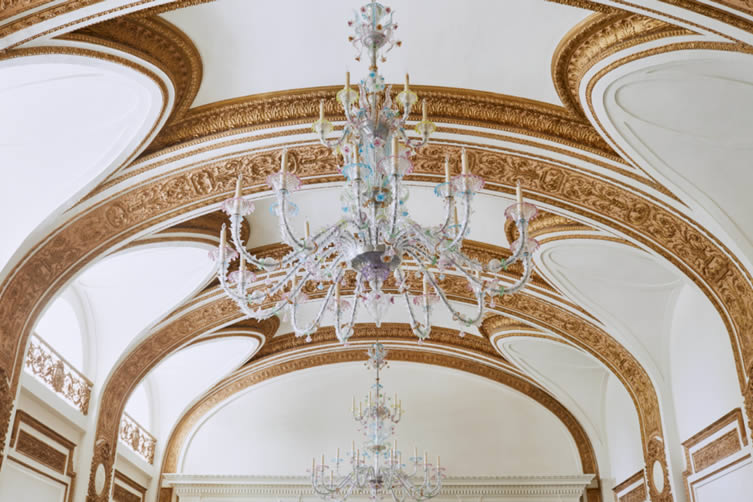
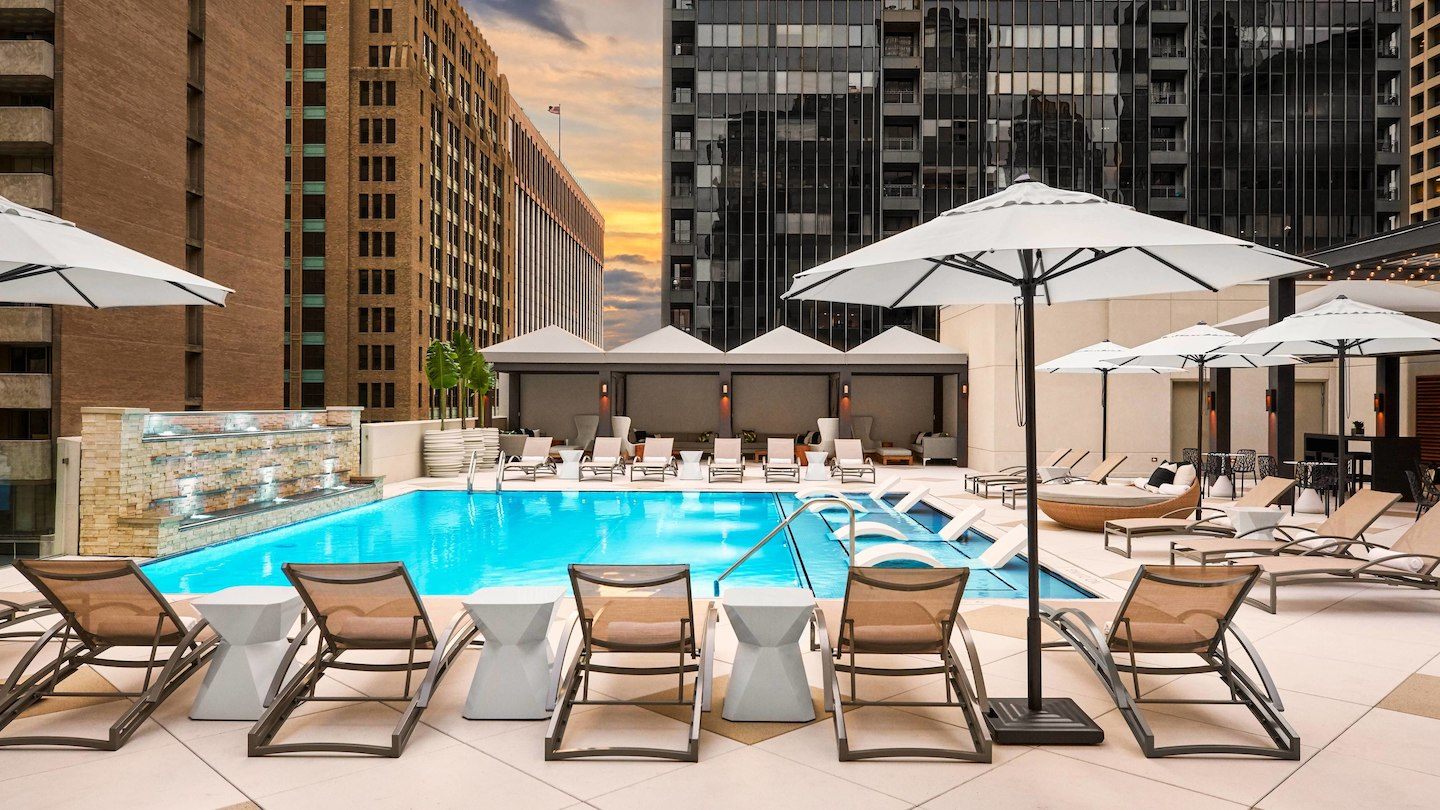
Few hotels in Texas possess a dining legacy quite like The Adolphus. The legendary French Room remains one of Dallas’ most iconic interiors, its soaring ceilings, crystal chandeliers, and intricate plasterwork preserving the grandeur of its early twentieth-century origins while continuing to evolve as one of the city’s premier dining destinations. Elsewhere, Otto’s brings Viennese café culture to downtown Dallas, while the Drawing Room, lobby bar, and rooftop pool terrace provide very different atmospheres throughout the day. Whether enjoying morning coffee, afternoon cocktails, or elegant evening dining, every venue feels like an extension of the hotel’s personality.
A Hotel at the Centre of Dallas
The Adolphus has always been more than accommodation. Its ballrooms, salons, restaurants, and public spaces have long served as gathering places for the city itself. Weddings, exhibitions, celebrations, business meetings, and cultural events continue to reinforce its place within Dallas life, while recent additions—including Spa Adolphus and thoughtfully curated retail spaces—introduce a contemporary lifestyle dimension without diminishing the building’s historic character. It’s a living landmark rather than a preserved monument.
Why It Matters
The Adolphus demonstrates how historic luxury hotels can remain relevant without abandoning their identity. Its restoration honours more than a century of architectural beauty while embracing contemporary hospitality with confidence and restraint. Rather than becoming a museum of its own past, it continues to evolve alongside the city that grew around it. For travellers seeking authentic American grandeur with a distinctly modern perspective, The Adolphus remains one of the country’s most compelling historic hotels.