Amanyangyun – Ancient China, Replanted in Modern Time
A Monumental Retreat Where Trees, Temples, and Time Travel
A Different Kind of Escape
There are hotels that offer escape. Then there’s Amanyangyun—a place that rewrites the very idea of what a luxury retreat can be. Just outside the urban sprawl of Shanghai lies a world that feels impossibly serene, exquisitely preserved, and entirely otherworldly. Aman has always been known for immersive storytelling, but Amanyangyun is something rarer still: a monumental act of cultural preservation turned into a breathtaking sanctuary. Only in China. Truly.
A Story That Sounds Like Folklore
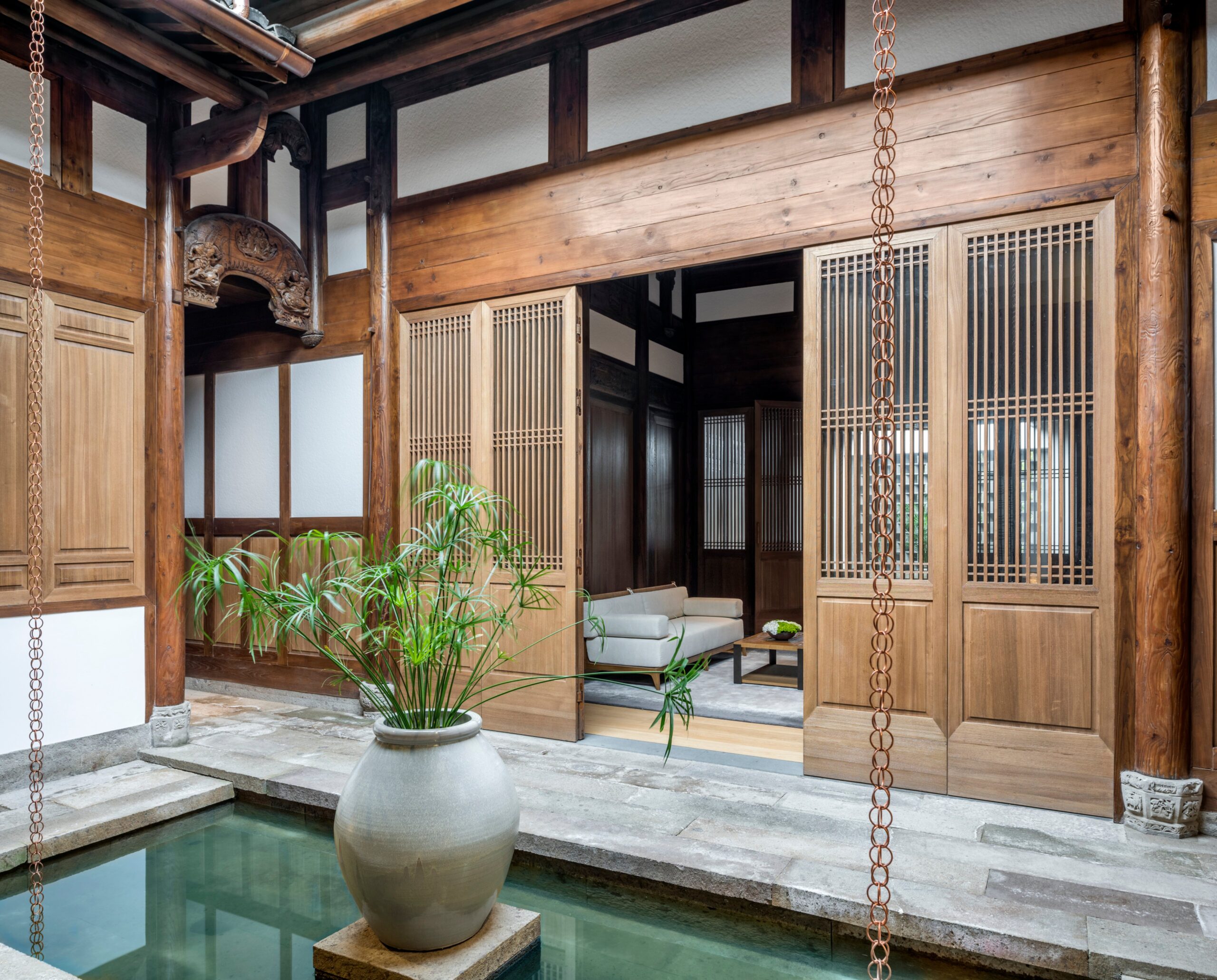
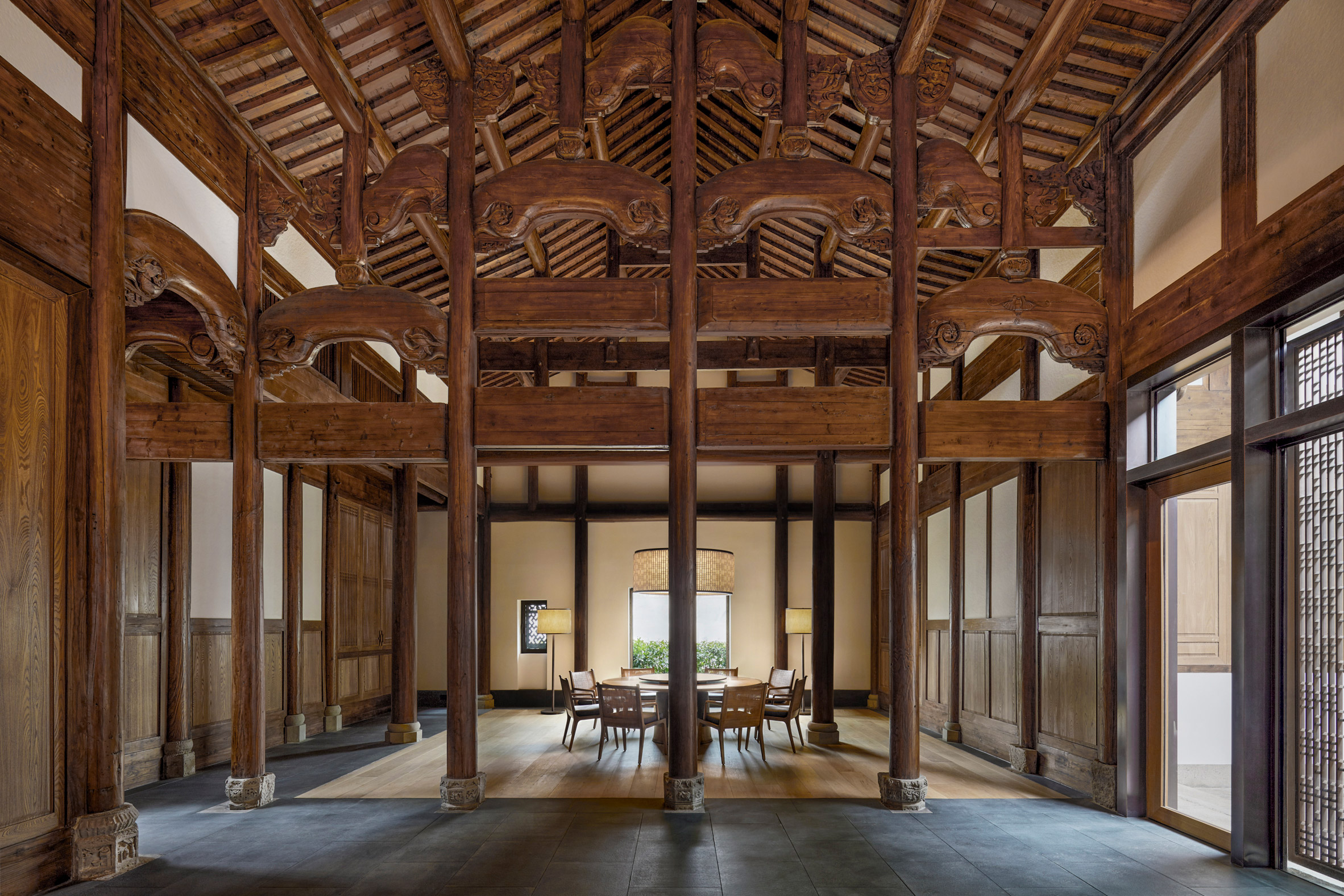
The tale begins with a rescue mission: 10,000 camphor trees—including the mighty Emperor Tree, a 17-meter, 1,000-year-old giant—were carefully uprooted from Fuzhou in Jiangxi province, nearly 700 kilometers away, to make way for a reservoir project. Alongside them, 50 antique Ming- and Qing-dynasty houses—also set for destruction—were salvaged. Fuzhou-born entrepreneur Ma Dadong, determined to preserve the architectural and ecological heritage of his homeland, partnered with Aman in a bold, decade-long operation to transport, replant, and reimagine it all. The result is Amanyangyun: an extraordinary fusion of nature, history, and ultramodern elegance.
A Village Reborn
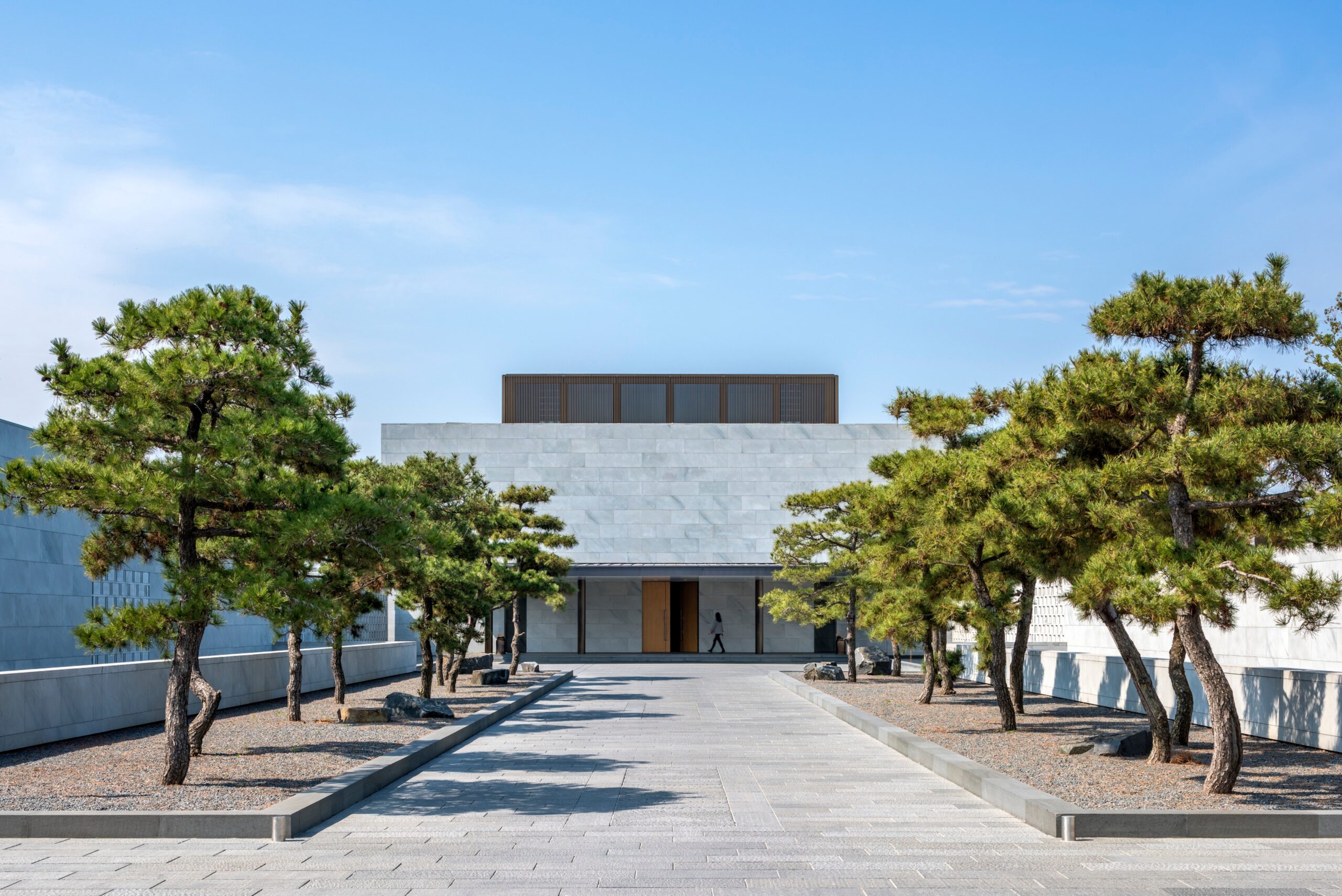
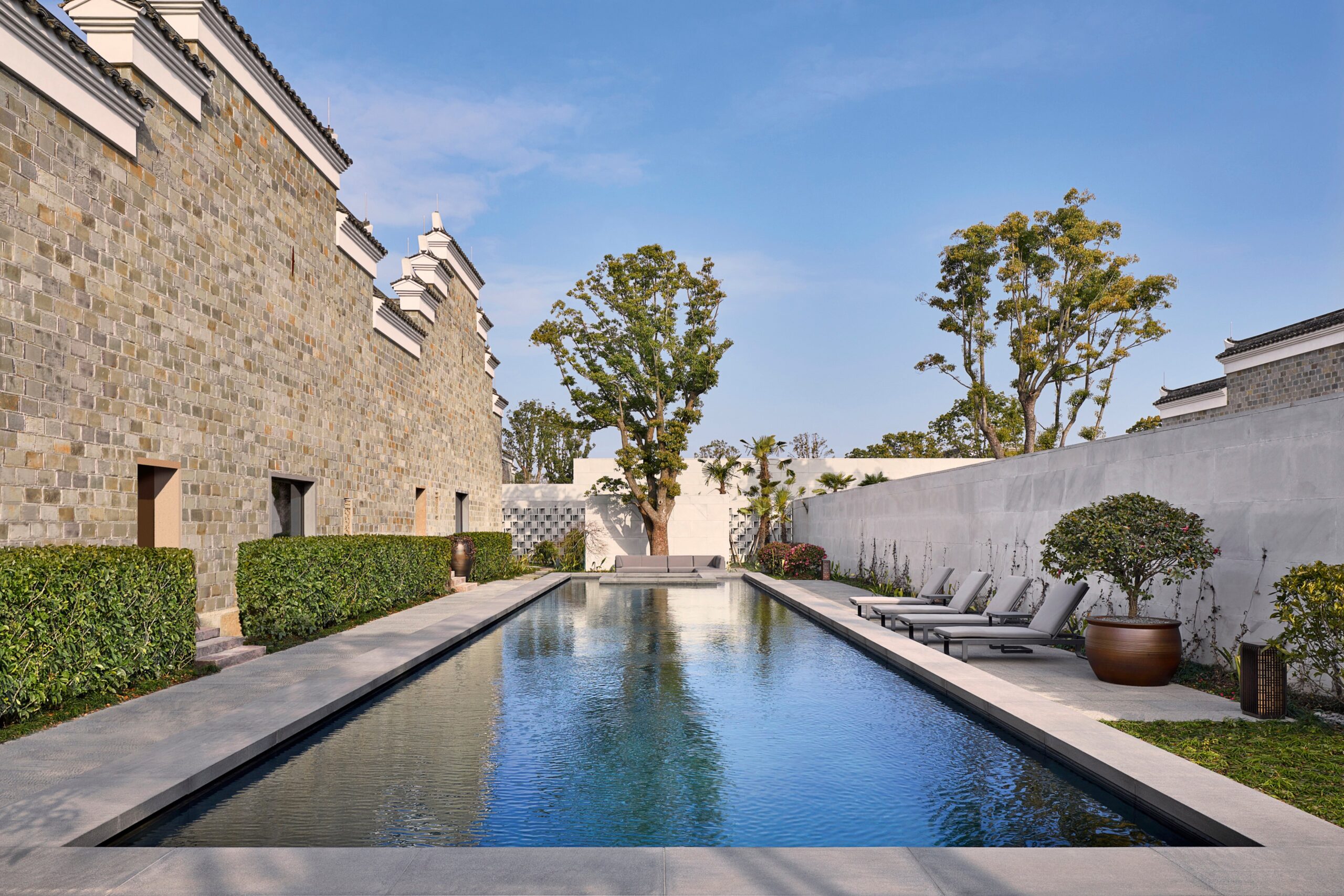
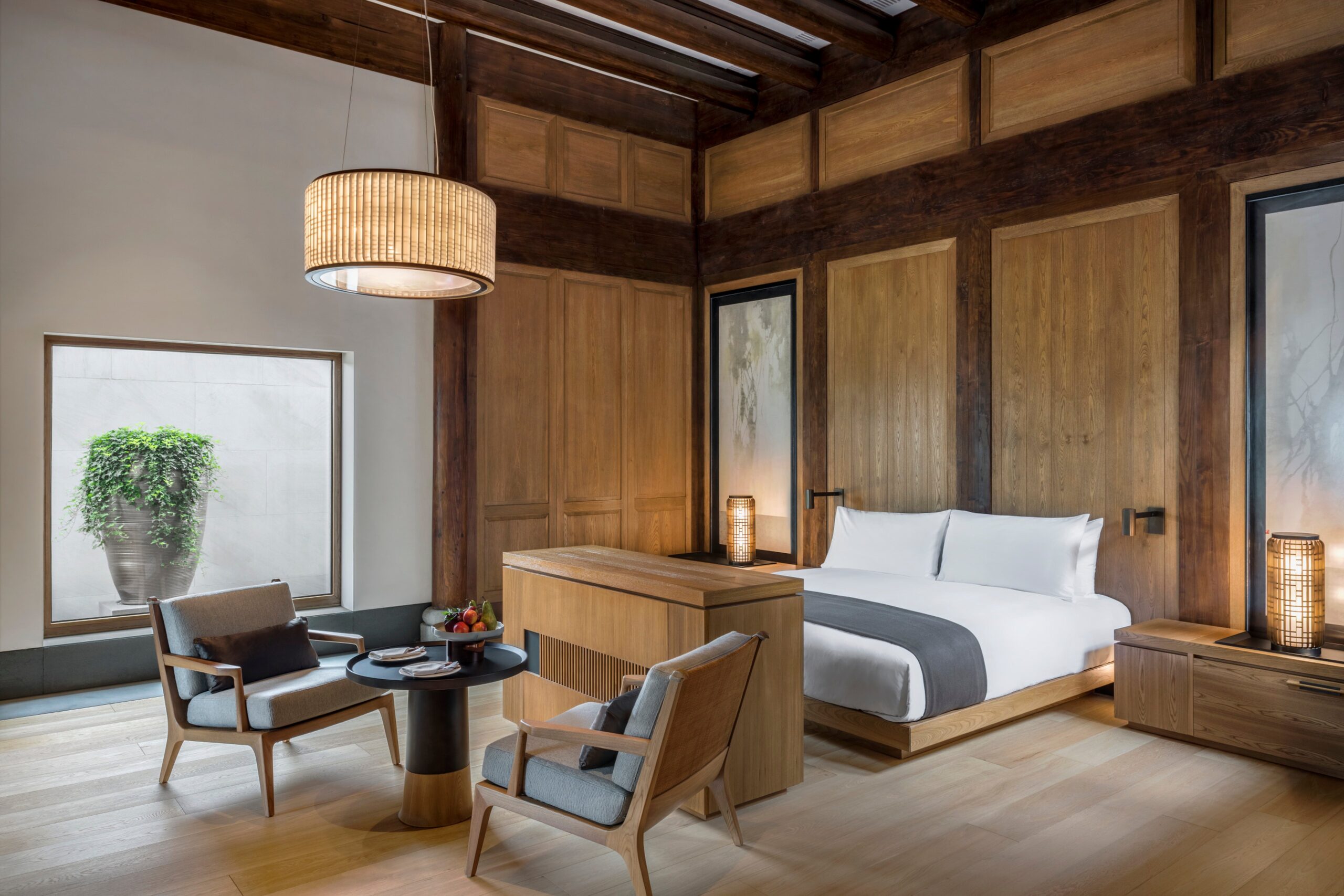
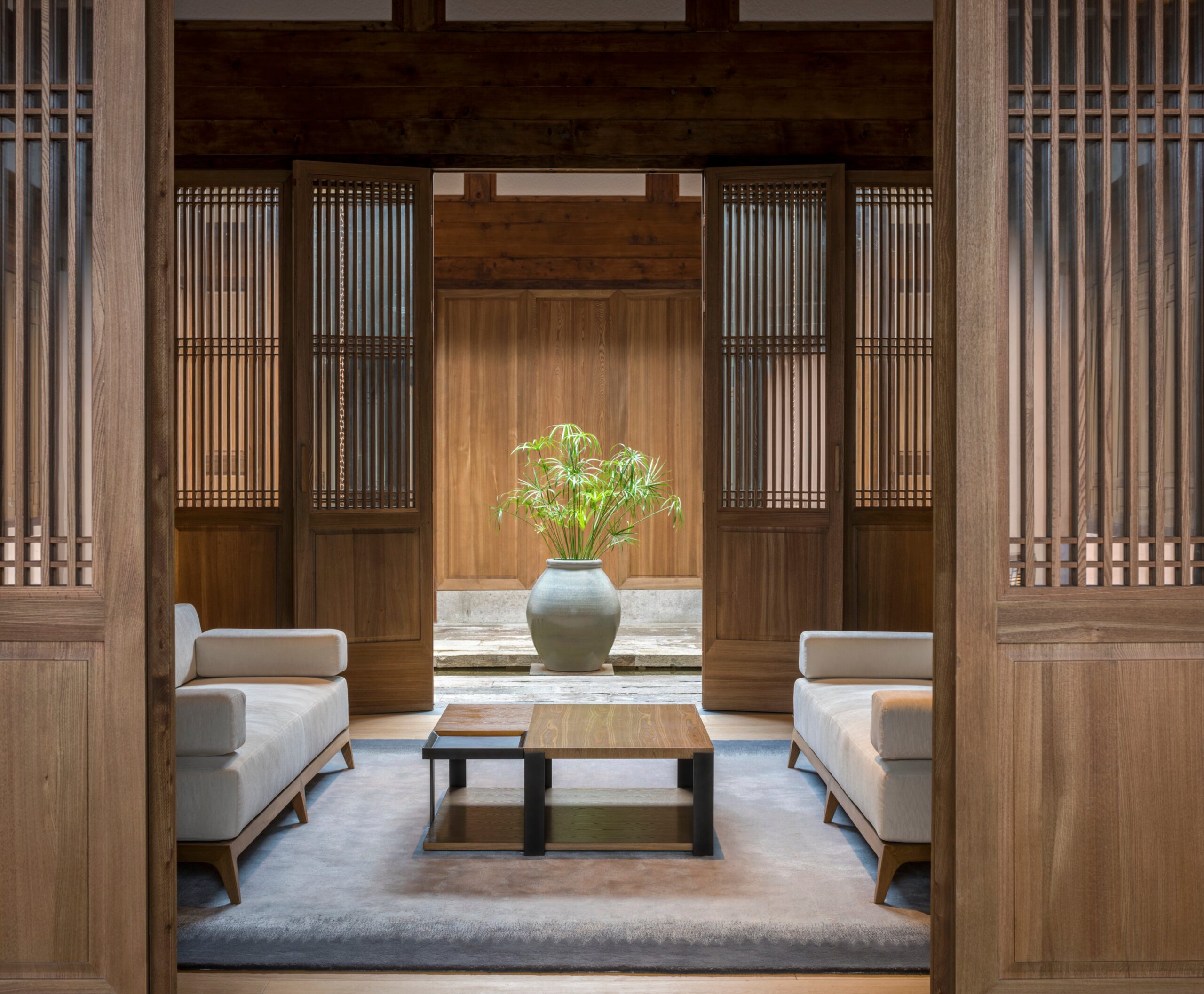
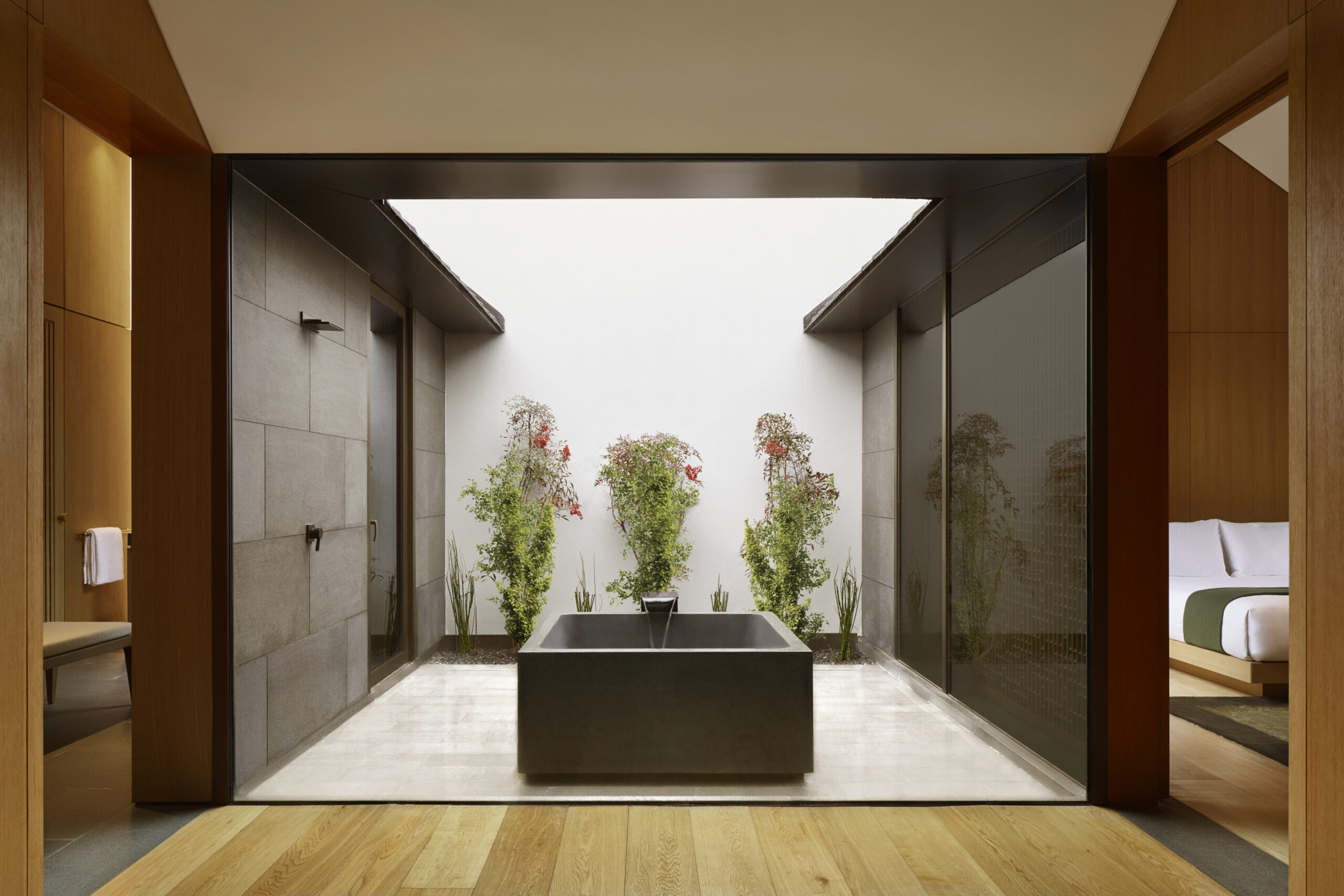
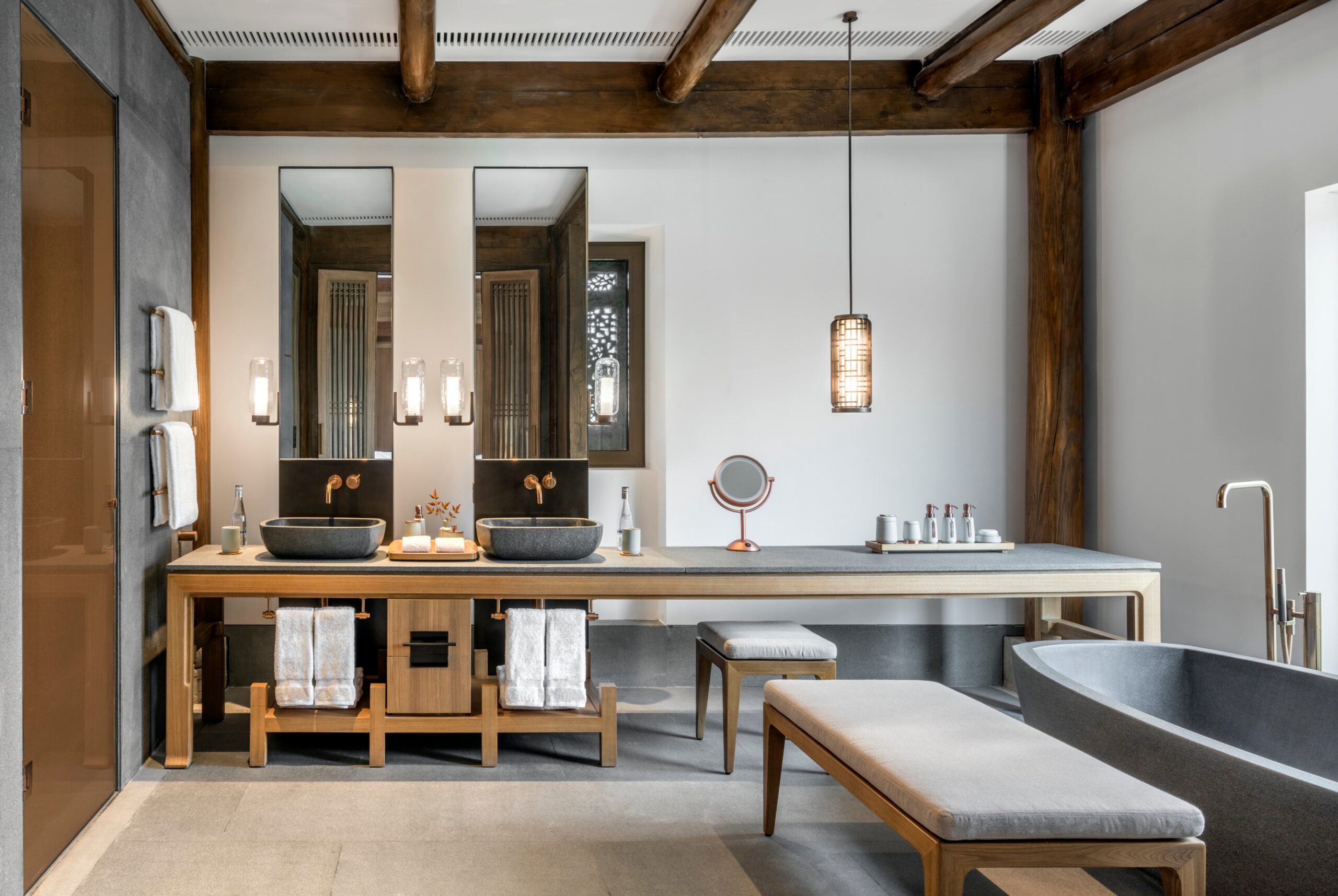
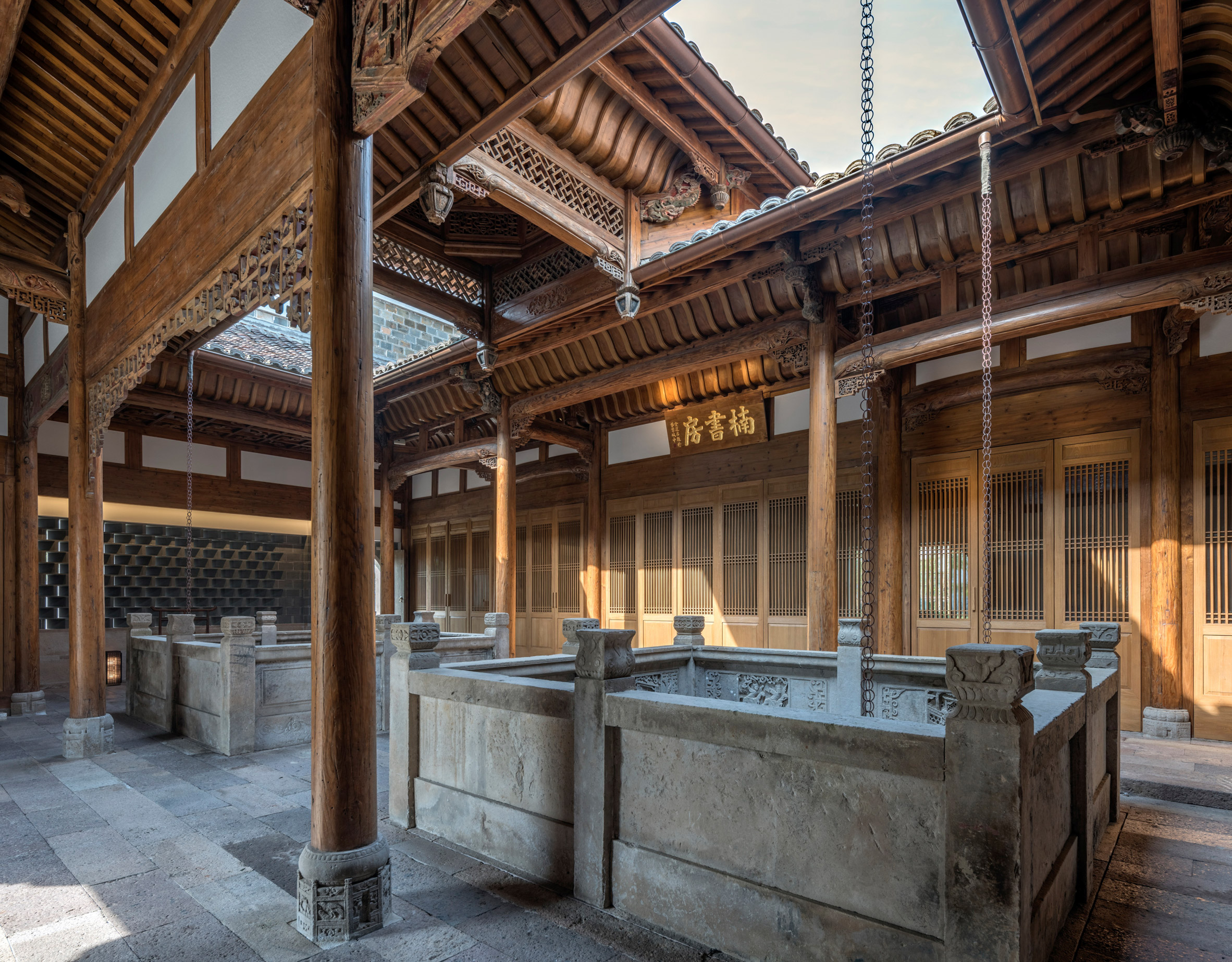
To walk through Amanyangyun is to enter a reconstructed dream of ancient China. The relocated camphor forest envelops the resort, its dappled light and musky scent grounding everything in a deep sense of time. Within it, the reassembled antique houses—each a piece of living history—have been transformed into guest villas that blend classical craftsmanship with Aman’s signature minimalist refinement. Think hand-carved wooden beams, original stonework, and hushed courtyards—now paired with discreet plunge pools, floor-to-ceiling glass, and interiors so serene they border on spiritual.
Design That Honors and Elevates
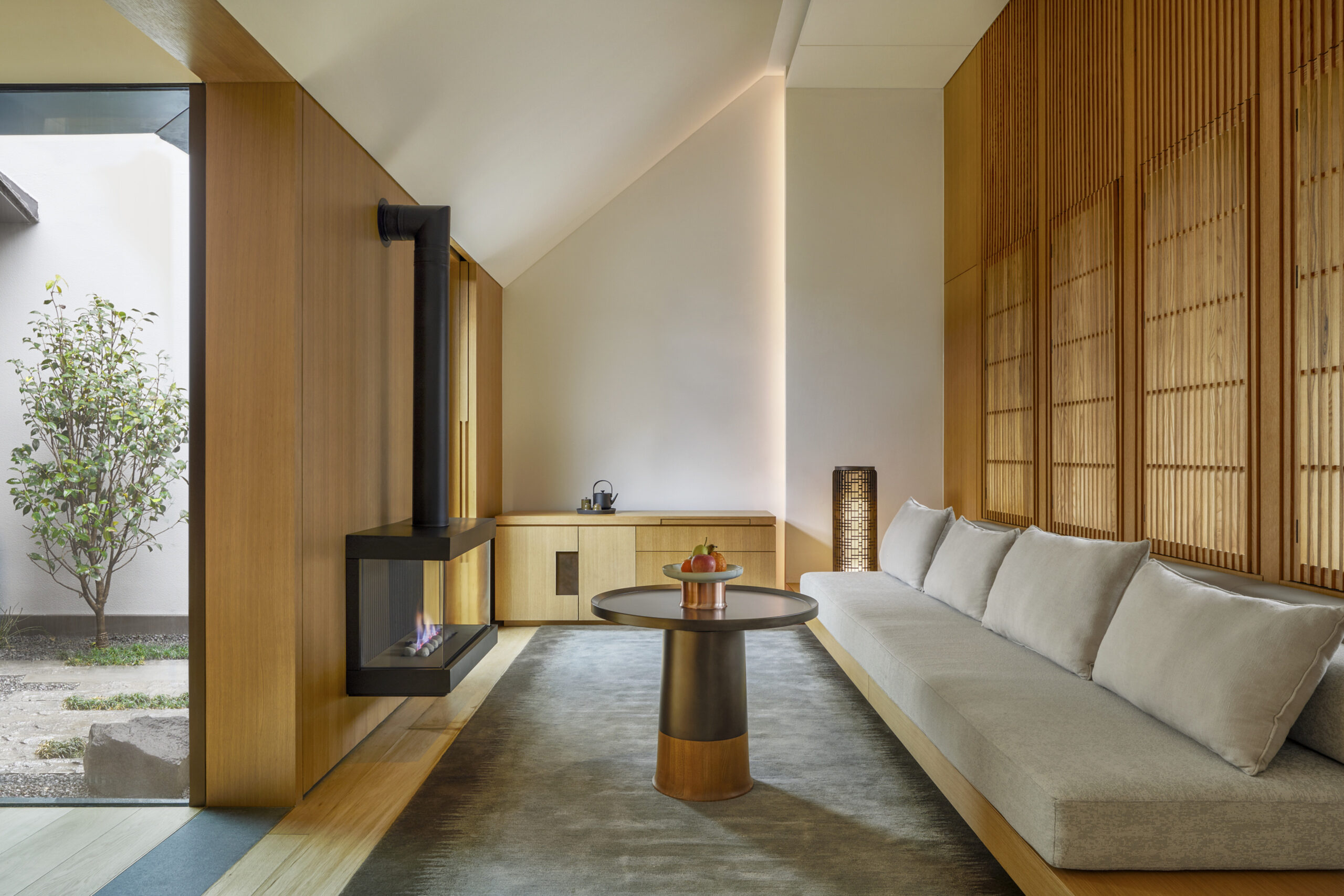
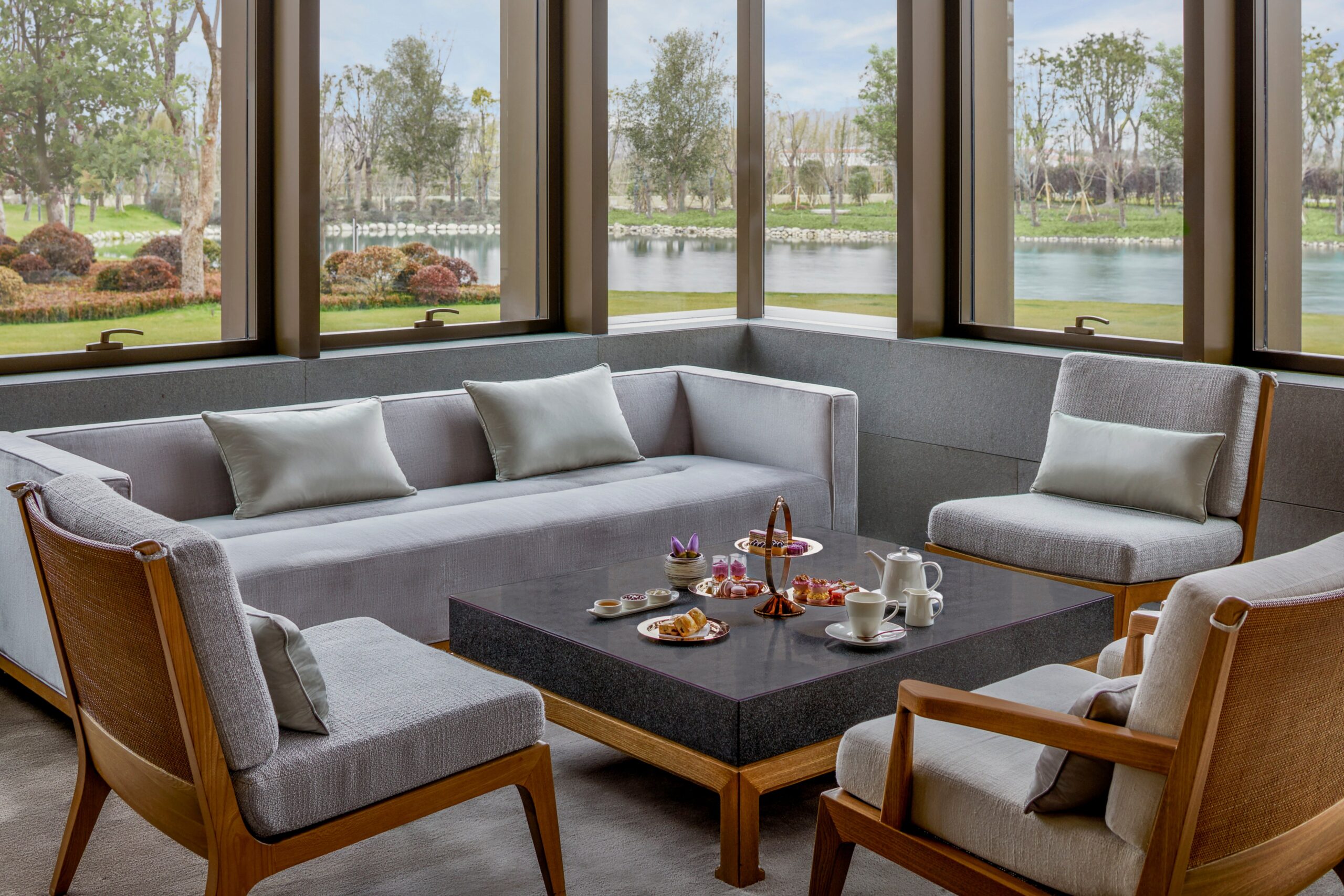
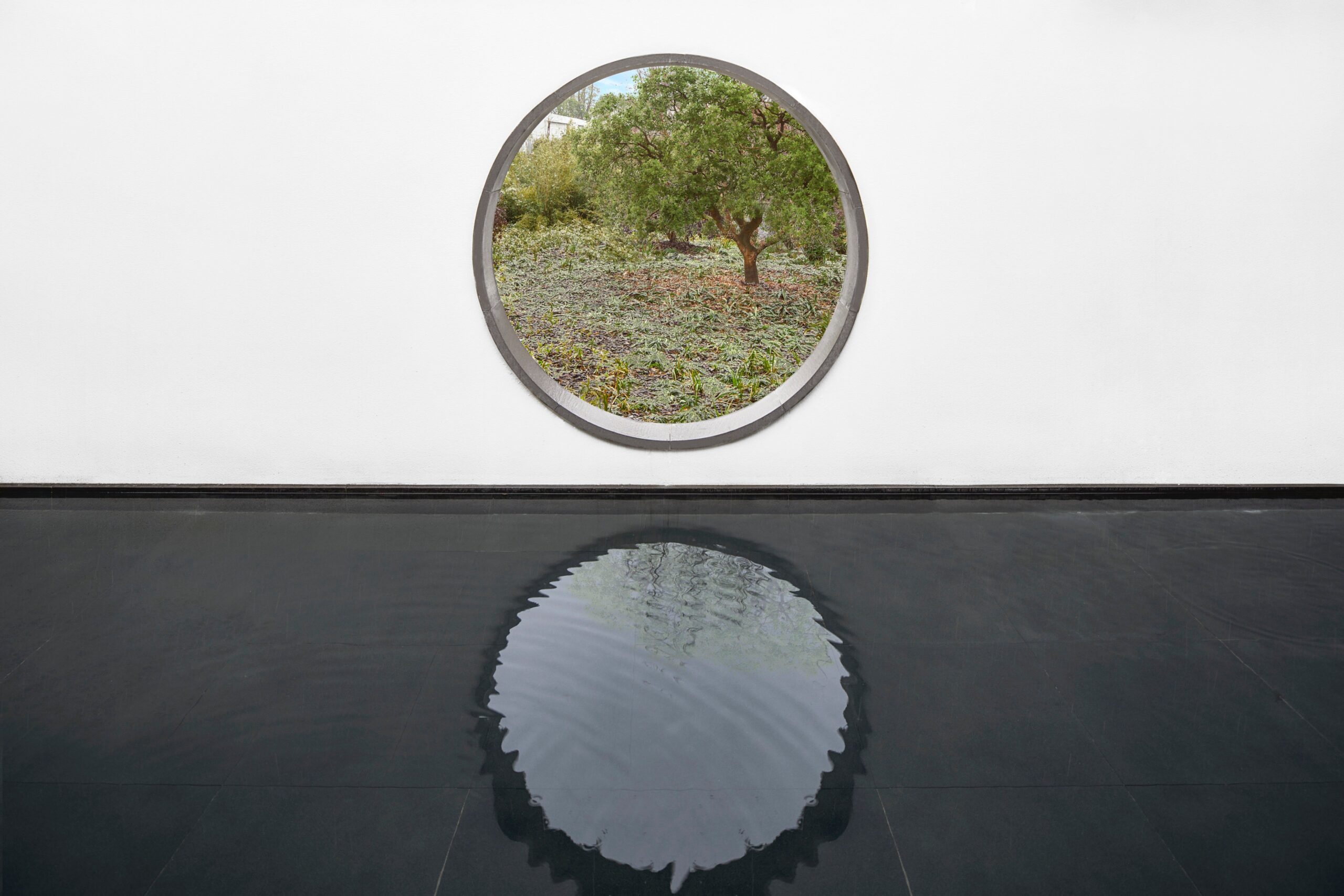
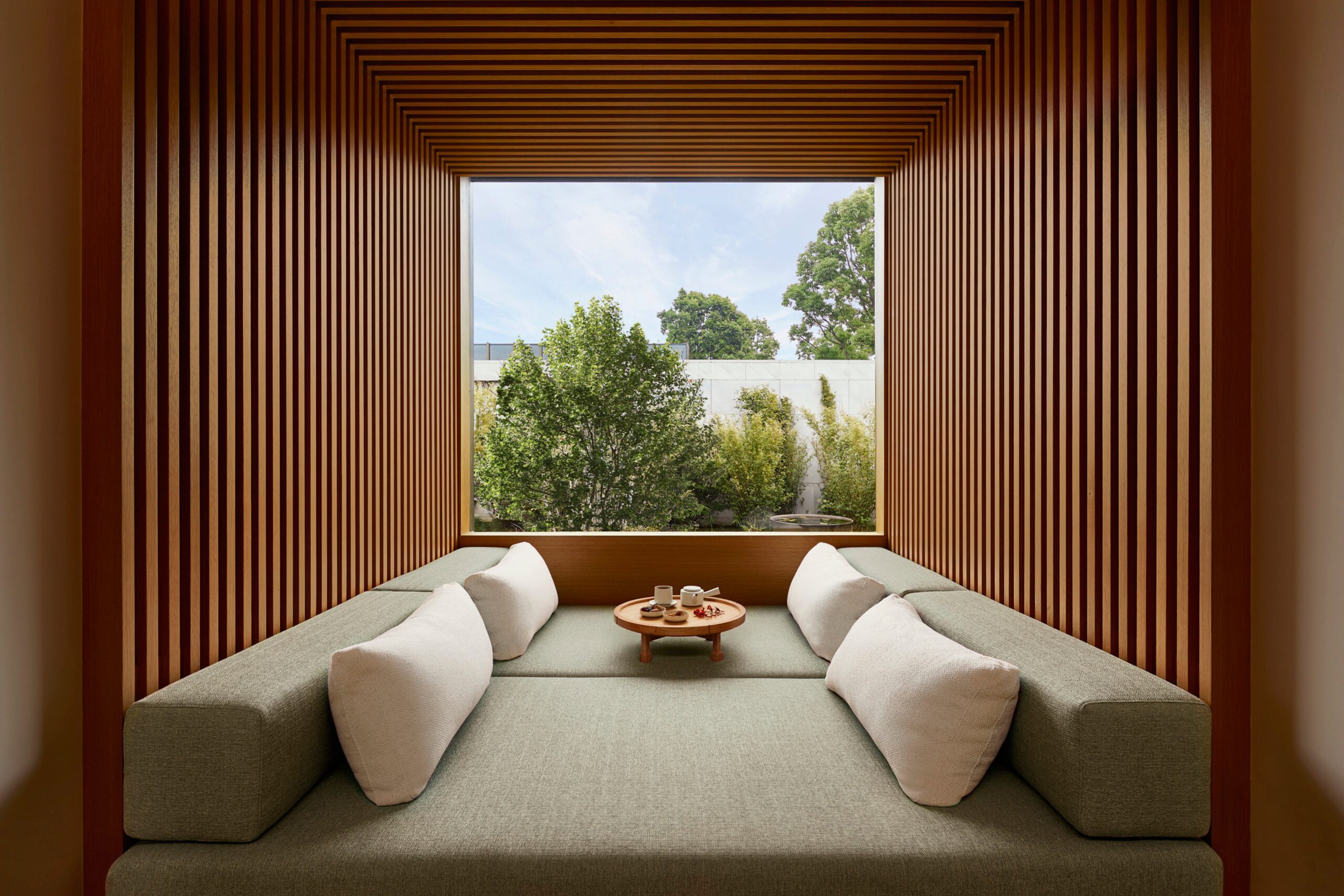
Led by Kerry Hill Architects, the interiors manage to feel both reverent and refined. Neutral tones, earthy textures, and traditional motifs float through spaces that speak quietly of the past without being trapped in it. There’s no kitsch here—only deep calm, deep craft, and deep comfort. Even the spa—a destination in itself—follows this philosophy. Housed in a series of pavilions surrounded by bamboo groves and reflecting pools, it offers treatments rooted in Traditional Chinese Medicine, performed with Aman’s unerring sense of ritual and repose.
Cultural Immersion, The Aman Way
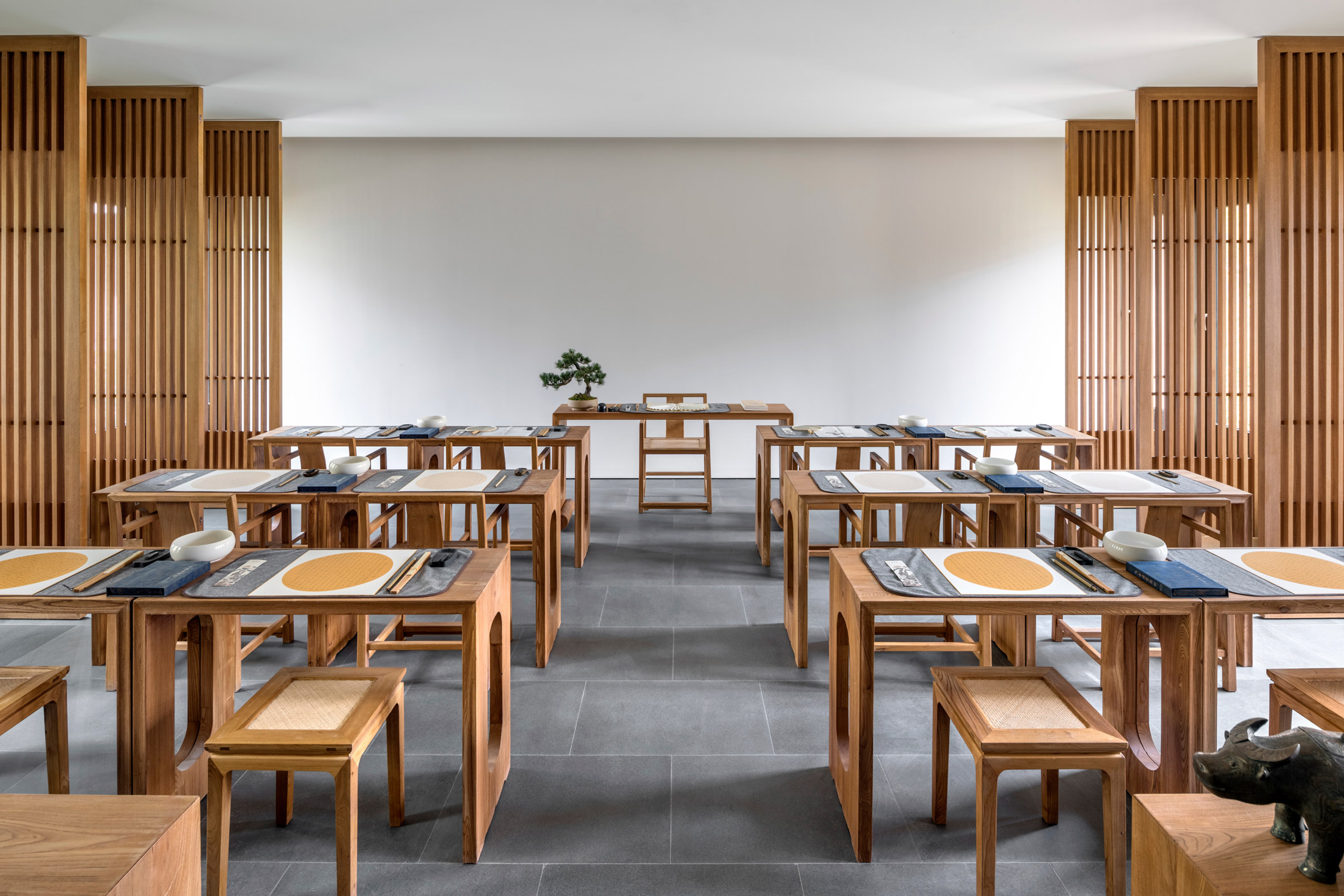
Beyond the beauty, Amanyangyun serves as a living classroom. The Nan Shufang cultural centre, modeled after a traditional scholars’ studio, invites guests to engage with calligraphy, tea ceremonies, and brush painting—not as performances, but as living traditions. Culinary offerings continue the conversation:
• Lazhu delivers refined Jiangxi and Cantonese cuisine in quietly opulent surroundings.
• Arva, Aman’s signature Italian concept, adds a cross-cultural note of warmth and balance.
More Than a Stay—A Statement
Amanyangyun doesn’t simply preserve history—it relocates it, revives it, and reimagines it. It’s a place where trees have a second life, where old homes breathe again, and where the line between ancient China and contemporary sanctuary disappears in a whisper.
DNA Hotels Verdict
One of the most ambitious hotel creations ever built. Amanyangyun is a reverent, radical act of preservation and design—where heritage isn’t frozen in time, but deeply, beautifully alive.