Andaz Lisbon – Lisbon, Where Global Lisbon Finally Gets Its Hotel
Patricia Urquiola transforms a historic Baixa block into a layered, art-filled lifestyle hotel rooted in Portugal’s cultural crossroads
Type: lifestyle hotel, design hotel, luxury hotel, city hotel, international hotel
Style: colorful contemporary, artistic, layered maximalism, Portuguese modernism, globally influenced
Vibe: social, creative crowd, foodies, culturally immersive, lively, urban Lisbon
A Lifestyle Hotel That Actually Feels Like Lisbon
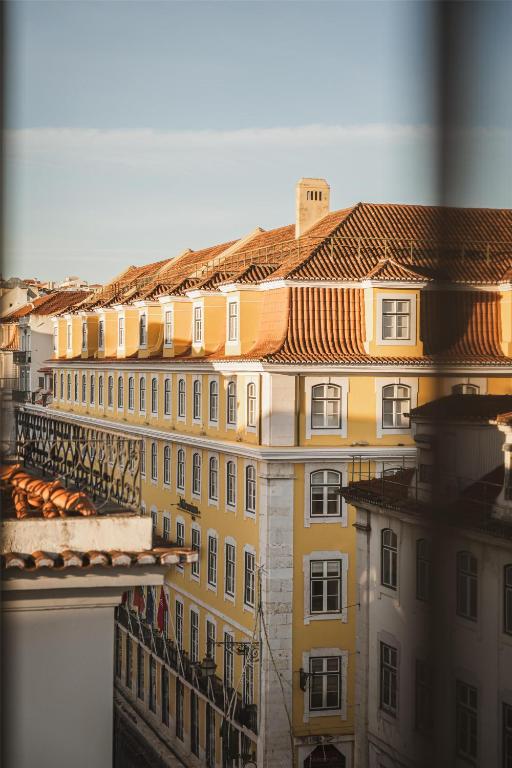
Lisbon does not need another polite hotel. Andaz Lisbon understands that immediately. Opening inside a restored 18th-century block on Rua do Comércio in the heart of Baixa, the hotel places itself directly inside the city’s daily rhythm — tourists crossing Praça do Comércio, trams rattling uphill, kiosk terraces filling with late-afternoon drinks, the Tagus reflecting light back into the streets.
Rather than retreating from the city, Andaz Lisbon absorbs it. With 170 rooms and suites spread across a full historic block once occupied by one of Portugal’s largest banks, the hotel becomes less of an isolated destination and more of an extension of Lisbon itself.
Patricia Urquiola’s Lisbon
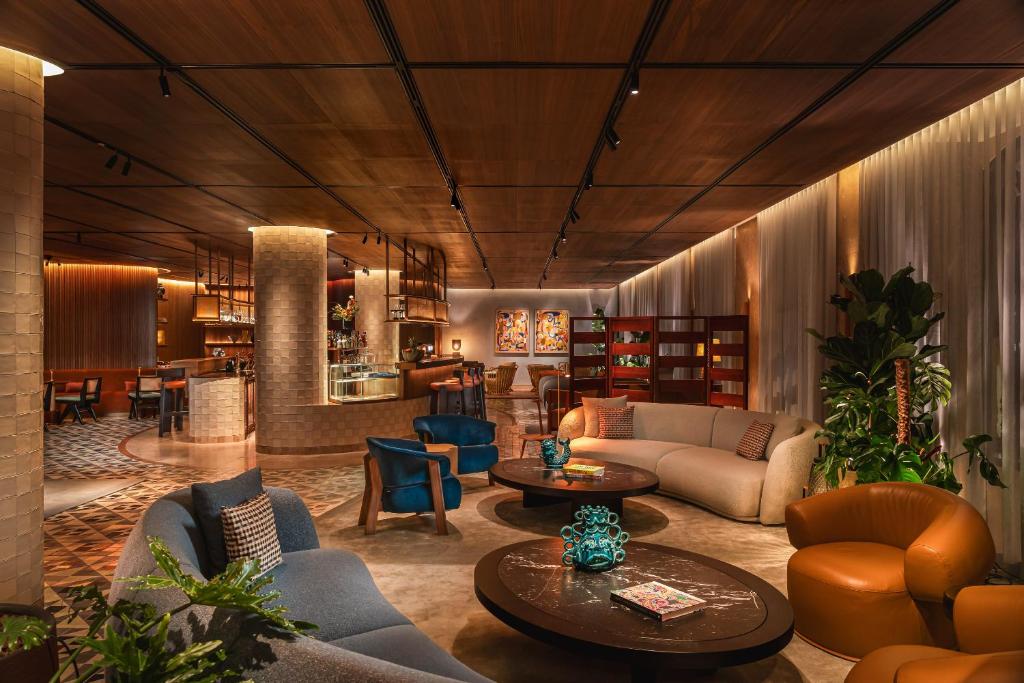
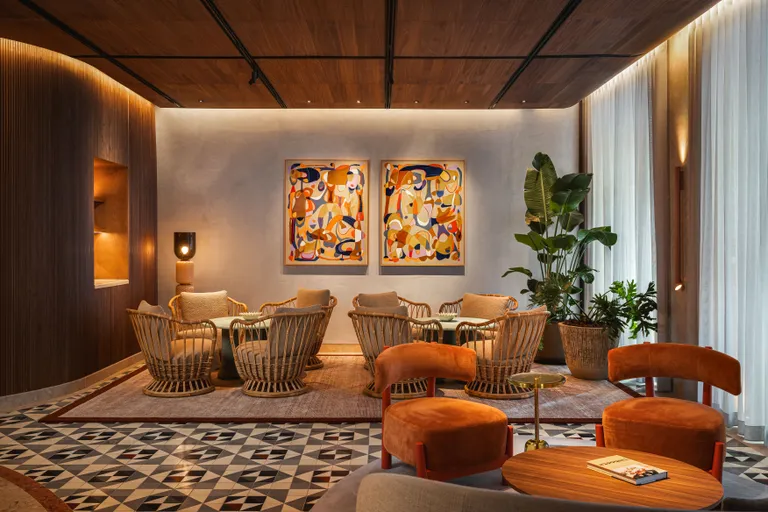
The interiors, designed by Patricia Urquiola and Studio Urquiola, avoid the easy clichés of heritage hospitality. There is no faux nostalgia or decorative overload masquerading as authenticity. Instead, Lisbon’s textures, histories and cultural layers are translated into something contemporary, warm and deeply tactile.
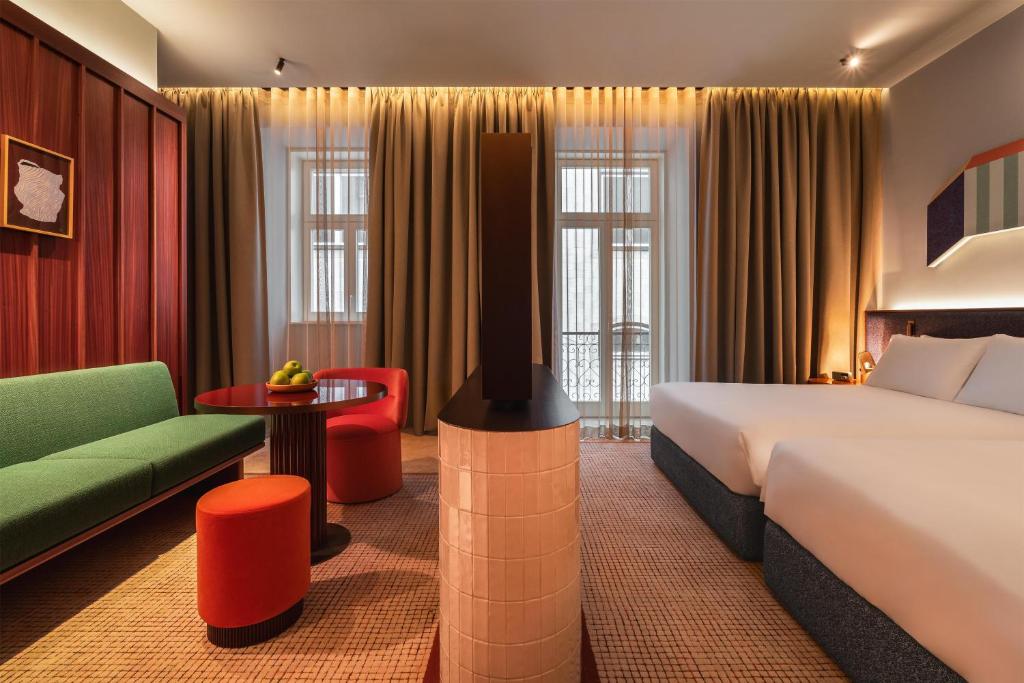
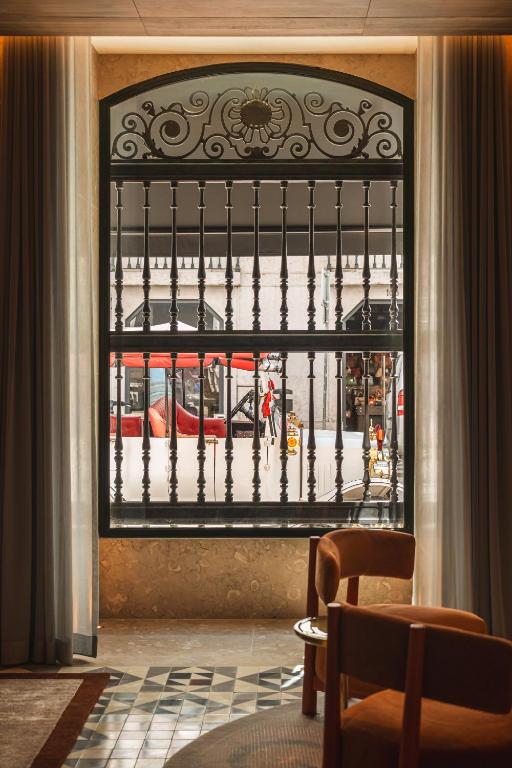
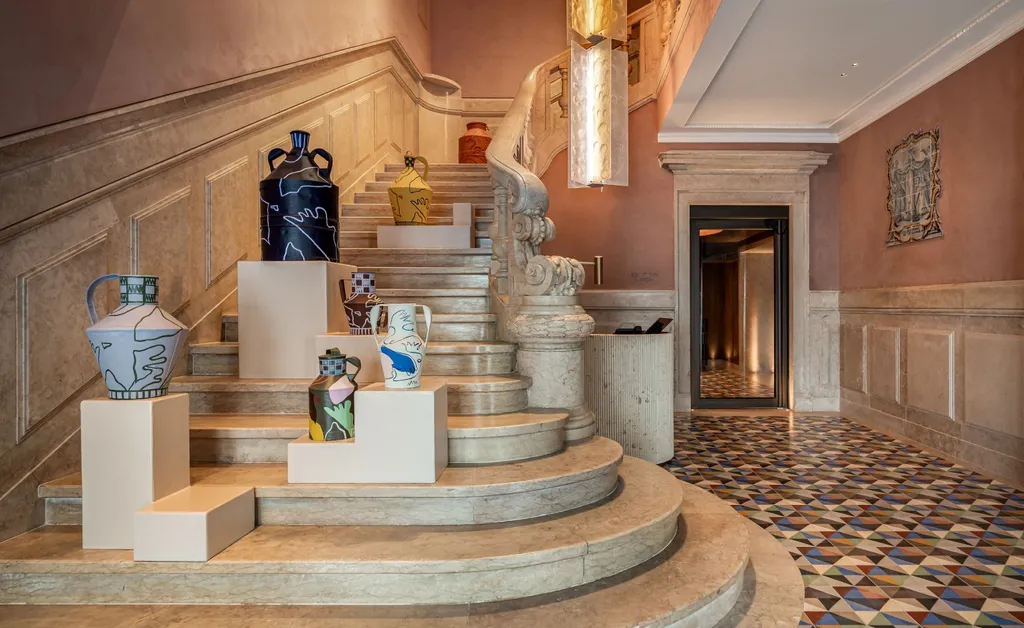
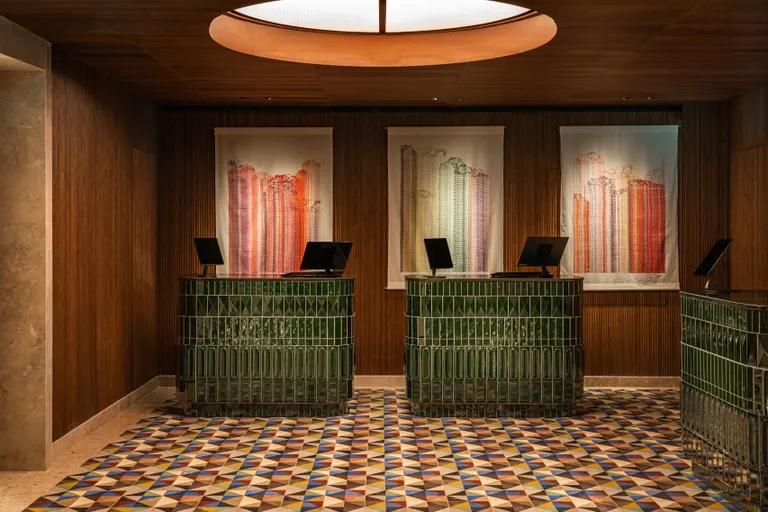
Traditional Portuguese references appear everywhere, but subtly reinterpreted: calçada paving patterns become ceramic details and coffee cups; azulejos re-emerge as abstract geometry; cork, Lioz stone, textiles and glazed tiles are used as material language rather than decoration.
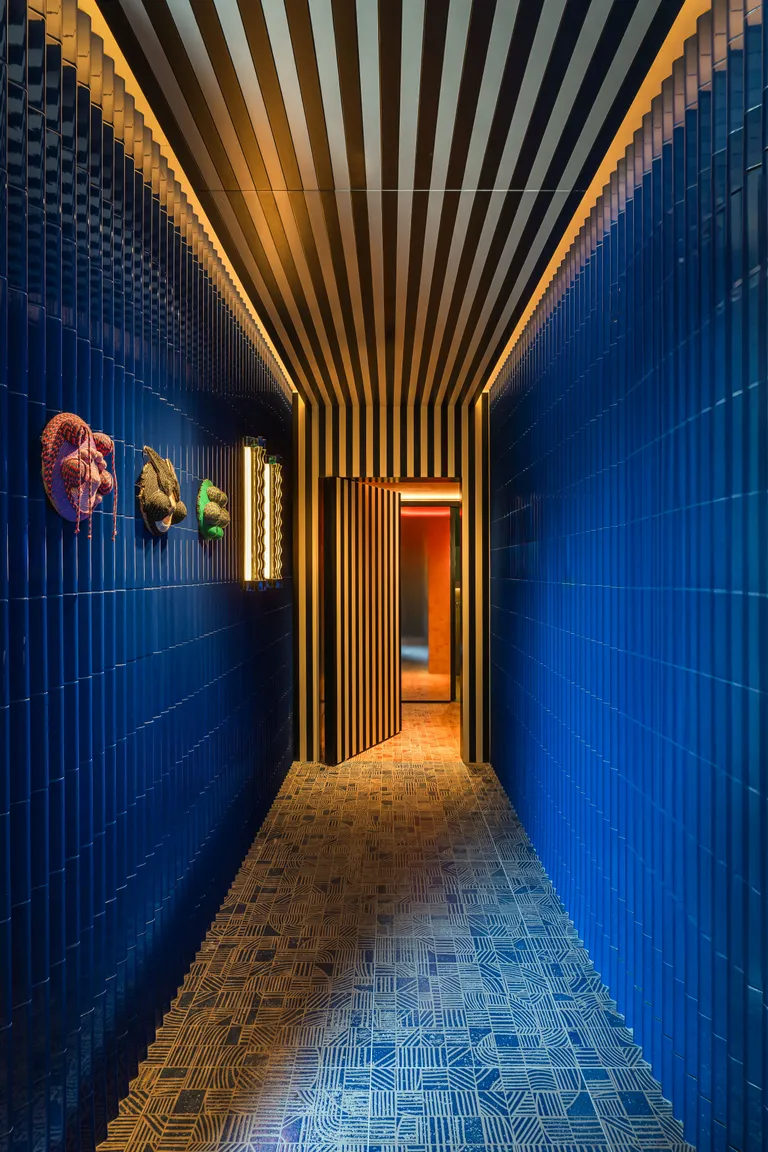
Colour is central to the atmosphere. Deep reds, Atlantic blues, warm yellows and earthy neutrals create interiors that feel simultaneously Mediterranean, Atlantic and globally connected — much like Lisbon itself. Urquiola also draws inspiration from Portugal’s historic relationship with Mozambique, Angola, Cape Verde, Brazil, Goa, Macau and Japan, layering these influences into the hotel without turning it into a themed exercise.
The result feels vibrant rather than curated for Instagram. There is richness here, but also movement and humanity.
A Hotel as Cultural Conversation
Art plays a defining role throughout the hotel. Curated by Federica Sala, the collection positions Andaz Lisbon not as a neutral luxury backdrop but as an active participant in Lisbon’s contemporary cultural scene.
Works by Portuguese and international artists appear across public spaces and guestrooms, often using traditional materials in unexpected ways. Textile works, cork installations, ceramics and layered wall pieces connect directly to Portugal’s craft traditions while remaining unmistakably contemporary.
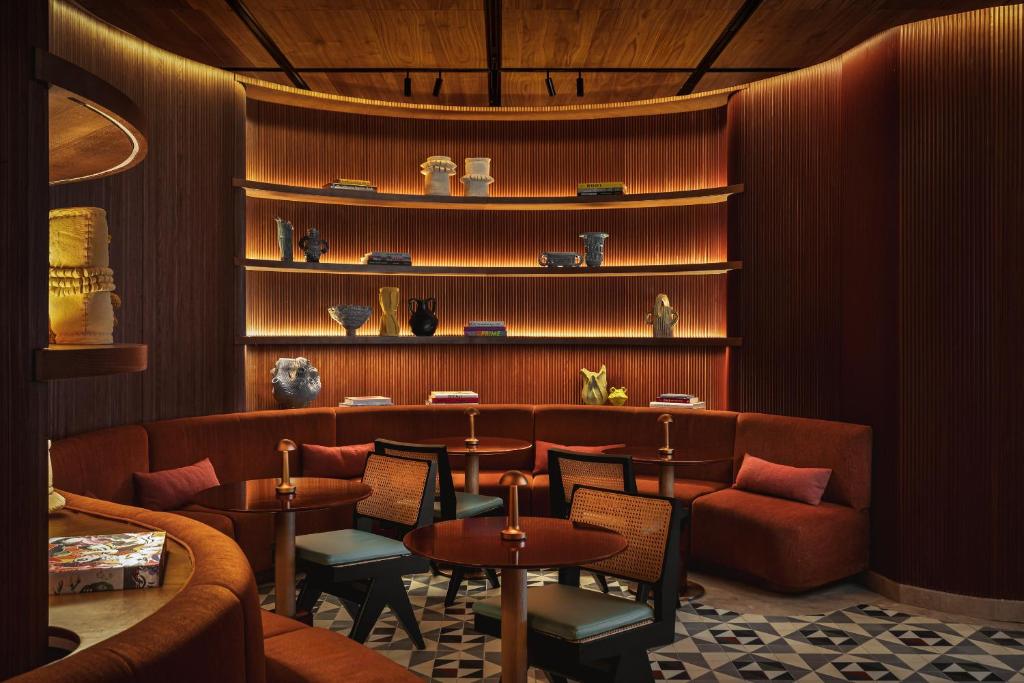
The Andaz Lounge becomes the social anchor downstairs — a reinterpretation of Lisbon’s famous kiosk culture where locals and guests overlap naturally throughout the day. Rather than separating the city from the hotel, the lounge intentionally blurs the boundary between the two.
Rooms Framed by Lisbon Light
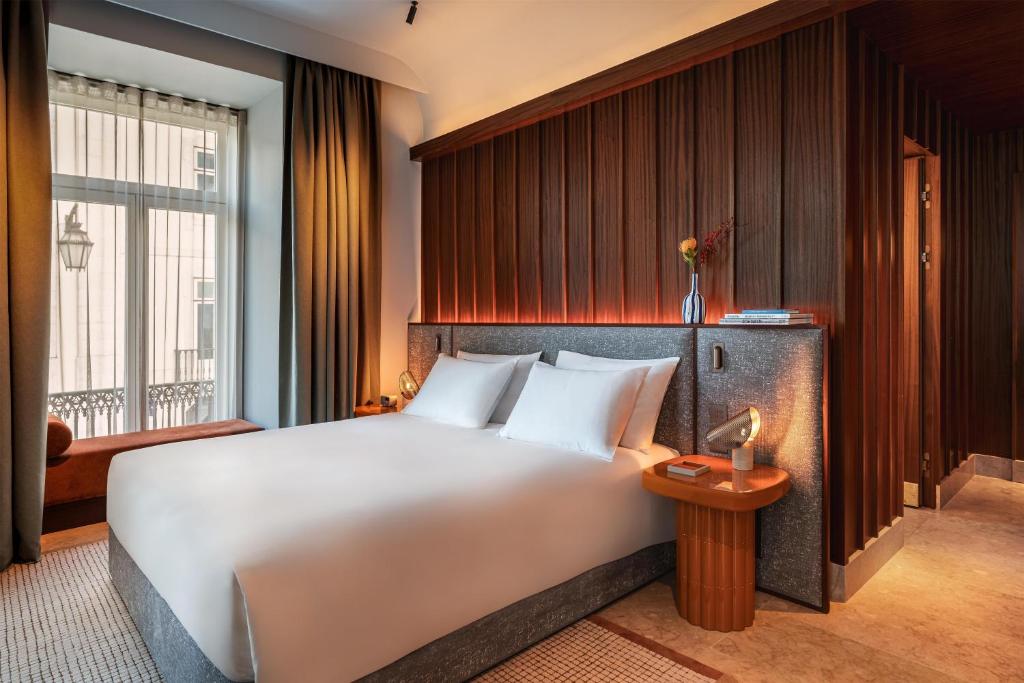
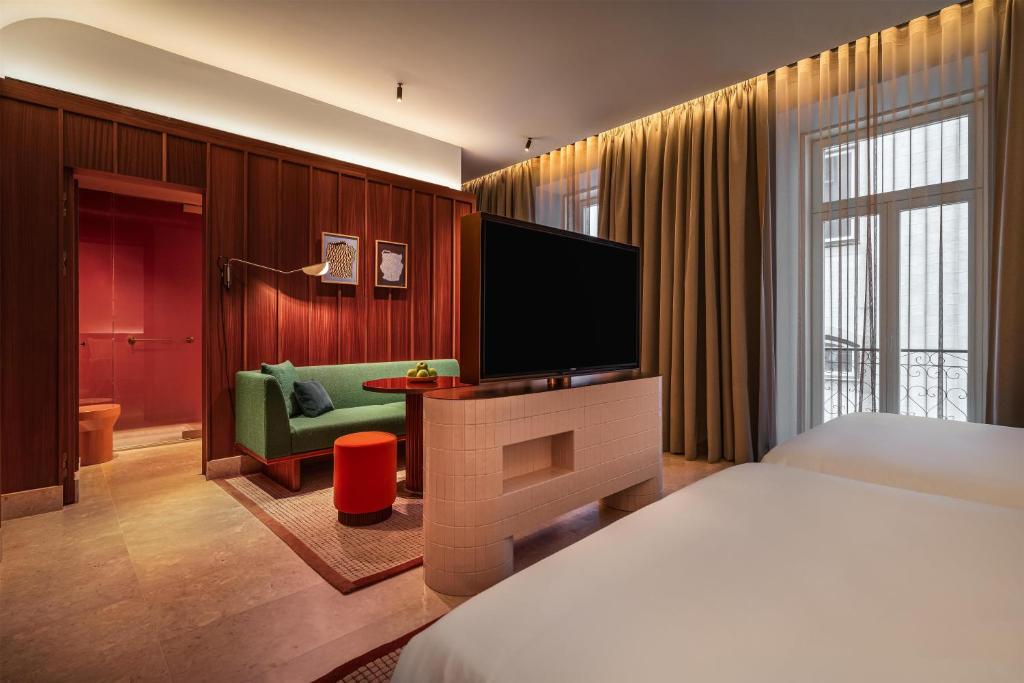
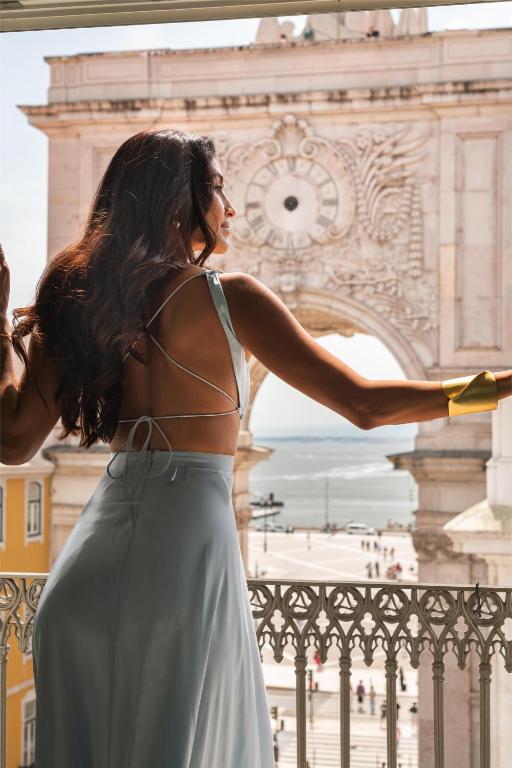
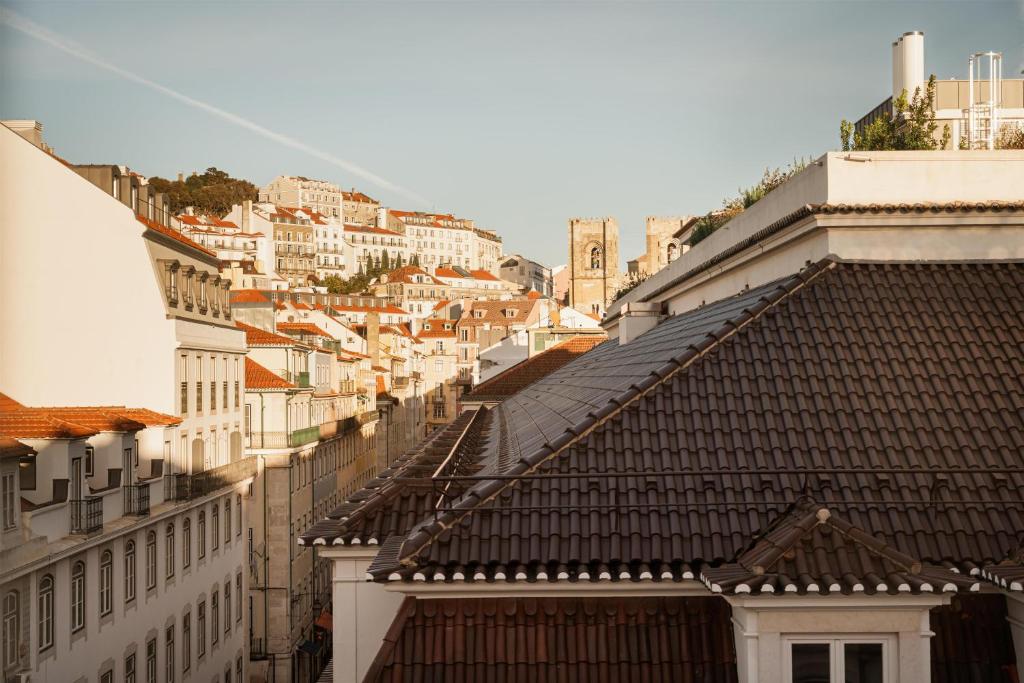
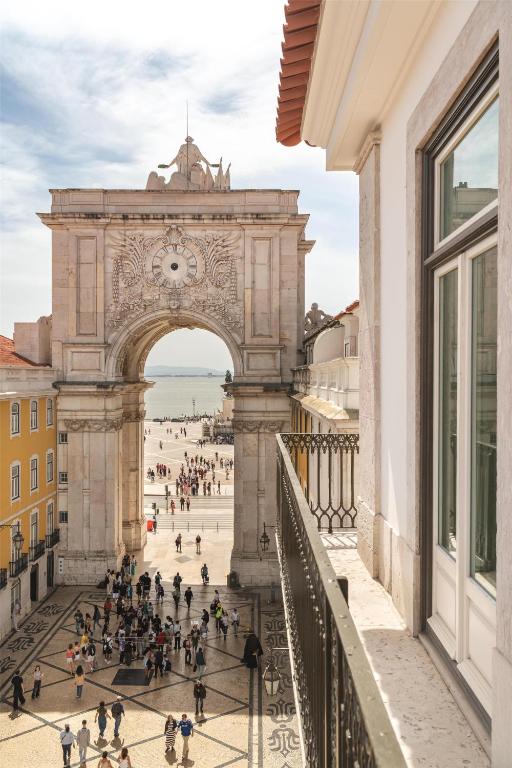
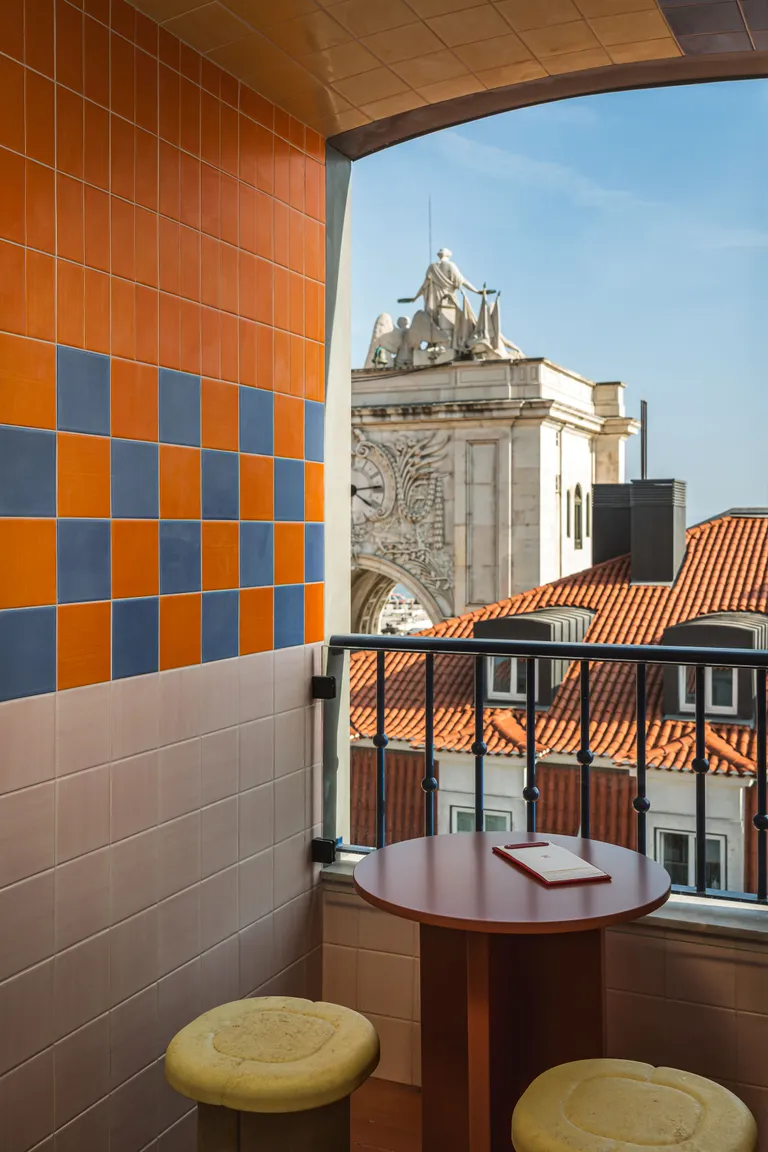
The rooms and suites continue the hotel’s conversation between calm and colour. Many frame views of Lisbon landmarks, including the Rua Augusta Arch and the shimmering Tagus beyond.
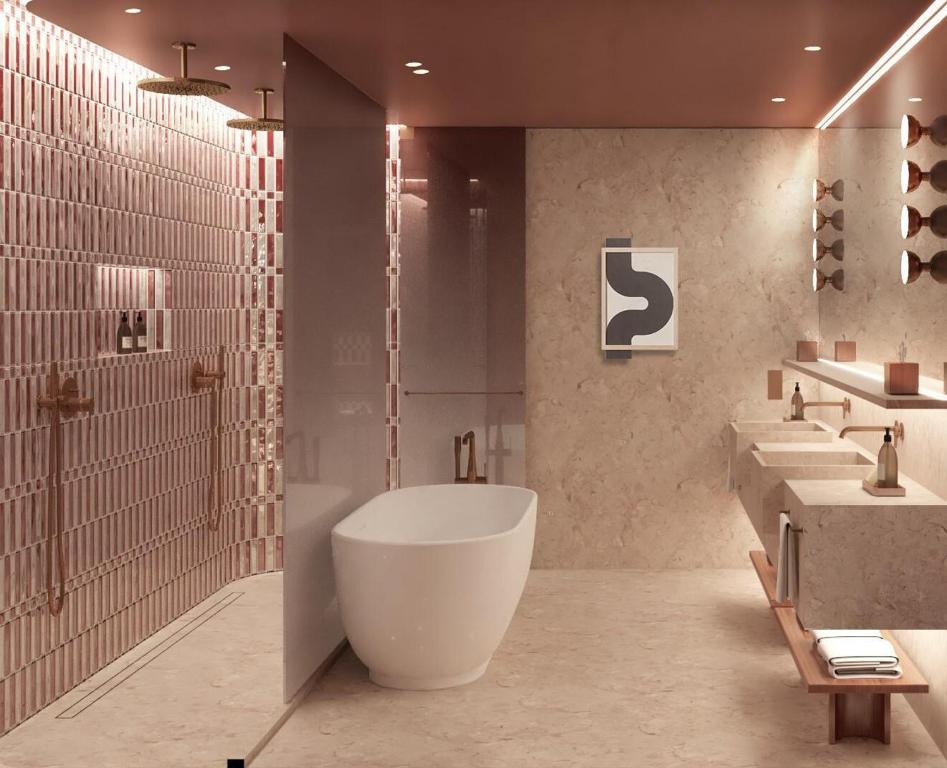
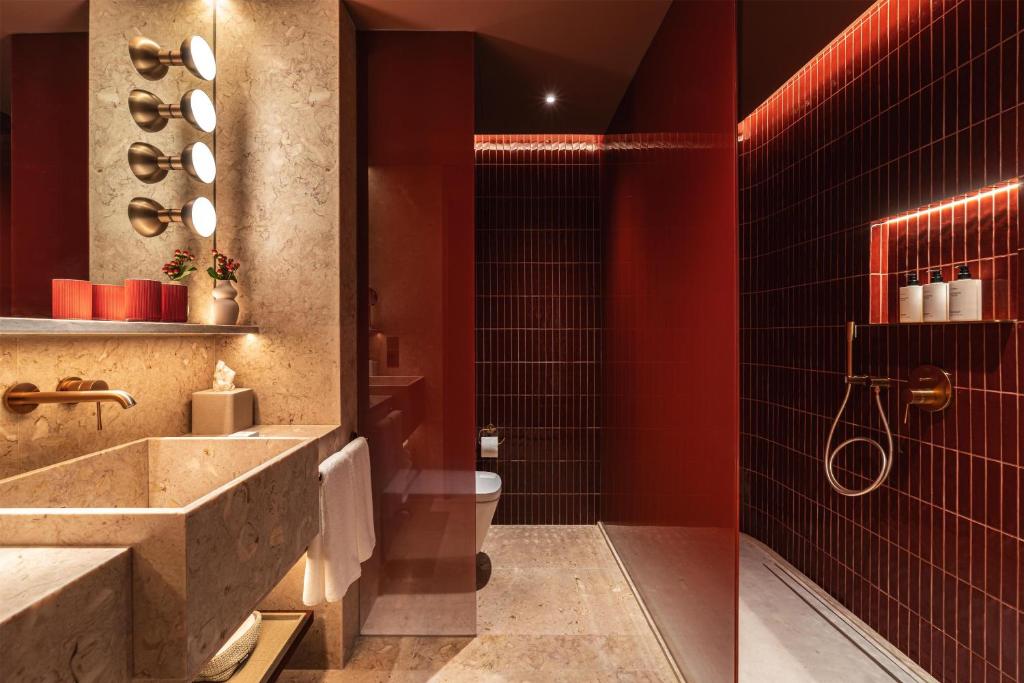
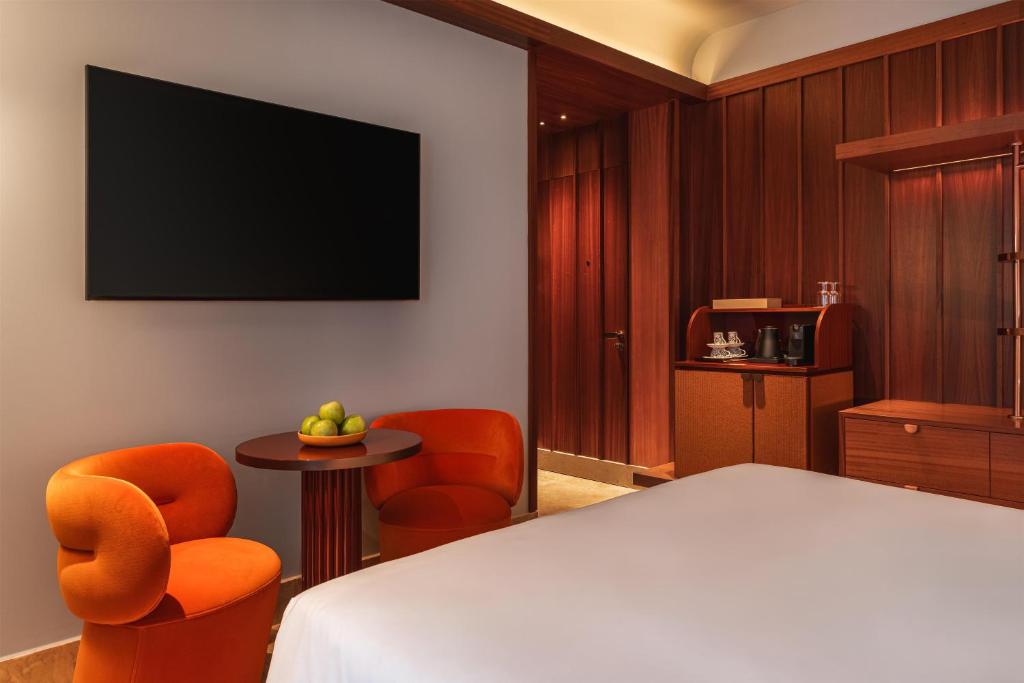
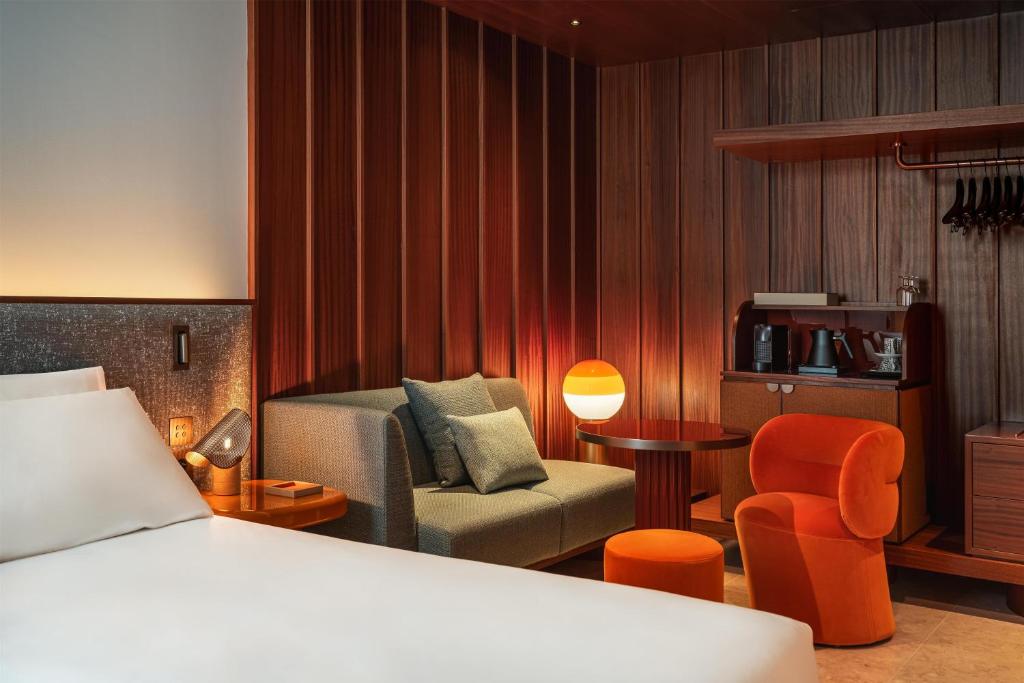
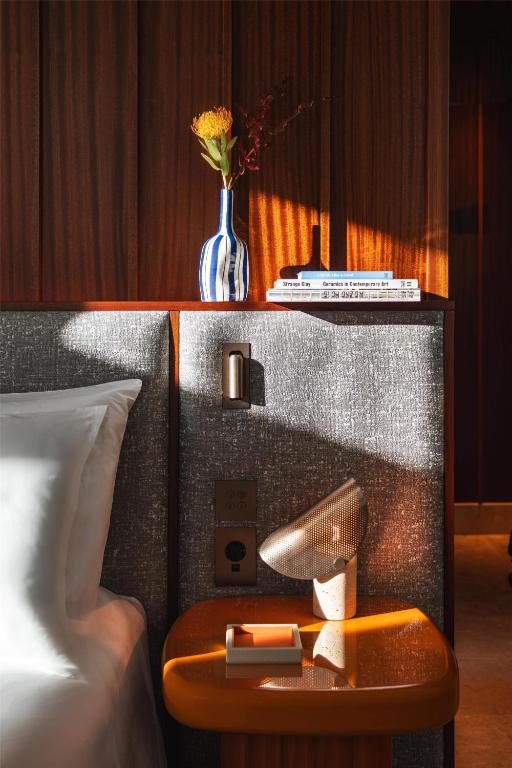
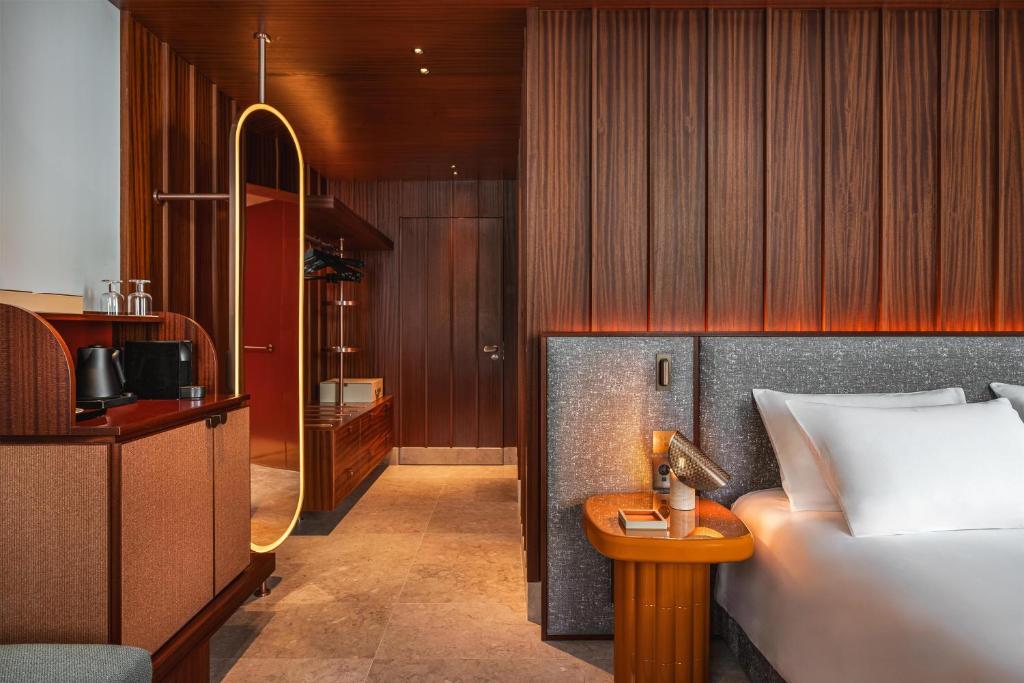
Inside, tactile wood paneling, contemporary art, geometric textiles and locally inspired materials create rooms with a strong sense of place without falling into visual noise. Bathrooms lean bolder, clad in glossy deep-red and white tiles with Lioz stone basins and warm lighting that subtly echoes Lisbon’s terracotta rooftops.
The standout rooms are the Arch Suites, where enormous windows frame the monumental Rua Augusta Arch directly outside. Lisbon’s light becomes part of the interior architecture itself — soft in the morning, golden at sunset, reflective almost everywhere.
Amenities also stay rooted in place. Portuguese drinks fill the minibar, Vista Alegre coffee cups reinterpret Lisbon’s pavement mosaics, and Byredo’s Eleventh Hour products bring a more international luxury layer.
Modern Lusitanian Cuisine Above the City
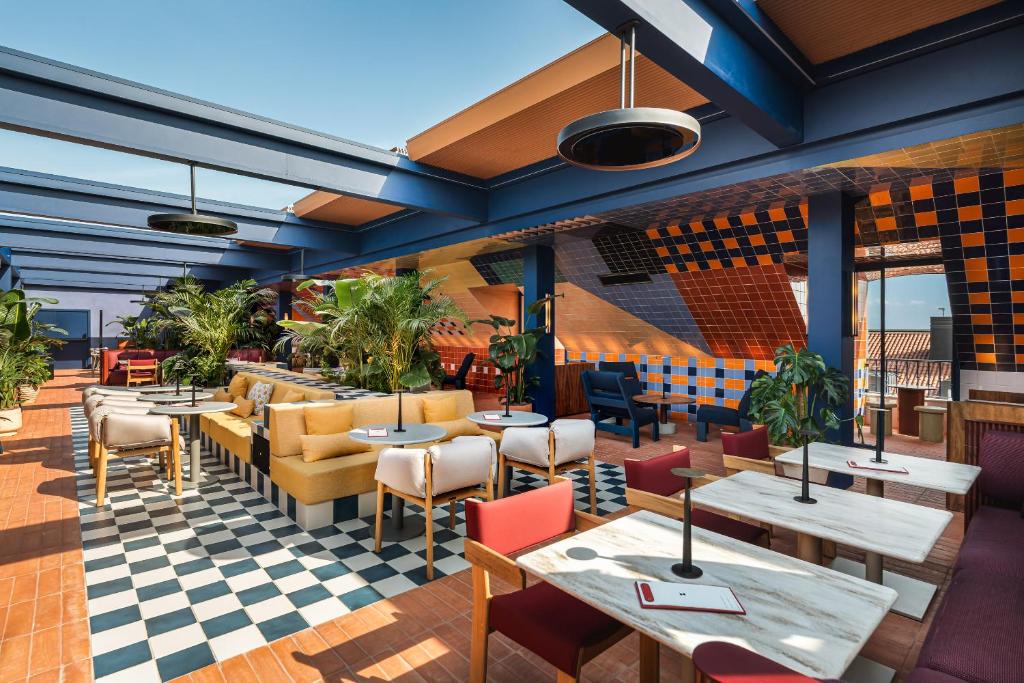
Upstairs, rooftop restaurant Luzzi avoids becoming merely another Lisbon sunset terrace. The concept is more ambitious than that. Culinary director Bruno Alves builds what he calls “modern Lusitanian cuisine,” exploring the countries historically connected to Portugal through trade, migration and empire.
Brazil, Goa, Macau, Cape Verde, Angola, Mozambique and Japan all appear in subtle ways across the menu, not as fusion gimmicks but as reminders that Portuguese cuisine has always been globally entangled. A tuna tartare nods to Cape Verdean tuna pie traditions; duck rice folds in Brazilian citrus and Macau-inspired marinades; cocktails incorporate Japanese vermouths, Portuguese gin and floral infusions.
The rooftop itself reflects the same layered identity. Blue floors evoke the Atlantic Ocean, African-inspired ceiling motifs sit beside Japanese rope masks, murals and contemporary lighting. Live music and cocktails push the atmosphere further into social territory without tipping into rooftop cliché.
And importantly: the terrace feels like a place Lisbon residents might actually return to.
Baixa, Reframed
The hotel’s location in Baixa could easily have become a liability. This is Lisbon’s busiest tourist district, filled with souvenir shops, tram queues and constant movement. Yet Andaz Lisbon cleverly reframes the neighborhood through design, art and perspective.
From the rooftop, the monumental geometry of the Rua Augusta Arch suddenly feels cinematic again. Praça do Comércio regains some of its old grandeur. The nearby Design Museum, cathedral and Castelo de São Jorge anchor the hotel back into Lisbon’s architectural history.
The hotel does not attempt to escape tourism entirely. Instead, it absorbs the energy and elevates it through design, culture and atmosphere.
DNA Hotels Verdict
Andaz Lisbon succeeds because it understands that Lisbon is not minimal. It is layered, imperfect, multicultural, textured and full of contrasts. Patricia Urquiola translates that complexity into a hotel that feels genuinely connected to the city rather than simply inspired by it.
This is not a quiet retreat from Lisbon. It is Lisbon — amplified, refined and reframed through contemporary hospitality. For travelers who want design, atmosphere, culture and genuine urban energy in equal measure, Andaz Lisbon gets the balance exactly right.