Azumi Setoda | Onomichi, Ikuchijima | Japan
Where the Japanese Ryokan Finds a Contemporary Soul
Why DNA Hotels Loves It
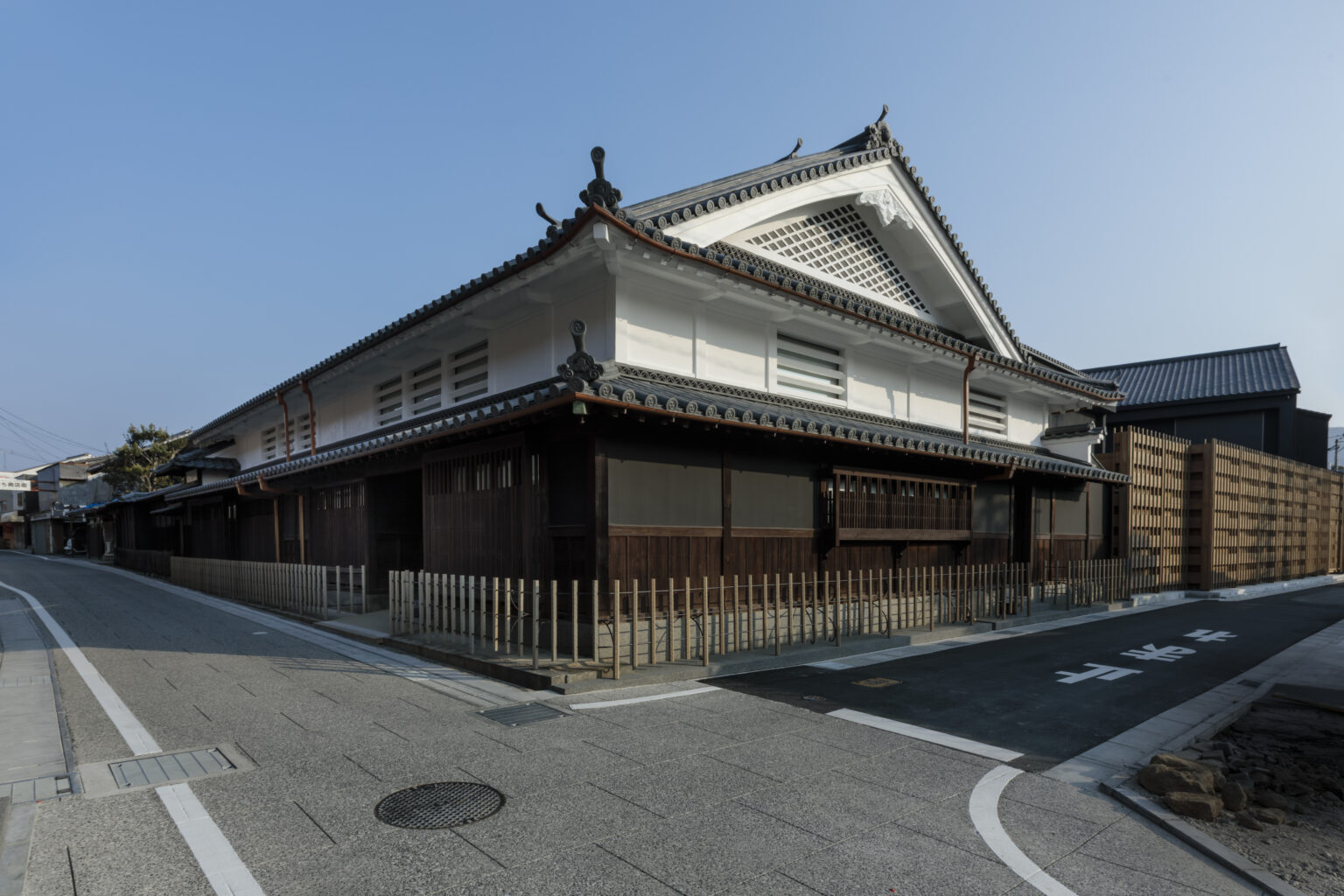
● A beautifully restored 140-year-old merchant estate that respectfully reimagines the traditional ryokan for modern travellers.
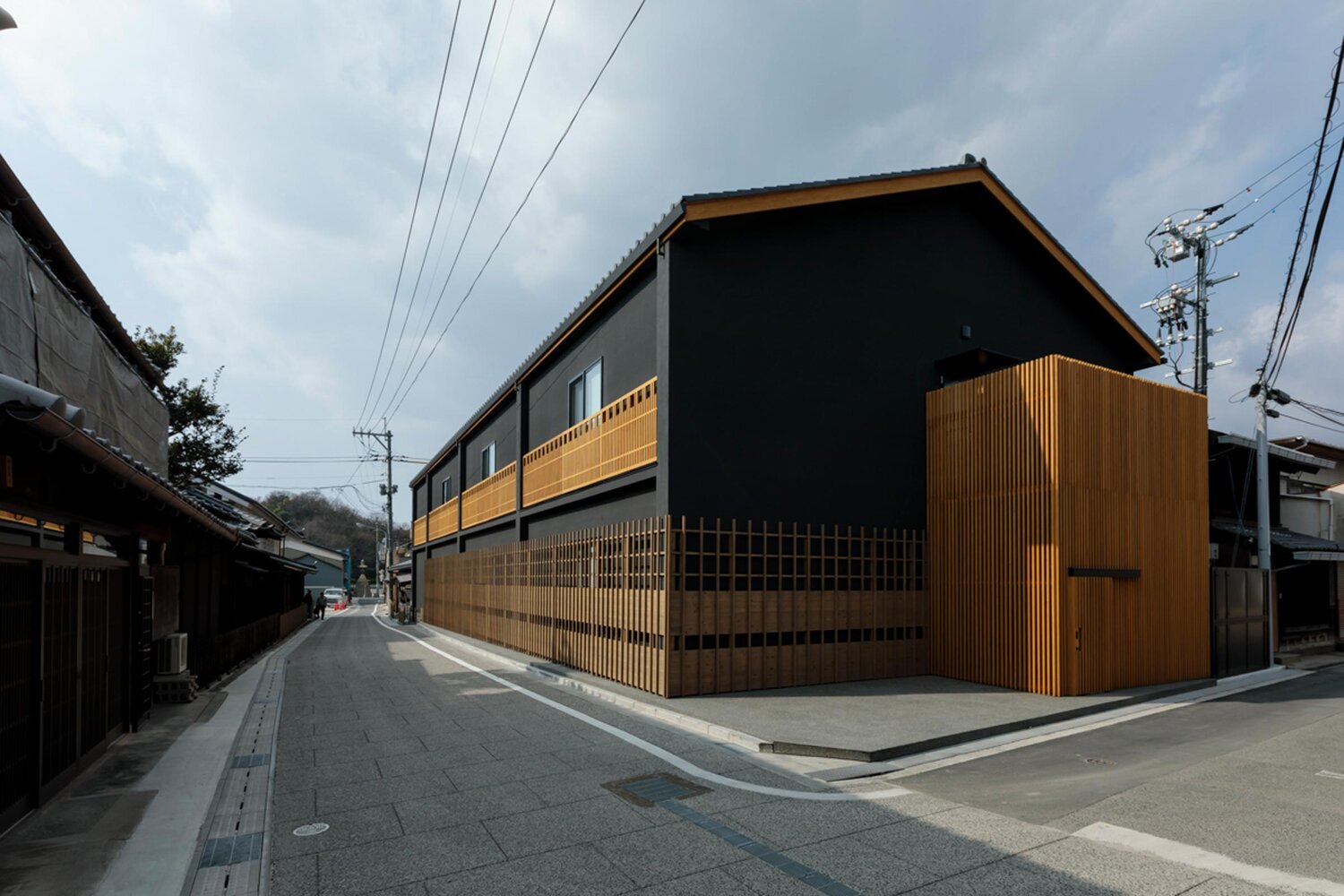
● Architecture by Shiro Miura that balances Japanese craftsmanship, minimalist design, and an extraordinary sense of calm.
● A community-driven philosophy where local culture, cuisine, and hospitality remain at the heart of every experience.
A New Chapter for the Japanese Ryokan
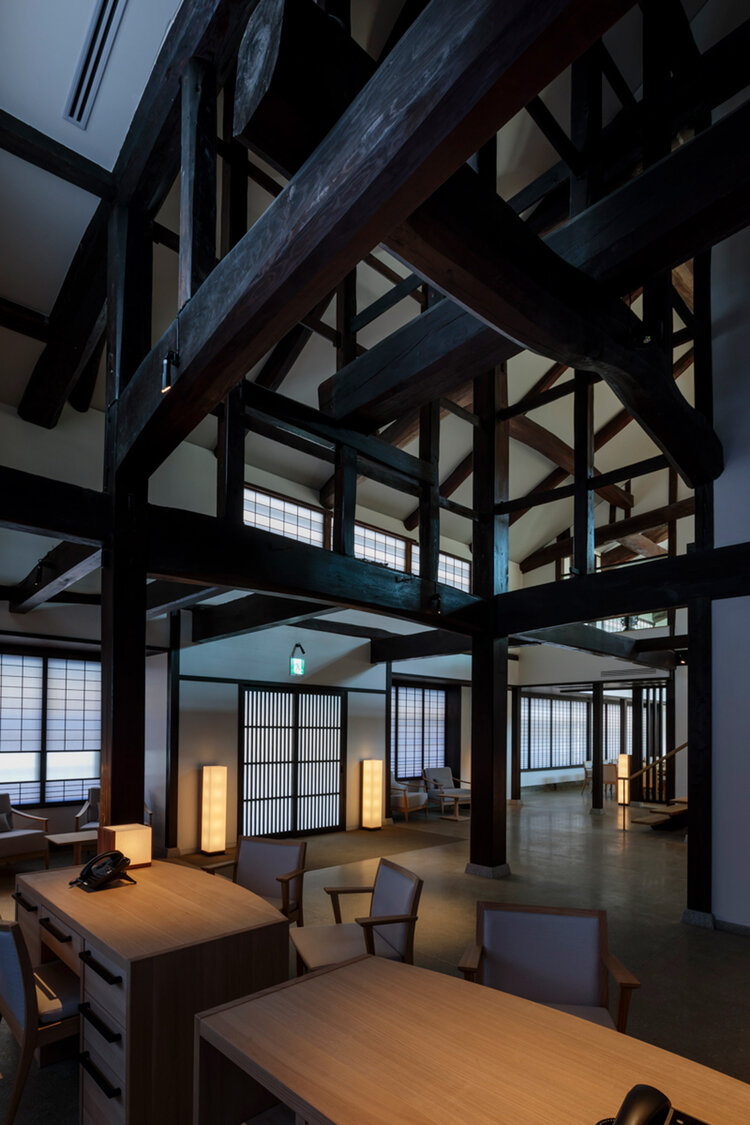
On the quiet island of Ikuchijima, in Japan’s serene Seto Inland Sea, Azumi Setoda offers a new interpretation of one of the country’s oldest hospitality traditions. Created by Adrian Zecha, founder of Aman Resorts, the hotel occupies a carefully restored 140-year-old merchant residence in the historic port town of Setoda. Rather than reinventing the ryokan, Zecha and Kyoto architect Shiro Miura have refined its essence, preserving its rituals, craftsmanship, and intimacy while introducing a quieter form of contemporary luxury. The result feels timeless rather than nostalgic—a place where tradition continues to evolve.
Architecture Guided by Simplicity
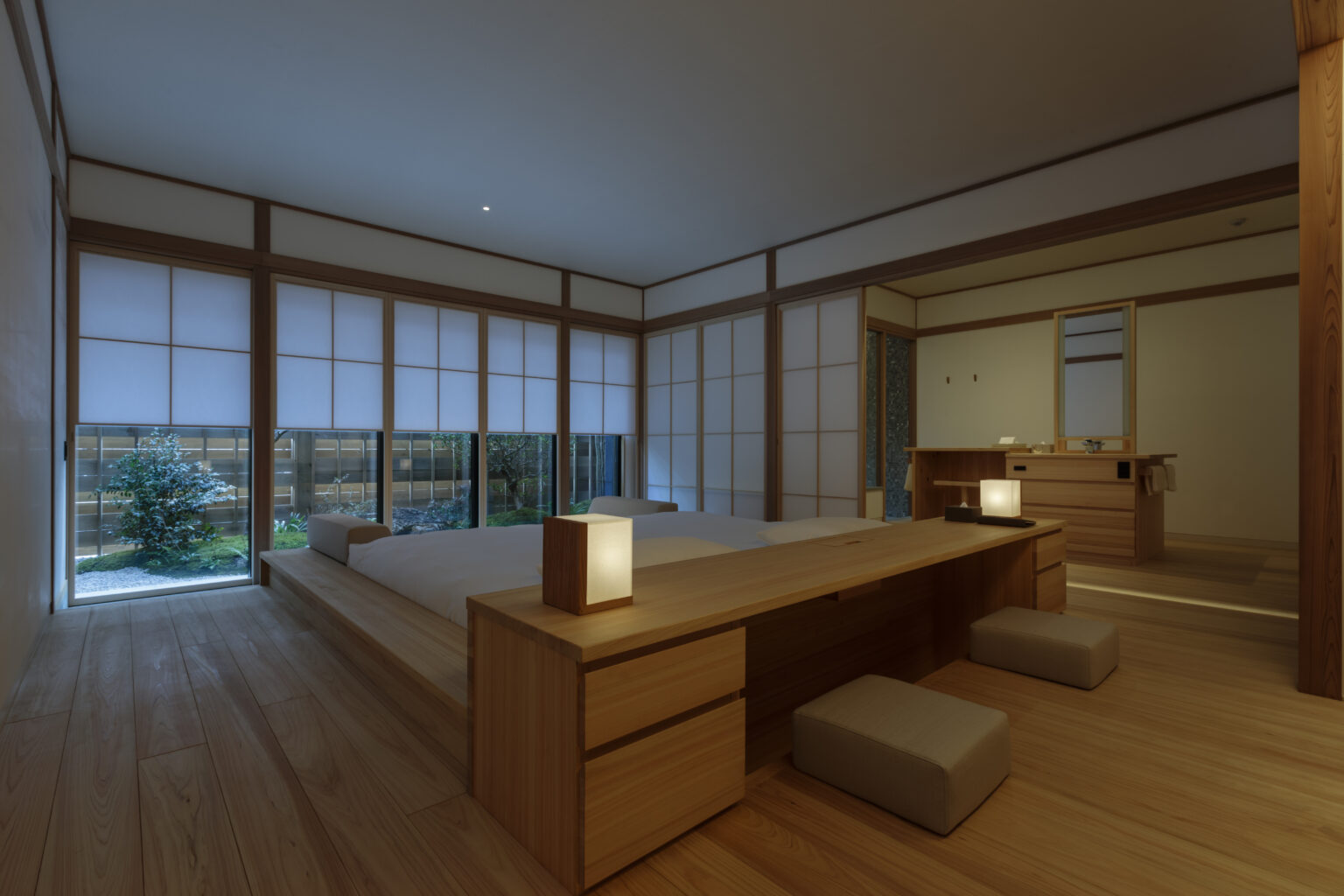
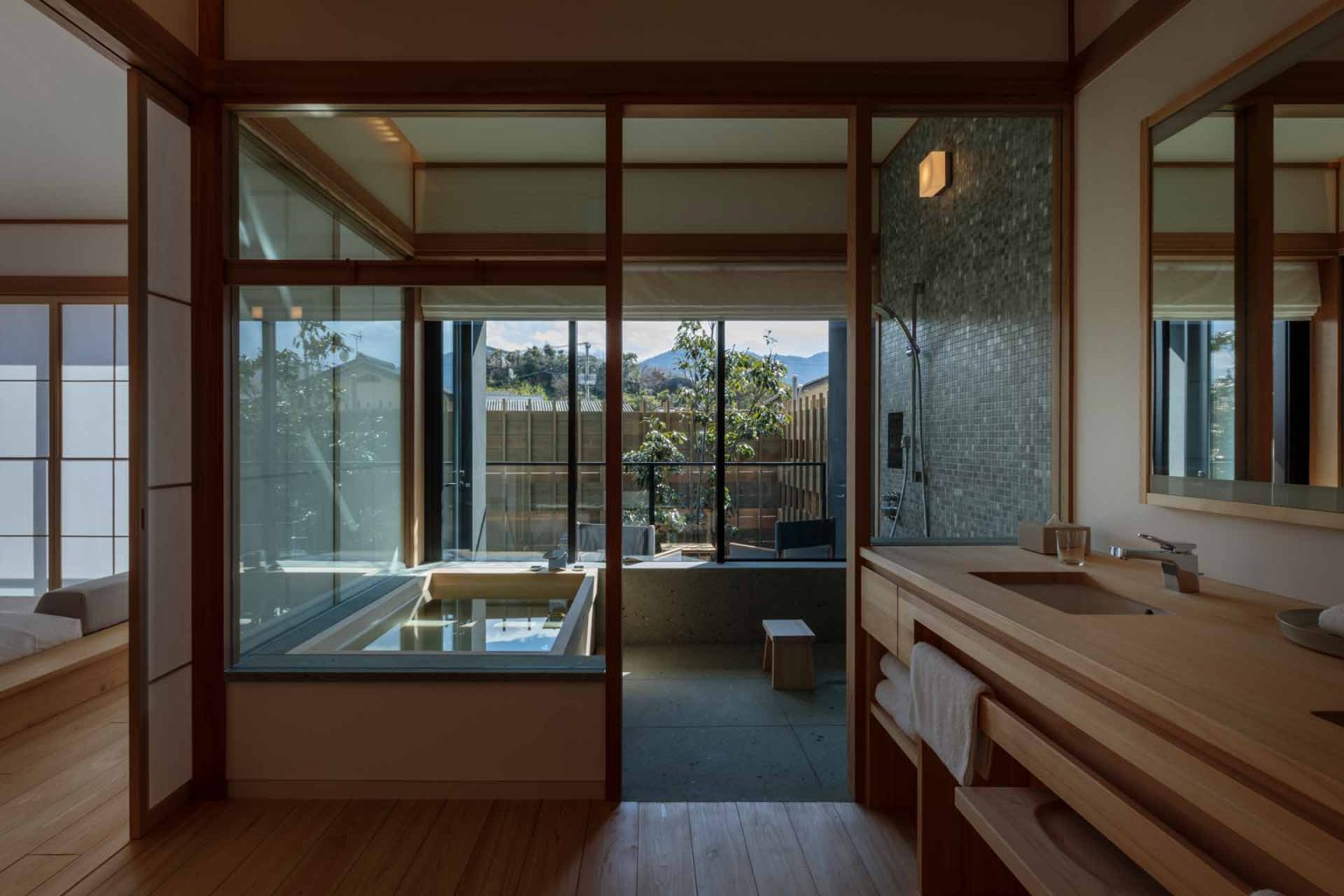
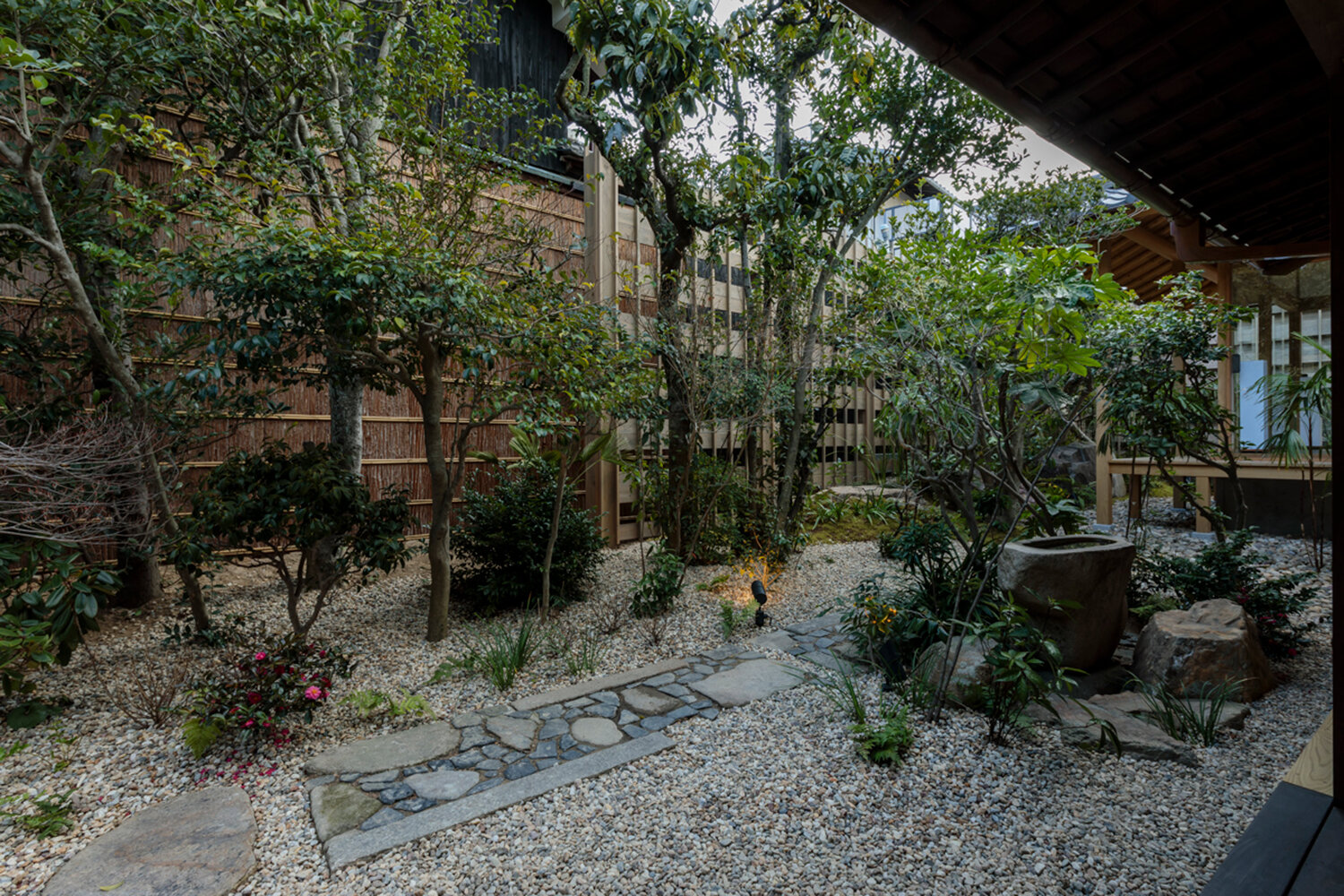
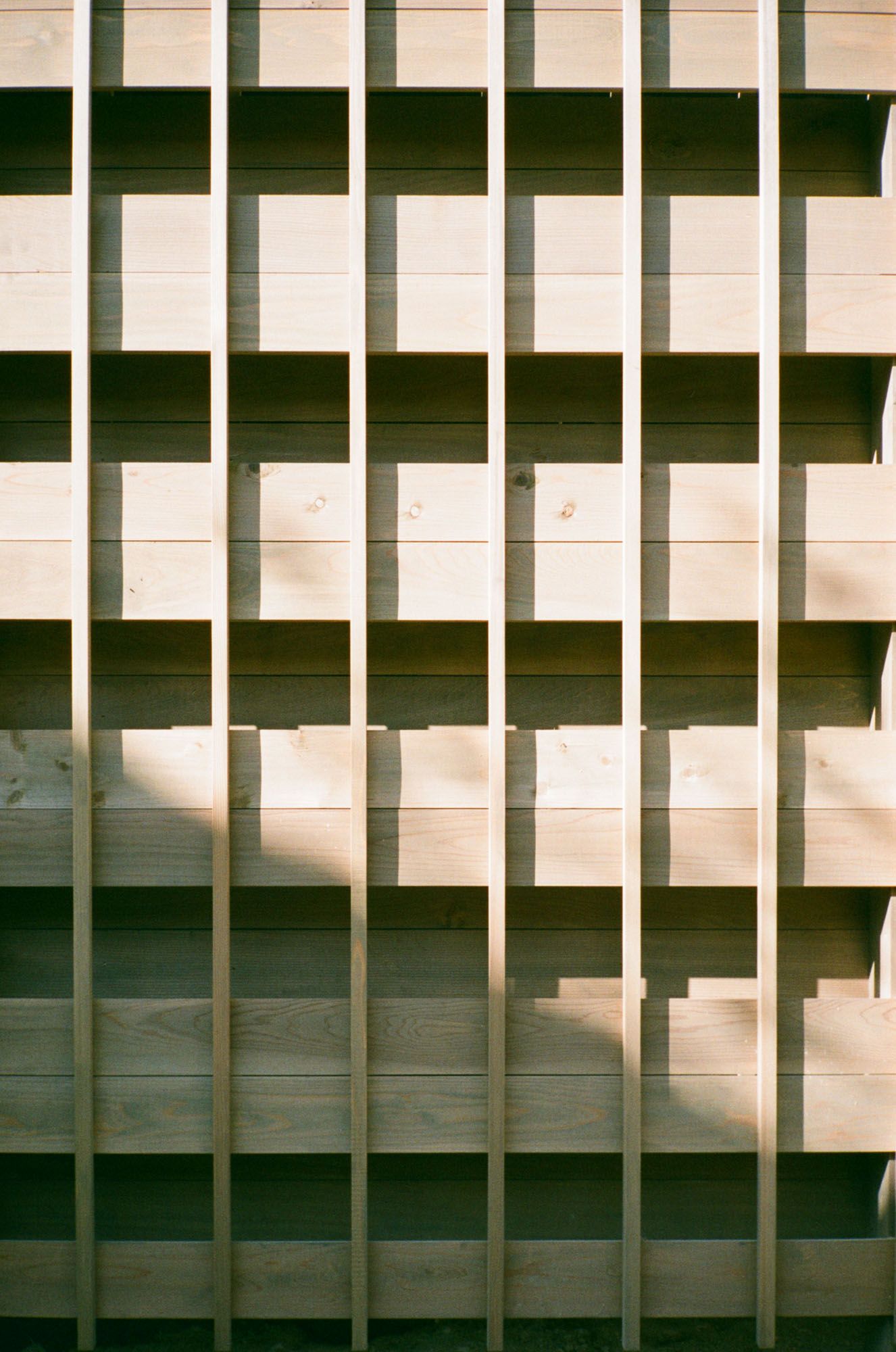
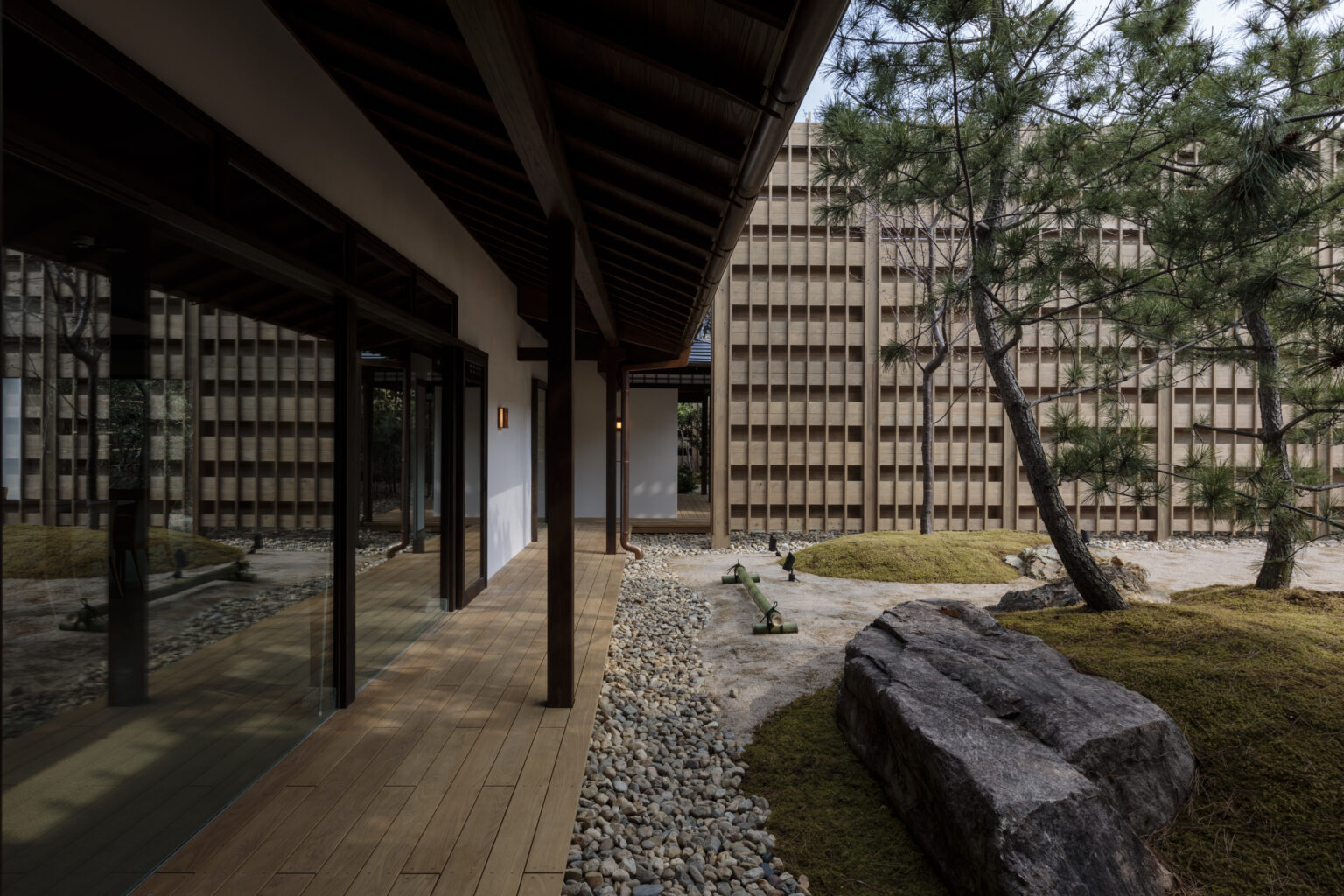
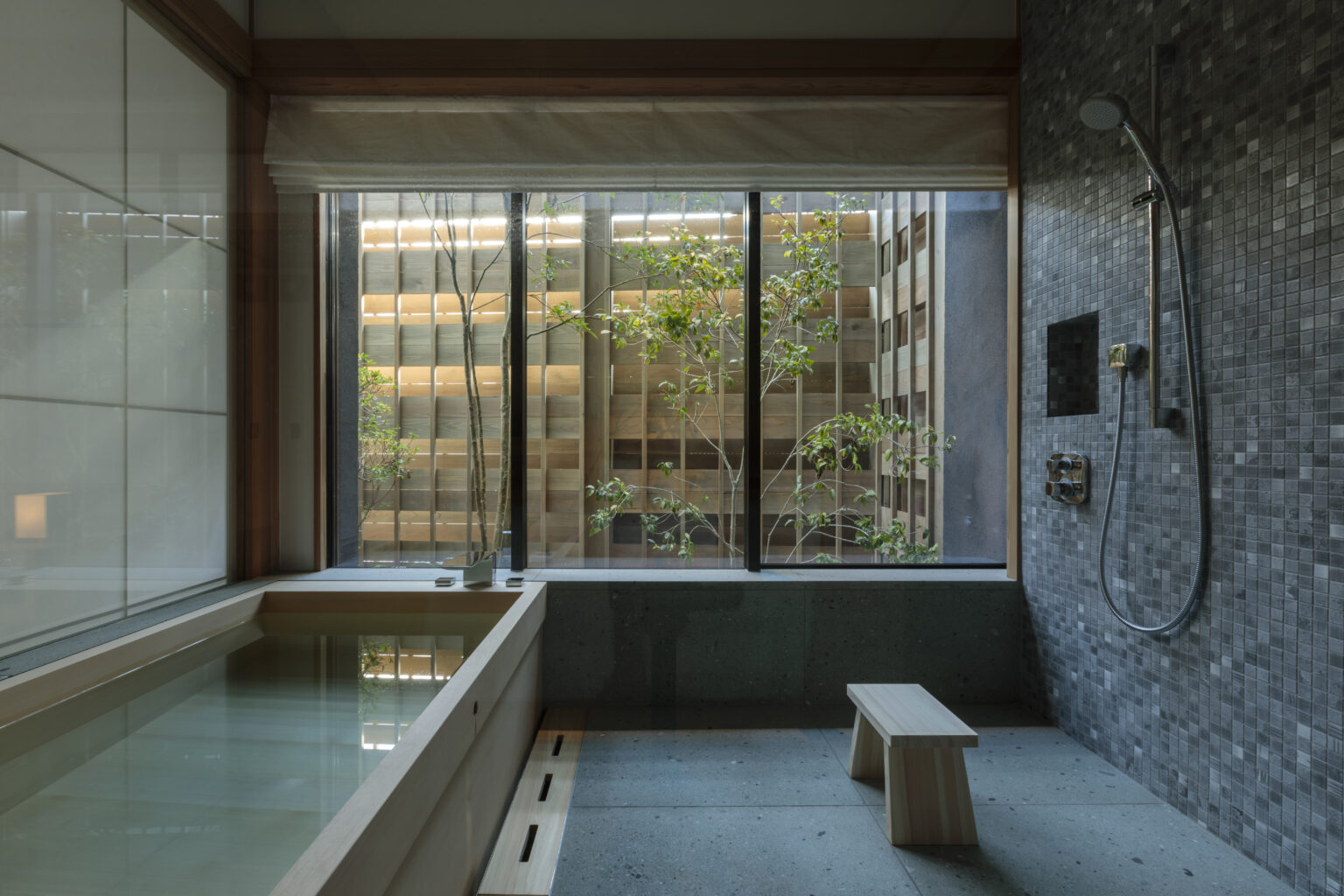
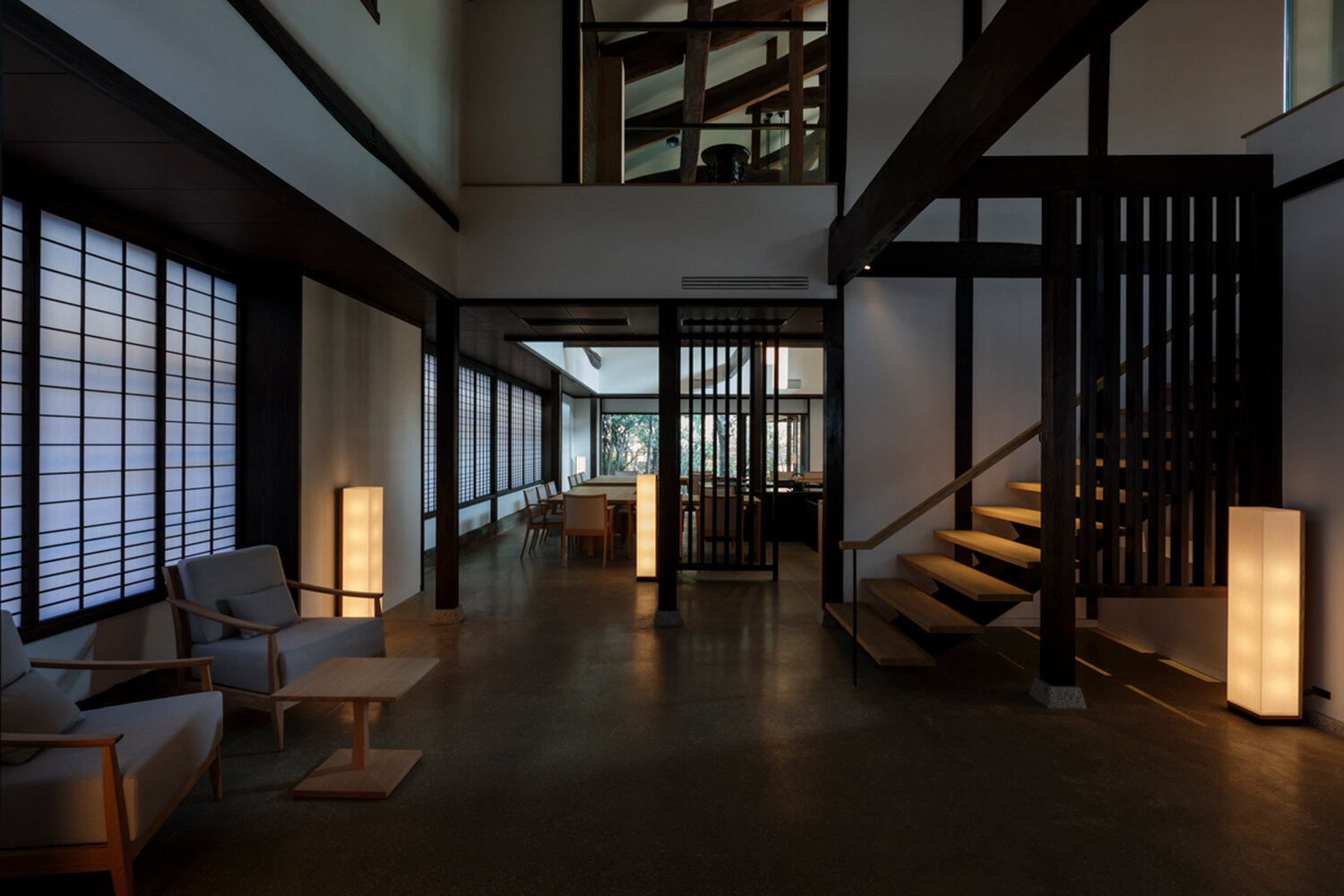
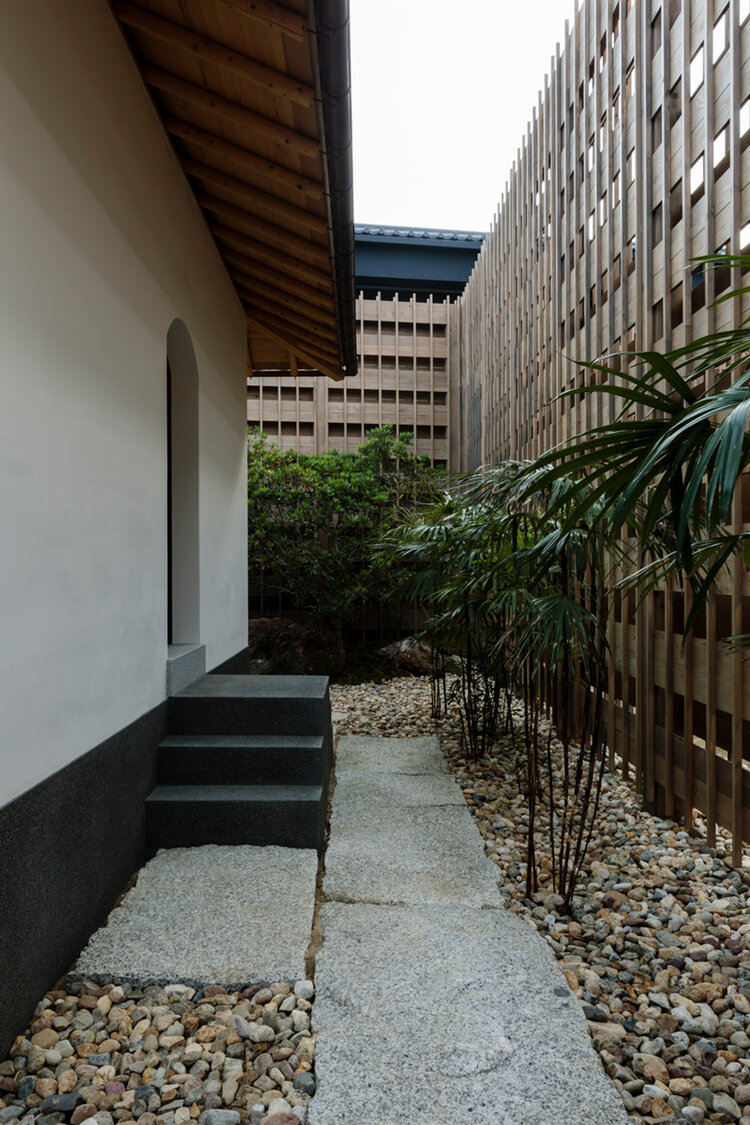
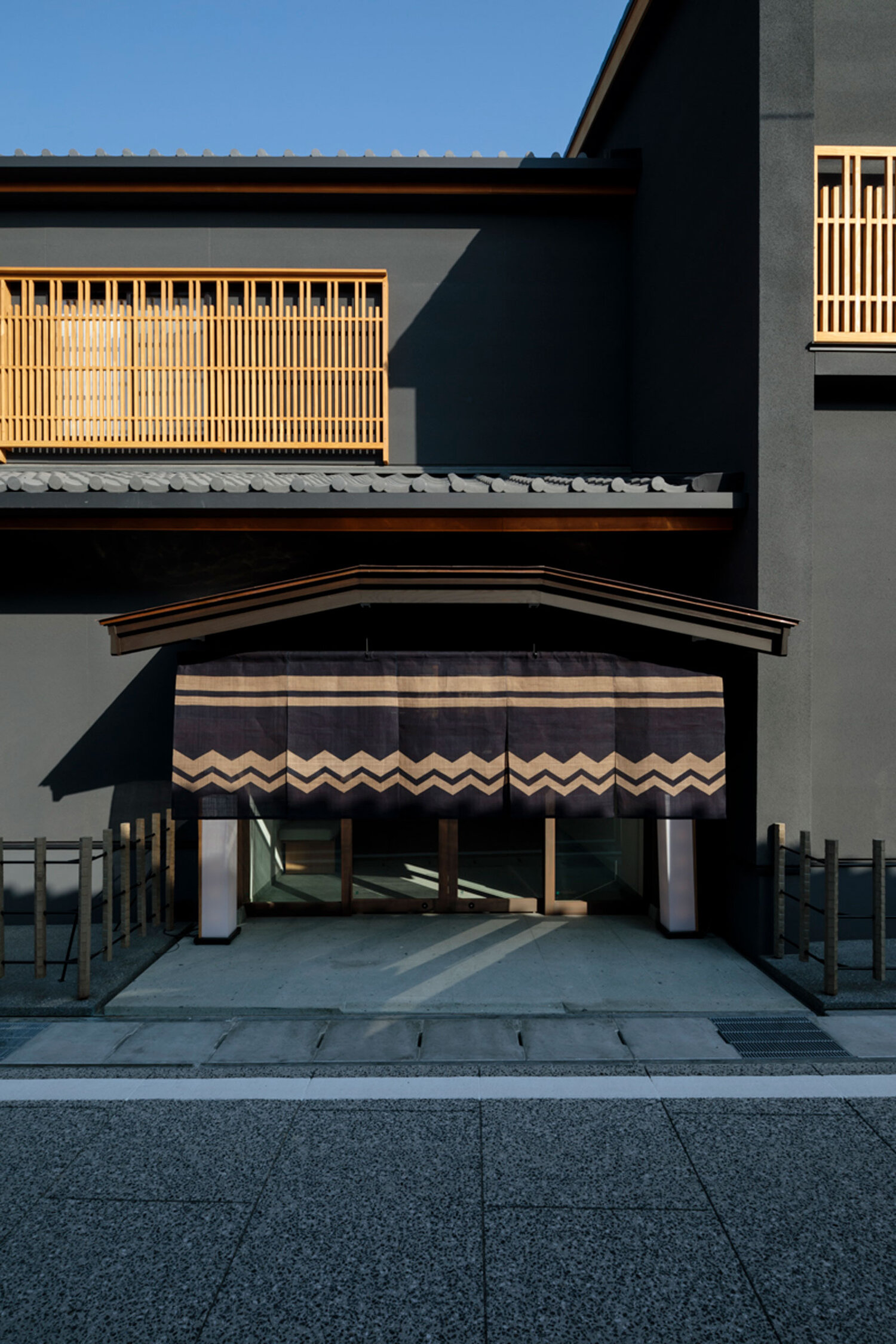
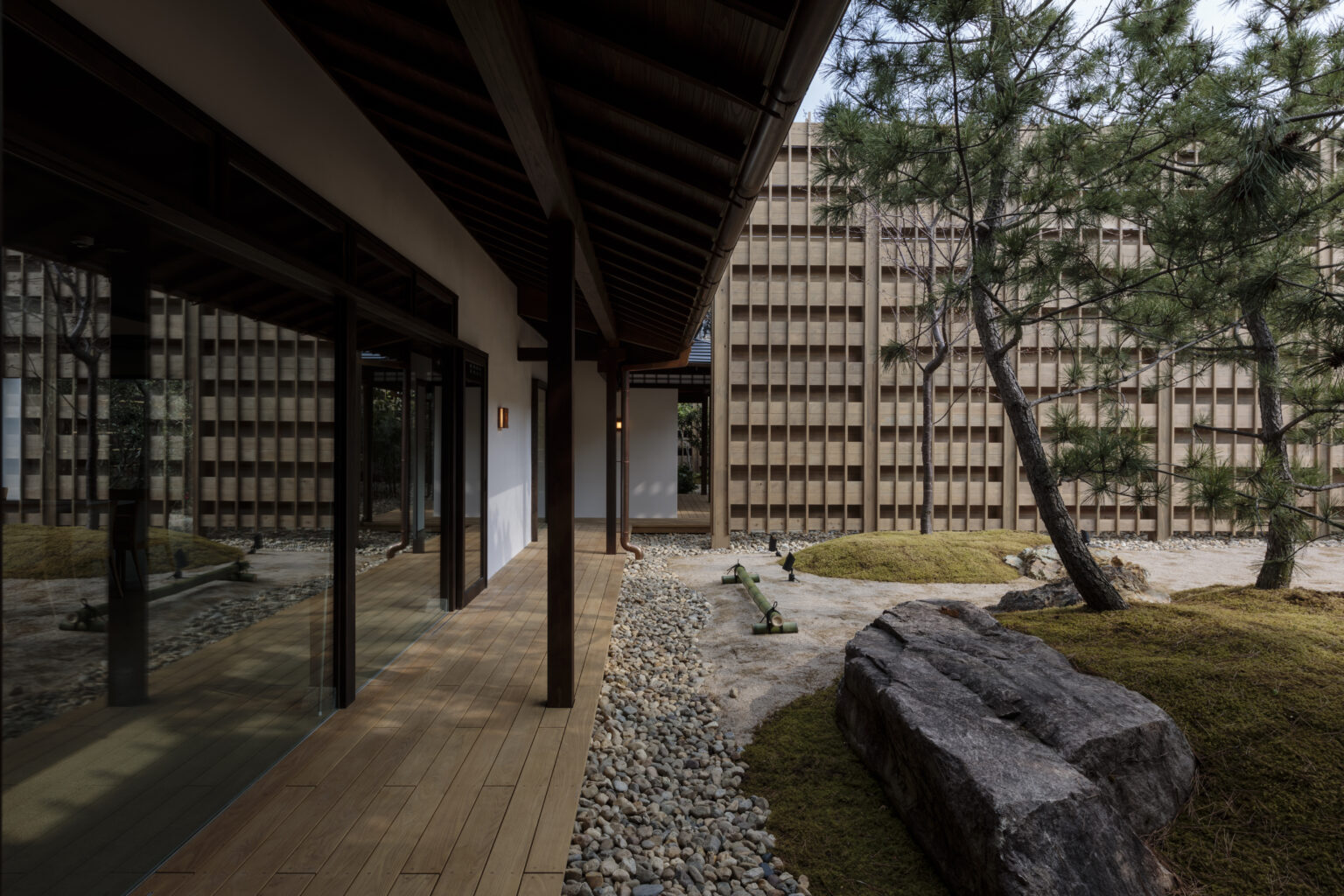
Shiro Miura’s restoration focuses on harmony between light, wind, wood, and nature. Hidden behind traditional timber façades lies a sequence of tranquil courtyards, gardens, and beautifully proportioned spaces finished in hinoki cypress, washi paper, natural stone, plaster, and handcrafted timber. The striking cedar kakine fences surrounding the central courtyard provide both privacy and rhythm, while large windows dissolve the boundary between interior and garden. Every material feels honest, every detail purposeful.
Rooms Rooted in Japanese Craft
The guestrooms embrace the quiet elegance of a traditional ryokan while introducing discreet contemporary comforts. Tatami floors, shoji screens, bespoke furniture crafted by local artisan Doi Mokkou, and soothing natural materials create spaces that encourage complete relaxation. Every room features a fragrant hinoki cypress bath, while private gardens or balconies offer peaceful views of the landscaped courtyards beyond. The atmosphere is minimalist without ever feeling austere—warm, tactile, and deeply restorative.
Dining as Shared Experience
Food at Azumi Setoda reflects the island’s centuries-old connection to trade, agriculture, and the sea. Served around communal tables, the seasonal menus celebrate Setouchi seafood, citrus fruits, vegetables, and local ingredients prepared with refined French techniques and subtle influences from the wider trading routes that once connected the Inland Sea to Asia and beyond. The result feels less like formal gastronomy and more like elevated home cooking—generous, seasonal, and rooted in place. Private dining rooms are available, but sharing meals remains central to the ryokan experience.
A Hotel That Belongs to Its Community
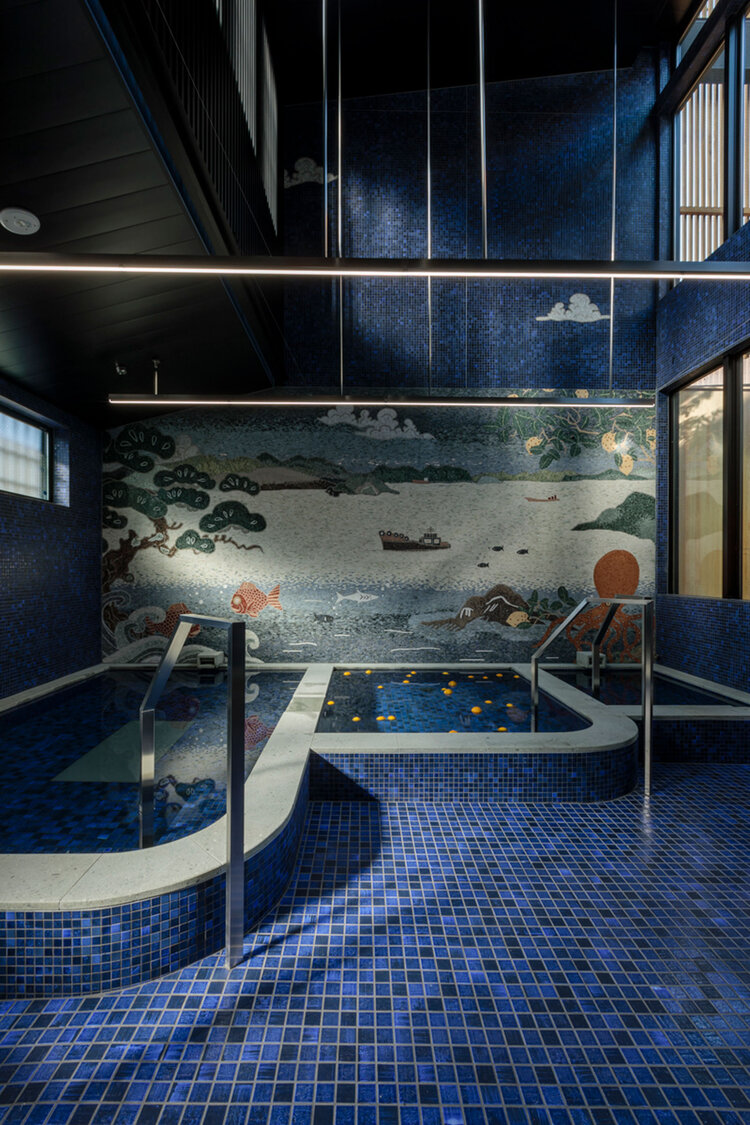
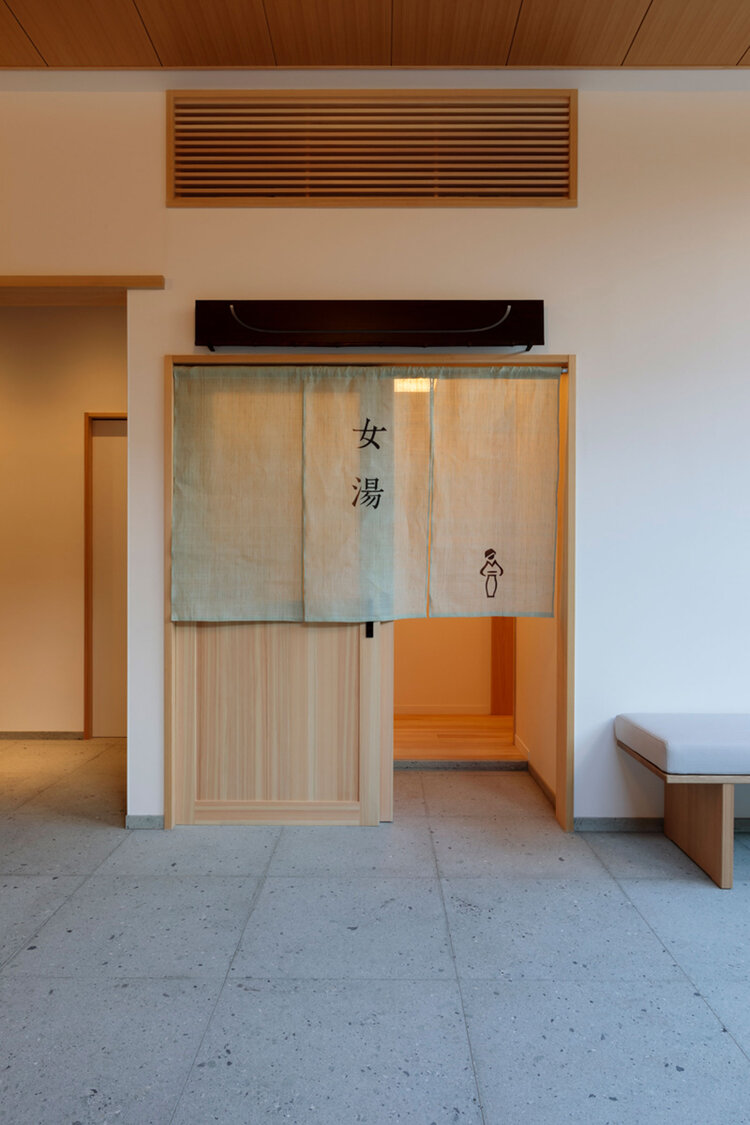
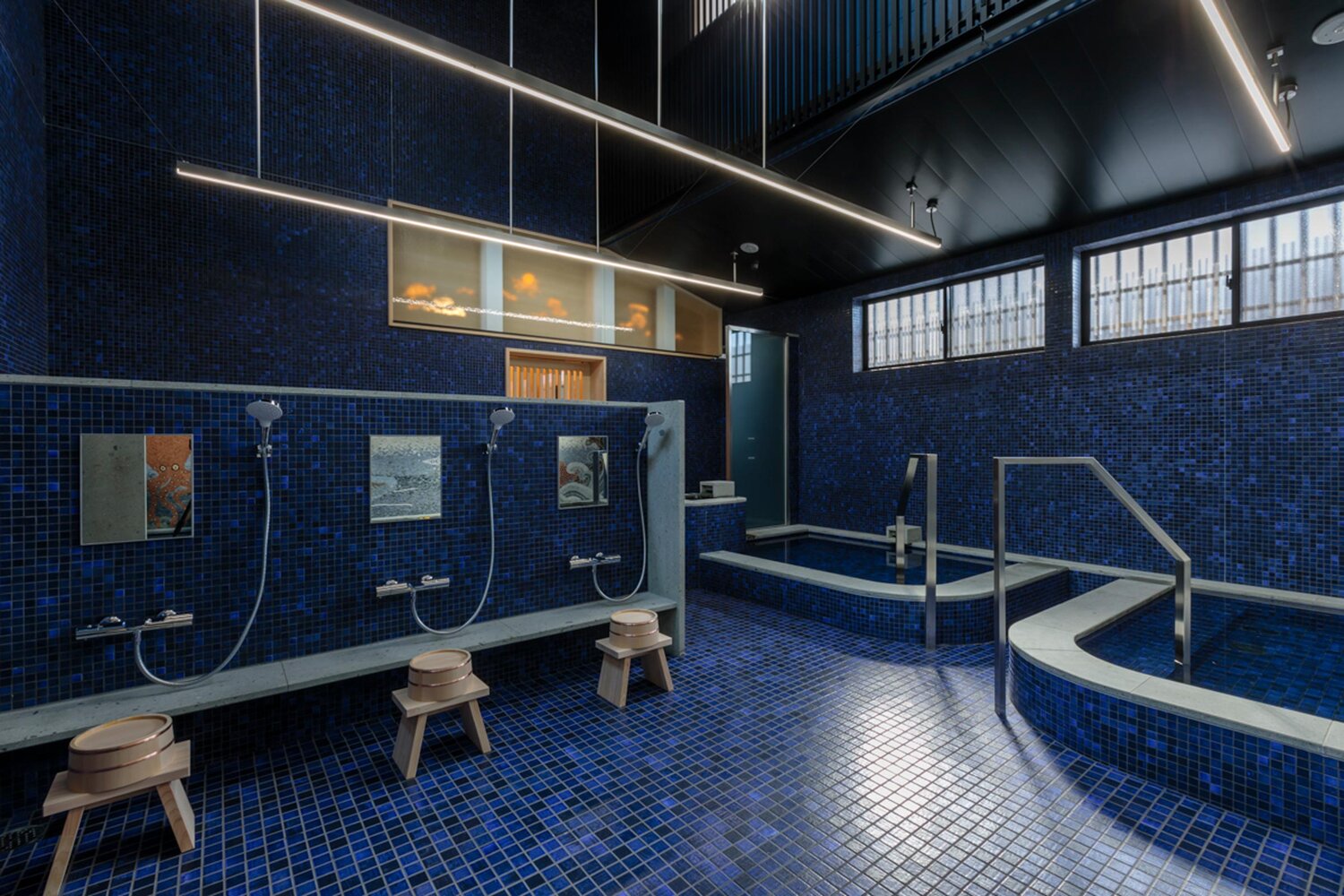
Perhaps Azumi’s most distinctive feature is its relationship with Setoda itself. Across the street sits Yubune, the beautifully designed public bathhouse where hotel guests bathe alongside local residents, preserving one of Japan’s most important communal traditions. Gardens, tea rituals, cultural workshops, and island experiences further deepen the connection between visitor and destination. Rather than separating guests from local life, Azumi quietly invites them into it.
Why It Works
Azumi Setoda demonstrates that preserving tradition does not require standing still. By combining thoughtful restoration, exceptional craftsmanship, community engagement, and understated contemporary design, it creates a ryokan experience that feels authentic, relevant, and remarkably serene. Every detail—from the architecture to the bathing rituals—celebrates the enduring beauty of Japanese hospitality. For travellers seeking calm, culture, and a deeper understanding of Japan, Azumi Setoda offers one of the country’s most graceful modern interpretations of the classic ryokan.