Babylonstoren, Franschhoek, South Africa
Cape Dutch Heritage, Contemporary Design, and a Garden That Shapes Everything
Why DNA Hotels Loves It
● One of the Cape Winelands’ best-preserved historic farms, where seventeenth- and eighteenth-century architecture meets quietly contemporary design.
● An extraordinary eight-acre kitchen garden that informs the food, landscape, daily rhythm, and identity of the entire estate.
● A rare hotel where farming, architecture, gastronomy, wine, and wellness feel like parts of one coherent world.
A Farm with Deep Roots
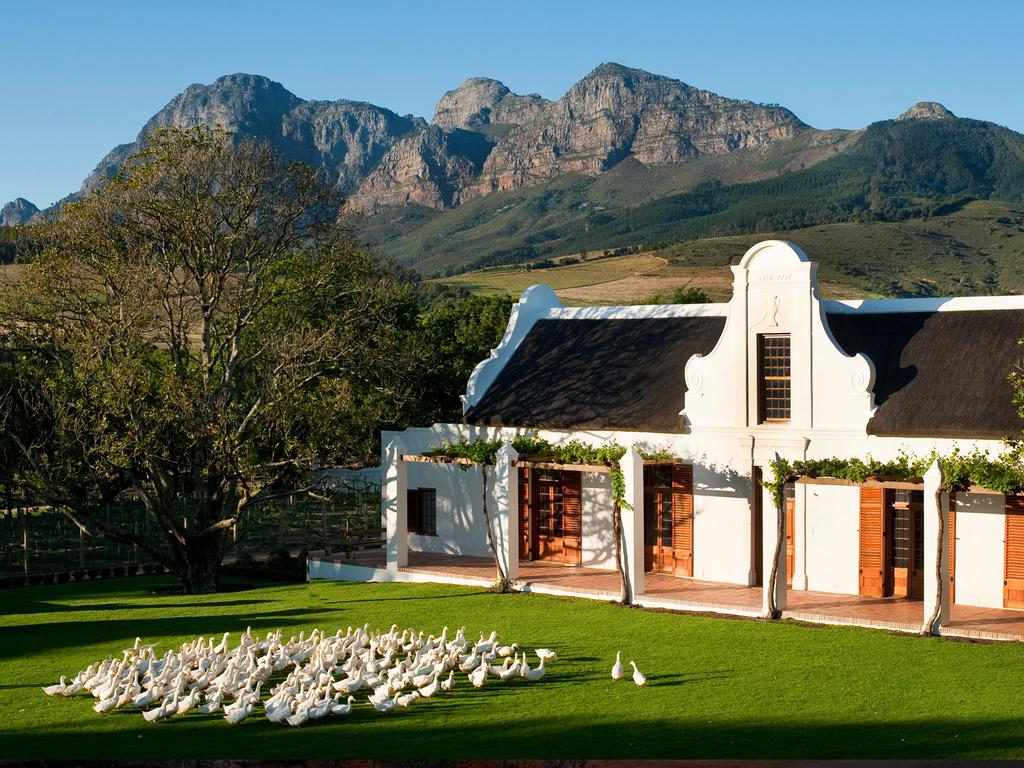
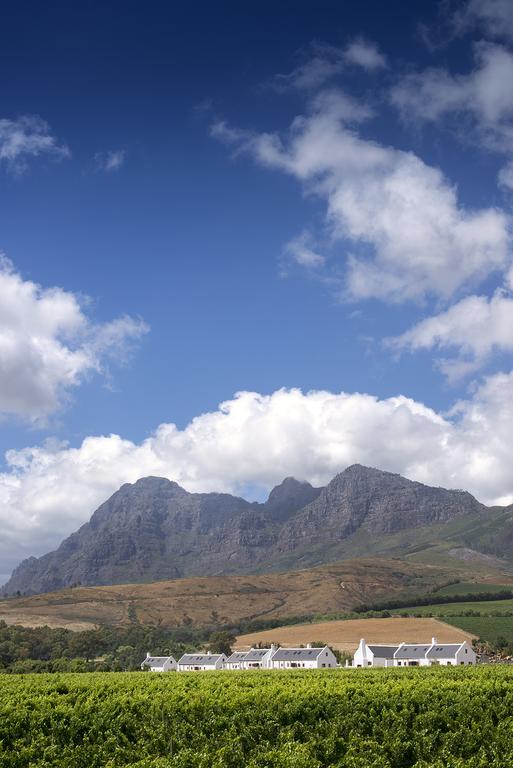
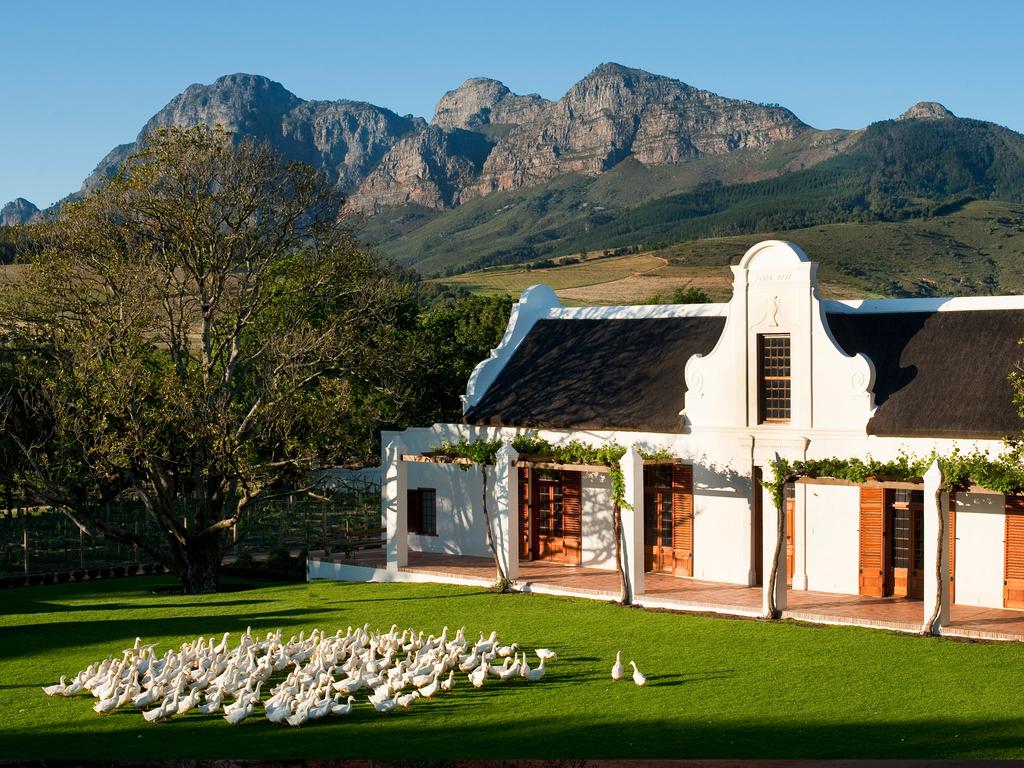
Babylonstoren dates back to 1690. At the foot of the Simonsberg mountains, its whitewashed Cape Dutch buildings, shaded avenues, historic gates, barns, dovecotes, and farmyards preserve the spatial logic of an old working estate. Yet this is not heritage held behind glass. The farm remains productive. Orchards, vineyards, gardens, livestock, kitchens, workshops, and guest accommodation all continue to shape daily life. History remains visible. And useful.
Design That Respects the Land
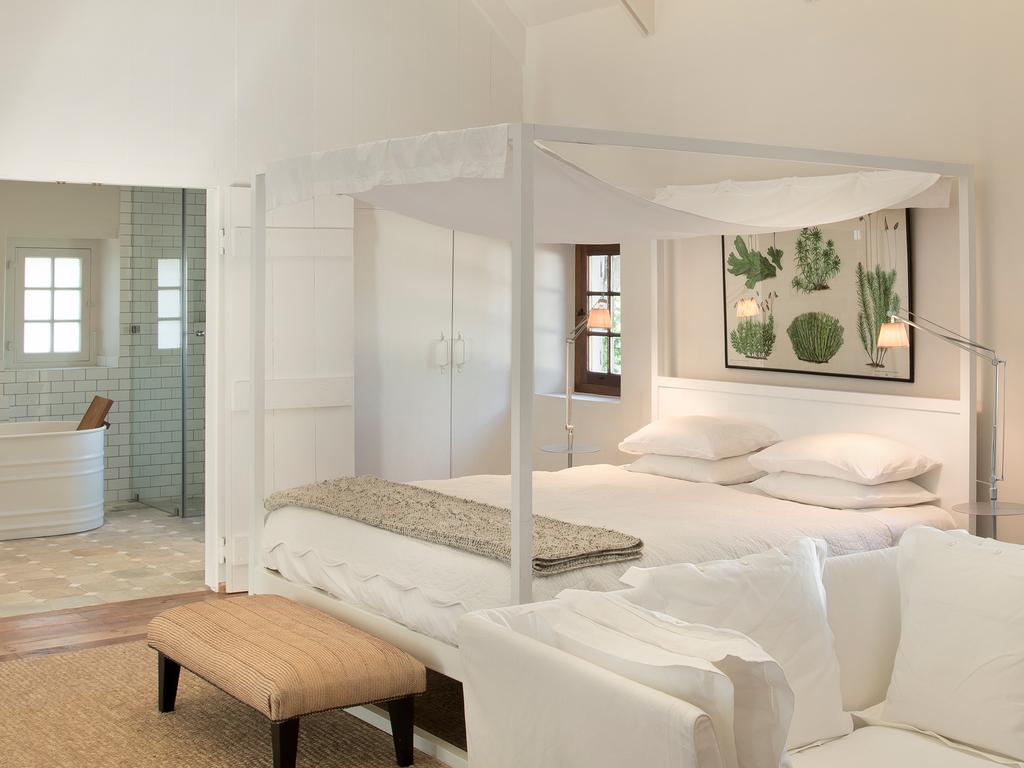
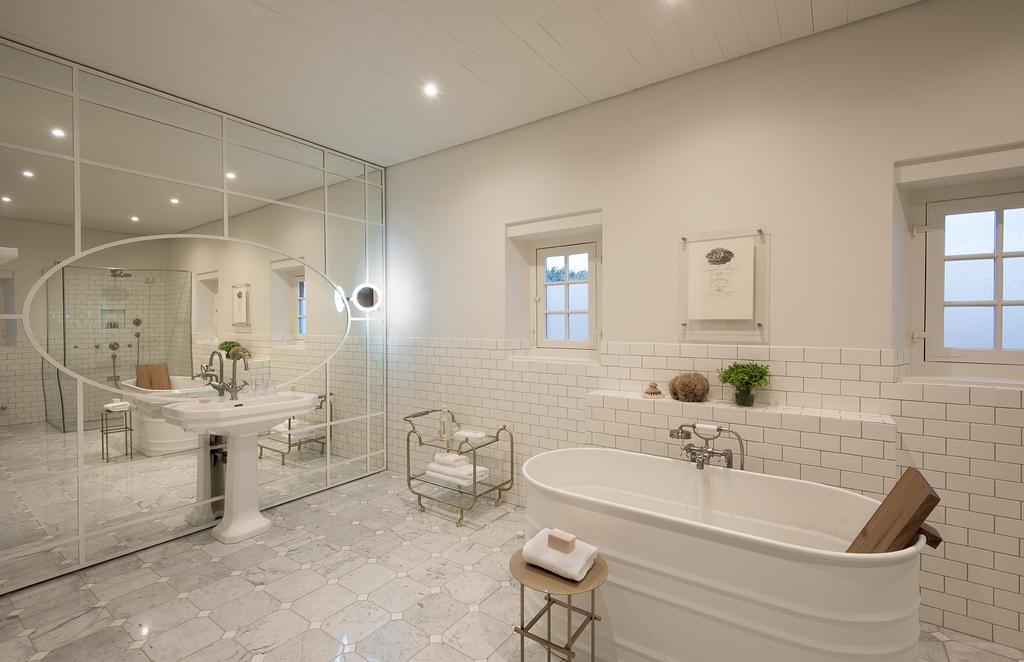
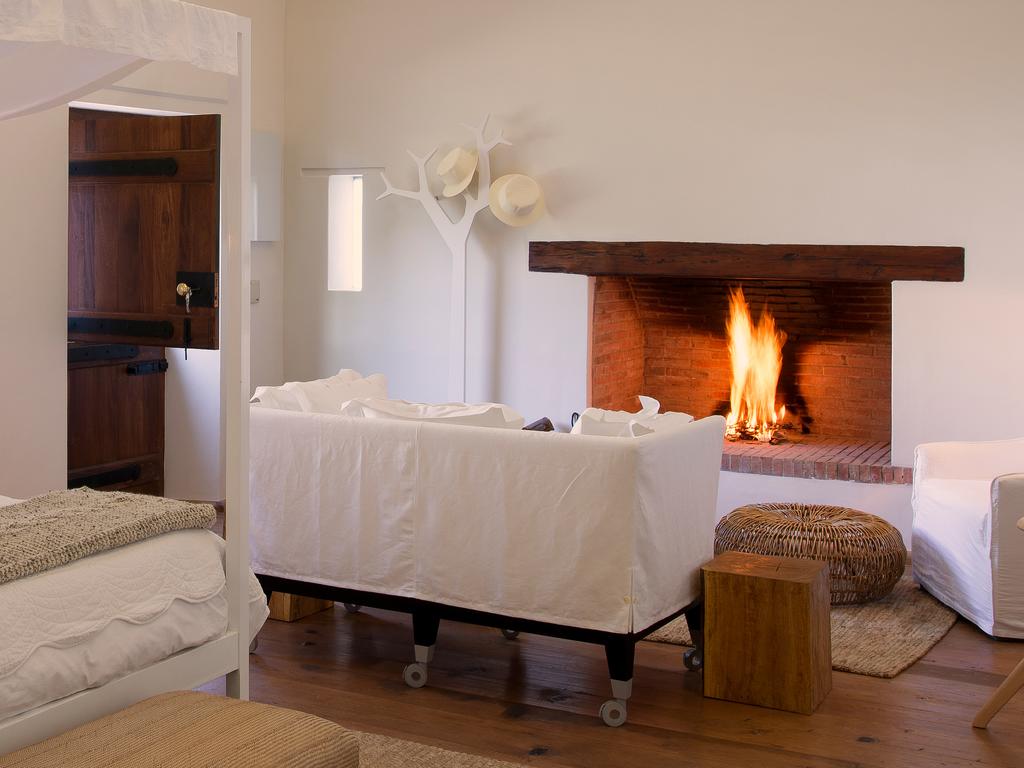
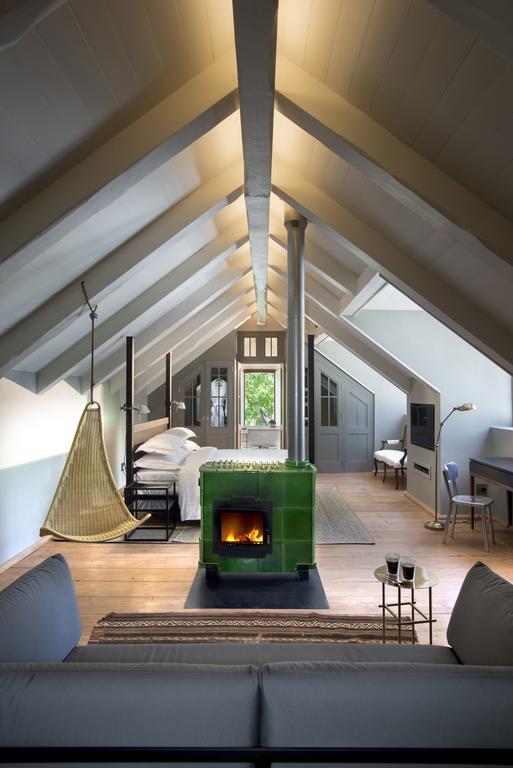
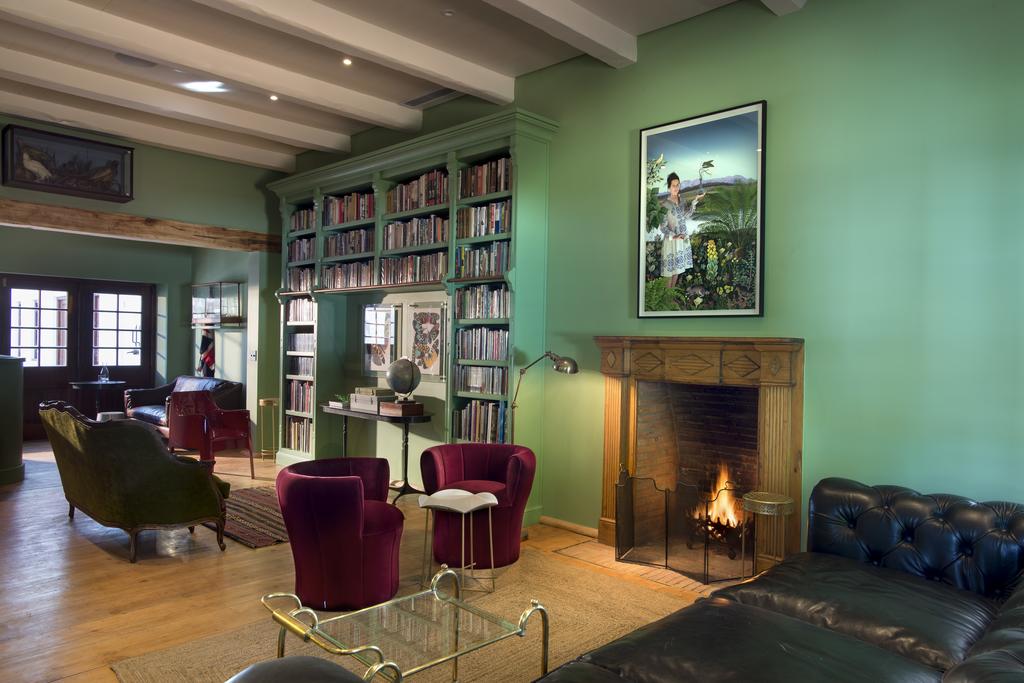
Karen Roos has given Babylonstoren its distinctive visual language. Historic farm buildings retain their thick walls, thatched roofs, shuttered windows, and rough-hewn character, while contemporary additions introduce glass, oak, clean lines, and carefully chosen modern furniture. The contrast is precise but never theatrical. The original Garden Cottages pair Cape Dutch exteriors with glass-box kitchens overlooking the landscape. Inside, antique pieces, Scandinavian influences, open fireplaces, natural fabrics, and restrained contemporary details create spaces that feel both rooted and fresh. Old and new never compete. They sharpen one another.
The Garden at the Centre
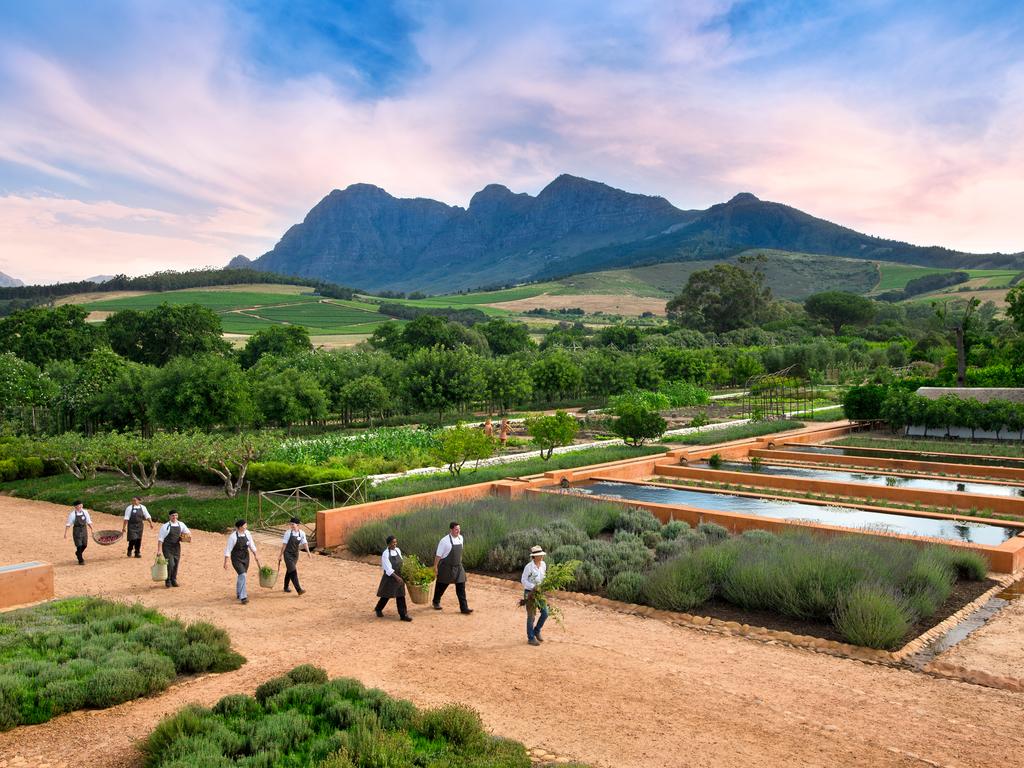
The eight-acre kitchen garden is the estate’s true heart. Designed around historic Cape gardening traditions, it contains hundreds of edible and medicinal plants, fruit trees, herbs, vegetables, waterways, and shaded paths. Guests are encouraged to walk, taste, harvest, and learn, whether joining the gardeners in the morning or simply wandering through the changing colours and scents of the seasons. The garden is not decoration. It is the organising principle of the farm. Everything begins here.
Food, Wine, and the Honest Essence of Things
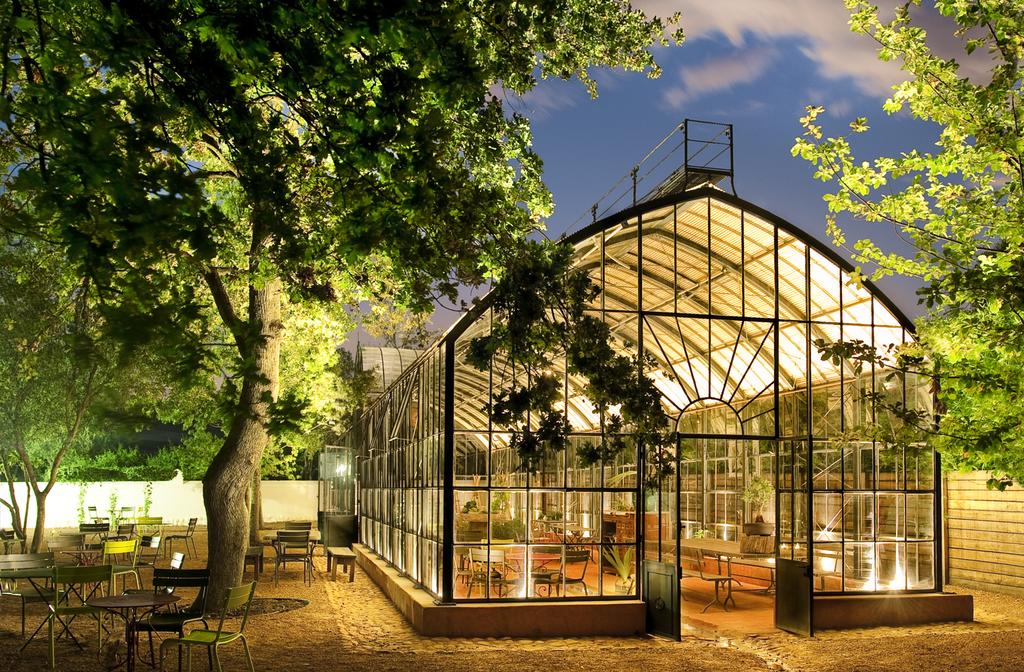
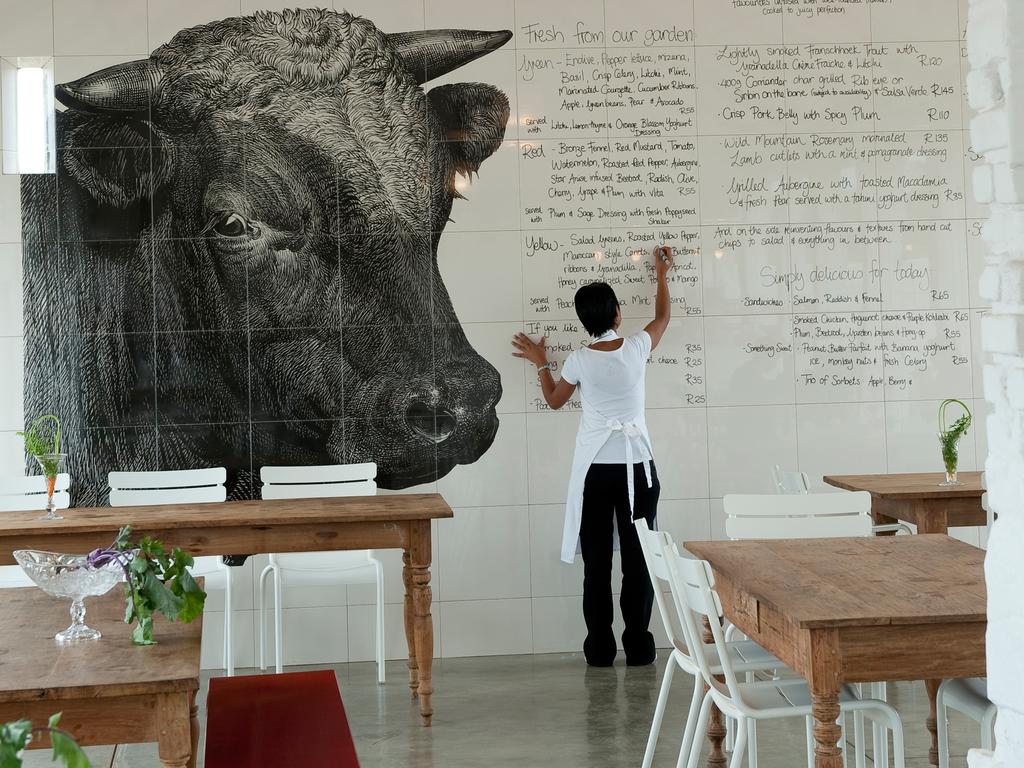
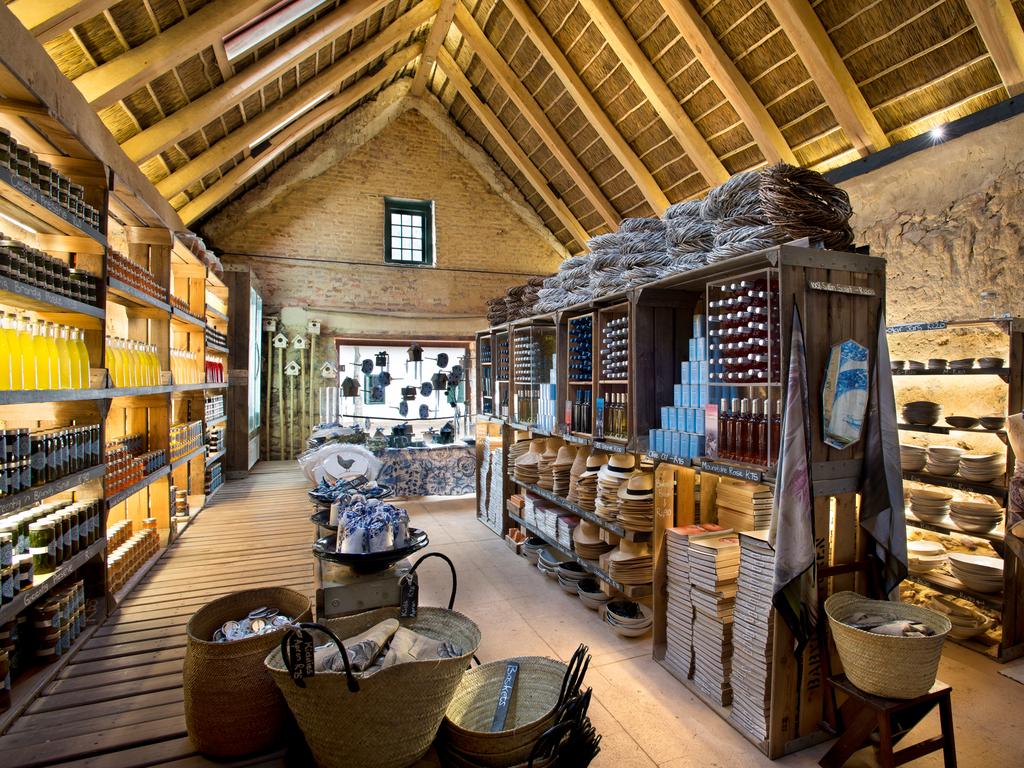
Babel occupies a former cowshed transformed into a bright, pared-back restaurant. Its menus follow the garden, with ingredients harvested on the farm and prepared with a clarity that allows produce to remain the focus. The Greenhouse, Bakery, Farm Shop, wine cellar, and seasonal dining experiences extend that philosophy across the estate, creating a food culture built around abundance rather than excess. The wines come from the surrounding vineyards. The olive oil, bread, herbs, fruit, dairy, and much of what appears on the plate come from the land itself. Farm to table feels literal here.
A Slower Way to Stay
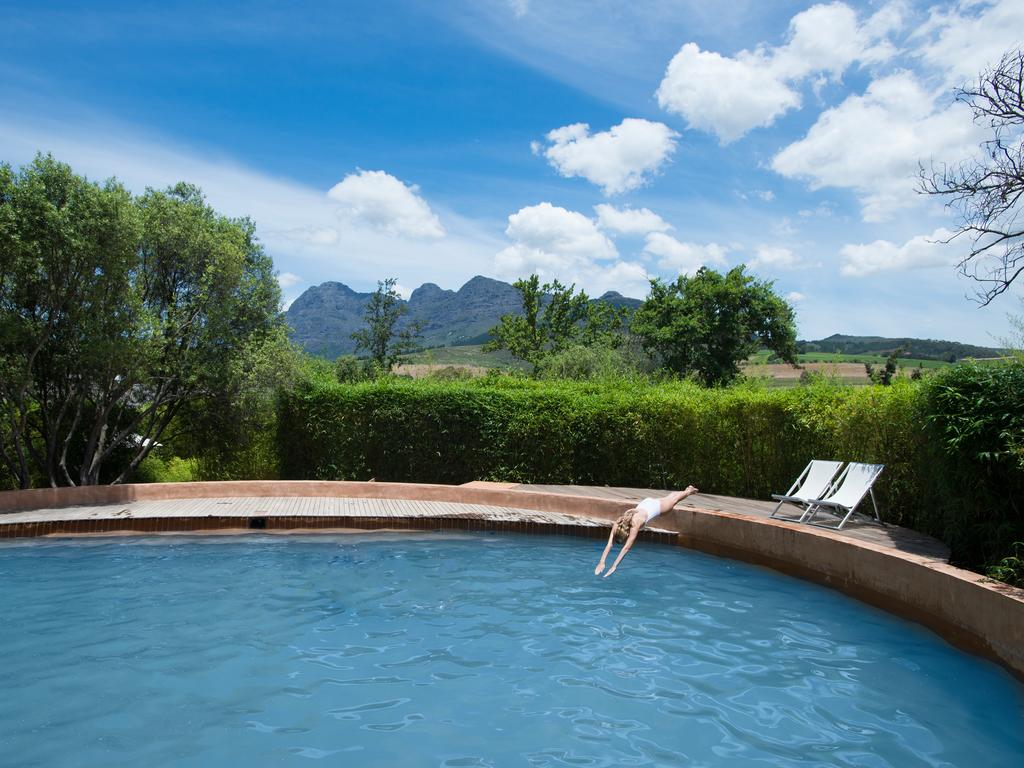
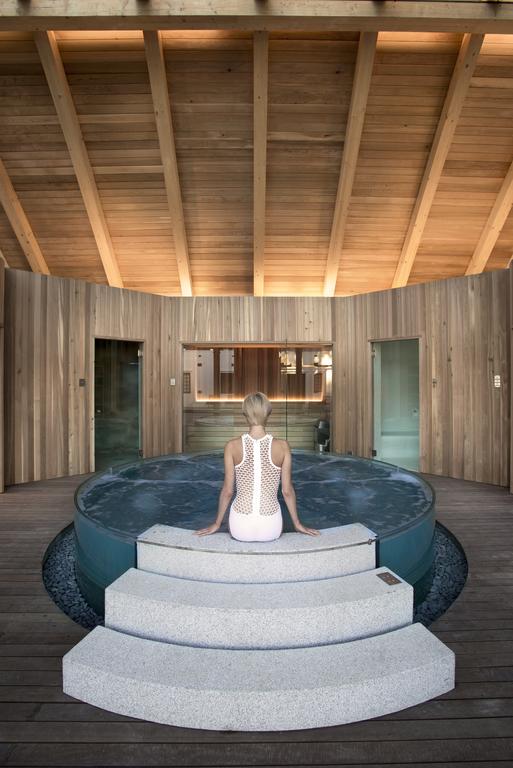
Babylonstoren encourages participation as much as retreat. Guests can cycle through orchards, swim in the farm dam, walk through fynbos, join harvests, explore the cellar, climb the koppie, or spend hours in the spa. The latter combines hot and cold pools, hammam, sauna, salt and steam rooms, treatment spaces, and quiet pavilions framed by mountain views. Nothing feels programmed. The days simply unfold.
Why It Works
Babylonstoren succeeds because every element grows from the same idea: that history, design, food, and landscape should remain connected. Its architecture is preserved without becoming precious, its interiors are contemporary without erasing the past, and its hospitality is inseparable from the rhythms of the farm. It is not merely a hotel in the Cape Winelands, but a complete and beautifully considered way of living.