


Contemporary art, dune architecture and barefoot living on the Atlantic coast
Book now
Why DNA Hotels loves it
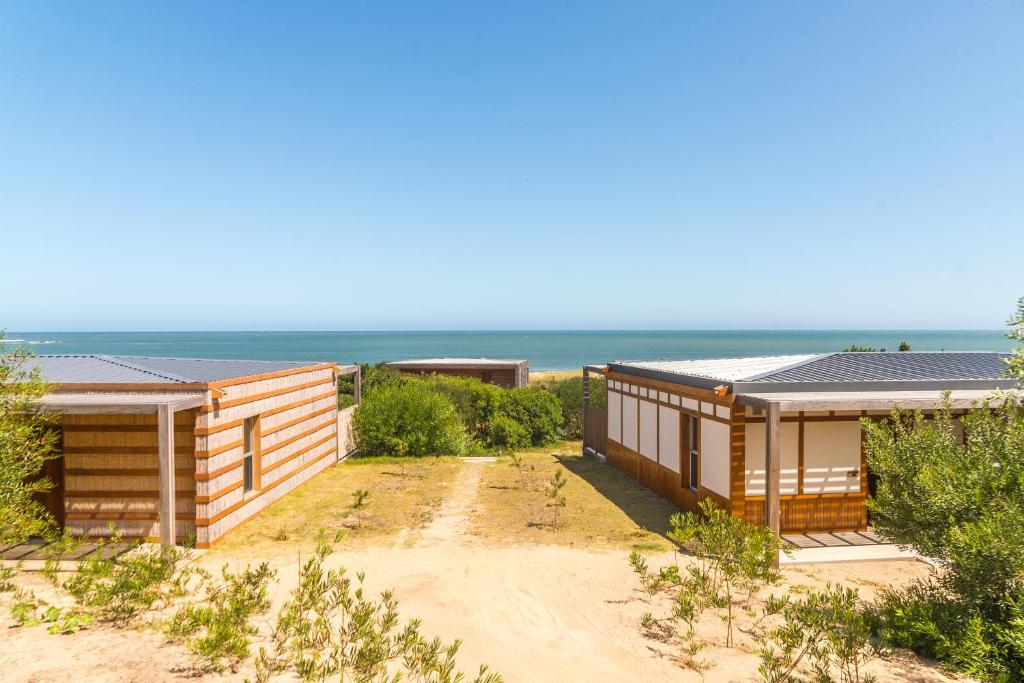
The most relaxed of the three José Ignacio Vik retreats, spreading 37 individually designed rooms and suites across a central pavilion and 11 freestanding bungalows among the dunes.
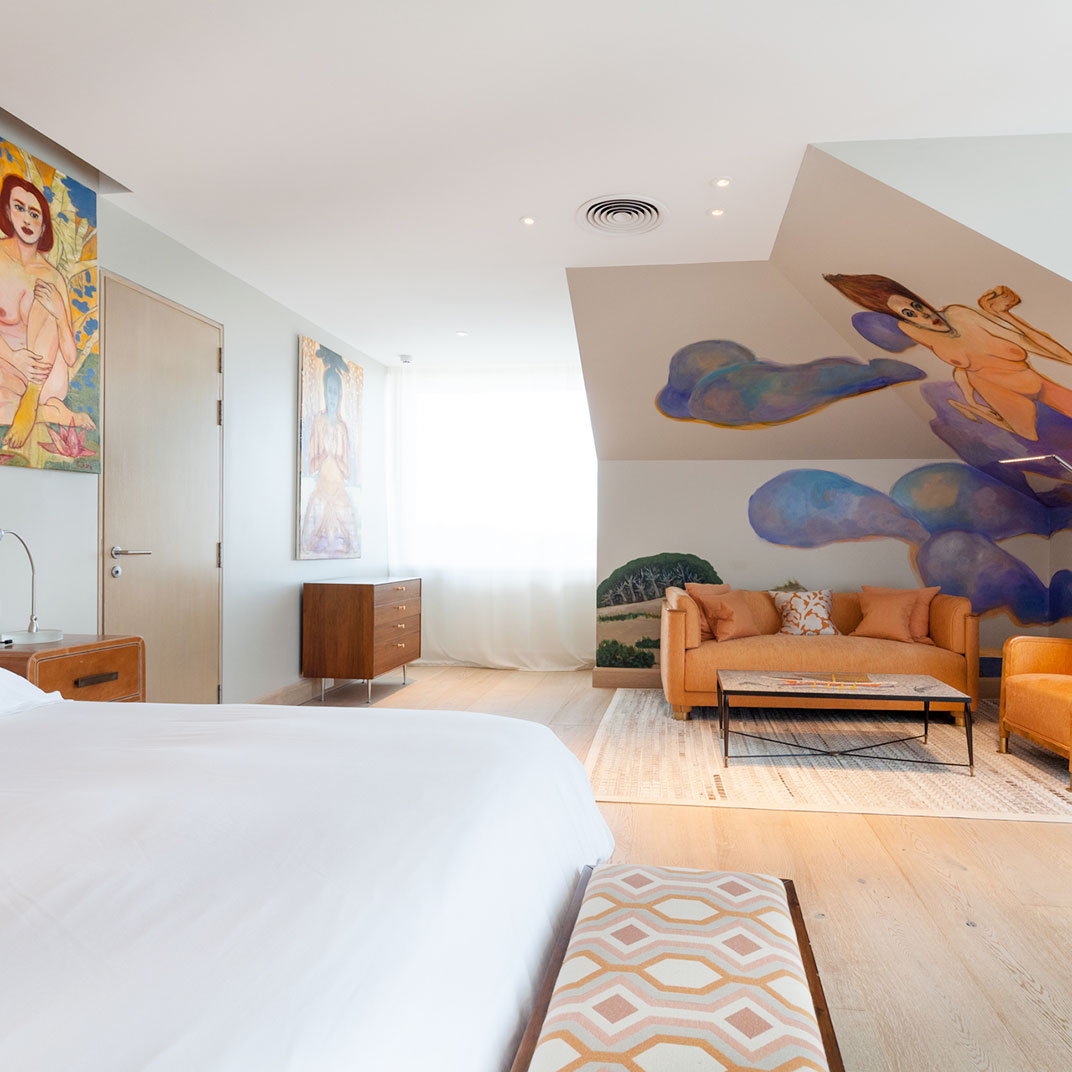
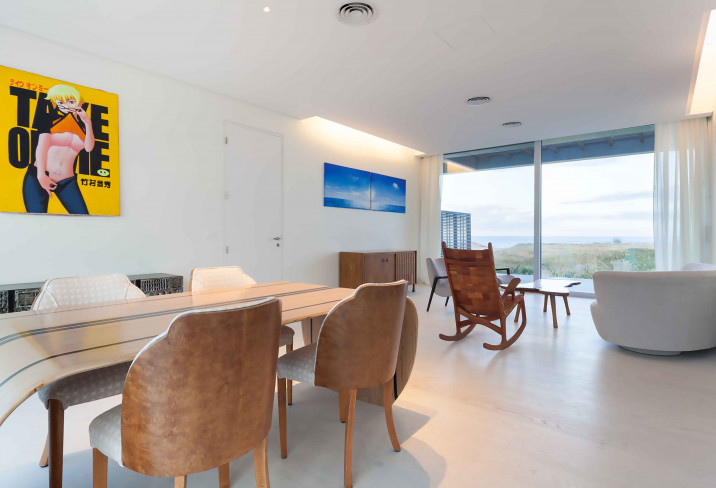
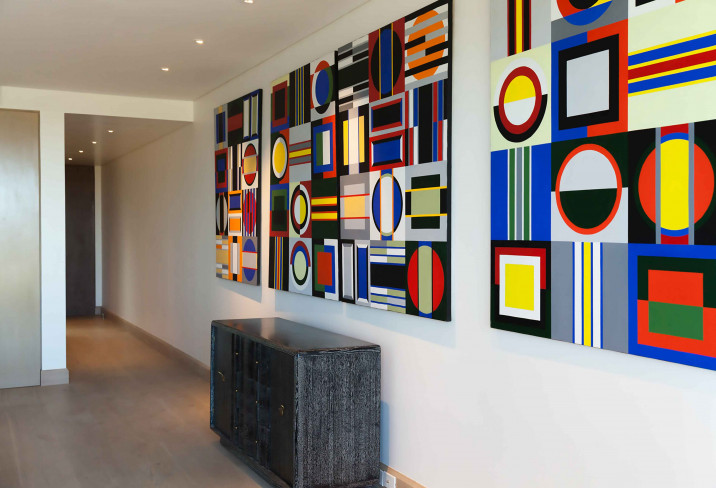
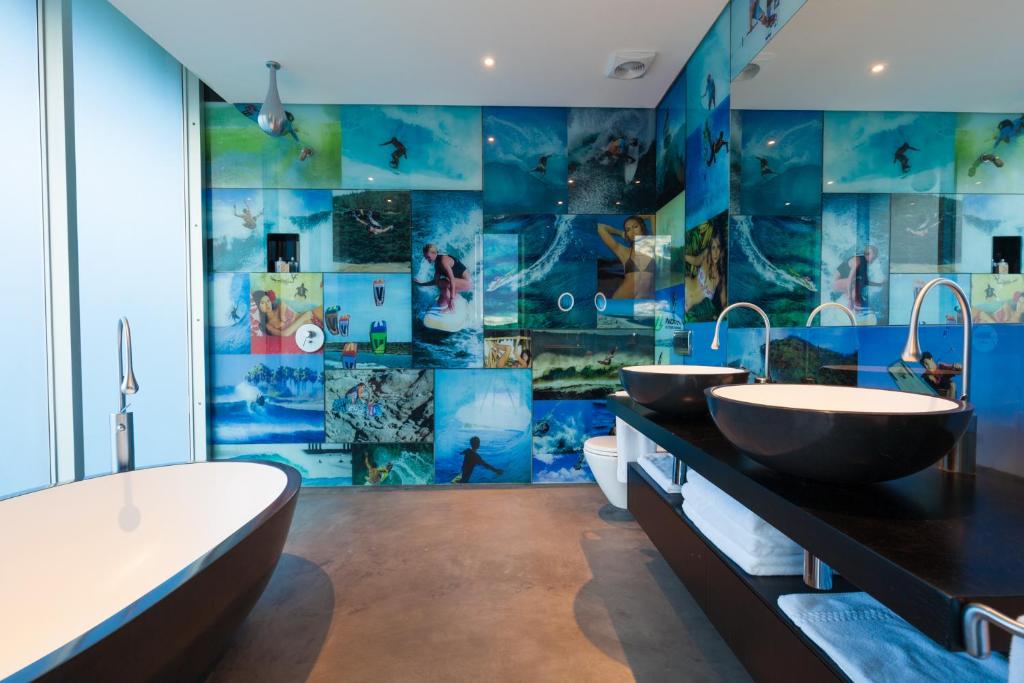
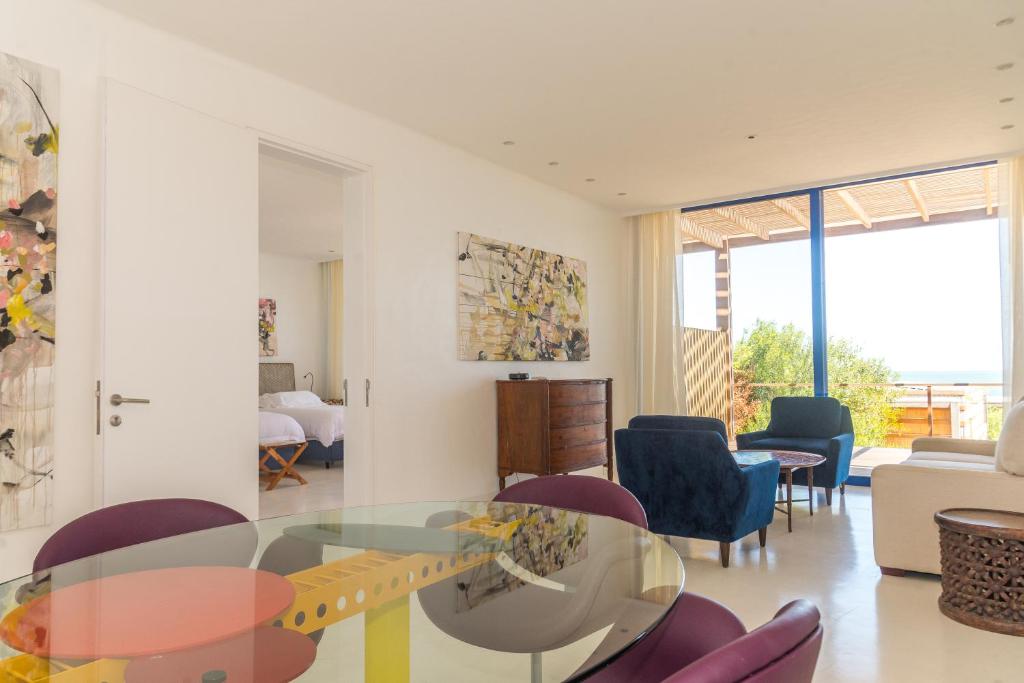
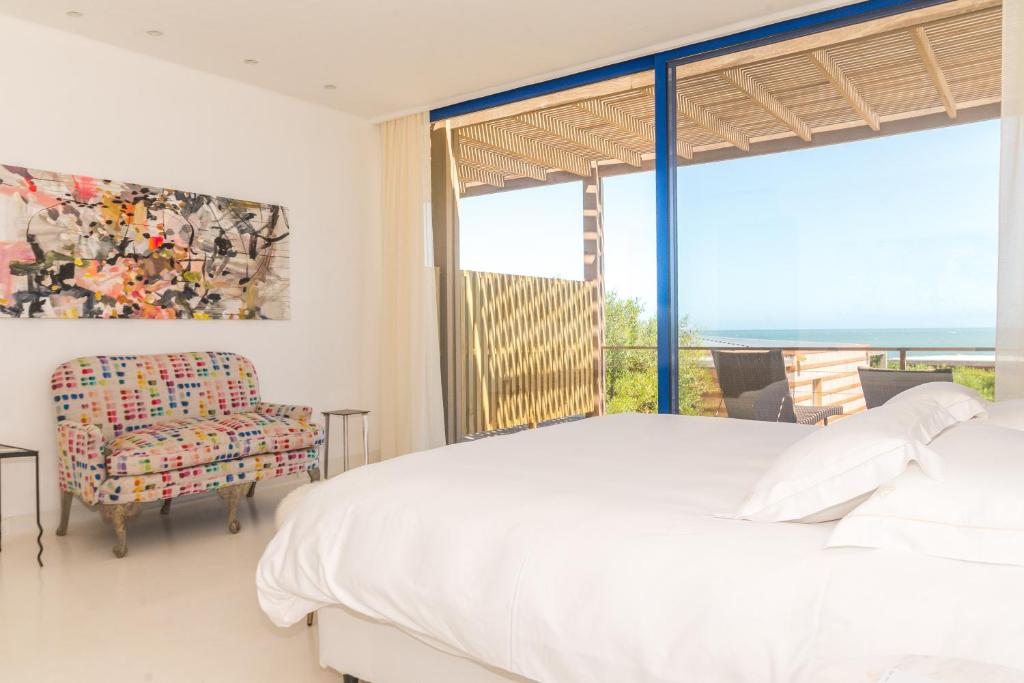
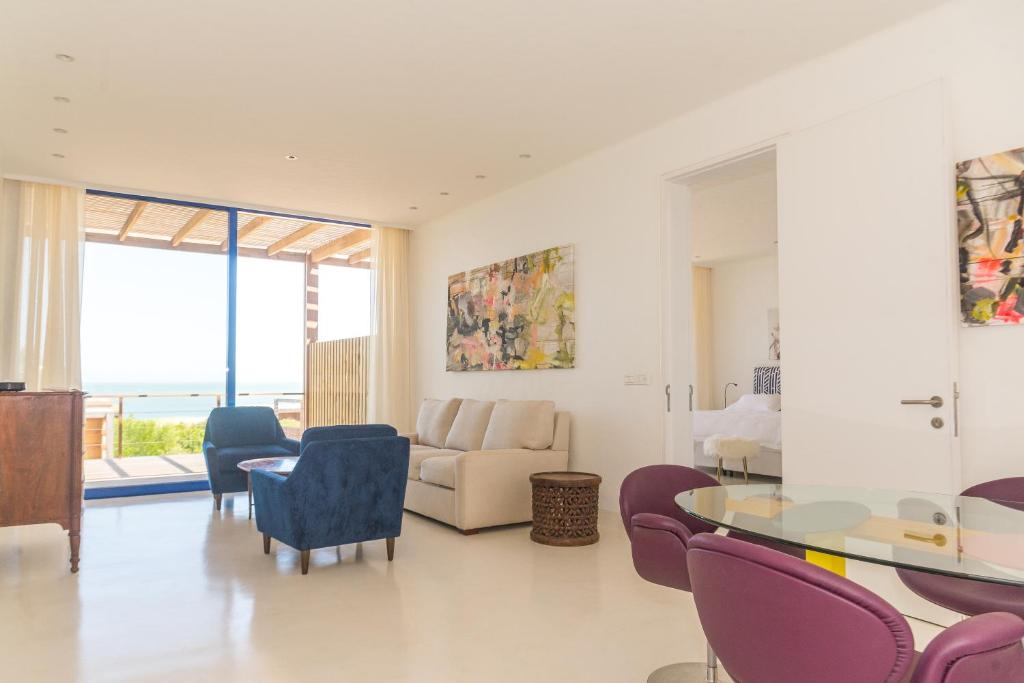
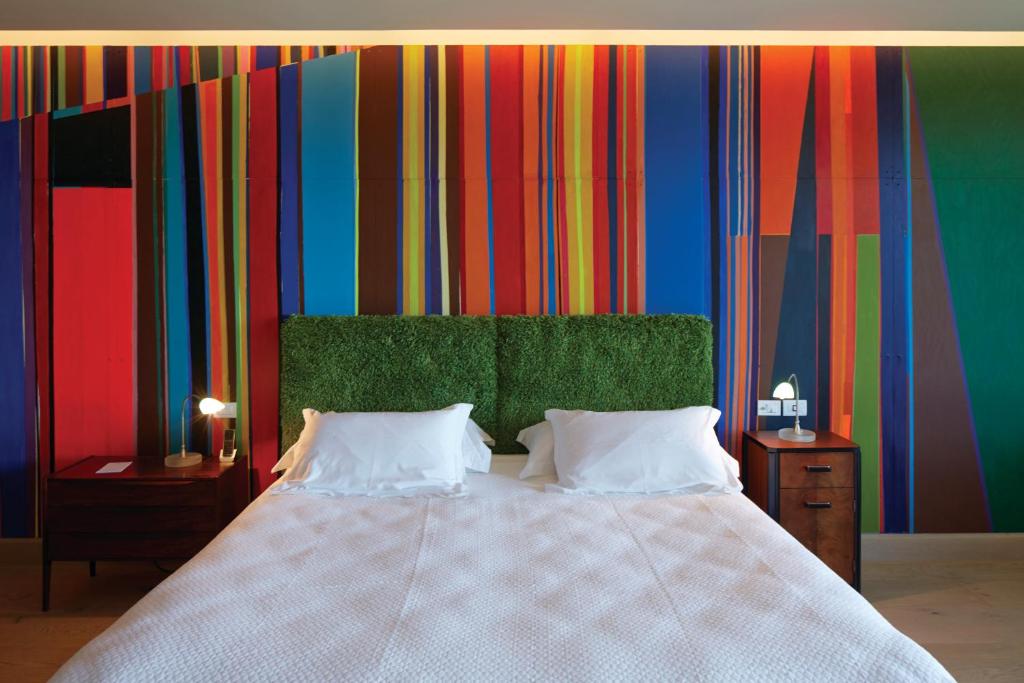
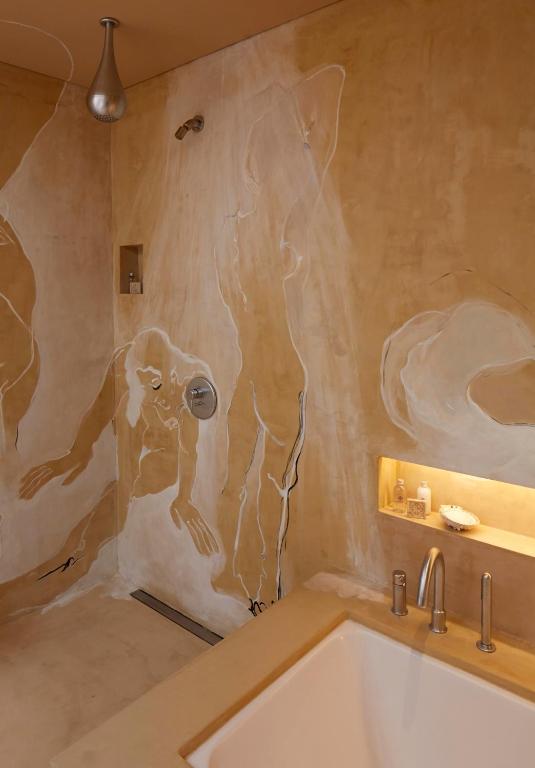
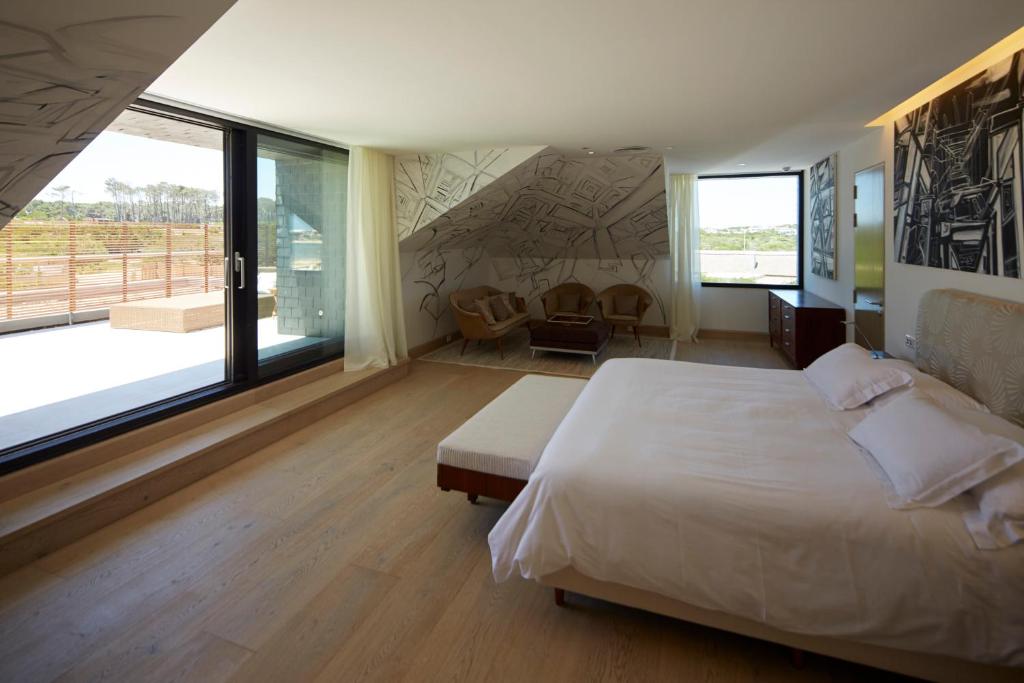
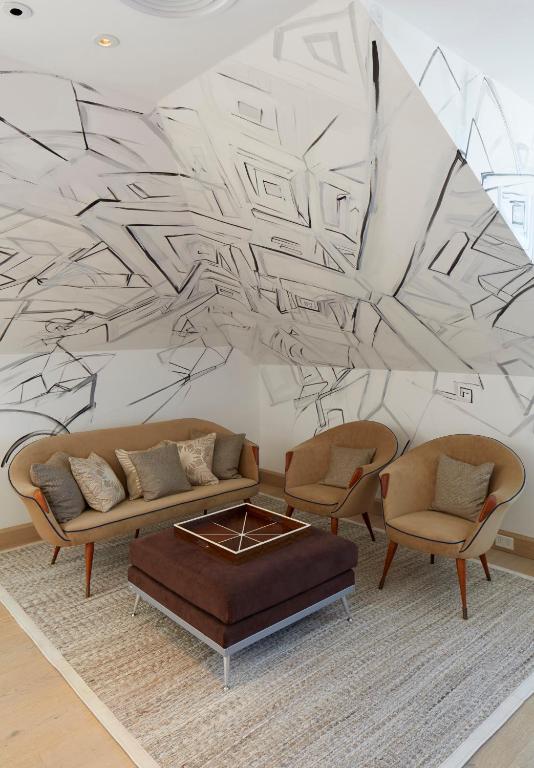
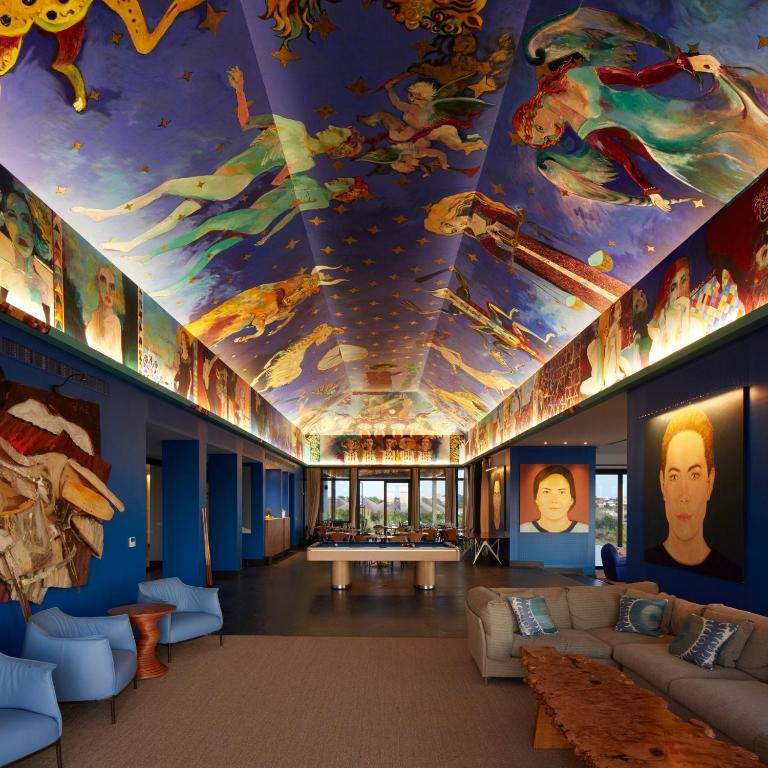
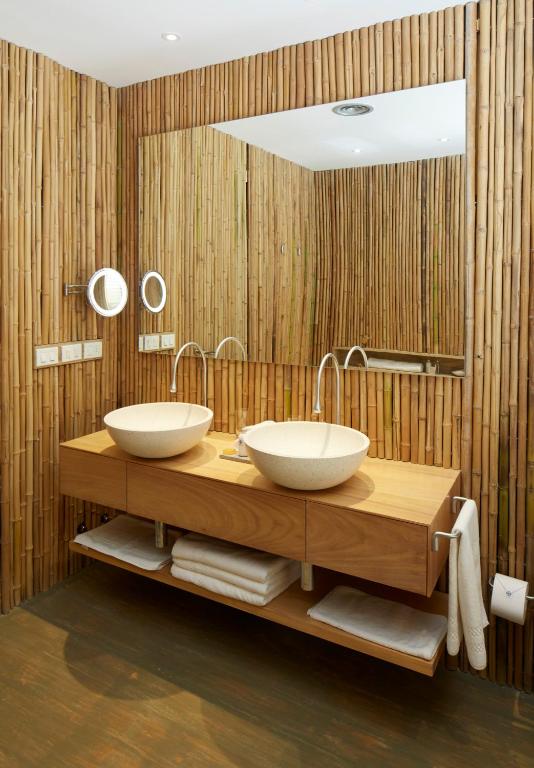
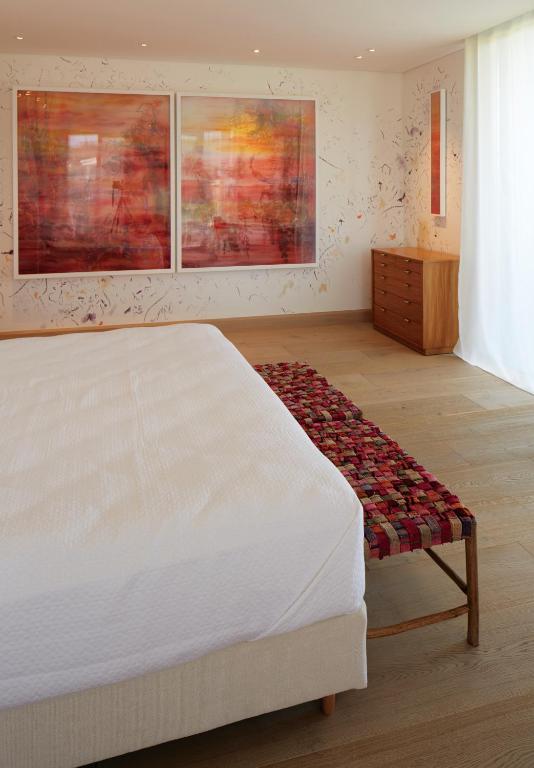
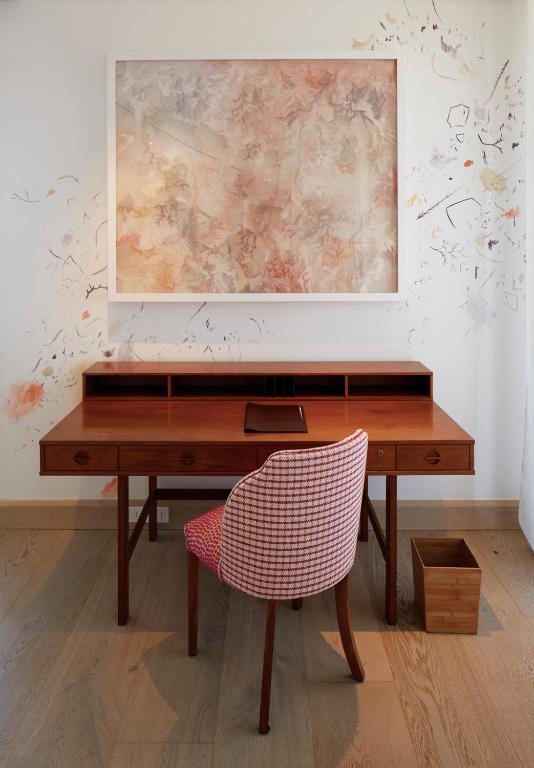
Every accommodation is effectively an art project of its own, with Uruguayan and international artists given individual rooms to transform, right down to murals, furniture and bathrooms.
With four swimming pools, direct beach access and the Atlantic almost constantly in view, Bahía Vik combines serious contemporary art with the easy rhythm of a genuine beach resort.
The Stay
Bahía Vik José Ignacio - Uruguay
A Hotel Among the Dunes
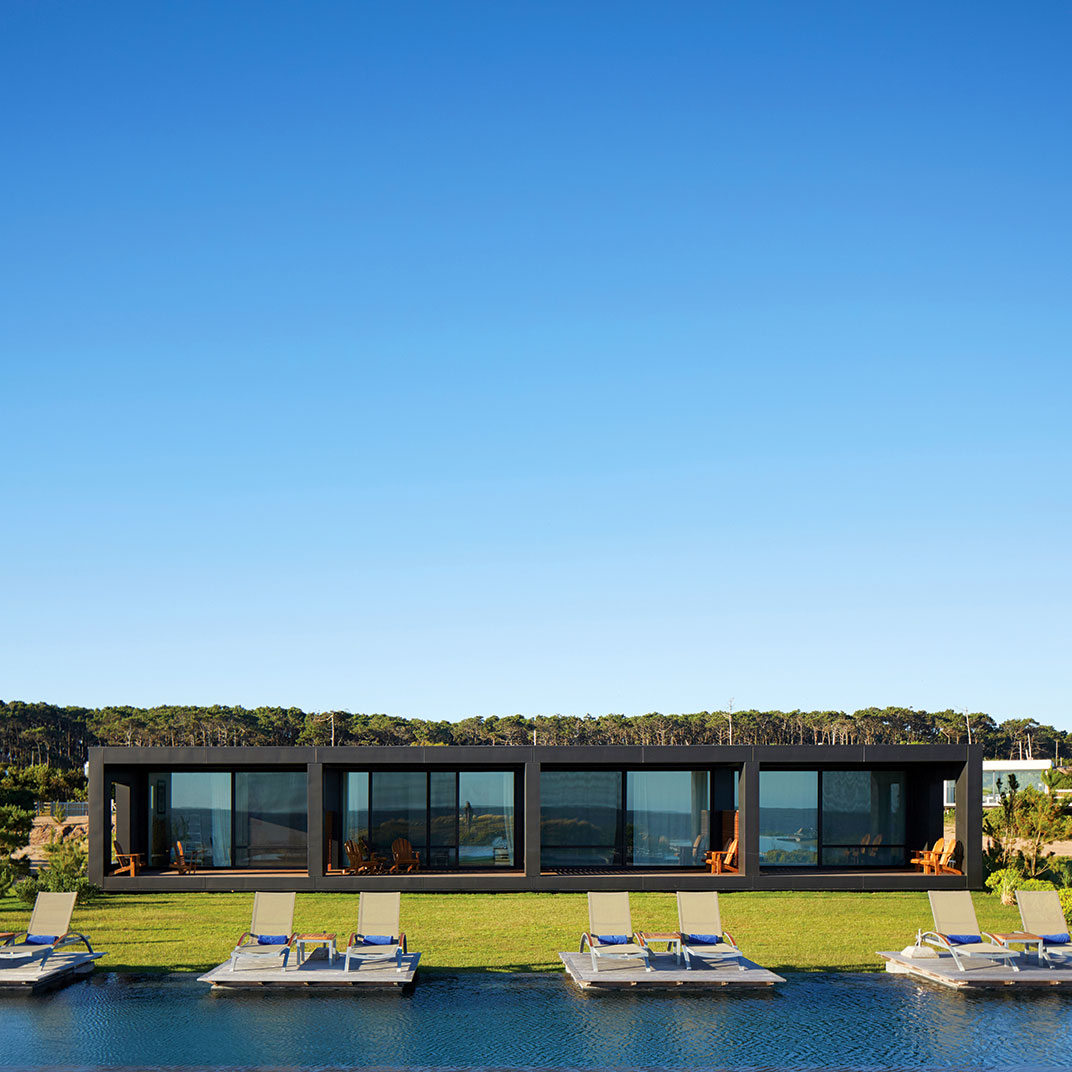
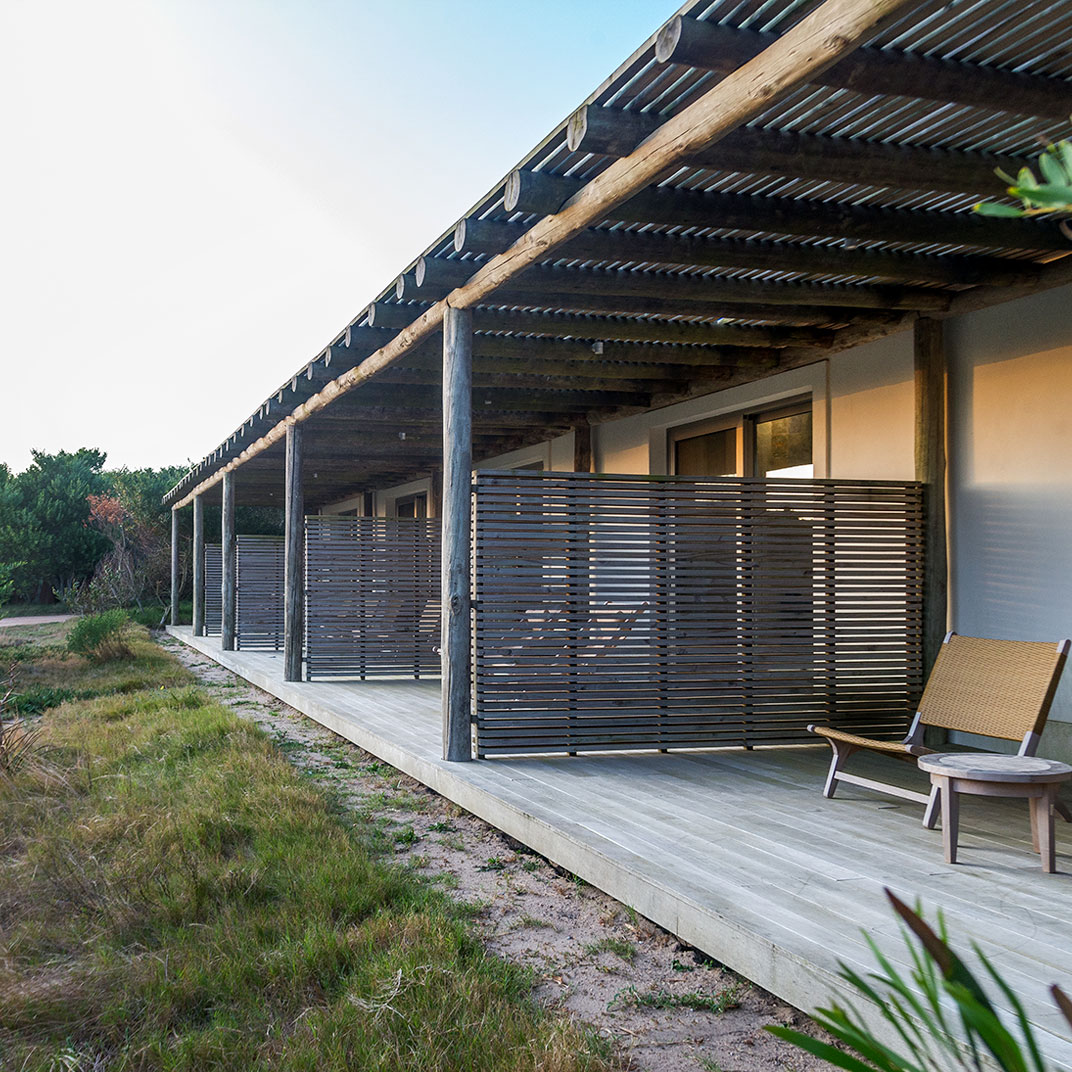
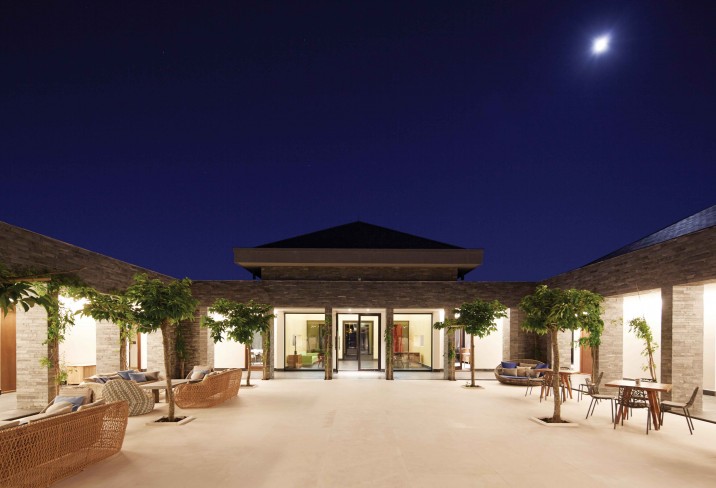
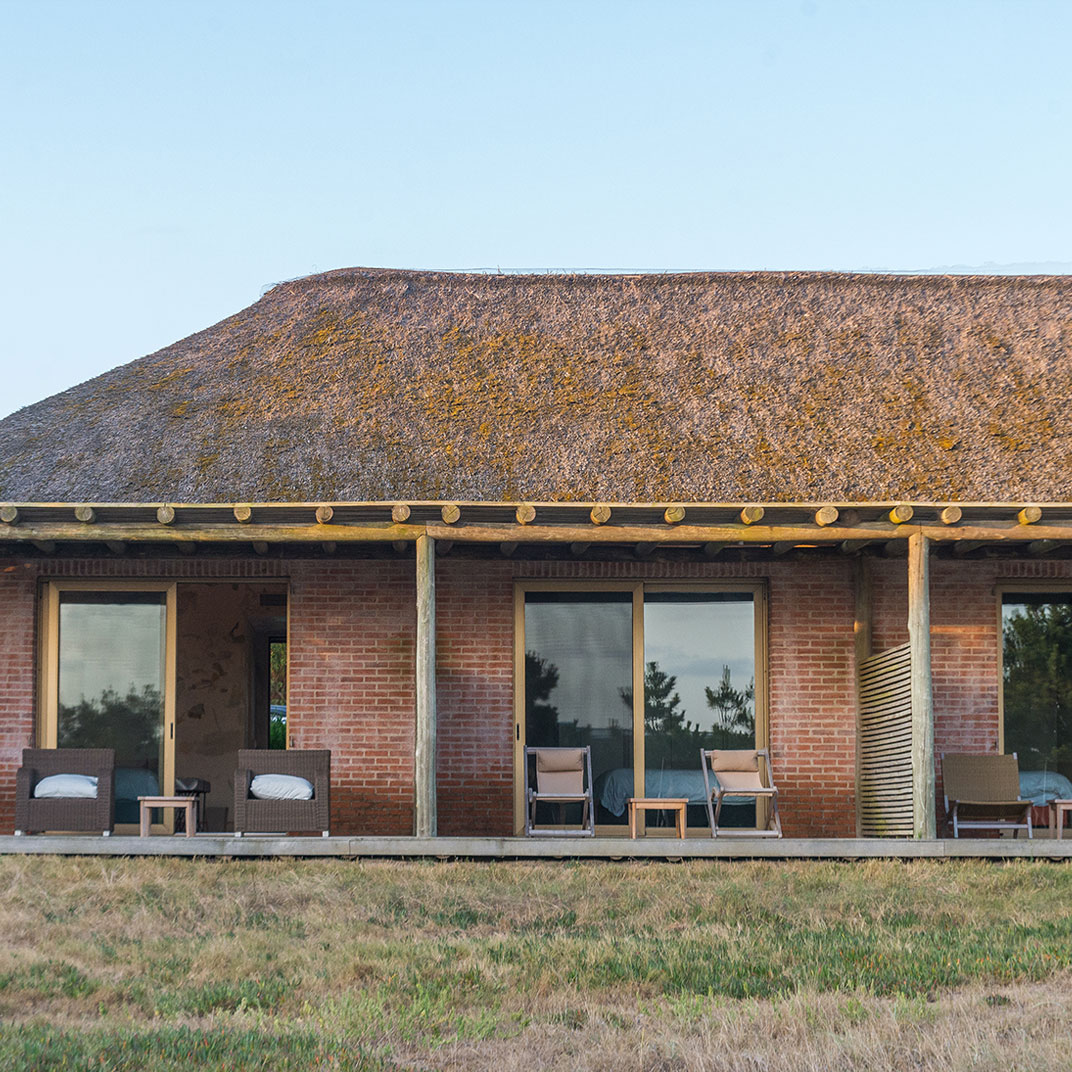
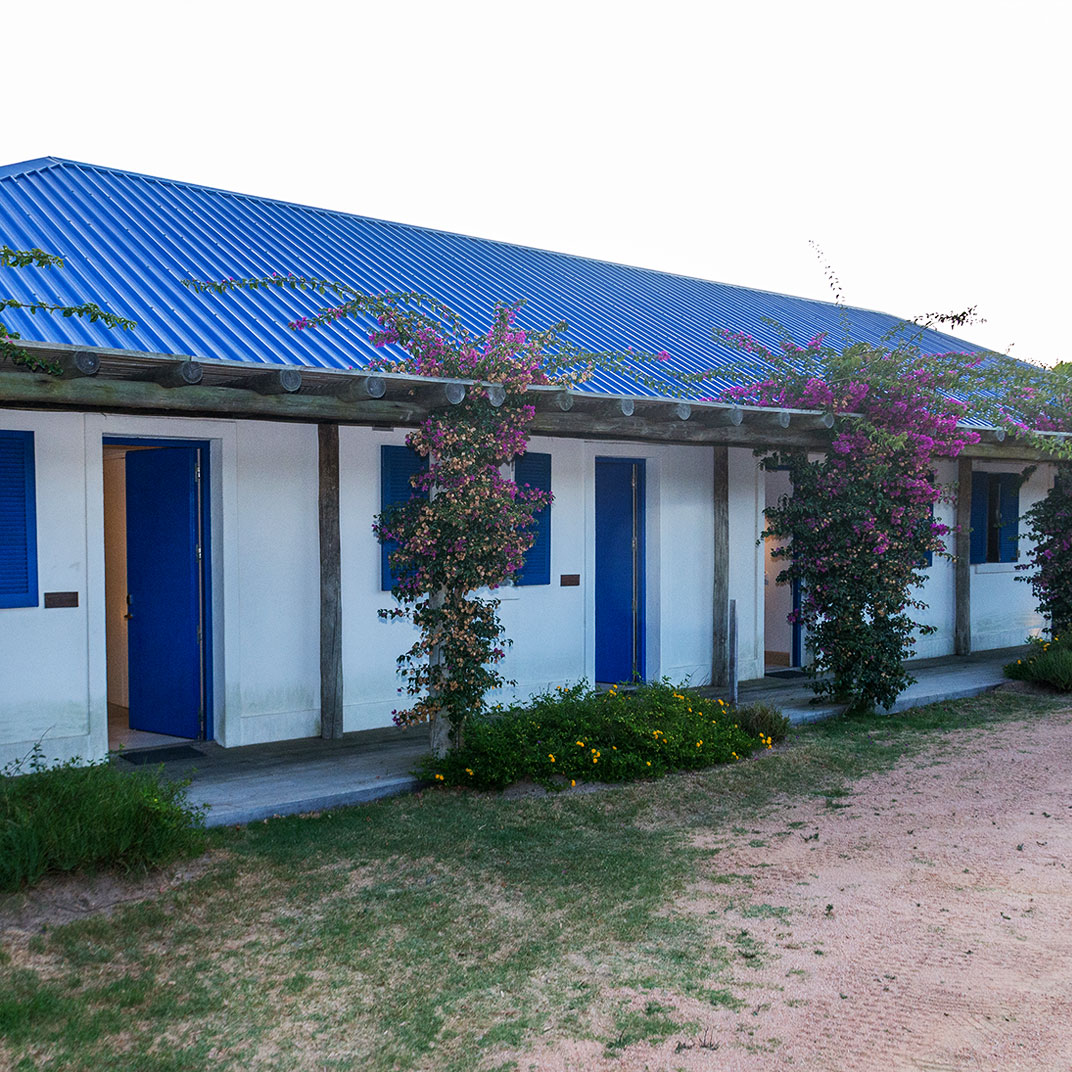
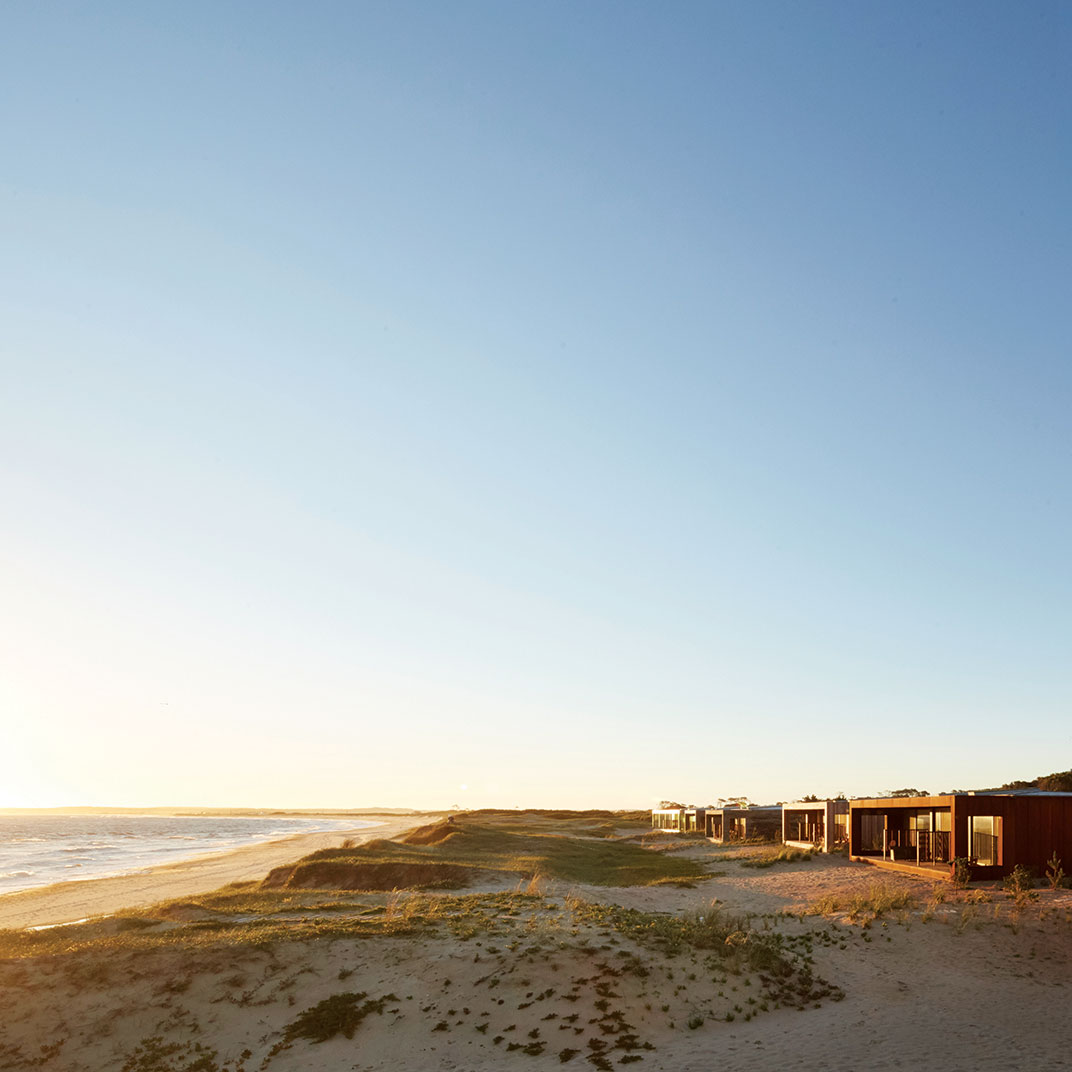
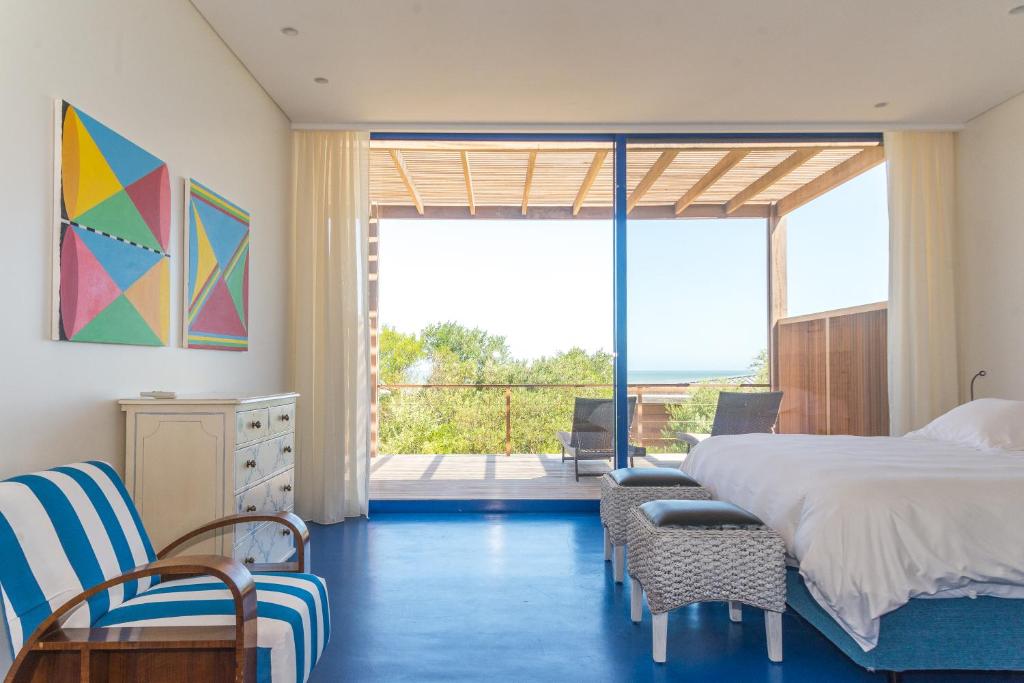
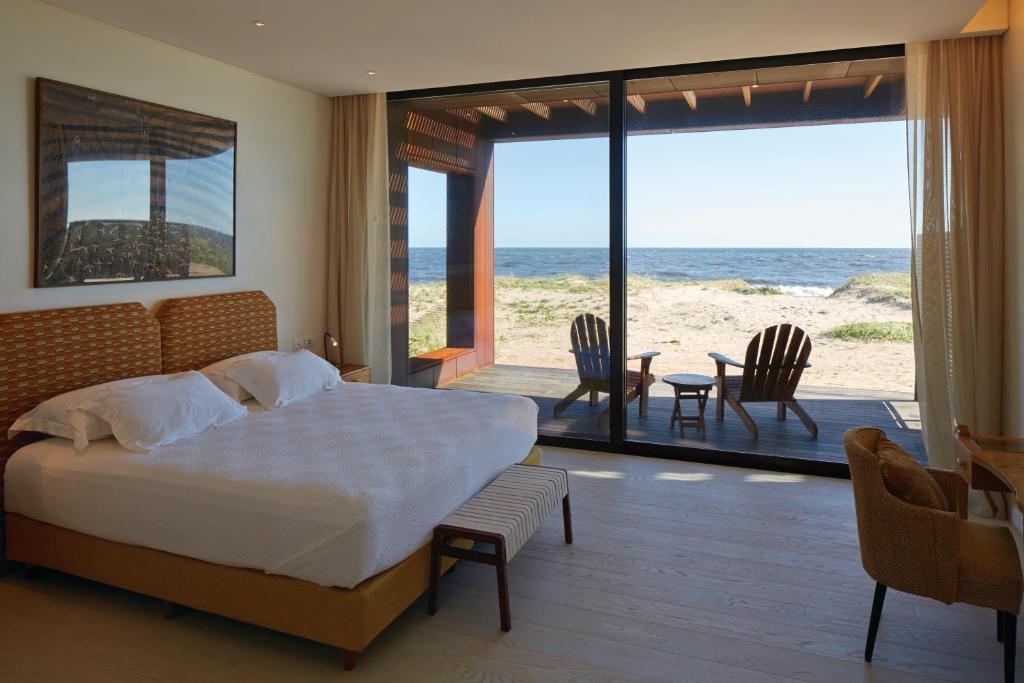
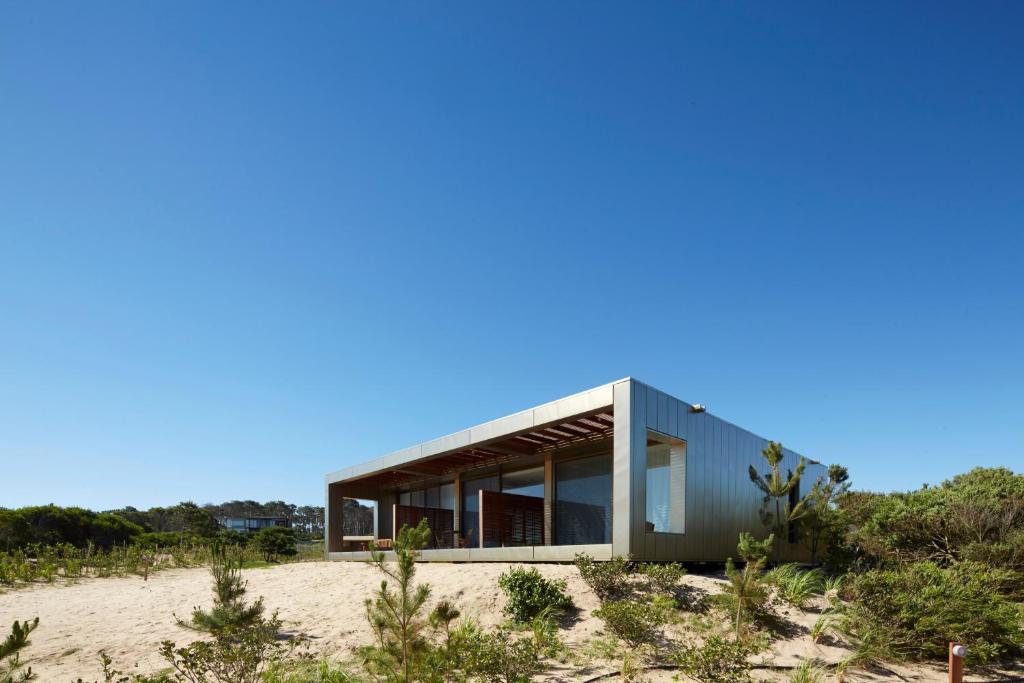
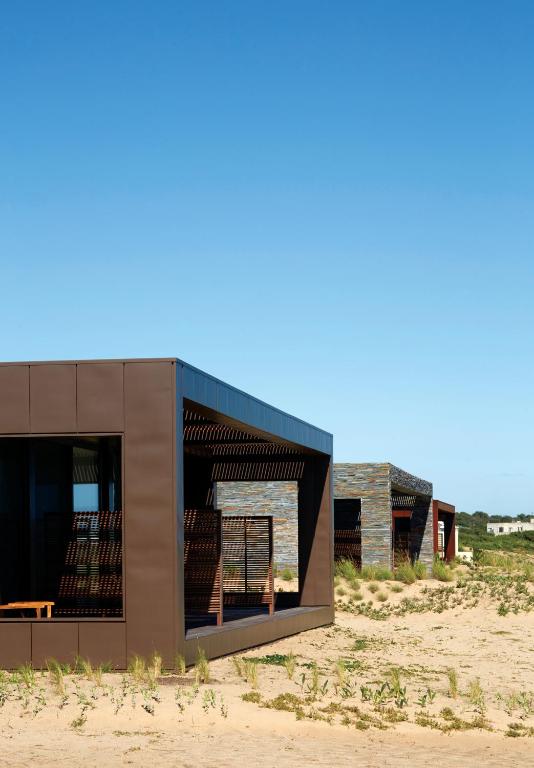
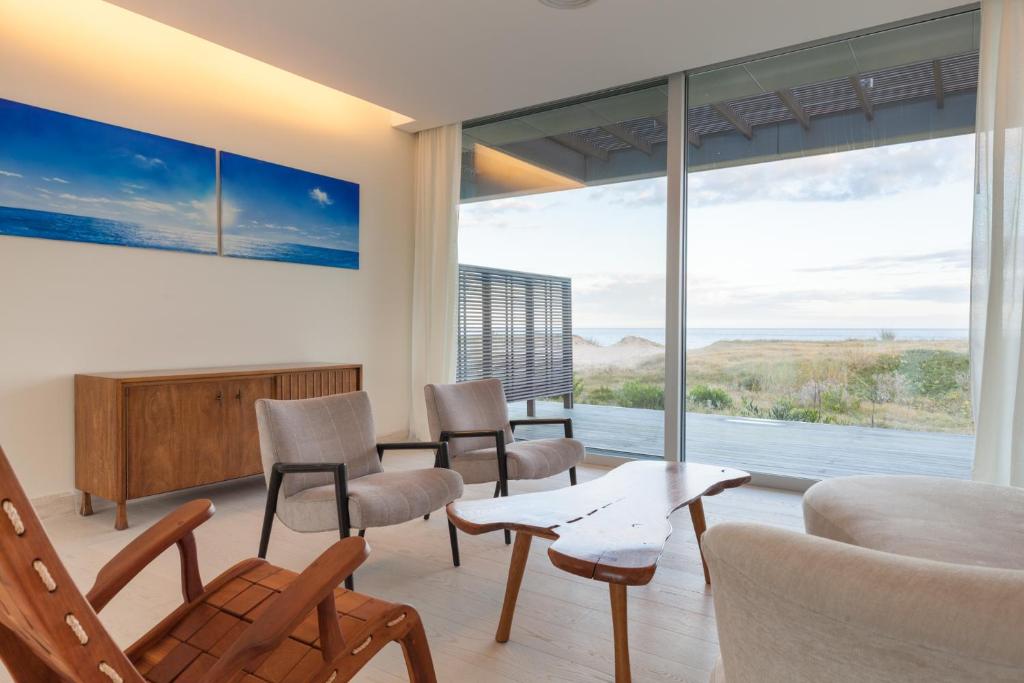
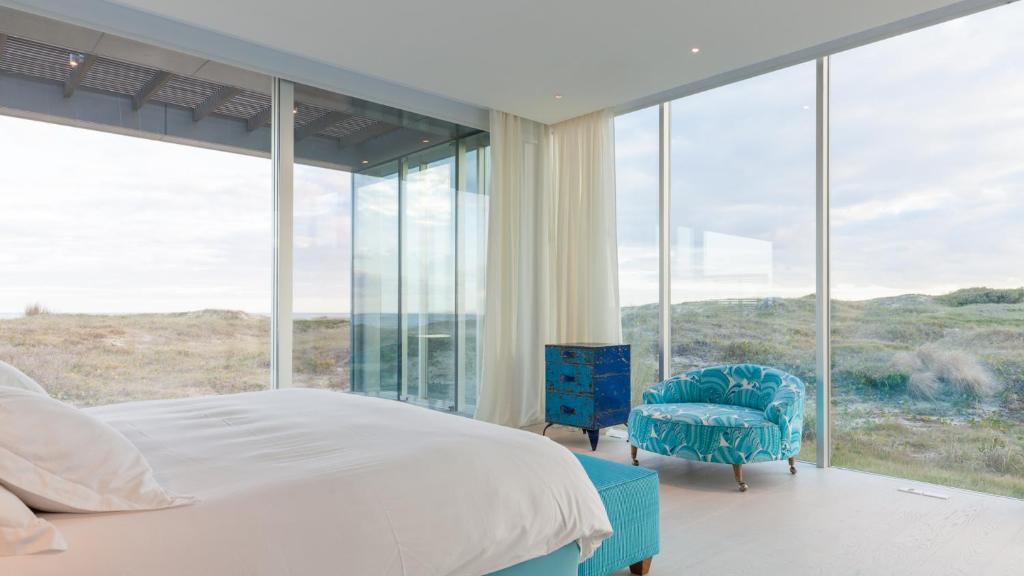
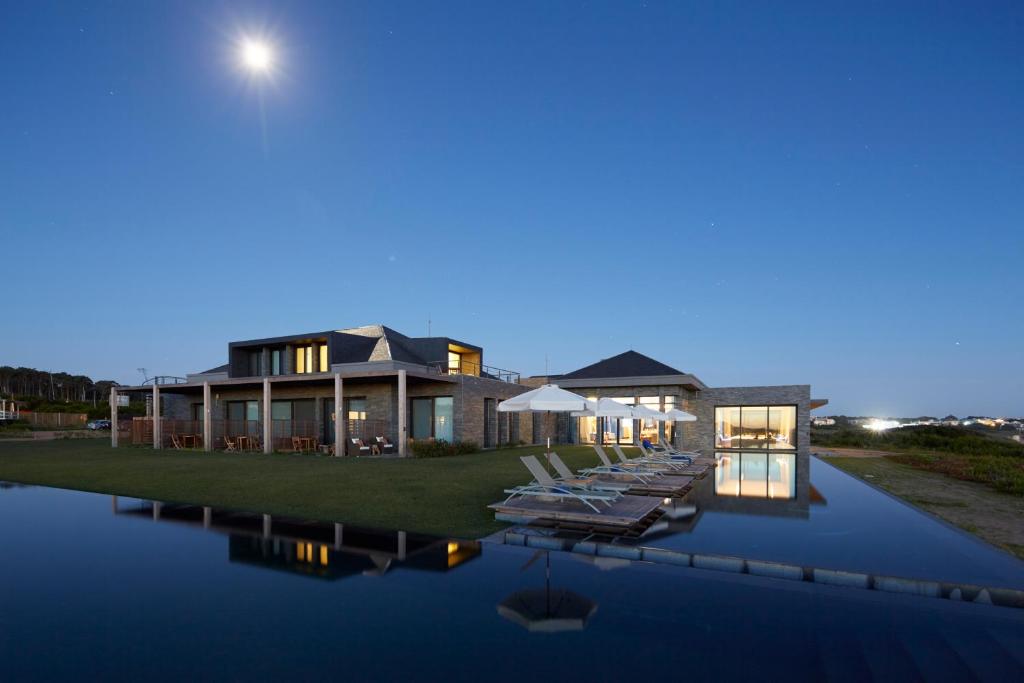
If Estancia Vik is about the pampas and Playa Vik is about architectural drama, Bahía Vik is the beach house. Created by Alex and Carrie Vik, the hotel spreads across ten acres of dunes on the coast at José Ignacio, with buildings kept low and horizontal rather than competing with the landscape. At its centre is a contemporary pavilion of slate and glass. Around it, 11 standalone bungalows are scattered through the dunes, containing two or three bedrooms and opening towards the ocean and countryside. There is plenty of architecture here. But sand, grasses, sea and sky are allowed to remain the dominant materials.
37 Rooms, 37 Personalities
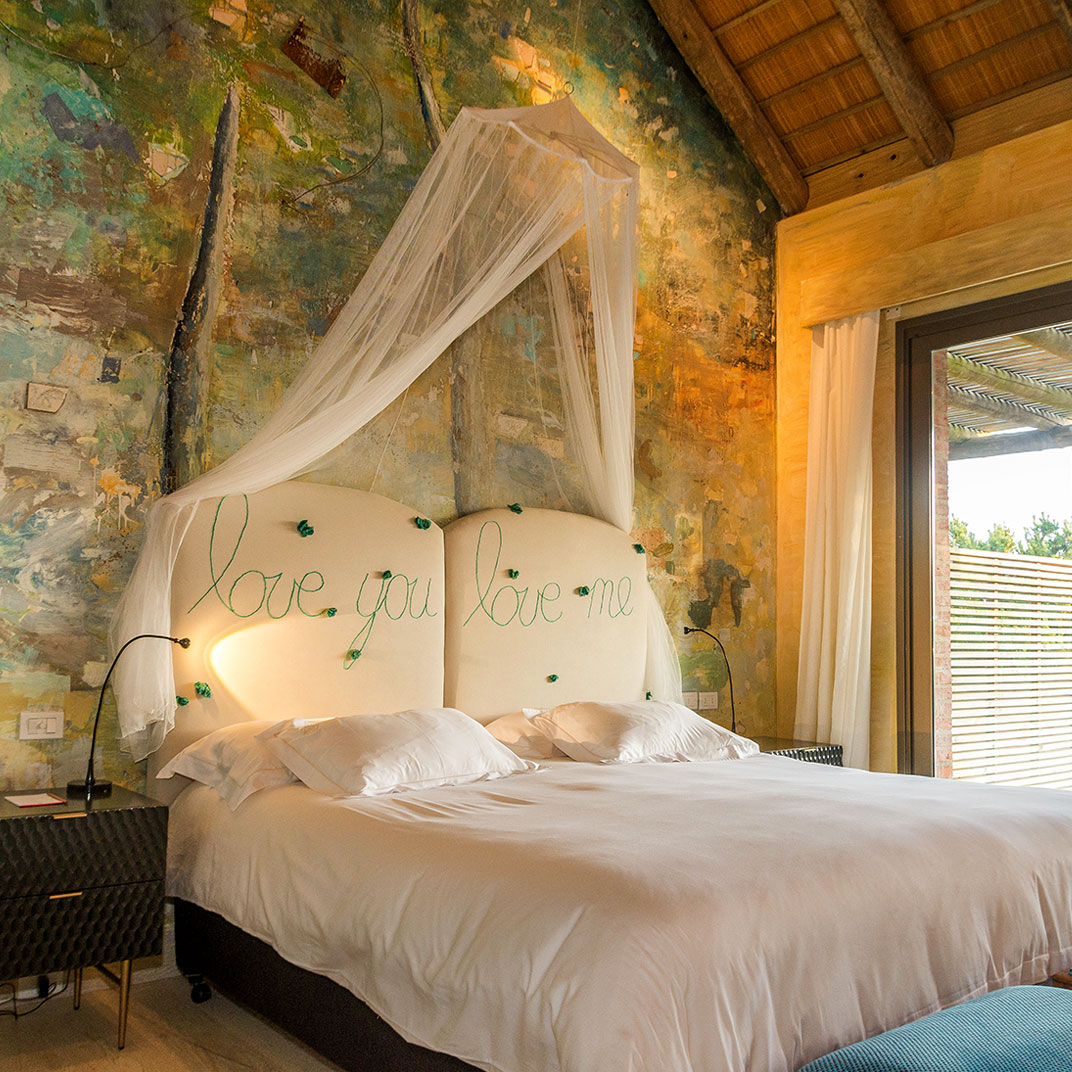
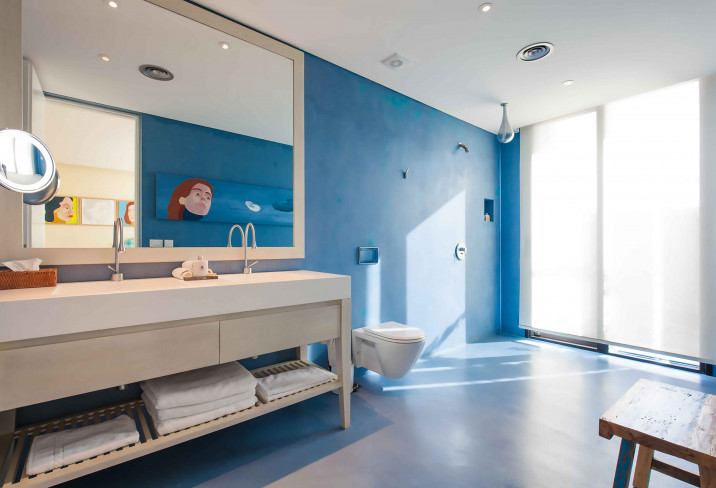
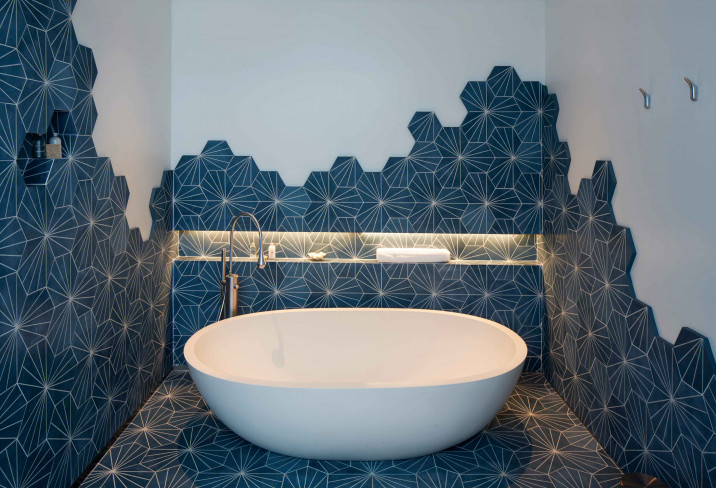
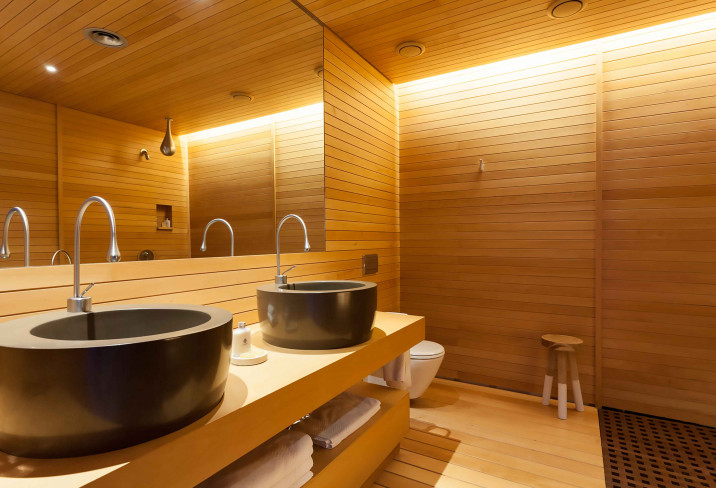
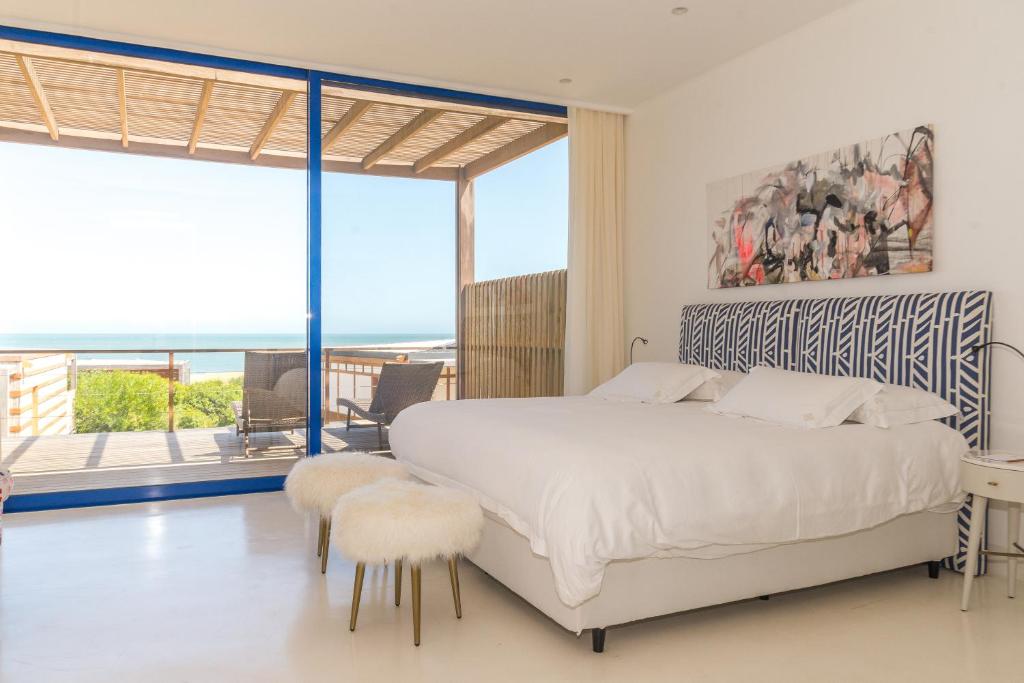
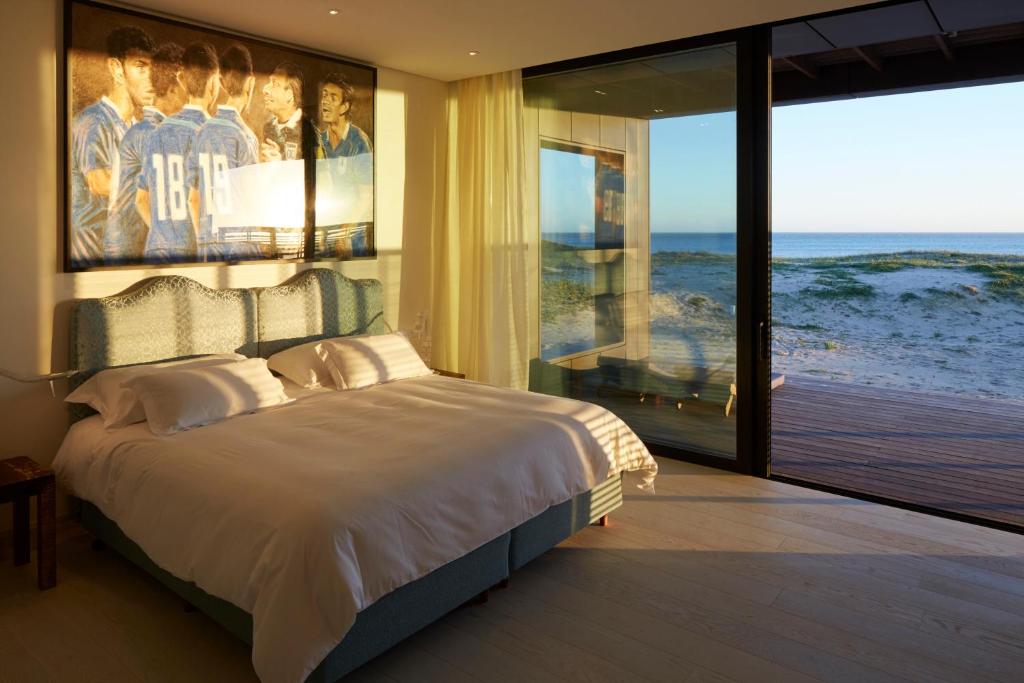
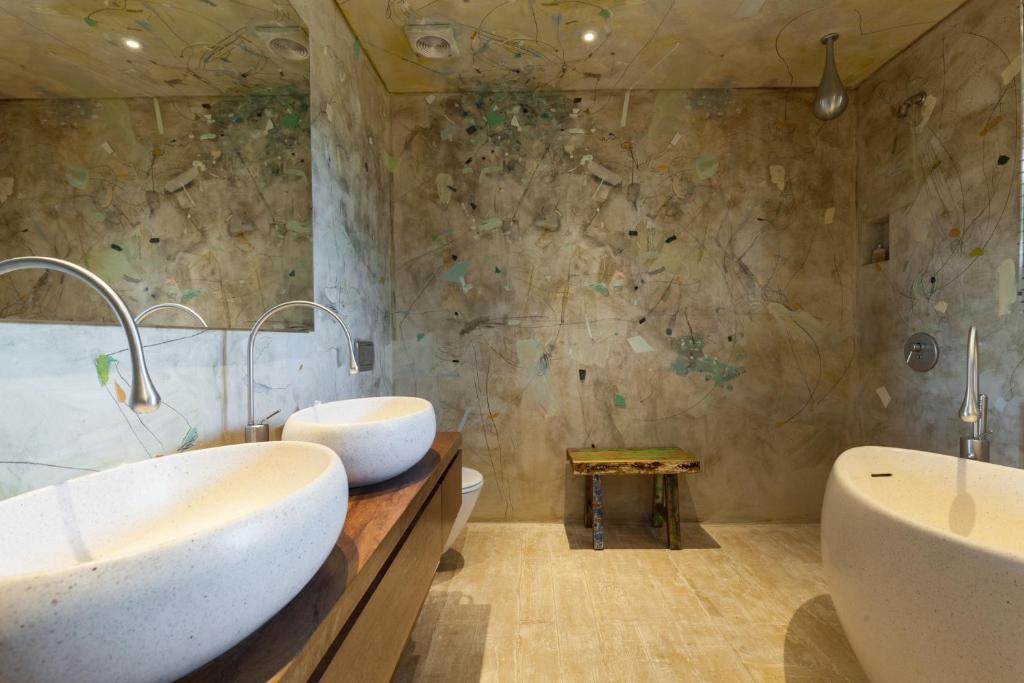
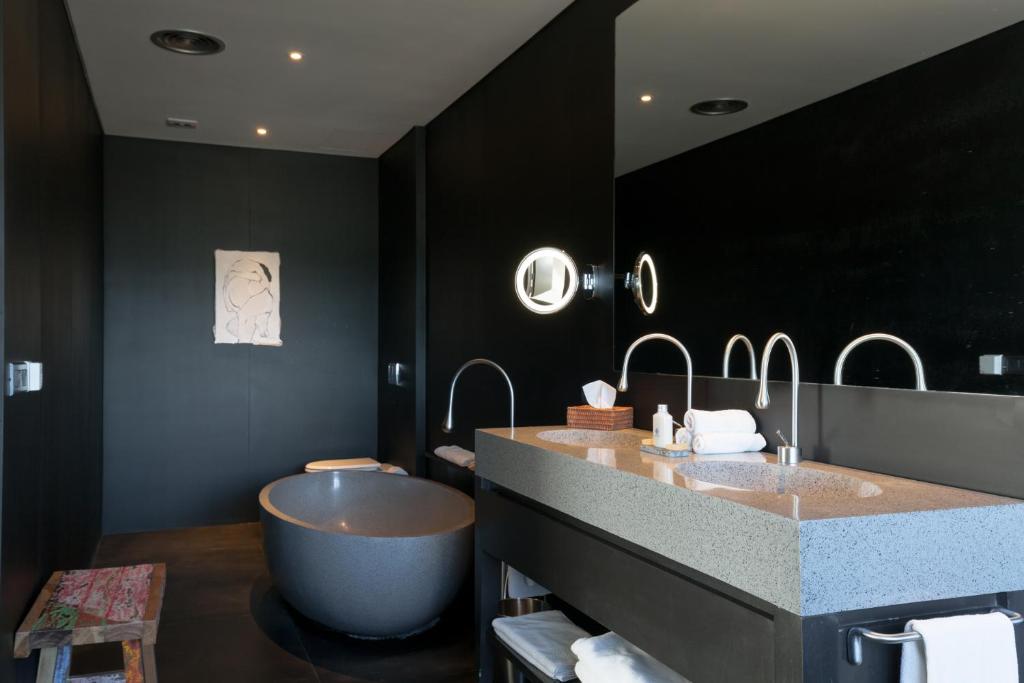
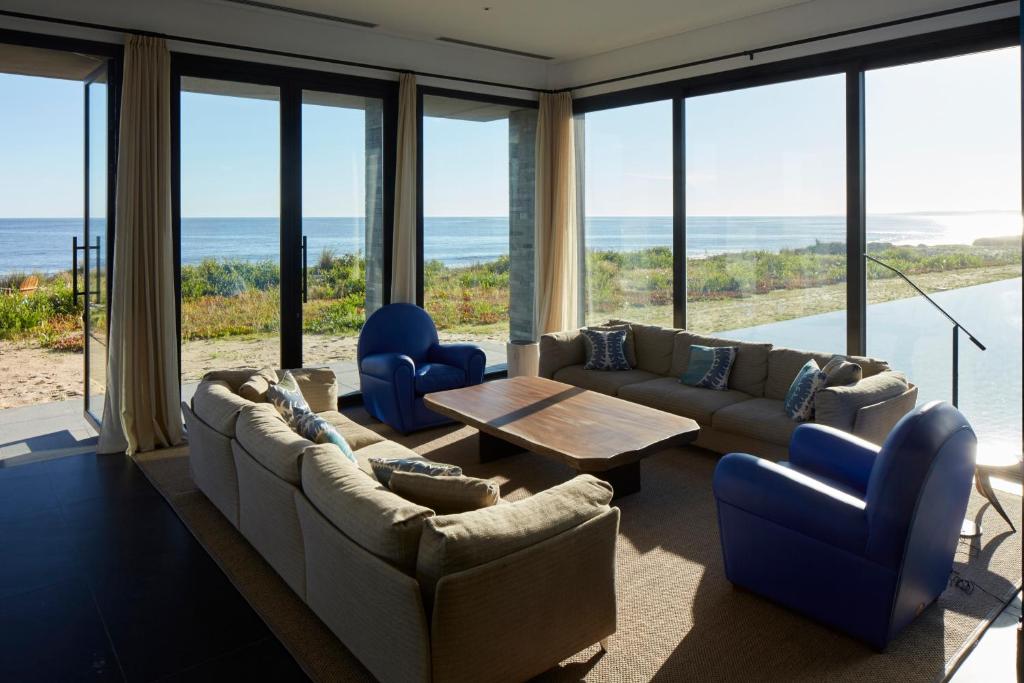
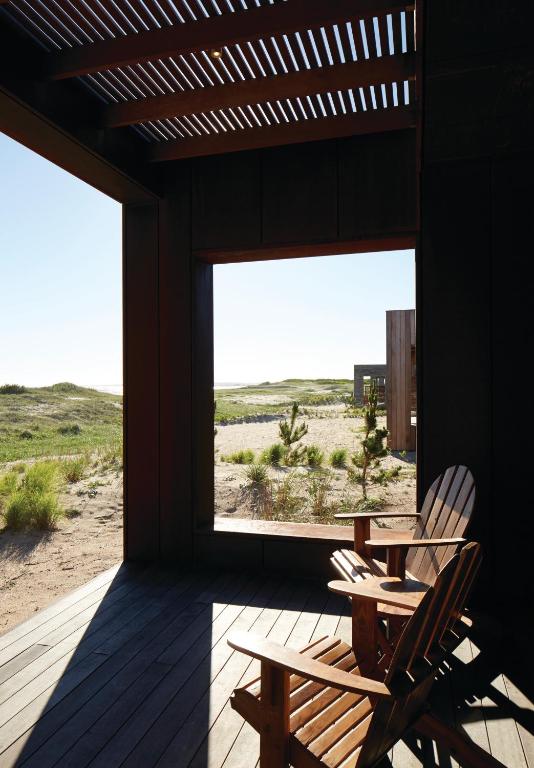
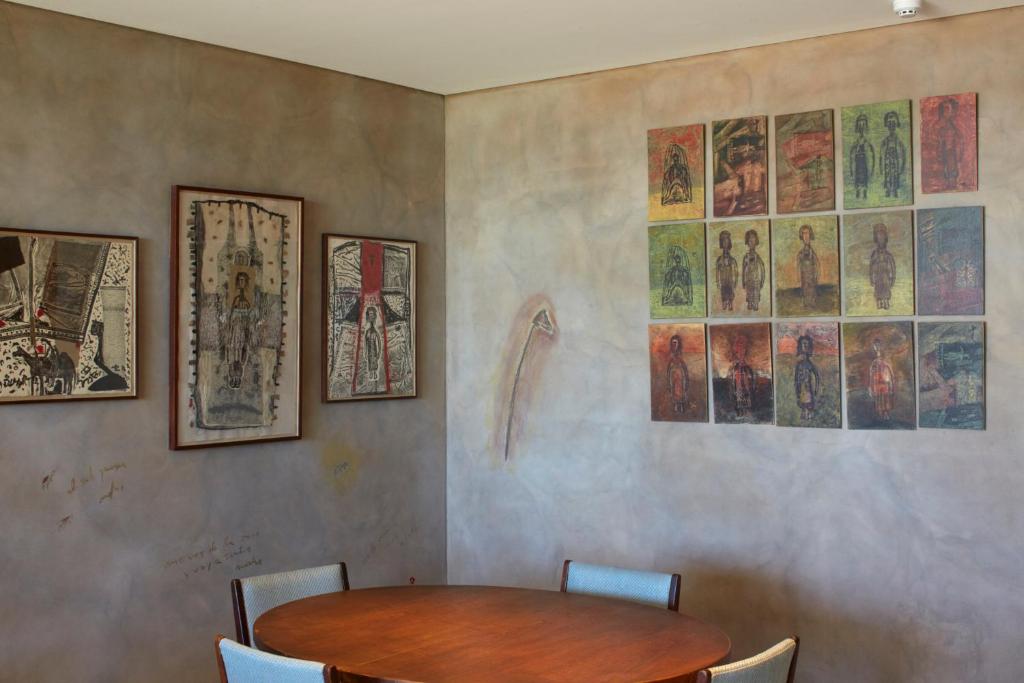
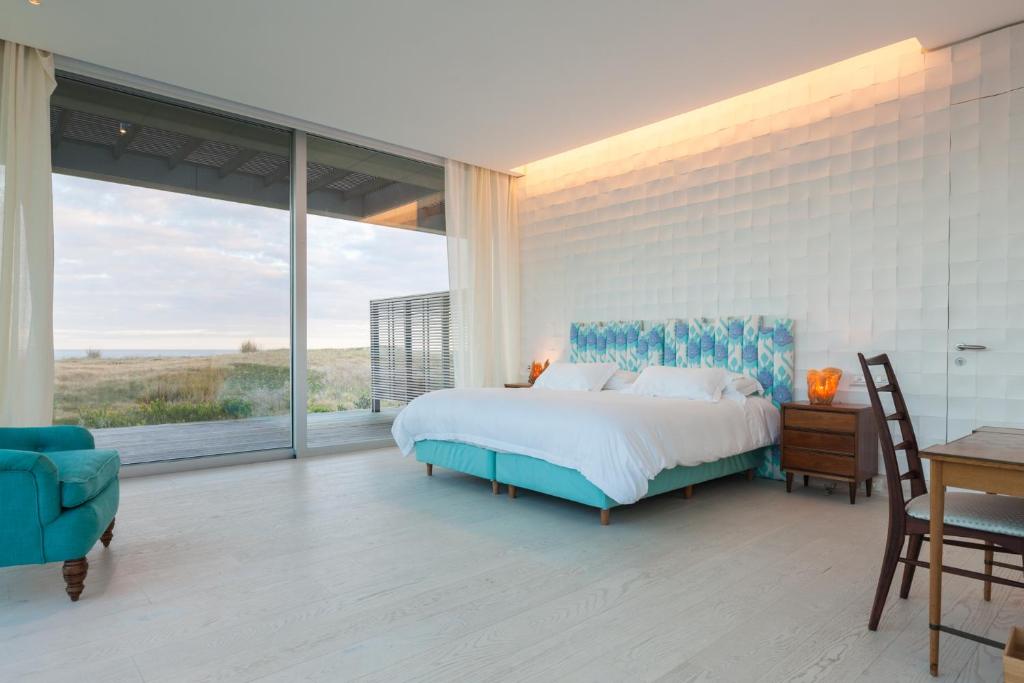
Uniformity isn’t part of the Vik vocabulary. Each of Bahía Vik’s 37 accommodations has its own artistic identity, created around original work by a different artist. Rooms are even named for their creators. One might explode with colour and murals; another is almost restrained. Bathrooms can become artworks in themselves, with eccentric tiles, paintings and unexpected objects — including a bathtub carved from a boulder and even an amethyst basin. Beneath all that individuality is a consistent architectural palette of indigenous Uruguayan timber, slate and large expanses of glass. The art changes. The landscape remains the constant.
Your Own Uruguayan Beach House
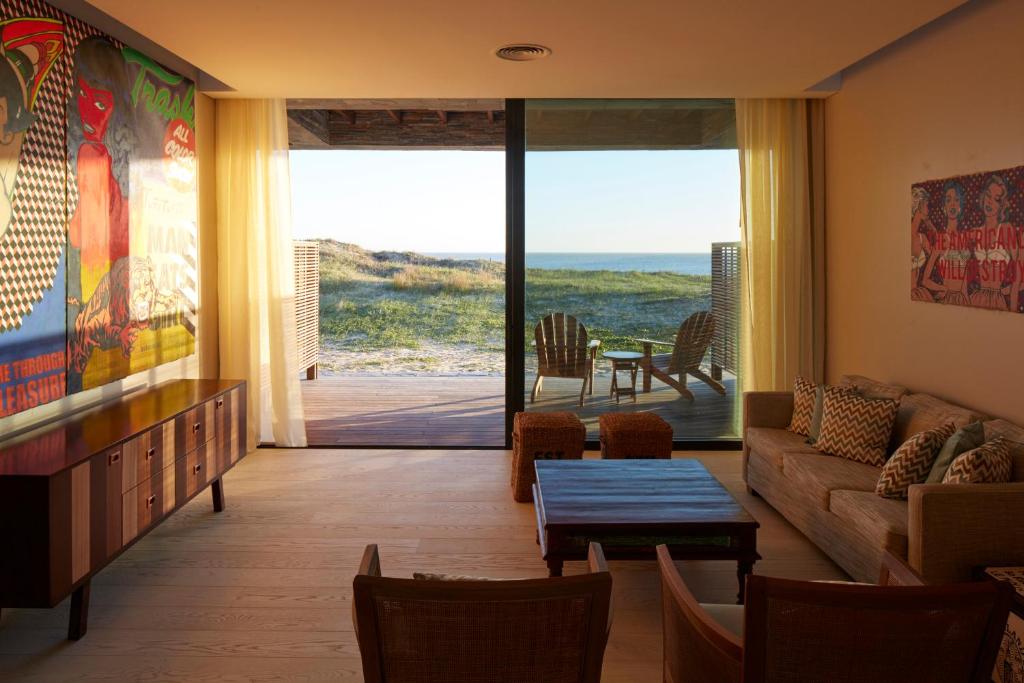
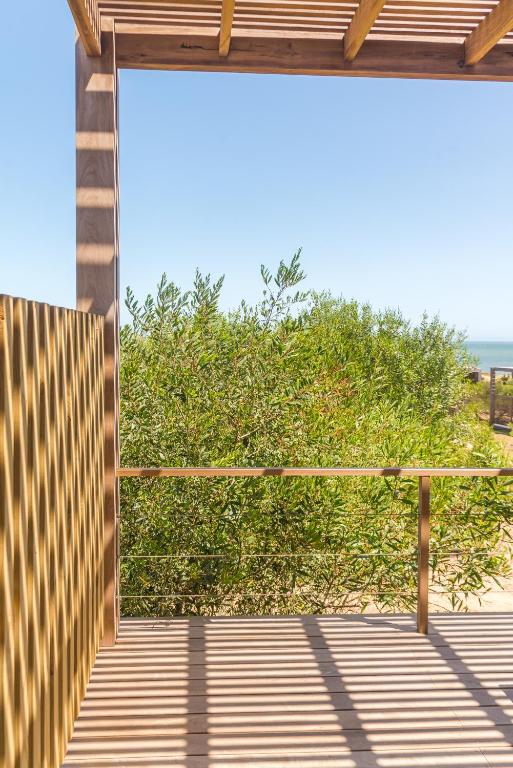
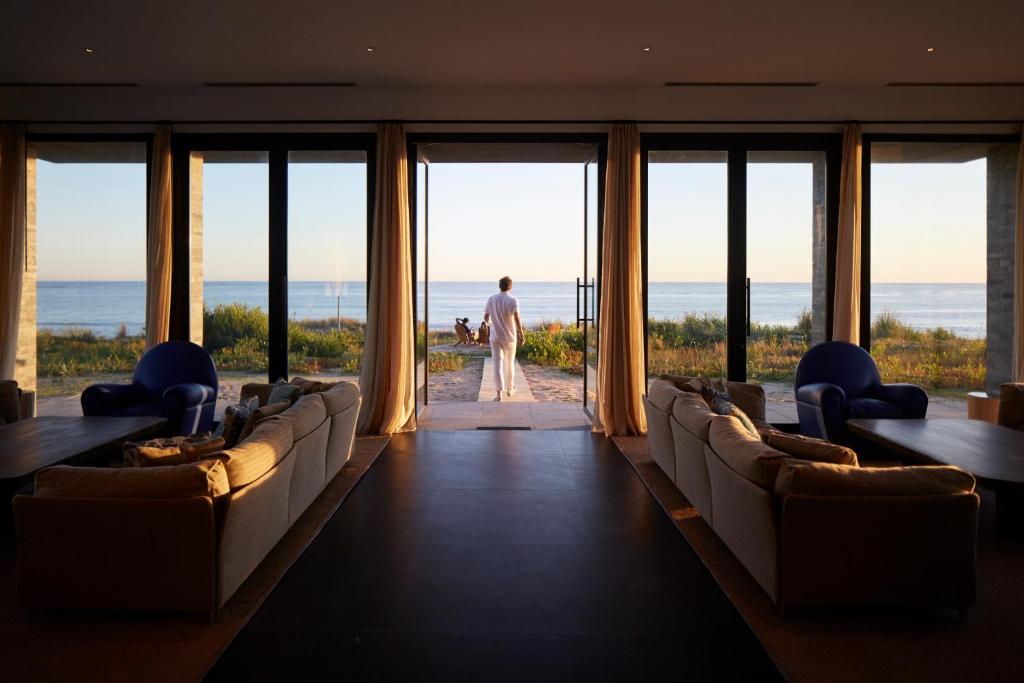
The freestanding bungalows are particularly appealing for families or groups. Each contains two or three bedrooms, allowing an entire house to become a private base by the sea. Large windows and sliding doors bring in the Atlantic light, while terraces push living spaces towards the dunes. It’s a very different expression of luxury from the more theatrical Playa Vik next door. Here, the idea isn’t to make you constantly admire the building. It’s to make you forget you’re staying in a hotel at all.
Four Pools and an Ocean
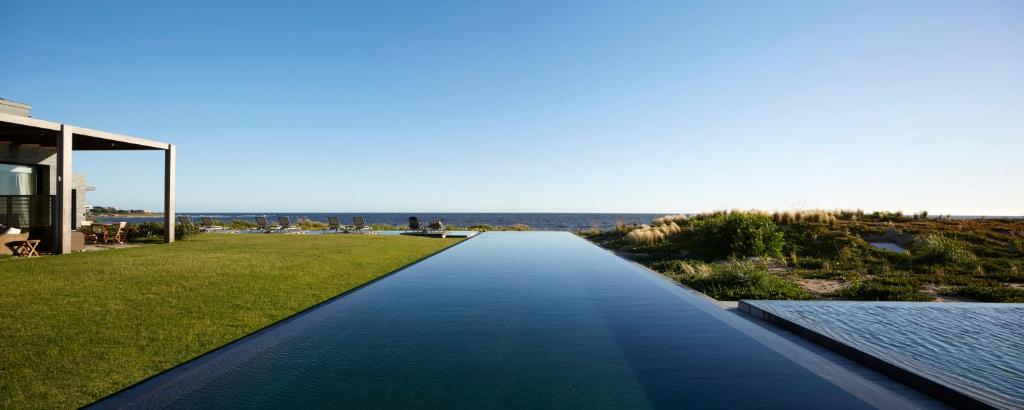
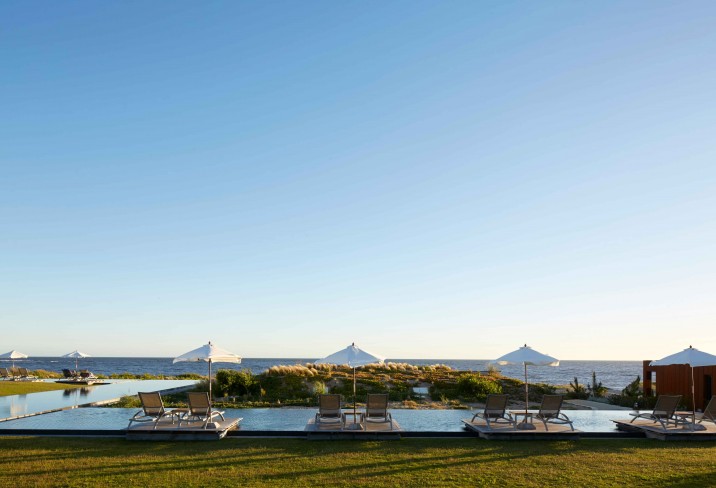
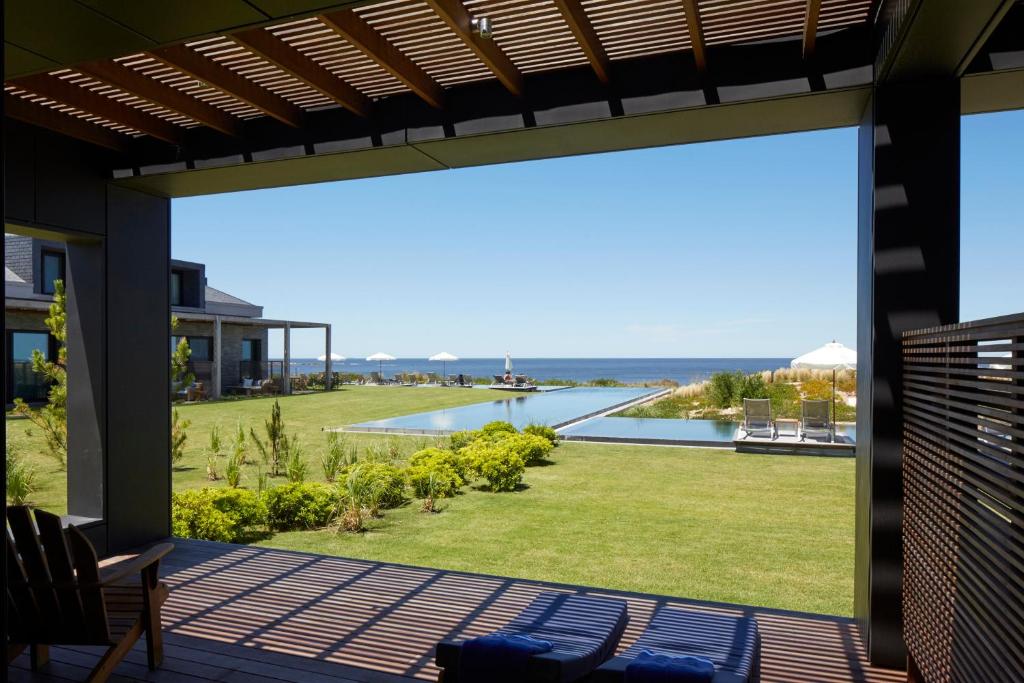
Bahía Vik has four swimming pools, long, narrow planes of water positioned parallel to the coastline. There are options for adults and families, but the Atlantic is only a few steps beyond. José Ignacio’s landscape does much of the work: grassy dunes, an enormous sky and a beach where the horizon seems to stretch indefinitely. Borrow a bicycle and head towards the lighthouse. Walk the sand. Or do very little at all.This is one of those hotels where doing nothing feels like a perfectly legitimate activity.
Art Without the Museum Voice
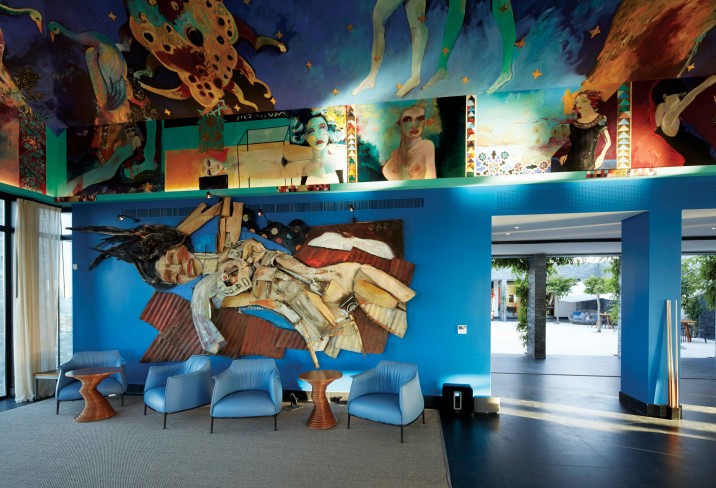
What distinguishes Bahía Vik from countless stylish beach resorts is the seriousness of its art programme — combined with a complete absence of museum-like preciousness. Art appears everywhere. Murals cover entire walls. Bathrooms become installations. Bold paintings coexist with sandy feet and swimming costumes. Even Zodíaco, the restaurant, joins in, with a large work by Carlos Musso depicting the twelve signs of the zodiac. The collection isn’t separated from everyday hotel life. You sleep, eat and swim inside it.
From Estancia to Table
Food follows the same relaxed philosophy. During the day, Zodíaco works as a casual contemporary bistro; evenings become more considered, with menus changing according to the season and ingredients available locally. Much of that produce connects Bahía back to Estancia Vik, its sister property inland. And inevitably, this being Uruguay, there is fire. Informal asados on the sand turn dinner into one of the simplest and most convincing expressions of the place: good produce, grilled over flames, eaten beside the Atlantic.
The Vik Triangle
Bahía Vik becomes even more interesting as part of the wider Vik world around José Ignacio. Guests can move between the three sister retreats and their different landscapes and facilities. Estancia Vik takes you inland for horses, polo, pampas and traditional ranch life transformed by contemporary art. Playa Vik is the architectural showpiece, dominated by Carlos Ott’s extraordinary titanium-and-glass Sculpture. And Bahía? Bahía is where everything loosens up.
Art with Sand Between Its Toes
There are more architecturally radical hotels. There are beach resorts with more polished notions of luxury. And there are certainly quieter art collections. But few places combine these worlds with quite the same ease. Bahía Vik takes the Vik obsession with contemporary art and removes the formality: 37 individual artistic worlds scattered among dunes, pools and Atlantic light. Of the three José Ignacio Viks, this might just be the one where it’s easiest to forget you’re staying in a hotel at all.
Information
At a glance
Architecture
Opened / Renovated
2013
Size matters
49 rooms & suites (30-220m2) (323-2,368 sq ft)
Bathroom Amenities
custom (organic)
The Small Print
open seasonally from October to late April
Handpicked worldwide
A carefully curated collection of exceptional boutique and design hotels across the globe.
Design with soul
Architecture, atmosphere and craftsmanship come together in stays with a clear identity.
Hidden, not hyped
Independent boutique hotels you rarely find on mainstream booking platforms.
Travel guidance
Personal recommendations and thoughtful support from people who actually know the places.