Hotel Mediterraneo, Rome
Rome’s Monument to Mid-Century Grandeur
Why DNA Hotels Loves It
● One of Italy’s finest surviving examples of Rationalist architecture, where Fascist-era monumentalism meets extraordinary Art Deco craftsmanship.
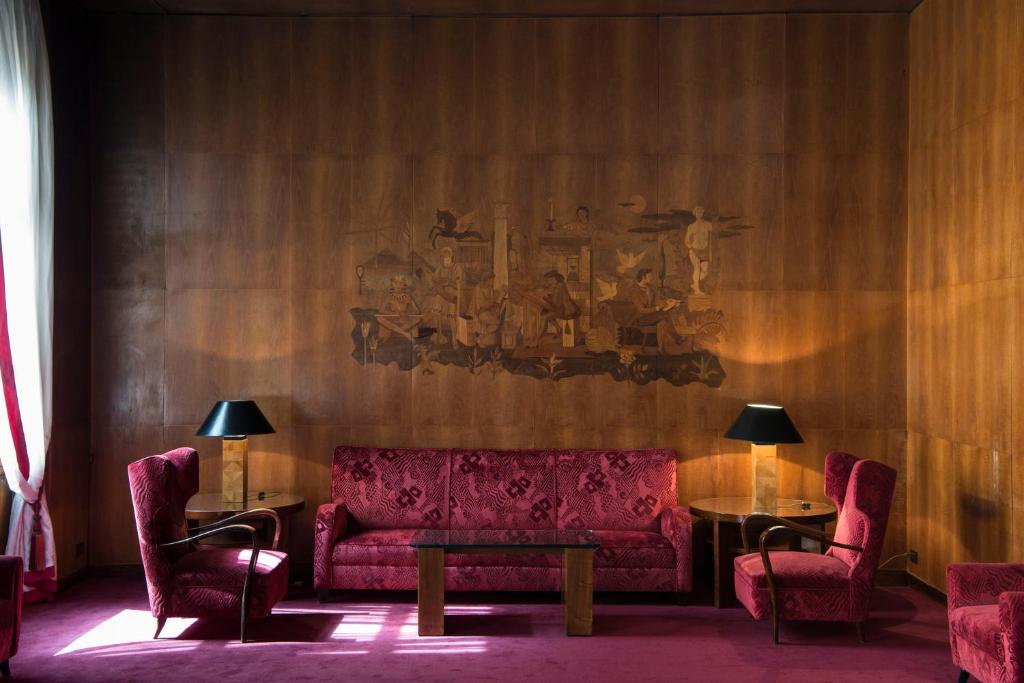
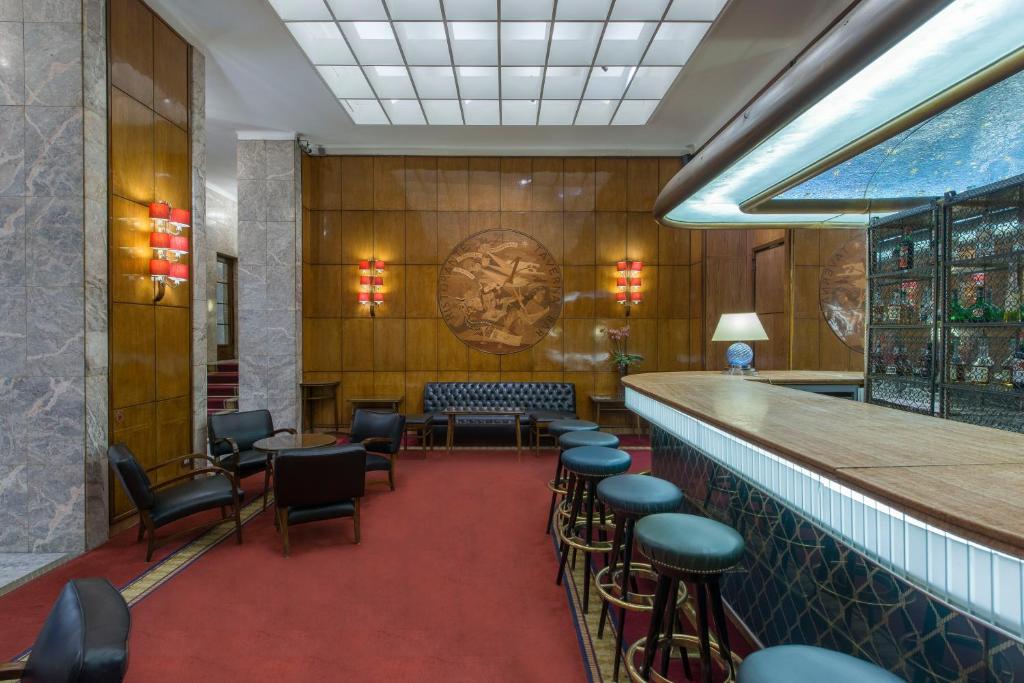
● Exceptional original interiors featuring furniture by Gio Ponti and Gustavo Pulitzer Finale, magnificent mosaics, rare decorative details, and one of Europe’s best-preserved Art Deco bars.
● A living architectural time capsule, still operated by the Bettoja family, offering an authentic glimpse into one of the most fascinating chapters of twentieth-century Italian design.
A Monument Built for a Future That Never Came
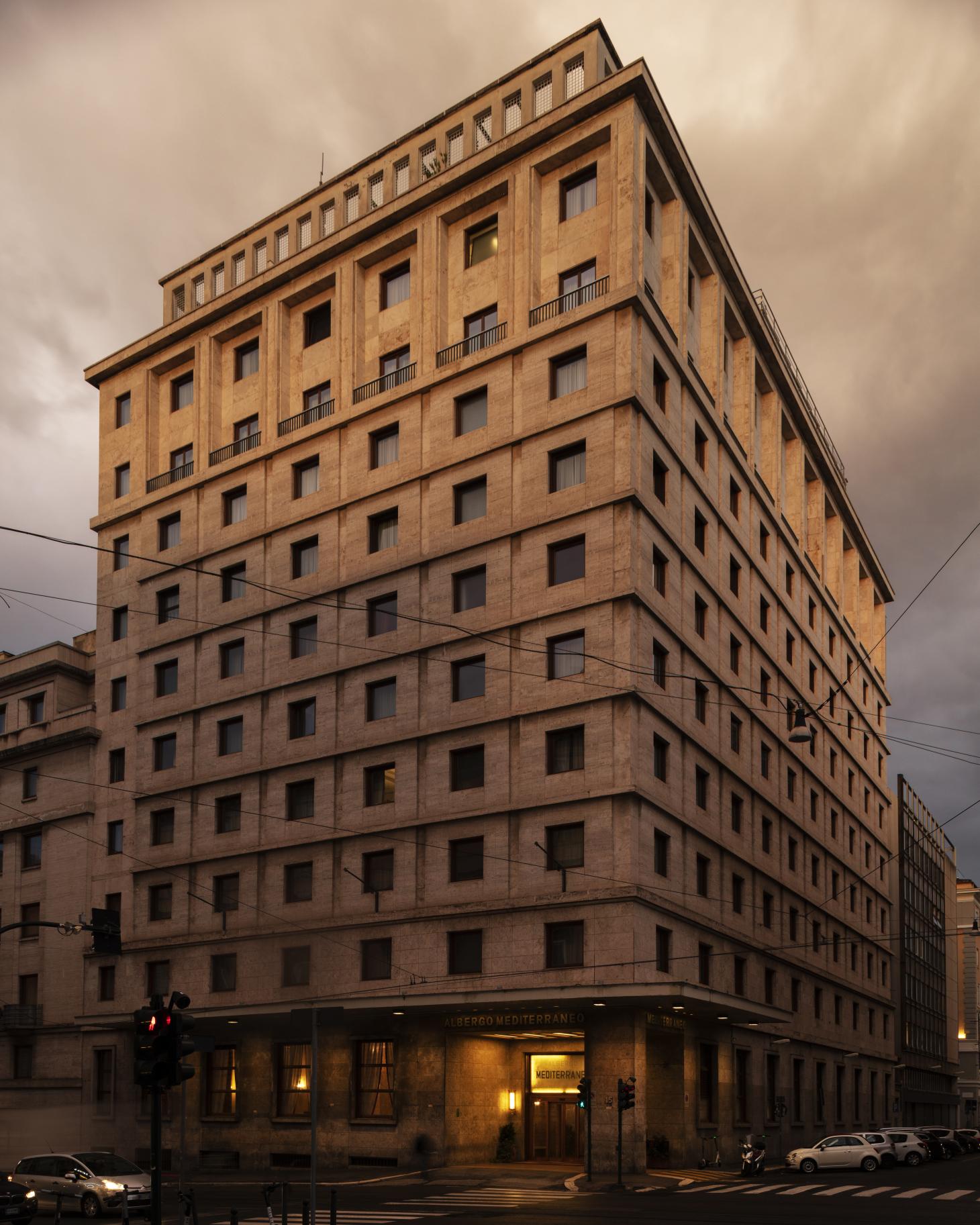
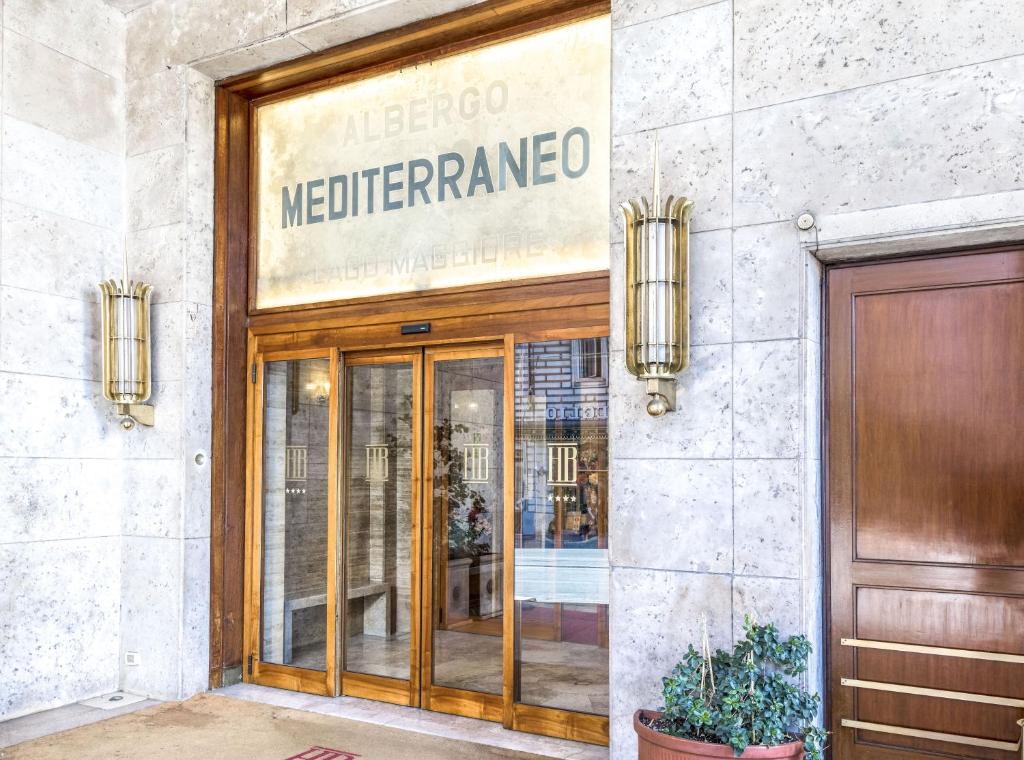
Towering above Piazza dei Cinquecento beside Roma Termini, Hotel Mediterraneo is impossible to ignore. Completed in 1942, the eleven-storey landmark formed part of Benito Mussolini’s ambitious plans for the 1942 World’s Fair—a monumental celebration of Fascist Italy that was ultimately cancelled as the Second World War engulfed Europe. The hotel itself was the vision of hotelier Maurizio Bettoja, who dreamed of bringing the glamour and cosmopolitan spirit of New York to Rome. Political pressure even forced him to abandon his preferred name, Hotel Oceanico, in favour of the more suitably nationalistic Mediterraneo. Yet despite its complex origins, the building transcends ideology. Today it stands as one of Rome’s most remarkable architectural survivors, where history, politics, design, and hospitality continue to coexist beneath one remarkable roof.
Rationalism with an Ocean-Liner Soul
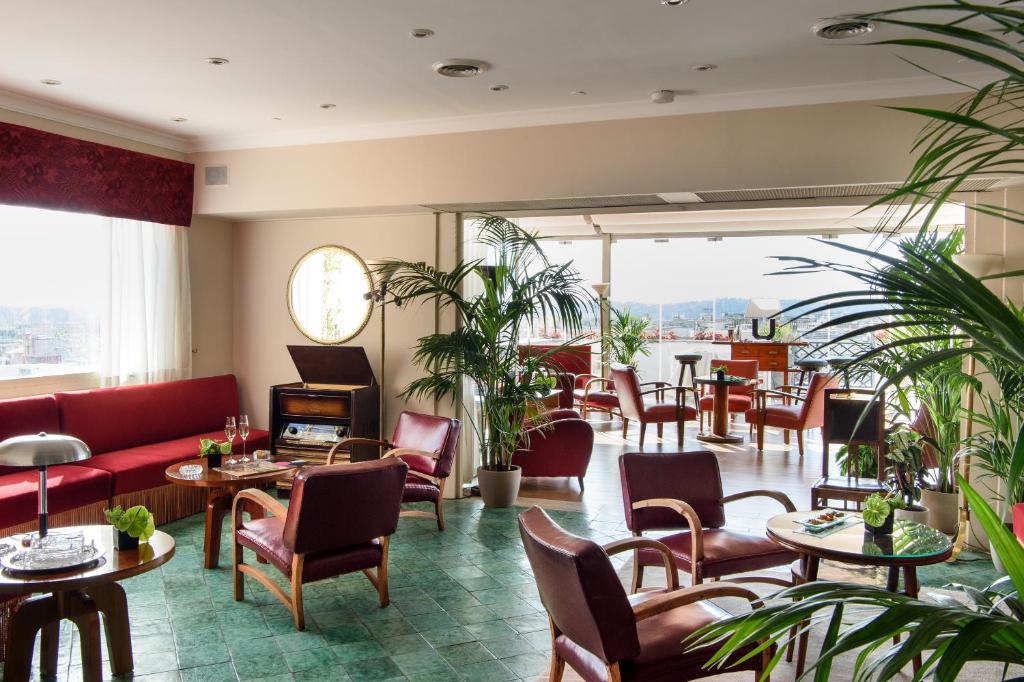
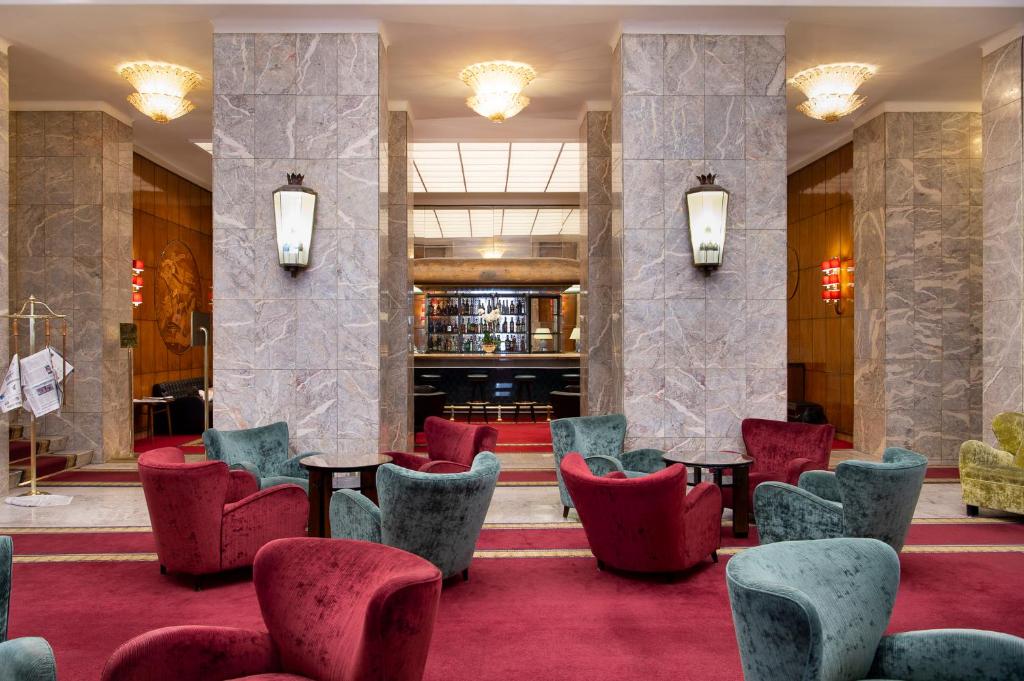
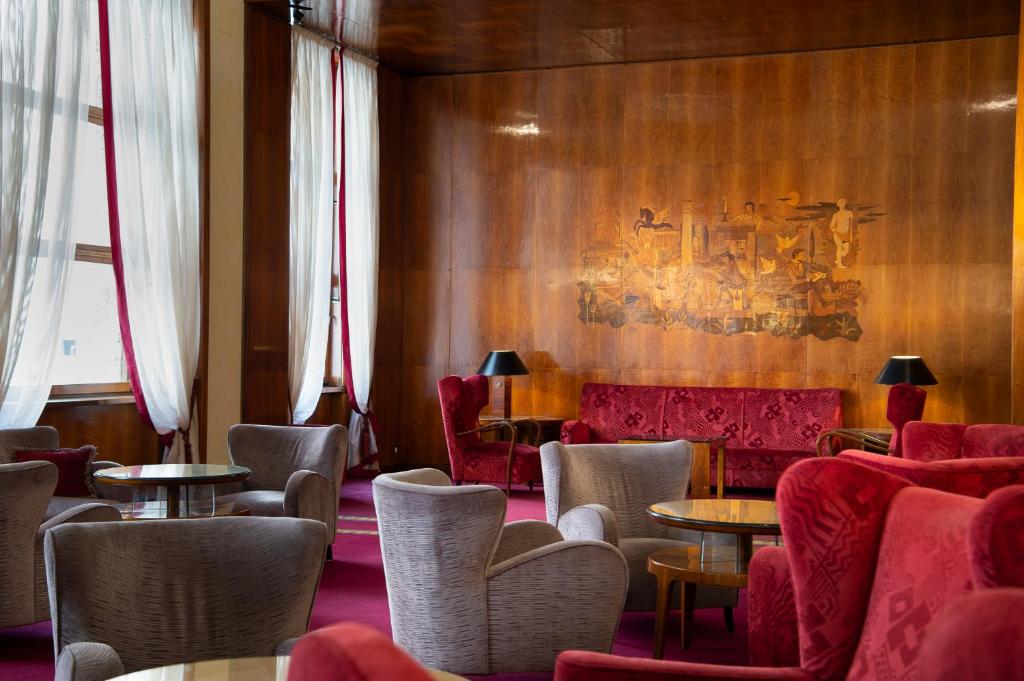
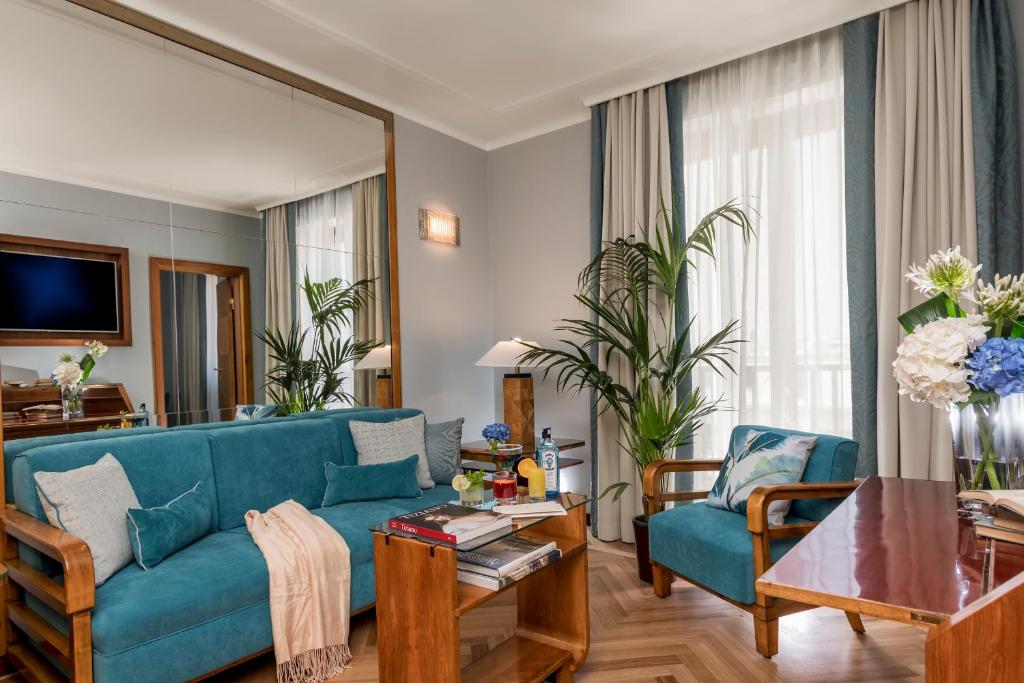
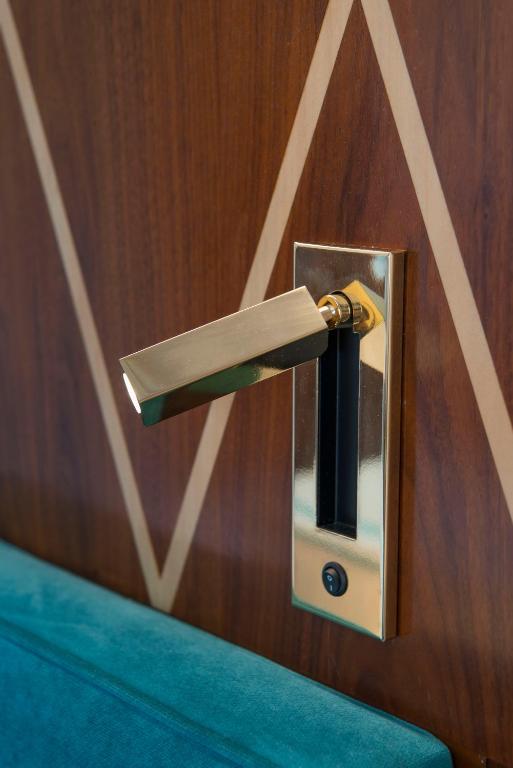
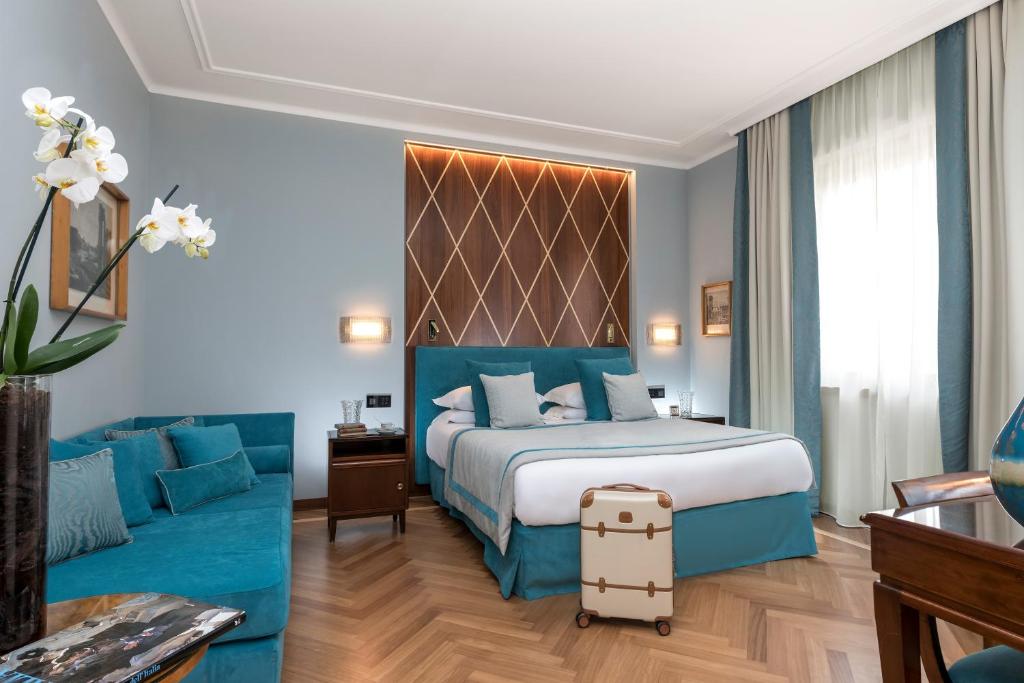
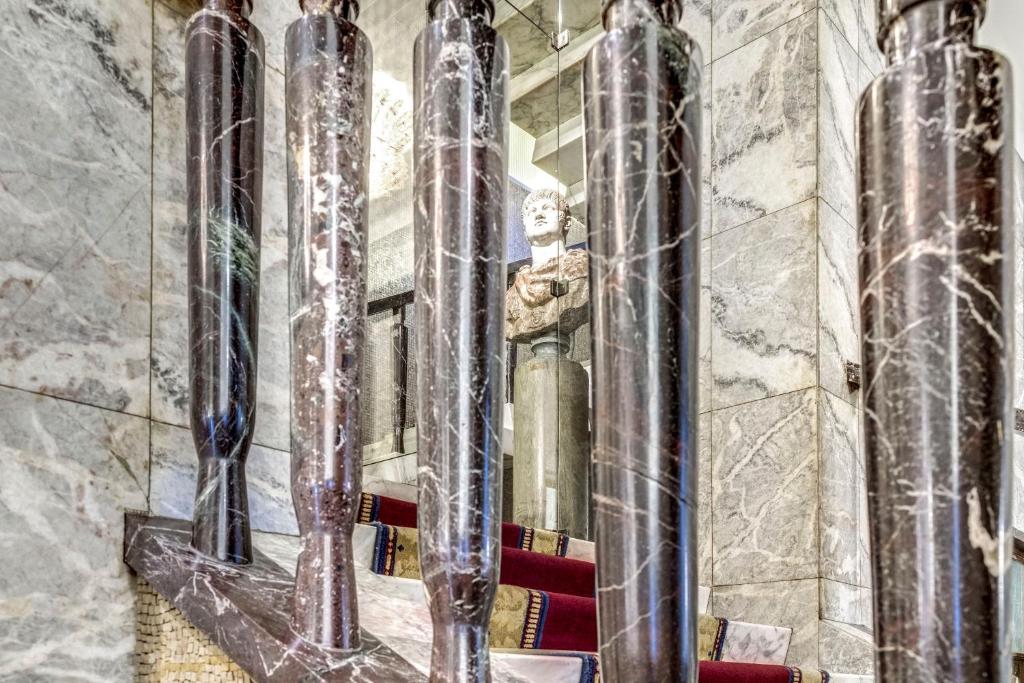
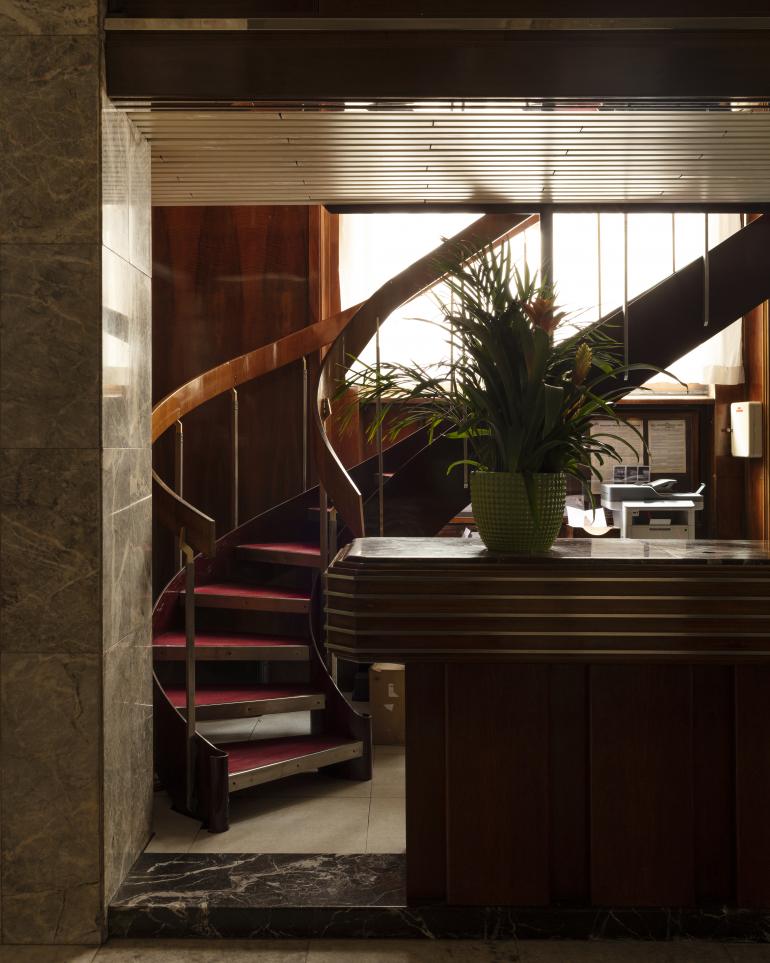
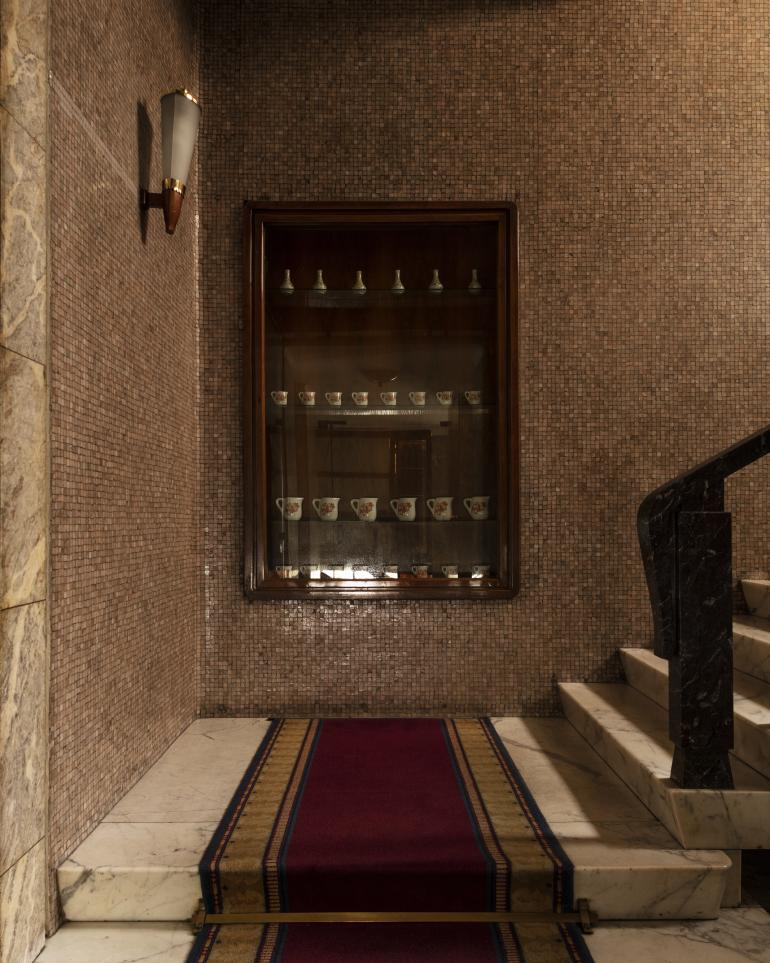
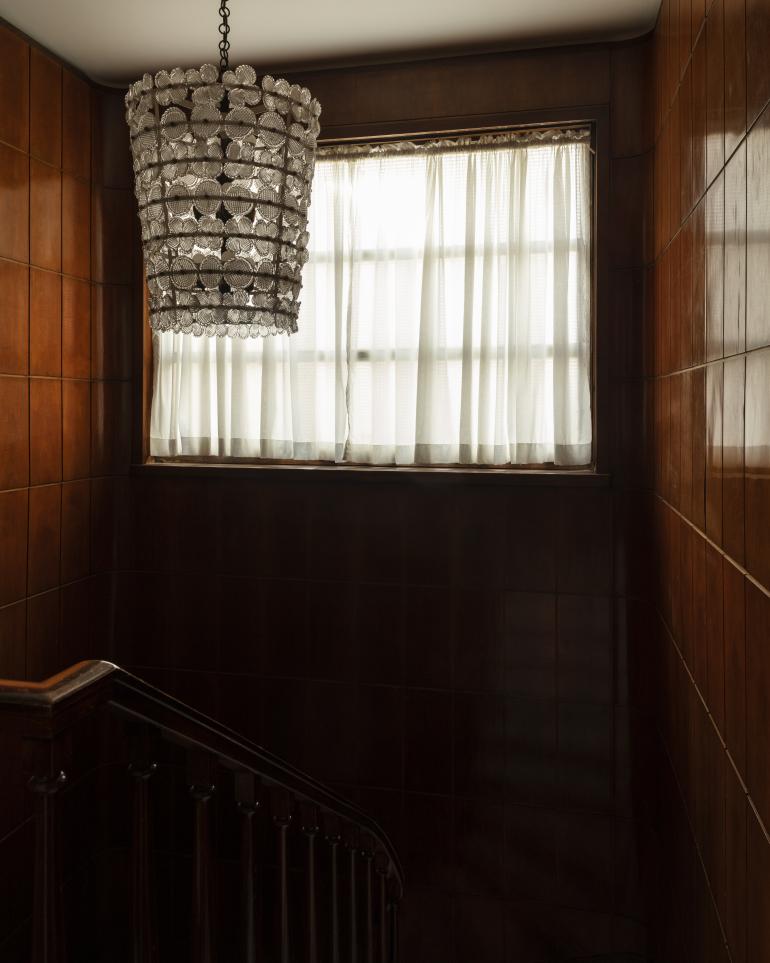
Designed by architect Mario Loreti, the building is a striking example of Italian Rationalism. Its imposing travertine façade, disciplined grid of square windows, and powerful symmetry echo both the ancient Roman monuments that inspired Fascist architecture and the soaring commercial towers of Manhattan that fascinated Maurizio Bettoja during his travels to America. That duality continues inside. While the exterior projects restraint and authority, the interiors reveal an altogether more glamorous world inspired by the great transatlantic ocean liners of the 1930s. Rich walnut panelling, polished marble, sweeping staircases, decorative marquetry, sculptural lighting, and gleaming brass details create an atmosphere that feels both monumental and unexpectedly elegant. Rather than overwhelming guests with ornament, every decorative element contributes to a carefully orchestrated narrative of travel, optimism, and craftsmanship.
A Masterclass in Italian Design
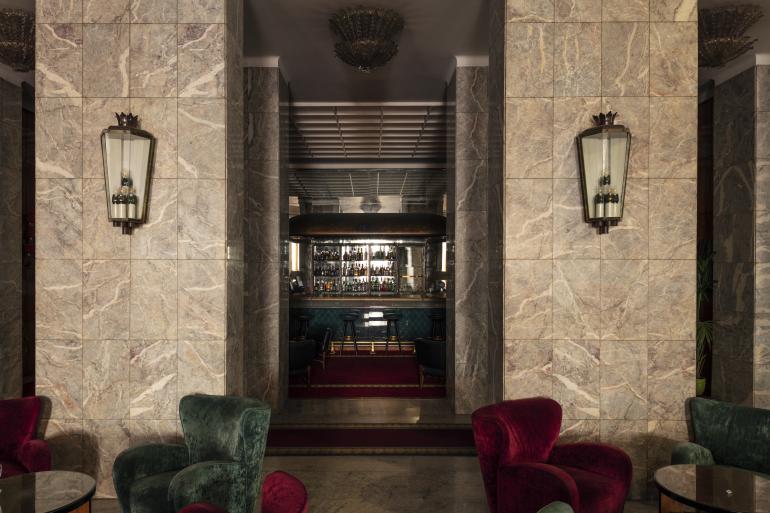
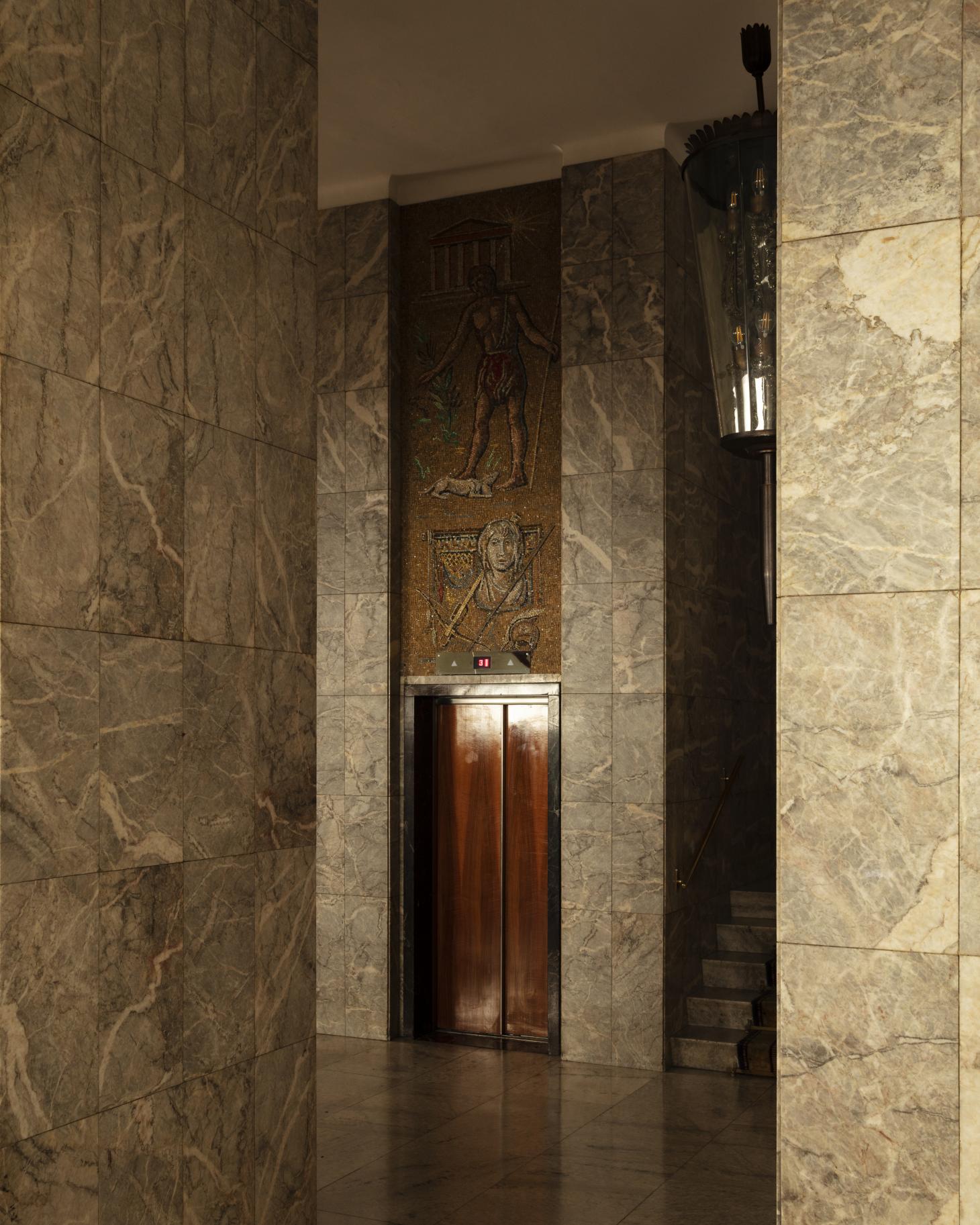
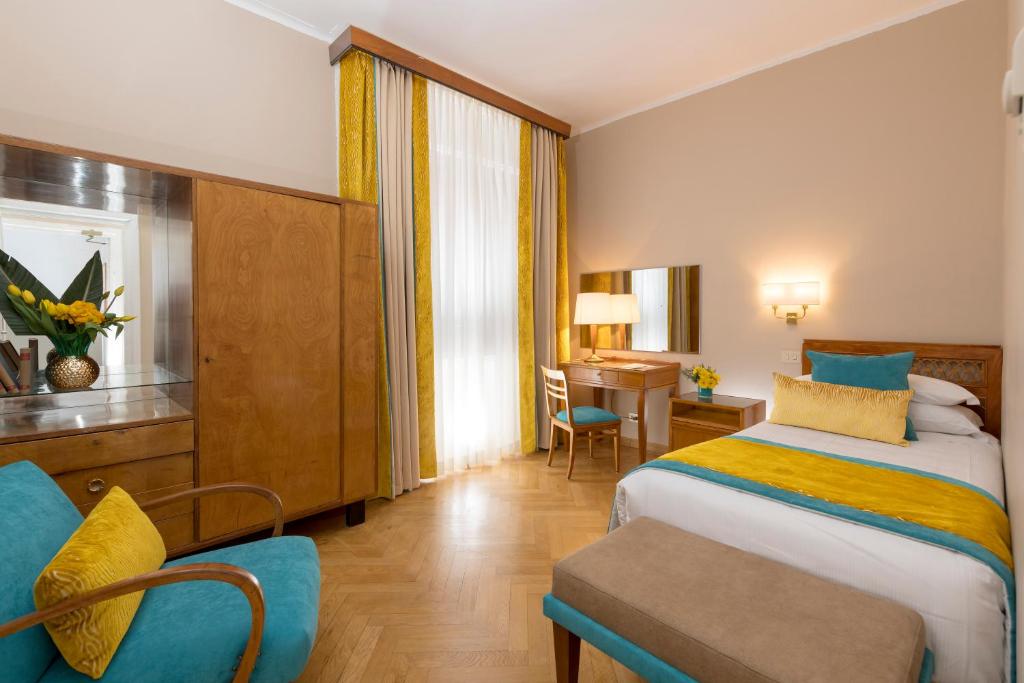
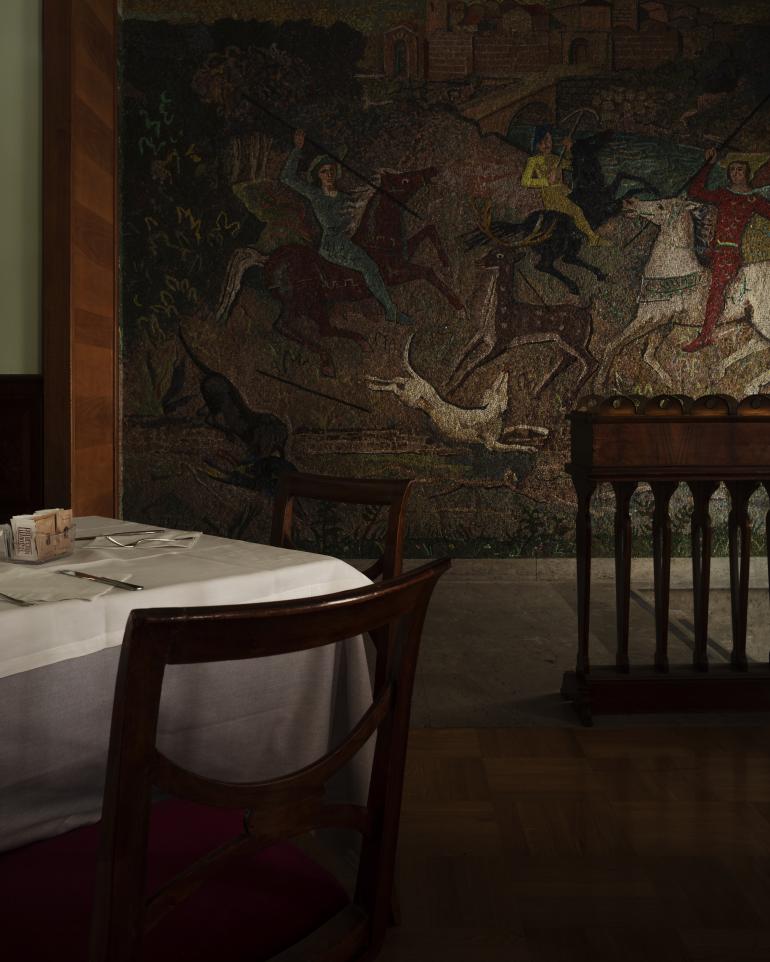
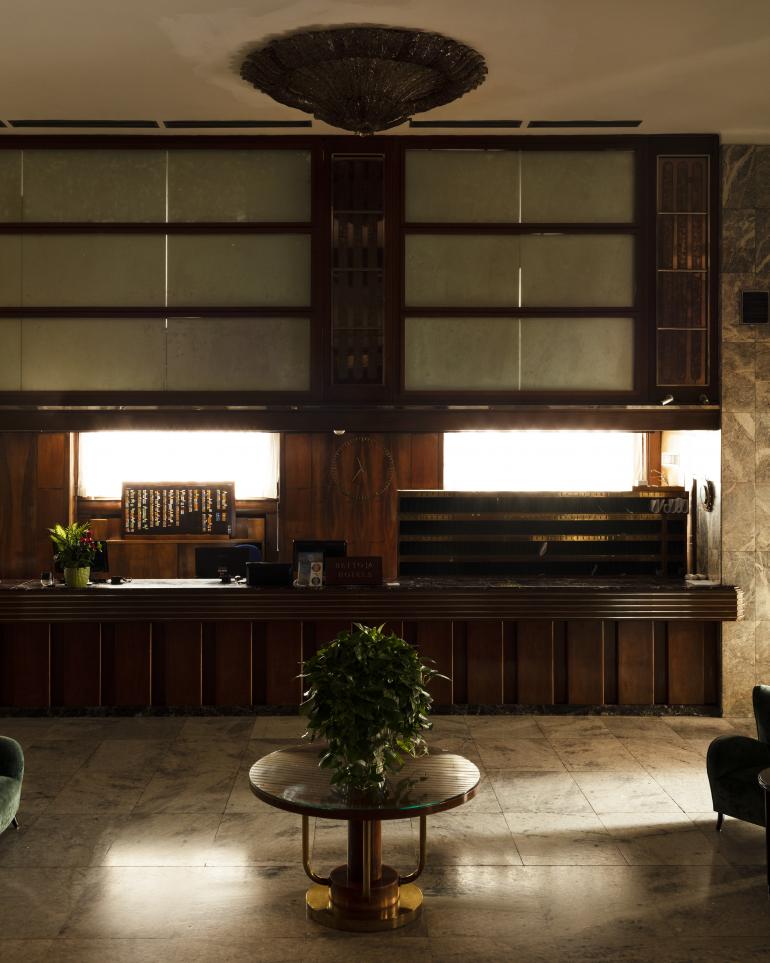
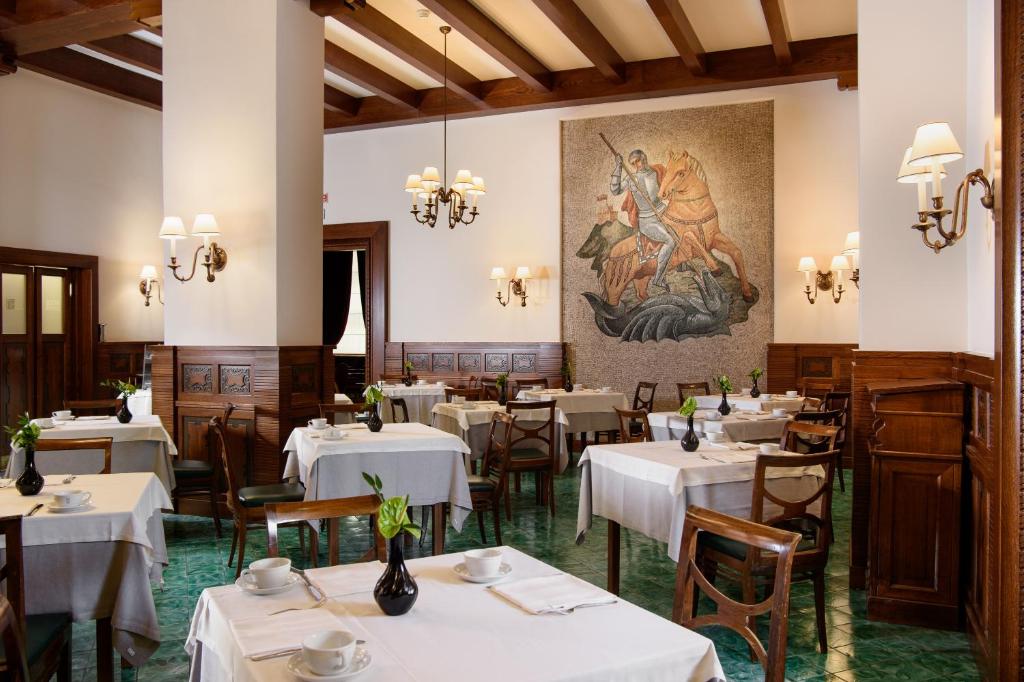
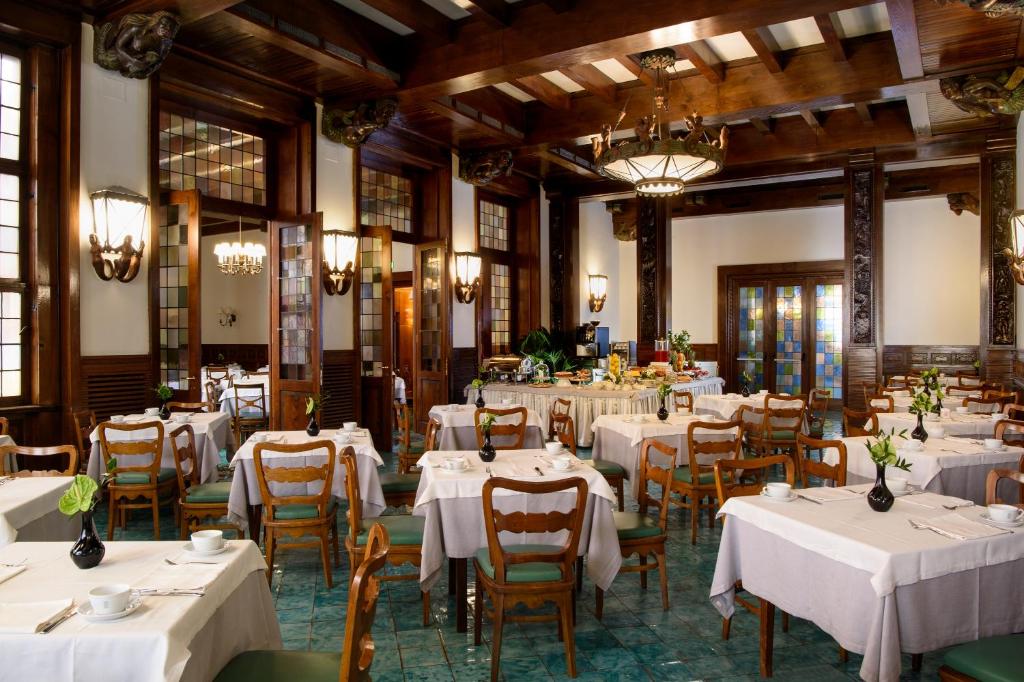
Few hotels preserve such an extraordinary collection of original interiors. Furniture by Gio Ponti and Gustavo Pulitzer Finale sits alongside monumental fireplaces, Roman busts, bespoke lighting, and remarkable mosaics that elevate the hotel far beyond conventional luxury accommodation. Perhaps nowhere is this more evident than in the spectacular lobby. Twin cylindrical lift towers—considered revolutionary when the hotel opened—rise dramatically from the reception hall, each crowned by golden mosaics depicting scenes from Homer’s Odyssey. Created by Achille Capizzano and executed by Franco d’Urso, they celebrate both departure and return, perfectly reflecting the spirit of travel that inspired the building. Elsewhere, one of Europe’s finest surviving Art Deco hotel bars remains remarkably intact. Beneath a floating canopy lined with shimmering blue glass mosaics, mirrored walls, polished timber, and maritime-inspired detailing evoke the romance of the great ocean liners that shaped Maurizio Bettoja’s original vision.
A Hotel Preserved Through Generations
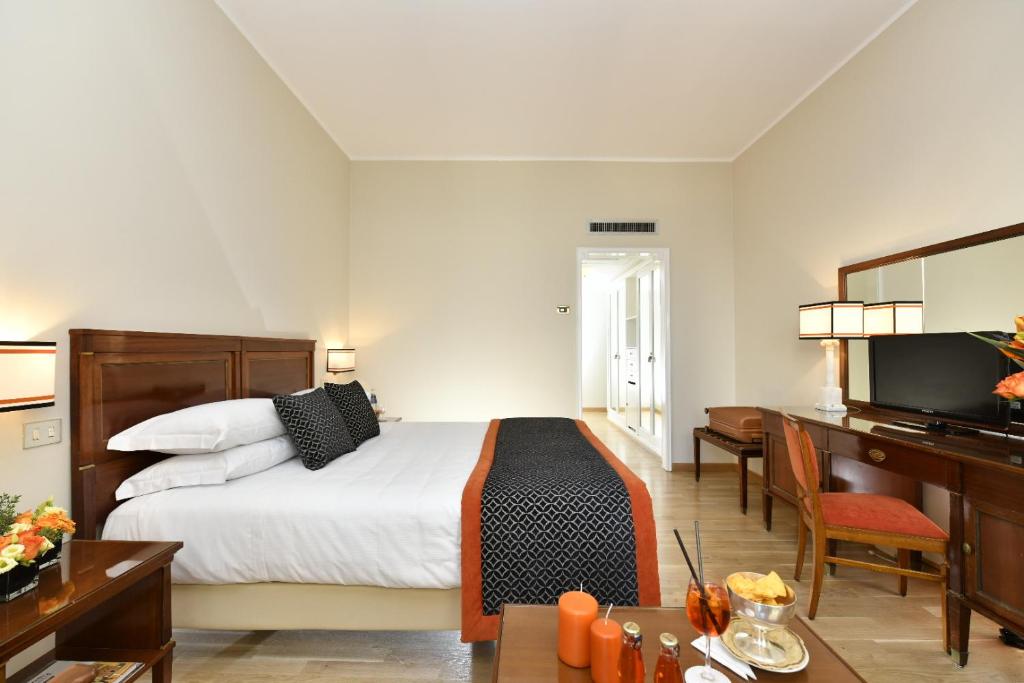
Unlike many grand European hotels, Hotel Mediterraneo has resisted repeated reinvention. Now managed by the fifth generation of the Bettoja family, the property has been meticulously maintained rather than radically modernised. Original architectural features remain intact, allowing guests to experience the hotel much as it appeared when it first opened more than eighty years ago. That continuity gives Mediterraneo a remarkable authenticity. It does not recreate history—it simply continues to live it.
Above the Eternal City
The hotel’s elevated rooftop remains one of Rome’s hidden treasures. Looking across the domes, rooftops, and monuments of the Eternal City, it offers a perspective that perfectly complements the building itself: elevated, quietly grand, and deeply connected to Rome’s extraordinary architectural landscape. It is an experience that reinforces the hotel’s unique position between past and present, where one of Italy’s most complex historical chapters can be appreciated through the enduring language of architecture and design.
Why It Works
Hotel Mediterraneo is far more than a grand historic hotel. It is one of Europe’s most complete surviving examples of mid-century Italian design, preserving an extraordinary dialogue between Rationalist architecture, Art Deco craftsmanship, and the optimism of a future that history never allowed to unfold. Monumental yet elegant, historically significant yet wonderfully atmospheric, it offers one of Rome’s most compelling stays for travellers who believe architecture tells the greatest stories of all.