Capella Kyoto – Japan
Where Kyoto’s Living Traditions Become Modern Luxury
Why DNA Hotels Loves It
● A masterful collaboration between Kengo Kuma and Brewin Design Office that feels inseparable from Kyoto’s historic fabric.
● One of the most culturally immersive luxury hotels in Japan, built around craftsmanship, artisanship, and living traditions rather than spectacle.
● Exceptional dining, private onsen suites, and deeply authentic local experiences create a rare sense of connection to place.
A New Chapter for Kyoto
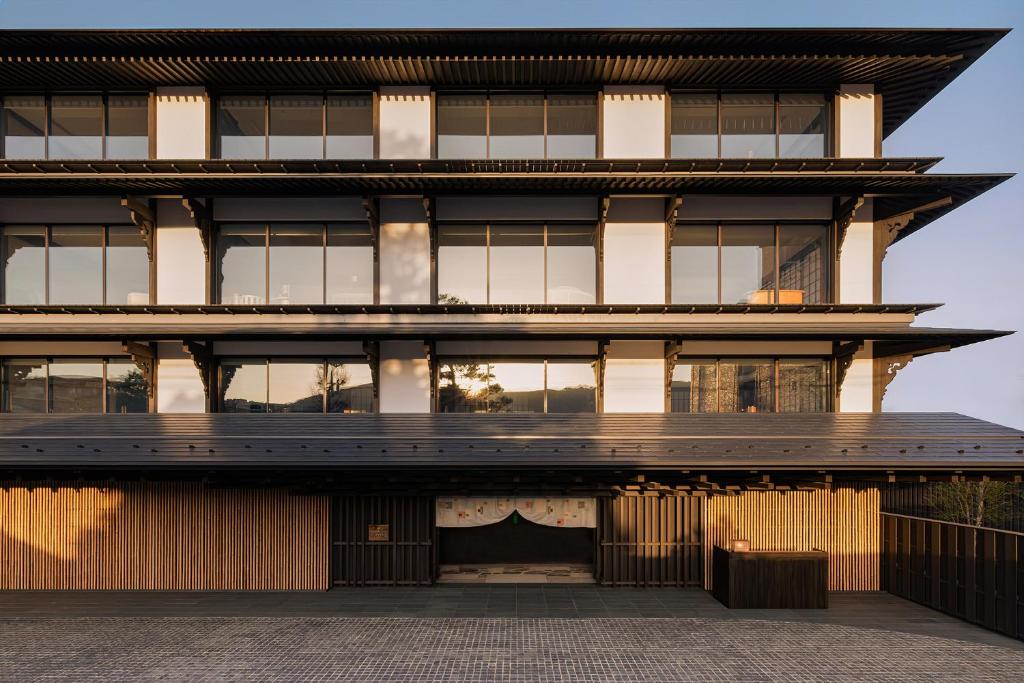
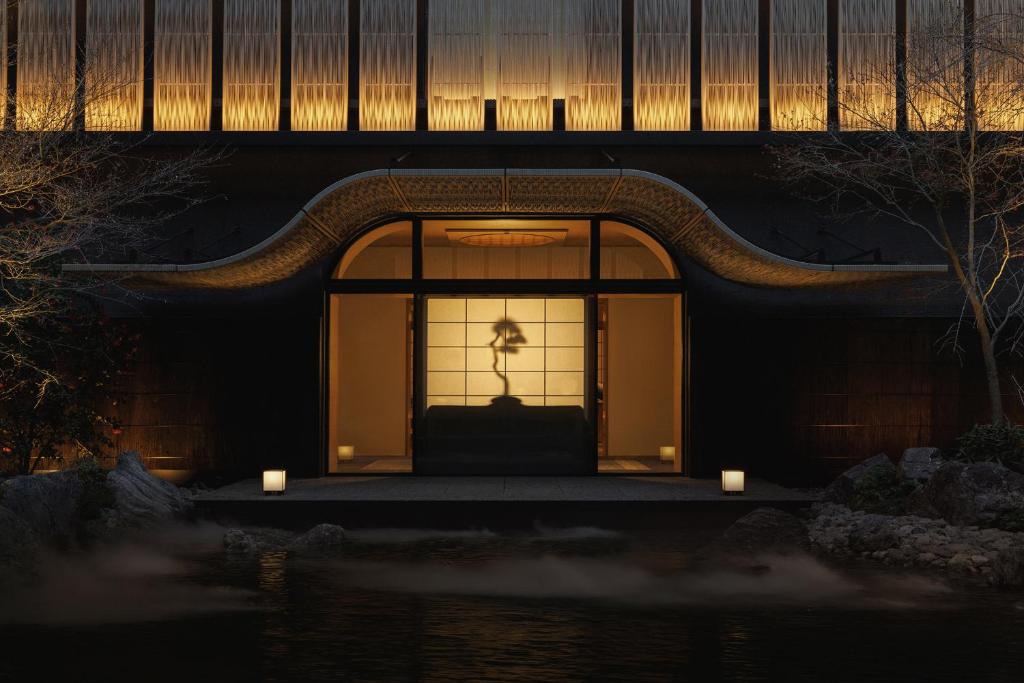
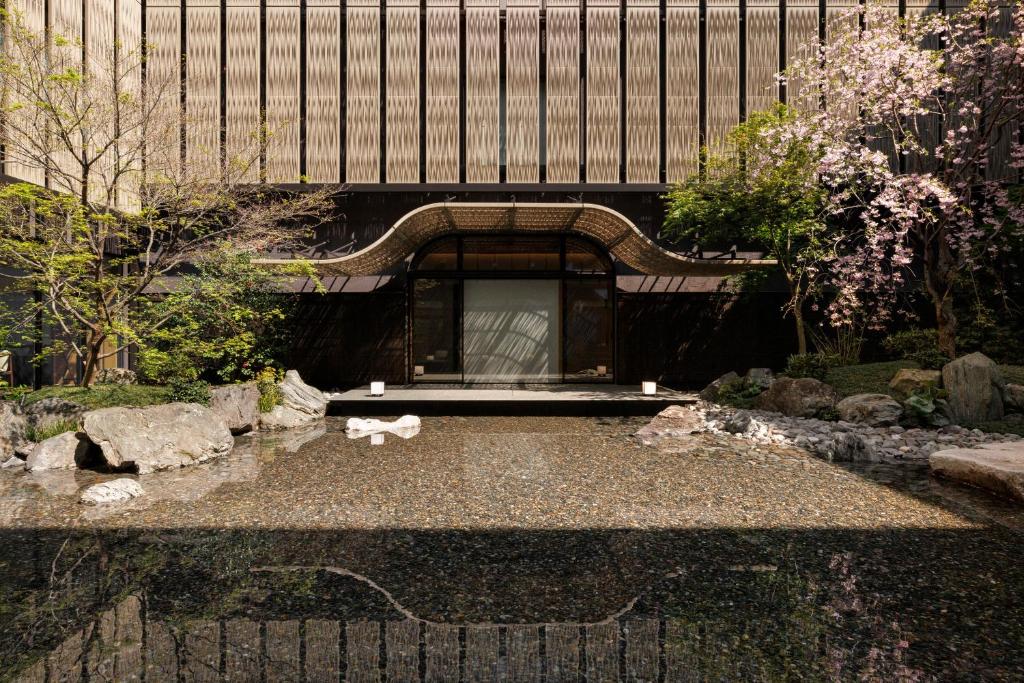
Few recent hotel openings have generated as much anticipation as Capella Kyoto. Located in Miyagawa-cho, one of Kyoto’s most historic geisha districts, the hotel represents a thoughtful alternative to the increasingly globalised luxury hospitality landscape. Rather than seeking prominence through scale or visibility, Capella Kyoto embeds itself within the neighbourhood’s centuries-old character. Occupying the former site of a local elementary school, the project forms part of a wider cultural restoration initiative that includes the neighbouring Miyagawa-cho Kaburenjo Theatre and new community facilities. From the outset, the ambition was clear: create a luxury hotel that belongs to Kyoto rather than simply borrowing from it.
Kengo Kuma’s Quiet Architecture
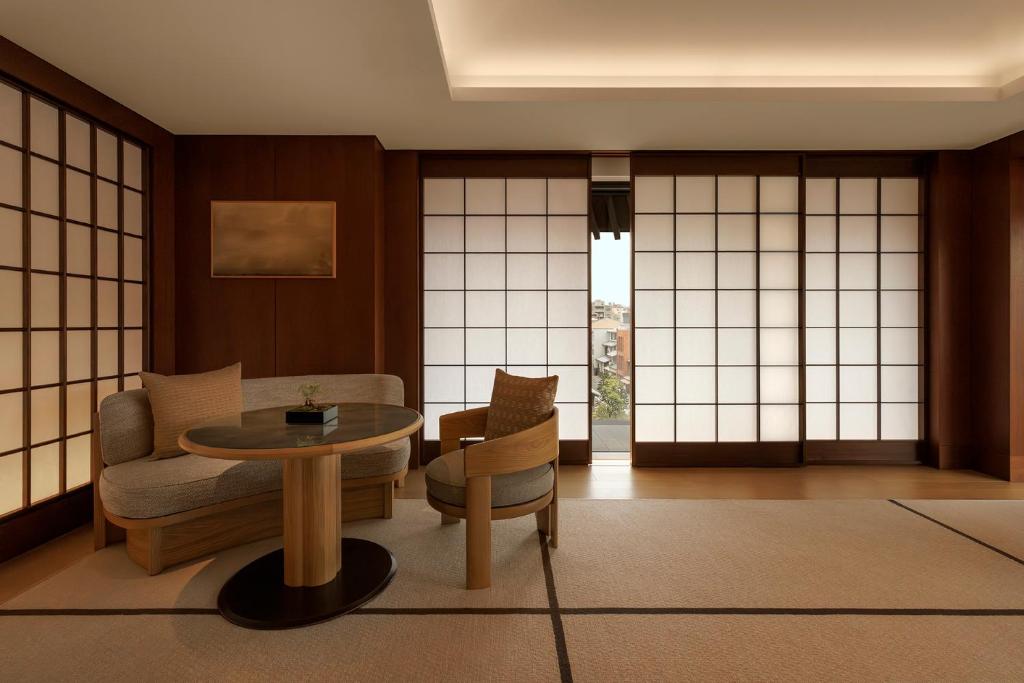
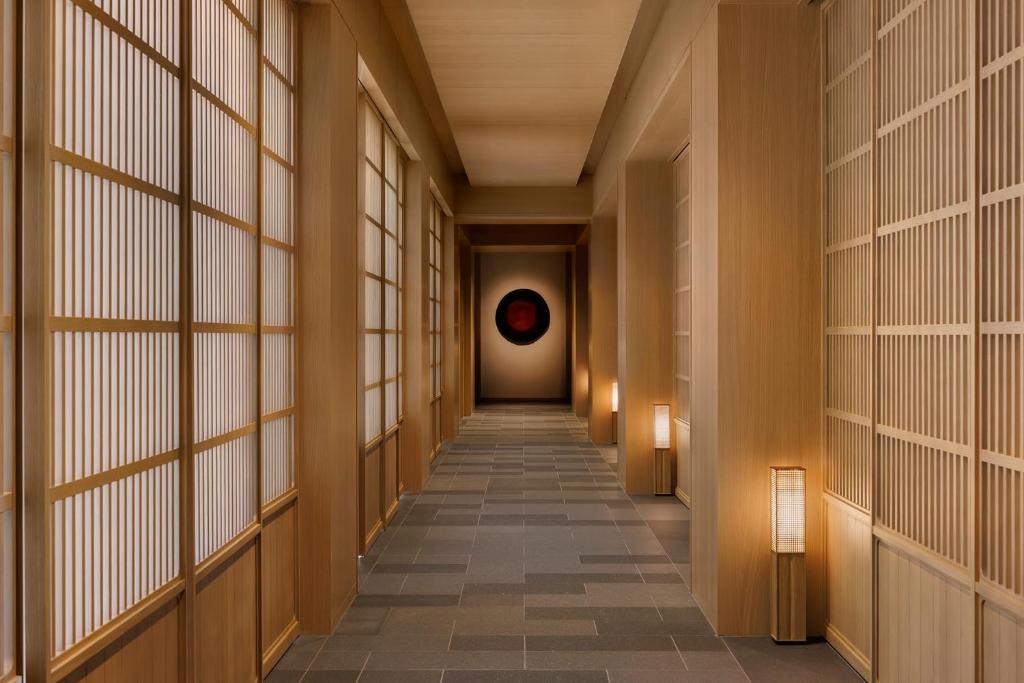
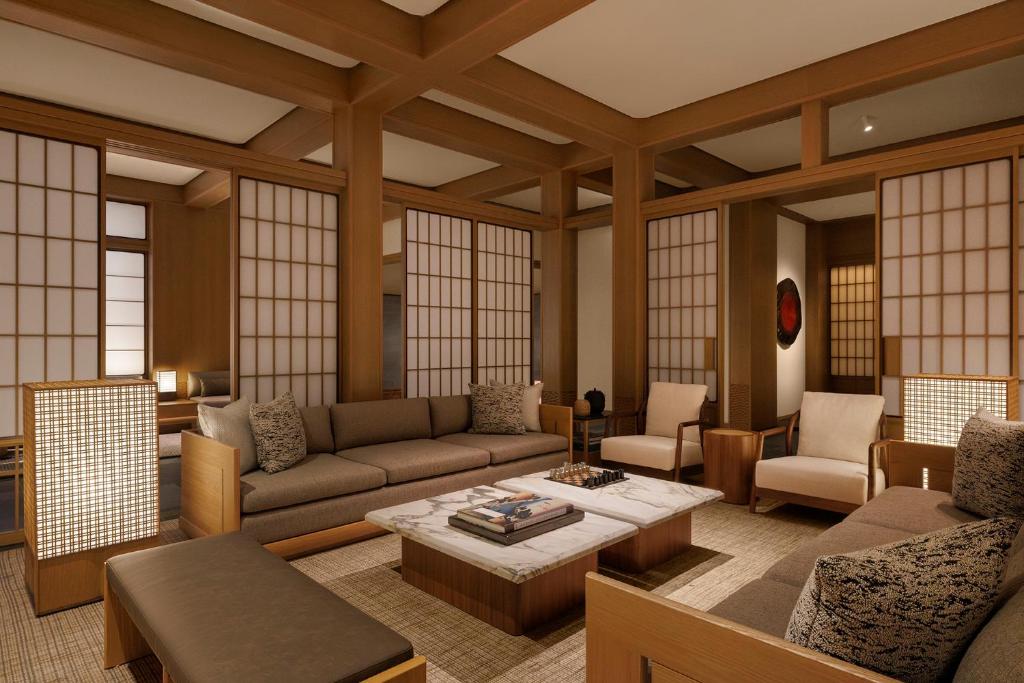
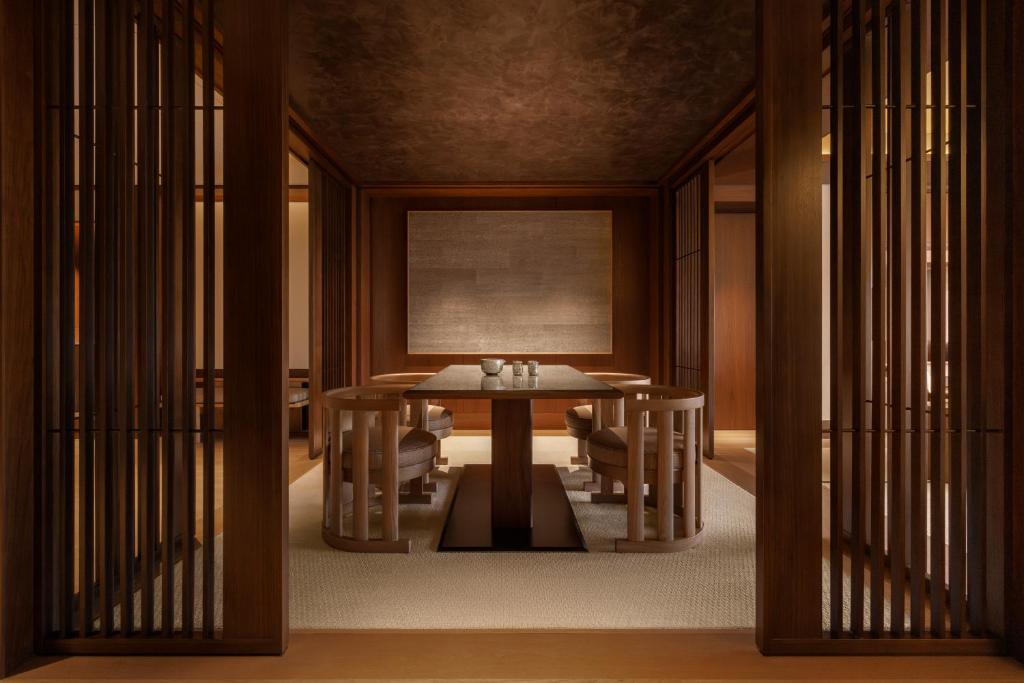
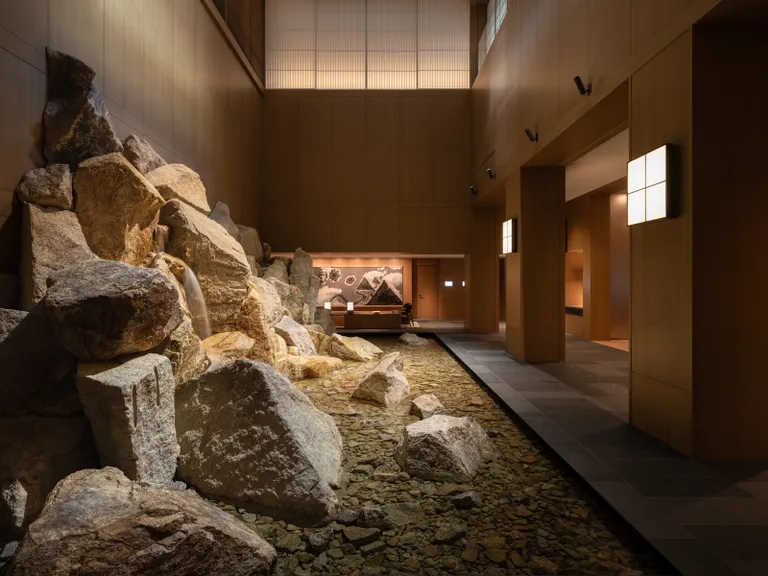
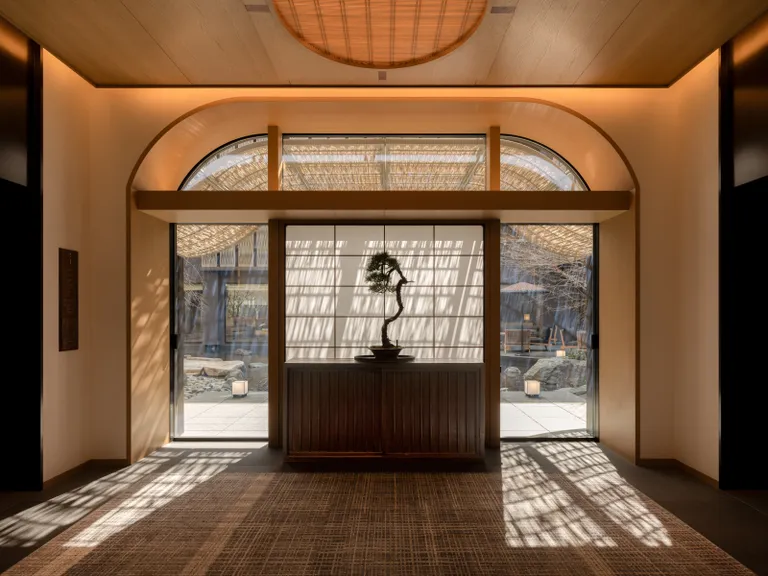
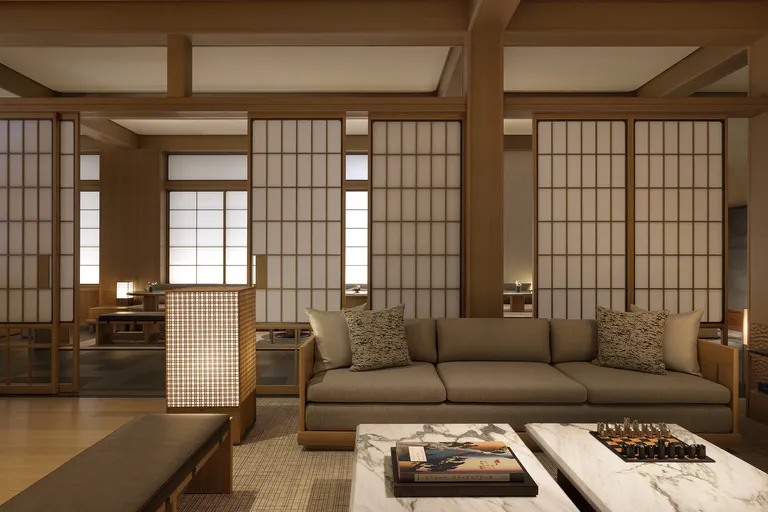
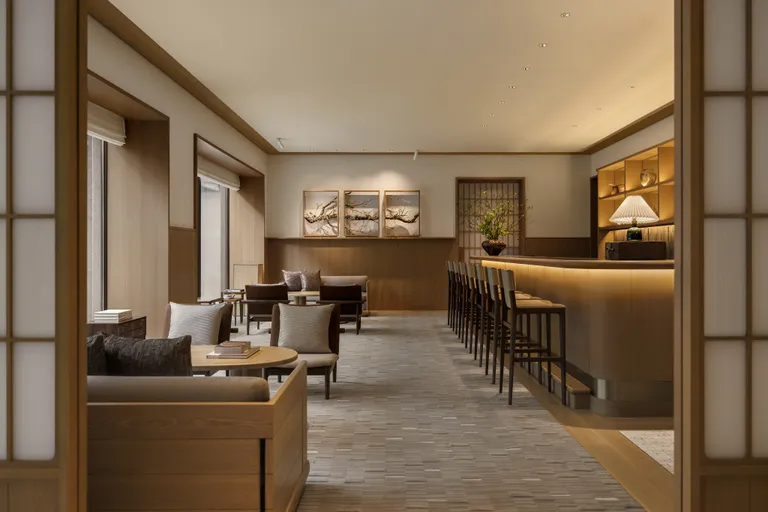
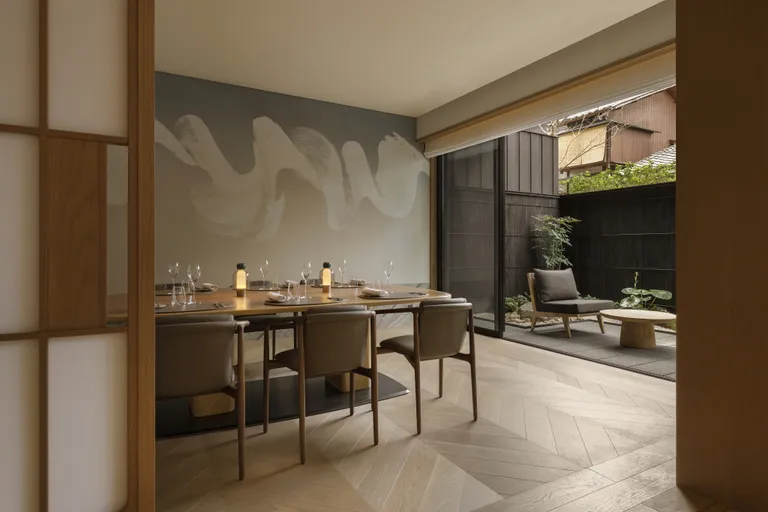
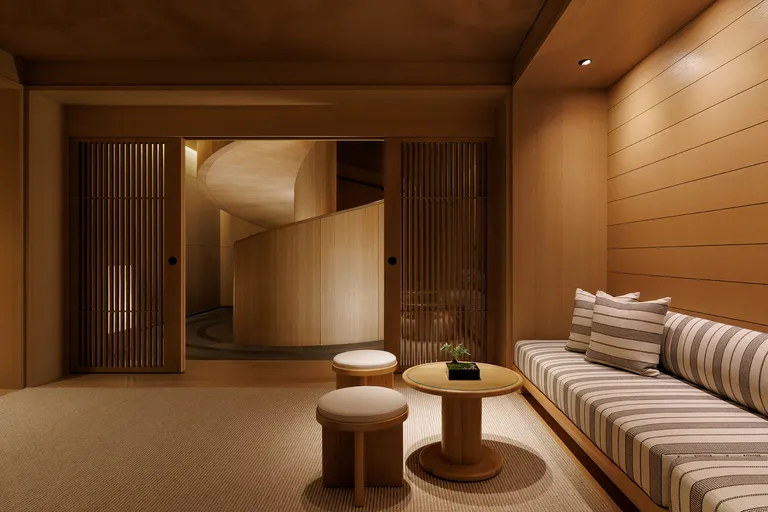
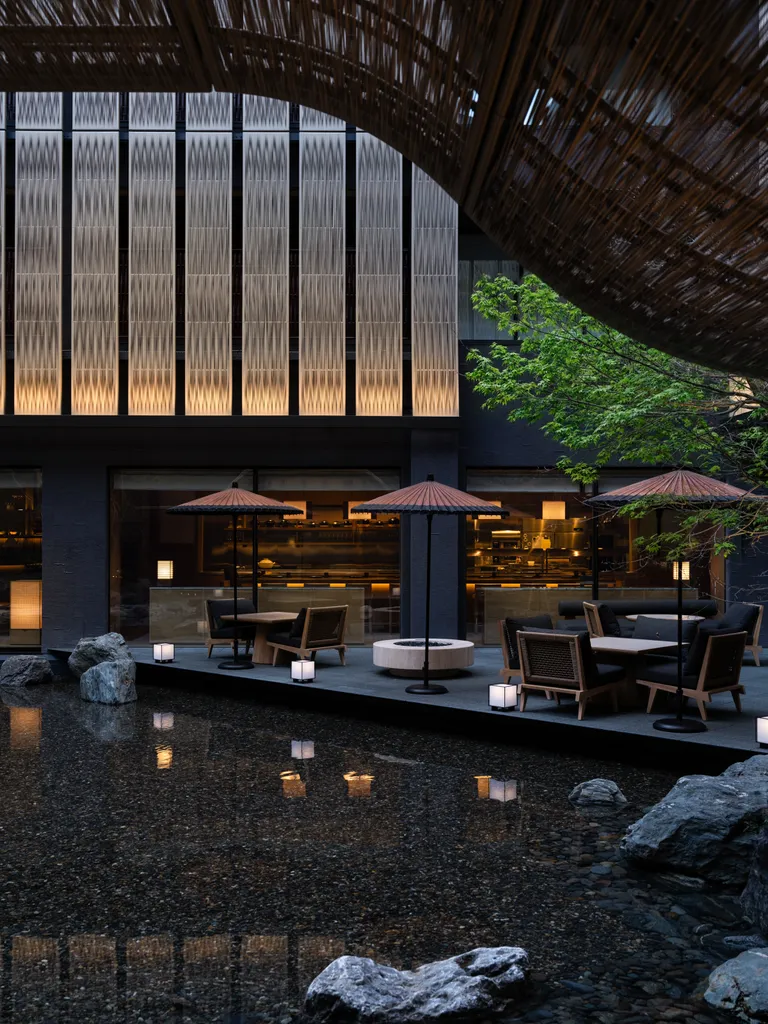
Kengo Kuma’s architecture is often described as an exercise in softness, materiality, and restraint, and nowhere is that approach more evident than here. Inspired by Kyoto’s traditional machiya townhouses, the hotel unfolds through a sequence of courtyards, gardens, narrow passages, screens, and carefully framed views. The architecture avoids grand gestures. Instead, it reveals itself slowly. Bamboo filters sunlight. Stone pathways encourage a slower pace. Shoji-inspired screens create subtle transitions between public and private spaces. Hidden gardens appear unexpectedly throughout the property, constantly reconnecting guests with nature and the changing seasons. Timber, stone, bamboo, paper, plaster, and natural textures dominate the material palette. The building remains intentionally low in scale, respecting the proportions of the surrounding neighbourhood while creating an atmosphere of extraordinary calm. The result feels less like a hotel and more like a contemporary interpretation of Kyoto itself.
A Celebration of Japanese Craft
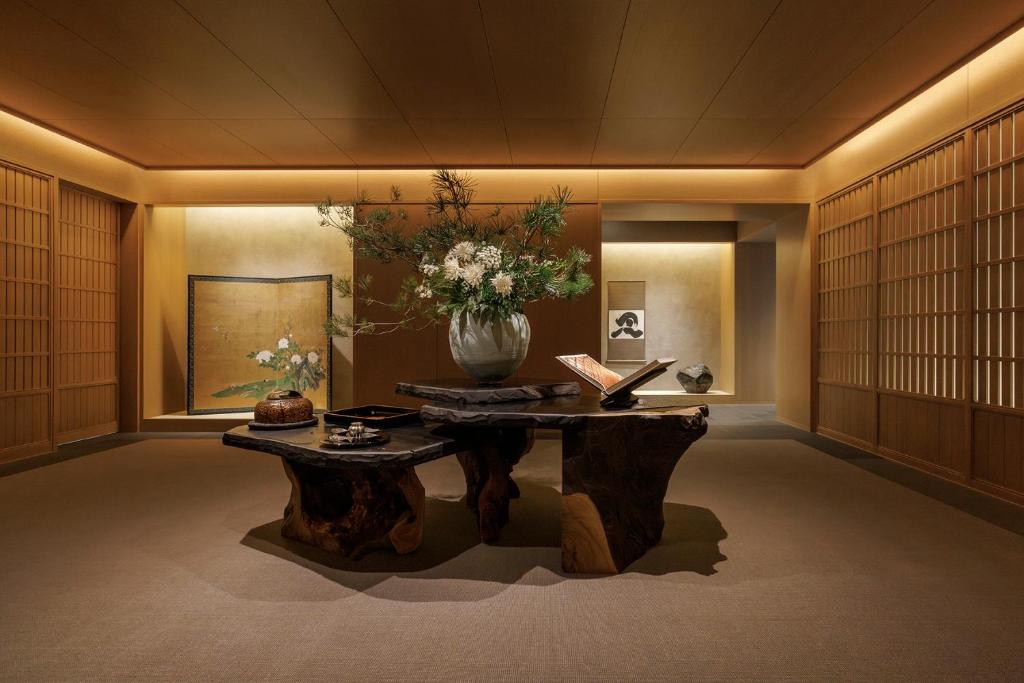
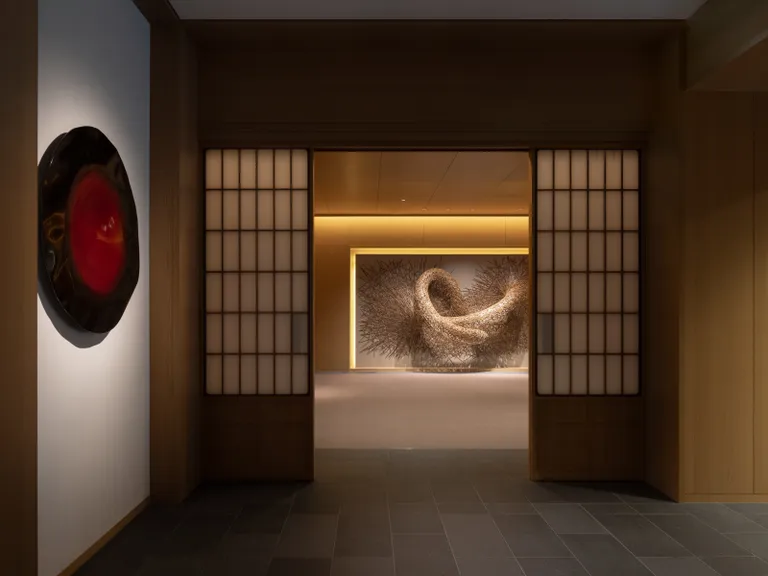
Every detail within Capella Kyoto reflects a deep commitment to craftsmanship. Rather than relying on decorative luxury, the hotel showcases the work of Kyoto’s artisans, makers, and cultural institutions. Textiles from Hosoo, whose history stretches back to 1688, appear throughout the interiors. Bamboo craftsmanship, lacquerware, ceramics, calligraphy, and handmade papers are integrated into the guest experience with remarkable subtlety. Even seemingly minor details carry meaning, from hinoki cypress keycards to bespoke stationery incorporating traditional materials. Seasonal installations and rotating artworks ensure the hotel remains connected to Kyoto’s enduring relationship with nature, craftsmanship, and artistic expression. More than simply displaying craft, Capella allows guests to live among it.
Rooms Designed Around Serenity
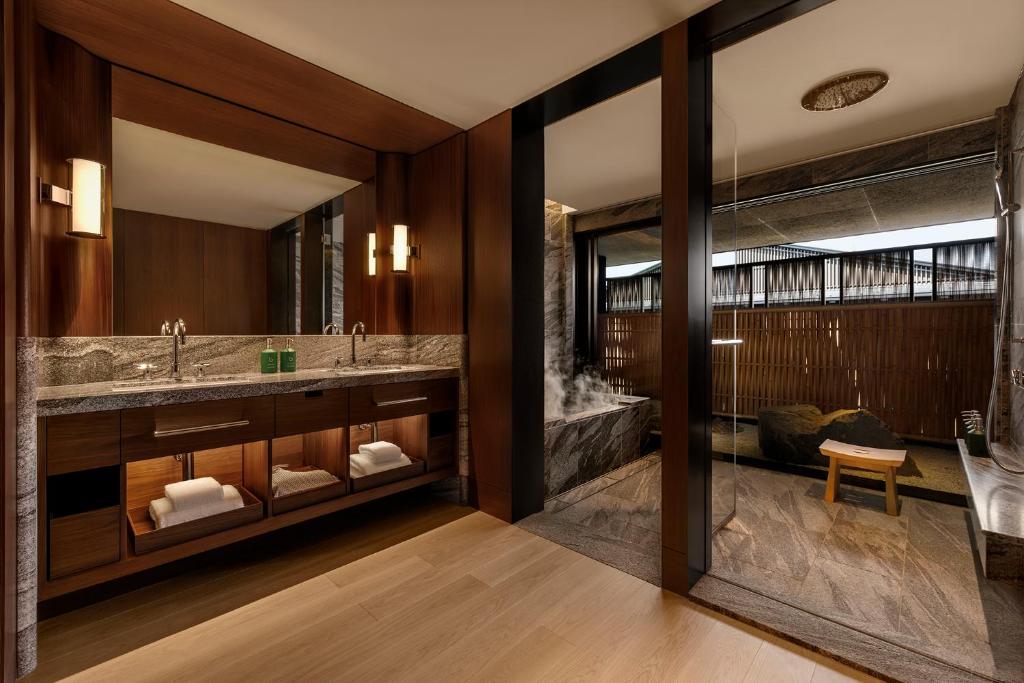
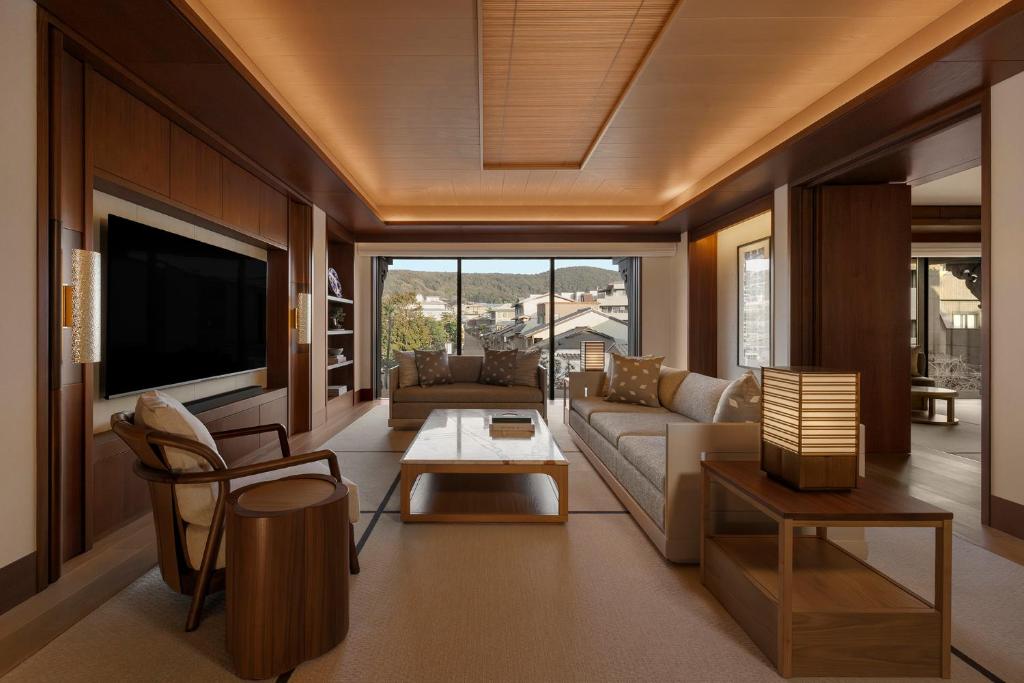
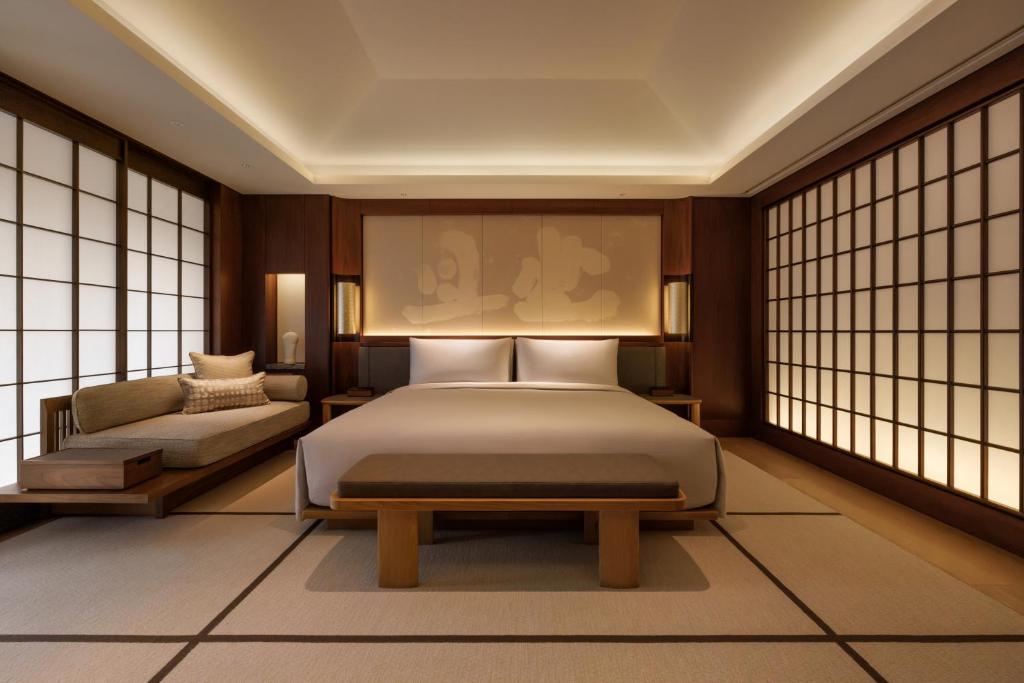
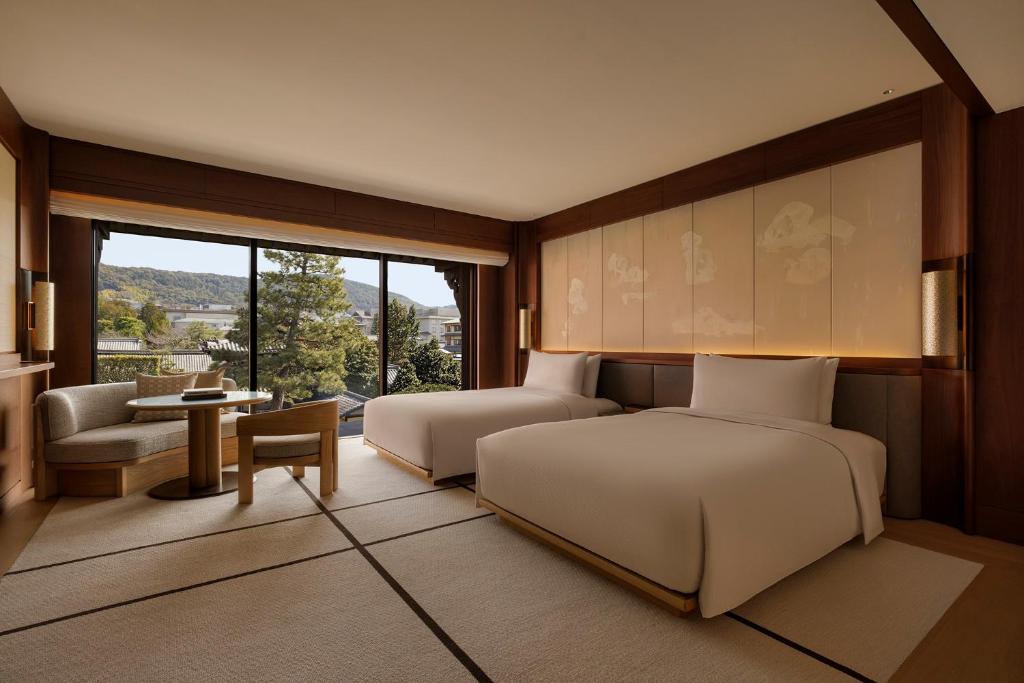
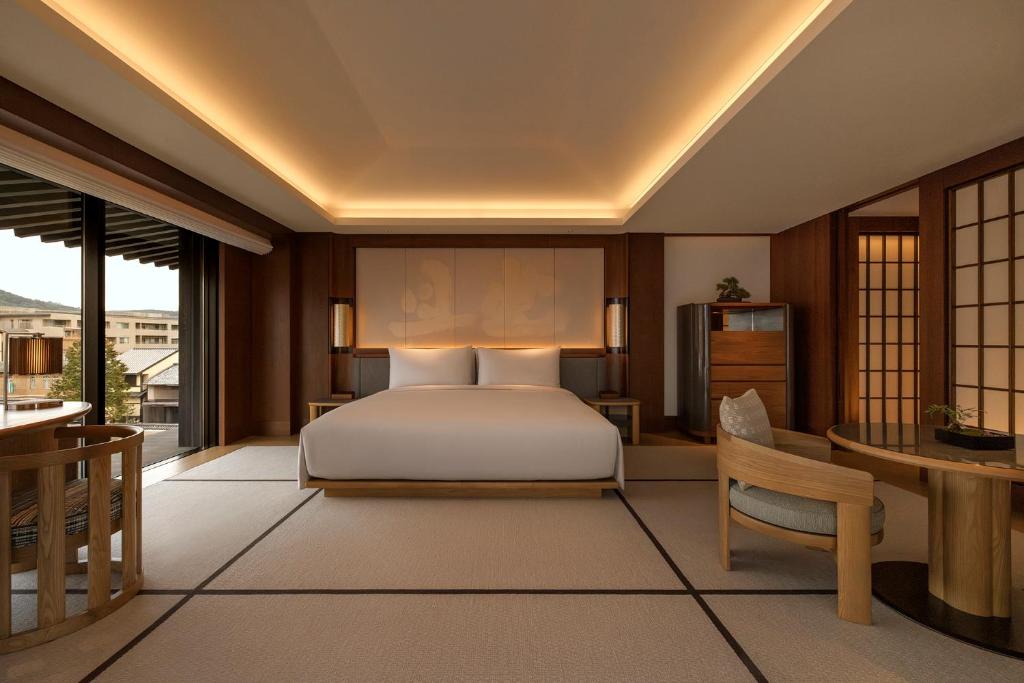
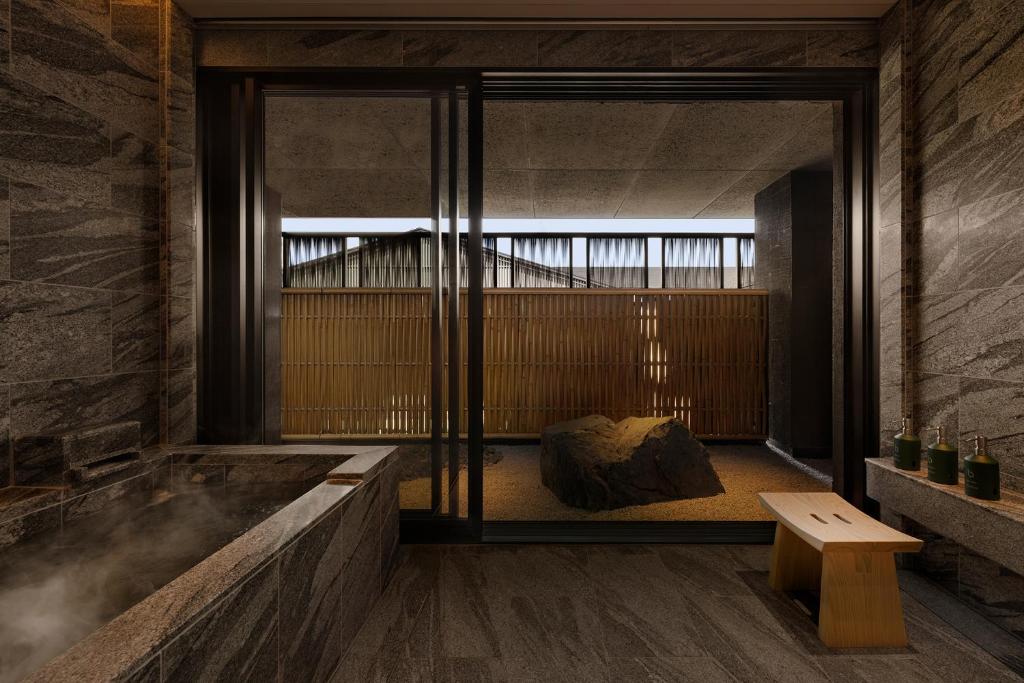
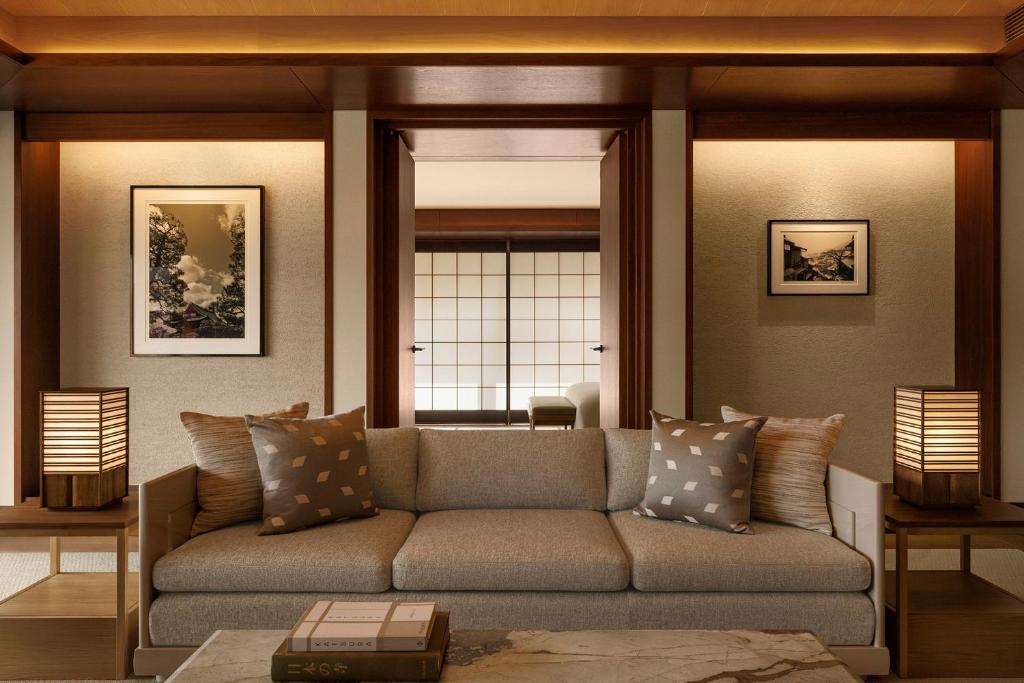
The hotel’s 89 rooms and suites continue the same philosophy of quiet refinement. Walnut timber, woven textiles, handcrafted lighting, and carefully concealed technology create spaces that feel residential rather than overtly luxurious. Views are deeply rooted in the city itself. Depending on the room, guests may overlook Kennin-ji Temple, traditional rooftops, theatre courtyards, narrow lanes, or the distant hills of Higashiyama. The architecture frames Kyoto rather than competing with it. Particularly noteworthy are the private Onsen Suites, each featuring its own bathing experience and intimate Zen-inspired garden. At the top of the hierarchy sits the Capella Suite, offering one of Kyoto’s most recognisable views: the Yasaka Pagoda rising above the city’s historic rooftops. Luxury here is expressed through atmosphere, craftsmanship, and a profound sense of place.
One of Kyoto’s Most Exciting Dining Addresses
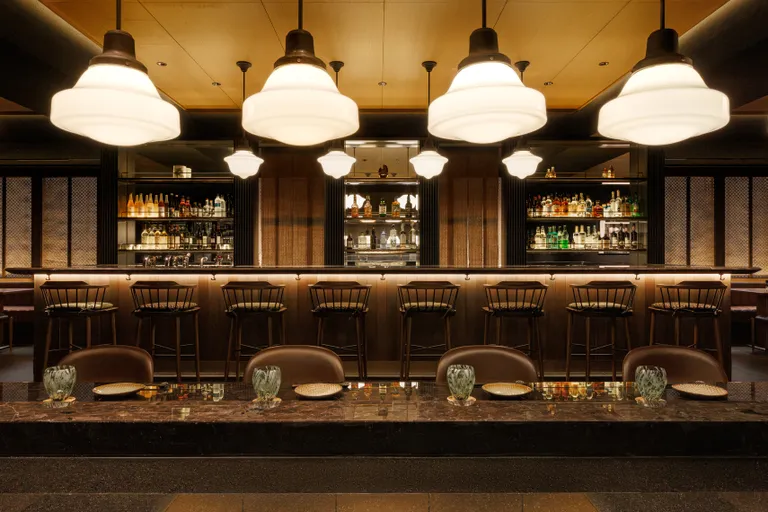
Capella Kyoto has quickly established itself as one of the city’s most significant culinary destinations. Leading the programme is SoNoMa by SingleThread, the first international outpost of the acclaimed three-Michelin-starred restaurant from California. Under the direction of chef Keita Tominaga, tasting menus combine Japanese precision with SingleThread’s celebrated farm-to-table philosophy. The result is a deeply seasonal dining experience rooted in Kyoto’s ingredients while drawing subtle inspiration from Sonoma. Elsewhere, Lanterne offers French-influenced cuisine shaped by Japanese ingredients and techniques, while Yoi provides a more relaxed atmosphere with contemporary Japanese cooking and inventive cocktails. Together, they form one of the strongest culinary line-ups currently found in any Japanese hotel.
Wellness Through Ritual
The Auriga Spa reflects the same sensitivity that defines the rest of the property. Hidden beneath the hotel, the spa combines contemporary wellness with Japanese bathing traditions and a strong connection to nature. Private onsen experiences overlook intimate gardens, while treatments draw inspiration from lunar cycles, local botanicals, and traditional healing practices. Meditation sessions, stretching classes, and sound-healing experiences offer quieter ways of engaging with wellbeing. Nothing feels imported or generic. Every aspect of the wellness programme remains firmly connected to Kyoto and its cultural traditions.
Kyoto Beyond the Guidebooks
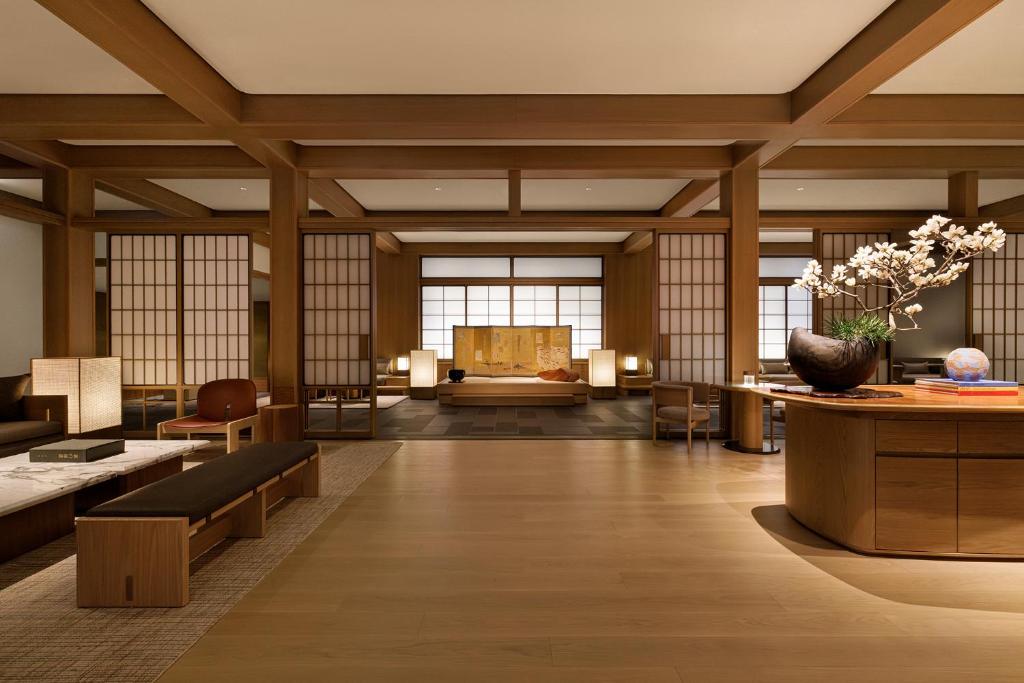
One of Capella Kyoto’s greatest strengths lies in its ability to connect guests with the city beyond its most familiar landmarks. Through the Capella Curates programme, visitors gain access to workshops, artisans, tea masters, lacquerware specialists, kintsugi practitioners, and cultural figures who continue traditions passed down through generations. Evening performances by geiko and maiko within the hotel’s Living Room provide another layer of cultural immersion, offering encounters that feel intimate and authentic rather than staged. This approach transforms the hotel into a gateway to Kyoto’s living culture rather than merely a base from which to explore it.
A New Benchmark for Luxury in Japan
Capella Kyoto succeeds because it understands that true luxury is inseparable from place. Through Kengo Kuma’s deeply contextual architecture, extraordinary craftsmanship, exceptional dining, meaningful cultural experiences, and Capella’s renowned service philosophy, the hotel achieves something remarkably rare: authenticity at the highest level of hospitality. For travellers seeking architecture, culture, craftsmanship, wellness, and a profound connection to Kyoto, Capella Kyoto is not simply one of Japan’s finest hotels. It is one of the most compelling luxury hospitality experiences in the world.