Château de Mirwart, Saint-Hubert, Belgium
Where Historic Heritage Meets Quiet Contemporary Luxury
Why DNA Hotels Loves It
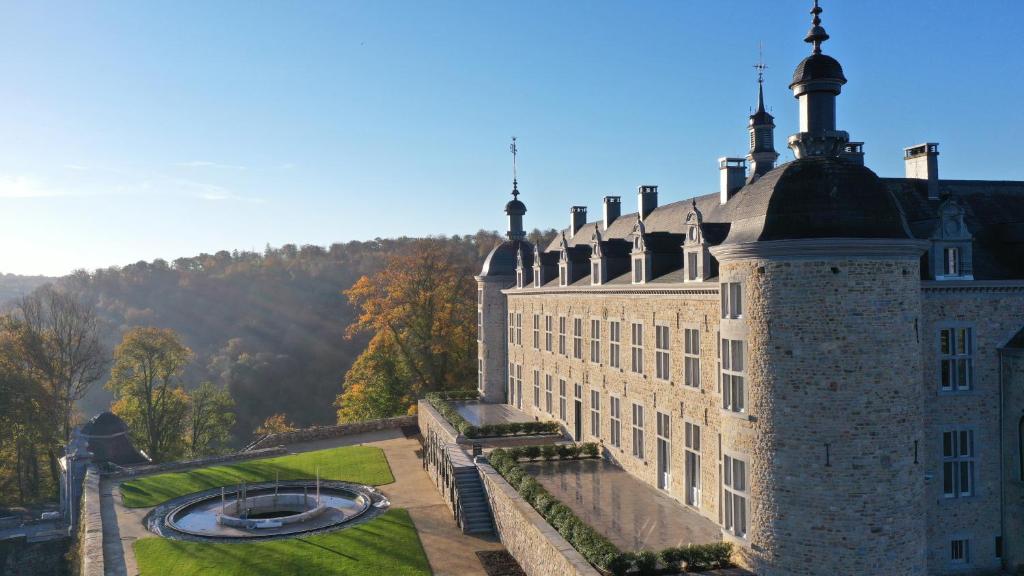
● A beautifully restored Ardennes château where centuries-old architecture is paired with refined contemporary design and exceptional restraint.
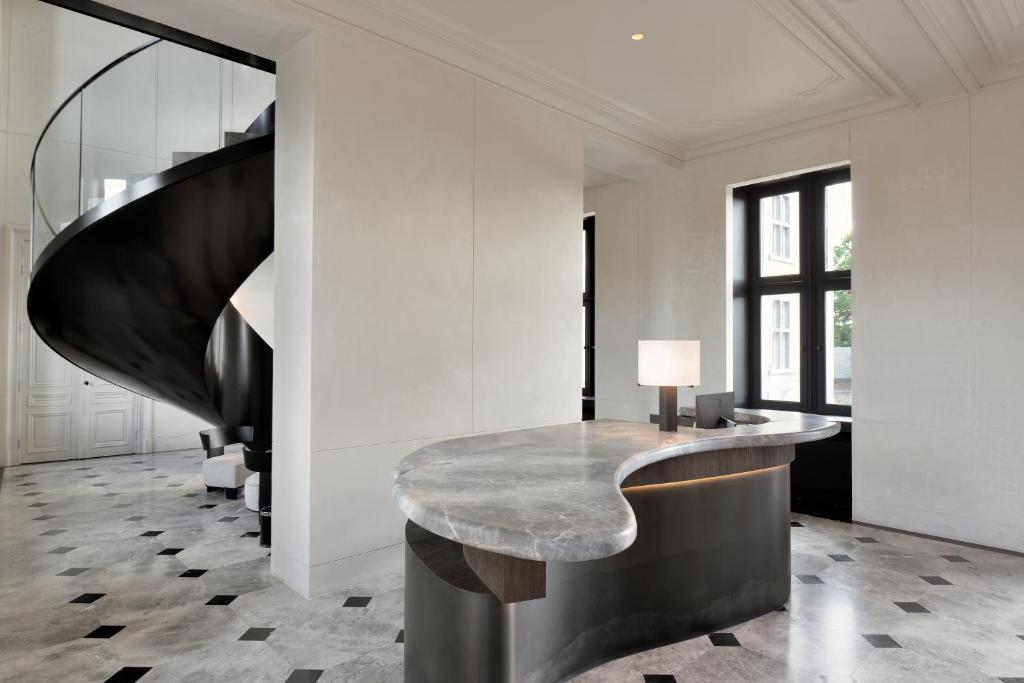
● Elegant interiors furnished with iconic Italian design pieces, creating a rare dialogue between heritage and modern minimalism.
● An immersive forest retreat where architecture, gastronomy, and nature come together in perfect harmony.
A Castle Reborn
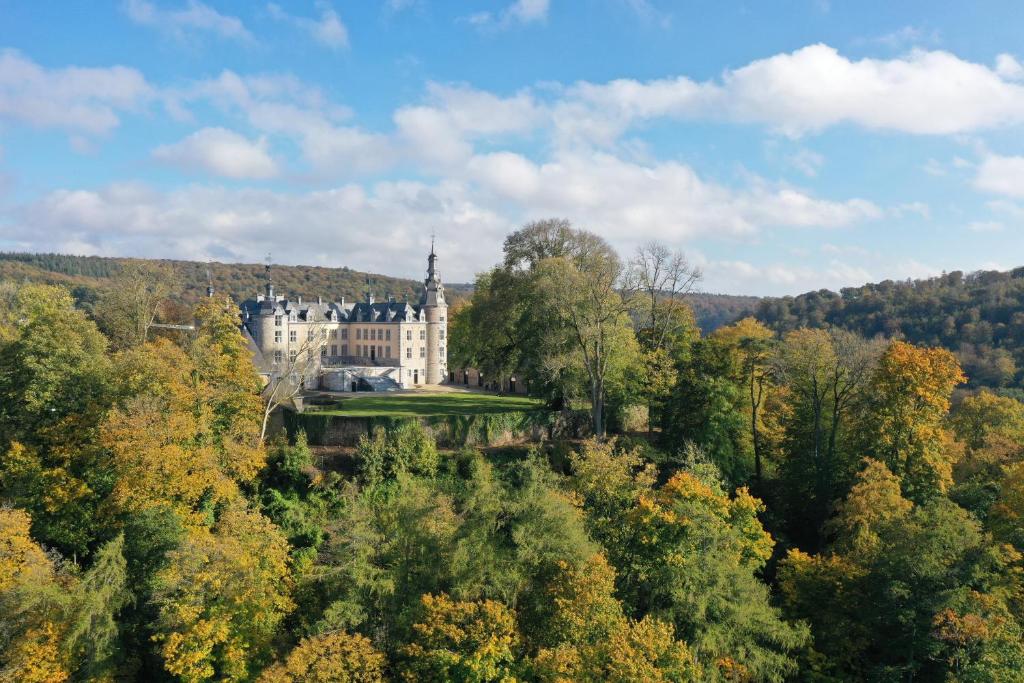
Hidden among the forests of the Belgian Ardennes, Château de Mirwart is one of Belgium’s most remarkable heritage restorations. Once a neglected country estate, the château has been thoughtfully revived by architect Loïk Eyers, founder of Jaspers-Eyers Architects, into an intimate luxury retreat where history and contemporary living exist in effortless balance. Rather than recreating aristocratic grandeur, the restoration celebrates simplicity, proportion, and atmosphere. The result is a hotel that feels timeless rather than nostalgic, luxurious without excess, and deeply connected to its surroundings.
Historic Architecture, Contemporary Calm
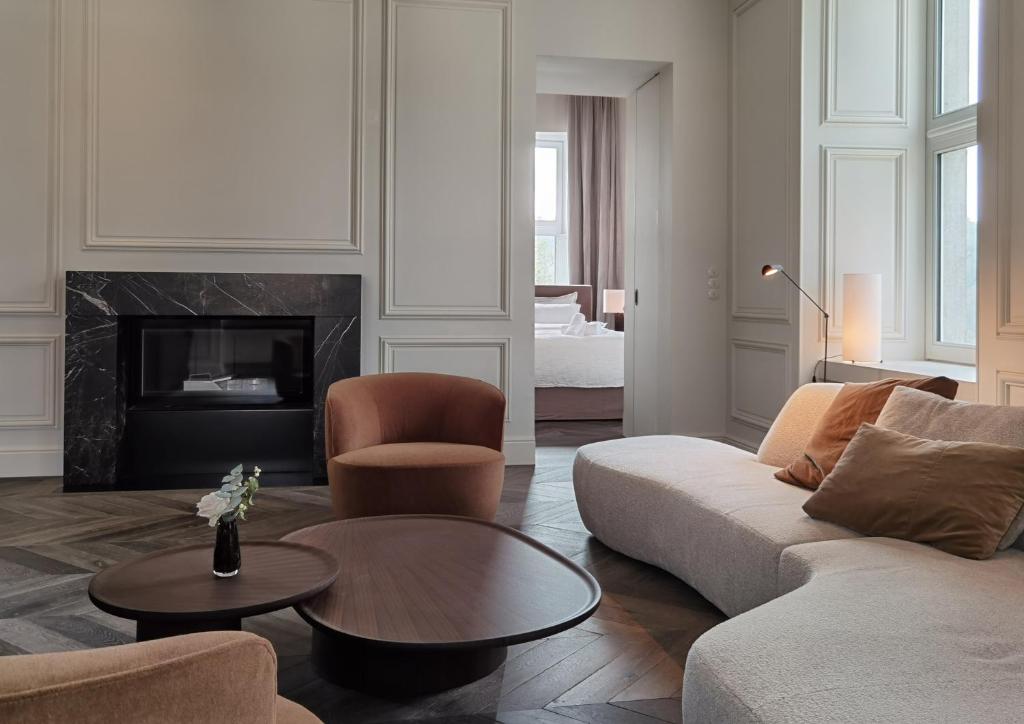
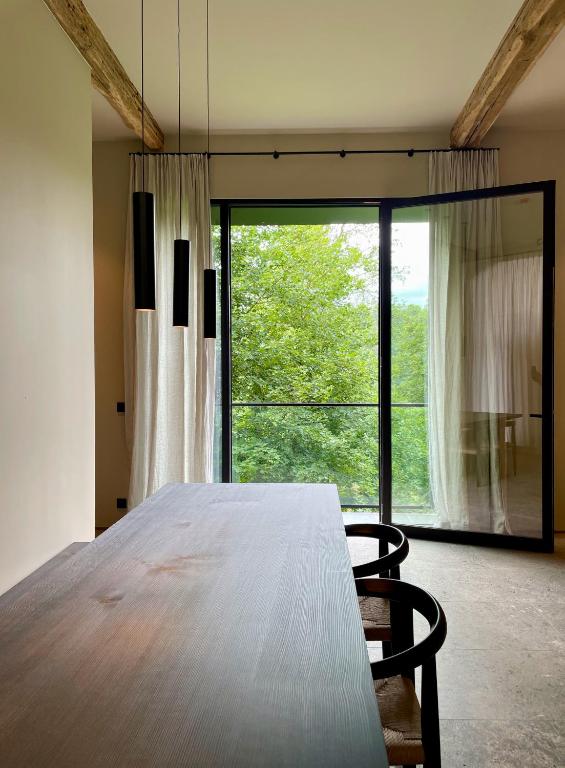
From the outside, Château de Mirwart remains every inch the romantic Ardennes castle. Slate roofs, stone façades, elegant towers, and woodland views preserve its centuries-old character. Inside, however, the experience is refreshingly contemporary. Original stone walls, exposed timber, natural oak, muted colours, linen fabrics, and sculptural lighting create interiors that feel calm, spacious, and beautifully restrained. Carefully selected furniture from Molteni&C—including designs by Gio Ponti, Patricia Urquiola, and Yabu Pushelberg—adds an international design language that complements rather than competes with the historic architecture. Every room demonstrates that true luxury often comes through simplicity.
A Belgian Masterclass in Minimalism
Throughout the château, the influence of Belgian designer Vincent Van Duysen is unmistakable. His philosophy of tactile materials, understated elegance, and emotional minimalism shapes the atmosphere without ever drawing attention to itself. Soft textures, natural stone, warm woods, and carefully framed views create interiors that invite guests to slow down and fully experience the building. Nothing feels decorative for its own sake. Every element contributes to a remarkable sense of tranquillity.
Dining Inspired by the Ardennes
The restaurant reflects the same thoughtful philosophy. Seasonal game, locally grown vegetables, forest herbs, and regional produce form the basis of a refined contemporary Belgian menu that celebrates the surrounding landscape without unnecessary complexity. Large windows, natural materials, and understated interiors allow the changing Ardennes scenery to become part of the dining experience itself.
Rooms Surrounded by Silence
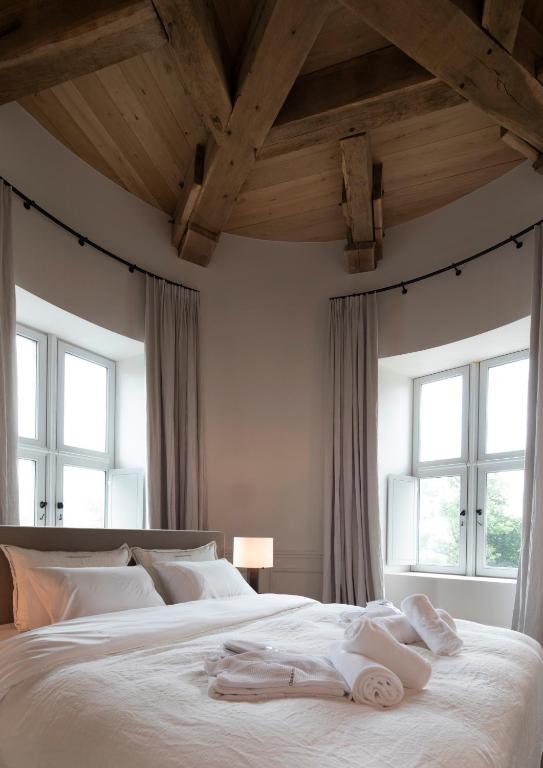
Each guestroom has its own individual character while sharing the same calm architectural language. Large windows frame forests and rolling hills, while exposed beams, natural materials, soft linens, wool textiles, and carefully crafted furniture create warm, restorative spaces. Bathrooms combine stone, wood, and contemporary detailing to provide quiet luxury rather than visual spectacle. Every room feels like a natural extension of the landscape beyond.
Where Nature Leads the Experience
Perhaps Château de Mirwart’s greatest luxury is its setting. Walking trails begin at the château’s doorstep, leading through ancient forests, rivers, and rolling Ardennes countryside. Throughout the seasons, changing light, mist, birdsong, and silence become an essential part of the guest experience. Rather than separating architecture from nature, the château allows both to exist in continuous conversation.
Why It Works
Château de Mirwart demonstrates that heritage hospitality doesn’t need elaborate decoration to create lasting emotion. Through Loïk Eyers’ thoughtful restoration, refined contemporary interiors, exceptional craftsmanship, and an extraordinary connection to the Ardennes landscape, the château has become one of Belgium’s finest design retreats. Quiet, elegant, and deeply atmospheric, it offers a rare kind of luxury—one built on authenticity, restraint, and the timeless beauty of place.