The Blue Mansion — Cheong Fatt Tze’s Indigo Icon
An immersive encounter with Straits-Chinese grandeur, restored with extraordinary devotion
14, Lebuh Leith
10200 George Town, Pulau Pinang, Malaysia
Type: architectural hotel, boutique hotel, design hotel, heritage hotel, independent hotel
Style: colonial, maximalist
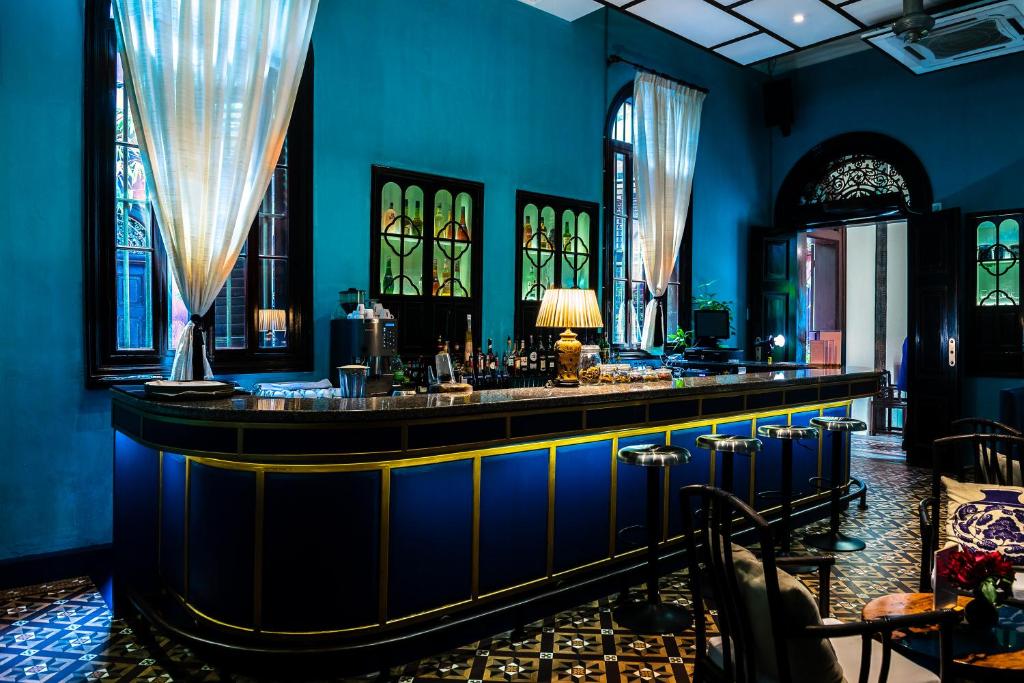
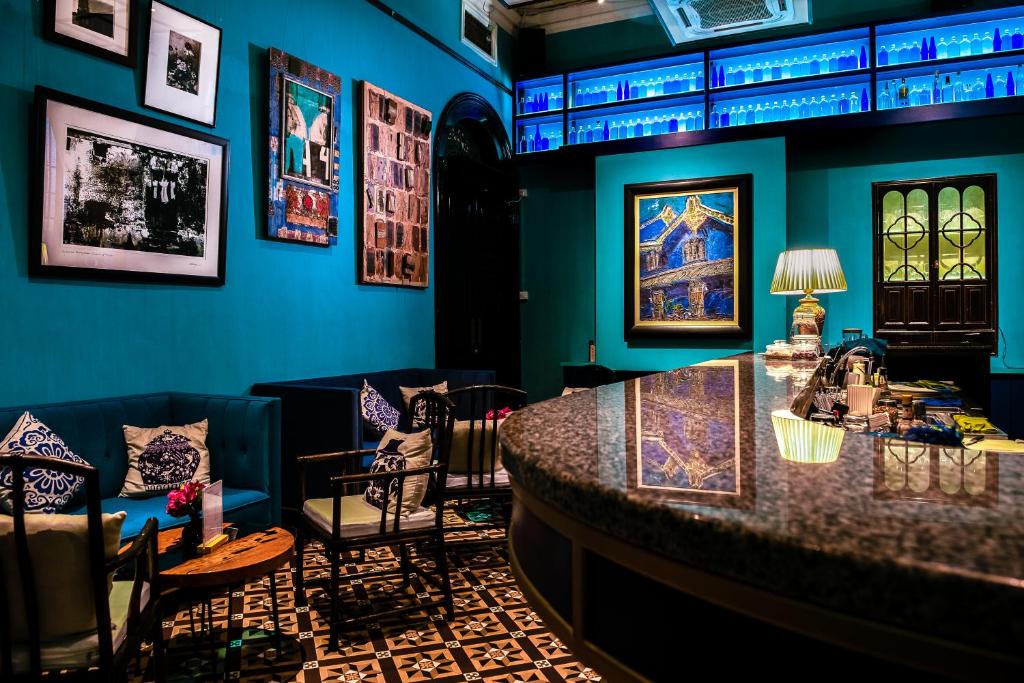
Vibe: fabulous hotel bars, lively
A Tycoon’s Dream, Cast in Indigo
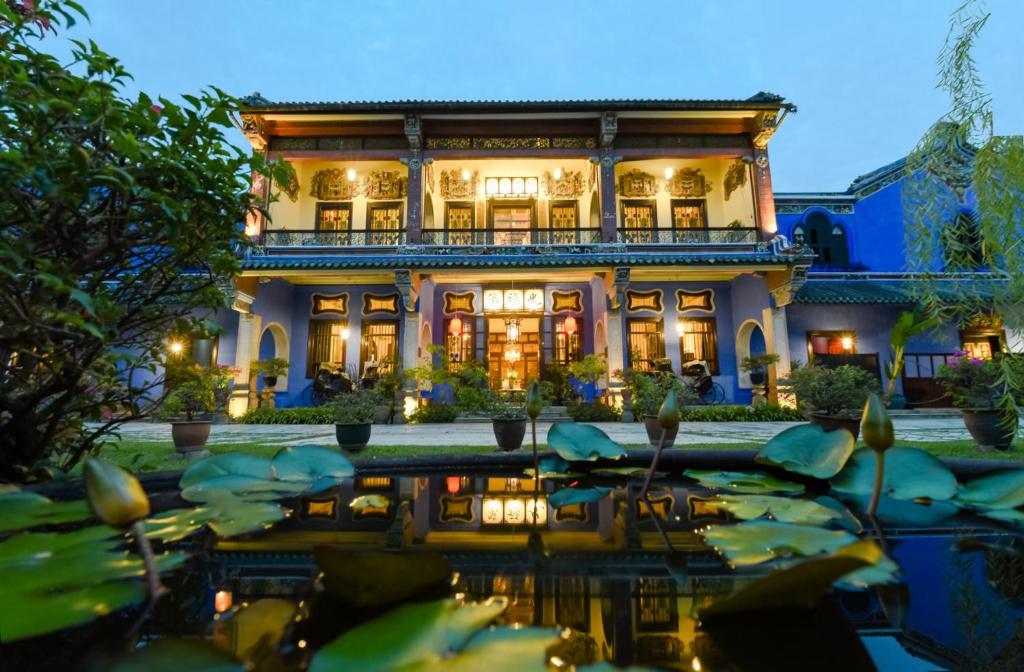
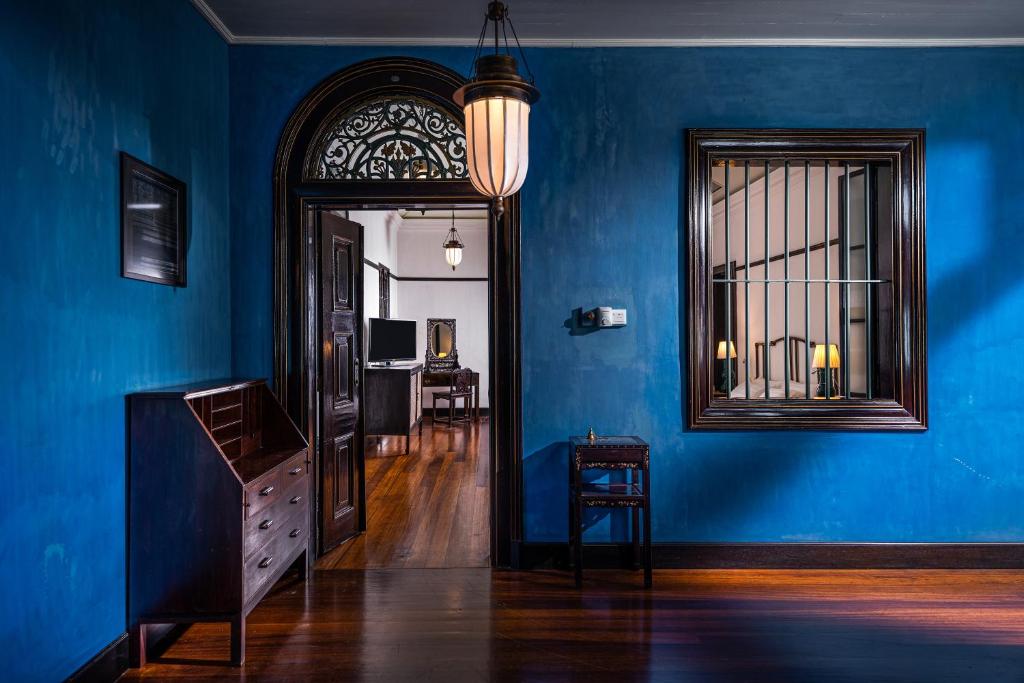
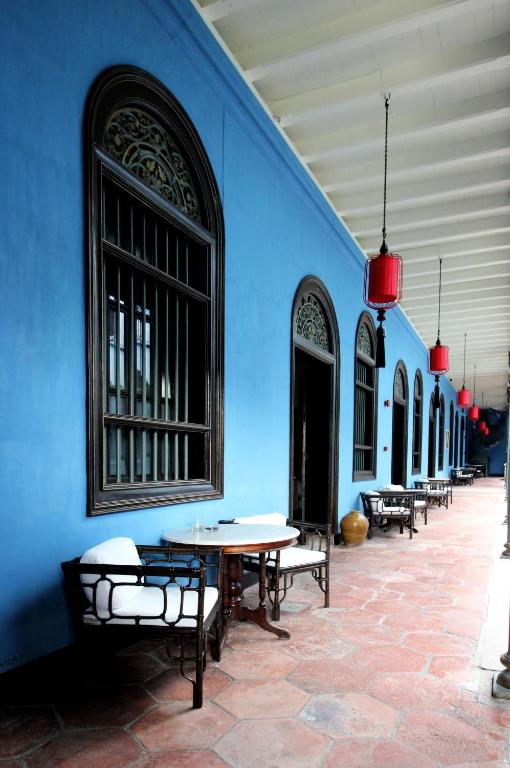
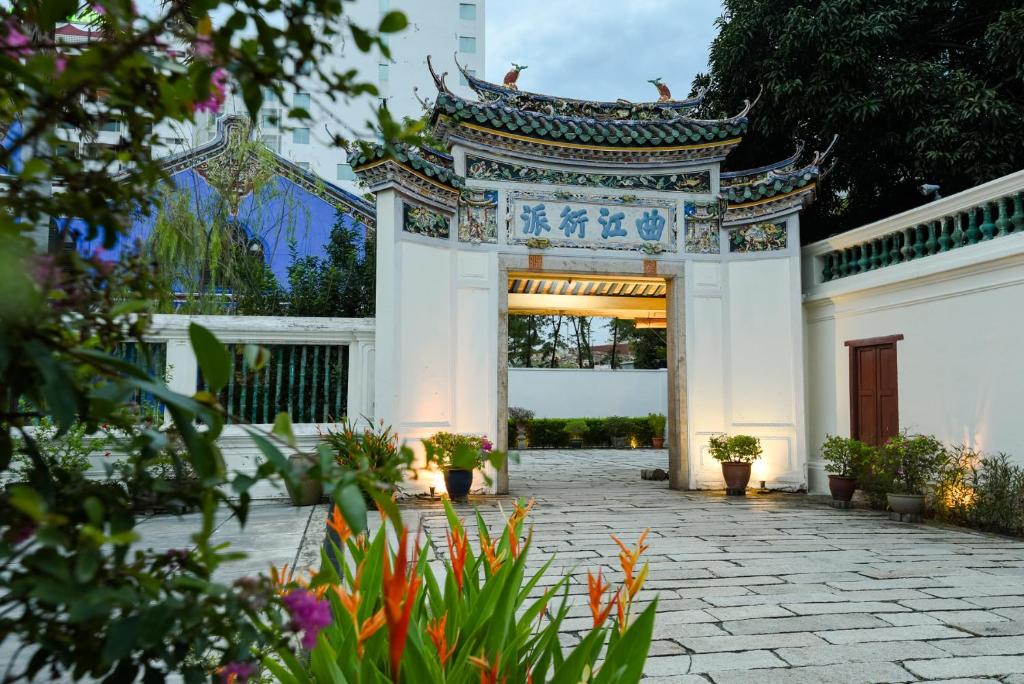
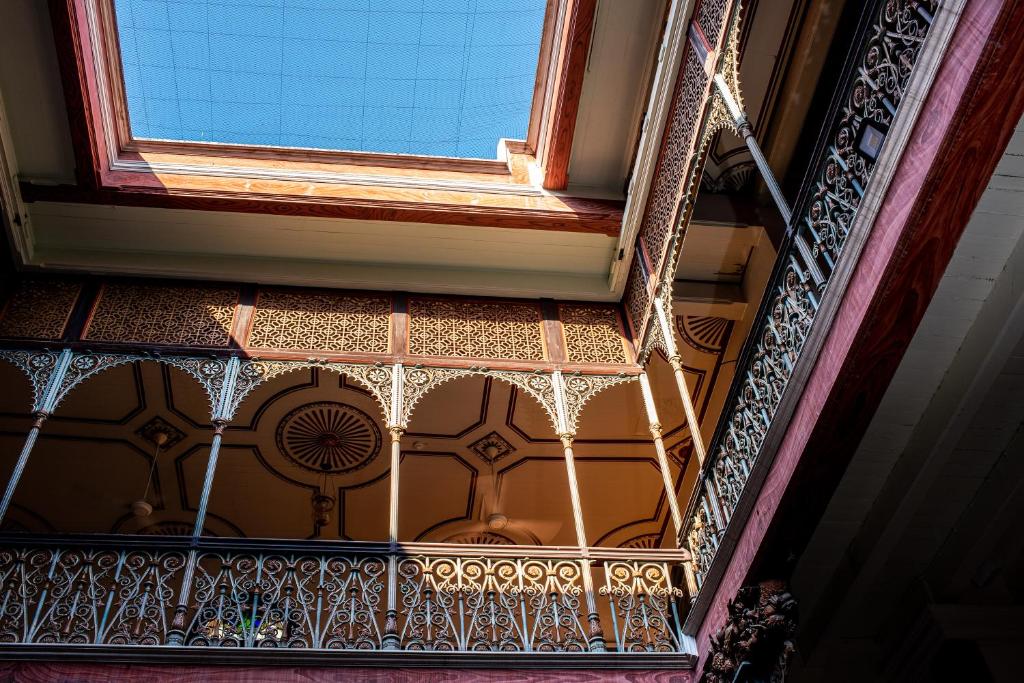
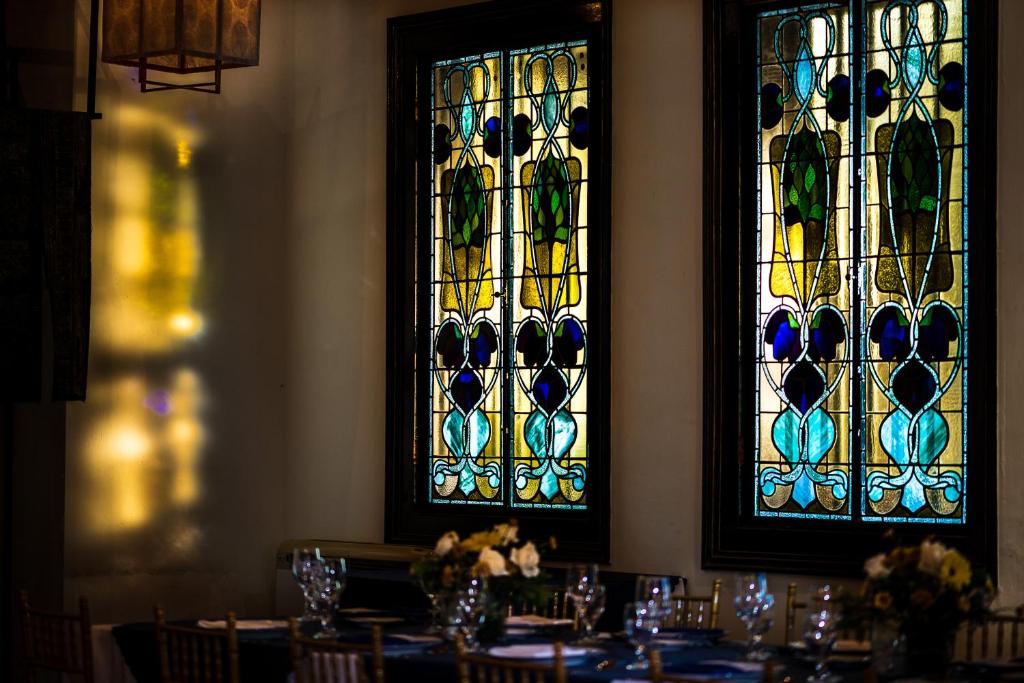
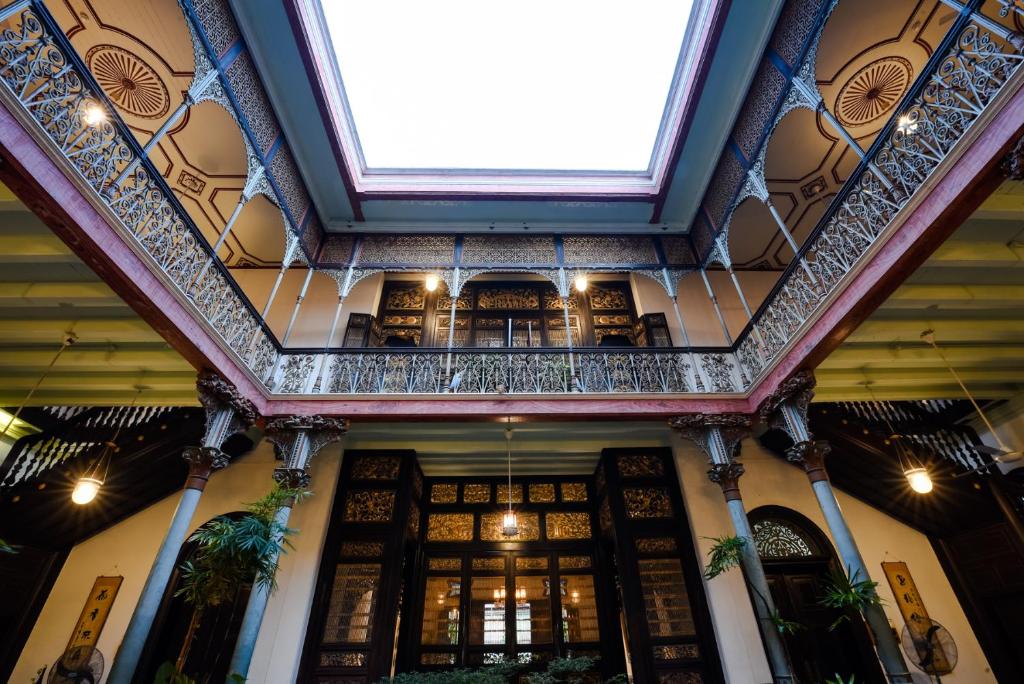
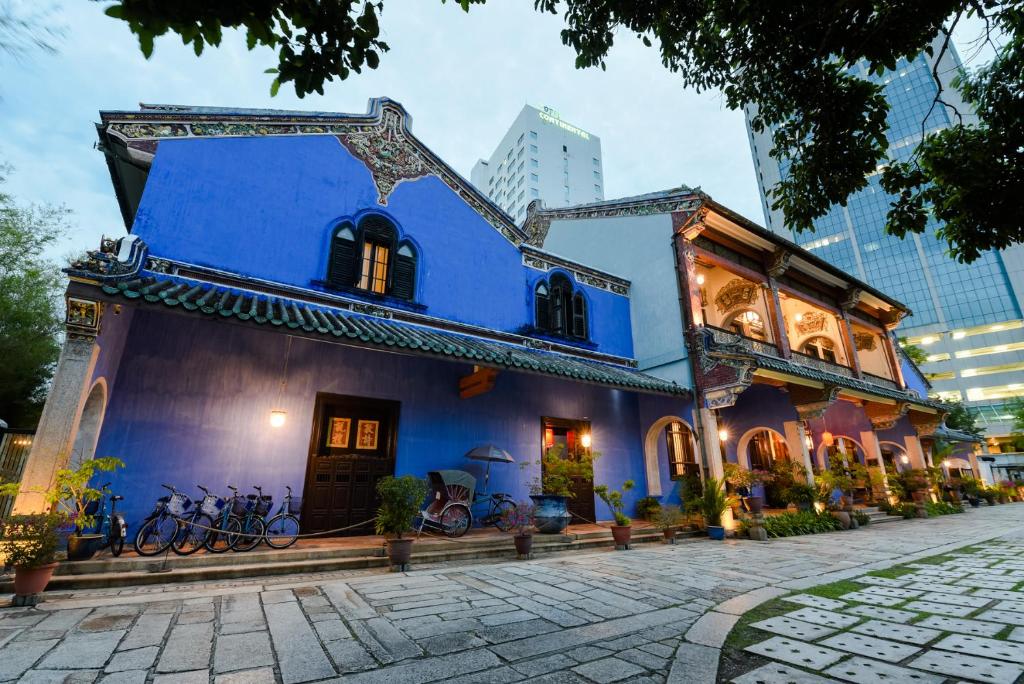
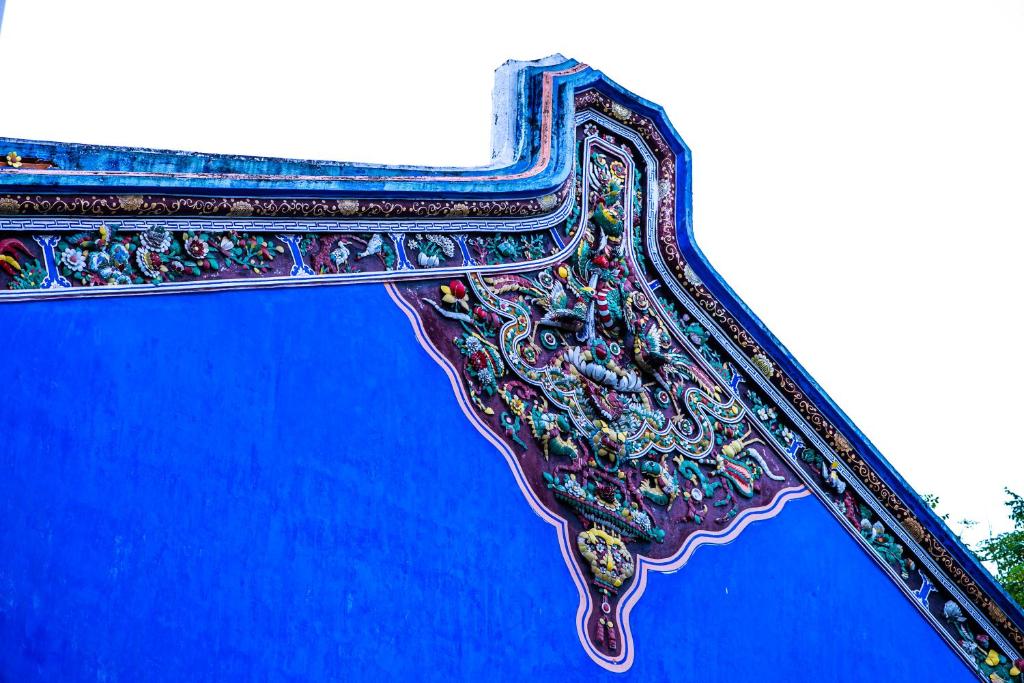
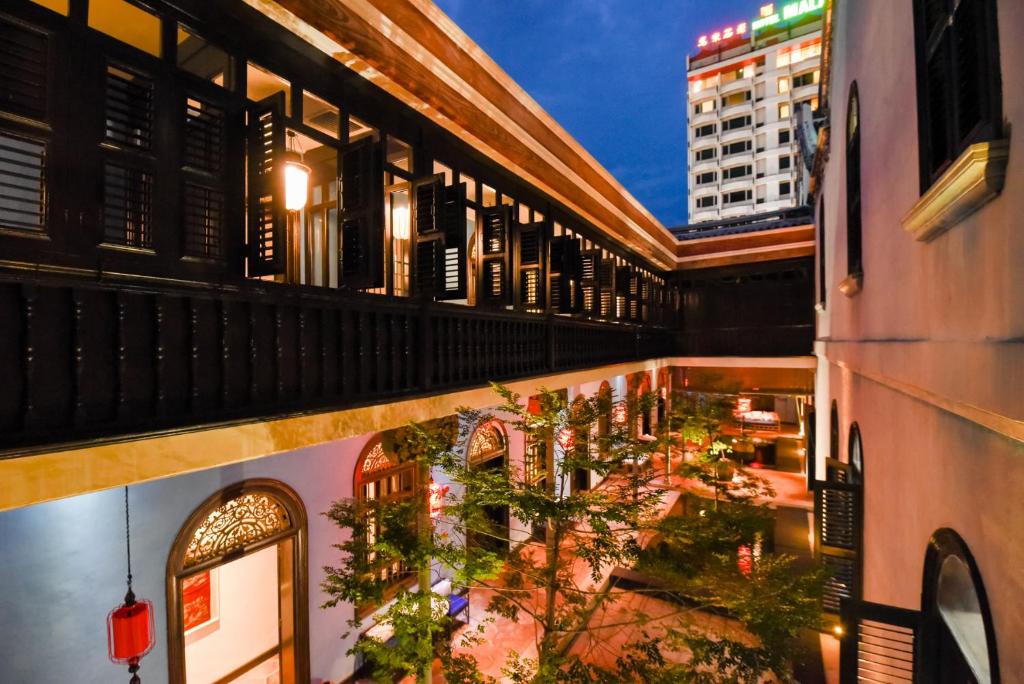
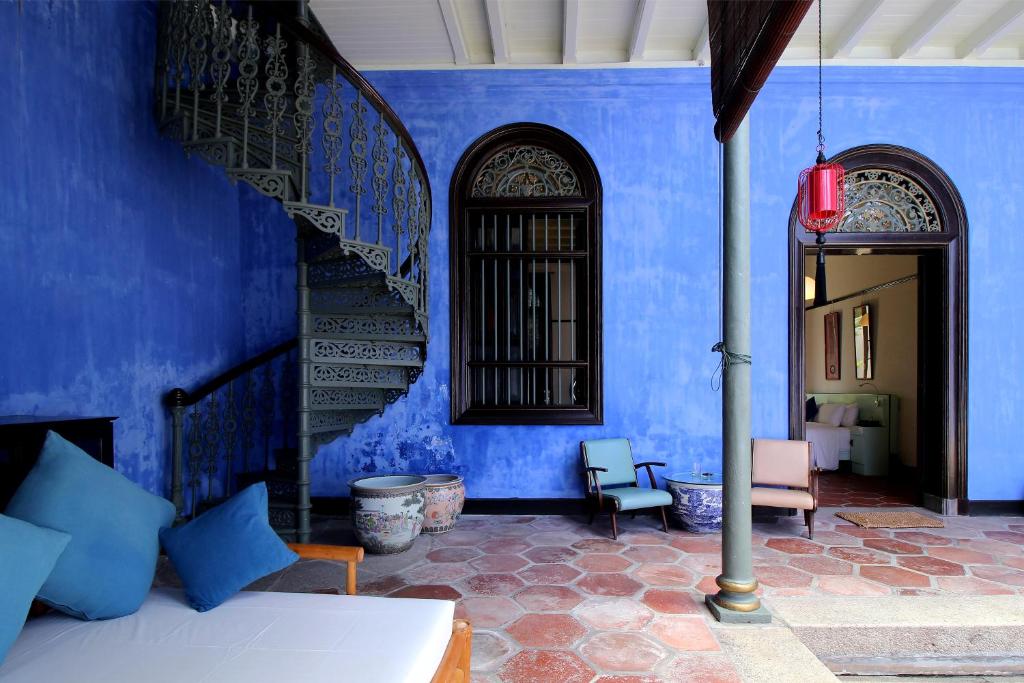
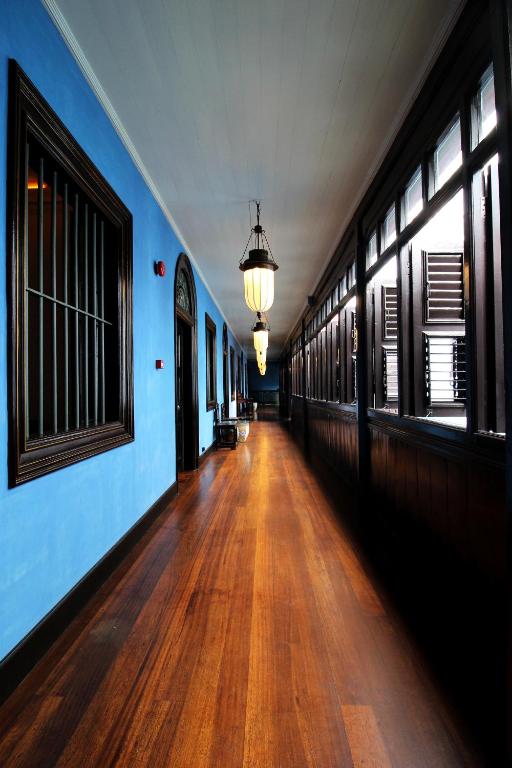
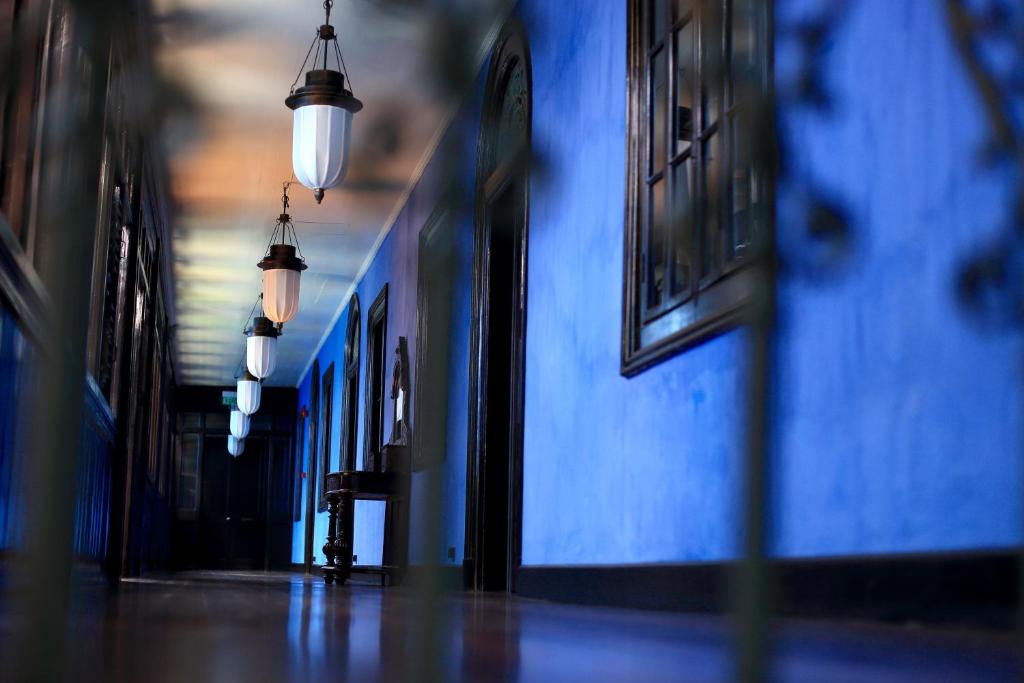
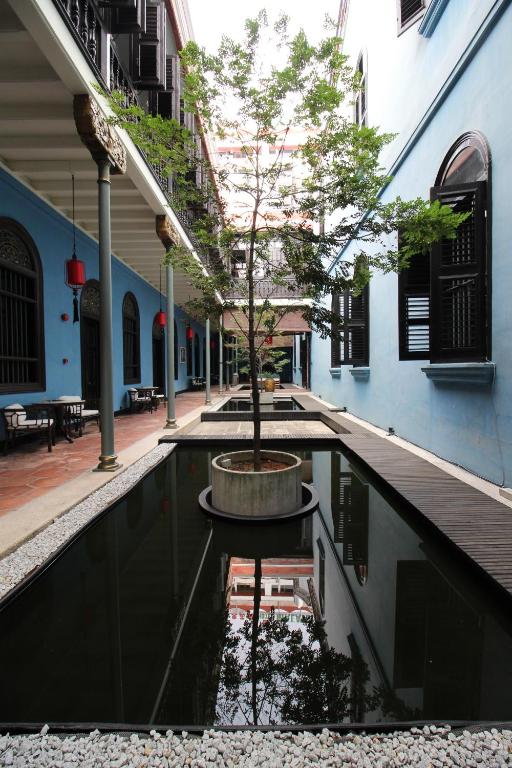
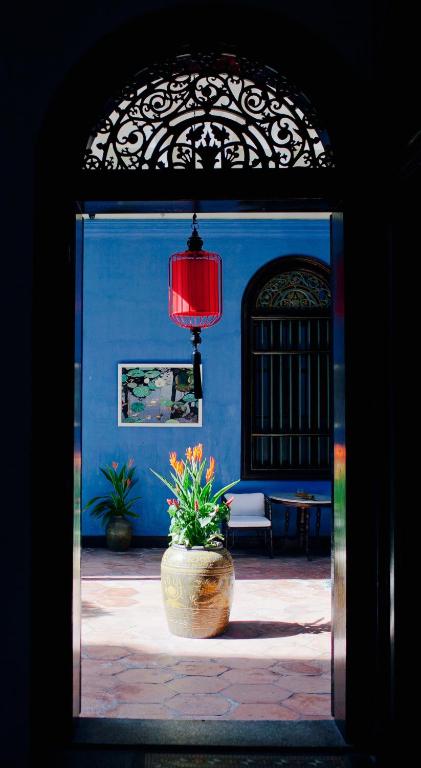
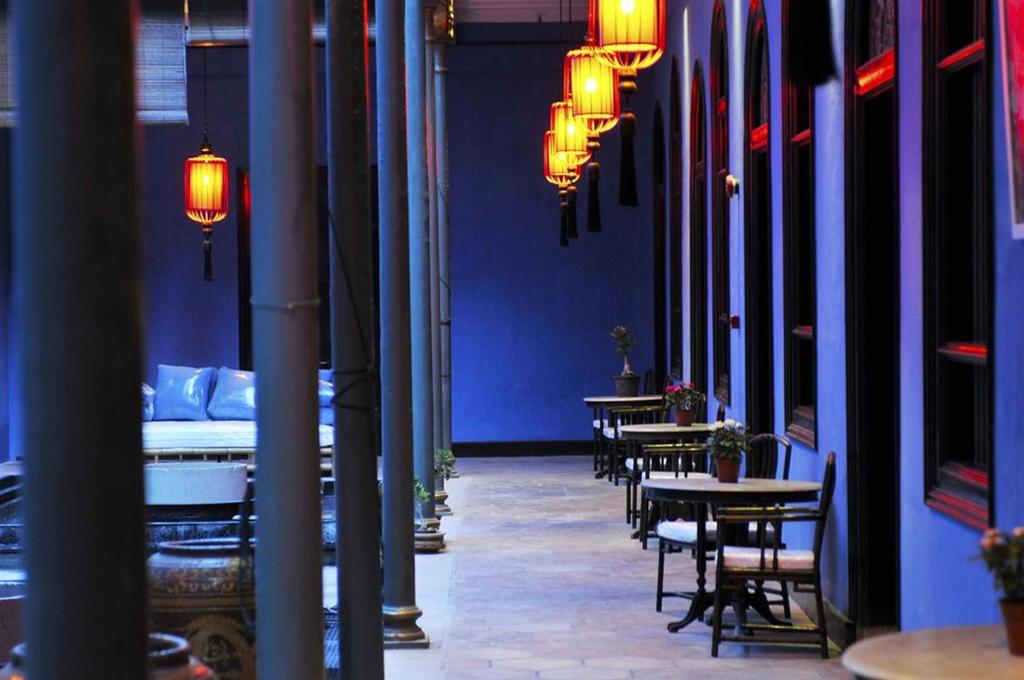
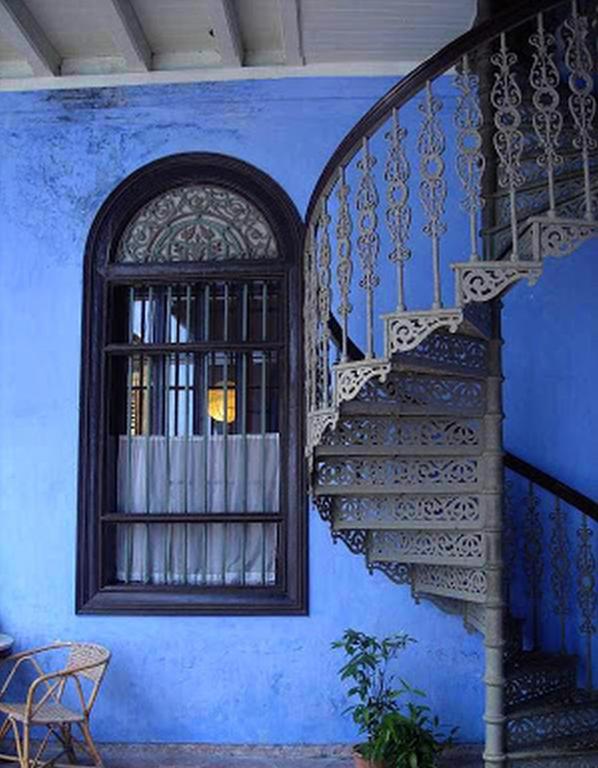
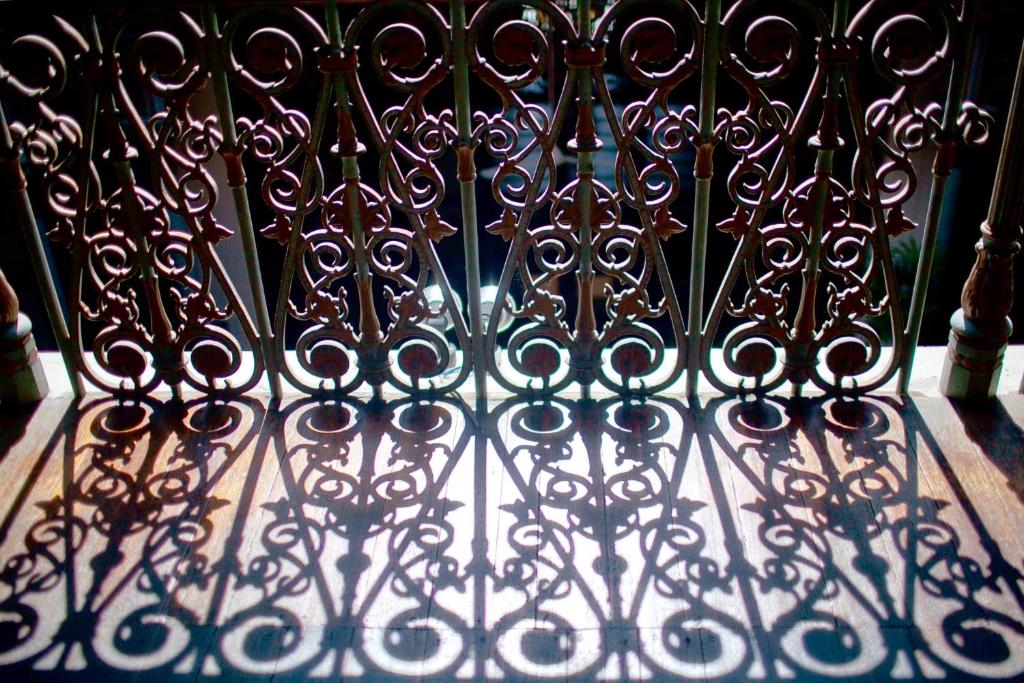
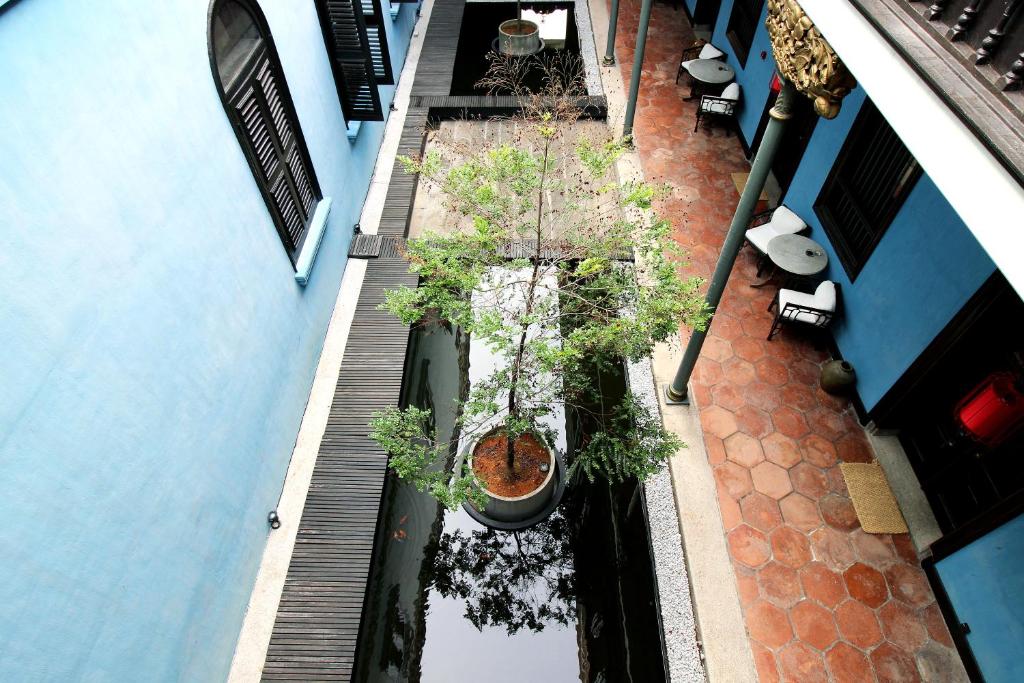
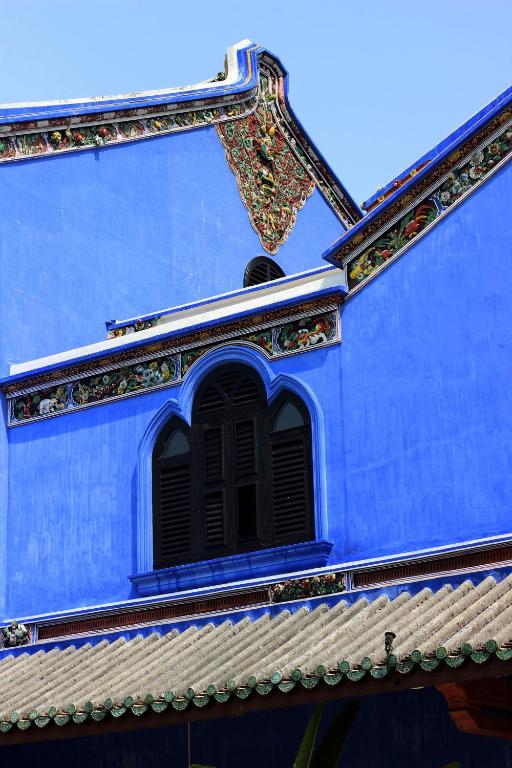
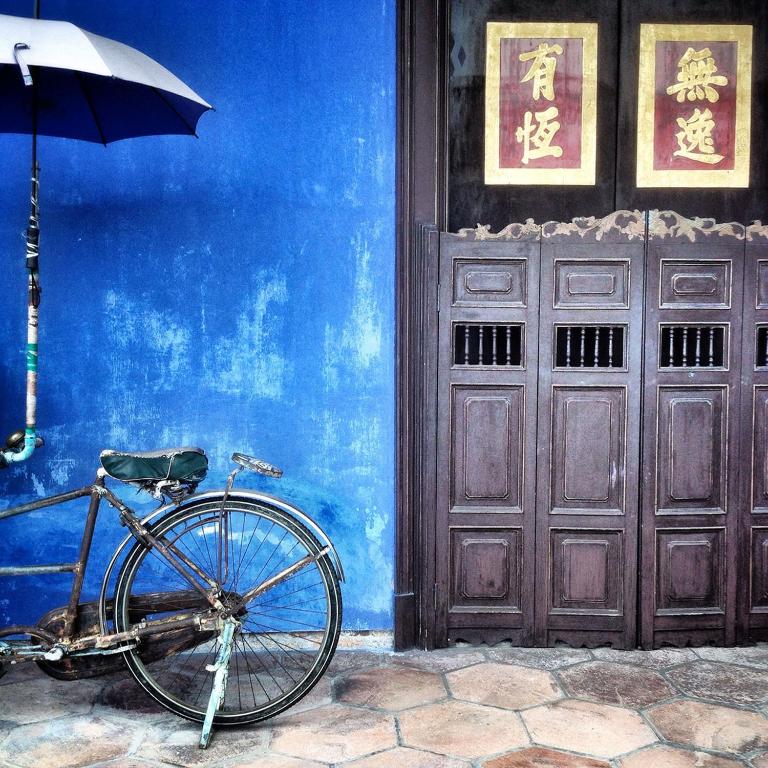
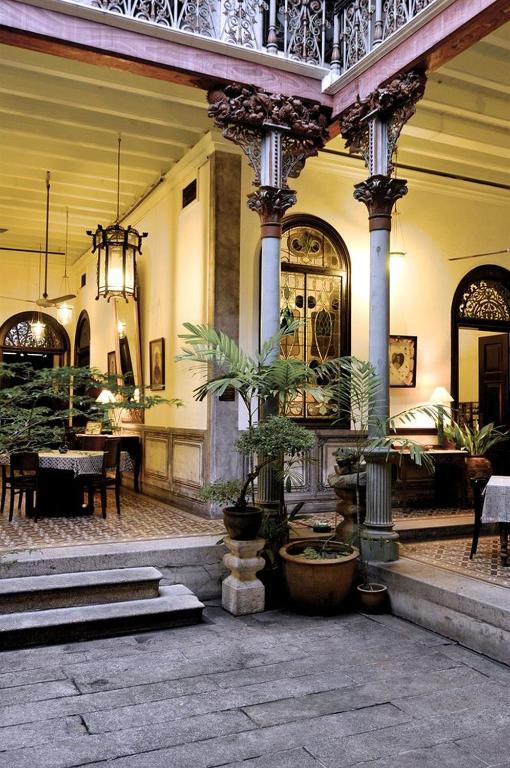
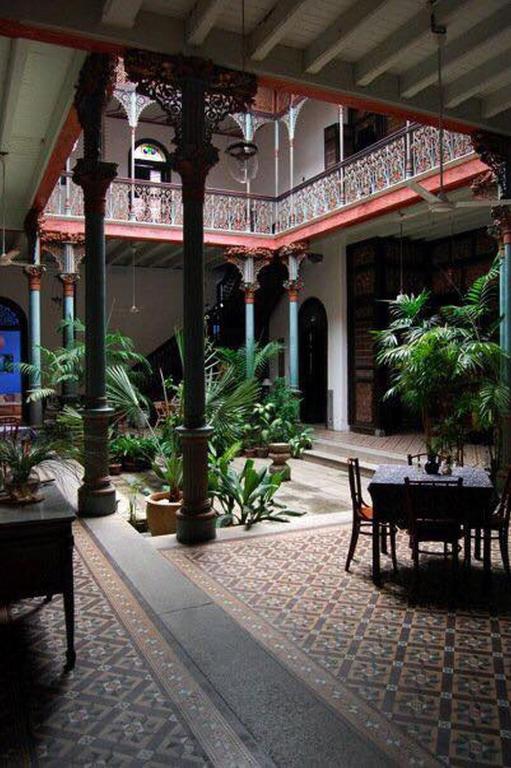
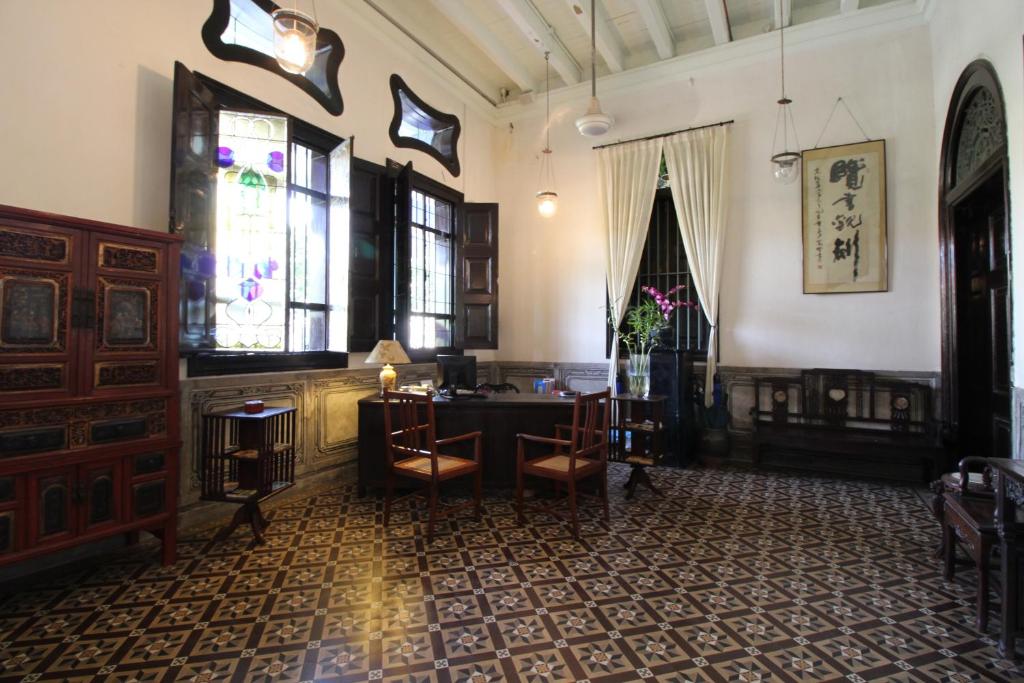
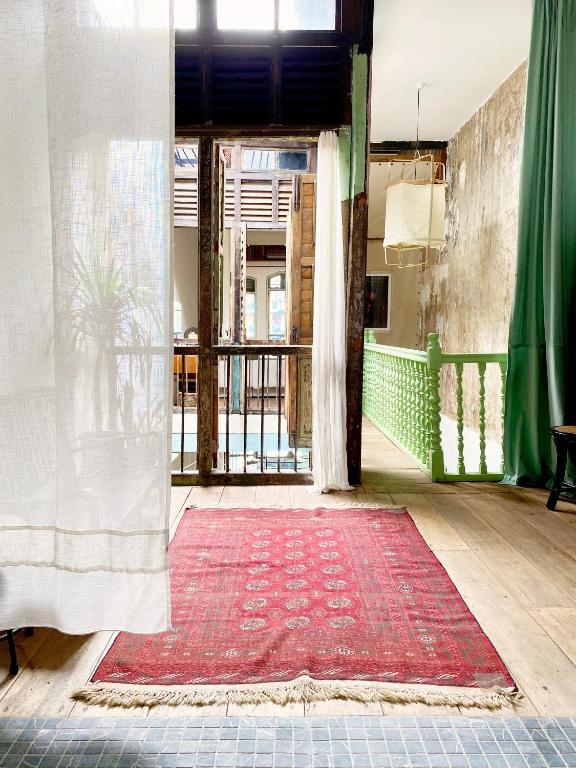
Echoing the legendary rags-to-riches story of Cheong Fatt Tze, The Blue Mansion stands as Penang’s most iconic Straits-Chinese residence. Built at the turn of the 19th century after consultation with one of the era’s foremost feng-shui masters, the mansion was conceived as a lavish generational home for the influential Chinese capitalist’s descendants. Southern Chinese courtyard architecture merges seamlessly with European influences—Scottish ironwork, Gothic windows, English stained glass—creating a residence both opulent and symbolically auspicious. Designed with exacting feng-shui alignment, the original home featured 38 rooms, five granite courtyards, seven staircases, and 220 timber-louvered windows, all wrapped in unmistakable indigo lime-wash.
Restoration After Ruin
Time and tragedy took a toll on the mansion. Following Cheong Fatt Tze’s death, the estate splintered and the once-majestic home deteriorated—its courtyards subdivided, its halls partitioned into low-cost housing, its structure weakened by neglect. In 1989, a dedicated group of conservationists acquired the property and began an ambitious restoration under the supervision of Laurence Loh. Over six painstaking years, artisans revived every shutter, tile, and beam using traditional materials and heritage craftsmanship. The effort was so exemplary it earned both the Malaysian Architectural Conservation Award and the UNESCO Asia-Pacific Heritage Award. Today, the mansion stands as one of the region’s finest examples of architectural resurrection.
A Stay Inside Living Heritage
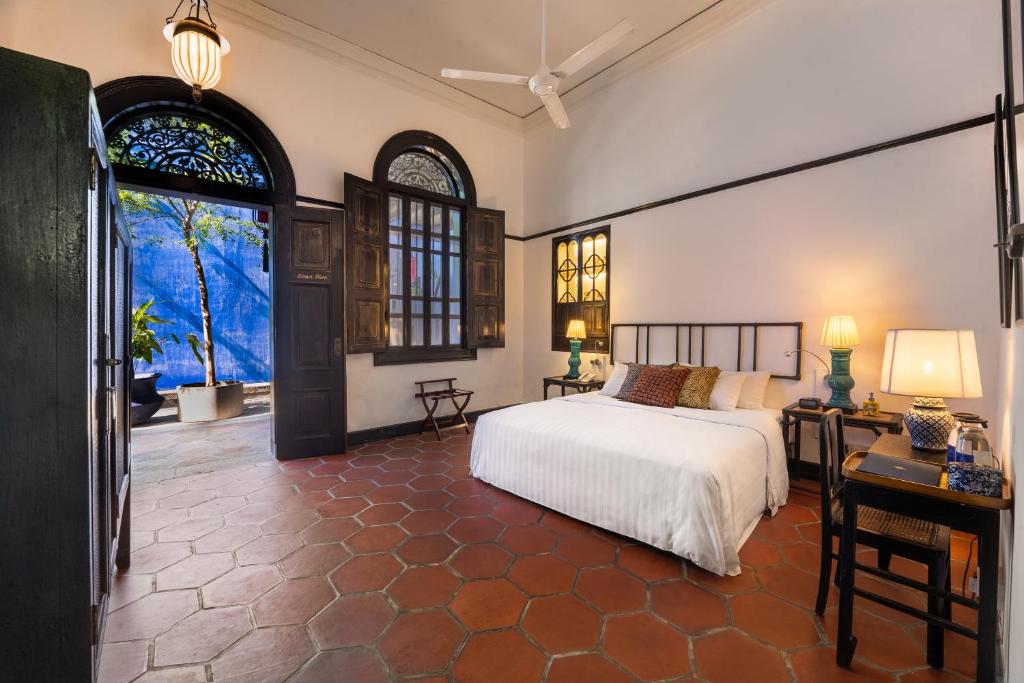
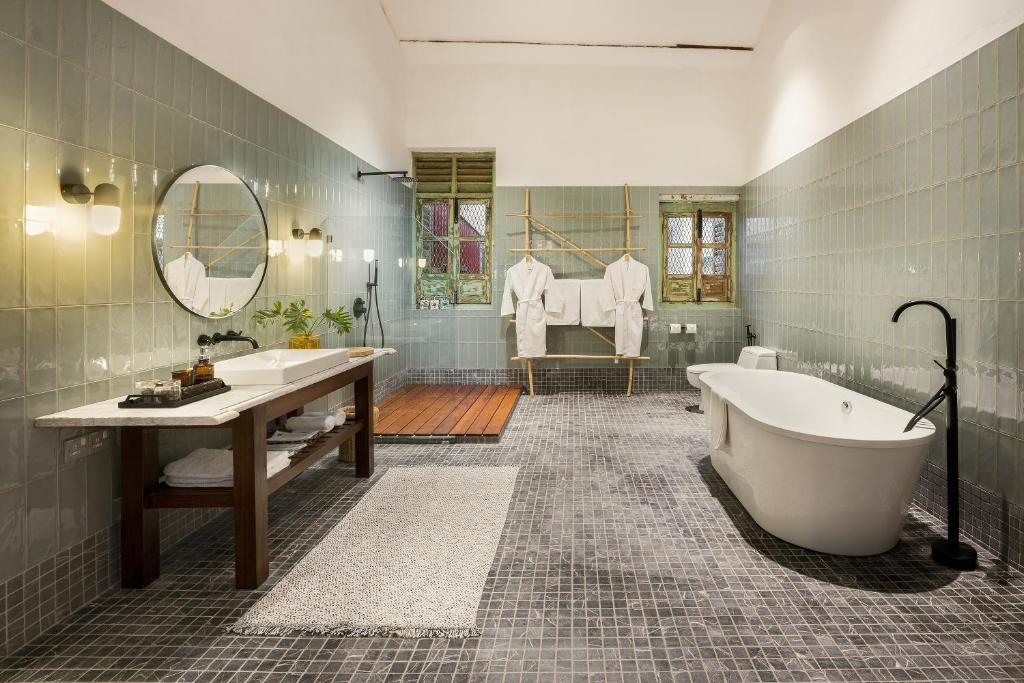
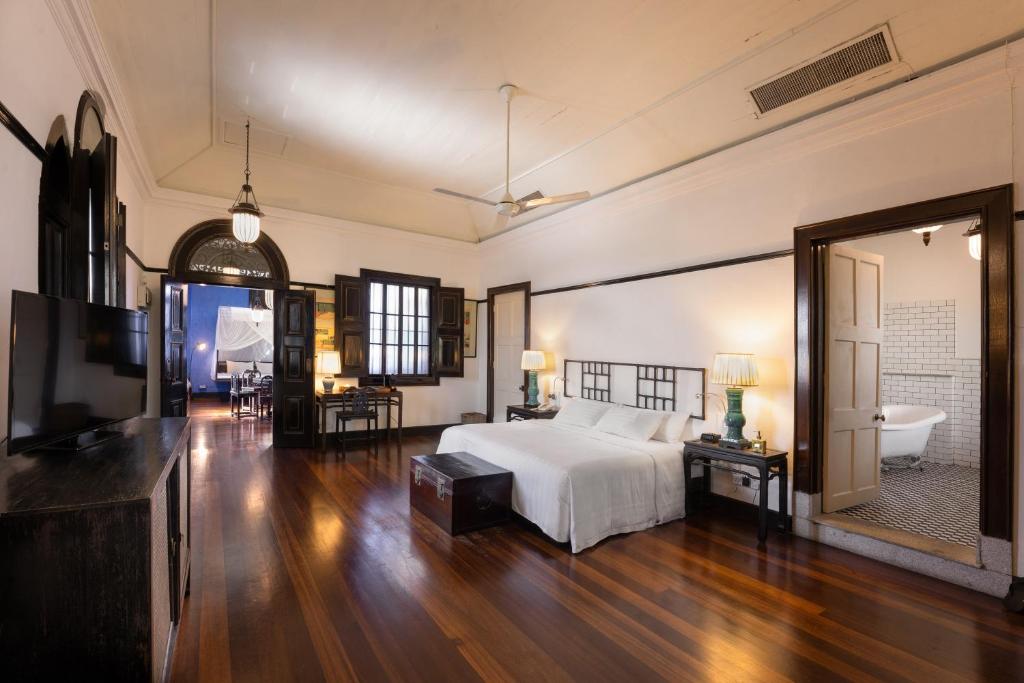
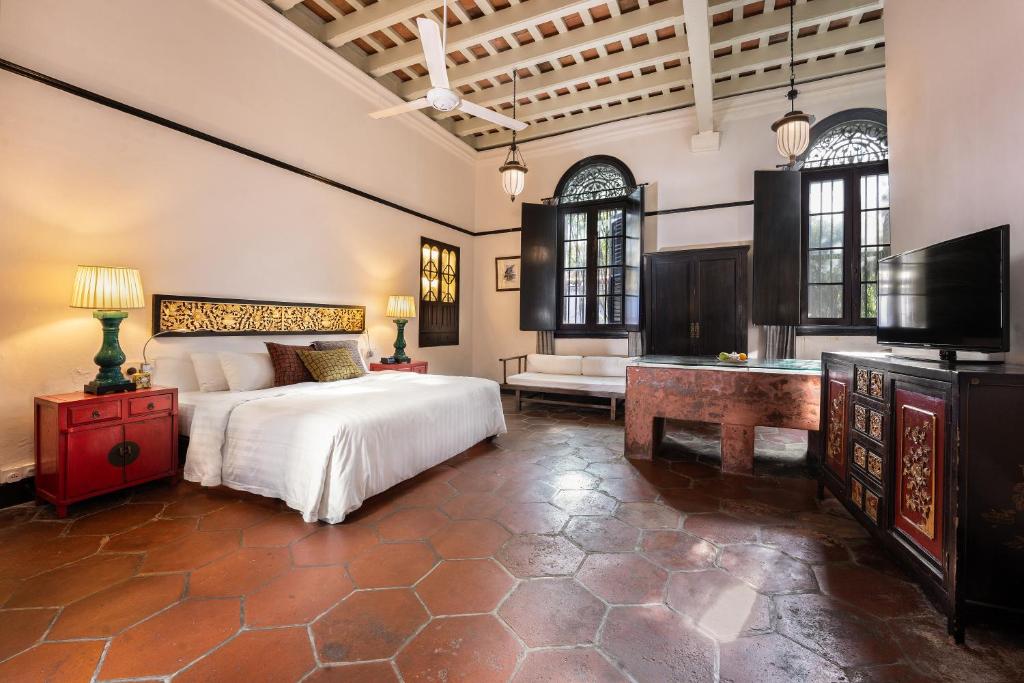
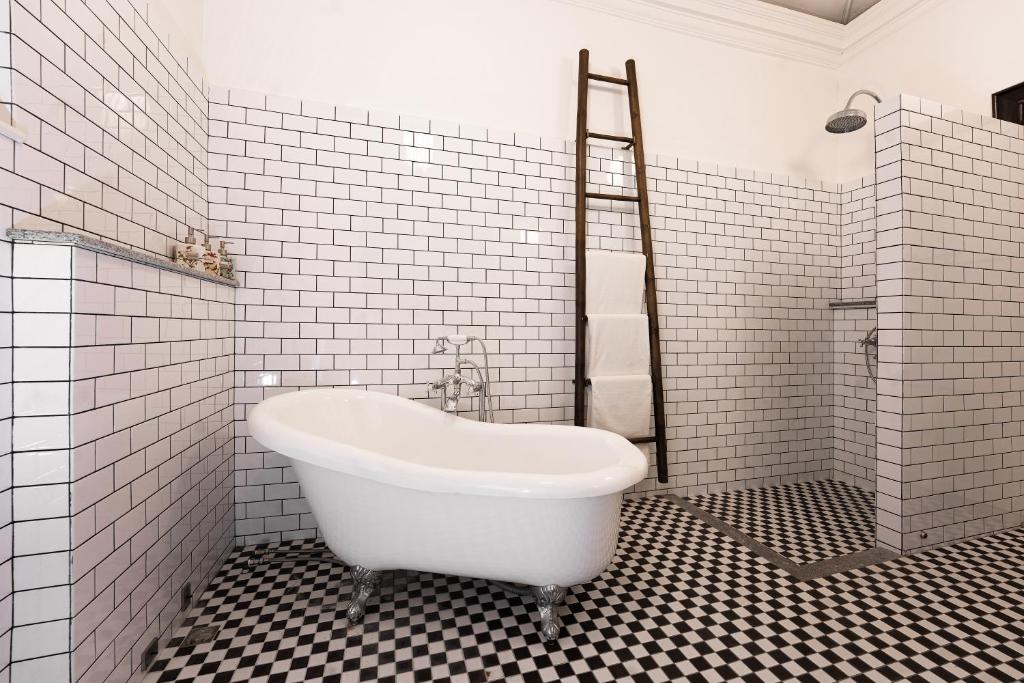
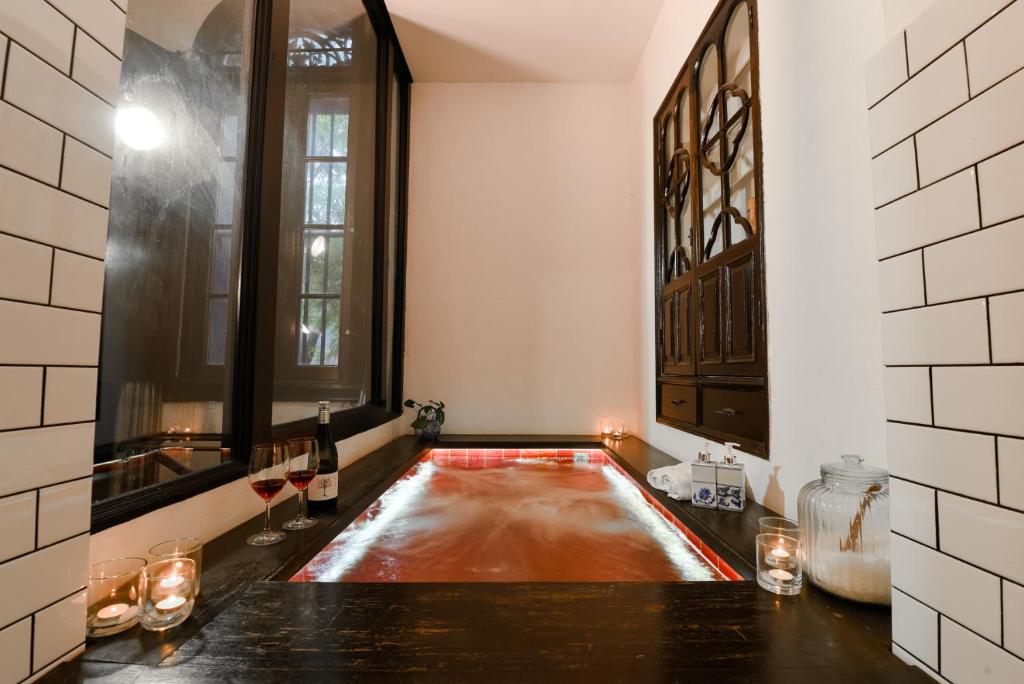
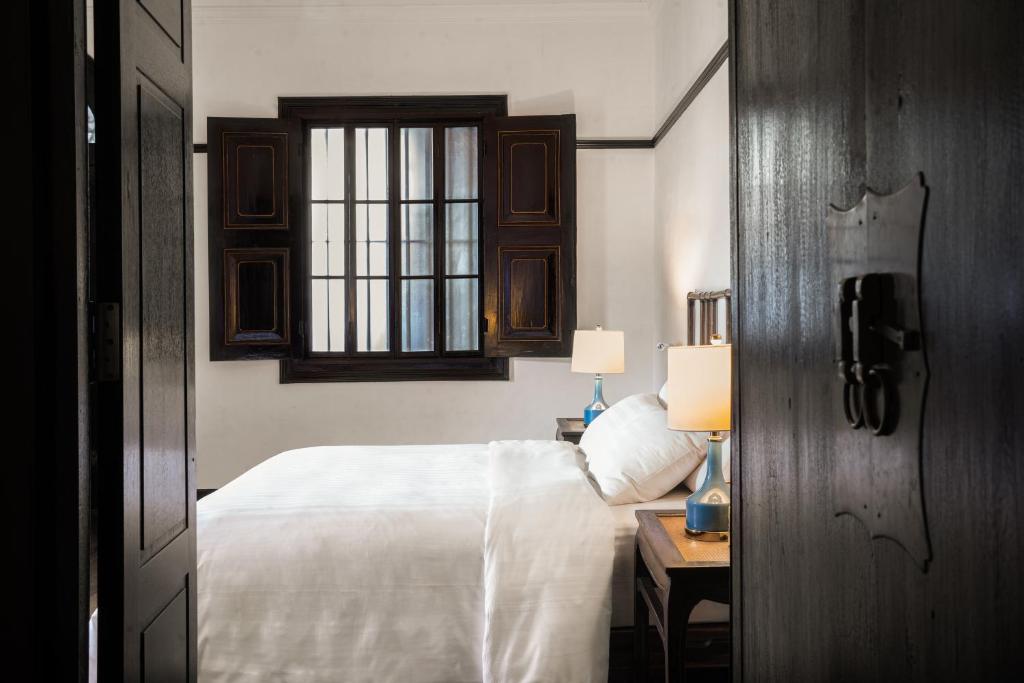
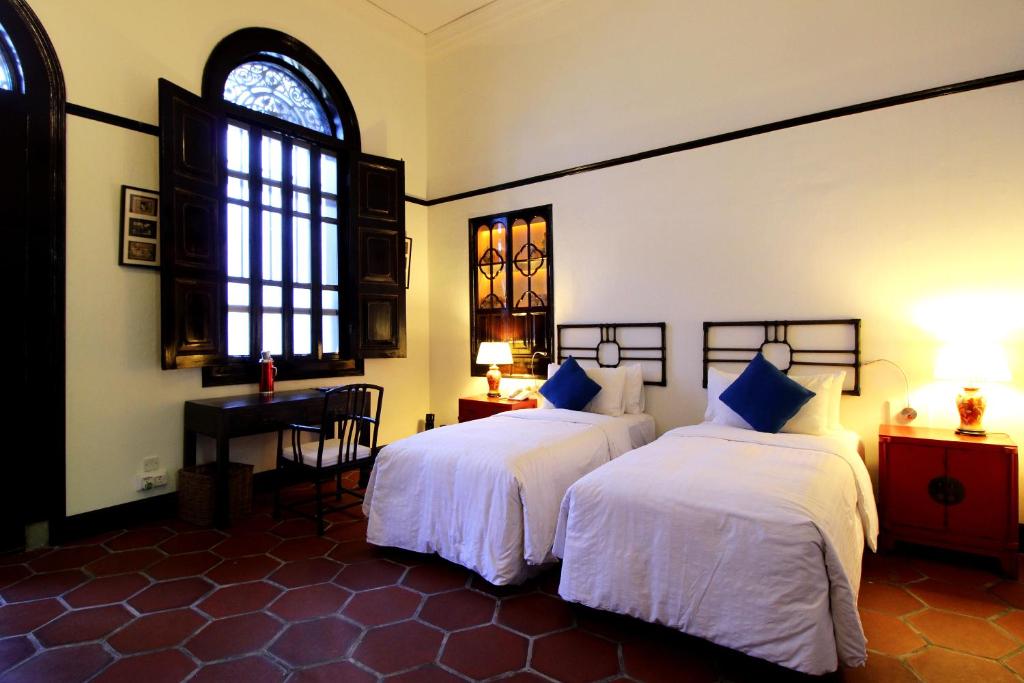
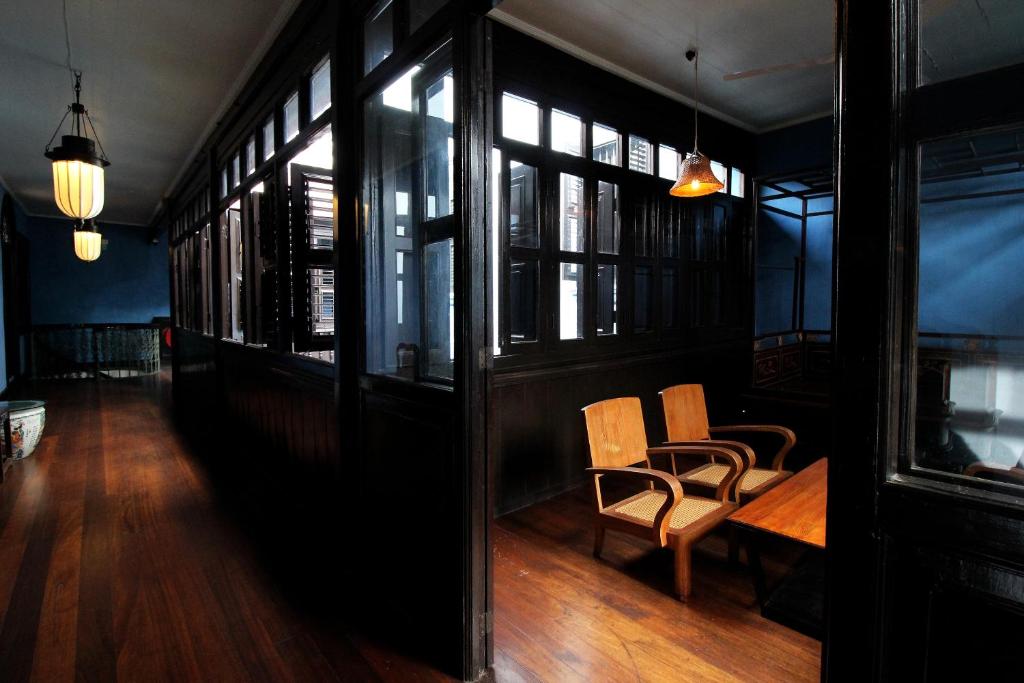
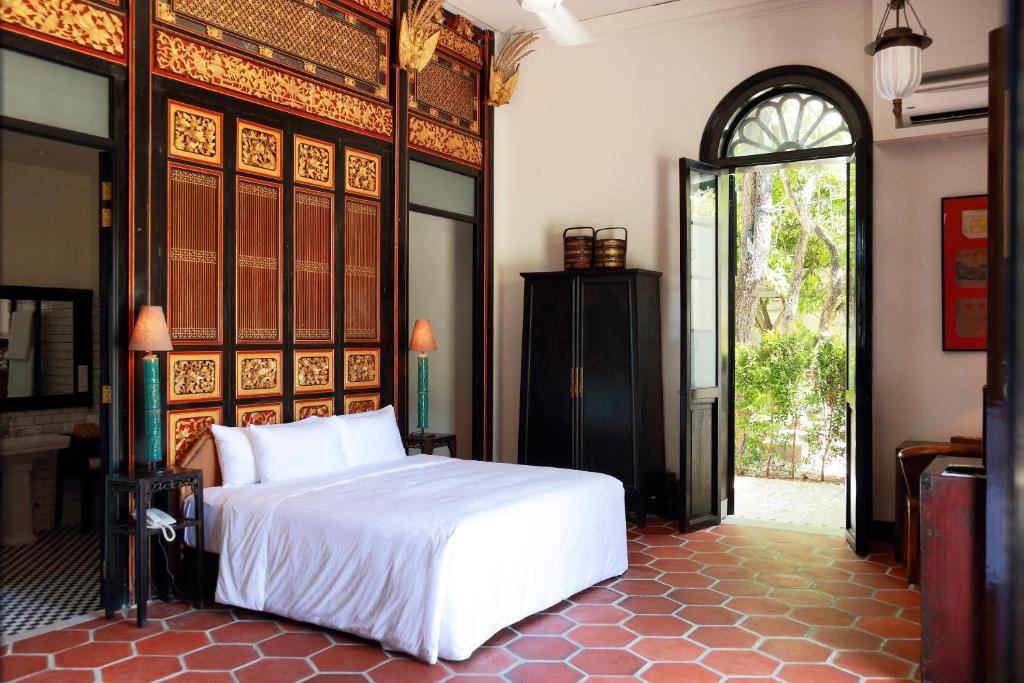
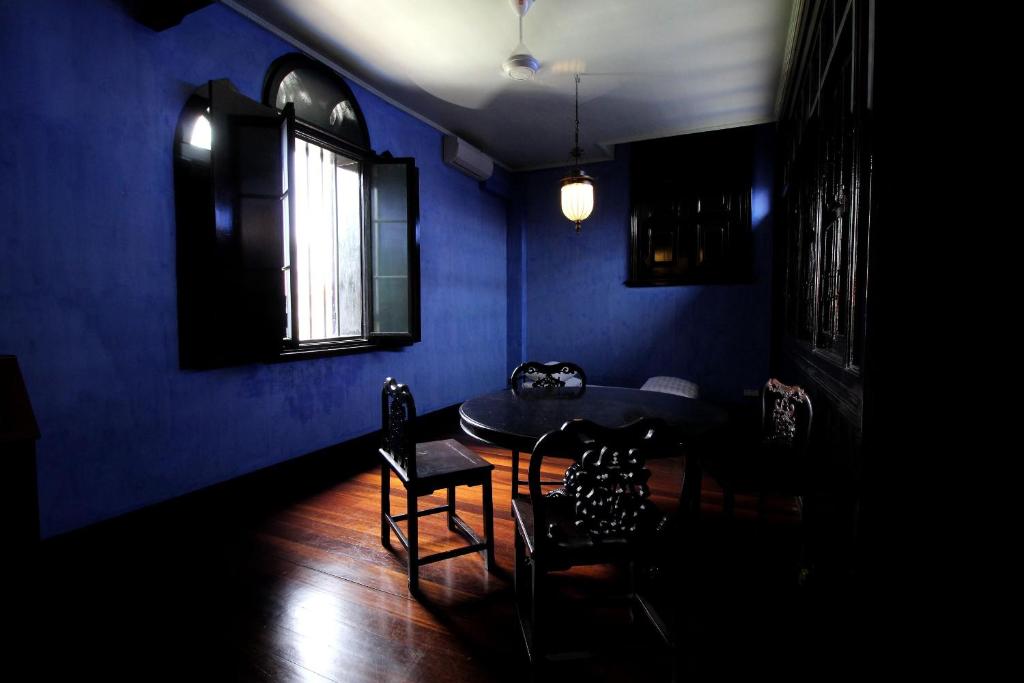
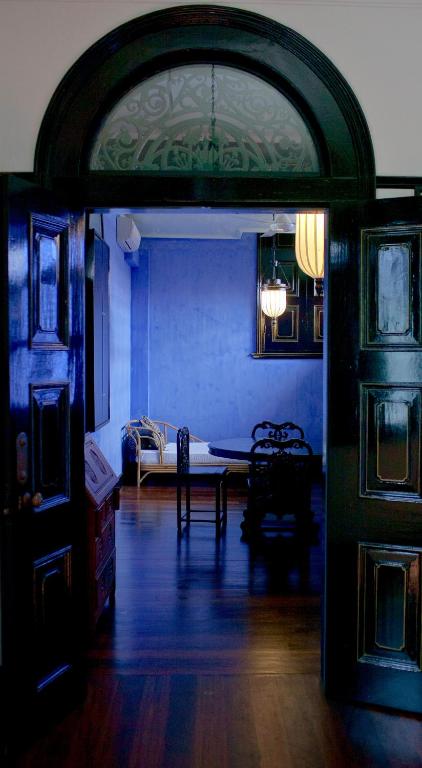
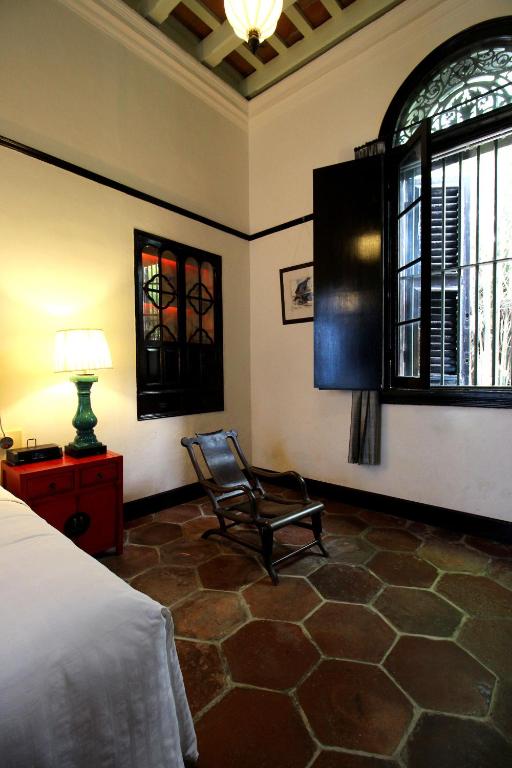
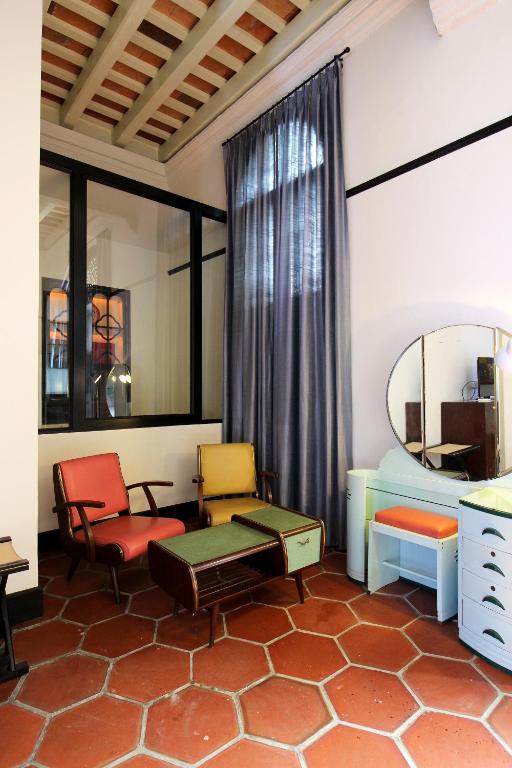
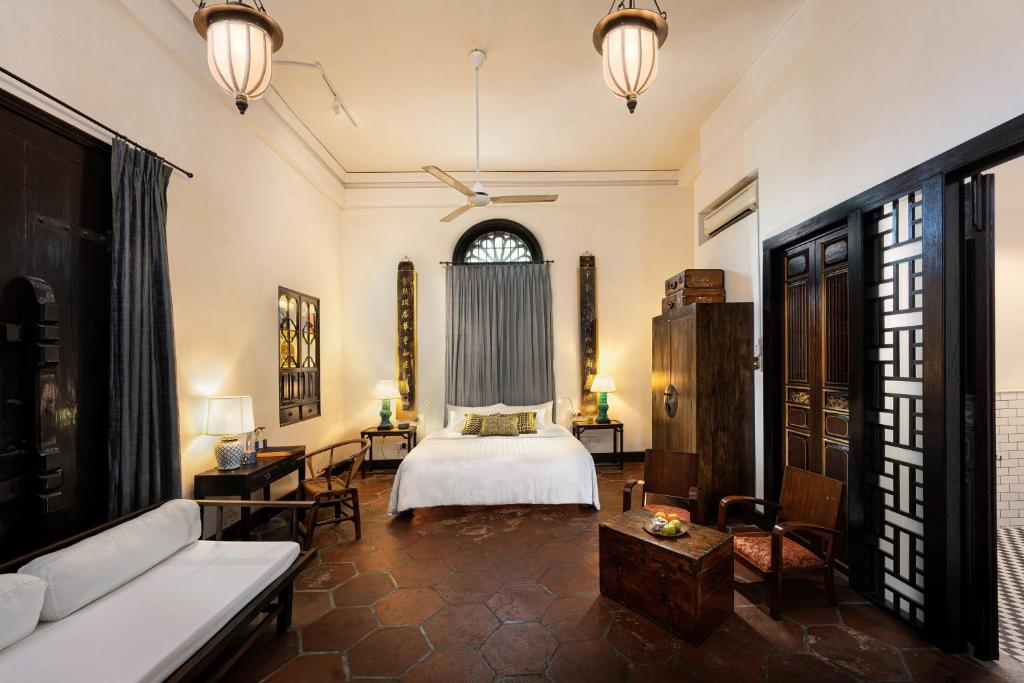
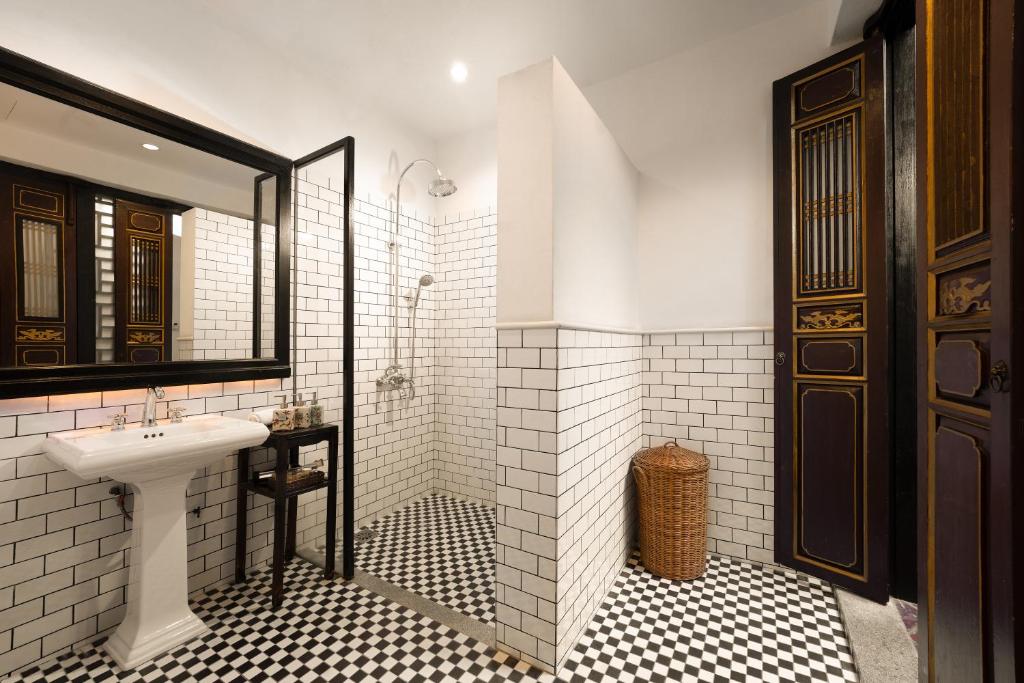
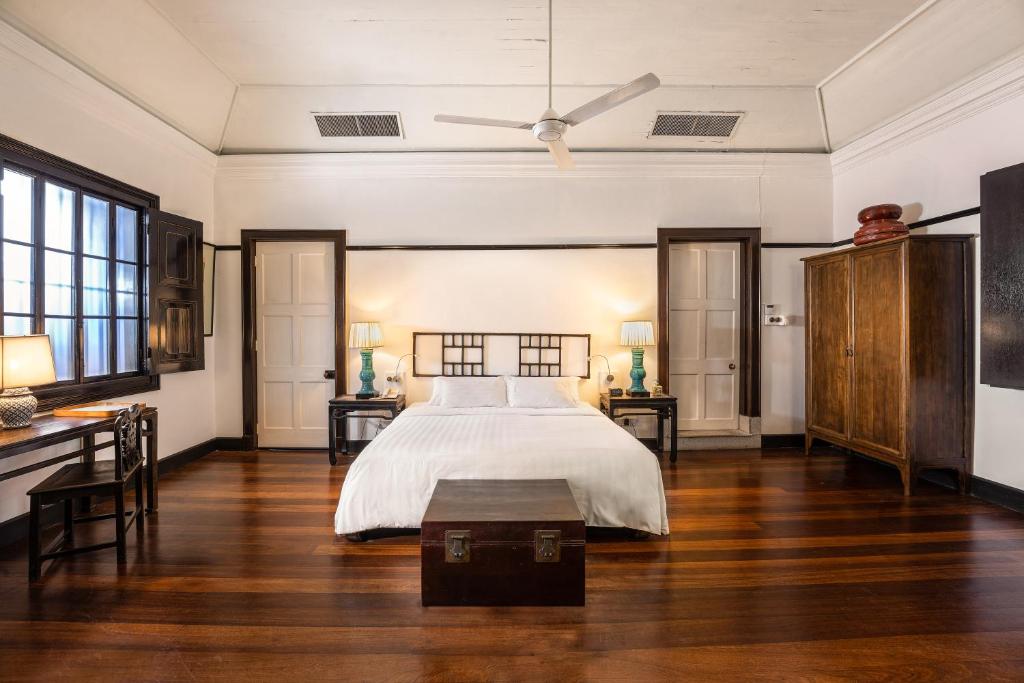
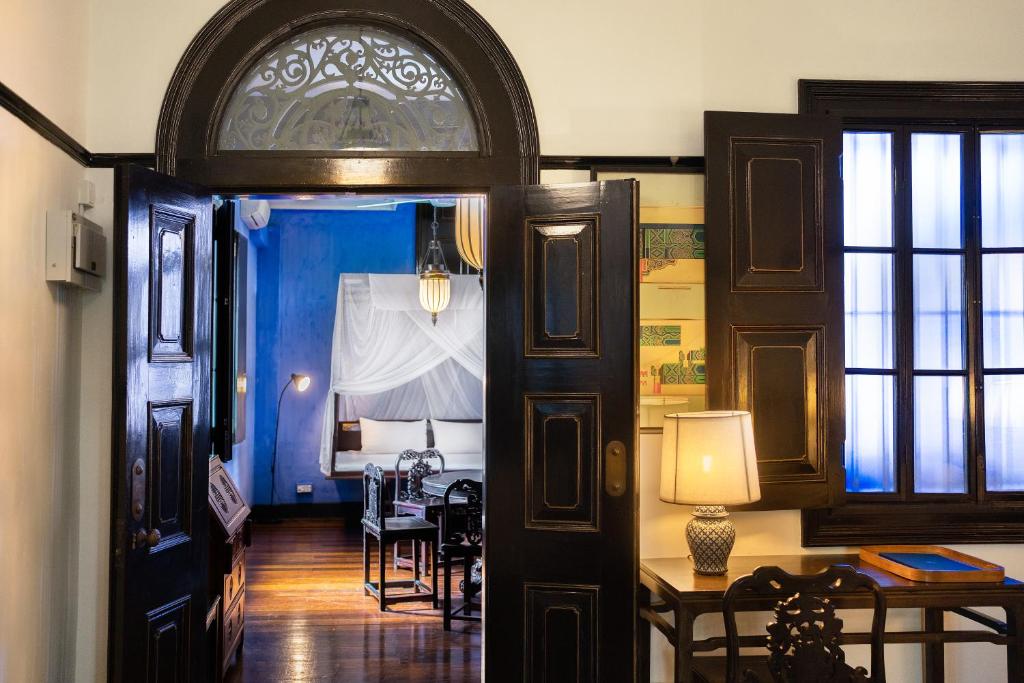
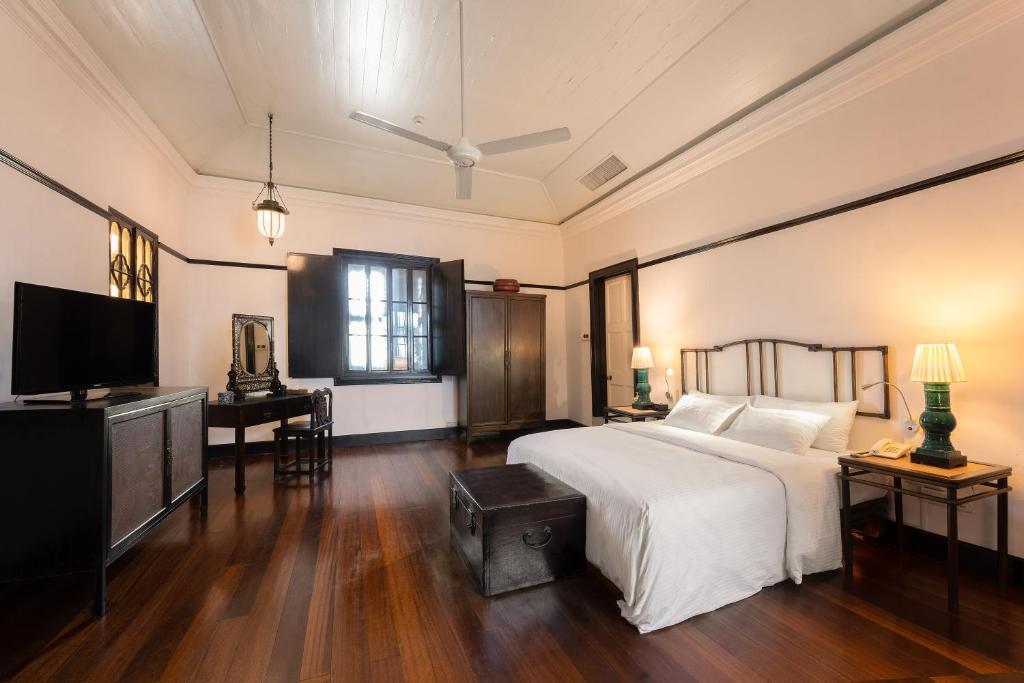
Now home to just 18 guest rooms, The Blue Mansion offers a rare opportunity to inhabit history without sacrificing comfort. Each room is individually furnished with antiques, artworks, and heirlooms from the Cheong family, balanced with carefully integrated modern amenities such as espresso machines, deep soaking tubs, smart lighting, and luxurious linens. Guests can wander from their rooms straight into the mansion’s atmospheric courtyards—spaces that once hosted grand family gatherings and now often stage intimate live performances beneath open sky and indigo walls. Daily guided tours reveal the mansion’s many incarnations over its 130-year history, from a family residence to affordable housing to a cinematic backdrop featured in Crazy Rich Asians.
Design in Every Direction
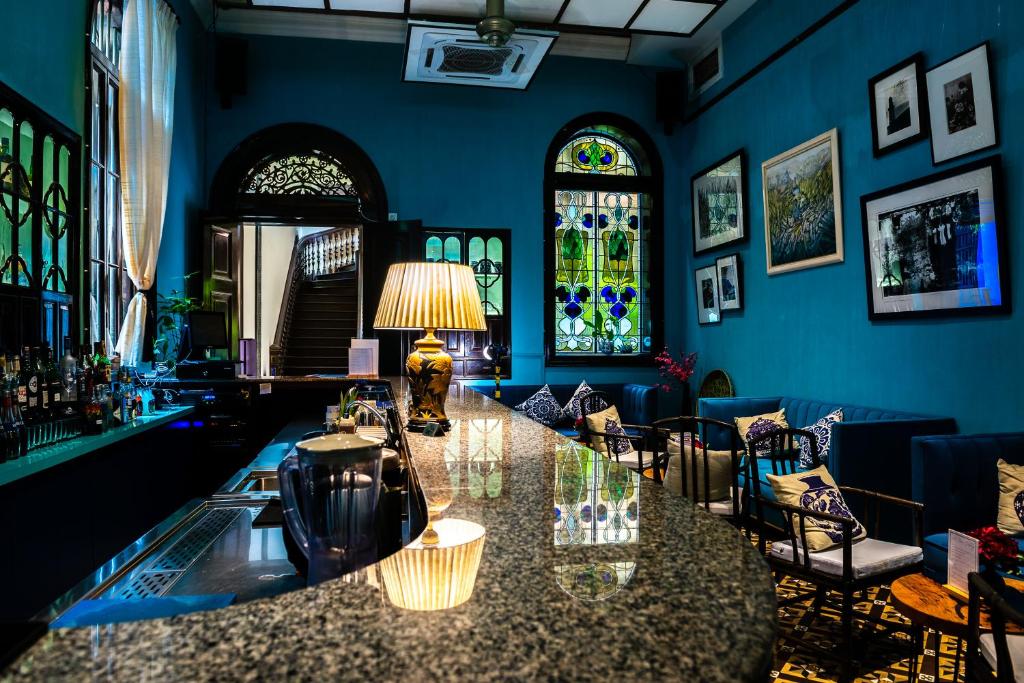
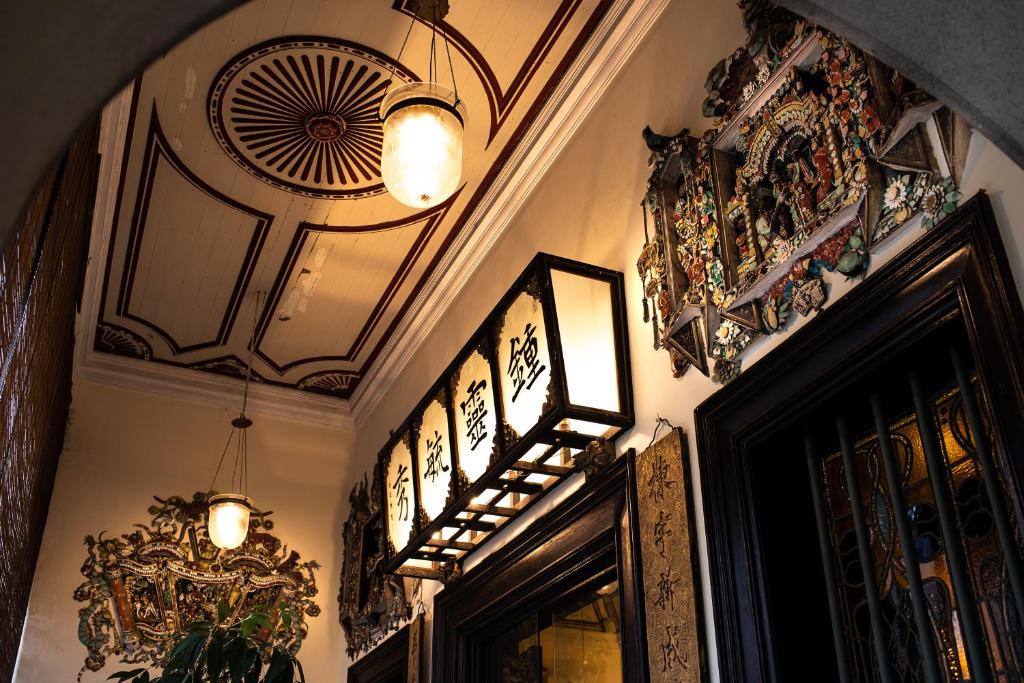
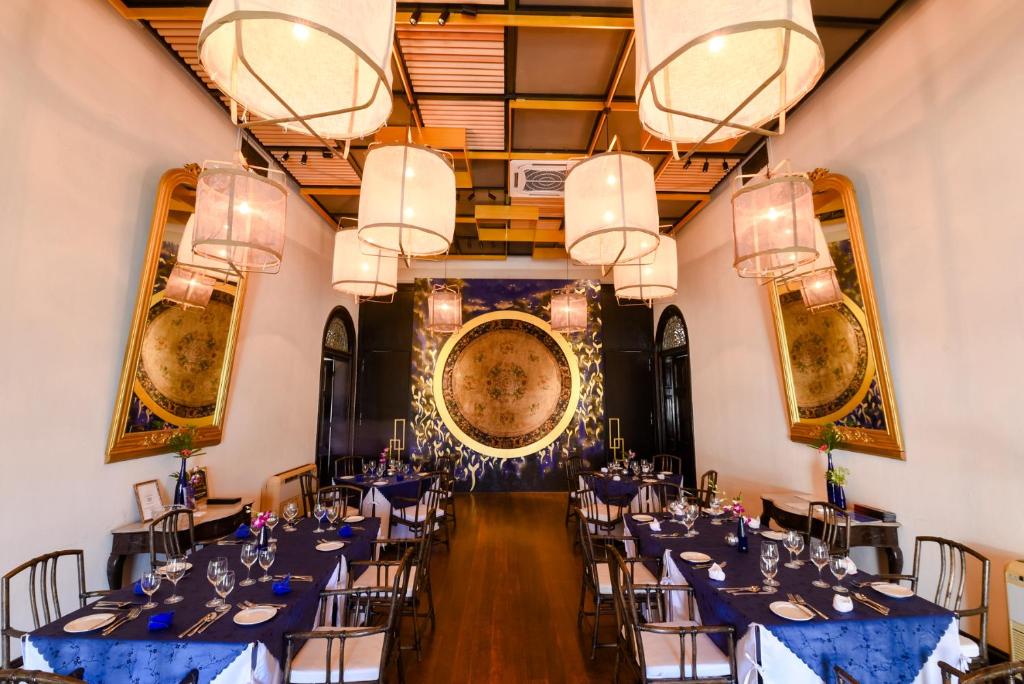
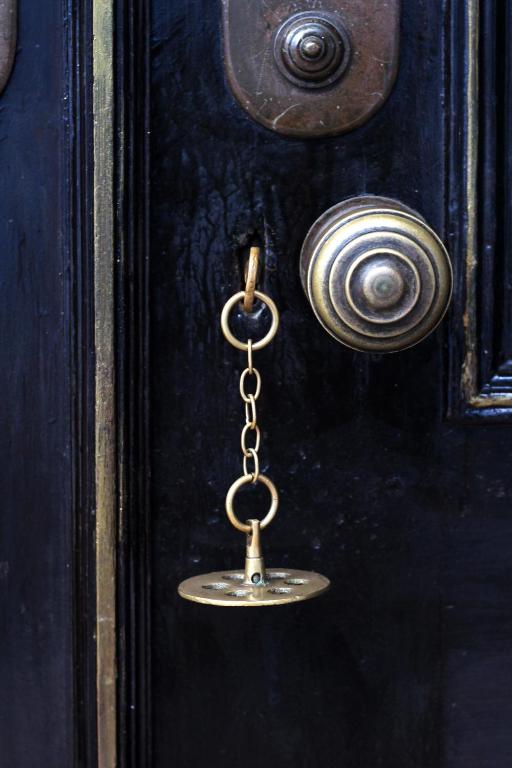
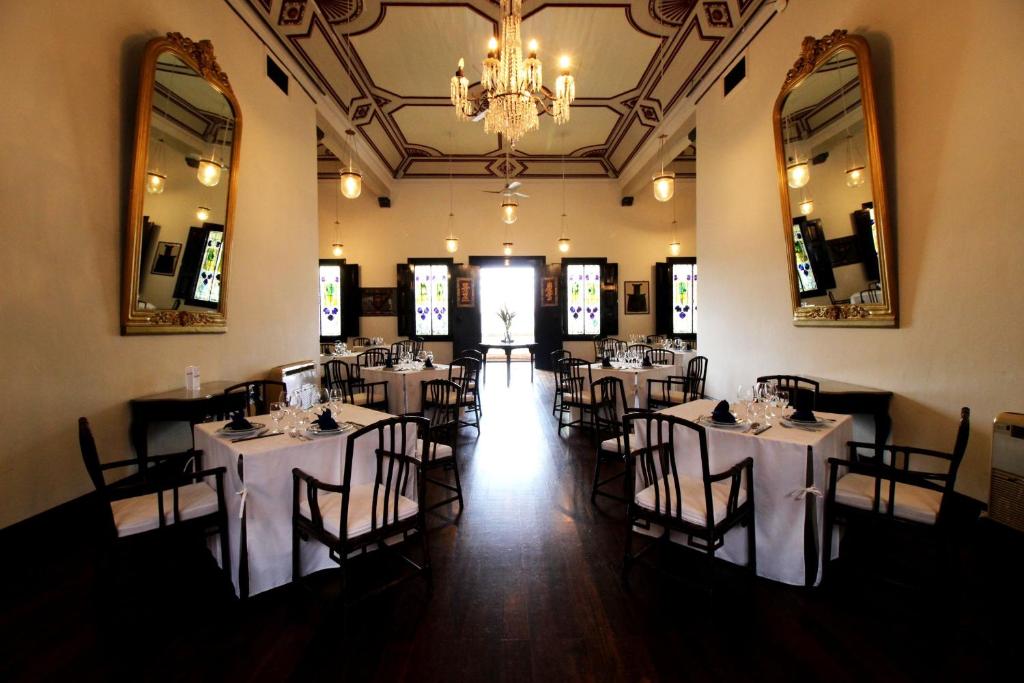
The Blue Mansion is a masterclass in Straits-Chinese eclecticism, where symbolism and artistry shape every detail. Look for dragons hidden in drainage pipes, meticulous porcelain shard mosaics, trompe-l’oeil paintwork, hand-hewn timber beams, and five interlocking courtyards that channel light, air, and energy through the home’s heart. The indigo hue—created with natural lime-wash—does more than dazzle; it cools the building and protects the walls in Penang’s humid climate. The on-site Indigo restaurant, helmed by Chef Beh Weng Chia, continues this dialogue between East and West with dishes such as salted-egg grouper, garlic-miso lamb, and delicate reimaginings of Nyonya flavors.
DNA Hotels Verdict
Cheong Fatt Tze’s Blue Mansion is far more than a boutique hotel—it is a living, breathing cultural artifact. Staying here feels like stepping inside a masterpiece of Straits-Chinese architecture where history is not preserved behind velvet ropes but experienced in every corridor, courtyard, and carved detail. For travelers who cherish heritage, design, and narrative, this indigo icon is one of Asia’s most compelling places to stay.
Amenities:
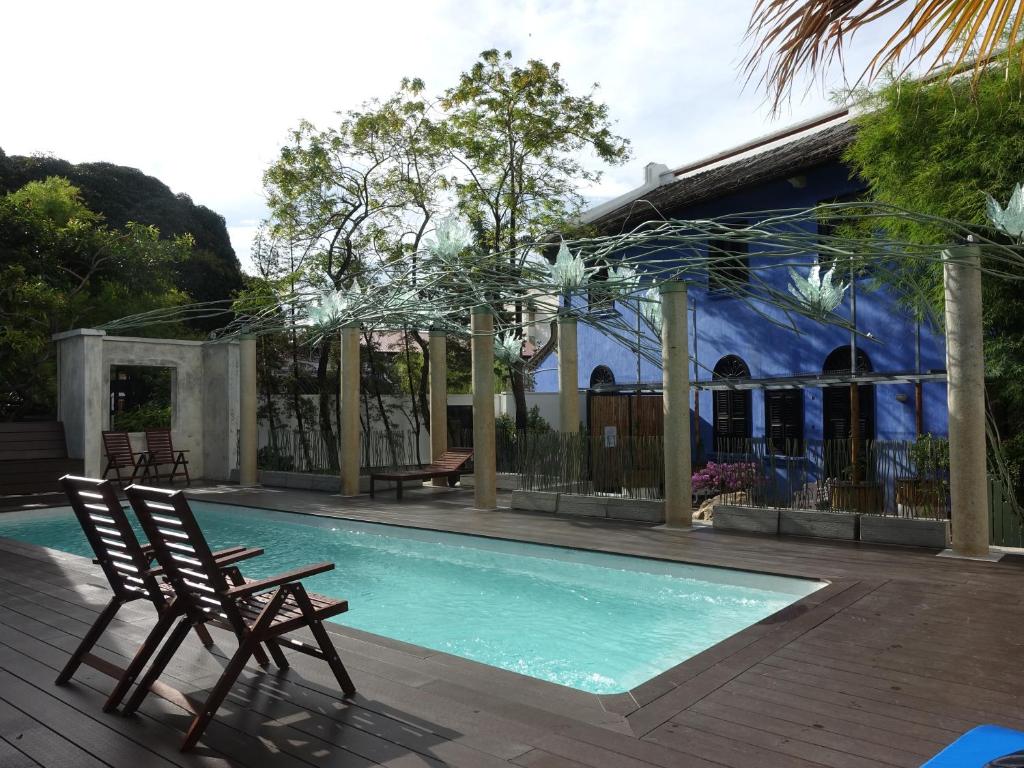
• 24-hour front desk • air conditioning • bicycle rental • free WiFi • garden • library • massages • on-site parking (free) • restaurant • room service • swimming pool (open all year) • no pets allowed