Deqin Meri Poodom – Shangri-La, China
Where Sculptural Architecture Meets the Sacred Himalayas
Why DNA Hotels Loves It
● One of China’s most architecturally striking mountain retreats, blending contemporary design with Tibetan influences.
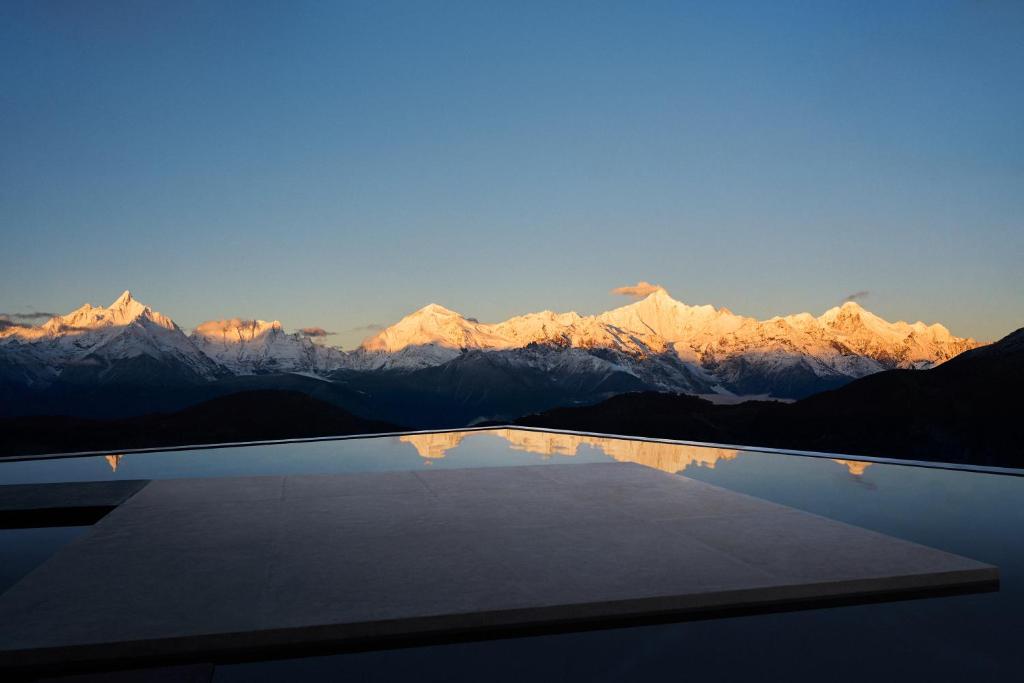
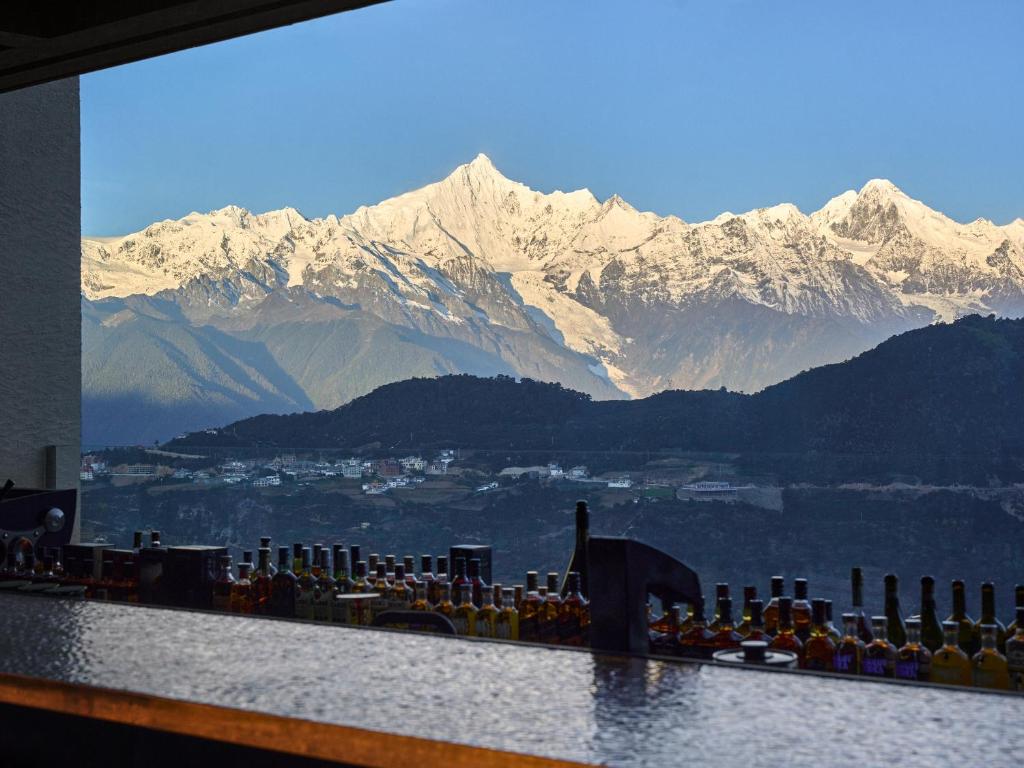
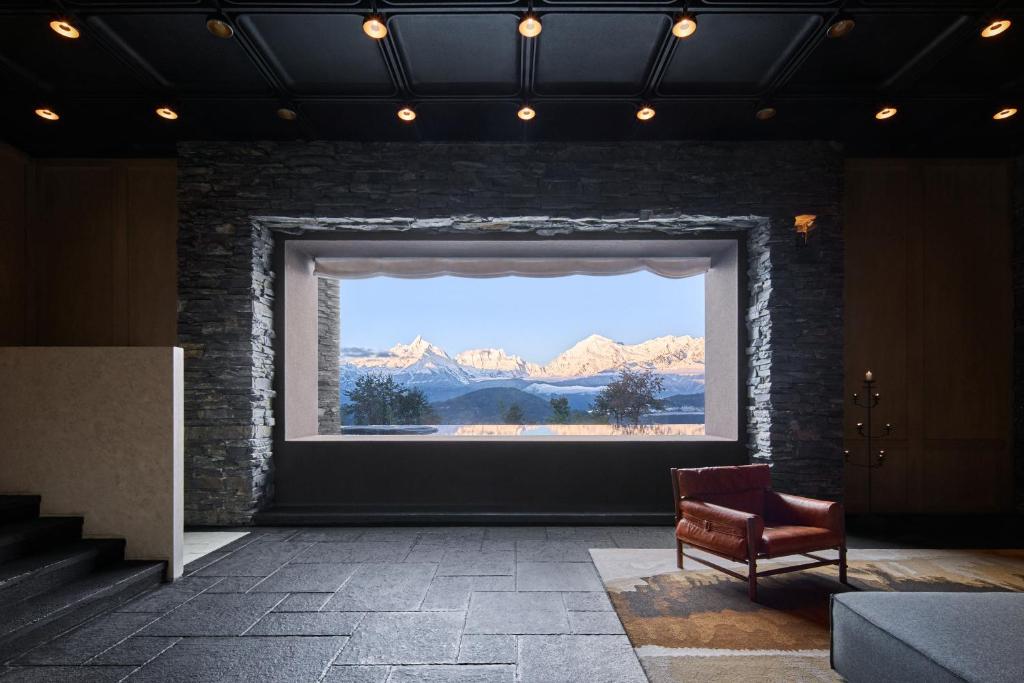
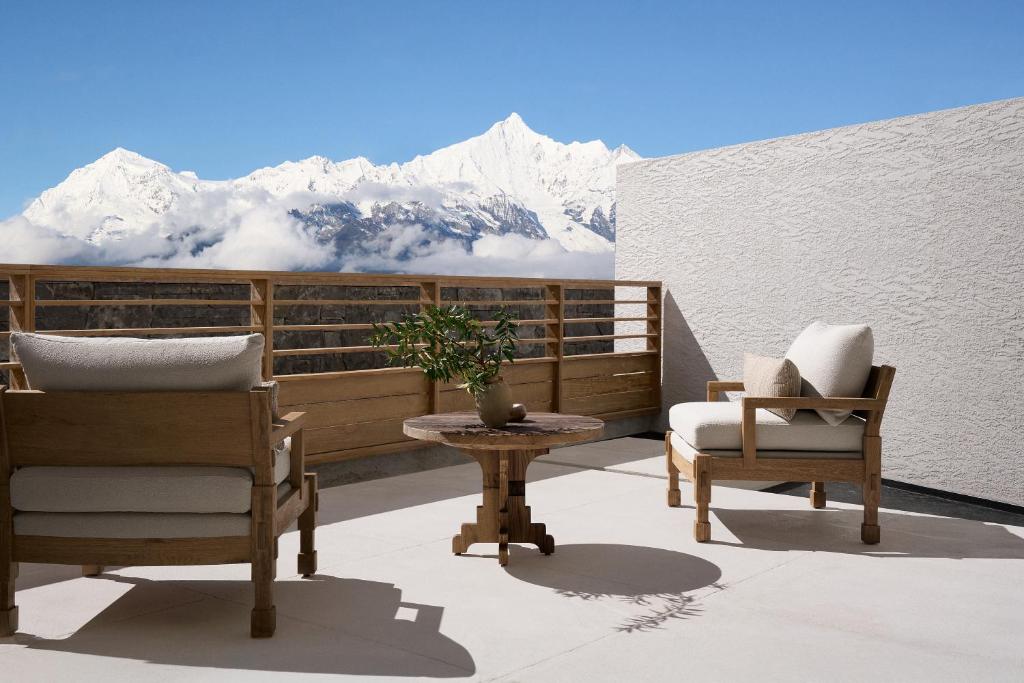
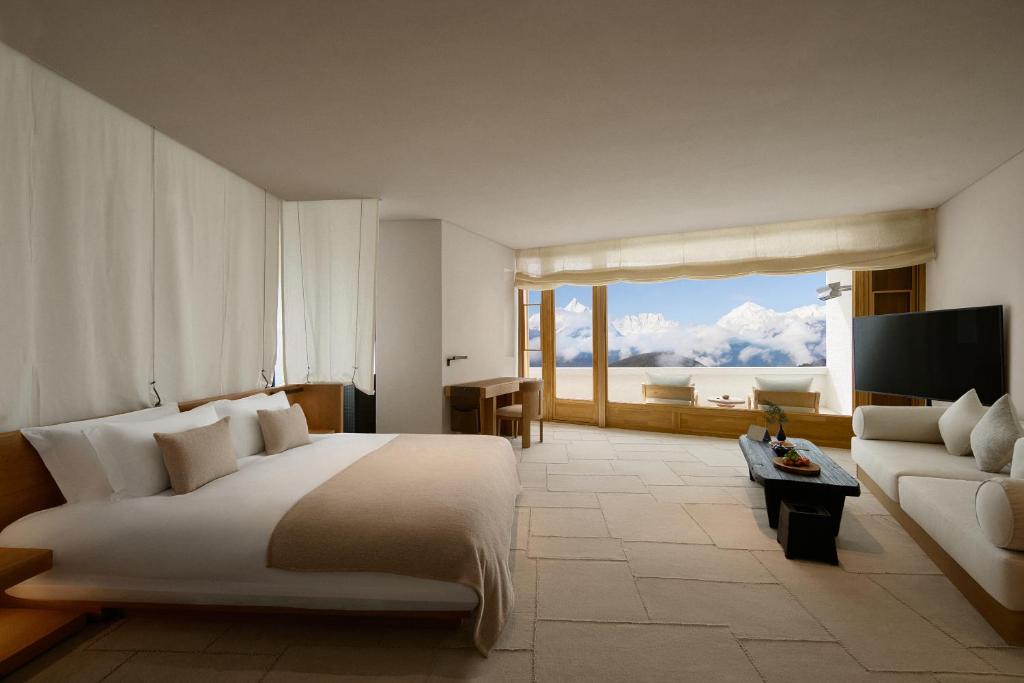
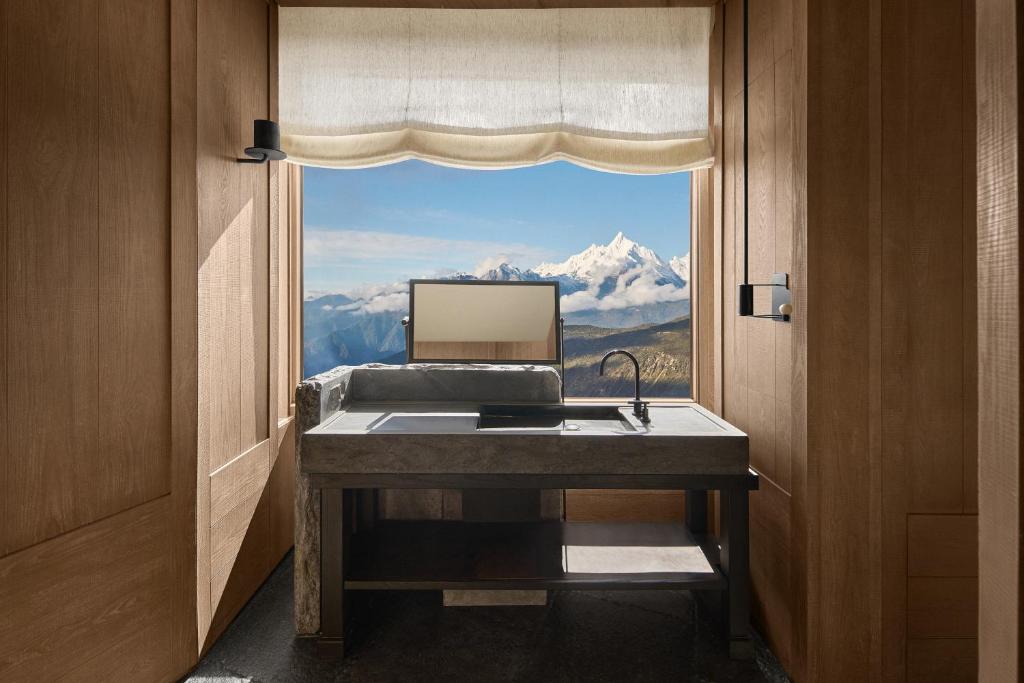
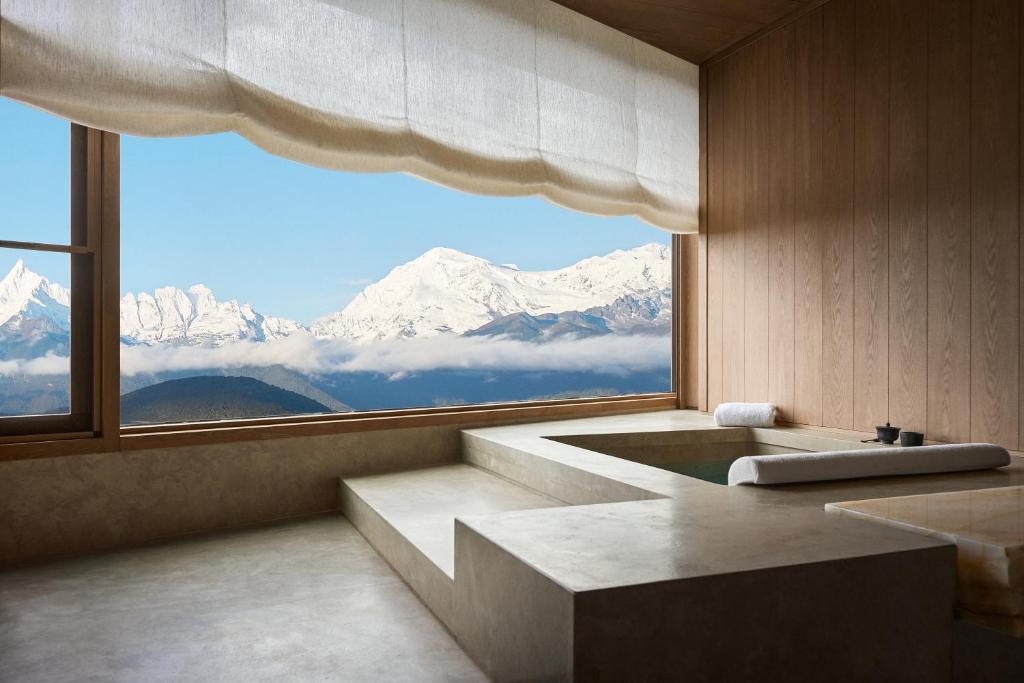
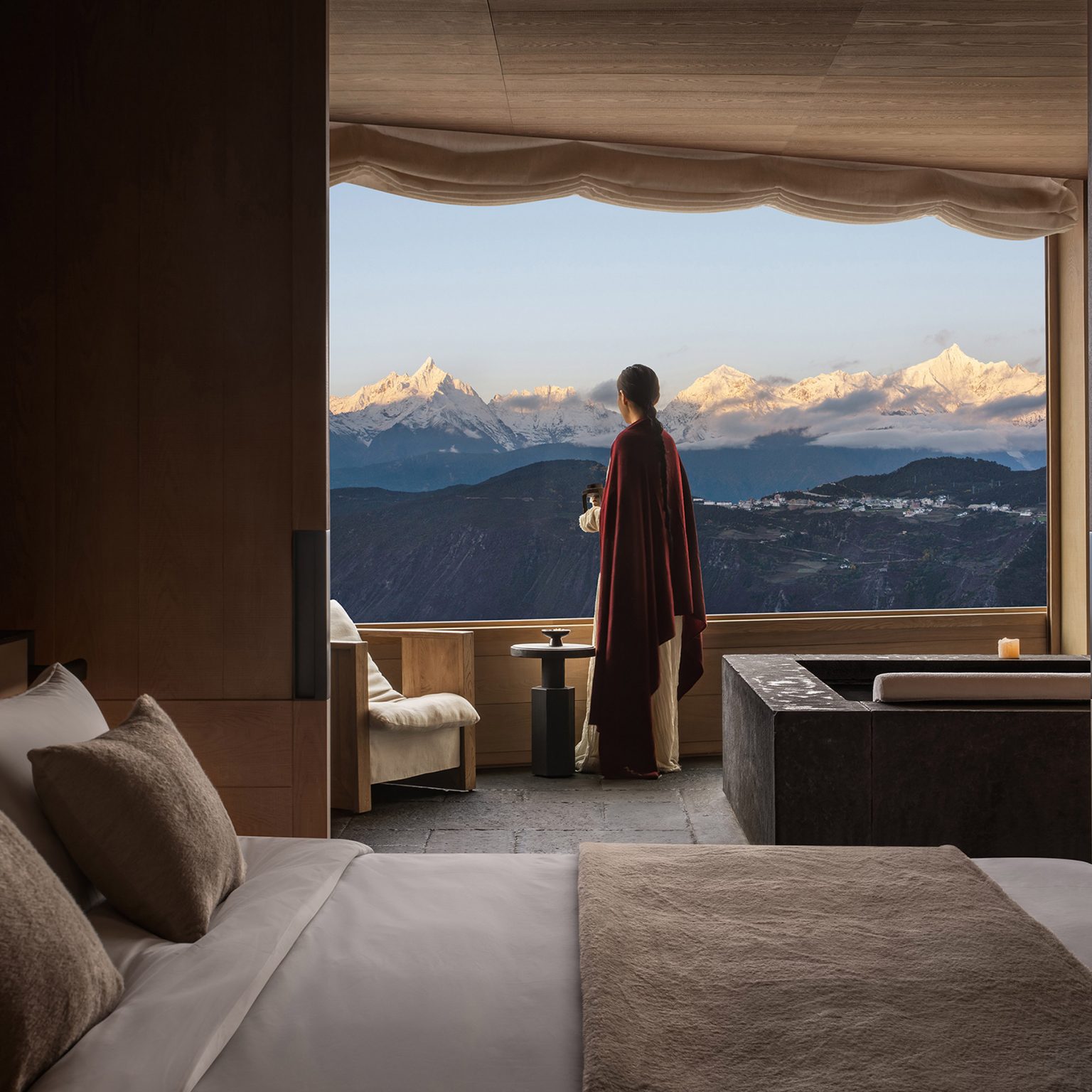
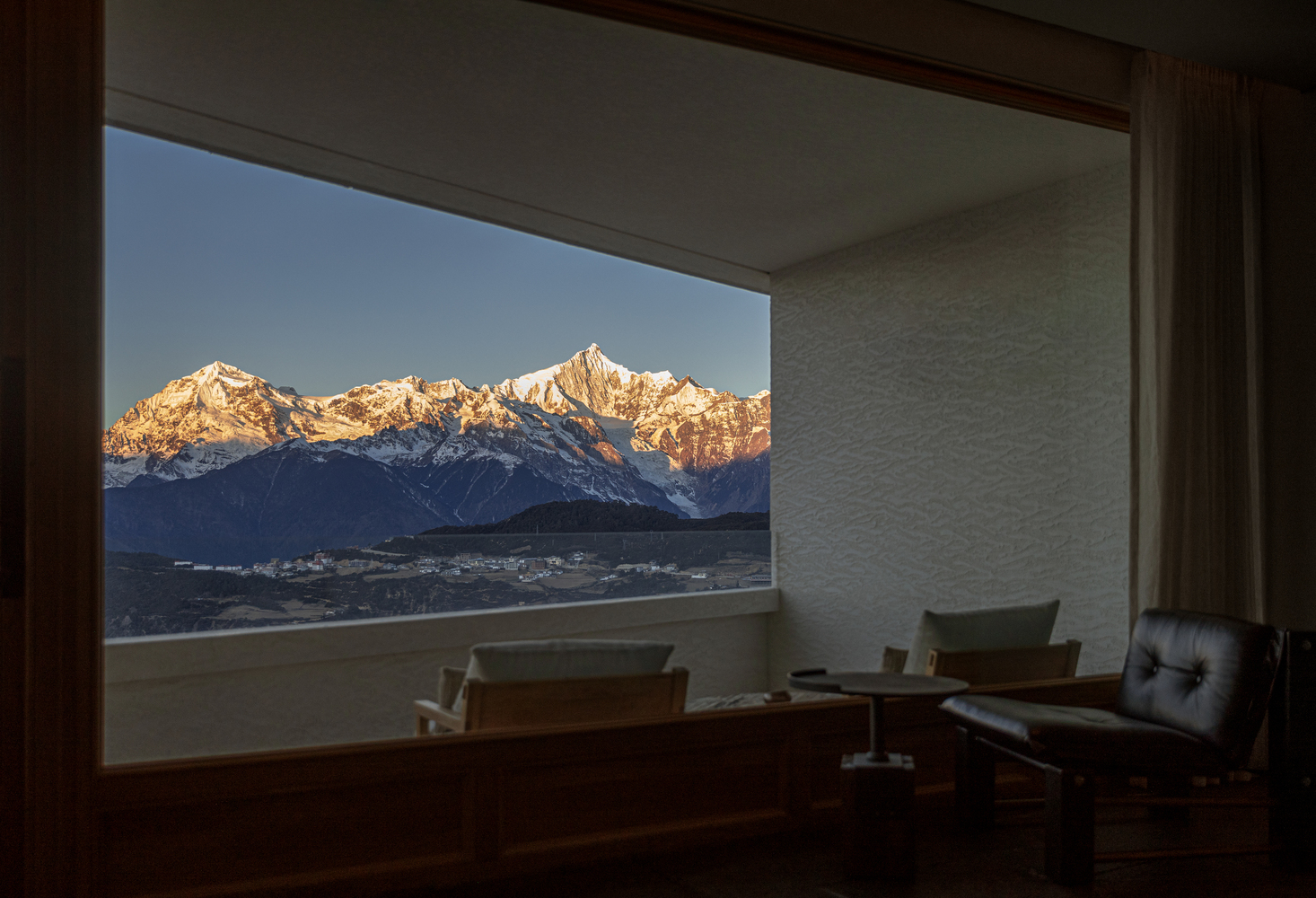
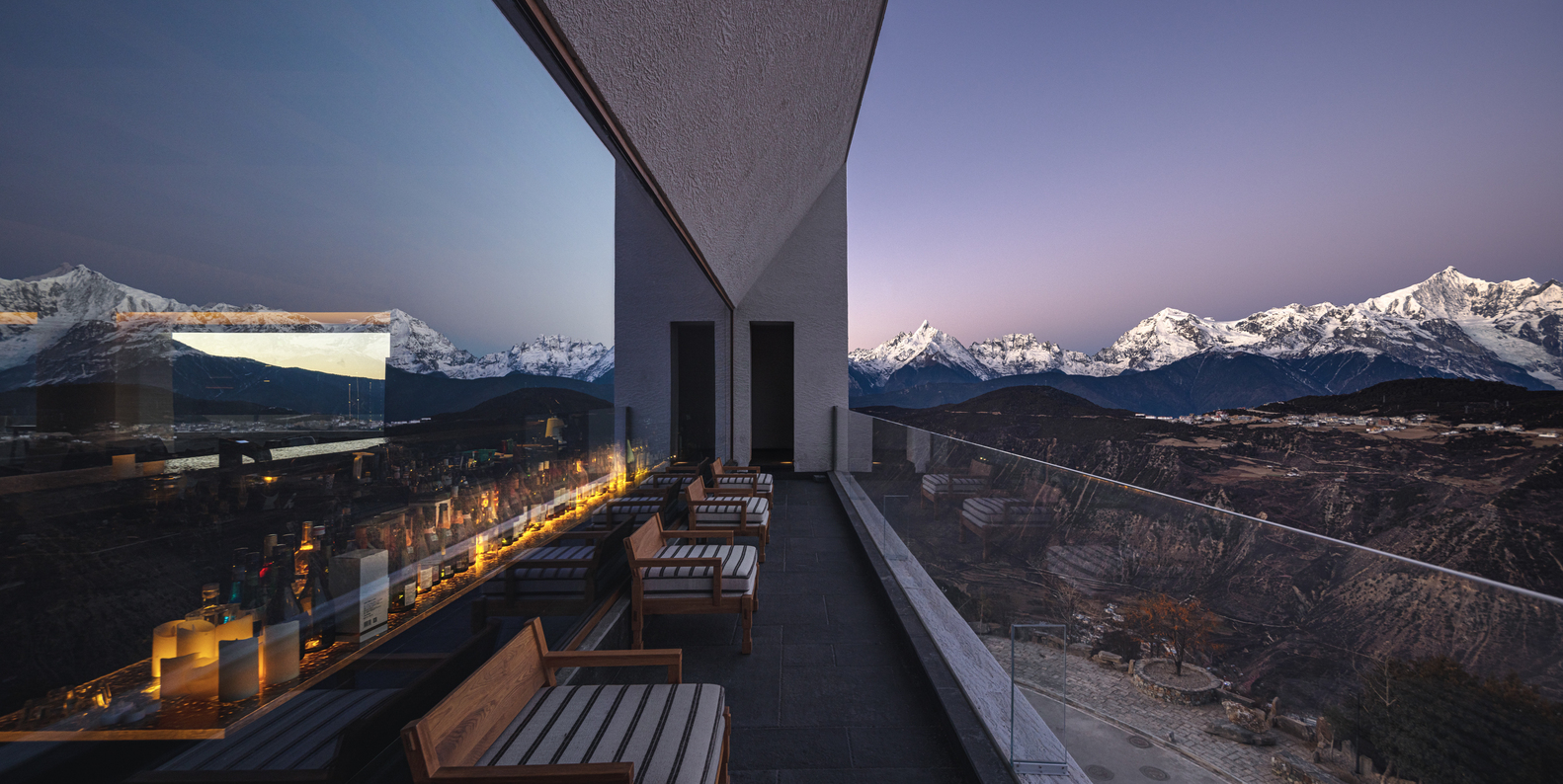
● Extraordinary views of the sacred Meili Snow Mountains framed through dramatic floor-to-ceiling glazing.
● A rare example of architecture that enhances rather than competes with one of the world’s most powerful landscapes.
A Monument in the Mountains
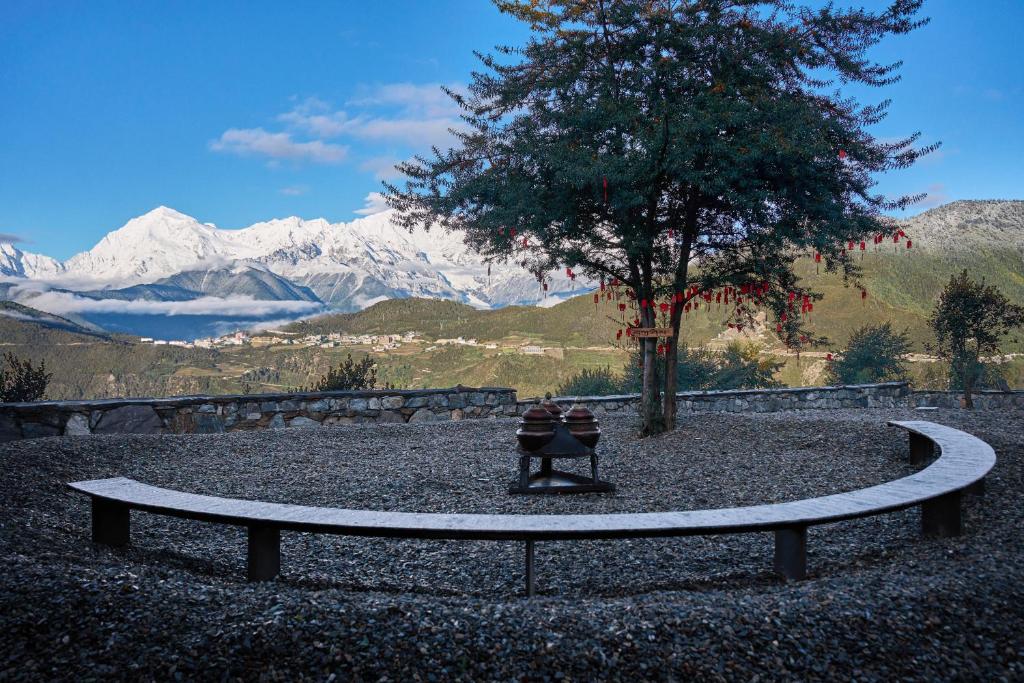
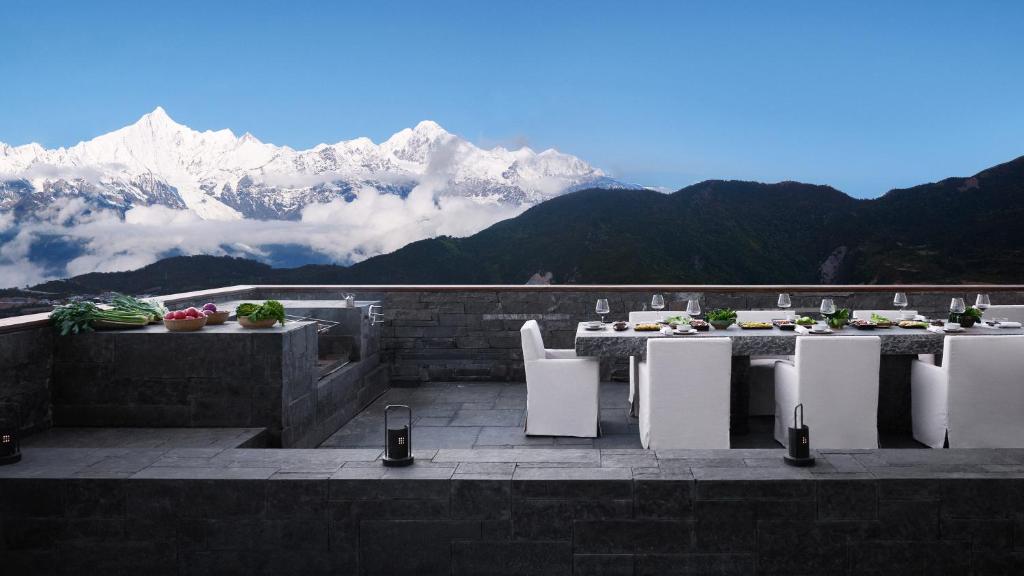
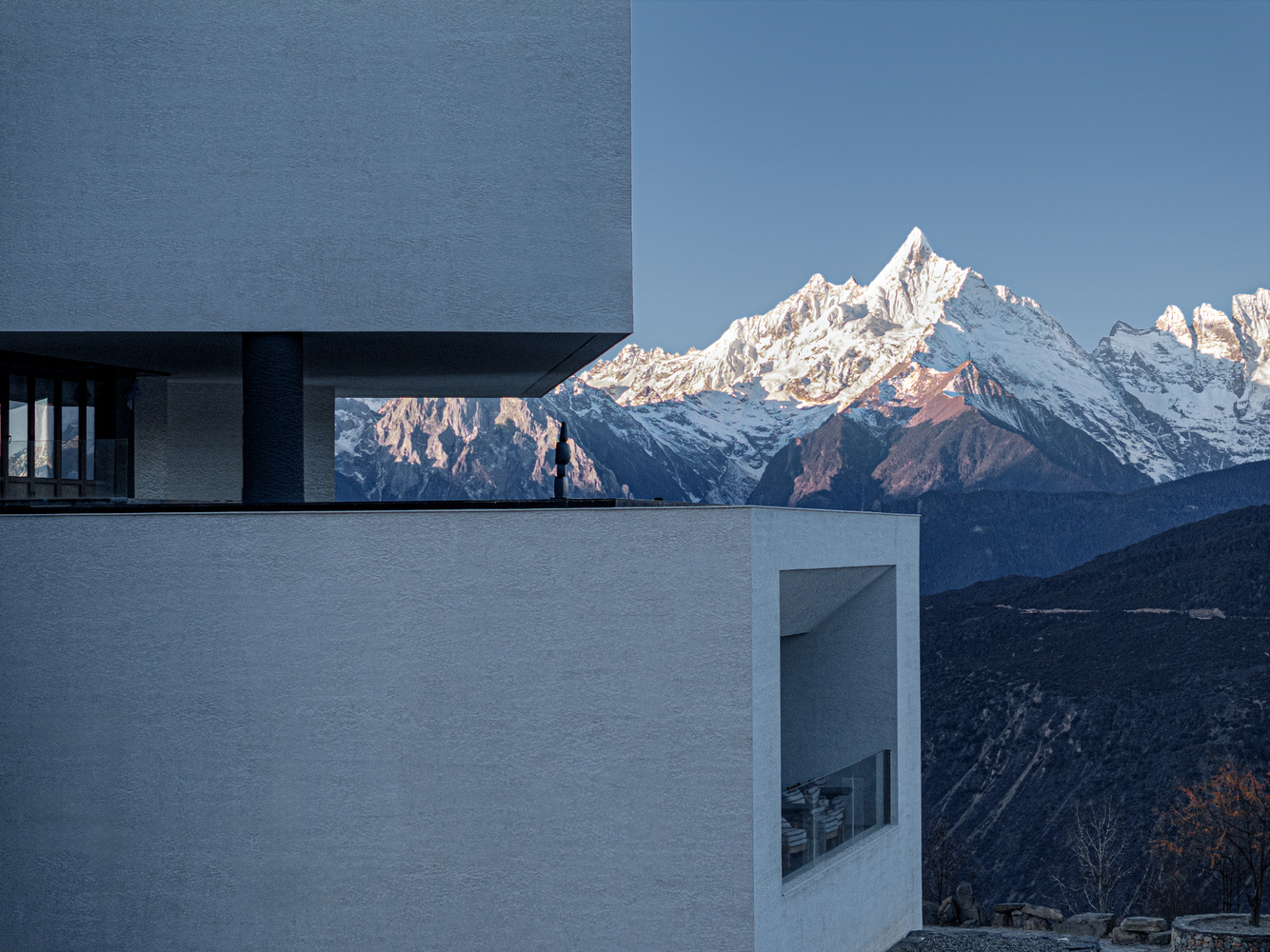
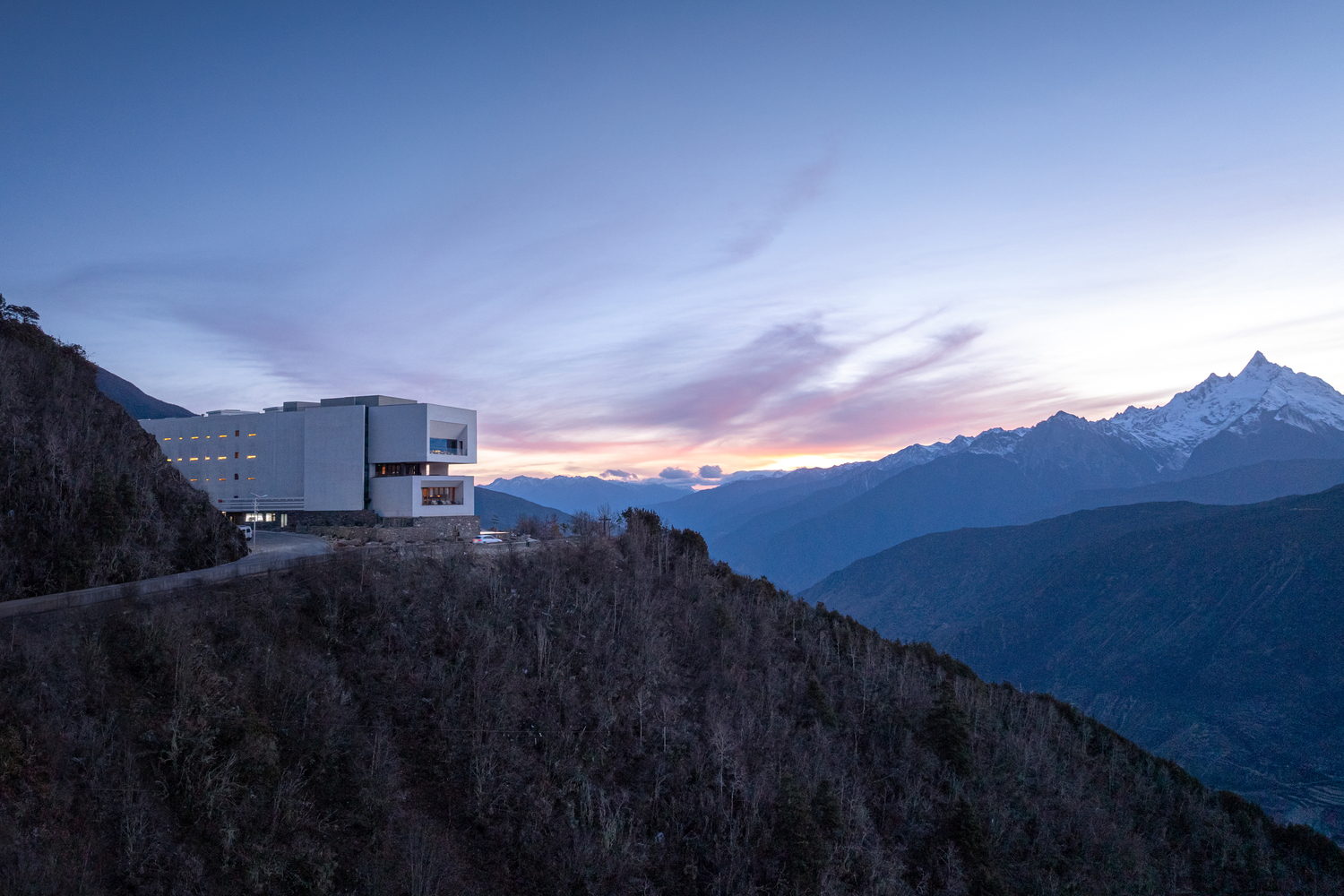
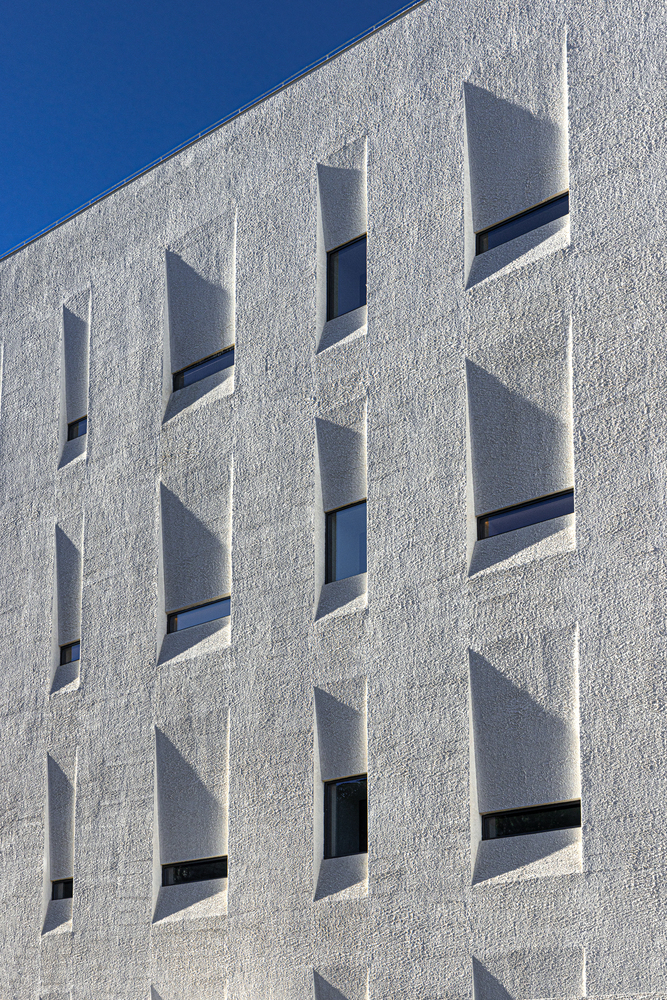
Few hotels arrive with the visual impact of Deqin Meri Poodom. Perched high above the valleys of northwestern Yunnan, on the edge of the Tibetan Plateau, the hotel appears almost unreal against the backdrop of the Meili Snow Mountains. Its sculptural silhouette rises from the rugged terrain like a contemporary monastery, simultaneously futuristic and deeply rooted in place. This is Shangri-La at its most dramatic. Surrounded by snow-capped peaks, vast skies, prayer flags, and ancient pilgrimage routes, the hotel occupies one of the most spectacular settings in China. Yet despite the grandeur of the landscape, the architecture never feels intrusive. Instead, it amplifies the experience of being here. The mountains remain the true stars.
Architecture Inspired by Landscape and Spirit
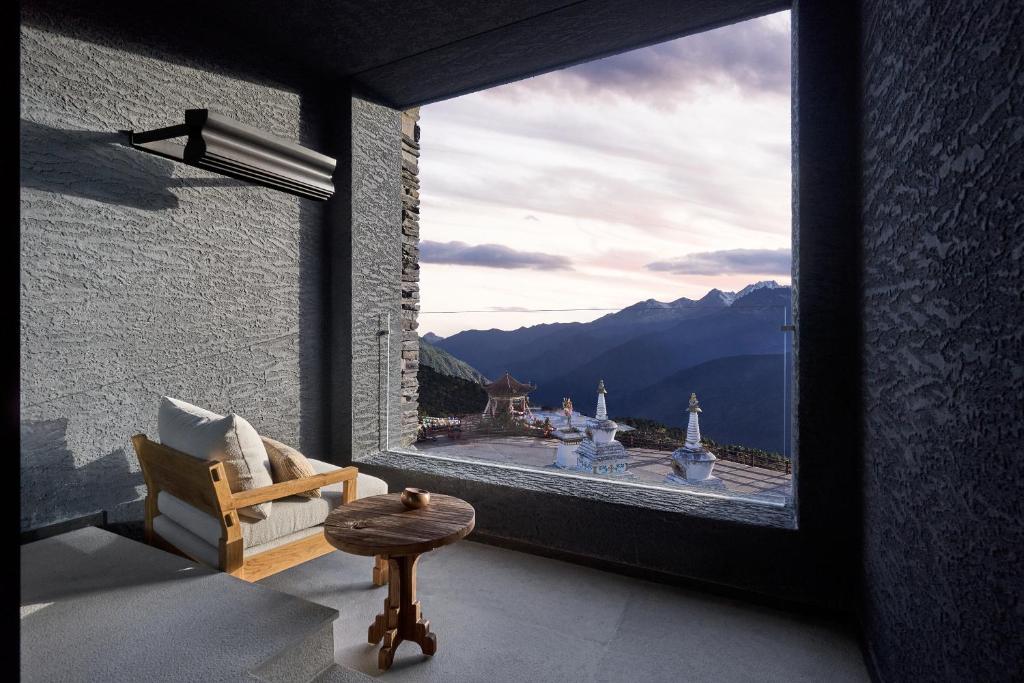
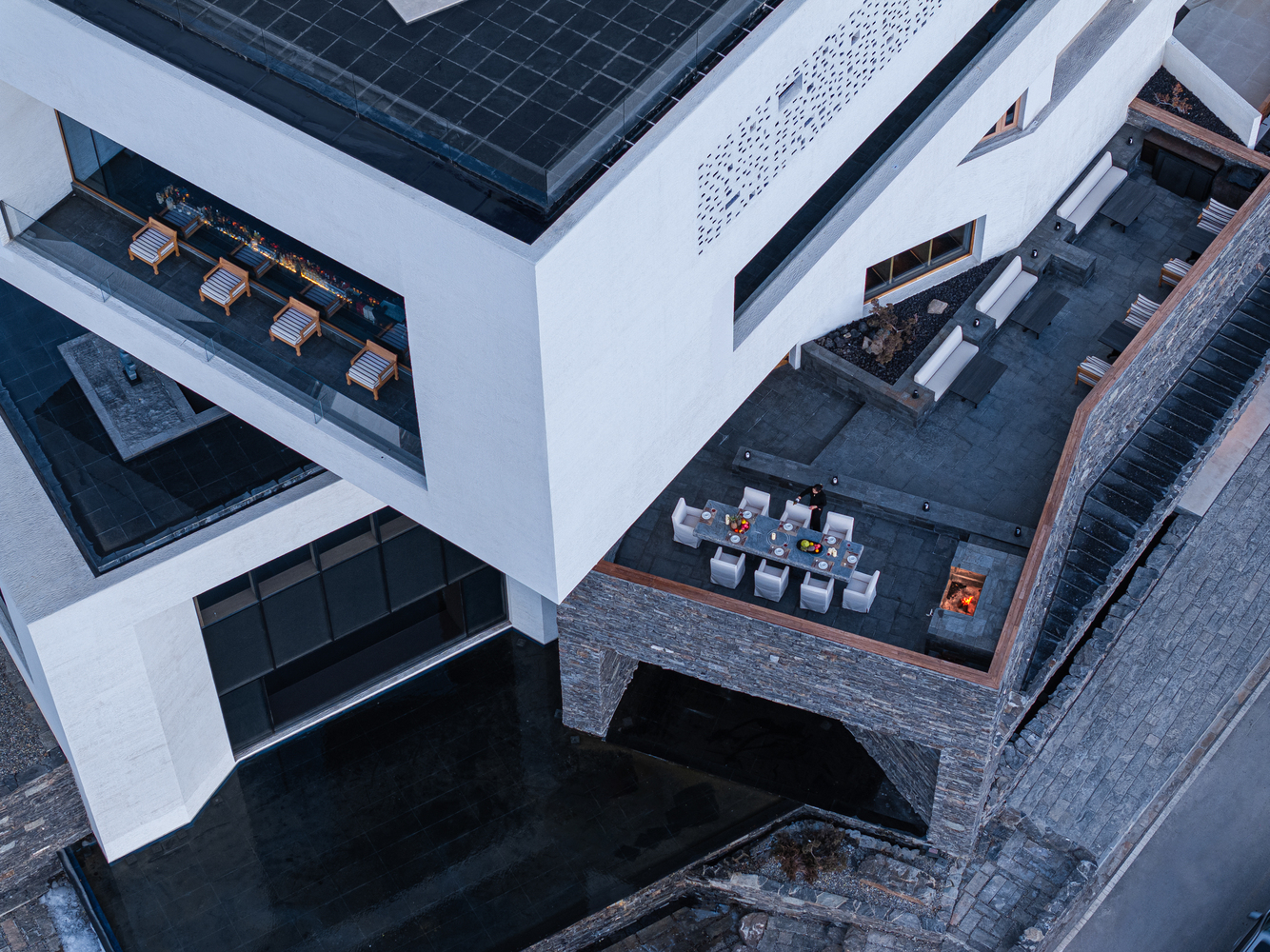
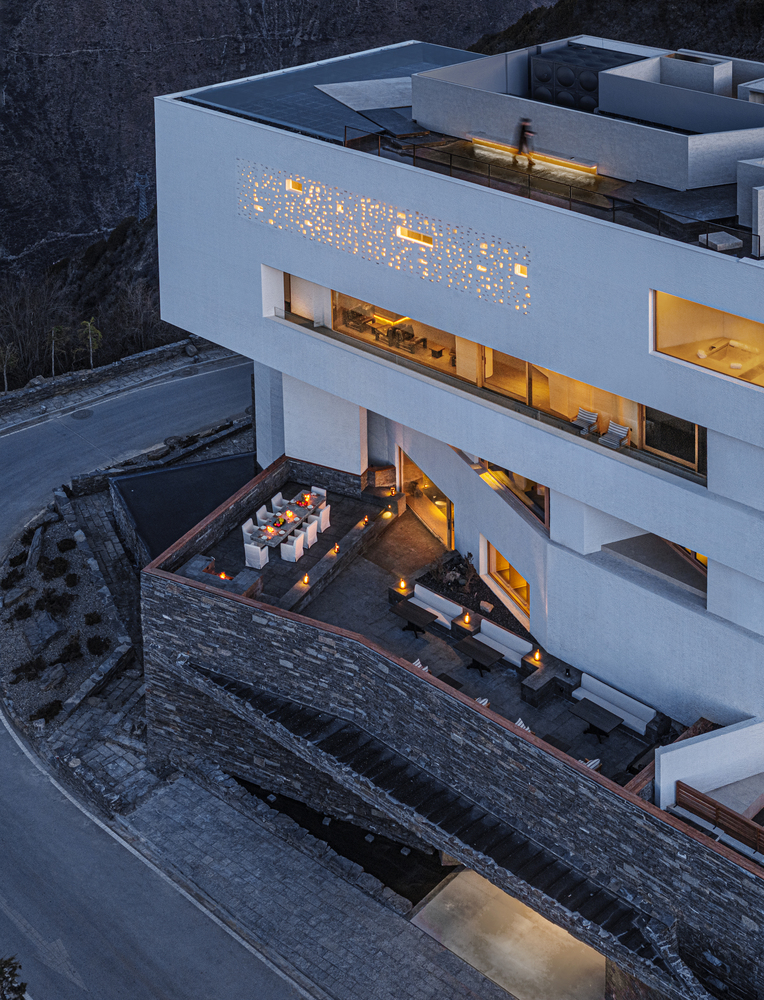
The design draws inspiration from both the physical and spiritual landscape of Tibet. Angular stone volumes echo the surrounding cliffs and ridgelines, while warm timber elements reference traditional Tibetan building techniques. Sharp geometric forms contrast with sweeping curves, creating a structure that feels sculpted by wind, rock, and light. Large expanses of glass dissolve the boundary between interior and exterior, constantly reconnecting guests with the landscape beyond. The architecture is undeniably contemporary, yet it carries an unmistakable sense of place. Rather than importing a global luxury aesthetic, Deqin Meri Poodom creates its own architectural language — one that feels inseparable from the mountains that surround it.
Interiors Designed Around Silence
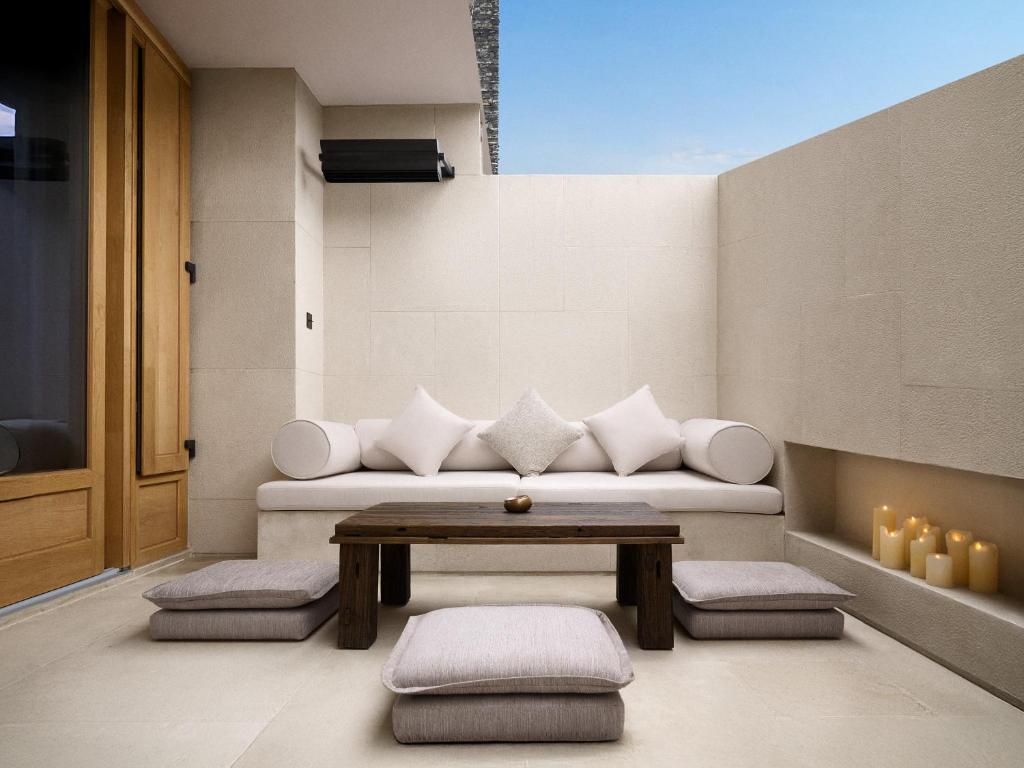
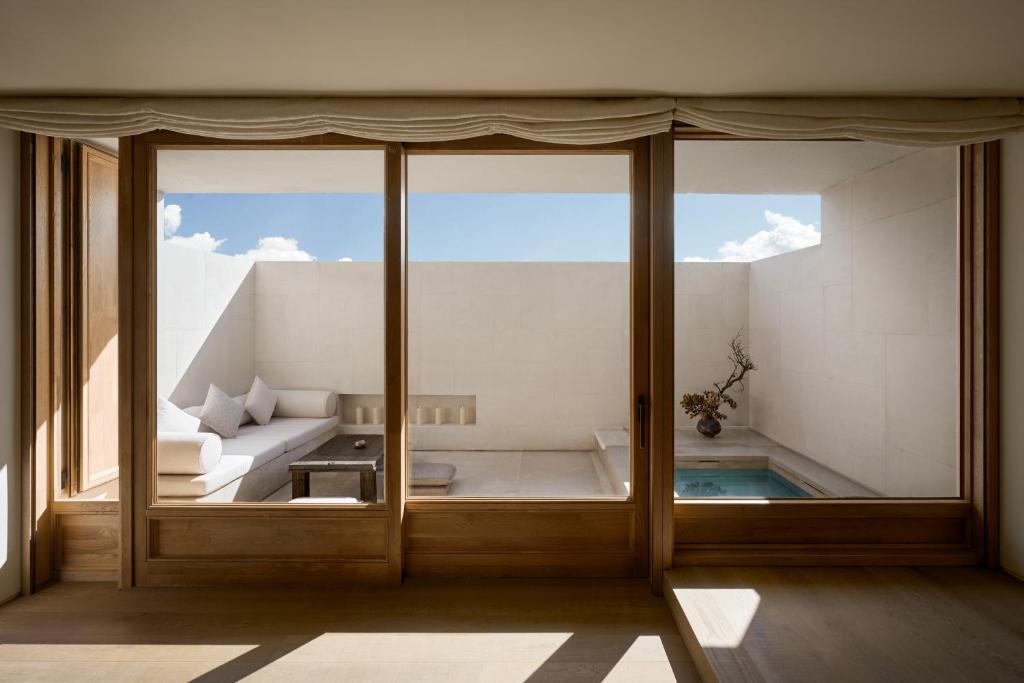
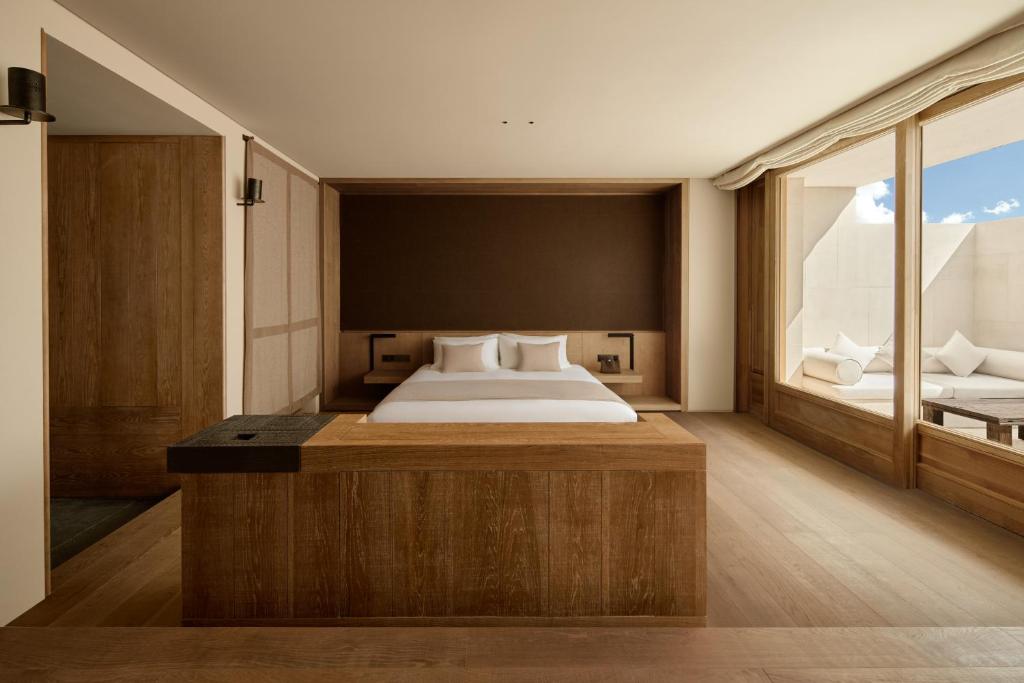
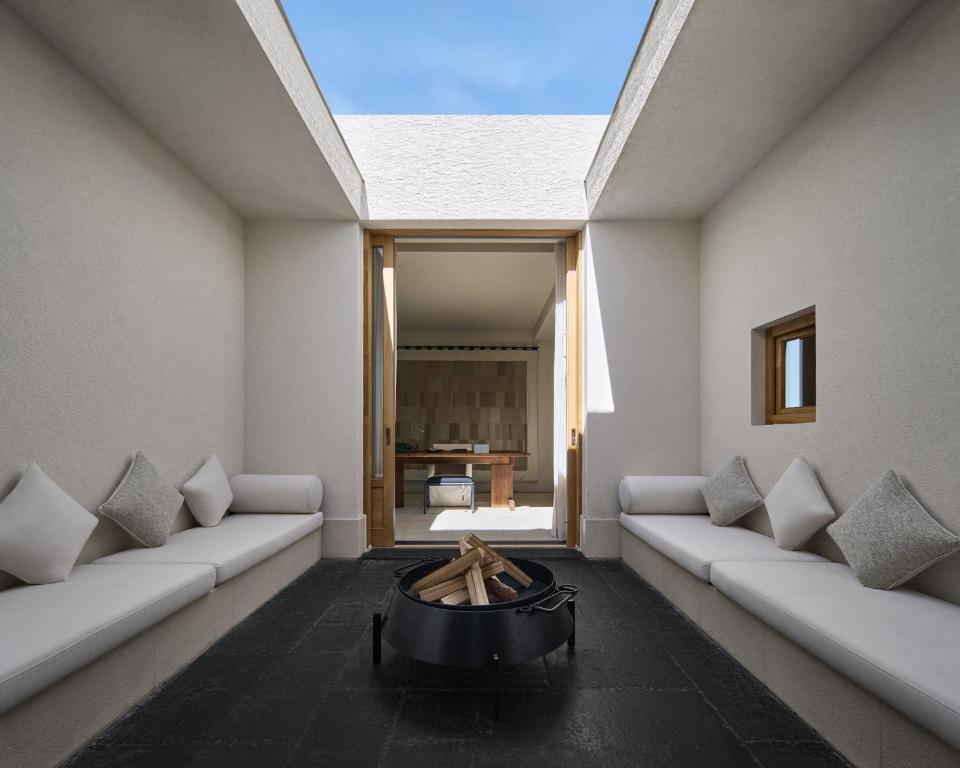
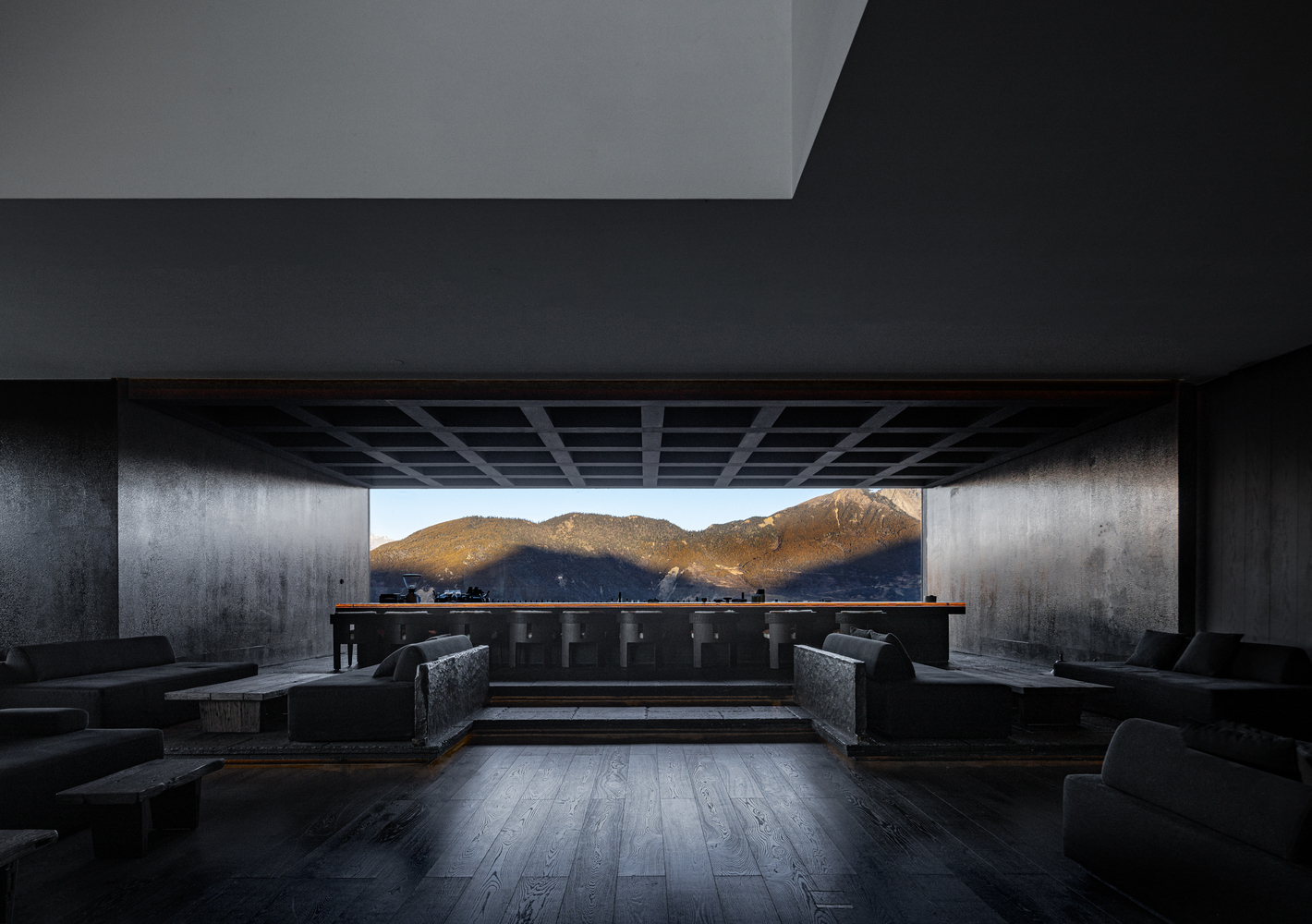
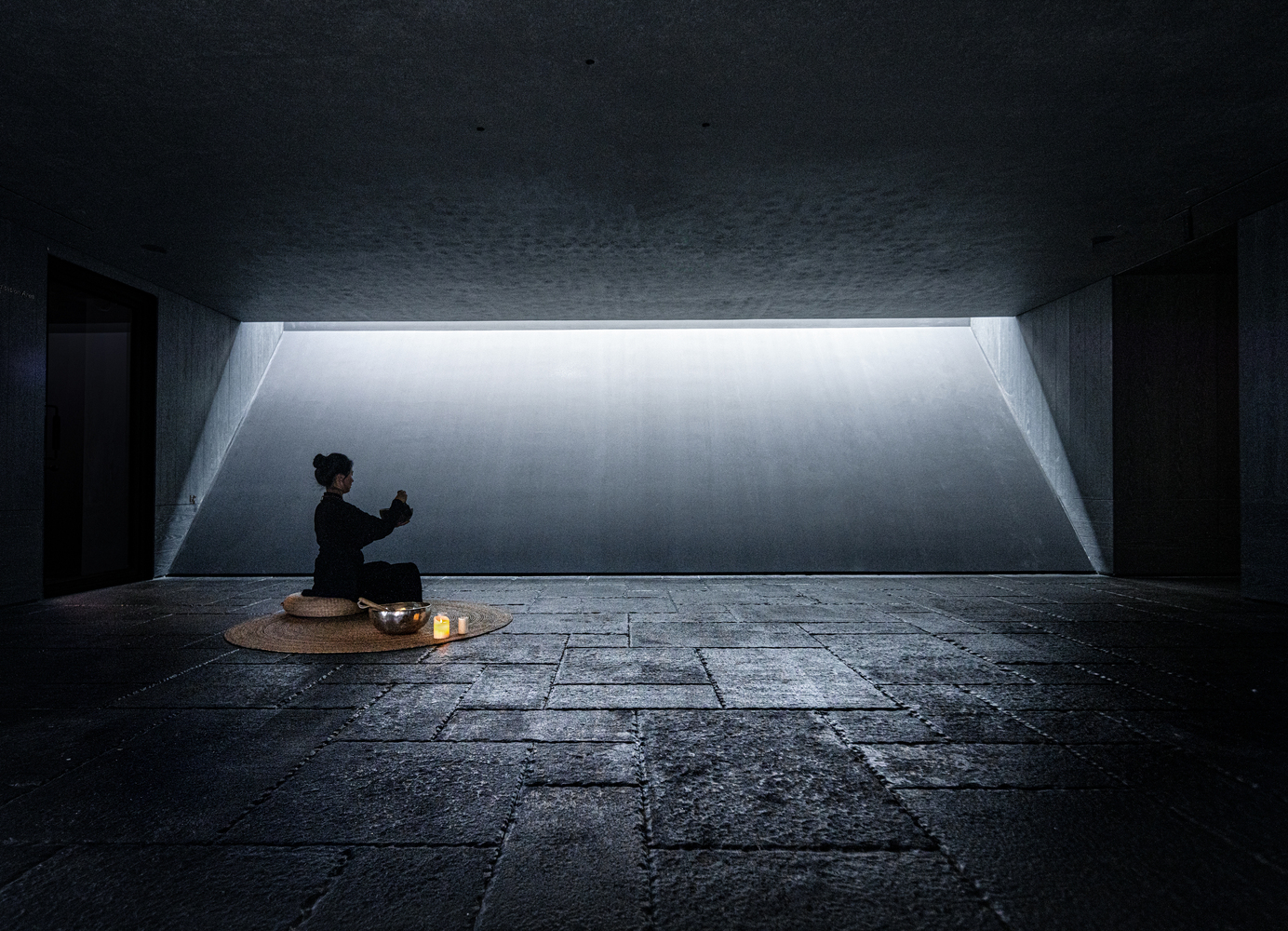
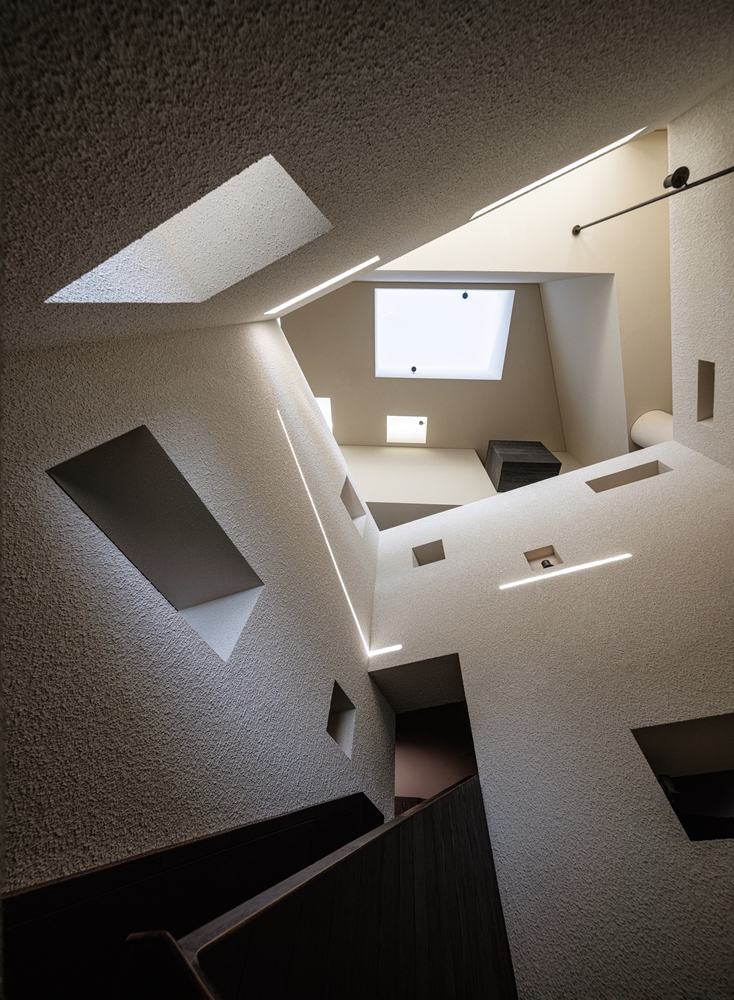
Inside, the atmosphere shifts from dramatic to contemplative. Stone, timber, textured plaster, and natural fabrics create a restrained material palette that allows the surrounding landscape to dominate. Corridors feel almost monastic in their simplicity. Courtyards introduce moments of reflection through carefully considered water features, fire elements, and framed mountain views. Natural light becomes an architectural material in its own right. Throughout the day, shifting sunlight moves across stone surfaces and warm timber walls, constantly transforming the mood of the interiors. The effect feels calming, grounded, and deeply connected to the rhythms of the mountains outside.
Rooms with Front-Row Seats to the Himalayas
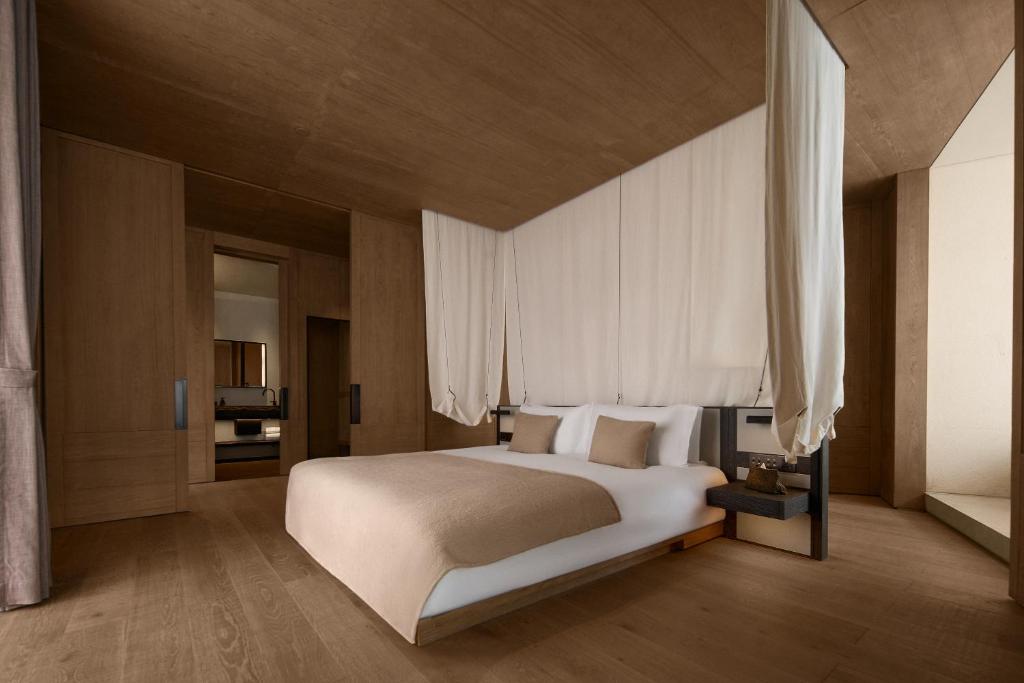
The guestrooms are designed around one central idea: the view. Floor-to-ceiling windows frame the Meili Snow Mountains with cinematic precision, transforming each room into a private observatory overlooking one of Asia’s most revered mountain ranges. Sunrise becomes a daily ritual. Clouds drift across the valleys below. Snow-covered peaks catch the first morning light. Weather systems roll dramatically across the landscape throughout the day. The interiors remain deliberately restrained. Neutral colours, handcrafted furnishings, natural materials, and soft textures create a calm backdrop that never competes with the scenery. Luxury here is measured in space, silence, and perspective.
Spaces That Blur Interior and Exterior
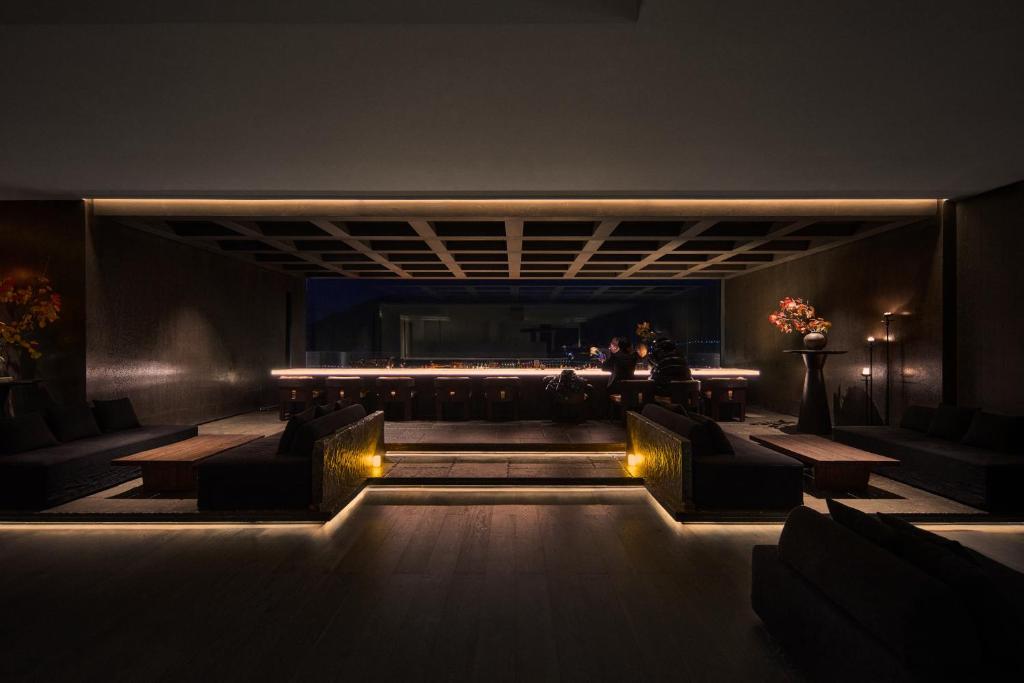
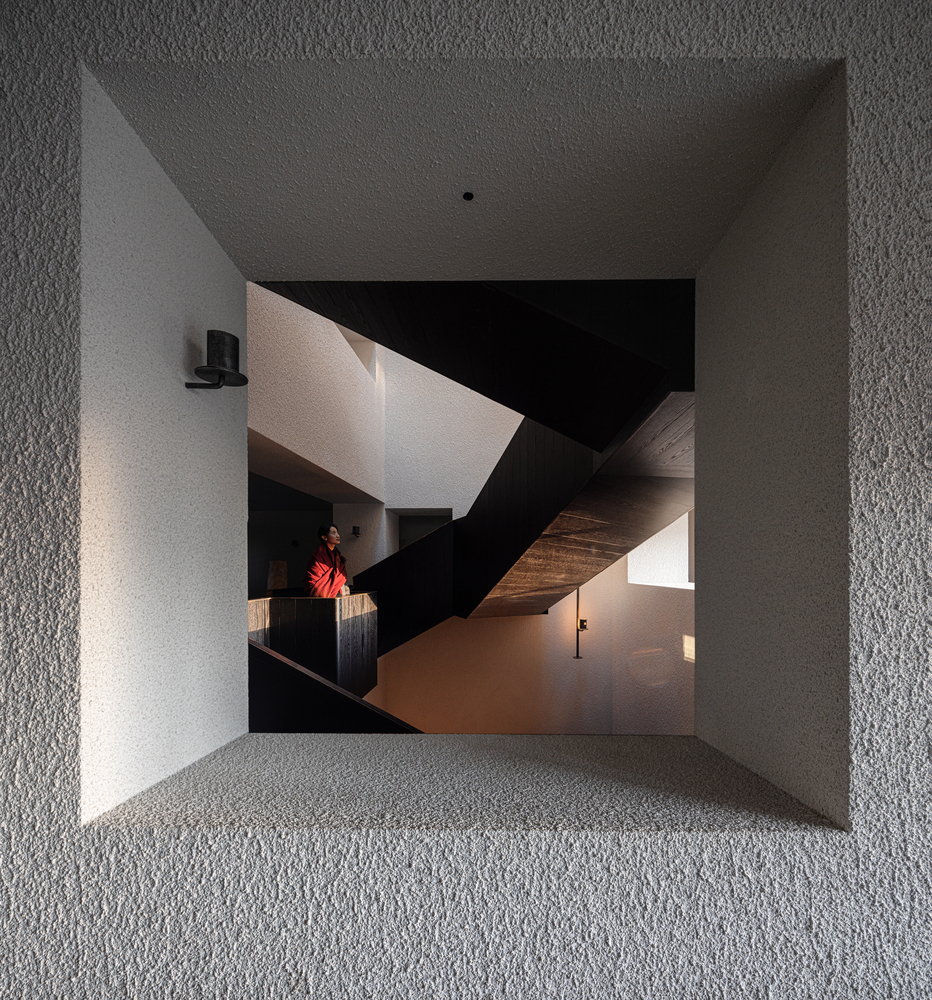
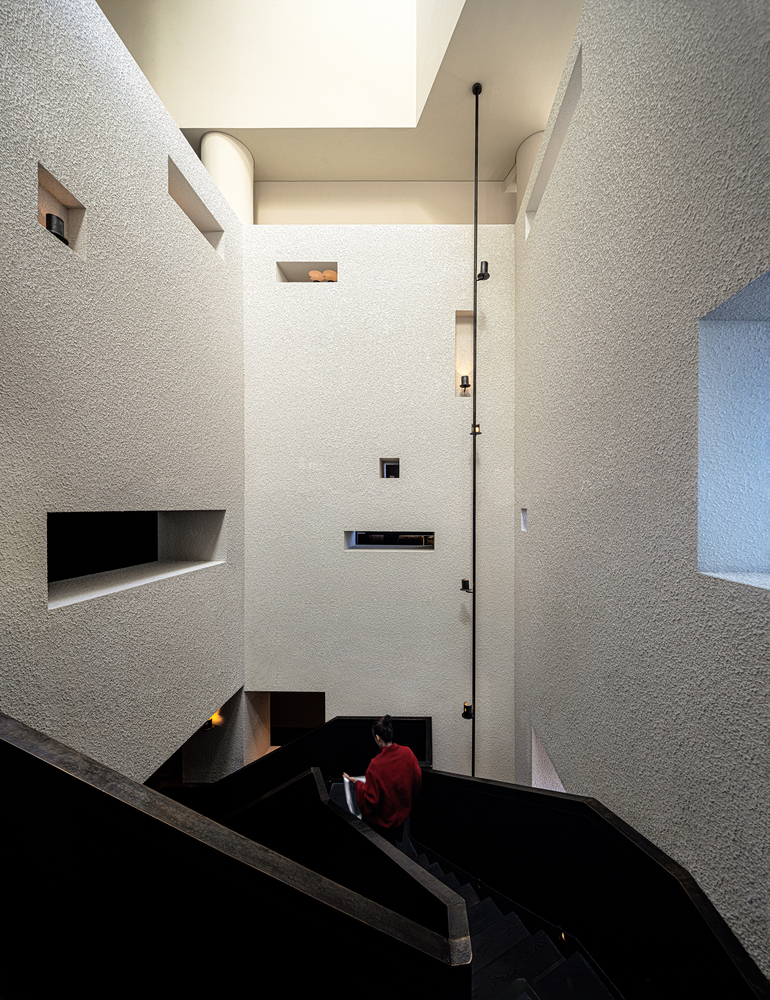
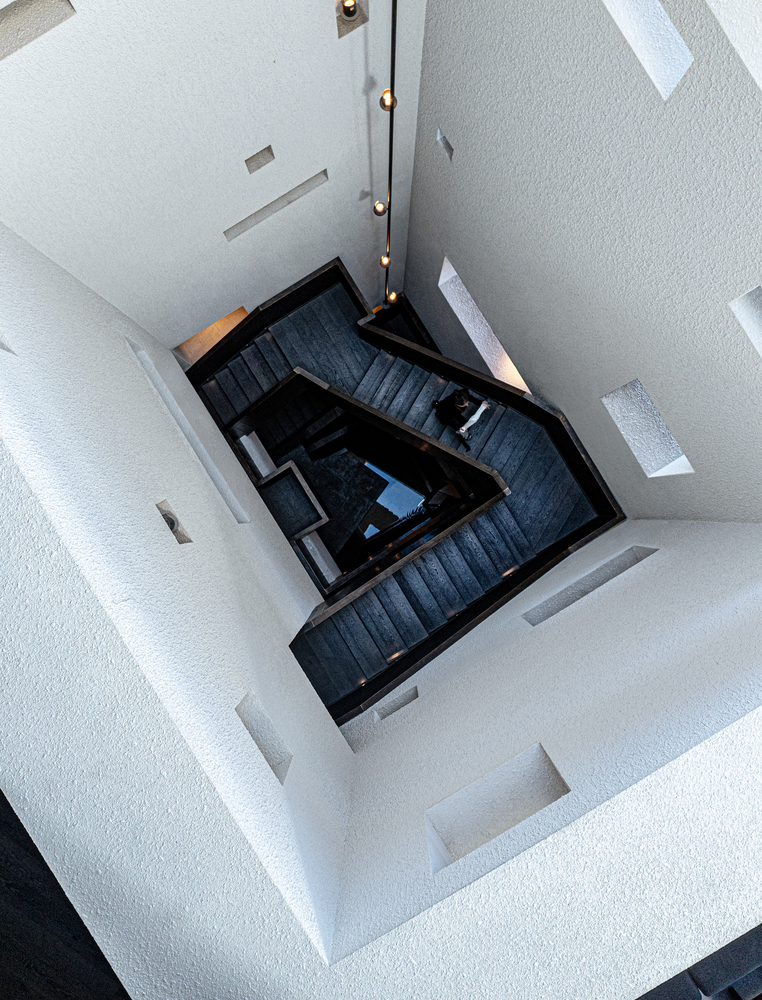
Public spaces showcase the hotel’s architectural ambition at its strongest. Double-height lounges, panoramic terraces, and soaring glass walls create an ongoing dialogue between building and landscape. Sculptural staircases become architectural focal points, while carefully designed lighting introduces drama after dark without disturbing the tranquillity of the setting. Restaurants continue the narrative through warm materials, expansive views, and menus inspired by the region’s unique cultural and geographical position. Whether dining, reading, or simply watching the changing light across the mountains, every space feels designed to encourage pause and contemplation.
More Than a Mountain Hotel
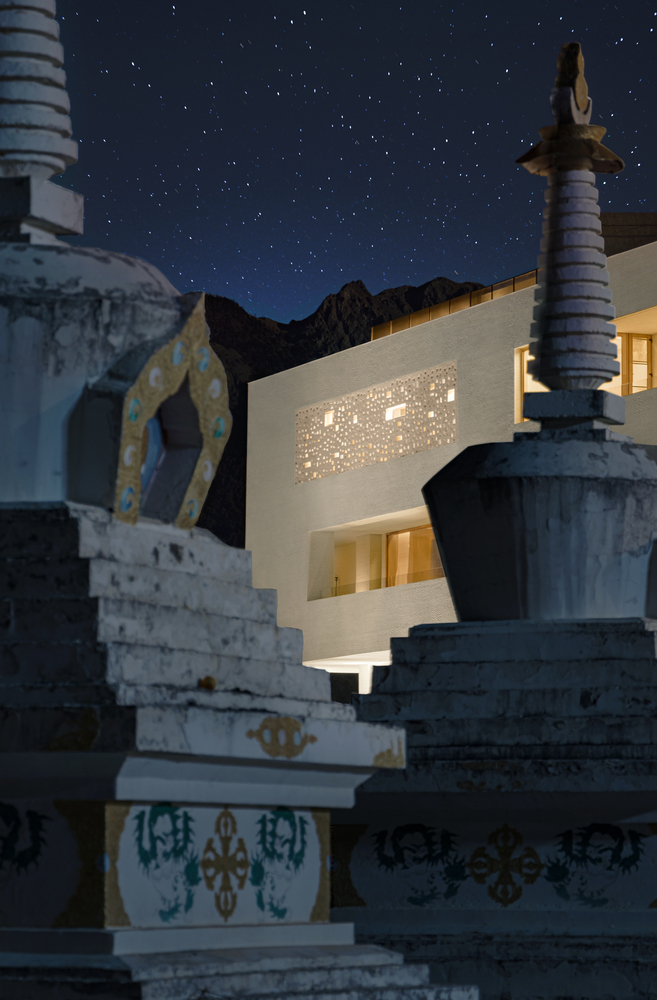
While many properties use spectacular scenery as a backdrop, Deqin Meri Poodom makes the landscape central to the entire experience. The sacred Meili Snow Mountains have long held profound significance within Tibetan Buddhism, attracting pilgrims who travel great distances to complete the mountain’s revered kora pilgrimage route. That spiritual connection remains tangible. The architecture acknowledges it quietly through scale, materials, and atmosphere rather than symbolism or spectacle. The result feels less like a conventional luxury hotel and more like a contemporary sanctuary shaped by its surroundings.
Architecture at the Edge of the World
What makes Deqin Meri Poodom remarkable is its confidence. Many mountain hotels rely solely on their views. Here, the architecture is compelling enough to stand on its own while remaining respectful of an extraordinary setting. The building feels both monumental and humble. Bold yet contemplative. Contemporary yet timeless. It succeeds because it understands that great architecture is not about dominating a landscape, but deepening our connection to it.
A Place of Awe and Stillness
Deqin Meri Poodom is one of those rare hotels where architecture becomes inseparable from experience. The building, the mountains, the light, and the atmosphere combine to create something far greater than the sum of its parts. For travellers drawn to dramatic landscapes, exceptional architecture, and a genuine sense of place, this is one of China’s most memorable design destinations. A hotel where the vastness of the Himalayas is matched only by the ambition of the architecture that frames them.