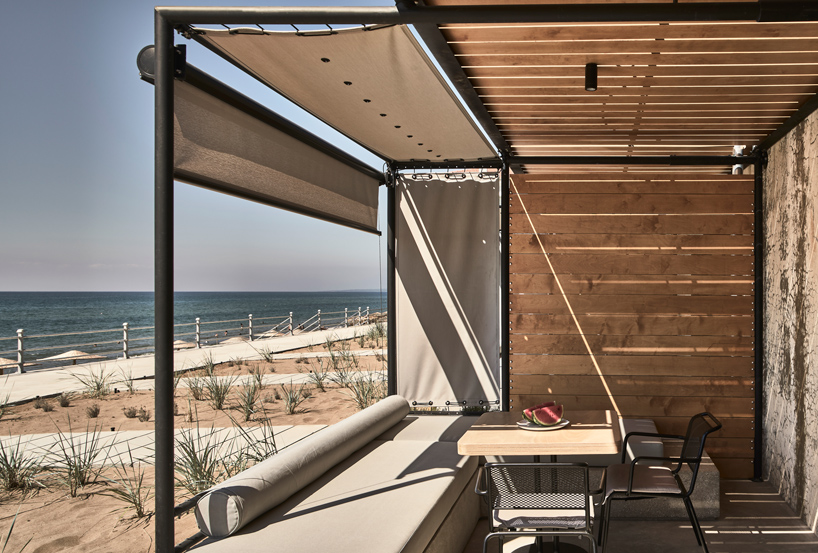
Dexamenes Seaside Hotel, Kourata, Peloponnese
Where Industrial Heritage Meets the Ionian Sea
Why DNA Hotels Loves It
● One of Europe’s most remarkable adaptive reuse projects, transforming a 1920s wine factory into a minimalist beachfront retreat.
● Raw concrete architecture softened by Mediterranean light, sea air, and extraordinary attention to detail.
● A hotel that embraces its industrial past rather than hiding it, creating a stay unlike anywhere else in Greece.
A Winery Reborn Beside the Sea
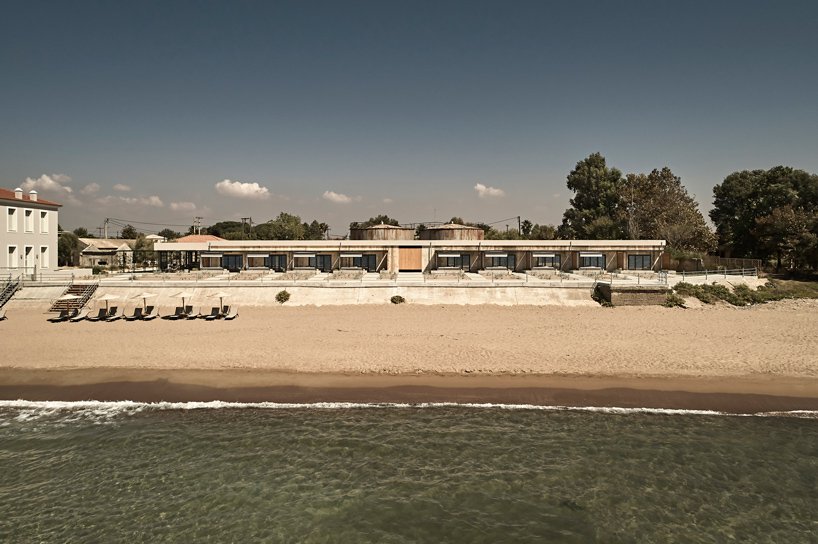
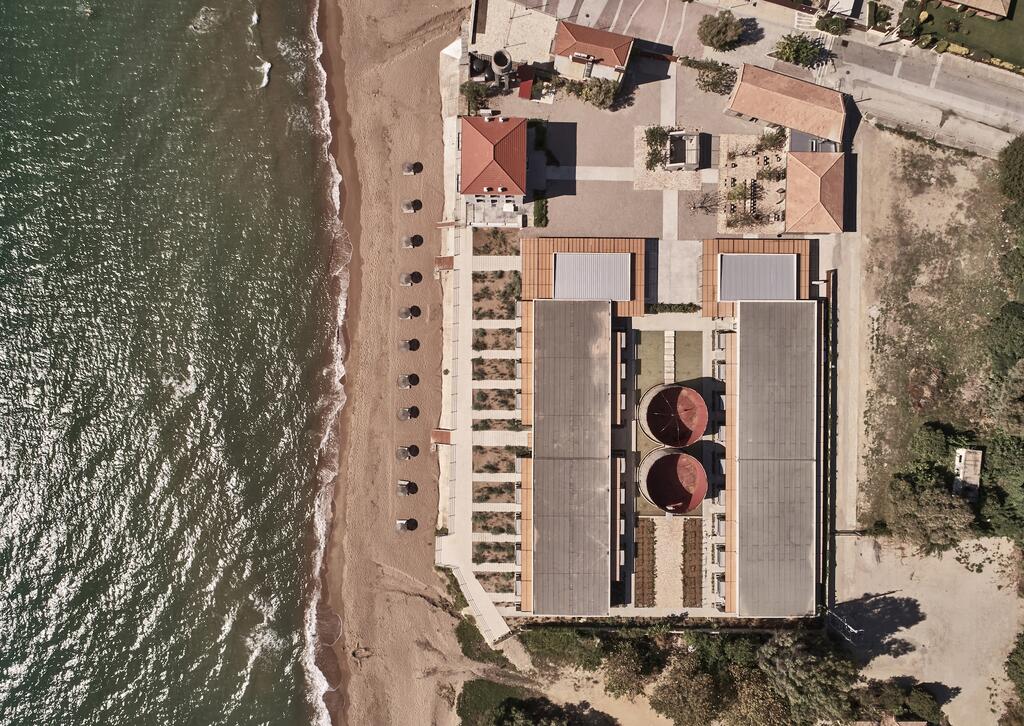
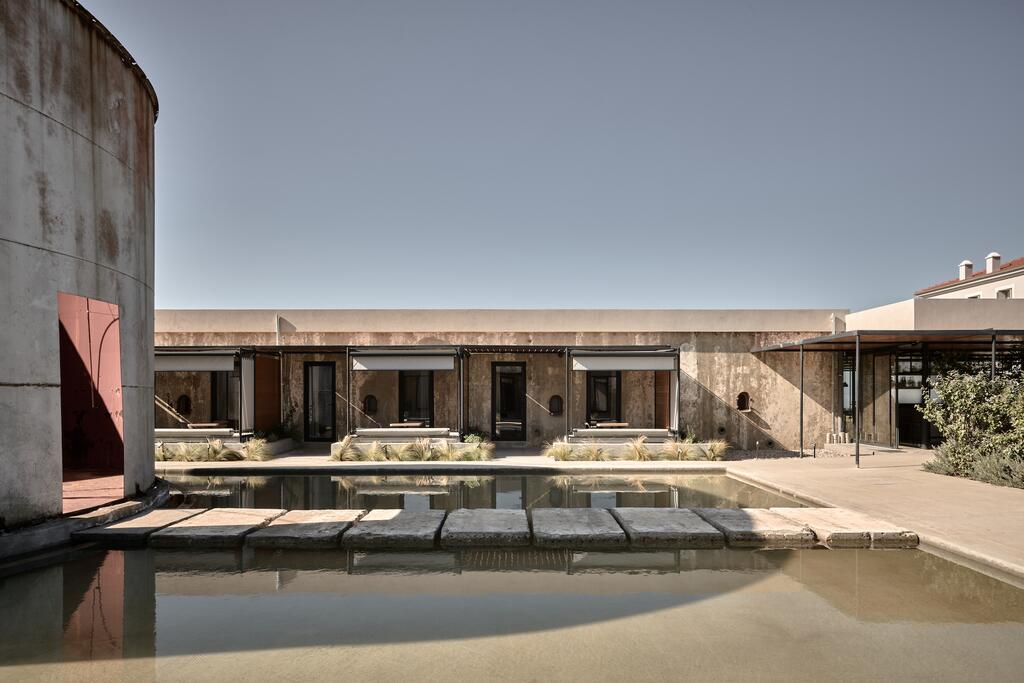
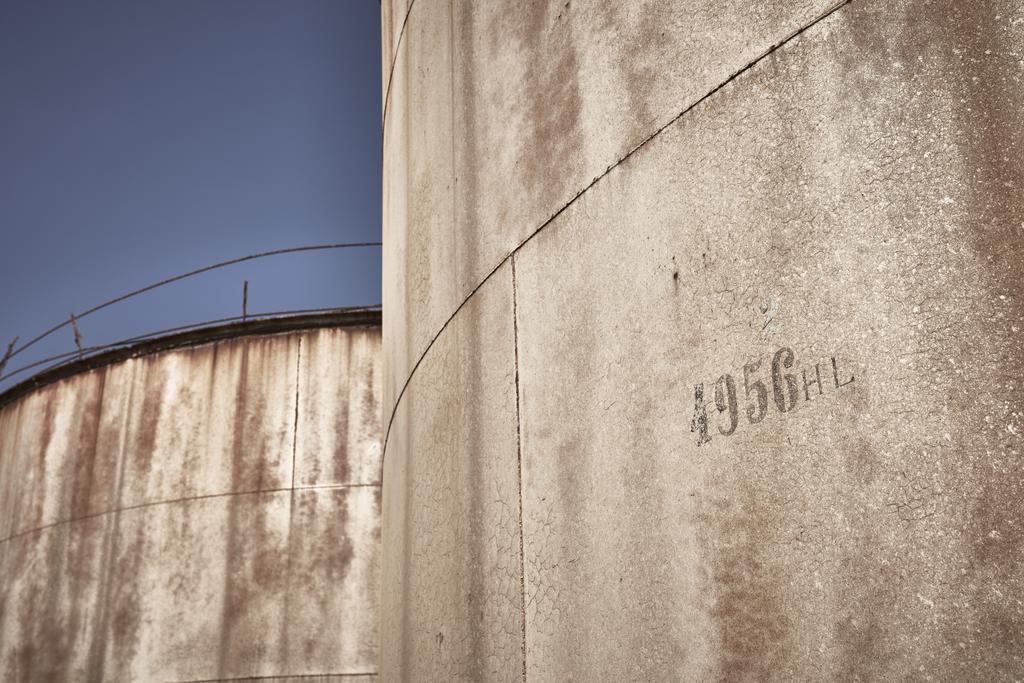
On a quiet stretch of coastline in the western Peloponnese, Dexamenes Seaside Hotel rises from the remains of a former wine factory built in the 1920s. Rather than erase the site’s industrial history, owner Nikos Karaflos and Athens-based K-Studio chose to celebrate it. The original concrete wine tanks, once used to store local wine before export, now form the foundation of one of Greece’s most distinctive design hotels. The result is a project that feels honest, restrained, and deeply connected to its surroundings. This is adaptive reuse at its very best.
Architecture Defined by Memory
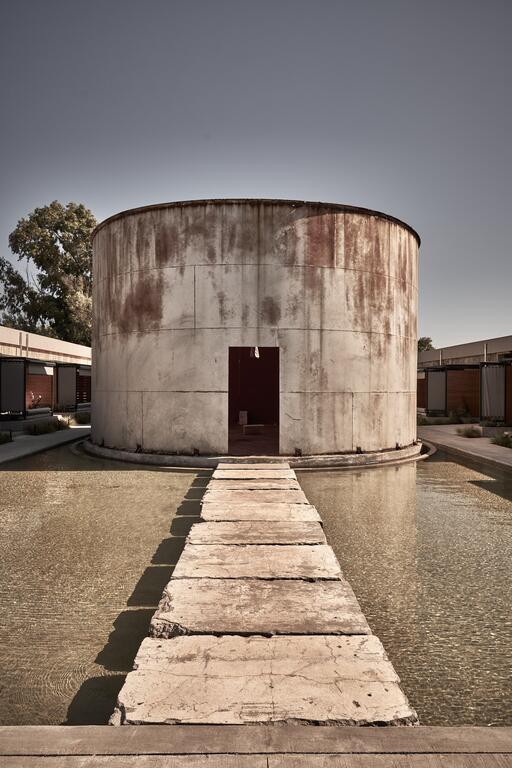
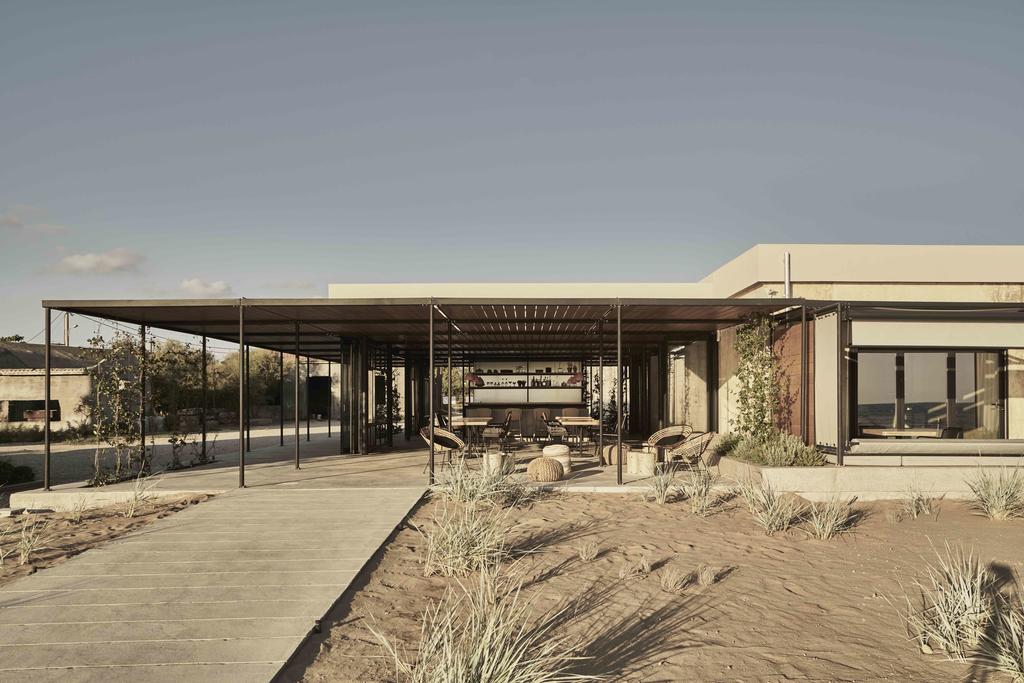
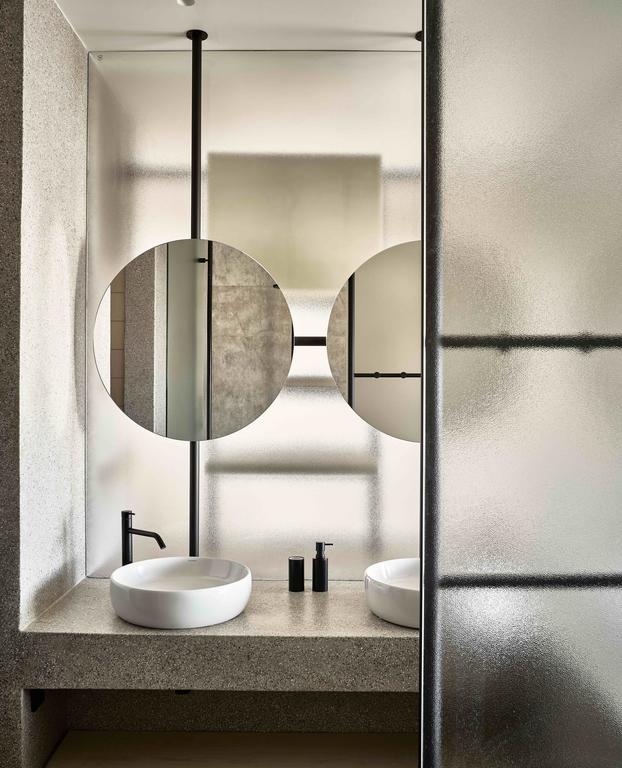
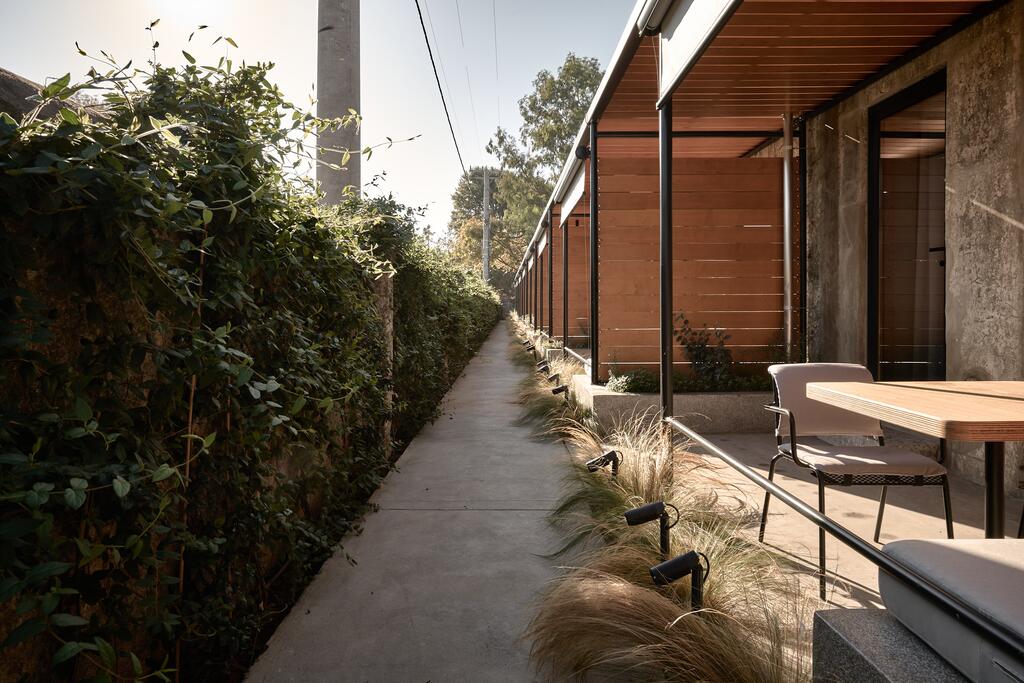
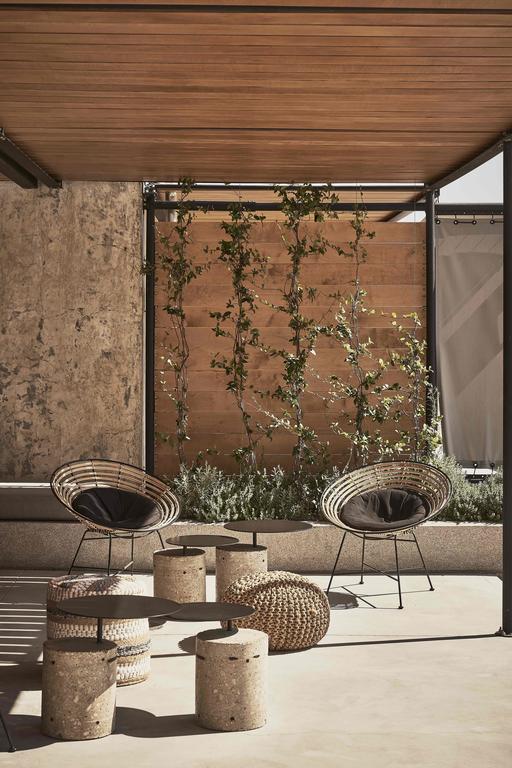
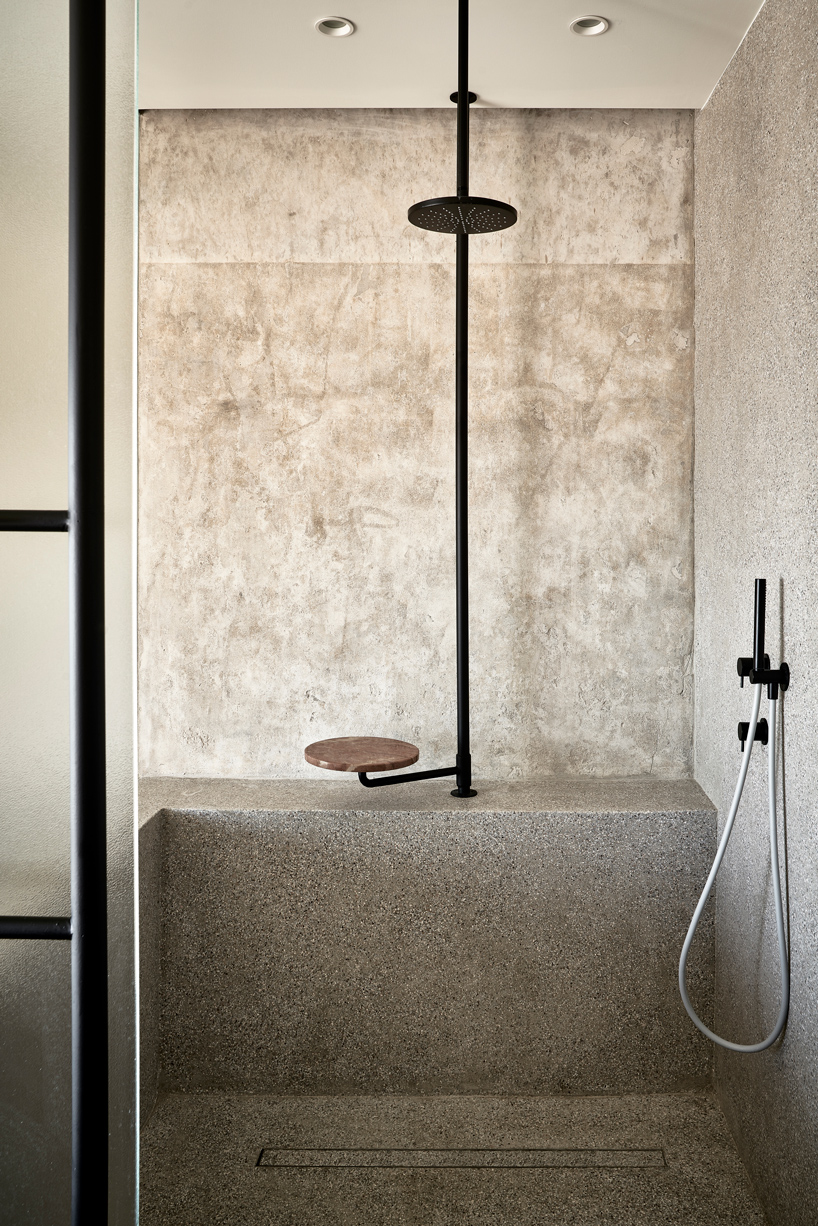
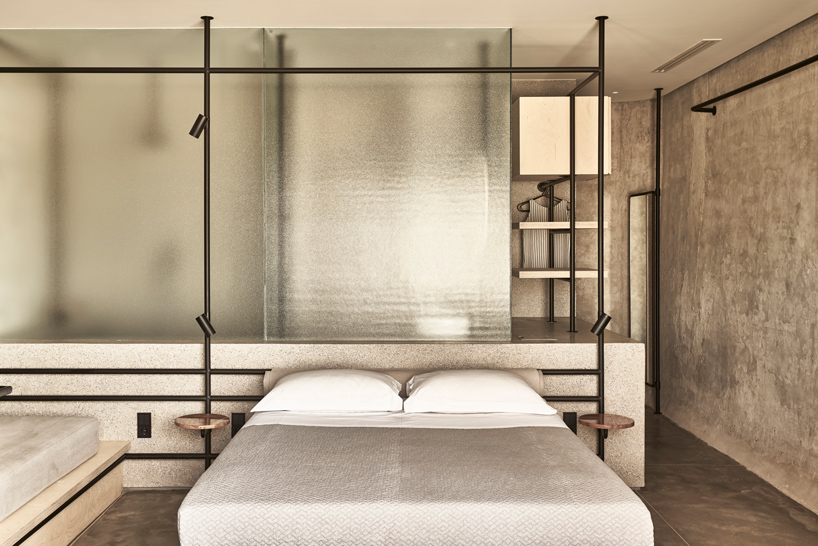
The original winery remains visible throughout the property. Weathered concrete walls retain their patina. Steel structures remain exposed. The scale and proportions of the former industrial complex continue to dictate the experience of the hotel today. Rather than introducing decorative gestures, the architects focused on subtle interventions: carefully positioned openings, black steel detailing, terrazzo flooring, timber shading structures, and large panes of glass that frame the landscape beyond. Nothing feels added unnecessarily. Every decision respects the building’s former life.
Concrete, Light, and Silence
The former wine tanks have been converted almost directly into 34 suites. Their thick concrete walls create a remarkable sense of stillness, shielding interiors from both heat and noise while preserving the monumental character of the original structures. Inside, minimalist interiors balance the raw architecture with warmth. Pale timber, terrazzo, linen, and soft natural light soften the industrial shell without diminishing its presence. The atmosphere feels monastic in the best possible sense. Calm, elemental, and entirely focused on space, texture, and light.
Life Between Beach and Winery
Most suites open directly onto private terraces facing the Ionian Sea. A few barefoot steps separate guests from the sand. Early mornings bring soft sunlight reflecting across concrete surfaces, while evenings are defined by long shadows, sea breezes, and uninterrupted views across the horizon. The relationship between architecture and landscape feels effortless. The sea becomes part of the design.
Industrial Heritage as Design Language
Unlike many heritage conversions, Dexamenes never attempts to disguise what it once was. Original water tanks remain as sculptural elements within the courtyard. Former industrial spaces have been repurposed throughout the property, while exposed concrete corridors and utilitarian geometries continuously reference the site’s past. Yet the surrounding landscape transforms the experience entirely. Olive groves, vineyards, golden sand, and the brilliant light of the Peloponnese soften the severity of the architecture and create a uniquely Mediterranean interpretation of industrial design. The contrast is what makes the hotel so compelling.
Simple Pleasures by the Sea
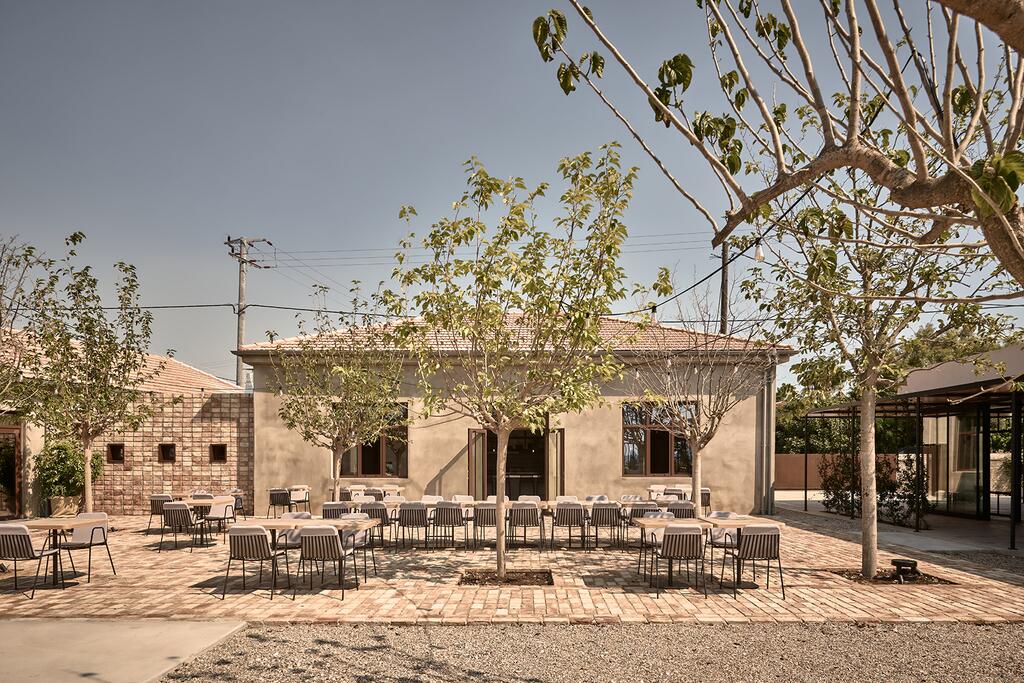
Dexamenes avoids the excess often associated with luxury resorts. Instead, the focus remains on simplicity. Days unfold between sea swims, shaded loungers, long lunches, and sunset aperitivos overlooking the beach. The beachfront bar and restaurant serve local wines alongside ingredients sourced from nearby farms, fisheries, and producers. Menus celebrate the region through fresh seafood, vegetables, cheeses, olive oil, and traditional Peloponnesian flavours. The experience feels grounded rather than curated. Authentic rather than performative.
A Connection to Place
Beyond the hotel itself, Dexamenes maintains strong ties to the local community and landscape. Guests can participate in vineyard visits, cultural workshops, art events, and experiences that connect directly to the region’s agricultural and maritime heritage. This sense of place gives the hotel depth beyond its architecture. It feels lived-in rather than isolated.
The Greece Few Travellers Discover
Part of Dexamenes’ appeal lies in its location. The western Peloponnese remains one of Greece’s less explored regions, where local life continues largely untouched by mass tourism. Vineyards, olive groves, watermelon fields, quiet villages, and long stretches of coastline define the landscape. Ancient Olympia lies less than an hour away, yet many guests rarely leave the property. The rhythm here is wonderfully simple. Sea, sun, architecture, food, and silence.
An Icon of Adaptive Reuse
Dexamenes Seaside Hotel proves that luxury does not require ornament, excess, or spectacle. Instead, it finds beauty in weathered concrete, honest materials, thoughtful design, and a profound connection to place. Few hotels manage to preserve their history so completely while feeling so contemporary. For lovers of architecture, industrial heritage, and understated Mediterranean hospitality, Dexamenes remains one of the most original stays in Greece.