The Emily Hotel, Chicago
A creative, design-forward hotel that channels Chicago’s modernist legacy through art, architecture, and a strong connection to the city’s cultural scene.
Why DNA Hotels Loves It
● Bauhaus-inspired interiors that pay tribute to Chicago modernism and the legacy of Ludwig Mies van der Rohe.
● A strong focus on local artists, creative programming, and community-driven culture.
● One of the most stylish bases for exploring Fulton Market and Chicago’s ever-evolving West Loop.
A Creative Landmark in Fulton Market
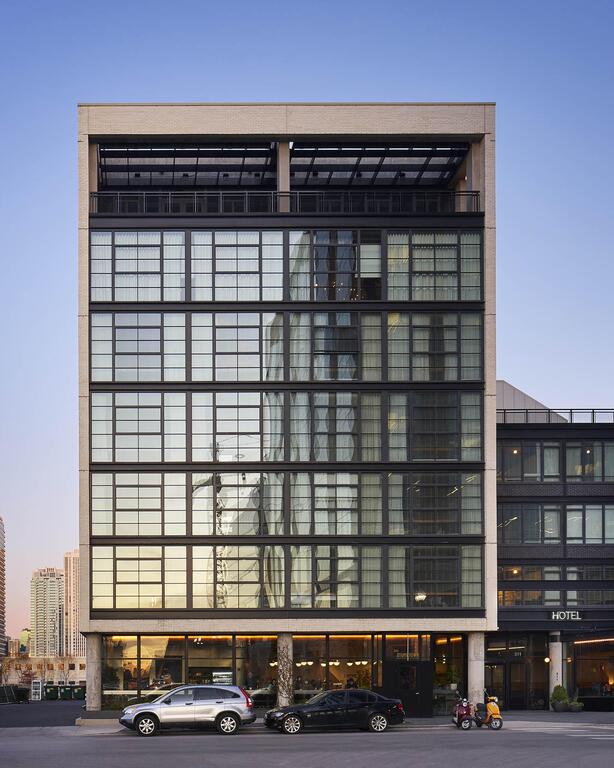
Set in Chicago’s energetic Fulton Market District, The Emily Hotel occupies a neighborhood that mirrors the city itself: industrial, creative, ambitious, and constantly reinventing itself. Originally opened as the Ace Hotel Chicago before being reimagined as The Emily, the property remains one of the city’s most compelling design hotels. Rather than relying on flashy luxury or passing trends, it draws inspiration from Chicago’s rich architectural heritage, blending Midwestern craftsmanship, Bauhaus principles, and contemporary creativity into a hotel that feels both thoughtful and effortlessly cool. This is a place built for designers, artists, entrepreneurs, and travelers who appreciate culture as much as comfort.
Built on Chicago’s Design DNA
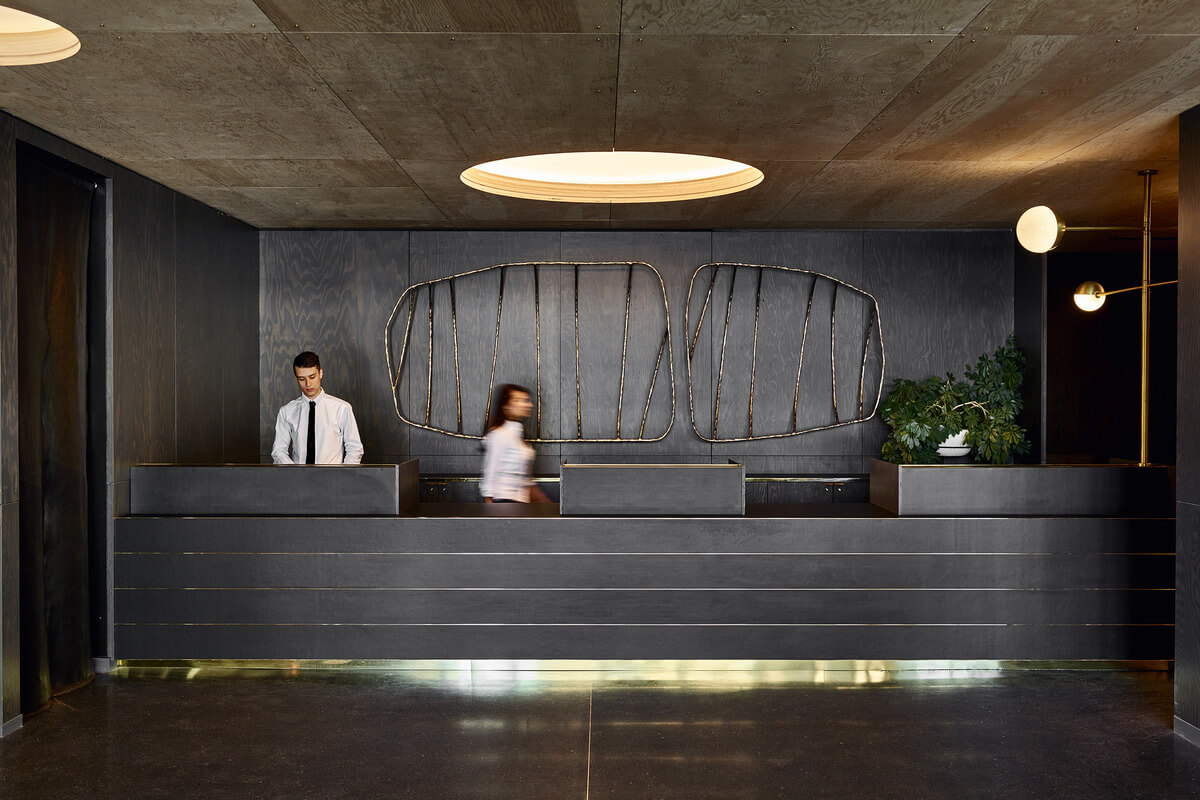
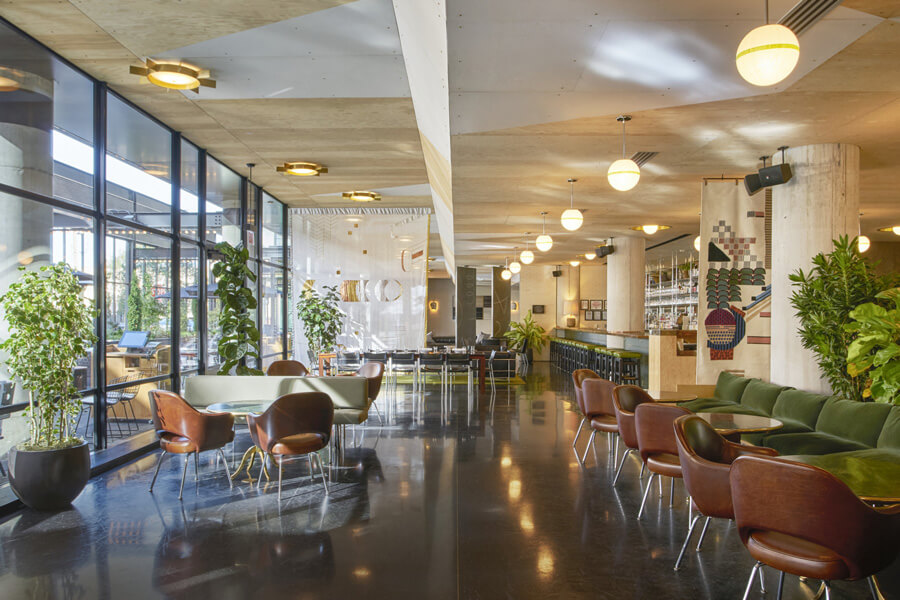
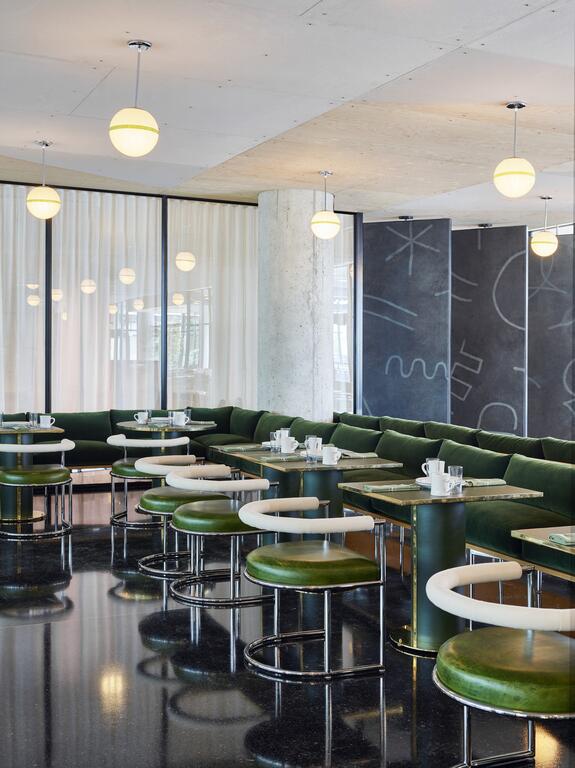
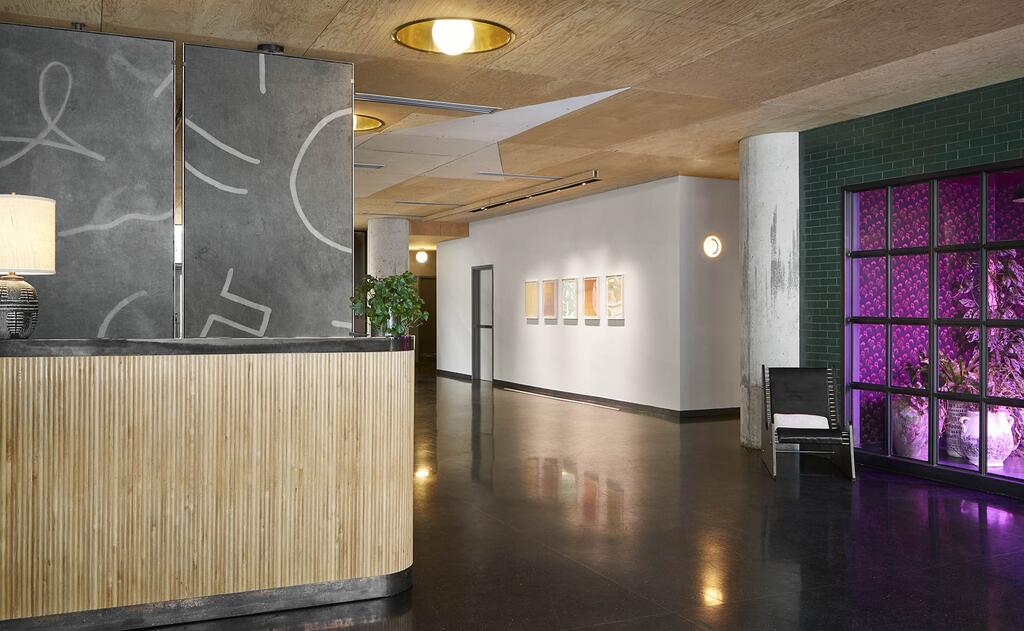
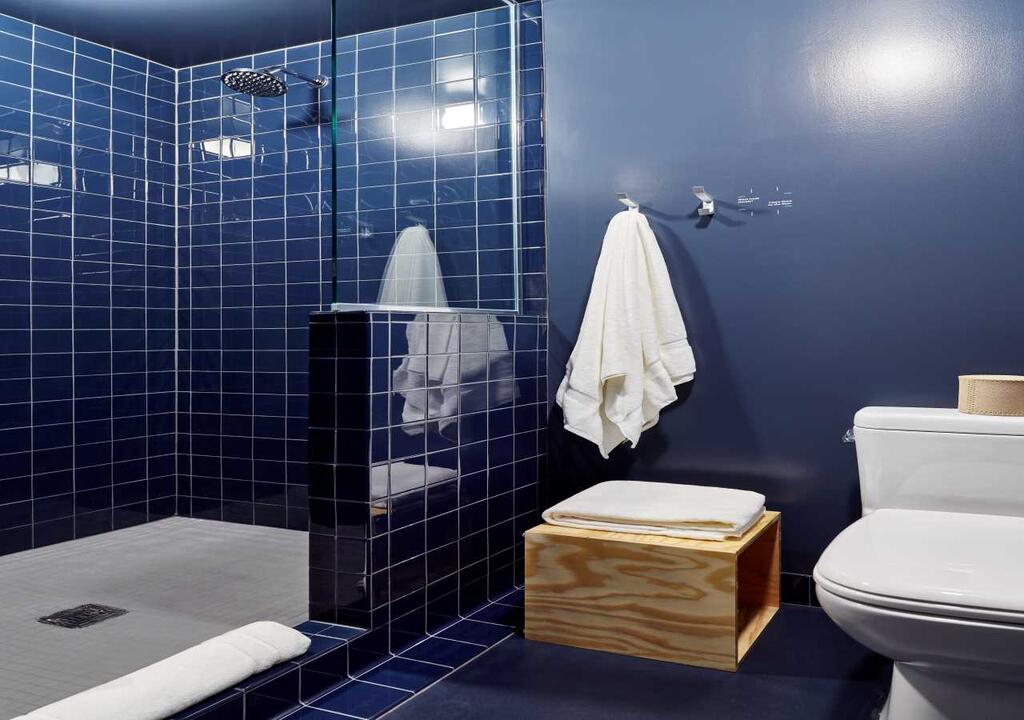
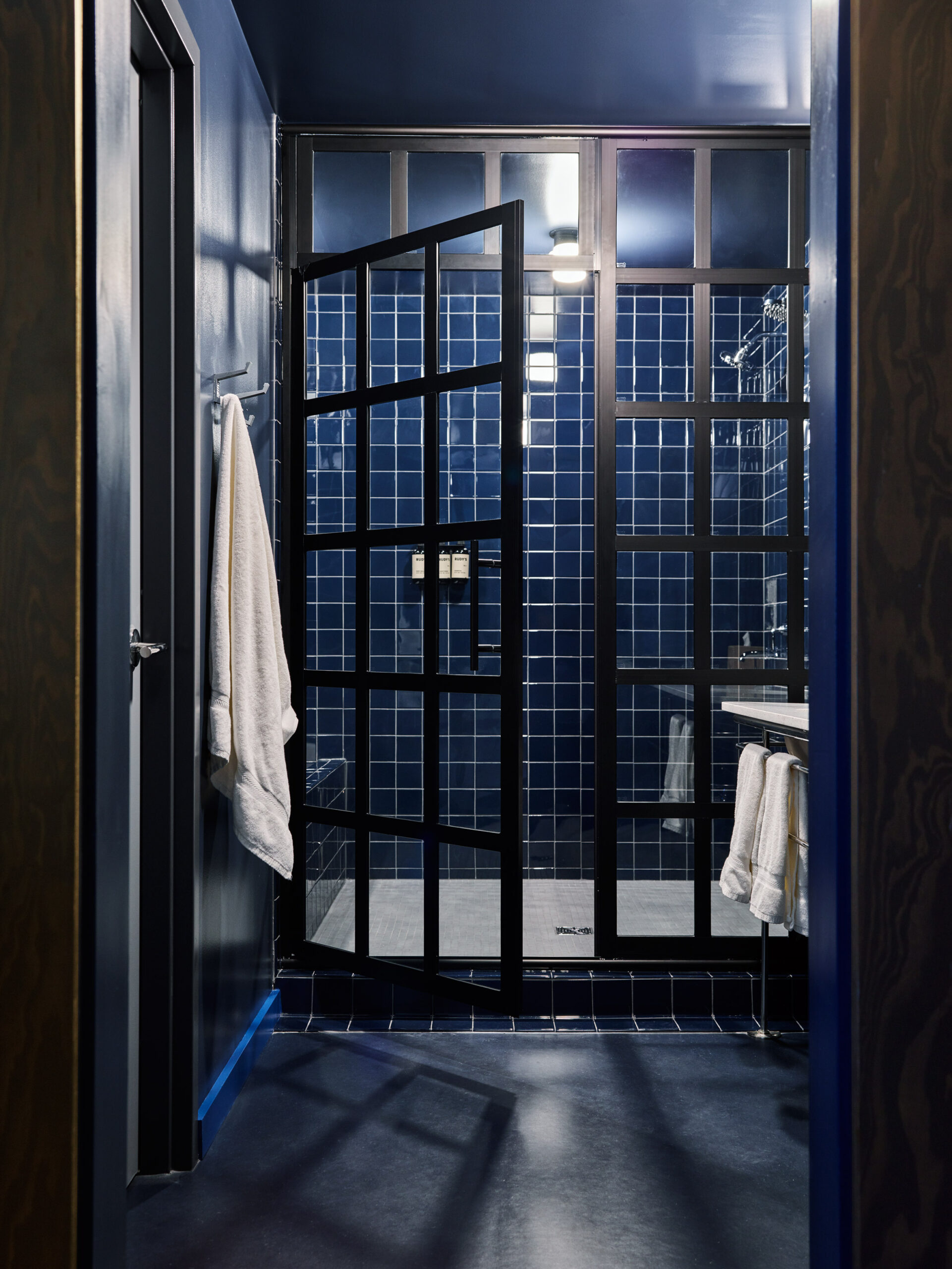
The Emily’s aesthetic is deeply rooted in the modernist traditions that helped define Chicago. Throughout the hotel, references to Ludwig Mies van der Rohe and Bauhaus design appear in subtle but meaningful ways. Plywood paneling, terrazzo surfaces, utilitarian forms, black steel accents, and carefully restrained materials create spaces that feel functional, elegant, and timeless. The design avoids excess. Instead, it embraces clarity, craftsmanship, and simplicity—qualities that have long shaped Chicago architecture. The result feels contemporary without chasing trends, warm without sacrificing minimalism.
Art at the Core
Creativity is woven into the hotel’s identity. The lobby and public spaces feature rotating exhibitions and installations from local artists, reinforcing The Emily’s role as both hotel and cultural platform. Original works appear throughout the building, giving each visit a distinct sense of place. Indigo-dyed canvas installations by artist Chad Kouri reference Chicago’s jazz heritage, while curated collections of contemporary art celebrate the city’s ongoing creative evolution. This isn’t art added as decoration. It’s part of the hotel’s DNA.
Spaces Designed to Connect
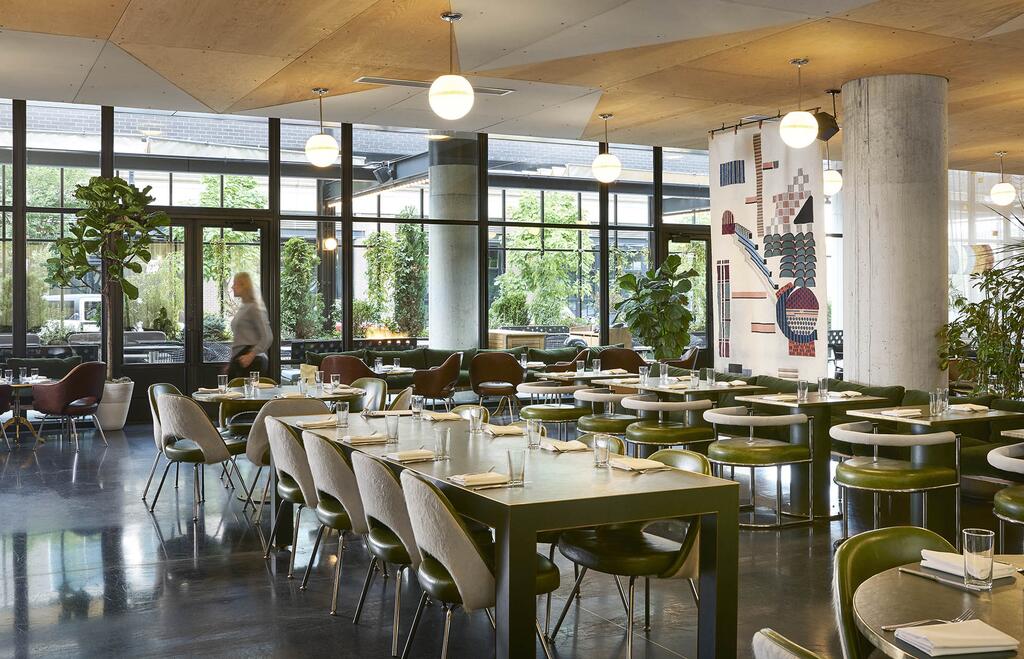
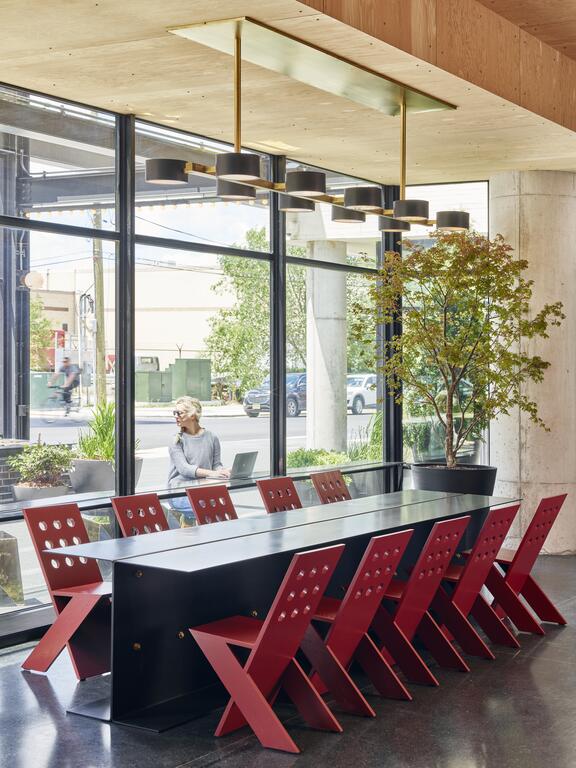
The ground floor unfolds as a series of interconnected spaces rather than separate venues. Reception, coffee bar, gallery, lounge, and restaurant flow naturally into one another, creating an atmosphere that encourages conversation, collaboration, and lingering. White brick walls echo the industrial architecture of Fulton Market, while terrazzo flooring and minimalist detailing keep the design grounded and cohesive. Whether guests are working remotely, meeting friends, or simply watching the neighborhood pass by, the public spaces feel alive throughout the day.
Minimalist Rooms with Character
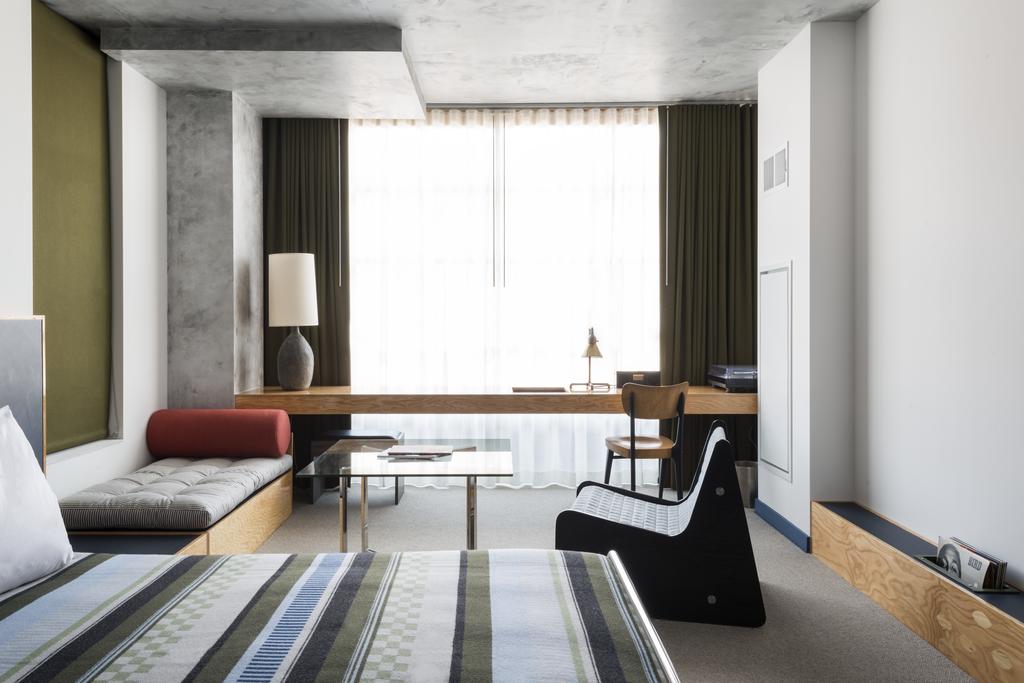
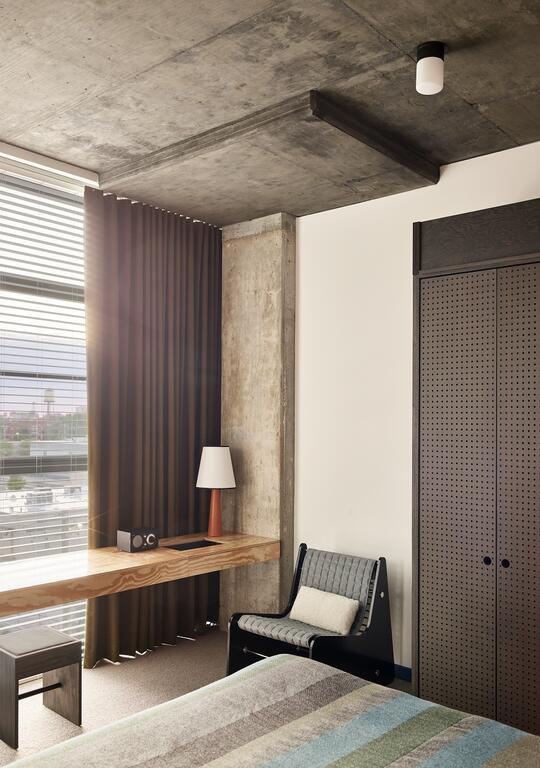
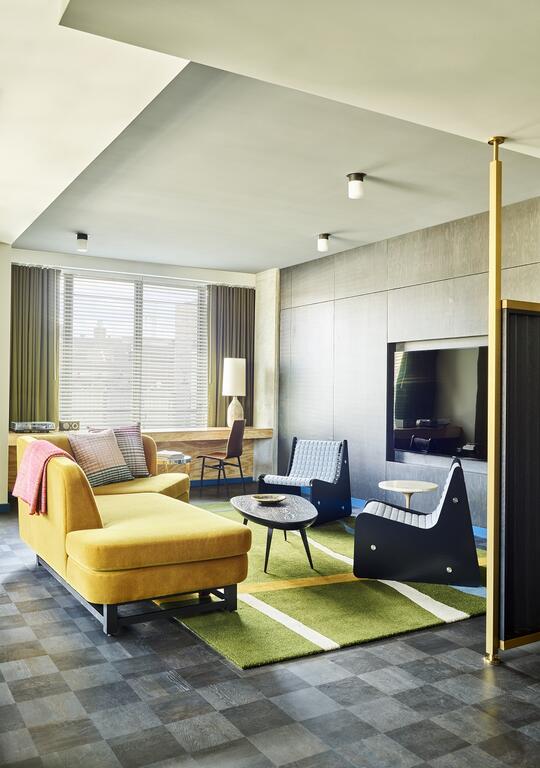
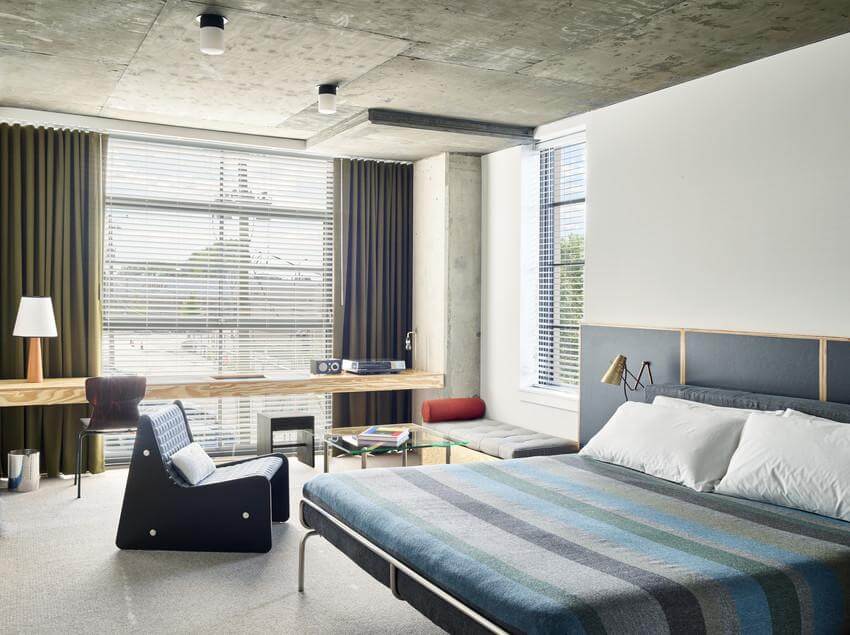
The 159 guestrooms embrace a similarly refined approach. Clean lines, organic cotton linens, custom Bluetooth radios, warm wood finishes, and thoughtfully selected furnishings create an atmosphere that feels more residential than corporate. The aesthetic is intentionally understated, allowing materials and proportions to do the work. Higher-category suites add kitchenettes, terraces, and generous living spaces, making them ideal for longer stays or creative retreats. Rather than overwhelming guests with luxury gestures, The Emily focuses on comfort, functionality, and good design.
A Hotel for Food Lovers
Dining plays an important role in the experience. Fora serves globally inspired cuisine throughout the day in a bright, contemporary setting that attracts both guests and locals. The atmosphere feels relaxed yet sophisticated, reflecting the neighborhood around it. The Coffee Bar provides locally roasted Metric Coffee alongside pastries and light bites, creating a natural gathering point from morning onwards. For something more intimate, Sushi by Bou delivers a lively omakase experience with an unexpected soundtrack of hip-hop and contemporary music.
Rooftop Views and City Energy
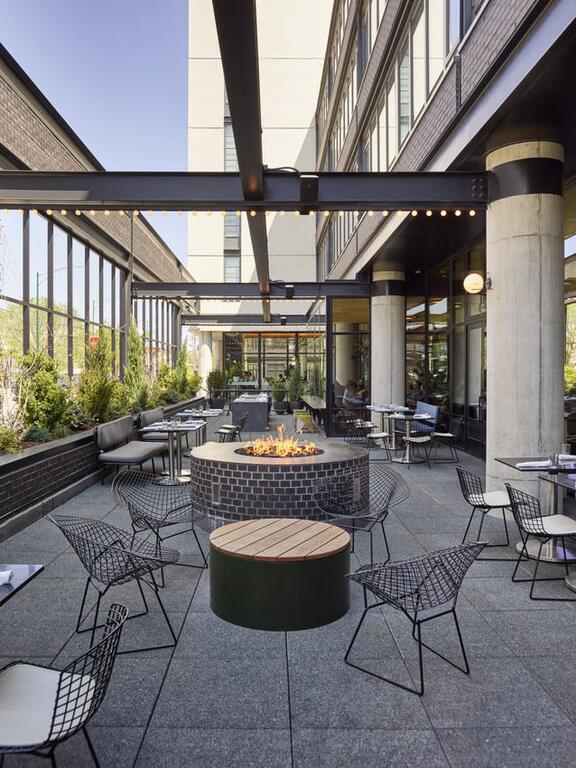
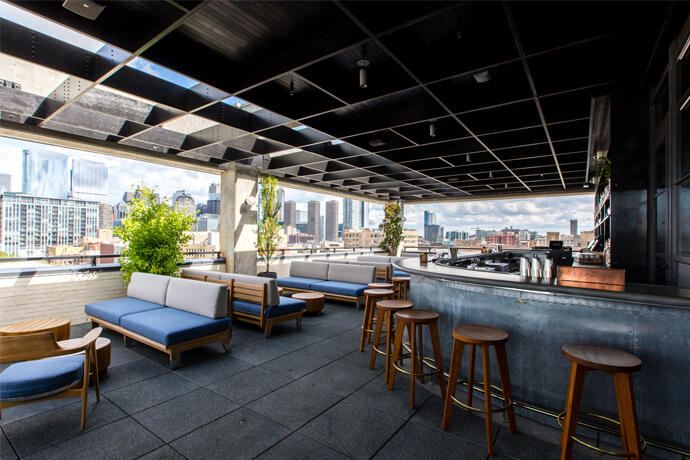
The social centerpiece of the hotel is Selva, the rooftop bar overlooking Chicago’s skyline. By day, it’s a relaxed perch above Fulton Market. By evening, it becomes one of the neighborhood’s most attractive gathering spots, serving Latin American-inspired cocktails against a backdrop of city lights. The atmosphere is energetic without feeling exclusive, stylish without trying too hard. Much like the hotel itself.
Rooted in Community
The Emily’s connection to Chicago extends beyond design and dining. Artist residencies, exhibitions, rooftop cinema nights, cultural programming, and community events help position the hotel as an active participant in the neighborhood rather than a detached observer. Guests don’t simply stay in Chicago here. They become part of its creative ecosystem.
A Creative Stay with Chicago Character
The Emily Hotel captures the essence of contemporary Chicago: creative, intelligent, design-conscious, and deeply connected to its community. By blending Bauhaus-inspired minimalism, local artistic talent, and the energy of Fulton Market, it delivers a hotel experience that feels authentic rather than manufactured. For travelers who value culture, architecture, and a strong sense of place, The Emily is one of Chicago’s most compelling contemporary stays.