Es Racó d’Artà, Artà, Mallorca, Spain
A 13th-century finca transformed into a deeply considered retreat where architecture, agriculture, art, and wellbeing move at the same slow pace
Why DNA Hotels Loves It
● Architect Toni Esteva treats the historic finca and its 200-hectare landscape as one continuous composition, using local stone, timber, limewash, cane, and restrained new interventions to preserve the character of rural Mallorca.
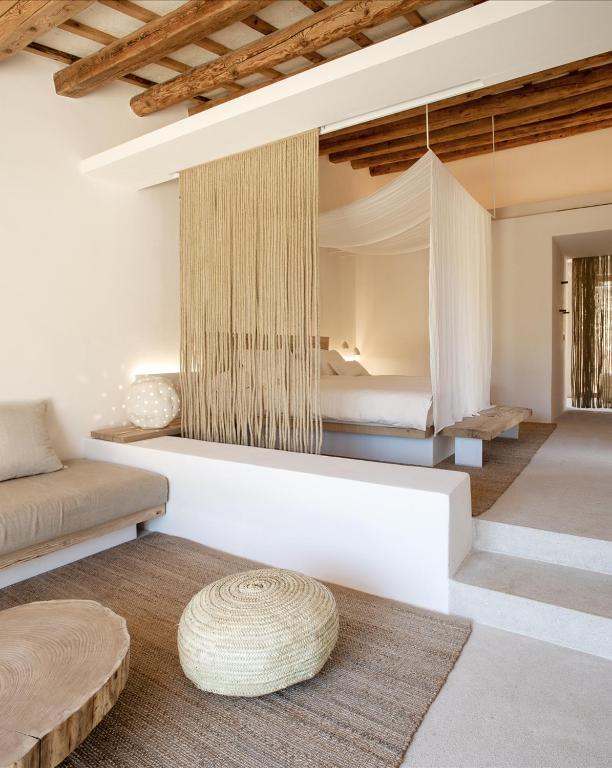
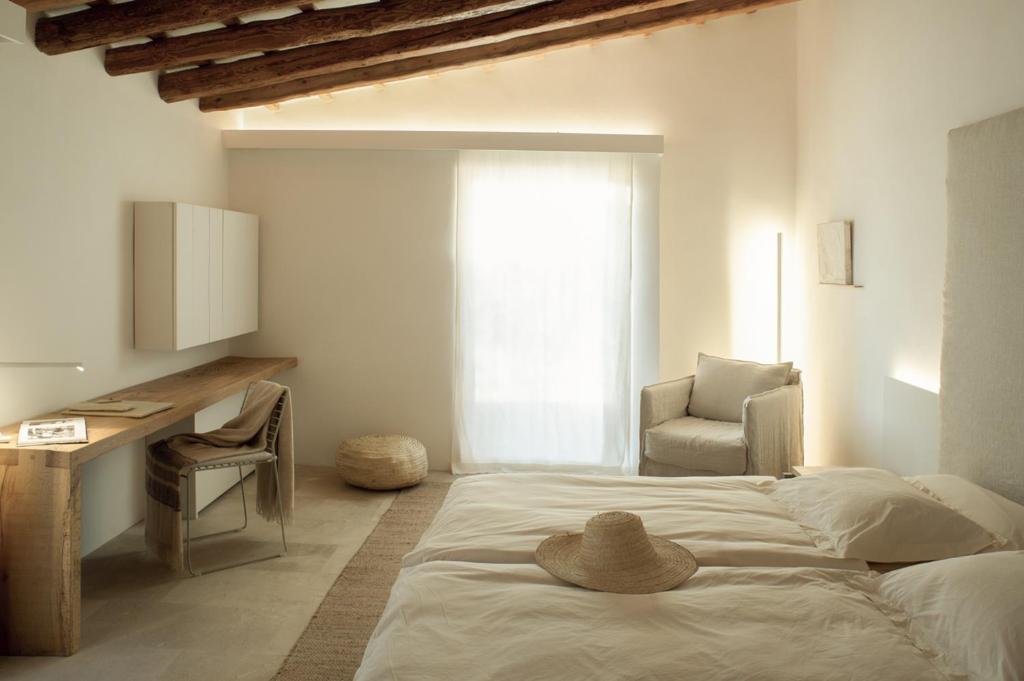
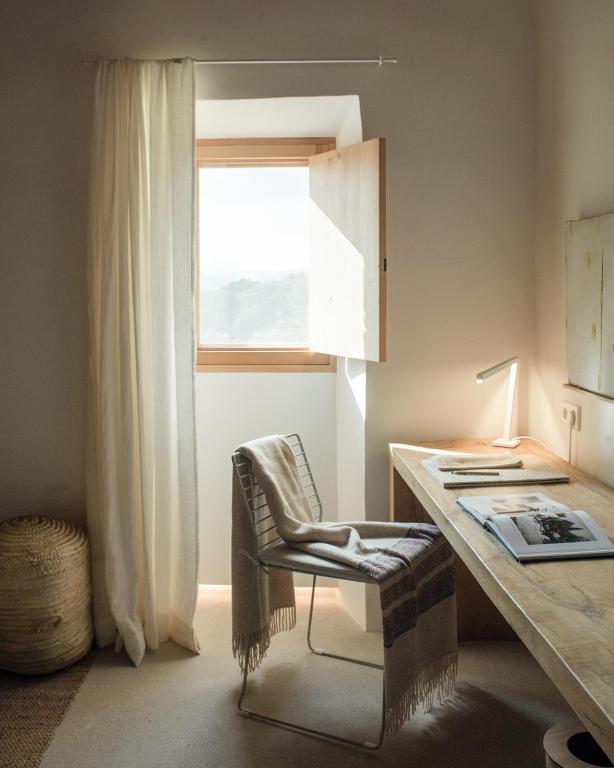
● The rooms, casitas, and private houses are deliberately quiet in design, allowing materiality, landscape, and light to take precedence over decoration.
● Es Racó goes far beyond accommodation, integrating organic farming, Mallorcan craft, yoga, meditation, sound therapy, art, and food into a coherent philosophy of living with the land.
A Finca Reawakened
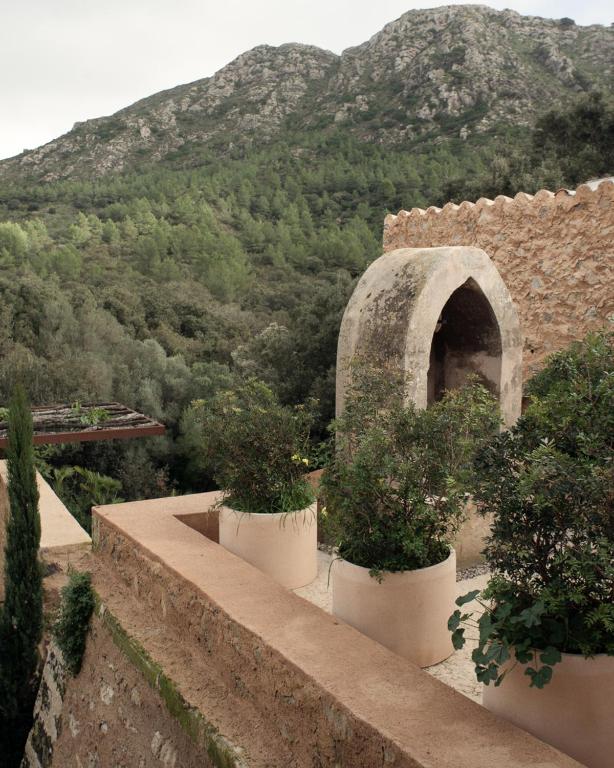
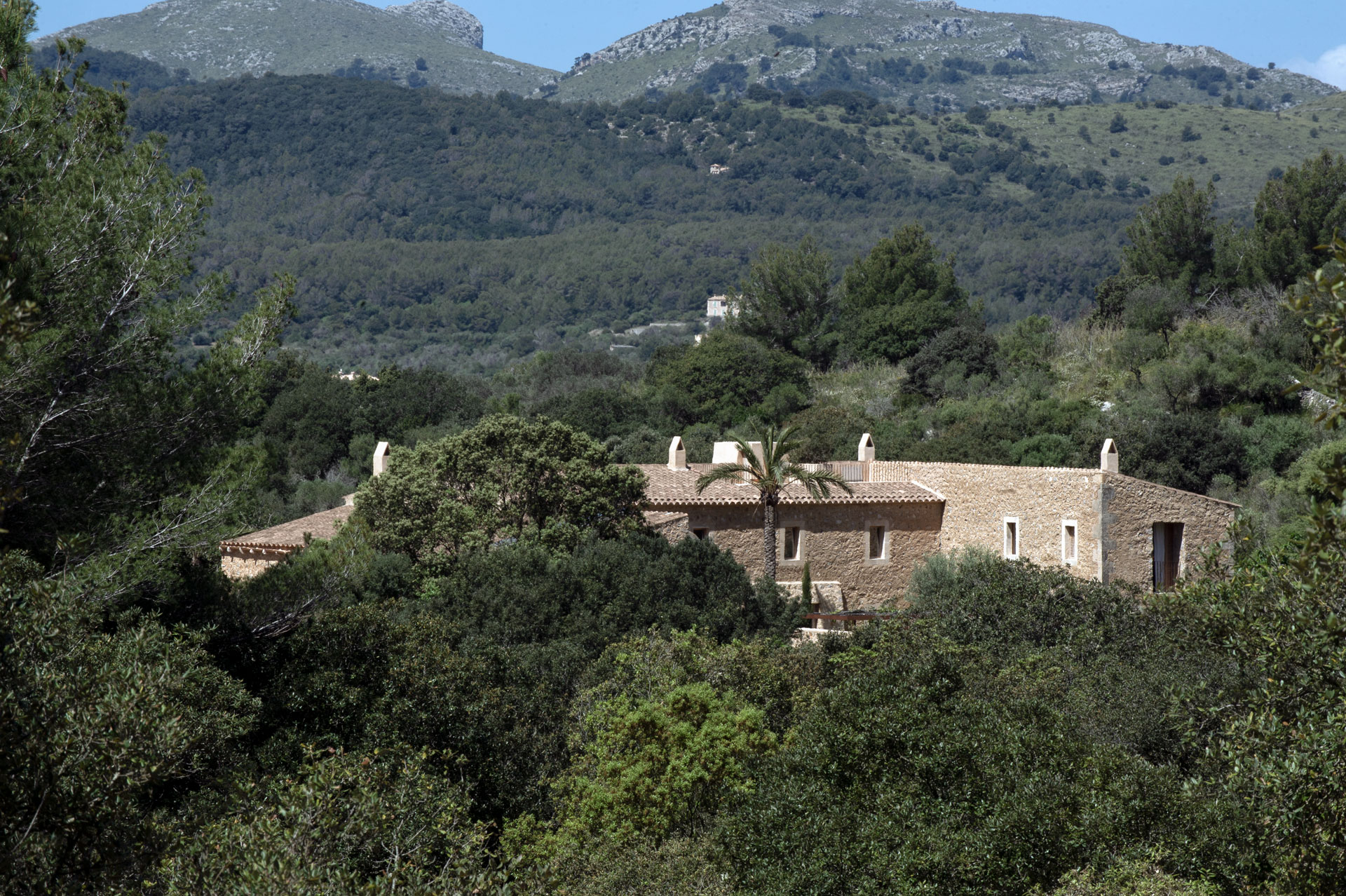
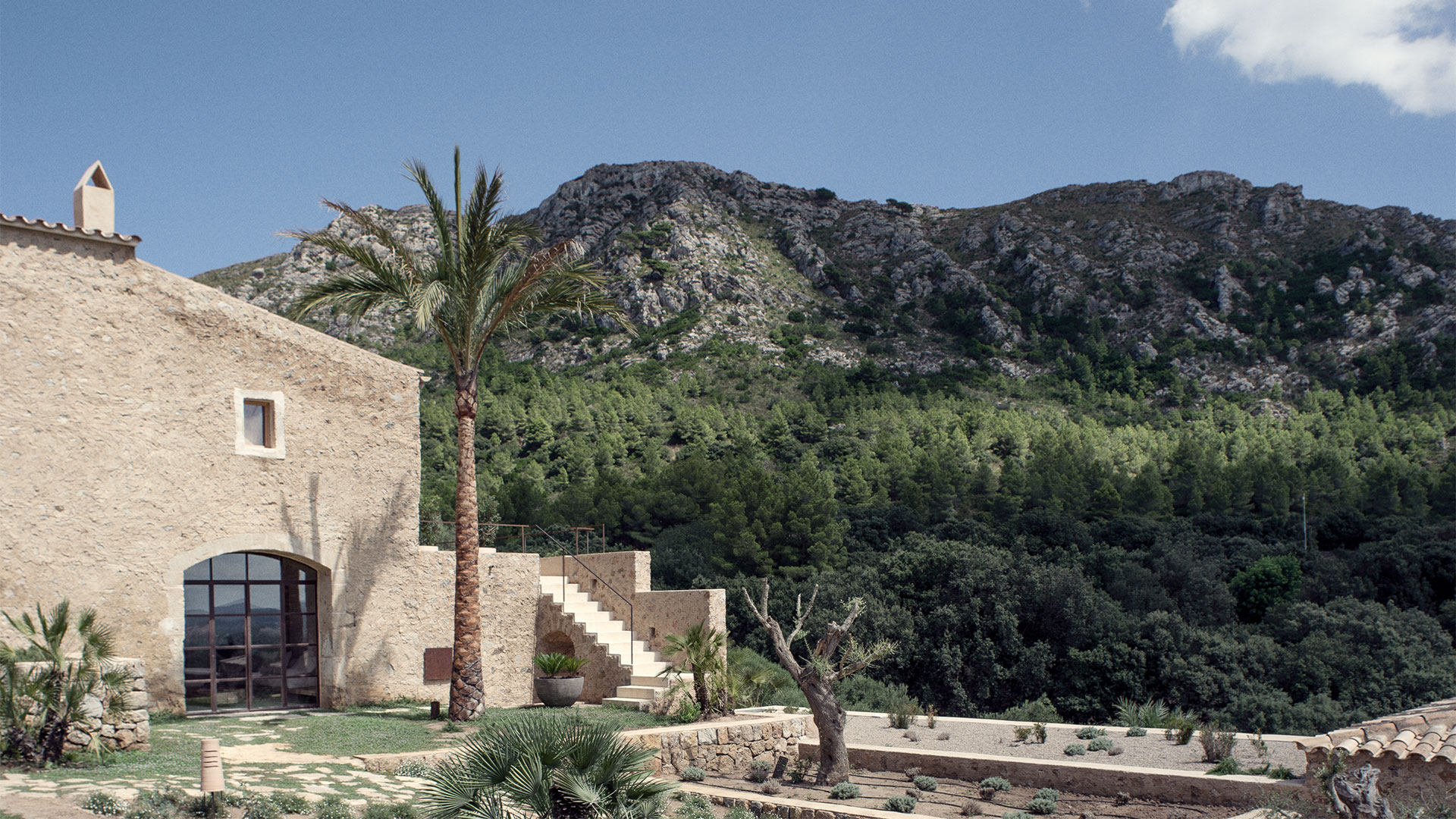
Es Racó d’Artà is rooted in a 13th-century agricultural estate on the edge of the Llevant Natural Park. Its revival is the work of architect Toni Esteva and builder Jaume Danús, two Mallorcans who approached the project less as a resort development than as an act of cultural continuity. The historic Possessió remains the heart of the estate. Around it, rooms, stone casitas, private houses, gardens, agricultural land, and the spa are scattered across a vast, largely untamed landscape. The architecture never tries to dominate. It settles in.
Architecture of Restraint
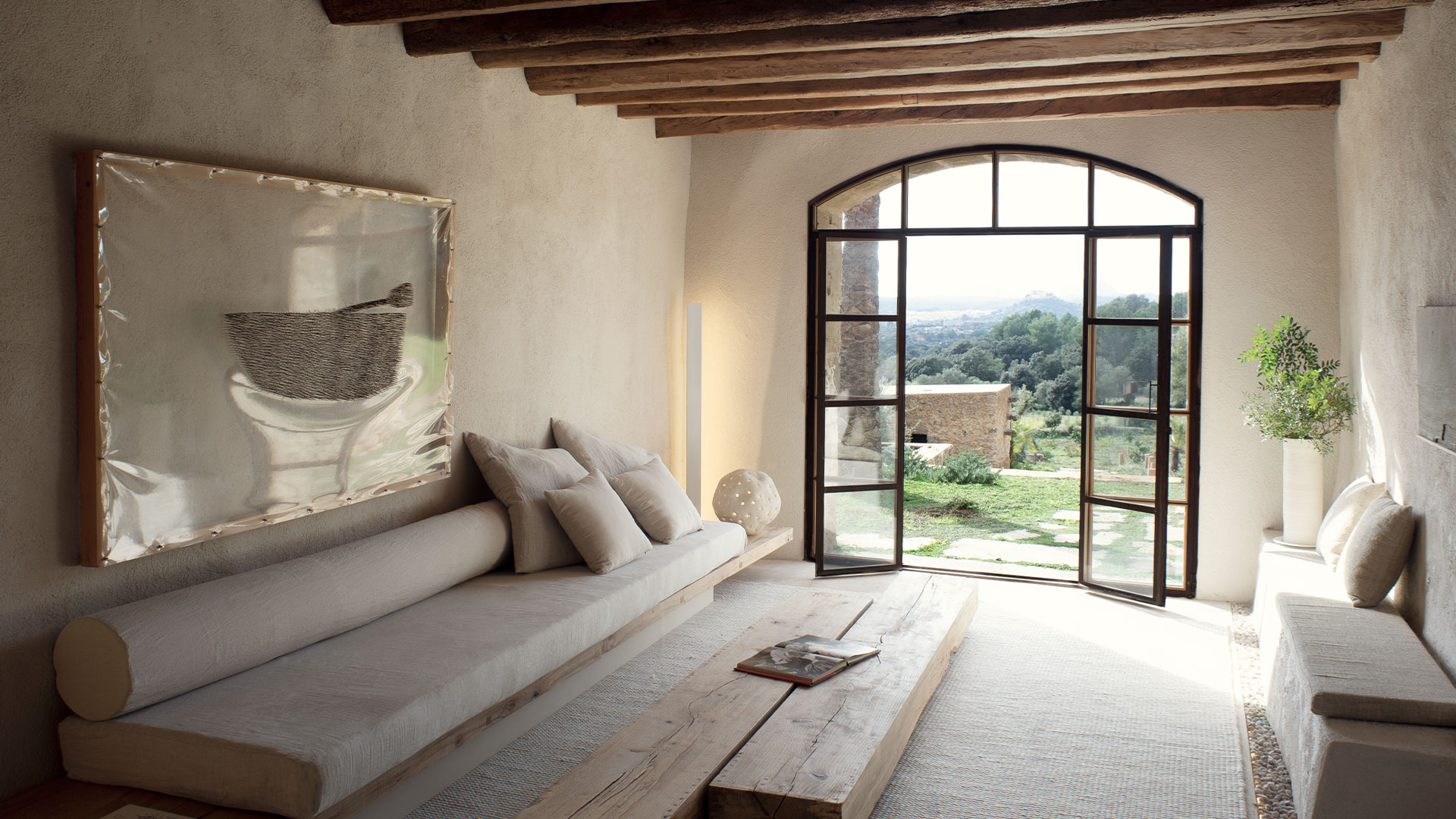
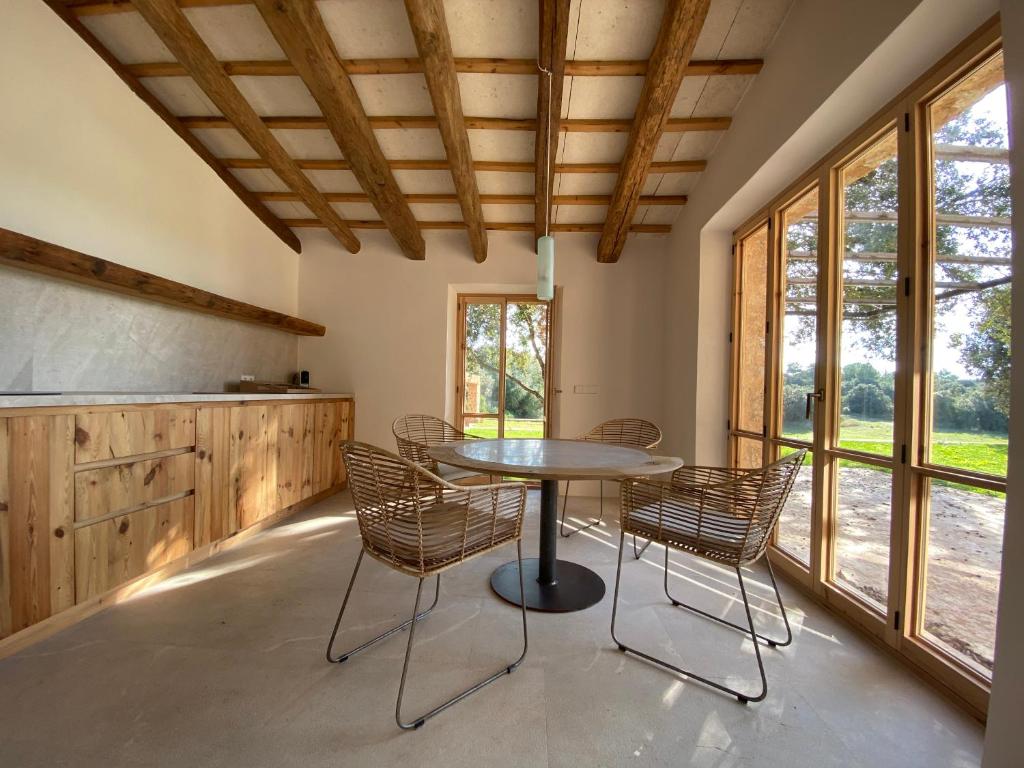
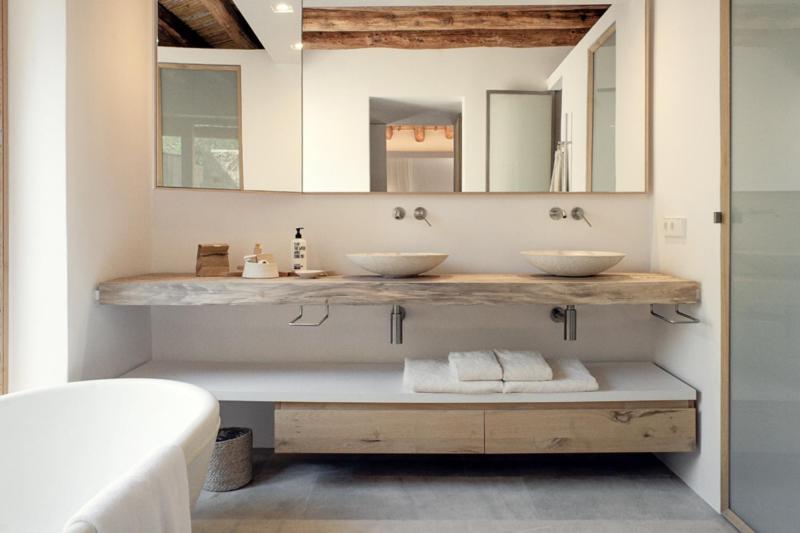
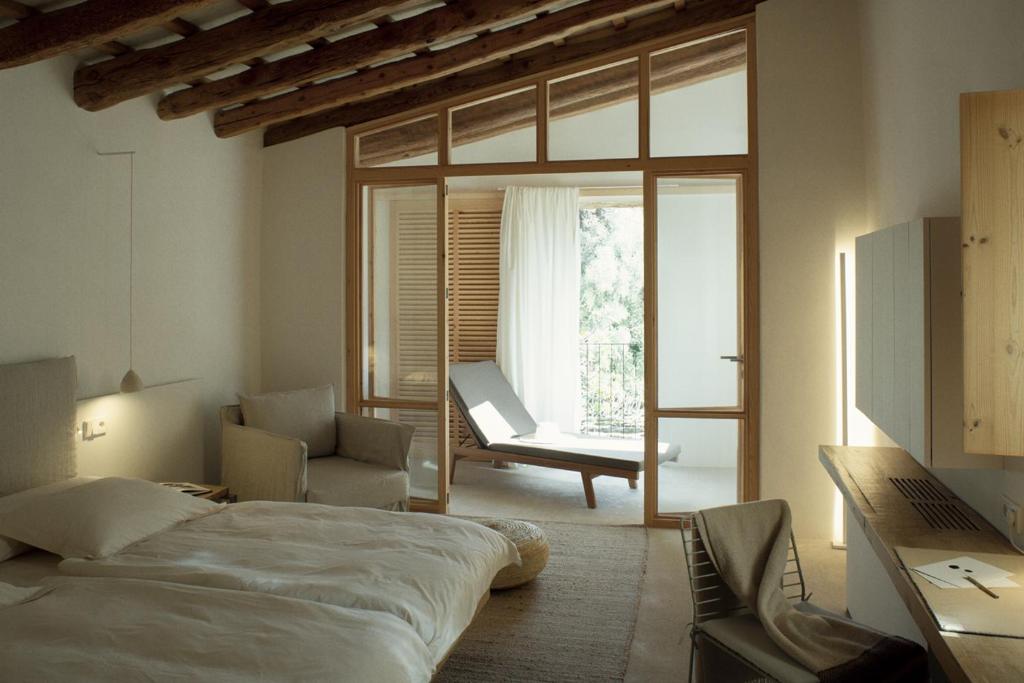
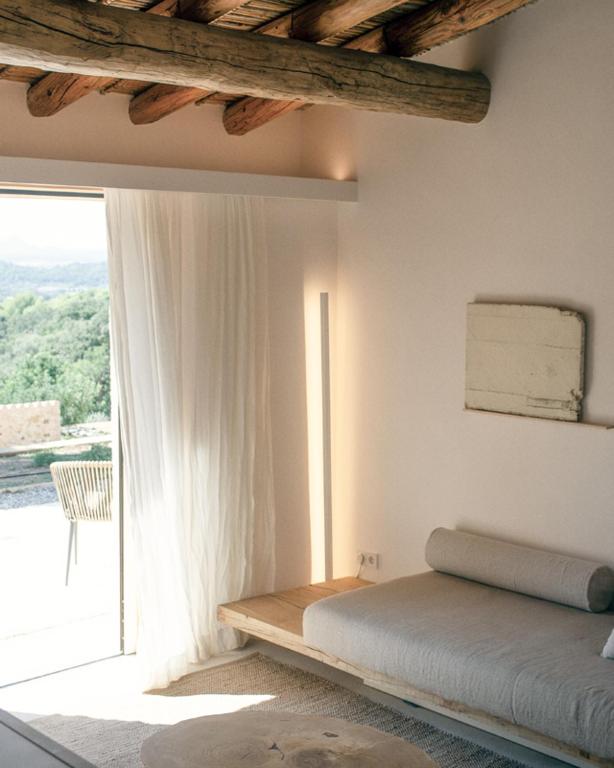
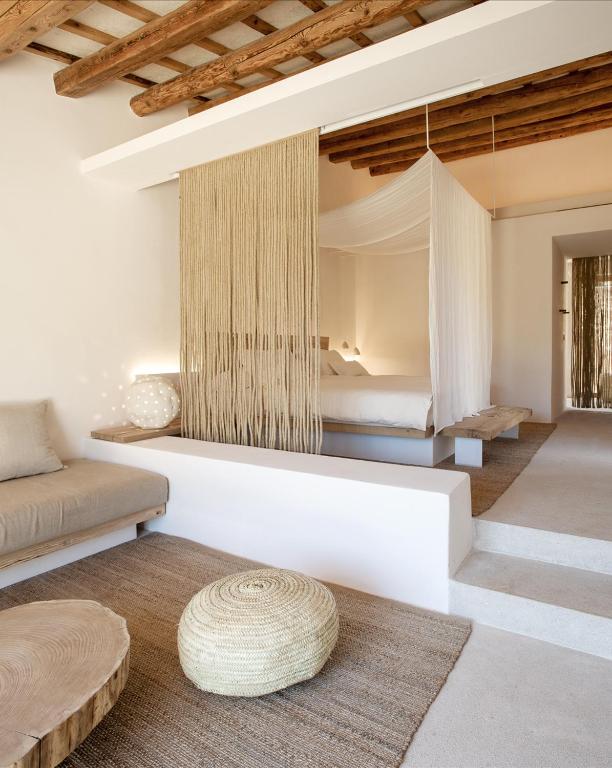
Esteva’s language is unmistakably minimal, but not abstract. Whitewashed walls. Rough stone. Old timber beams. Cane ceilings. Simple stone floors. Linen. Gravel. Shade. The intervention is contemporary precisely because it avoids imitation. Original Mallorcan forms remain legible, while new spaces are reduced to what is necessary. Light is carefully controlled. Openings frame views. Terraces extend rooms into the landscape. The whole place feels edited rather than decorated. History remains visible.
Rooms That Belong to the Land
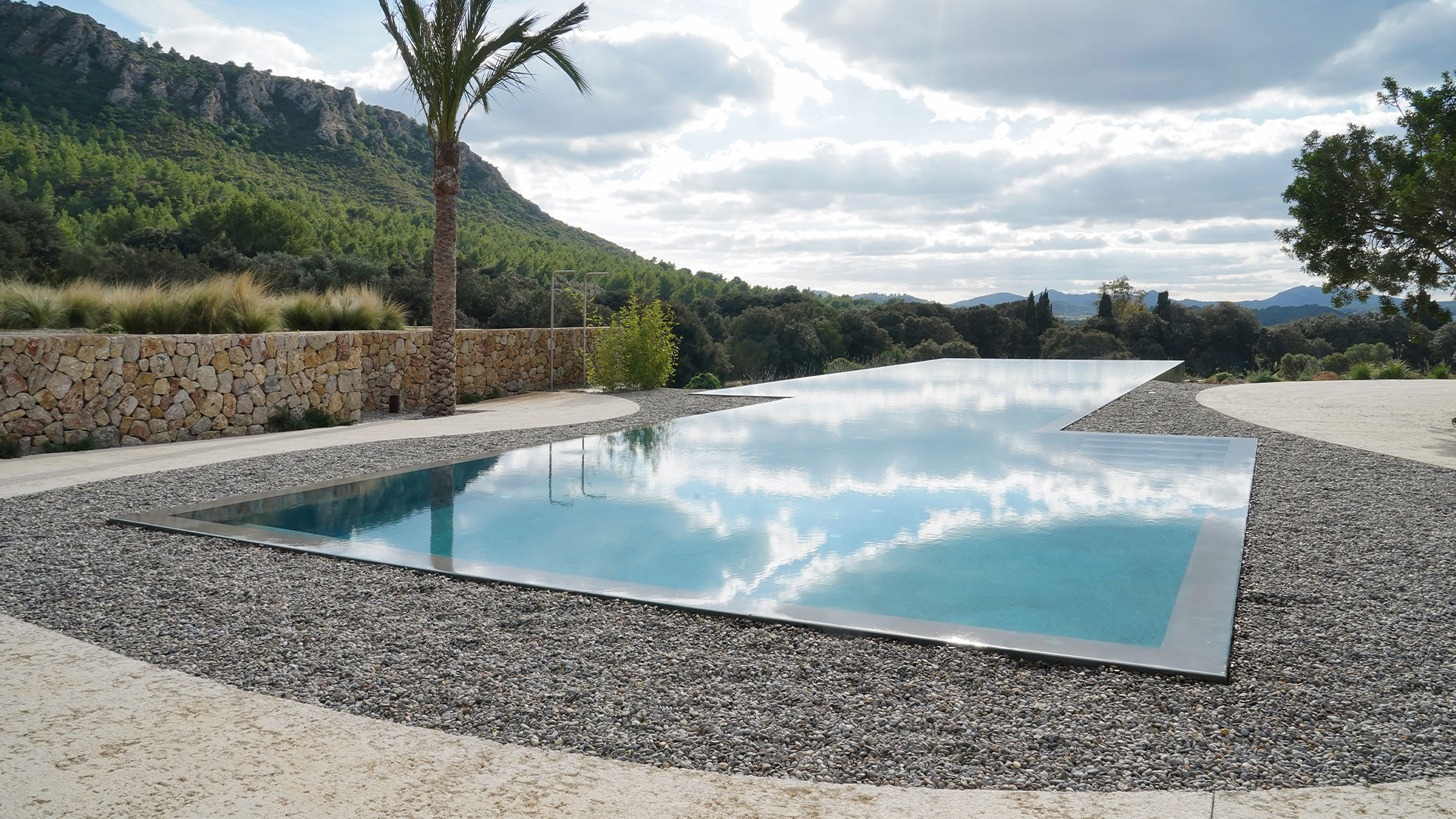
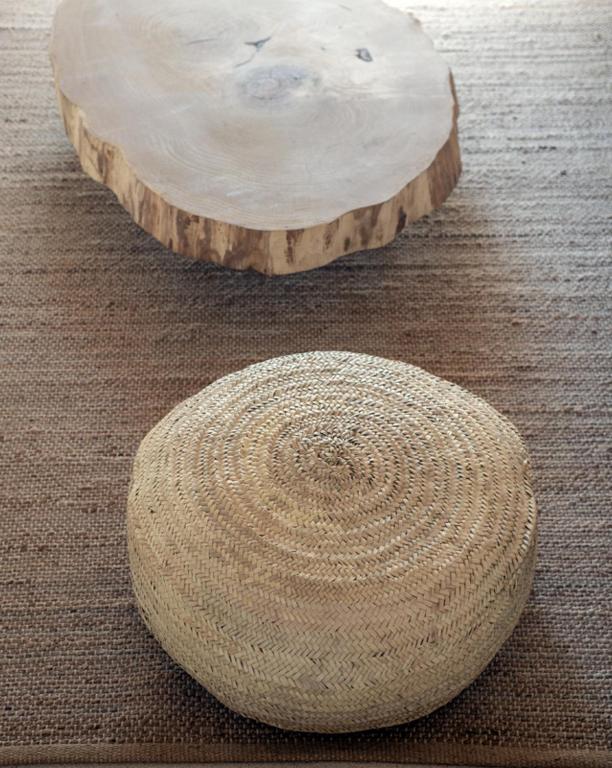
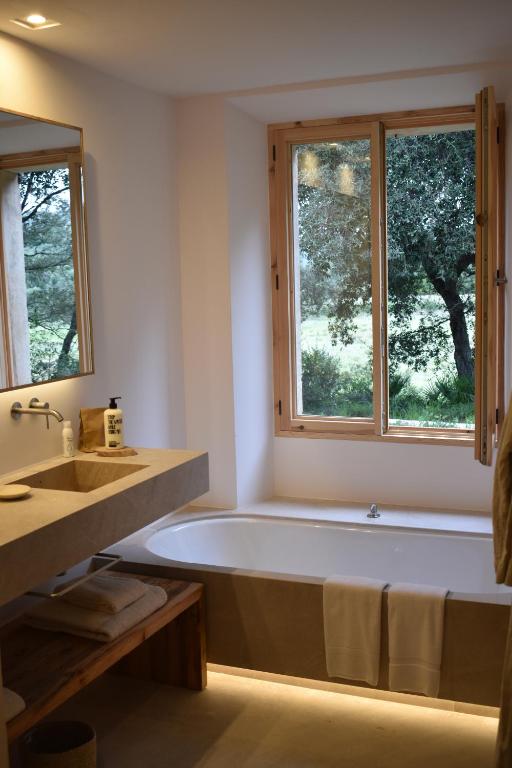
Accommodation ranges from eight rooms in the main house to 21 freestanding stone cottage suites, several with private pools. There are also larger private residences deeper within the estate. The cottages are particularly convincing. Plain walls, raw linen, sisal rugs, stone floors, old beams, and simple wooden doors create interiors that feel almost elemental. Sliding doors lead onto generous terraces facing the surrounding countryside. Technology is present but concealed. Televisions disappear into cabinetry. Comfort exists without interrupting the visual calm. Even bathrooms keep the connection to nature alive, with outdoor rain showers in several categories.
Art Without Noise
The restraint of the architecture gives art space to breathe. Works by local and international artists appear throughout the estate, including pieces associated with Miquel Barceló, Joan Miró, Hiroshi Kitamura, and Pere Ignasi. Nothing feels installed to create an “art hotel.” The works sit within the architecture quietly. That is important. Art becomes another layer of the place, not another attraction.
Wellbeing as Daily Rhythm
Es Racó’s wellness programme is extensive, but its strength lies in how naturally it integrates into the day. Morning meditation. Yoga. Breathwork. Sound therapy. Forest walks. Art therapy. Water treatments. Massage. The spa itself includes a heated lap pool, sauna, steam room, and hydrotherapy facilities, while a separate outdoor gym sits beneath a canopy in the landscape. The emphasis is not on retreating from the estate. It is on engaging with it differently.
Learning from Mallorca
Some of the most meaningful experiences happen outside the spa. Guests can learn llata, the traditional Mallorcan craft of weaving dried palm leaves. There are beekeeping sessions. Ecology walks. Wine tastings. Agricultural workshops. Mindfulness sessions. The hotel frames these activities as ways of understanding the island rather than simply filling an itinerary. That gives the experience depth. The landscape is not scenery. It is the subject.
Beni Axir and the Estate
Food follows the same philosophy. Beni Axir draws heavily from the estate’s own gardens, orchards, olive trees, and vineyards, supplemented by nearby organic producers. Chef Maria Solivellas brings a strong Mallorcan identity to the cooking, focusing on local Mediterranean flavours and traditional recipes rather than resort-style excess. Vegetables take a central role. The ingredients remain recognisable. The cooking stays close to the land. Dining here feels like part of the architecture. Simple. Rooted. Deliberate.
The Landscape as Luxury
The estate stretches across roughly 200 hectares beside the Llevant Natural Park. That scale changes everything. You can walk for long periods without seeing another guest. Cycle into the surrounding hills. Follow trails towards the coast. Visit nearby Artà. Or do very little. The gardens, forested slopes, agricultural terraces, and stone paths have been designed so that movement through the estate becomes part of the experience. Nature becomes the luxury.
Why It Works
Es Racó d’Artà works because every part of it follows the same idea. Toni Esteva’s architecture does not compete with the 13th-century finca or the surrounding landscape; it clarifies them. The interiors are tactile but restrained, the spa extends the philosophy of calm rather than interrupting it, and the workshops, farming, art, and food all deepen the relationship with Mallorca instead of simply borrowing its image. This is not rustic luxury dressed up for effect. It is a carefully constructed way of inhabiting the island — slower, quieter, and much closer to the land.