Fabrika Tbilisi
Where Soviet Industrial Heritage Meets Creative Community
Why DNA Hotels Loves It
● One of Europe’s most successful examples of adaptive reuse, transforming a former Soviet sewing factory into a vibrant hospitality and cultural hub.
● Raw industrial architecture, street art, and preserved factory details create an atmosphere that feels authentic rather than manufactured.
● More than a hostel or hotel, Fabrika has become the creative heart of modern Tbilisi, bringing together travelers, artists, entrepreneurs, and locals.
A Factory Reimagined
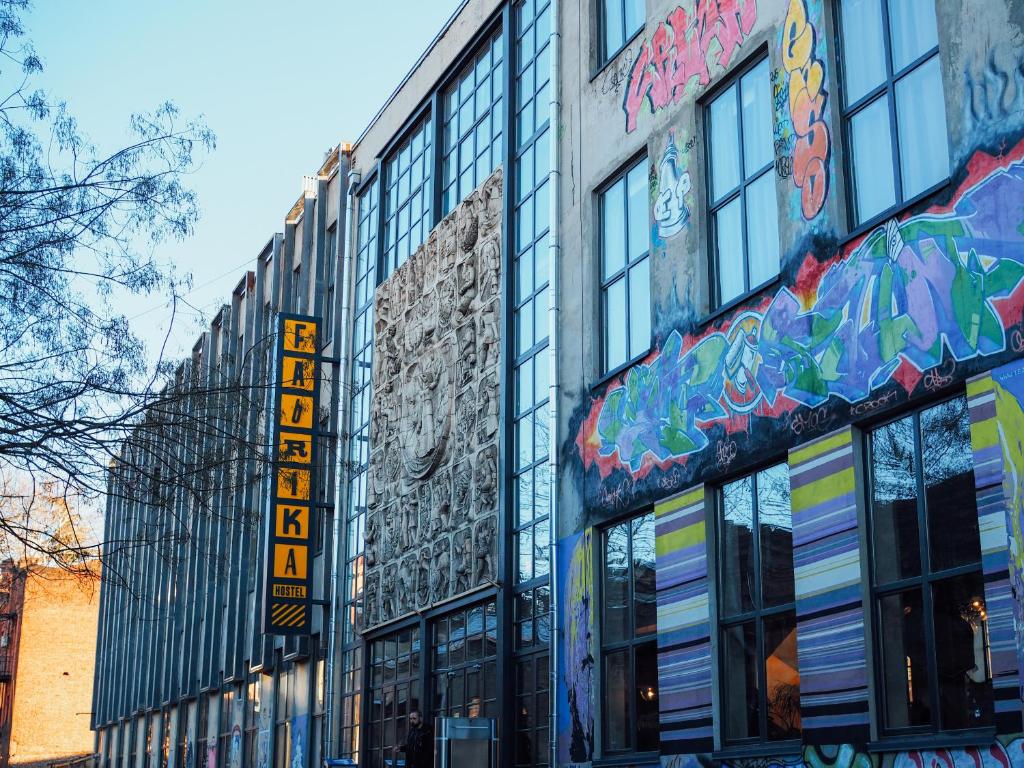
Few hospitality projects have transformed an entire neighborhood quite like Fabrika. Located inside a former Soviet-era sewing factory, the building stood abandoned for decades before being reimagined by Multiverse Architecture and Adjara Group Hospitality. What emerged was far more than a place to stay. Fabrika became a catalyst for urban regeneration, helping turn a neglected part of Tbilisi into one of the city’s most creative and energetic districts. The original factory remains highly visible throughout the project. Concrete walls, industrial structures, worn surfaces, and traces of the building’s previous life have been carefully preserved, creating a sense of authenticity that new-build lifestyle hotels rarely achieve. This is industrial heritage worn proudly rather than polished away.
Design with Character
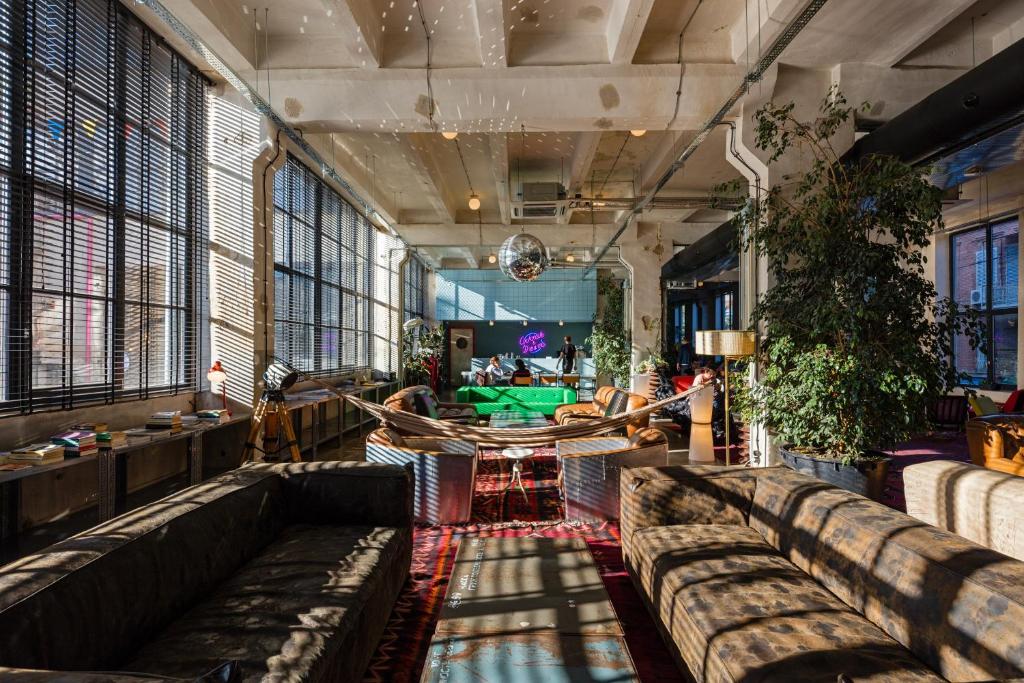
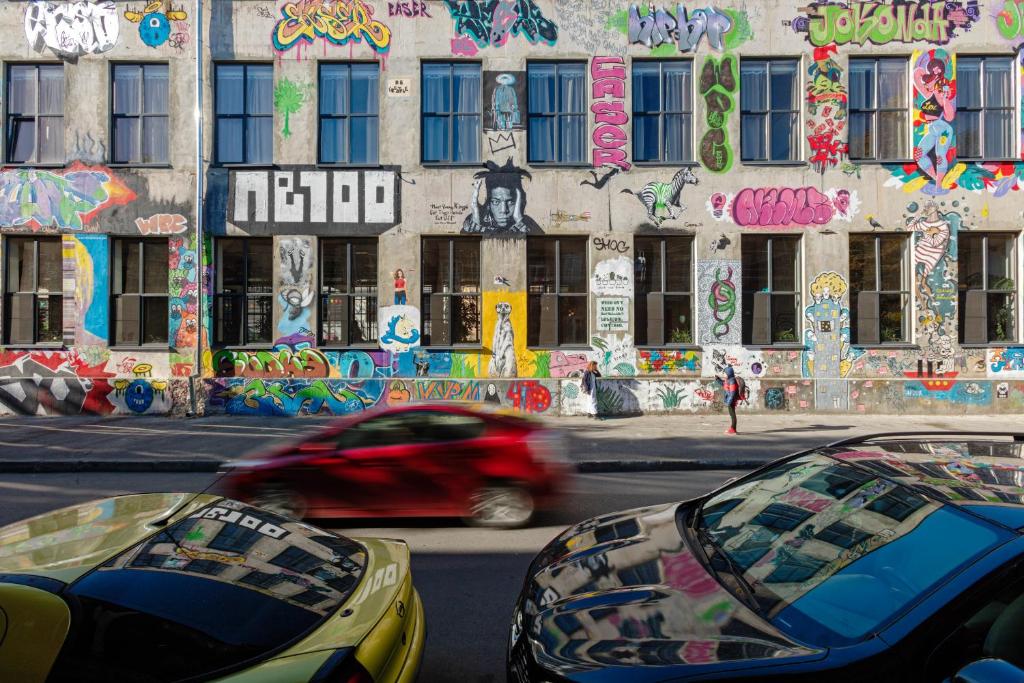
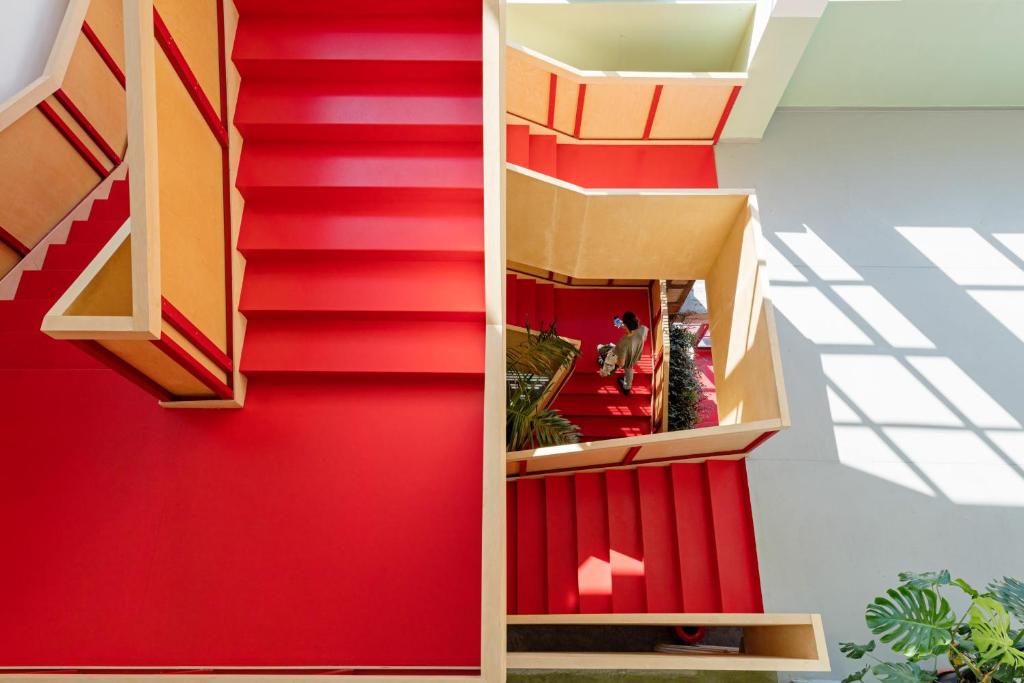
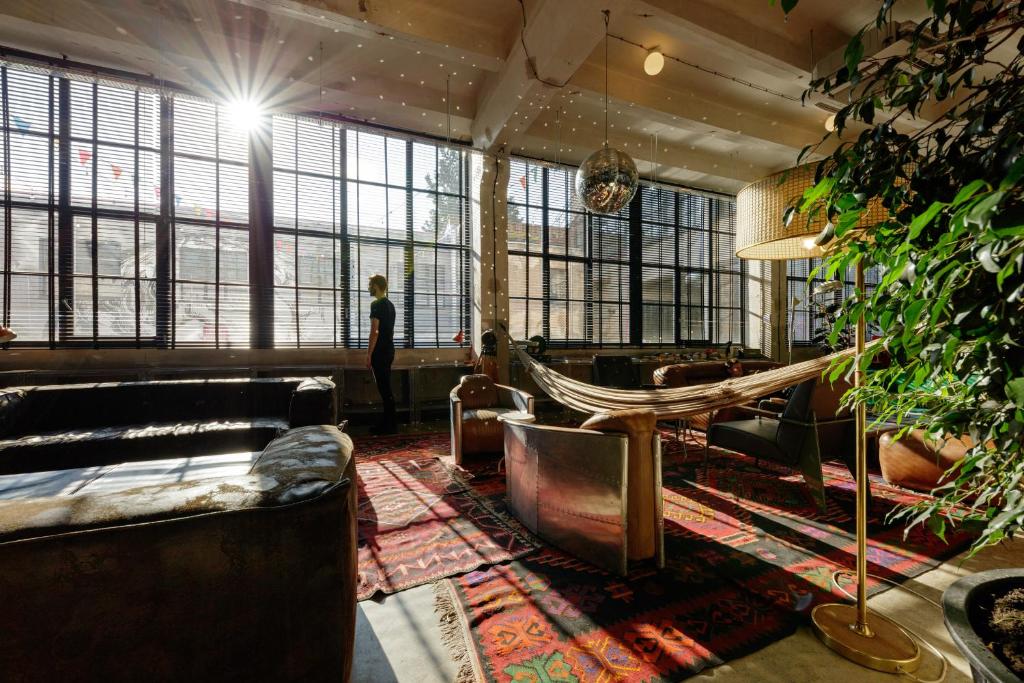
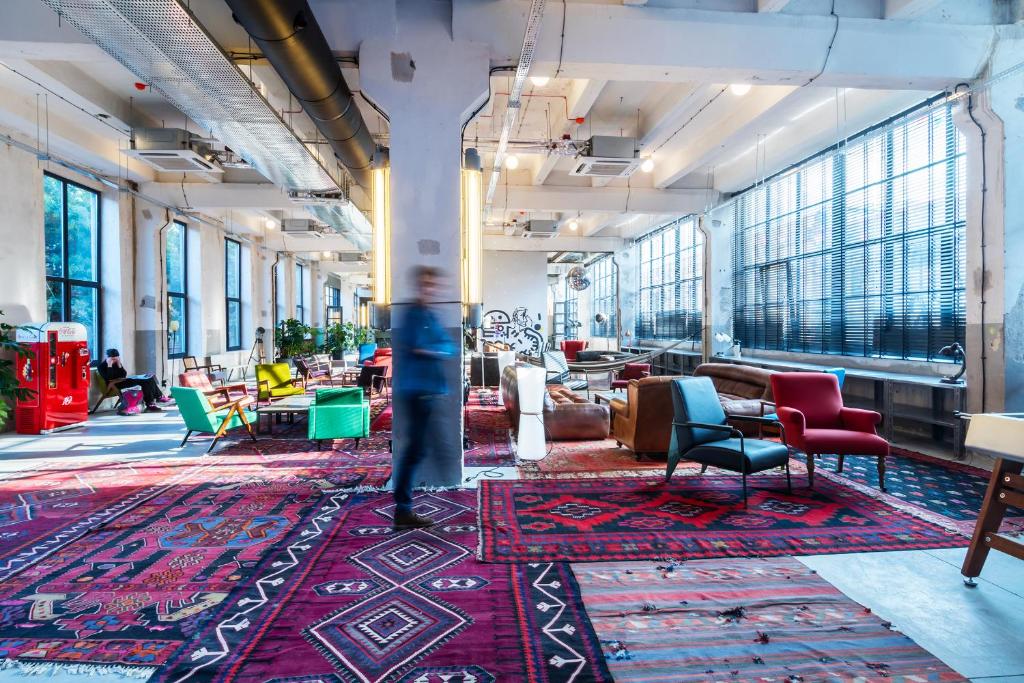
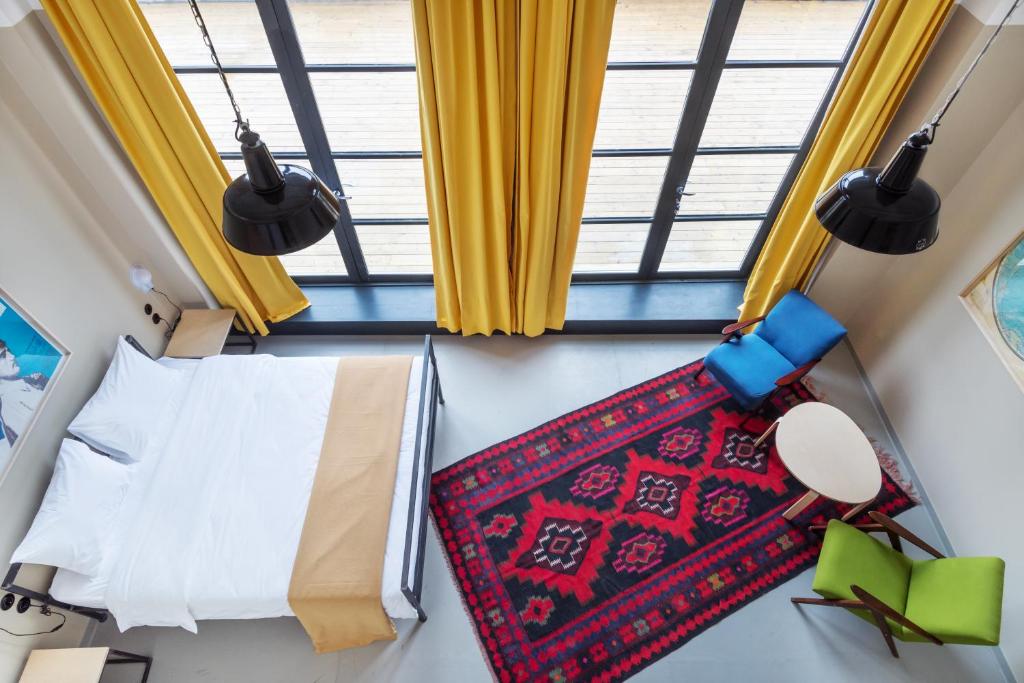
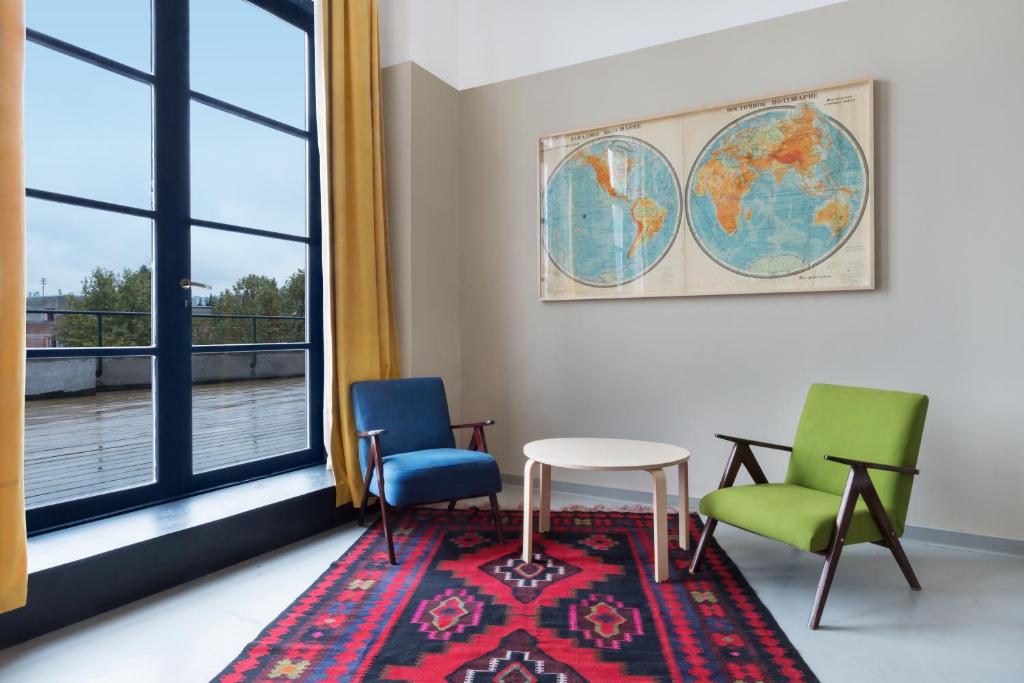
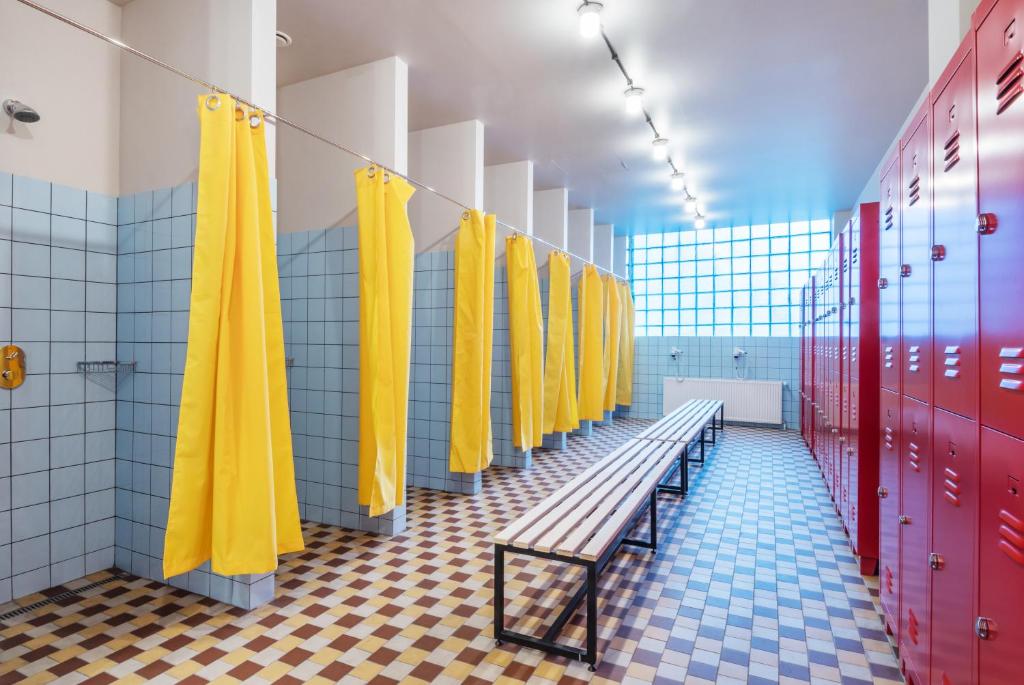
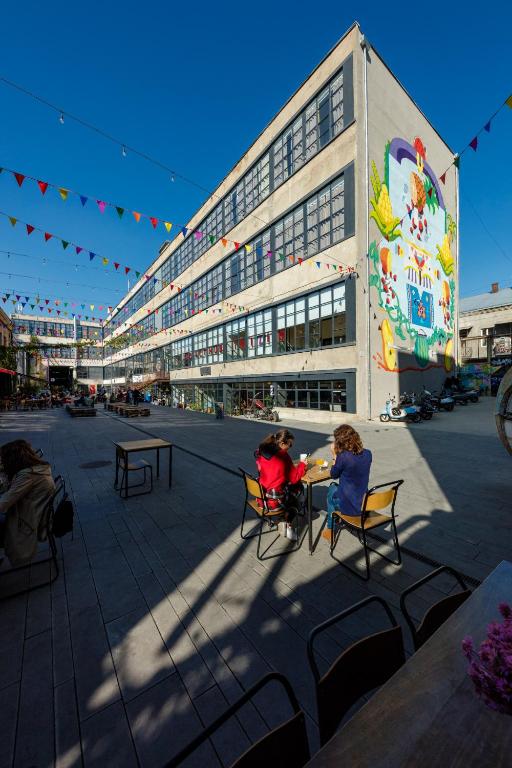
Fabrika embraces imperfection. The architecture deliberately preserves much of the building’s original fabric, from exposed concrete and industrial fixtures to original floors and structural elements. Old factory equipment has been repurposed as design features, while street art transforms the exterior into one of Tbilisi’s most recognizable creative landmarks. Inside, vintage rugs, oversized plants, salvaged furniture, plywood details, and colorful contemporary interventions soften the industrial shell without erasing its character. Nothing feels overdesigned. Everything feels lived-in. The result is a space that reflects the creative energy of Tbilisi itself.
A New Model of Hospitality
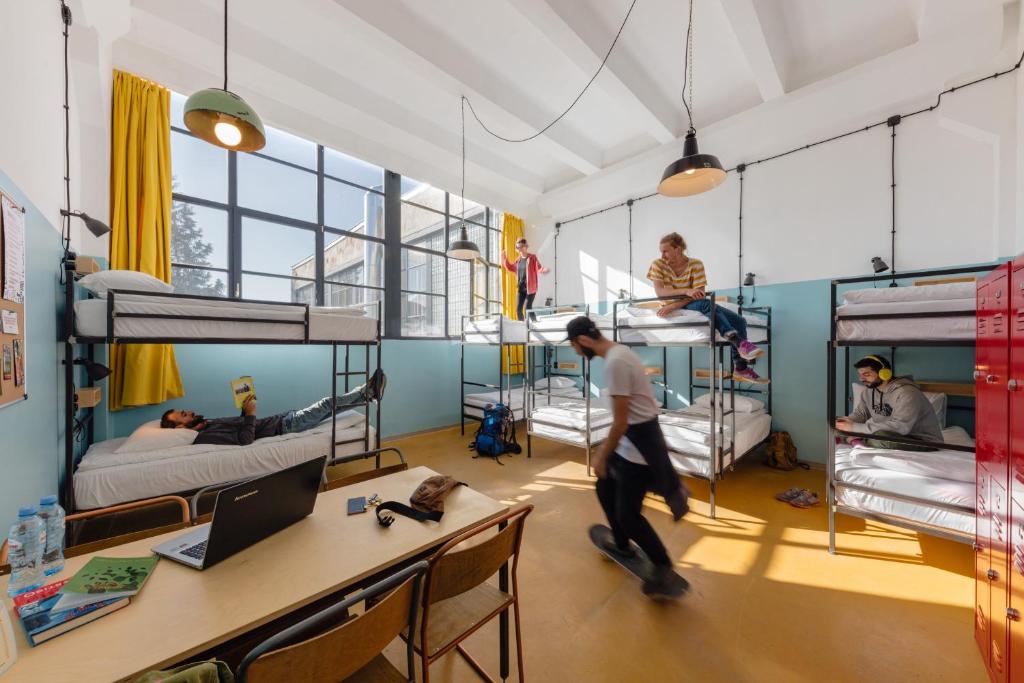
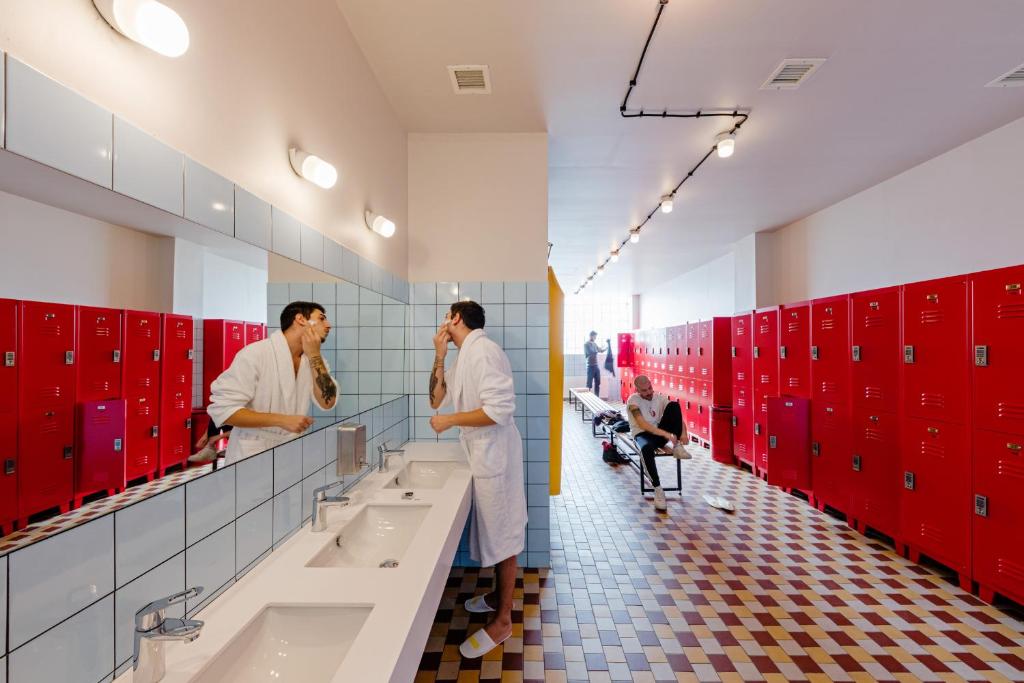
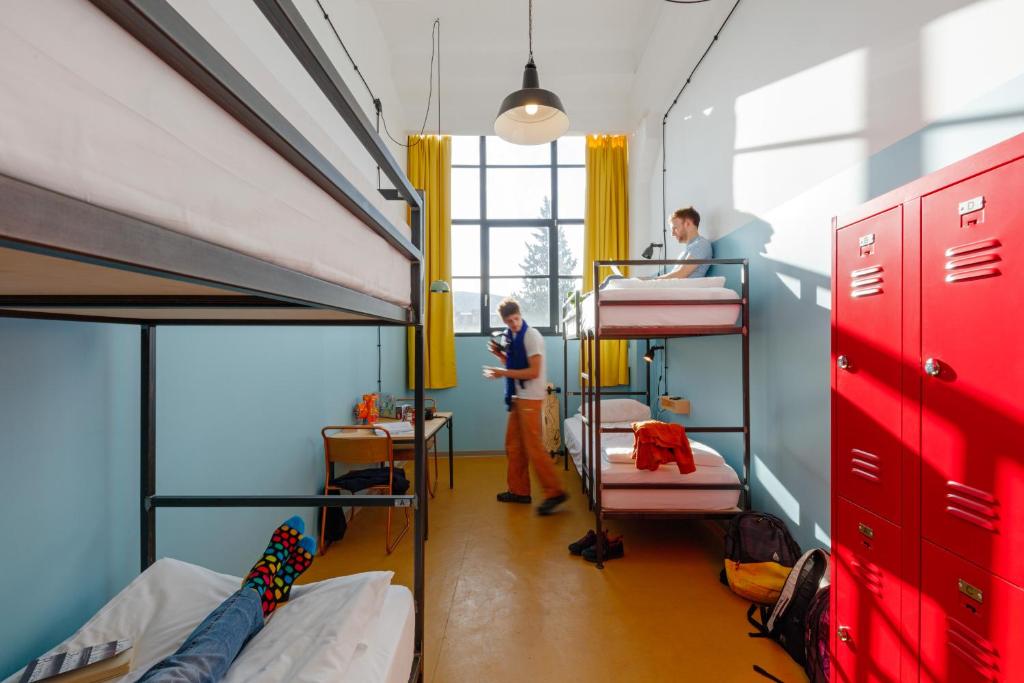
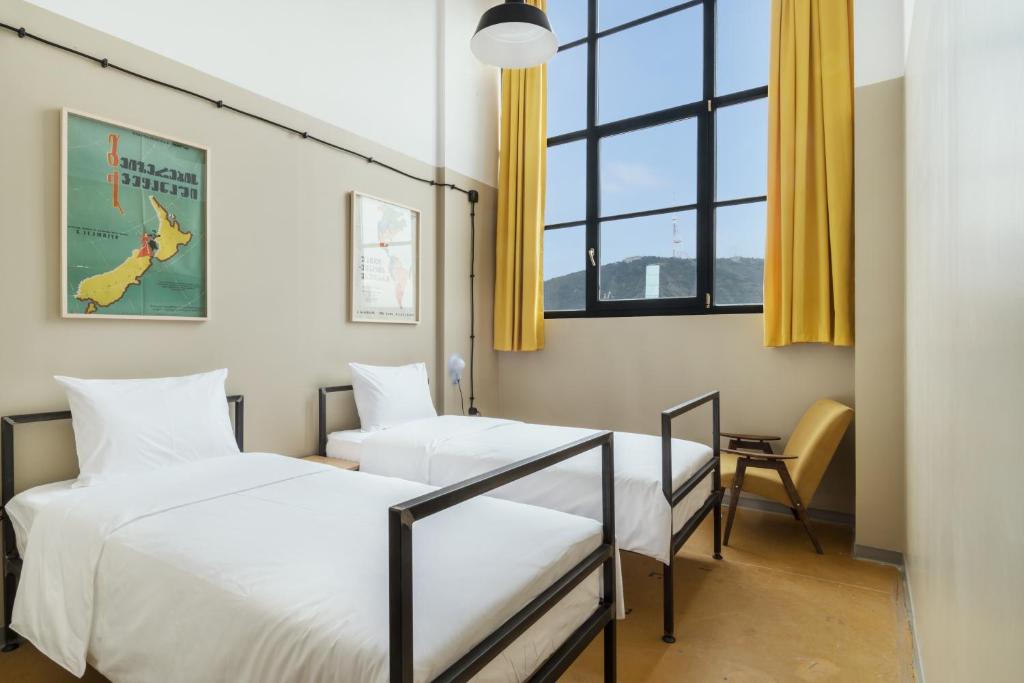
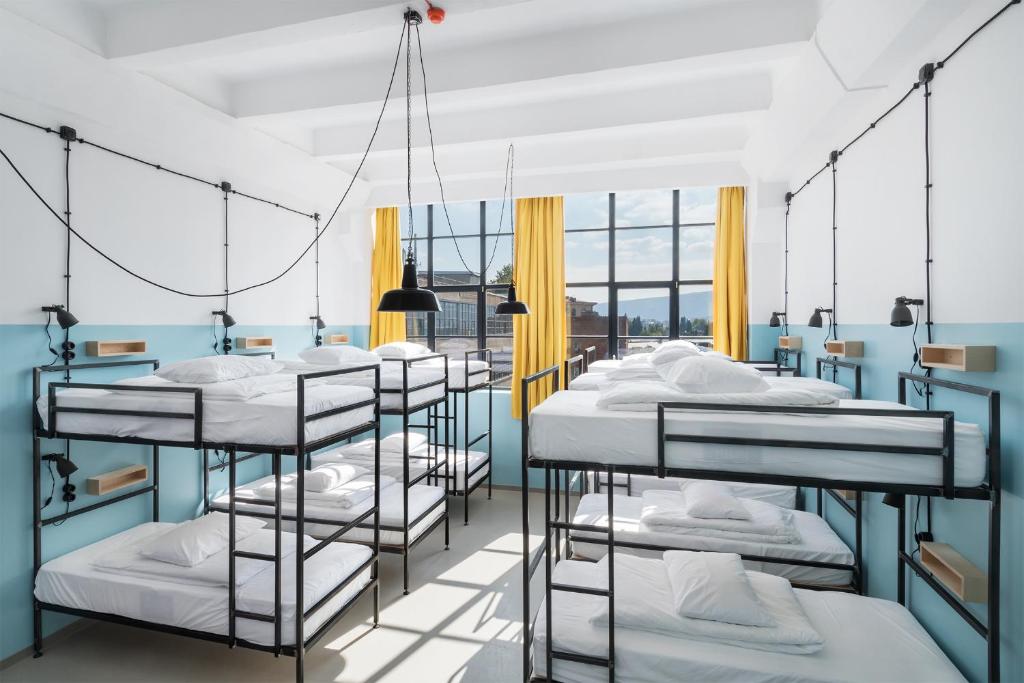
Accommodation ranges from shared dormitories and private rooms to apartment-style suites, allowing Fabrika to attract a remarkably diverse mix of guests. Backpackers, designers, artists, entrepreneurs, digital nomads, and curious travelers all share the same spaces. Rather than separating guests into categories, Fabrika encourages interaction and exchange. The rooms remain intentionally simple, allowing the social and cultural experience of the building to take center stage. This is hospitality built around community rather than exclusivity.
The Courtyard That Changed a Neighborhood
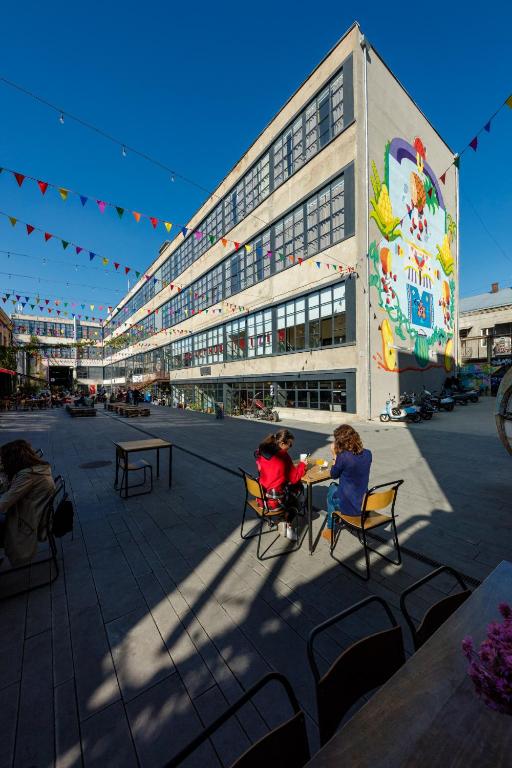
At the center of Fabrika lies its now-famous courtyard. Surrounded by cafés, bars, restaurants, artist studios, independent boutiques, educational initiatives, and co-working spaces, it functions as an open-air living room for modern Tbilisi. Throughout the day the atmosphere shifts constantly, from morning coffee meetings and creative workshops to late-night conversations, exhibitions, concerts, and DJ sets. Locals often outnumber visitors. Which may be the highest compliment a hotel can receive. The courtyard has become one of the city’s defining gathering places and remains the beating heart of the entire project.
The Soul of New Tbilisi
What makes Fabrika remarkable is its impact beyond hospitality. The project helped reposition an overlooked neighborhood, creating opportunities for local businesses, artists, and creative entrepreneurs. Today, more than twenty independent residents operate within the complex, contributing to the atmosphere that makes Fabrika feel less like a hotel and more like a living urban ecosystem. Its influence extends far beyond its walls. Fabrika has become a symbol of contemporary Tbilisi: creative, independent, collaborative, and unafraid to reinvent itself.
A Different Kind of Luxury
Fabrika proves that memorable hospitality is not always about marble bathrooms, thread counts, or formal service. Its luxury lies elsewhere: in authenticity, creativity, connection, and community. By transforming a forgotten Soviet factory into one of the most dynamic cultural destinations in the Caucasus, Fabrika has created something far more valuable than a conventional hotel. It has created a place people genuinely want to be.