


A Family Story Written in Art
La Fiermontina transforms a historic Lecce residence into an intimate art-filled retreat where Antonio Annicchiarico’s contemporary Salento architecture, modernist furniture and extraordinary family heritage meet secluded olive gardens and a swimming pool.

Why DNA Hotels loves it
A deeply personal hotel inspired by Antonia Fiermonte, artist, model and muse, whose extraordinary life and relationships with sculptors René Letourneur and Jacques Zwobada shape the collection and identity of the property.
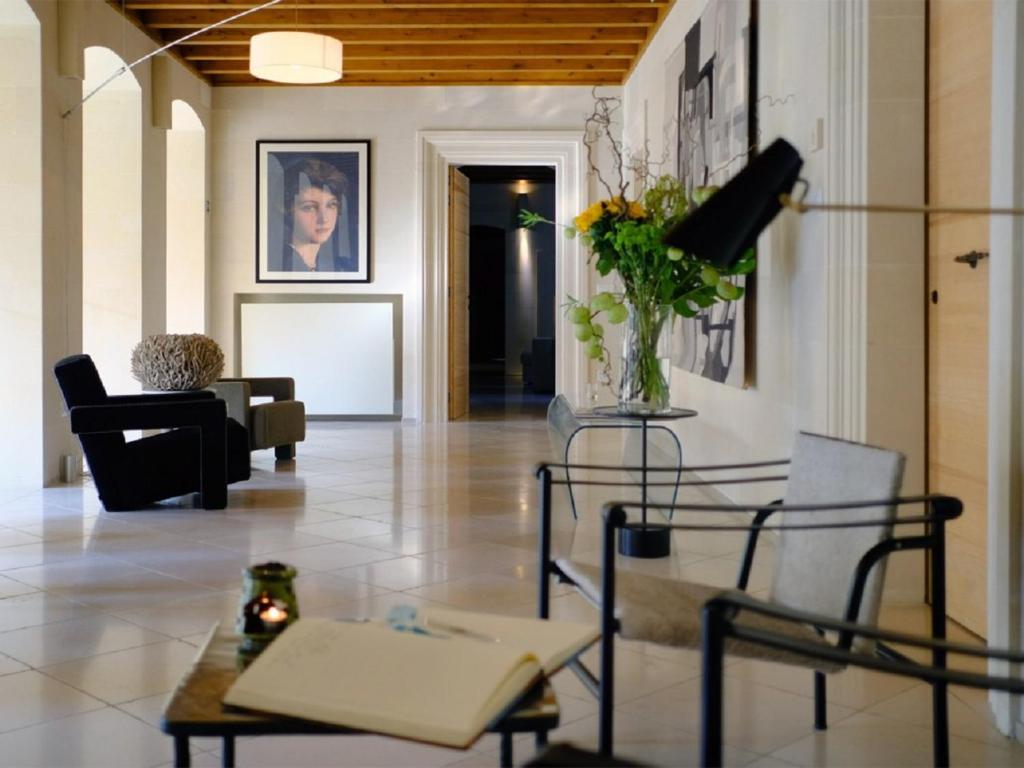
Local architect Antonio Annicchiarico combines traditional Salento architecture with restrained contemporary design, original stone vaults and furniture by names including Le Corbusier, Charlotte Perriand and Tobia Scarpa.
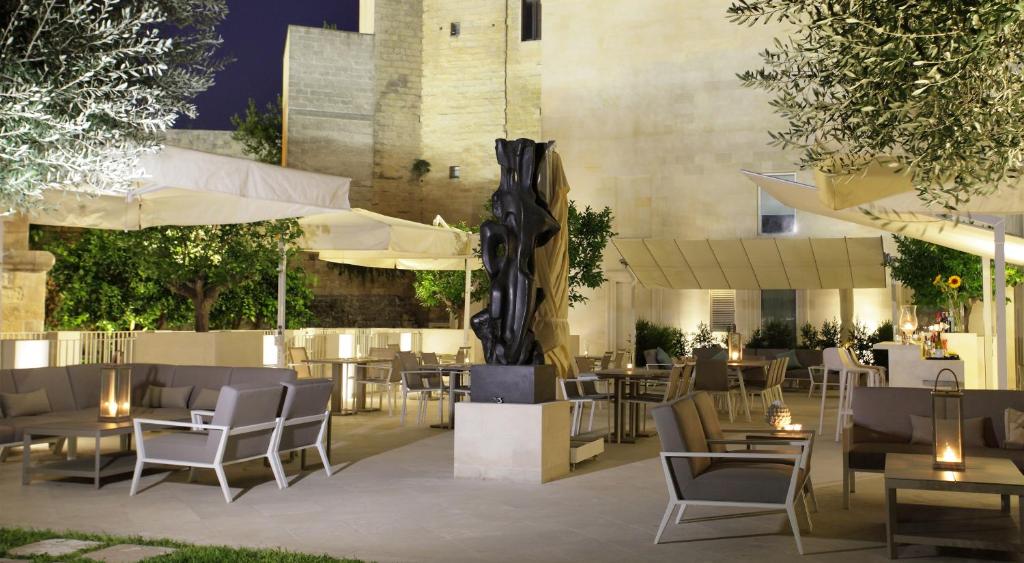
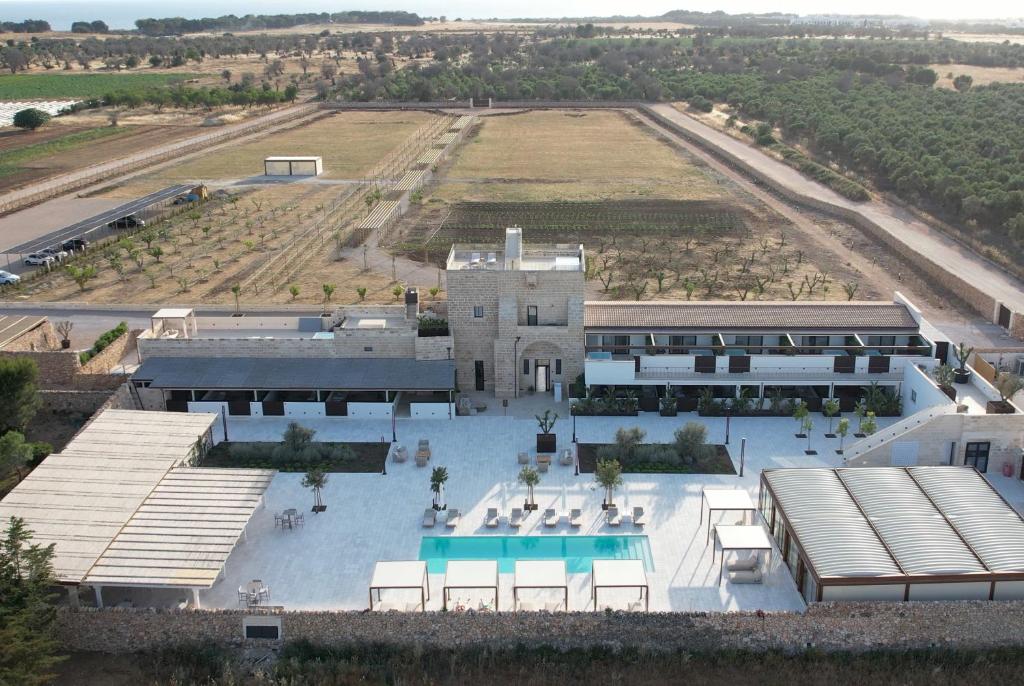
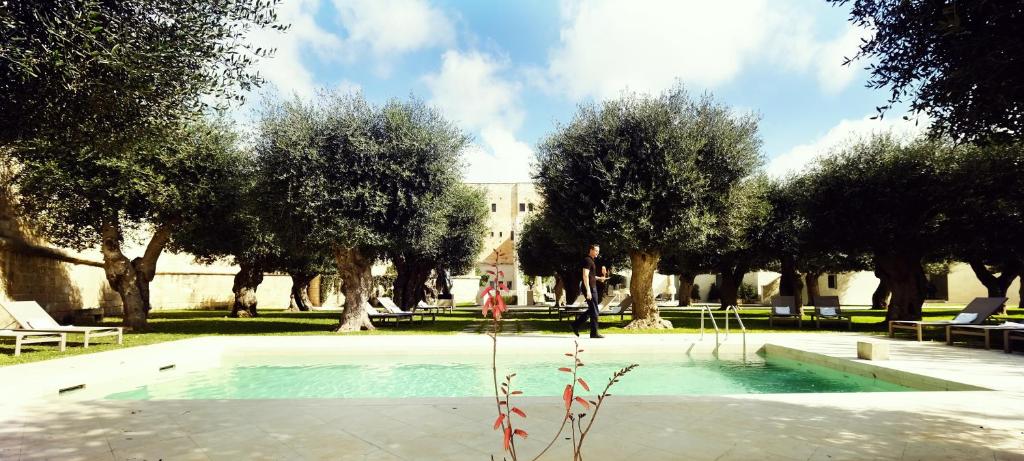
Despite sitting inside Lecce’s historic centre, La Fiermontina hides a wonderfully secluded world of olive and citrus trees, sculpture, a swimming pool and alfresco dining.
The Stay
An art-filled urban retreat where Puglian stone, family history and contemporary design meet behind Lecce’s ancient walls.
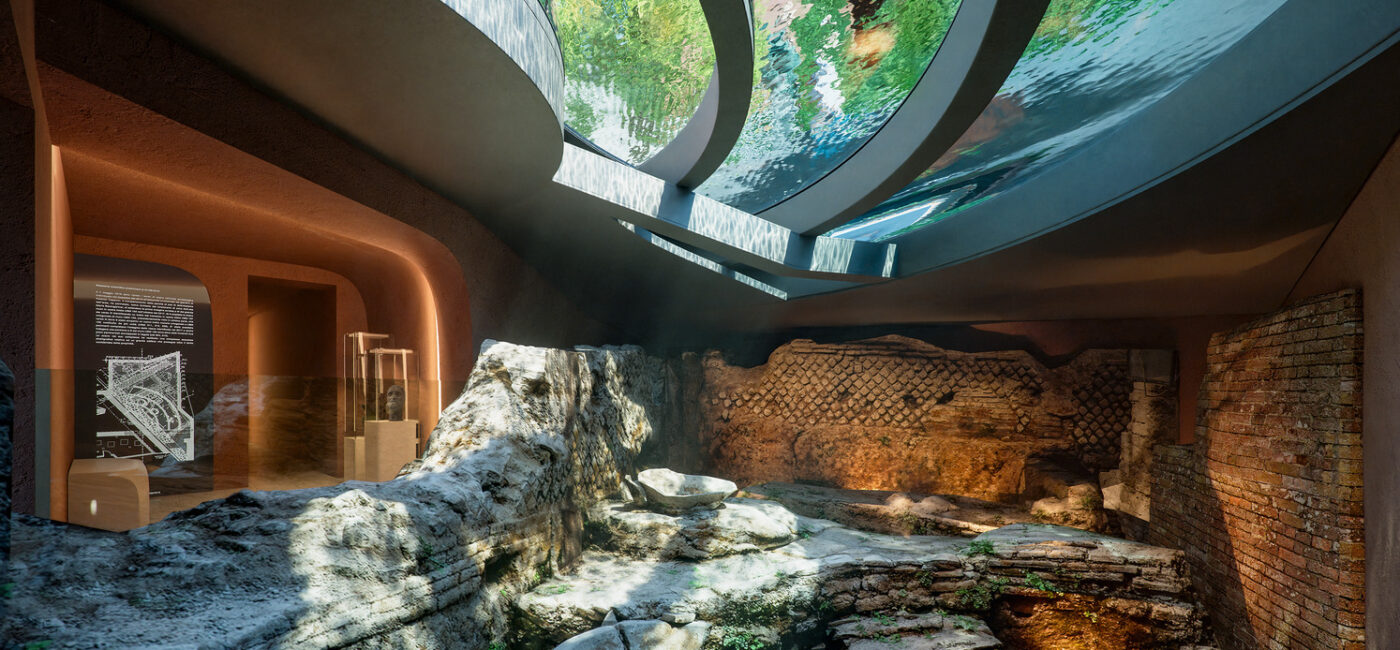
La Fiermontina begins not with a hotel concept, but with a family story. Owner Fouad Filali discovered a crumbling 17th-century residence while walking through Lecce and bought it as a way of reconnecting with the Italian heritage of his grandmother, Antonia Fiermonte. Antonia had left Puglia for Paris, where she became part of the artistic world of the 1930s and the muse and partner of two French sculptors, René Letourneur and Jacques Zwobada. That remarkable story became the emotional foundation of the hotel. Sculptures, paintings, photographs and personal objects belonging to the family appear throughout the property, turning La Fiermontina into something far more intimate than a conventional art hotel.
Modern, but Entirely Leccese
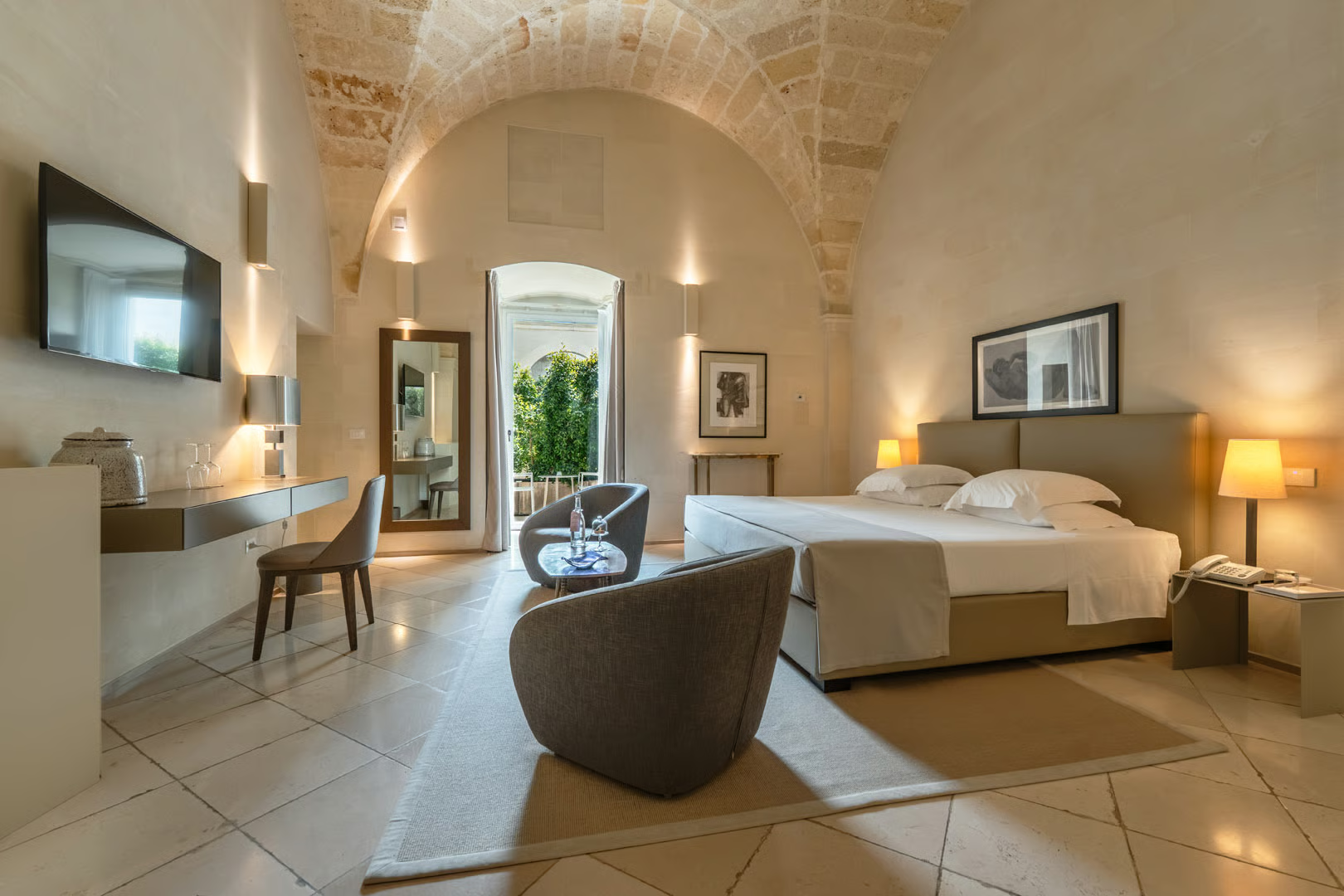
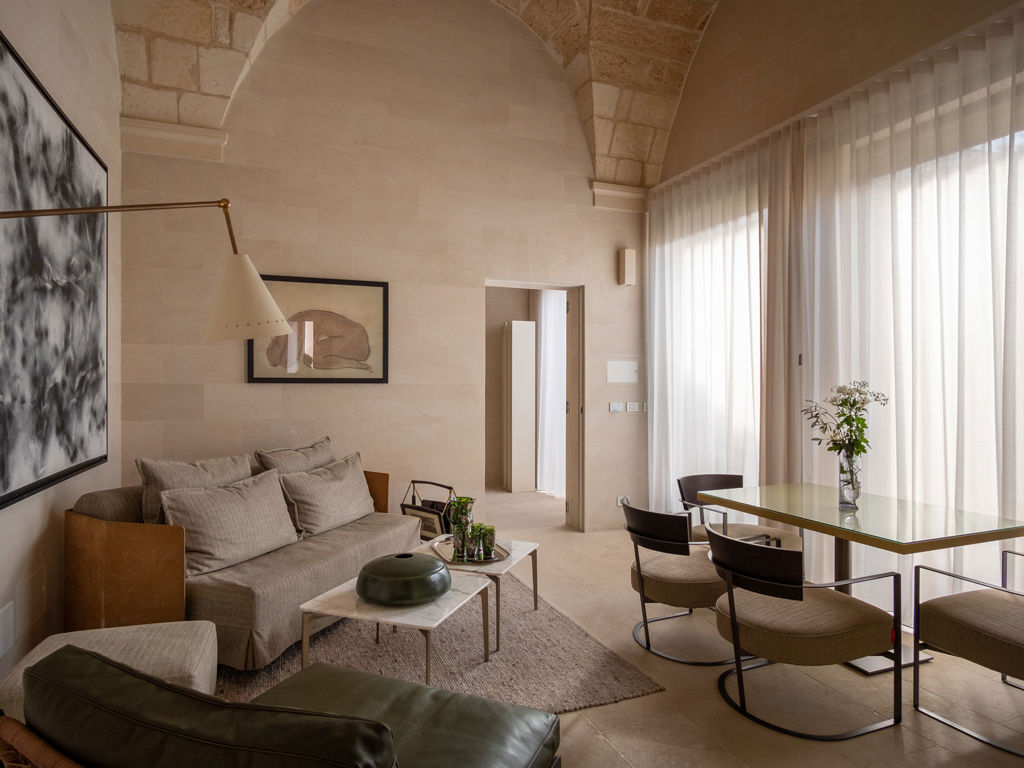
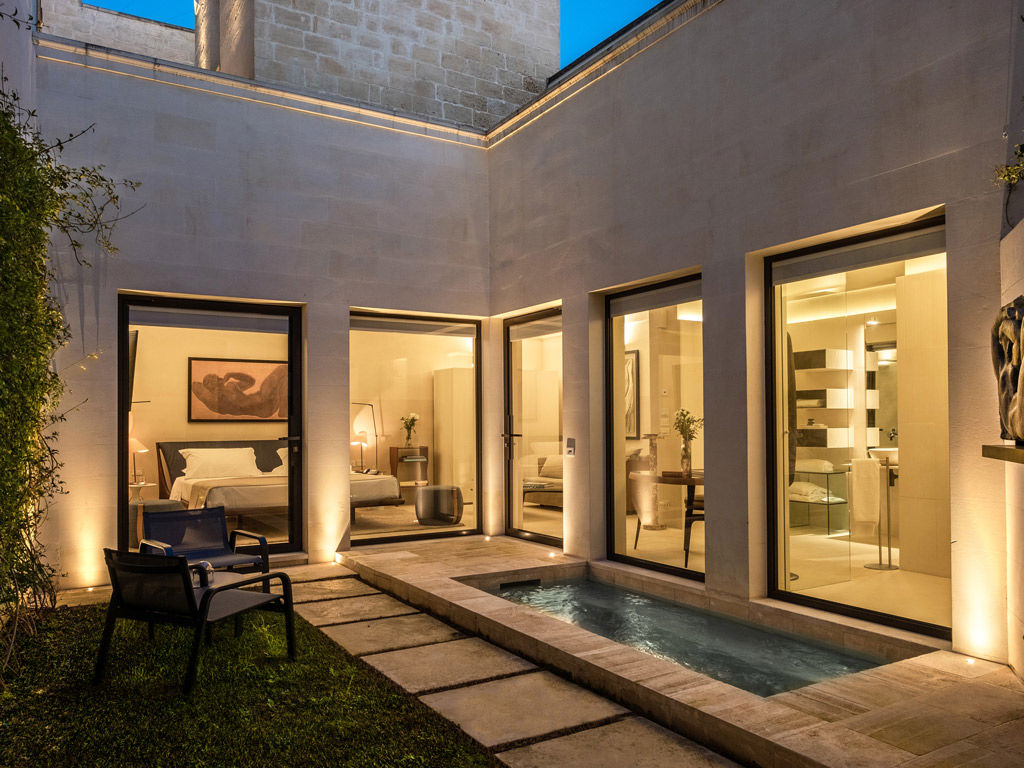
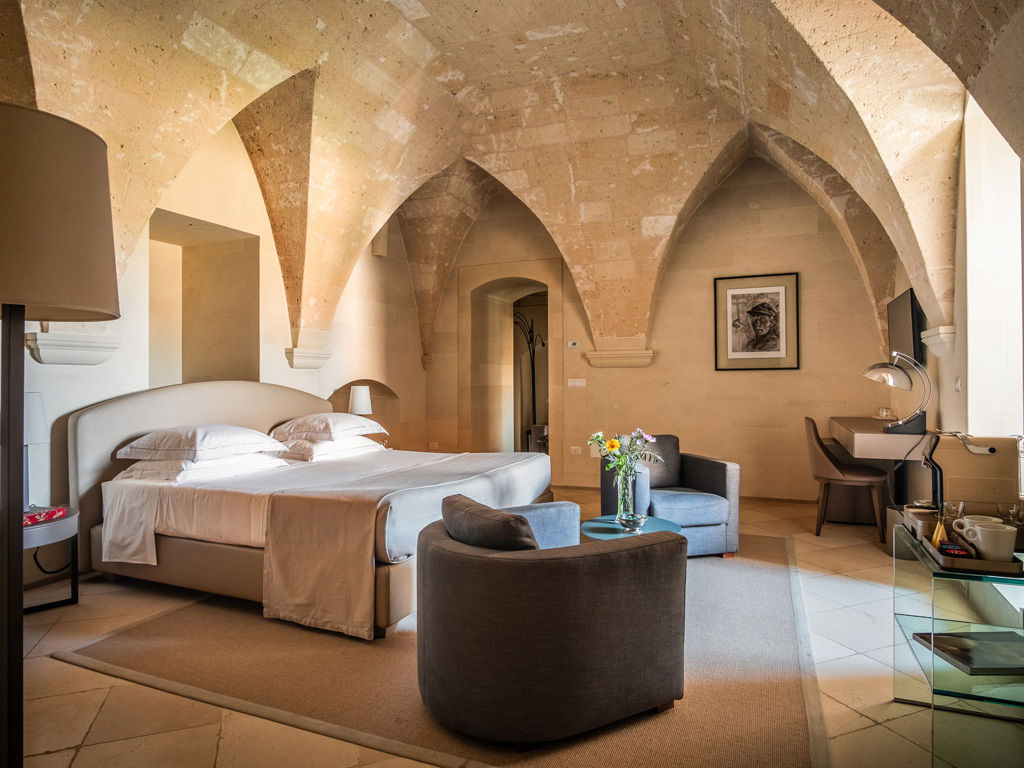
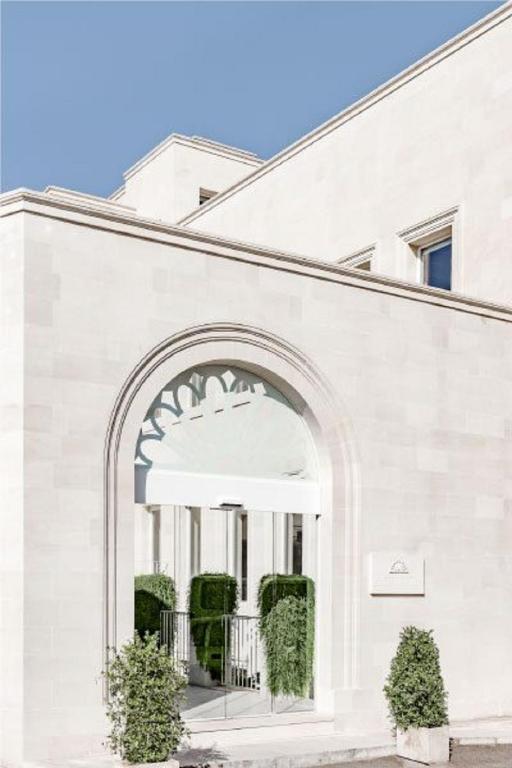
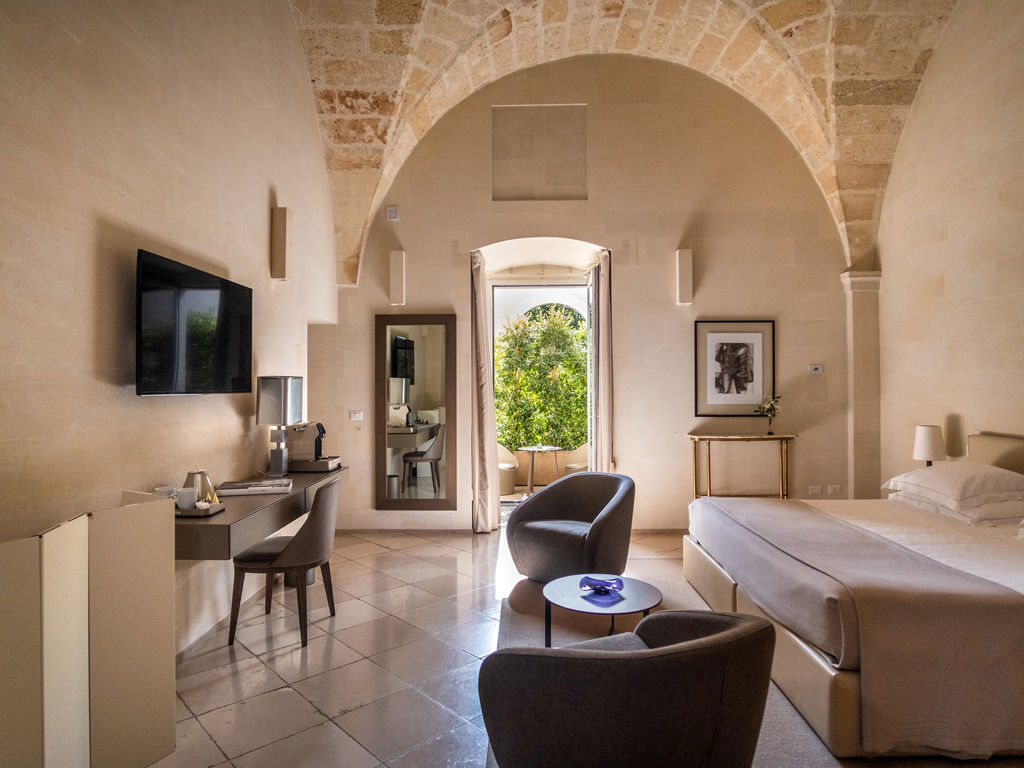
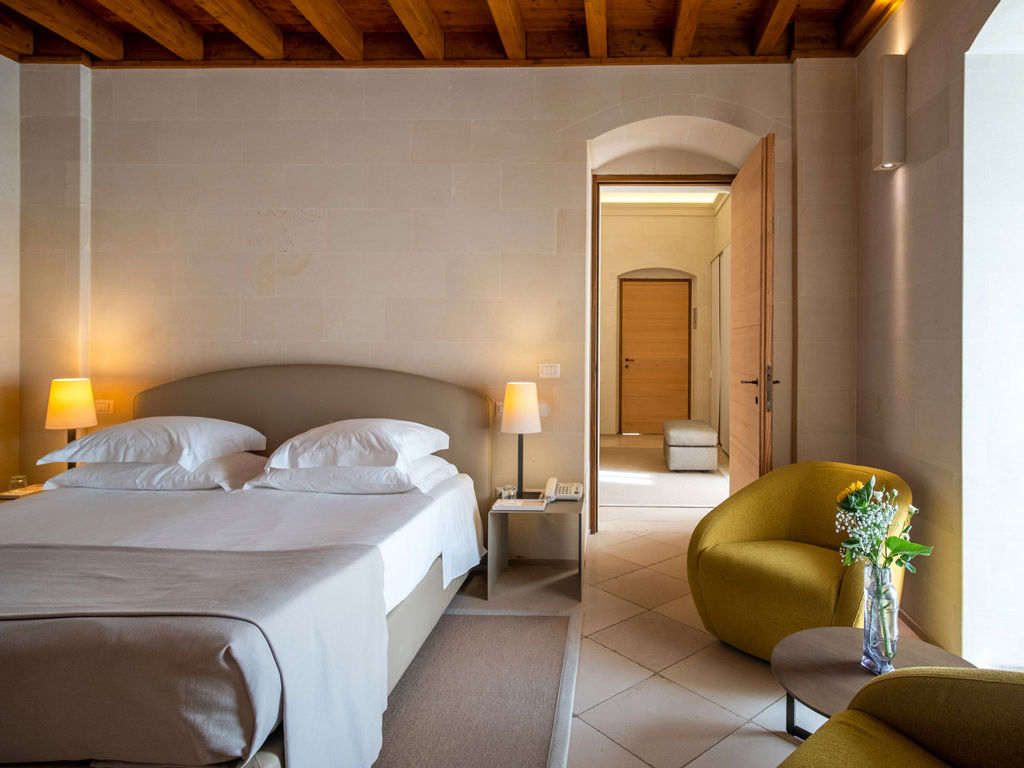
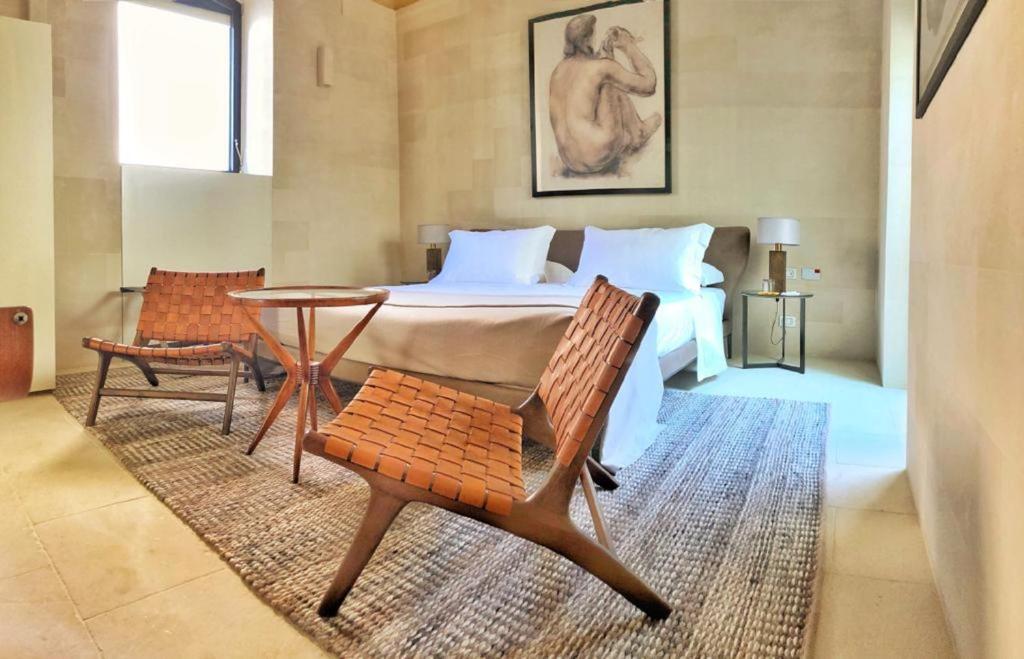
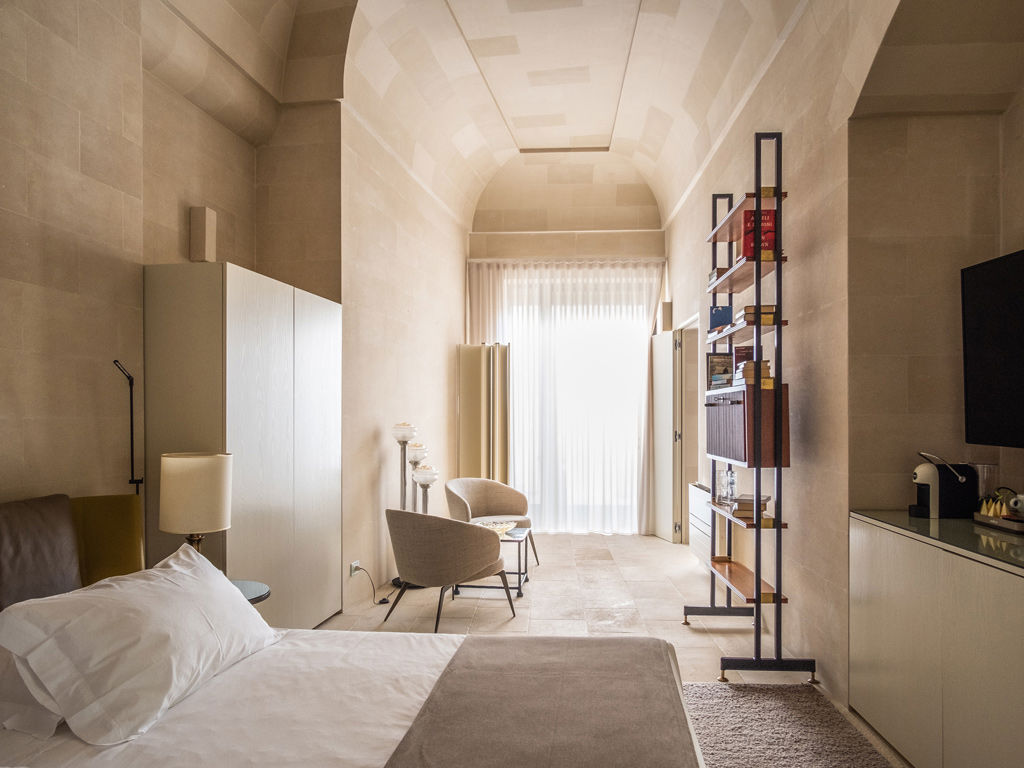
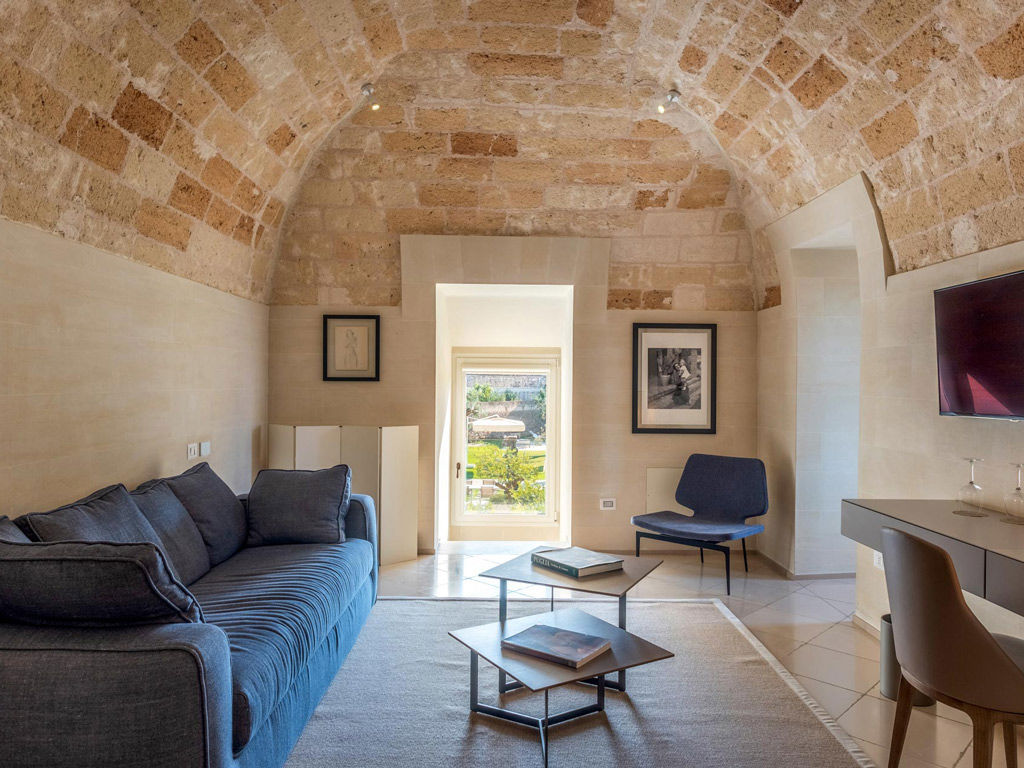
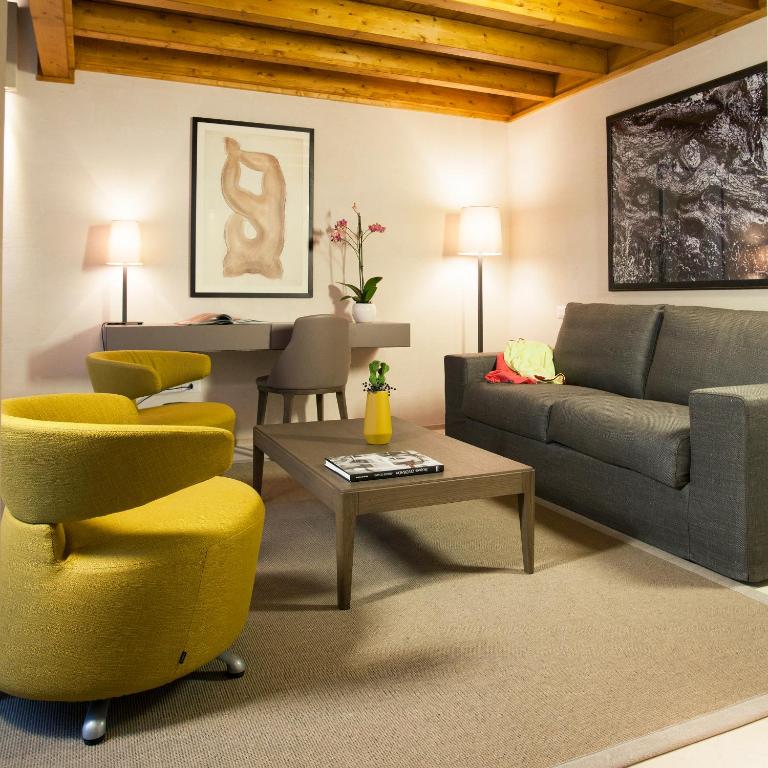
Filali deliberately chose local architect Antonio Annicchiarico for the project. His reasoning was simple: only someone from Puglia could create something contemporary that still felt unmistakably connected to Lecce. The resulting architecture draws on the language of traditional Salento buildings — pale stone, arches, vaulted ceilings and carefully proportioned openings — while filtering it through a restrained modern sensibility. Inside, pietra di Trani floors, tall star-vaulted ceilings and exposed local stone form a calm architectural backdrop for mid-century and contemporary furniture. Pieces by Le Corbusier, Charlotte Perriand and Tobia Scarpa sit naturally beside antique objects and family artworks. There is no attempt to recreate the 17th century. The past is allowed to remain visible while contemporary design quietly moves around it.
Rooms with a Monastic Calm
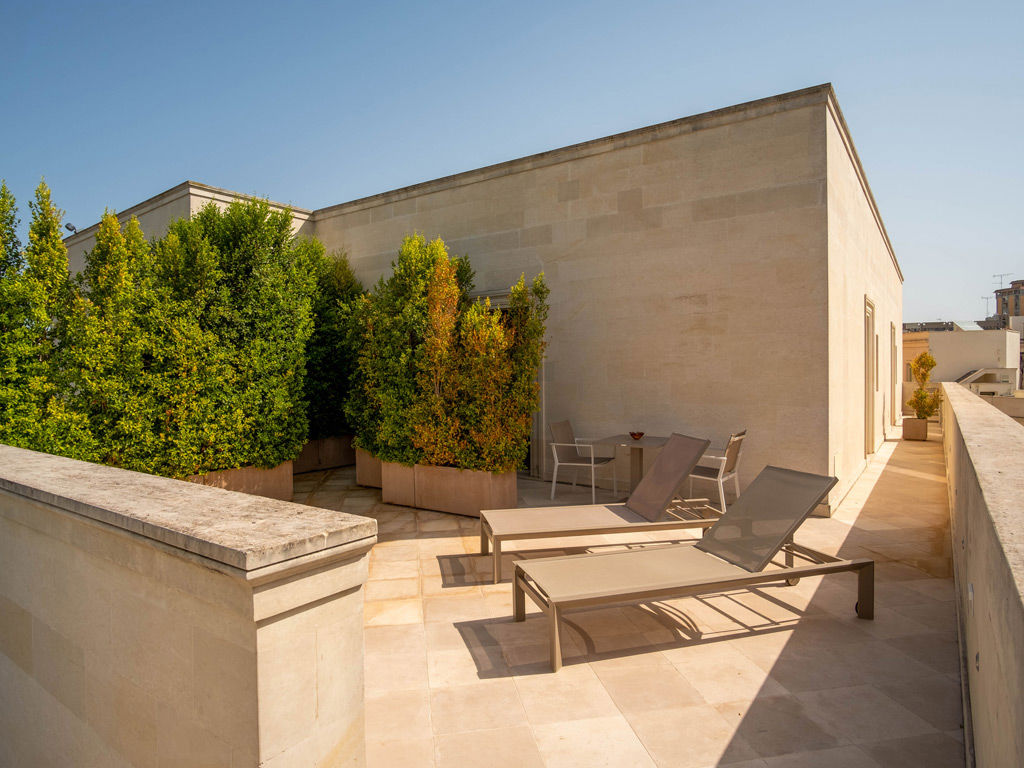
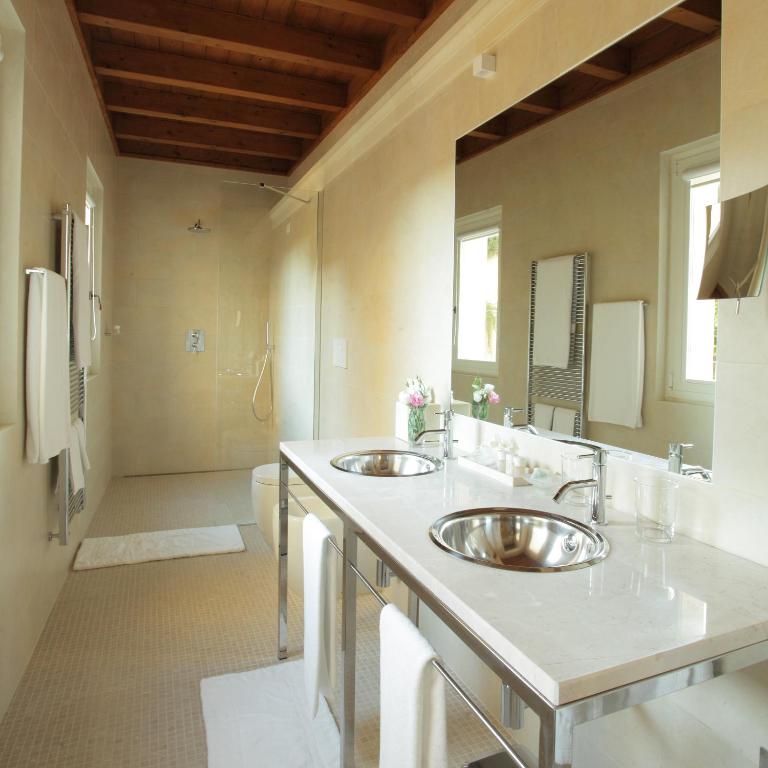
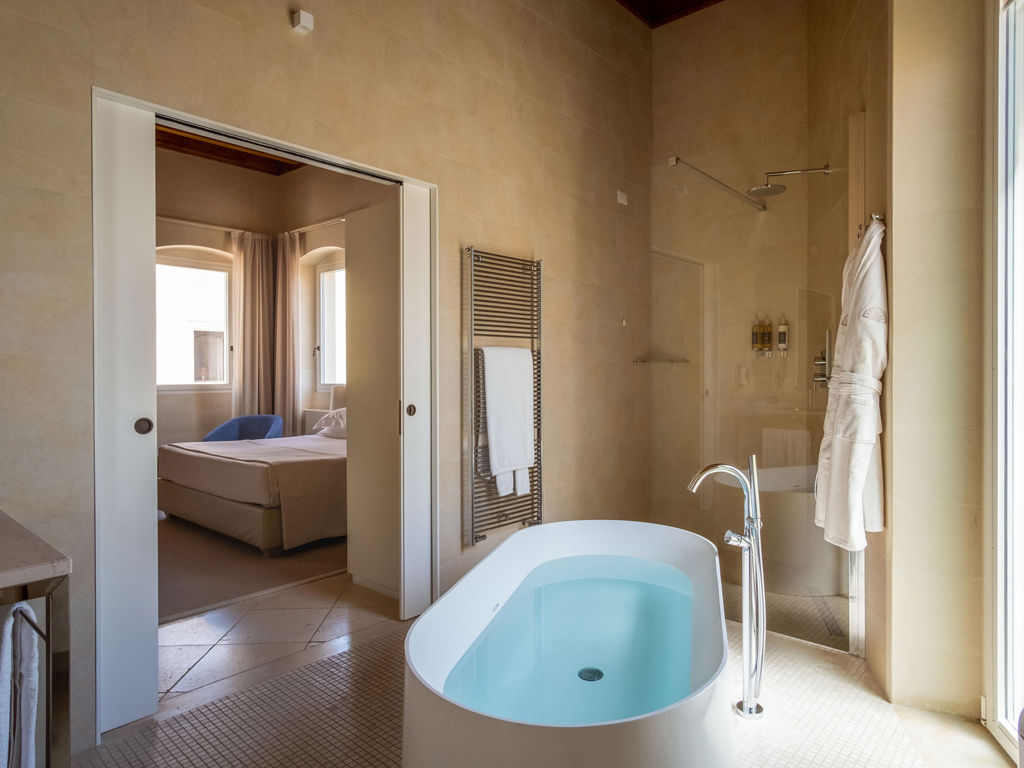
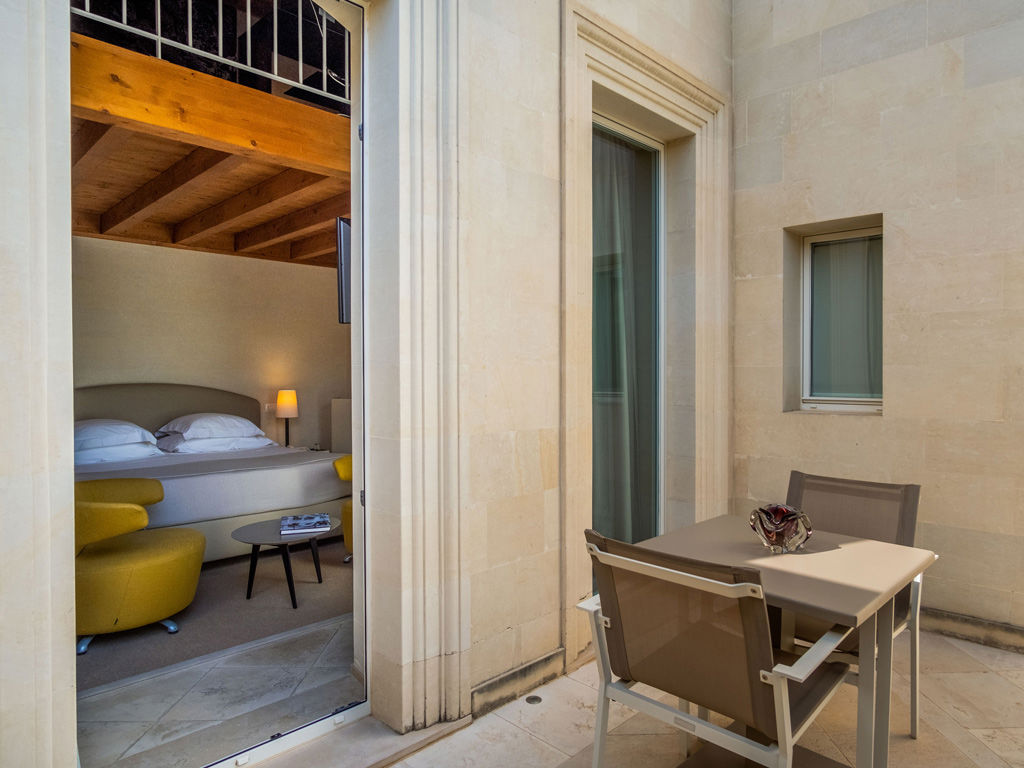
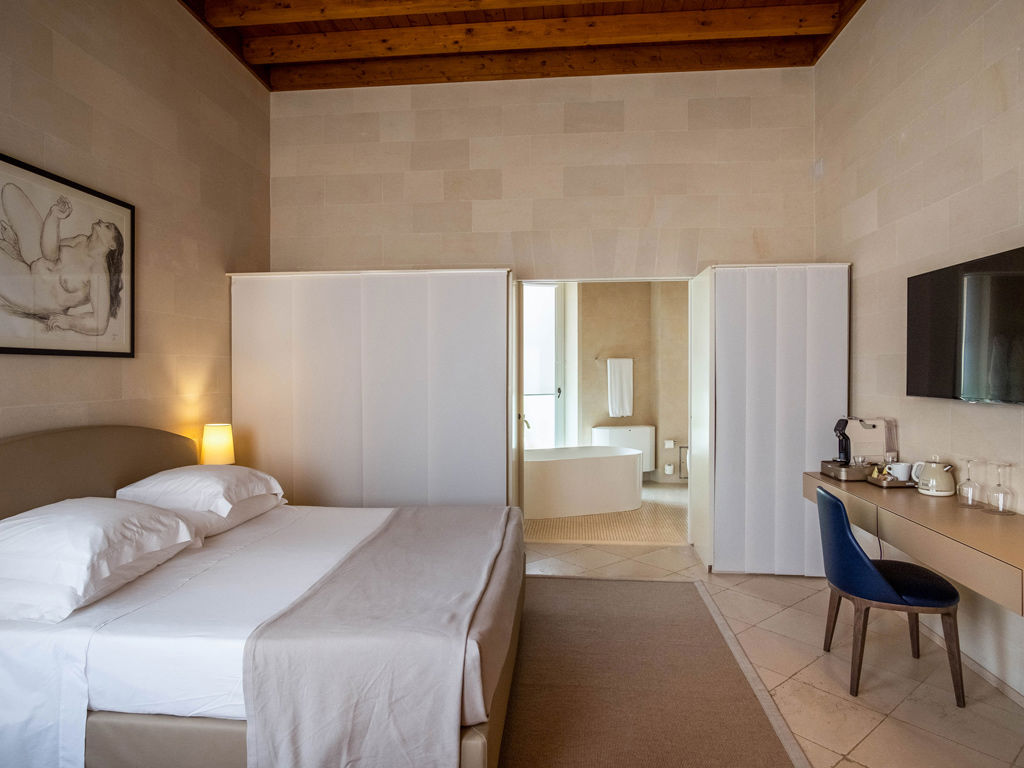
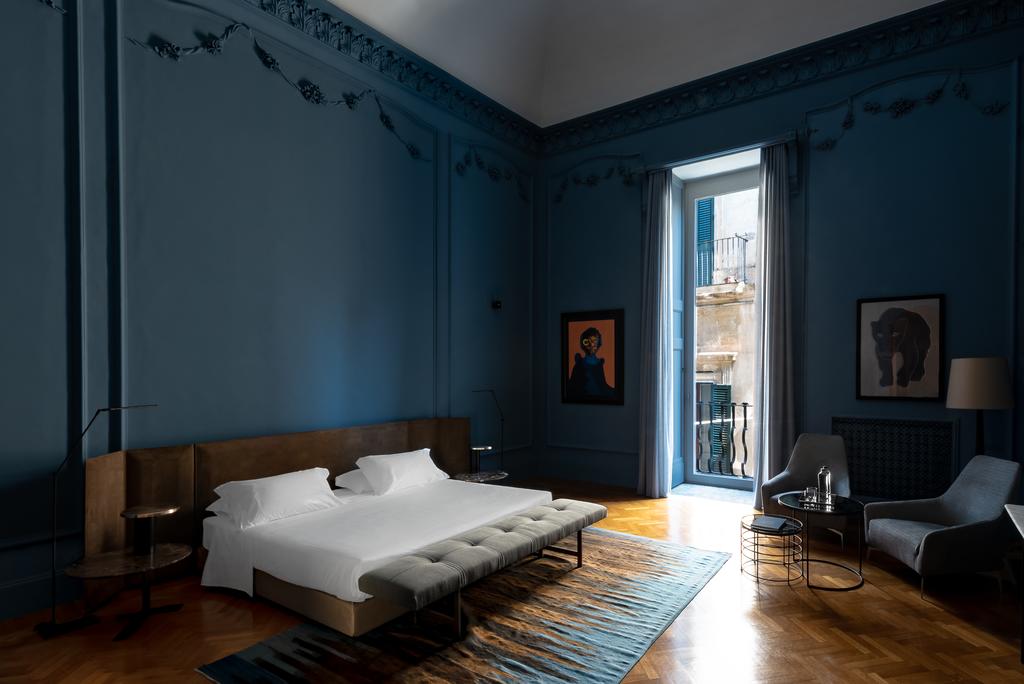
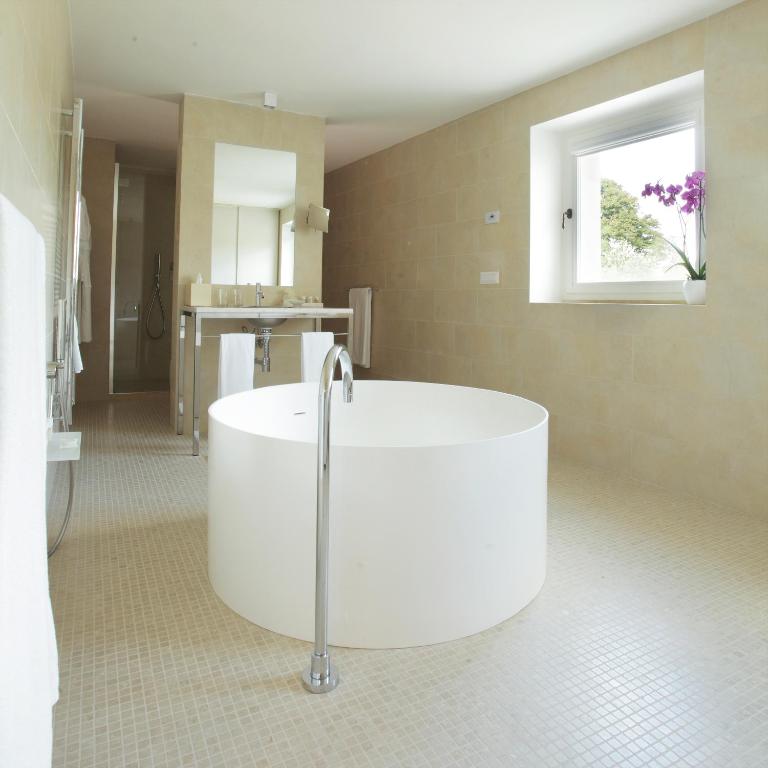
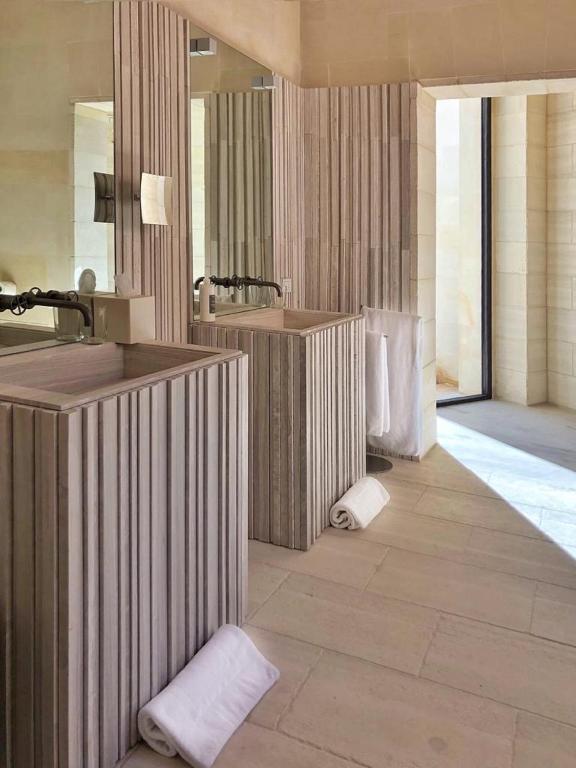
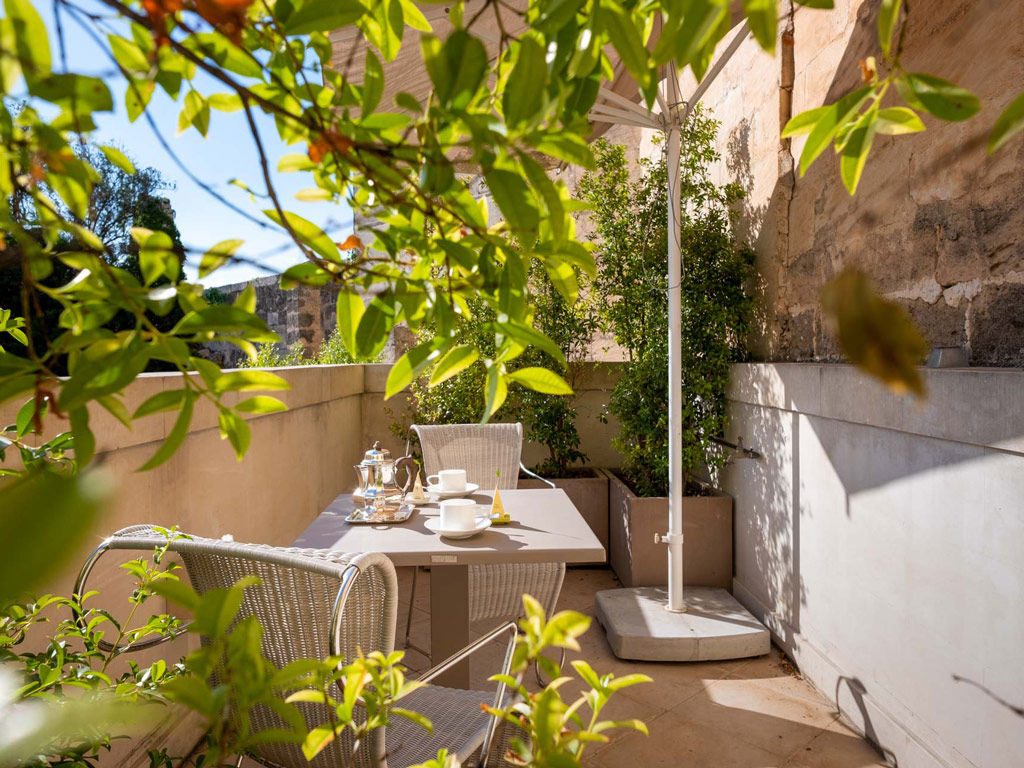
The rooms and suites continue that sense of restraint. White and soft grey dominate, allowing the pale stone architecture to carry much of the visual weight. Furniture is deliberately sparse but beautifully chosen, mixing vintage modernist pieces with contemporary design. Some rooms retain spectacular star-pinnacled Salento ceilings, while others open onto terraces or private outdoor spaces. The effect is almost monastic, but never severe. Freestanding baths, generous showers, tactile materials and carefully controlled lighting add comfort without overwhelming the architecture. The most evocative rooms feel less like hotel suites than beautifully edited private apartments inside an old Puglian house.
An Olive Grove Behind the City Walls
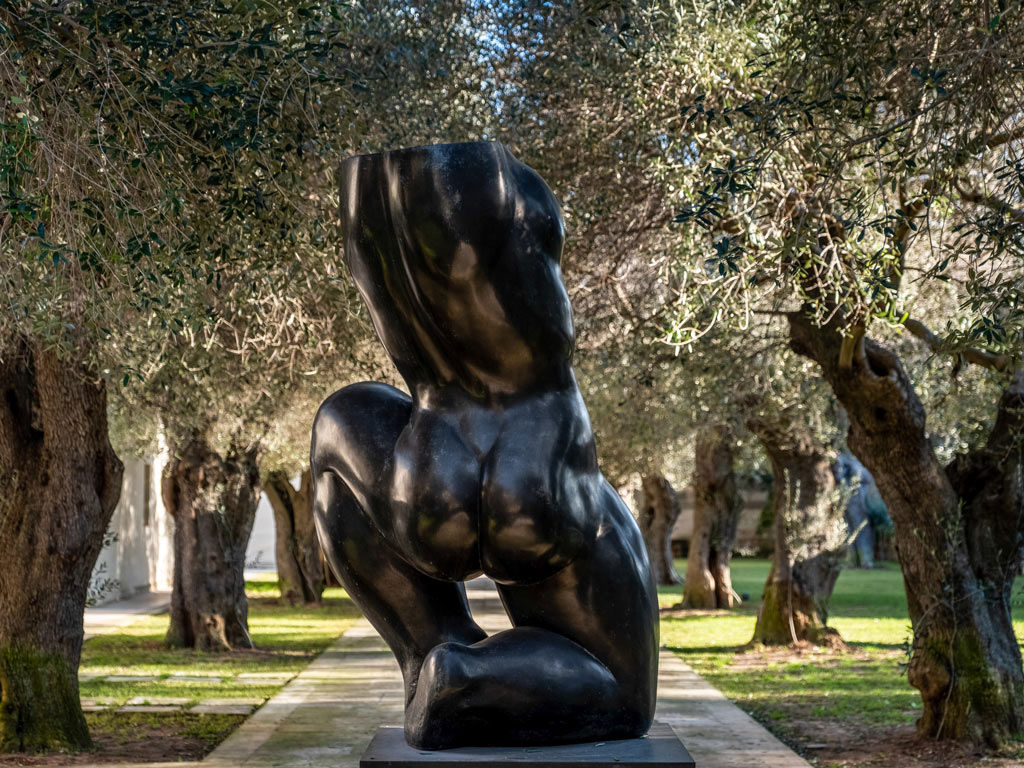
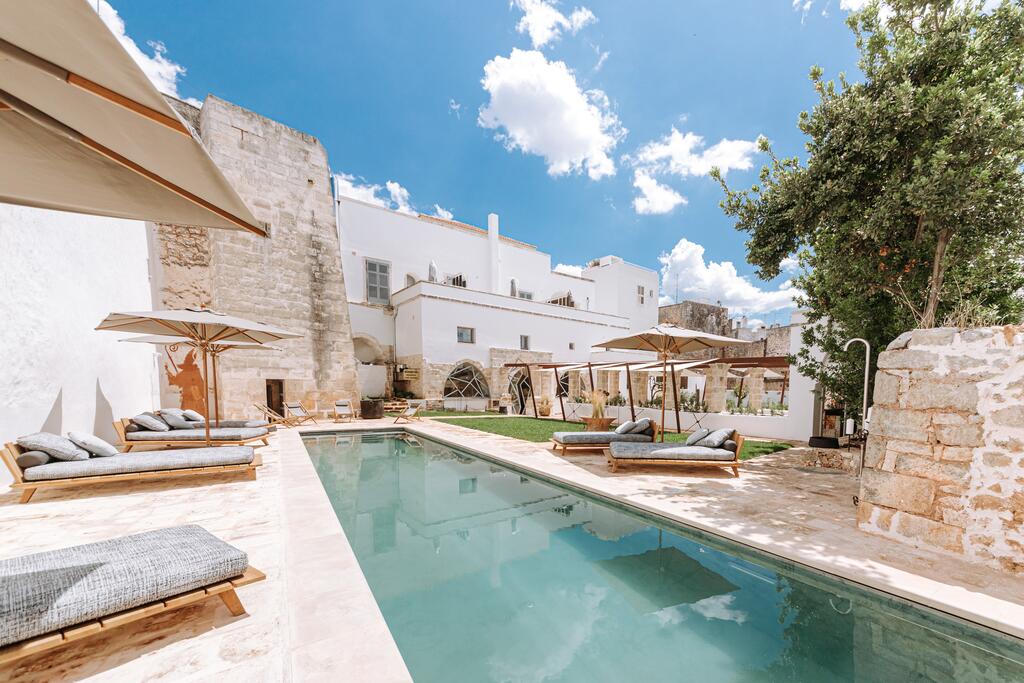
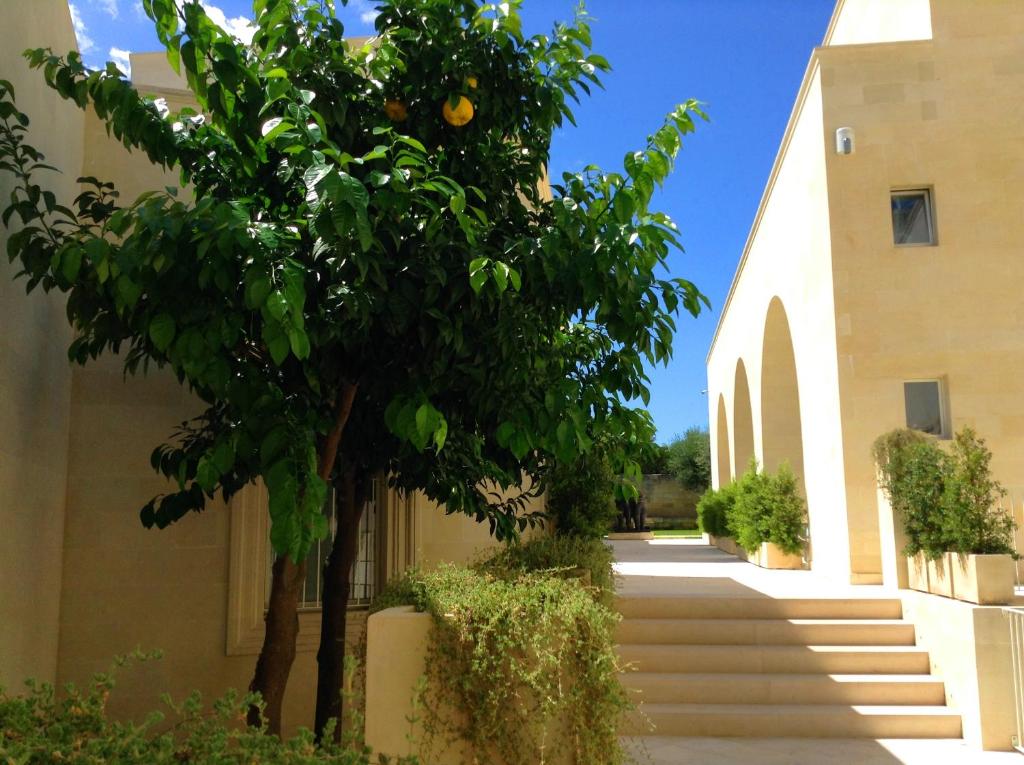
Then comes La Fiermontina’s great surprise. Walk beyond the interiors and the dense Baroque city suddenly disappears. Behind the walls lies a private garden filled with ancient olive trees, orange trees, sculpture and a small swimming pool. Cicadas replace traffic. Stone paths wind between silver leaves. Tables appear beneath trees. It feels almost impossible that Piazza del Duomo and Lecce’s theatrical Baroque streets are only minutes away. This contrast — intensely urban outside, almost rural within — is what makes La Fiermontina particularly special.
Art You Live With
Art here isn’t installed as decoration. It belongs to the story of the family. Works connected to Antonia Fiermonte and her artistic circle sit alongside pieces from Filali’s wider collection, creating an environment closer to a collector’s home than a gallery. The collection extends beyond paintings and sculpture into furniture and architecture, blurring the line between what is functional and what is art. Nearby, the family’s Fiermonte Museum continues the story in greater depth. La Fiermontina therefore becomes an unusual way of discovering Lecce: not simply through its Baroque churches and palazzi, but through one family’s connection between Puglia and the European avant-garde.
Puglia at the Table
At Zéphyr Restaurant, the connection to place continues through food. The kitchen builds on the traditions of cucina povera, the resourceful cooking that has long defined Puglia, using seasonal vegetables, seafood and local ingredients in more contemporary compositions. Orecchiette, chickpeas, turnip greens, artichokes and fish belong naturally here. Whenever the weather allows, meals move outside beneath olive and orange trees in the courtyard. There is also Bar Enzo, named for another colourful member of the Fiermonte family — boxer and actor Enzo Fiermonte — where vintage film memorabilia and Tobia Scarpa lighting create another layer in the family’s story.
Why It Works
Lecce already provides plenty of architectural drama. La Fiermontina wisely doesn’t compete with it. Instead, it offers a quieter interpretation of the city: Leccese stone, modernist furniture, contemporary art, olive trees and one extraordinary family history. The luxury comes from space, atmosphere and access to something personal rather than from spectacle. Step outside and you’re immediately back among Lecce’s ornate churches and honey-coloured streets. Step through the gates again and the city seems to disappear. That ability to be simultaneously in Lecce and hidden from it may be La Fiermontina’s greatest luxury.
Information
At a glance
Architecture
Antonio Annicchiarico
Opened / Renovated
2015
Size matters
16 rooms & suites (32-51m2) (344-550 sq ft)
Featured in
Don't take our word for it

Handpicked worldwide
A carefully curated collection of exceptional boutique and design hotels across the globe.
Design with soul
Architecture, atmosphere and craftsmanship come together in stays with a clear identity.
Hidden, not hyped
Independent boutique hotels you rarely find on mainstream booking platforms.
Travel guidance
Personal recommendations and thoughtful support from people who actually know the places.