Fogo Island Inn, Fogo Island, Newfoundland, Canada
Radical Architecture, Newfoundland Craft, and a Hotel with a Purpose at the Edge of the Atlantic
Why DNA Hotels Loves It
● Todd Saunders’ extraordinary stilted architecture turns the wild North Atlantic into the defining element of every stay.
● Almost everything inside—from quilts and textiles to beautifully idiosyncratic furniture—is connected to Newfoundland makers, traditions, and generations of island knowledge.
● Created by Fogo Island native Zita Cobb as a social enterprise, the inn demonstrates that ambitious design and genuine luxury can strengthen rather than simply consume a place.
An Inn at the Edge of the World
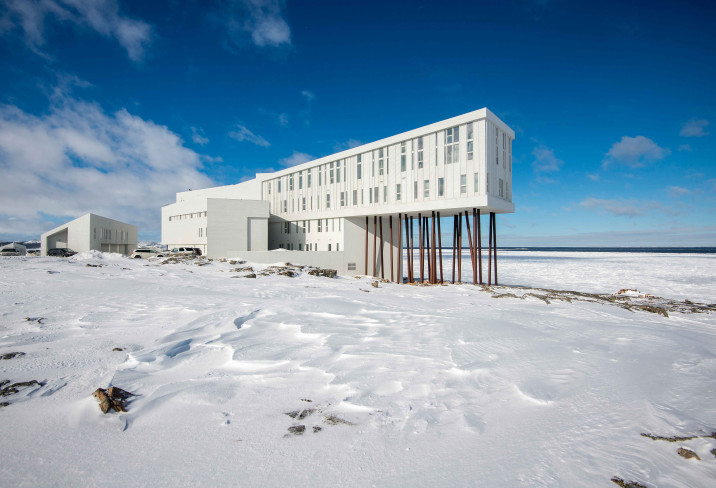
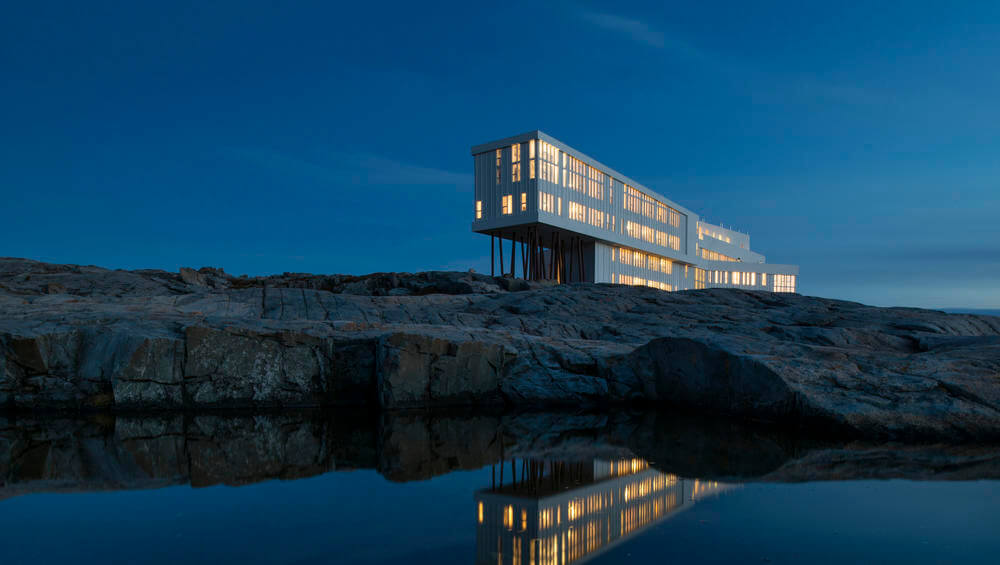
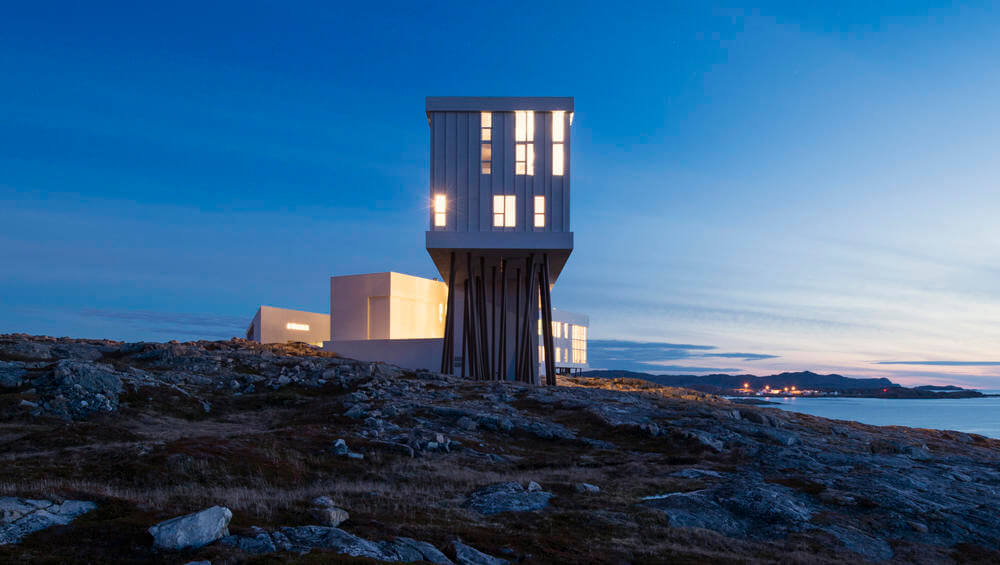
Some hotels use remoteness as a selling point. Fogo Island Inn makes you understand what remoteness actually means. Set on a rocky outcrop off the northeastern coast of Newfoundland, surrounded by an enormous North Atlantic horizon, the inn occupies a landscape where weather still dictates the rhythm of daily life. Getting here takes commitment. That journey matters, because by the time Todd Saunders’ extraordinary white building appears against the rocks, you have already begun to leave the conventional world behind. Part futuristic object, part reinterpretation of the traditional Newfoundland fishing structures raised above the shoreline, it looks improbable. And somehow completely inevitable.
Architecture That Frames the Atlantic
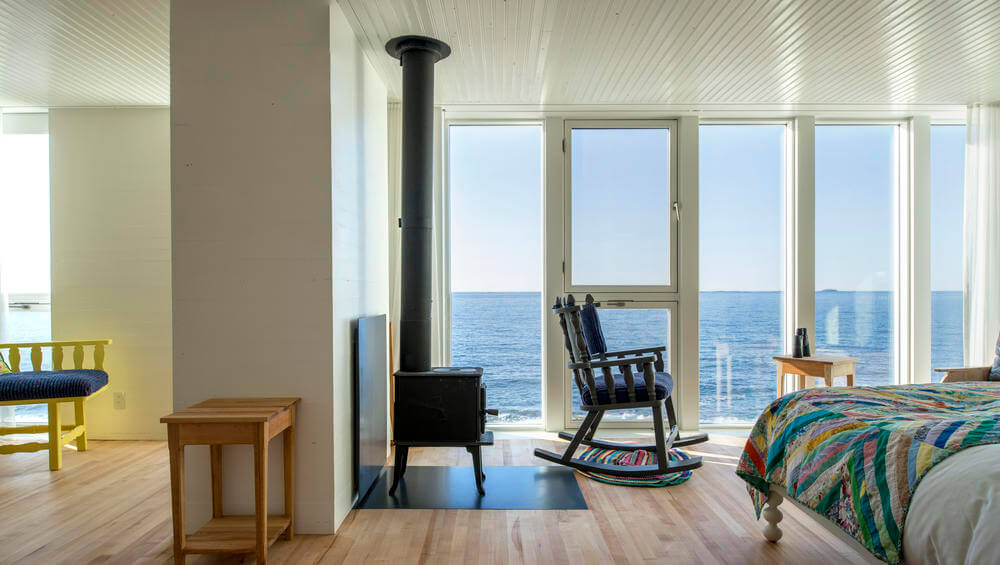
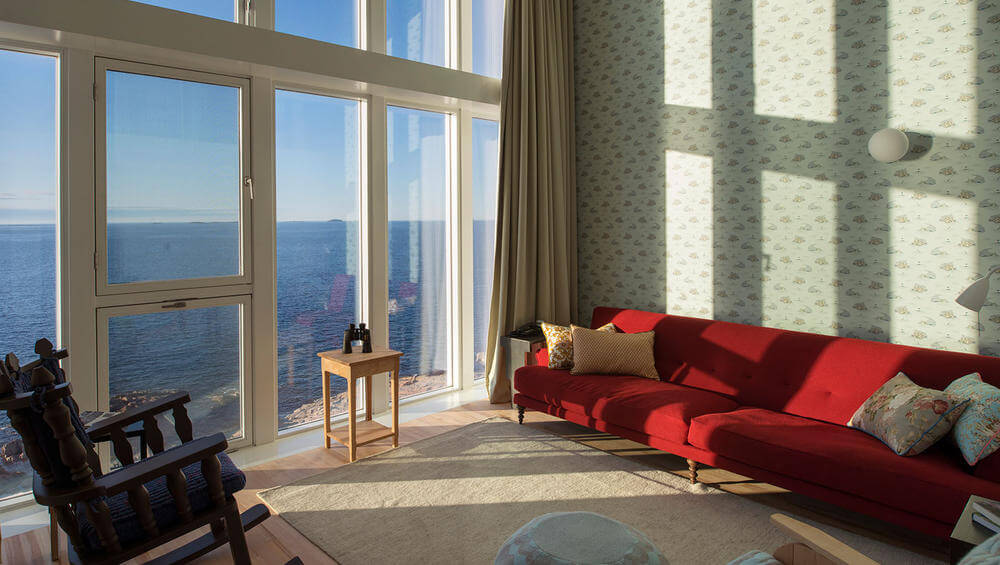
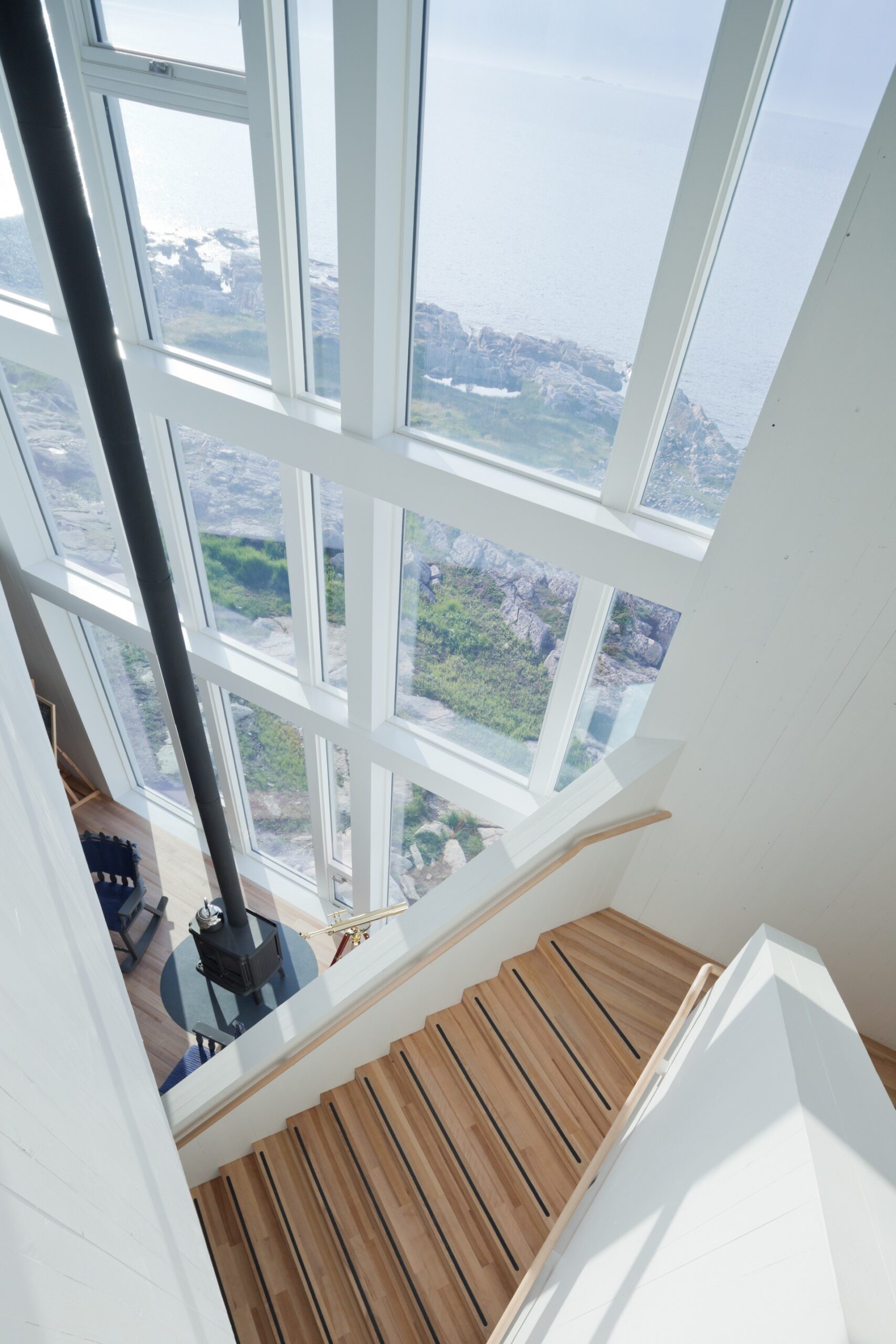
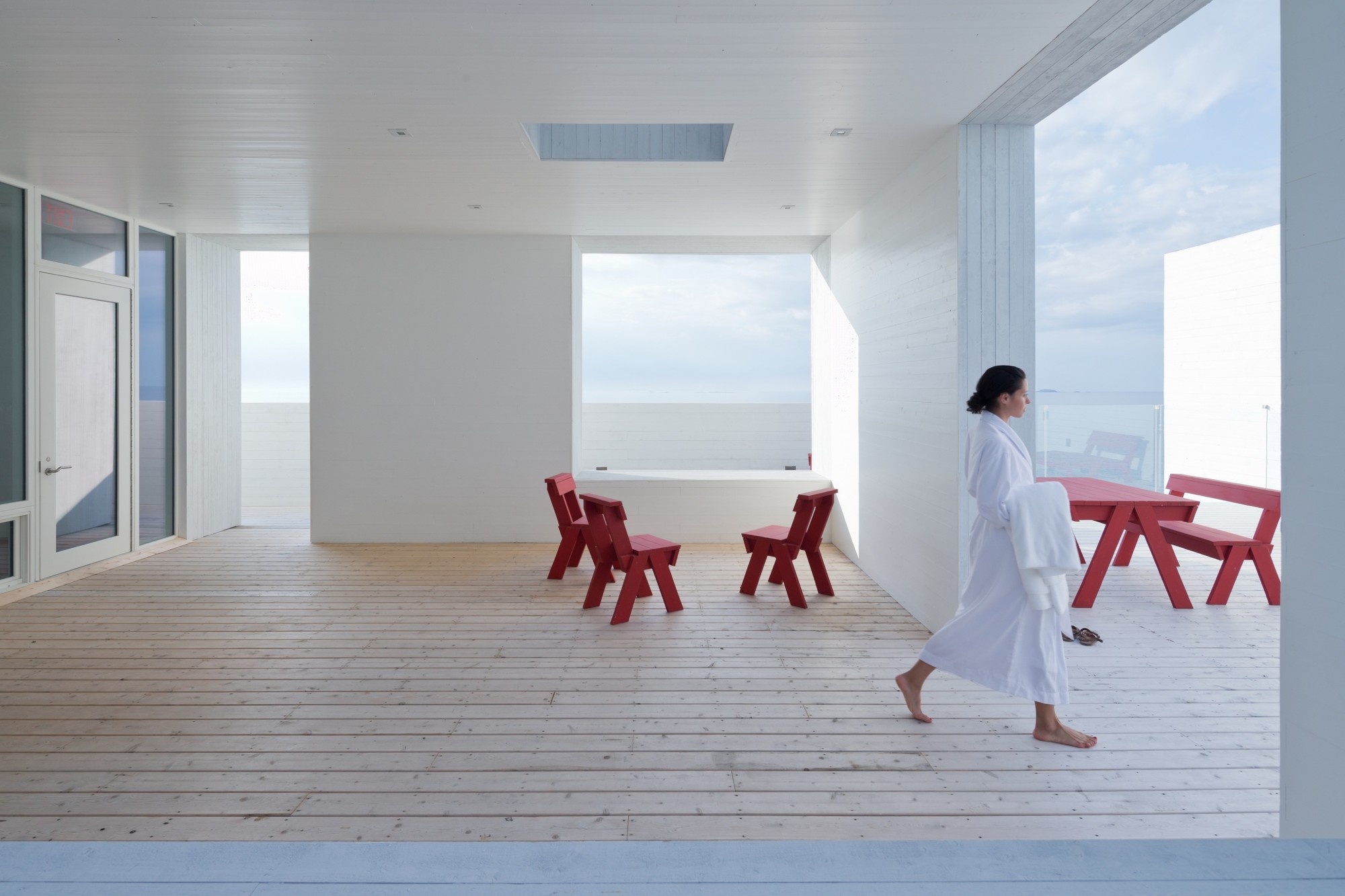
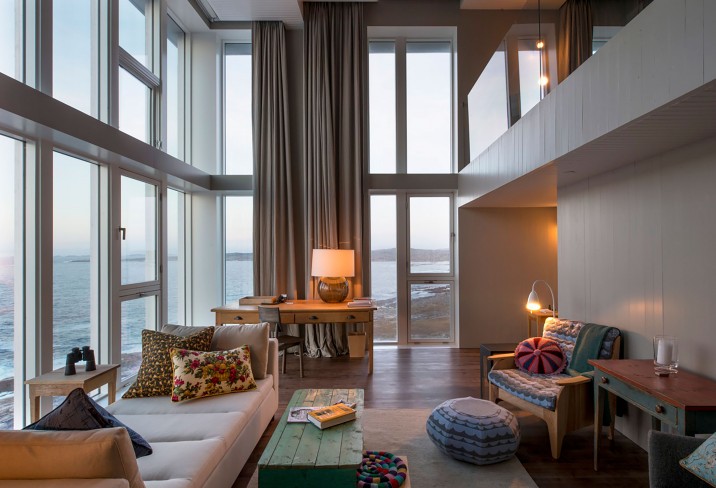
Newfoundland-born architect Todd Saunders understood that no interior could compete with this landscape. So the architecture frames it instead. Huge windows turn waves, fog, ice, storms, whales, and endlessly changing skies into moving pictures. The building’s stark geometry contrasts dramatically with the rugged coastline, while its stilts recall the practical vernacular structures that have occupied these shores for generations. Inside, that architectural confidence softens. White timber walls, handmade textiles, quilts, locally crafted furniture, and wood-burning stoves bring warmth and humanity to the clean contemporary spaces. The result is modernism with memory.
Every Object Has Somewhere It Came From
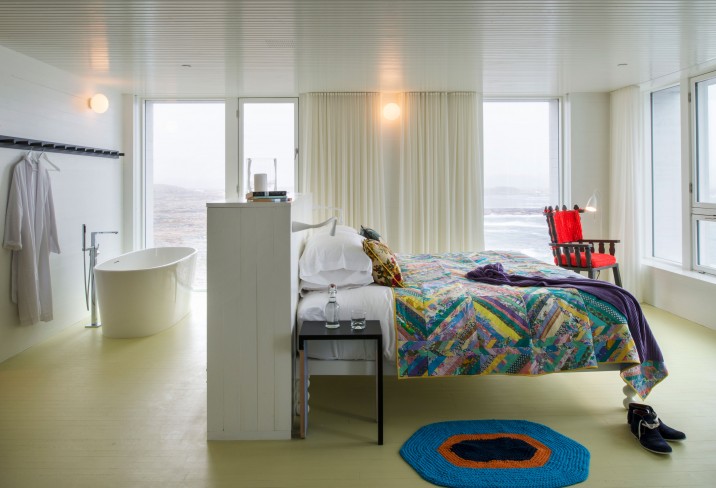
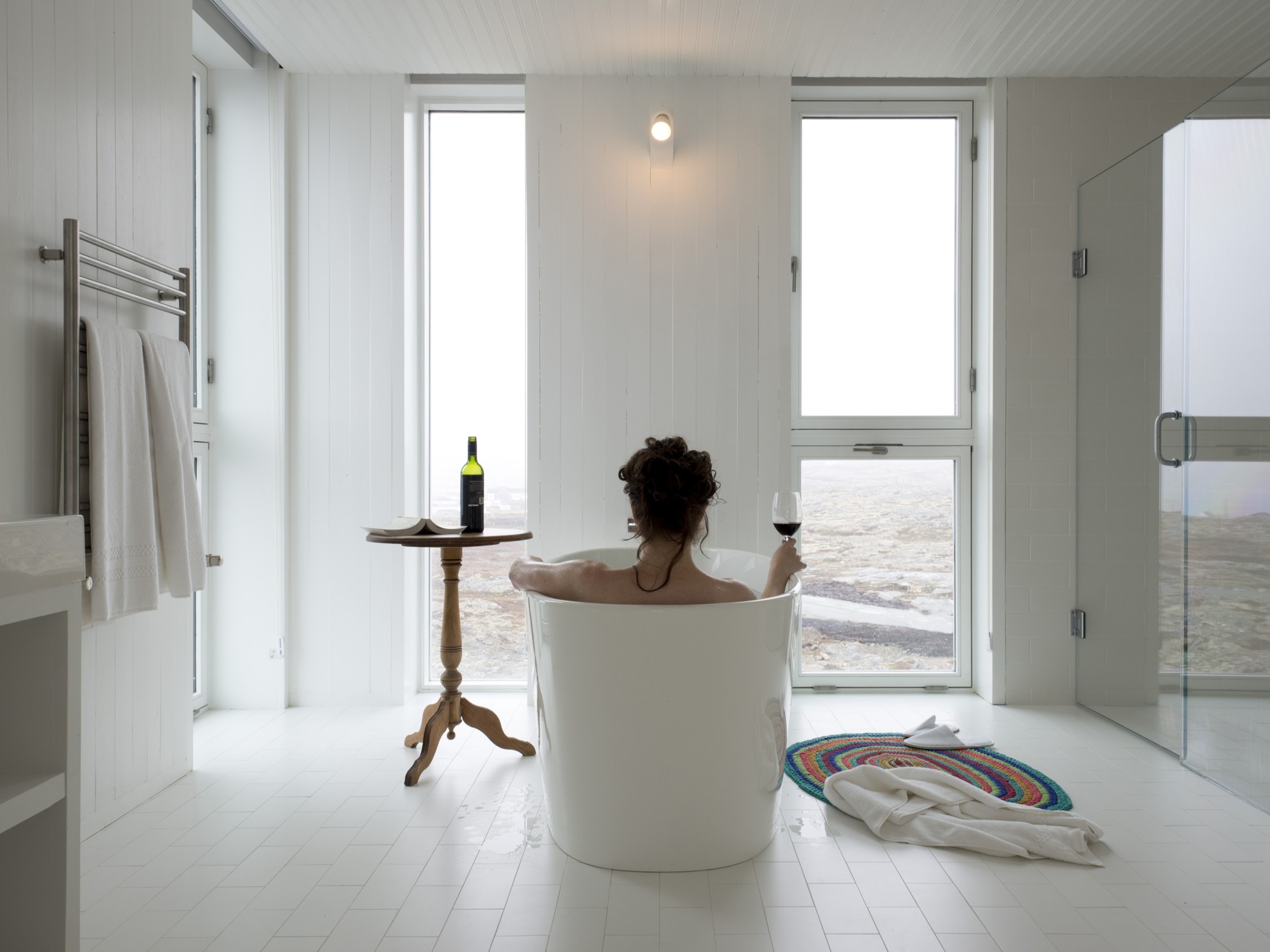
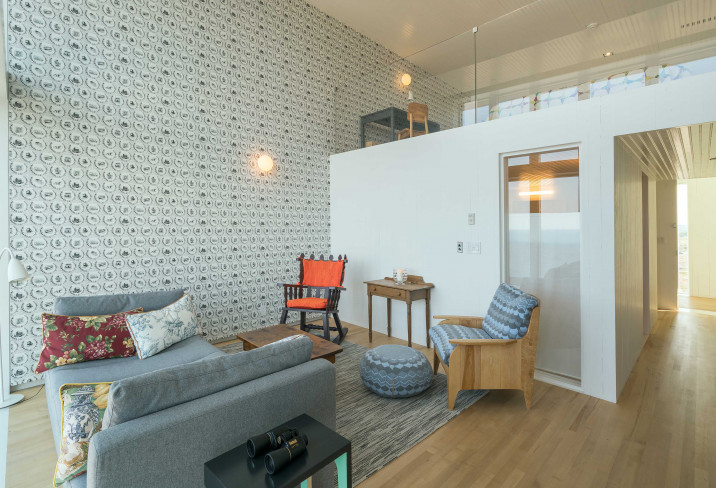
Look closely at the furniture. Fogo Island Inn’s chairs, tables, benches, textiles, and quilts aren’t simply attractive objects selected to complete an interior scheme. They grew from collaborations with local craftspeople and from the traditions, skills, and visual language of Newfoundland. That distinction can be felt throughout the hotel. Contemporary design doesn’t replace vernacular culture here; it gives it another platform. The rooms are generous and deliberately calm, with reading chairs facing the ocean, handmade details, and soaking tubs that make watching the Atlantic a perfectly legitimate afternoon activity. Nothing needs to shout. Outside the window, the weather will happily provide the drama.
A Hotel Built for the Island
The architecture may have made Fogo Island Inn internationally famous, but its reason for existing is even more interesting. Founder Zita Cobb grew up on Fogo Island before leaving Newfoundland and building a successful career in technology. She later returned with an ambitious idea: use contemporary design, culture, and hospitality as tools for strengthening the island’s economy rather than allowing globalization to slowly hollow it out. The inn operates as a social business connected to Shorefast, with its economic activity designed to benefit the community. That changes the meaning of staying here. Local employment, craftsmanship, food, cultural knowledge, and creative initiatives aren’t peripheral sustainability projects. They are the hotel.
Where Contemporary Art Meets an Ancient Landscape
Fogo Island’s relationship with contemporary culture extends beyond the inn. Striking artist studios appear almost surrealistically across the island’s rocks and coastline, providing workspaces for visiting artists while creating a fascinating dialogue between radical contemporary architecture and a community shaped by fishing, weather, and centuries of isolation. It could easily have become an exercise in cultural tourism. Instead, the contrast is precisely what makes Fogo so compelling. Old knowledge and new ideas are allowed to occupy the same landscape.
Six Seasons, One Atlantic
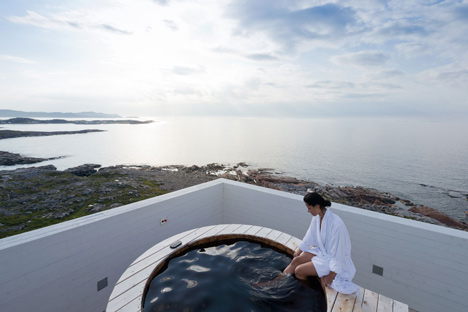
Locally, the year is understood through six seasons rather than four, and each produces an entirely different Fogo Island. There are icebergs drifting past the coast, whales moving through offshore waters, brilliant summer days, berry-picking seasons, spectacular autumn landscapes, and winters when wind and snow remind you exactly where you are. The hotel responds rather than attempts to insulate guests from all of it. Hiking, community encounters, island excursions, saunas, rooftop hot tubs, the cinema, library, and fireside spaces provide different ways of experiencing the place. But sometimes the best activity is simply sitting beside a window.
Eating Fogo Island
Food follows the same philosophy as everything else. Menus respond to season, weather, and what can be sourced from the island and surrounding waters. Fish and seafood, berries, root vegetables, preserves, wild plants, and other Newfoundland ingredients turn dinner into another expression of geography. There’s sophistication in the cooking, but the underlying idea is remarkably straightforward. Eat what this place provides. And when the dining room looks directly onto the North Atlantic, provenance becomes difficult to ignore.
Why It Works
Fogo Island Inn is important because its architecture, food, craft, community, and landscape cannot easily be separated from one another. Remove the island and the concept stops making sense. That is remarkably rare in contemporary luxury hospitality. Zita Cobb and Todd Saunders created something far more ambitious than a spectacular remote hotel: a model for how hospitality can celebrate a place while helping sustain the community that gives it meaning. Come for one of the most extraordinary pieces of hotel architecture in the world. You may leave thinking much more about what a hotel can actually be.