Hôtel Le Provençal, Giens, France
Riviera heritage, mid-century glamour and a family story revived above the Mediterranean
Why DNA Hotels Loves It
● A genuine Côte d’Azur institution, rooted in the Giens peninsula and still shaped by the same family story that began with founder Marius Michel.
● Rodolphe Parente’s renovation preserves the hotel’s 1950s character while introducing a more contemporary, art-led Riviera language.
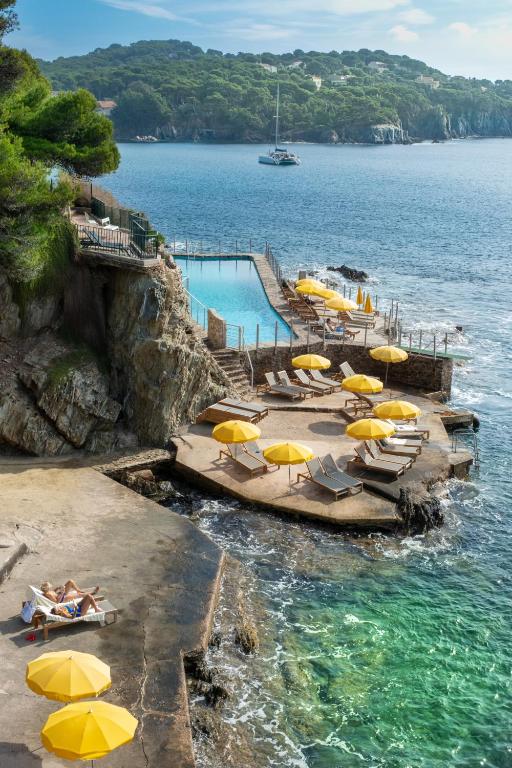
● From the legendary blue pool carved into the rocks to local seafood, regional wines and sea-facing rooms, the hotel feels inseparable from its Mediterranean setting.
A Riviera Institution, Reawakened
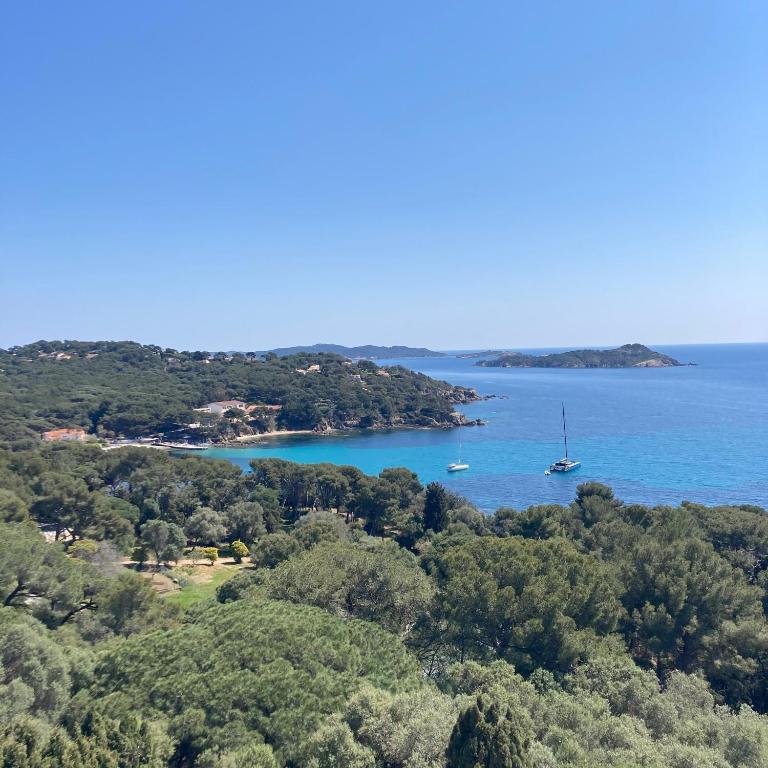
At the tip of the Giens peninsula, Hôtel Le Provençal occupies a version of the French Riviera that feels more elemental than polished: pine trees, salt marshes, rocky coves and long views across the Mediterranean. The hotel’s story began with Marius Michel, who grew up locally before becoming head chef at Paris’ Lido and eventually returning south. What followed was a gradual transformation from village address to Riviera landmark. Today, the next generation continues that lineage. This matters because Le Provençal still feels like a place with memory. Locals meet here. Families return. The hotel belongs to Giens rather than simply borrowing its scenery.
Rodolphe Parente and the Art of Not Starting Over
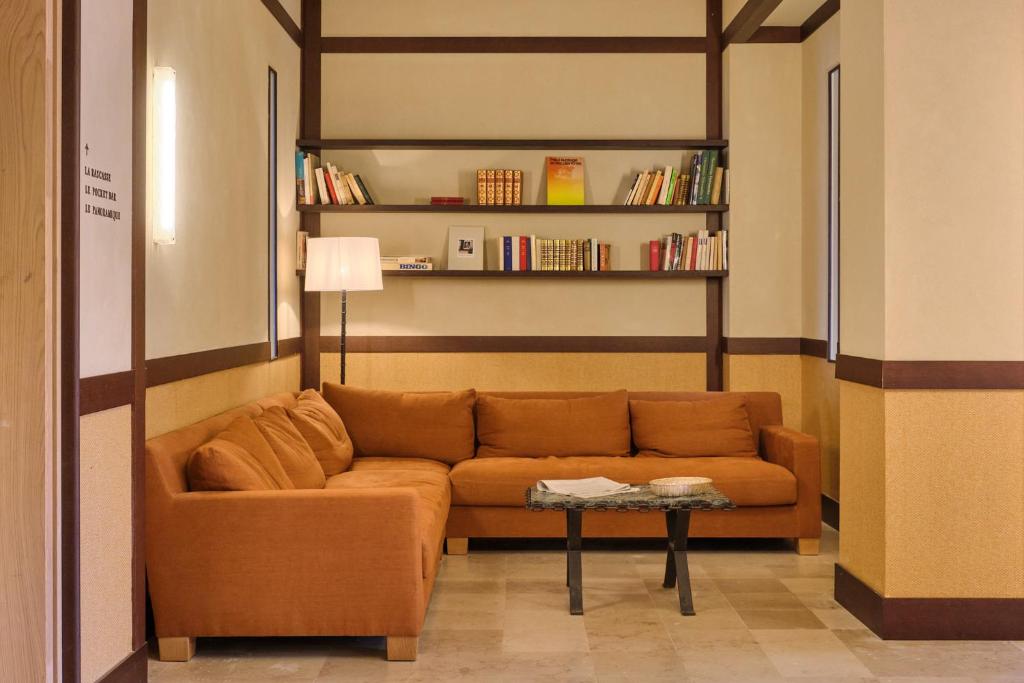
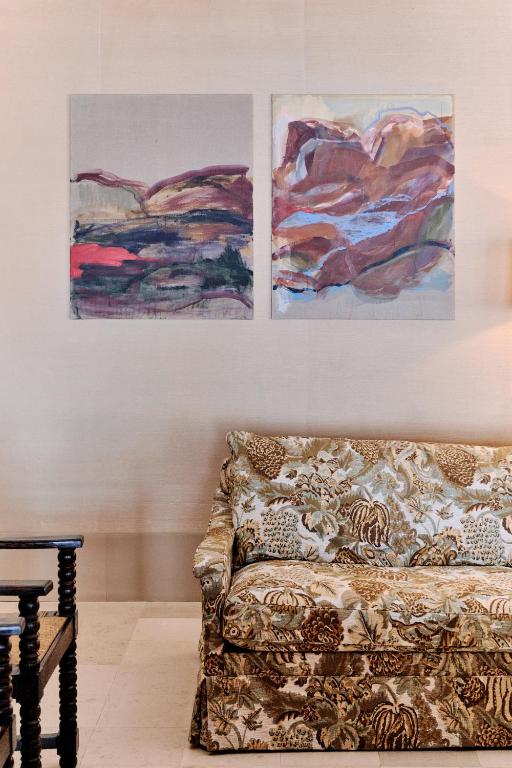
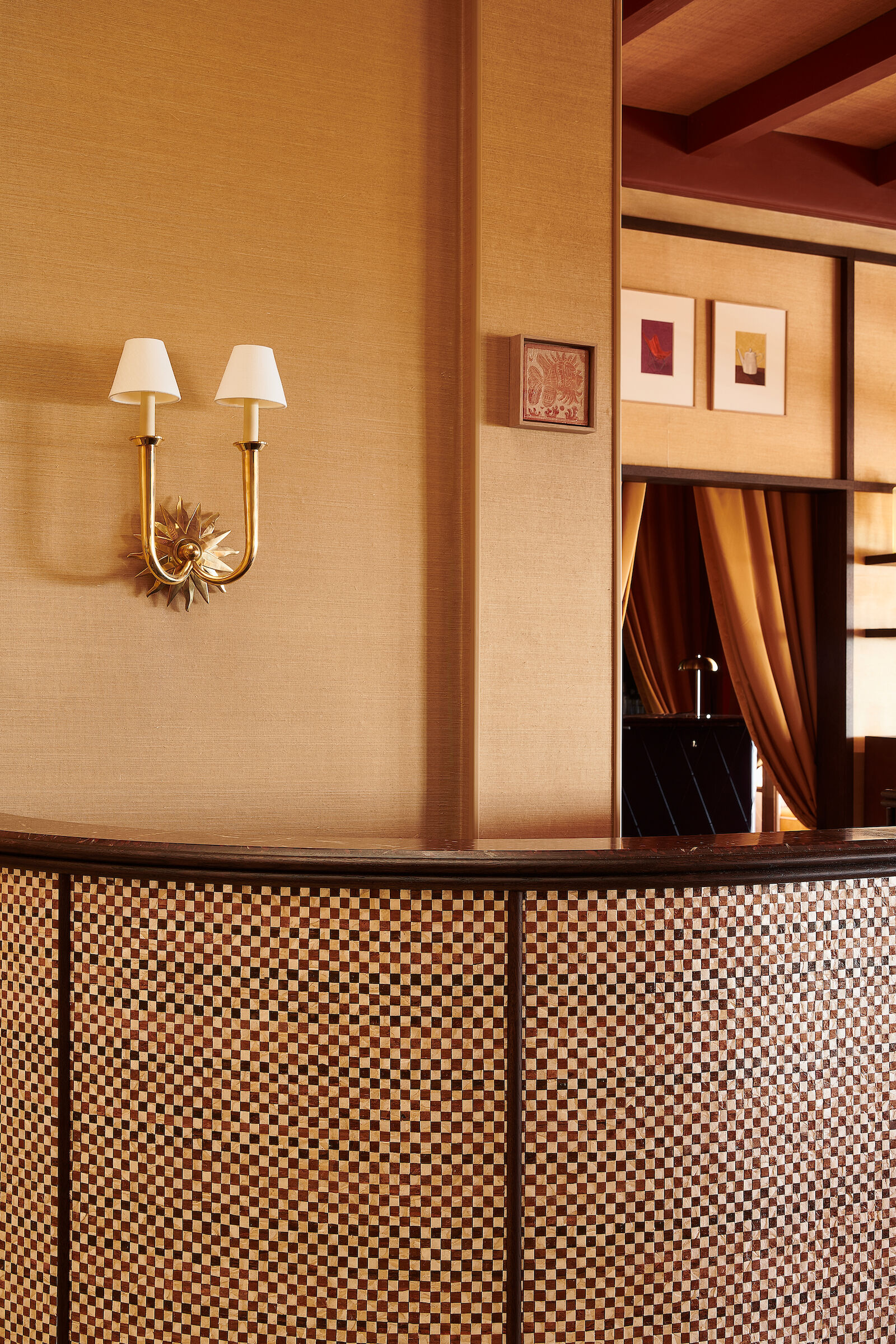
For the recent redesign, Paris-based architect and designer Rodolphe Parente resisted the temptation to erase the past. Instead, he worked with it. The monumental Rognes limestone fireplace remains. So does the extraordinary bright-blue swimming pool cut into the rocky coastline below — perhaps the hotel’s most unforgettable architectural gesture. Around these inherited elements, Parente introduces a more graphic, playful language: velvet curtains, geometric motifs, bespoke furniture, ceramics and small surreal touches that shift the hotel away from conventional Riviera nostalgia. Nothing feels overly restored. History remains visible, but it is allowed to evolve.
Rooms Filled with Mediterranean Light
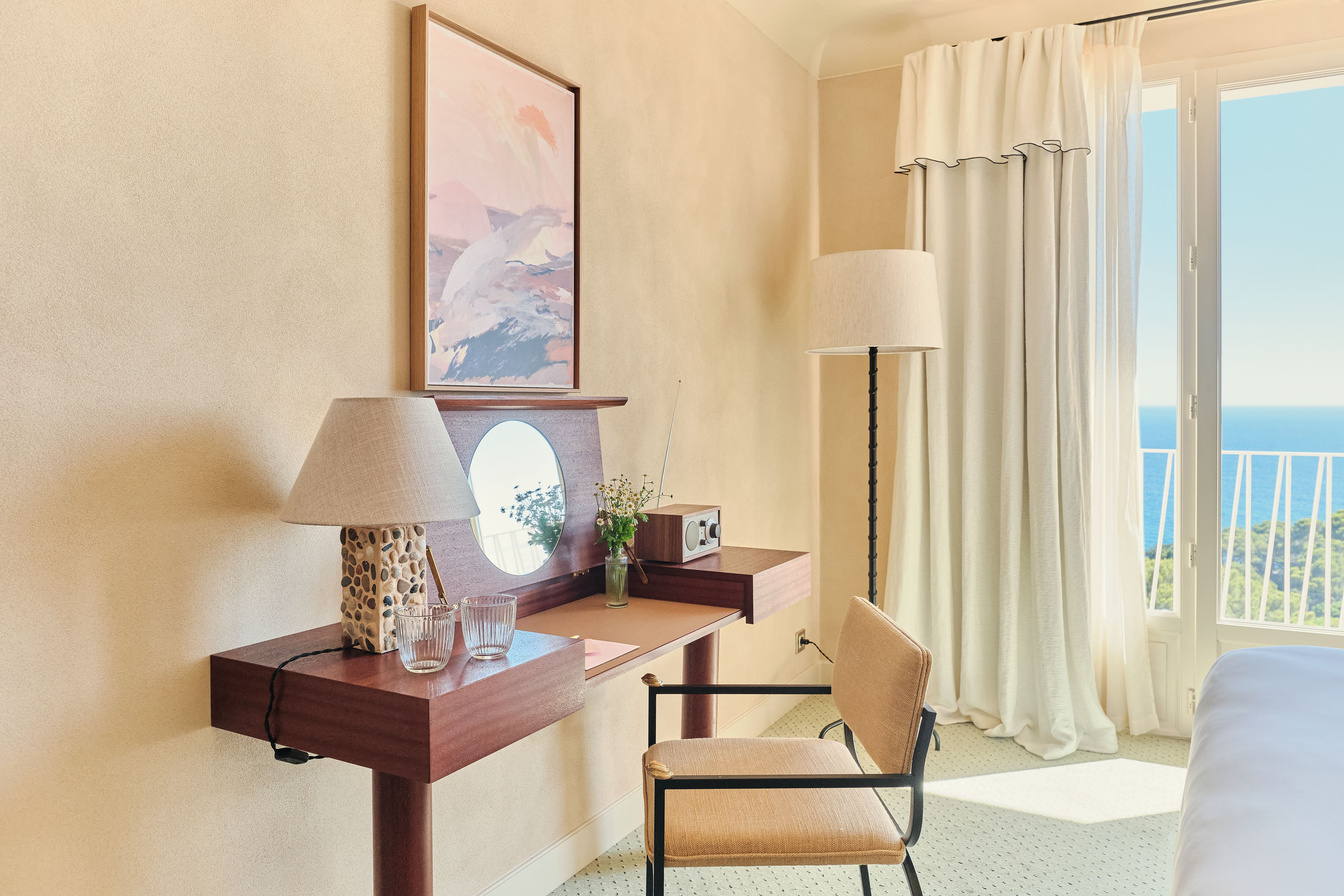
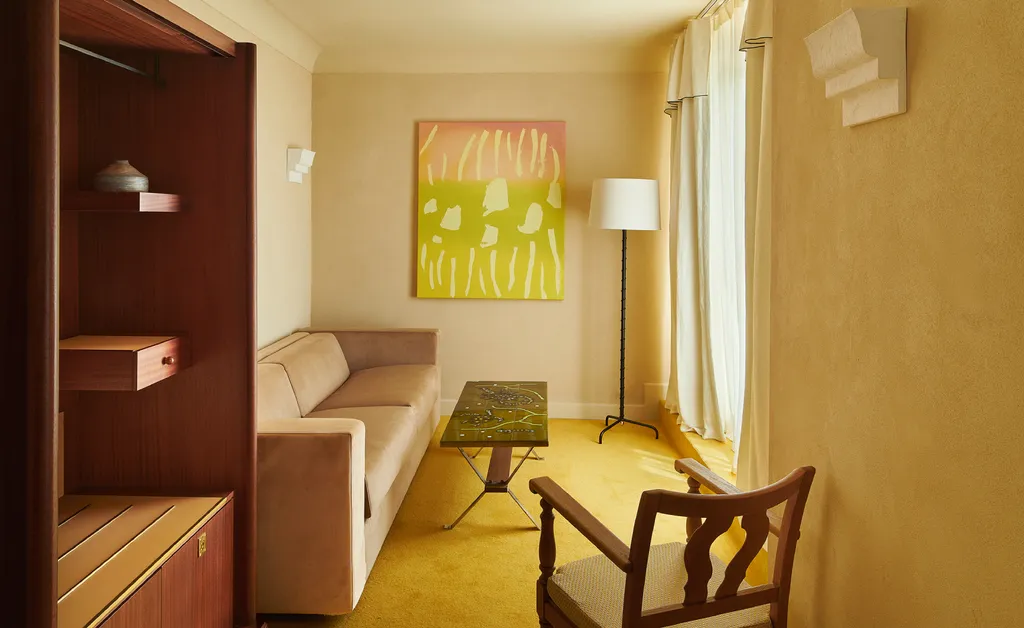
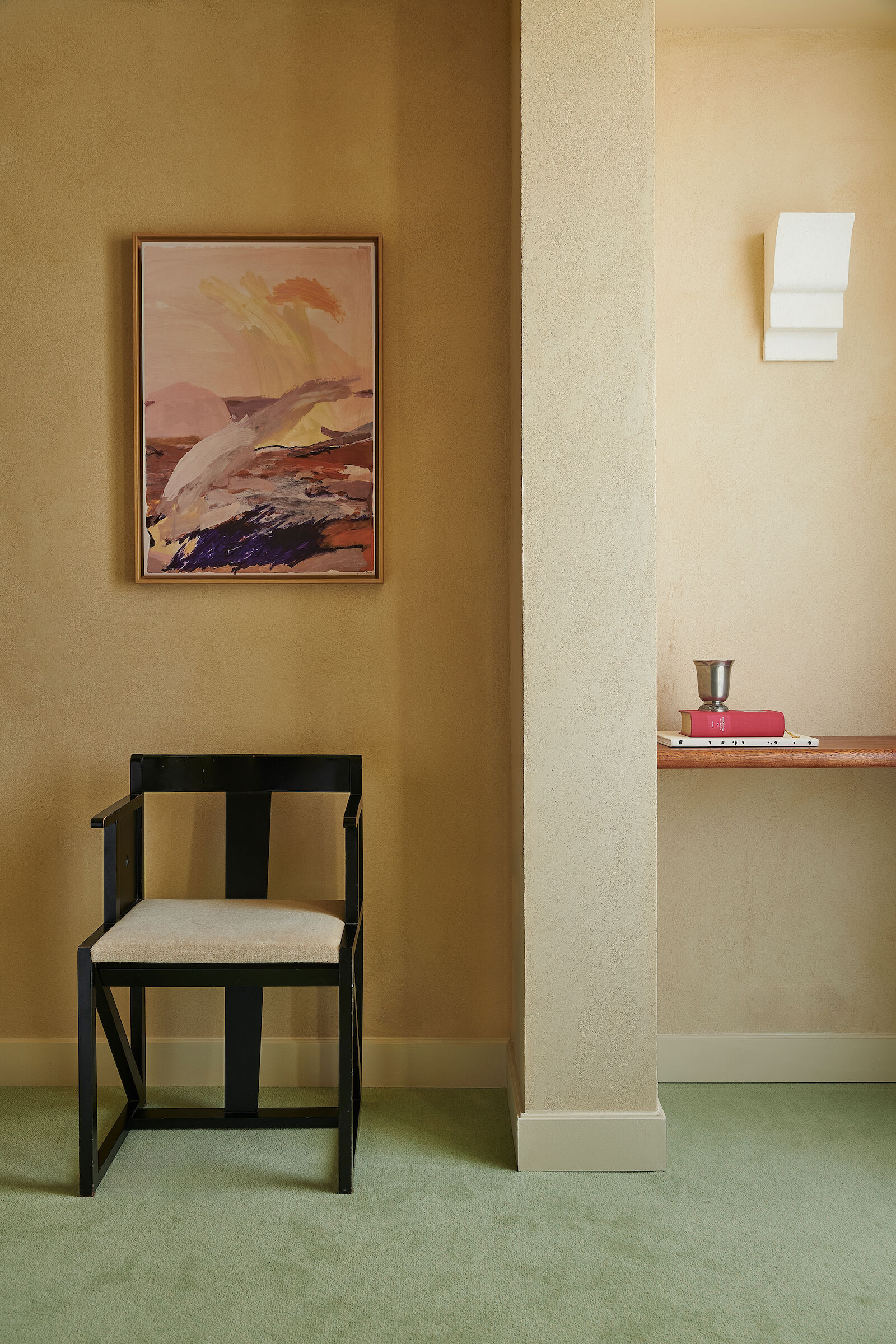
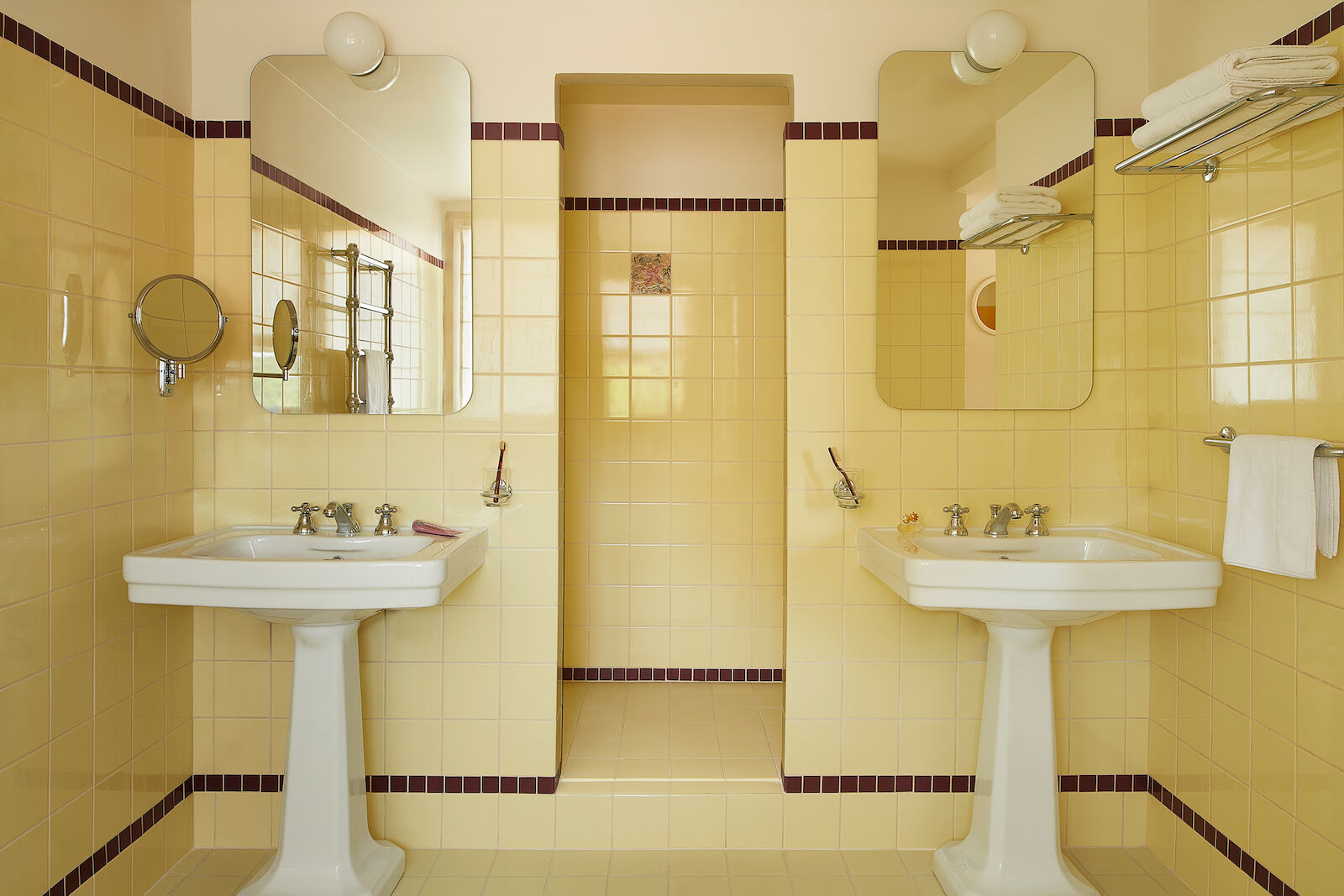
The 41 rooms and suites continue that balance between continuity and reinvention. Warm yellows, faded greens and soft pinks replace the predictable white-and-blue shorthand of Mediterranean hotels. Archive photographs sit alongside contemporary furnishings and glossy ceramics, while selected suites add record players, curated vinyl and terraces opening towards the sea and pines. The strongest rooms are the ones that allow the landscape to do most of the work. Large picture windows frame the Mediterranean directly from the bed, reducing decoration to a secondary role. The horizon becomes the interior.
Food, Art and the Life of Giens
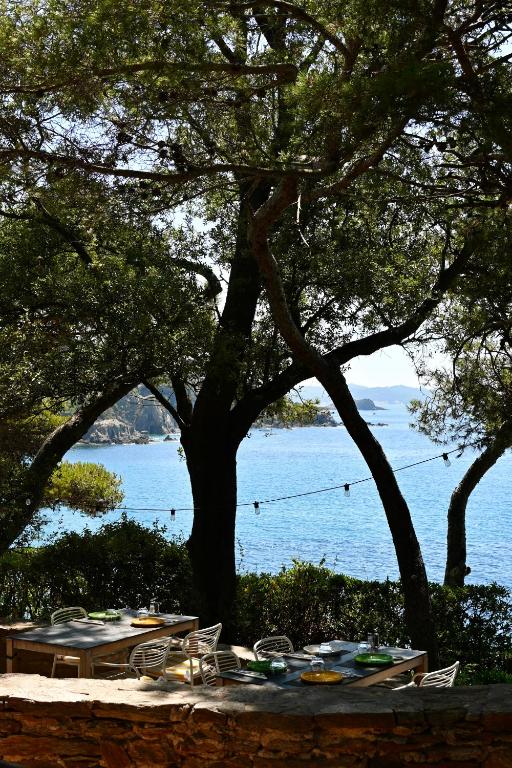
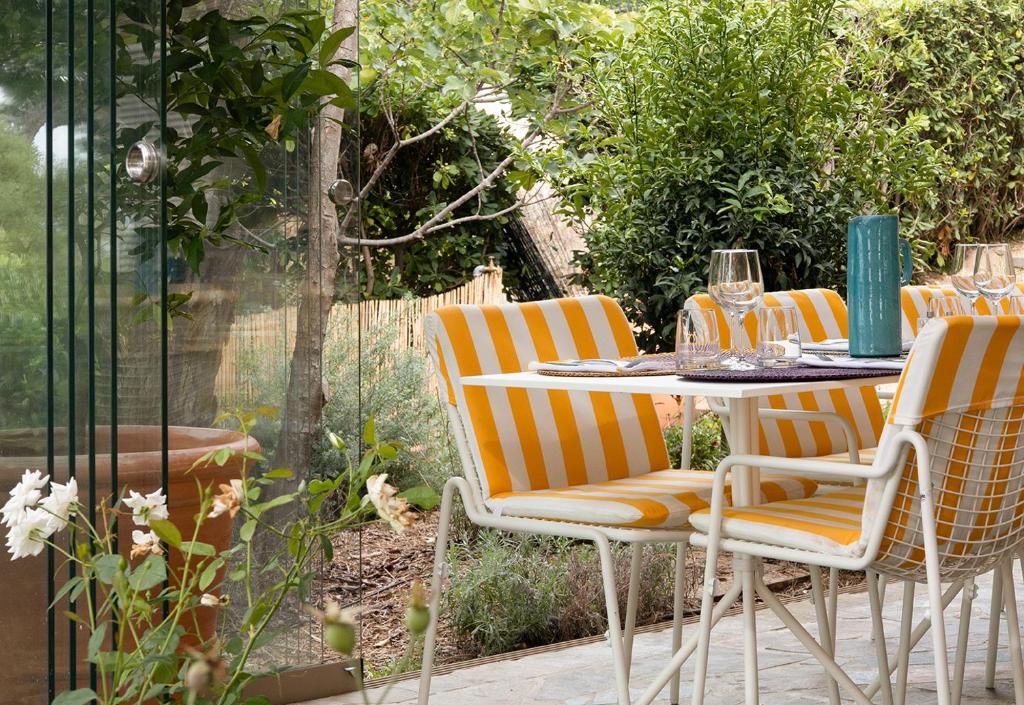
Le Provençal is not isolated from its surroundings; it works because it remains connected to them. The Giens peninsula brings salt marshes, hidden beaches, hiking trails and ferries towards Porquerolles, while nearby cultural landmarks such as Villa Noailles and the Musée du Niel reinforce the area’s long relationship with modernism, design and experimentation. That cultural backdrop carries into the hotel itself, particularly through its collaboration with Julie Liger and its use of artist-designed objects and locally rooted details. Food follows the same logic. Across its restaurants, the emphasis is on Mediterranean produce, local fish, regional vegetables and mostly organic wines. La Rascasse leans towards refined Provençal cooking, while the poolside and open-air spaces keep things looser and more seasonal. Hospitality here moves easily between elegance and informality.
Why It Works
Hôtel Le Provençal succeeds because its renovation understands that heritage hotels rarely need reinvention as much as they need editing. Rodolphe Parente keeps the strongest parts of the original identity — the fireplace, the pool, the family atmosphere, the relationship with Giens — and adds a contemporary layer without smoothing away the irregularities that make the place memorable. The result is not retro. It is continuity. In a stretch of the Côte d’Azur increasingly dominated by polished luxury, Le Provençal still feels personal, slightly idiosyncratic and deeply tied to its landscape. That is precisely its strength.