Gundari, Folegandros
A cliffside sanctuary where raw Cycladic landscapes, contemporary architecture, and slow luxury converge above the Aegean Sea.
Why DNA Hotels Loves It
● One of the most thoughtful new hotel openings in the Cyclades, offering a quieter and more authentic alternative to Santorini and Mykonos.
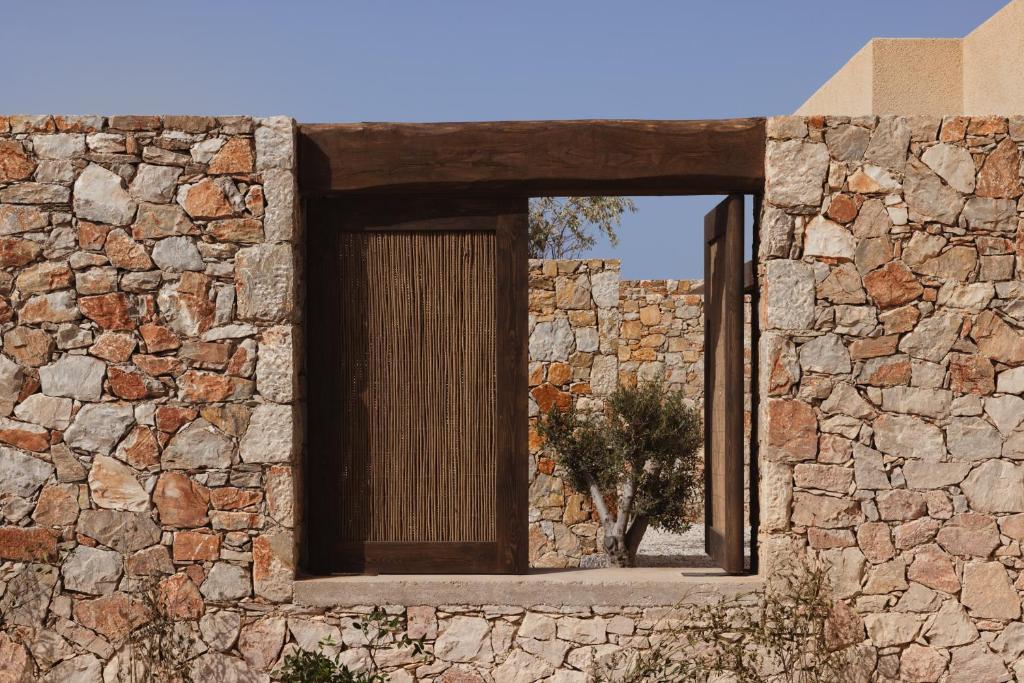
● Architecture by Block722 that disappears into the landscape, creating a seamless dialogue between nature and design.
● A rare example of luxury hospitality that embraces sustainability, local culture, and a profound sense of place.
A Different Cyclades
Just fifty minutes by ferry from Santorini, Folegandros feels like an entirely different world. There are no airport arrivals, no cruise ship crowds, and little of the relentless tourism that defines some of the Cyclades’ better-known islands. Instead, visitors find dramatic cliffs, terraced farmland, whitewashed villages, and a pace of life that has changed remarkably little over generations. It is precisely this sense of authenticity that drew Australian entrepreneur Ricardo Larriera to the island and ultimately inspired the creation of Gundari. Opened in 2024, the resort introduces a new level of luxury to Folegandros while remaining deeply respectful of the island’s character.
Architecture Carved from the Landscape
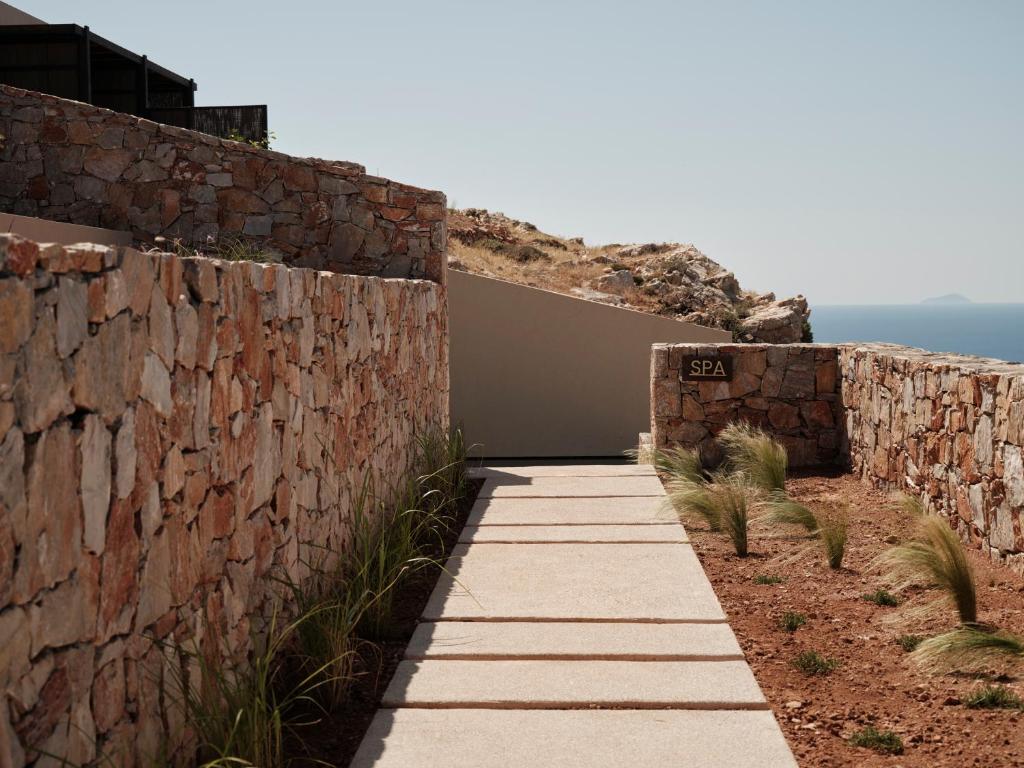
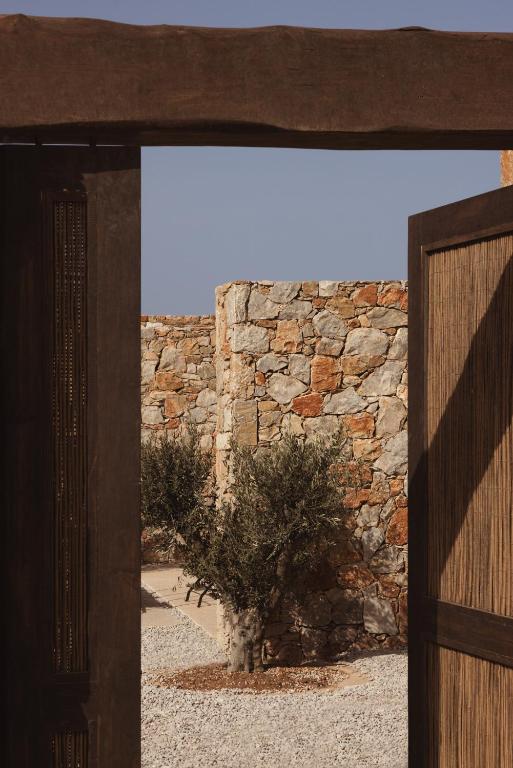
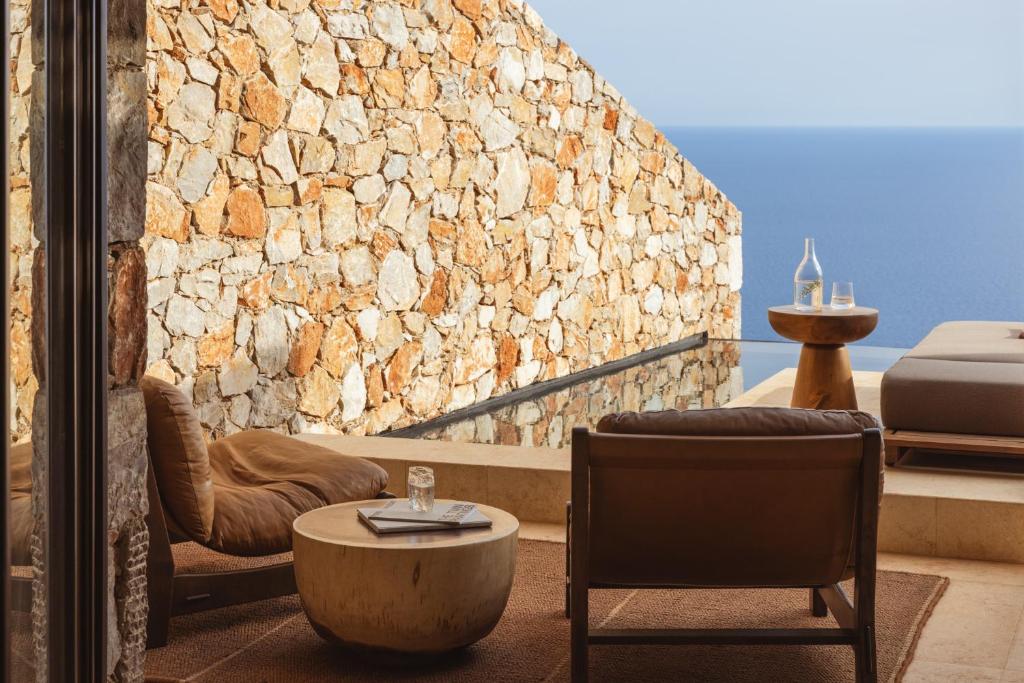
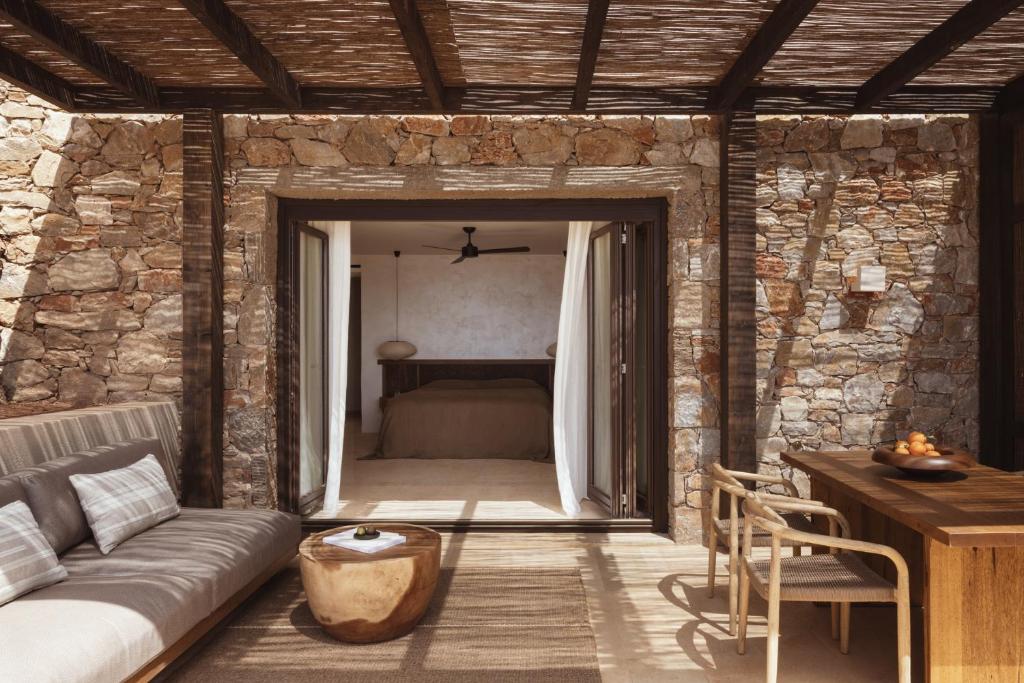
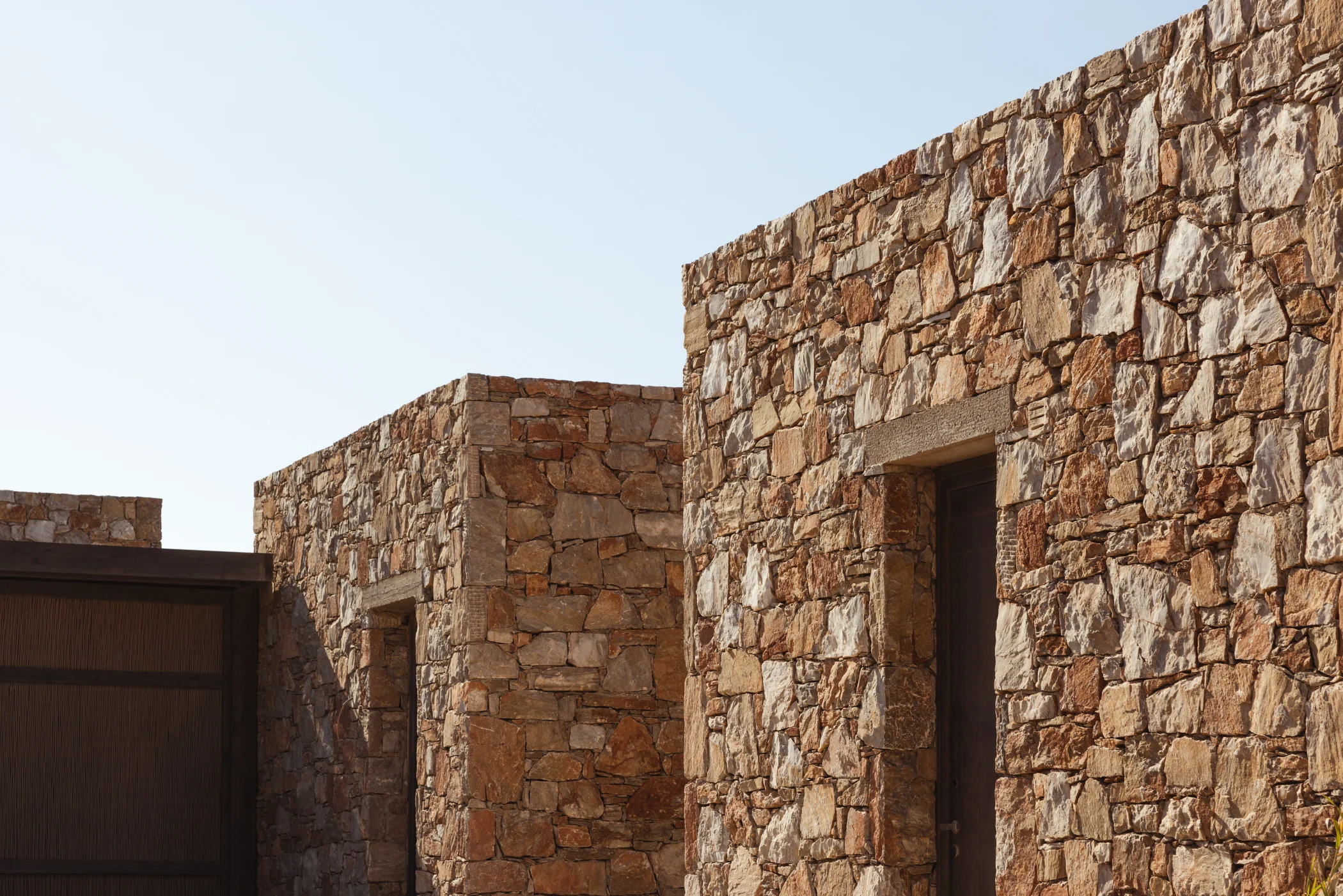
Perched on eighty acres of rugged coastline overlooking the Aegean, Gundari has been designed to feel inseparable from its surroundings. Athens-based architecture and interior design studio Block722 rejected the traditional whitewashed Cycladic vocabulary in favor of a more elemental approach. Stone excavated directly from the site, sand-colored cement, natural timber, and locally sourced materials allow the buildings to blend into the cliffs rather than dominate them. Many of the accommodations are partially embedded into the landscape, while others appear to emerge naturally from the rocky terrain. The architecture feels less constructed than discovered.
Designed for Stillness
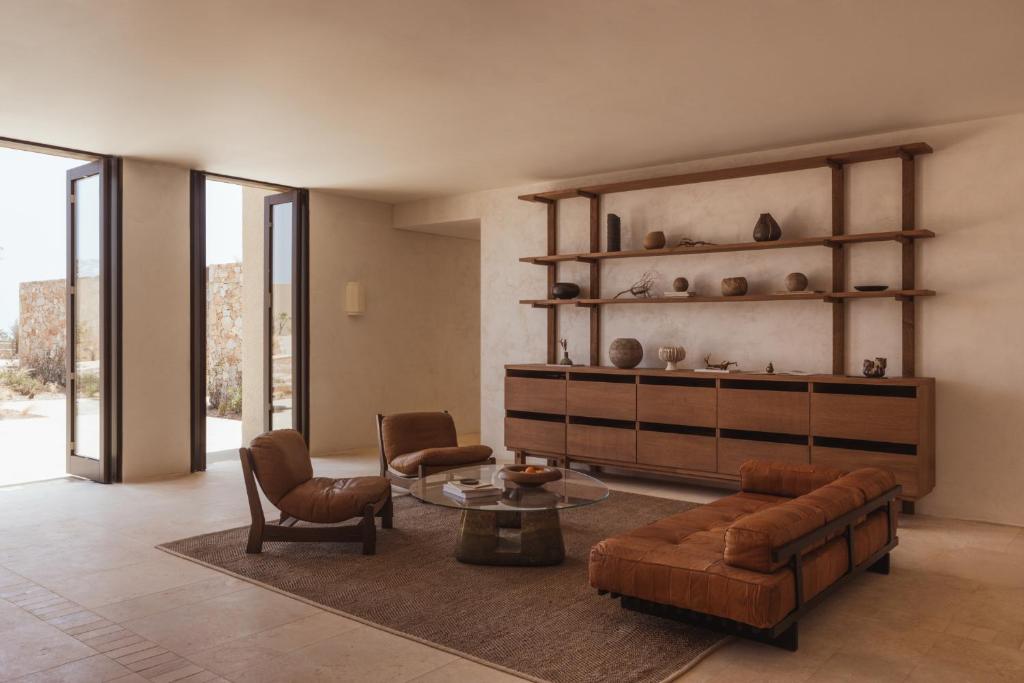
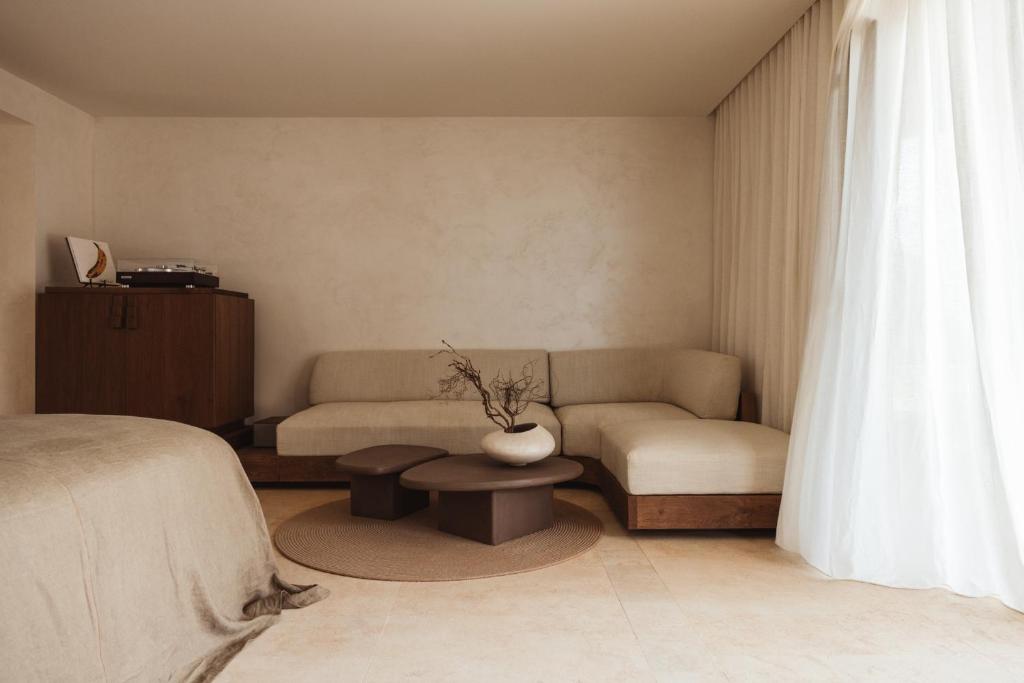
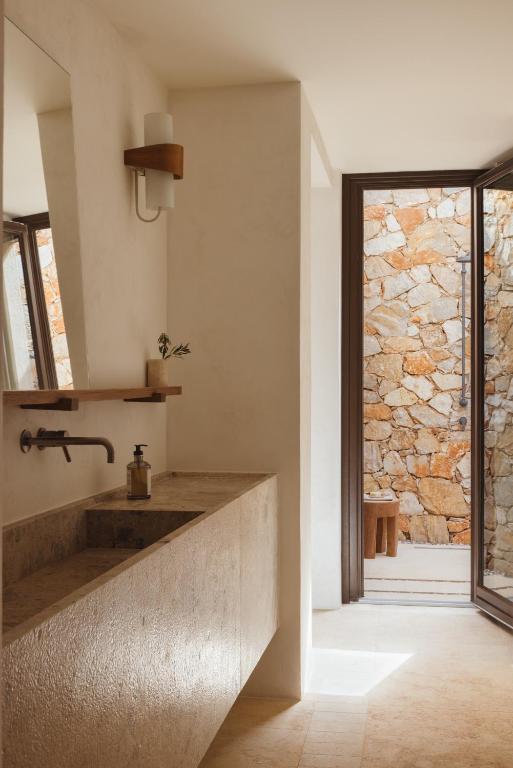
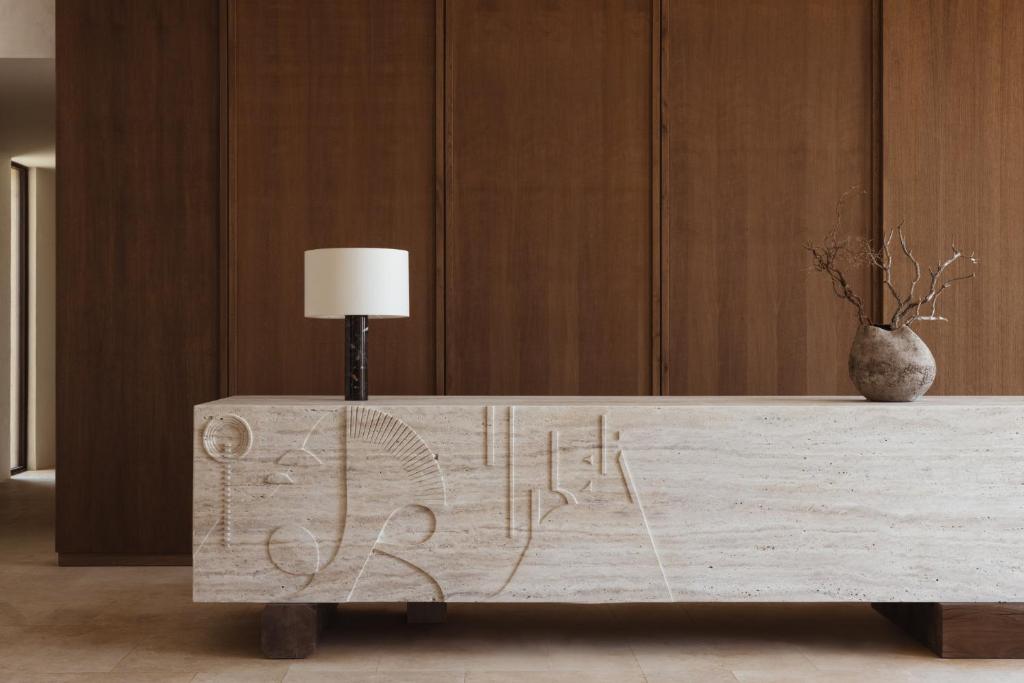
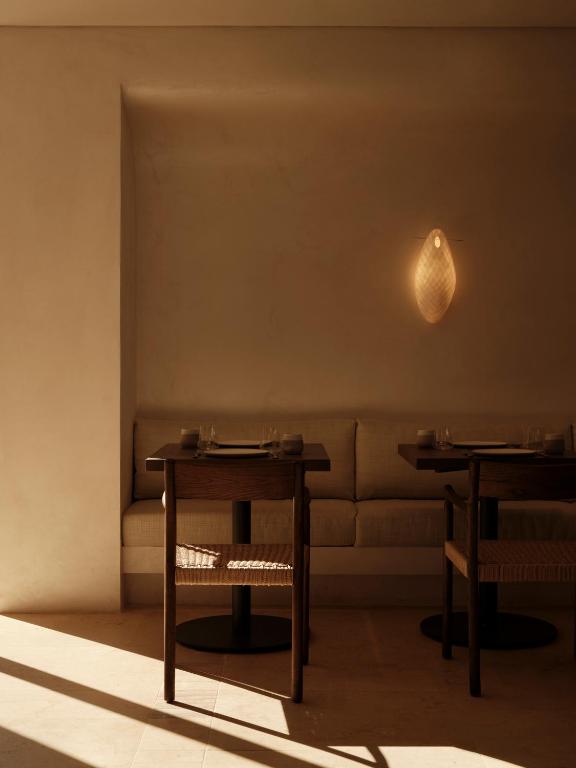
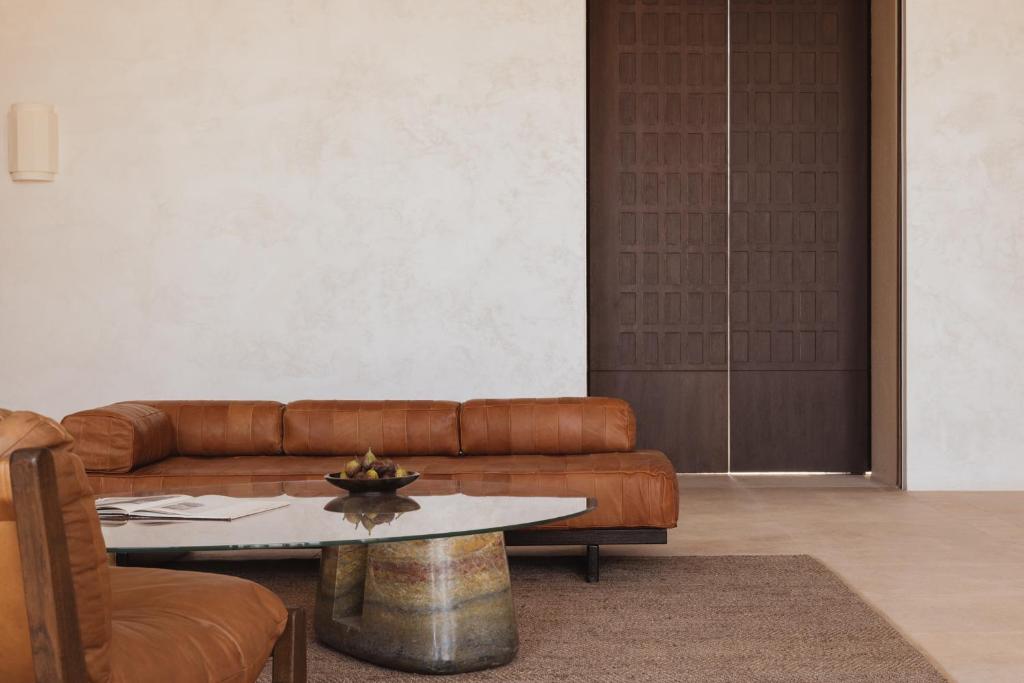
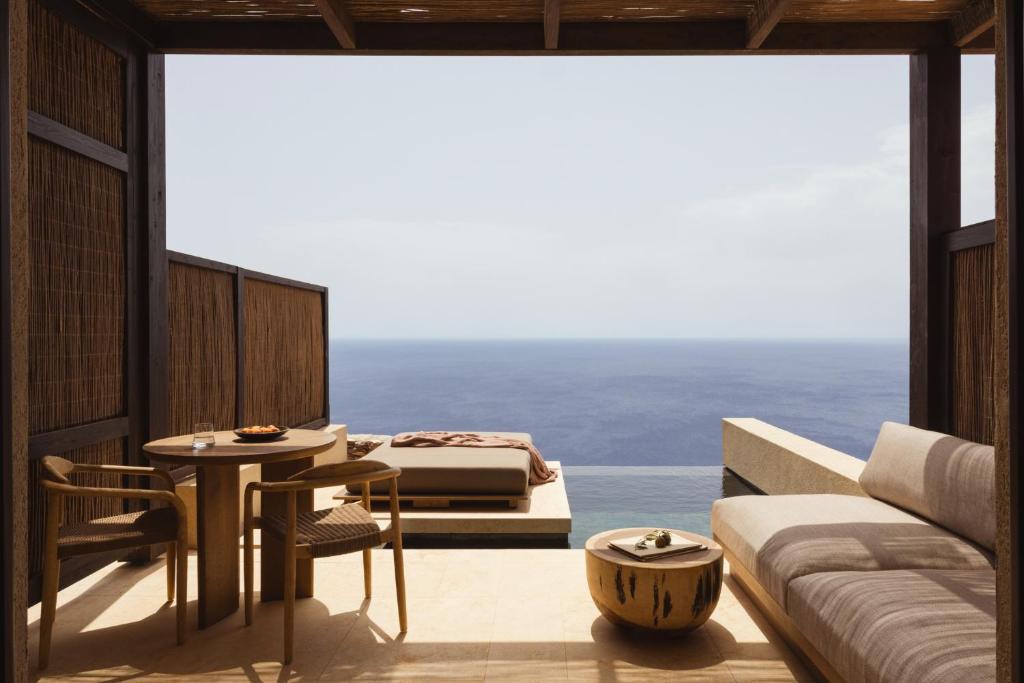
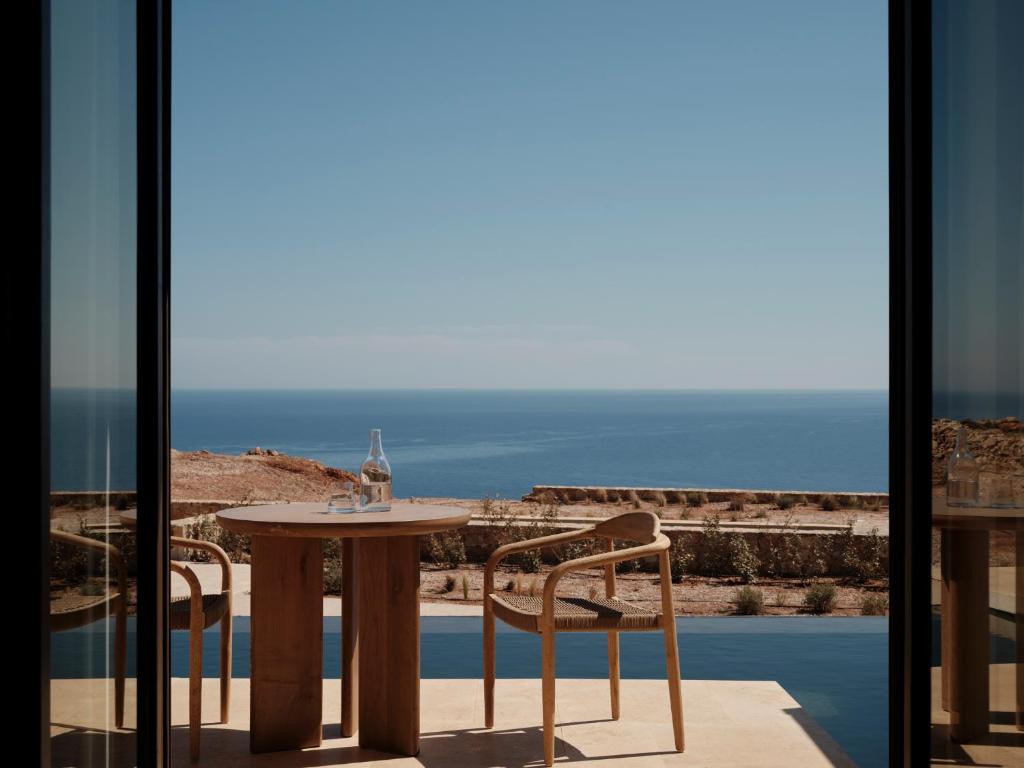
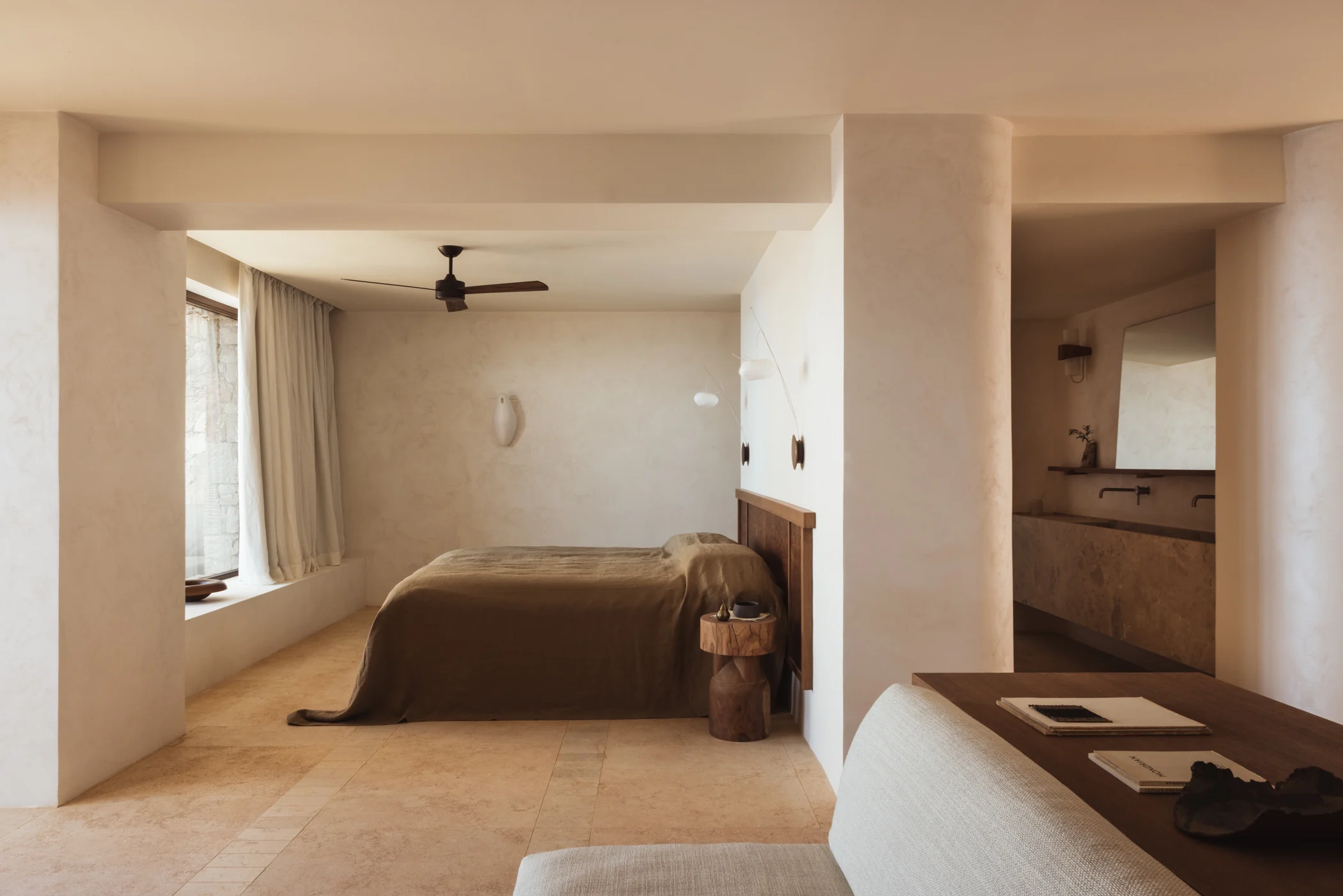
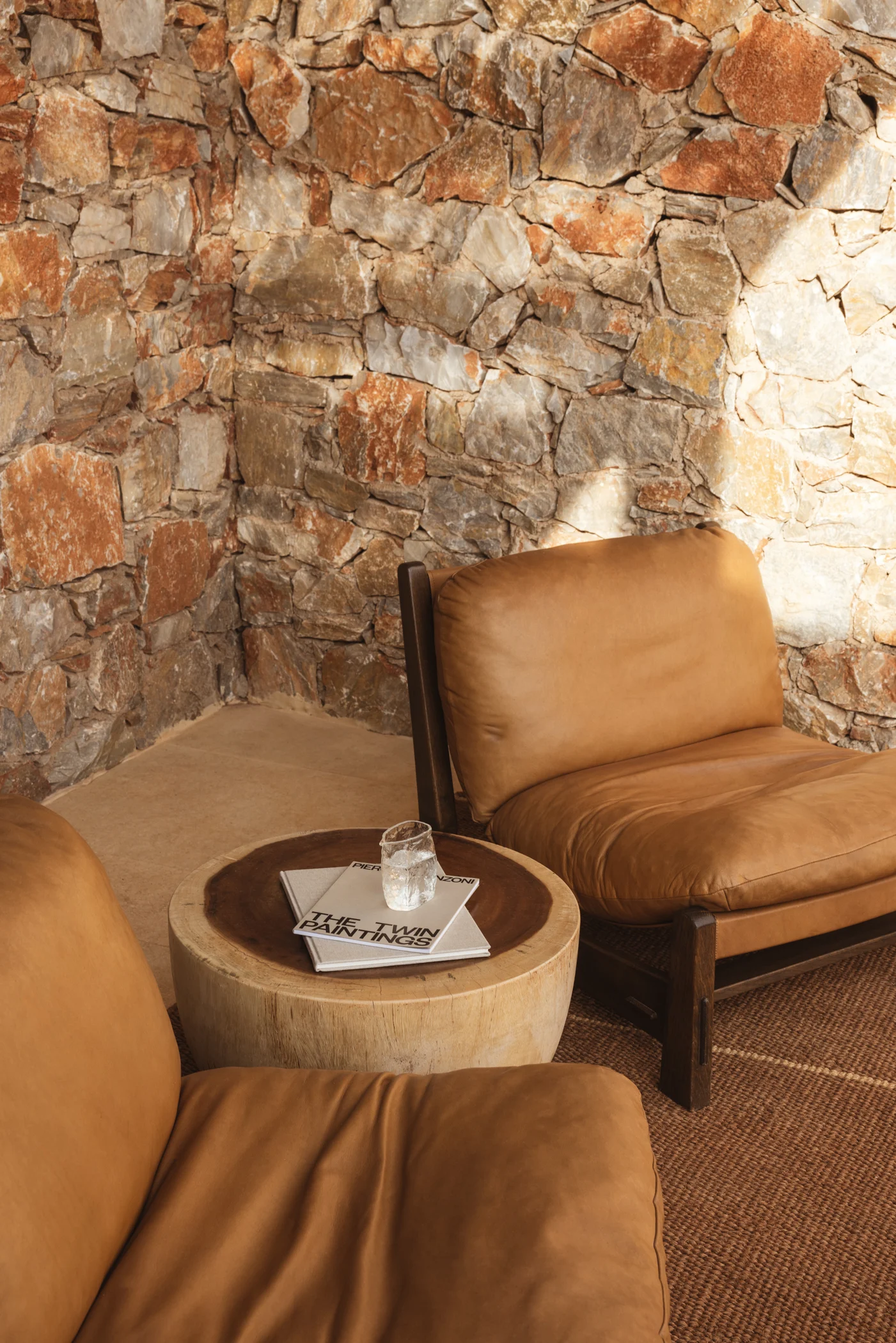
Everything at Gundari is oriented toward the sea. The resort’s 27 suites and villas are carefully positioned to maximize privacy, protect against the summer meltemi winds, and frame uninterrupted views across the water. The interiors embrace a palette of earth tones, natural stone, marble, timber, linen, and handcrafted furnishings. Unpolished marble floors, custom-made wooden furniture, paper lampshades, and woven textures create spaces that feel simultaneously refined and grounded. There is a deliberate absence of excess. Luxury here comes through space, silence, light, and landscape.
Private Pools Above the Aegean
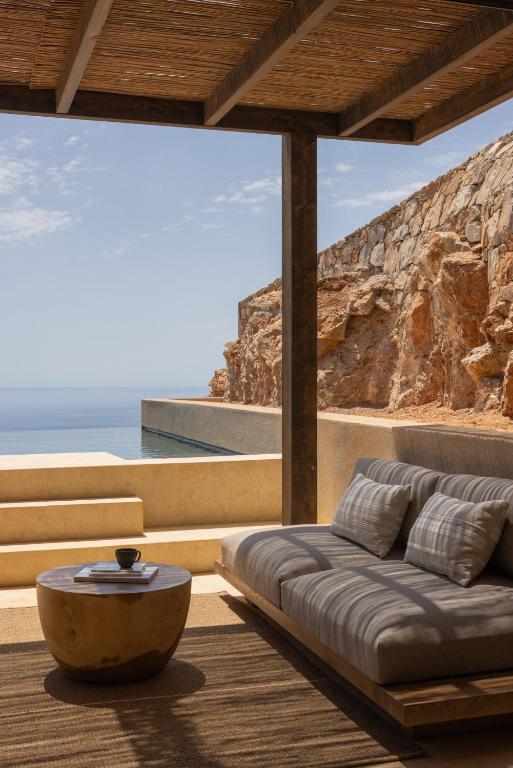
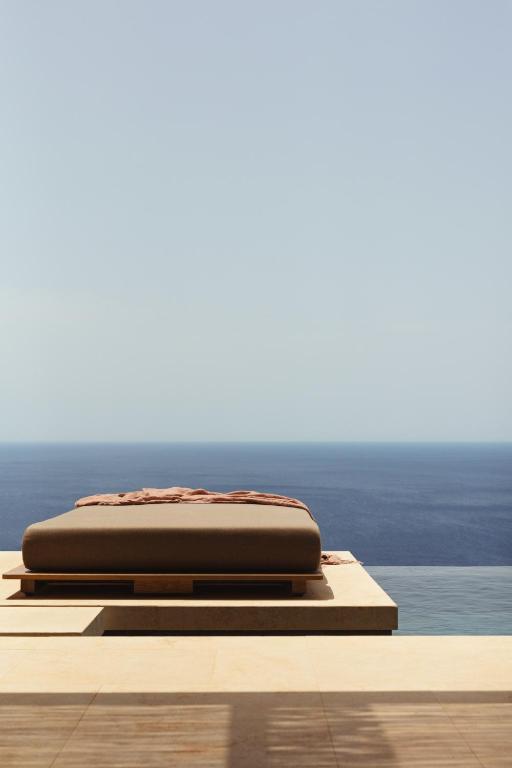
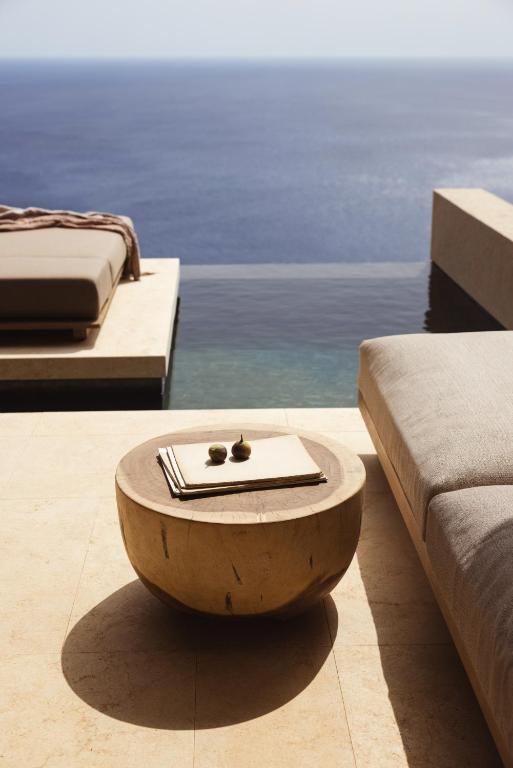
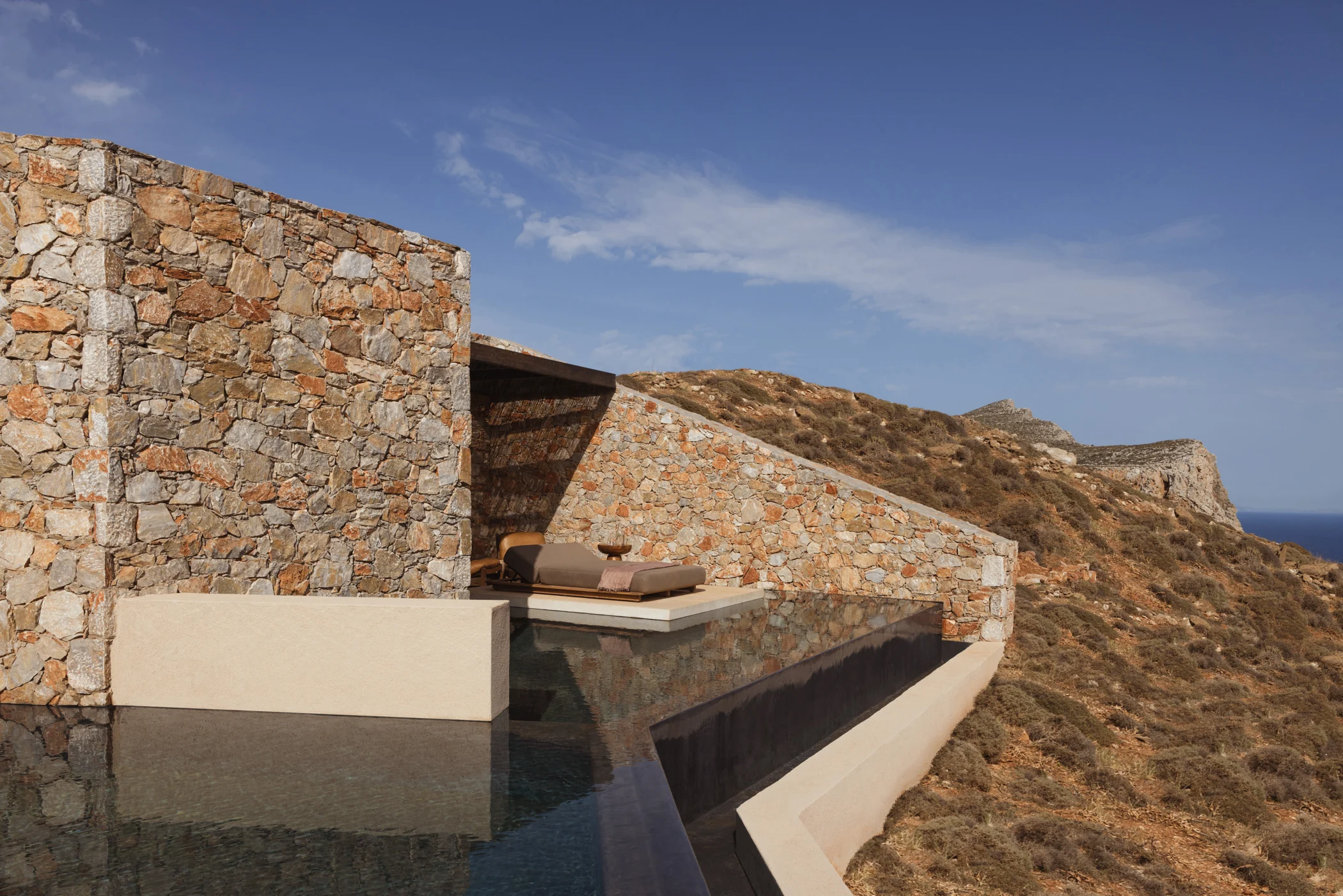
Every suite and villa includes its own solar-heated infinity pool, creating an intimate connection between accommodation and environment. In many cases, the pools appear to merge directly with the horizon, blurring the distinction between architecture and sea. Several of the most dramatic accommodations are the subterranean cave suites, built directly into the cliffside. These spaces offer a unique combination of shelter and openness, with expansive terraces overlooking the coastline. The two cliff-front villas elevate the experience further, combining large infinity pools, outdoor living spaces, jacuzzis, and extraordinary privacy.
The Luxury of Disconnection
While Gundari offers every modern comfort, the atmosphere encourages guests to engage with the island rather than retreat from it. Days begin with sunrise views over the Aegean and often unfold slowly between private terraces, the cliffside infinity pool, the swim-up bar, and the resort’s organic farm. The rhythm feels intentionally unhurried, shaped more by nature than by schedules. Even the public spaces reinforce this philosophy. The reception resembles a sophisticated living room rather than a traditional hotel lobby, while vinyl records, carefully selected books, and handcrafted details contribute to a deeply residential atmosphere.
A New Culinary Destination
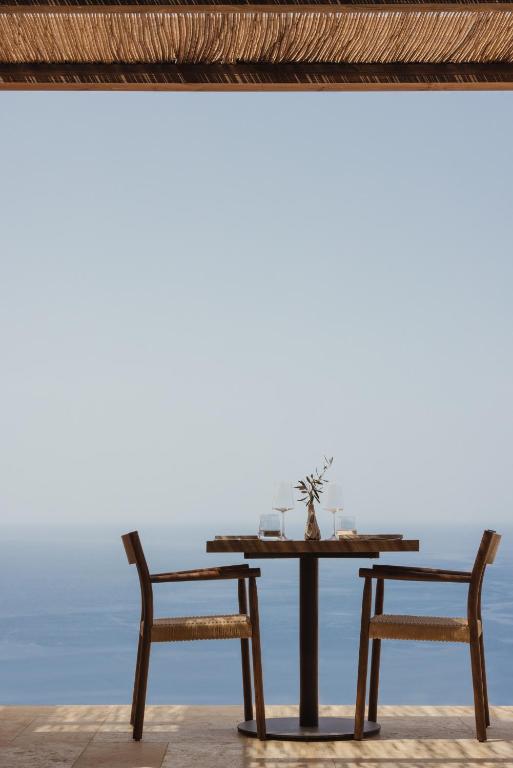
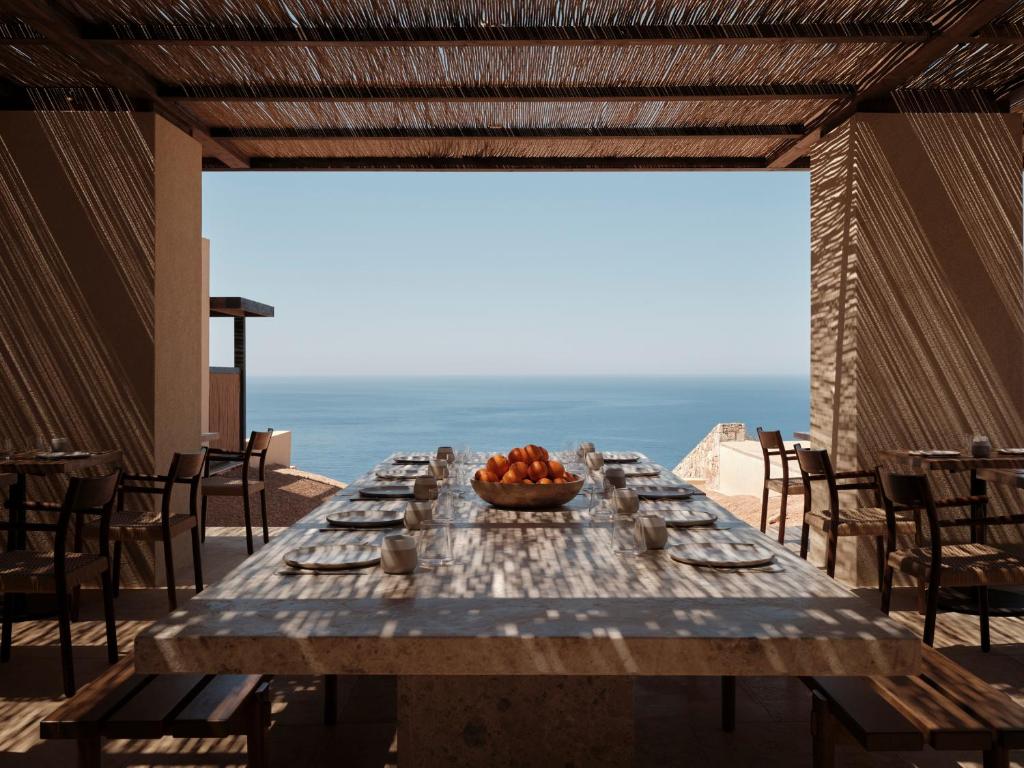
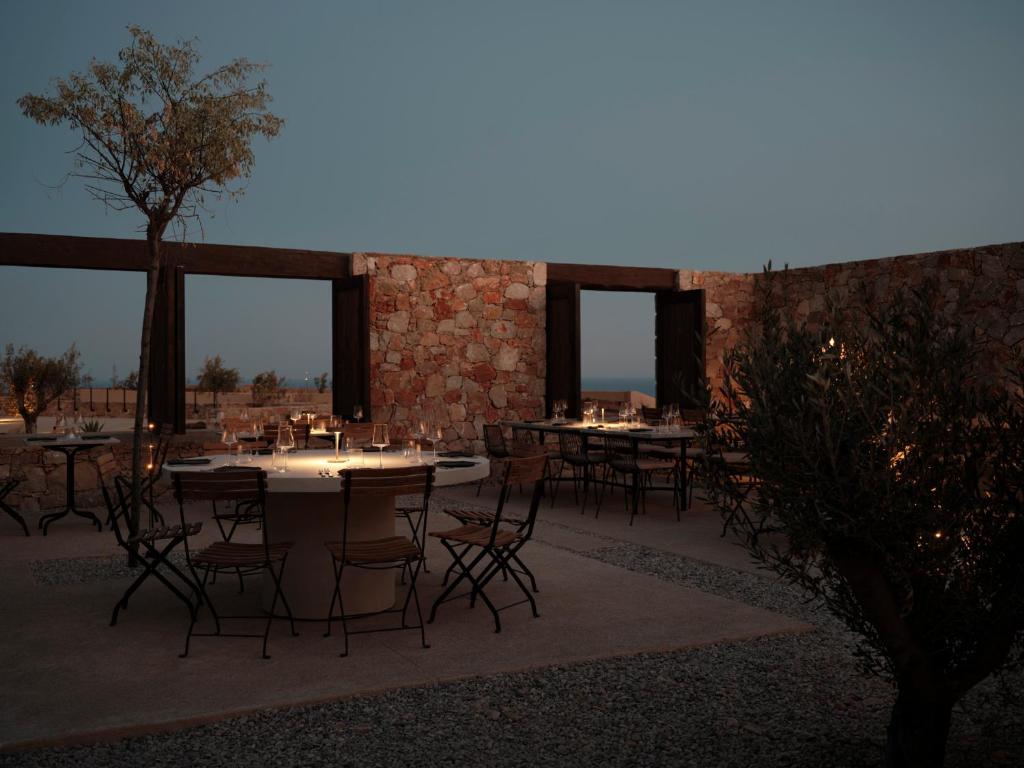
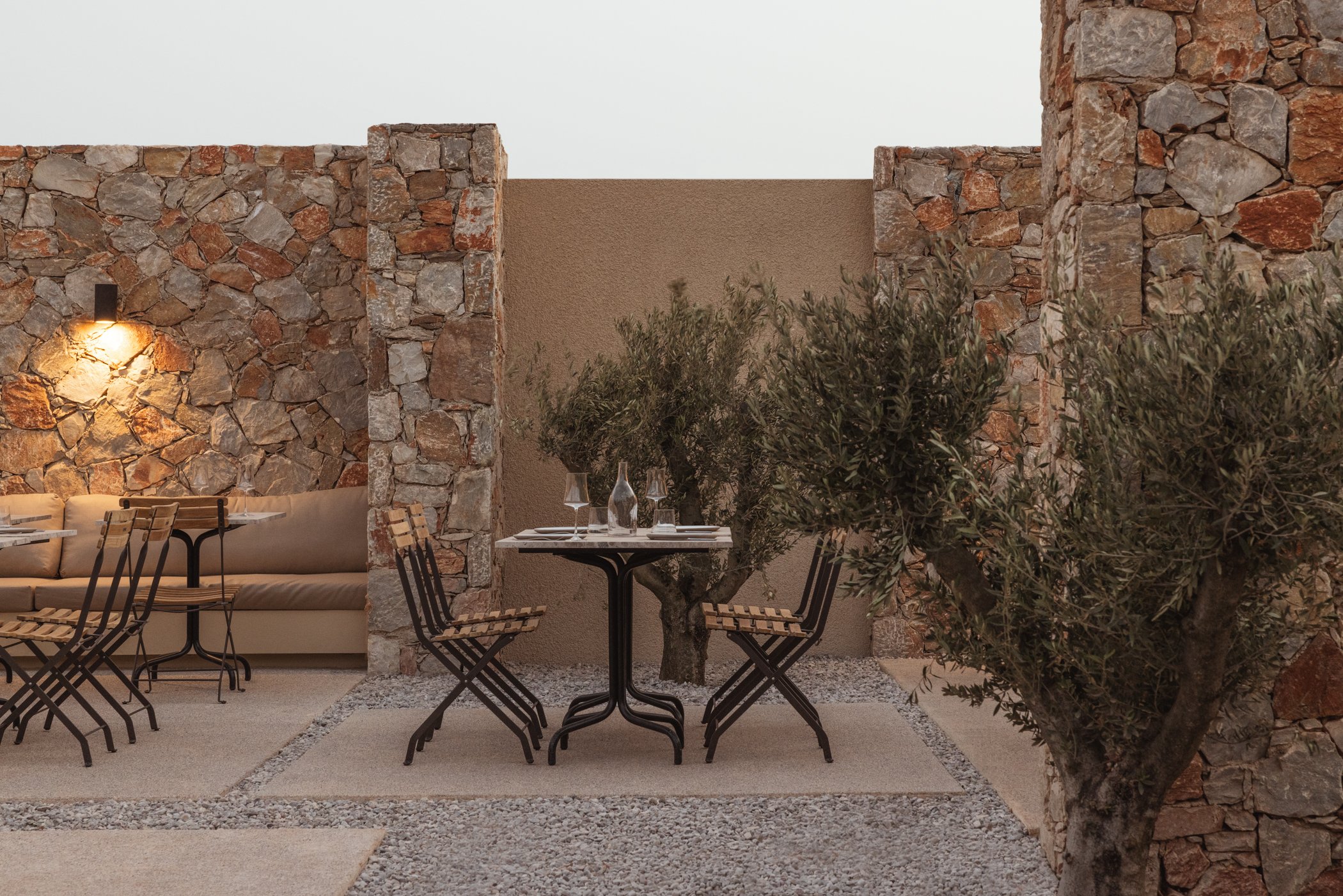
Food forms a central part of the Gundari experience. The resort’s culinary program is led by Lefteris Lazarou, Greece’s first Michelin-starred chef, whose menus celebrate local ingredients and the traditions of the Cyclades. At Orizon Restaurant & Bar, seafood takes center stage, complemented by produce sourced from the island and the hotel’s own organic farm. Dishes balance refinement with simplicity, allowing ingredients to remain the focus. The beverage program is equally impressive. Cocktails have been developed in collaboration with the acclaimed Line Athens, bringing one of Greece’s most celebrated bar concepts to one of its most remote islands.
Wellness Beneath the Cliffs
Built directly into the landscape, Gundari’s subterranean spa offers one of the most dramatic wellness settings in the Cyclades. Treatment rooms overlook the sea, while hydrotherapy facilities, yoga sessions, meditation programs, and holistic therapies draw inspiration from the island’s natural environment. Australian wellness director Naomi Gregory has developed a program that incorporates local herbs, energy healing, sound baths, aromatherapy rituals, and visiting practitioners throughout the season. The emphasis remains firmly on restoration rather than performance.
Built with Purpose
Sustainability was integrated into Gundari from the earliest stages of development. Solar power provides hot water and pool heating, while energy-efficient heat pumps reduce overall consumption. Wastewater is recycled for irrigation, lighting has been carefully designed to minimize light pollution, and the entire vehicle fleet is electric. Perhaps most impressive is the project’s ecological restoration effort. Before construction began, more than six hundred native plants were carefully removed, nurtured off-site, and later replanted throughout the property. Partnerships with environmental specialists also help protect local wildlife, including endangered birds that nest along the surrounding cliffs. The commitment feels genuine, not promotional.
The Future of Cycladic Luxury
Many luxury resorts promise escape. Gundari delivers something rarer: immersion. It invites guests into the rhythms, landscapes, and traditions of an island that has largely resisted mass tourism while introducing a level of design and hospitality rarely found in such remote locations. The result feels less like a resort and more like a contemporary interpretation of the Cyclades themselves—rugged yet refined, ancient yet modern, deeply luxurious yet wonderfully uncomplicated. For travelers seeking the next chapter of Greek island hospitality, Gundari may well be the future.