Hôtel du Couvent, Nice
The French Riviera’s most soulful retreat—where a centuries-old convent, Roman baths, and monastic calm create a new kind of luxury.
Why DNA Hotels Loves It
● One of Europe’s most extraordinary adaptive-reuse projects, transforming a forgotten 17th-century convent into a sanctuary of silence, beauty, and contemplation.
● Studio Mumbai, Studio Méditerranée, and Festen have created a masterclass in understated luxury, where history, craftsmanship, and simplicity take precedence over spectacle.
● A rare Riviera hotel that replaces beach-club glamour with gardens, Roman baths, herbal remedies, fresh bread, and a profound sense of place.
A Convent Reborn
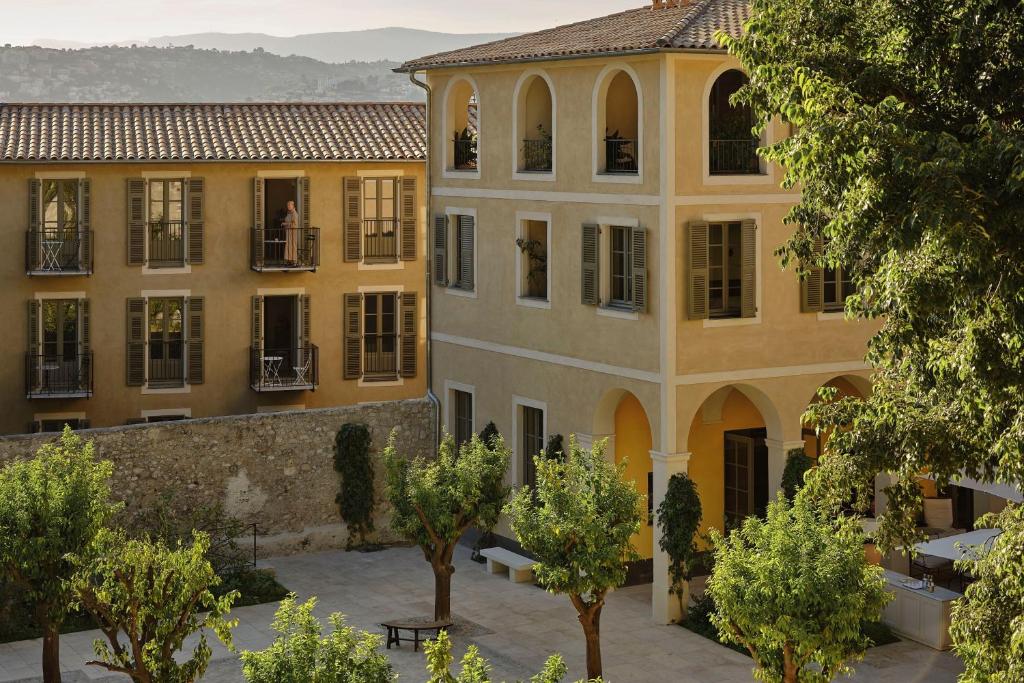
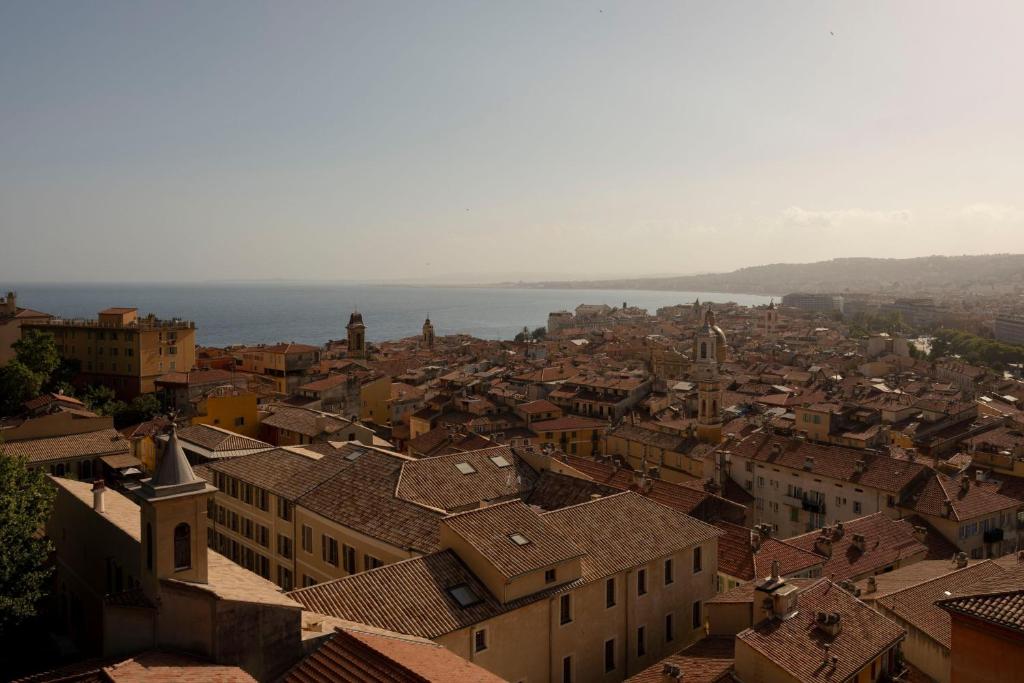
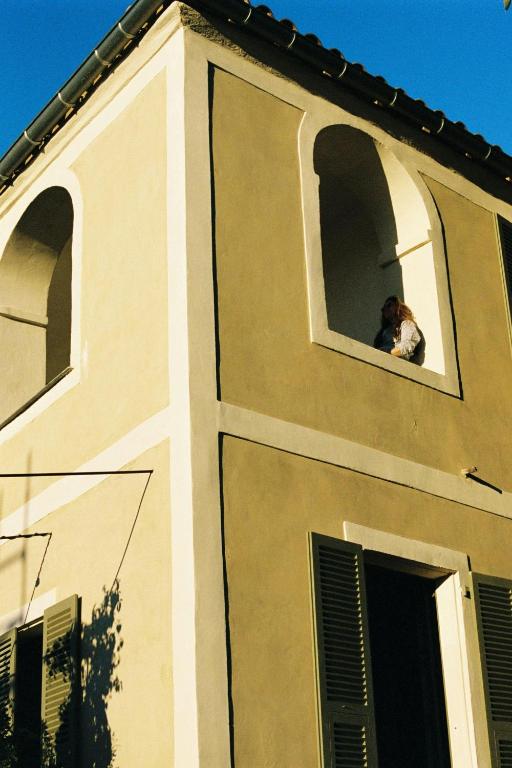
Hidden within the winding alleys of Nice’s Old Town, Hôtel du Couvent feels less like a hotel and more like a rediscovered world. Originally founded in 1604 for the Order of Saint Claire and later occupied by the Visitation sisters, the convent spent centuries as a place of devotion before gradually falling into decline. After standing abandoned for years, the historic complex has been meticulously revived by hotelier Valéry Grégo, who spent more than a decade transforming it into one of the most remarkable hotel projects in Europe. Rather than imposing a new identity on the site, the restoration celebrates the building’s original spirit. What emerges is neither museum nor monastery, but a deeply atmospheric retreat where history remains present in every stone, corridor, and courtyard.
Architecture of Restraint
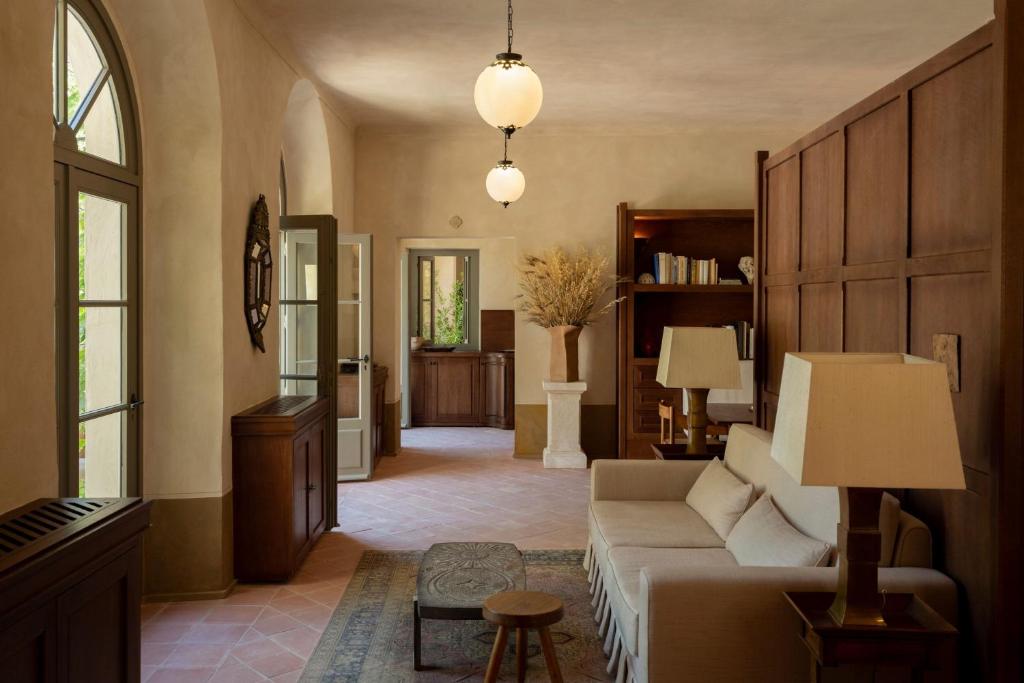
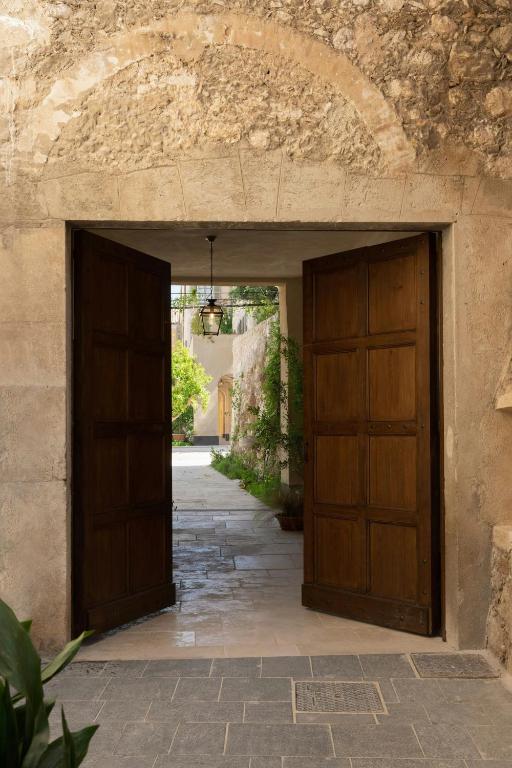
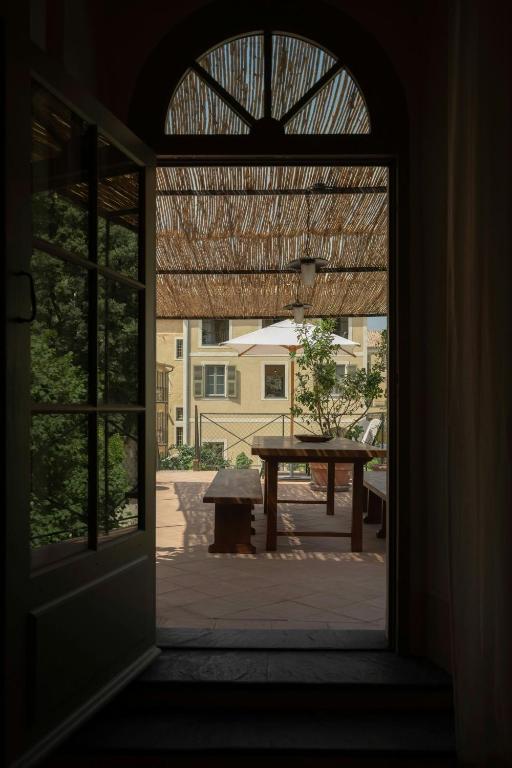
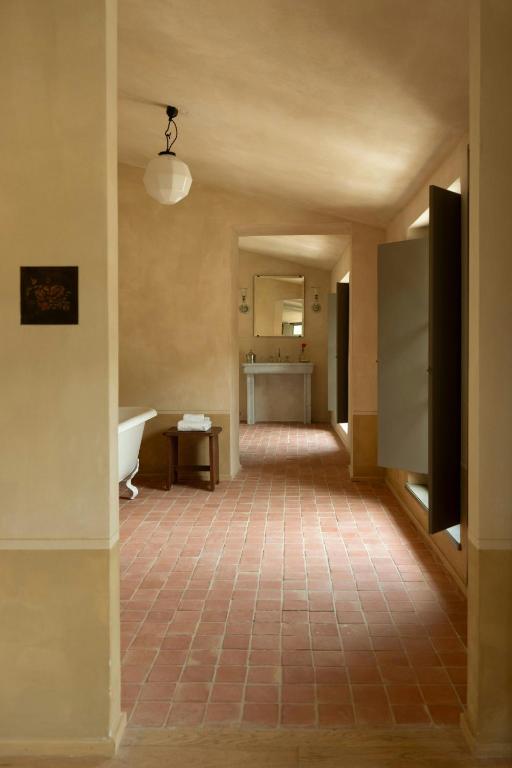
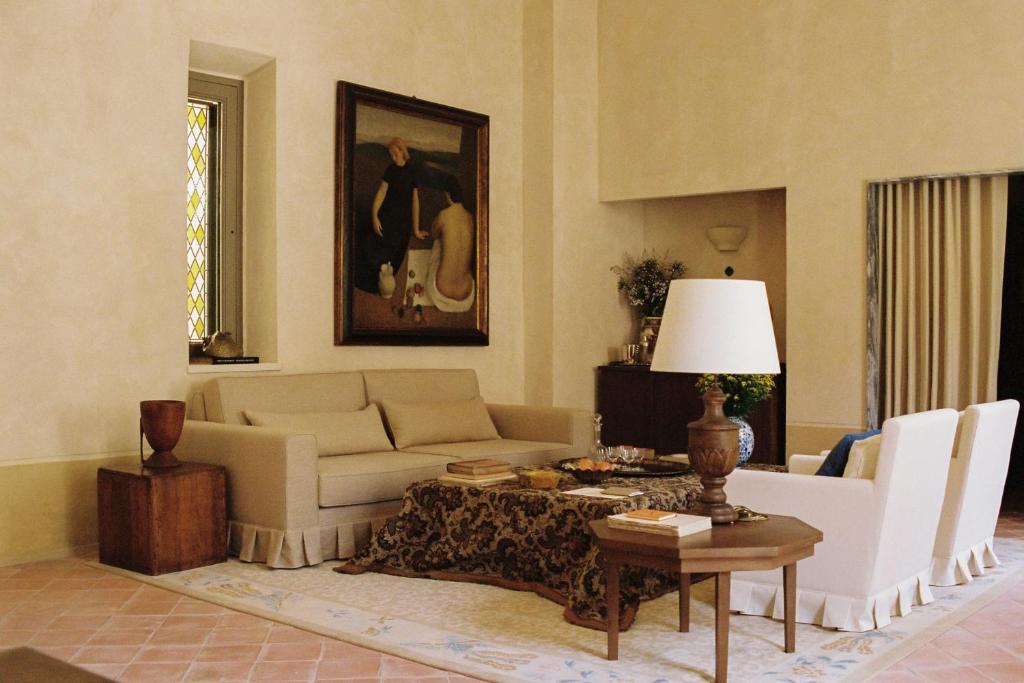
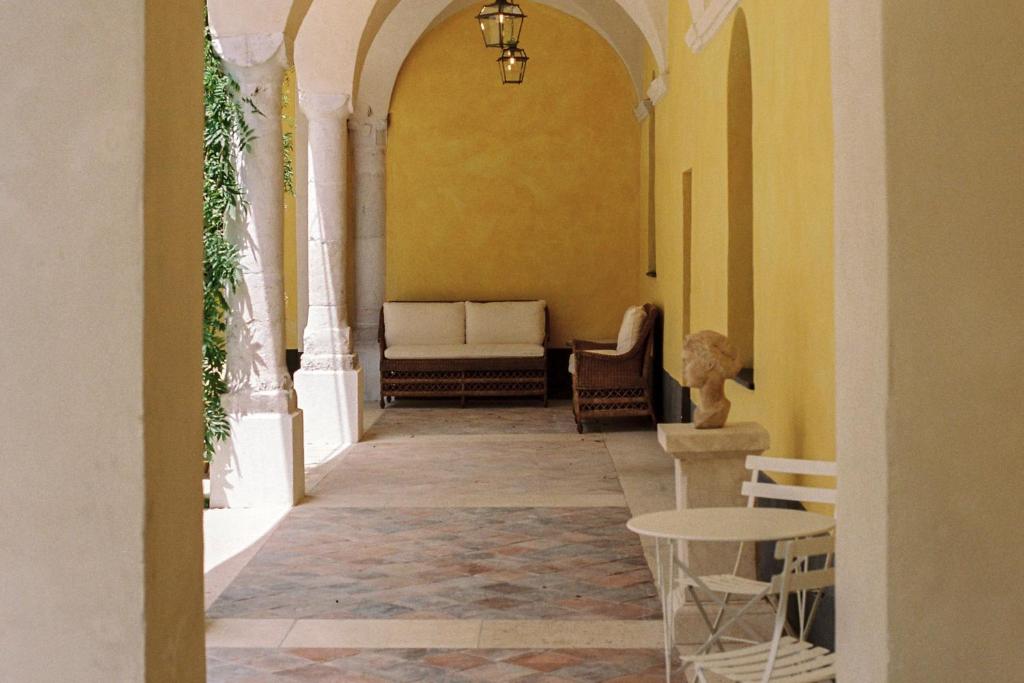
Working alongside Studio Méditerranée, architects Studio Mumbai approached the project with unusual sensitivity. Original stone walls, timber beams, terracotta floors, lime-washed surfaces, and centuries-old architectural details were painstakingly restored. Materials recovered from the convent itself were reused wherever possible, honoring the practical resourcefulness that defined monastic life for generations. There is no grand lobby designed for Instagram moments. Instead, guests arrive through a sequence of gravel courtyards, vaulted cloisters, hidden passageways, and garden terraces that reveal themselves gradually. The experience feels almost cinematic, unfolding one space at a time. The architecture never seeks attention. It simply creates the conditions for calm.
Rooms Designed for Stillness
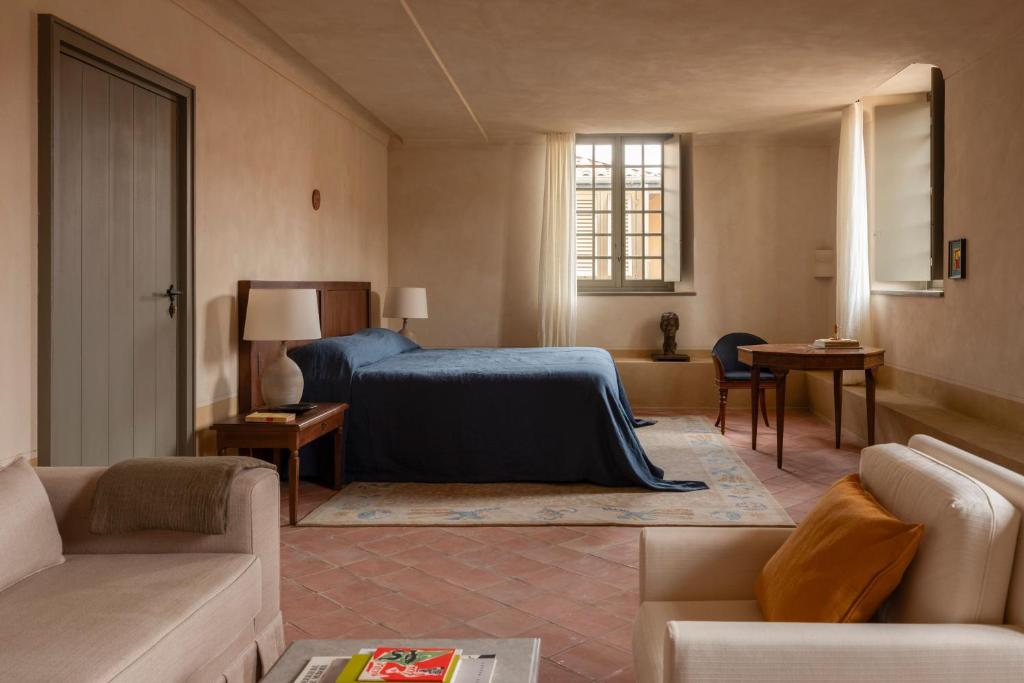
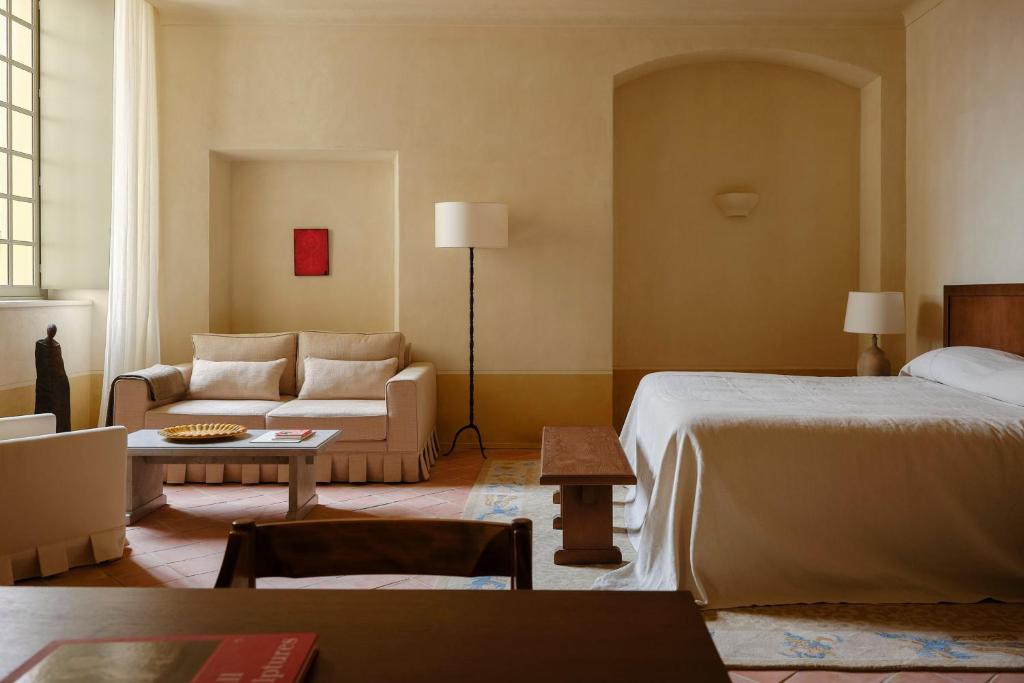
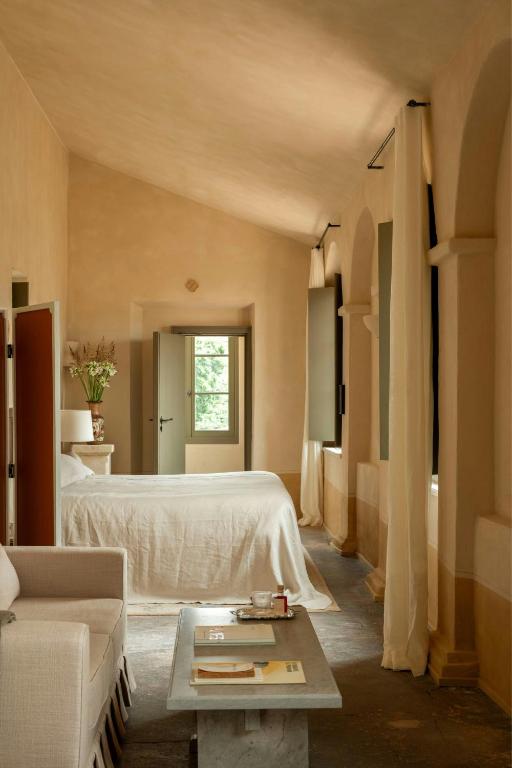
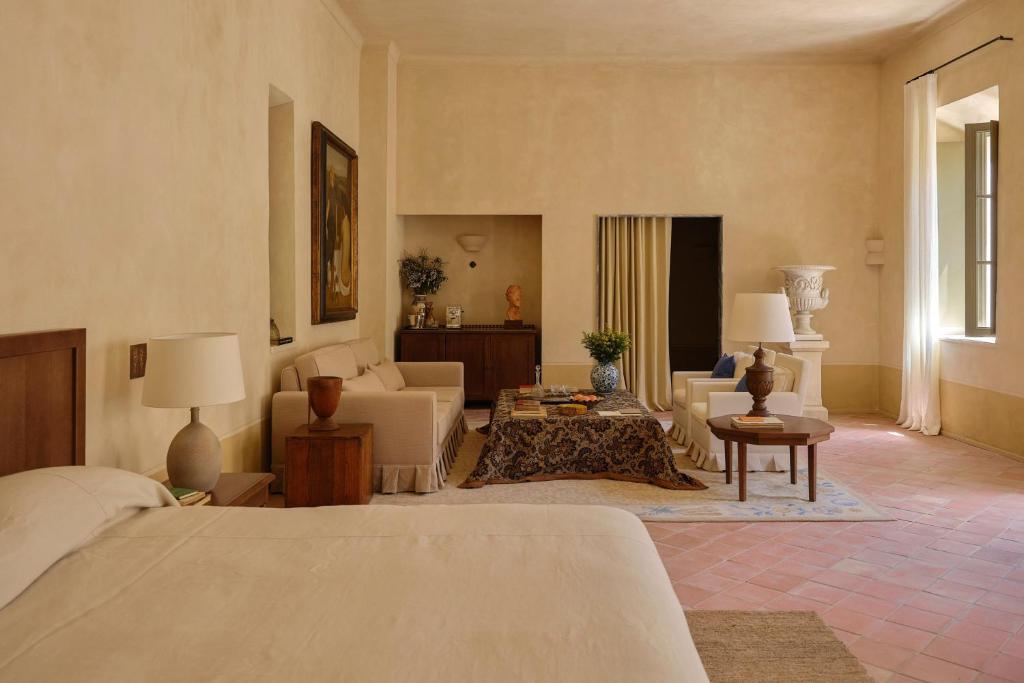
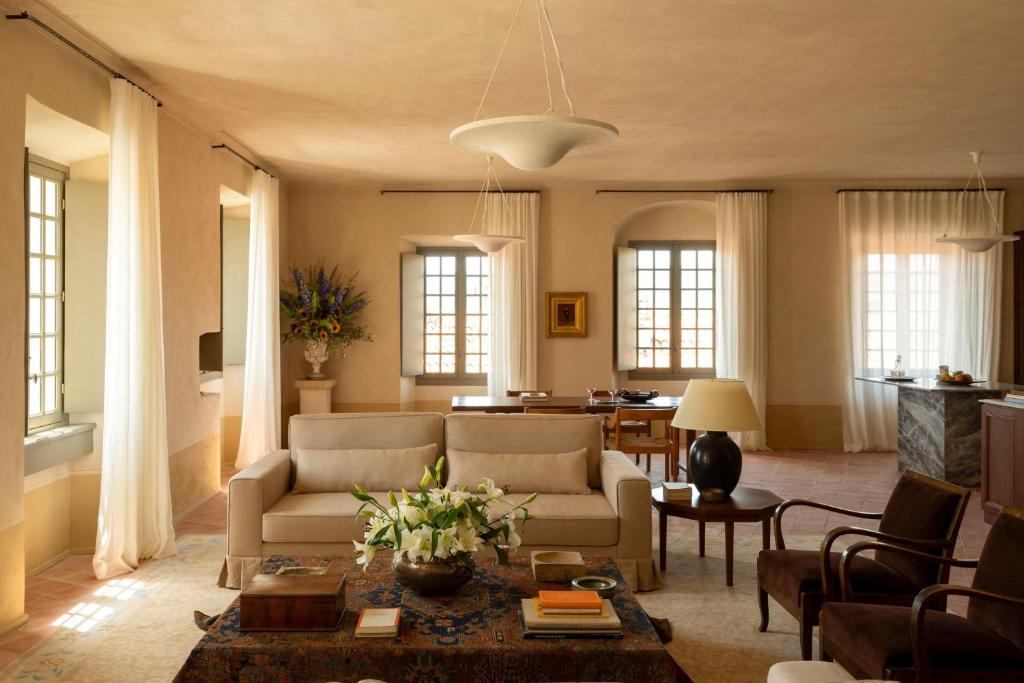
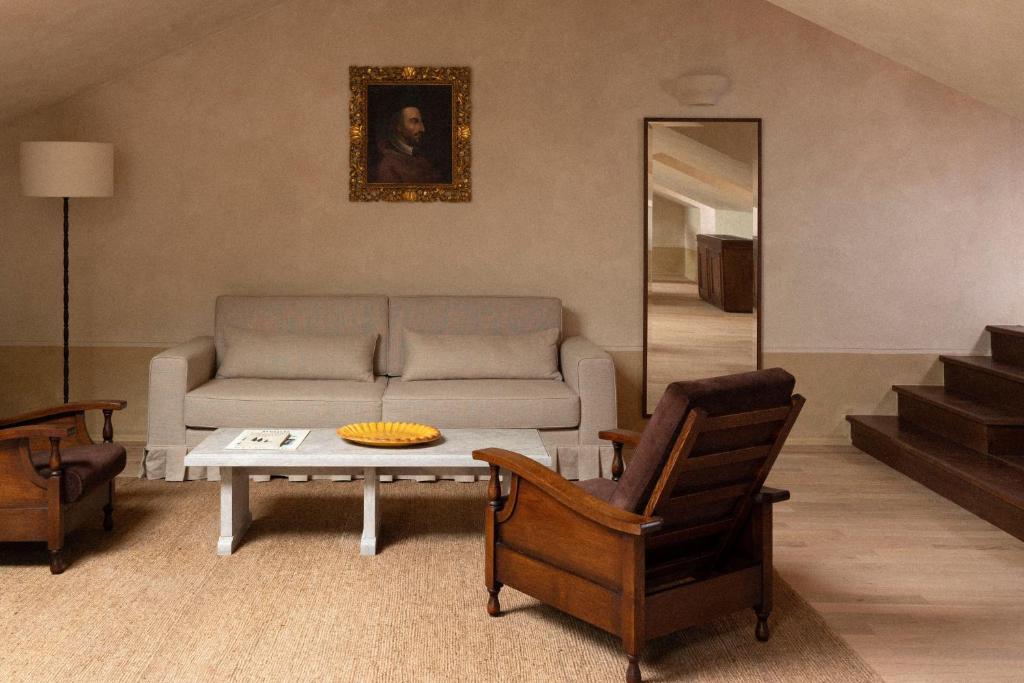
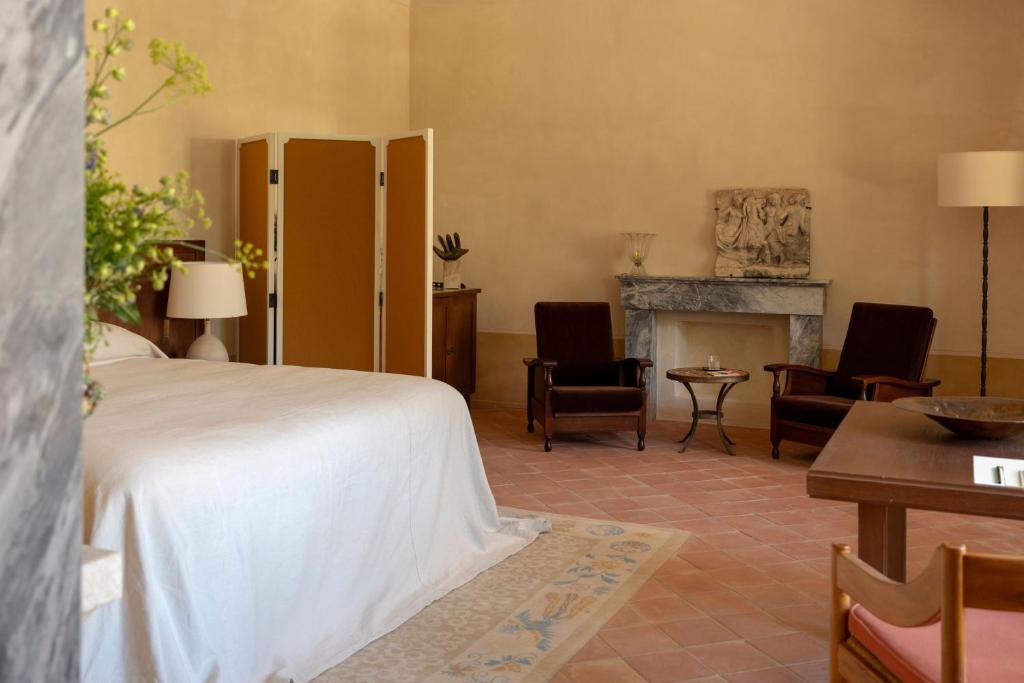
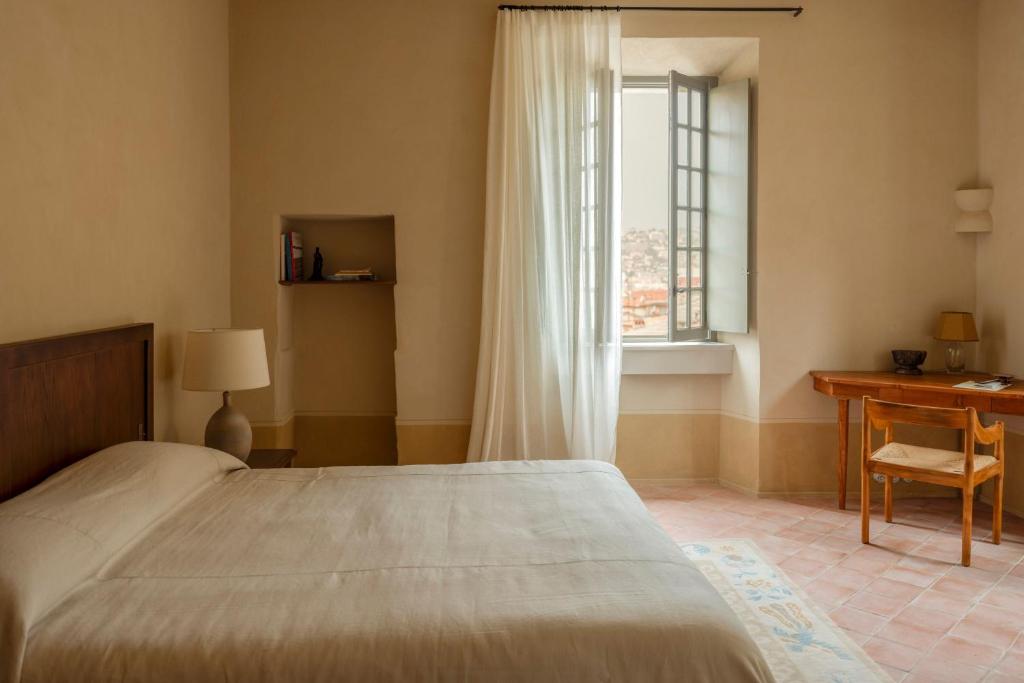
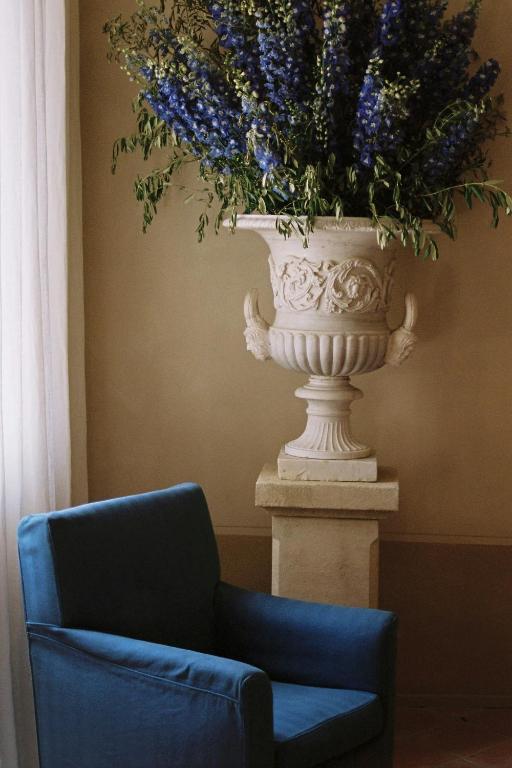
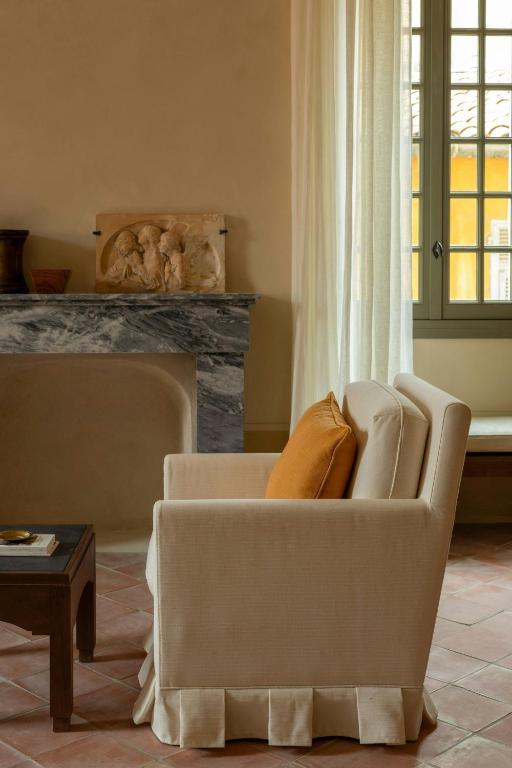
The hotel’s 88 rooms and suites, created by Paris-based design studio Festen, continue the same philosophy of quiet elegance. Many occupy former nun’s cells and historic convent spaces, where thick walls, high ceilings, and deep-set windows create an immediate sense of tranquility. Antique furniture sourced across Europe sits comfortably beside custom pieces crafted from reclaimed timber salvaged during the restoration. Desks fashioned from centuries-old beams, handmade ceramics, stone sinks inspired by holy-water fonts, and natural textiles reinforce a feeling of timelessness. The palette remains intentionally restrained: warm ochres, muted creams, weathered woods, and soft earth tones drawn directly from the original convent. Nothing feels decorative for the sake of decoration. Every element exists because it belongs.
Gardens Above the City
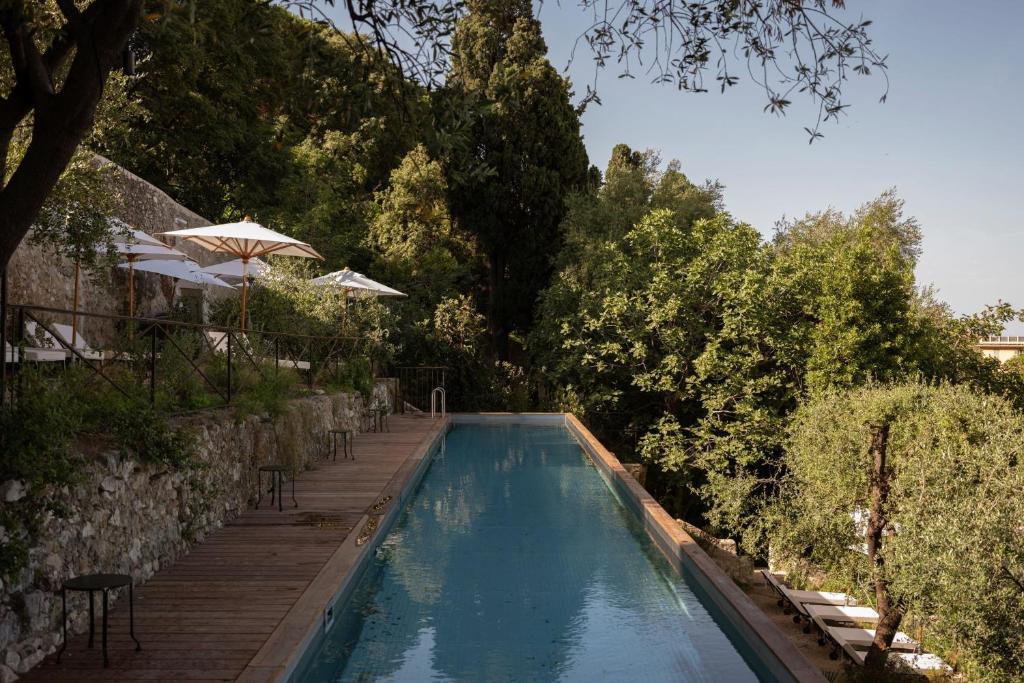
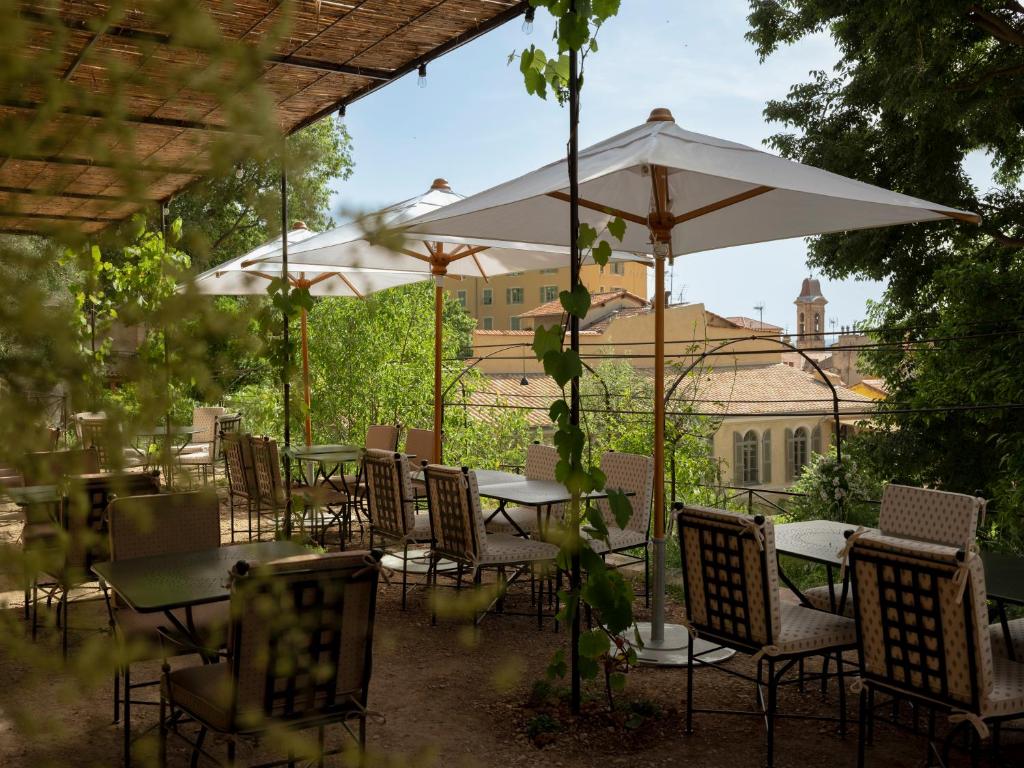
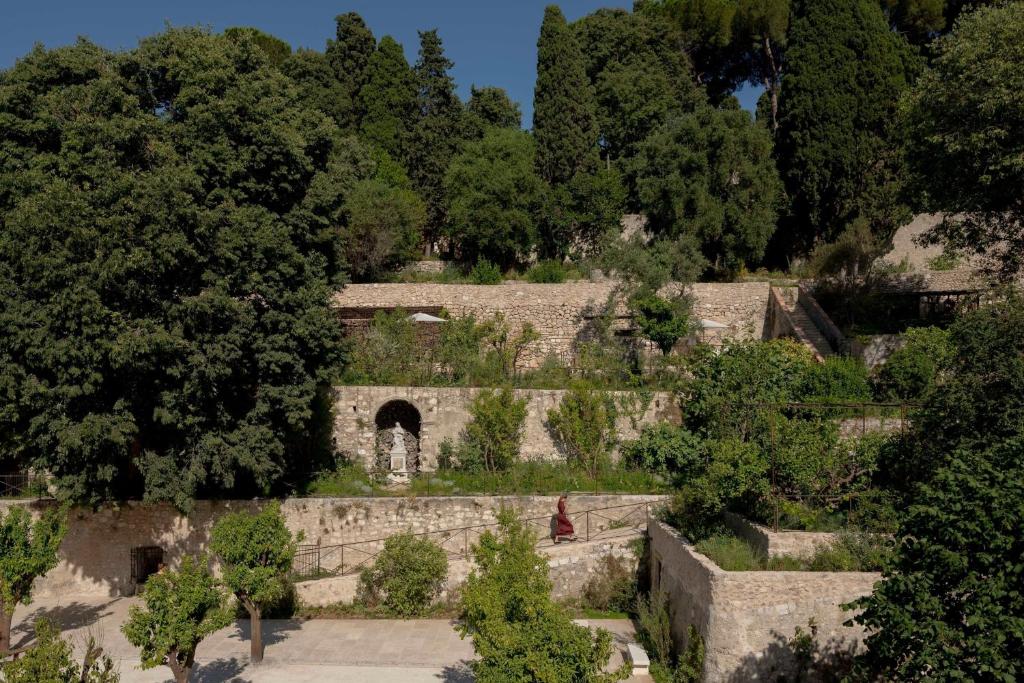
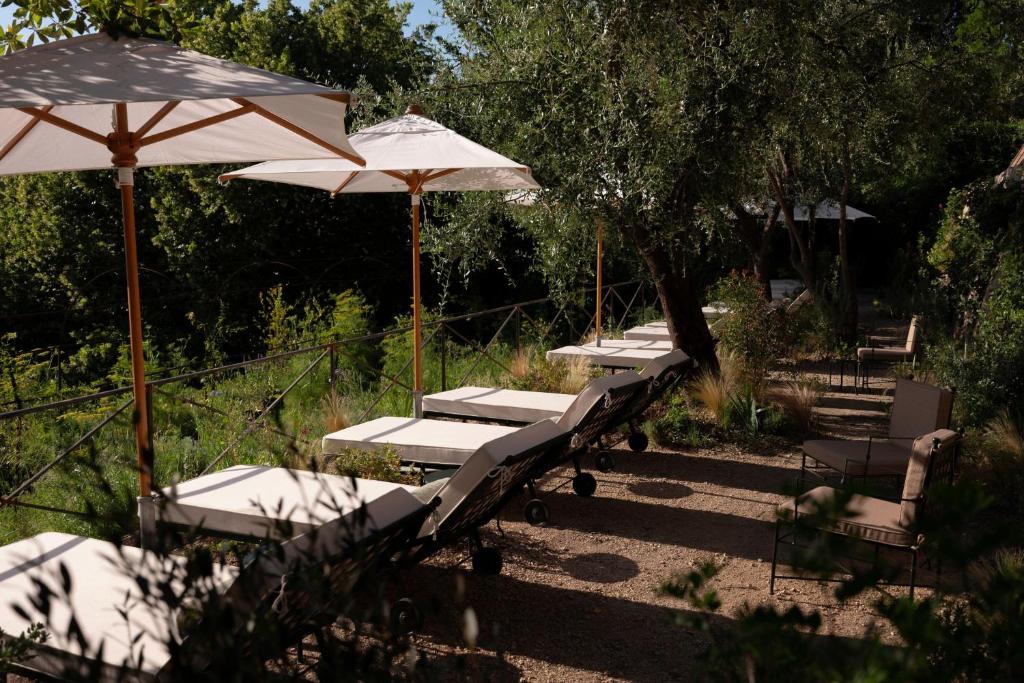
One of Hôtel du Couvent’s greatest luxuries lies outdoors. Spread across more than two-and-a-half acres, the terraced gardens form a hidden oasis above Nice’s bustling streets. Olive trees, citrus groves, medicinal herbs, vegetable gardens, flowers, and more than 300 plant species create a landscape that feels worlds away from the Riviera’s beach clubs and marinas. Stone pathways wind through orchards and gardens. Water trickles through historic channels. Herbs perfume the air. Many of the plants are harvested for the hotel’s restaurants, bakery, bar, and resident herbalist, creating a direct connection between landscape and daily life. This is not a decorative garden. It is a living ecosystem.
Roman Baths Reimagined
Beneath the convent lies one of the hotel’s most extraordinary spaces: a contemporary interpretation of the Roman baths that once defined life along the Mediterranean. Clad in creamy Italian Thala stone, the thermal circuit unfolds through a sequence of pools and chambers inspired by ancient bathing rituals. Guests move between warm tepidariums, hot caldariums, steam-filled hammams, and invigorating cold plunges. Above the main pool, a dramatic circular oculus opens the space to the sky, bringing natural light deep underground. Unlike many modern spas, these baths feel elemental rather than luxurious. The focus is not on treatments but on ritual, restoration, and the simple pleasure of slowing down.
From Farm to Table
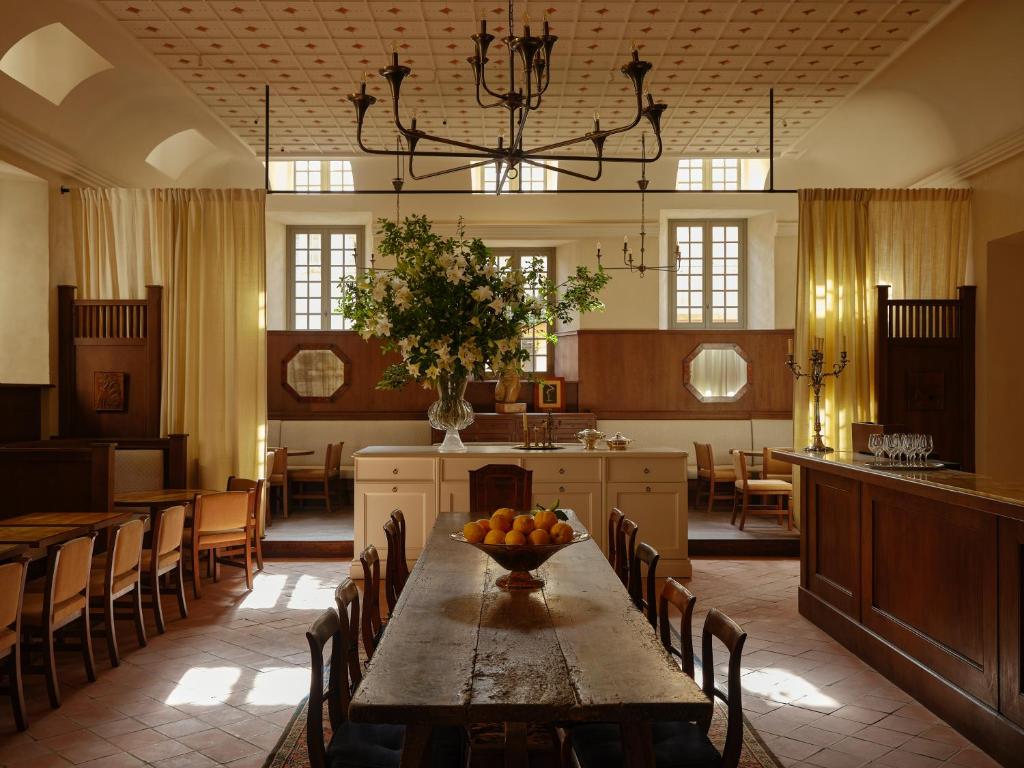
Food at Hôtel du Couvent follows the same philosophy as the architecture: honest, seasonal, and deeply rooted in place. Many ingredients come directly from the hotel’s own organic farm in the Var Valley, allowing the kitchens to work closely with the rhythms of nature. Across three restaurants, menus celebrate Provence and the Mediterranean through fresh vegetables, herbs, olive oils, seafood, and regional specialties prepared with confidence rather than complication. The bakery has already become a destination in its own right. Flour is milled on-site, bread is baked daily, and locals queue for fresh loaves and madeleines. Even the wine cellar reflects the hotel’s values, focusing heavily on natural wines and independent producers.
A Different Riviera
What makes Hôtel du Couvent so compelling is its refusal to follow the traditional Côte d’Azur formula. There are no superyachts, no beach-club theatrics, and no attempt to compete with the glamour of Cannes or Saint-Tropez. Instead, the hotel offers something increasingly rare: silence. A library filled with art books. A resident herbalist preparing bespoke infusions. Farmers’ markets bringing together locals and guests. Gardens where entire afternoons disappear unnoticed. Luxury here is measured not by excess, but by intention.
Nice’s Most Meaningful Hotel
Hôtel du Couvent succeeds because it understands the difference between preservation and revival. The convent has not been frozen in time. It has been carefully reawakened. Studio Mumbai, Studio Méditerranée, Festen, and Valéry Grégo have created a hotel that feels simultaneously historic and contemporary, sacred and welcoming, simple and deeply luxurious. In a region often associated with spectacle, Hôtel du Couvent offers something far more valuable: a place to slow down, reconnect, and rediscover the luxury of stillness.