Hyatt Regency San Francisco: Brutalist Spectacle on the Embarcadero
Portman geometry, record-breaking volume, and a retro-futurist atrium that still stuns.
A Reinvention in Portman’s Modernist Cathedral
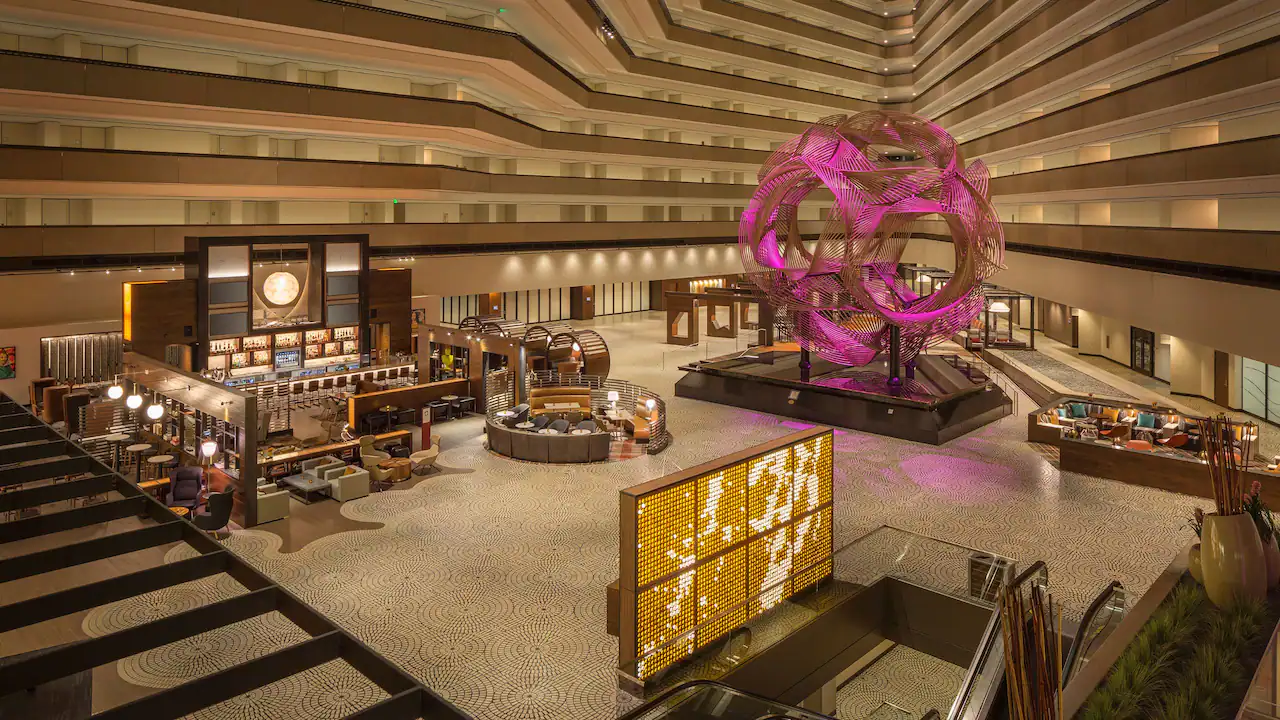
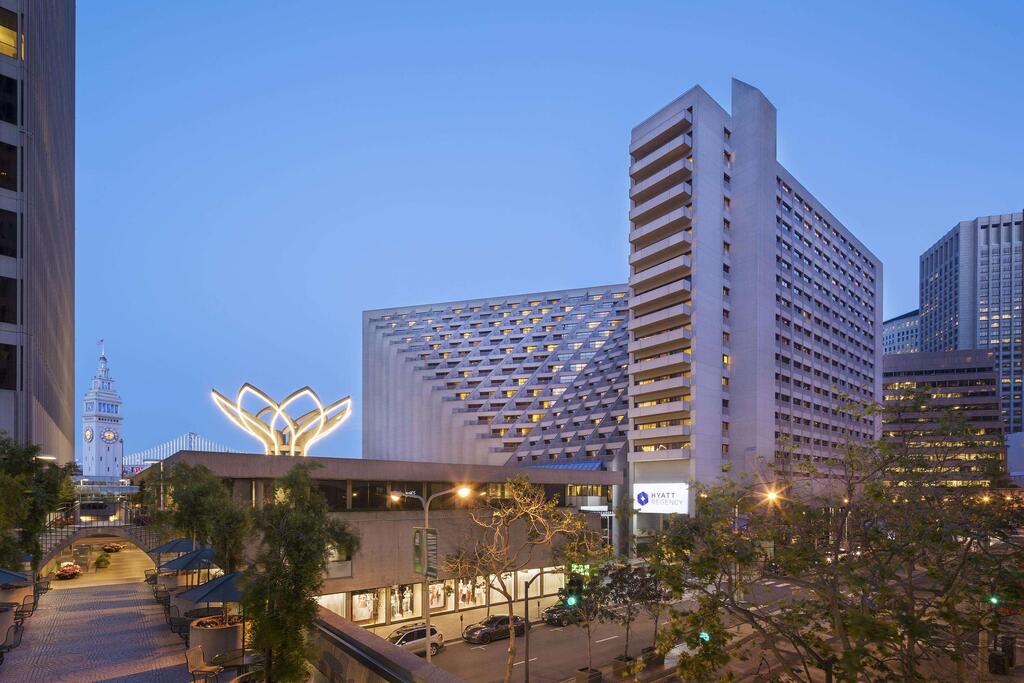
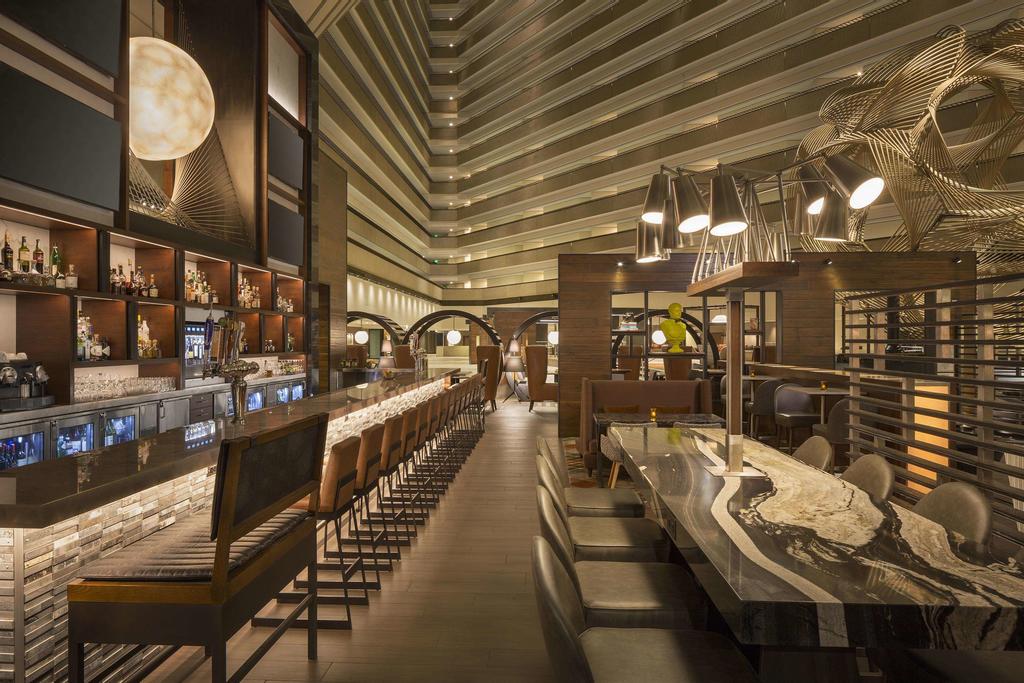
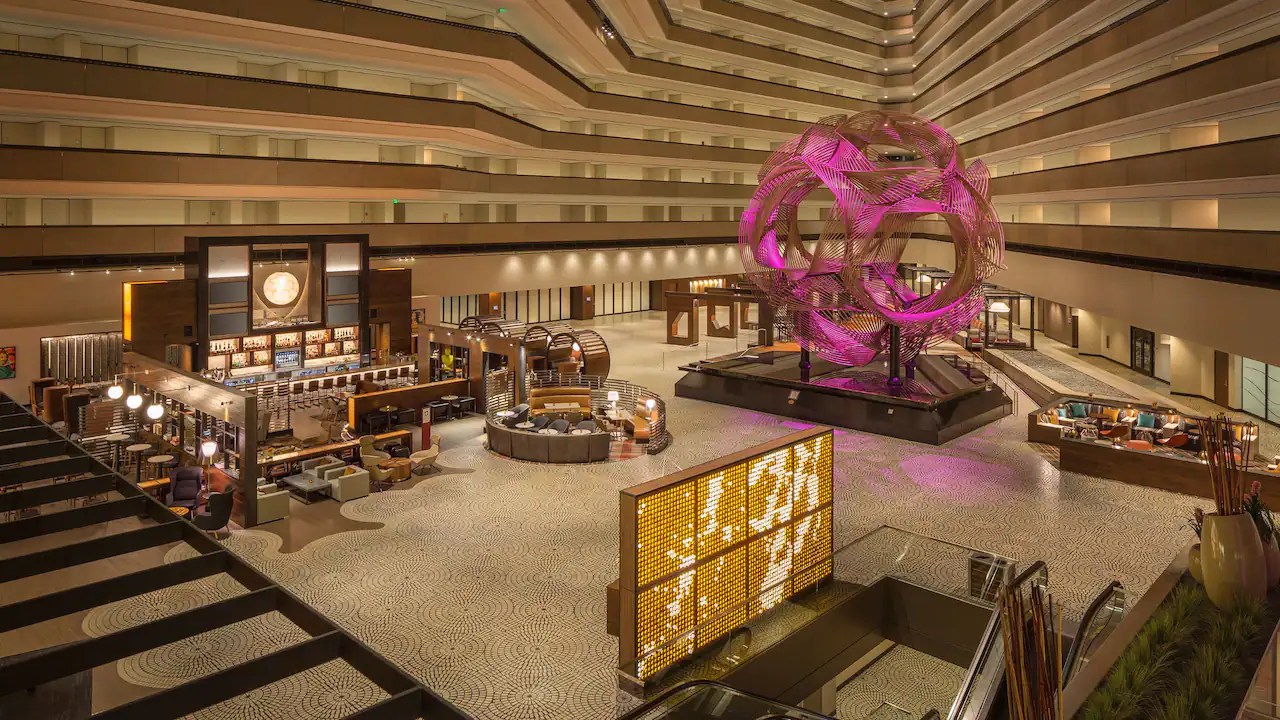
Few hotels stage their own arrival like this. Built in 1973, designed by John Portman, the Hyatt Regency San Francisco is a landmark of Brutalist futurism — and its 17-story atrium still holds the Guinness World Record for the largest hotel lobby on earth (2024). This is not polite architecture. This is architecture as an event — the kind of spatial drama you feel in your sternum.
Where Heritage Gets a Glow-Up
Over decades, rooms and public zones have gotten their refreshes — tech upgrades, contemporary finishes — but the core geometry stays pure Portman. Concrete, glass, void, light — theatrical, precise, mathematically composed. Floating elevators glide through vertical space like spacecraft; natural daylight pours into a volume so large it erases the idea of “lobby” entirely. You don’t walk into this building, you enter the atrium as if entering a city-scale interior plaza.
The Vibe: Serious Scale, Surprisingly Calm
Connected to the Embarcadero and steps from the Ferry Building, this hotel pulls an international cross section: corporate travelers, architecture fans, design tourists, urban explorers. And yet the effect is not chaos — the volume absorbs activity. Even on a busy day, the hotel feels spacious, airy, almost meditative in its immensity.
Design with Personality
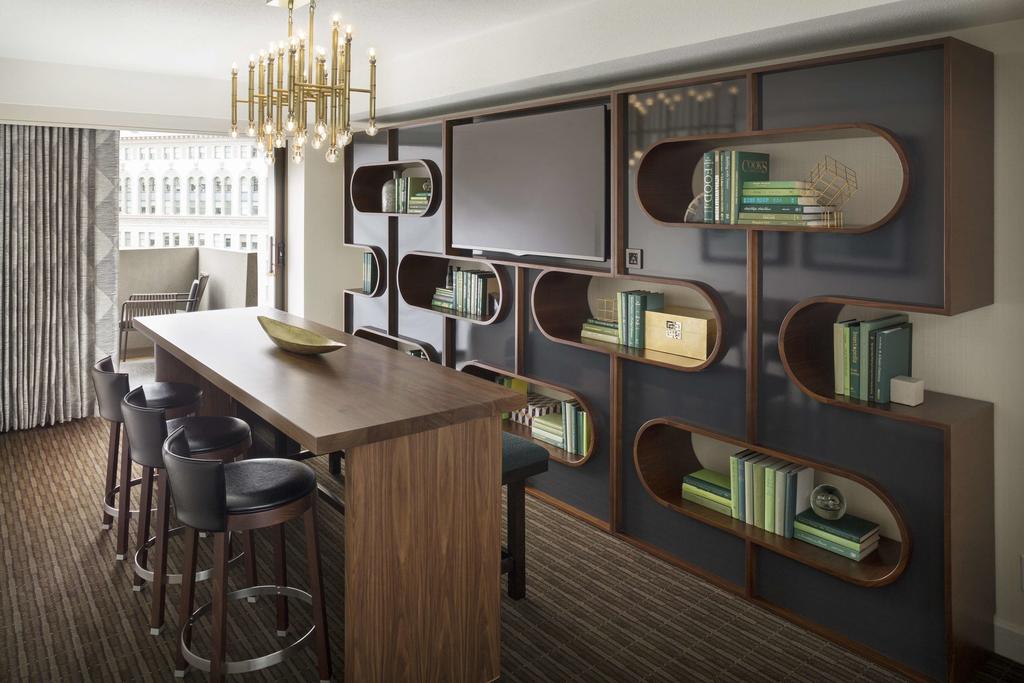
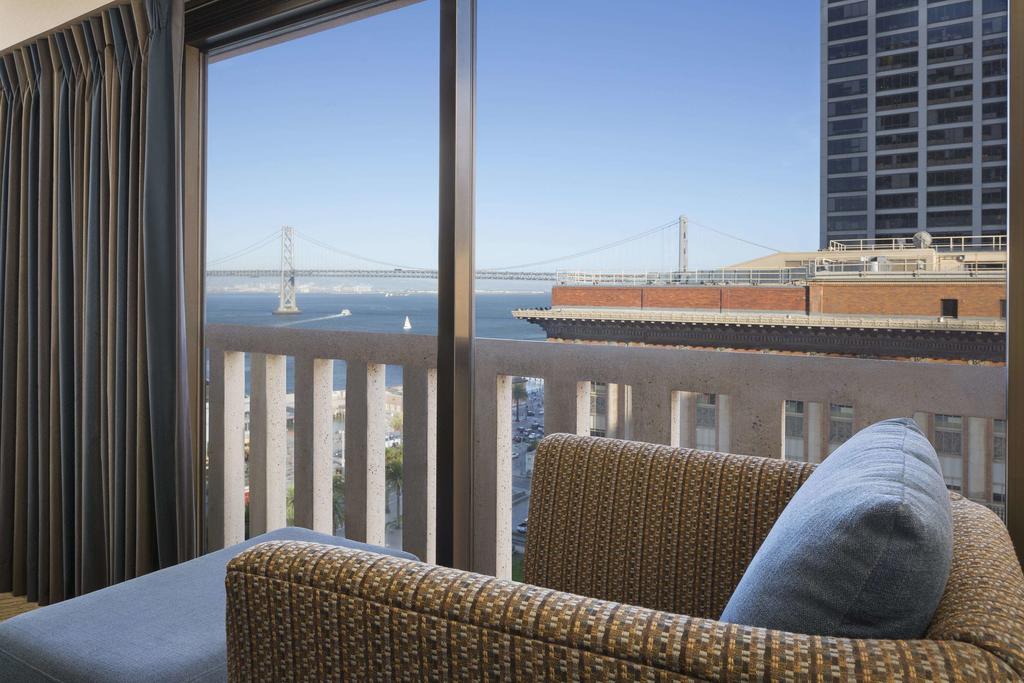
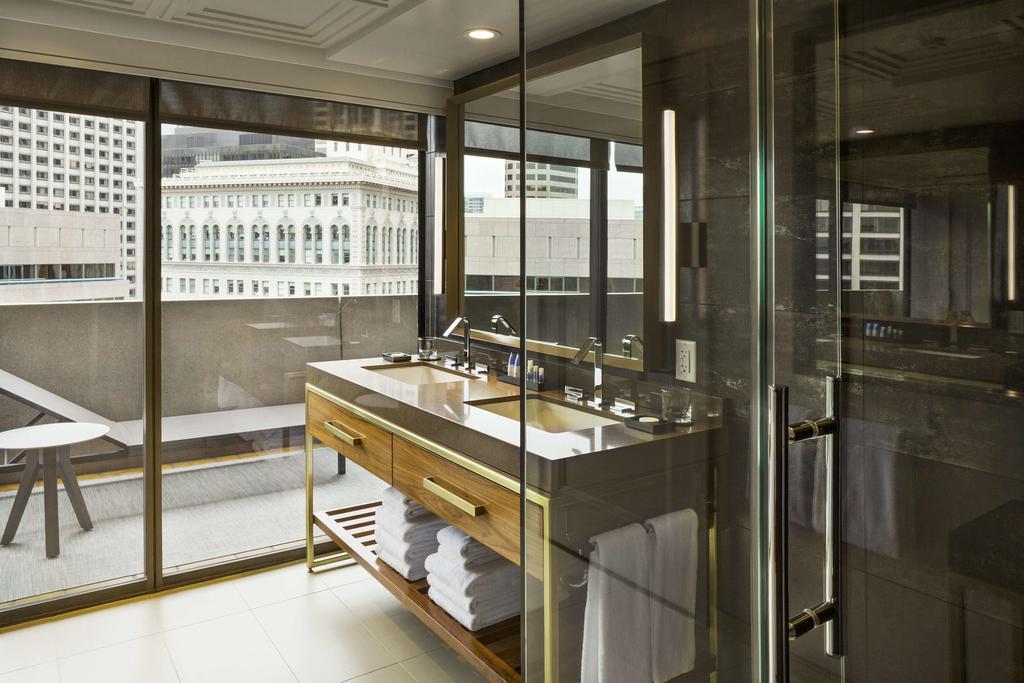
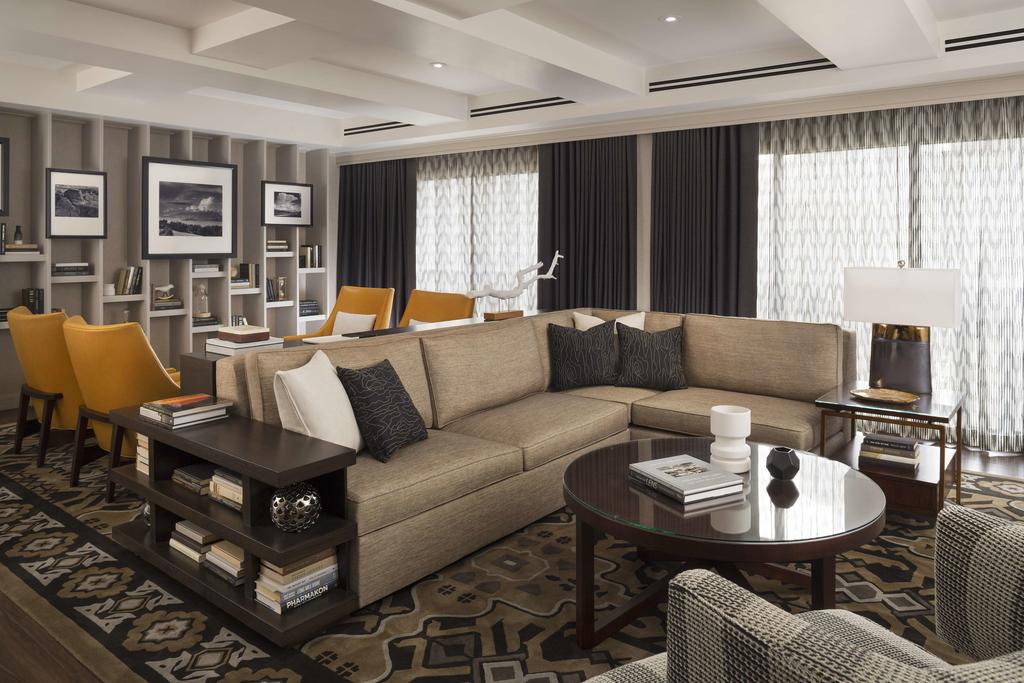
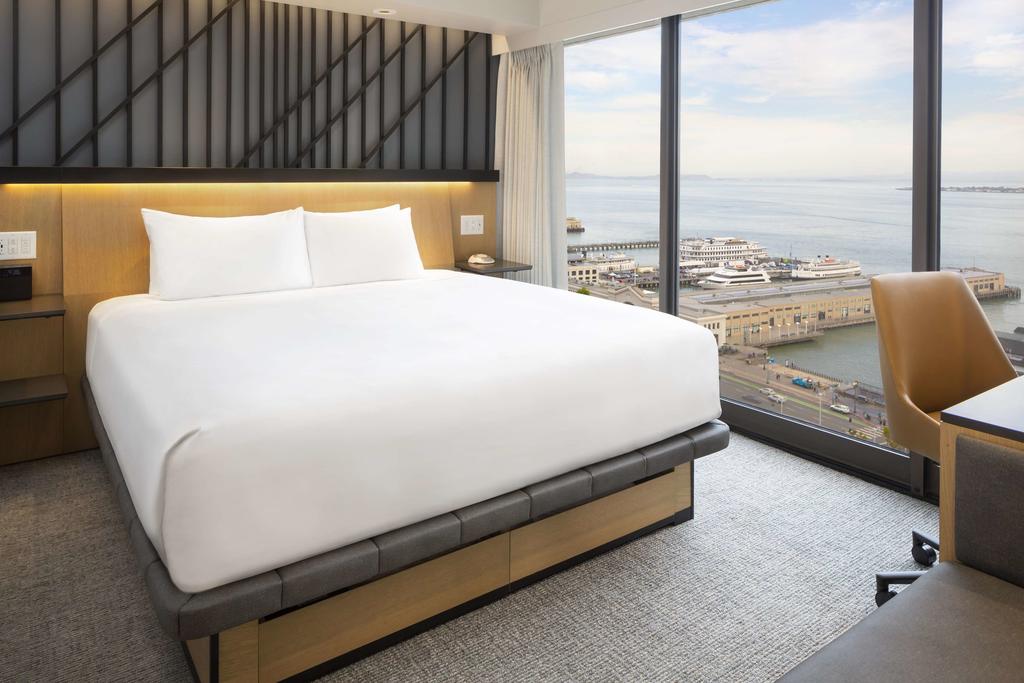
Rooms — more than 800 — dial the noise down. Neutral palettes, modern comfort, smart layouts, strong soundproofing, Bay-facing views where possible. These rooms respect the larger gesture: they don’t compete with the atrium, they orbit it.
DNA Hotels Verdict
Hyatt Regency San Francisco is one of the purest examples of 1970s architectural audacity still functioning as a living hotel — a civic-scale interior, a hospitality icon, and a time capsule that has aged into relevance rather than kitsch. A San Francisco essential for travelers who understand that architecture can still astonish.