Hyatt Regency San Francisco
John Portman’s Architectural Masterpiece on the Embarcadero
Why DNA Hotels Loves It
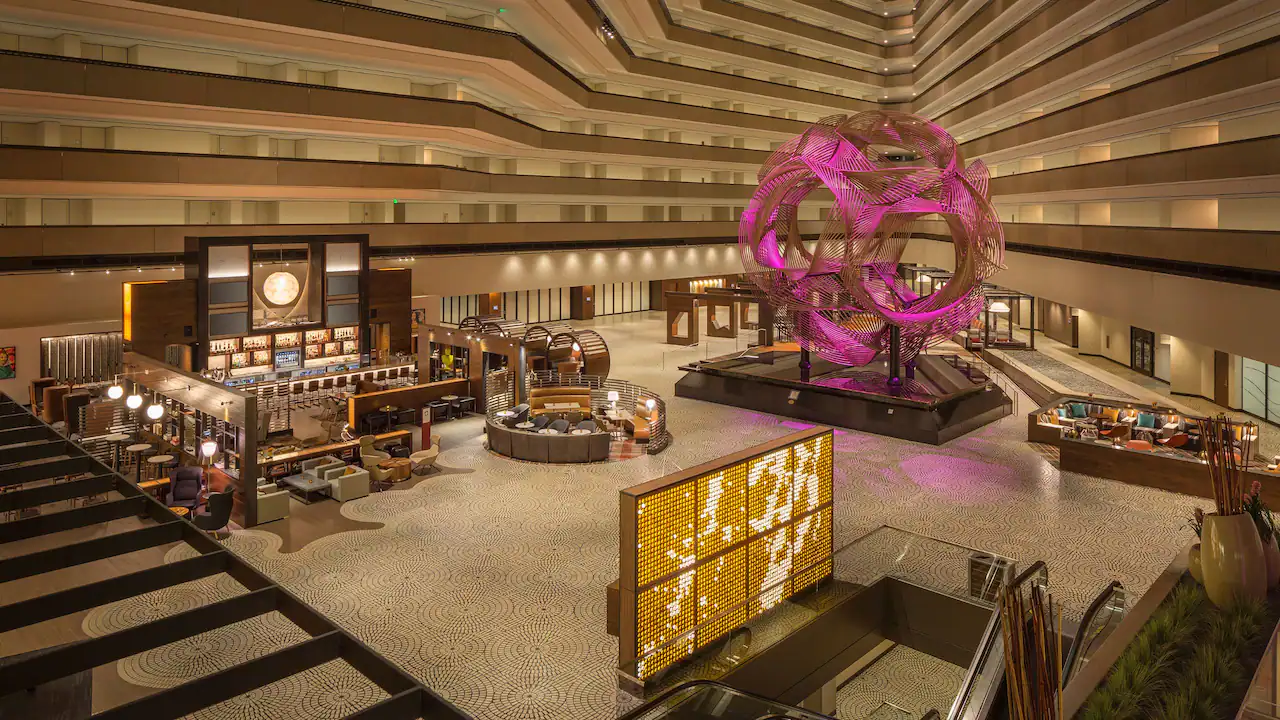
● One of the world’s most iconic hotel atriums, designed by legendary architect John Portman and still one of the great achievements of modern hospitality architecture.
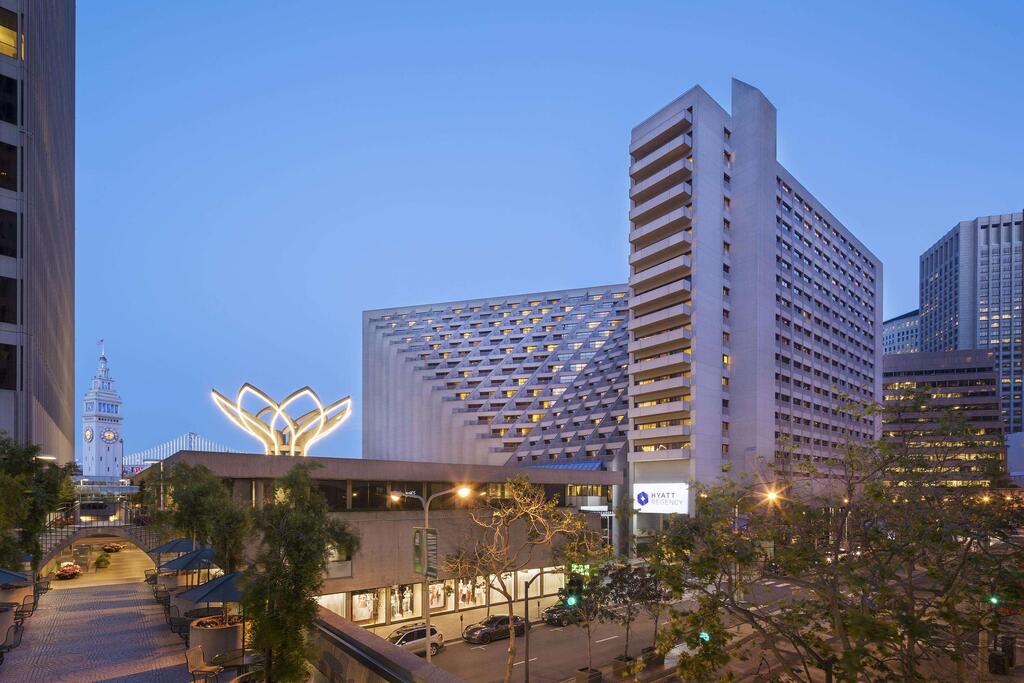
● A landmark of 1970s Brutalist-inspired design where dramatic scale, light, and geometry create an unforgettable arrival experience.
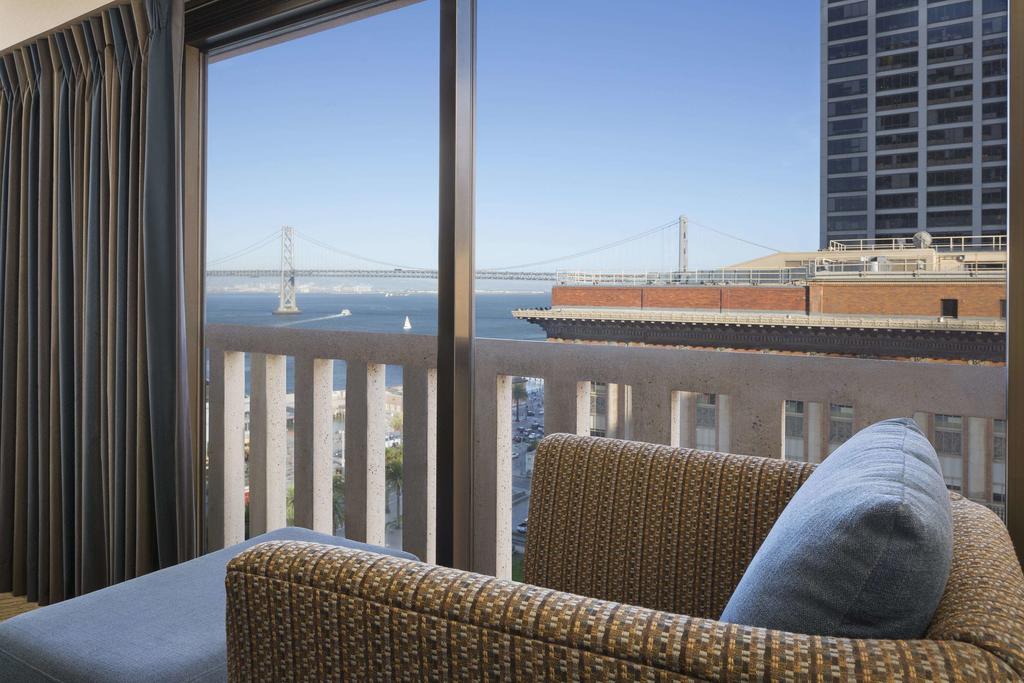
● A prime Embarcadero location combining spectacular Bay views with immediate access to the Ferry Building, Financial District, and waterfront.
An Architectural Landmark
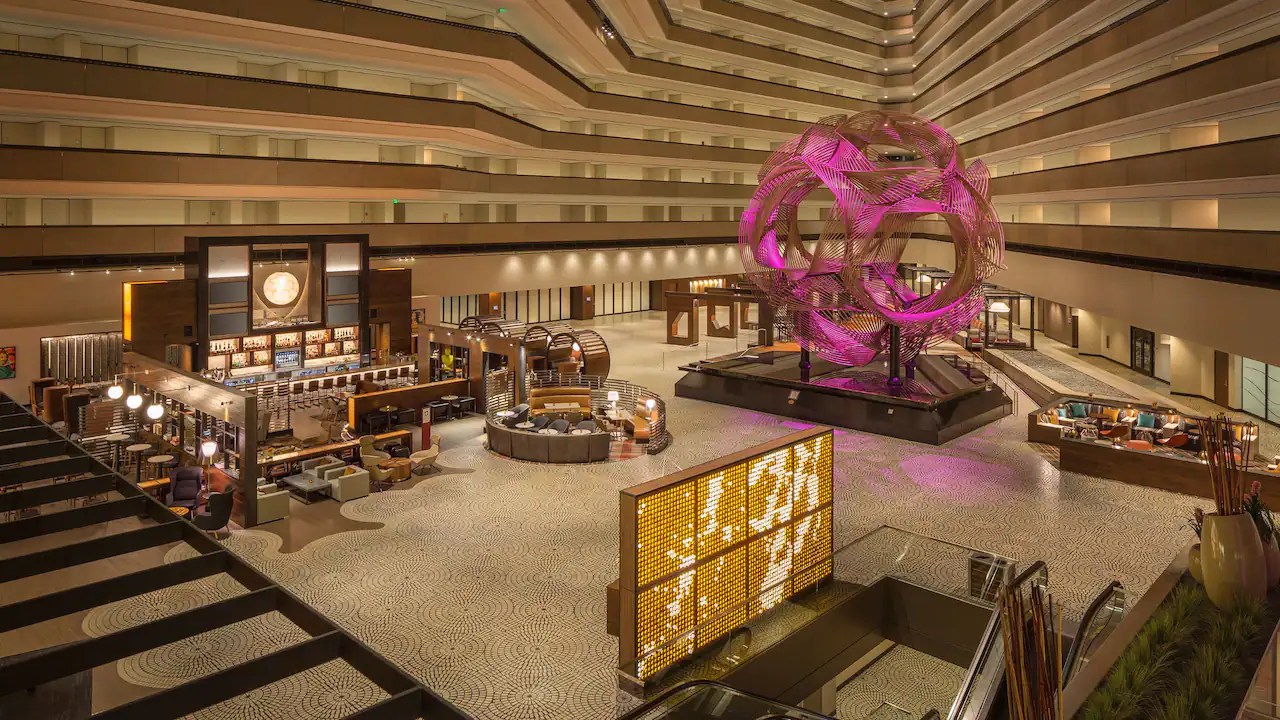
Few hotels have shaped a city’s skyline—and its architectural history—quite like Hyatt Regency San Francisco. Completed in 1973 by renowned architect John Portman, the hotel transformed the concept of the urban hotel lobby into a monumental public space. Its soaring 17-storey atrium, long recognised as one of the largest hotel lobbies in the world, remains every bit as breathtaking today as it was upon opening, establishing the property as one of San Francisco’s defining pieces of modern architecture. It’s a building that continues to inspire architects decades after its debut.
The Atrium as Theatre
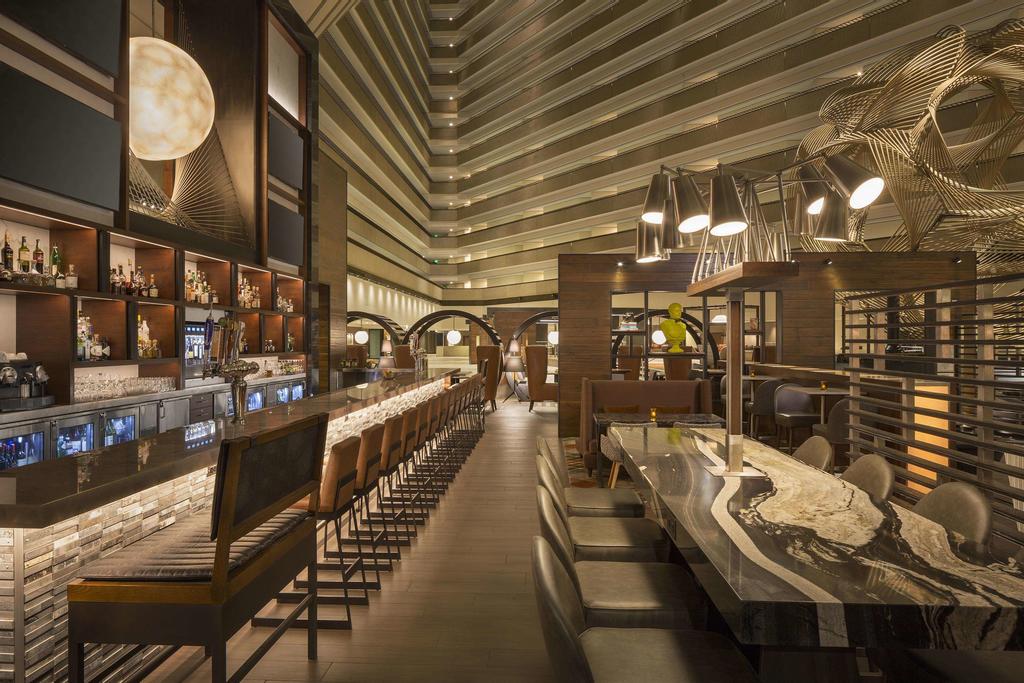
Everything revolves around Portman’s extraordinary central atrium. Towering concrete geometry, vast expanses of glass, dramatic balconies, cascading natural light, and the hotel’s signature glass elevators combine to create a space that feels closer to a civic plaza than a conventional hotel lobby. Rather than decorating the architecture, Portman allowed the architecture itself to become the experience. The scale is immense, yet remarkably calm. Few interiors create such a memorable sense of arrival.
Modern Comfort Above the Drama
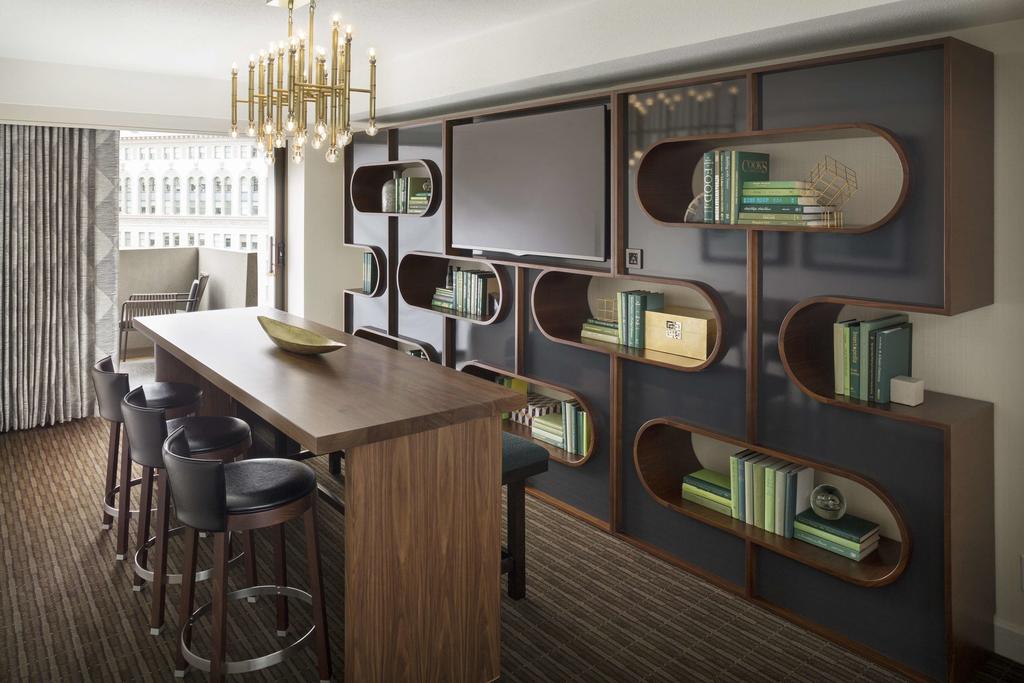
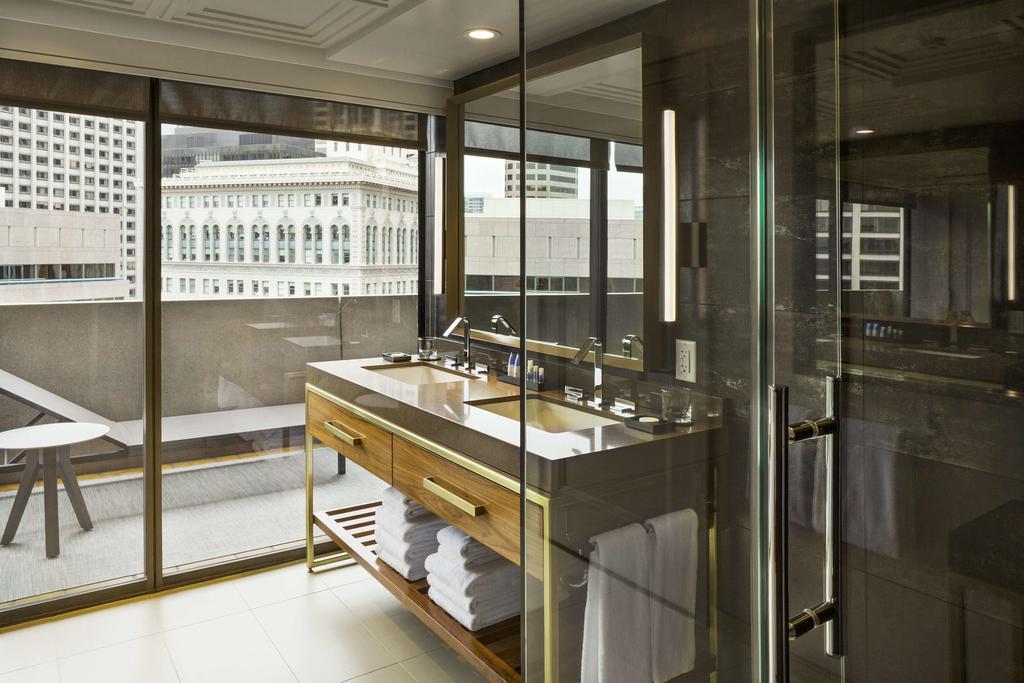
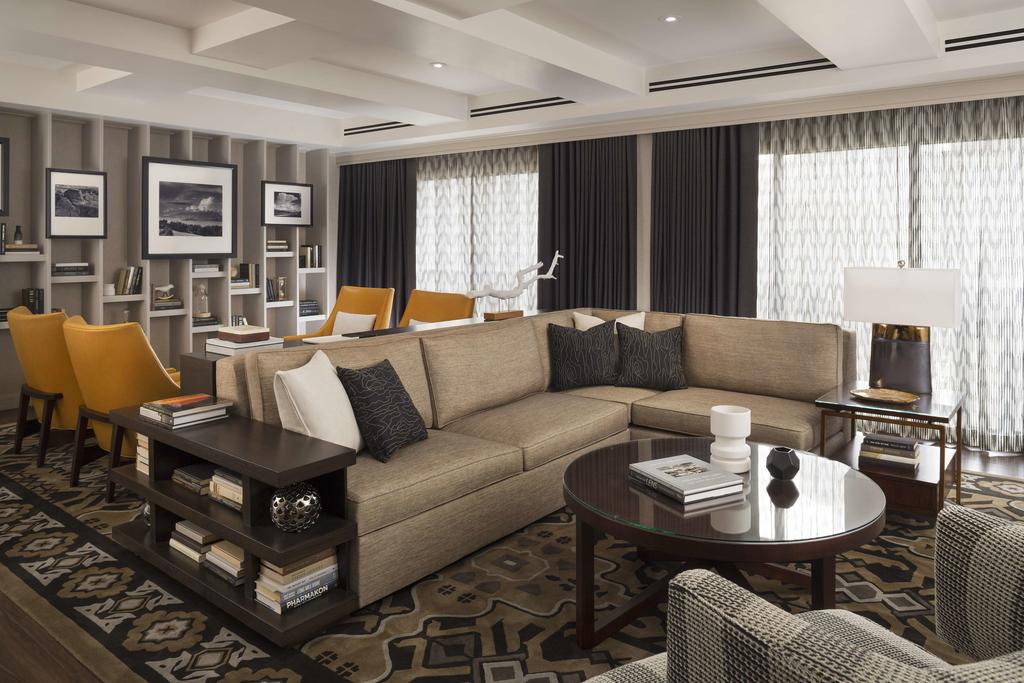
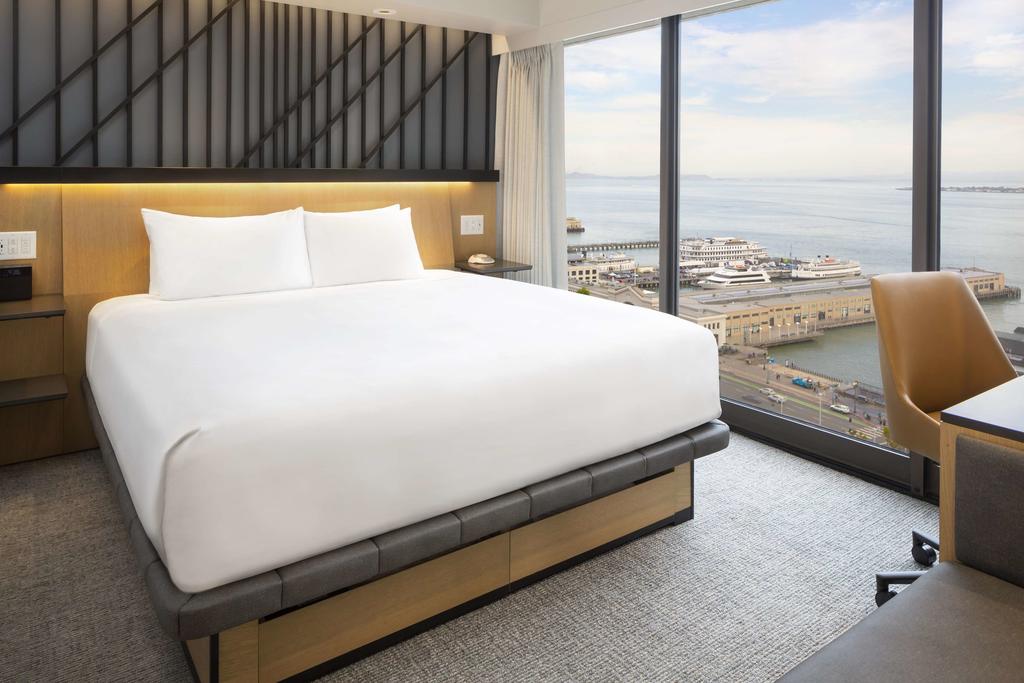
While the atrium commands attention, the guestrooms provide welcome restraint. More than 800 rooms embrace contemporary simplicity through soft neutral palettes, clean lines, comfortable furnishings, generous workspaces, and large windows overlooking either the San Francisco skyline or the Bay. Recent renovations have modernised the interiors while allowing the building’s original architectural vision to remain the undisputed centrepiece. The rooms provide a peaceful counterbalance to the dramatic public spaces below.
A Front-Row Seat to the Waterfront
The hotel’s location is among San Francisco’s finest. Standing directly on the Embarcadero opposite the Ferry Building, guests are perfectly positioned for waterfront walks, ferries across the Bay, the Financial District, Oracle Park, and the city’s historic cable cars. Whether travelling for business or leisure, few locations offer such immediate access to the best of downtown San Francisco.
A Lasting Architectural Legacy
More than fifty years after opening, Hyatt Regency San Francisco remains one of John Portman’s defining works and one of the world’s most influential hotel designs. Its revolutionary atrium inspired countless hotels that followed, yet few have matched the elegance, confidence, and sheer theatrical impact of the original. It continues to demonstrate how architecture can shape not only a building, but an entire hospitality experience.
Why It Works
Hyatt Regency San Francisco is far more than a large convention hotel—it’s one of the great architectural icons of American hospitality. John Portman’s visionary atrium remains as compelling today as it was in 1973, proving that truly exceptional design never loses its power. For lovers of architecture, modernism, and unforgettable spaces, this is an essential San Francisco experience.