The Lince Braga – Braga, Portugal
Where a Historic Convent Meets the Silence of the Hills
Why DNA Hotels Loves It
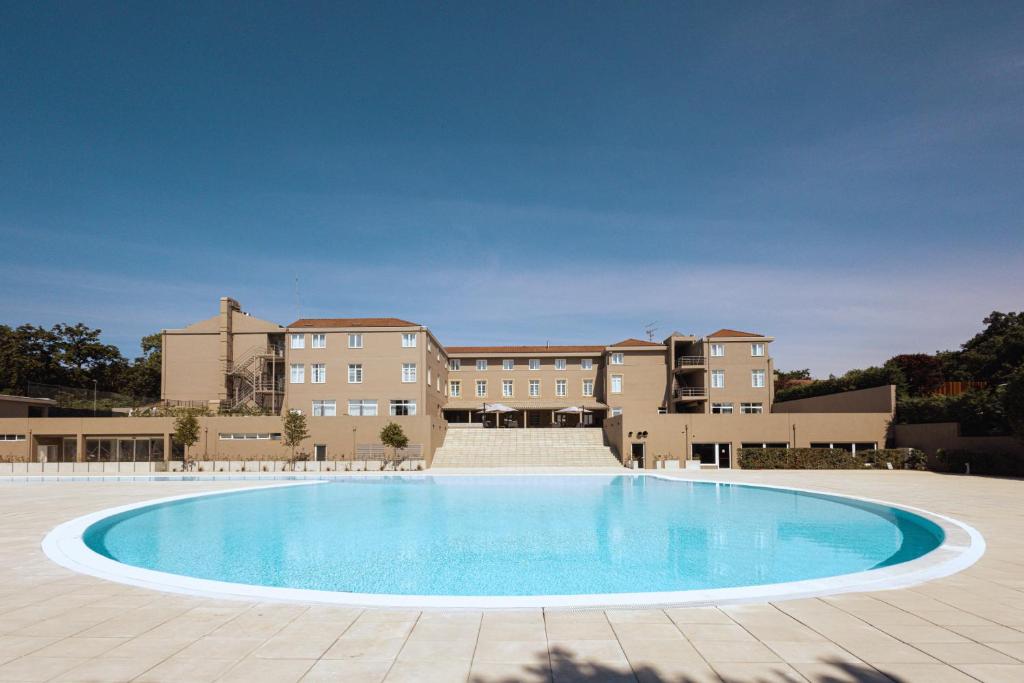
● A beautifully restored 18th-century Franciscan convent transformed into a contemporary retreat surrounded by the green landscapes of Minho.
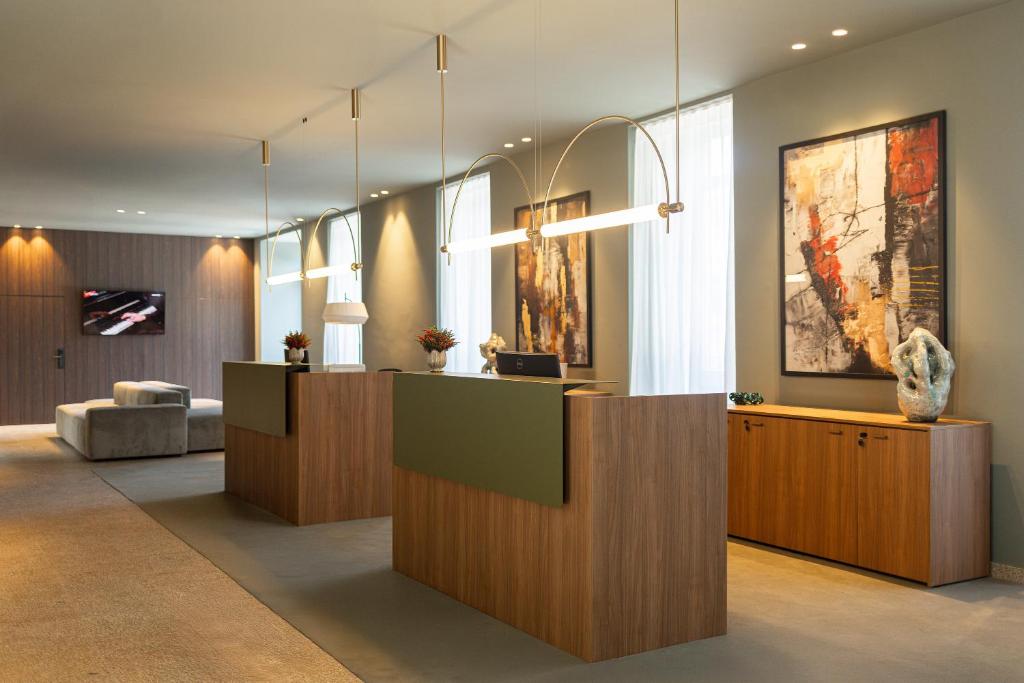
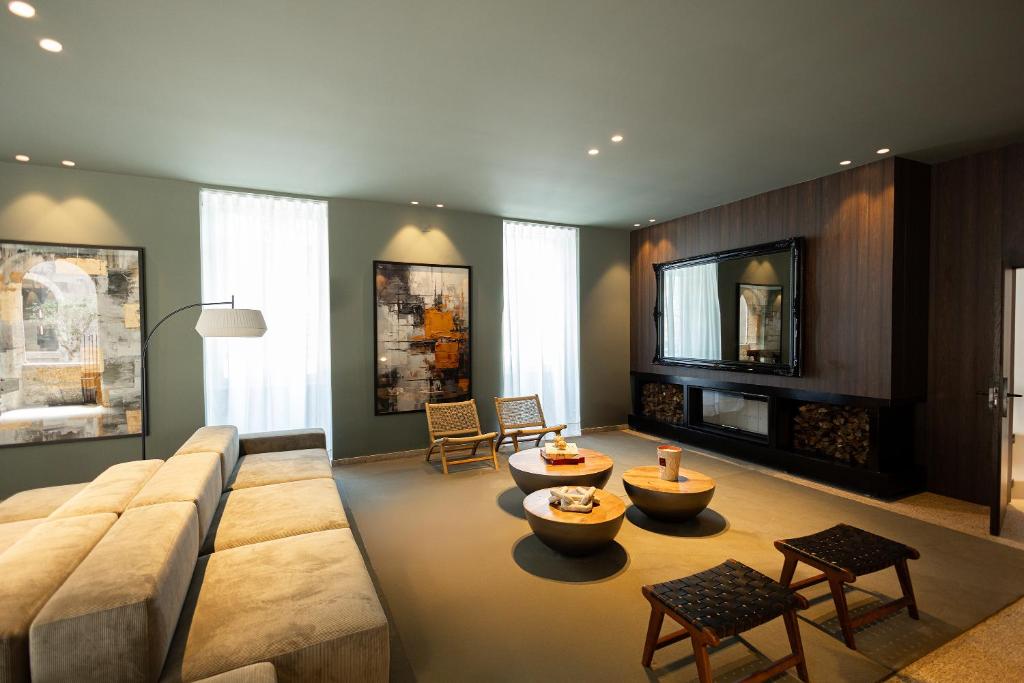
● Interiors by Vilaça Interiores balance historic architecture with understated Portuguese design and residential comfort.
● An atmosphere defined by wellness, nature, and quiet sophistication rather than unnecessary luxury.
A Contemporary Refuge Above Braga
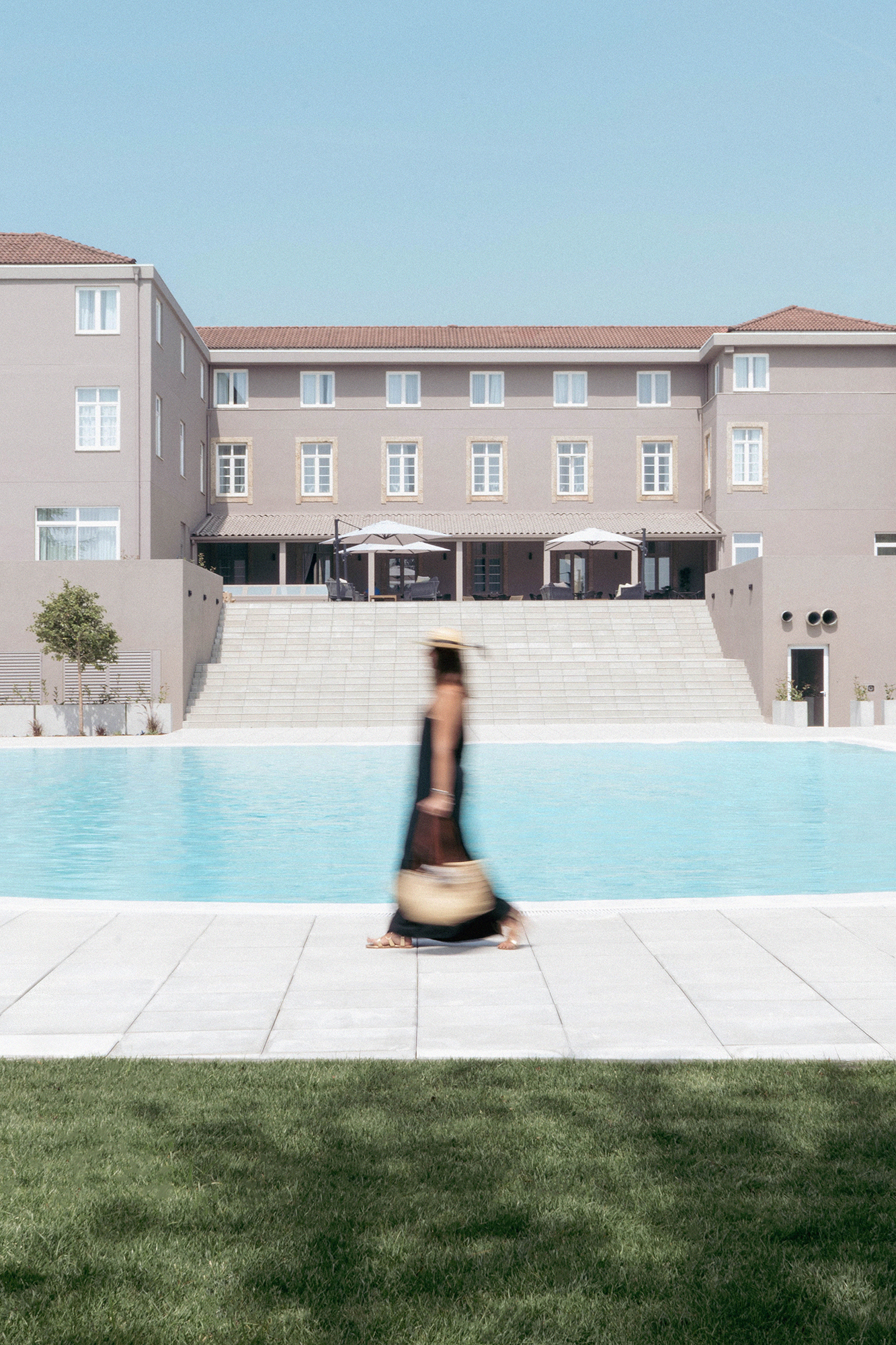
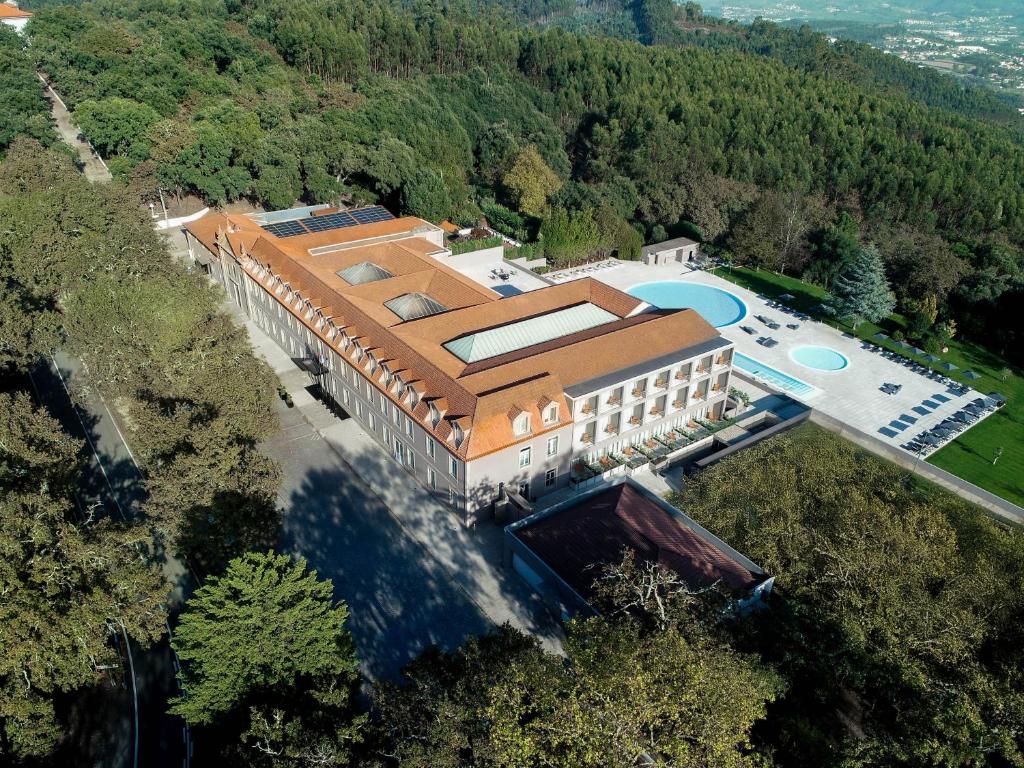
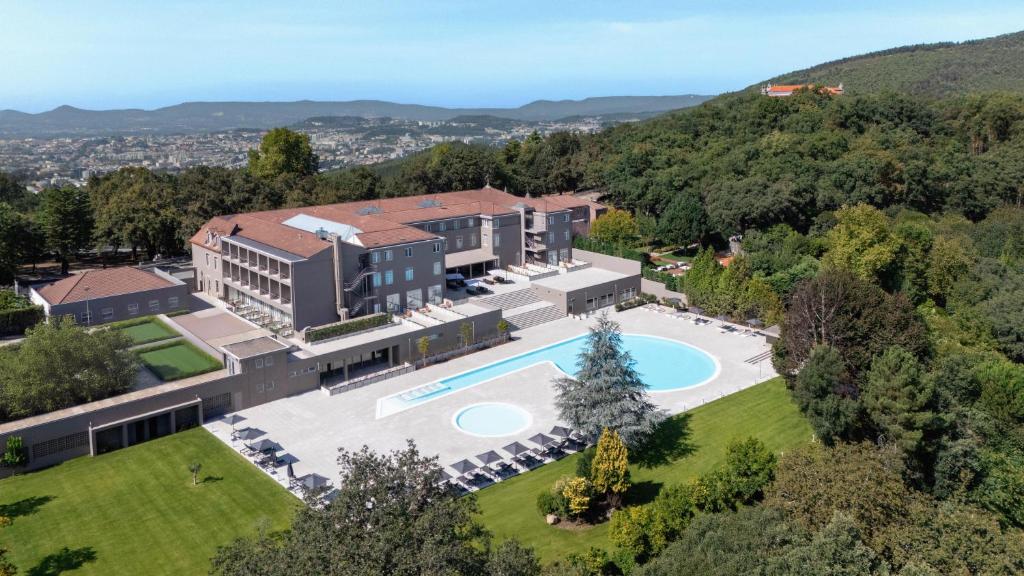
Perched in the hills of Falperra, just outside Braga, The Lince Braga occupies a privileged position between nature and history. Surrounded by forests, pilgrimage routes, and panoramic views across the Minho countryside, the hotel feels remarkably removed from everyday life despite being only minutes from one of Portugal’s most historic cities. The setting immediately shapes the experience. The pace slows, the landscape takes over, and the building itself becomes part of a wider story that stretches back centuries. Originally an 18th-century Franciscan convent, the property has been carefully transformed into a contemporary hotel while preserving the quiet character that has defined the site for generations.
A Convent Reimagined
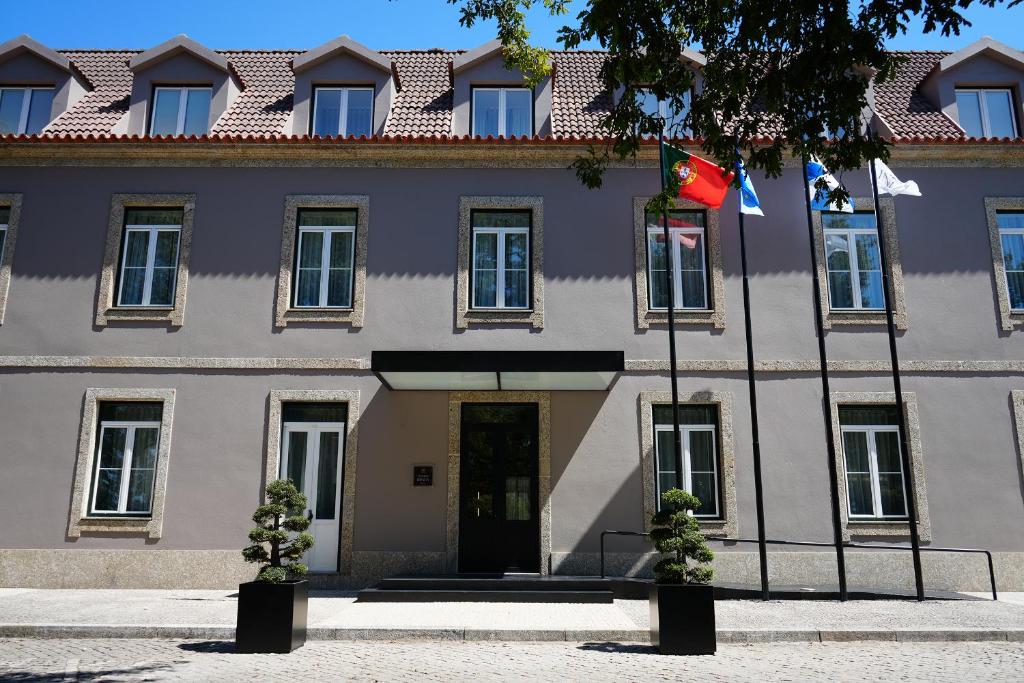
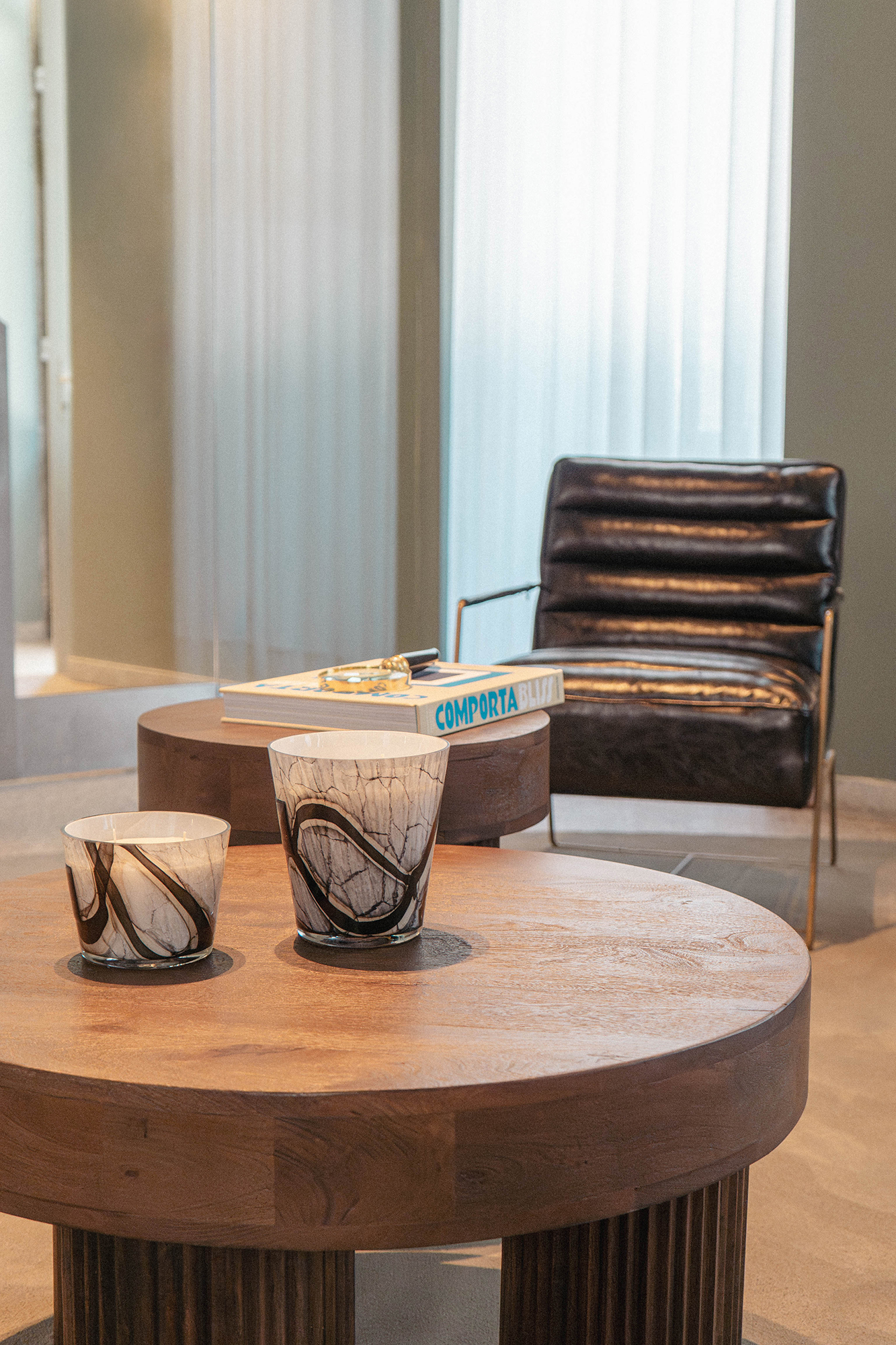
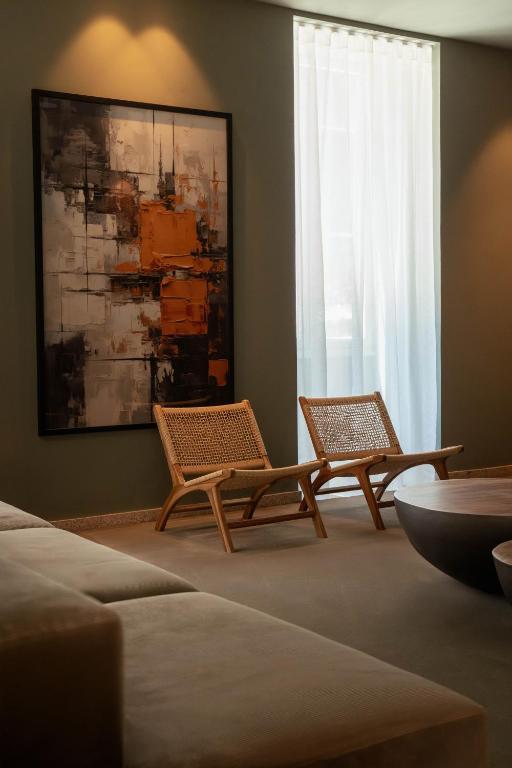
The restoration, led by Portuguese design studio Vilaça Interiores, approaches the building with restraint and respect. Rather than overwhelming the historic architecture, the intervention allows original features to remain visible and meaningful. Stone arches, cloisters, and historic structural elements provide a strong architectural framework, while contemporary additions introduce warmth, comfort, and a sense of ease. Natural wood, bespoke furnishings, soft textiles, and muted colours create interiors that feel calm and residential rather than overtly luxurious. The success of the project lies in what it avoids. There are no dramatic gestures or unnecessary statements. Instead, the design relies on proportion, texture, craftsmanship, and light to create atmosphere.
Design Rooted in Simplicity
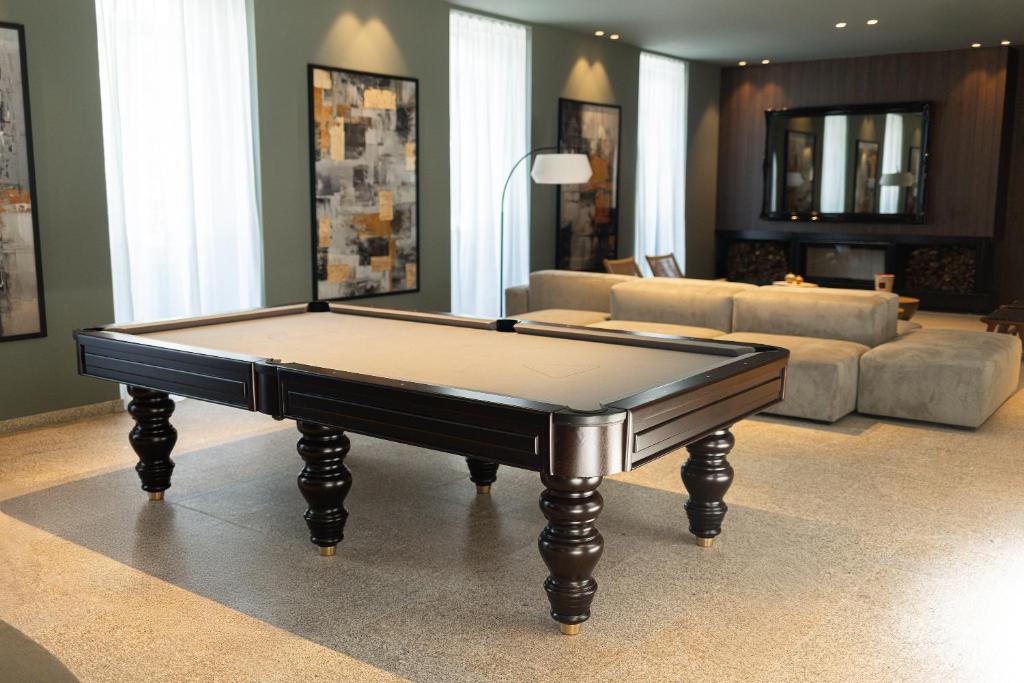
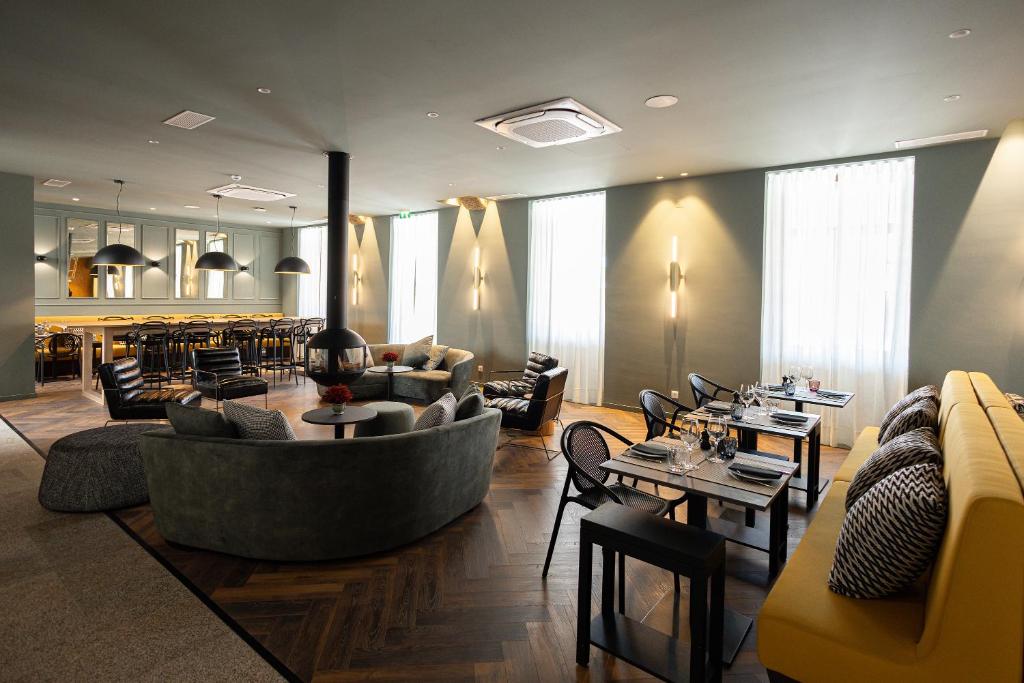
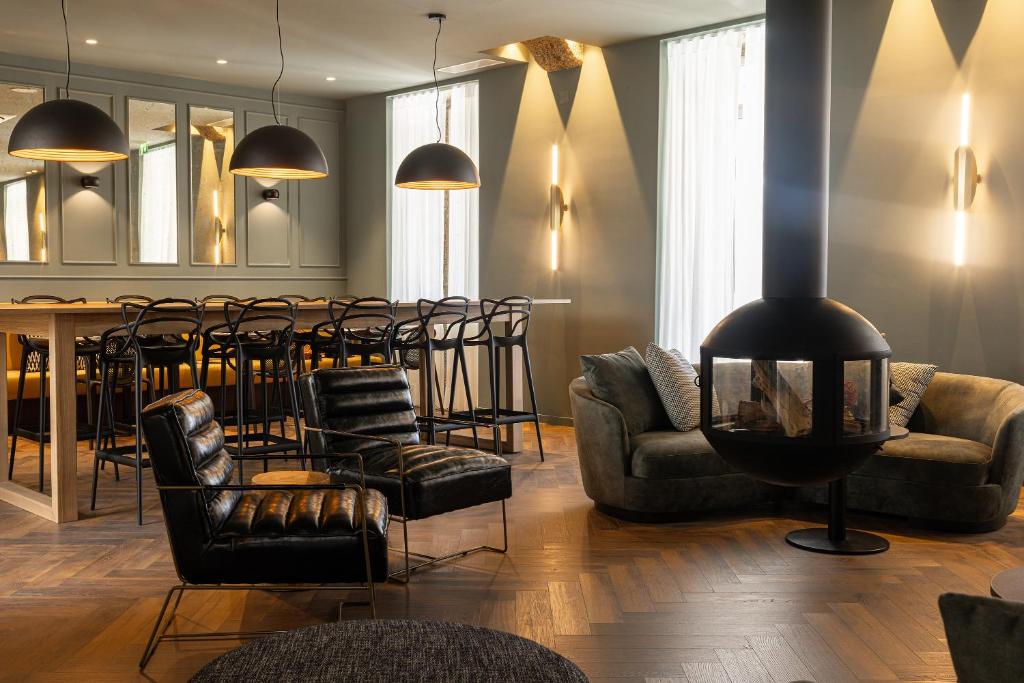
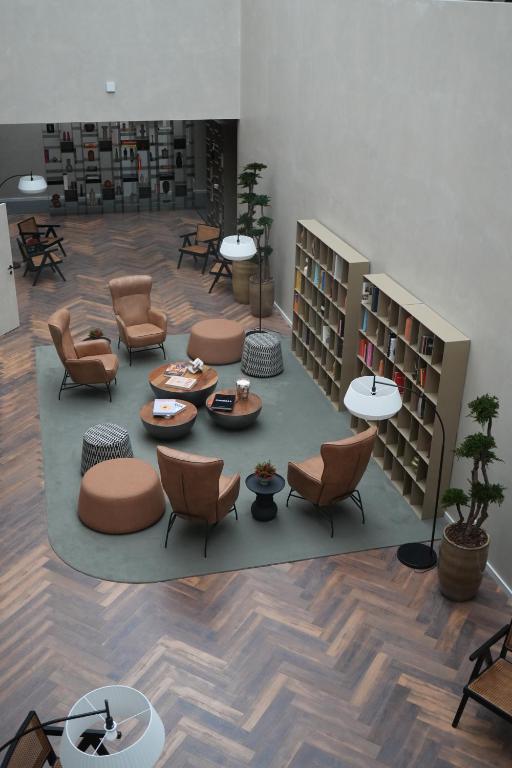
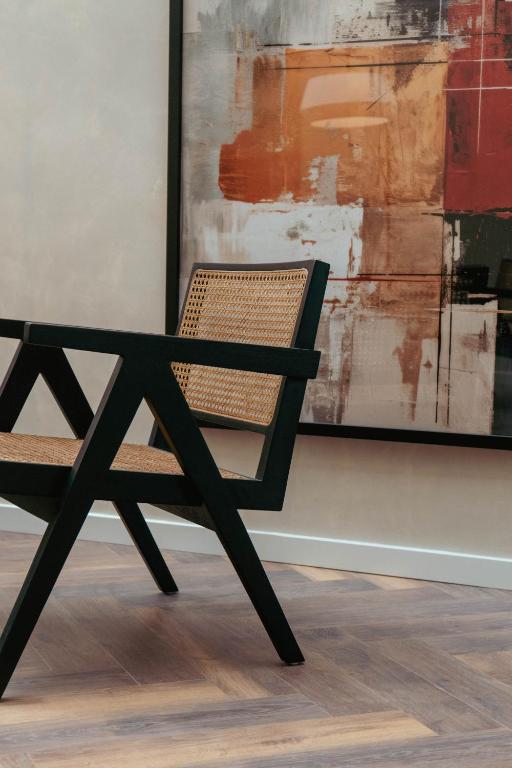
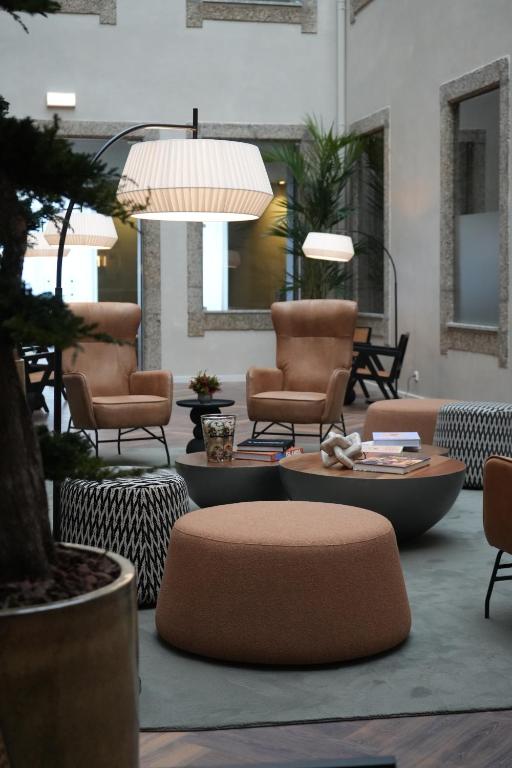
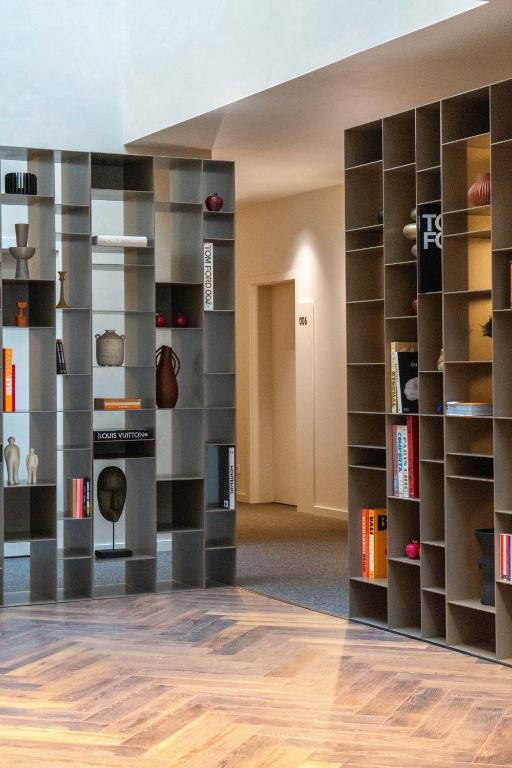
Throughout the hotel, carefully curated details reveal themselves gradually. Custom-made furnishings, bespoke metalwork by Beetsteel, and selected pieces from brands such as Pedrali and Kartell introduce subtle layers of contemporary design without disrupting the building’s historic identity. The lounges and communal areas feel intimate despite the scale of the former convent. Fireplaces, reading corners, and relaxed seating areas encourage guests to linger, creating spaces that feel closer to a private residence than a conventional hotel. Particularly successful is the integration of the original winter garden, which now acts as a bridge between old and new, connecting heritage architecture with contemporary living in a natural and understated way.
Rooms Designed for Rest
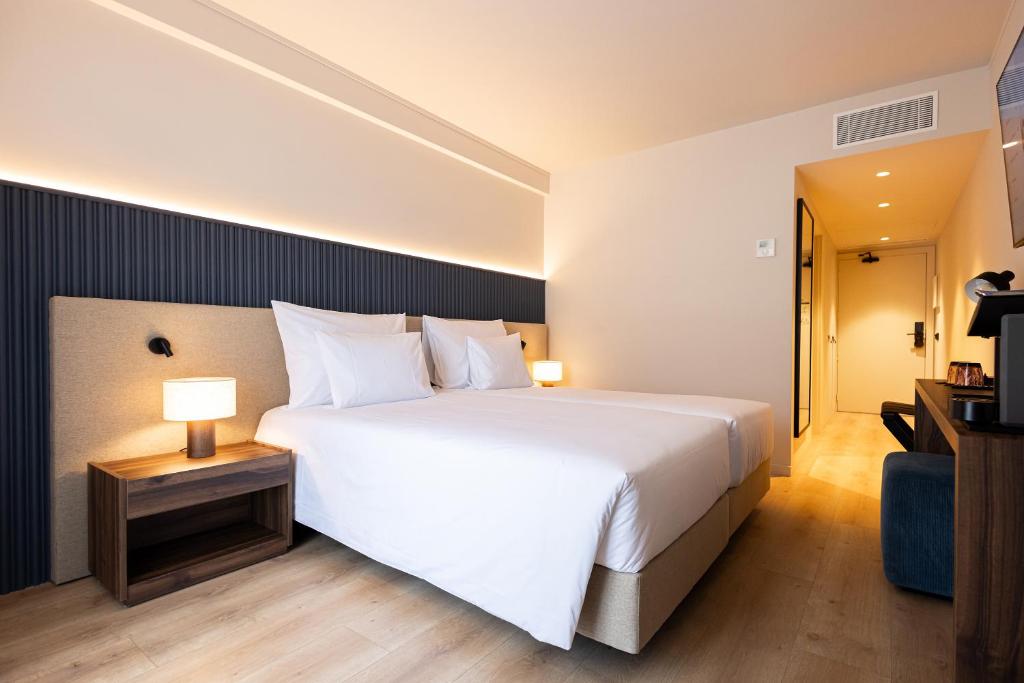
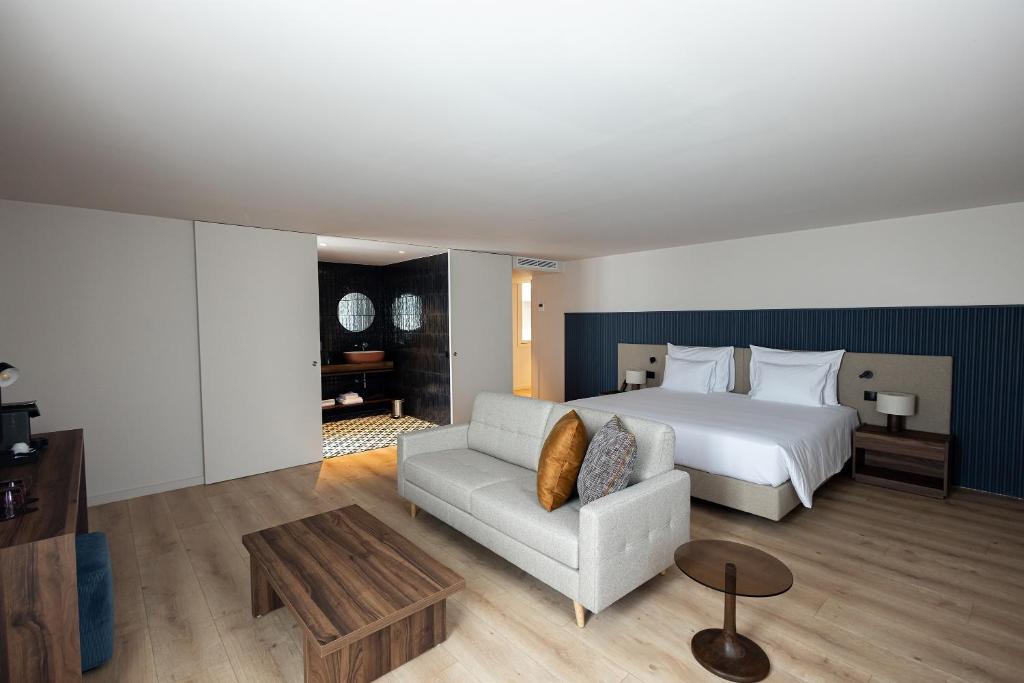
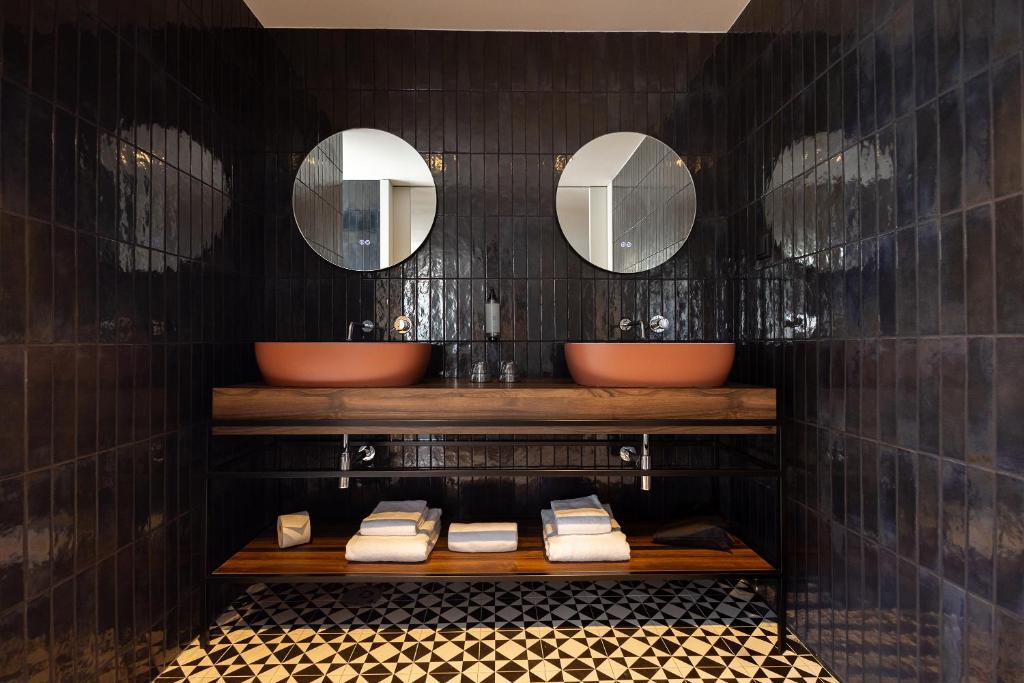
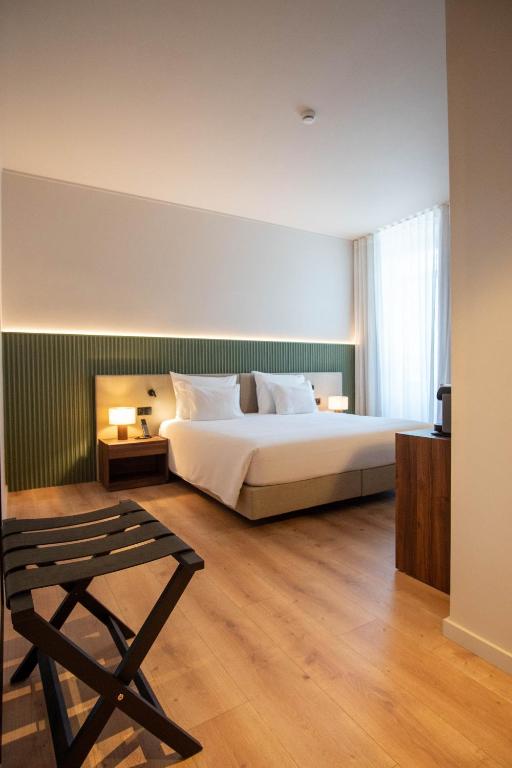
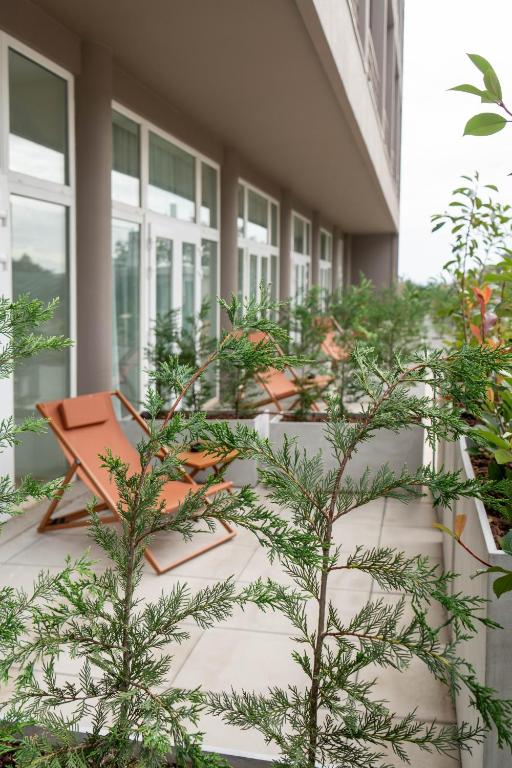
The guestrooms continue the same architectural language. Crisp white linens, warm timber finishes, soft lighting, and carefully edited furnishings create spaces that prioritise comfort and calm. Large windows frame views of the surrounding hills and forests, while selected rooms open onto private balconies and terraces immersed in greenery. The atmosphere carries a subtle monastic influence — simple, uncluttered, and deeply restful. Luxury here comes not from abundance, but from the feeling of space, silence, and thoughtful design.
Wellness Inspired by the Landscape
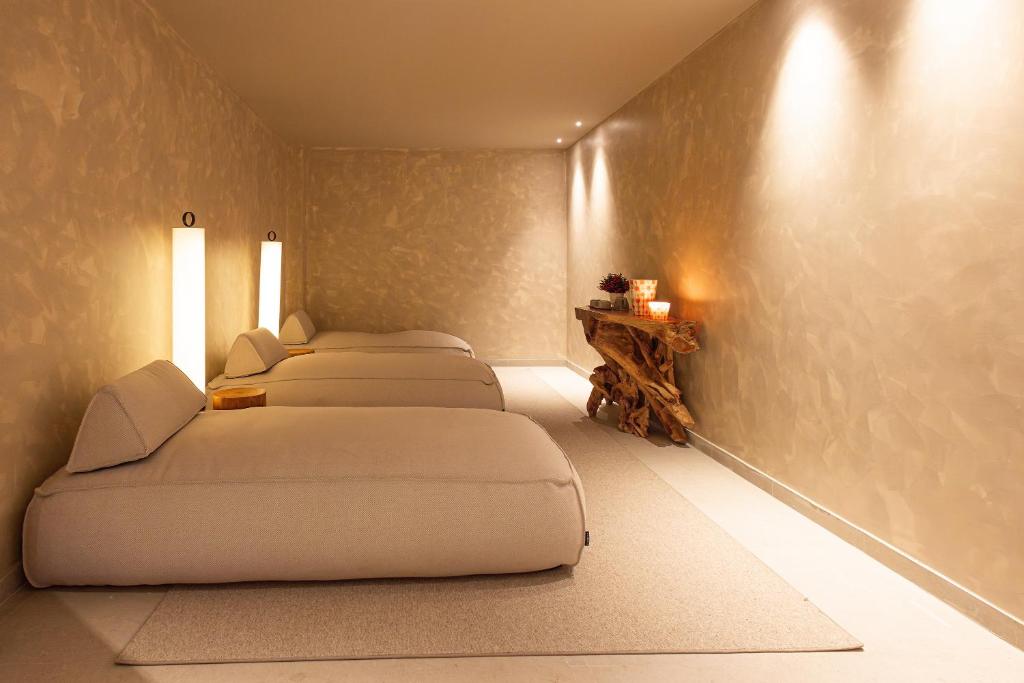
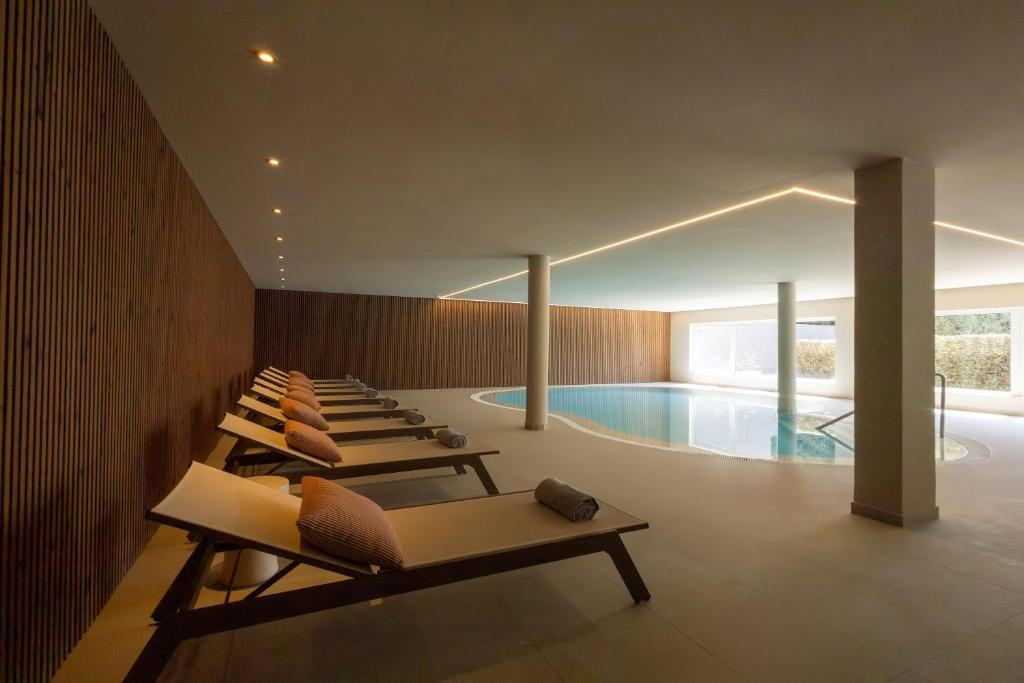
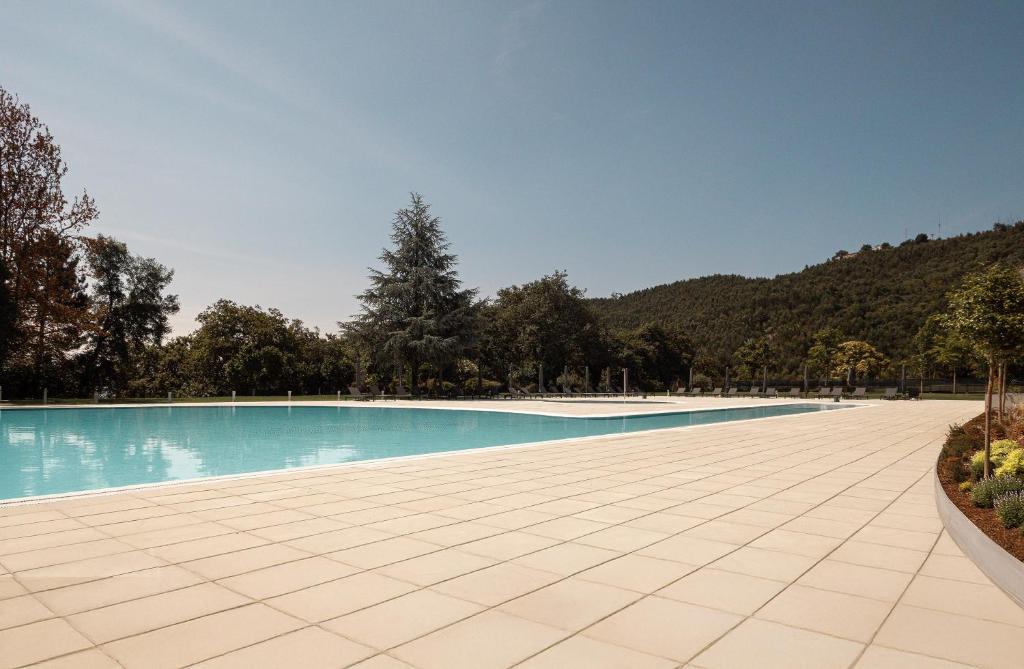
At the heart of the hotel sits the Altus Wellness Spa, a space designed around restoration and connection to the surrounding environment. Timber-lined interiors, natural light, and carefully framed views create a setting that feels both contemporary and deeply calming. Facilities include an indoor pool, sauna, Turkish bath, ice bath, treatment rooms, and relaxation areas, while outdoor pools sit quietly within the landscape itself. Throughout the spa, nature remains a constant presence, brought indoors through light, materials, and views. Rather than separating guests from their surroundings, the architecture encourages a deeper awareness of them.
The Flavours of Minho
As evening arrives, the hotel’s panoramic Wine Bar becomes a natural gathering place. Overlooking the hills of Falperra, guests settle into a slower rhythm accompanied by regional wines, Portuguese tapas, traditional snacks, and relaxed conversation. The experience reflects the wider philosophy of the hotel: unhurried, authentic, and rooted in place. While Braga’s historic centre lies only a short drive away, with its churches, cafés, and lively squares, returning to The Lince always feels like returning to stillness.
A Quiet Luxury
The Lince Braga succeeds not through spectacle but through atmosphere. By allowing architecture, landscape, and design to coexist naturally, it creates a hotel experience defined by calm rather than distraction. For travellers seeking meaningful wellness, thoughtful design, and a genuine connection to both history and nature, The Lince Braga offers something increasingly difficult to find: a place where silence becomes part of the luxury itself.