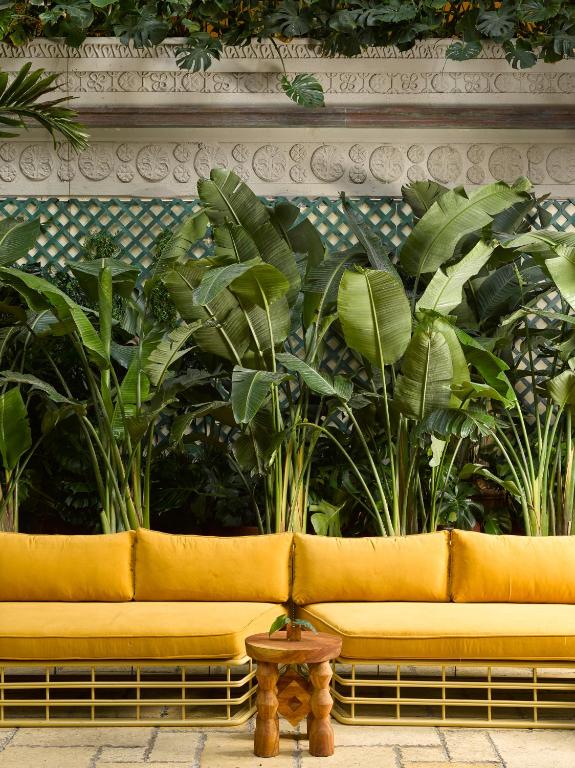
Mayfair House Hotel & Garden | Coconut Grove, Miami | Florida, USA
Where tropical modernism, artistic eccentricity, and Coconut Grove’s bohemian soul bloom beneath a canopy of palms.
Why DNA Hotels Loves It
● One of America’s great architectural hotels, originally designed by Kenneth Treister and beautifully revived without sacrificing its extraordinary character.
● A rare example of tropical modernism that feels alive—part hotel, part garden, part immersive work of art.
● Deeply rooted in Coconut Grove’s creative DNA, offering a distinctly local alternative to Miami’s more predictable luxury scene.
A Miami Icon Comes Back to Life
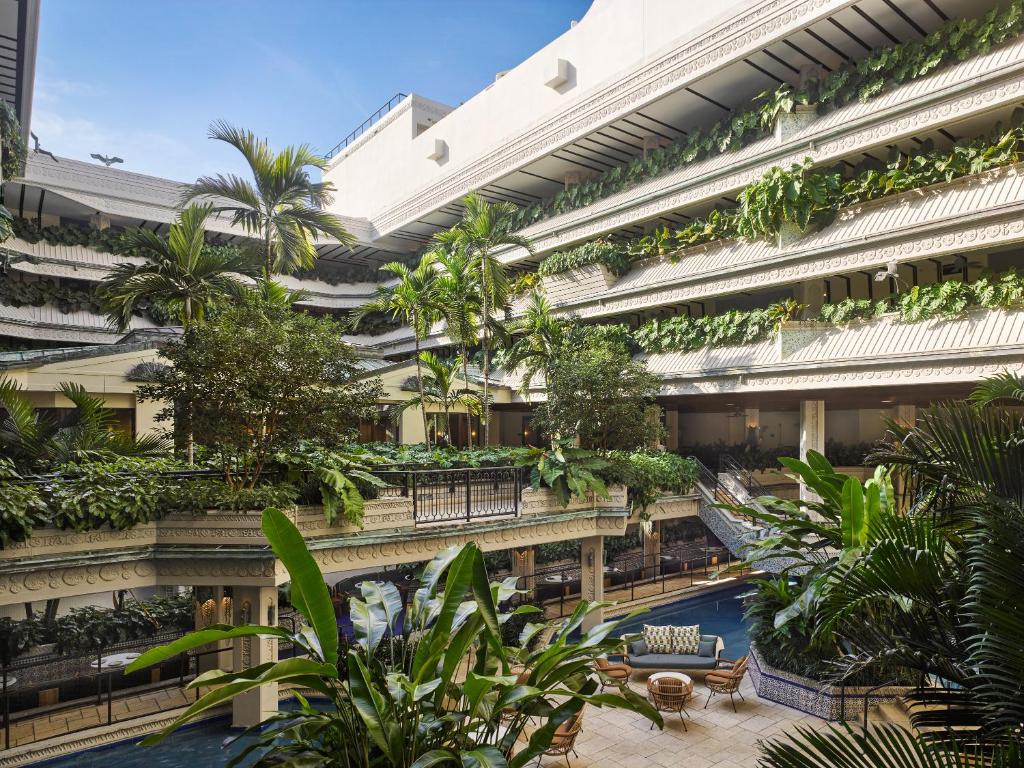
Long before Miami became synonymous with design hotels, Kenneth Treister was creating one of the city’s most extraordinary architectural statements. When Mayfair House first opened in 1985, it immediately stood apart. Inspired by Antoni Gaudí, Frank Lloyd Wright, and the lush tropical landscape of South Florida, Treister designed a building that felt less like a hotel and more like a living organism. Curved staircases spiraled through open-air courtyards. Bridges crossed over ponds. Vines climbed walls. Stained glass filtered sunlight into shifting patterns of color and shadow. Over time, the building became a Coconut Grove landmark, beloved by architects, artists, and design enthusiasts alike. Following a meticulous restoration by New York-based studio Goodrich, Mayfair House has entered a new chapter—one that honors Treister’s vision while reintroducing it to a new generation of travelers.
Architecture That Breathes
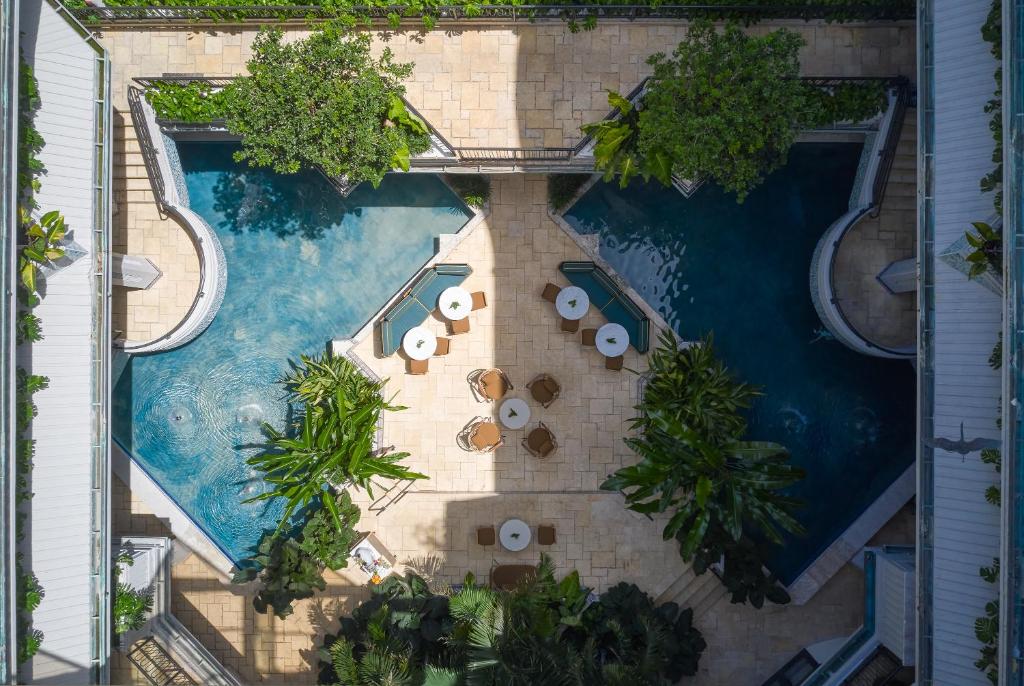
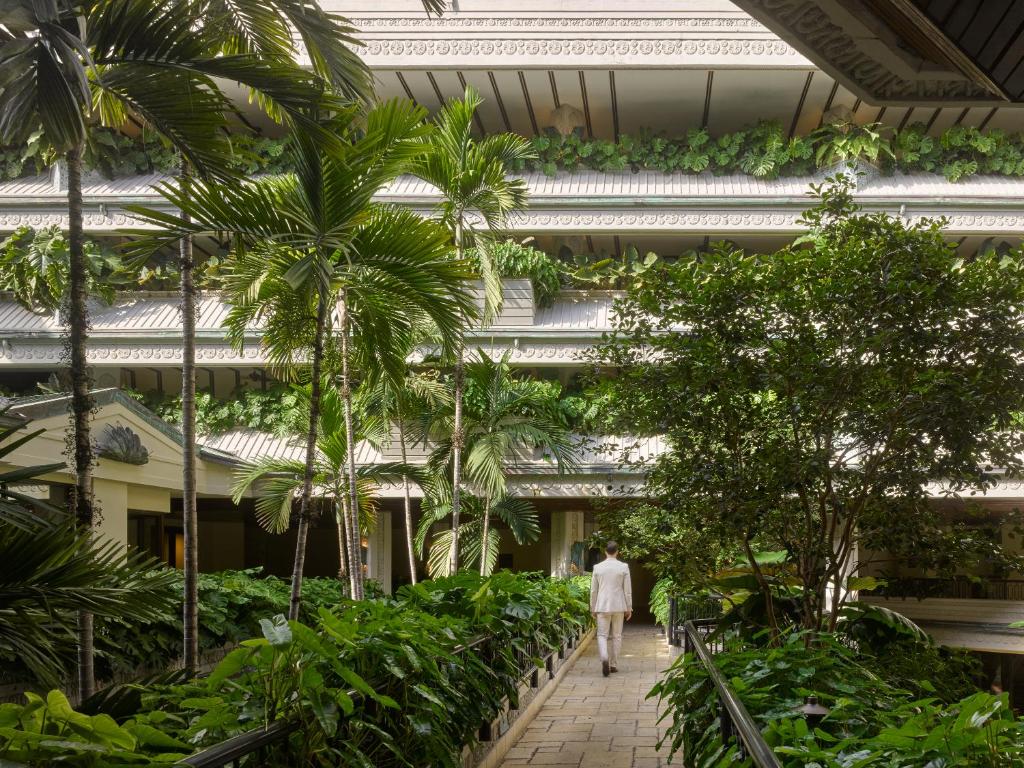
Few hotels engage the senses quite like Mayfair House. The building unfolds as a series of discoveries. Open-air corridors wind through lush gardens. Water trickles through hidden courtyards. Copper railings develop a rich patina beneath the Miami sun. Tropical plants spill from balconies and terraces, softening the architecture and blurring the boundaries between inside and outside. Rather than separating guests from nature, the hotel immerses them within it. Concrete, carved wood, mosaics, stained glass, bronze detailing, and dense greenery coexist in perfect balance. Every corner feels handcrafted. Every pathway invites exploration. In an era dominated by sleek minimalism, Mayfair House embraces texture, complexity, and emotion.
Rooms That Feel Like Private Residences
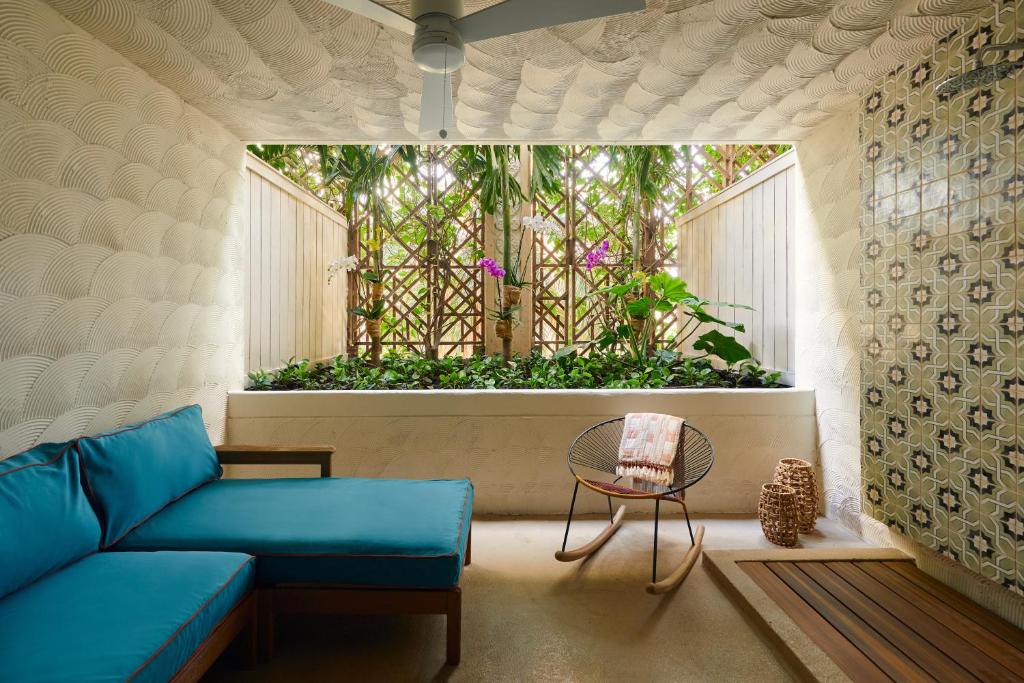
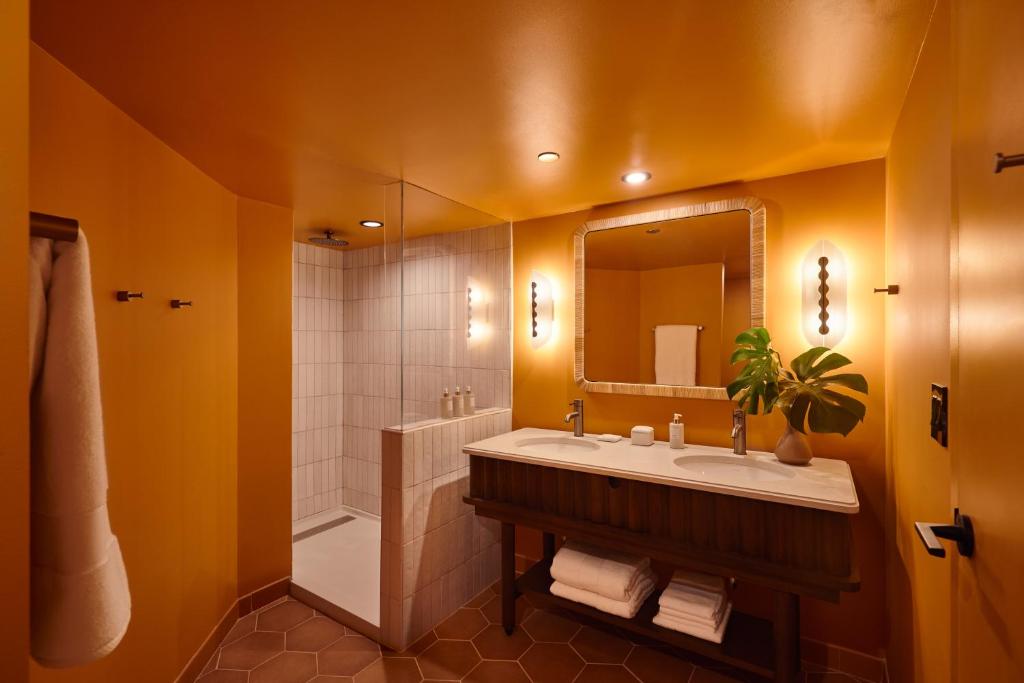
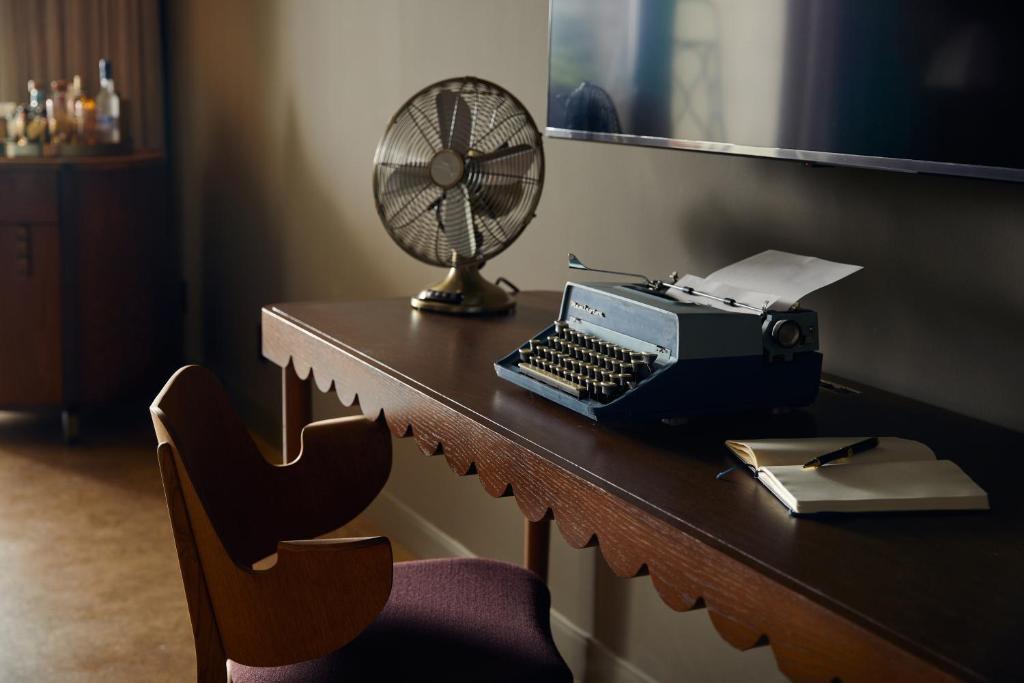
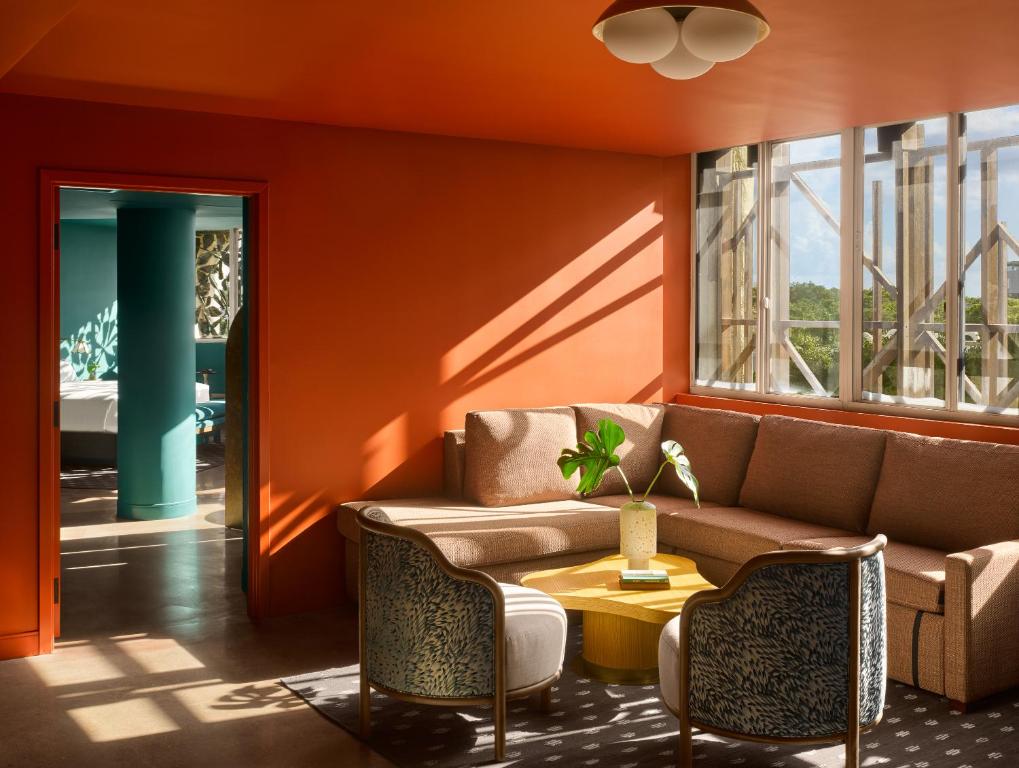
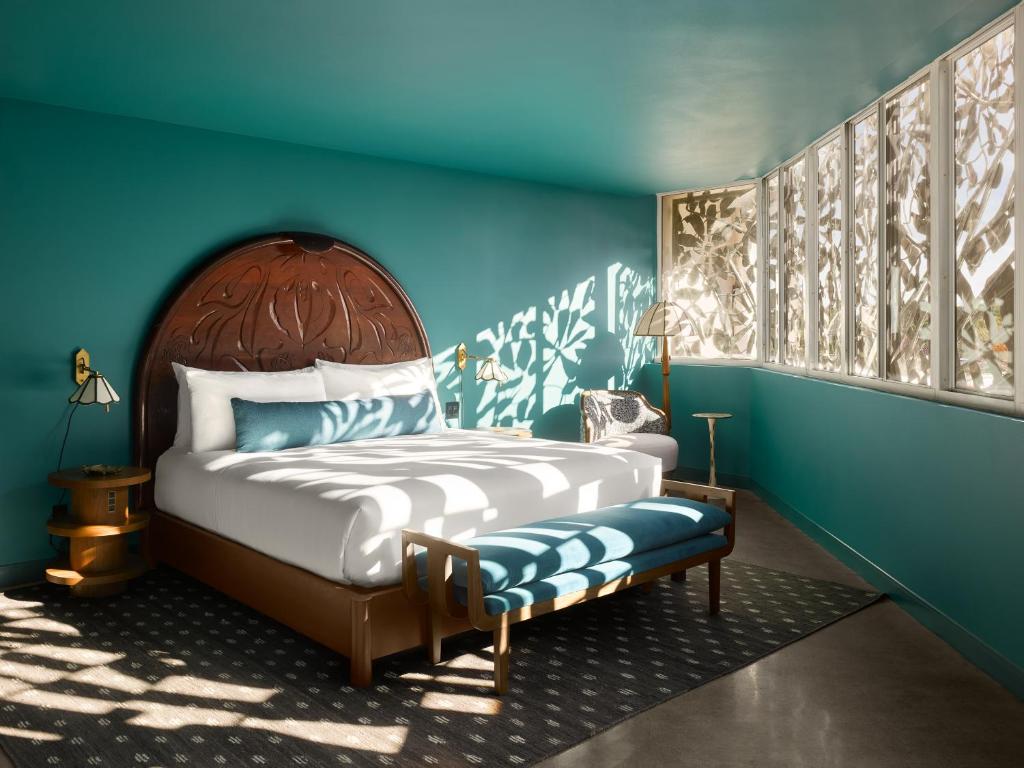
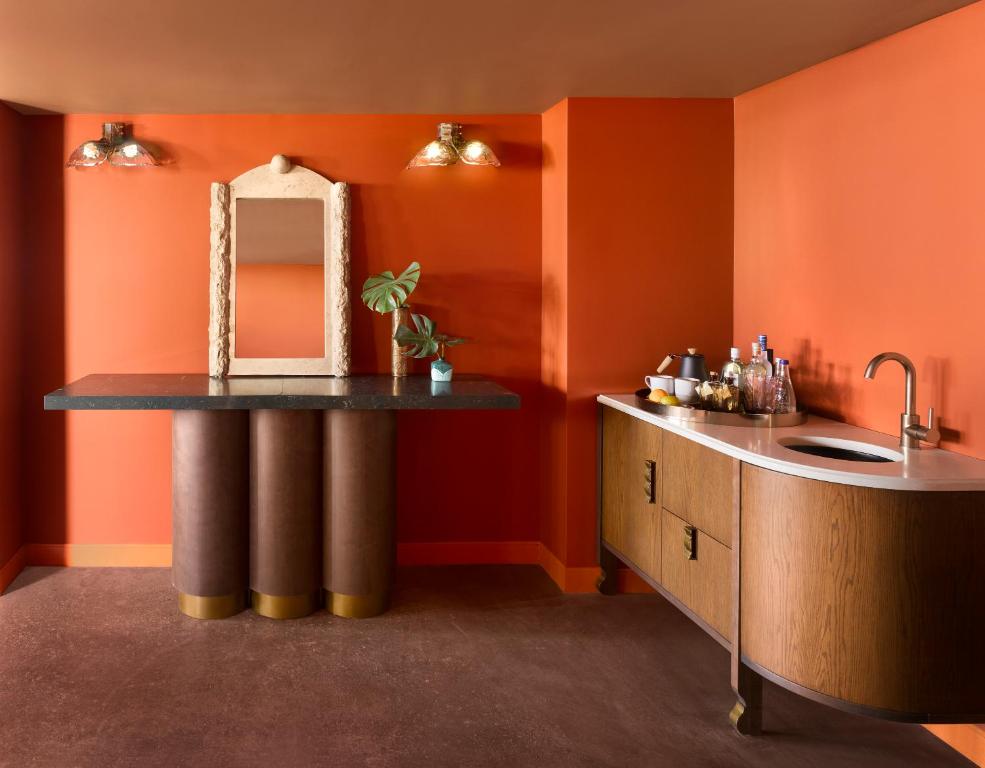
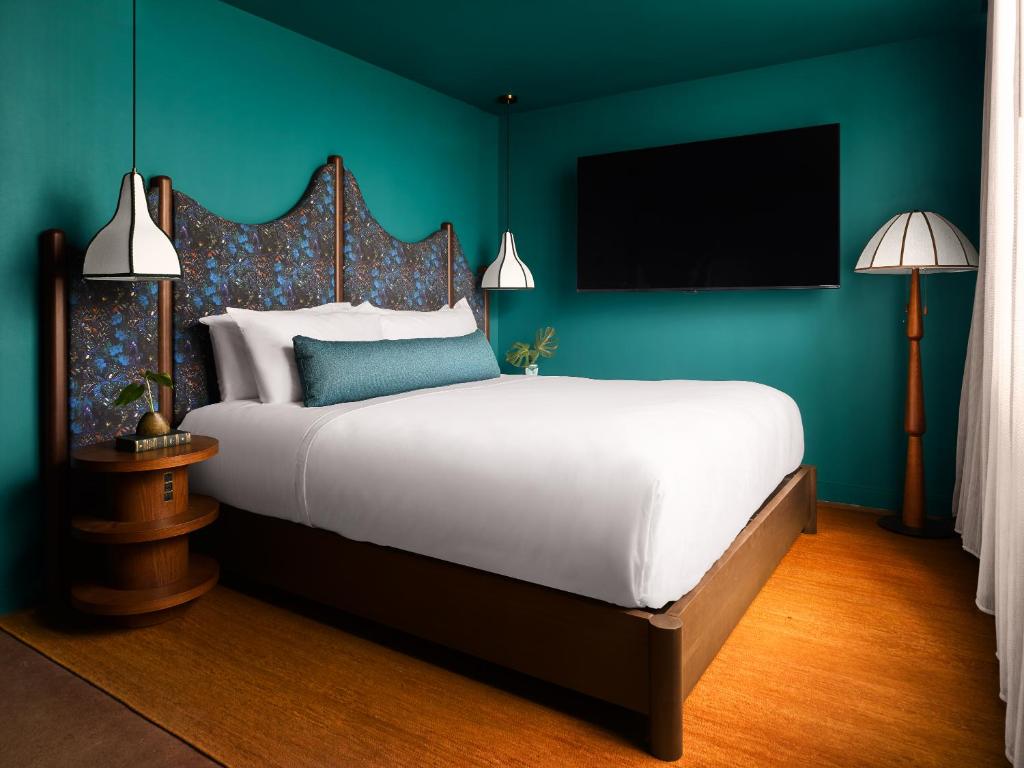
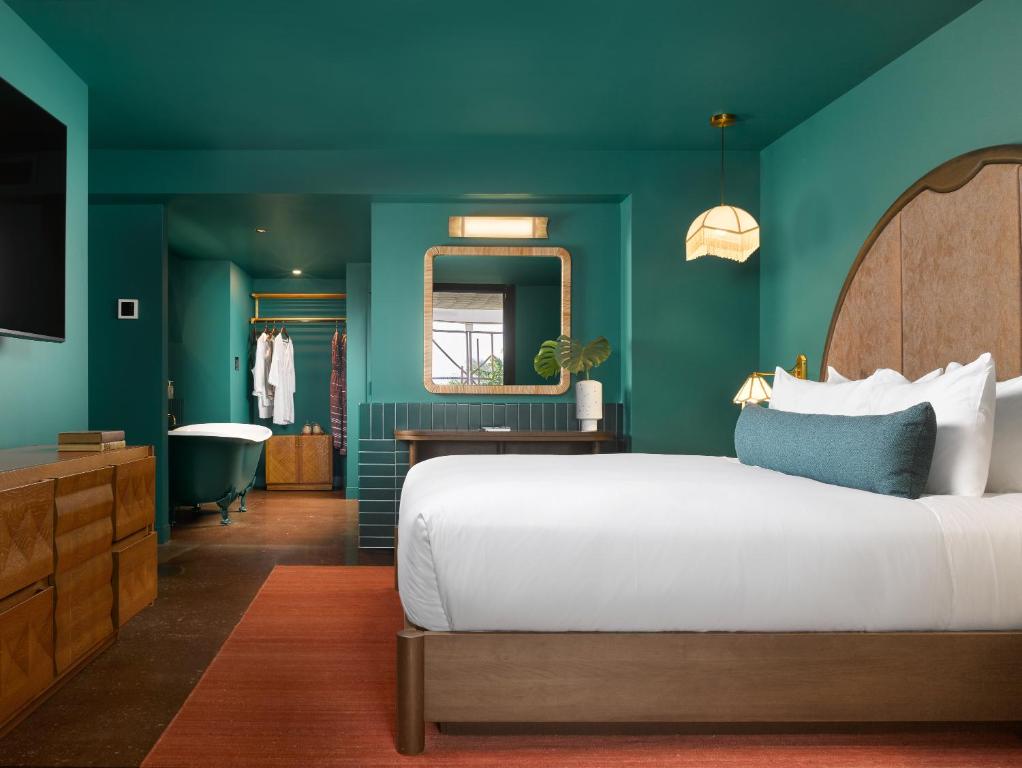
The 179 guestrooms and suites continue the story upstairs. Large by Miami standards and filled with character, they feel closer to private apartments than traditional hotel rooms. Nearly every room features a generous balcony or terrace wrapped in tropical greenery, extending the living space into the landscape. Goodrich’s redesign introduces rich emerald tones, warm timber finishes, handcrafted details, and custom furnishings that complement Treister’s original architecture rather than compete with it. Oversized clawfoot tubs, carved wooden headboards, cocktail bar carts, vintage-inspired touches, and locally sourced amenities add personality throughout. Some rooms even feature typewriters, a playful reminder that creativity remains part of the hotel’s identity. No two spaces feel exactly alike.
The Grove’s Living Room
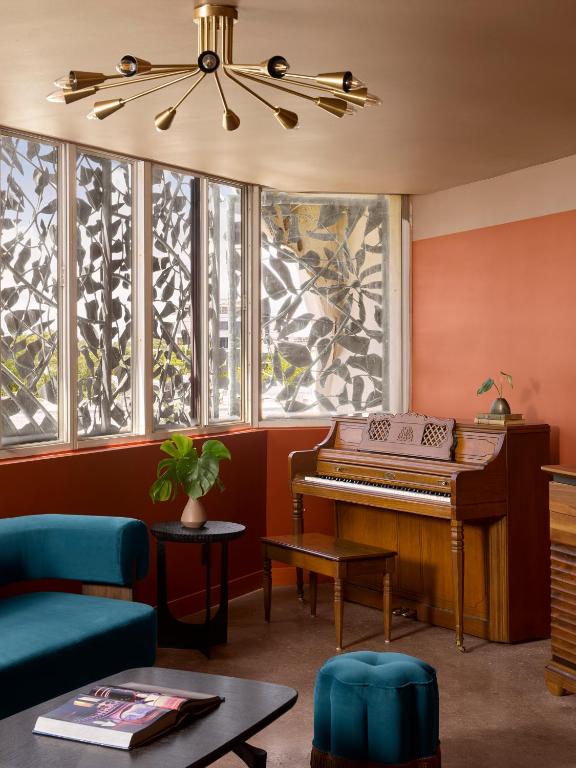
At the heart of the property sits the soaring garden atrium. Filled with palms, natural light, and gathering spaces, it functions as the social center of the hotel. Throughout the day, guests drift between coffee meetings, leisurely lunches, remote work sessions, and impromptu conversations. Unlike the polished exclusivity of many Miami hotels, Mayfair House feels welcoming and lived-in. Locals mix naturally with visitors. Artists share space with entrepreneurs. The atmosphere is sophisticated but never pretentious. It feels unmistakably Coconut Grove.
A Culinary Destination in Its Own Right
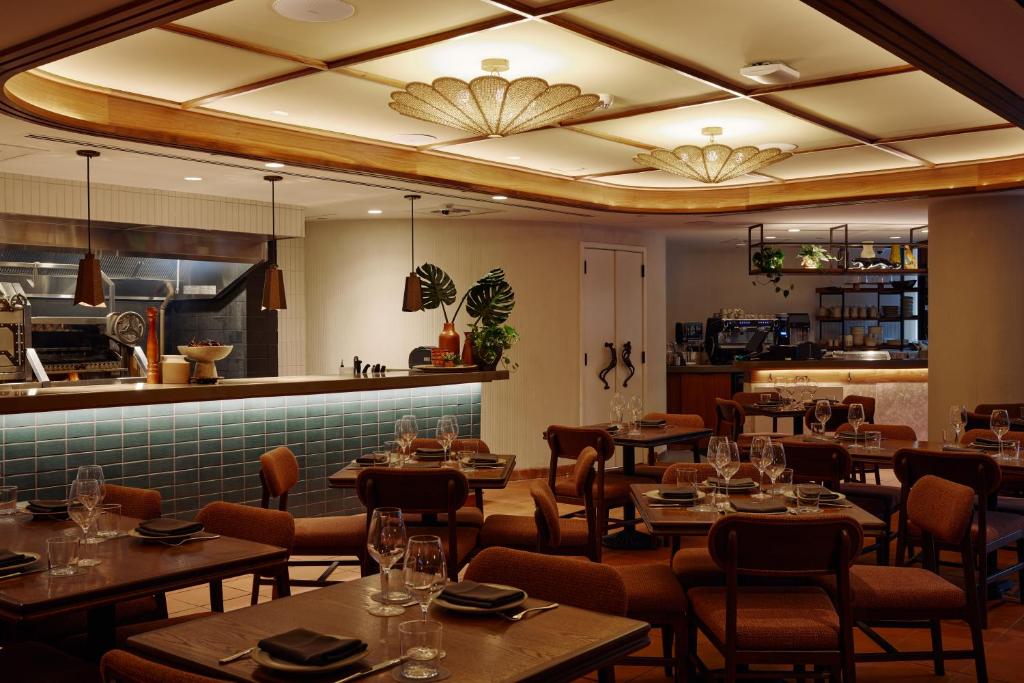
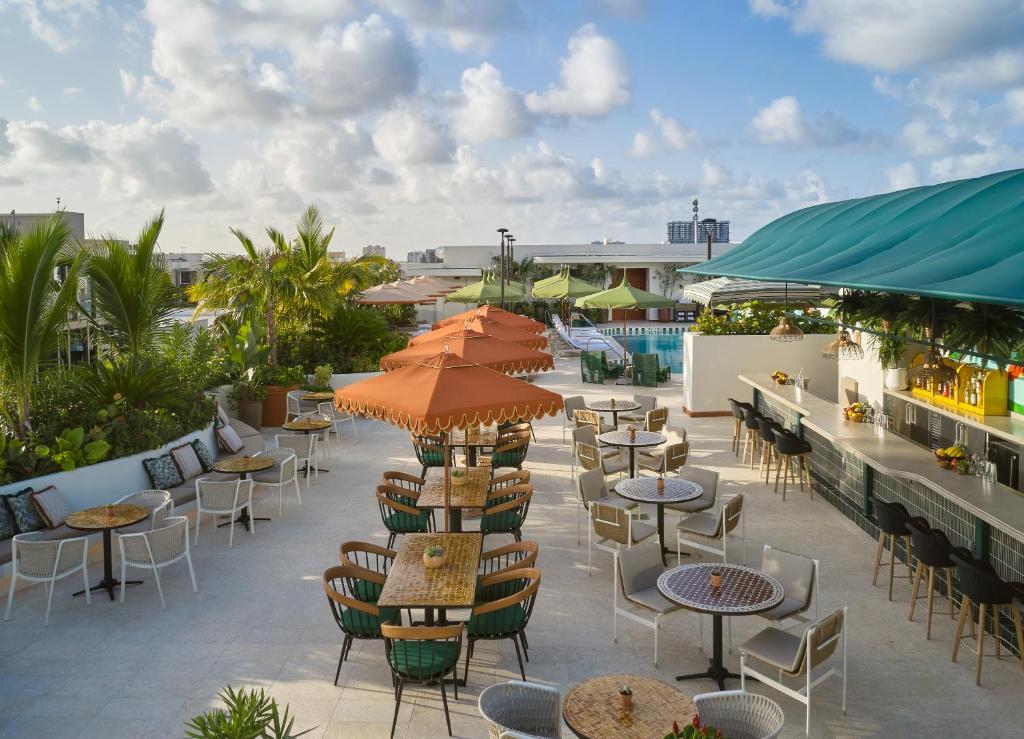
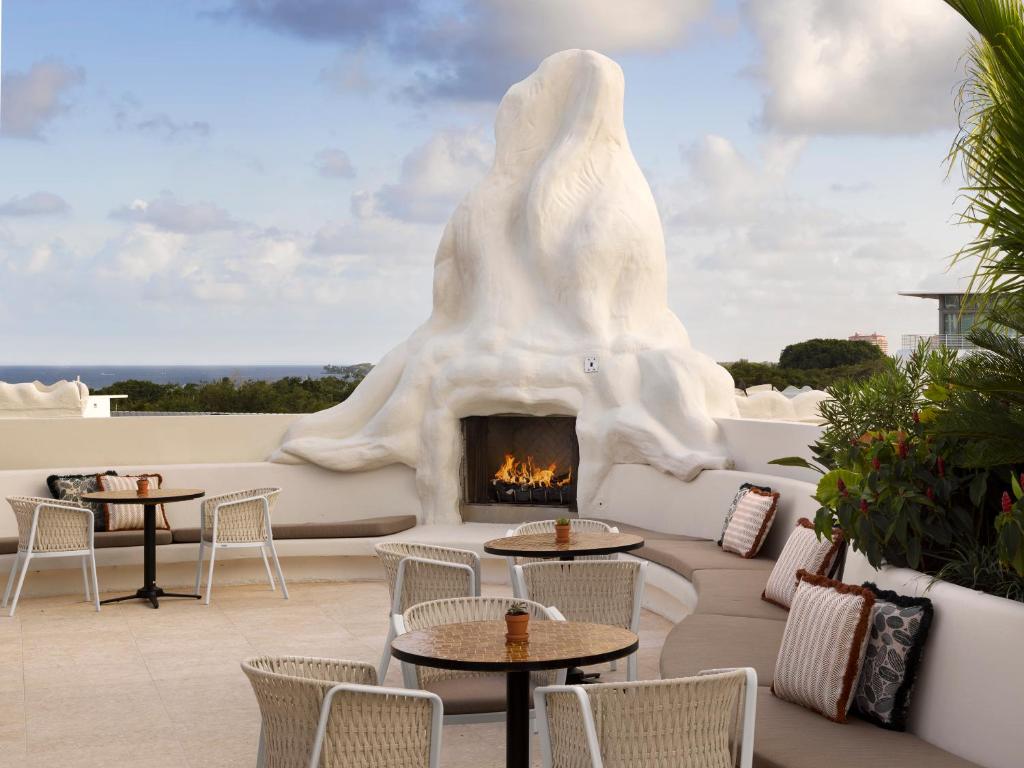
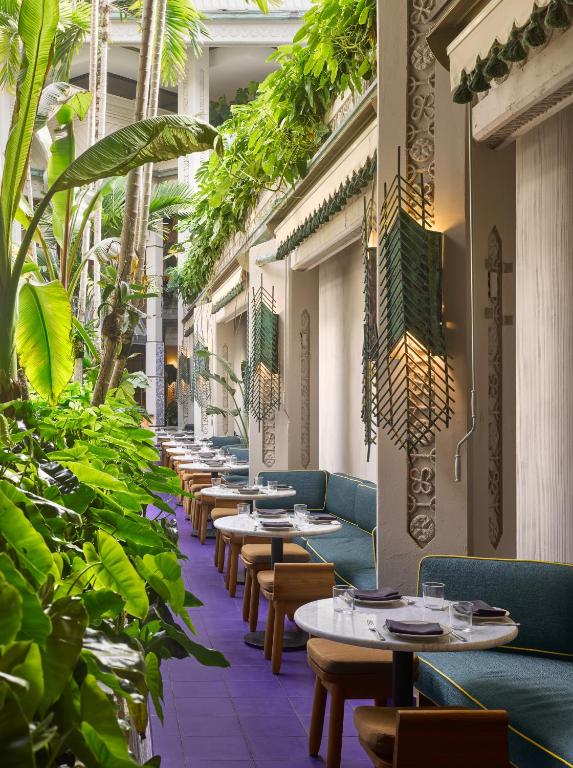
The hotel’s dining scene has become one of the neighborhood’s biggest attractions. At Mayfair Grill, acclaimed Miami chef Giorgio Rapicavoli draws inspiration from the American Southwest, South Florida, and Latin America. Wood-fired cooking takes center stage, filling the restaurant with aromas that drift through the entire property. Local seafood, grilled meats, seasonal vegetables, and tropical flavors create a menu that feels distinctly rooted in place. Breakfast unfolds in the courtyard beneath the palms, while evenings bring a steady stream of locals seeking one of Coconut Grove’s most coveted reservations. Above it all sits Sipsip Rum Bar. Named after the Bahamian settlers who helped shape Coconut Grove’s history, the rooftop bar combines Caribbean influences, tropical cocktails, panoramic views, and an effortlessly social atmosphere. At sunset, it becomes one of Miami’s most enjoyable places to linger.
The Soul of Coconut Grove
Location matters here. While much of Miami’s luxury hospitality revolves around South Beach spectacle, Mayfair House belongs to a different world entirely. Coconut Grove has long been the city’s bohemian heart—a neighborhood of artists, writers, architects, sailors, musicians, and independent thinkers. Walk outside and you’ll find bookstores, cafés, galleries, parks, farmers markets, Michelin-starred restaurants, and some of Miami’s most charming streets. The pace is slower. The atmosphere more authentic. The creativity feels organic rather than curated. Mayfair House reflects all of it.
Miami’s Most Atmospheric Stay
Mayfair House Hotel & Garden is not simply a hotel renovation. It is the revival of one of Miami’s most important architectural landmarks. Lush without being excessive. Artistic without being self-conscious. Historic without feeling nostalgic. It offers something increasingly rare in modern hospitality: a genuine sense of place. For travelers who appreciate architecture, design, gardens, and hotels with real personality, Mayfair House remains one of the most distinctive stays not only in Miami, but anywhere in America.