Park Hyatt Tokyo, Japan
The Hotel That Redefined Modern Luxury
Why DNA Hotels Loves It
● One of the most influential luxury hotels ever created, setting a new global standard for understated, residential hospitality.
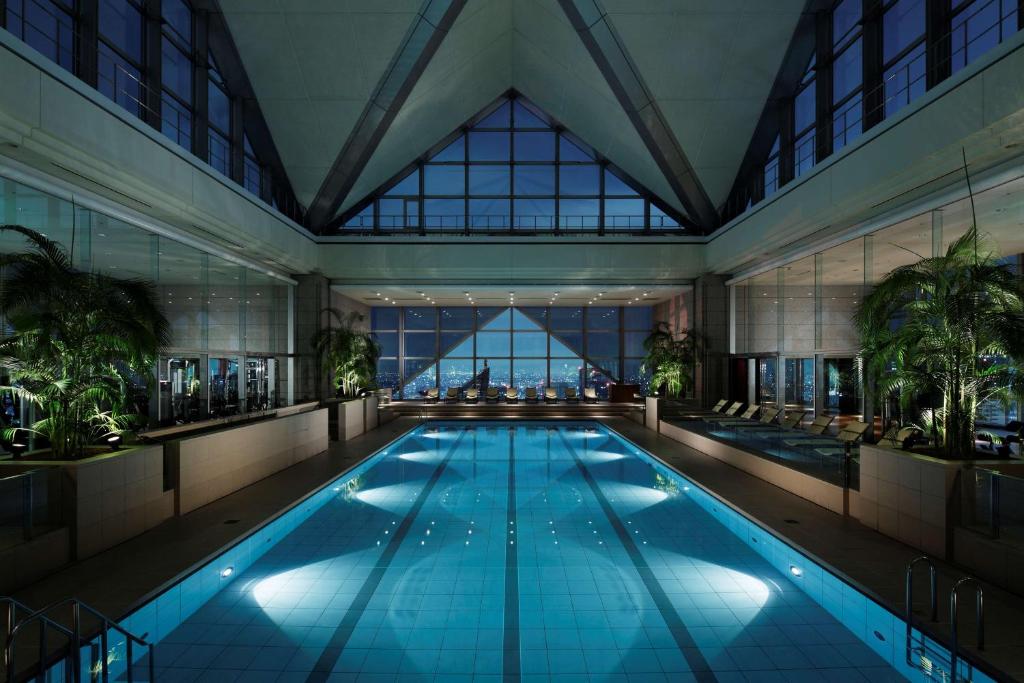
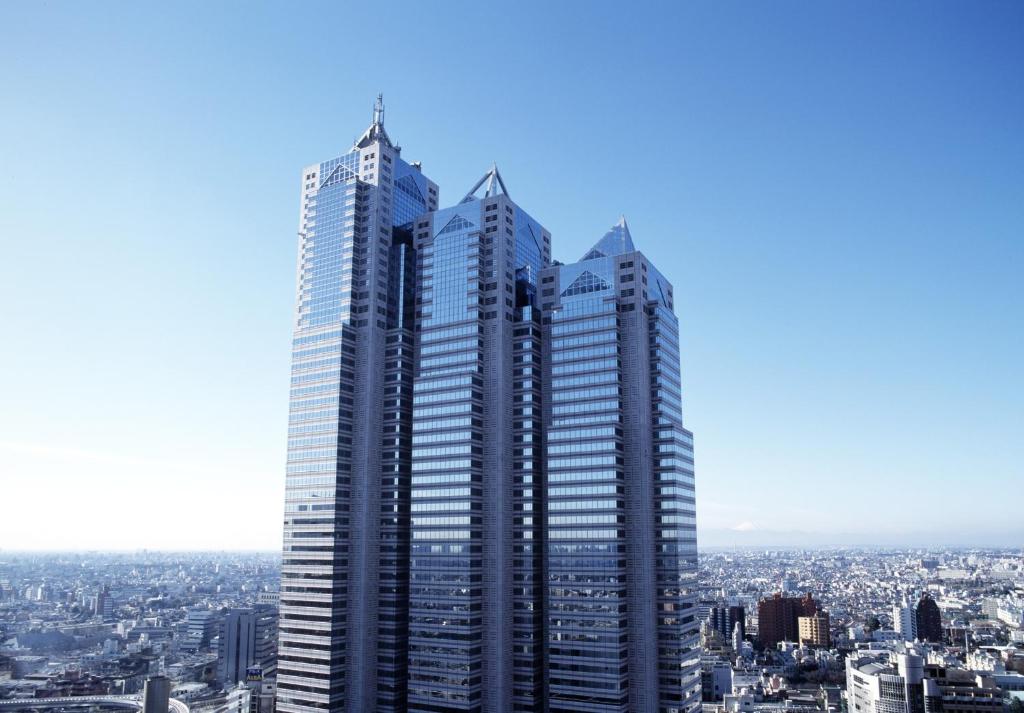
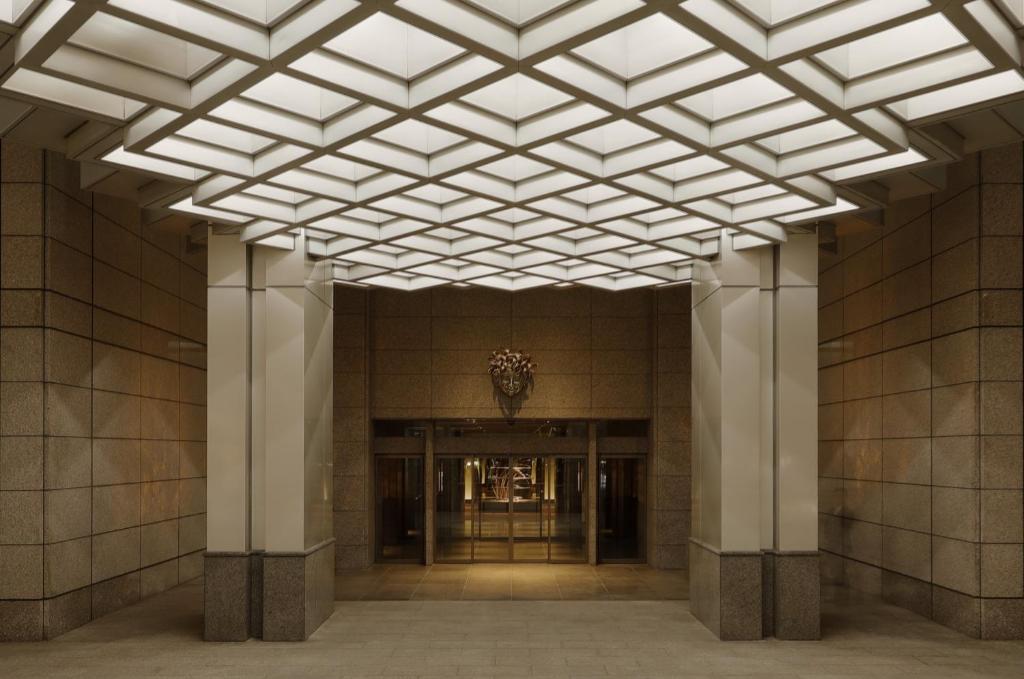
● Kenzo Tange’s iconic Shinjuku Park Tower and timeless interiors create one of the world’s most memorable architectural experiences.
● A rare combination of serenity, craftsmanship, and spectacular skyline views that remains unmatched more than three decades after opening.
The Hotel That Changed Everything
Some hotels follow trends. Park Hyatt Tokyo created one. When it opened in 1994 atop Kenzo Tange’s monumental Shinjuku Park Tower, luxury hospitality looked very different. Grand chandeliers, gilded lobbies, and formal service still defined five-star hotels around the world. Park Hyatt quietly rejected all of it. Instead, it introduced a new philosophy built around space, privacy, craftsmanship, and emotional comfort. Luxury became quieter. More personal. More residential. It wasn’t simply another luxury hotel. It became the blueprint for countless hotels that followed.
Above the Noise
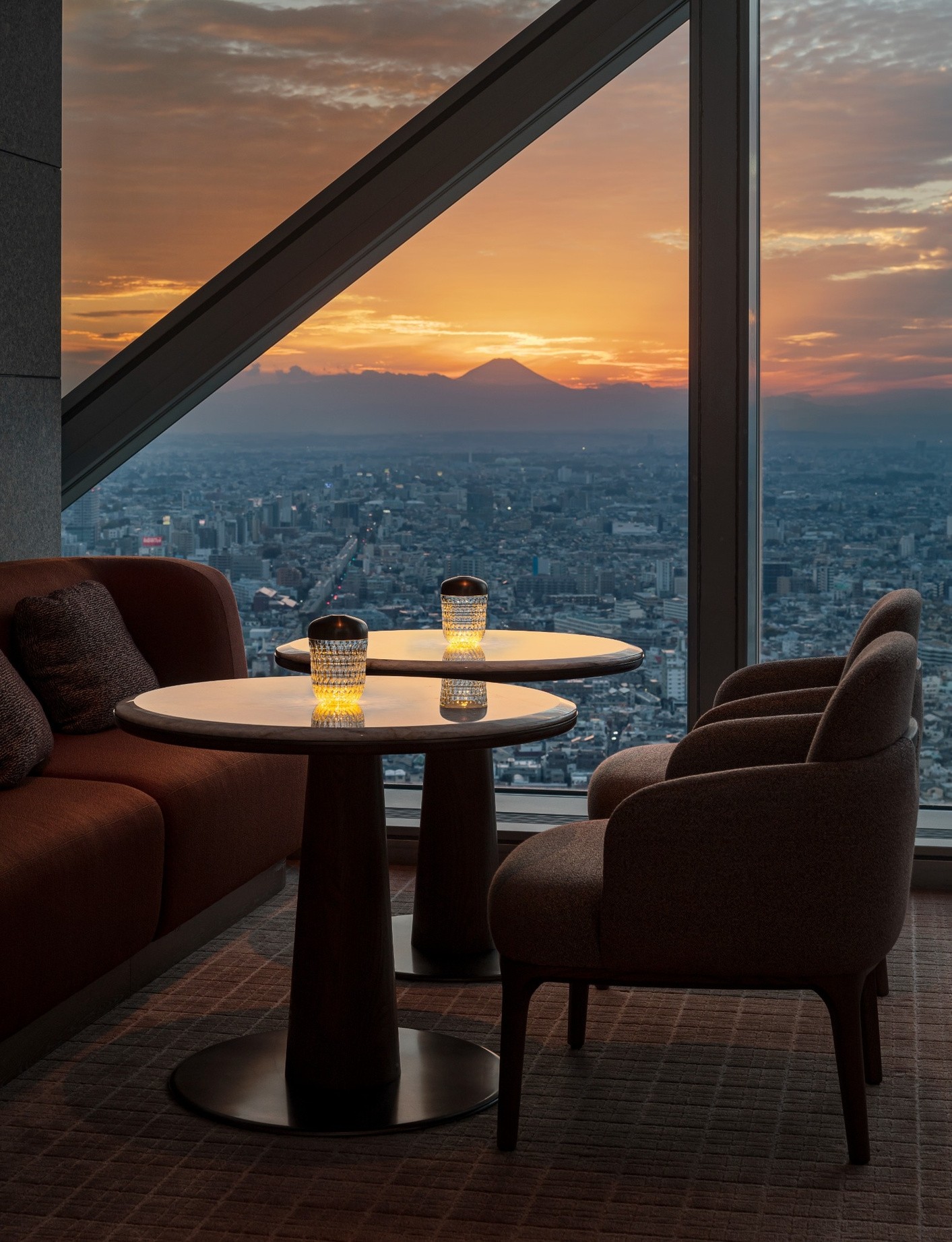
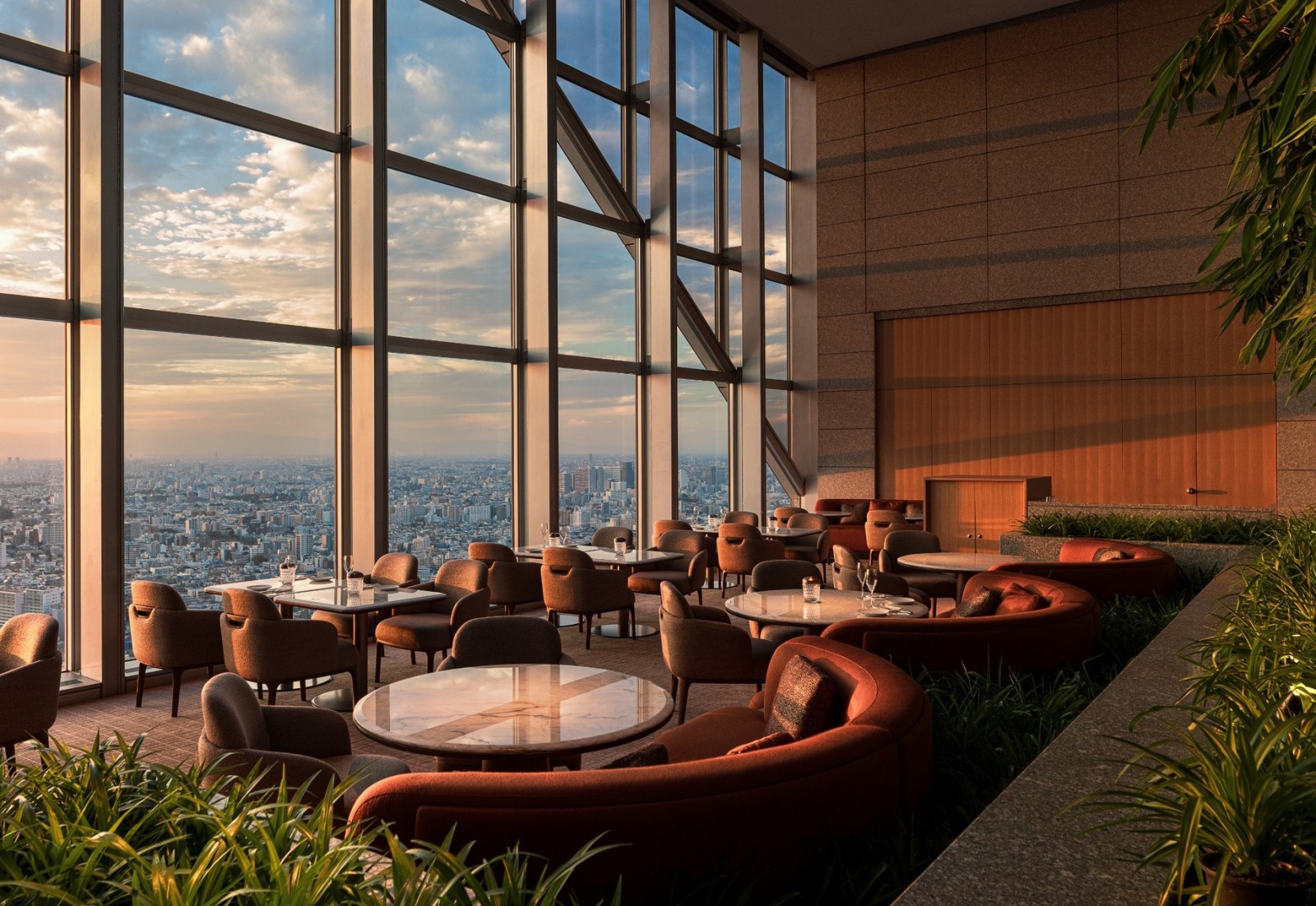
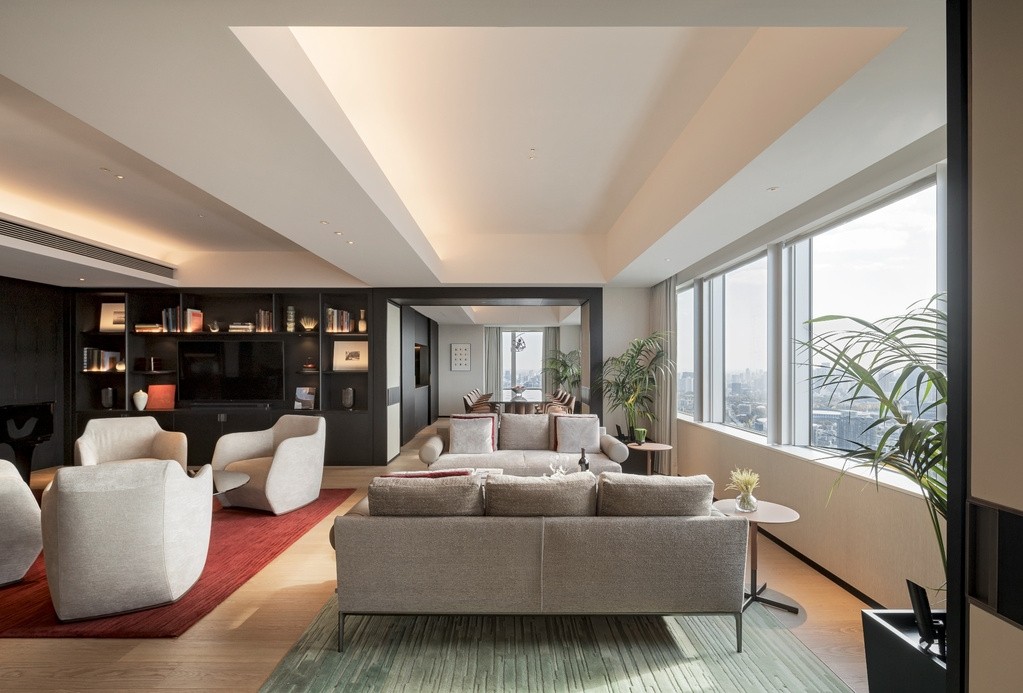
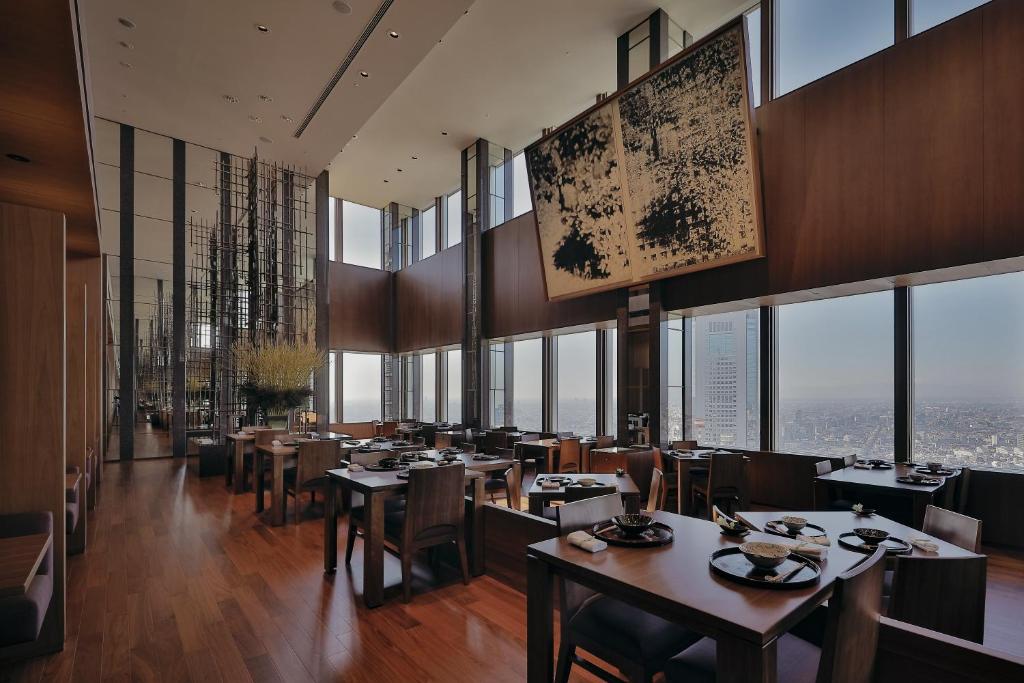
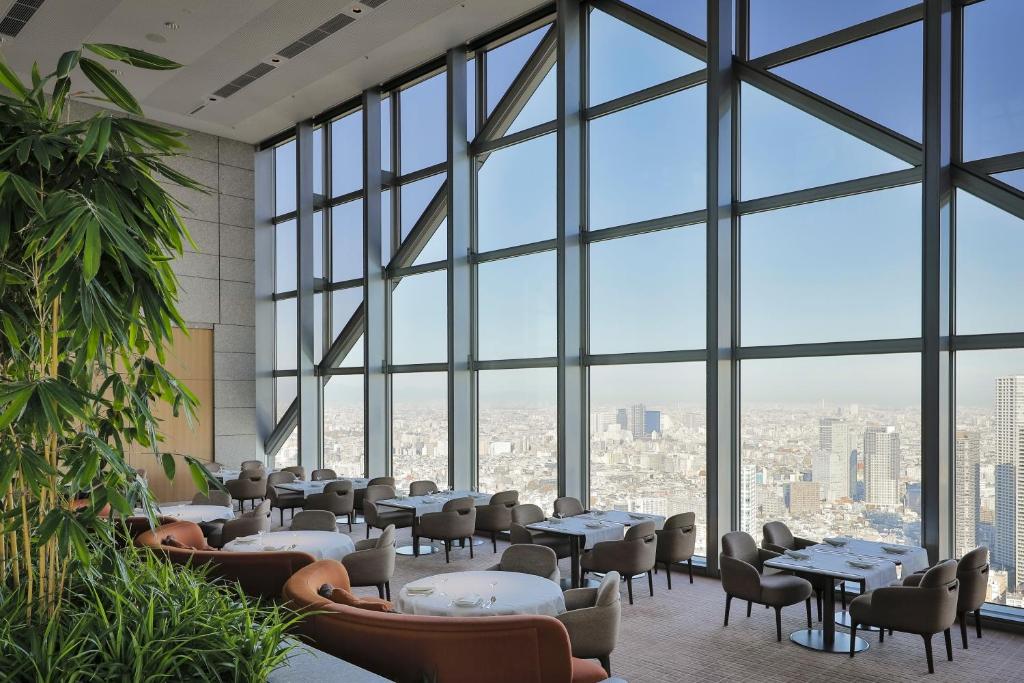
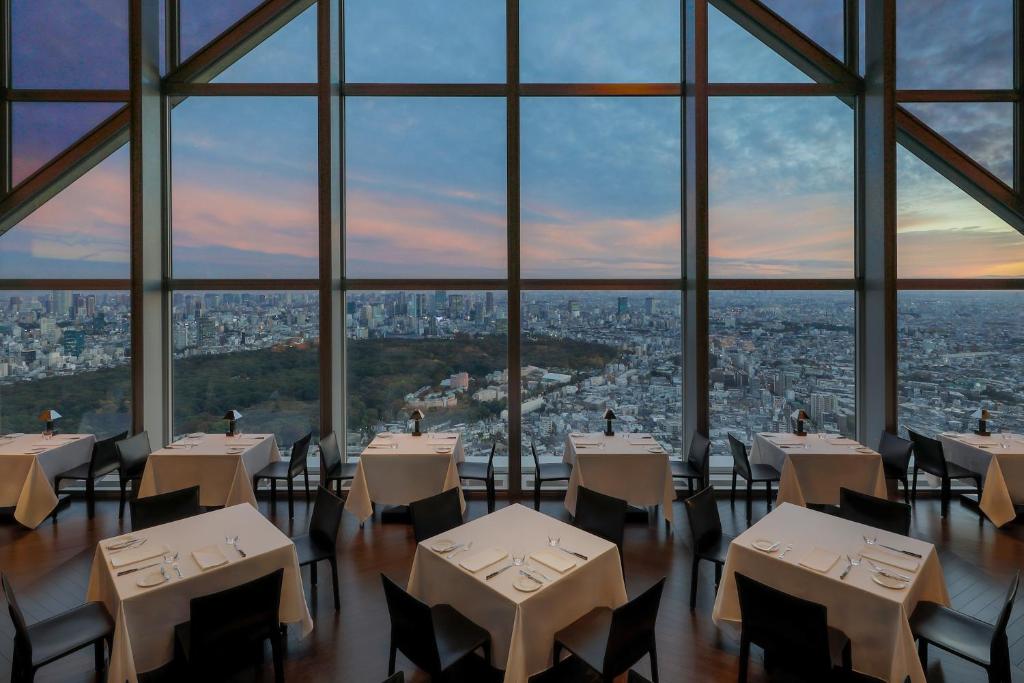
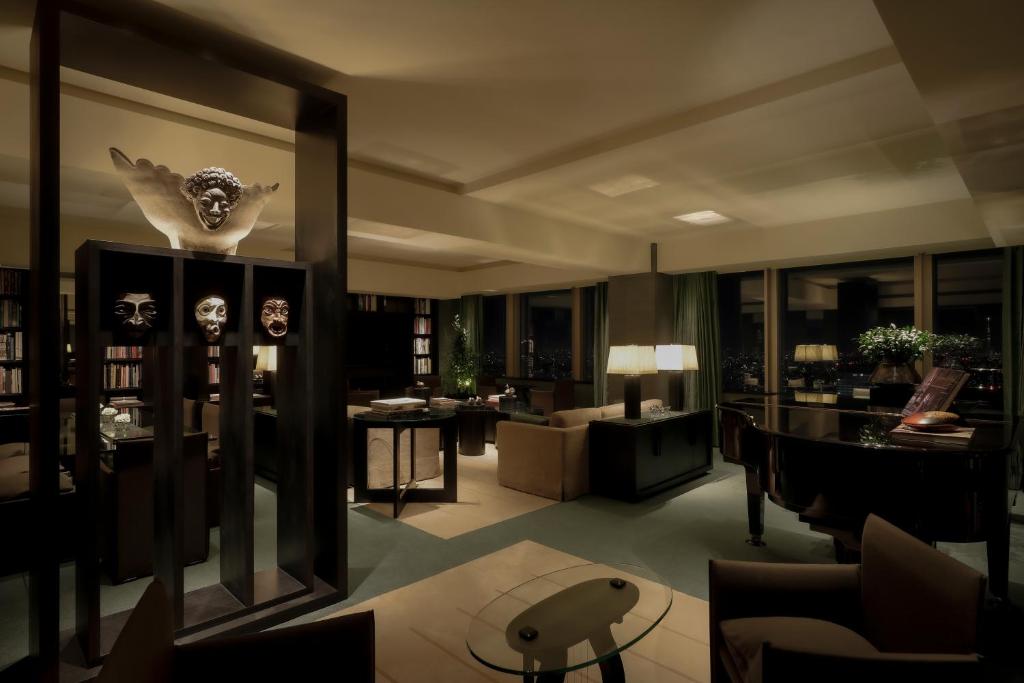
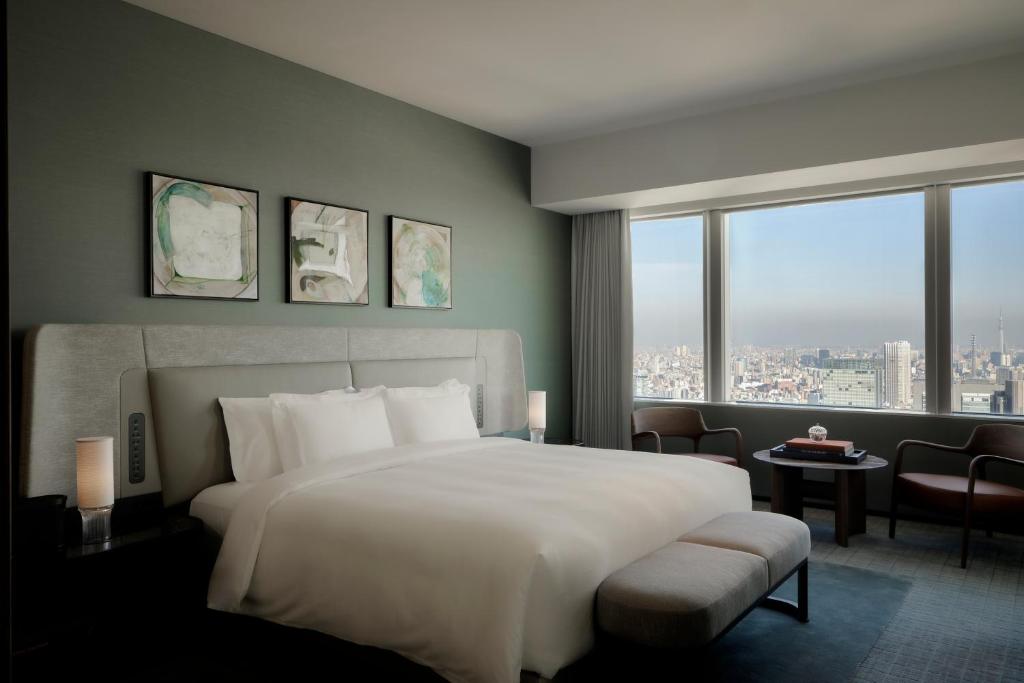
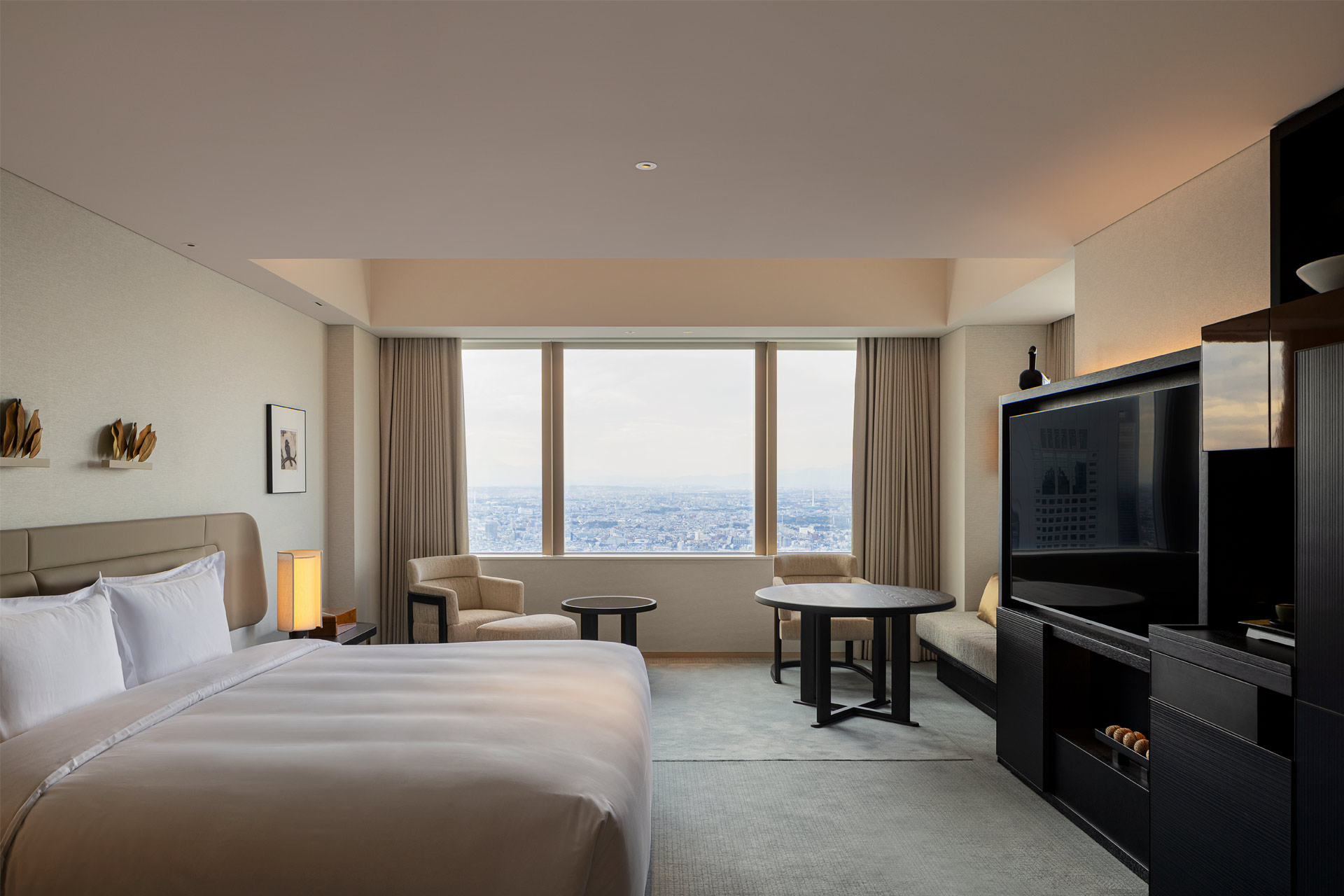
Few arrivals are as memorable. The journey begins at street level in Shinjuku before high-speed elevators carry guests into the upper floors of one of Japan’s great architectural landmarks. As the doors open, Tokyo disappears. The atmosphere changes immediately. Natural materials replace steel and glass. Soft lighting replaces city glare. Silence replaces traffic. Floor-to-ceiling windows frame one of the world’s greatest urban panoramas, with Tokyo stretching endlessly towards the horizon. On clear days, Mount Fuji quietly appears in the distance. The city never feels closer. Or further away.
The Birth of Residential Luxury
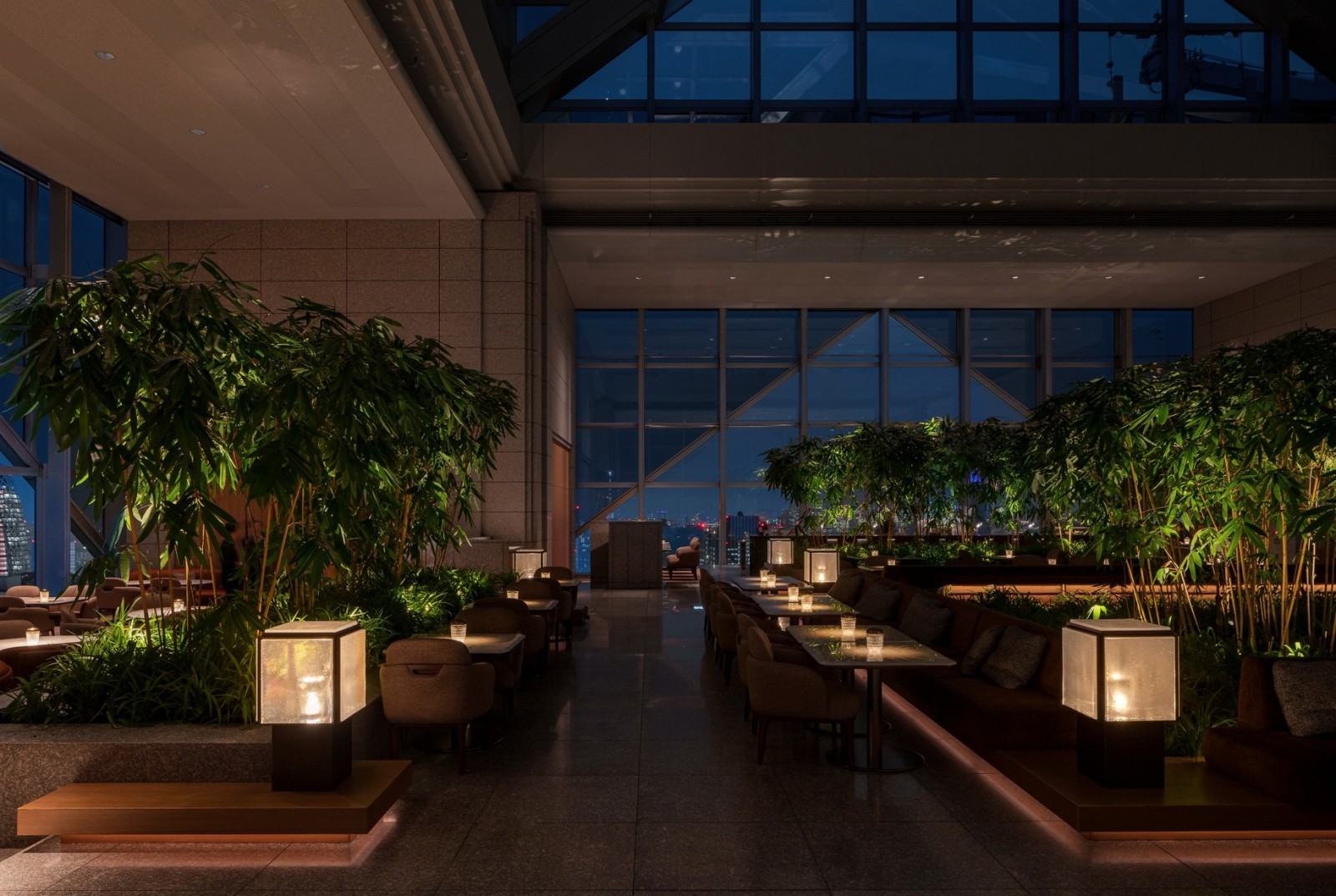
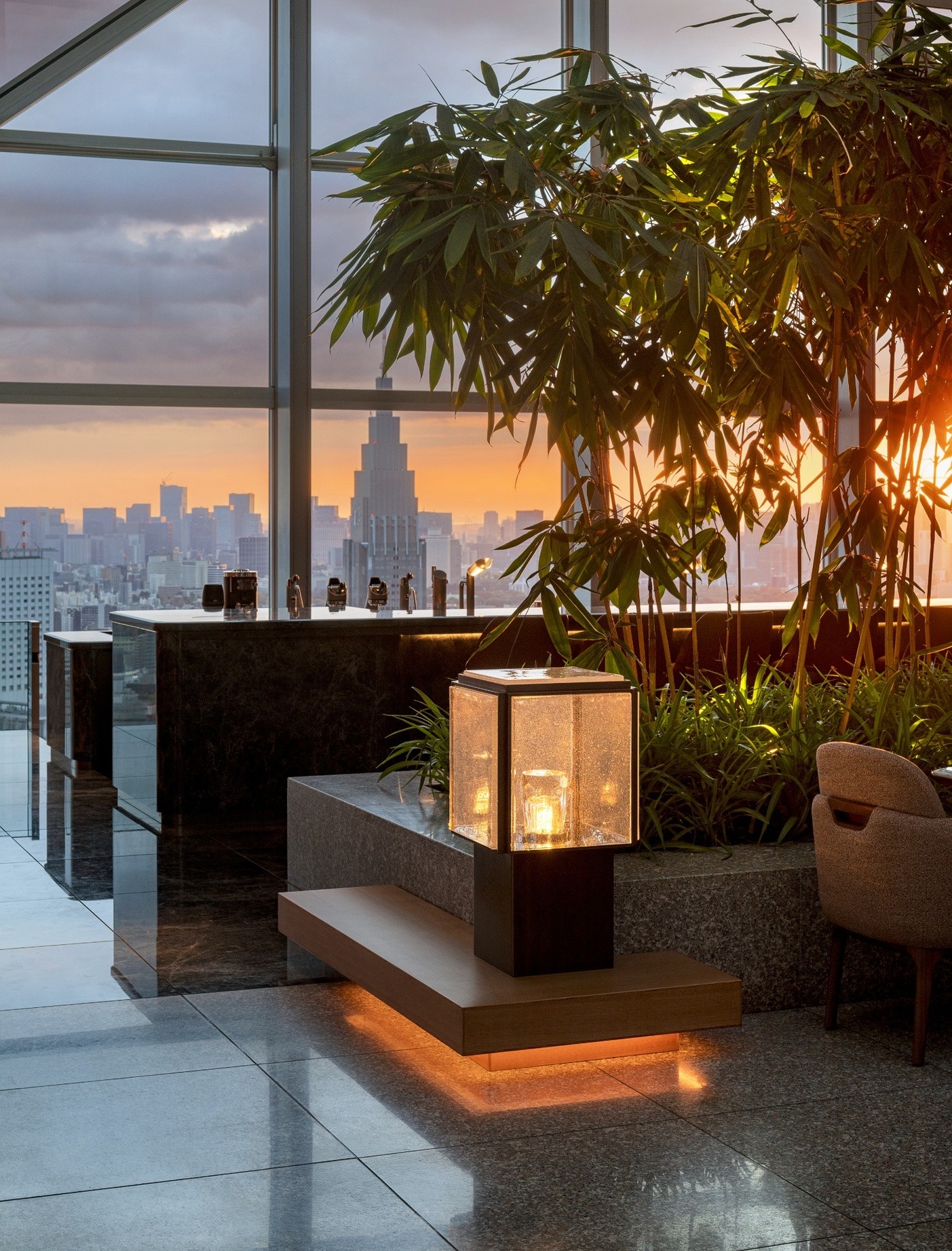
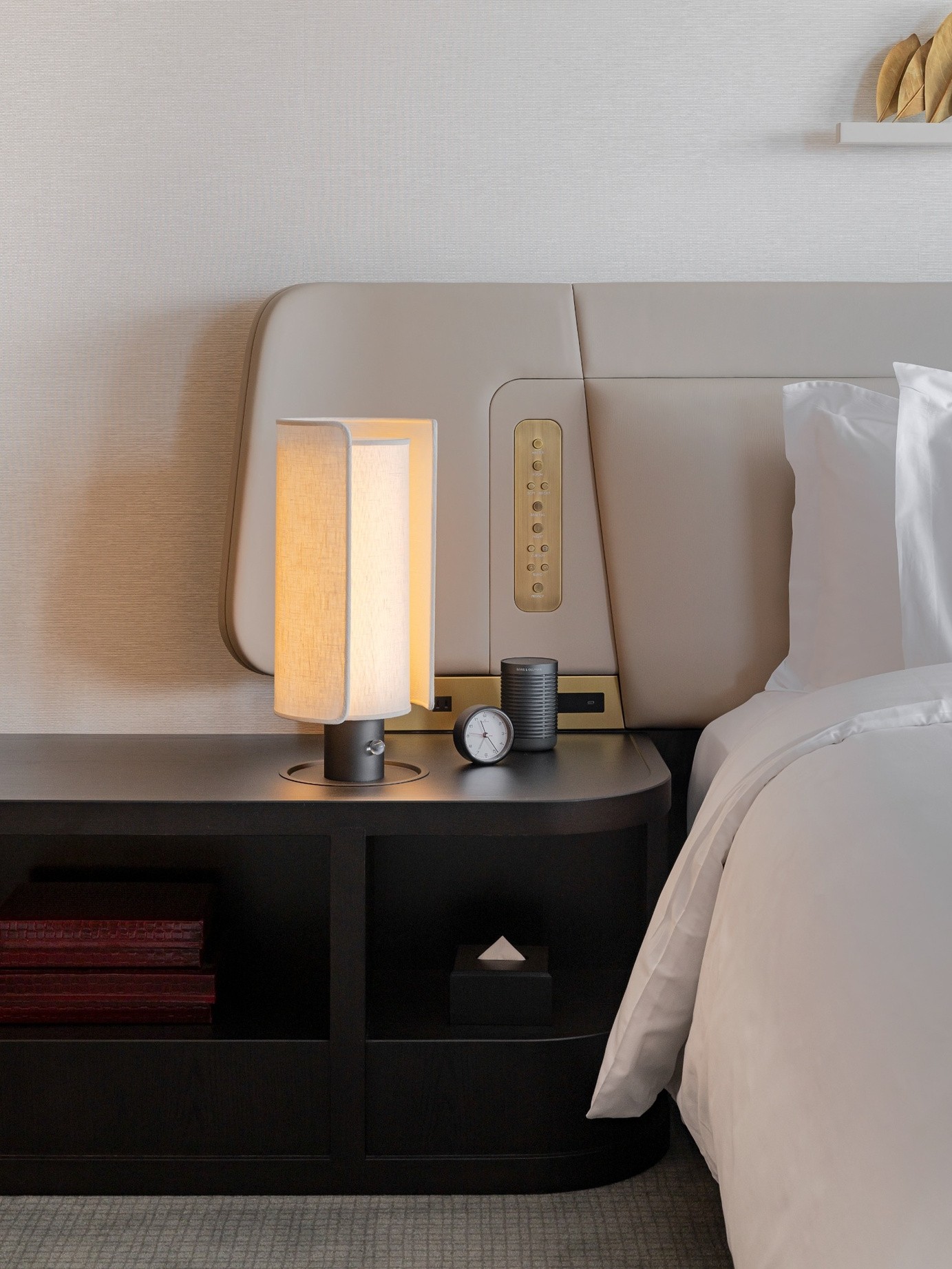
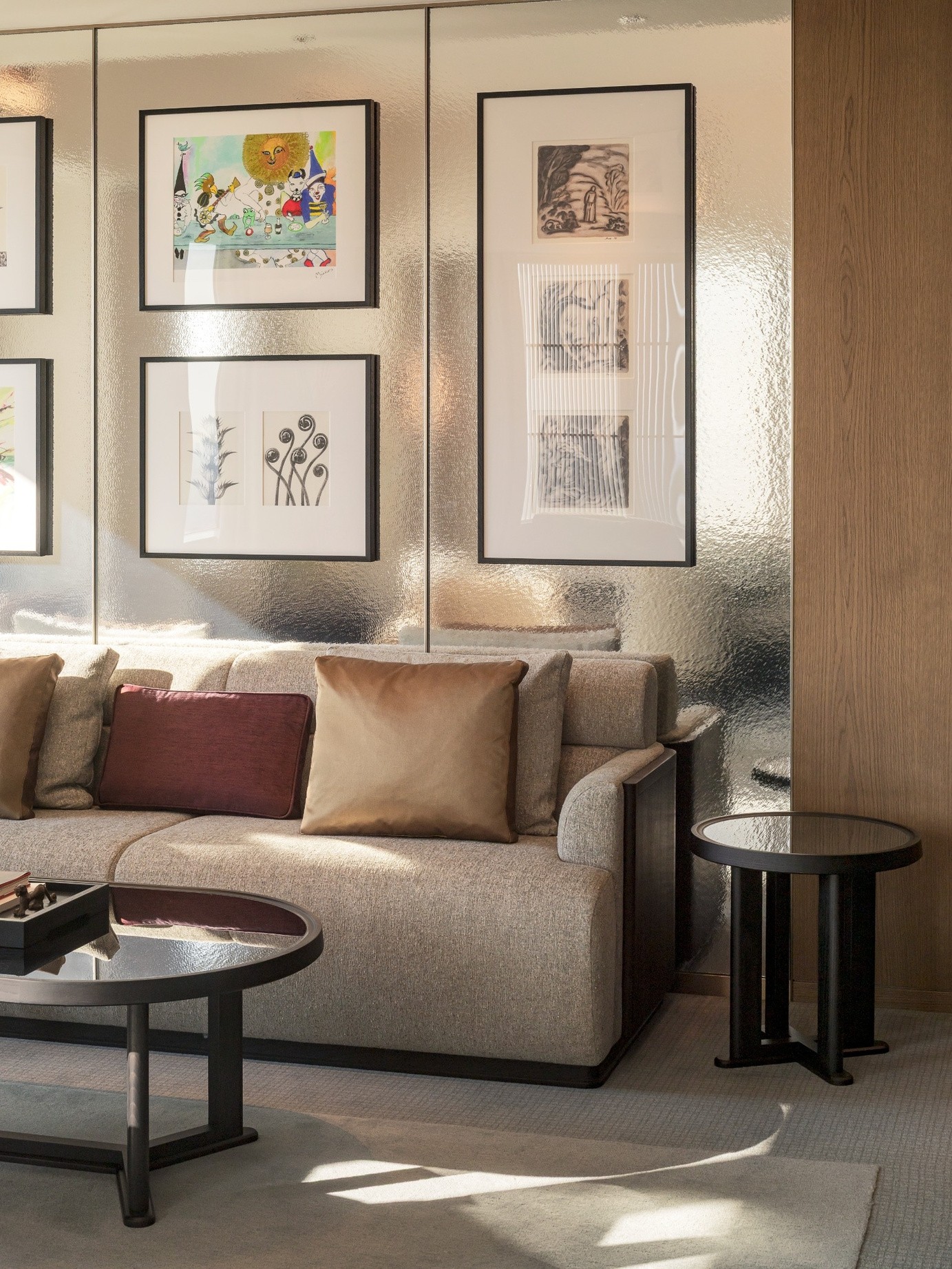
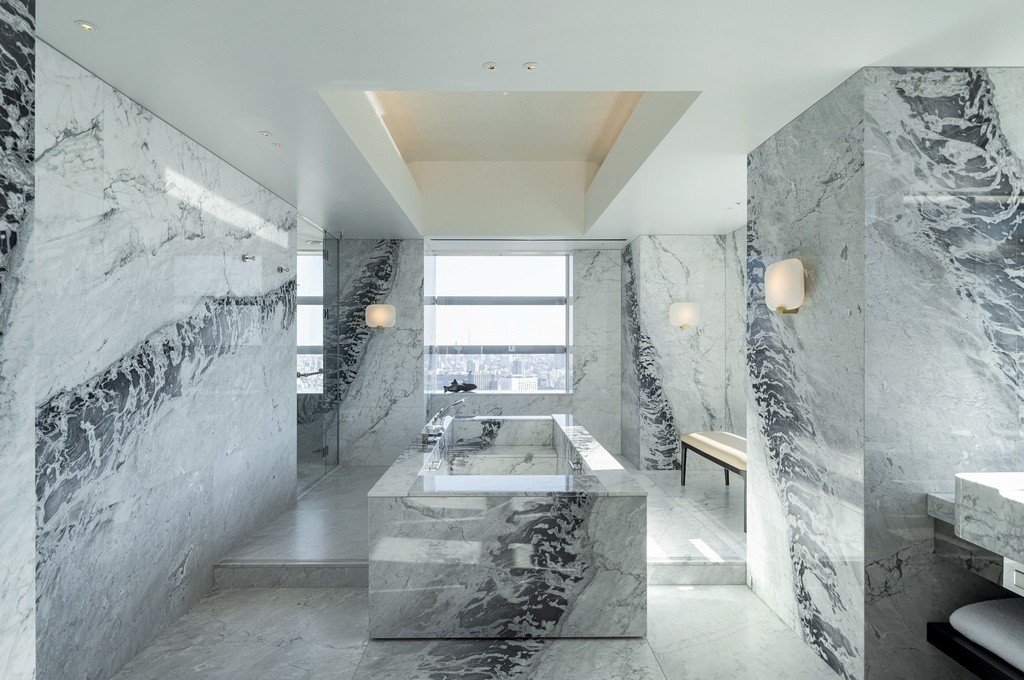
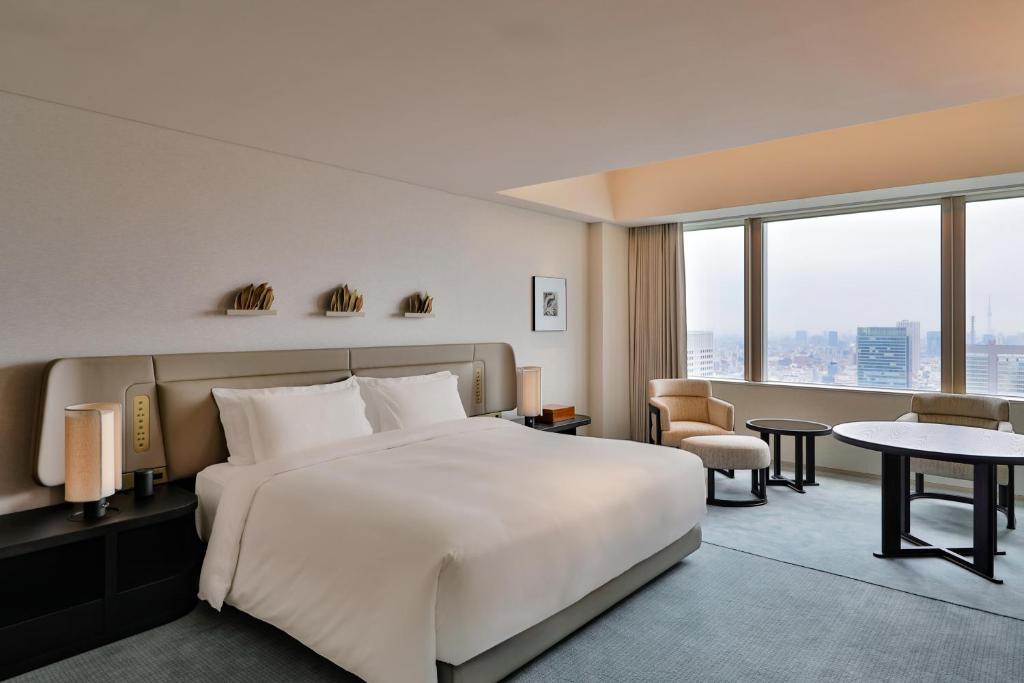
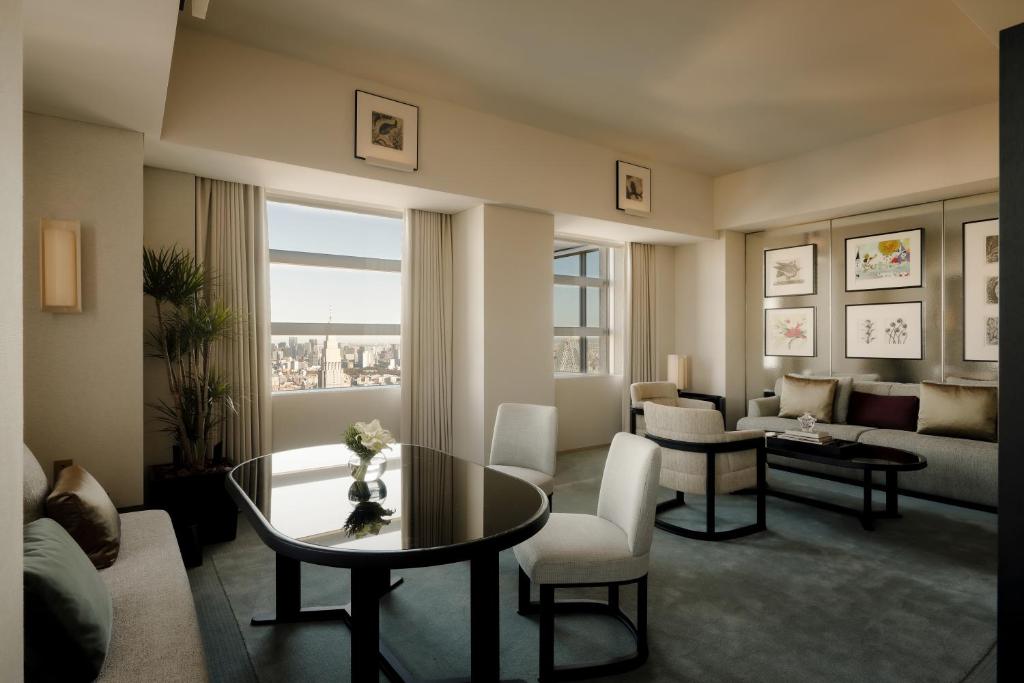
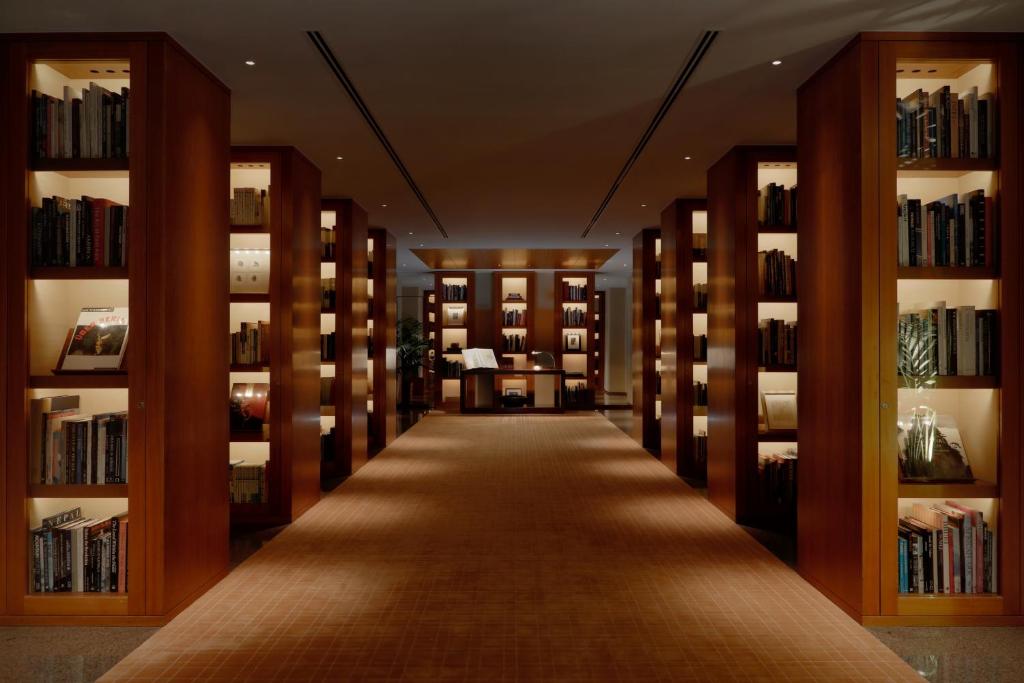
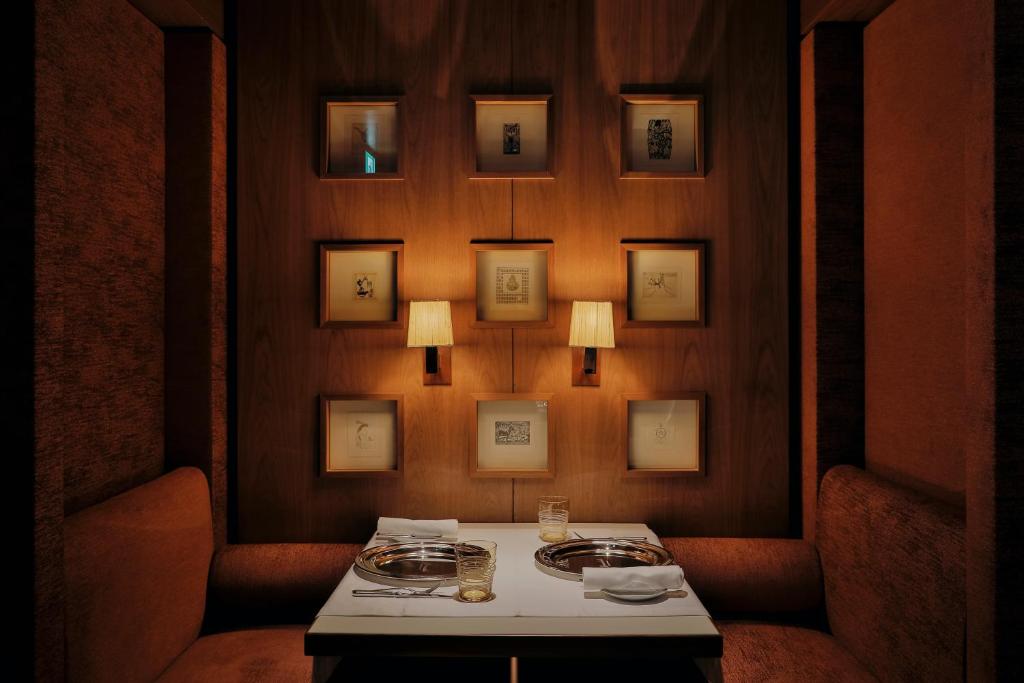
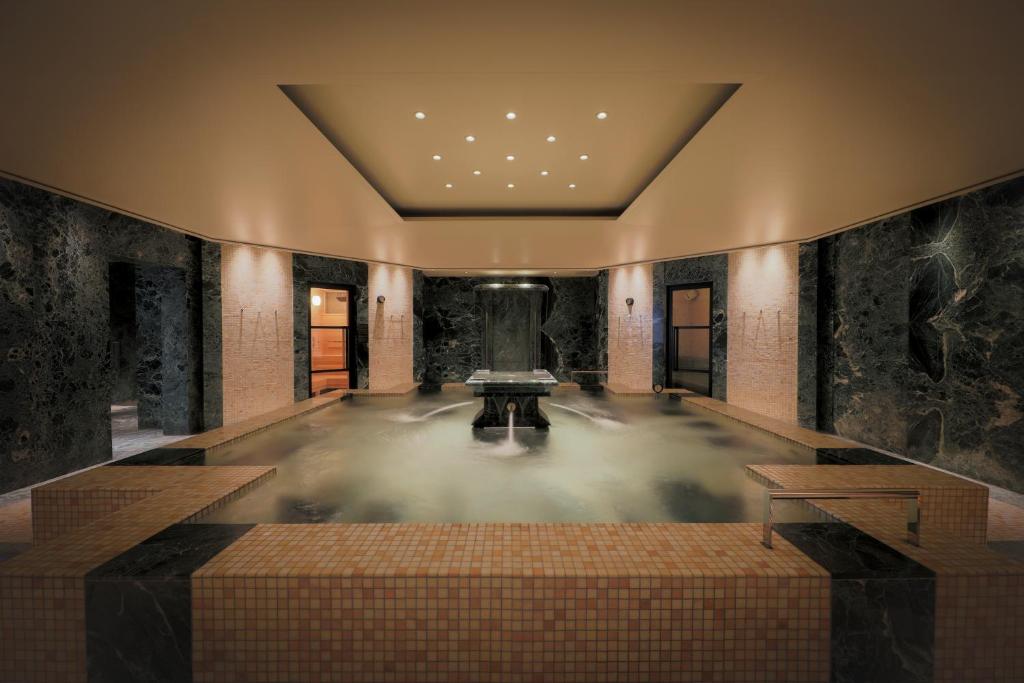
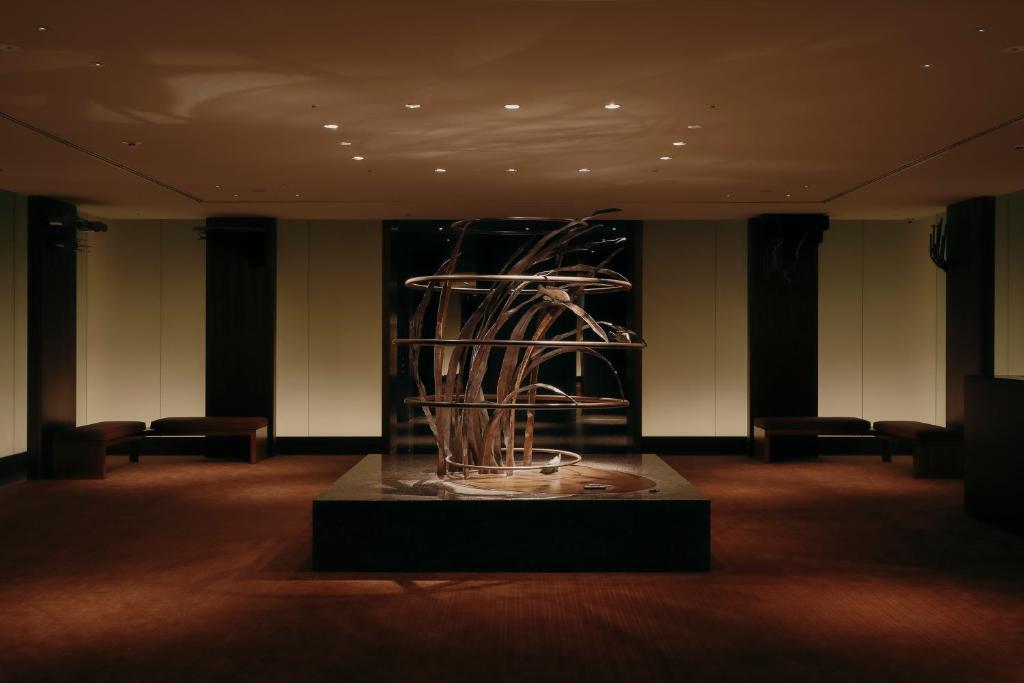
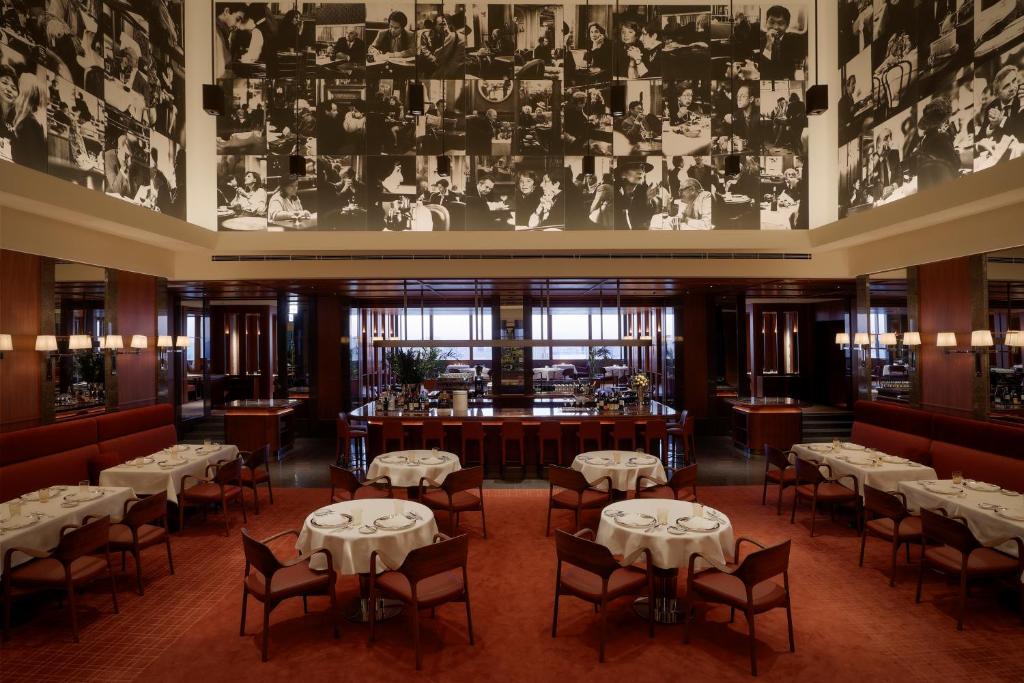
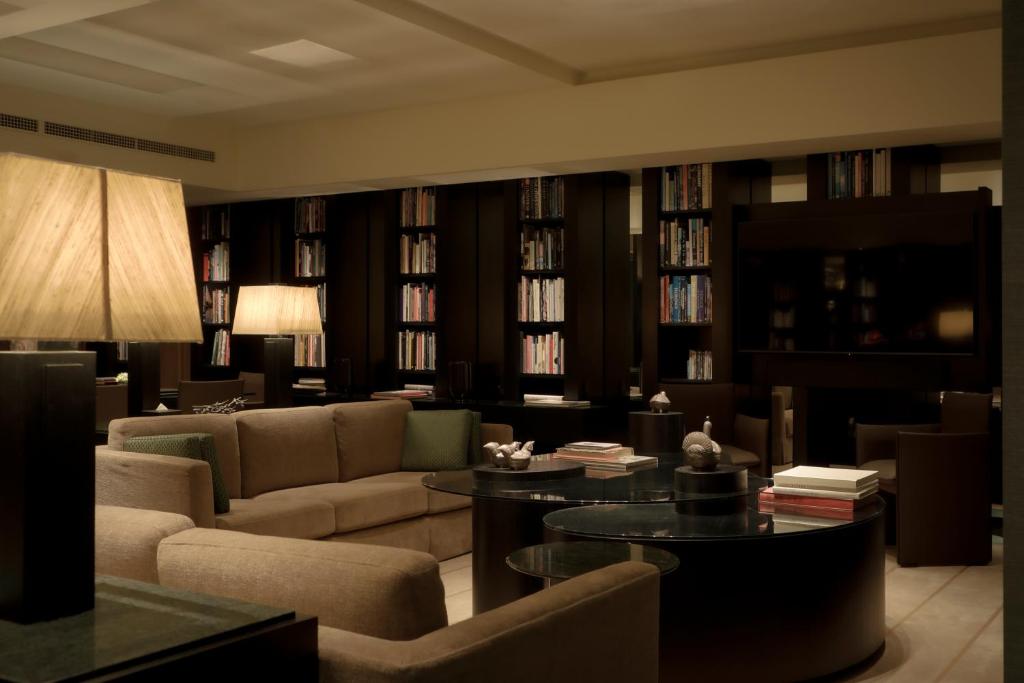
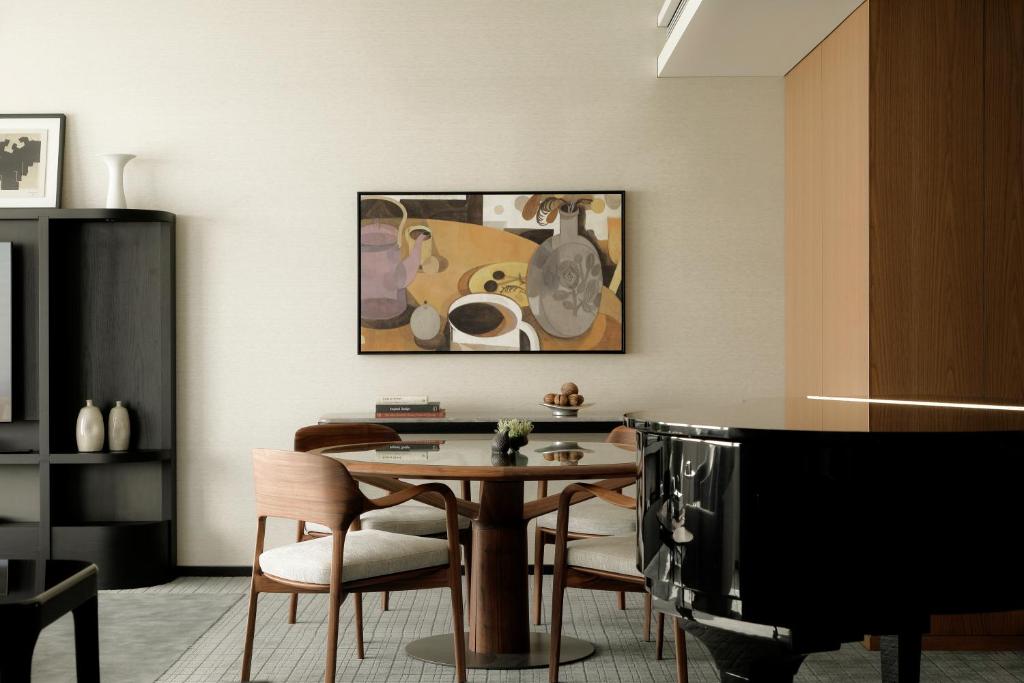
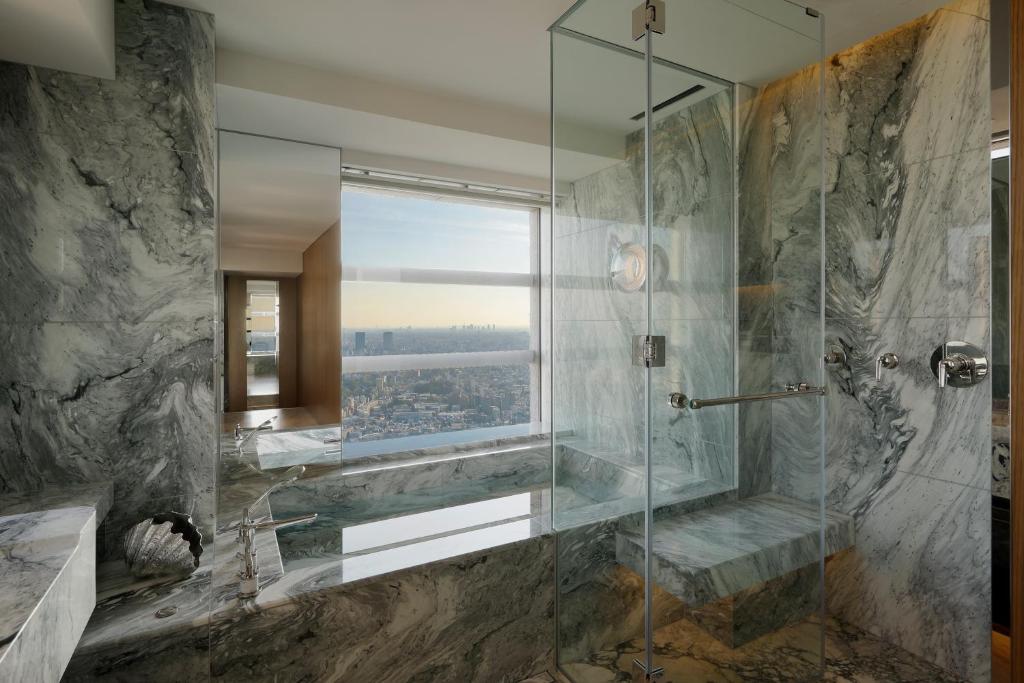
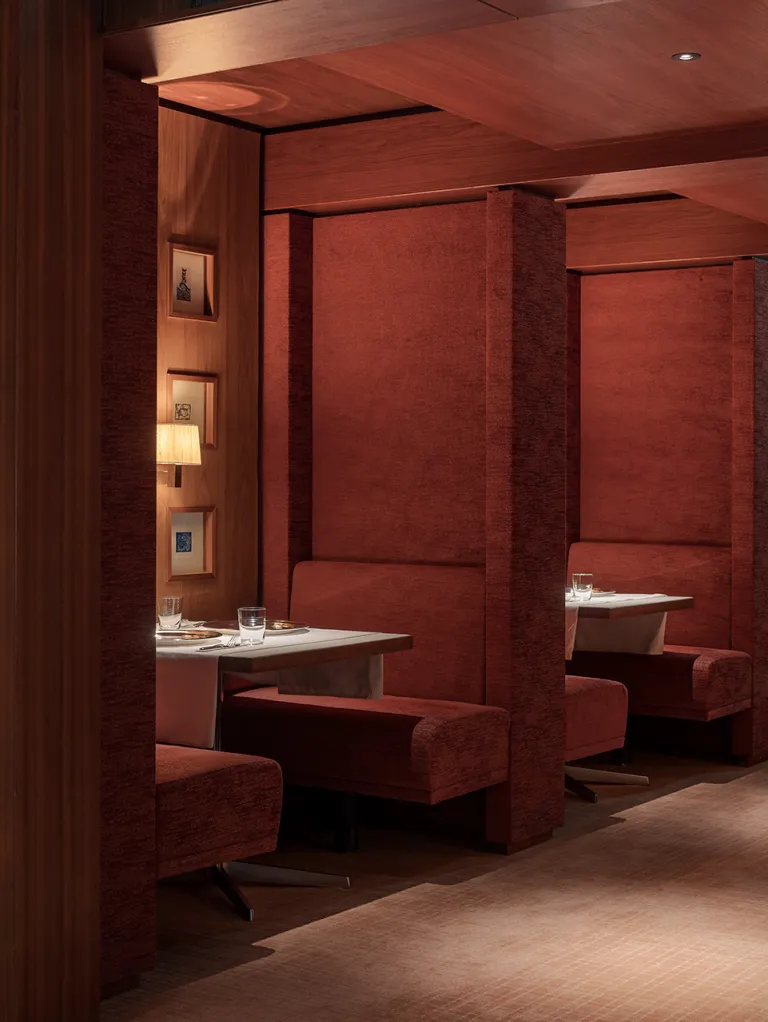
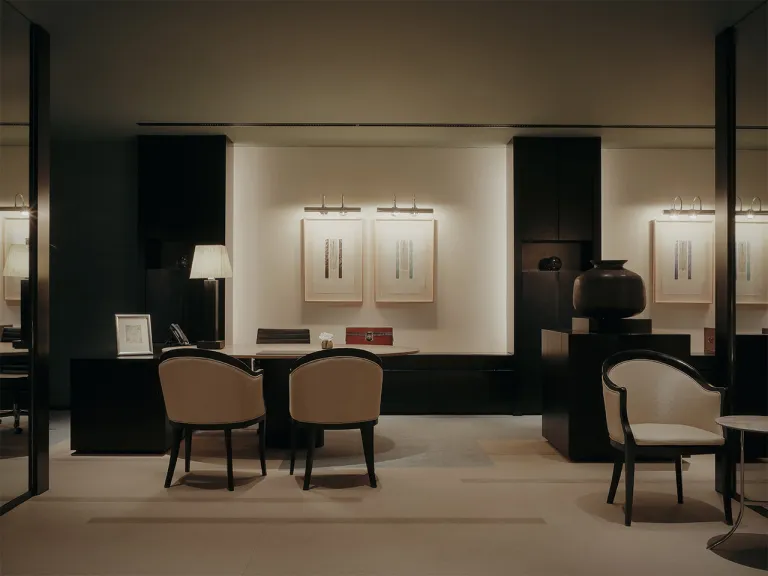
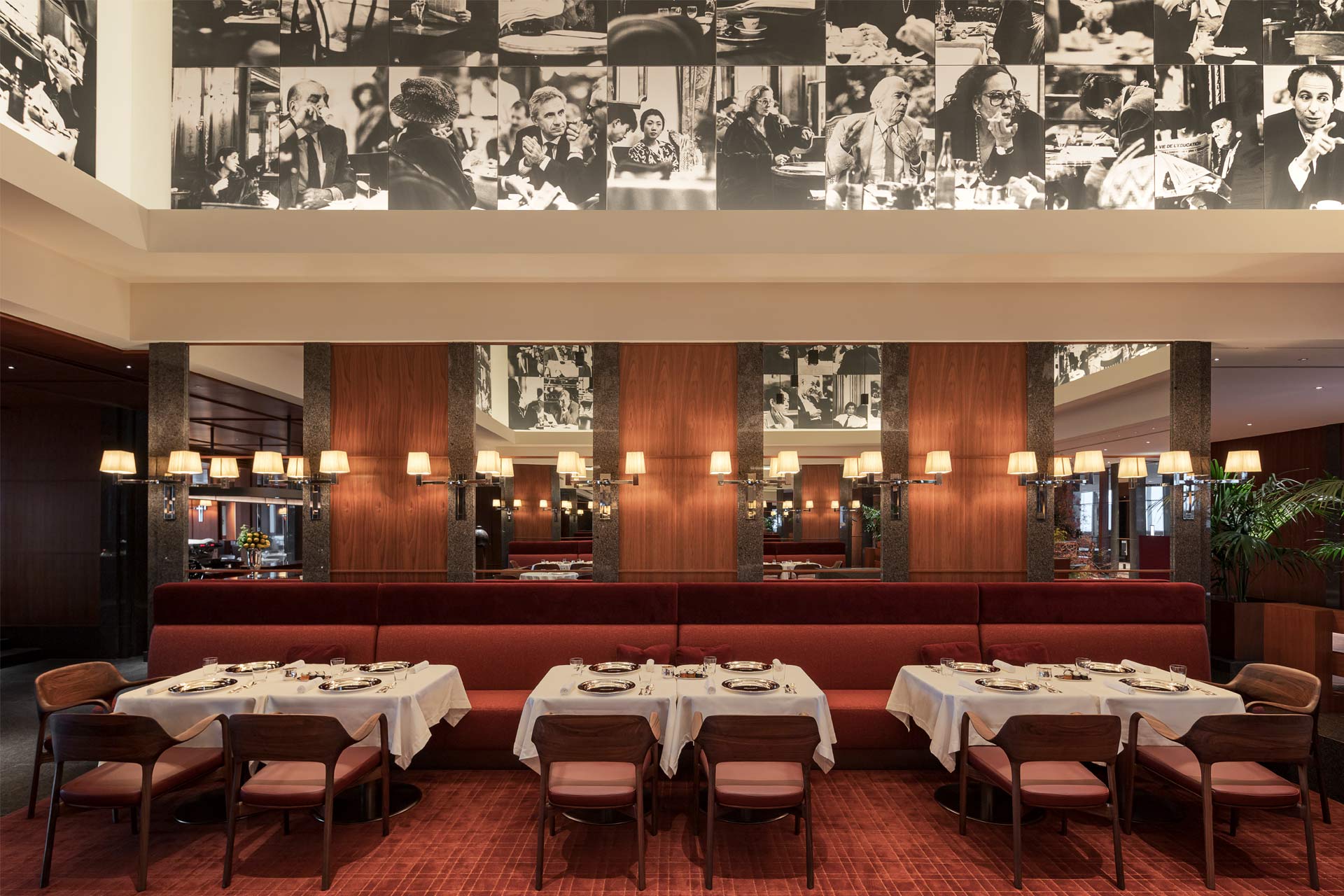
The genius of Park Hyatt Tokyo has never been excess. It has always been restraint. Designed by John Morford together with Hirsch Bedner Associates, the interiors abandoned traditional luxury clichés in favour of warmth, proportion, and craftsmanship. Rich timber, natural stone, bespoke furniture, carefully selected artworks, and generous living spaces create the atmosphere of an elegant private residence rather than a conventional hotel. Nothing competes for attention. Everything contributes to calm. Three decades later, the design feels remarkably contemporary because it never chased fashion in the first place.
Rooms Designed to Slow Time
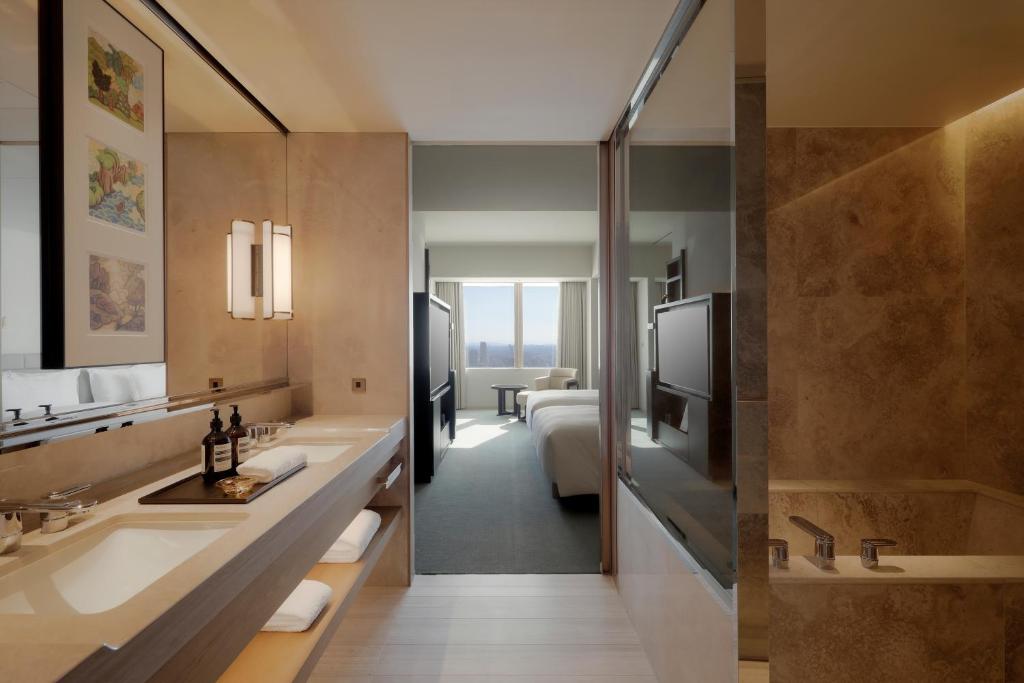
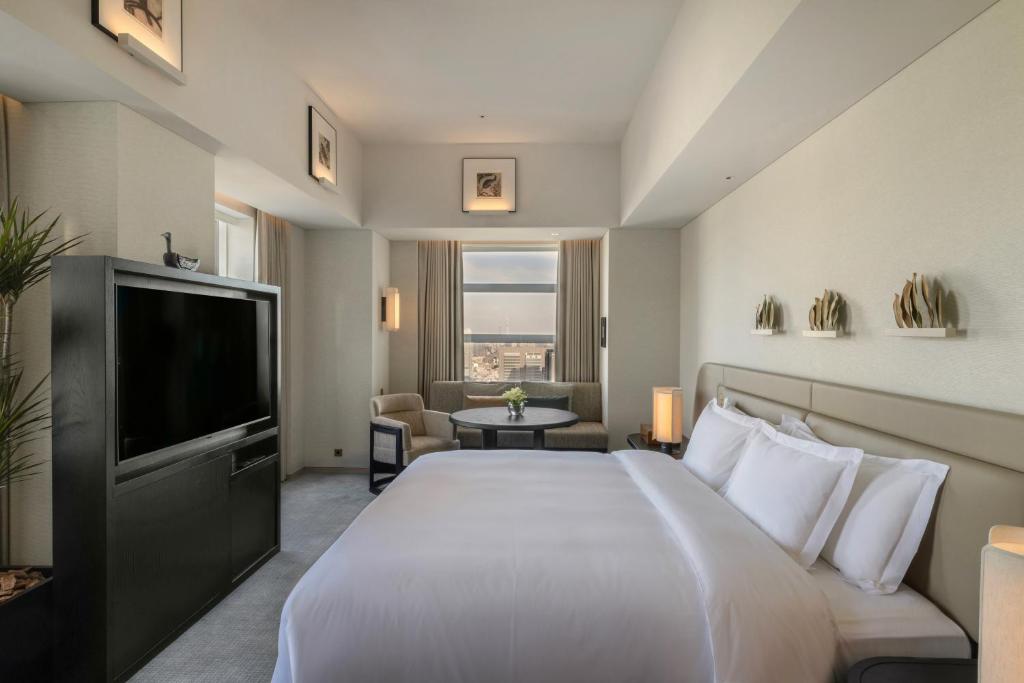
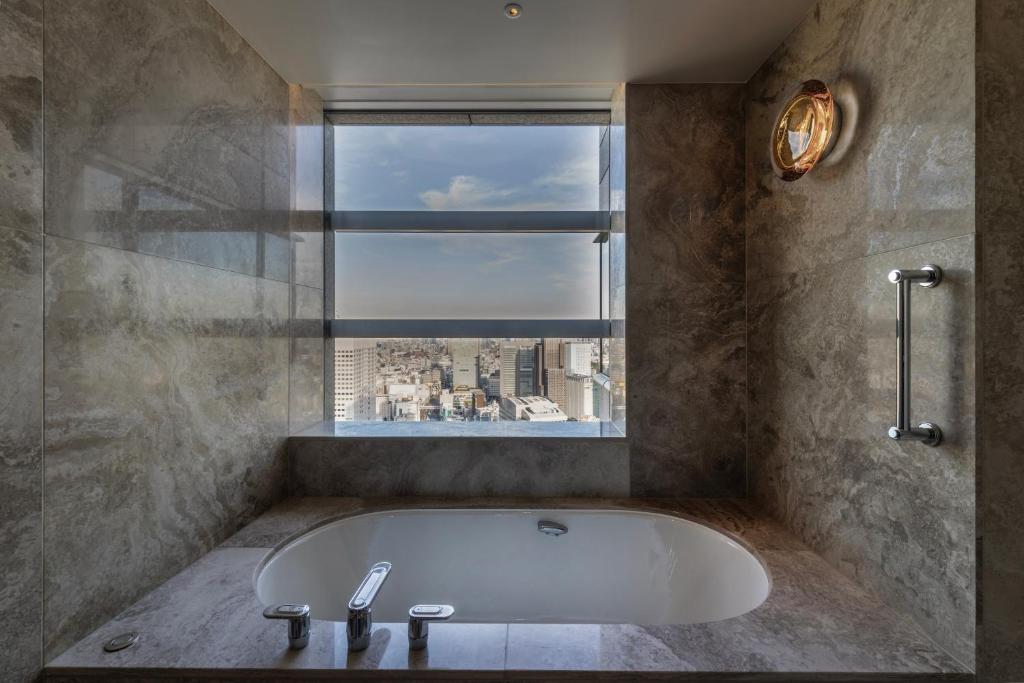
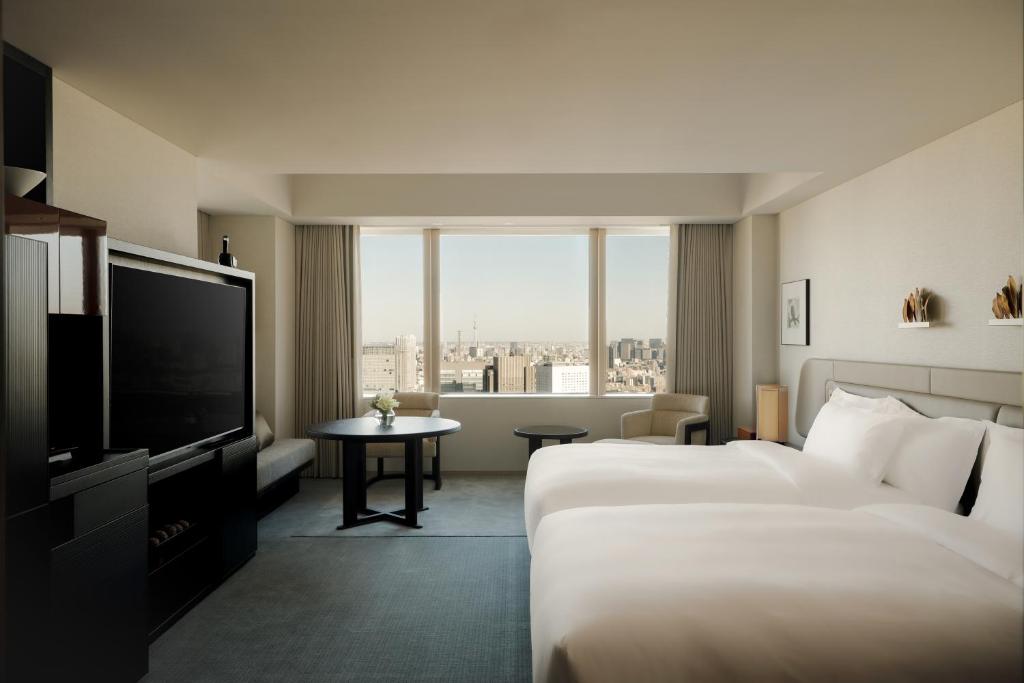
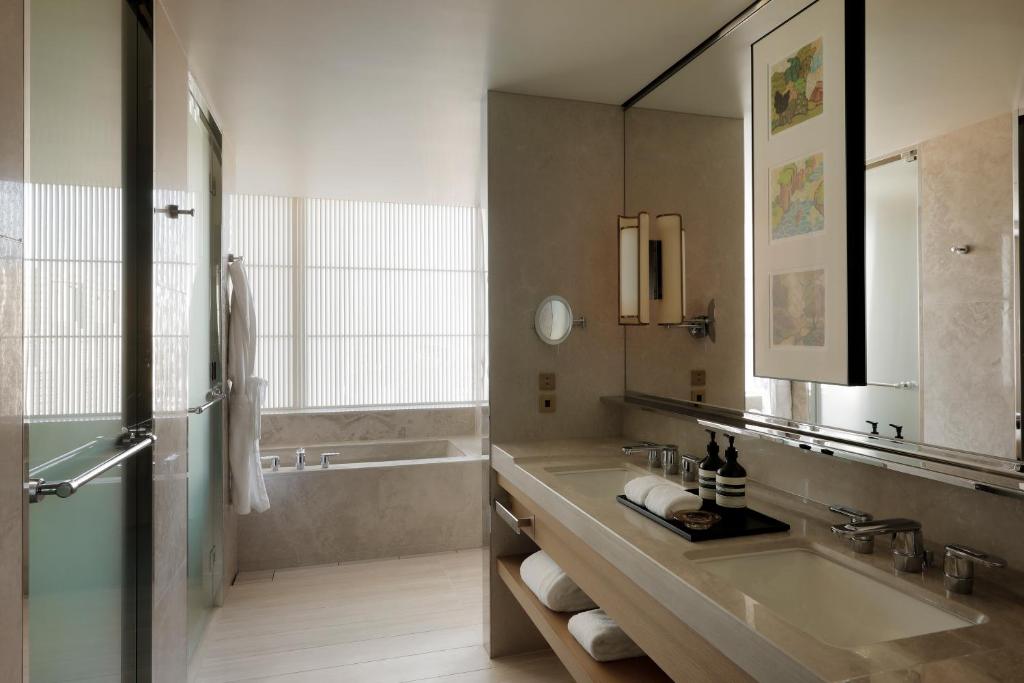
The guestrooms remain among the largest in Tokyo. Expansive windows dissolve the boundary between interior and skyline, while neutral colours, handcrafted furniture, deep soaking tubs, luxurious fabrics, and meticulous detailing encourage guests to settle in rather than simply spend the night. Every element feels intentional. Nothing feels excessive. This is luxury measured by comfort, not spectacle.
The Bar That Became a Legend
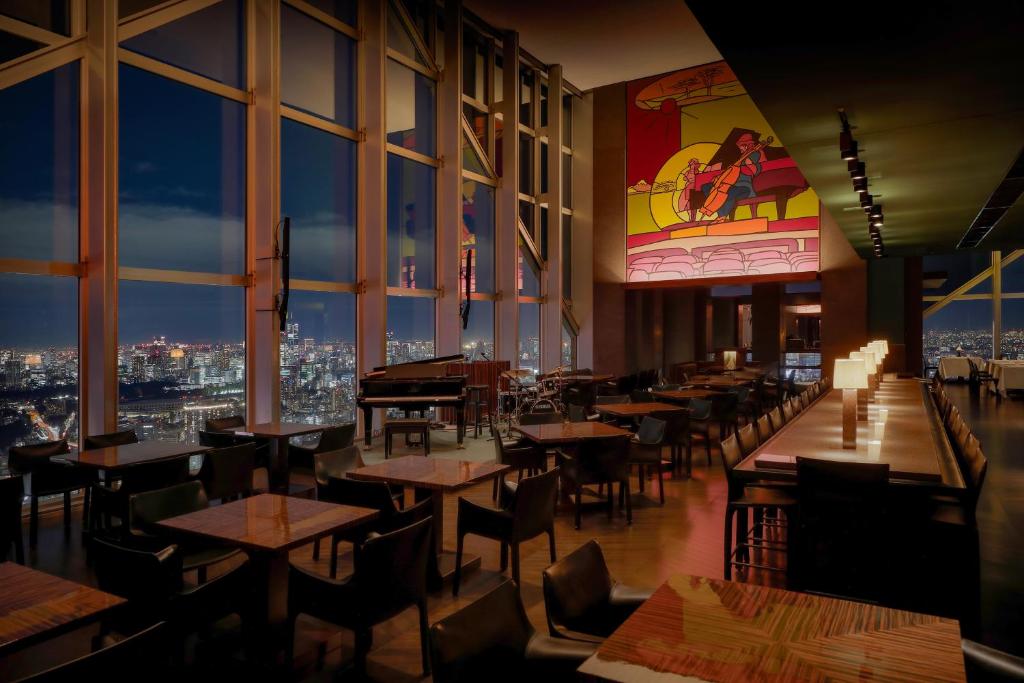
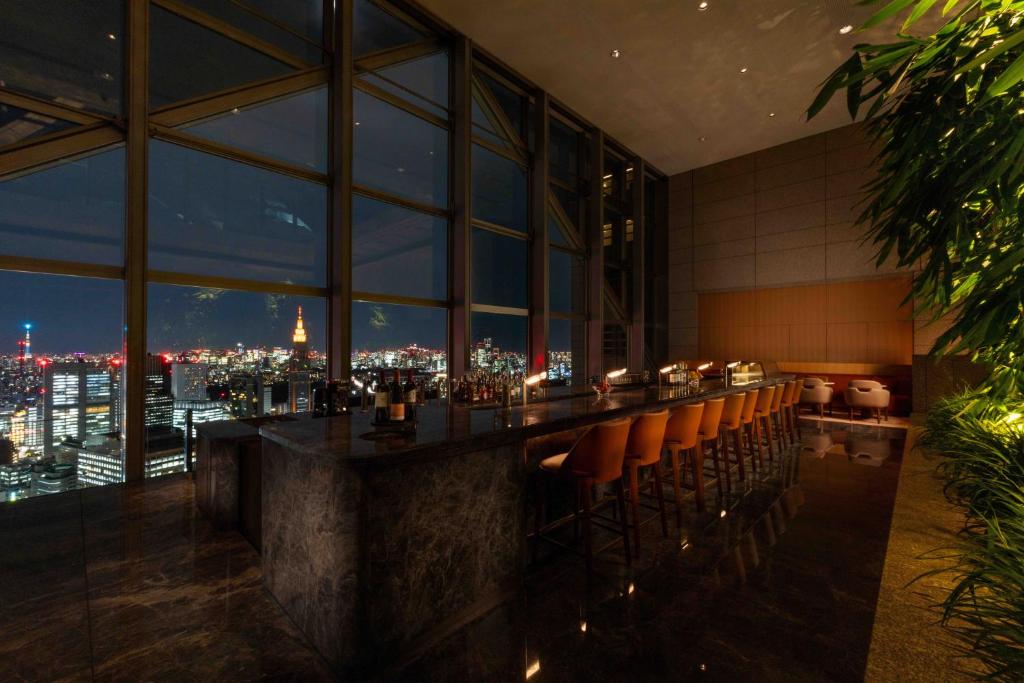
Few hotel bars have achieved the cultural status of the New York Bar. Perched on the 52nd floor, surrounded by glass and illuminated by the endless lights of Tokyo, it has become one of hospitality’s true icons. Live jazz, exceptional cocktails, intimate lighting, and panoramic views create an atmosphere that has captivated visitors for decades. Lost in Translation may have introduced the bar to millions around the world. But it had already become legendary long before the film arrived.
A Quiet Evolution
Following its extensive renovation, Park Hyatt Tokyo has entered a new chapter with remarkable sensitivity. Rather than reinventing the hotel, the restoration focused on preserving everything that made it exceptional while refining comfort, technology, and functionality for a new generation of travellers. The architectural language remains intact. The atmosphere remains unmistakable. The soul of the hotel never left. It simply feels renewed.
A Lasting Legacy
It is difficult to measure Park Hyatt Tokyo’s influence on modern hospitality. Luxury hotels across the world now embrace residential interiors, understated service, natural materials, and emotional warmth—qualities Park Hyatt championed long before they became industry standards. What once felt revolutionary now feels timeless. Few hotels can make that claim.
Why It Matters
Park Hyatt Tokyo isn’t simply one of Japan’s greatest hotels. It is one of the defining hotels of the modern era. Kenzo Tange’s monumental architecture. John Morford’s quietly perfect interiors. The New York Bar. The skyline. The extraordinary sense of calm. Together they created something remarkably rare—a hotel whose greatest luxury has never been opulence, but atmosphere. Some hotels become famous. Park Hyatt Tokyo became timeless.