Hotel Peter and Paul, New Orleans, Louisiana, USA
Sacred architecture, sensual interiors and four historic buildings in the heart of the Marigny.
Why DNA Hotels Loves It
● A 19th-century church, schoolhouse, rectory and convent have been transformed into one of America’s most imaginative adaptive-reuse hotels.
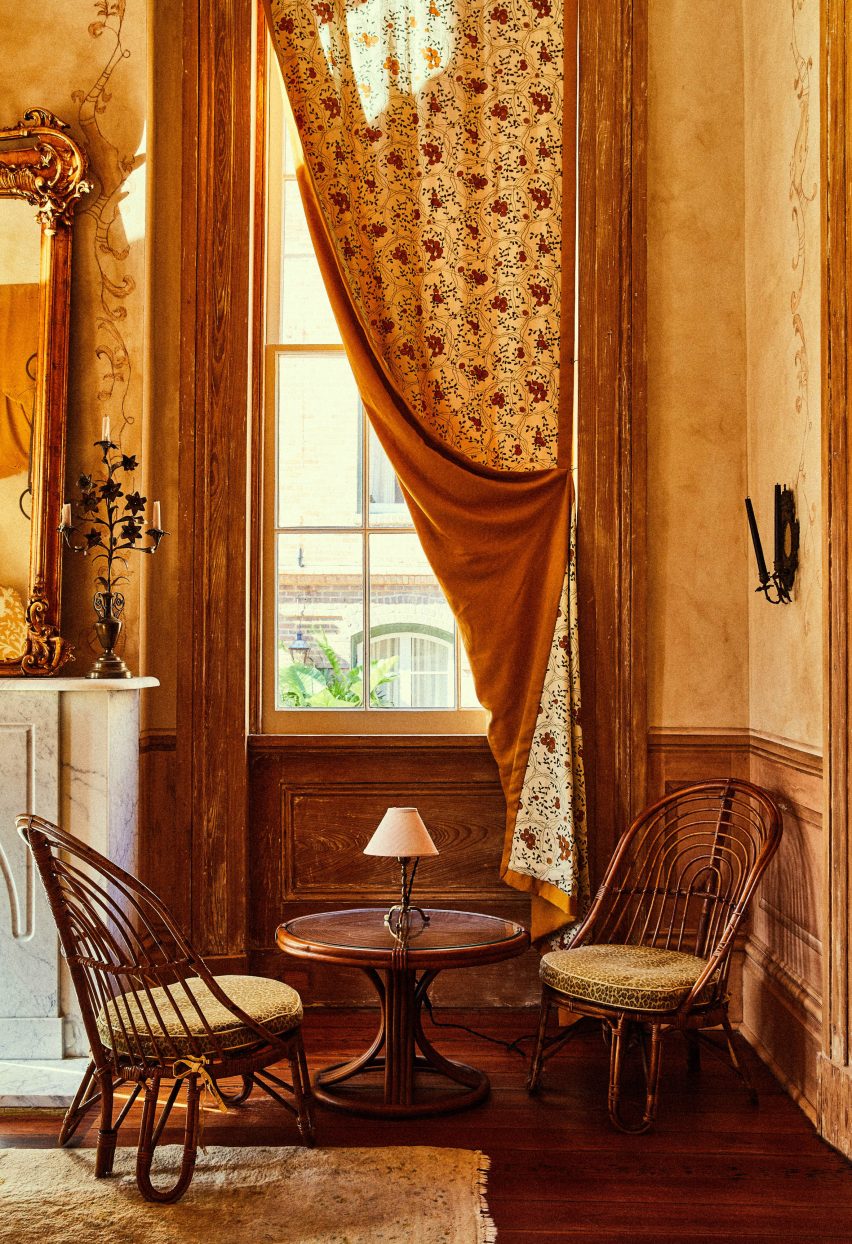
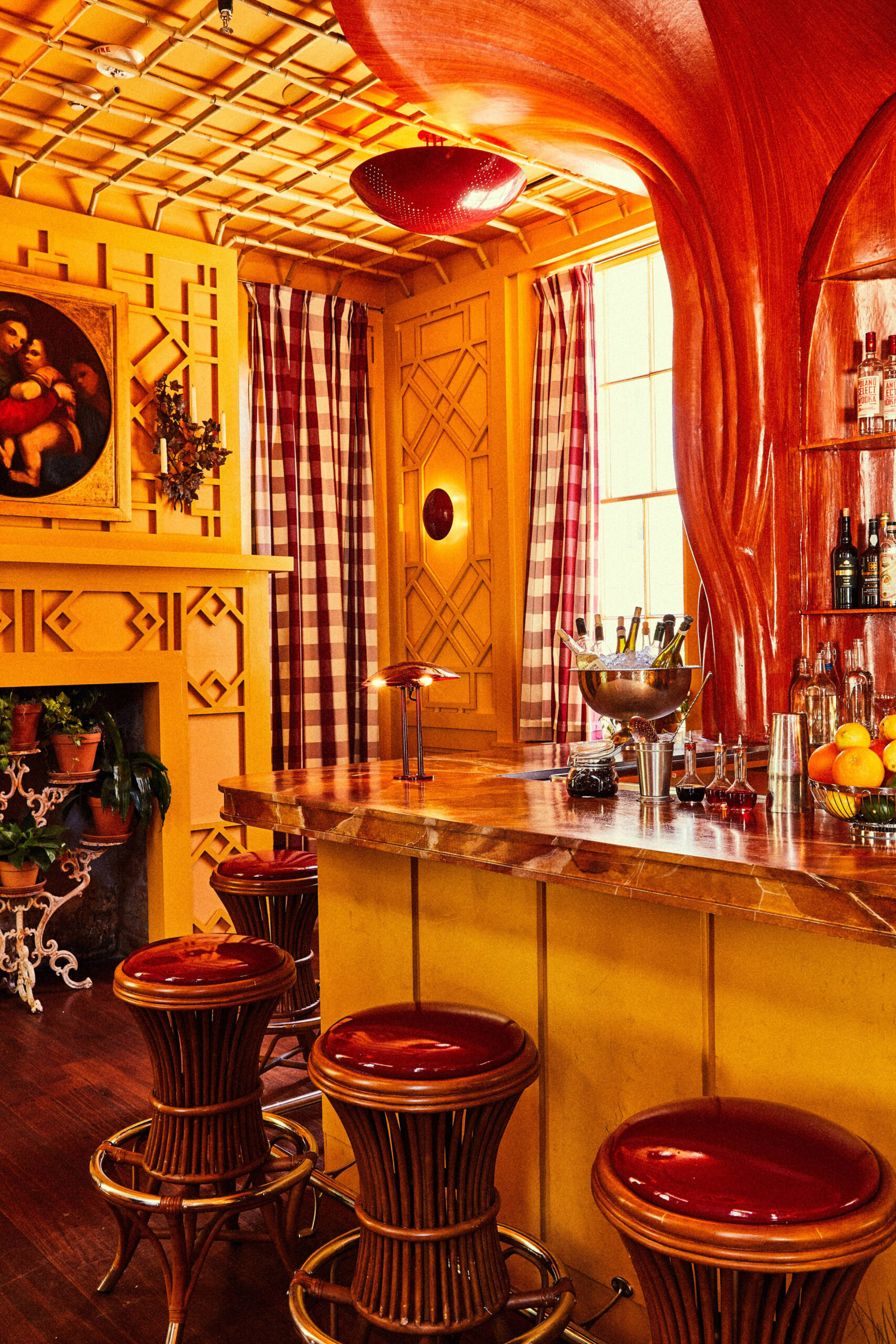
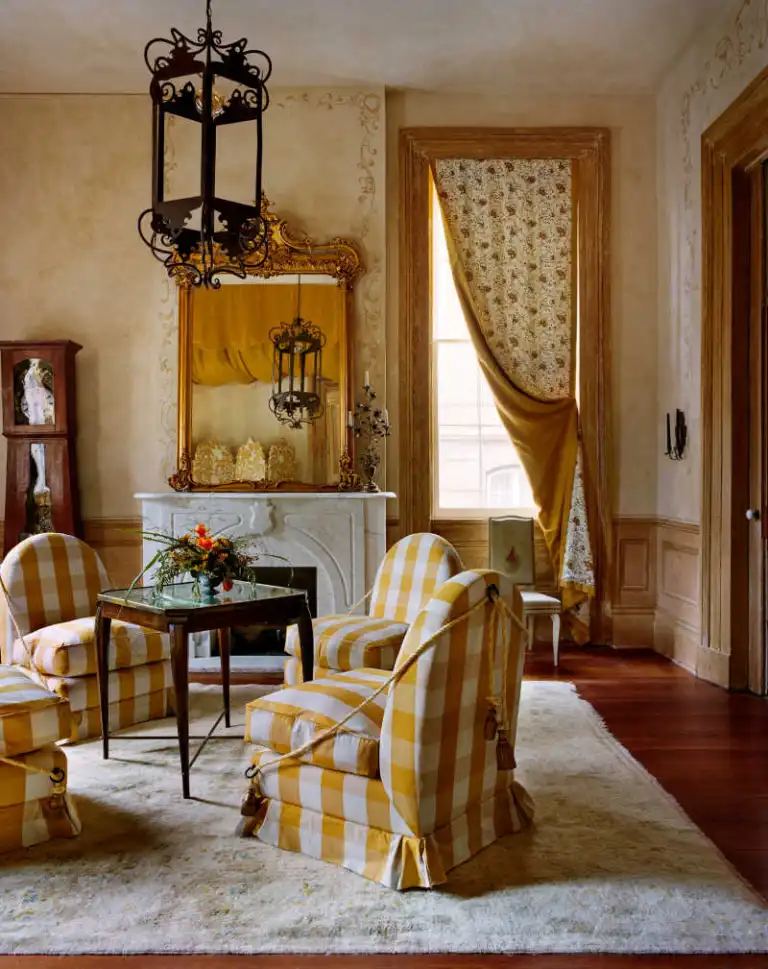
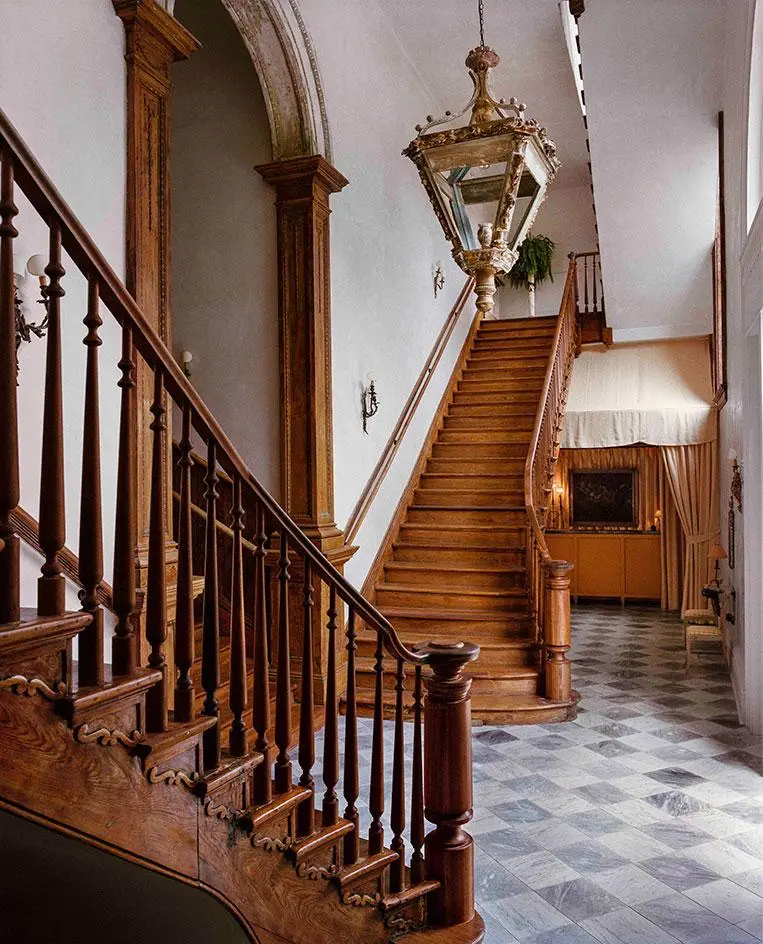
● ASH NYC layers original cypress mouldings, marble fireplaces and soaring French windows with religious colour references, antiques and wonderfully eccentric bespoke details.
● The Elysian Bar makes the hotel part of Marigny life — while the spectacular former church remains the architectural soul of the property.
Four Buildings, One Remarkable Hotel
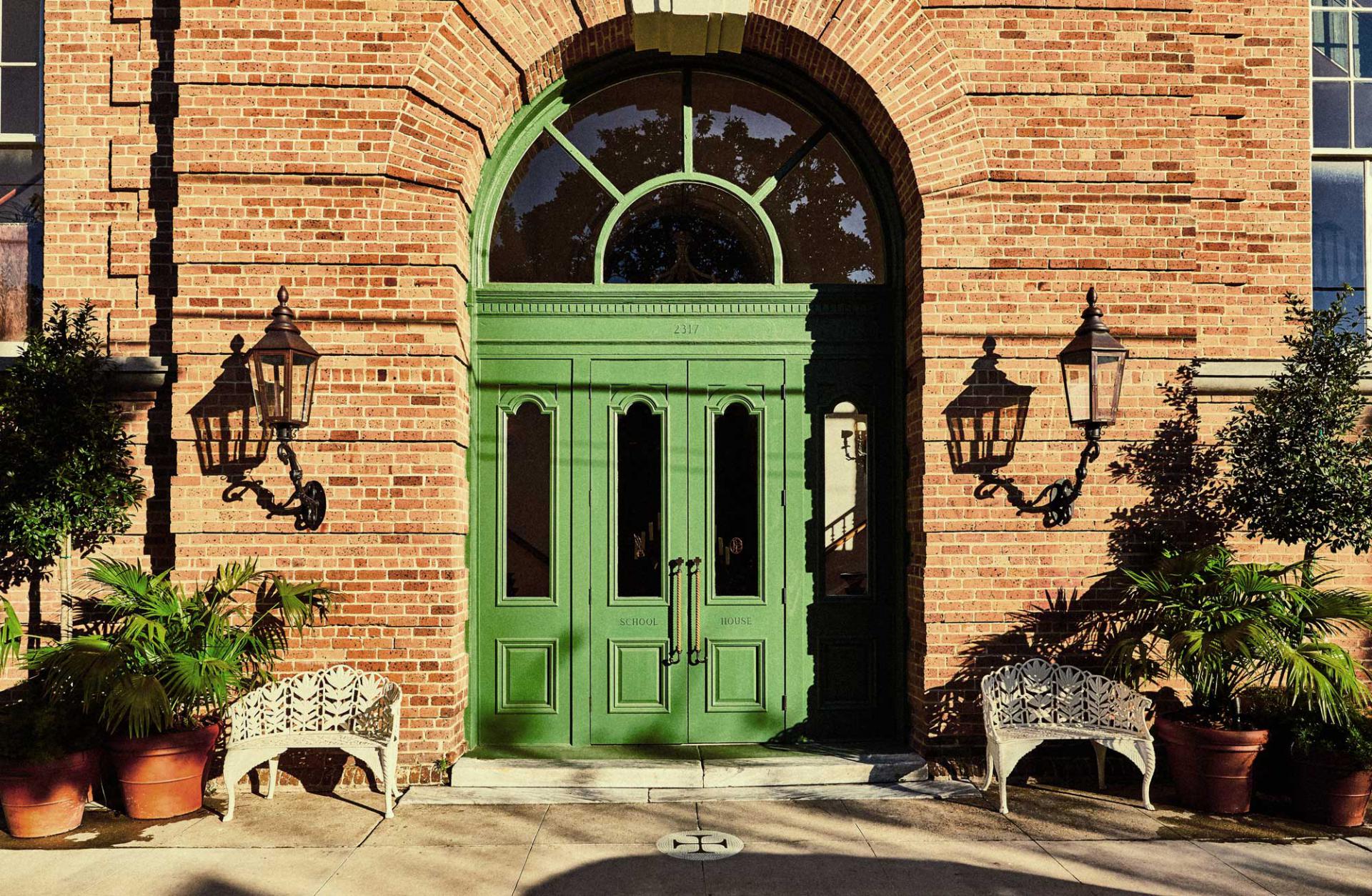
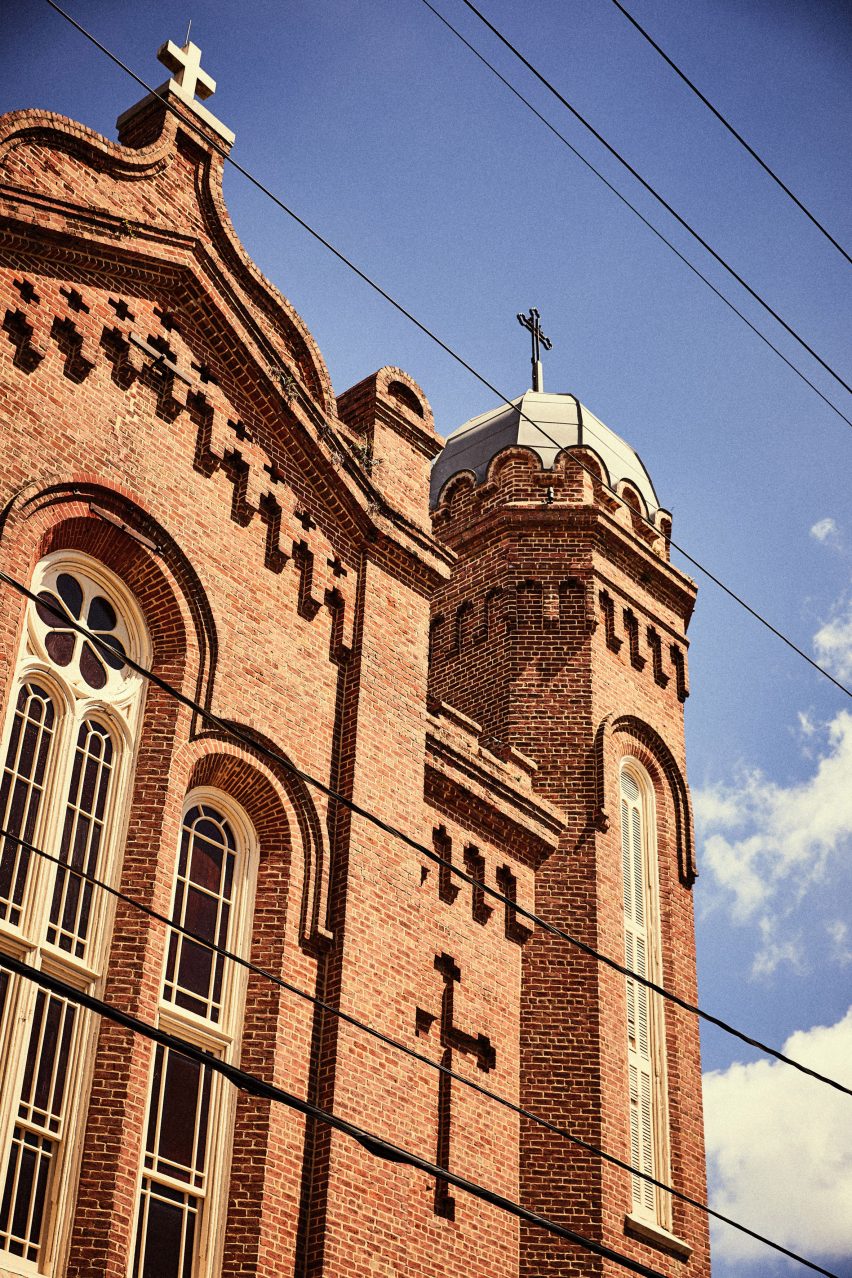
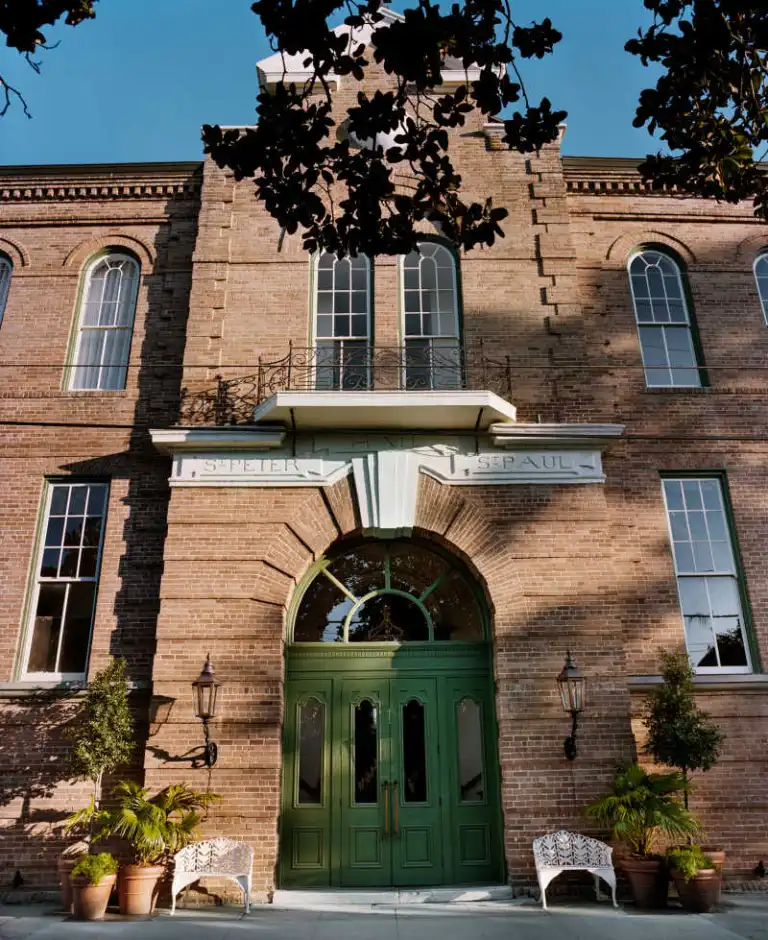
Some buildings are simply too good to erase. In New Orleans’ Faubourg Marigny, an extraordinary collection of four 19th-century Catholic buildings has survived together: a church, schoolhouse, rectory and convent, designed by Irish-born architect Henry Howard. For generations they formed part of the neighbourhood’s religious and social life. Today, they’re Hotel Peter and Paul. Rather than smoothing the complex into a conventional hotel, ASH NYC, working with local resident Nathalie Jordi and architecture firm studioWTA, treated its irregular history as the starting point. The four buildings remain four different experiences. And that’s precisely what makes it so special.
Sacred Bones, Sensual Redesign
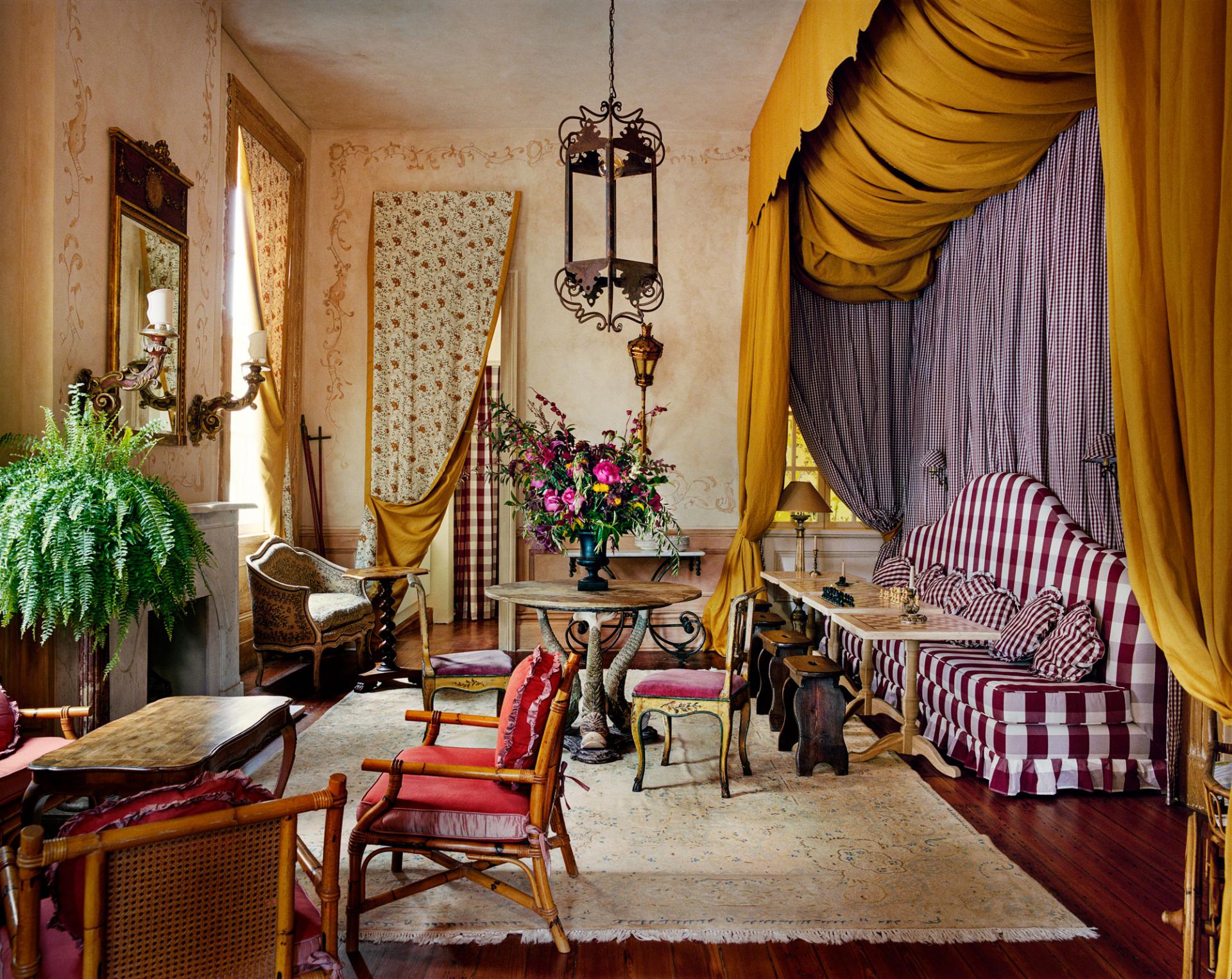
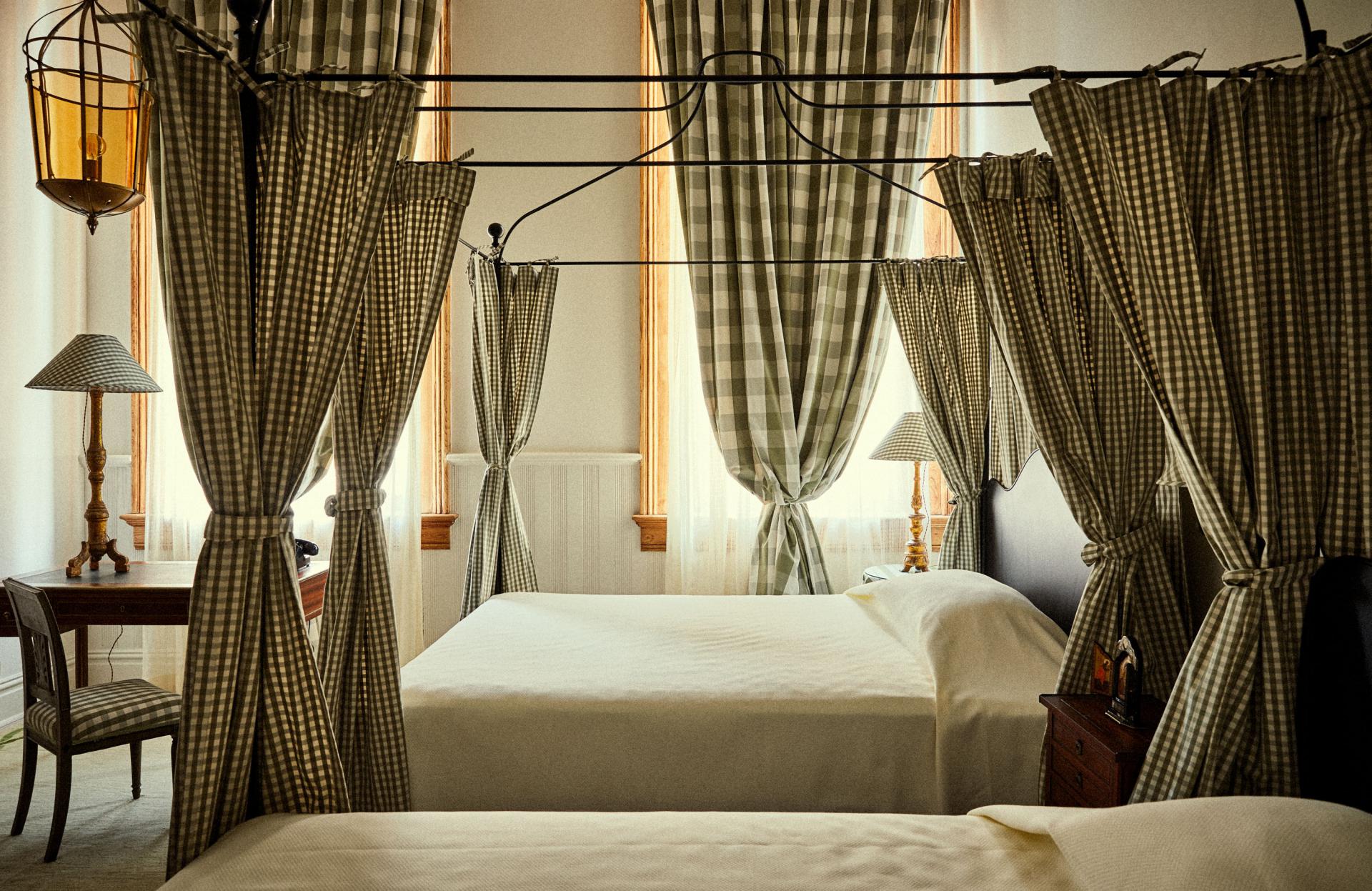
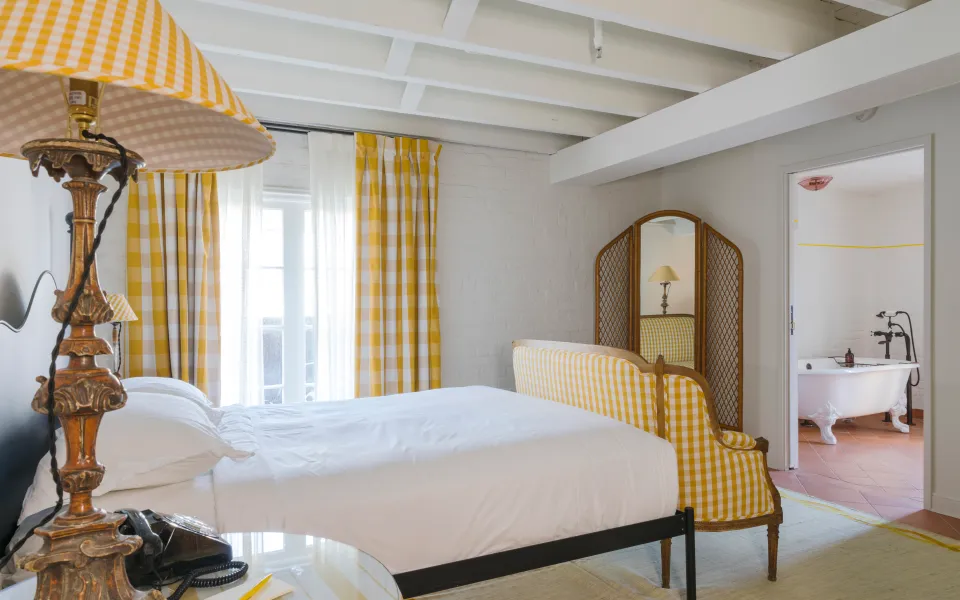
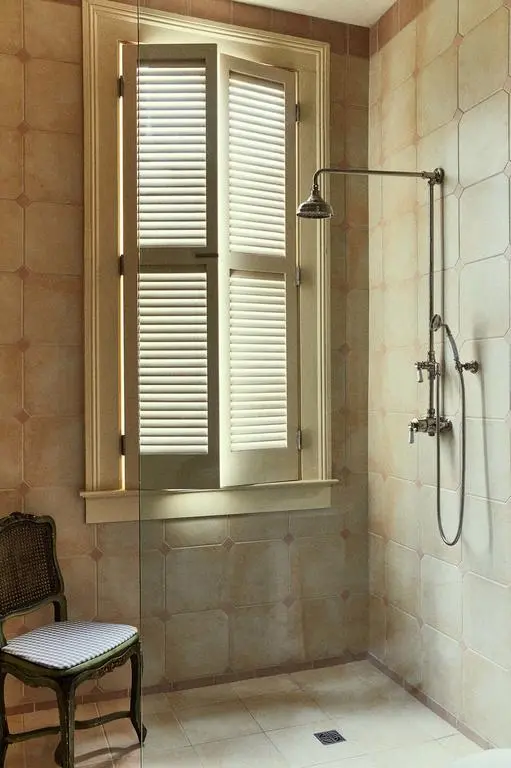
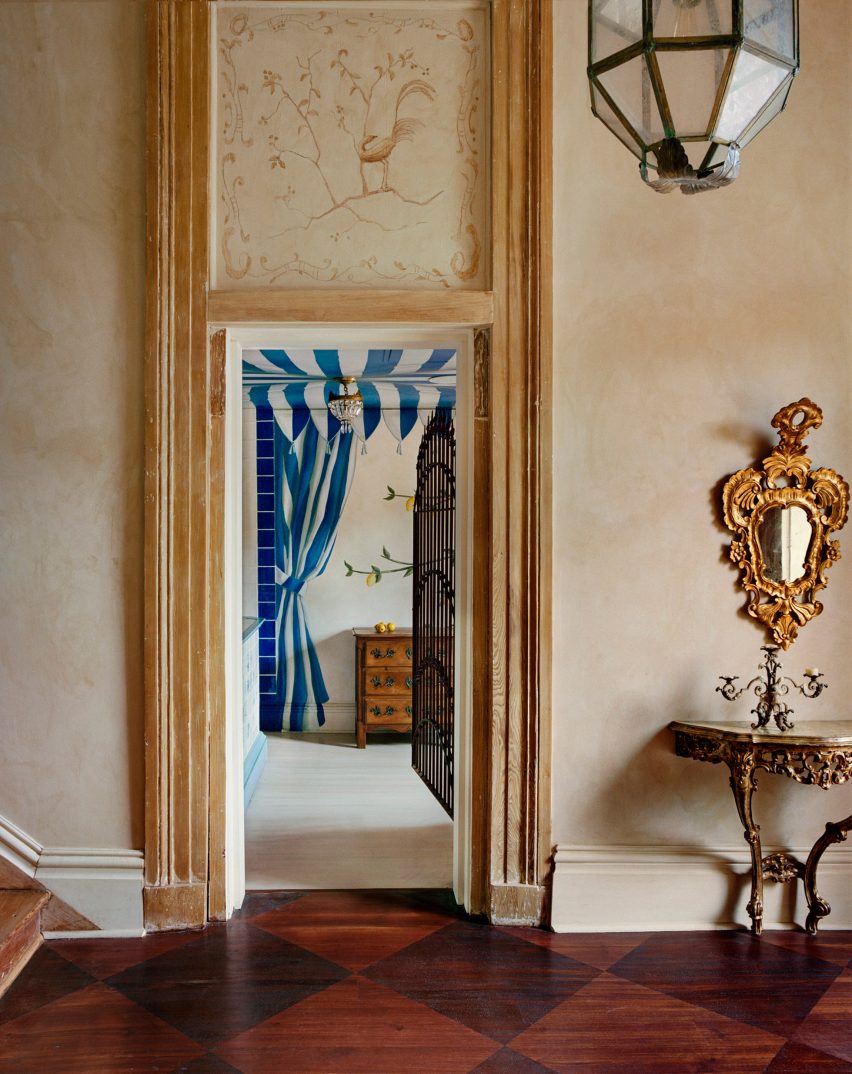
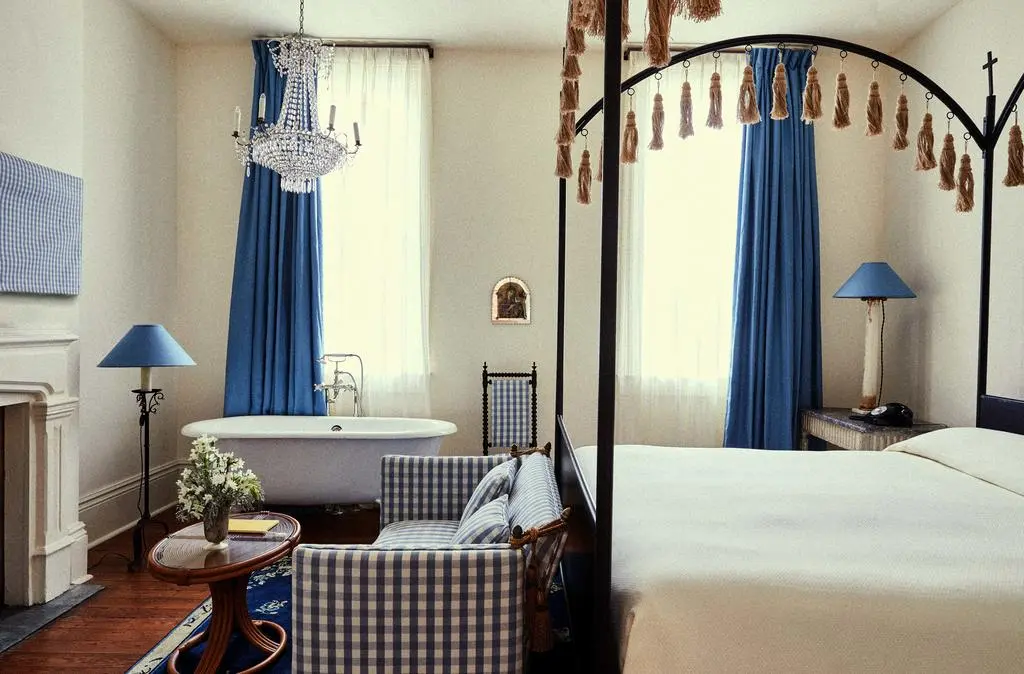
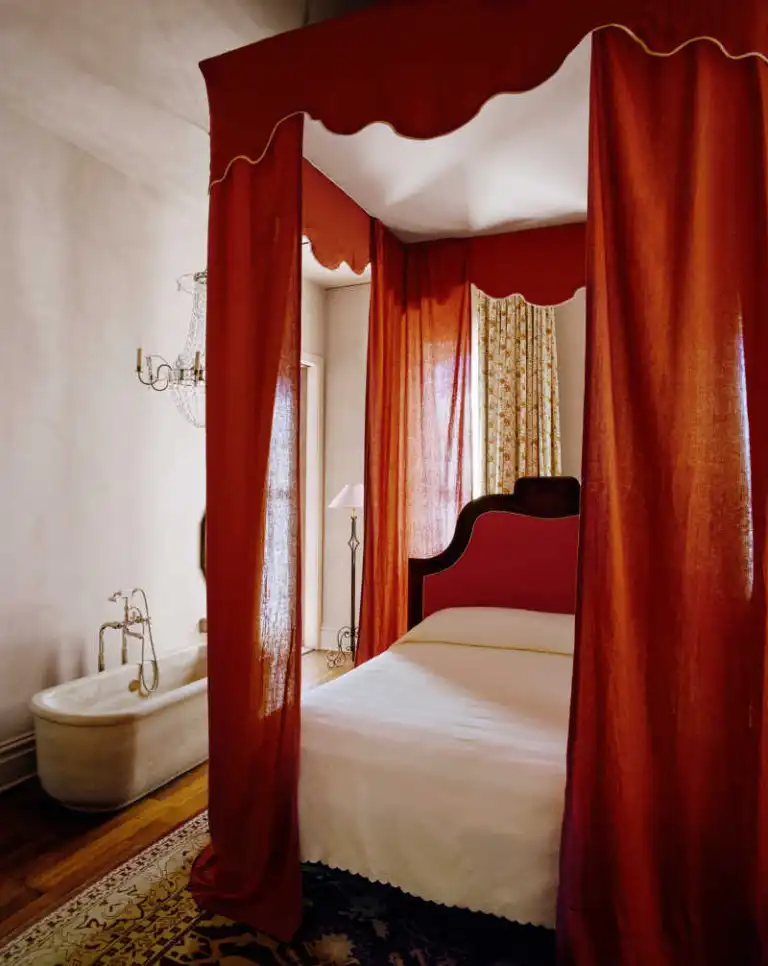
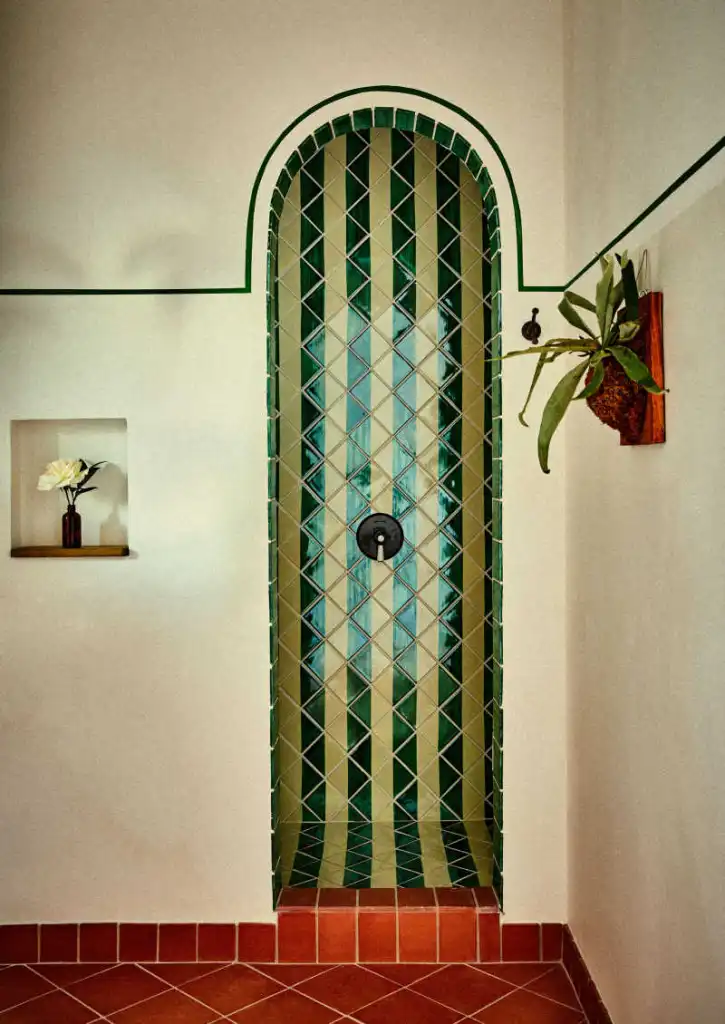
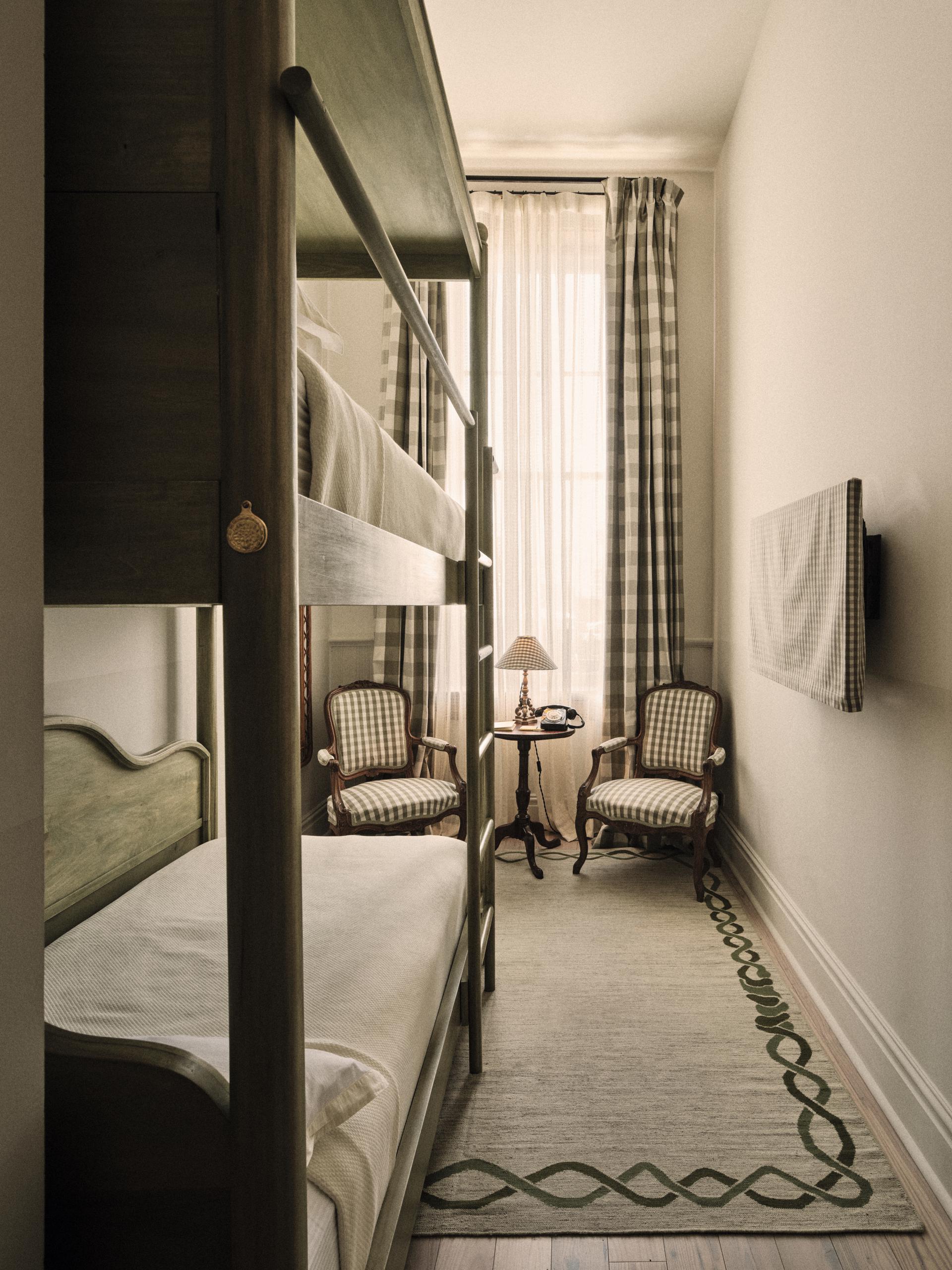
There is nothing timid about the interiors. ASH NYC looked to European and African religious paintings and tapestries from the 14th to 18th centuries, translating their extraordinary colours and decorative richness into something distinctly contemporary. Gingham appears beside antique chandeliers. Custom rugs made in India meet sculpted hand-shaped sconces. Trompe-l’oeil murals coexist with original cypress mouldings, marble fireplaces, wainscoting and enormous French windows. It’s romantic, bohemian and occasionally mischievous. Yet the designers understood when to stop. The old architecture is never reduced to scenery for the new design. Instead, the scratches, proportions and patina of the buildings remain part of the experience.
71 Rooms, Several Personalities
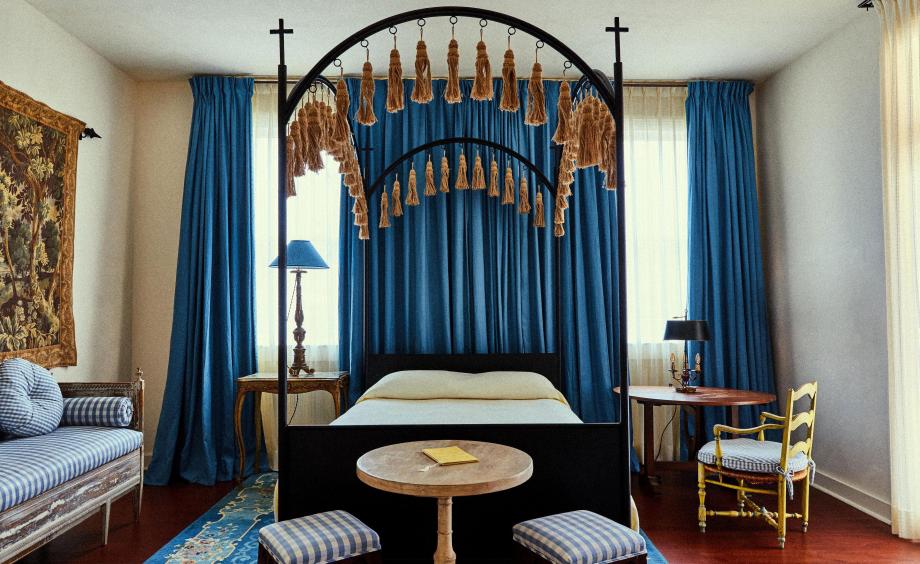
Most of the hotel’s 71 rooms are found in the former Schoolhouse, but moving between buildings changes the mood. The Schoolhouse contains 59 rooms and carries much of the property’s richly coloured religious inspiration. The former Convent is more intimate, with just seven rooms and an appropriately playful approach to its previous life. Its memorable Mother Superior room comes with a canopy bed and a clandestine bar — plus a bathroom sufficiently indulgent to deal with whatever sins might follow. Throughout, antique and bespoke furniture, patterned textiles and carefully chosen lighting create rooms that feel assembled rather than decorated. No generic boutique-hotel template has been imposed.
The Elysian Bar
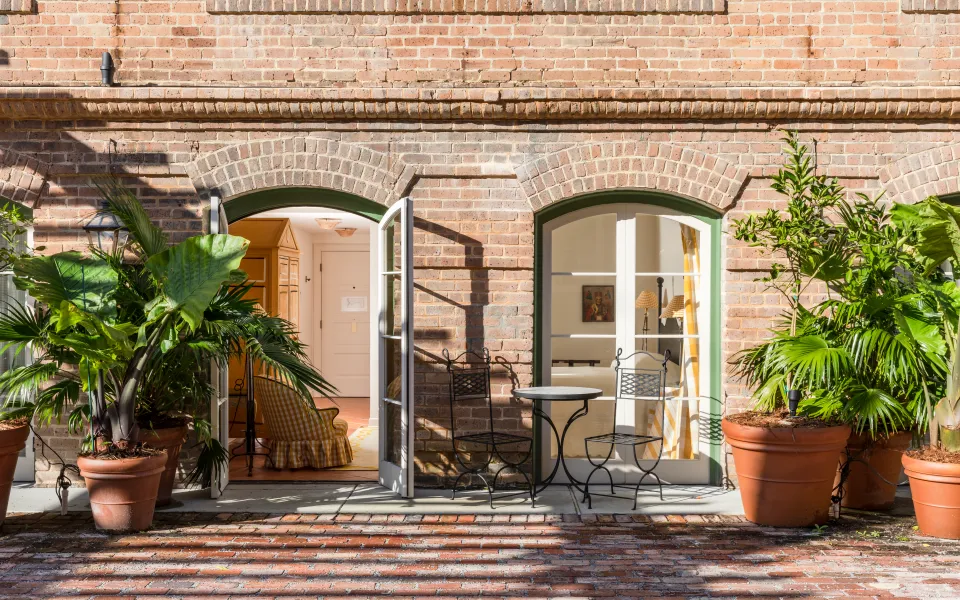
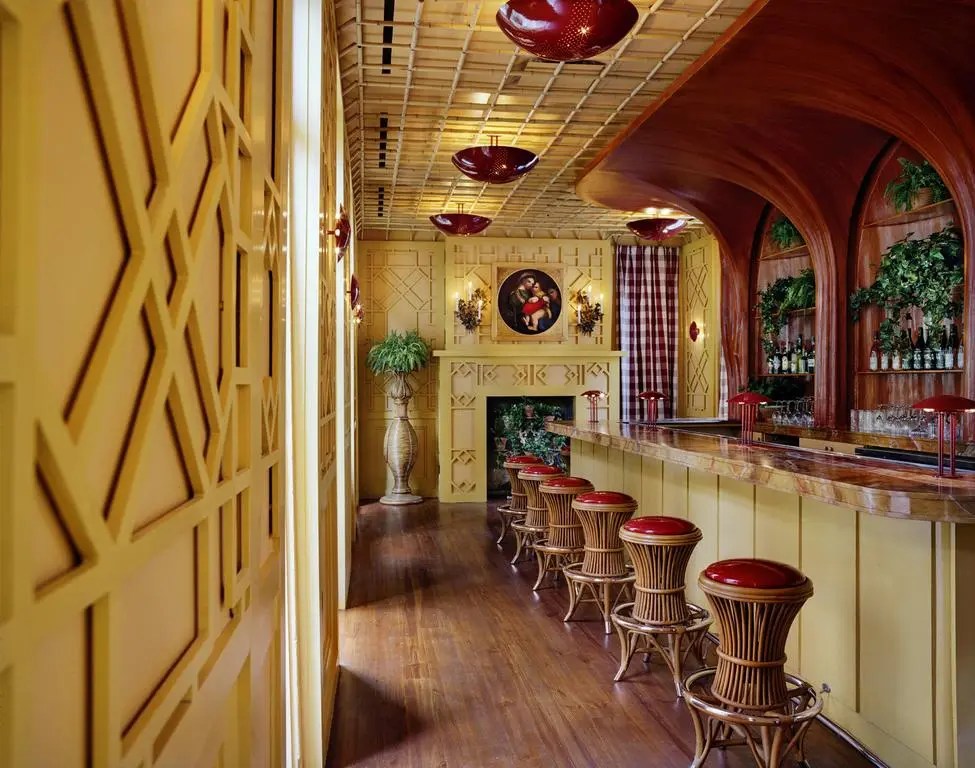
Then there’s the Rectory. Built in 1875 as accommodation for the clergy, its soft-red-brick rooms now contain The Elysian Bar, where the atmosphere shifts effortlessly from coffee to wine, cocktails and dinner. Locals come too, which matters. Because Peter and Paul works best when it isn’t treated as a sealed heritage monument. The courtyard, filled with palms, ferns and vines, and the interconnected communal rooms return a social purpose to buildings that were always intended to bring people together. The rituals may have changed. The idea hasn’t.
And Then There’s the Church
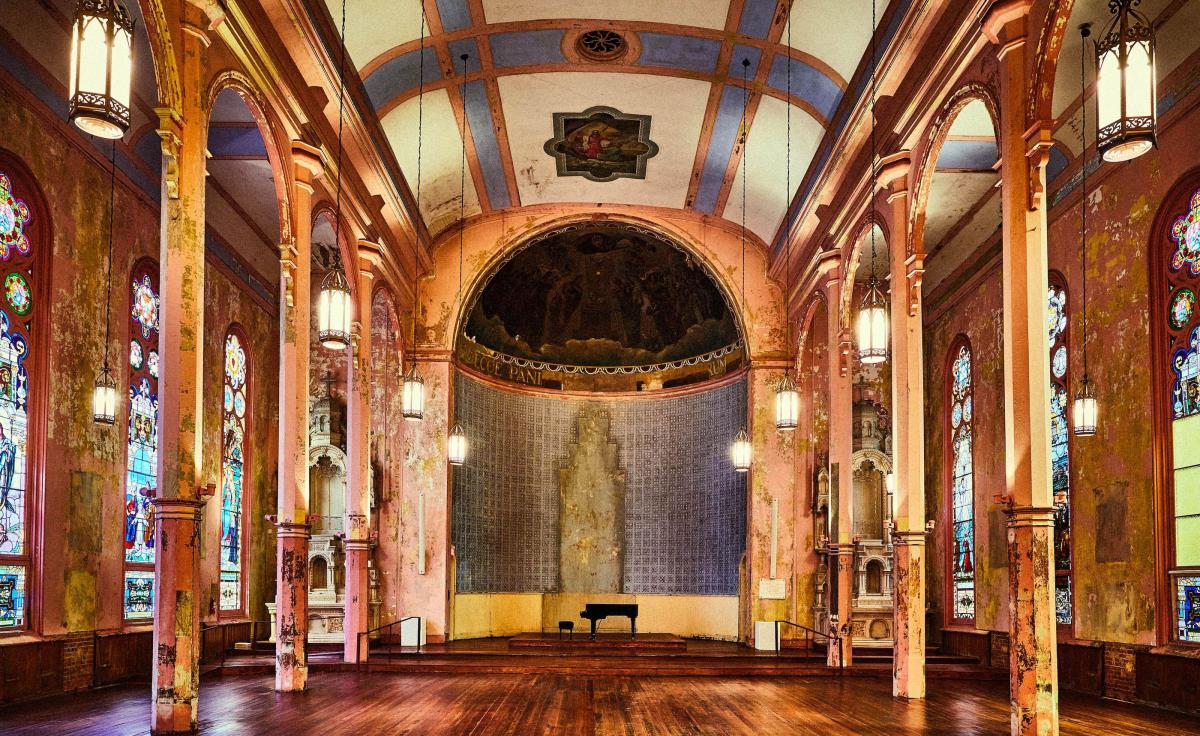
The former Catholic church is the part that stops you. At approximately 9,450 square feet (878m2), its vast volume has been preserved as a space for weddings, exhibitions, performances and gatherings. There was no need to turn it into bedrooms. Its scale, arches and ecclesiastical drama are allowed to remain what they are, giving the entire hotel a sense of history that no newly constructed “heritage-inspired” property could reproduce. You don’t merely see the building’s previous life. You feel it.
Marigny, Not the French Quarter
Peter and Paul’s location is equally important. The Faubourg Marigny sits alongside the French Quarter but has a distinctly more residential character, with colourful Creole cottages, neighbourhood bars and music woven into everyday life. Continue east and you’re soon in the Bywater. That puts the hotel close to the New Orleans most visitors come looking for, while keeping it just far enough away from the city’s most heavily travelled streets. Peter and Paul feels embedded in a neighbourhood rather than dropped into a tourist district.
Why It Works
New Orleans would be a terrible place for a hotel afraid of decoration. Peter and Paul goes in the opposite direction. Colour, pattern, antiques, religious imagery, weathered architecture and eccentric objects are layered together with confidence, but never allowed to overwhelm the extraordinary buildings underneath. That’s the achievement. Hotel Peter and Paul doesn’t turn sacred architecture into a theme. It gives four remarkable buildings another life — irreverent enough for New Orleans, but respectful enough to remember what came before.