Populus, Denver
Where Aspen Trees Inspired America’s First Carbon-Positive Hotel
Why DNA Hotels Loves It
● A groundbreaking carbon-positive hotel that proves sustainability and great design can strengthen one another.
● One of the most distinctive new hotel buildings in America, inspired by Colorado’s native Aspen trees and designed by Studio Gang.
● A rare example of architecture, interiors, landscape, and hospitality working together around a single environmental vision.
A New Landmark for Denver
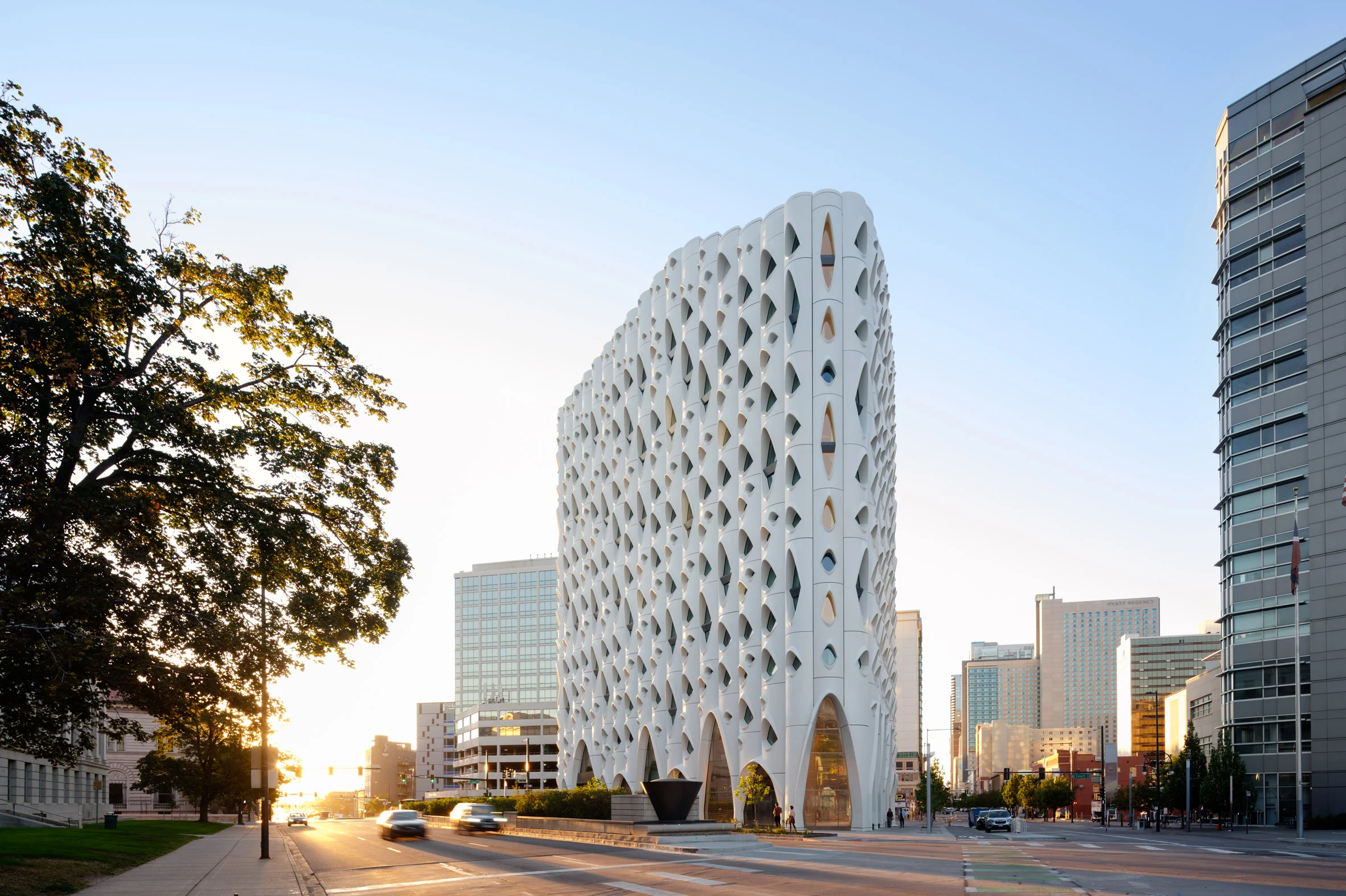
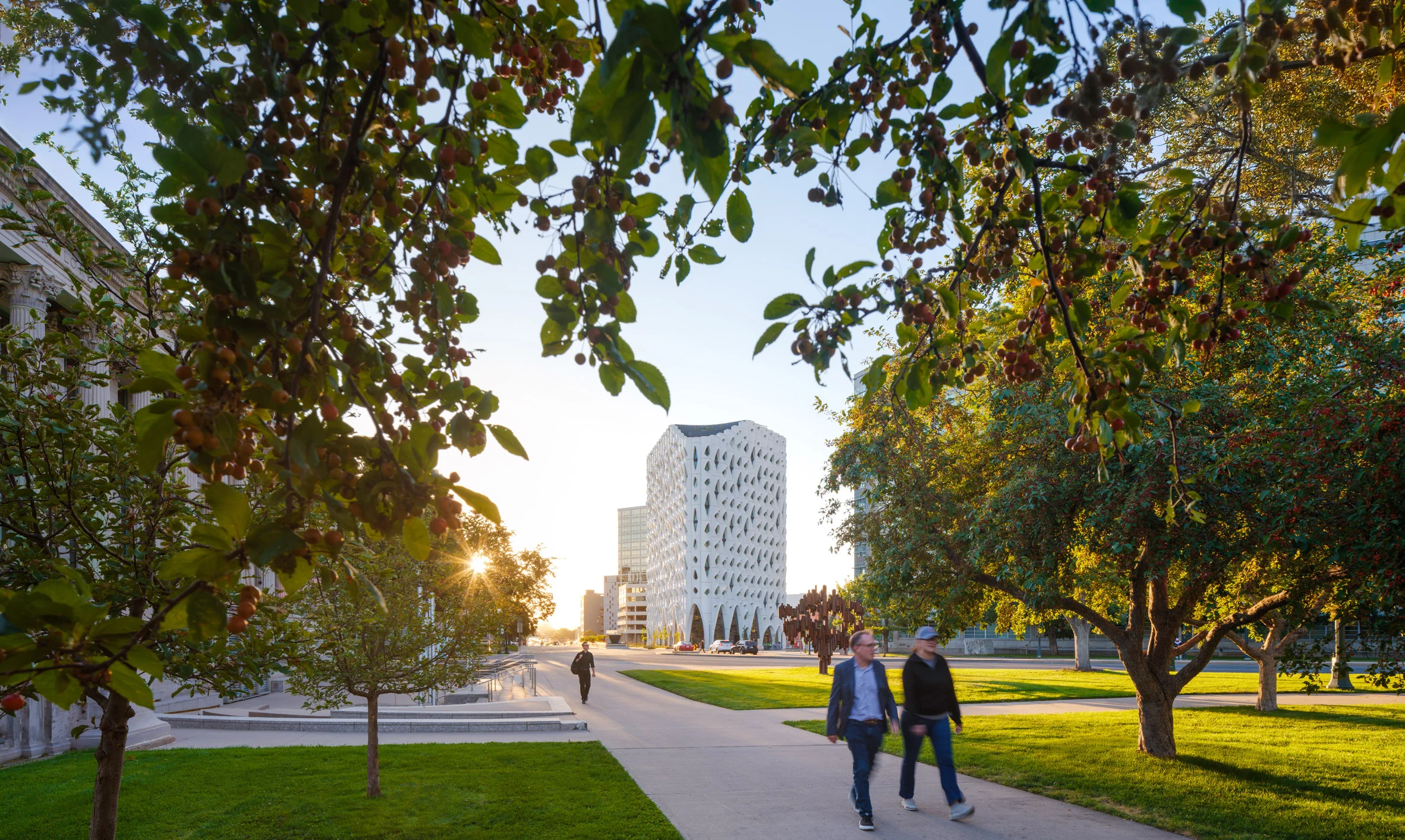
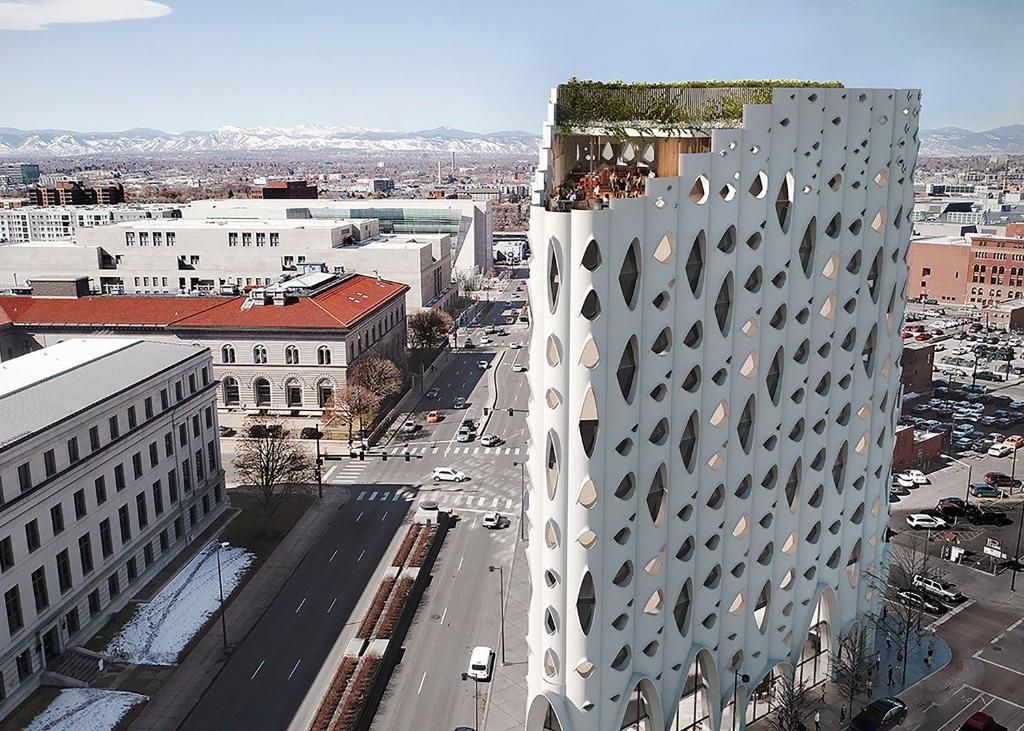
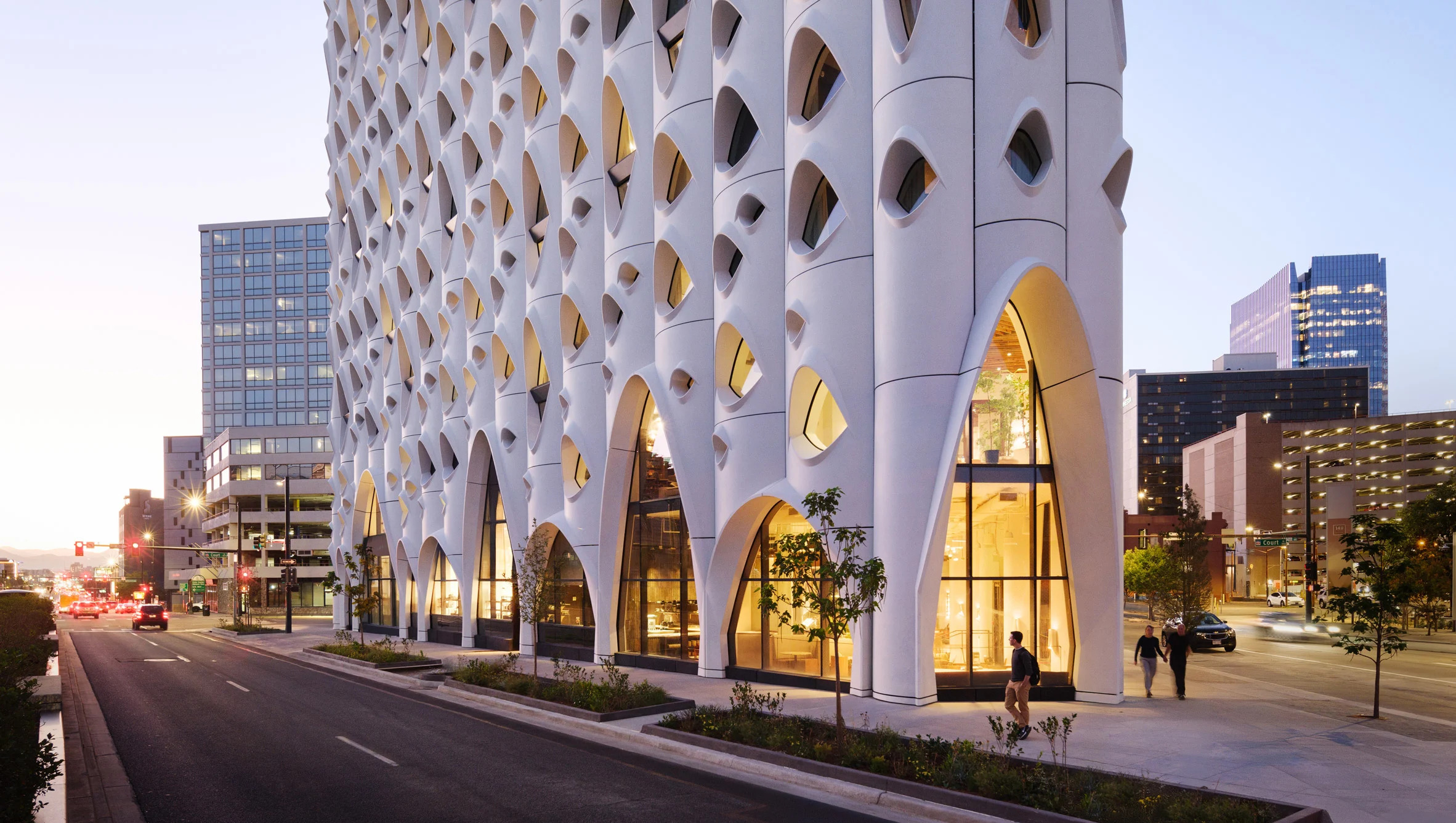
Most hotels are designed to occupy a site. Populus was designed to transform one. Rising thirteen stories above downtown Denver, the hotel occupies a triangular plot once home to Colorado’s first gas station. Today, that same site hosts something remarkably different: America’s first carbon-positive hotel. Developed by Urban Villages and designed by acclaimed architect Jeanne Gang and her team at Studio Gang, Populus represents a new generation of hospitality projects—buildings that don’t simply reduce their environmental impact, but actively aim to give back more than they take. The result is one of the most compelling hotel openings in recent years.
Architecture Inspired by Aspen Trees
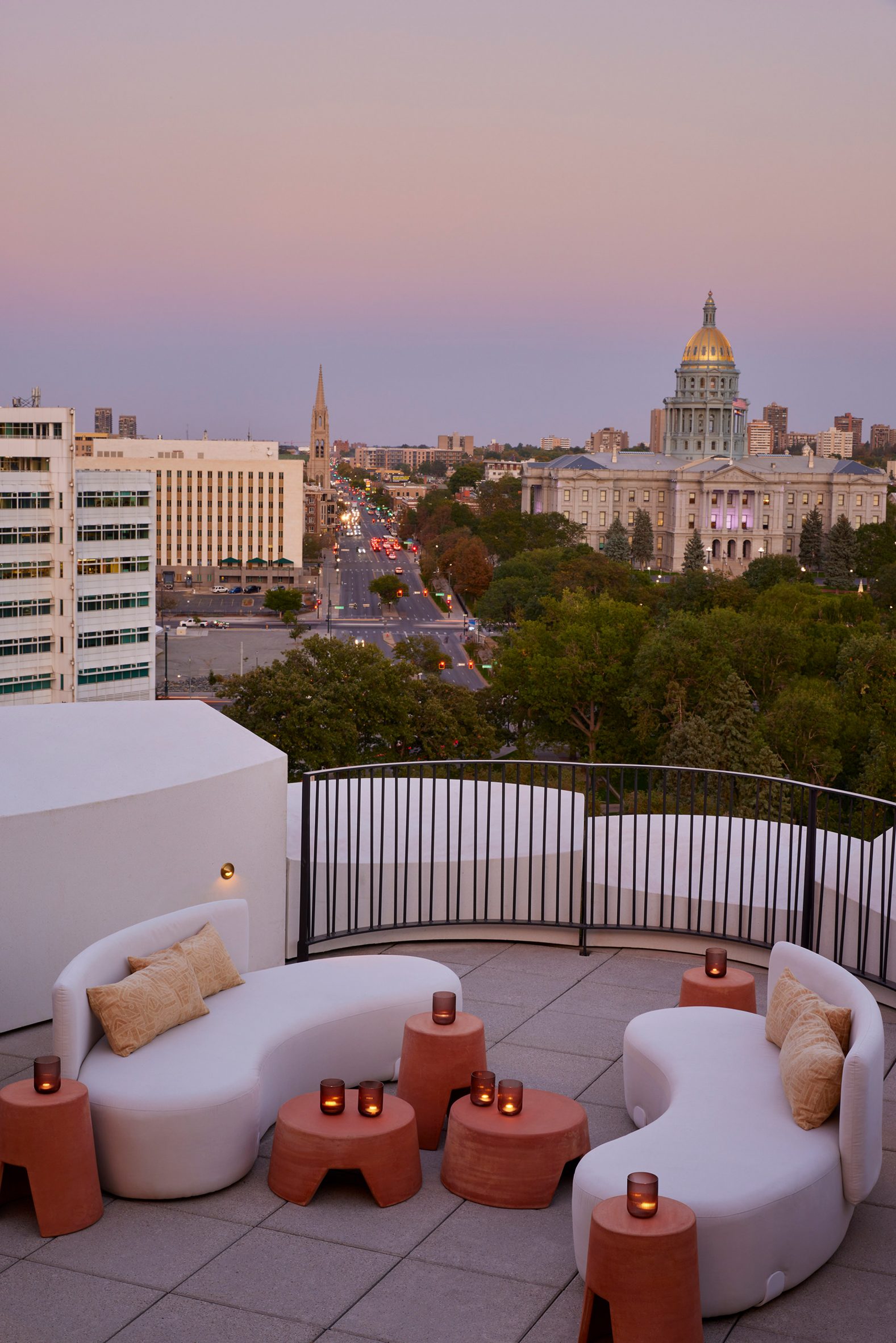
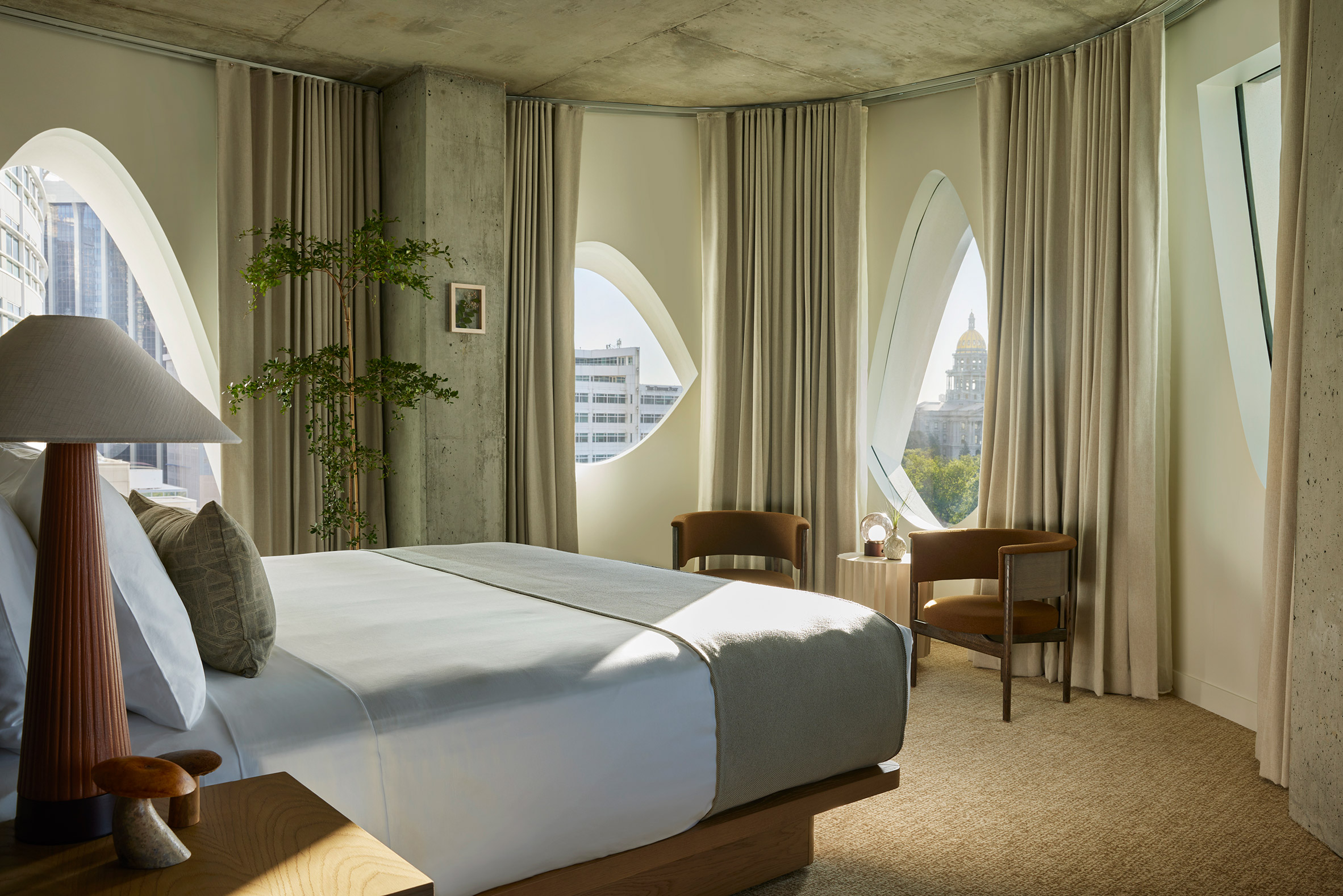
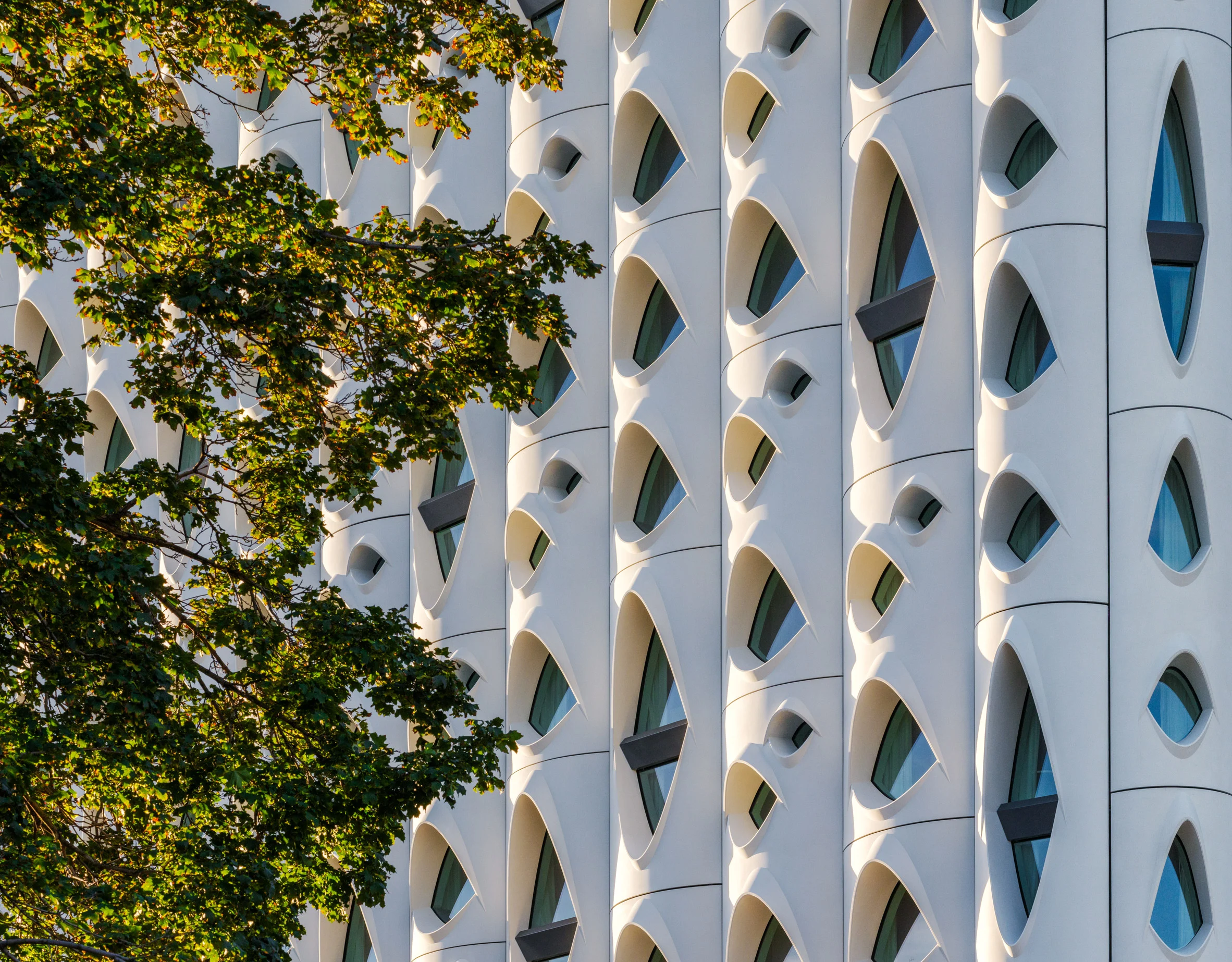
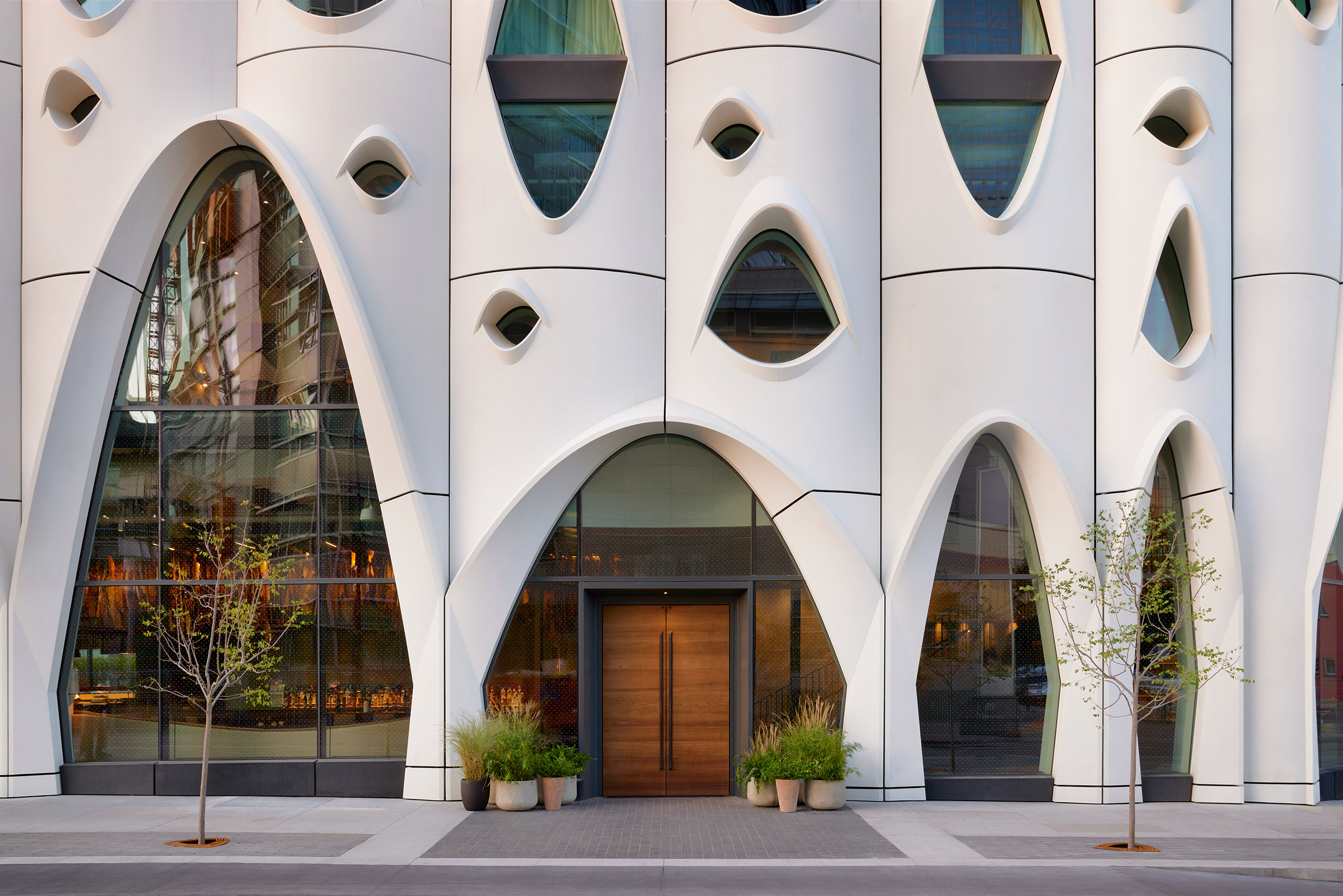
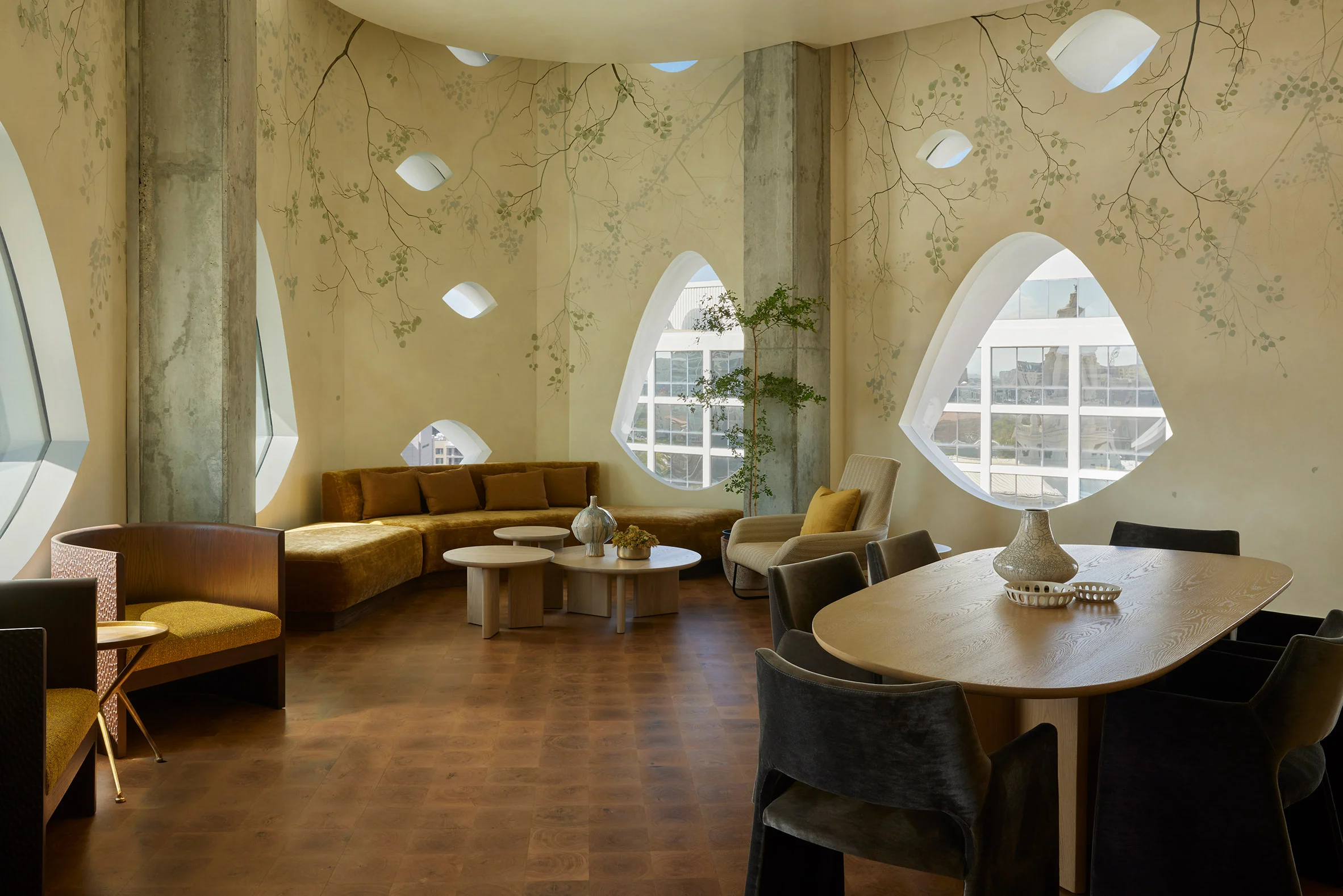
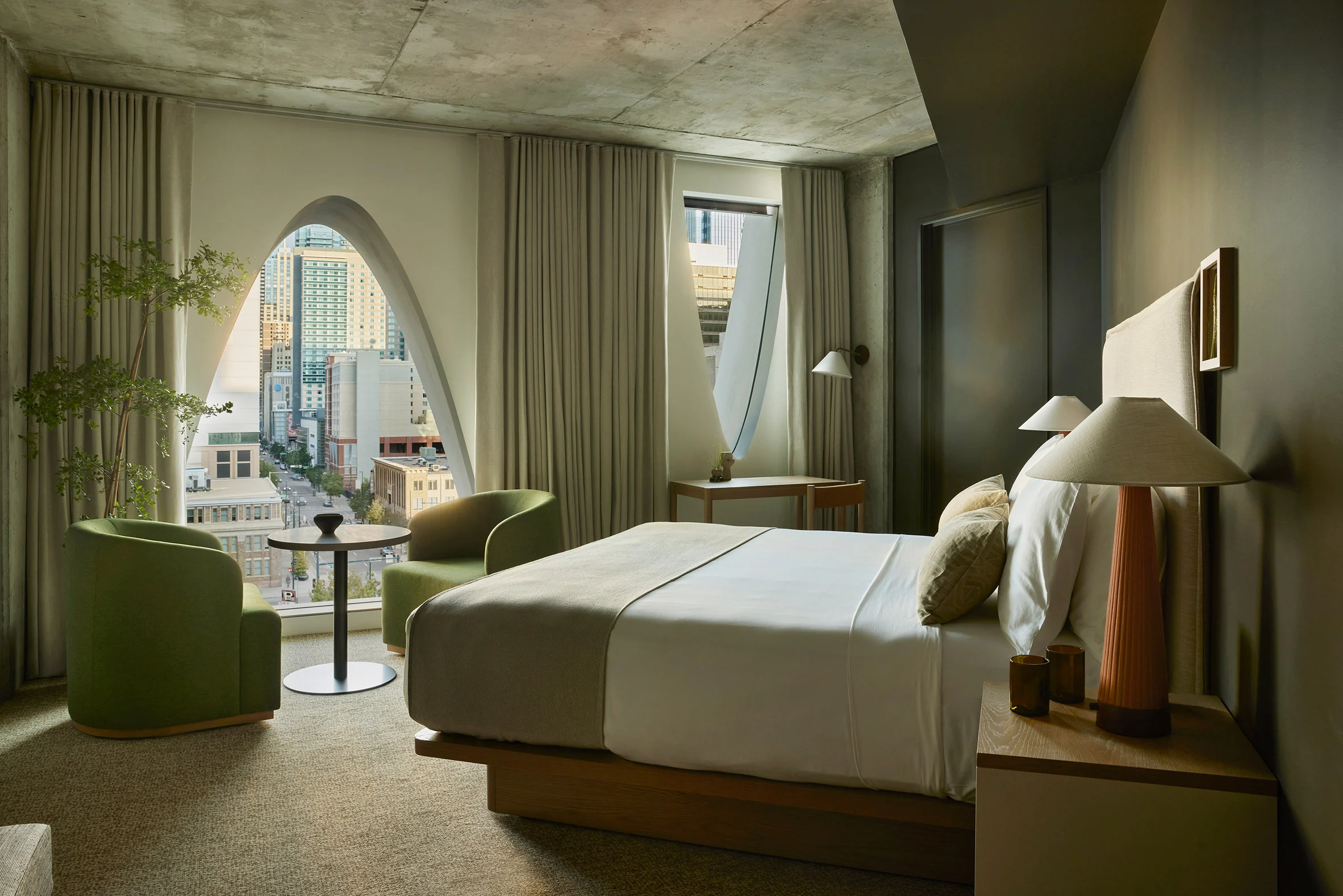
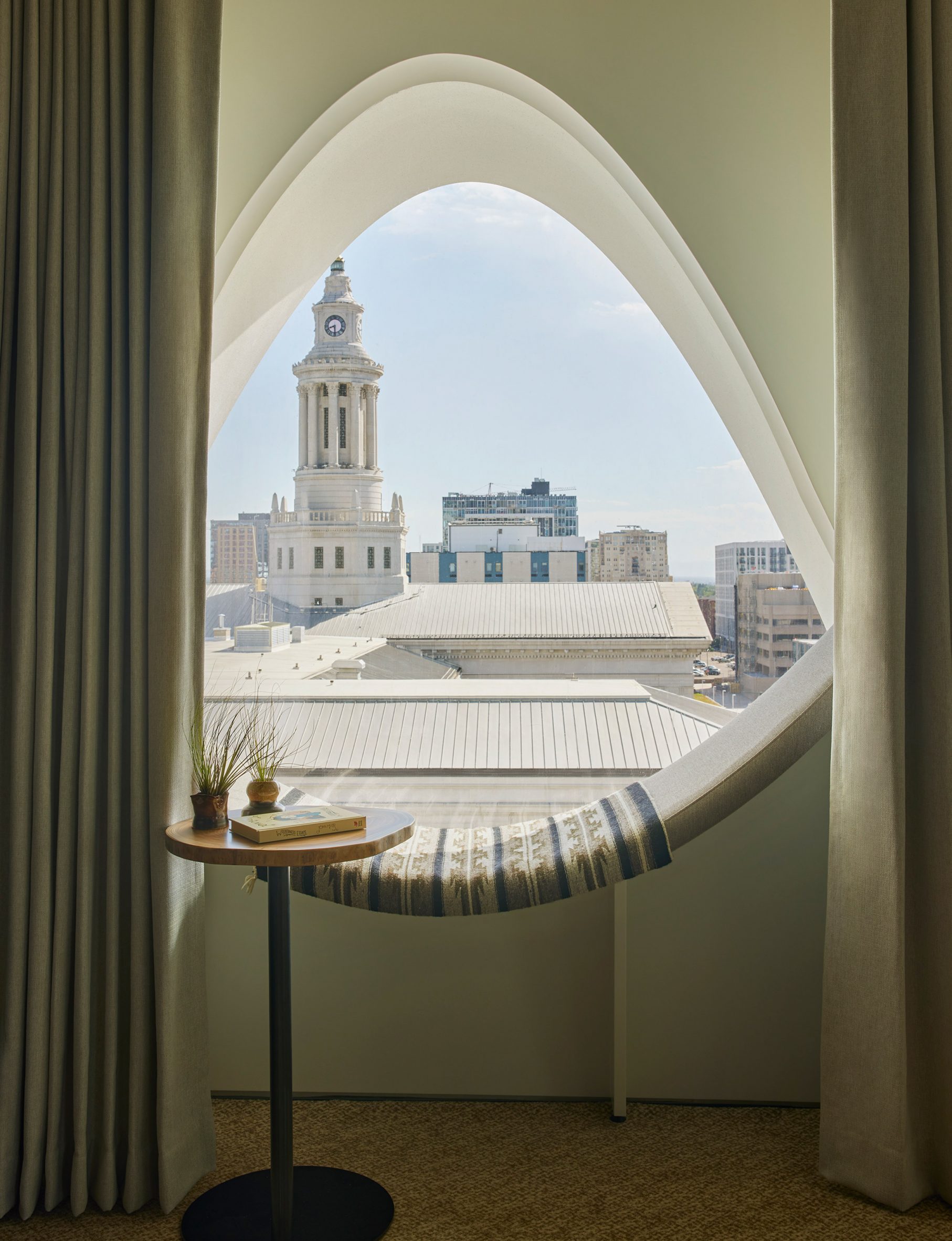
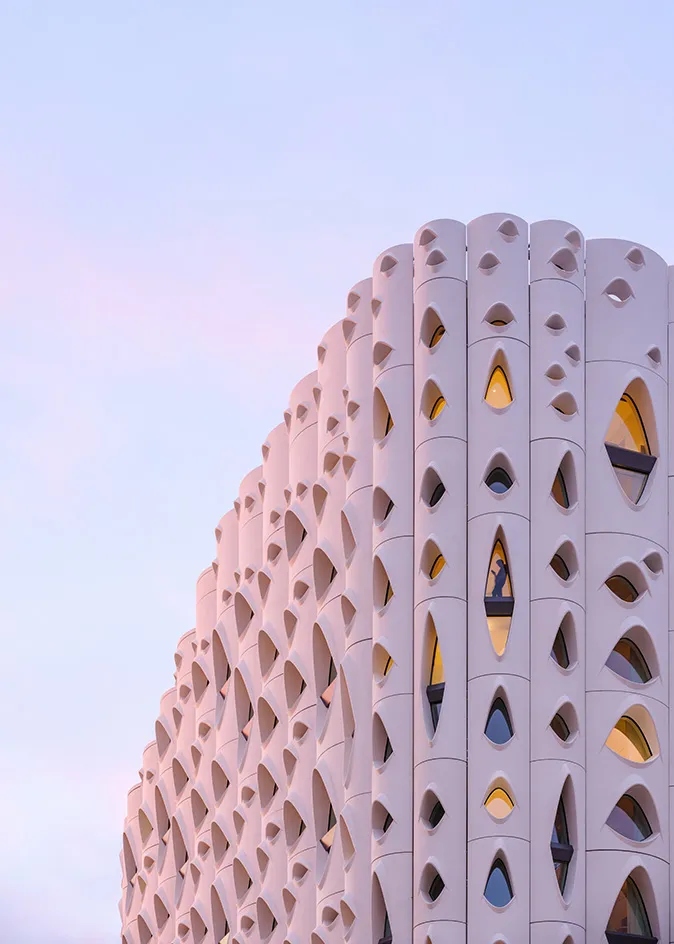
The building’s identity begins with Colorado’s most iconic tree. While hiking through Aspen forests, Jeanne Gang became fascinated by the distinctive eye-shaped markings found on Aspen trunks. These natural scars—formed where branches once grew—became the inspiration for Populus’s extraordinary façade. Hundreds of sculpted window openings ripple across the exterior, creating a building that appears almost organic in form. From a distance, the hotel resembles a vertical grove of Aspens. Up close, the windows frame fragments of Denver in unexpected ways: the golden dome of the State Capitol, a mural hidden between buildings, the rooftops of downtown, or distant mountain views. The building doesn’t merely look at the city. It carefully curates how the city is seen.
Beauty with Purpose
The architecture isn’t simply expressive—it performs. The façade is constructed using low-carbon concrete technology that significantly reduces embodied carbon. Throughout the project, materials and construction methods were selected to minimize environmental impact while maintaining architectural quality. The hotel’s carbon-positive status extends beyond the building itself. Through extensive reforestation efforts and long-term environmental commitments, Populus actively offsets more carbon than it produces. It’s an ambitious idea. Fortunately, it’s backed by equally ambitious design.
The Mountain West Reimagined
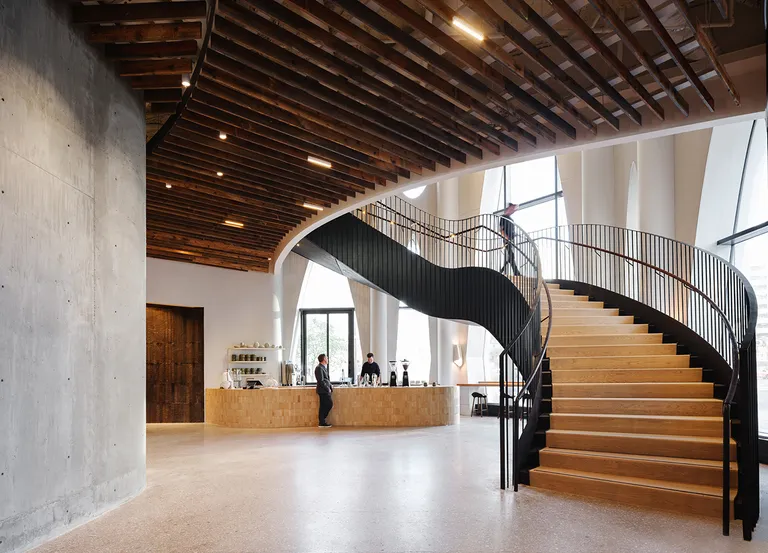
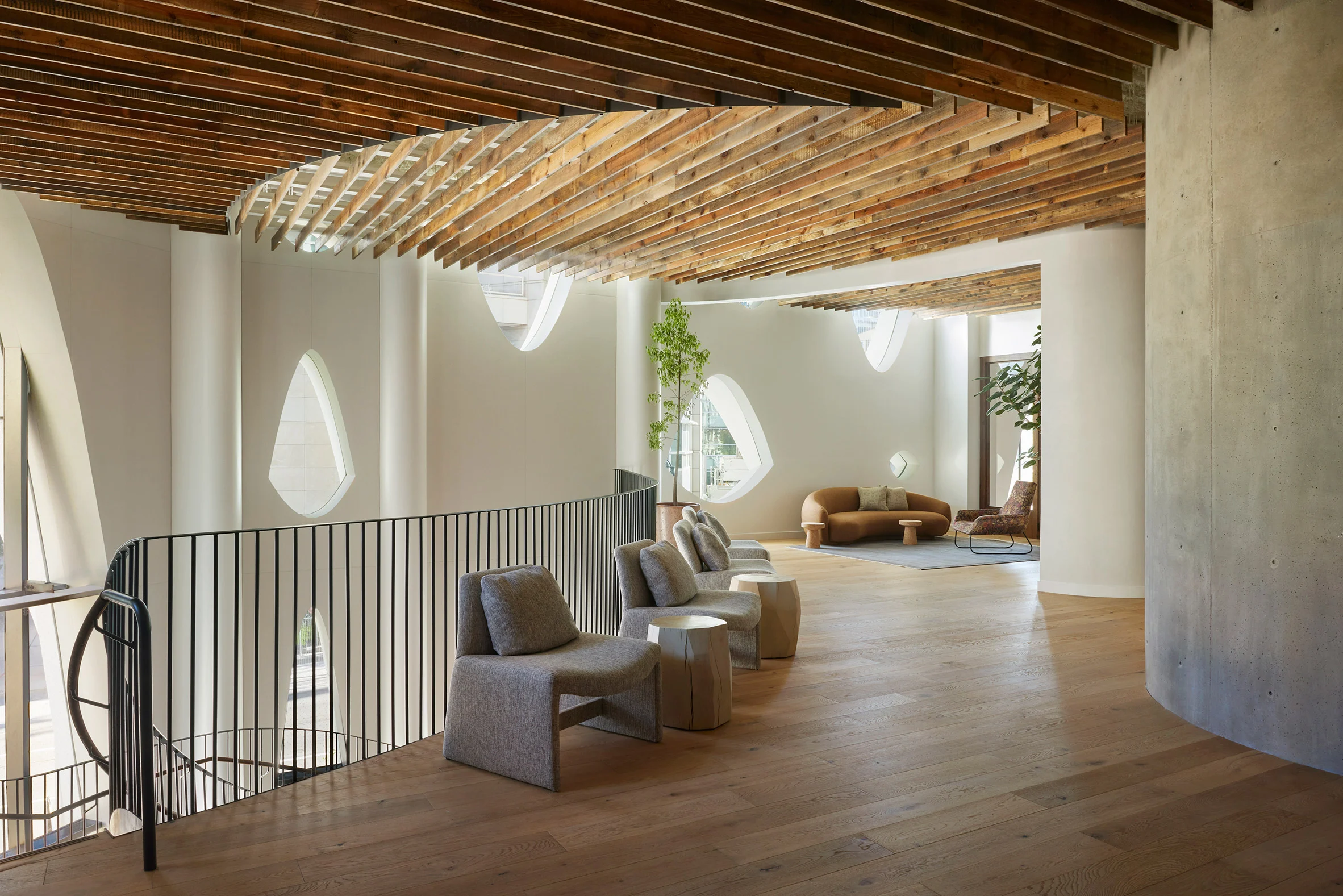
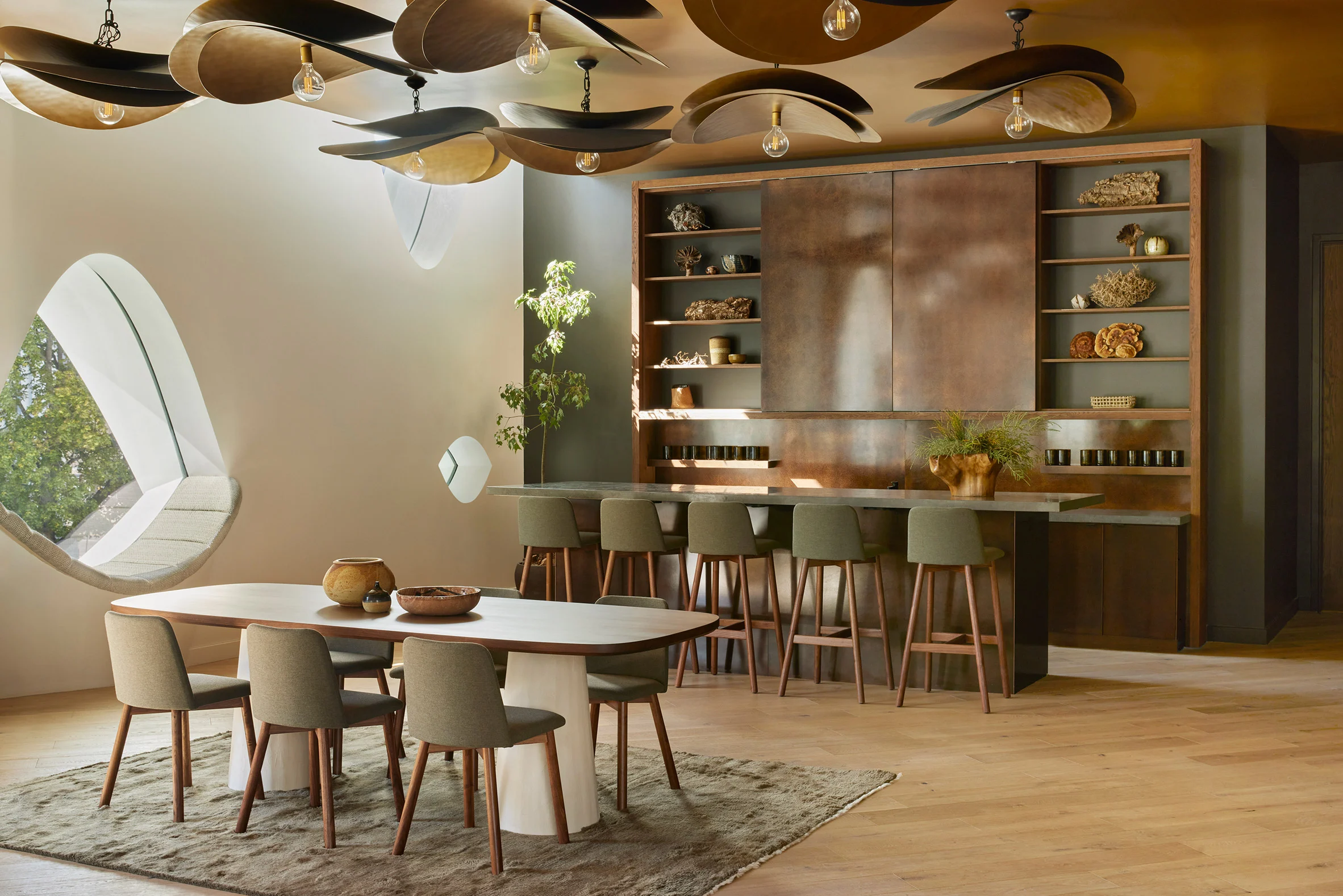
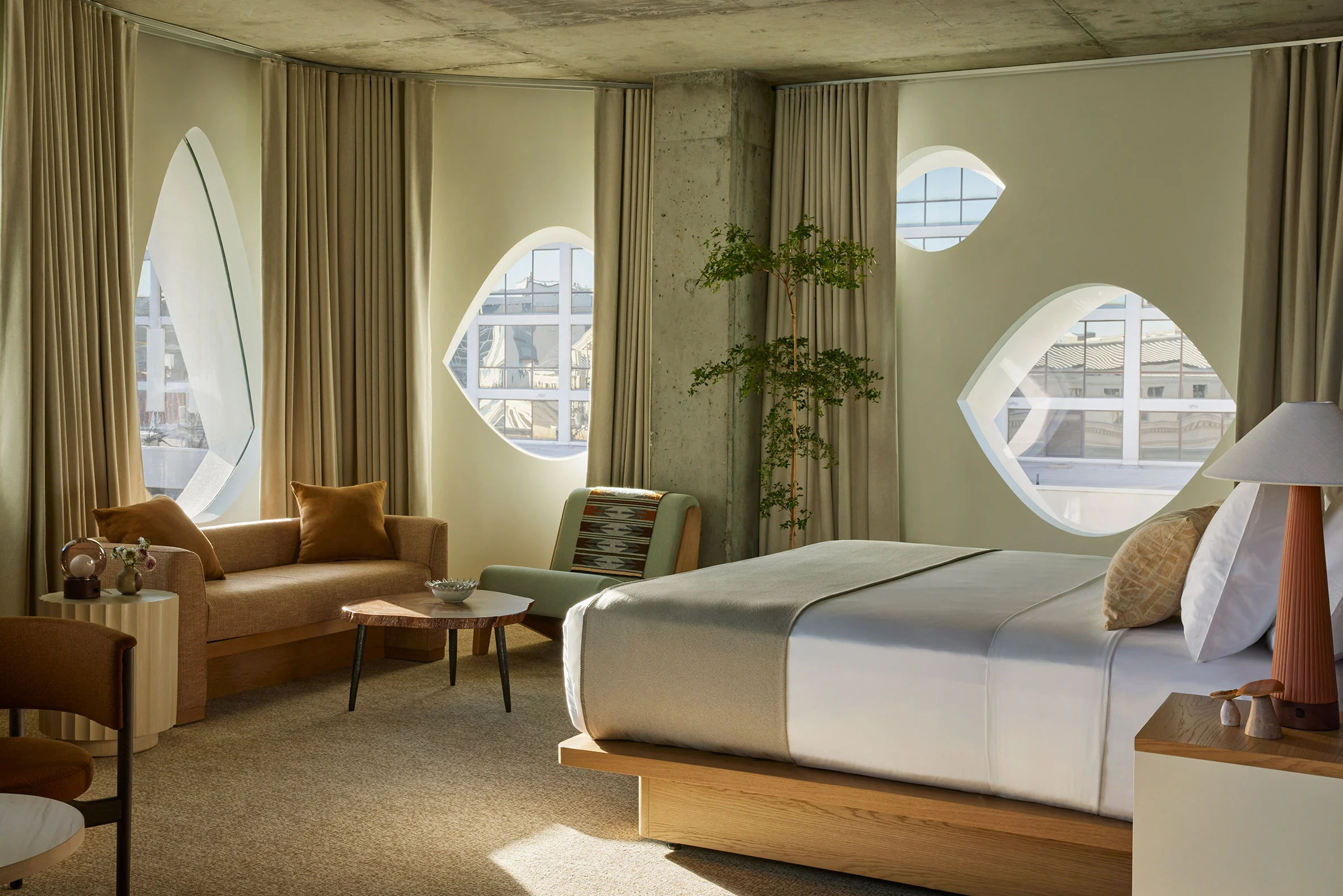
Inside, the story shifts from Aspen forests to the broader landscape of the American West. The interiors, designed by Wildman Chalmers in collaboration with Fowler Architecture & Interior Design, avoid predictable rustic clichés. Instead, they interpret Colorado through texture, craftsmanship, and materiality. Soft greens, warm browns, stone tones, and earthy neutrals flow throughout the hotel, creating spaces that feel calm, grounded, and deeply connected to place. Reclaimed Wyoming snow fences bring warmth to ceilings. Wood salvaged from beetle-kill forests adds character and narrative. Terracotta made from Platte River mud appears throughout the public spaces. Every material has a story. Every detail reinforces the connection to Colorado.
A Forest in the City
The public spaces are among the hotel’s greatest achievements. The double-height lobby feels less like a conventional hotel arrival experience and more like entering a contemporary interpretation of a forest clearing. Light filters through the Aspen-inspired windows while organic forms soften the architecture. Nature is present everywhere—but never literally. Nothing feels themed. Everything feels intentional. Even the elevators contribute to the experience, with recorded Colorado birdsong creating an unexpected connection to the natural world beyond the city.
Dining with a Sense of Place
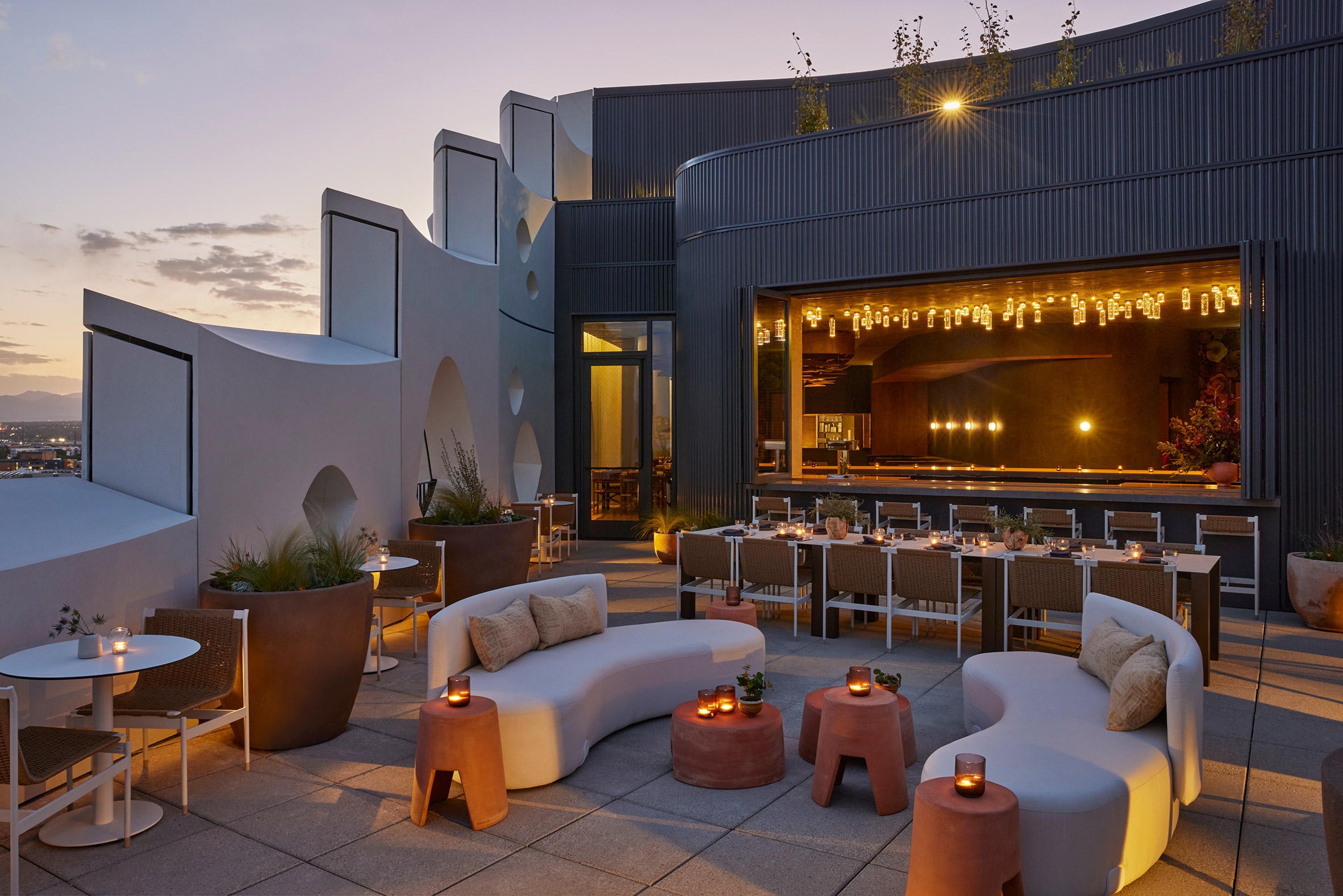
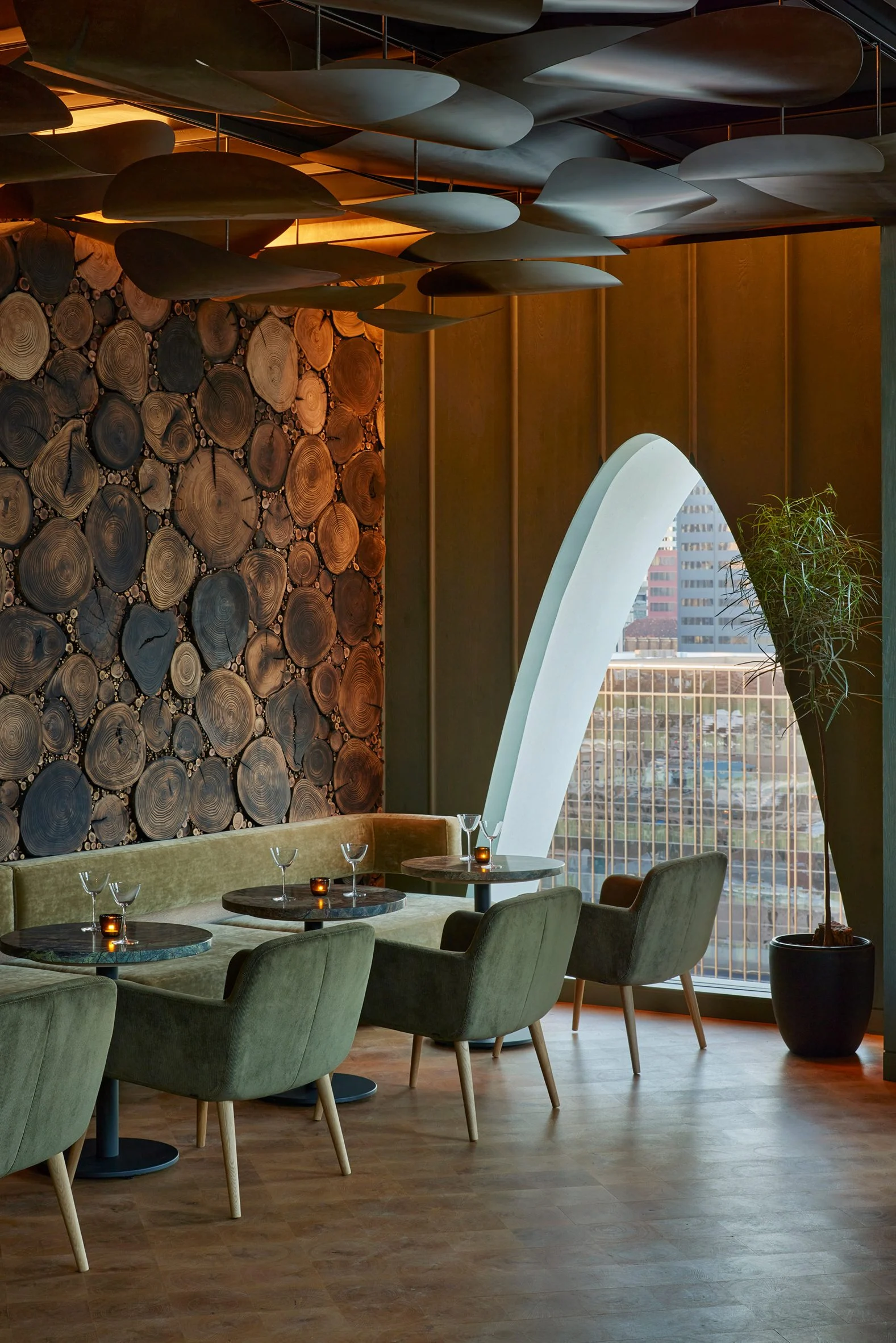
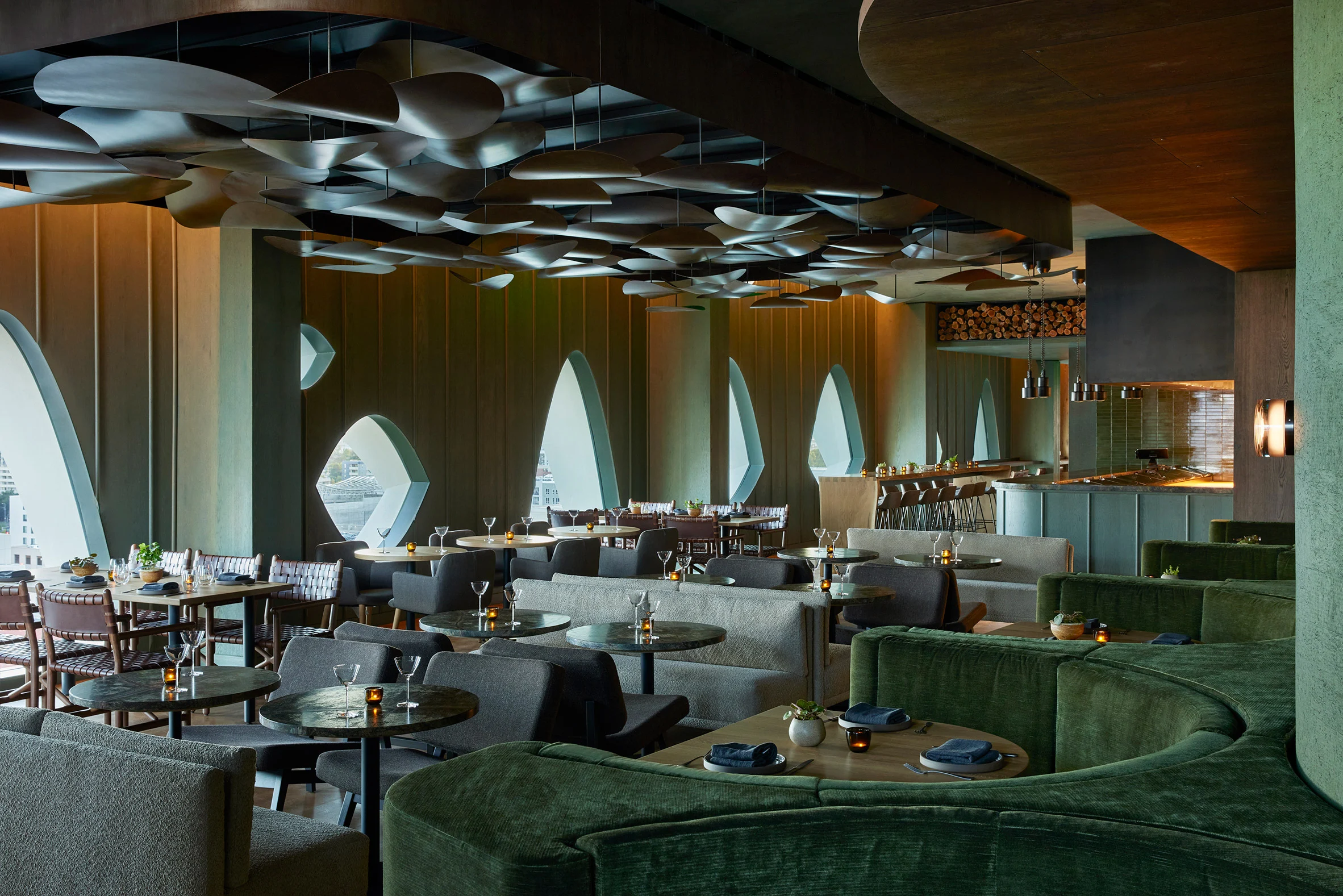
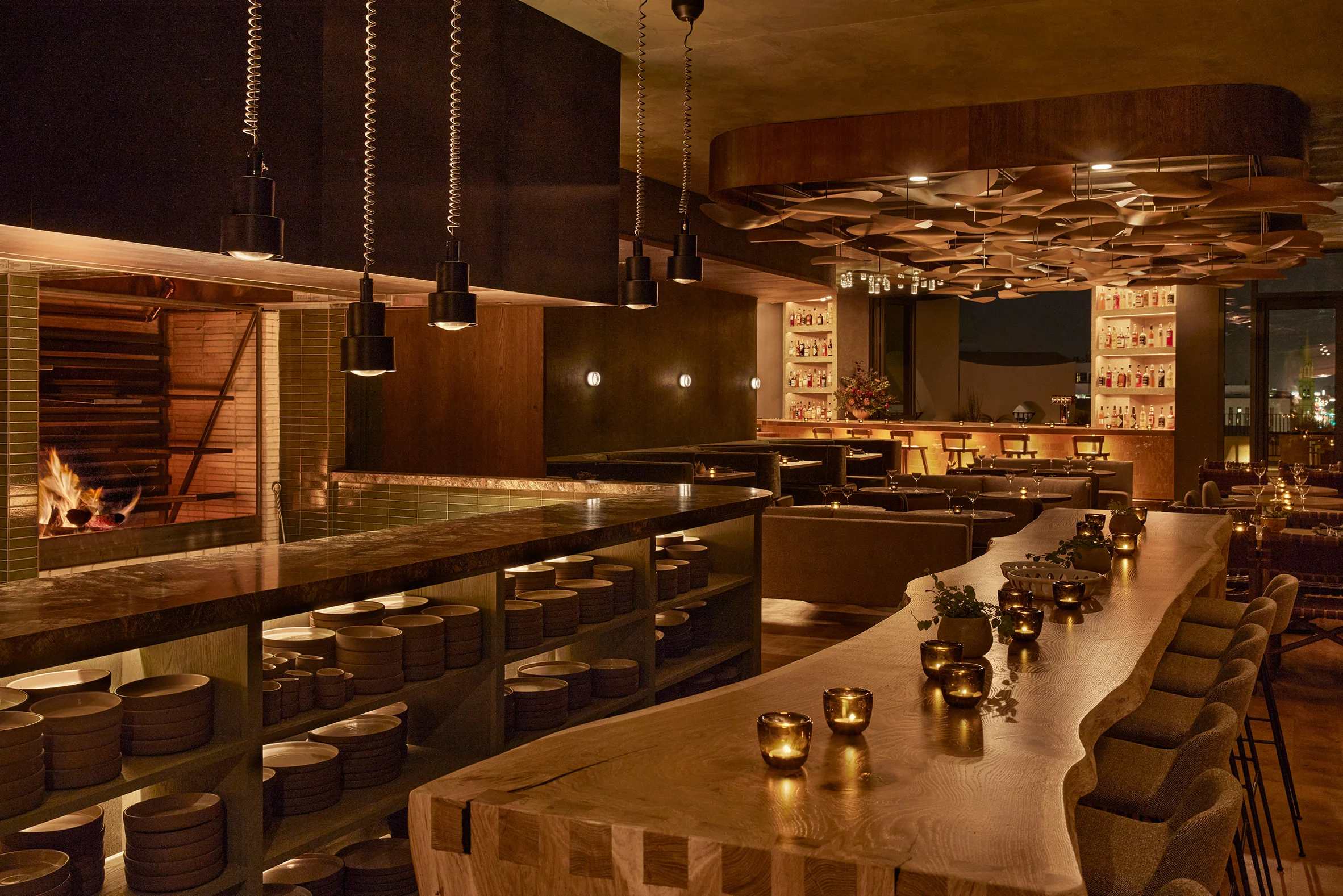
The hotel’s restaurants continue the environmental narrative through design. At Pasque, the ground-floor restaurant, more than 500 sheets of Reishi—a sustainable material grown from mycelium—form a remarkable sculptural canopy above the dining room. The installation creates a space that feels almost alive. Upstairs, Stellar Jay occupies the rooftop with sweeping city and mountain views. Yakisugi-inspired wall treatments, local materials, and a sophisticated palette create an atmosphere that is simultaneously urban and elemental. Both venues demonstrate that sustainability need not feel worthy or austere. It can be beautiful, tactile, and deeply memorable.
A Different Kind of City Hotel
Perhaps the most radical decision was what the designers chose not to build. There is no ground-floor parking garage. Instead, the hotel prioritises people, public space, and walkability. All three sides of the building actively engage the surrounding streets, encouraging connections between guests, locals, and the city itself. For a site that once existed entirely to serve automobiles, the symbolism is powerful. Populus isn’t simply replacing a gas station. It’s proposing a completely different vision for urban life.
More Than Sustainability
What makes Populus exceptional isn’t its environmental credentials alone. Many sustainable hotels ask guests to admire their principles. Populus asks guests to enjoy themselves. The architecture is beautiful. The rooms are comfortable. The restaurants are compelling. The atmosphere feels contemporary, optimistic, and welcoming. The sustainability becomes part of the experience rather than the entire story. That’s what makes it convincing.
Why It Matters
Hotels often talk about the future. Populus actually feels like it belongs to it. This is architecture that learns from nature rather than mimicking it. Hospitality that embraces responsibility without sacrificing pleasure. A building that demonstrates how cities can grow in ways that are both ambitious and regenerative. In a world full of hotels competing for attention, Populus stands apart because it stands for something. Not just a place to stay. A blueprint for what hospitality can become.