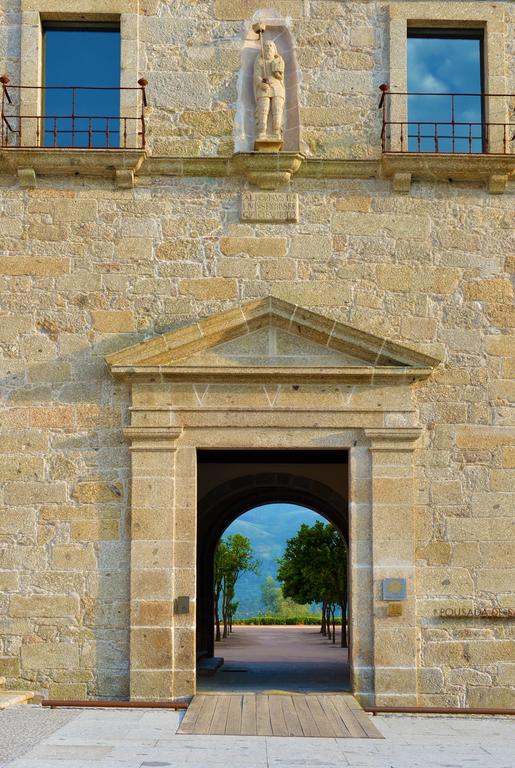
Pousada Mosteiro de Amares: A Dialogue Between Centuries
Where a 12th-century monastery meets the pure poetry of Souto de Moura’s design.
A Masterpiece of Time and Transformation
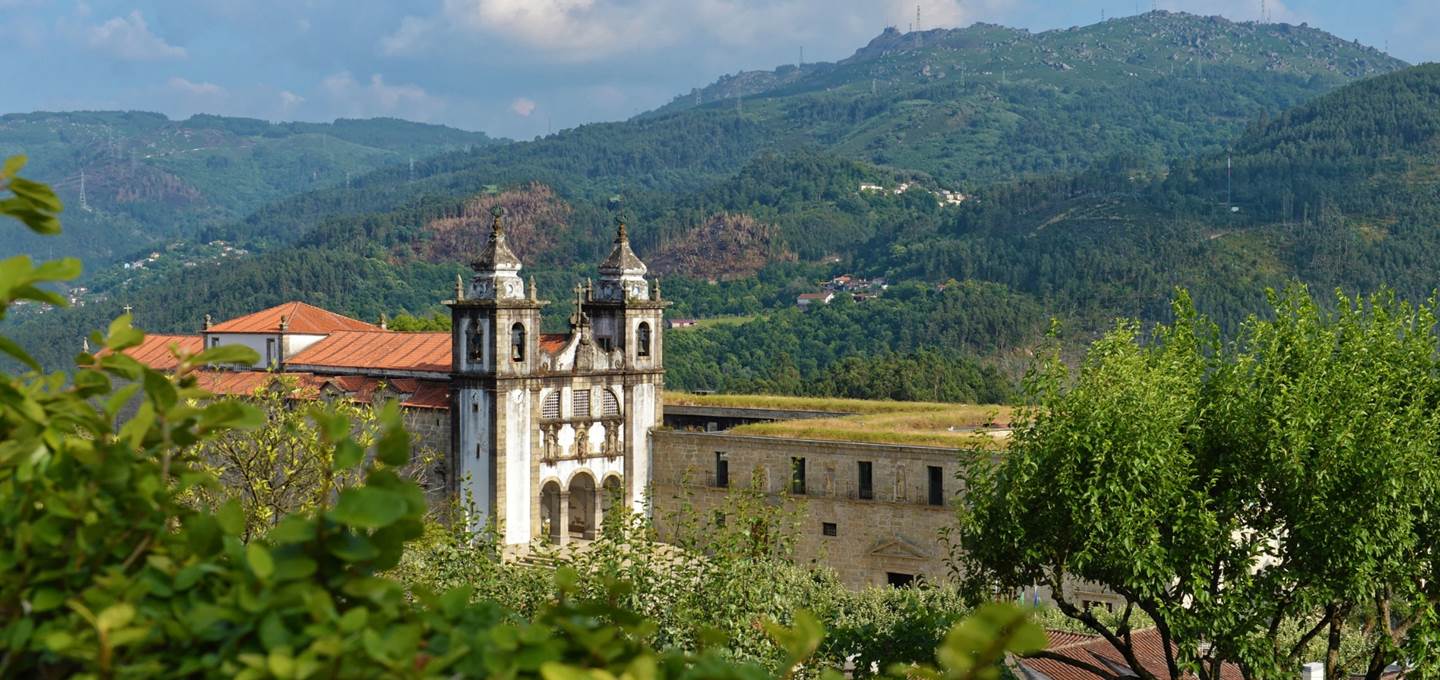
Perched on the edge of Portugal’s majestic Gerês mountain range, just outside the historic city of Braga, the Pousada Mosteiro de Amares is not merely a hotel—it’s an architectural revelation. Set within a 12th-century Cistercian monastery, this extraordinary retreat carries nearly a millennium of history within its granite walls. But what truly sets it apart is the vision that brought it back to life. The celebrated Pritzker Prize-winning architect Eduardo Souto de Moura—a master of restraint and light—undertook a painstaking transformation that has become a benchmark in adaptive reuse and contemporary restoration. His work here is nothing short of sublime: a dialogue between eras, materials, and philosophies.
Old Stones, New Light
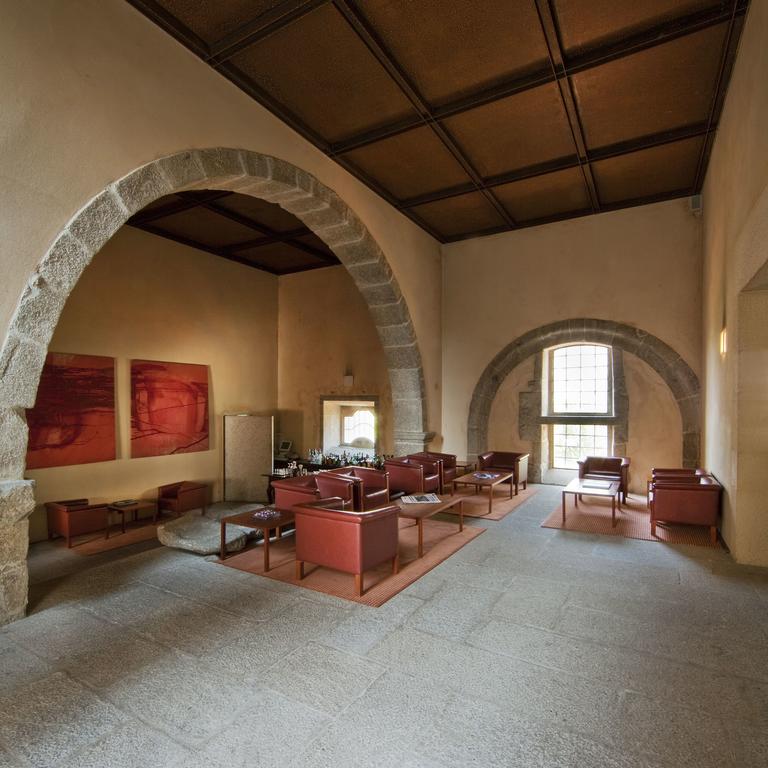
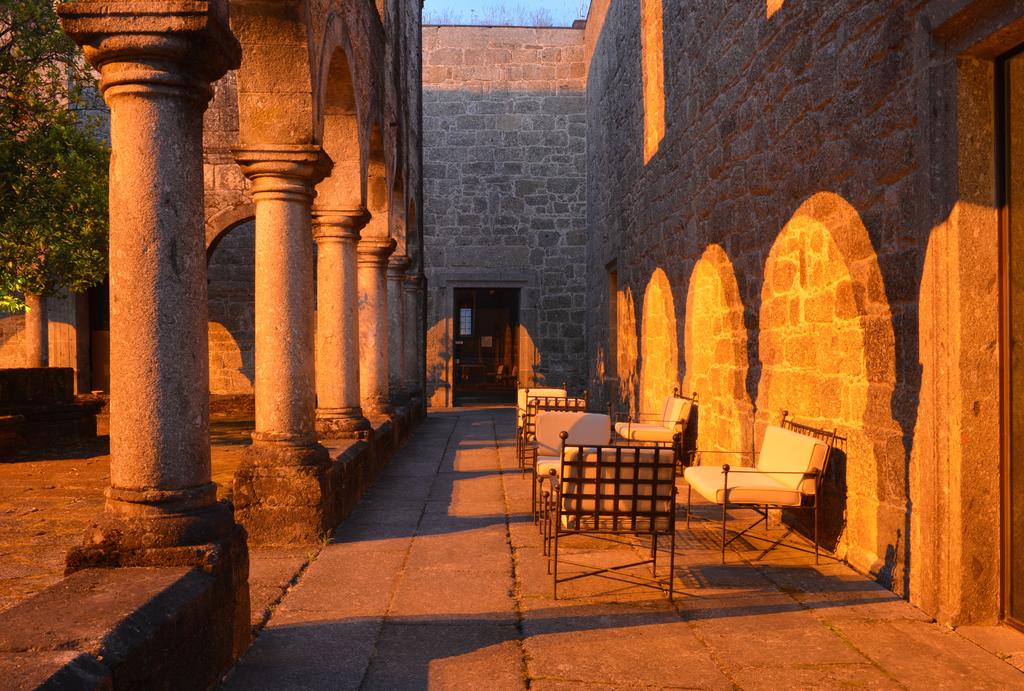
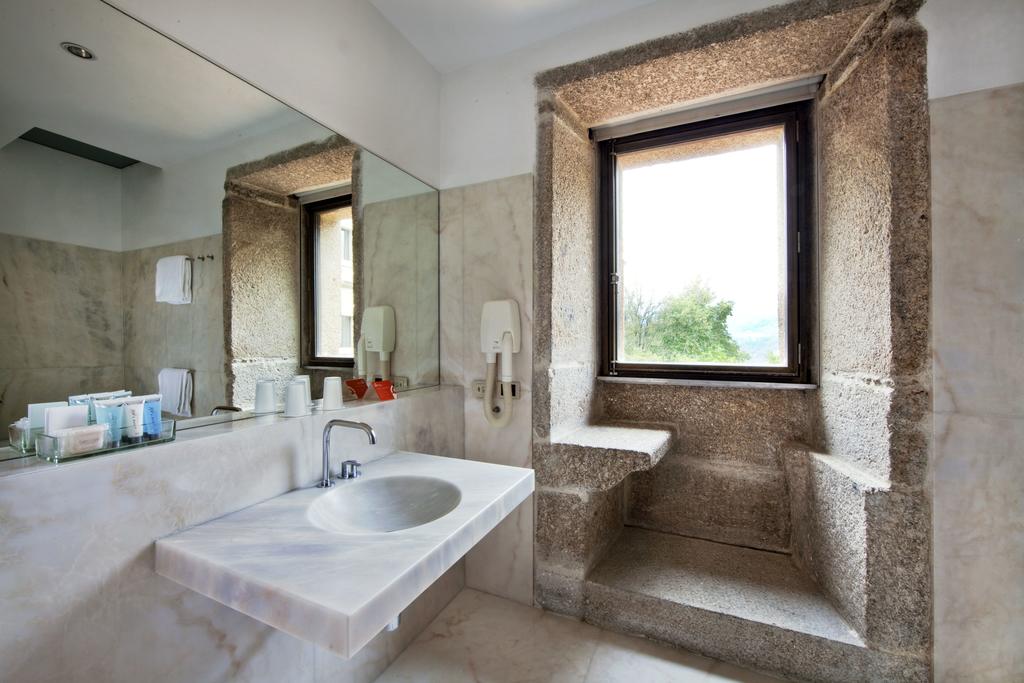
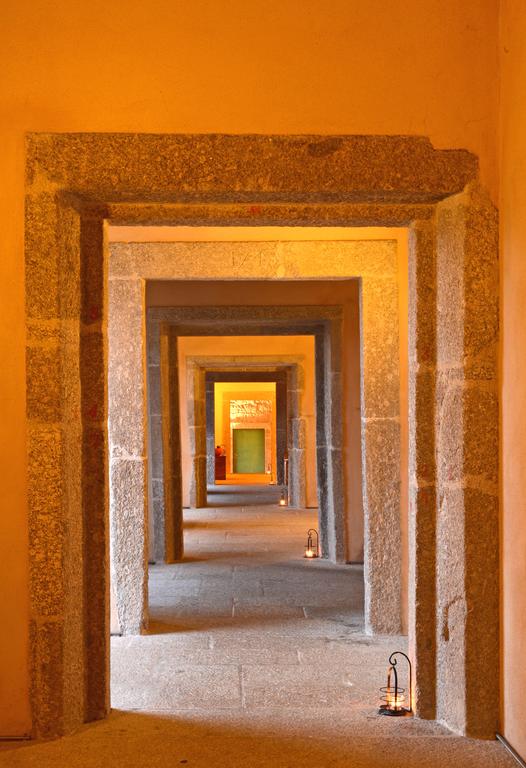
Souto de Moura’s approach was guided by reverence, not replication. He allowed the bones of the monastery—its rough-hewn stone, its vaults, its austere symmetry—to speak for themselves. Into that silence, he introduced clean lines, pale timber, brushed steel, and glass—a modern vocabulary whispered with monastic calm. The result is a space that feels both profoundly ancient and quietly futuristic. Every corridor, every threshold, plays with light and shadow. At times, sunlight grazes the stone in soft gold; at others, the structure feels carved directly out of shadow. It’s not just architecture—it’s choreography.
Rooms that Breathe History
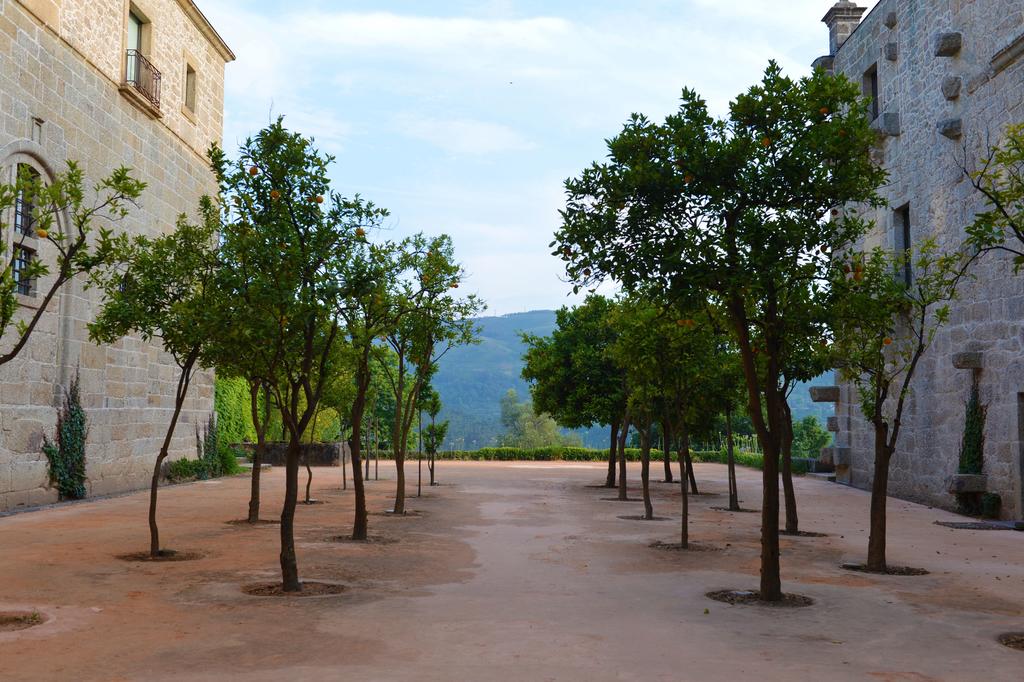
Each of the Pousada’s 32 rooms is an essay in elegance and restraint. Original masonry walls frame minimalist interiors—simple furnishings, white linens, and subtle textures that echo the landscape outside. The windows, once cloistered, now open onto sweeping views of the Cávado River valley, bringing nature into the rhythm of the building. This is luxury defined not by opulence, but by clarity and contemplation.
Spaces of Serenity and Soul
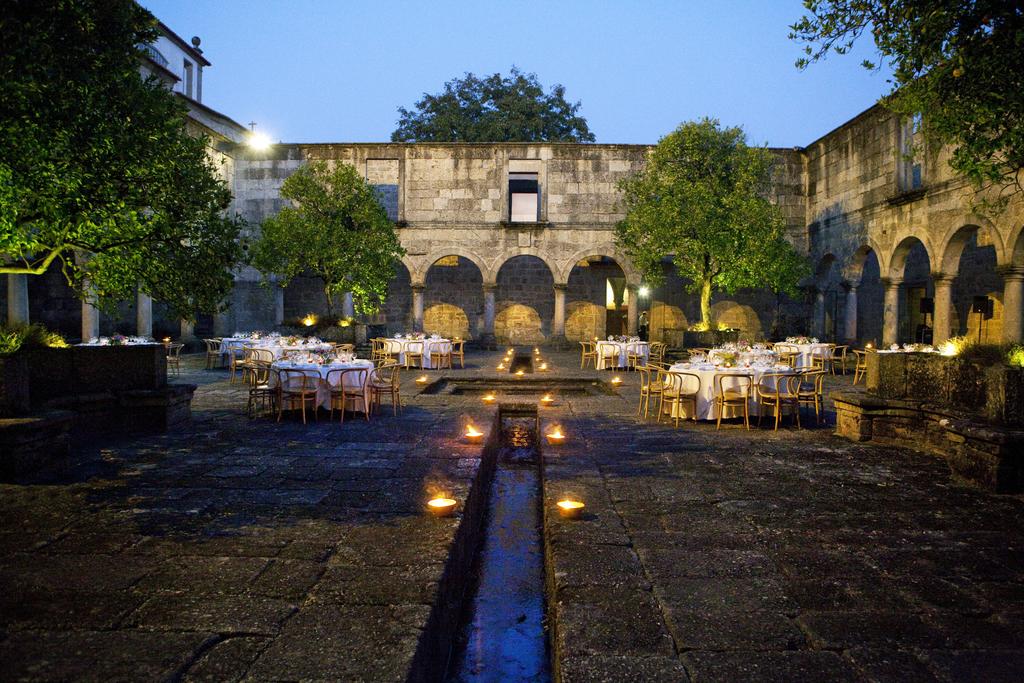
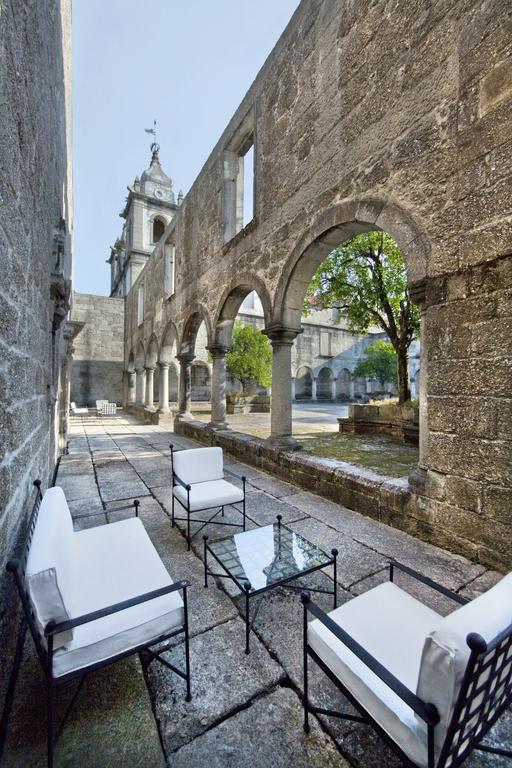
The heart of the monastery remains intact—the cloisters, now bathed in light, invite slow wandering and quiet thought. The former chapel, preserved in all its sacred geometry, still carries the hush of centuries. Communal spaces, from the library to the restaurant, merge the spiritual with the sensual—granite arches softened by warm illumination and minimalist décor. In the restaurant, guests savor regional cuisine that mirrors the design ethos: honest, grounded, beautifully composed. Each meal is a continuation of the architecture’s dialogue between past simplicity and present refinement.
DNA Hotels Verdict
Pousada Mosteiro de Amares isn’t just a stay—it’s an encounter with the essence of design itself. Eduardo Souto de Moura has achieved what few architects ever do: he’s made time visible. The building’s sacred stillness remains, yet it now breathes with a contemporary pulse. For travelers drawn to spaces where architecture, history, and emotion converge, this is a destination like no other. Here, amid stone and silence, you don’t just stay in a hotel—
you inhabit a work of living art.