Pousada Convento Arraiolos, Portugal
A 16th-century convent where Renaissance architecture and contemporary intervention meet in the quiet Alentejo landscape
Why DNA Hotels Loves It
● Set within the former Convento de Nossa Senhora da Assunção, founded in the 16th century, with its church, cloisters, courtyards, and monastic character still defining the experience.
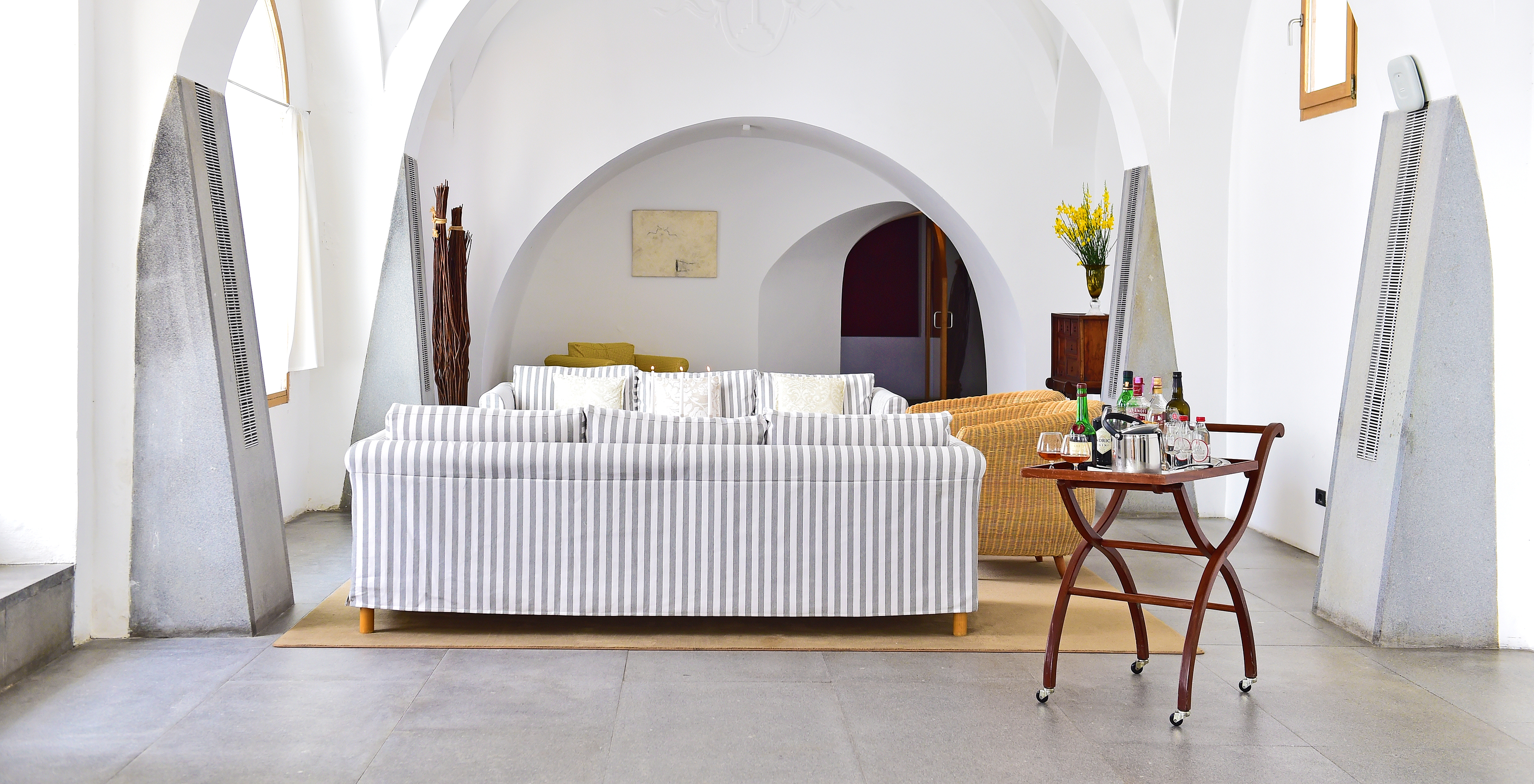
● The contemporary additions deliberately contrast with the historic fabric, creating a compelling dialogue between monumental heritage and restrained modern architecture.
● Just outside the small town of Arraiolos, famous for its hand-embroidered rugs, it offers an atmospheric and surprisingly accessible way to experience the rural Alentejo.
Sleeping in a Convent
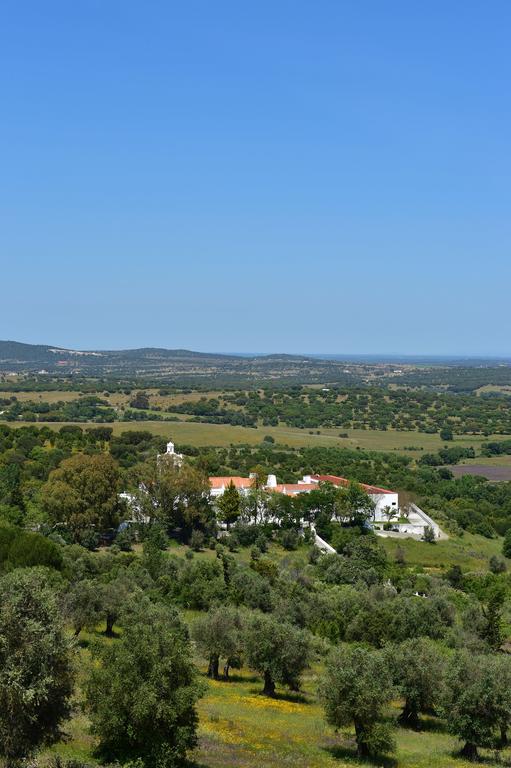
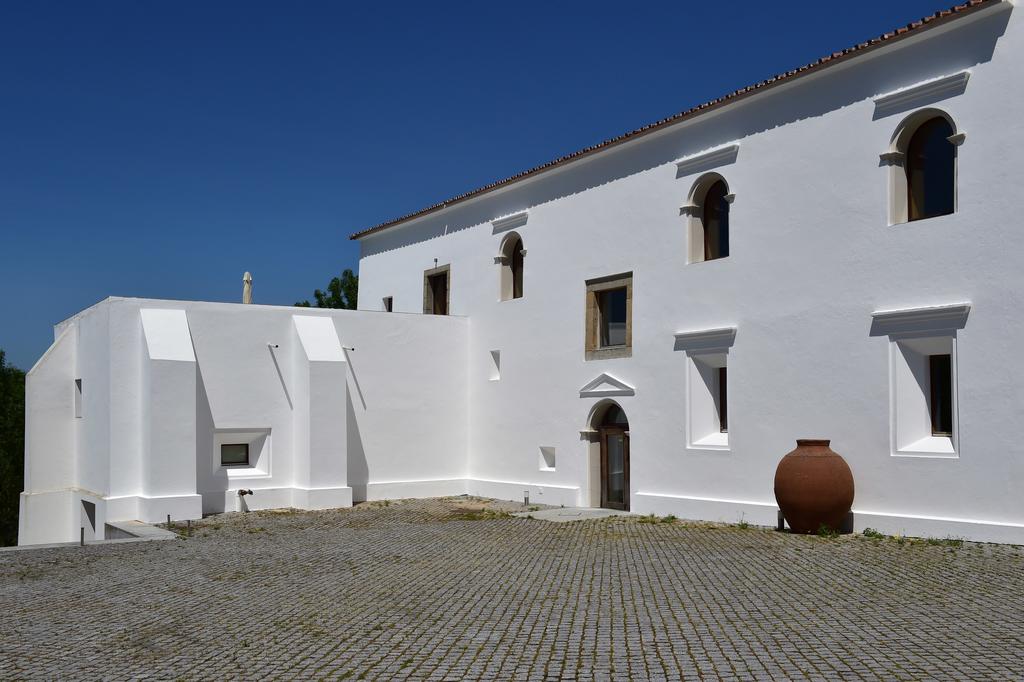
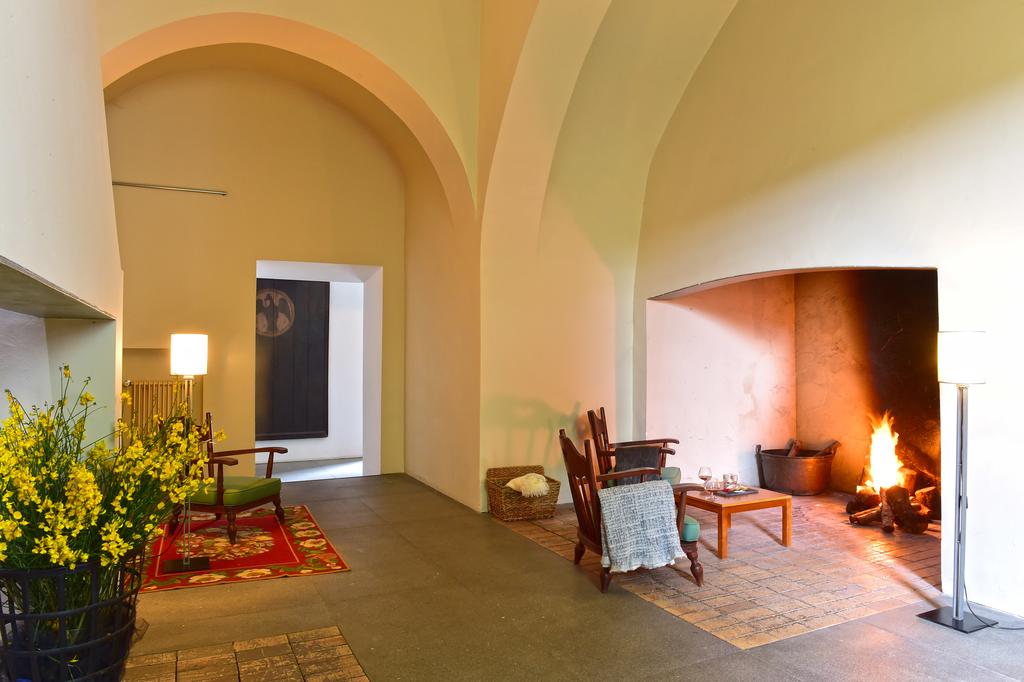
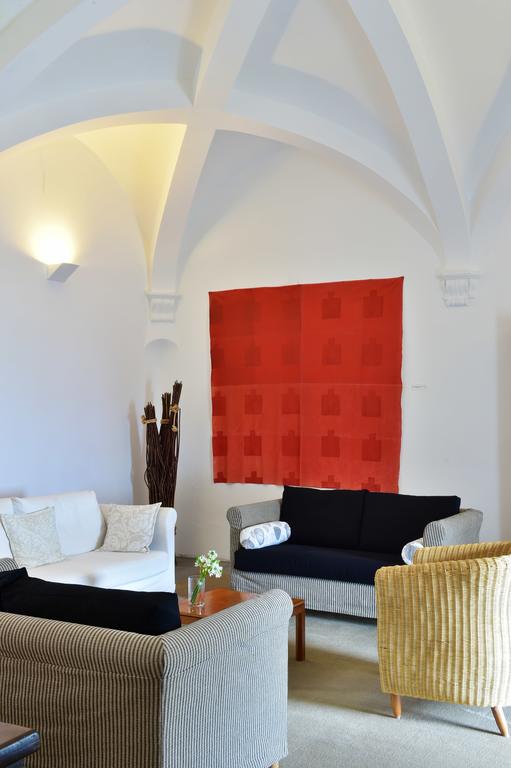
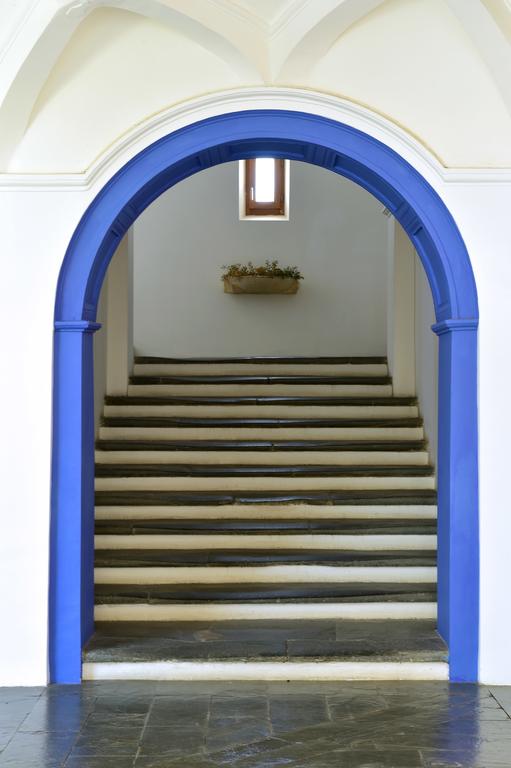
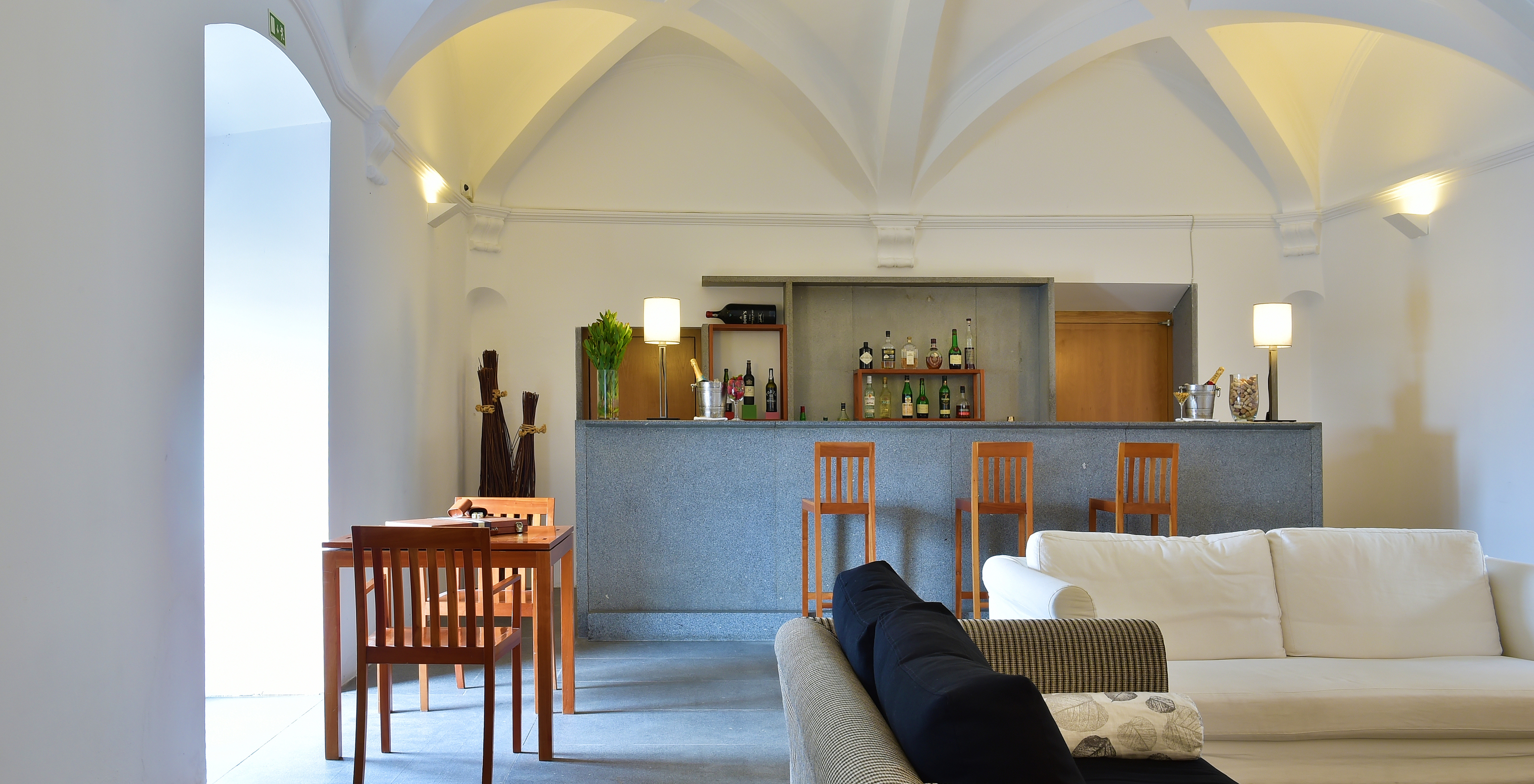
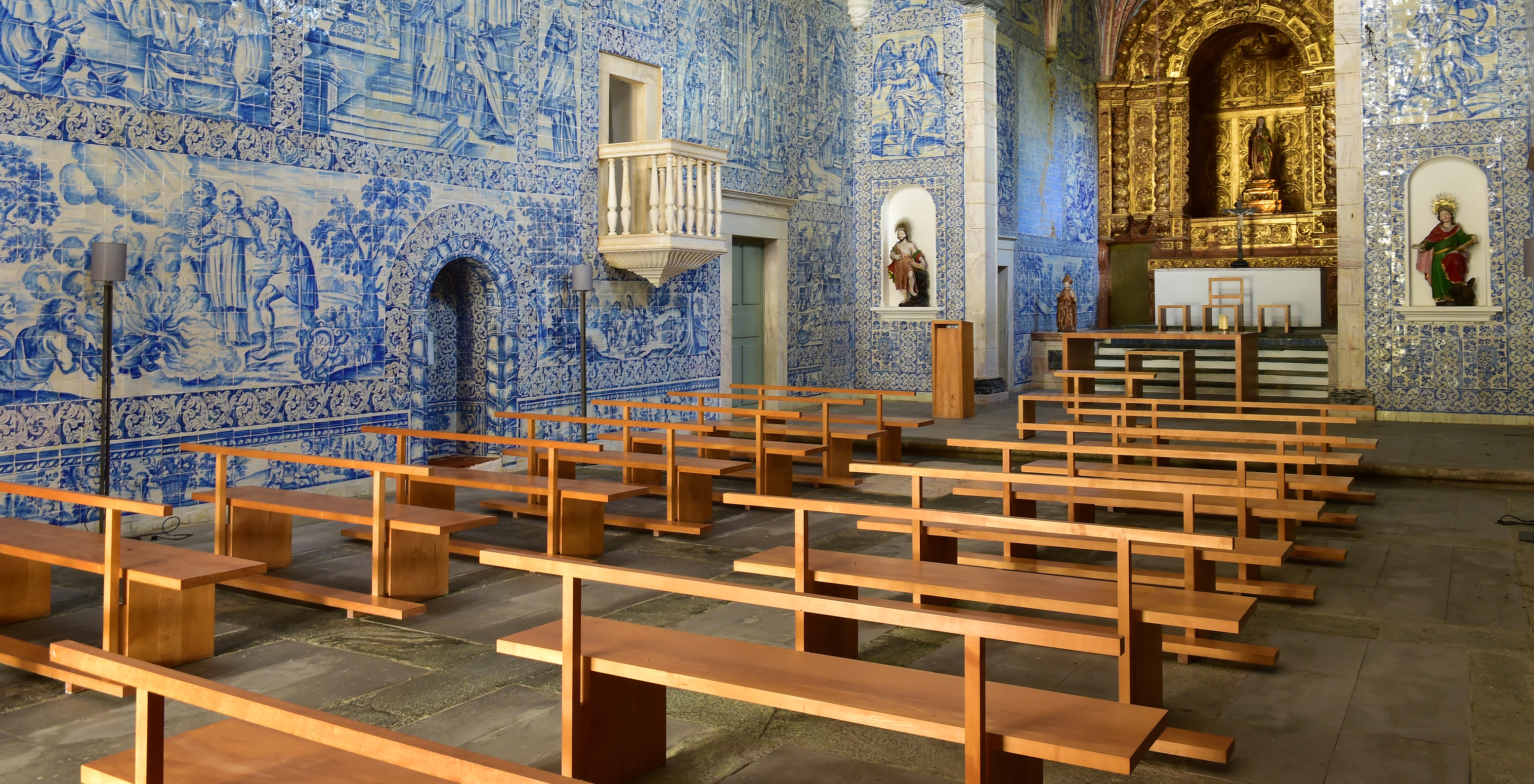
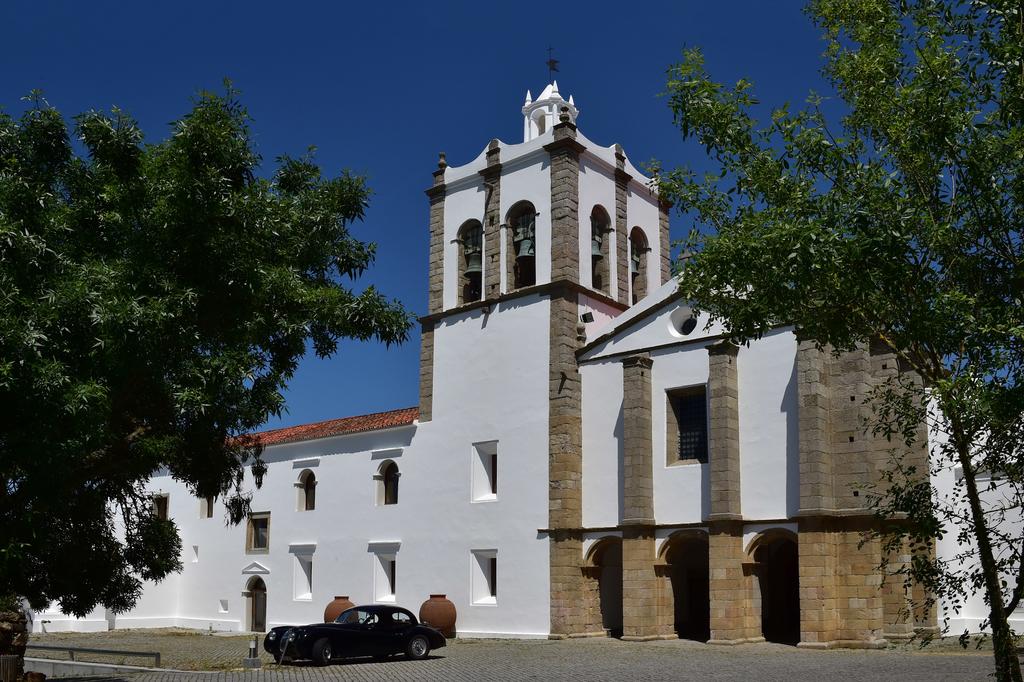
Portugal’s pousadas have always offered an intriguing proposition: take a castle, palace, monastery, or other historic building and give it another life as a hotel. Few settings lend themselves to the idea quite as naturally as a convent. Pousada Convento Arraiolos occupies the former Convento de Nossa Senhora da Assunção, established in the 16th century on a hillside outside Arraiolos. Its whitewashed walls, arcaded cloisters, vaulted spaces, and church still carry the unmistakable atmosphere of their original purpose. You don’t need recreated monastic interiors to understand where you are. The architecture does that for you.
Old Architecture, New Intervention
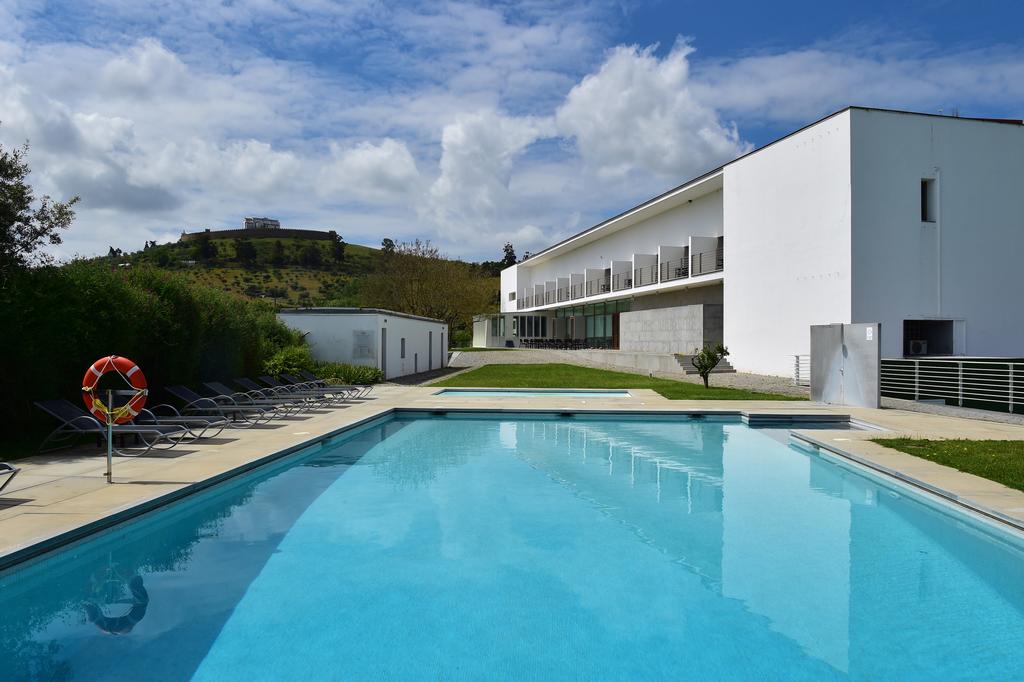
What makes Arraiolos particularly interesting is the refusal to turn the convent into a historical theme park. Rather than disguising contemporary additions as something ancient, the conversion allows old and new to remain visibly distinct. Historic masonry, arches, tiled surfaces, and monastic proportions meet cleaner lines and deliberately restrained modern spaces. It is the contrast that gives the hotel its character. The newer architecture doesn’t attempt to overpower the convent, but neither does it disappear. Instead, the two periods sit alongside one another, making the evolution of the building legible. Against the exuberance found in many historic hotels, there is something refreshing about that restraint.
The Cloister Still Matters
The most memorable spaces are inevitably the oldest ones. Walk through the Renaissance cloister and the original rhythm of convent life suddenly becomes imaginable. Arcades frame a peaceful central courtyard, long corridors encourage wandering, and thick walls create the kind of natural silence modern hotels spend considerable effort trying to manufacture. The adjoining church is even more elaborate, providing a decorative counterpoint to the relative austerity elsewhere. These aren’t simply preserved architectural details placed around a hotel. They are the hotel.
Rooms Without the Costume Drama
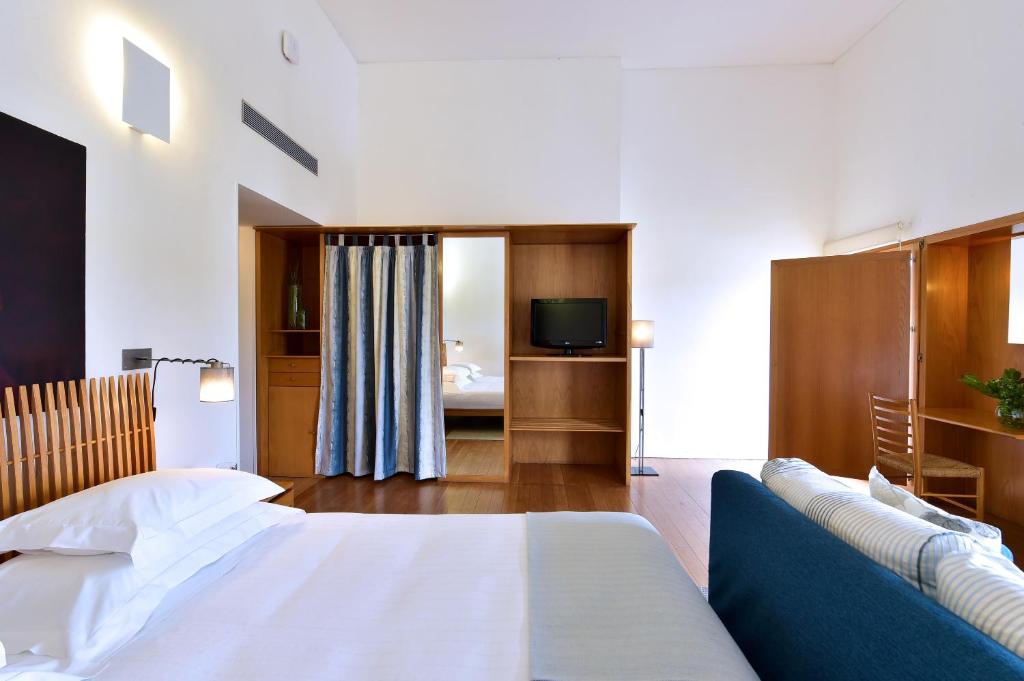
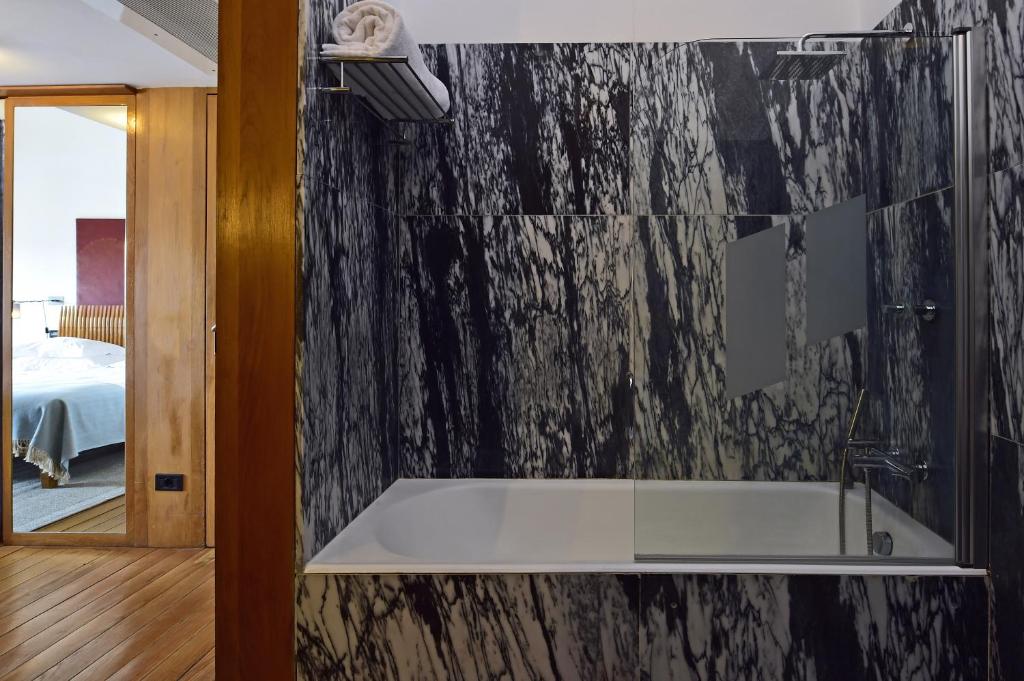
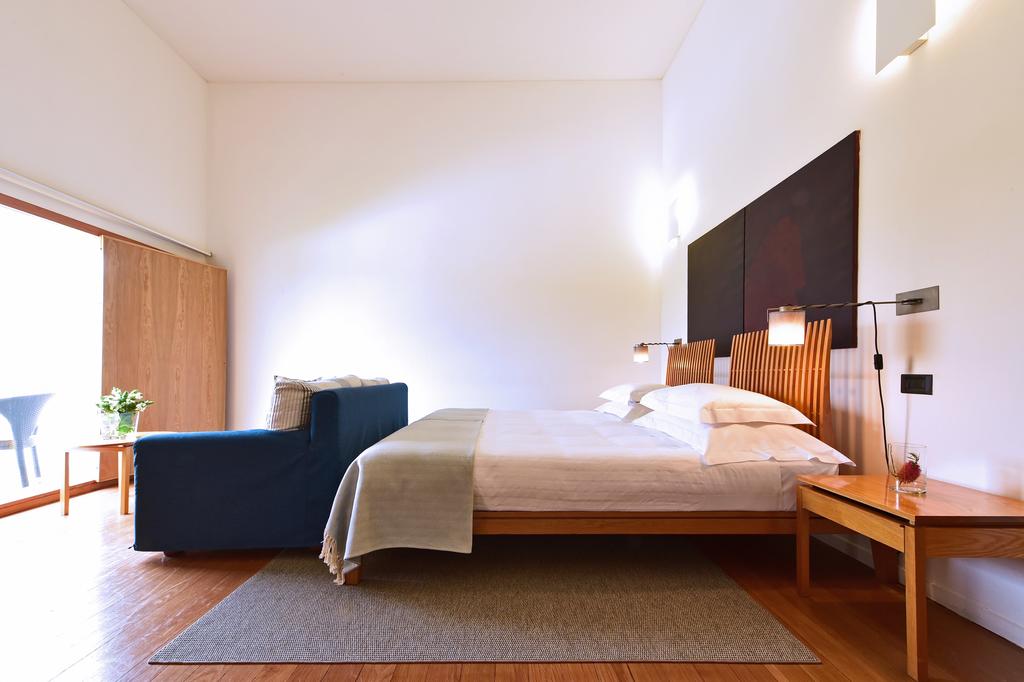
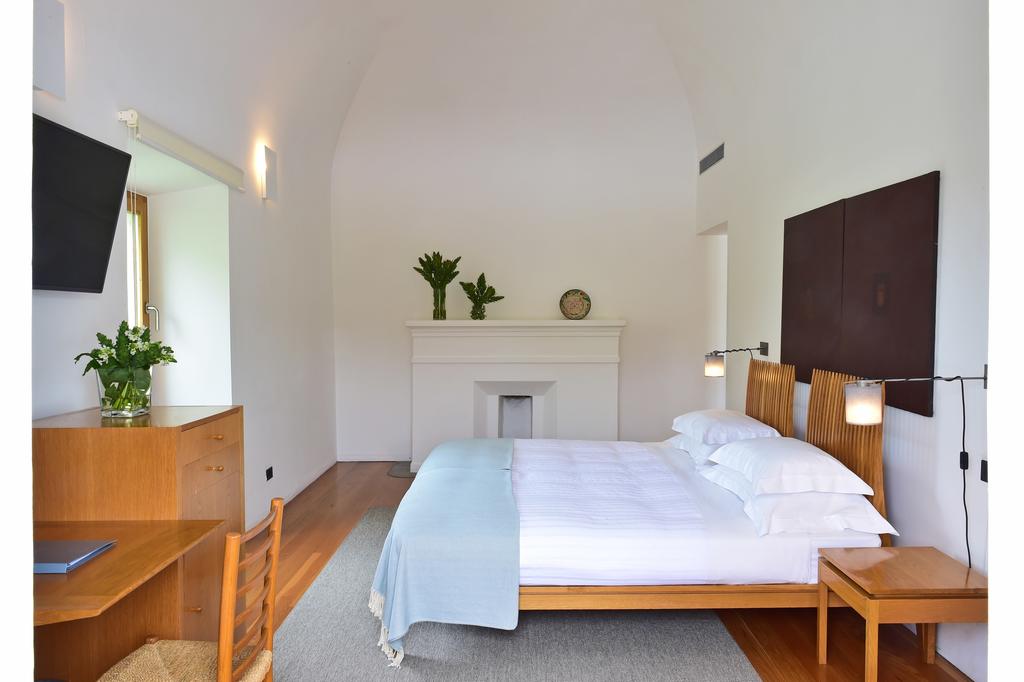
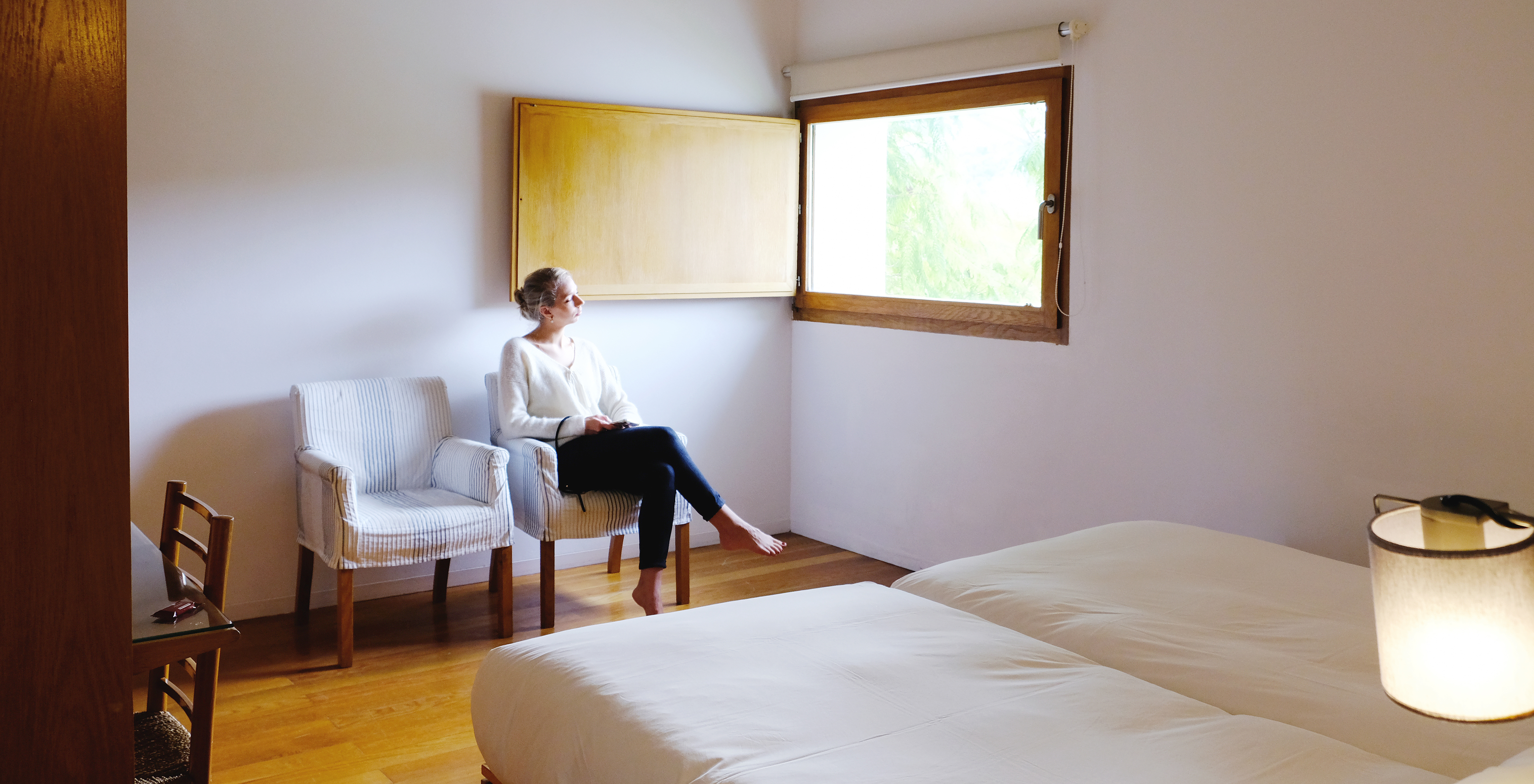
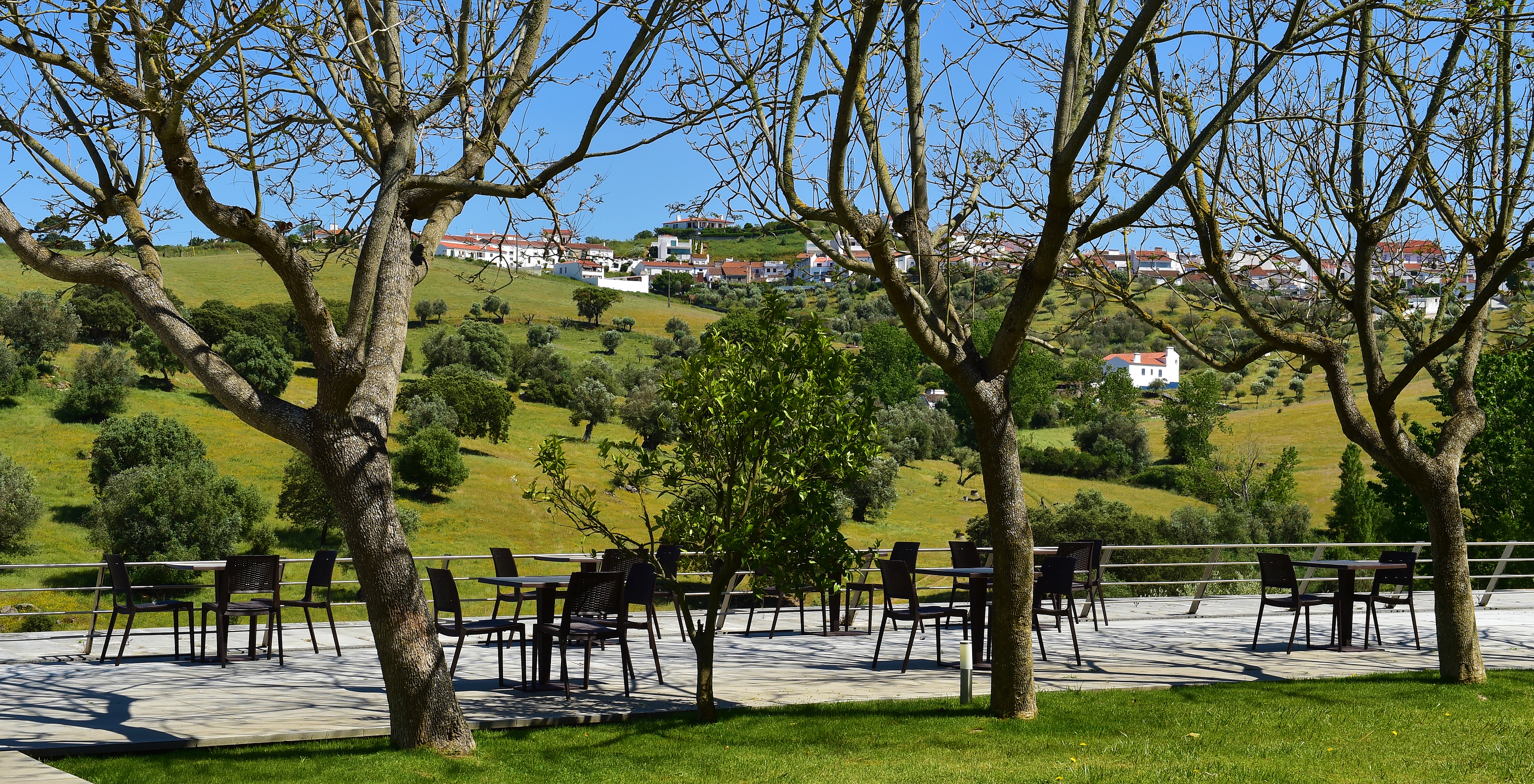
The guest rooms take a quieter approach. Rather than filling them with faux-antique furniture and ecclesiastical references, the interiors are comparatively simple, allowing the historic setting and surrounding landscape to provide the atmosphere. Views stretch across the gently rolling Alentejo countryside towards olive groves, fields, and distant hills. It may not deliver the highly polished design language of the region’s newer boutique retreats, but that isn’t really the point. Staying here is about inhabiting a piece of architecture whose story began centuries before anyone imagined it as a hotel.
Pool, Cloisters and Alentejo Days
Outside, the swimming pool introduces another pleasing contrast. After wandering through shaded monastic corridors, suddenly you’re swimming beneath the enormous Alentejo sky, with countryside unfolding beyond the grounds. The restaurant keeps things firmly regional, drawing on the robust traditions of Alentejo cooking and local wines. And nearby Arraiolos adds another layer of craftsmanship to the stay: the hilltop town is particularly celebrated for its distinctive embroidered rugs, a tradition stretching back centuries. Évora is also within easy reach, making the convent an appealing alternative to staying within the city’s historic centre.
Why It Works
Pousada Convento Arraiolos doesn’t need to manufacture atmosphere; five centuries of architecture have already taken care of that. Its strength lies in allowing the original convent to remain unmistakably present while contemporary interventions give the complex a second life. The result isn’t the slickest design hotel in the Alentejo—and that’s precisely part of its appeal. Come for the cloisters, the silence, the extraordinary sense of space, and the pleasure of seeing historic architecture continue to evolve rather than becoming frozen in time.