Hotel Puerta América | Madrid, Spain
Where the World’s Greatest Architects Built a Hotel Without Rules
Why DNA Hotels Loves It
● One of the most ambitious design hotel projects ever created, bringing together 19 of the world’s leading architects and designers under one roof.
● Every floor offers a completely different experience, from Zaha Hadid’s futuristic fluidity to Jean Nouvel’s cinematic drama.
● A true architectural destination where design is not decoration, but the entire reason for staying.
A Hotel Unlike Any Other
Most hotels hire one architect. Hotel Puerta América hired nineteen. When the project opened in Madrid in 2005, its ambition was unprecedented: create a hotel where each floor would become a blank canvas for a different world-renowned architect or designer. Not simply to create beautiful guestrooms, but to explore what hospitality, architecture, and design could become when creative freedom replaced convention. The result remains one of the most radical hotel concepts ever realised. Nearly two decades later, it still feels unlike anything else. Part hotel. Part design laboratory. Part architectural museum. Entirely unforgettable.
A Vertical Gallery of Design Icons
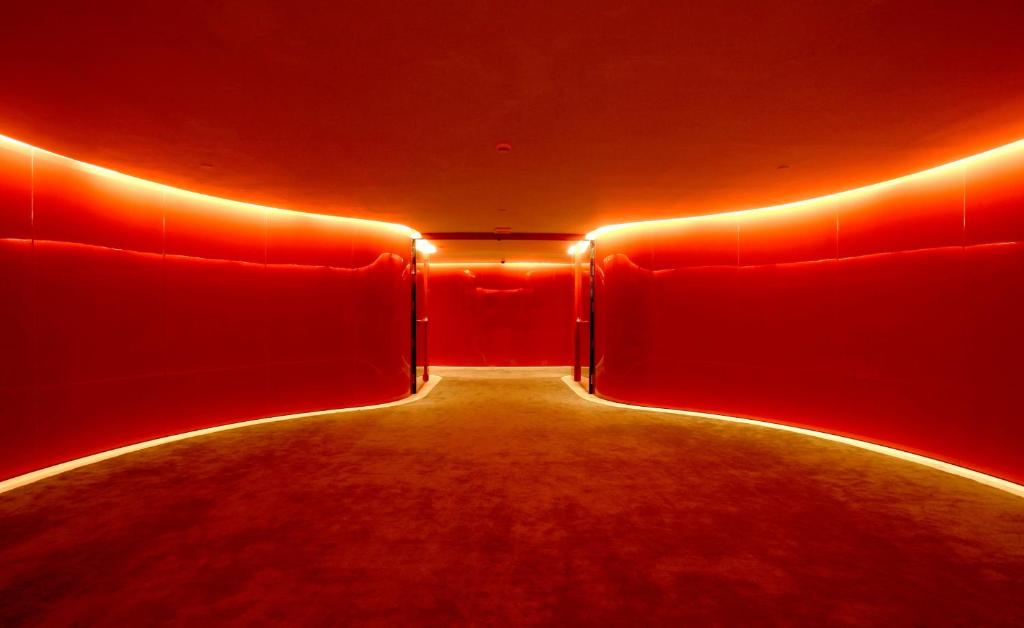
Few buildings can claim a creative roster quite like this. Zaha Hadid. Jean Nouvel. Norman Foster. Ron Arad. David Chipperfield. Kathryn Findlay. Richard Gluckman. Arata Isozaki. Marc Newson. Victorio & Lucchino. Javier Mariscal. And many others. Each designer was given complete freedom to shape an entire floor according to their own philosophy and visual language. There were no rules. No corporate brand guidelines. No requirement for consistency. Only creativity. The result is twelve guestroom floors that feel like twelve completely different hotels stacked vertically within the same building.
Jean Nouvel’s Landmark
Before guests even enter the hotel, they encounter its first architectural statement. The exterior, designed by Jean Nouvel, immediately distinguishes itself from its surroundings. Large panels of coloured glass create a façade that changes throughout the day as sunlight moves across the building. Shades of red, pink, purple, gold, and silver constantly shift depending on weather, light, and perspective. The building never appears exactly the same twice. At night, the effect becomes even more dramatic. A glowing beacon within Madrid’s skyline. One that signals immediately that this is not an ordinary hotel.
An Arrival by John Pawson
The experience begins with restraint. John Pawson’s lobby strips away distraction in favour of pure geometry, light, and proportion. Smooth surfaces, carefully controlled lighting, and an almost monastic calm create a surprising contrast to the visual fireworks that await upstairs. It feels less like checking into a hotel. More like entering a contemporary art installation. The lobby acts as a moment of pause before the design journey begins. And every guest’s journey will be different.
Choose Your Architect. Choose Your Reality.
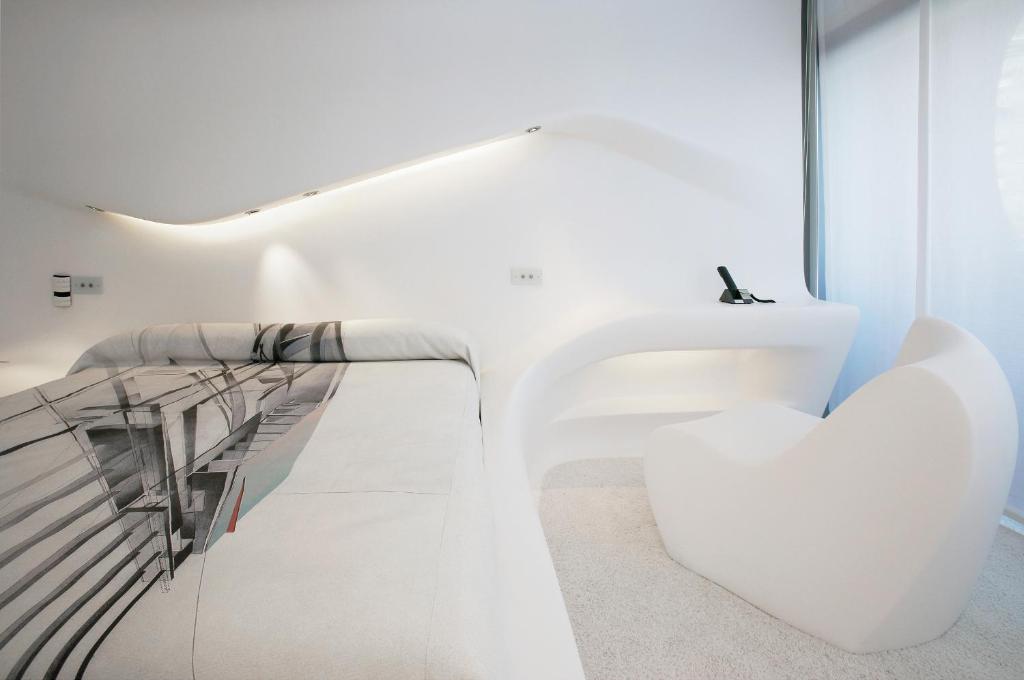
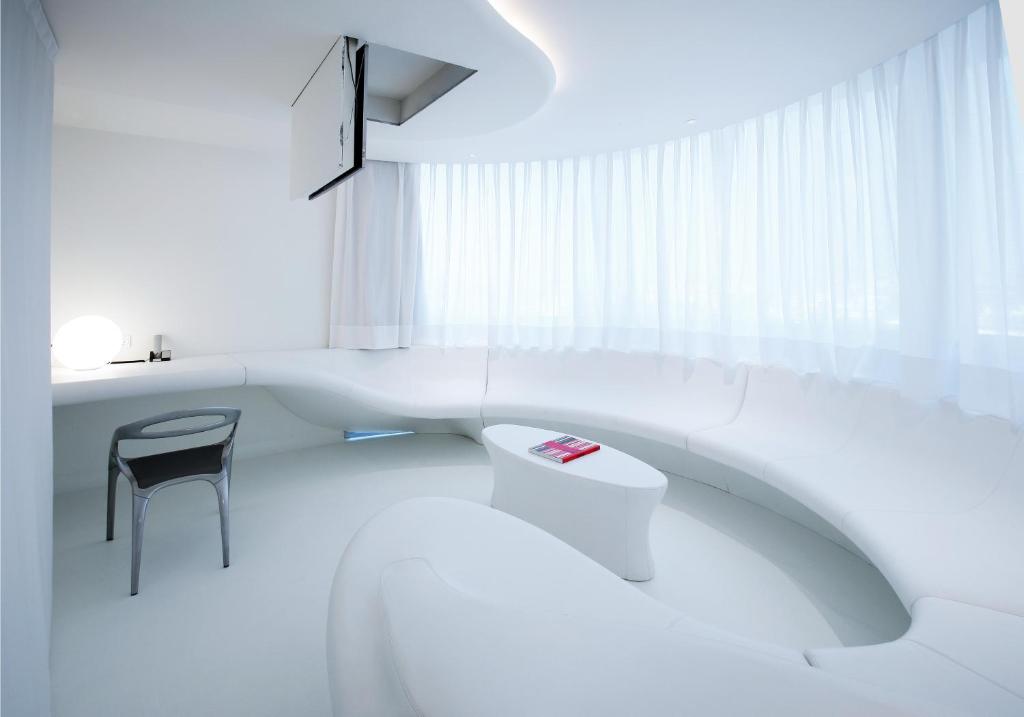
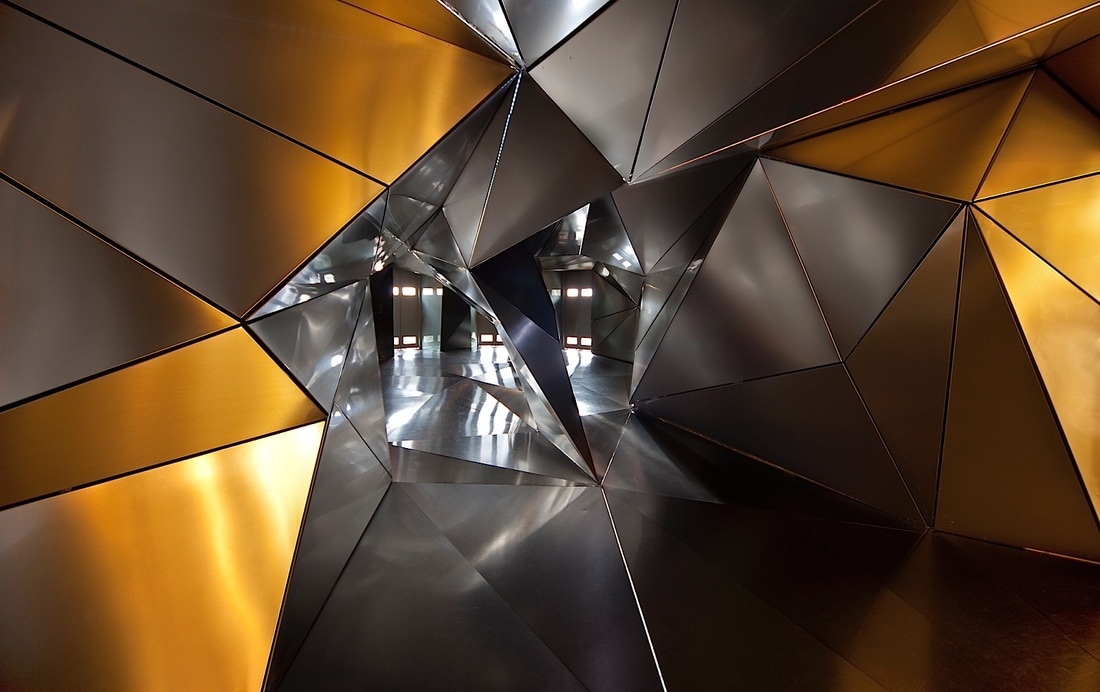
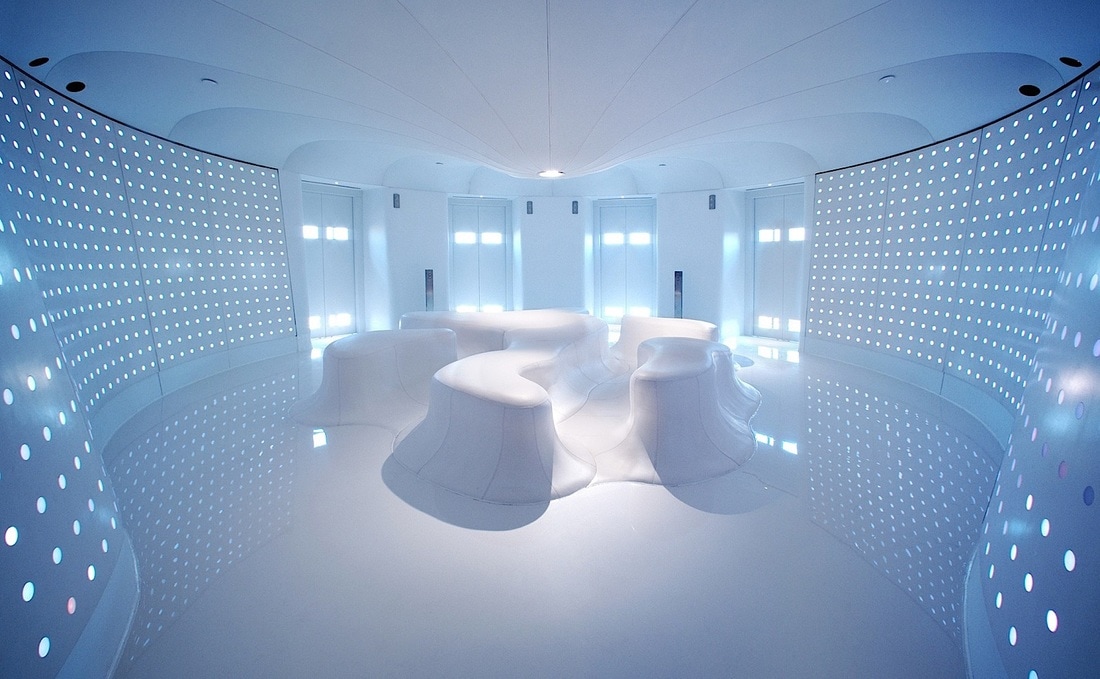
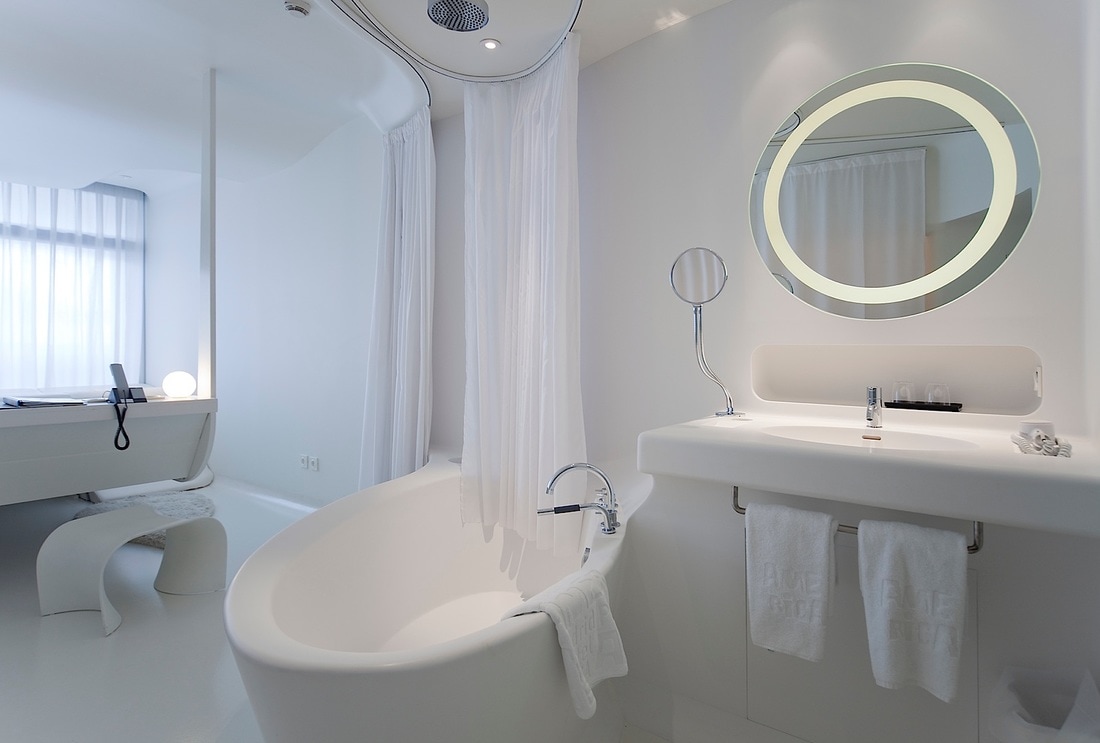
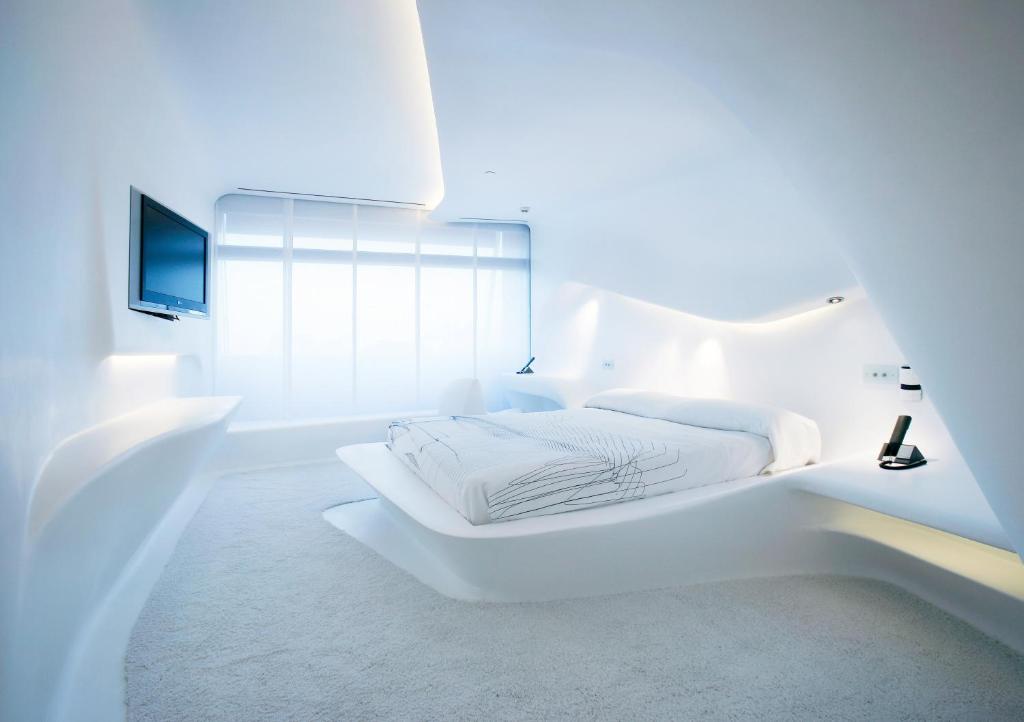
At Puerta América, the floor you choose fundamentally shapes the experience. Zaha Hadid’s floor remains perhaps the most famous. White surfaces flow seamlessly from walls into ceilings, corridors curve organically, and rooms feel sculpted rather than constructed. The entire environment appears to move, even when standing still. Norman Foster approaches hospitality through precision and technology. Clean lines, translucent materials, and carefully engineered details create spaces that feel efficient, elegant, and quietly futuristic. Ron Arad’s floor takes a more playful direction. Metallic surfaces, curved forms, and sculptural furniture transform guestrooms into immersive design objects. Elsewhere, David Chipperfield introduces disciplined minimalism, while Kathryn Findlay explores softer, more organic spatial experiences. Each floor becomes a complete expression of its creator’s worldview. The hotel rewards curiosity. Many guests return simply to experience another architect’s interpretation.
Rooms as Architectural Experiments
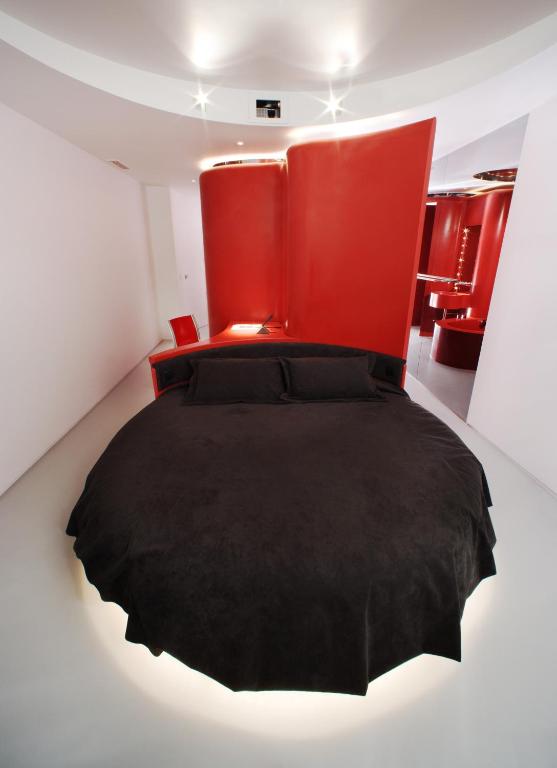
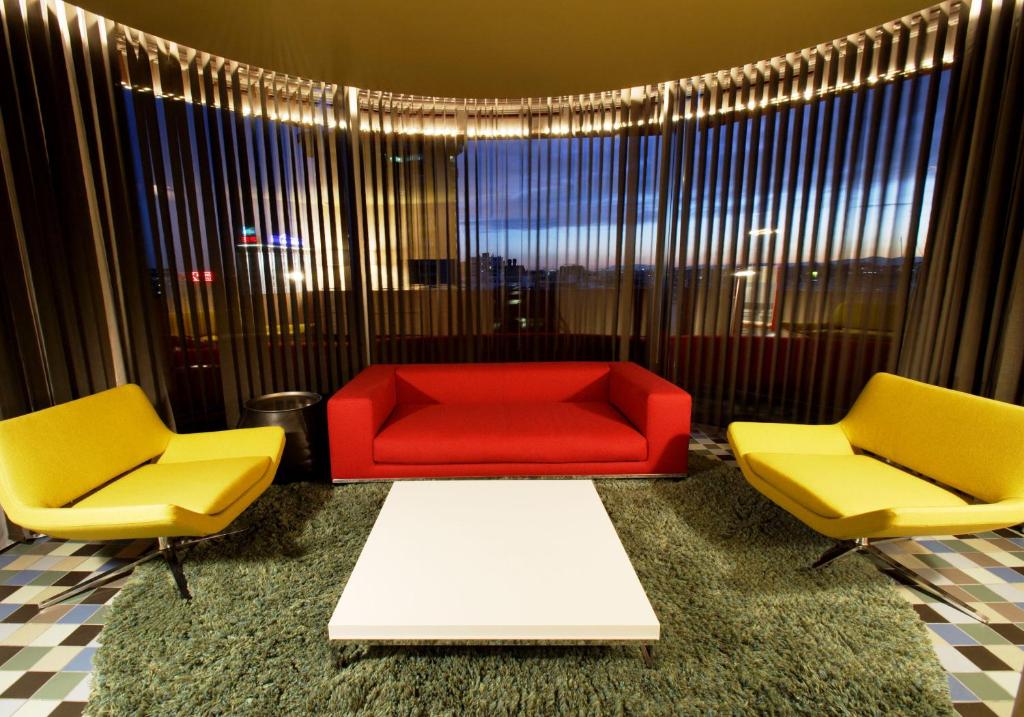
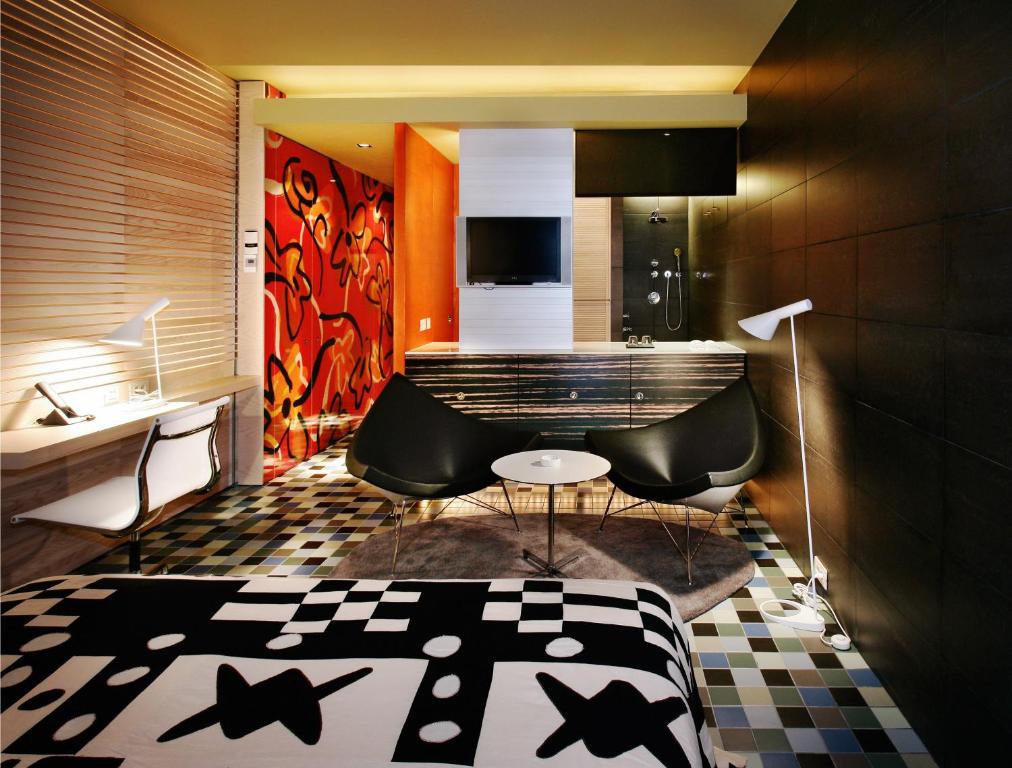
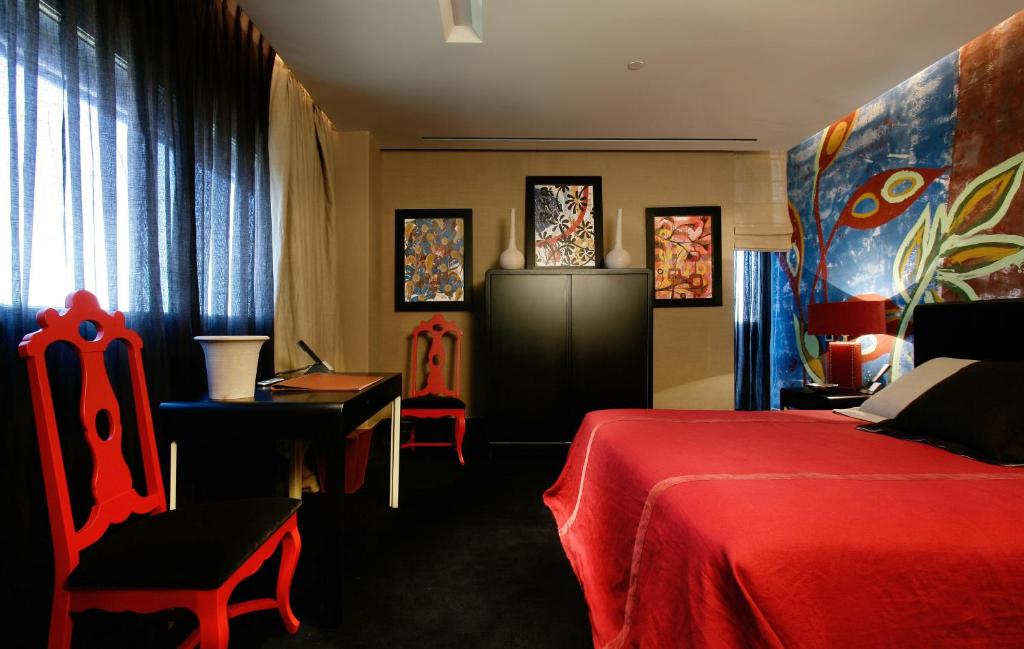
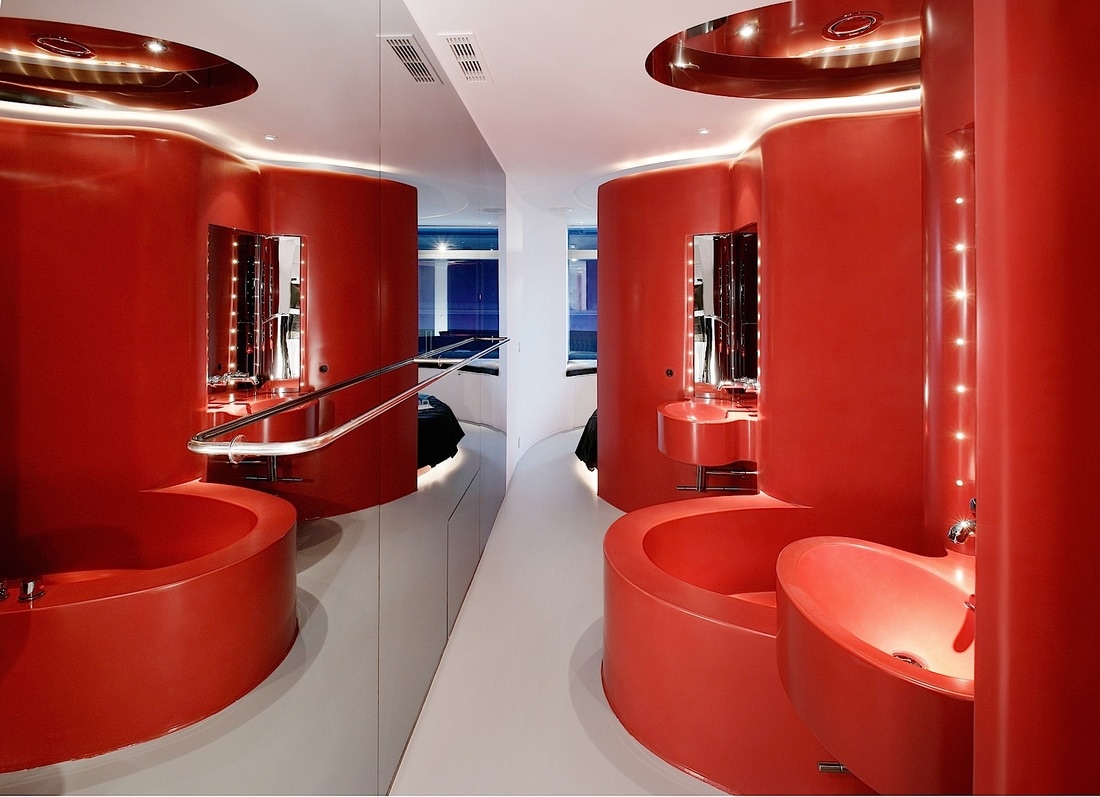
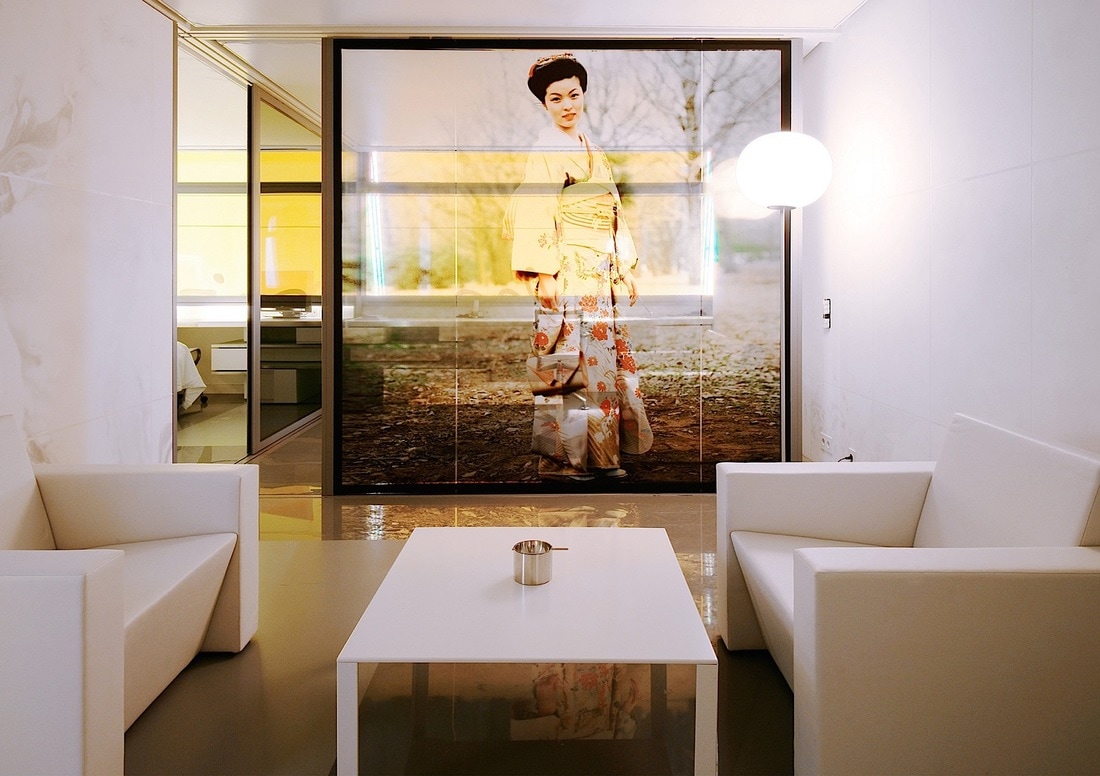
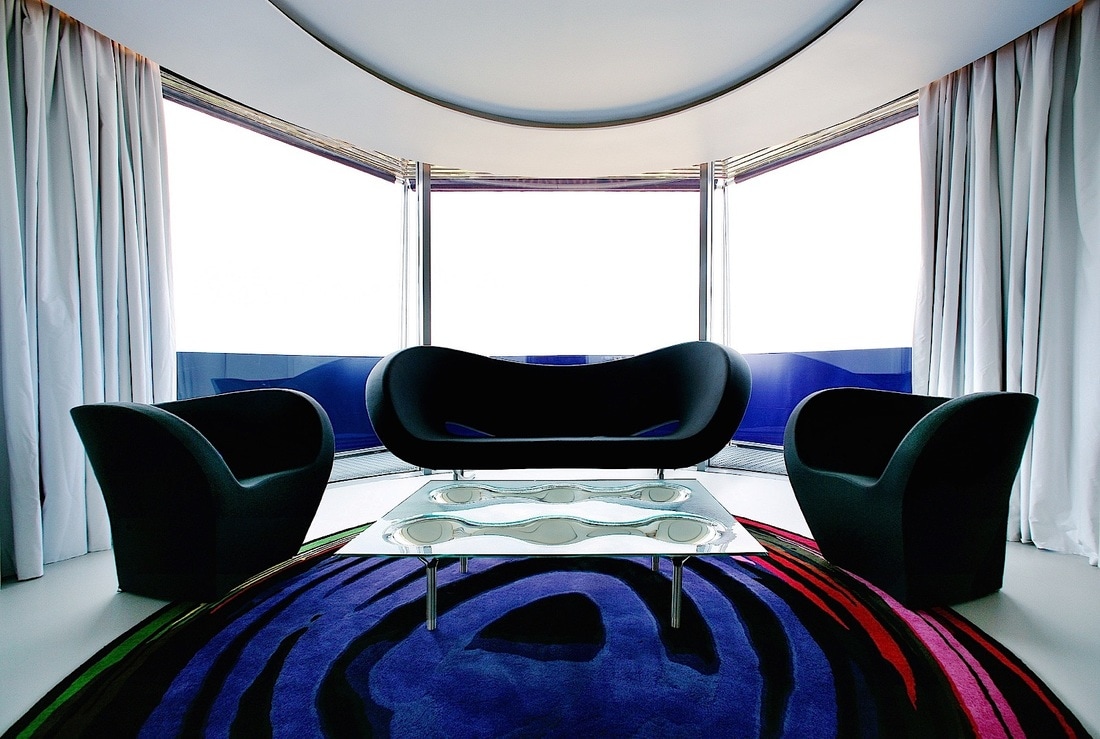
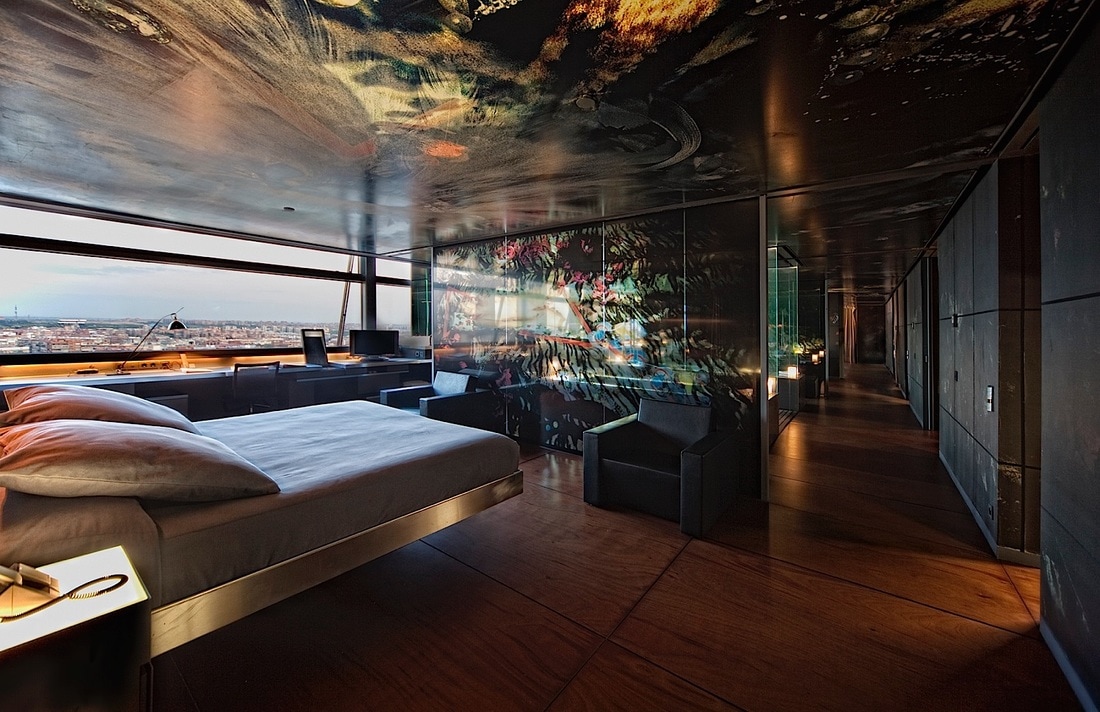
The guestrooms themselves challenge almost every traditional hotel convention. Some feel like futuristic capsules. Others resemble contemporary galleries. Some embrace colour and drama. Others pursue near-total minimalism. The materials constantly change. The proportions shift. The atmosphere transforms entirely from one floor to the next. Yet despite their differences, the rooms share one quality: they provoke a reaction. Few hotels generate conversations about architecture over breakfast. Puerta América practically demands them.
Design Beyond the Guestrooms
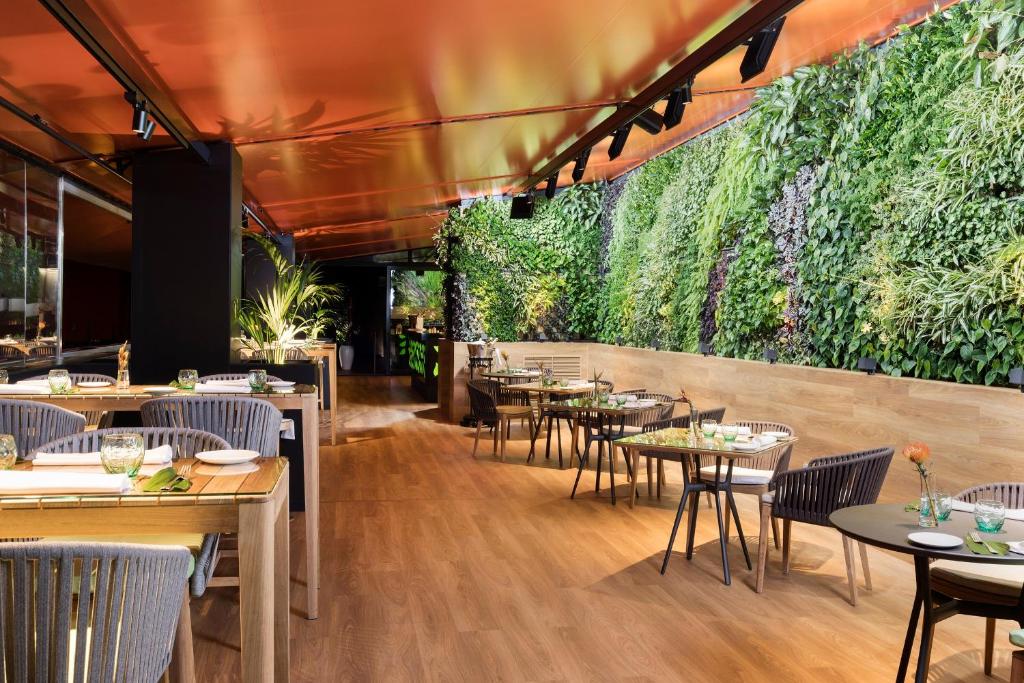
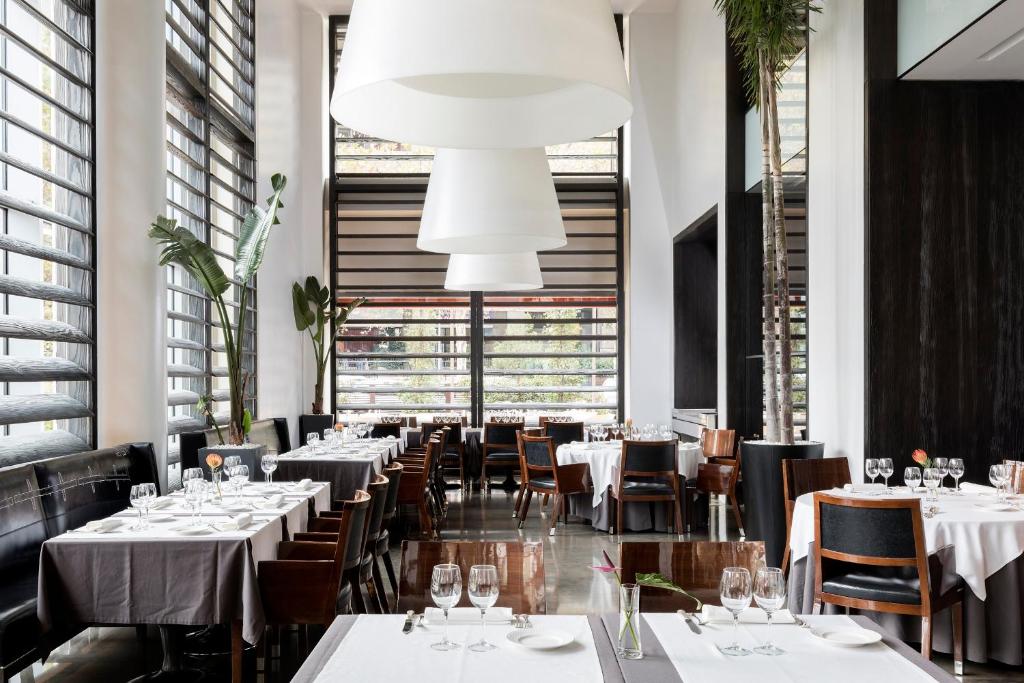
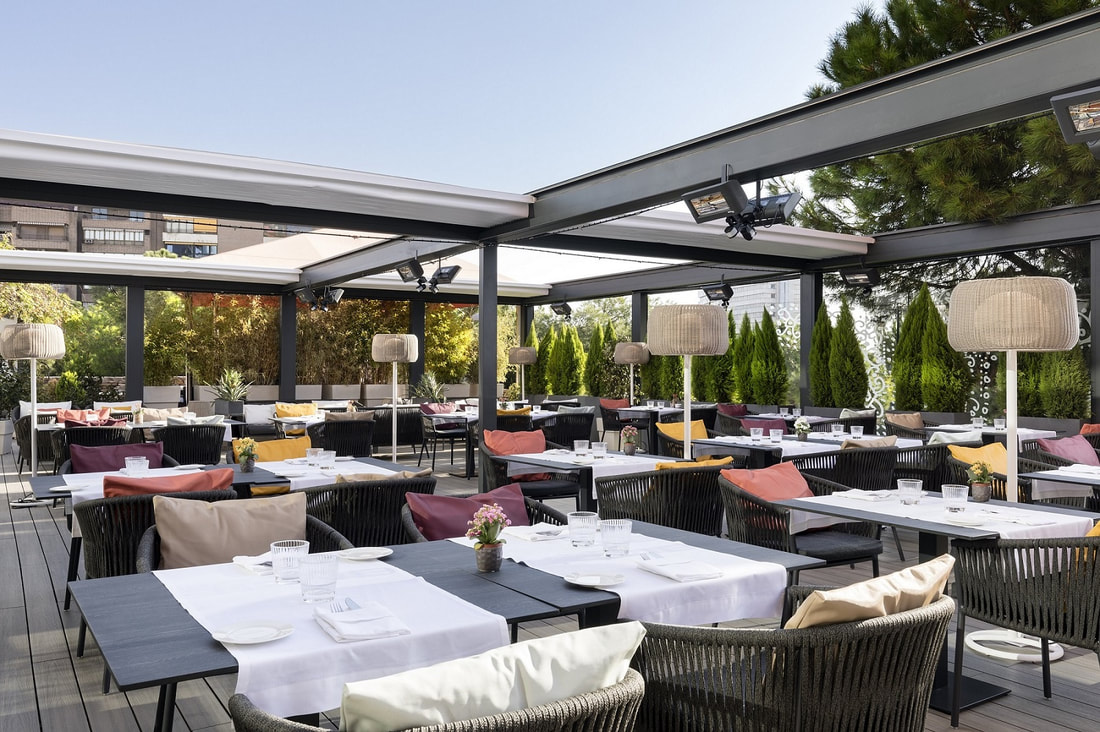
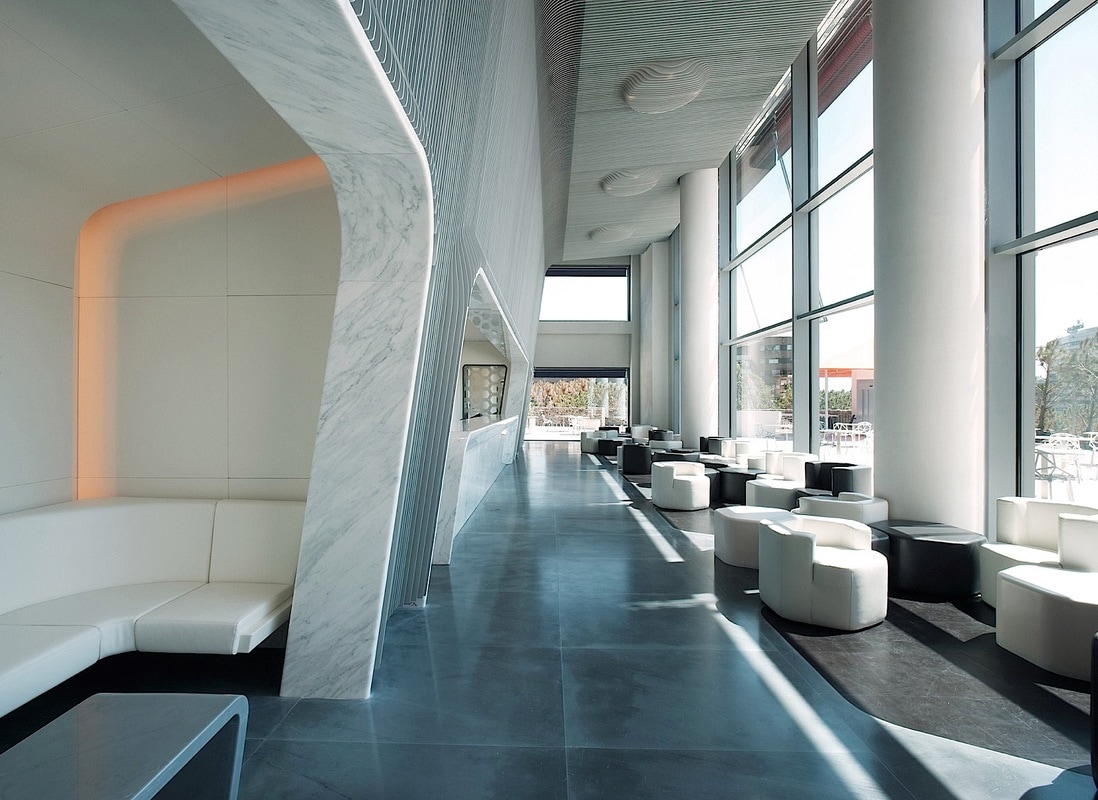
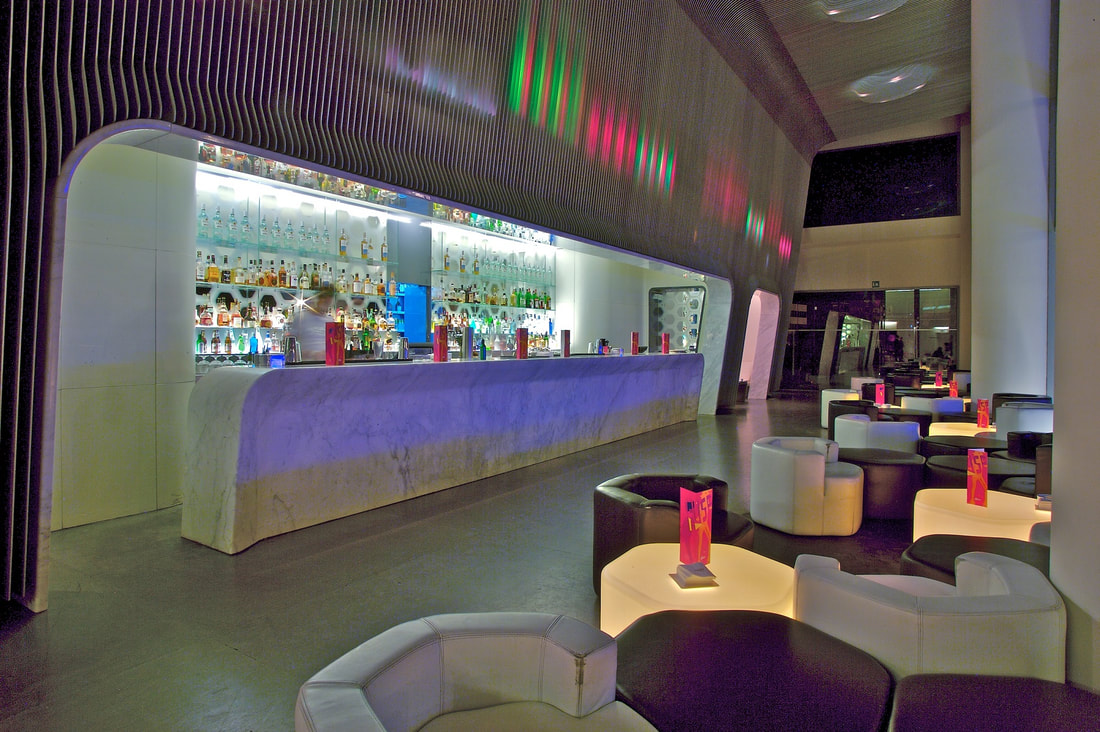
The experimentation continues throughout the public spaces. The Marmo Bar introduces another layer of contemporary design through dramatic materials, sculptural surfaces, and a distinctly cinematic atmosphere. Cocktails arrive within a setting that feels closer to an architectural installation than a traditional hotel bar. Restaurants throughout the property continue the narrative, treating dining as part of the overall design experience rather than a separate function. Every transition between spaces feels deliberate. Every corner reveals another perspective. Every surface contributes to the story.
Skynight: Madrid from Above
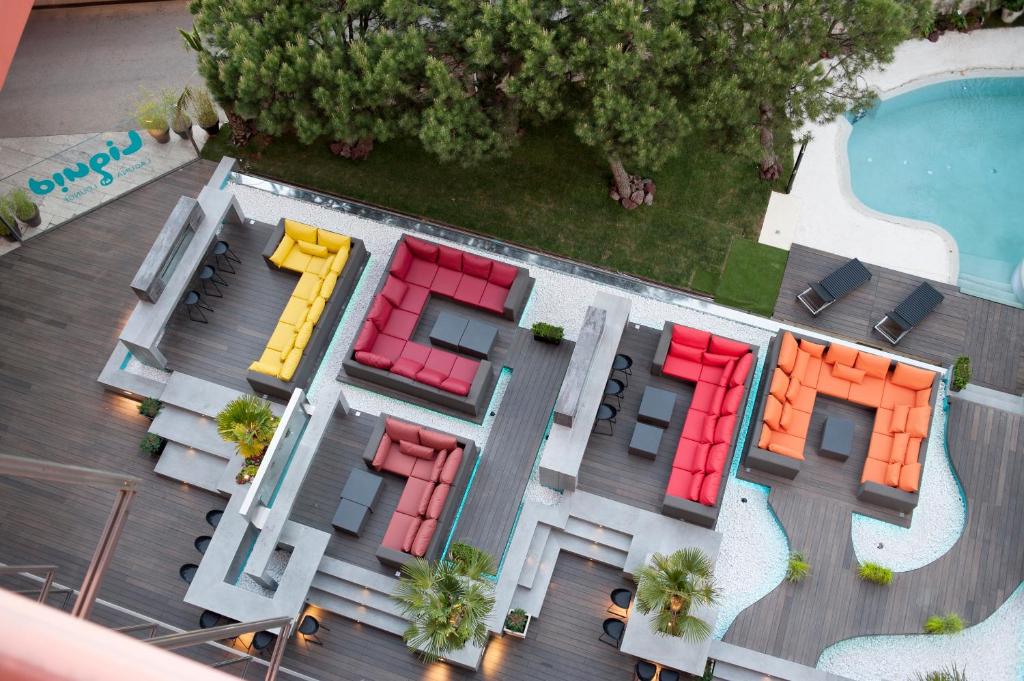
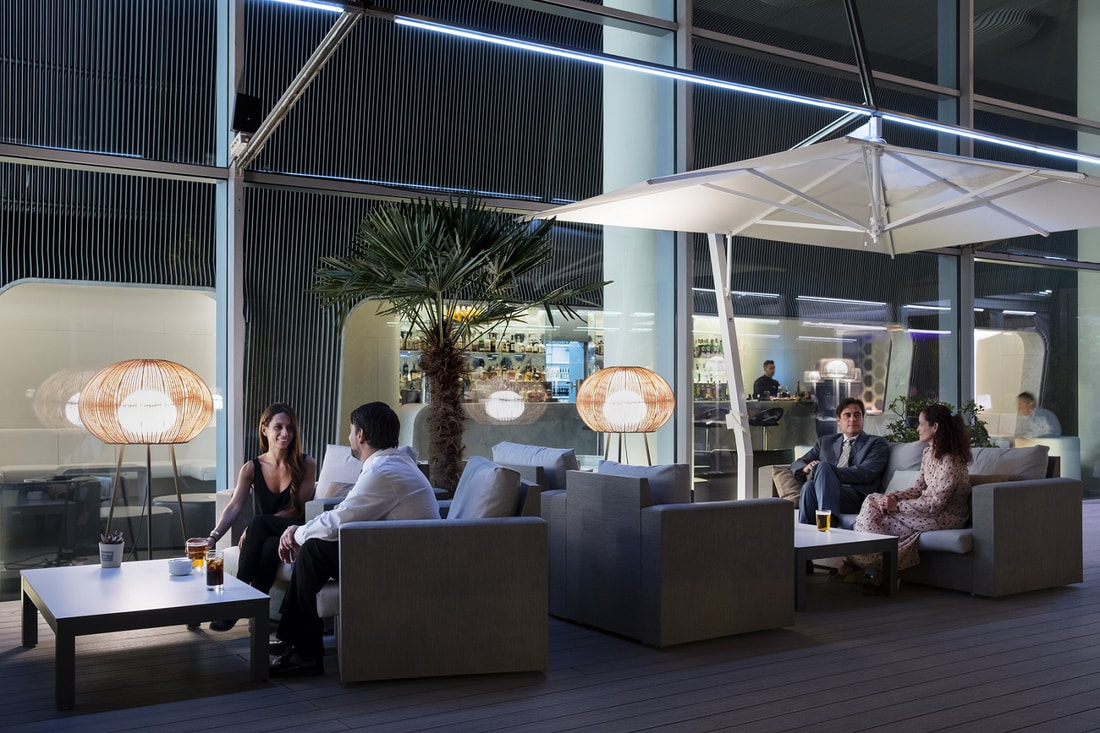
High above the city, Jean Nouvel’s Skynight rooftop provides one of Madrid’s most memorable vantage points. By day, panoramic views stretch across the Spanish capital. By sunset, coloured reflections begin to transform the space. By night, the rooftop becomes part lounge, part observation deck, part urban theatre. The city lights below merge with the architecture above, creating an atmosphere that feels unmistakably Madrid. It remains one of the hotel’s defining experiences.
A Hotel That Challenges Expectations
What makes Hotel Puerta América remarkable is not simply the quality of the architecture. It is the willingness to embrace risk. Most luxury hotels aim to make guests comfortable. Puerta América aims to make them curious. Some rooms will inspire. Some may confuse. Others may challenge long-held ideas about what a hotel should be. But indifference is impossible. The hotel succeeds precisely because it refuses to play safe.
The Ultimate Design Hotel
Nearly twenty years after opening, Hotel Puerta América remains one of the most ambitious hospitality projects ever realised. It is a celebration of architectural diversity, creative freedom, and bold experimentation. A place where some of the world’s most influential designers were invited to imagine hospitality without limitations. For travellers drawn to architecture, design, and original thinking, few hotels offer a richer experience. Not simply a hotel. A collection of architectural manifestos stacked one above another. And perhaps still the most daring design hotel ever built.