RAN BAAS The Palace, Patiala, India
Punjab’s Majestic Revival Within the Walls of a Forgotten Fort
Why DNA Hotels Loves It
● One of the most ambitious heritage restorations in India, transforming an abandoned 18th-century Sikh palace into a world-class luxury hotel.
● Extraordinary craftsmanship brought back to life through traditional building techniques, fresco restoration, and local artisanship.
● A rare opportunity to stay inside the historic Qila Mubarak Fort, surrounded by centuries of Punjabi royal history.
A Palace Reborn
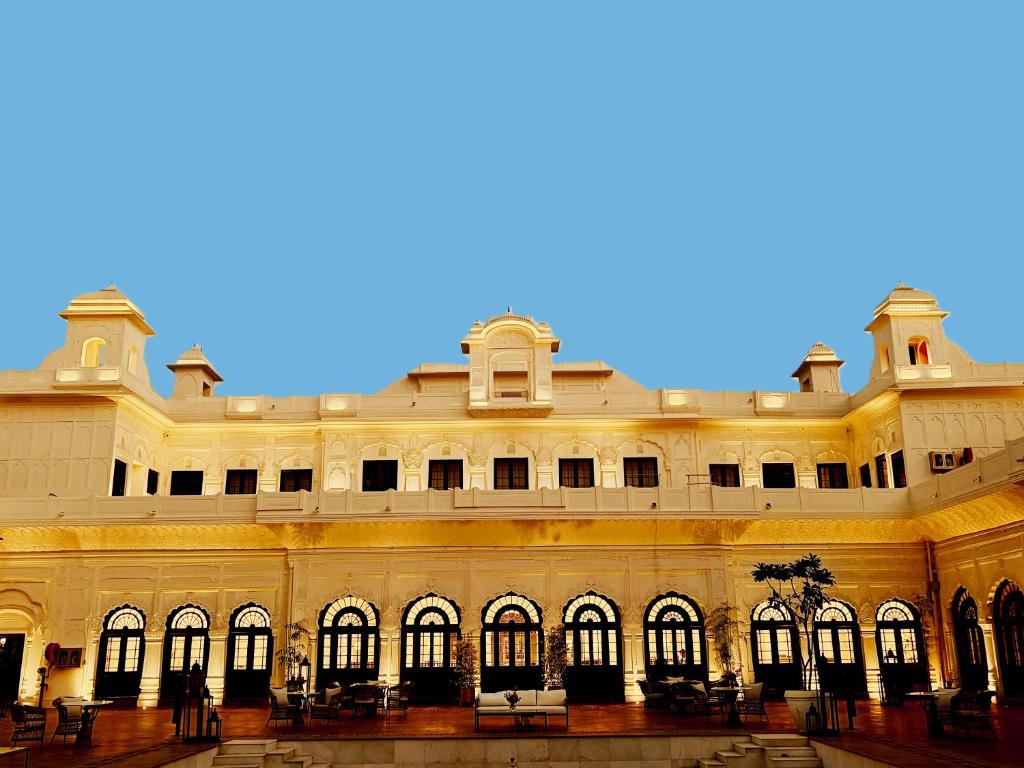
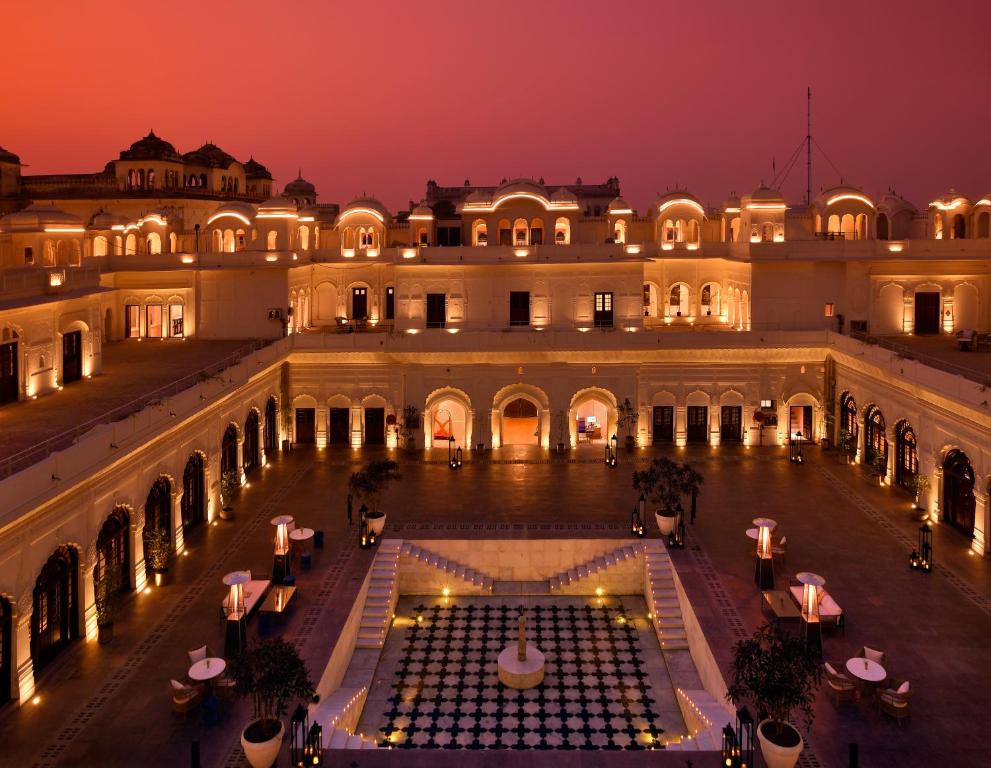
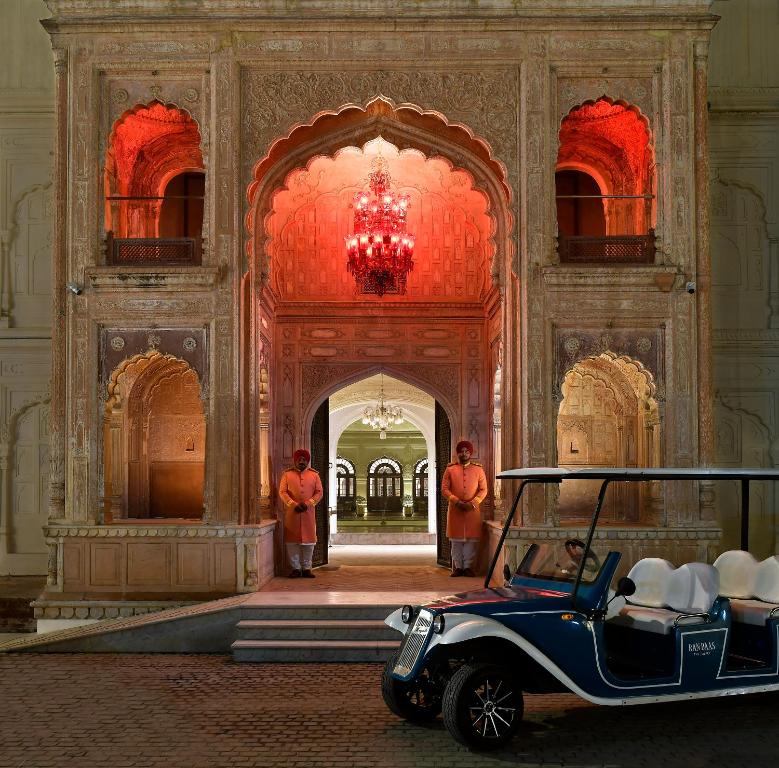
For decades, much of Patiala’s historic Qila Mubarak Fort stood forgotten. Weathered by time and neglect, its palaces, courtyards, frescoes, and ceremonial halls slowly faded from view. Yet hidden beneath the decay remained one of northern India’s most important royal complexes. Today, that story has changed dramatically. RAN BAAS The Palace occupies a restored section of the 18th-century fort, bringing new life to a remarkable piece of Sikh heritage. Rather than creating a modern luxury hotel inspired by history, the project places guests directly inside it. The result feels less like checking into a hotel and more like stepping into a living chapter of Punjab’s royal past.
A Masterclass in Restoration
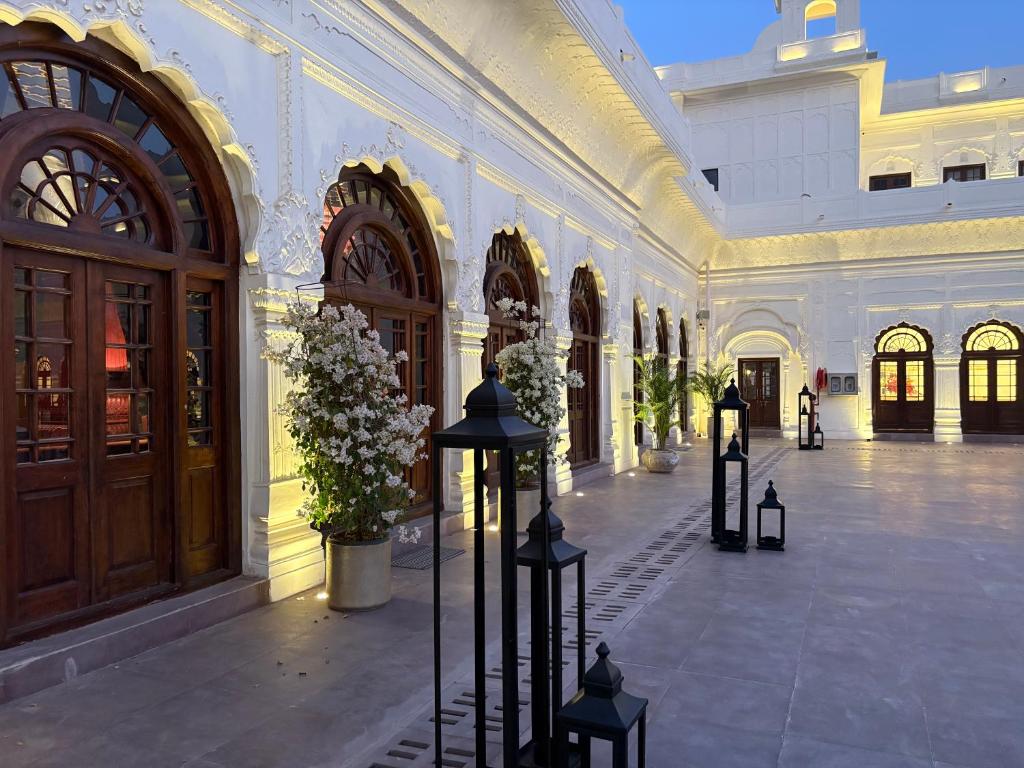
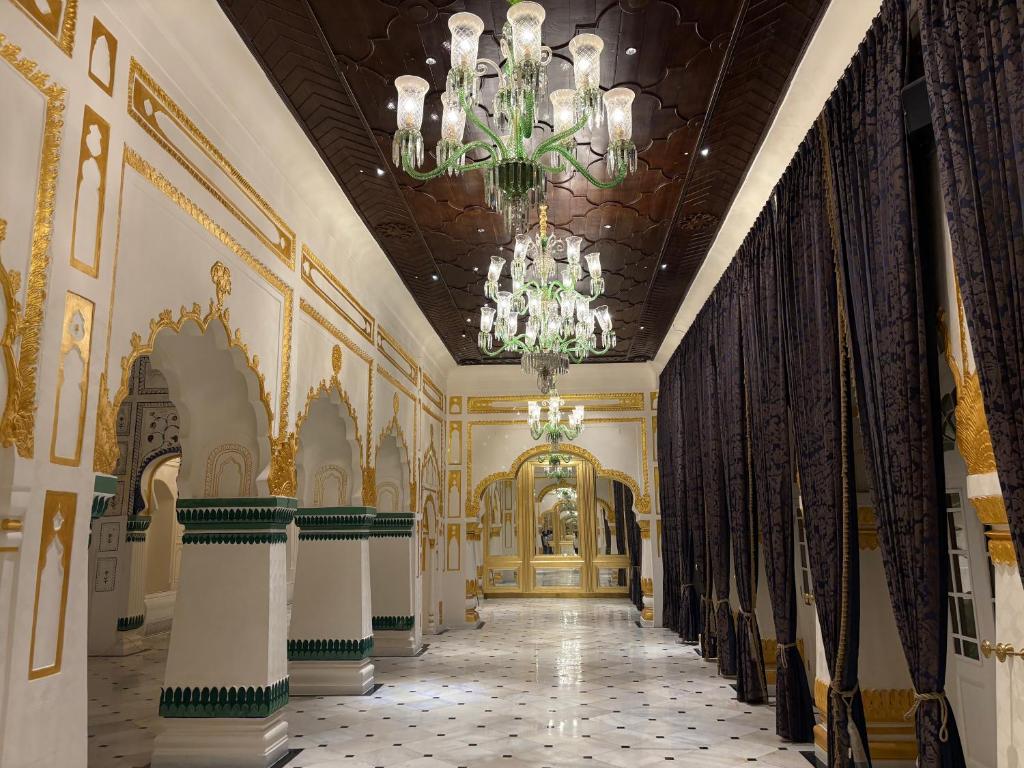
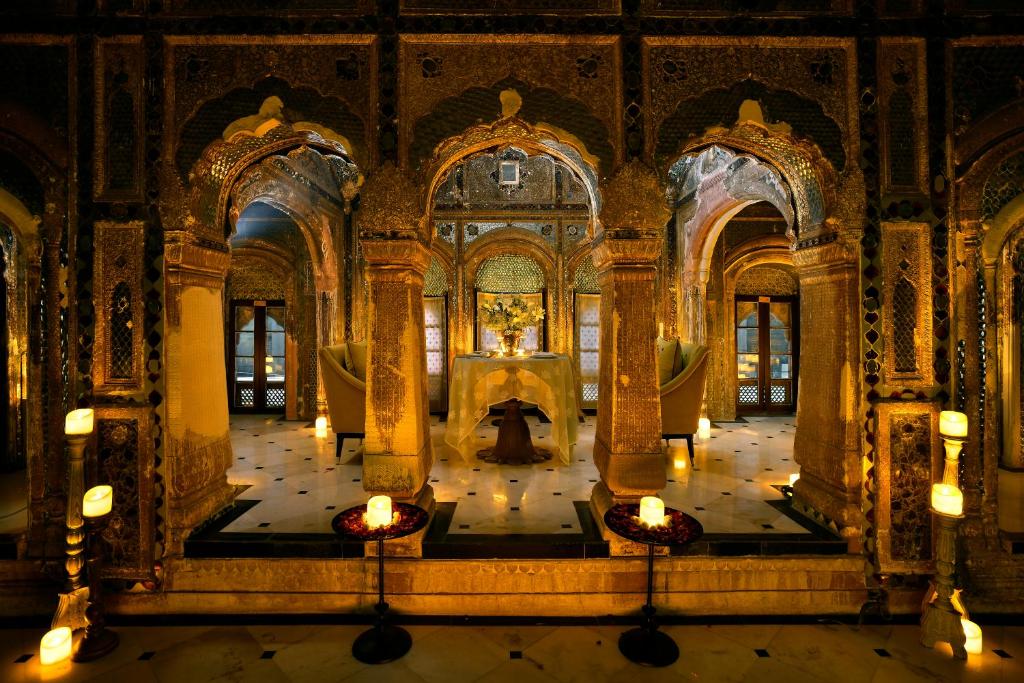
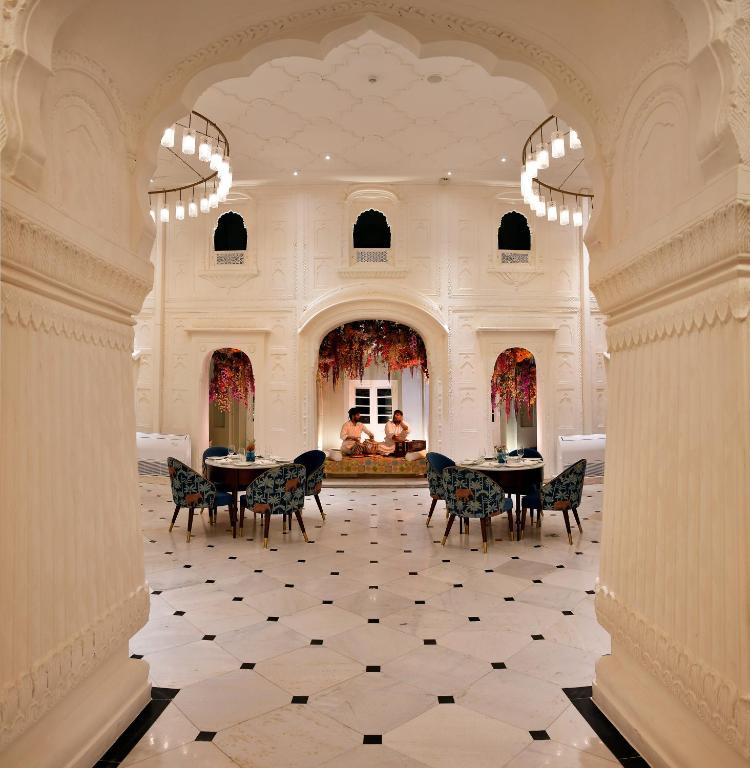
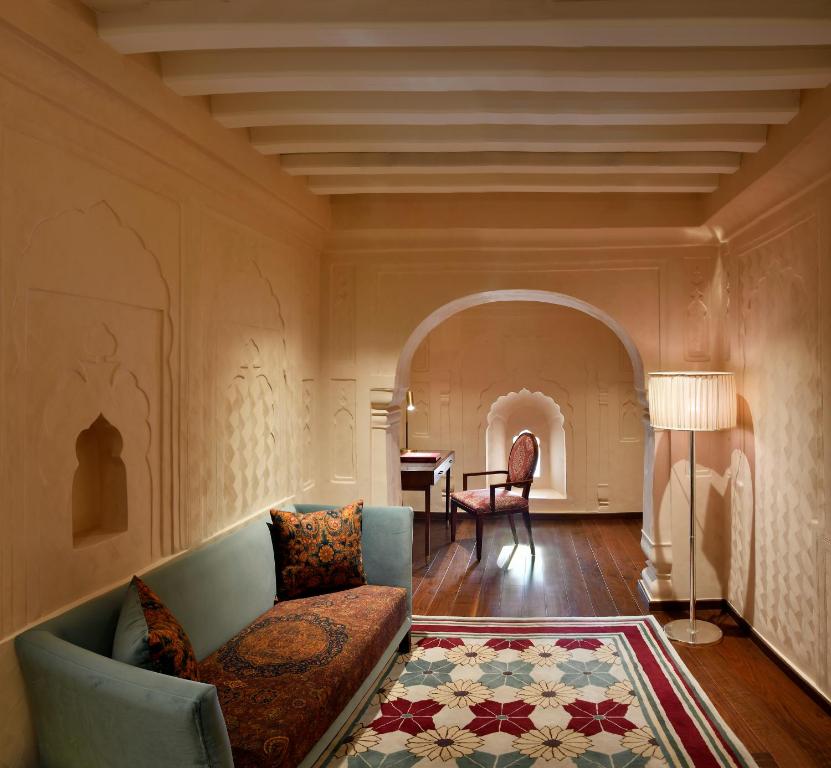
The transformation of RAN BAAS is remarkable not simply because of its scale, but because of its approach. Led by renowned conservation architect Abha Narain Lambah and an all-women leadership team, the restoration focused on preservation rather than reinvention. Over three years, local artisans relearned centuries-old building techniques. Traditional lime plaster was mixed and applied by hand. Historic frescoes were painstakingly restored. Damaged arches, domes, and vaulted ceilings were rebuilt using original construction methods. Throughout the palace, Mughal, Rajput, and Sikh influences remain visible in every detail. Cusped arches frame courtyards. Delicate jharokha balconies overlook gardens. Hand-painted ceilings reveal layers of craftsmanship rarely encountered in contemporary hospitality projects. The restoration feels authentic because it is. Nothing appears manufactured or artificially aged. The history is real.
Royal Grandeur, Contemporary Comfort
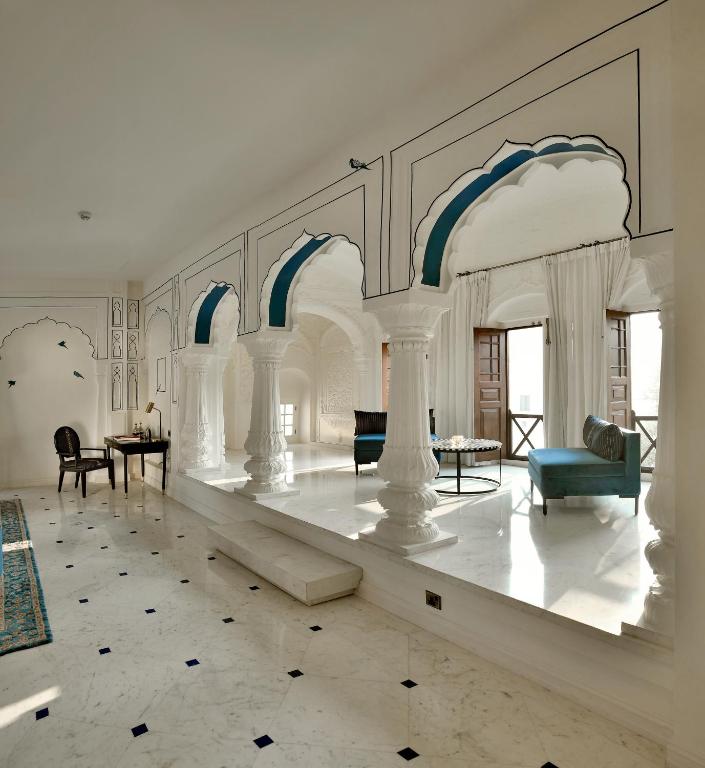
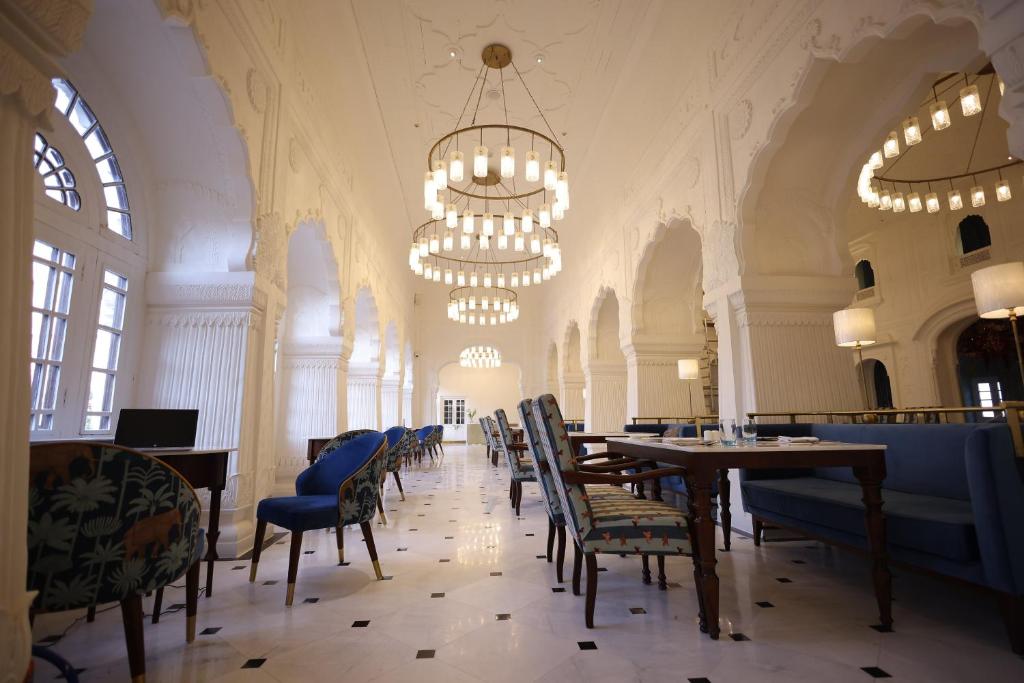
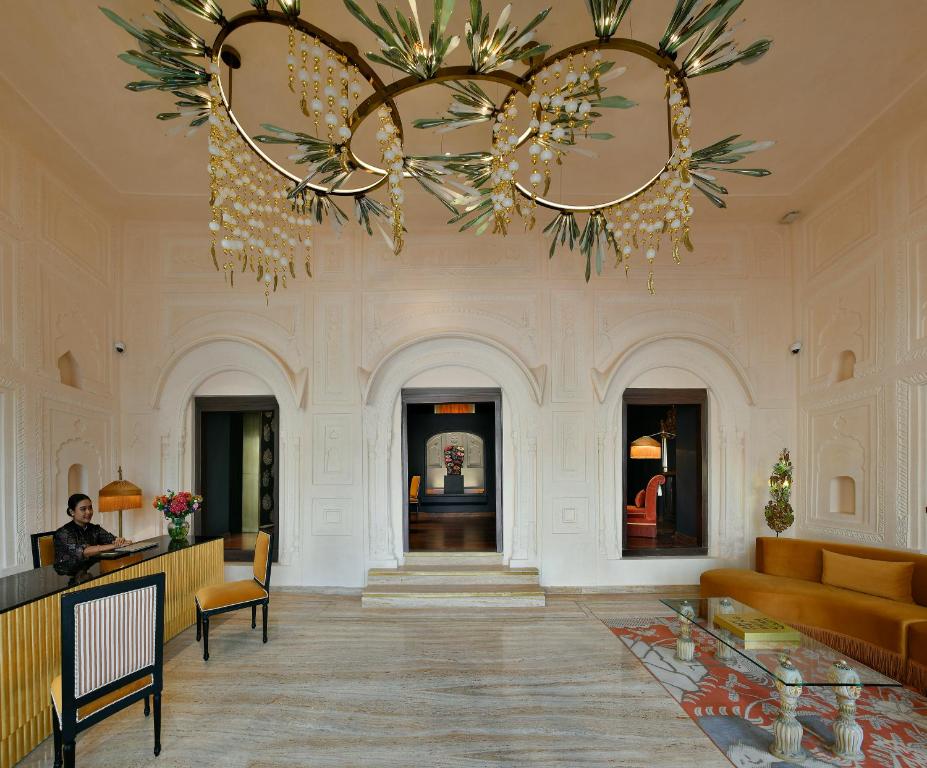
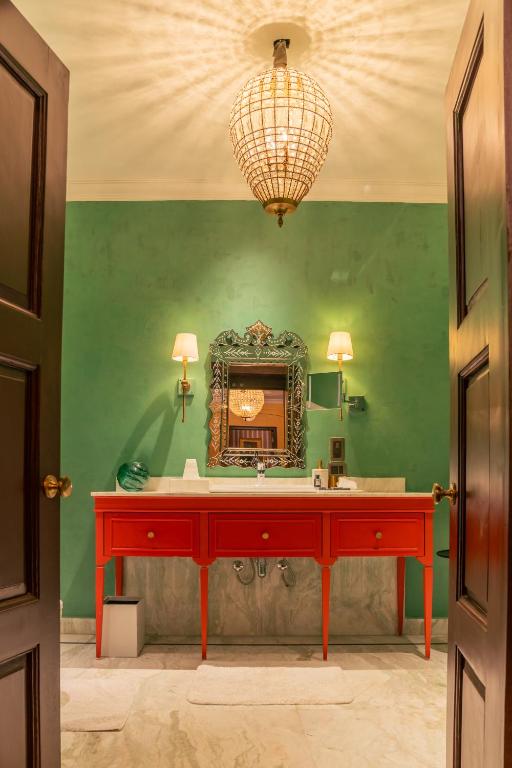
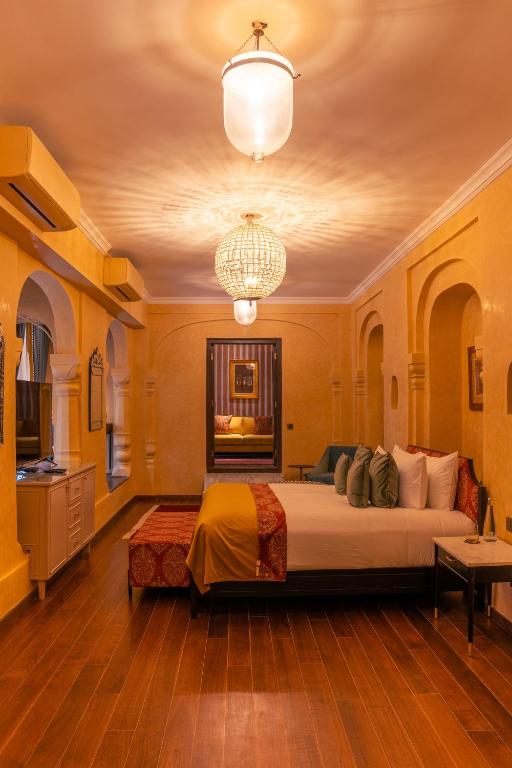
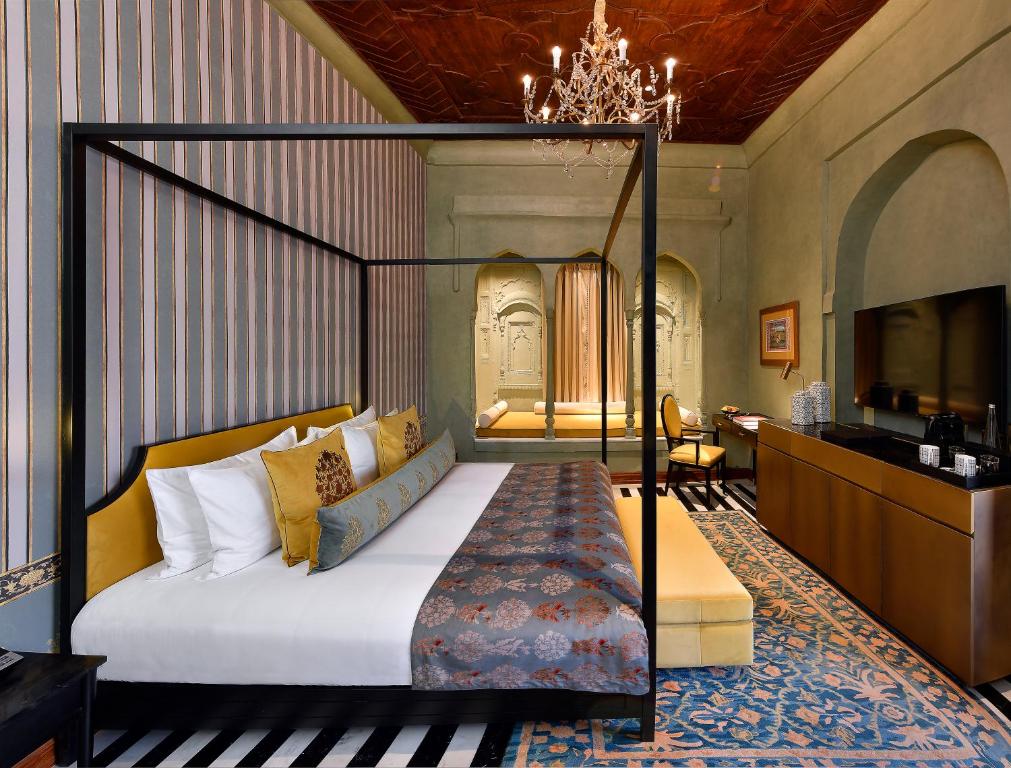
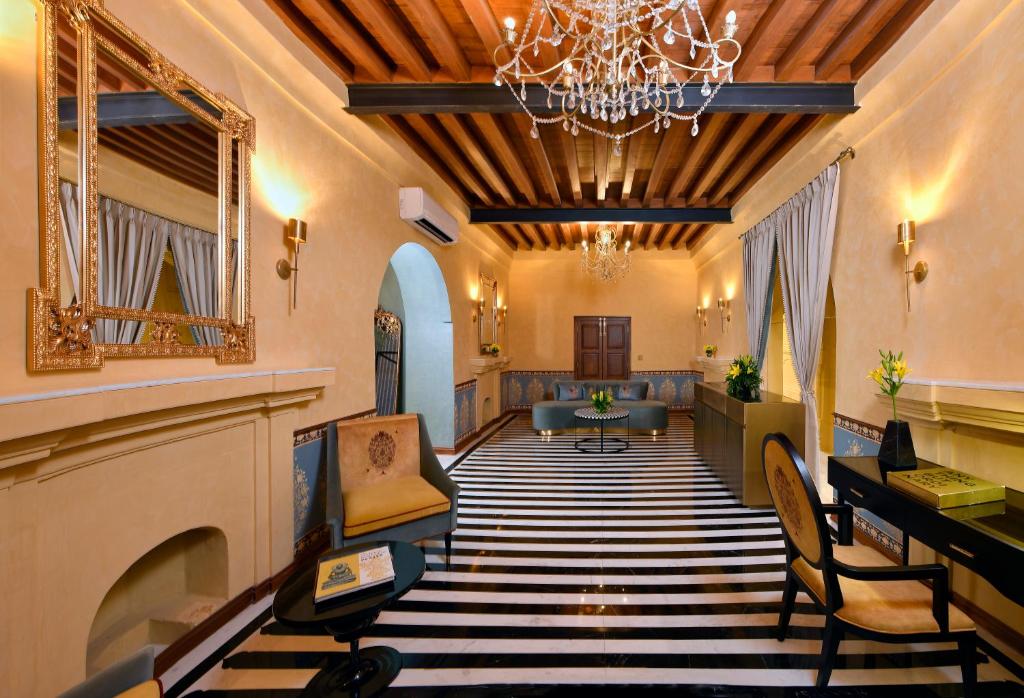
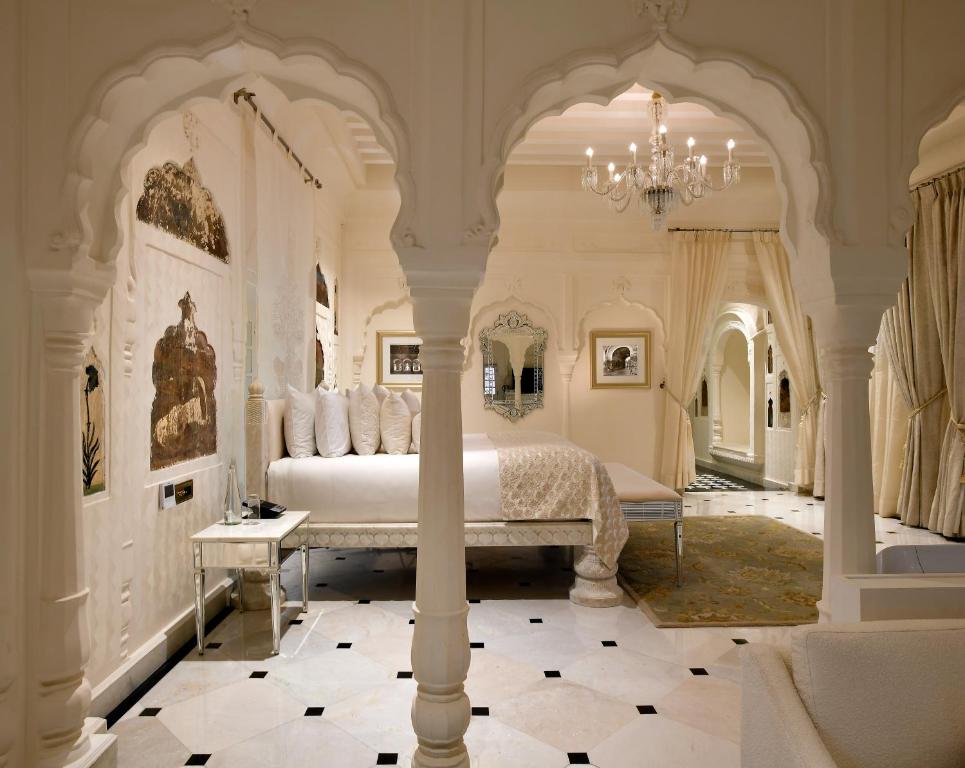
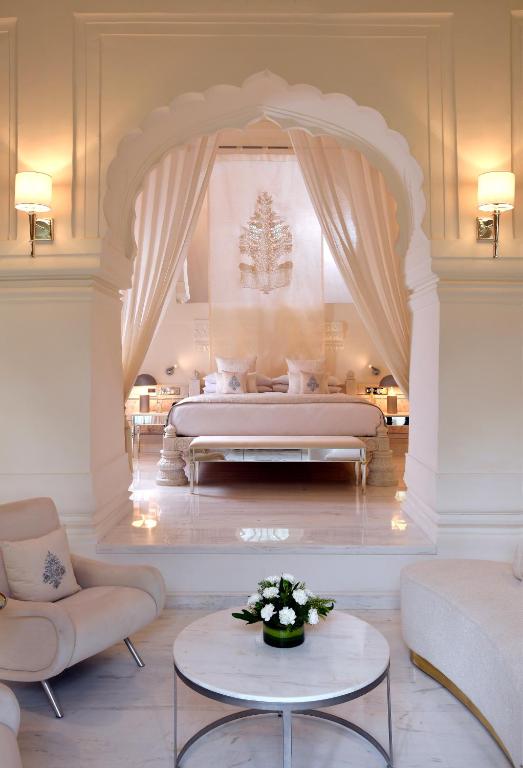
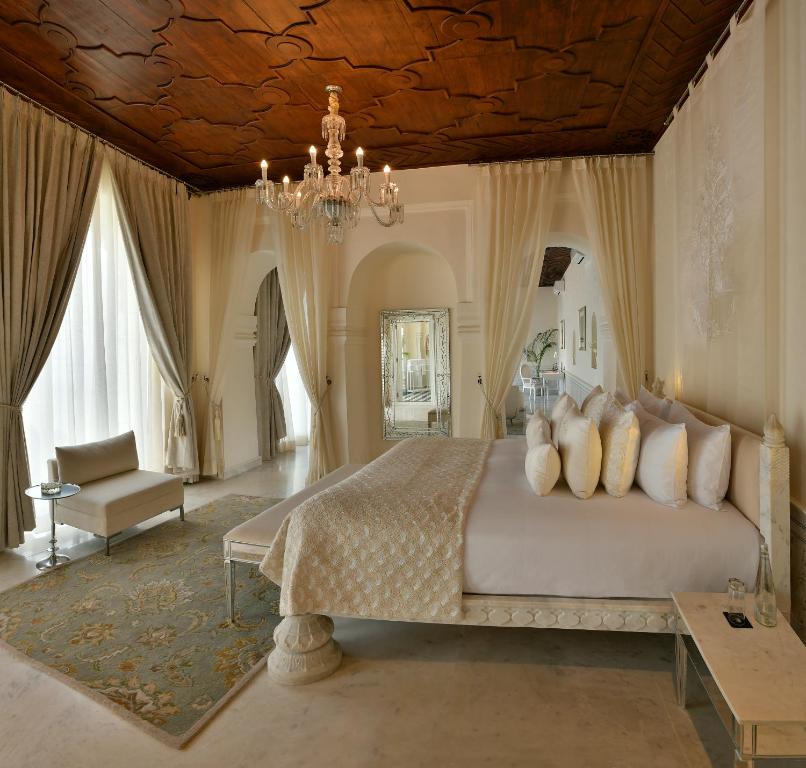
While the architecture celebrates the past, the interiors bring the palace firmly into the present. Marble floors, silk textiles, handcrafted furniture, crystal chandeliers, and bespoke lighting create a refined atmosphere that never competes with the building itself. The design succeeds because it understands restraint. The palace remains the star. Contemporary interventions serve only to enhance the experience rather than dominate it. Walking through the corridors feels cinematic: sunlight filters through carved screens, chandeliers illuminate frescoed ceilings, and centuries-old walls reveal subtle traces of former royal life.
Suites with Stories to Tell
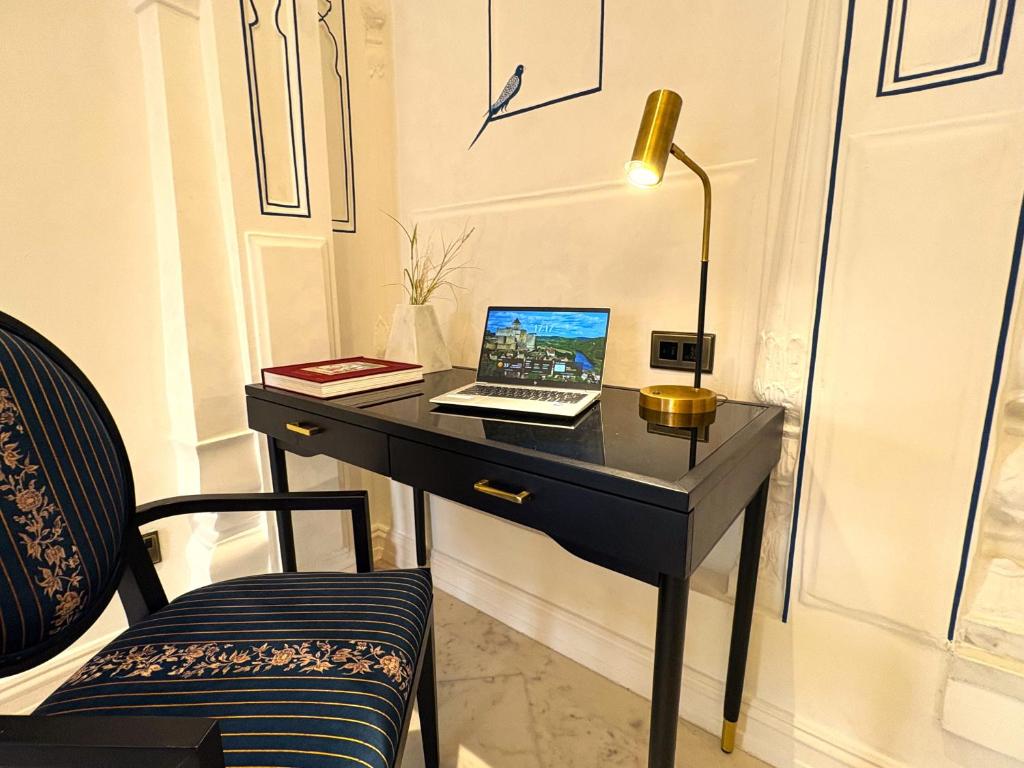
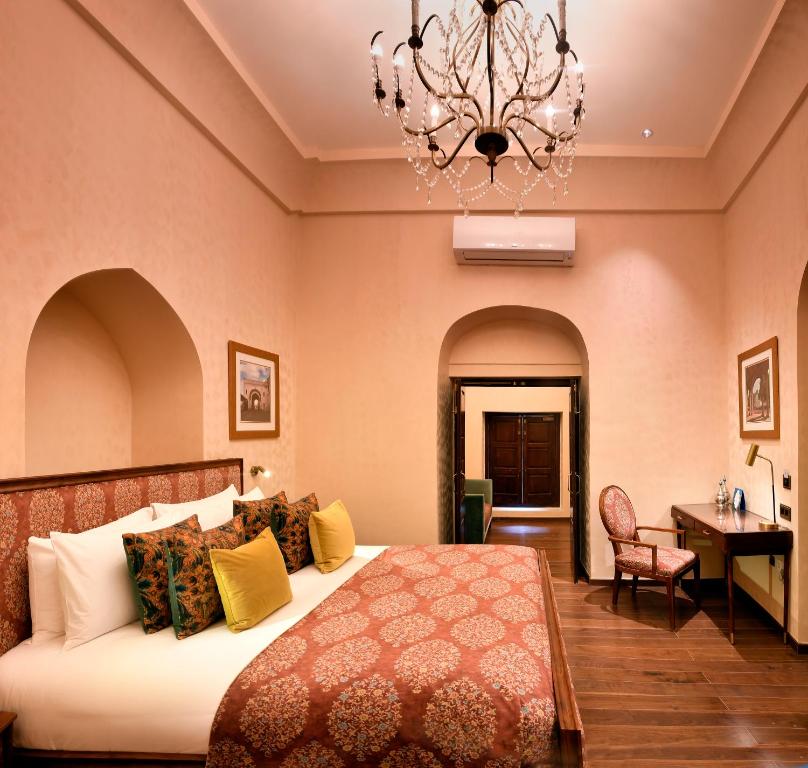
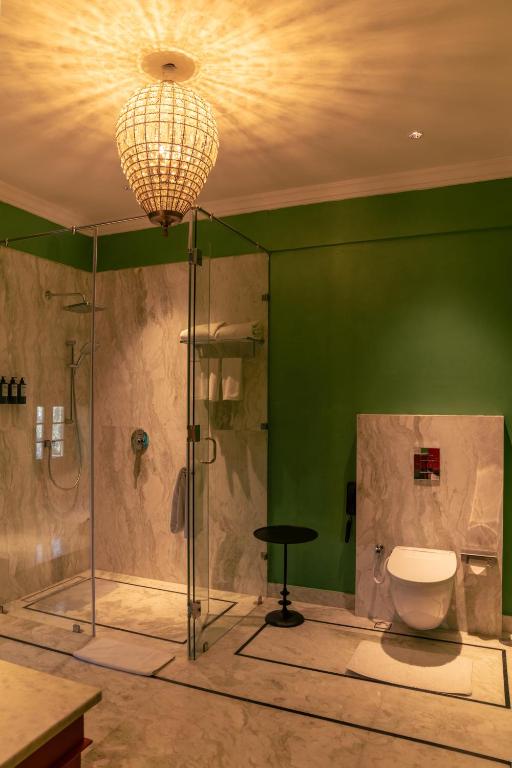
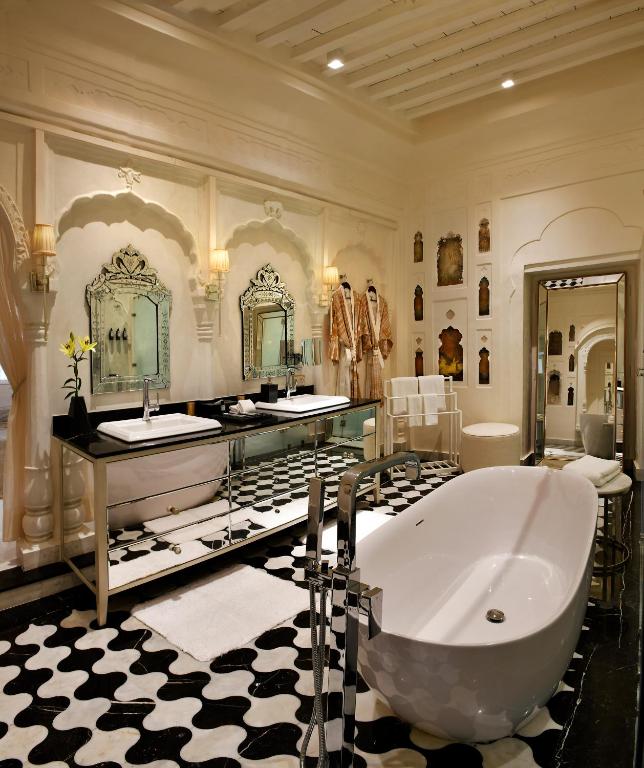
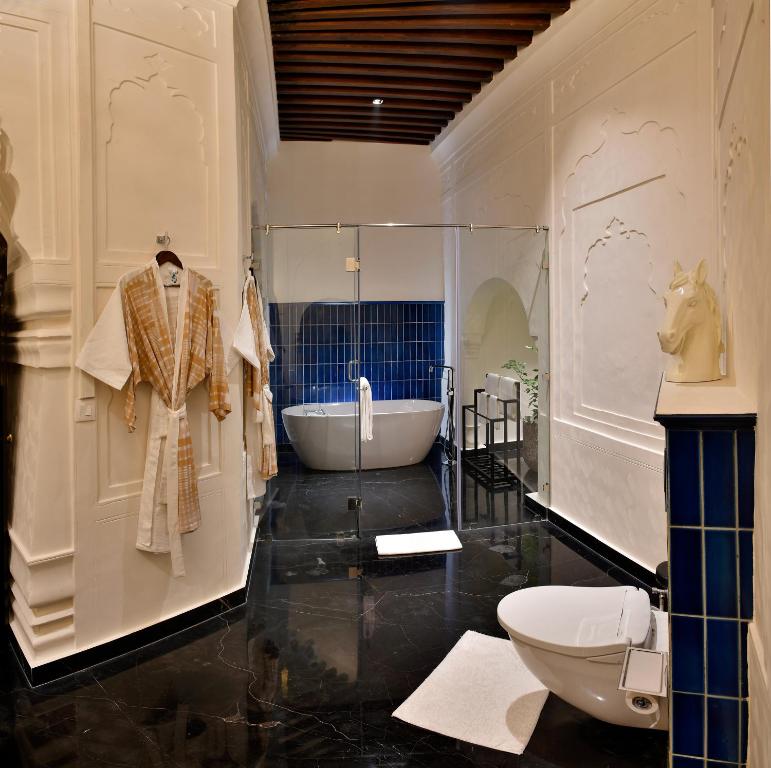
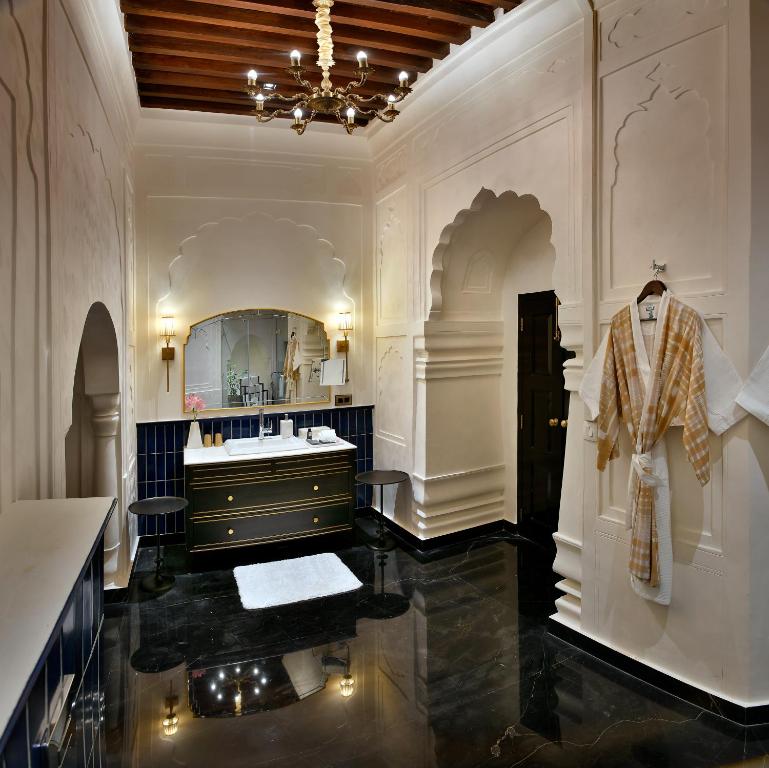
The palace’s 35 suites are individually designed, each reflecting a different aspect of Patiala’s cultural heritage. Some occupy former royal chambers with soaring ceilings and elaborate decorative details. Others overlook courtyards, gardens, and sections of the historic fort complex. Original frescoes, hand-painted murals, carved niches, and restored architectural features create a profound sense of place. Yet alongside the heritage comes every modern comfort expected from a luxury hotel. Generous bathrooms, deep soaking tubs, climate control, plush bedding, and discreet technology integrate seamlessly into the historic setting. Few hotels allow guests to sleep surrounded by architectural history this intact and immersive.
Dining Inspired by Punjab
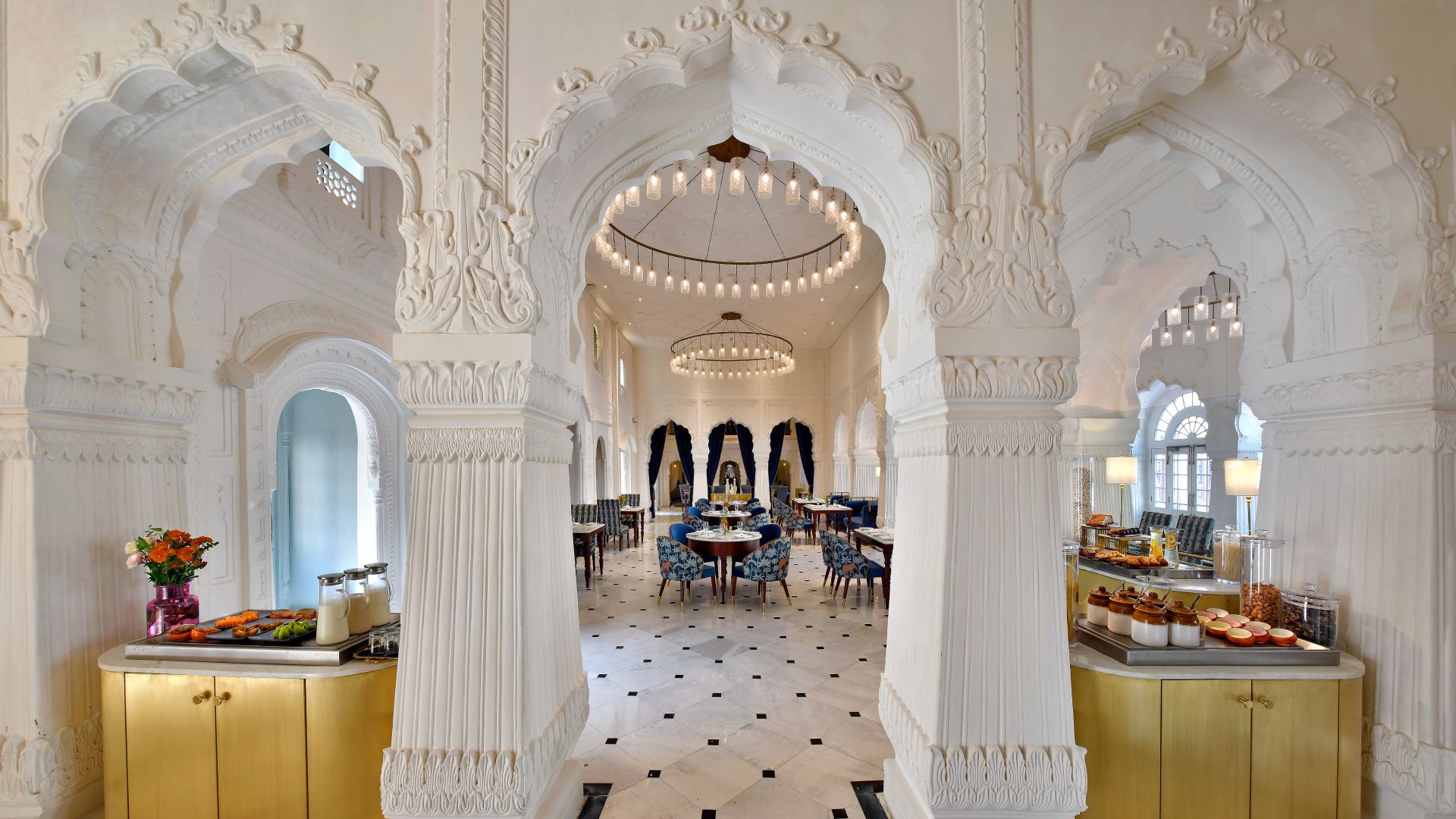
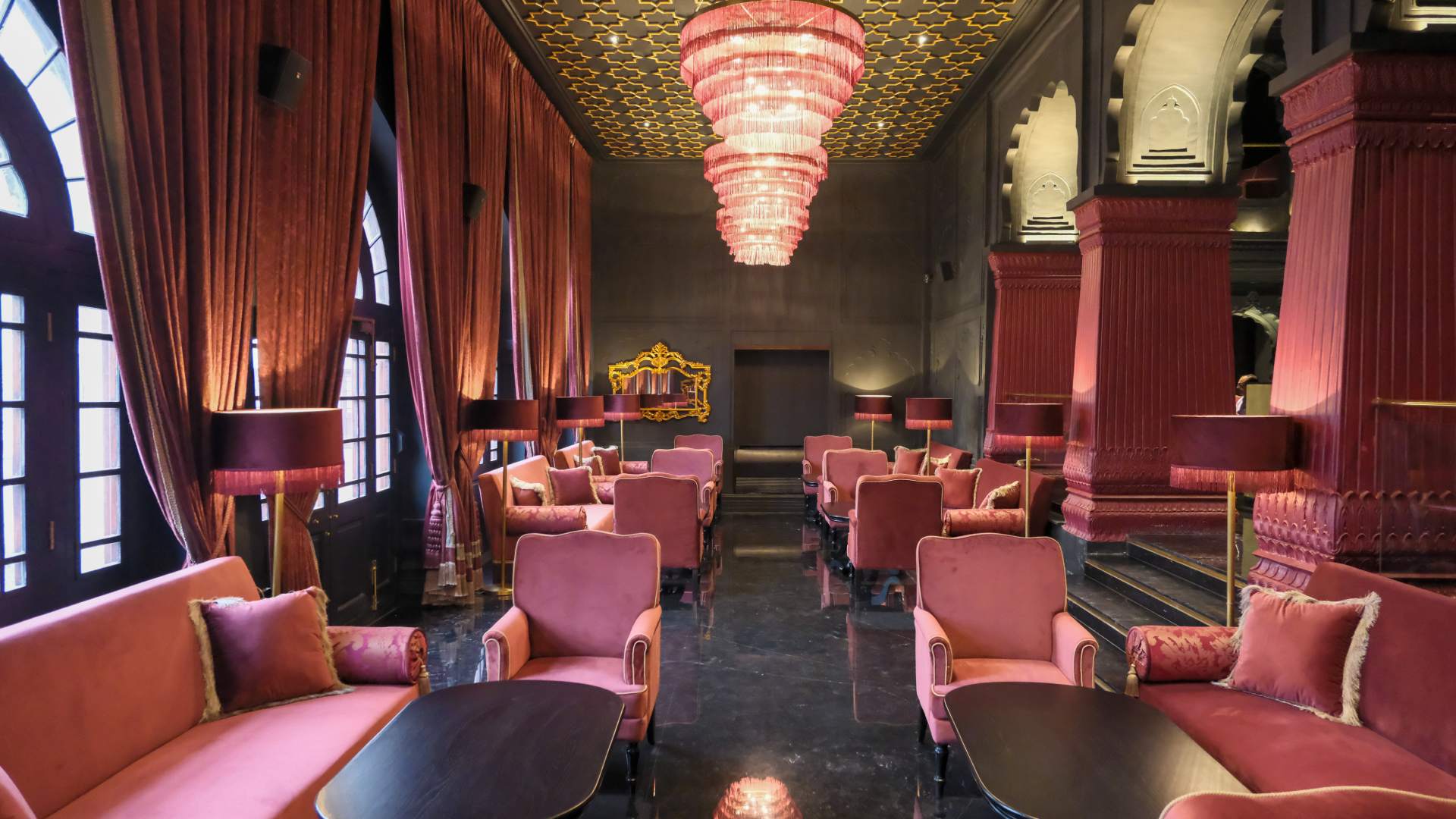
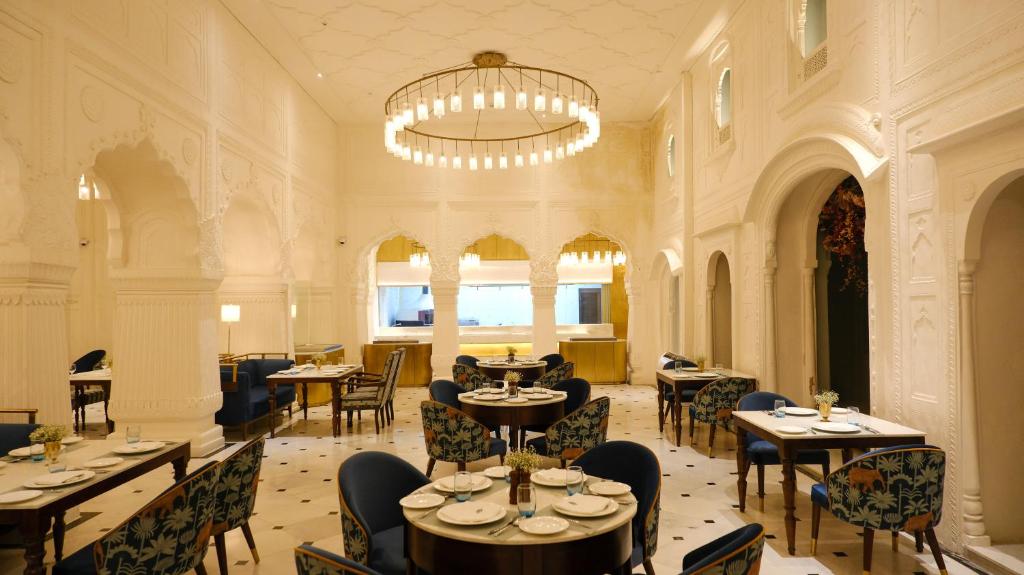
Food plays an important role in celebrating the palace’s identity. At Neel, the all-day restaurant, traditional Punjabi ingredients and recipes are interpreted through a contemporary lens. Regional flavours remain central, while presentation and technique elevate the experience. Menus showcase local produce, aromatic spices, slow-cooked meats, and seasonal vegetables, creating dishes that feel both rooted and refined. The setting itself adds another layer to the experience. Dining beneath restored arches and frescoed ceilings turns every meal into a continuation of the palace’s story. Later in the evening, the Patiala Bar channels the spirit of the princely courts that once flourished here. Cocktails are served beneath dramatic chandeliers, accompanied by live music and an atmosphere that feels simultaneously regal and intimate.
Beyond the Palace Walls
What makes RAN BAAS especially compelling is its connection to the wider story of Patiala. This project has helped reintroduce the city to international travellers while creating new opportunities for local artisans, craftspeople, guides, and hospitality professionals. Throughout the property, regional craftsmanship remains visible. Handmade textiles. Traditional plasterwork. Historic decorative arts. Local materials. Every detail reinforces the sense that this is not simply a luxury hotel placed within a historic building, but a cultural revival with hospitality at its centre.
Spaces for Reflection
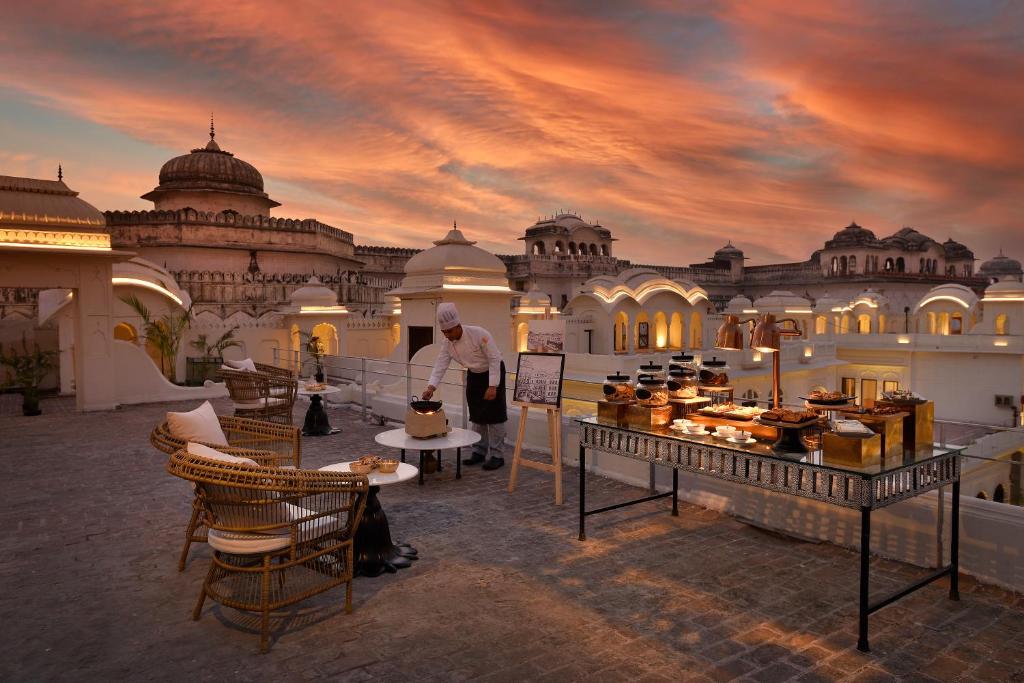
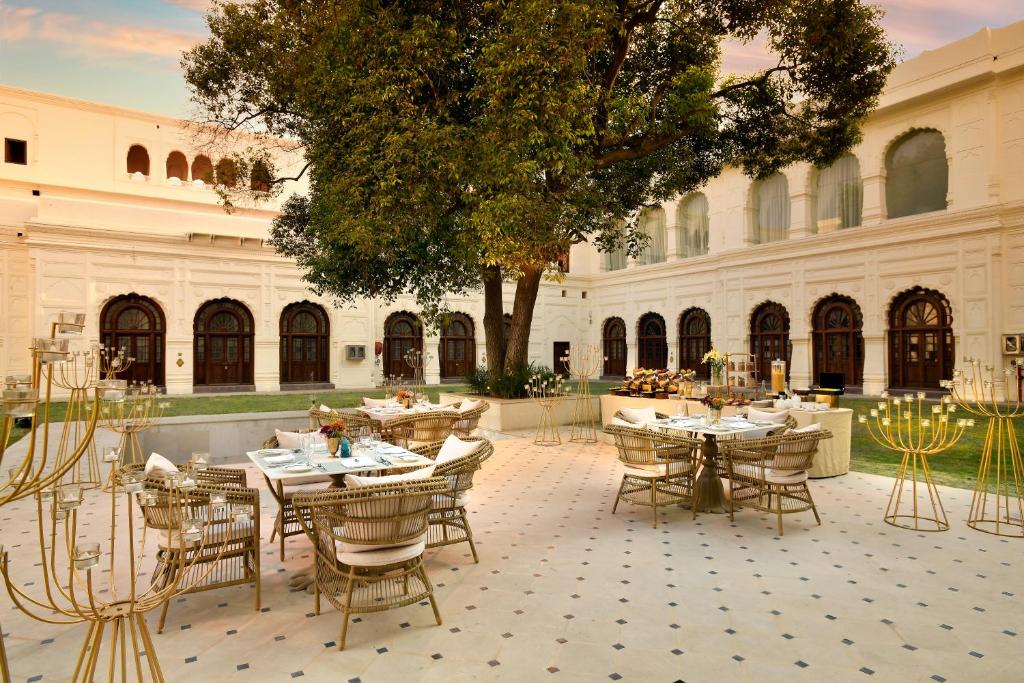
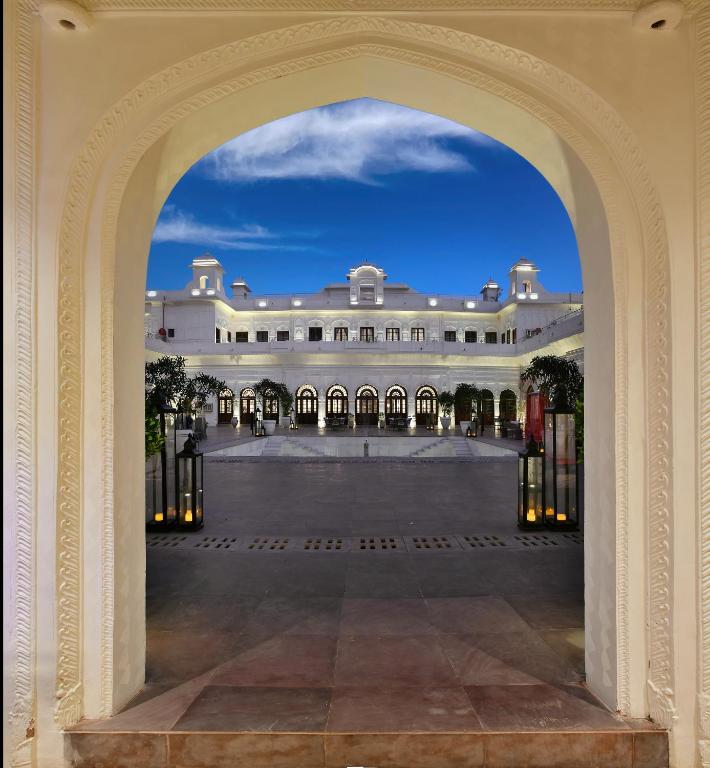
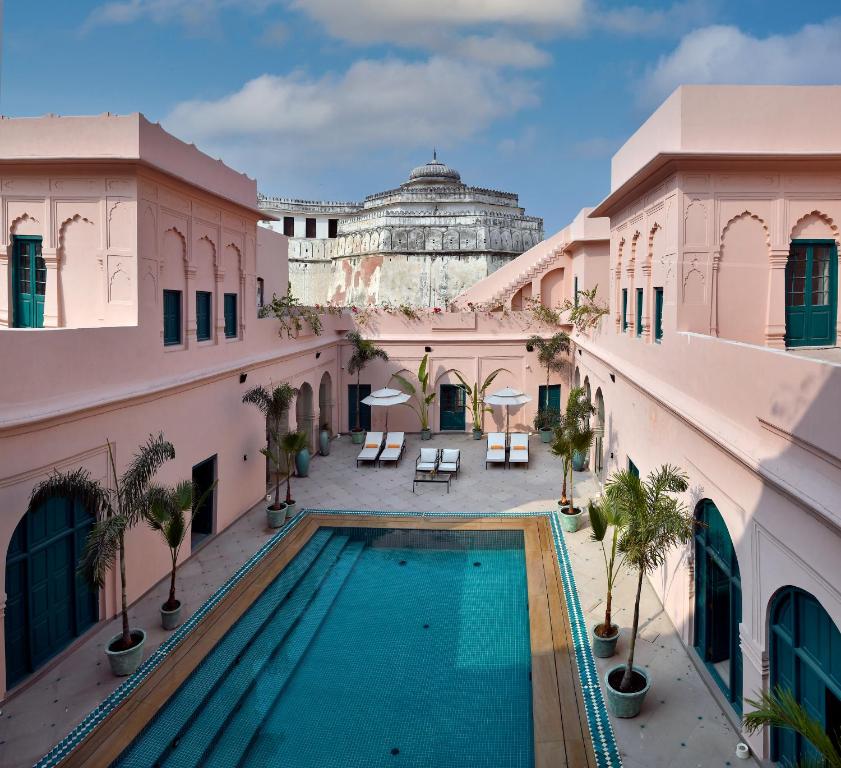
Despite its grandeur, the palace never feels overwhelming. Quiet courtyards invite contemplation. Jasmine-scented gardens soften the monumental architecture. Long colonnaded verandas provide shaded retreats from the Punjab sun. The swimming pool, discreetly integrated into the complex, offers a contemporary counterpoint to the historic surroundings. There is a sense of calm here that contrasts beautifully with the scale and richness of the architecture.
A New Chapter for Punjab
India is no stranger to palace hotels. Yet RAN BAAS feels distinct. Rather than celebrating colonial nostalgia or royal excess, it tells a uniquely Punjabi story through architecture, craftsmanship, culture, and hospitality. It restores not only a building, but an identity. And it does so with exceptional sensitivity.
Not Just a Palace Hotel—Punjab’s History Brought to Life
RAN BAAS The Palace is one of the most significant heritage hotel projects to emerge in India in recent years. A masterful restoration has transformed a forgotten section of Patiala’s historic fort into a destination where architecture, craftsmanship, and contemporary hospitality coexist beautifully. For travellers who seek meaningful luxury, cultural depth, and extraordinary design, few places offer such an immersive connection to history. This is not simply a palace hotel. It is Punjab’s past brought magnificently back to life.