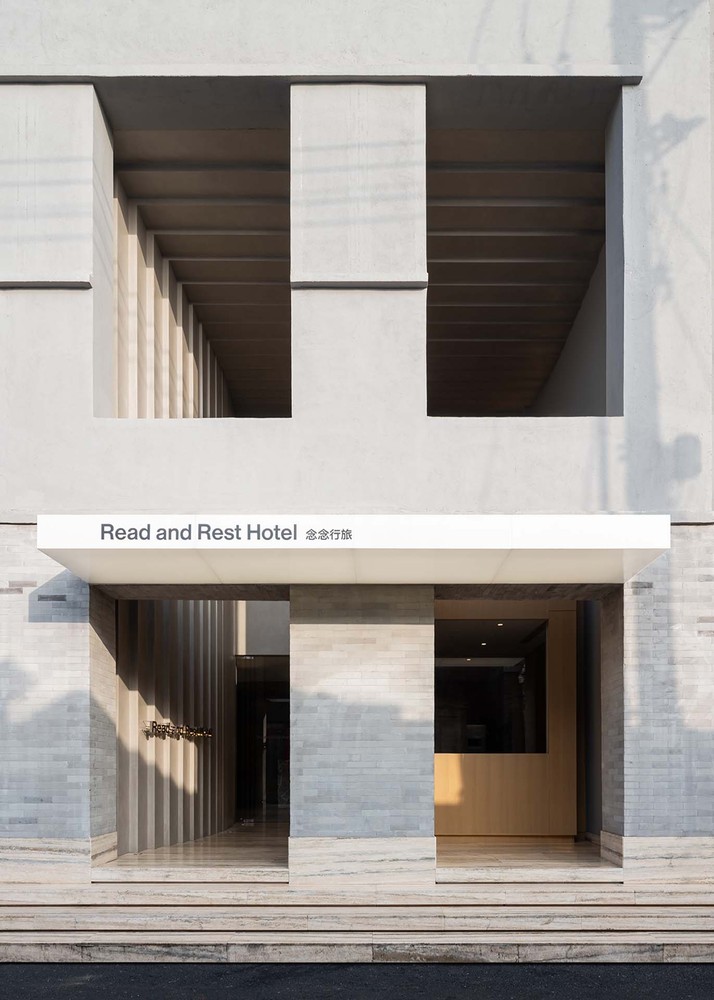
Read and Rest Hotel – Beijing, China
A tiny architectural retreat by Office AIO, where the simple rituals of reading and resting shape the entire hotel.
Why DNA Hotels Loves It
● Beijing-based Office AIO turns the idea of reading and resting into an architectural concept, using carefully composed spaces rather than conventional hotel decoration.
● A restrained palette of wood, tactile surfaces and controlled natural light creates an unusually intimate refuge from Beijing’s intensity.
● Small-scale and highly conceptual, it represents another side of Chinese hospitality: design as atmosphere rather than spectacle.
Read. Rest. Repeat.
Some hotel names require explanation. Read and Rest doesn’t. In a city as vast, crowded and relentlessly energetic as Beijing, the proposition feels almost radical: come inside, find somewhere comfortable, pick up a book and stop doing things for a while. The hotel’s concept strips hospitality back to two basic human activities. Reading. And resting. Everything else follows from there.
Architecture for Slowing Down
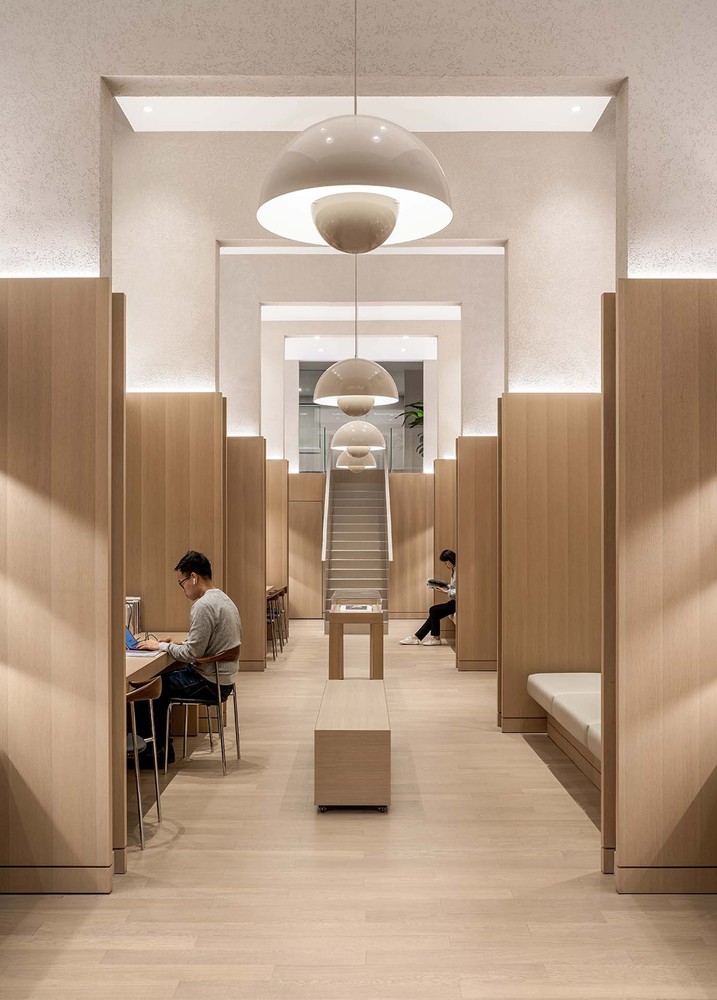
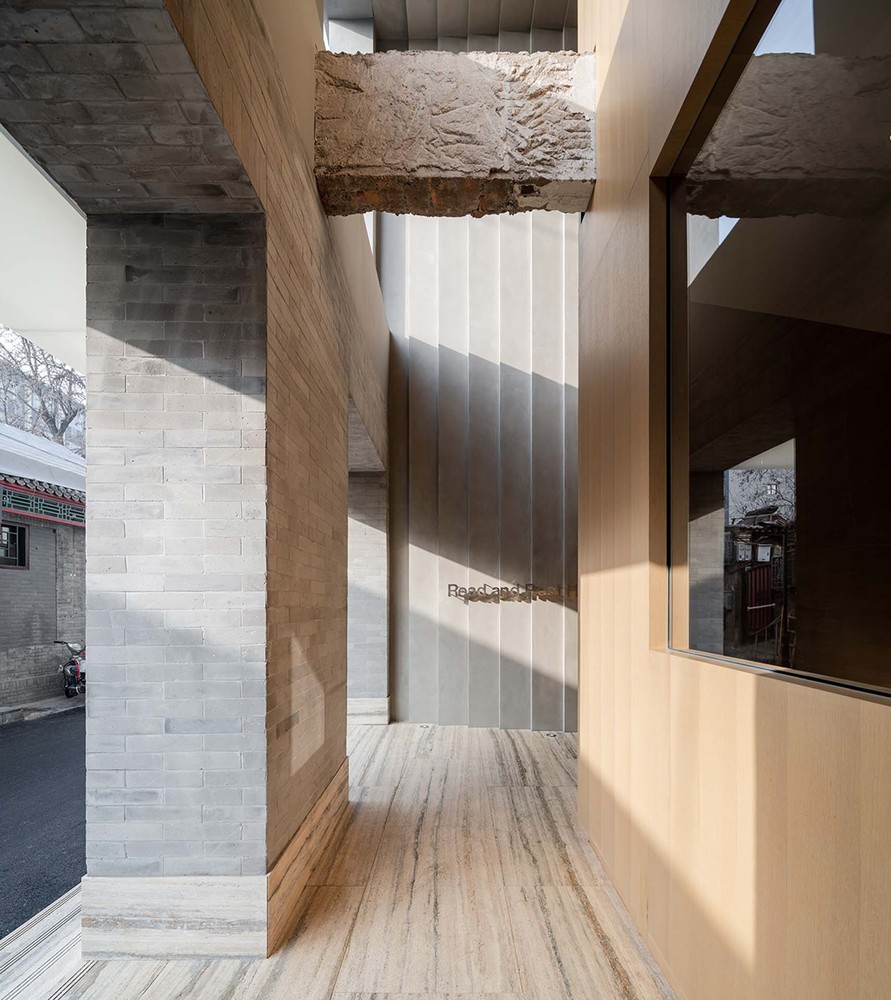
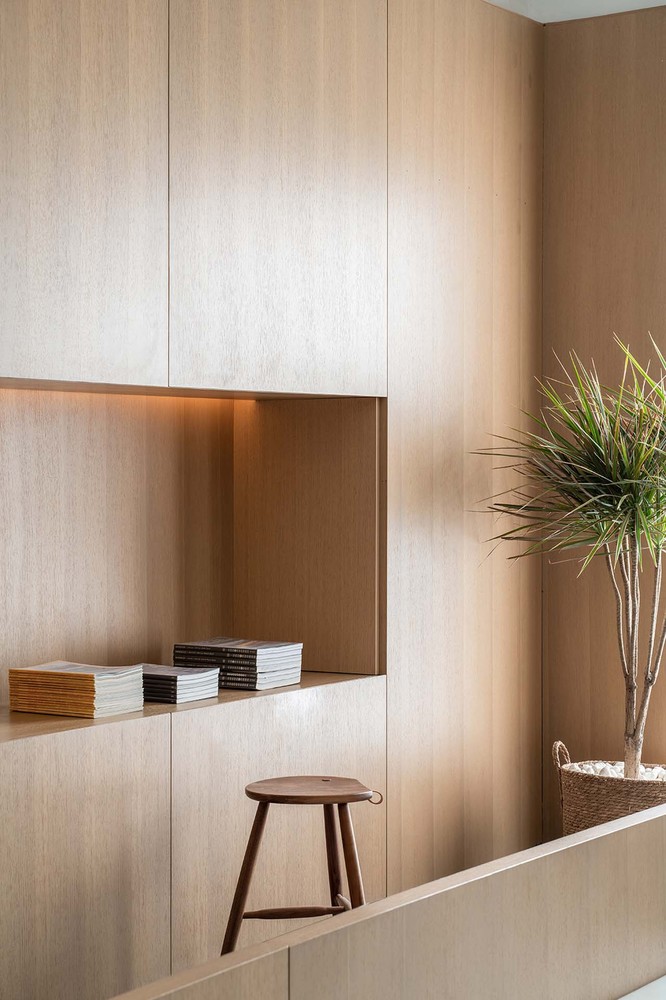
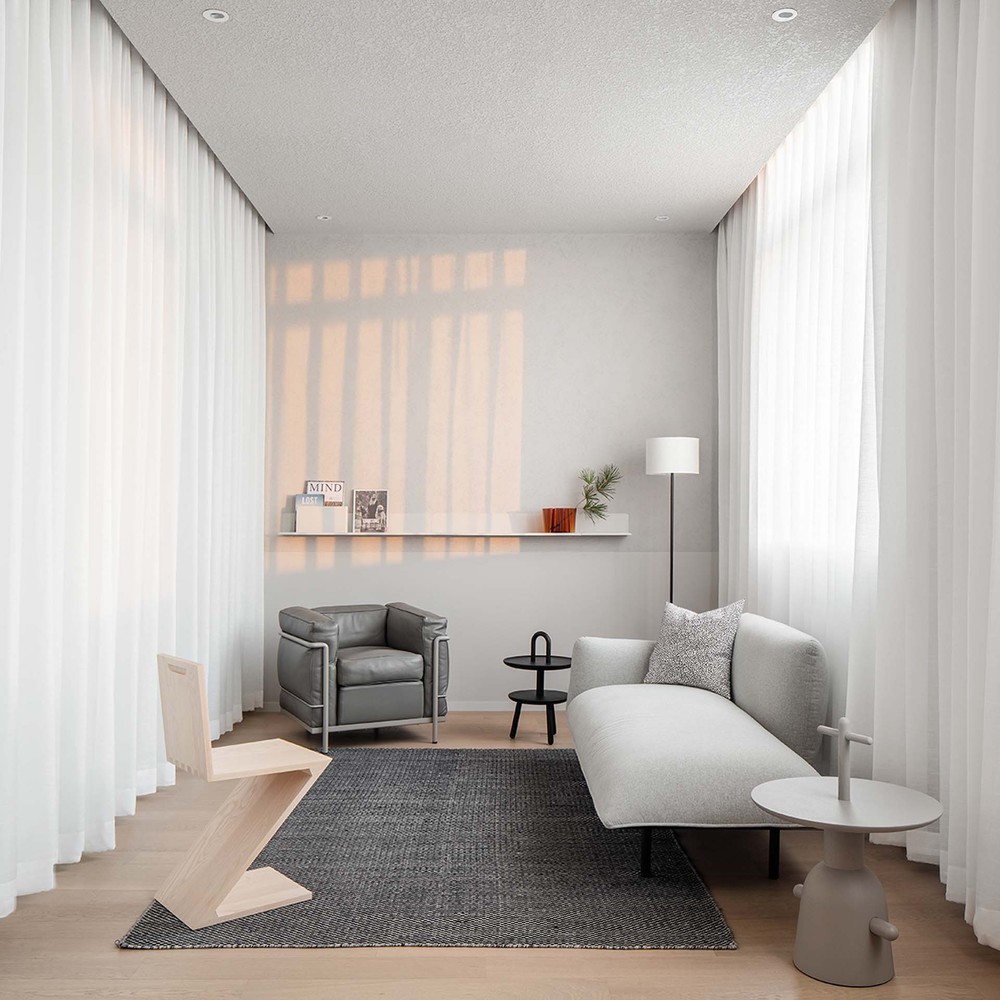
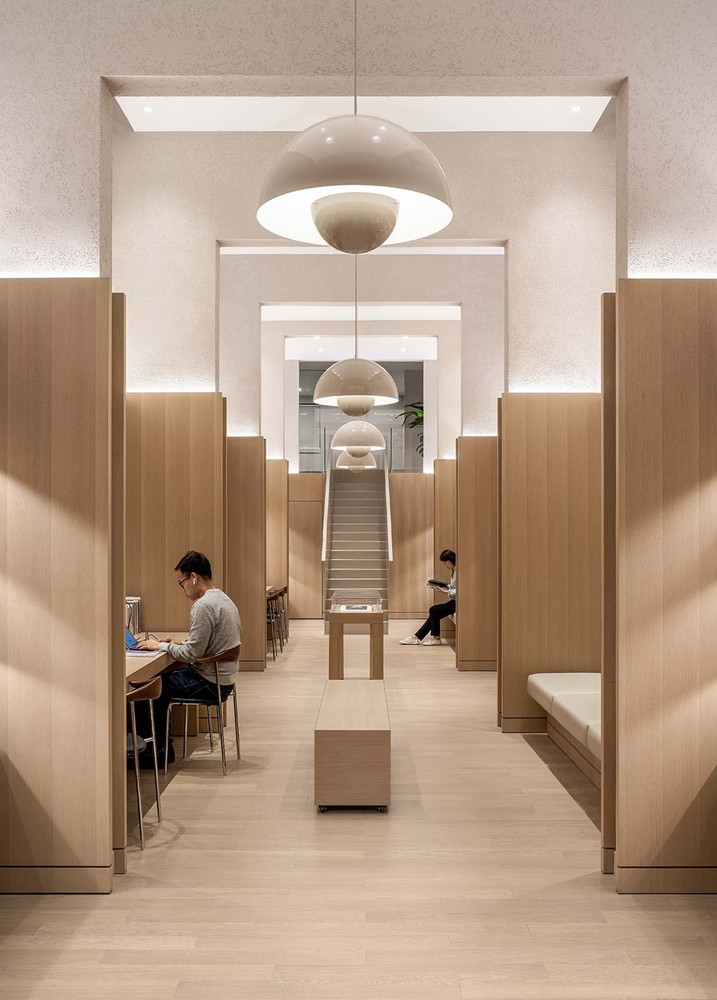
Beijing-based Office AIO approached the project less as conventional hotel interior design and more as an exercise in controlling movement, intimacy and light. There is little visual noise. Instead, spaces are defined through simple geometries, pale timber, neutral surfaces and carefully positioned lighting. Built-in furniture becomes part of the architecture, reducing the distinction between room, object and place to sit. It’s minimalism, but not the cold white-box variety. The materials bring warmth and tactility, while changes in ceiling height, enclosure and light create smaller moments within the limited footprint. The architecture quietly tells you what to do. Sit here. Look there. Stay awhile.
A Hotel Built Around Books
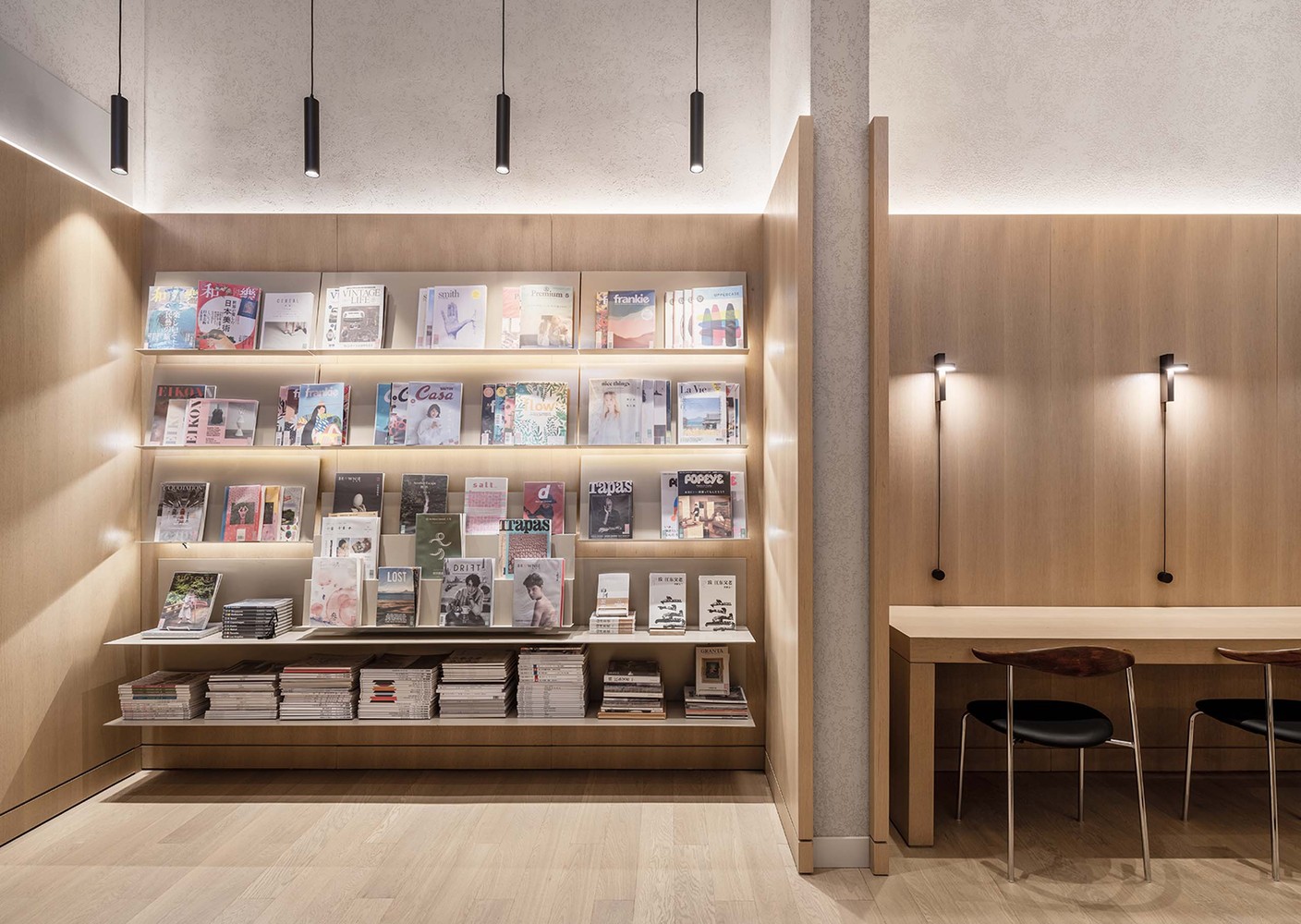
Books aren’t styling accessories here. They’re fundamental to the concept. Shelving and places to read are integrated into the architecture, turning circulation and communal areas into opportunities to stop rather than simply pass through. That changes the rhythm of the hotel. Instead of a conventional lobby designed primarily around checking in and moving onwards, Read and Rest encourages occupation. A chair, a pool of light and something interesting to read become enough reason to remain. It’s a wonderfully simple idea. And surprisingly rare in hospitality.
Small Spaces, Carefully Considered
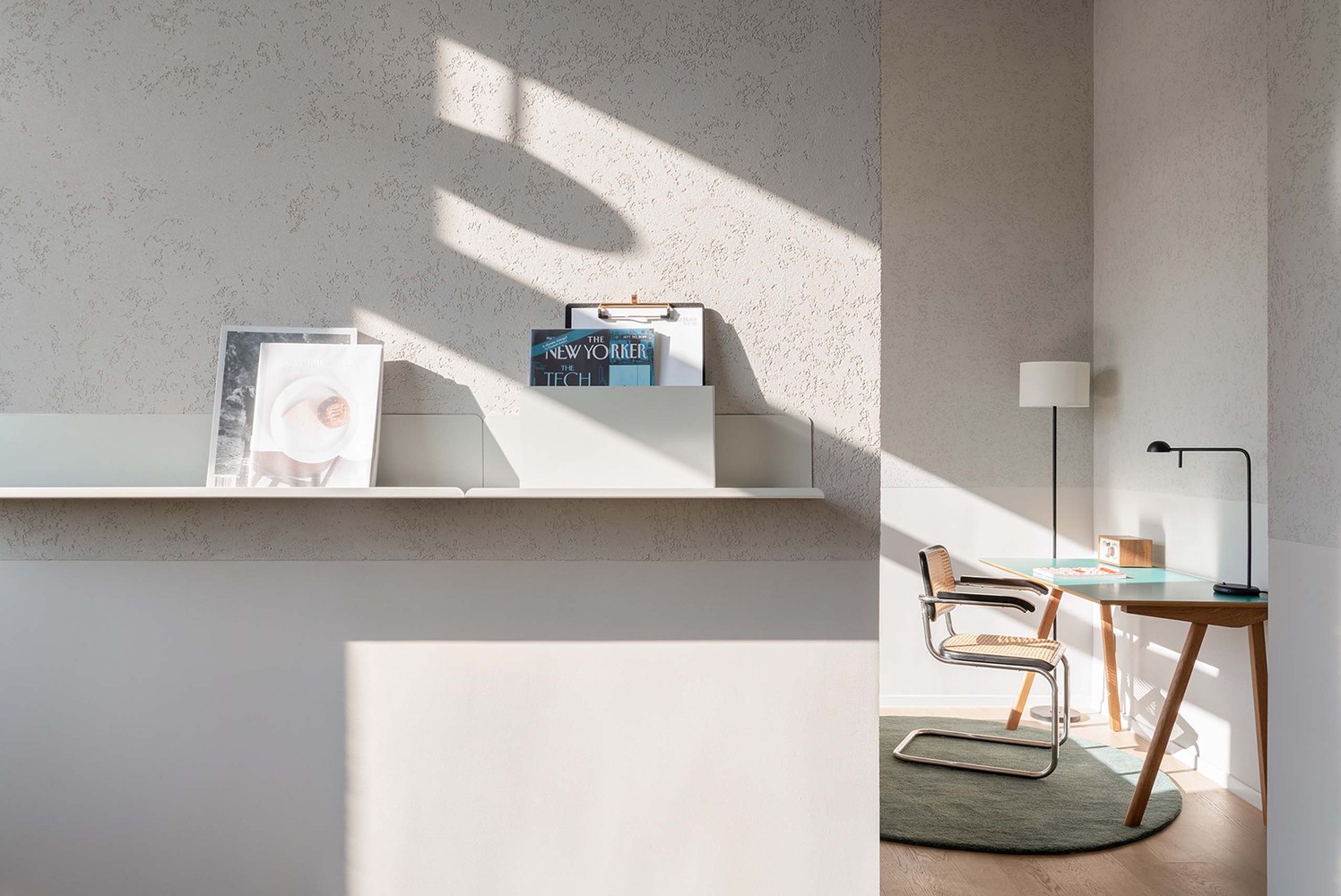
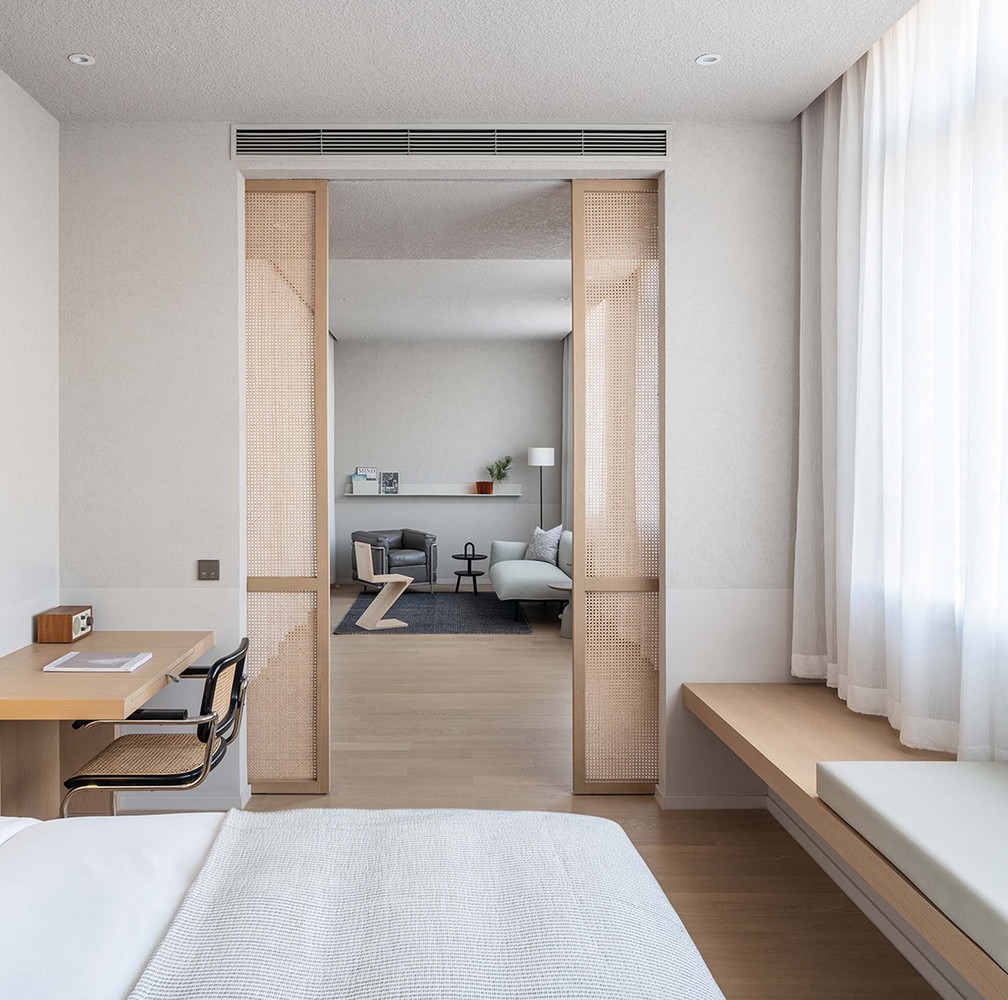
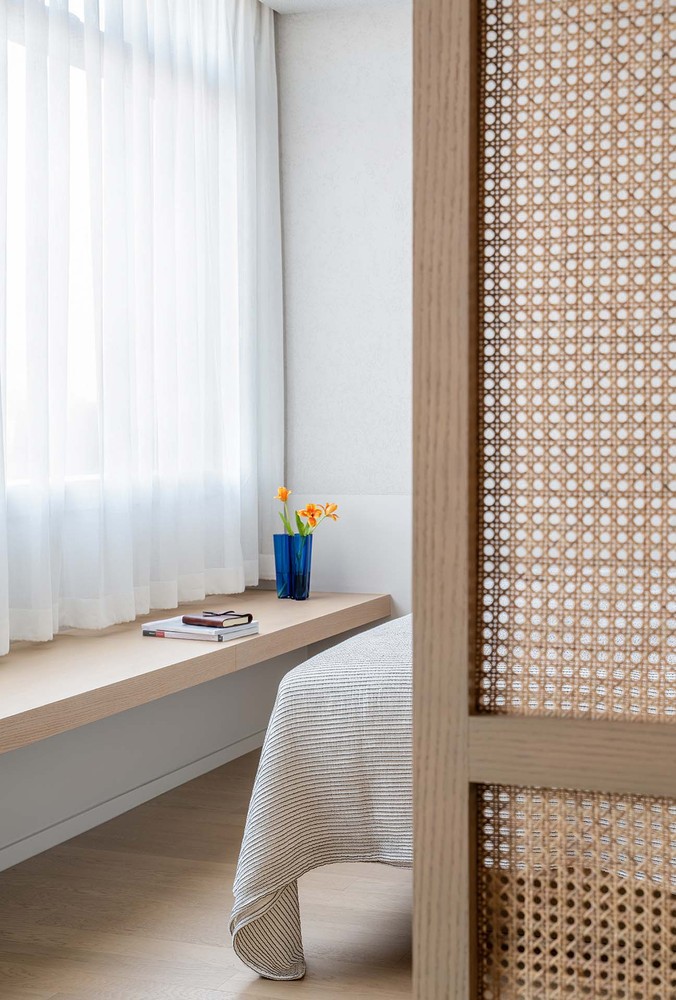
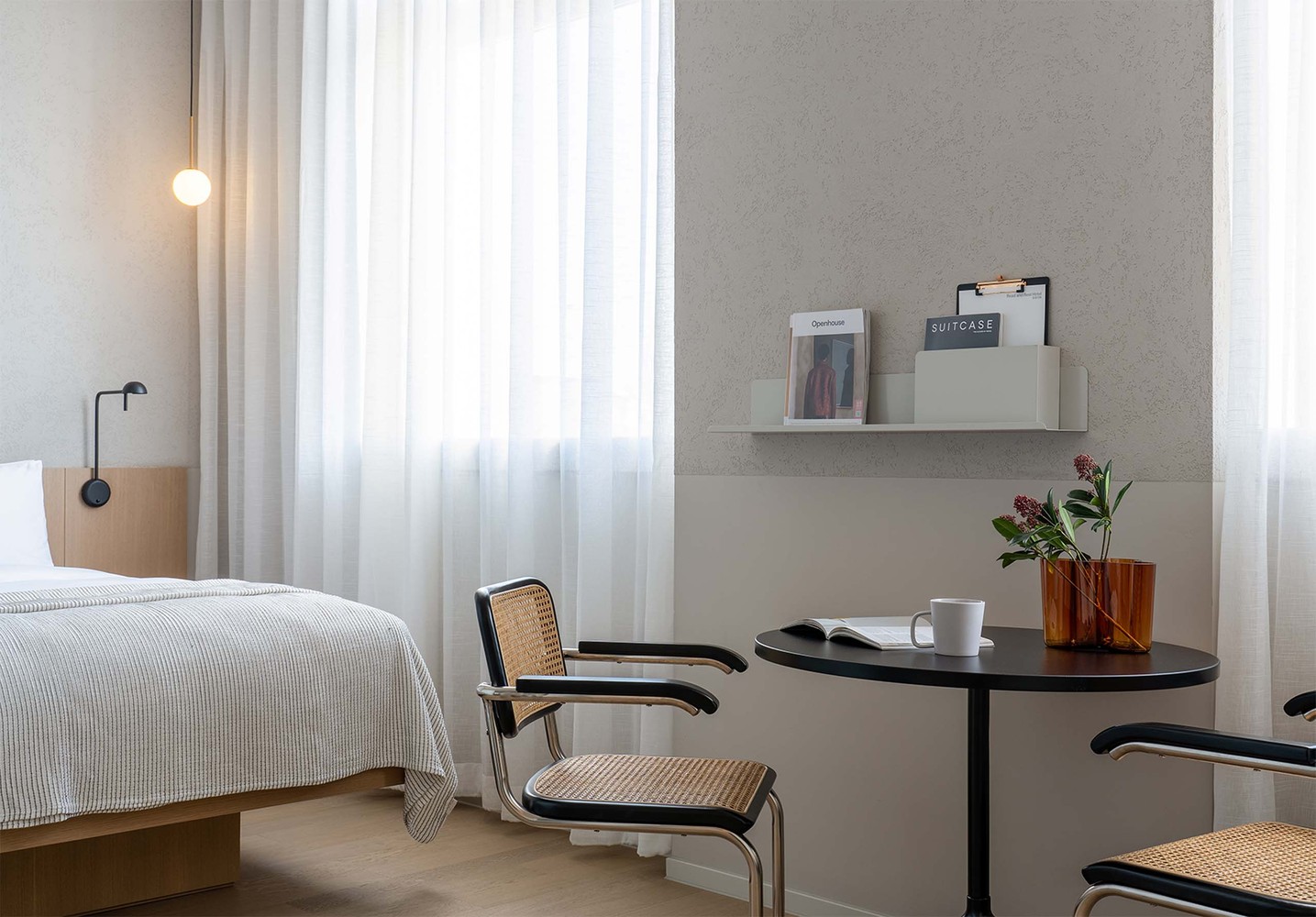
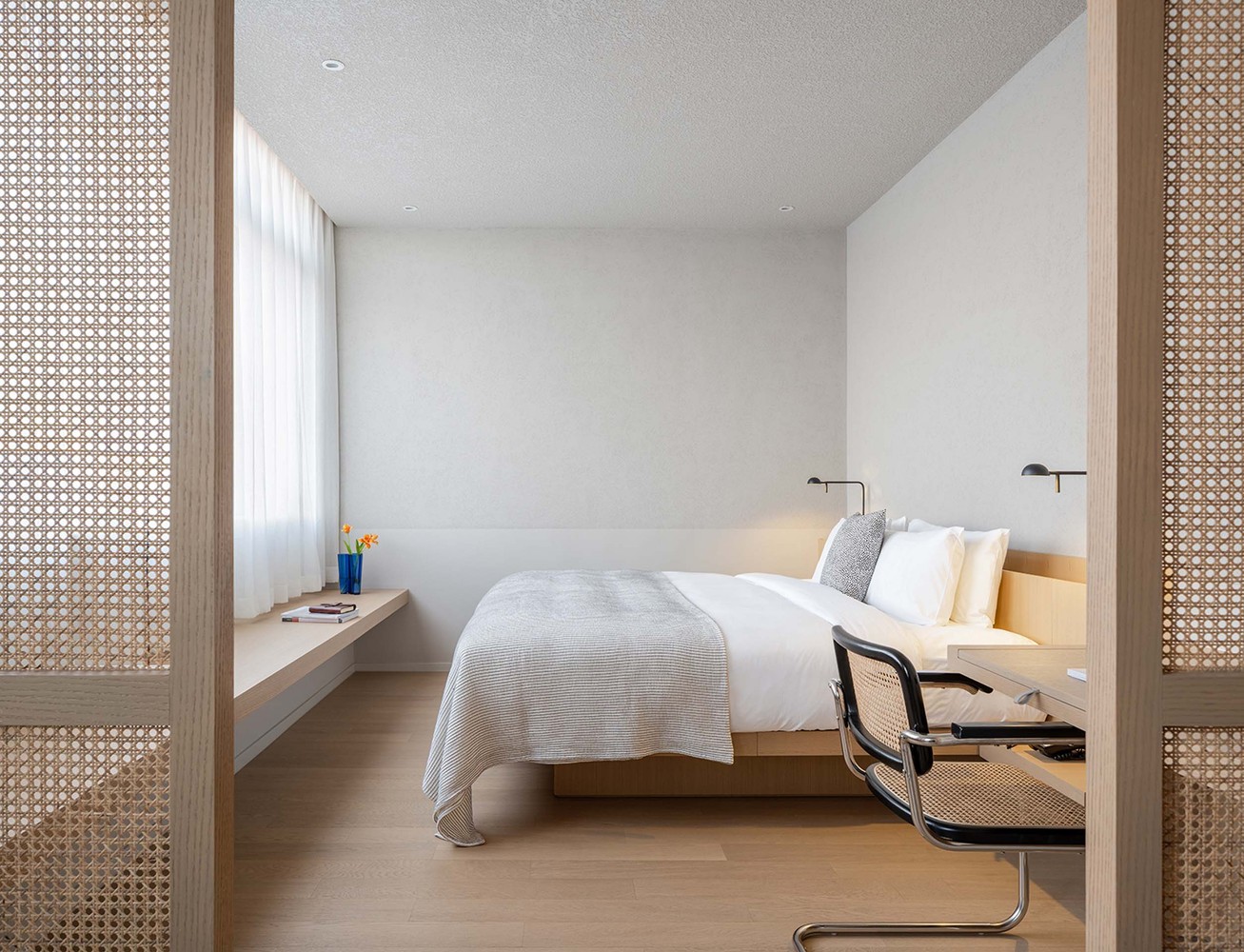
The guestrooms follow the same discipline. Rather than attempting to make compact rooms feel grand, Office AIO uses their intimacy as an advantage. Furniture is integrated, storage is controlled and unnecessary decoration disappears. Wood softens the architecture. Lighting is positioned for reading rather than effect. Every available centimetre has a purpose without making the rooms feel engineered. The result is closer to a beautifully designed private study than a conventional hotel bedroom — somewhere to withdraw from the city, read a few pages and eventually fall asleep.
The Luxury of Less
There is something particularly appropriate about finding a hotel like this in Beijing. Outside is one of the world’s great megacities: monumental avenues, historic hutongs, extraordinary contemporary architecture and more than twenty million people moving through an enormous urban landscape. Read and Rest offers almost none of that scale. Its ambition is deliberately smaller. There is no need for an enormous lobby, theatrical arrival or endless list of facilities. The experience comes from proportion, material, silence and the relationship between body and space. In that sense, its minimalism isn’t primarily an aesthetic. It’s the service.
A Room for Thought
The best small hotels often understand something their larger counterparts forget: hospitality doesn’t necessarily become richer by adding more. Sometimes subtraction creates the experience. Read and Rest takes that principle unusually seriously. Books, architecture and places for contemplation become the amenities, creating an environment where doing very little feels entirely appropriate. And perhaps that’s exactly what a hotel should occasionally allow us to do. Read and Rest Hotel is a beautifully concise piece of hospitality design. Office AIO takes two ordinary activities — reading and sleeping — and builds an entire architectural experience around them. In the overwhelming scale of Beijing, its greatest achievement is wonderfully simple: creating a small place where nothing demands your attention.