Rhinoceros – Rome, Italy
A Radical Roman Experiment
Why DNA Hotels Loves It
● A fearless reinvention of a 17th-century Roman palazzo by Jean Nouvel, where contemporary architecture collides with centuries of visible history.
● More than a hotel, it’s a living cultural institution, combining design apartments, contemporary art, experimental exhibitions, and one of Rome’s most inspiring creative atmospheres.
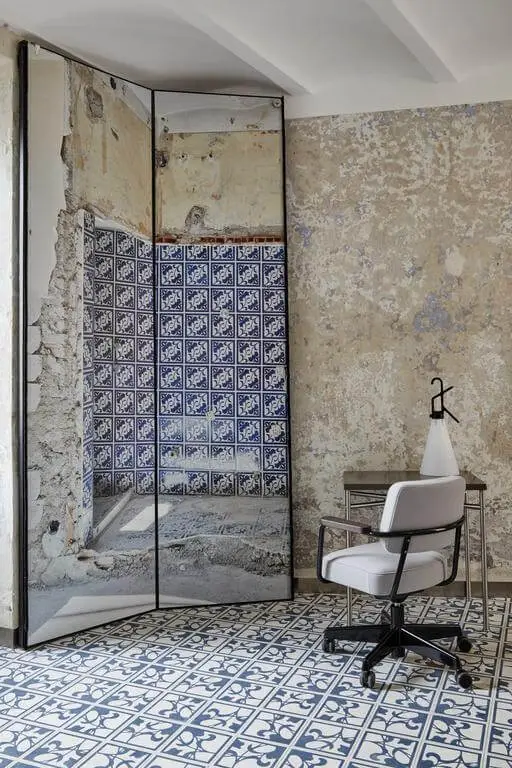
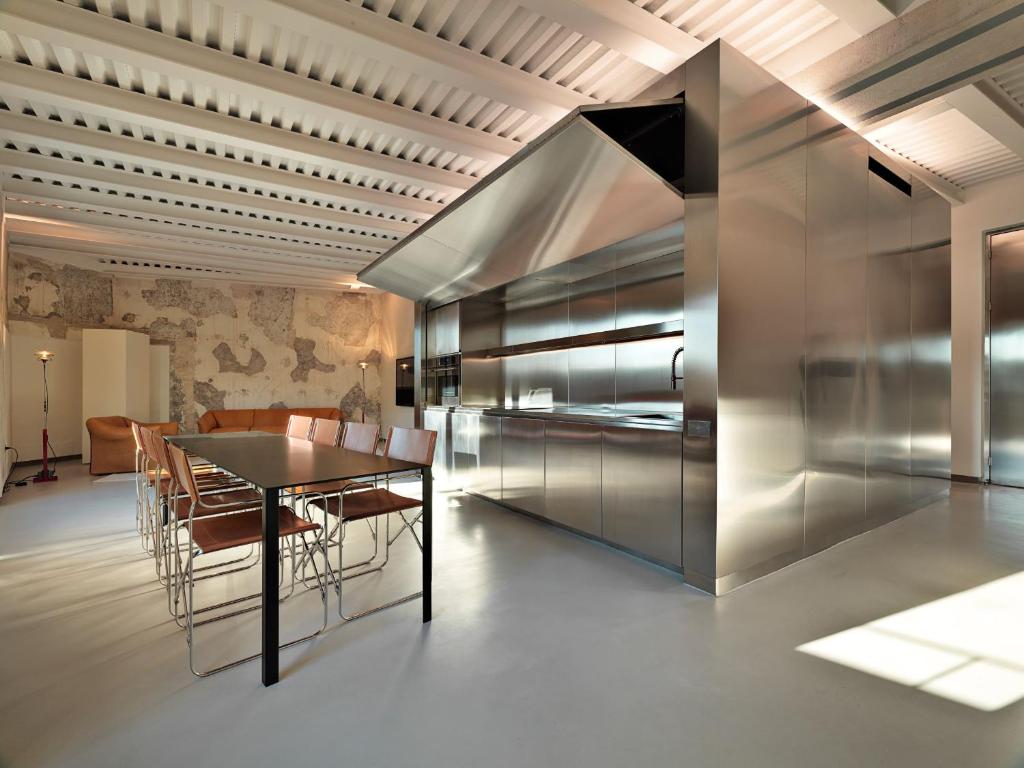
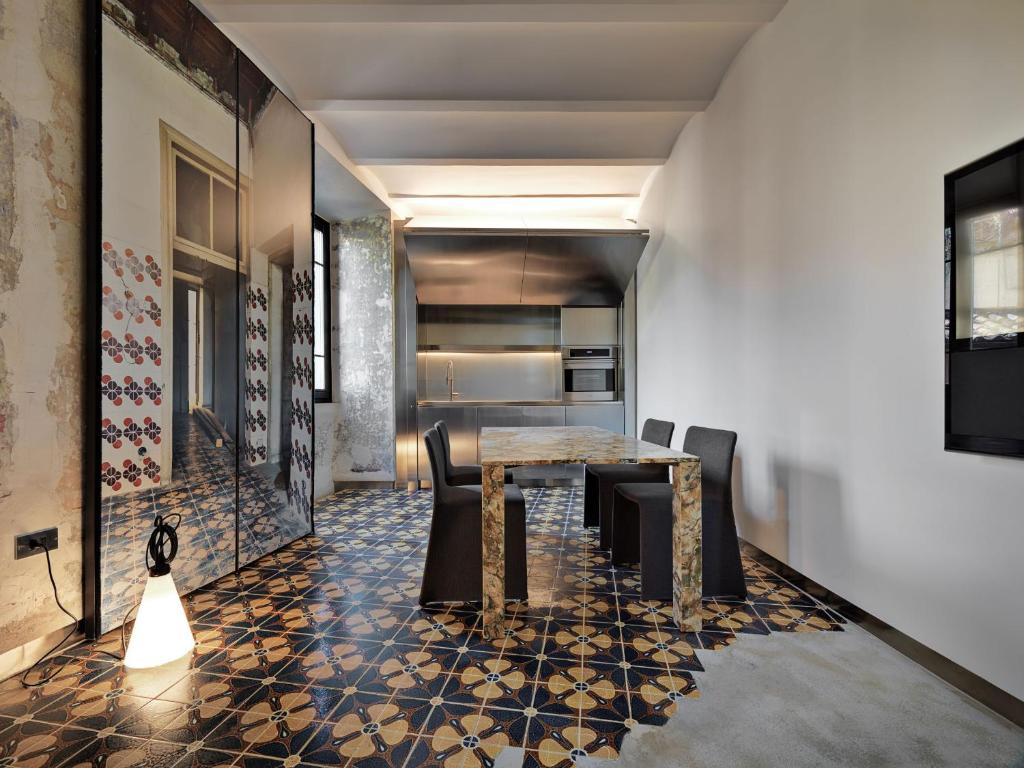
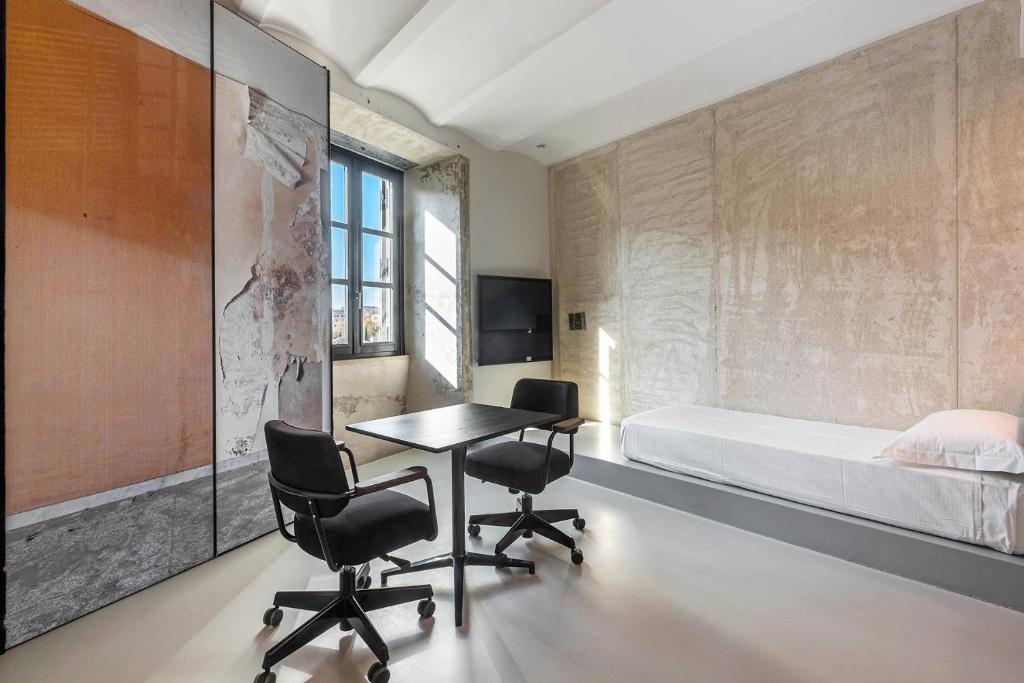
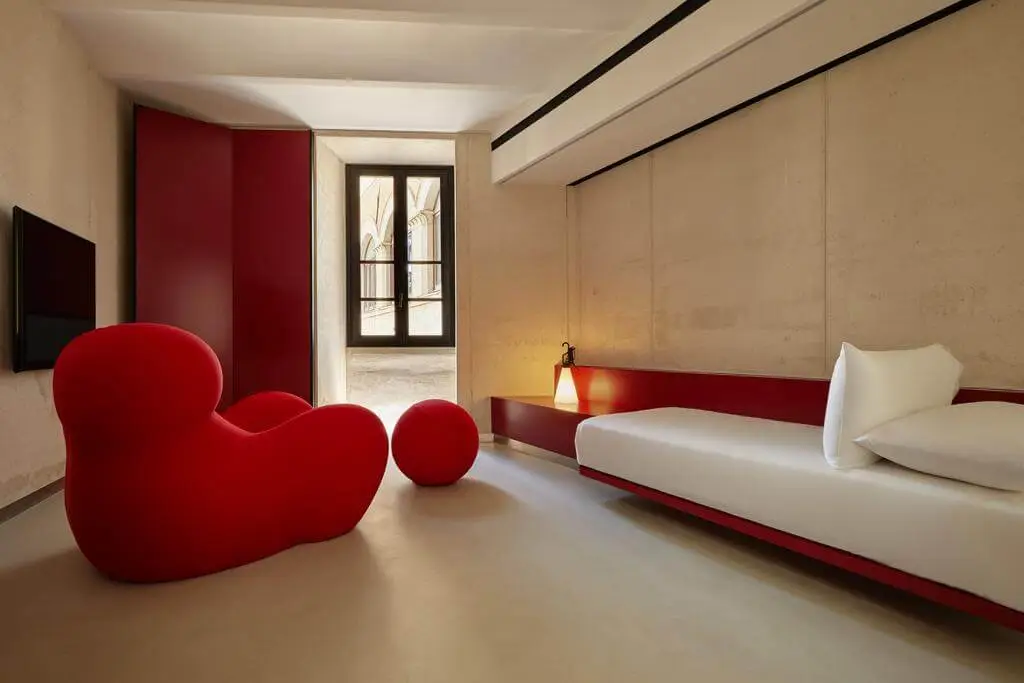
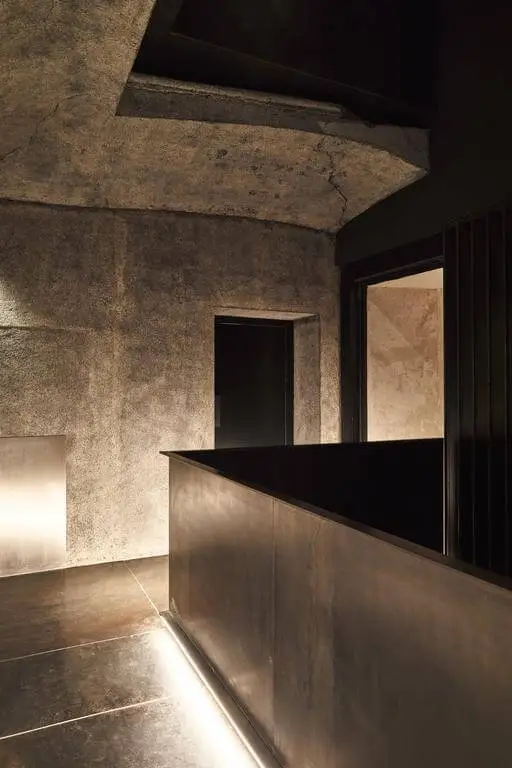
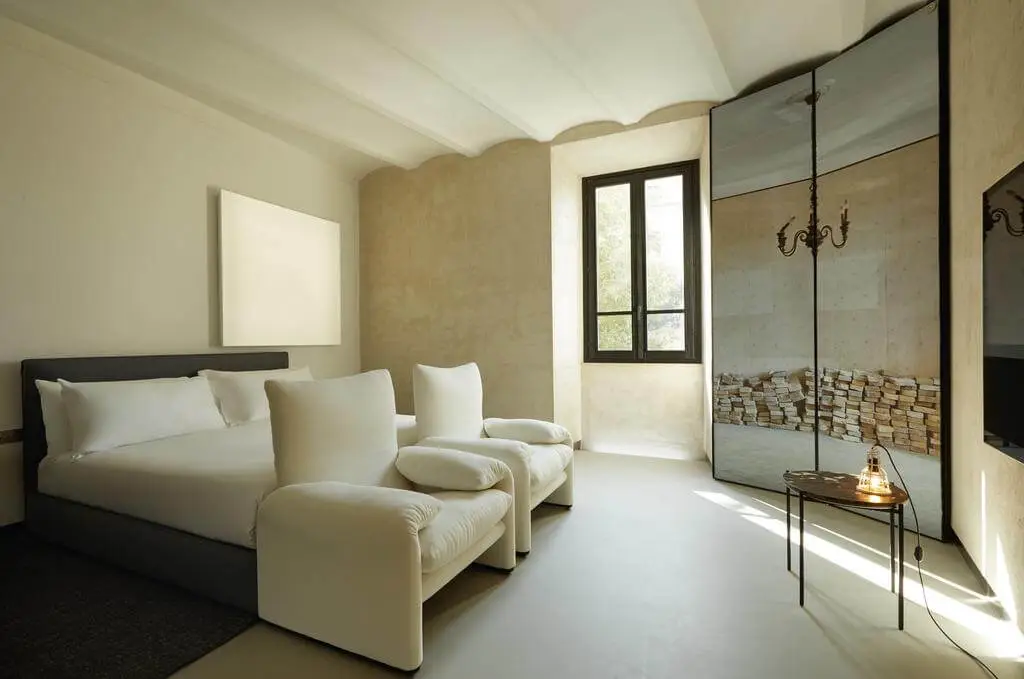
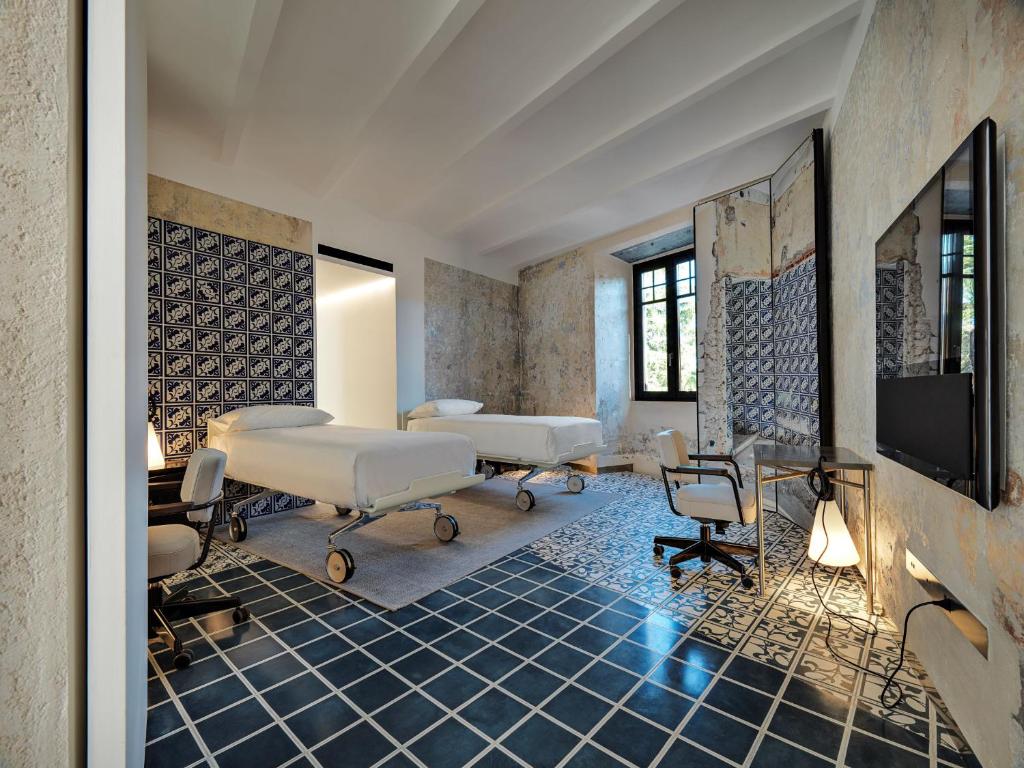
● Extraordinary interiors where exposed concrete, preserved frescoes, raw plaster, steel, and mid-century furniture create one of Europe’s most original hospitality experiences.
A Palazzo Turned Manifesto
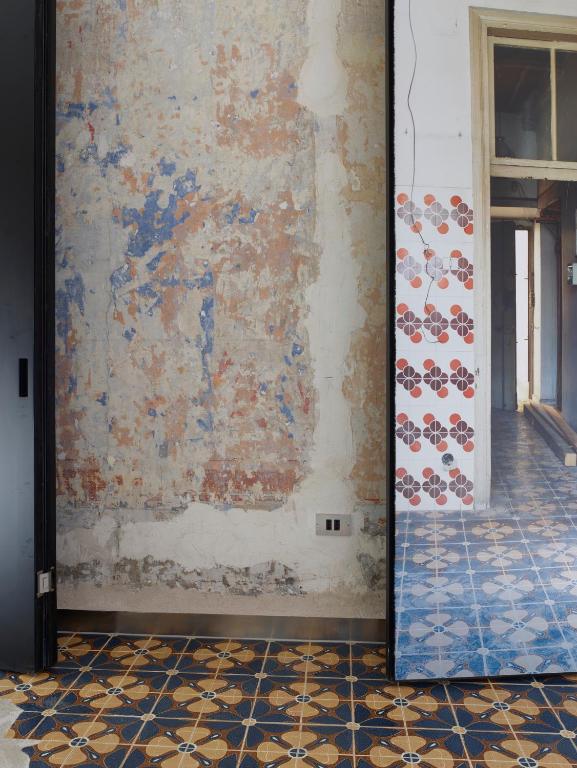
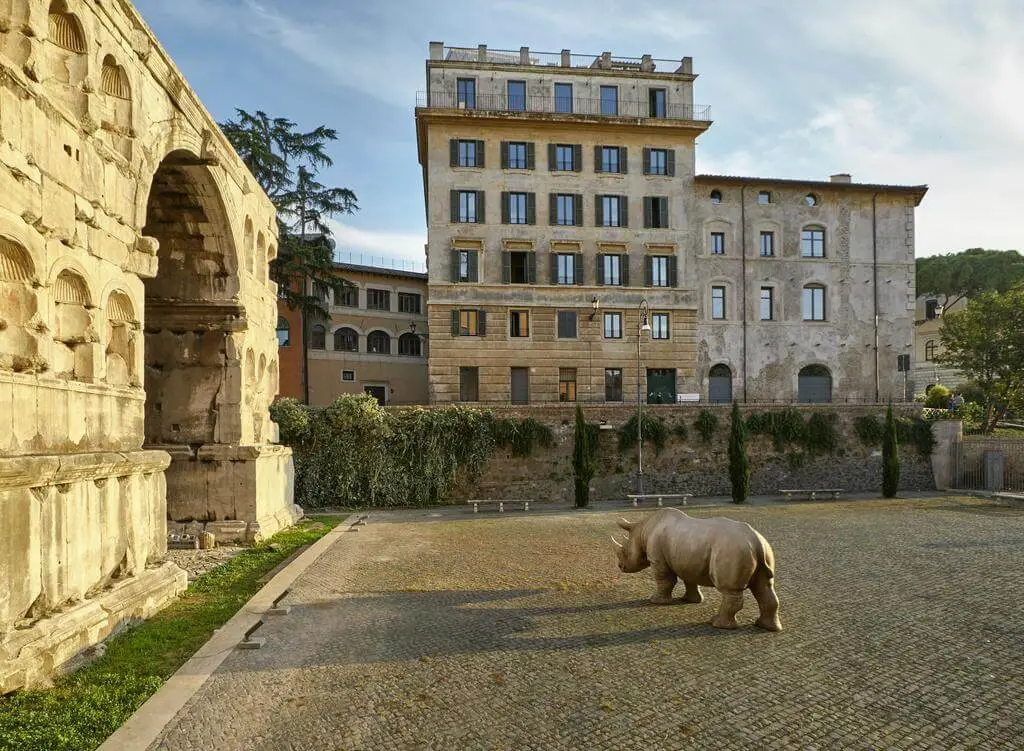
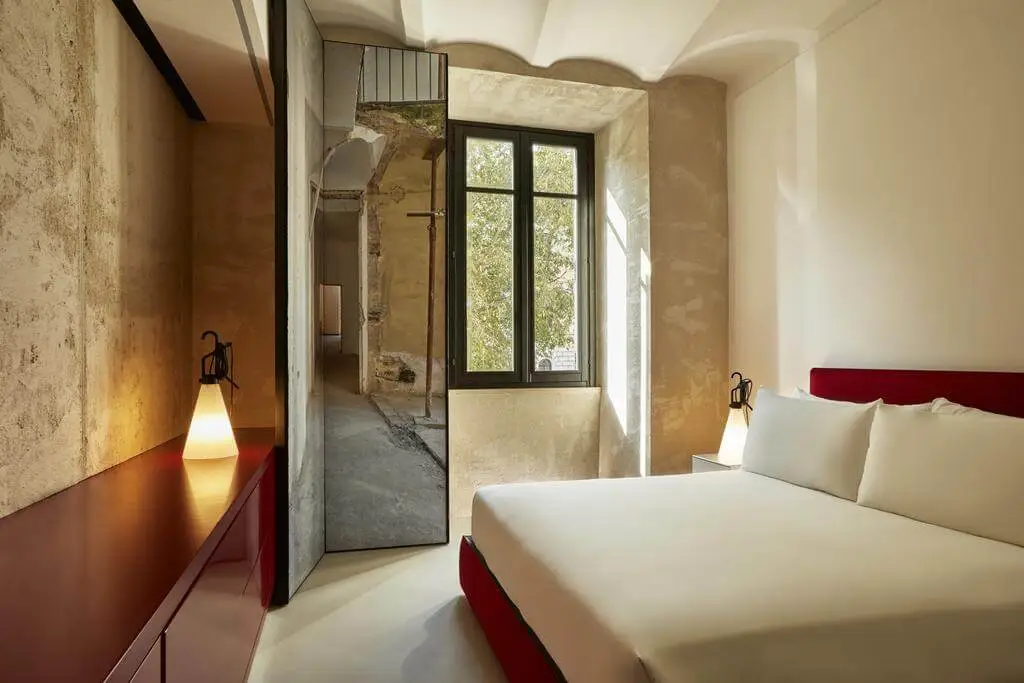
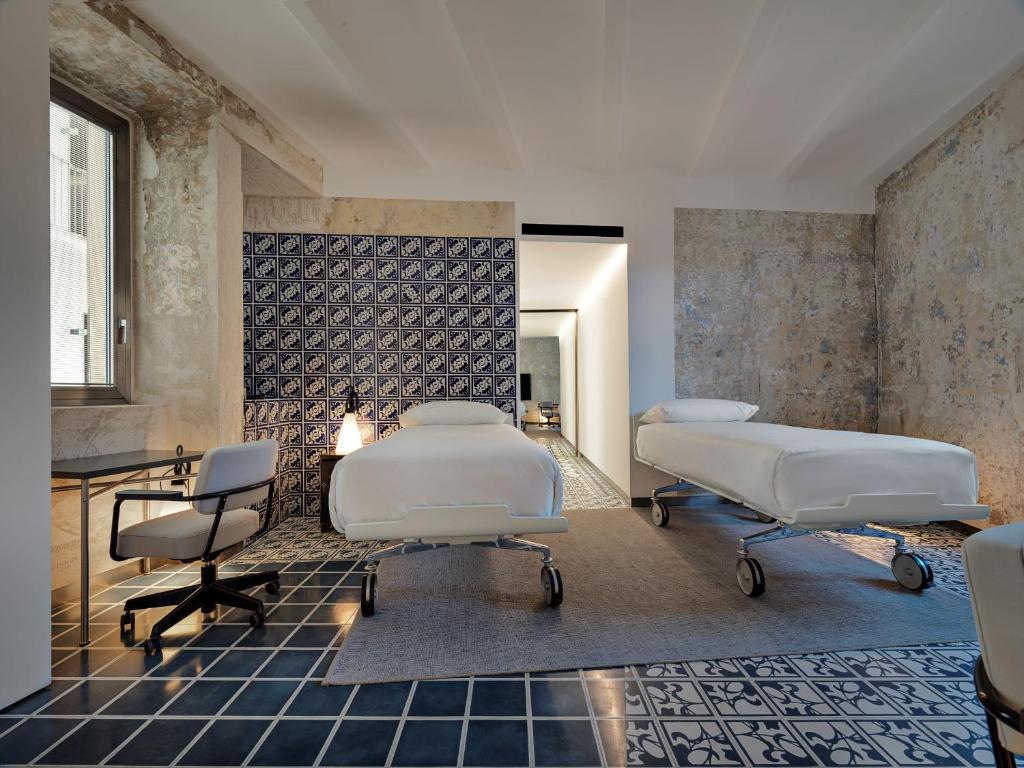
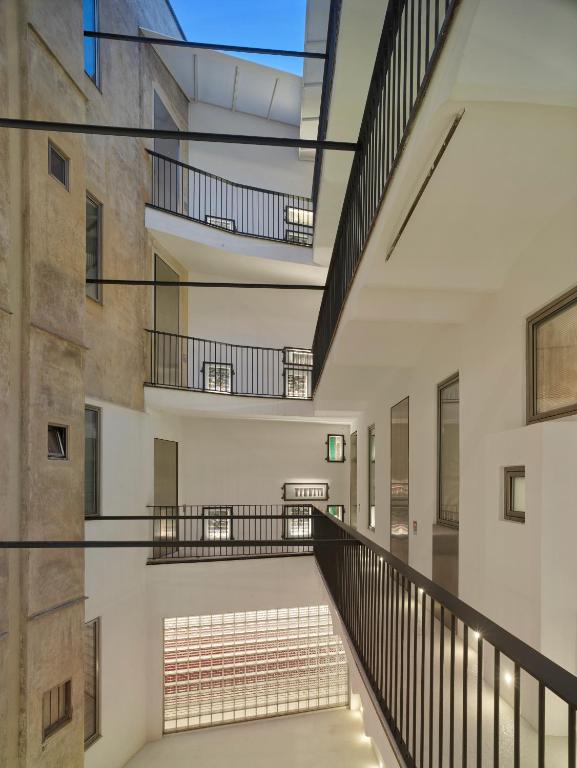
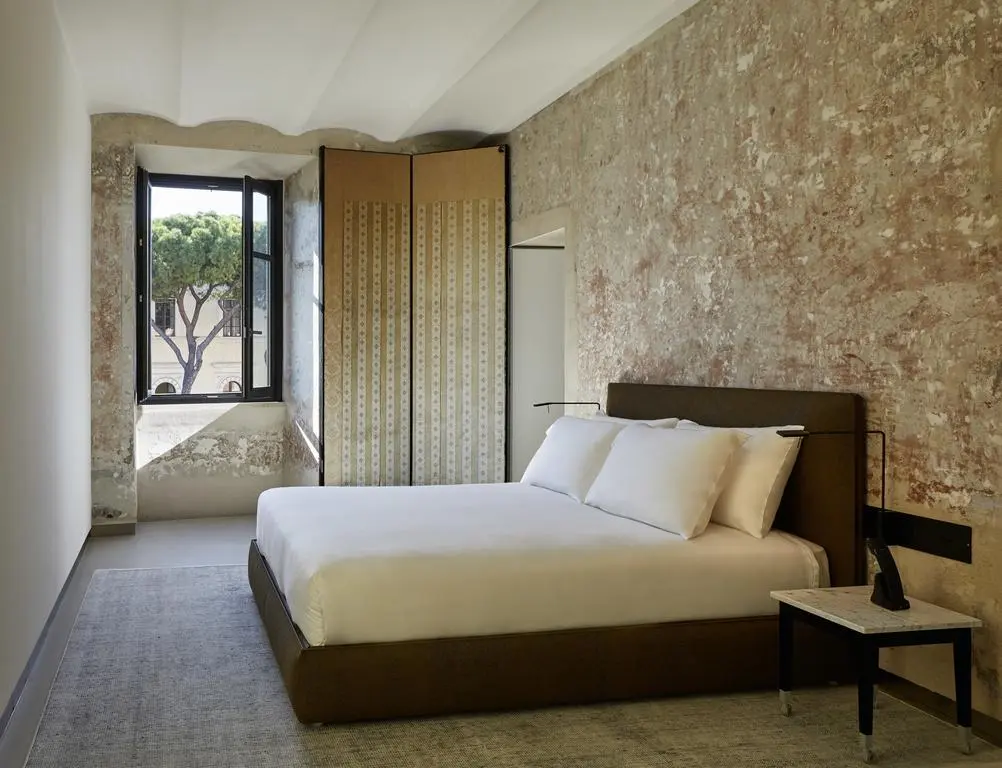
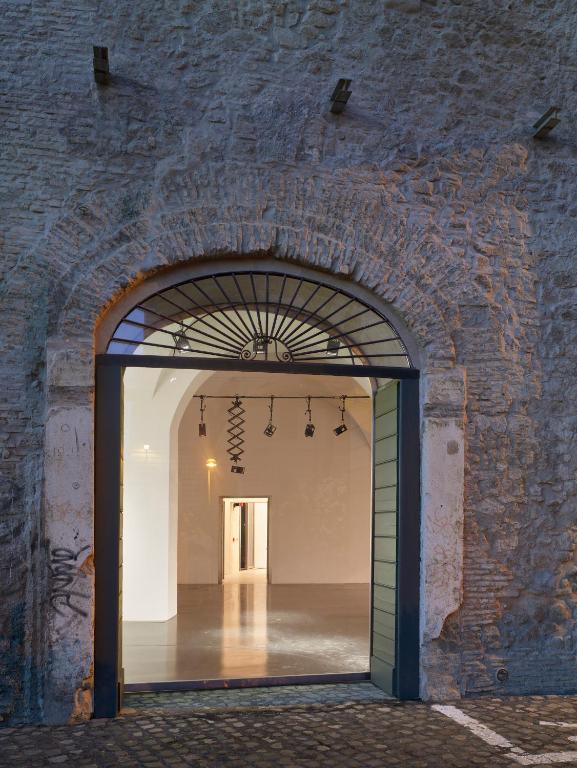
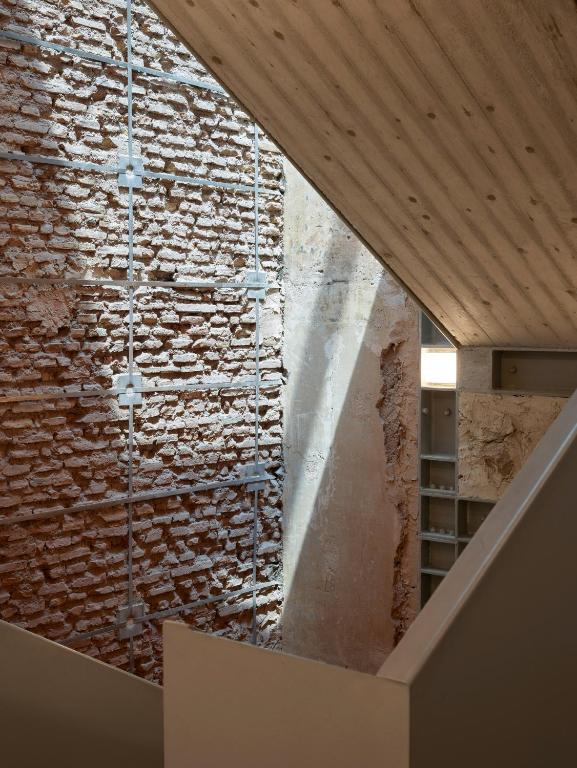
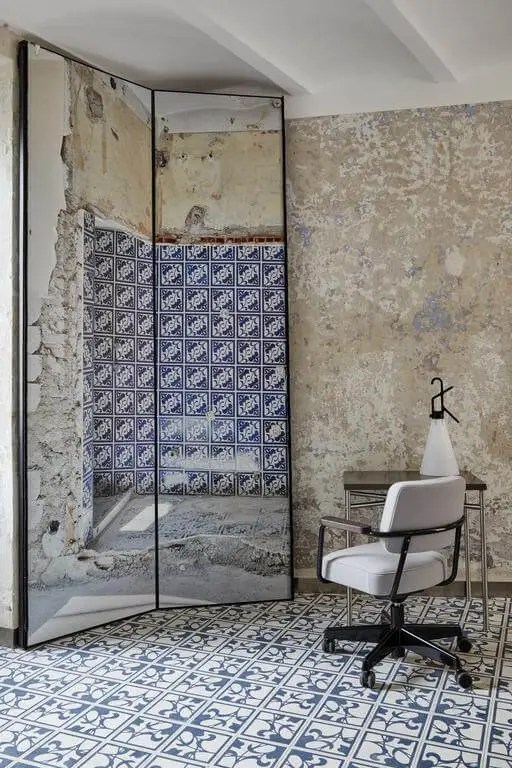
Few hotels challenge conventional ideas of luxury quite like Rhinoceros. Set within a seventeenth-century palazzo overlooking the Forum Boarium, between the Palatine Hill and the Tiber, this remarkable project belongs to the Fondazione Alda Fendi – Esperimenti, where art, architecture, and cultural experimentation exist as one continuous experience. Rather than restoring the building to its former splendour, Jean Nouvel embraced every layer of its history. Weathered plaster, faded paint, exposed brick, unfinished concrete, graffiti, and centuries-old architectural fragments remain proudly visible, creating a striking dialogue with bold contemporary interventions. It is not simply adaptive reuse—it is architectural storytelling.
Jean Nouvel’s Vision of Creative Tension
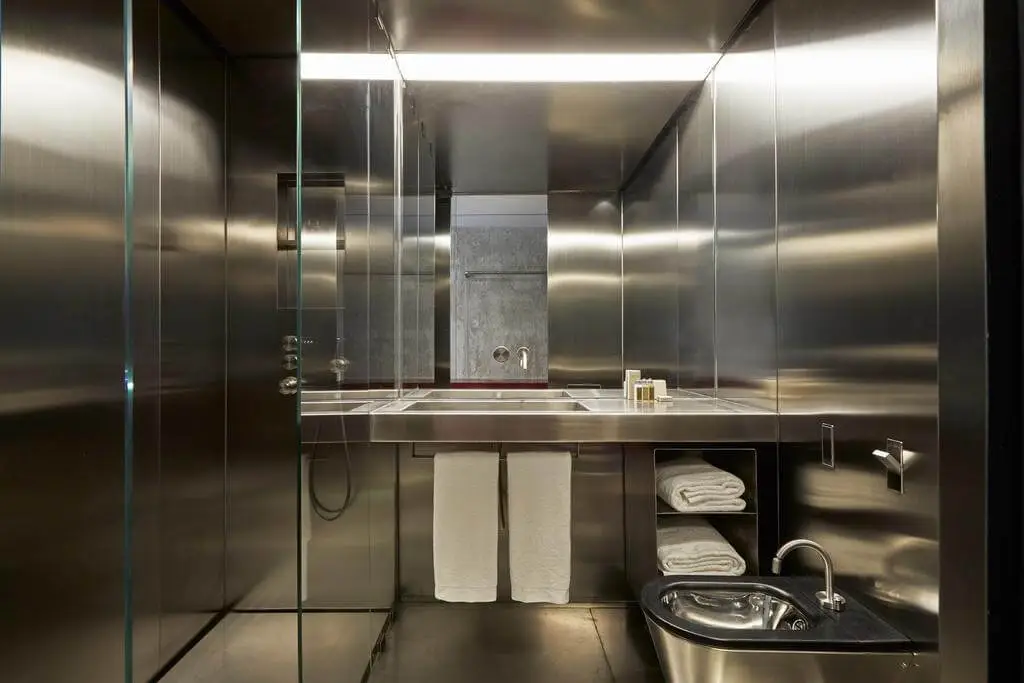
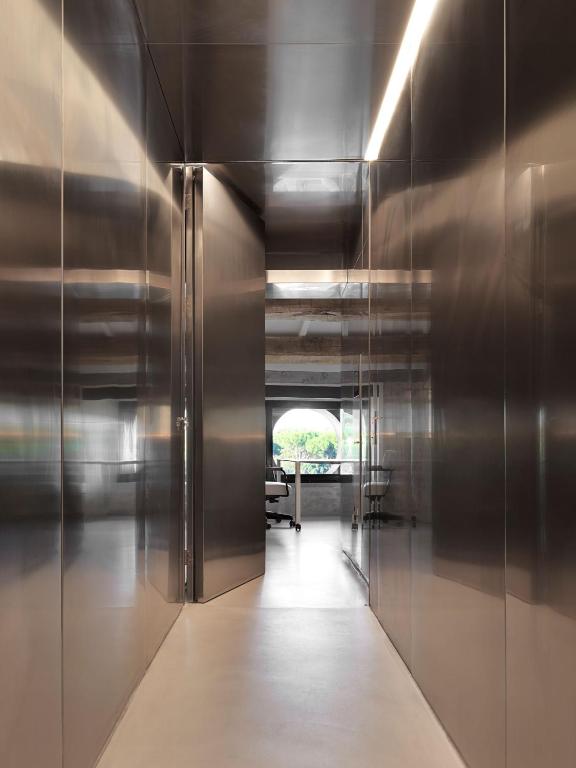
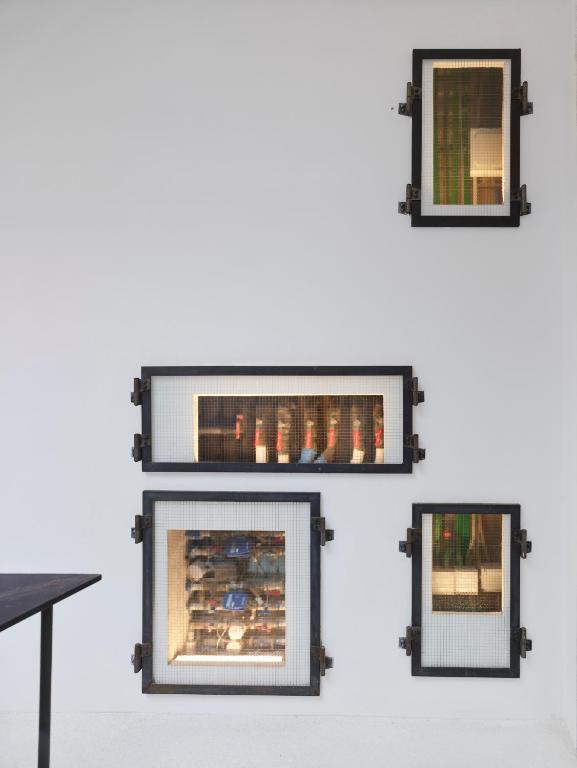
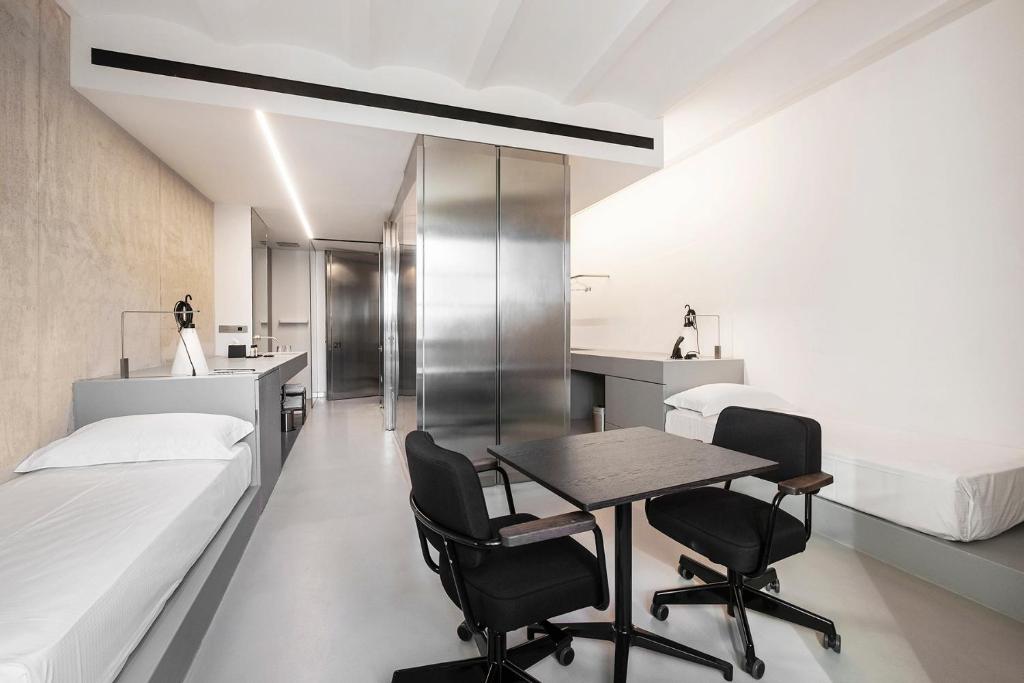
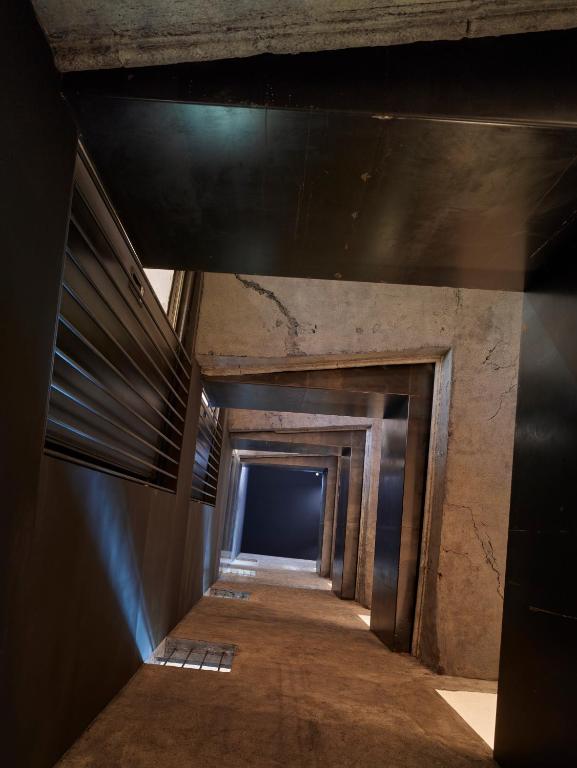
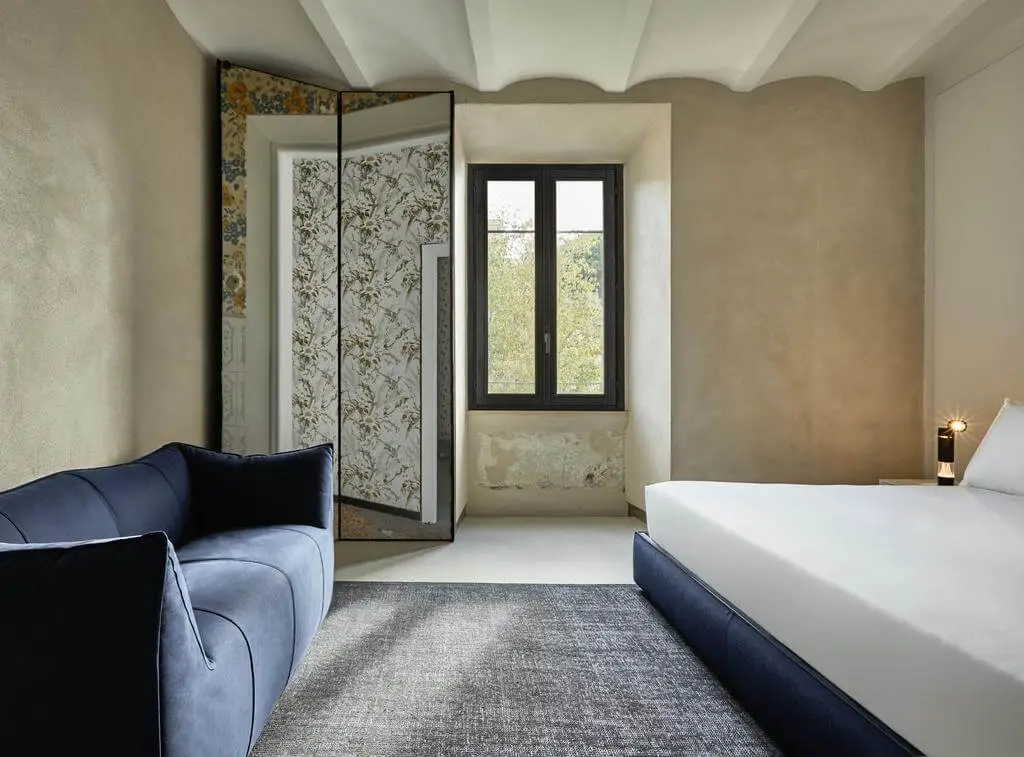
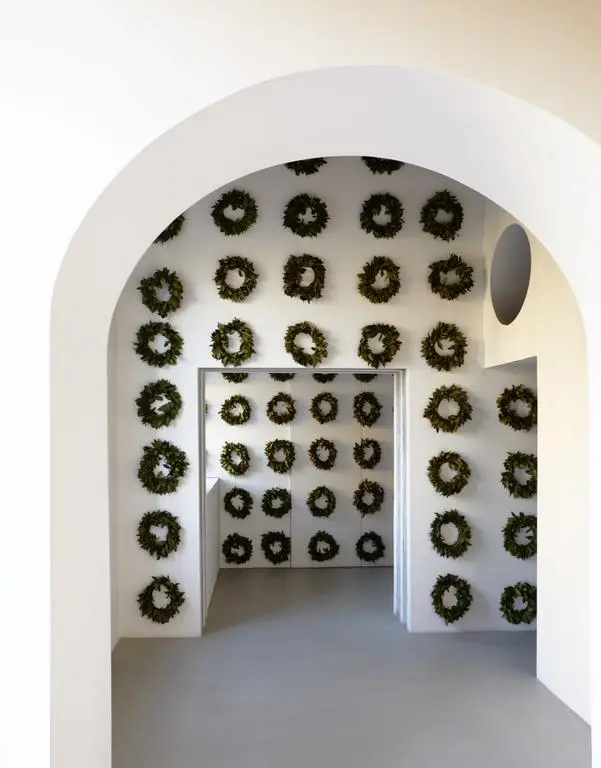
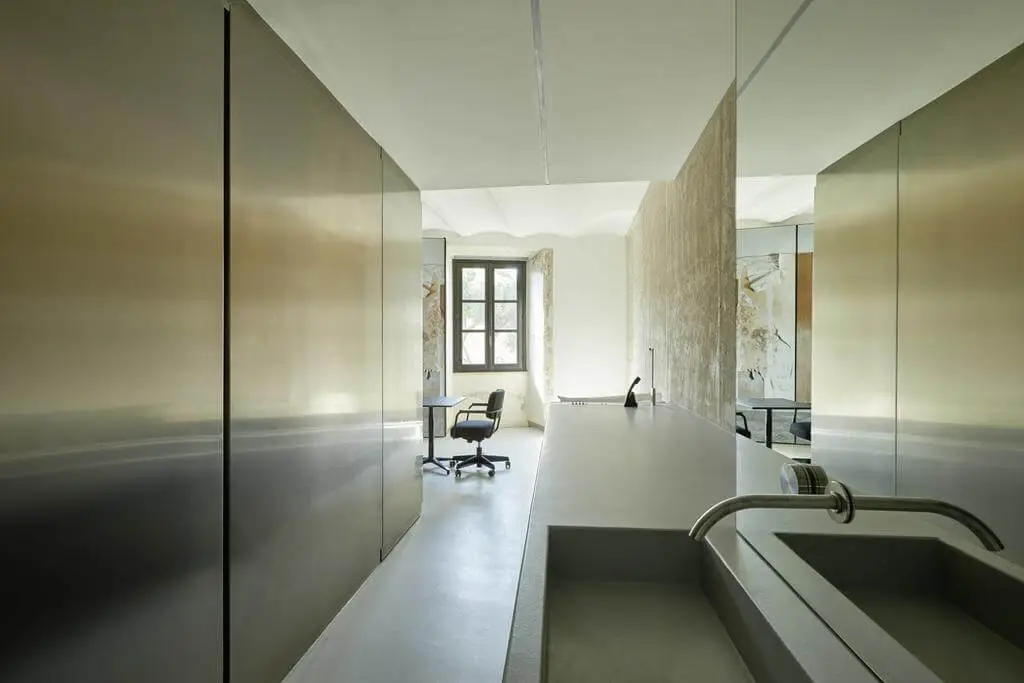
Throughout the building, Nouvel deliberately allows old and new to coexist without compromise. Monumental steel volumes conceal kitchens, wardrobes, and technical elements, while sleek contemporary furnishings stand against crumbling walls that have been left almost untouched. Trompe-l’œil murals create imaginary corridors and windows, subtly disorientating the eye and constantly questioning what is original and what is illusion. Glass, steel, stone, concrete, and timber overlap throughout the interiors, creating an atmosphere that feels simultaneously ancient and futuristic. The result is intellectually provocative without ever sacrificing warmth or liveability.
Apartments as Living Installations
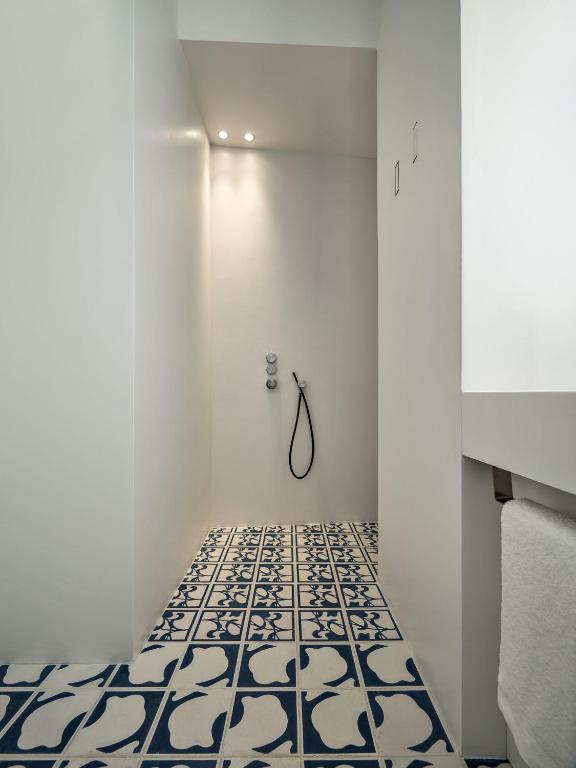
Each of the twenty-four apartments has its own distinct personality. Spacious living rooms, fully equipped kitchens, dining areas, and flexible layouts make them feel less like hotel suites and more like sophisticated urban residences. Furniture combines carefully selected mid-century classics with contemporary pieces, some mounted on wheels so guests can rearrange the spaces to suit their own rhythms. Original photographs documenting the building before renovation remain displayed against preserved wallpaper and graffiti, revealing fragments of the palazzo’s previous lives. Bathrooms continue the architectural dialogue with natural stone, exposed brick, brushed steel, rain showers, sculptural bathtubs, and discreet technology seamlessly integrated into the design. Despite the conceptual nature of the project, the apartments remain surprisingly calm, comfortable, and deeply inviting.
Living Inside Contemporary Culture
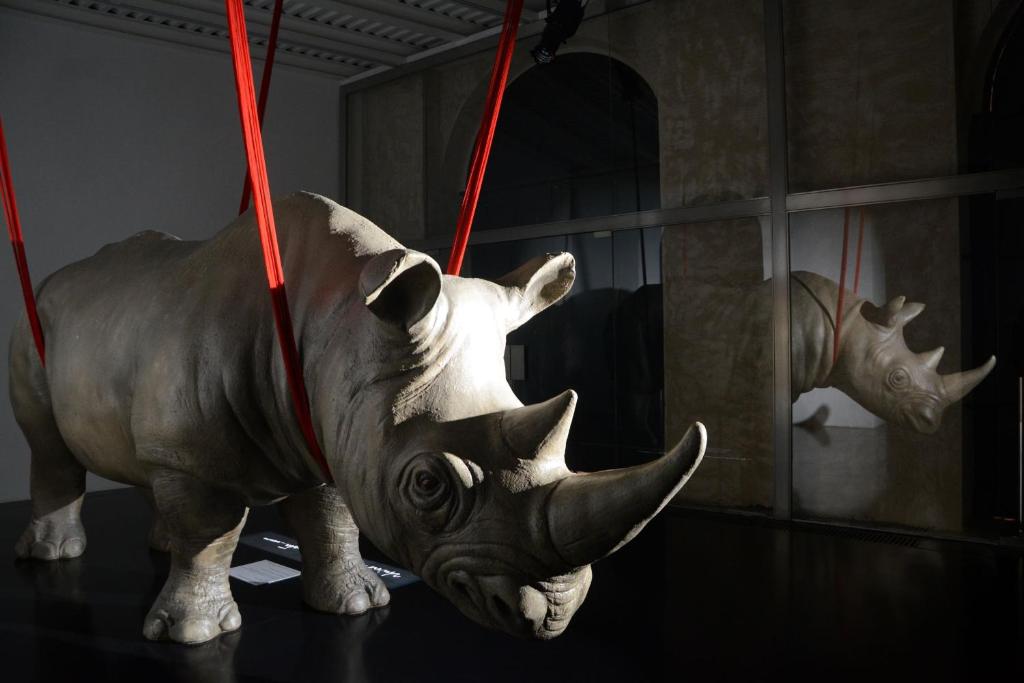
Art is inseparable from everyday life at Rhinoceros. The ground floor functions as a contemporary gallery hosting exhibitions, performances, and cultural projects organised by the Fondazione Alda Fendi – Esperimenti, ensuring the building constantly evolves as a creative destination rather than remaining a static hotel. Guests become participants in this ongoing dialogue, surrounded by installations, exhibitions, and artistic interventions that extend far beyond traditional hospitality. Even the reception experience feels more like entering a museum or cultural foundation than checking into a hotel. It is one of the rare places where accommodation and contemporary art genuinely become inseparable.
Rome from an Unexpected Perspective
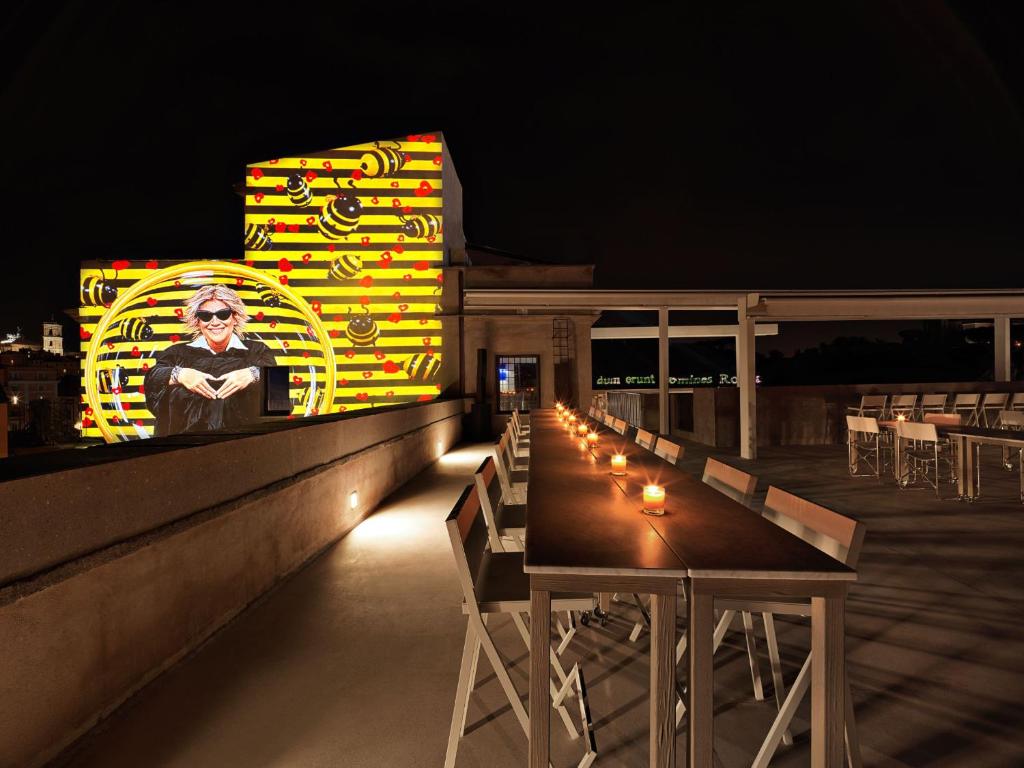
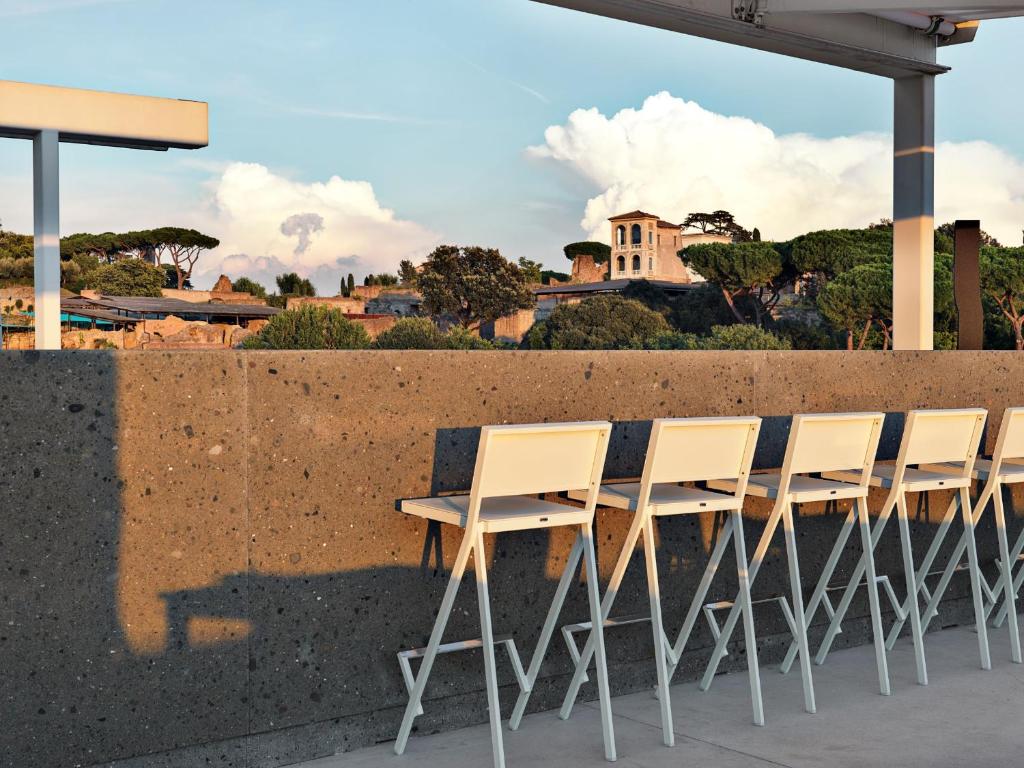
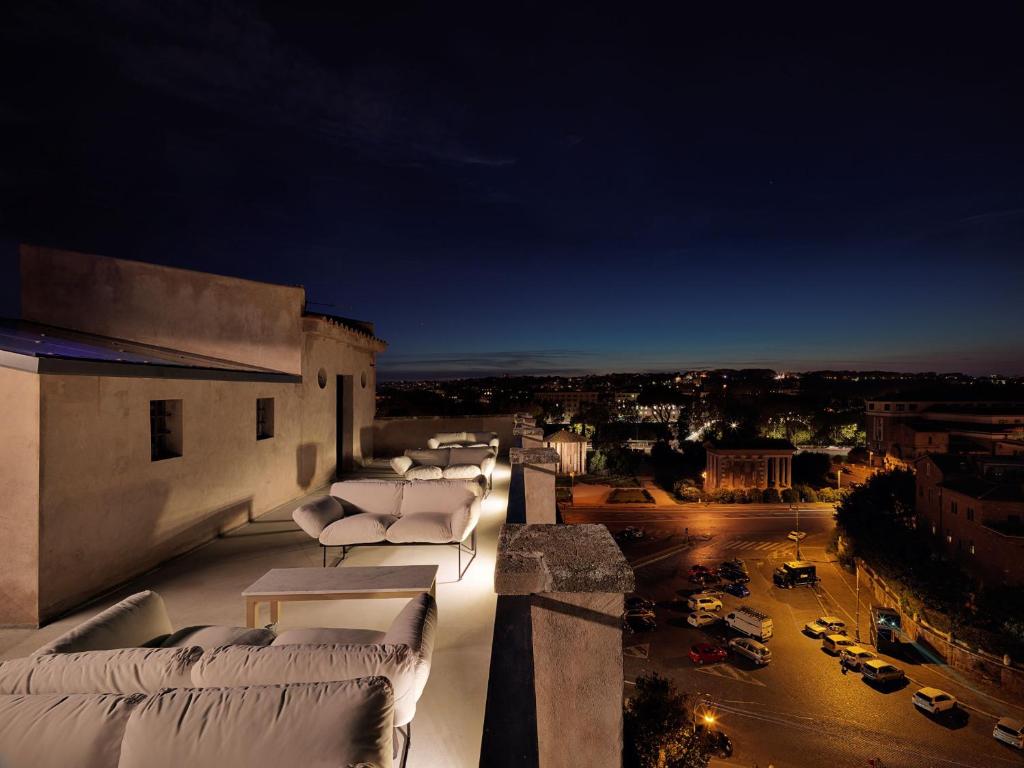
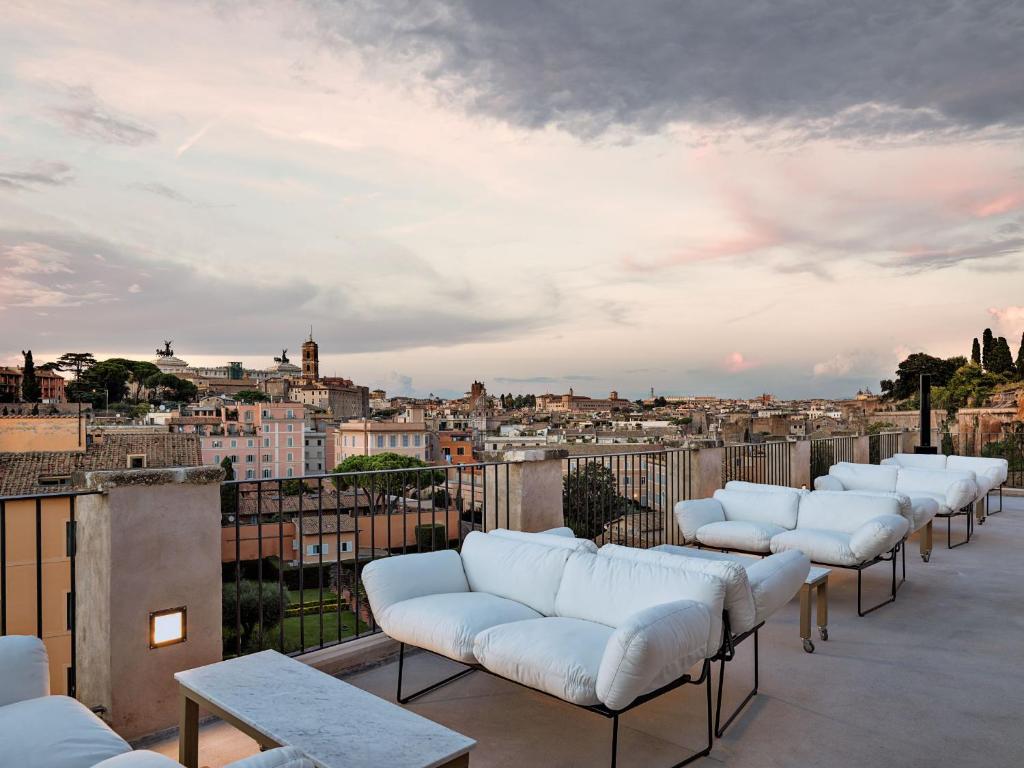
High above the palazzo, the rooftop restaurant and terrace offer panoramic views across one of the most historically significant landscapes in the world. The Roman Forum, the Arch of Janus, Circus Maximus, the Palatine Hill, and the rooftops of Trastevere unfold in every direction, creating one of the city’s most extraordinary dining settings. The location itself reinforces the hotel’s unique identity: surrounded by two thousand years of history while presenting one of the boldest architectural visions in modern Rome.
Why It Works
Rhinoceros succeeds because it refuses to choose between preservation and innovation. Jean Nouvel’s remarkable intervention allows history to remain visible while boldly introducing contemporary architecture, design, and culture into one of Rome’s oldest neighbourhoods. More than a hotel, it is an immersive creative experience where every wall, object, and space invites curiosity. For travellers who believe design should challenge as much as comfort, Rhinoceros is one of Europe’s most unforgettable places to stay.