Hotel Sevilla, Mérida
A 16th-century colonial villa where ruin, ritual, and contemporary Mexican design converge in the historic heart of Mérida.
Why DNA Hotels Loves It
● Zeller & Moye’s sensitive transformation preserves the building’s layered history while introducing bold contemporary interventions.
● A rare Mexican design hotel where colonial architecture, tropical courtyards, raw concrete, and local craft exist in deliberate contrast.
● The bathhouse-inspired spa, shaded courtyards, and cooling water elements create an atmospheric retreat from Mérida’s heat.
A Colonial Ruin Reawakened
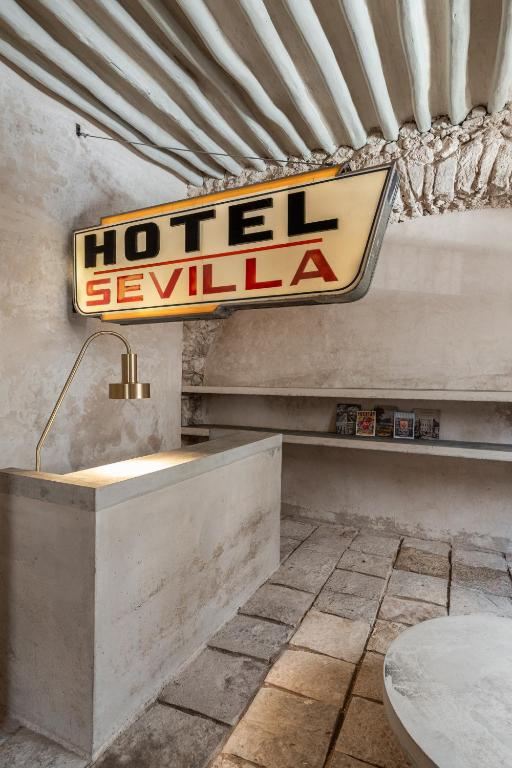
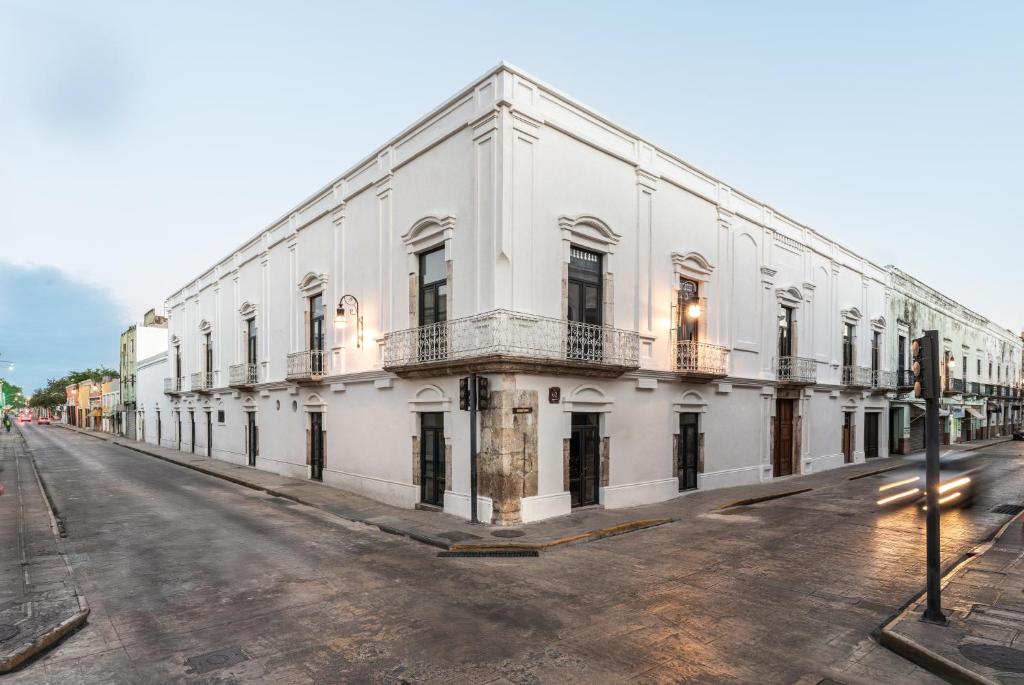
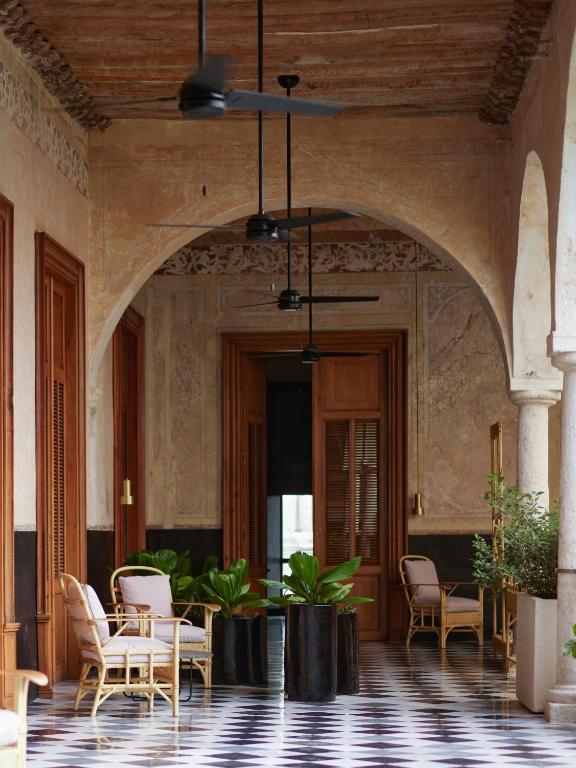
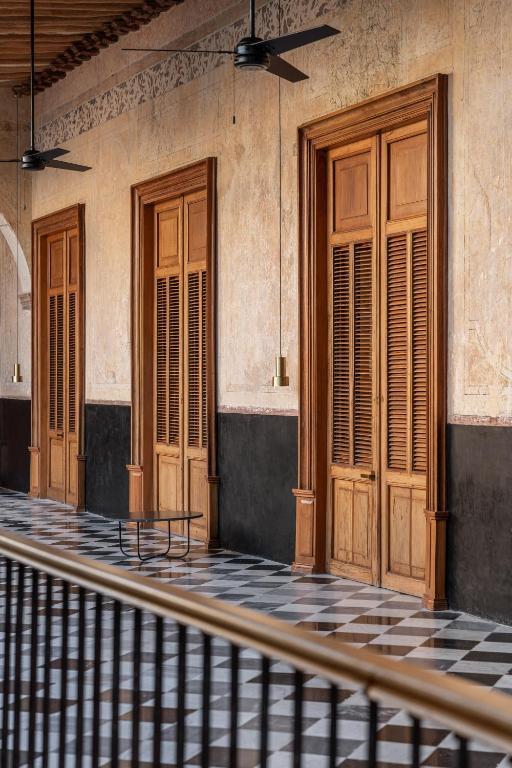
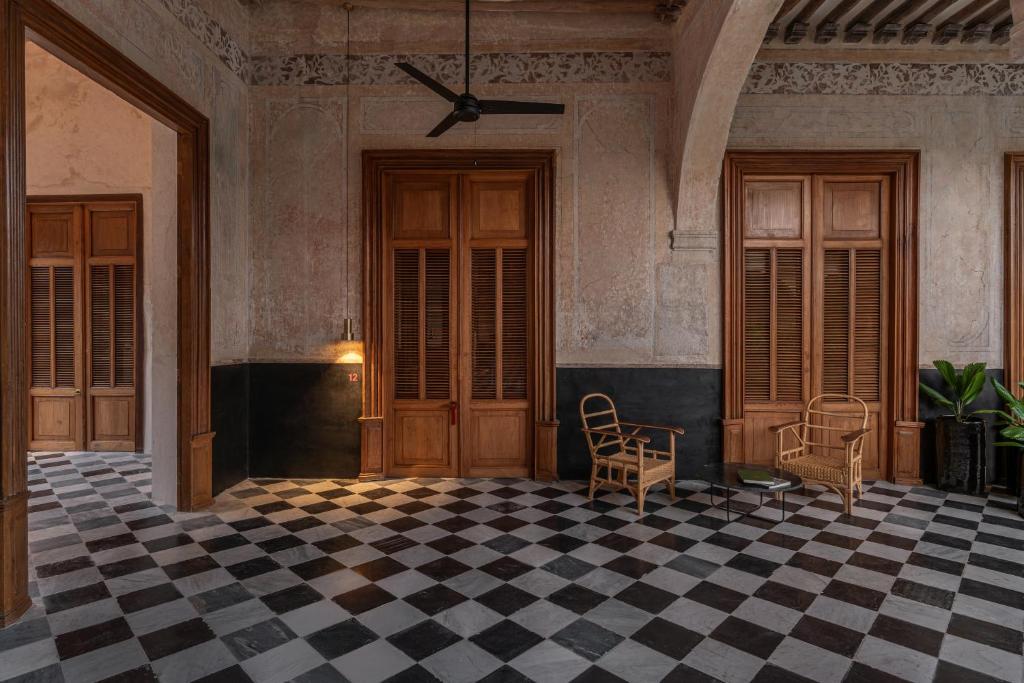
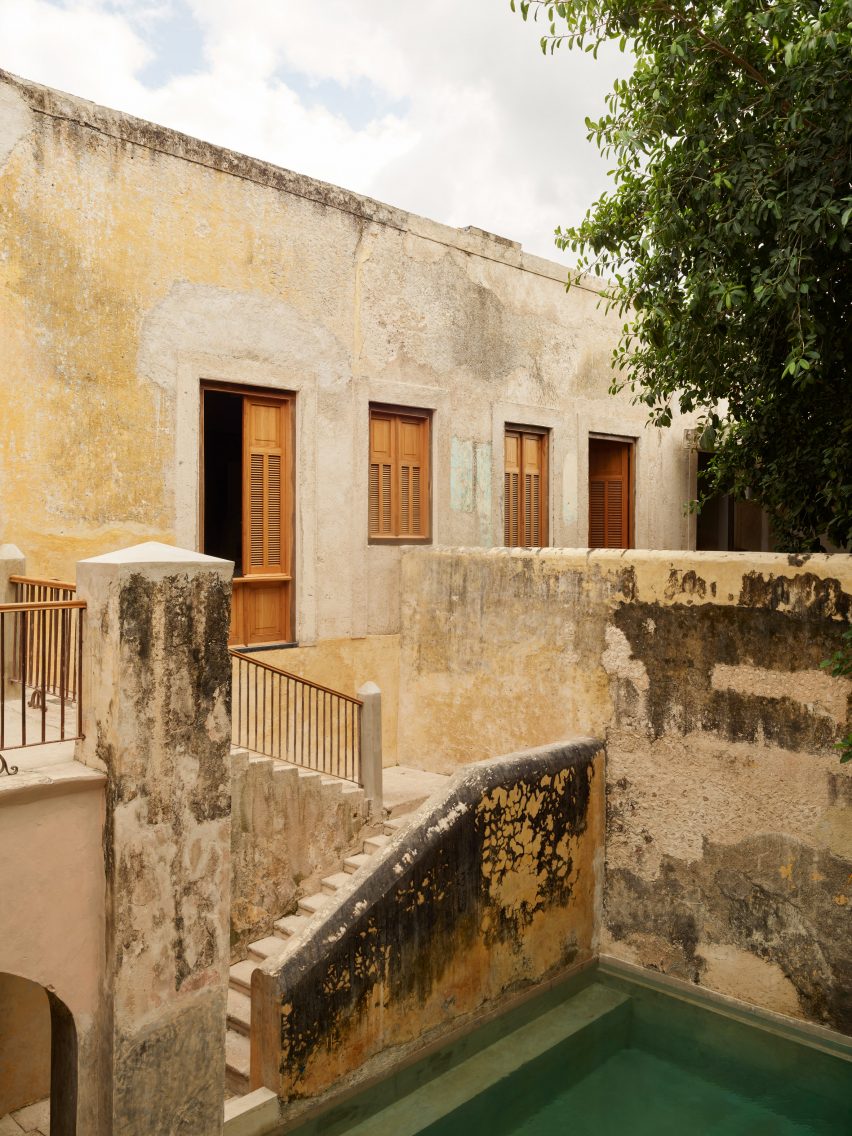
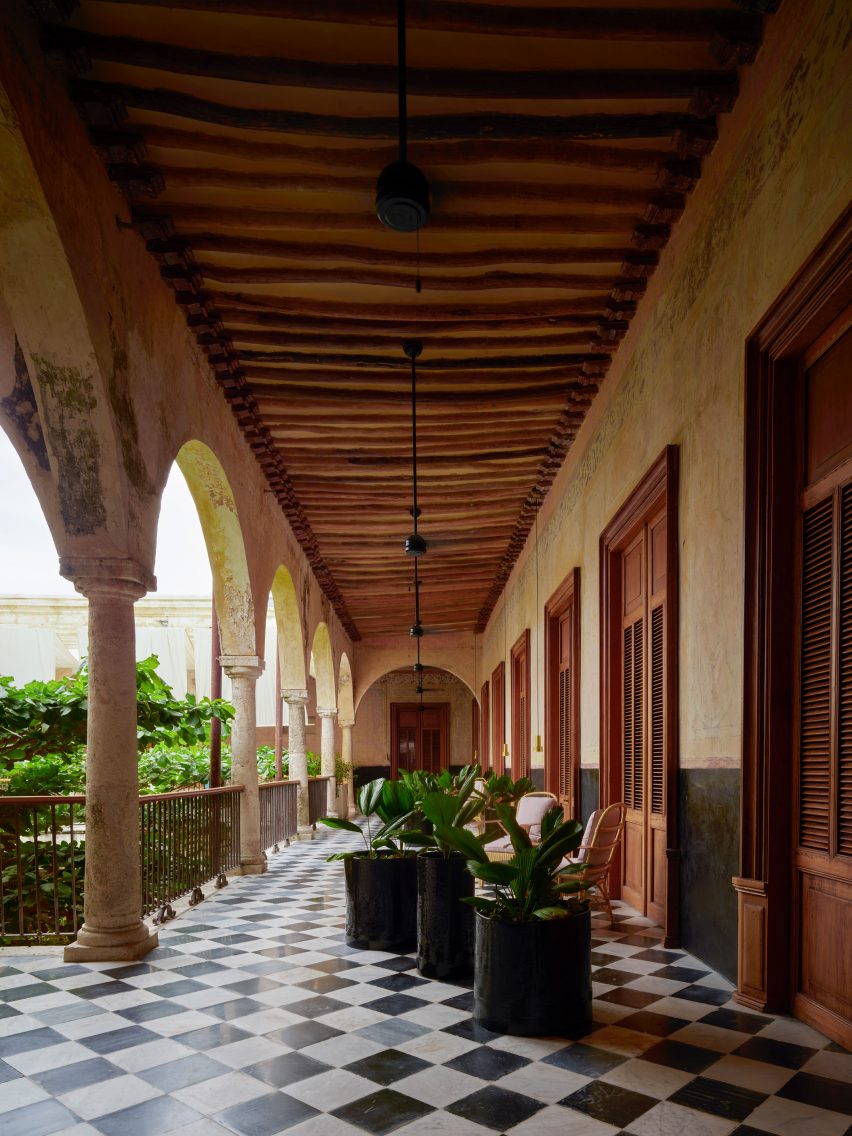
In the historic center of Mérida, just one block from the city’s central plaza, Hotel Sevilla occupies a 16th-century colonial villa that had fallen into near ruin before its transformation. Rather than erasing the traces of time, Berlin and Mexico City-based architecture studio Zeller & Moye embraced them. Weathered stone walls, arches, faded frescoes, timber beams, old tiles, and worn surfaces remain visible throughout the property, allowing the building’s past to remain physically present. The result is not a polished restoration, but something more compelling: a hotel where history is allowed to show its age.
A Palimpsest of Past and Present
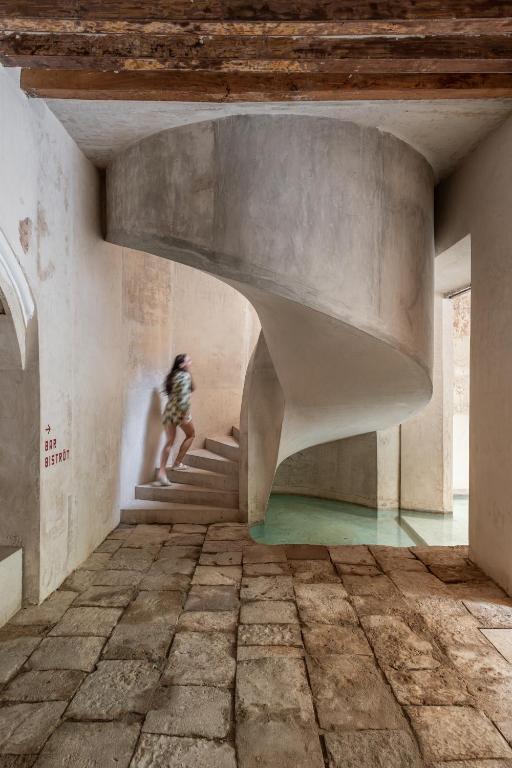
Zeller & Moye describe the project as a palimpsest, and the idea is visible throughout the hotel. Historical layers coexist with new interventions, each clearly legible rather than blended into a single seamless whole. Raw concrete forms, sculptural partitions, modern staircases, and contemporary furniture contrast with colonial columns, arched walkways, stone floors, and fragments of older ornament. A striking spiral staircase becomes both circulation and symbol, connecting the hotel’s different architectural moments in one continuous movement. This tension between ruin and restraint gives Hotel Sevilla much of its power.
Materials Rooted in Yucatán
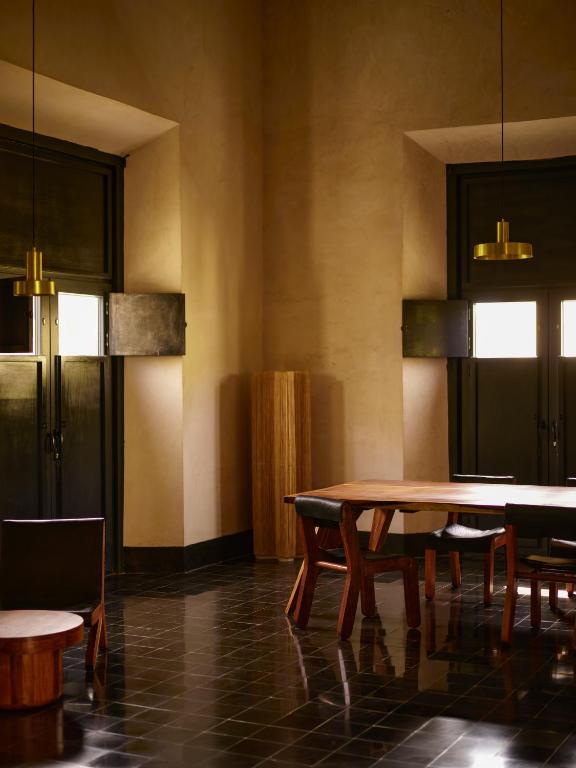
While the architectural language is contemporary, the material palette remains deeply connected to place. Local wood, stone, brass, henequen, leather, ceramic tile, and handcrafted furnishings all reference the craft traditions of the Yucatán. Traditional patterns are reinterpreted rather than copied. Polished ceramic floors, timber shutters, tropical planting, and cooling water features draw from local architecture while avoiding nostalgia. The result feels both regional and modern, grounded in Mérida’s history yet clearly designed for the present.
Courtyards as Climate and Sanctuary
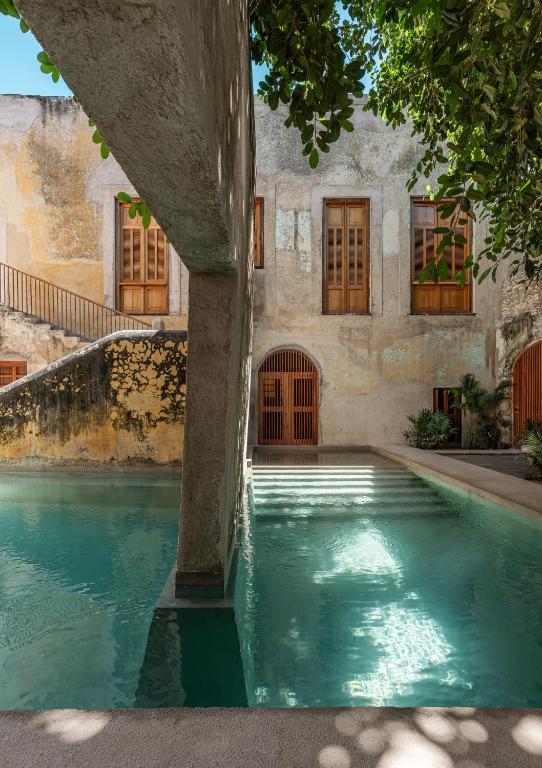
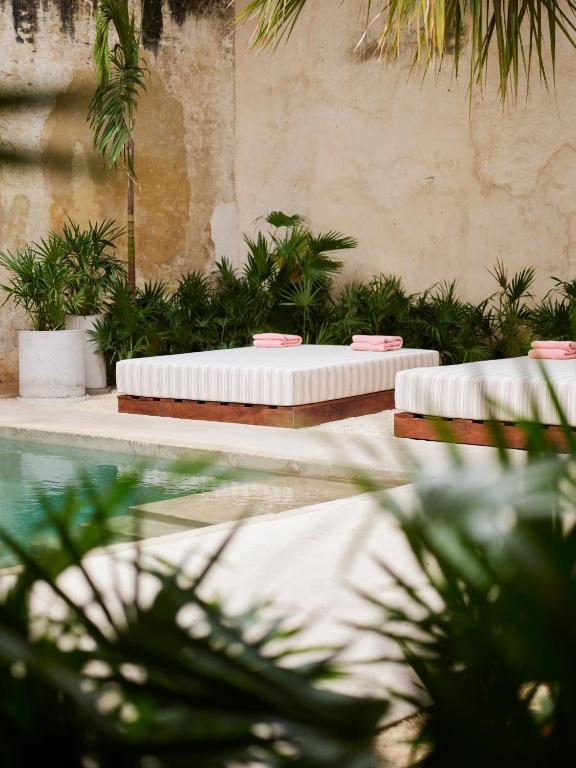
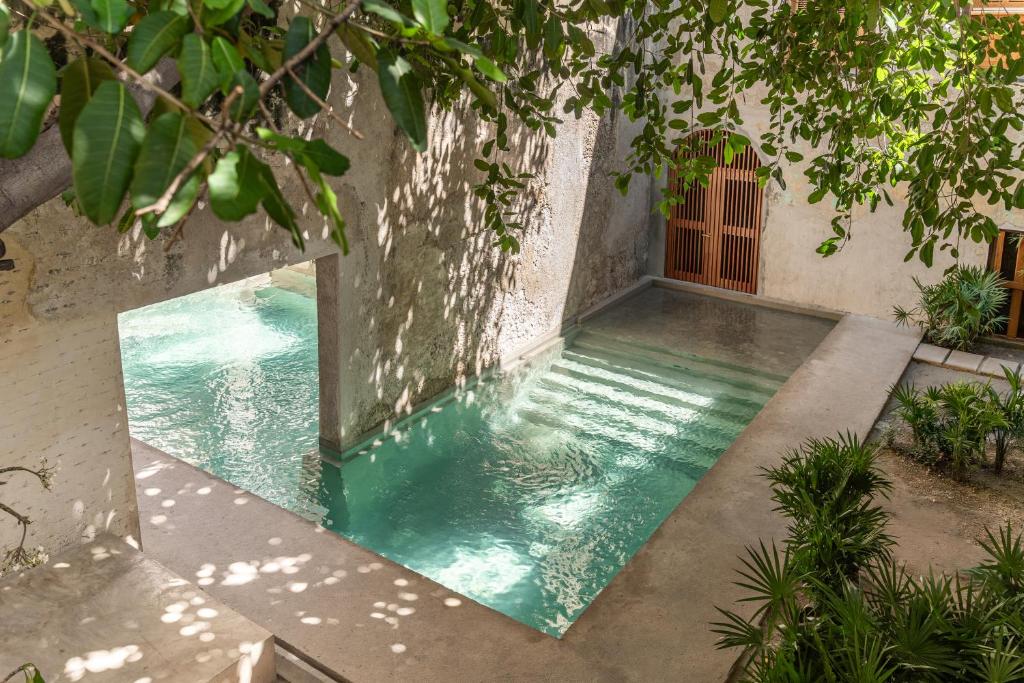
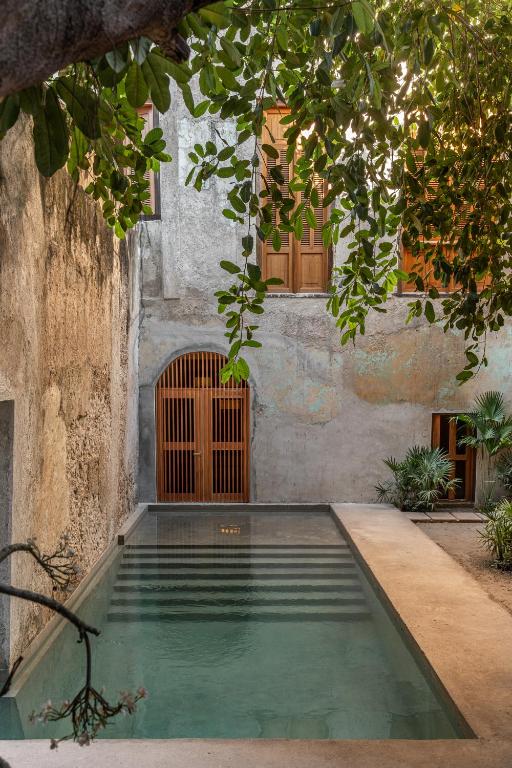
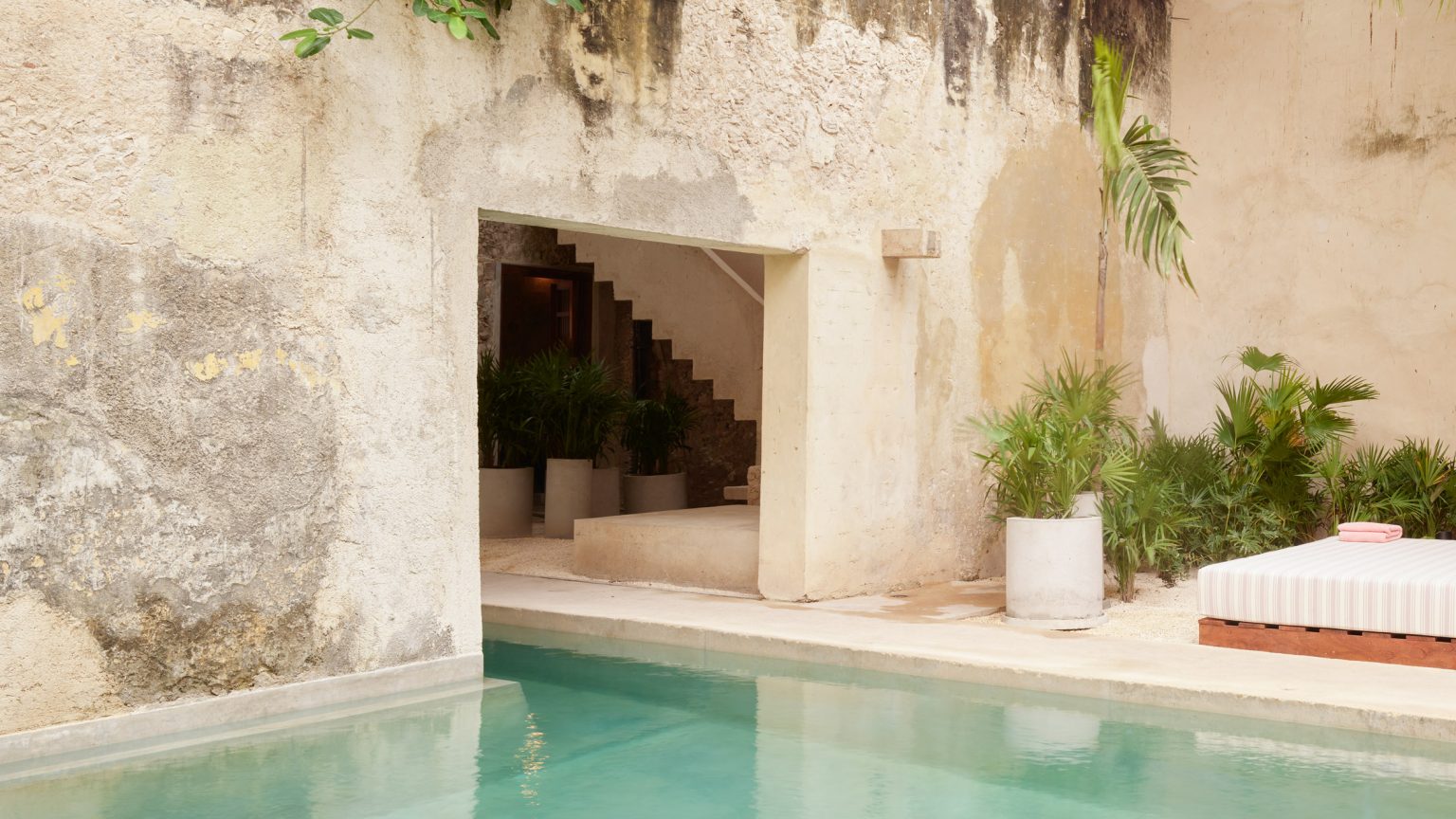
Like many historic homes in Mérida, Hotel Sevilla turns inward. Two leafy courtyards form the emotional center of the property, bringing light, shade, water, and vegetation into the heart of the building. The main pool is woven directly into the architectural fabric of the courtyard, partially divided by existing stonework and positioned to remain shaded during the hottest hours of the day. Ponds, tropical plants, and thick masonry walls help cool the spaces naturally, creating a sense of refuge from the heat and intensity of the city outside. The courtyards are not decorative. They are climatic, social, and spiritual anchors.
Rooms Between Ruin and Refinement
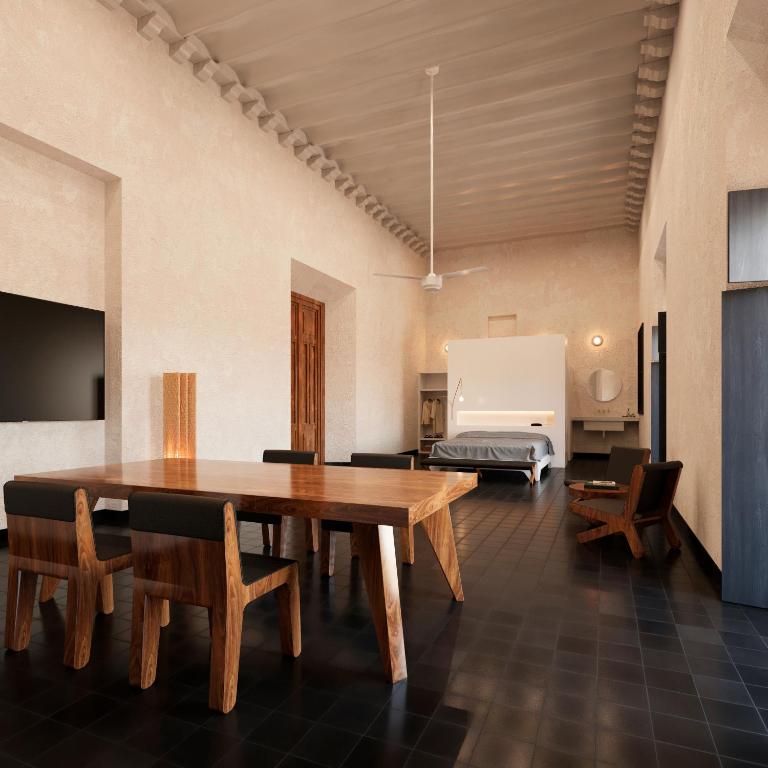
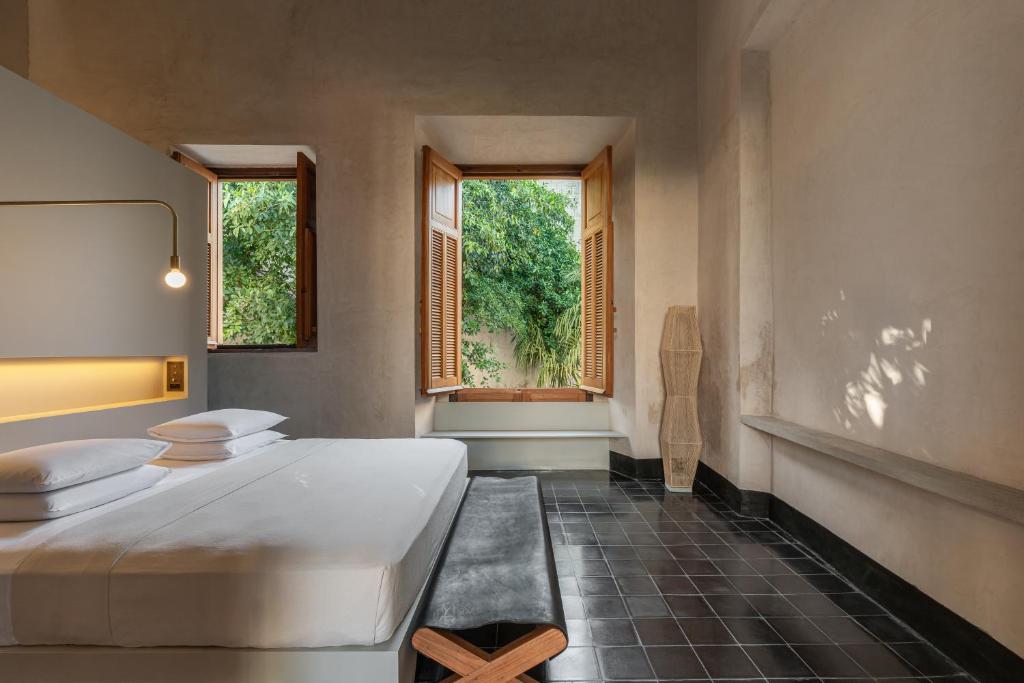
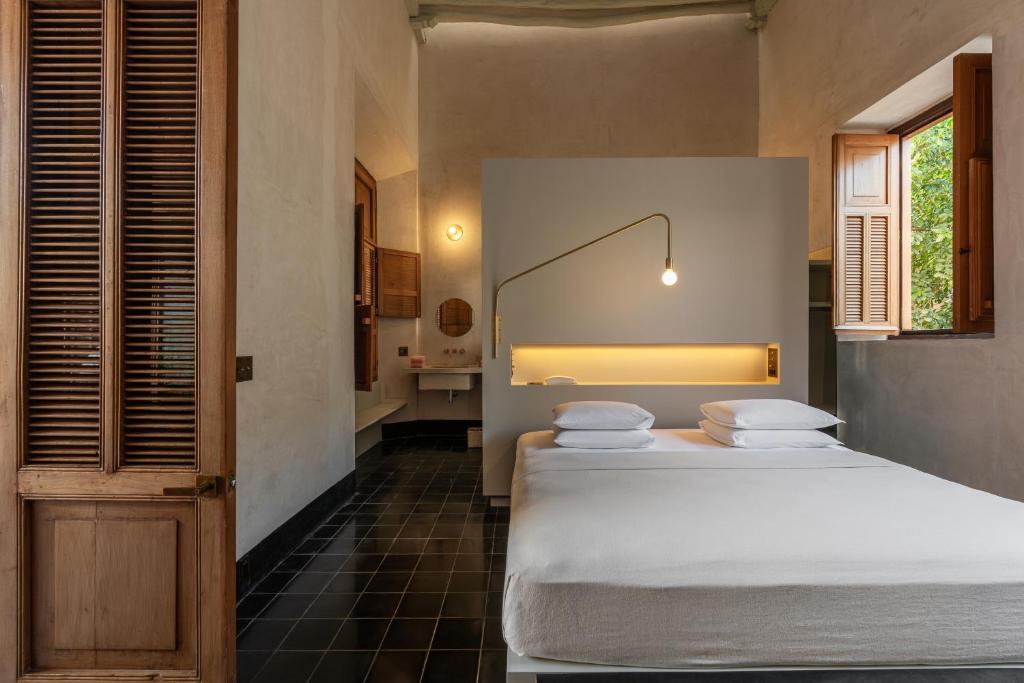
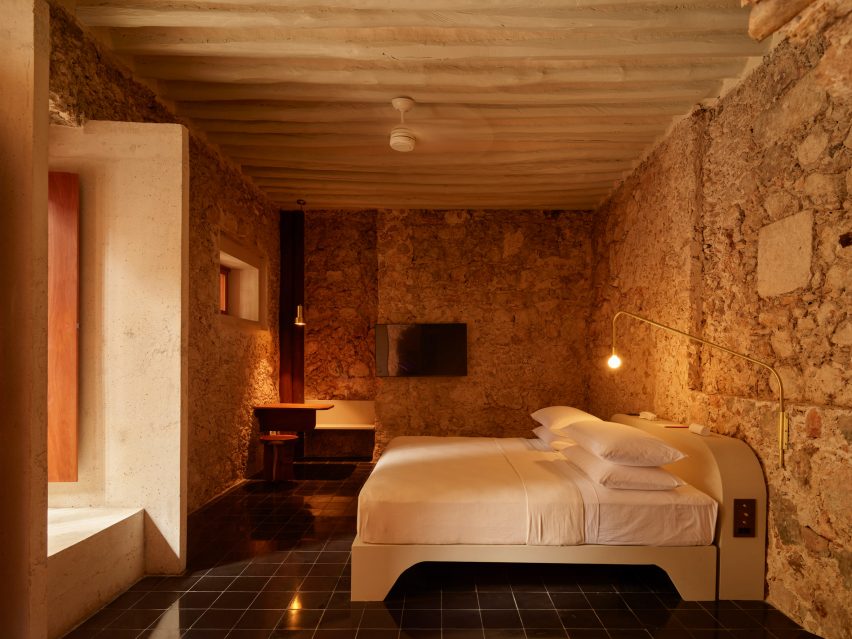
The hotel’s 21 rooms are arranged around the courtyards, many with views toward the pool, gardens, or historic colonnades. Inside, original architectural details meet minimalist contemporary interventions. Vaulted ceilings, stone arches, timber elements, and weathered walls are balanced by warm local wood furniture, concrete surfaces, clean-lined bedheads, and restrained textiles. Some rooms retain a grand domestic scale, with soaring ceilings and generous proportions, while others feel more intimate and monastic. Throughout, the atmosphere is calm, tactile, and quietly dramatic.
Water, Heat, and Ritual
Hotel Sevilla’s spa draws on the region’s long history of bathing, heat, and purification rituals. Rather than creating a conventional wellness space, the hotel offers a bathhouse-inspired sequence of sauna, cold plunge, thermal stone slab, treatments, and water-based restoration. Fire, stone, water, clay, and steam create an elemental experience that feels connected to both pre-Hispanic and colonial traditions. Guests can book treatments or reserve the space more privately, reinforcing the sense of the hotel as a house rather than a formal resort. It is one of the property’s most atmospheric spaces.
Dining Above the Courtyard
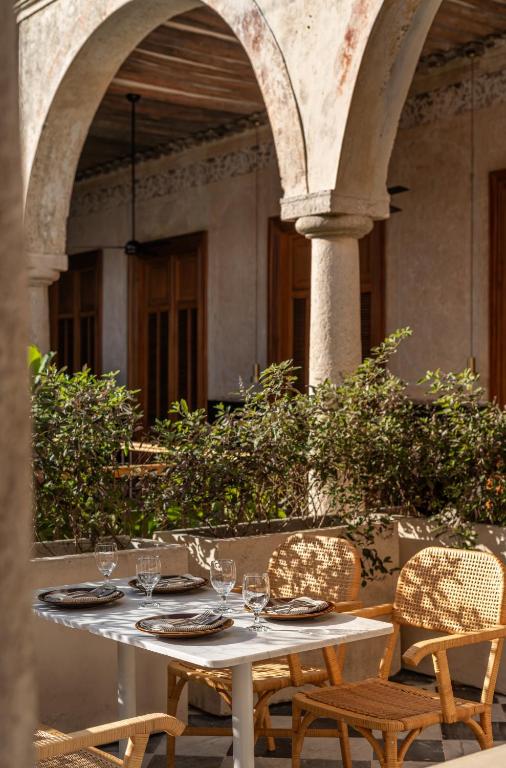
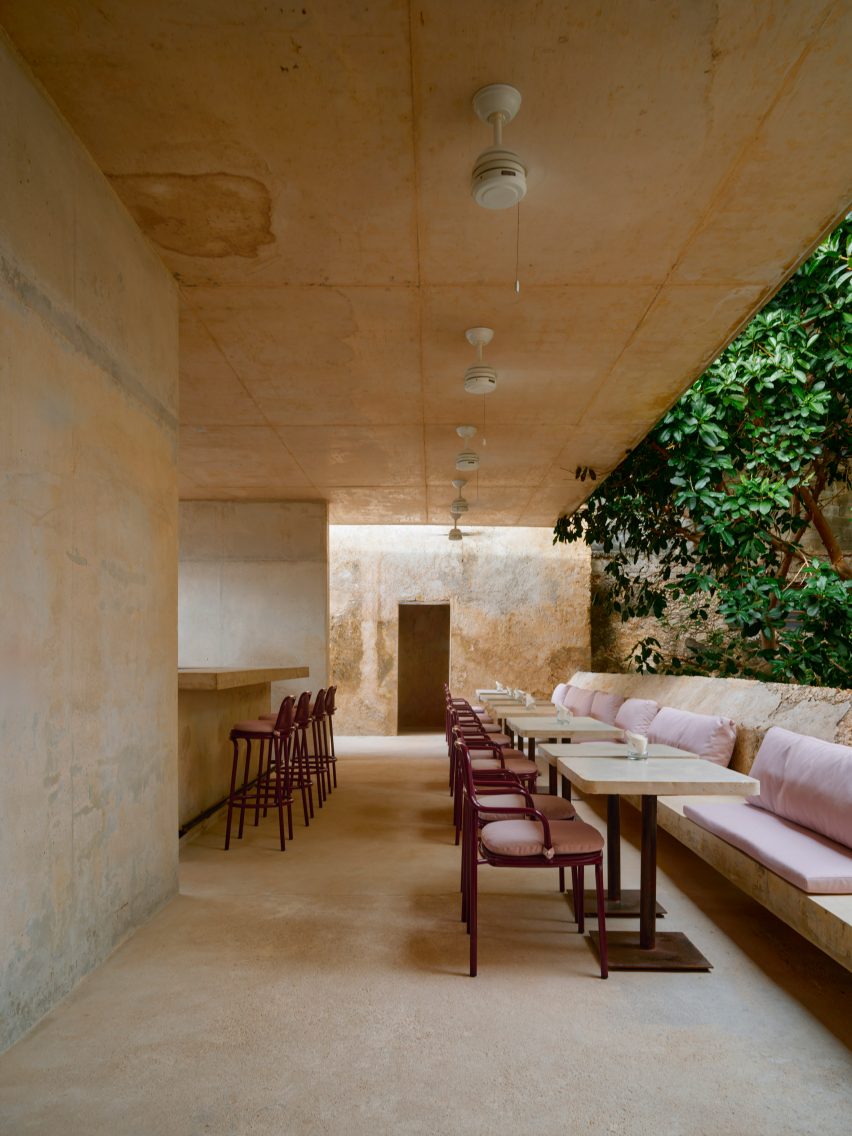
The restaurant occupies a sun-dappled gallery above the courtyard, softened by fabric panels that filter Mérida’s strong light. The kitchen, developed by French chef Marion Chateau, takes a refined but relaxed approach suited to the city’s growing culinary reputation. Breakfast might include huevos rancheros, chaya omelettes, or other regional dishes, while the all-day menu shifts between Mexican flavors, Mediterranean references, and seasonal produce. Nearby, the bar sits above the pool, where concrete surfaces, candlelight, and courtyard views create a moody evening setting.
Mérida at the Doorstep
Hotel Sevilla’s location places guests directly in the historic heart of the city. Mérida Cathedral, Plaza Grande, shaded streets, markets, museums, restaurants, and colonial mansions are all within easy reach. Yet the hotel never feels disconnected from the wider story of the Yucatán. Its architecture, materials, cooling strategies, and references to ritual all speak to the region’s layered identity: Mayan, Spanish, modern, and contemporary. This is a hotel that makes sense only in Mérida.
A Hotel That Lets Time Speak
Hotel Sevilla is powerful because it does not try to make history perfect. It allows cracks, scars, fragments, and contrasts to remain part of the experience. Zeller & Moye’s intervention gives the building a new life without silencing its previous ones. The result is one of Mexico’s most atmospheric new design hotels: raw yet refined, ancient yet contemporary, deeply local yet internationally sophisticated. For travelers drawn to architecture with memory, Hotel Sevilla offers Mérida as a living palimpsest—layered, sensual, imperfect, and beautifully alive.