The Shinmonzen, Kyoto, Japan
Tadao Ando, contemporary art, and Kyoto craftsmanship come together in an extraordinary nine-suite retreat on the Shirakawa Canal
Why DNA Hotels Loves It
● Tadao Ando’s first hotel in Kyoto: a masterclass in architectural restraint that places his signature concrete alongside traditional timber craftsmanship.
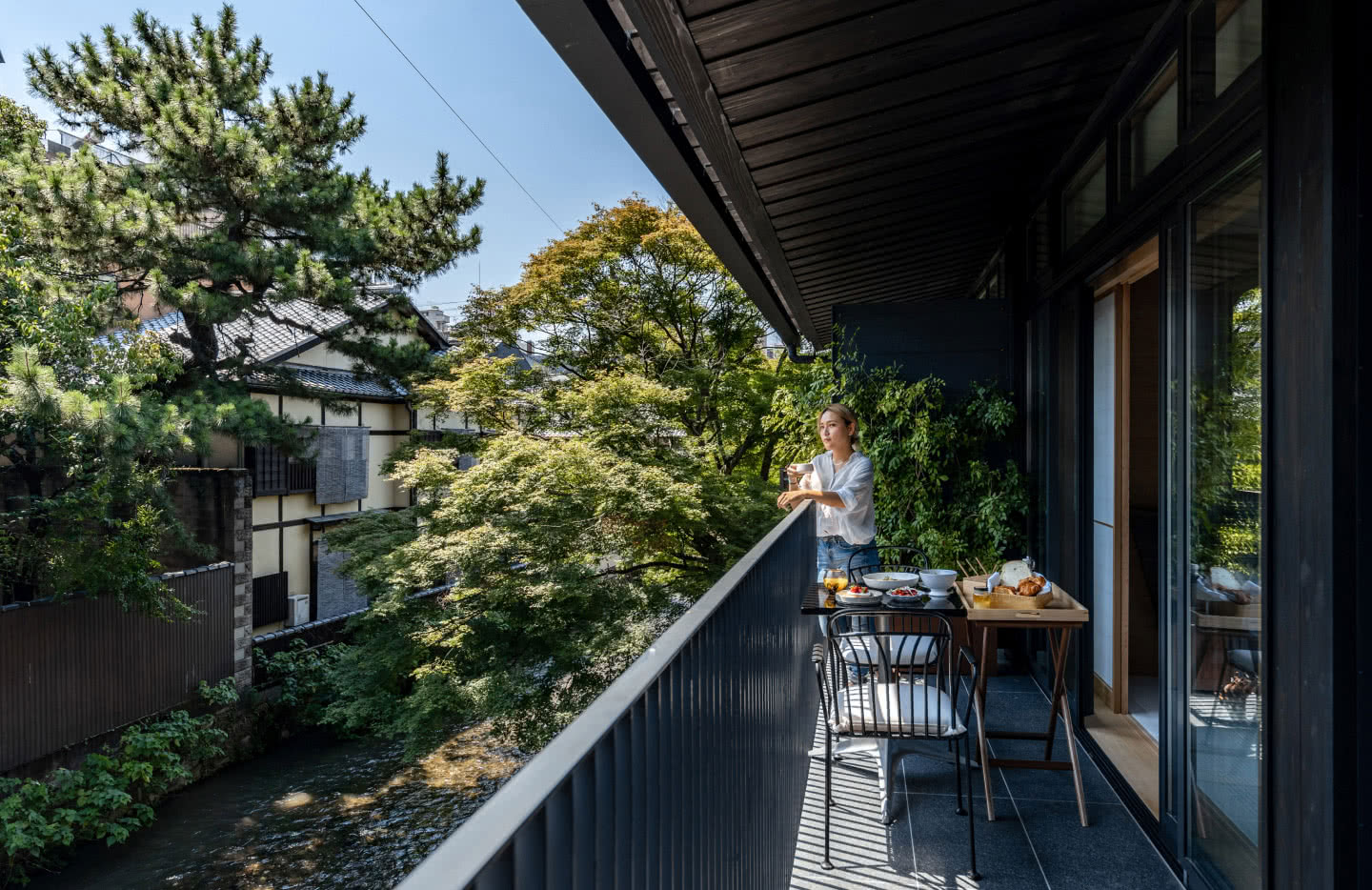
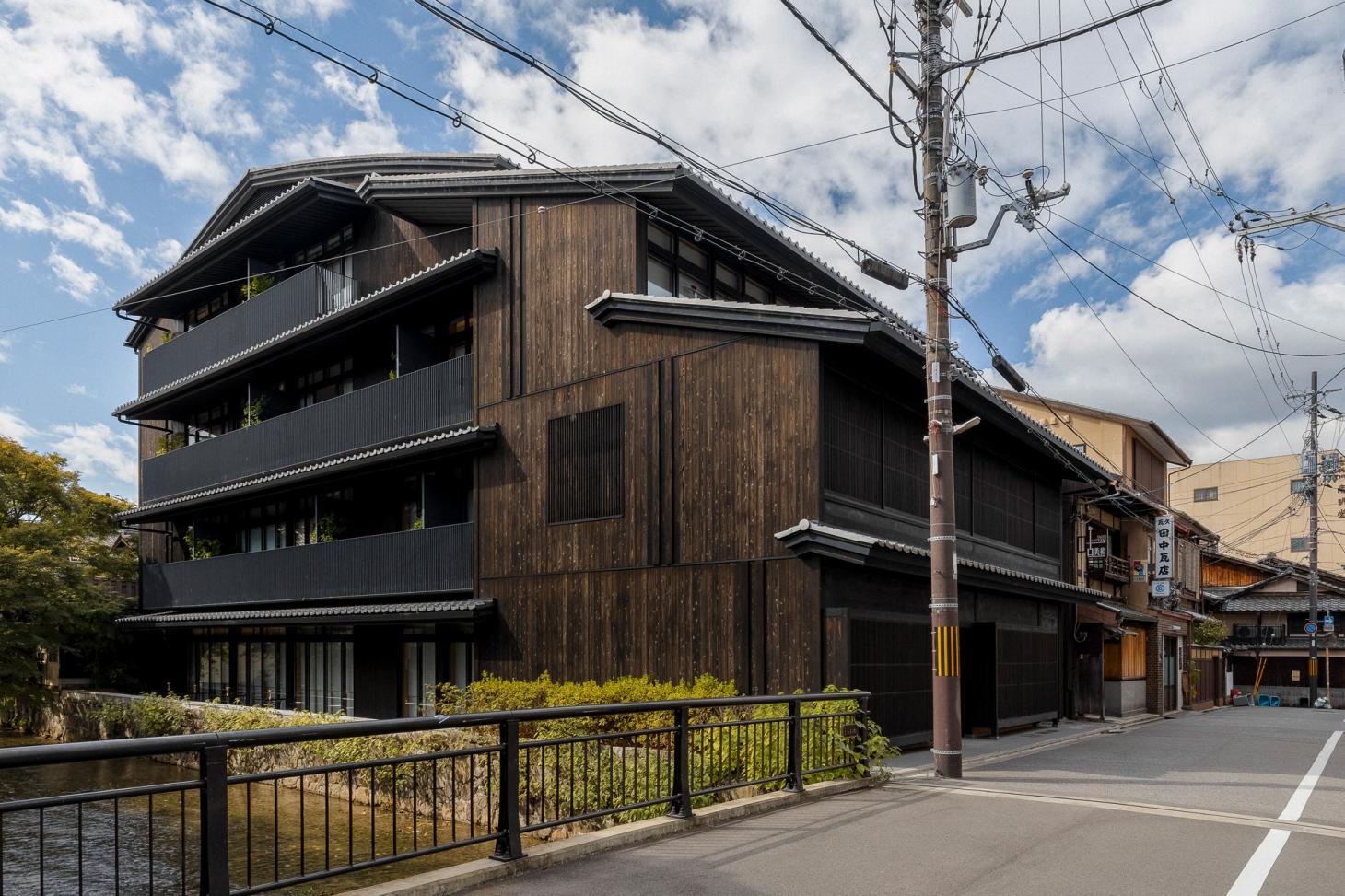
● Just nine individually conceived suites, with interiors by Rémi Tessier and private balconies overlooking the willow-lined Shirakawa Canal.
● An exceptional collection of contemporary art and design turns Paddy McKillen’s deeply personal project into something closer to a collector’s residence than a conventional luxury hotel.
Nine Rooms on the Canal
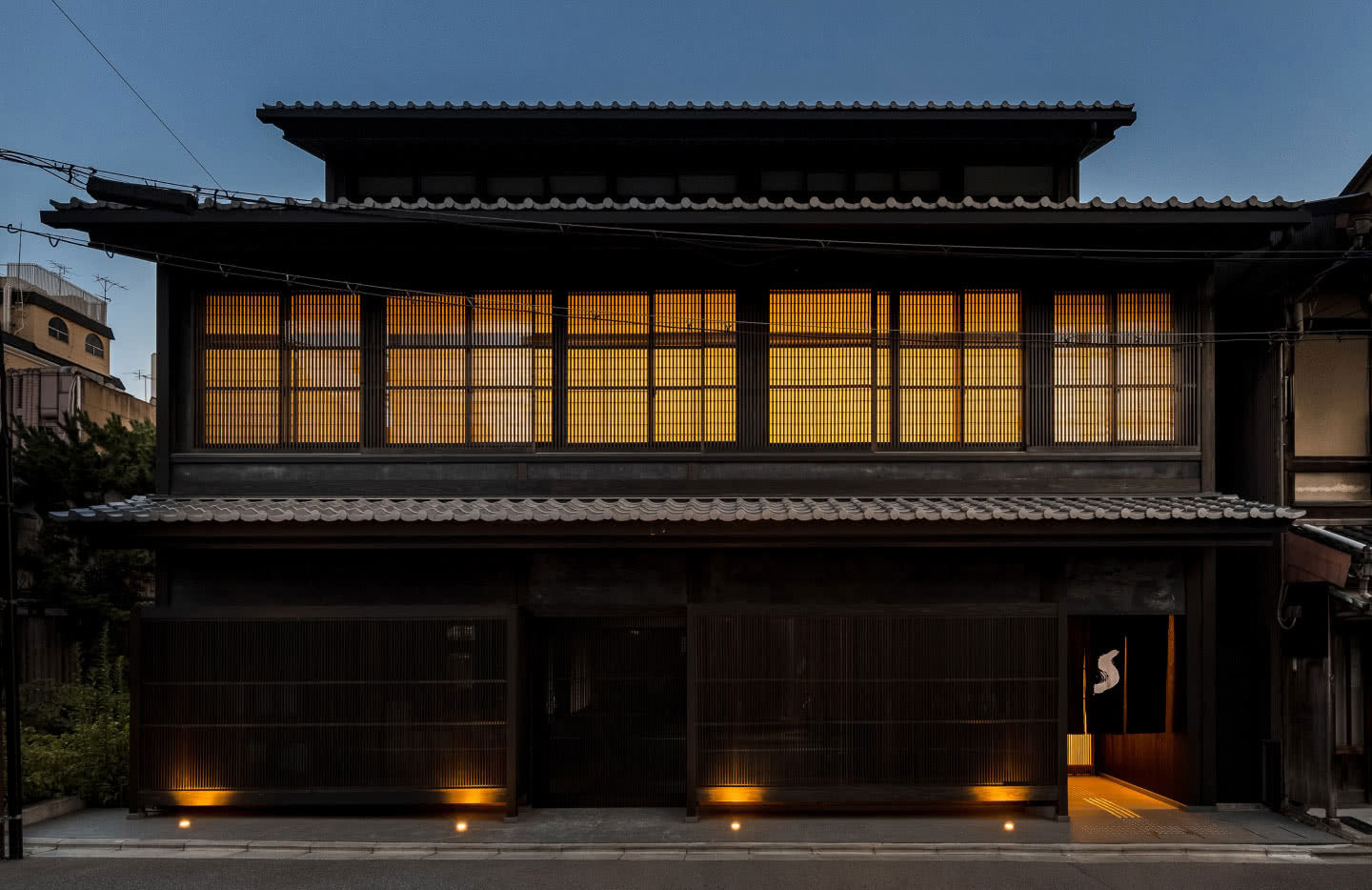
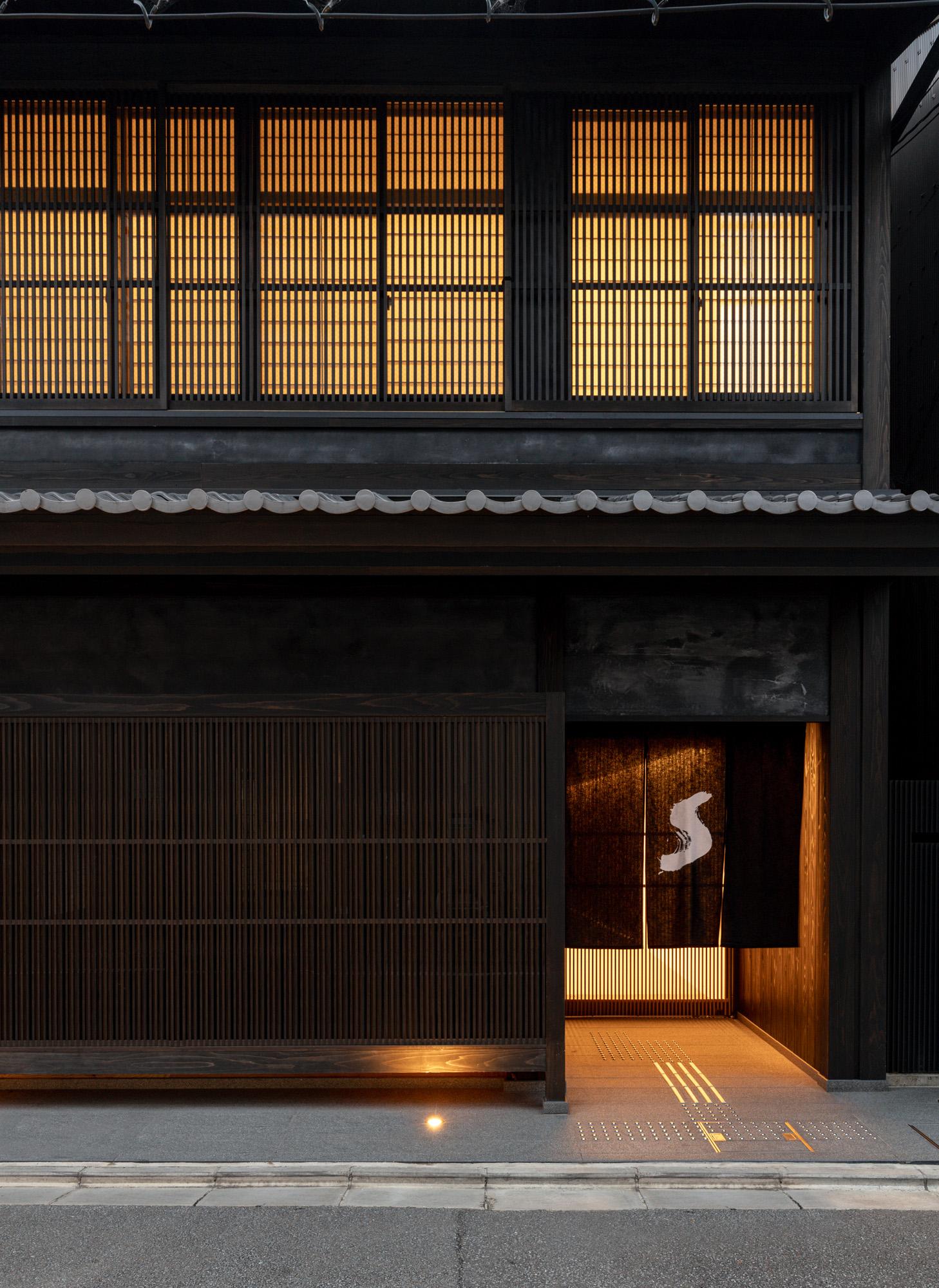
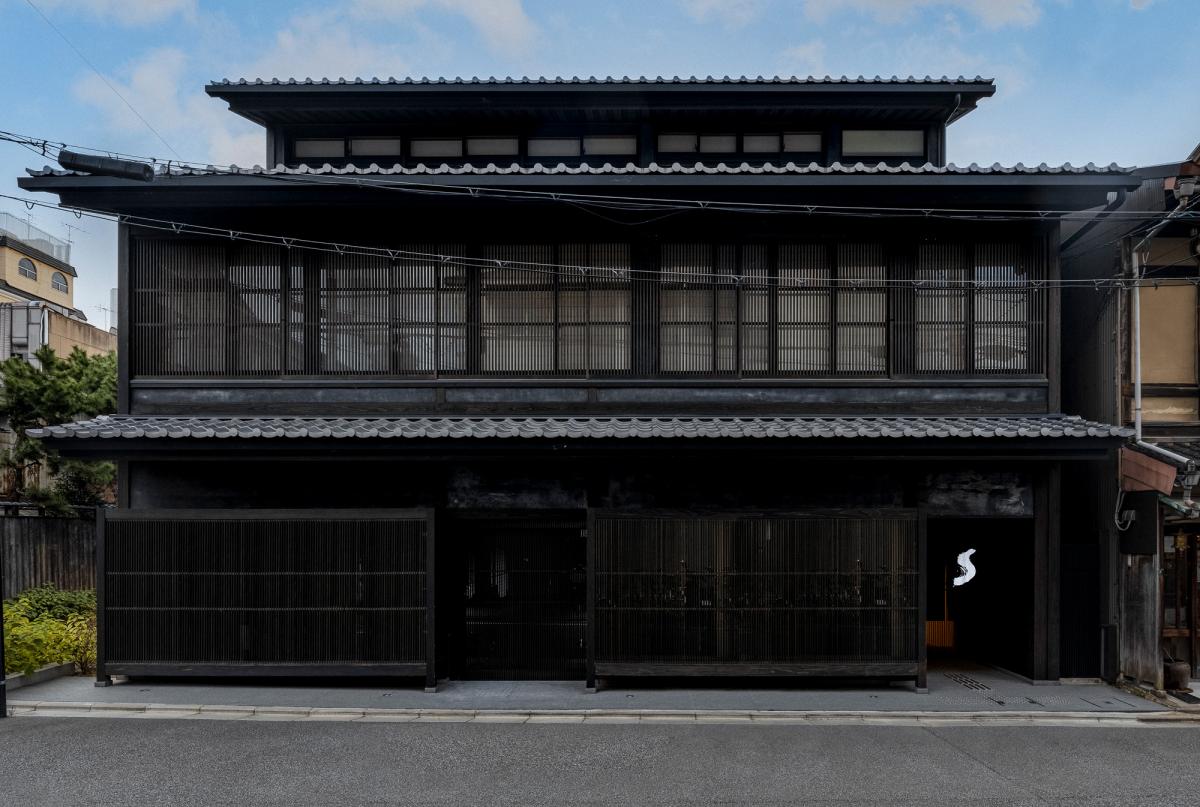
The Shinmonzen doesn’t look like a Tadao Ando building. At least, not at first. On Shinmonzen-dori, one of Gion’s most beautiful historic streets, its dark timber façade sits quietly among machiya, antique dealers, galleries, and teahouses. There is no architectural announcement that one of Japan’s most celebrated architects is behind it. That discretion is fundamental to the hotel. Created by Irish hotelier and art collector Paddy McKillen, The Shinmonzen contains only nine suites. It feels less like entering a luxury hotel than being invited into an exceptionally sophisticated private home. Kyoto provides the language. Ando simply speaks it differently.
Tadao Ando Goes Quiet
Behind the traditional façade, Ando’s presence gradually reveals itself. His unmistakable concrete meets timber, stone, glass, and Japanese craftsmanship. Light is controlled with extraordinary precision. Corridors reveal framed glimpses rather than grand vistas. Materials change subtly as you move through the building. It is unmistakably contemporary architecture, but one that understands where it stands. Rather than importing his architectural vocabulary wholesale into Gion, Ando allows Kyoto’s scale, proportions, and traditions to shape the building. The result is perhaps more interesting because of that restraint.
Rémi Tessier Inside
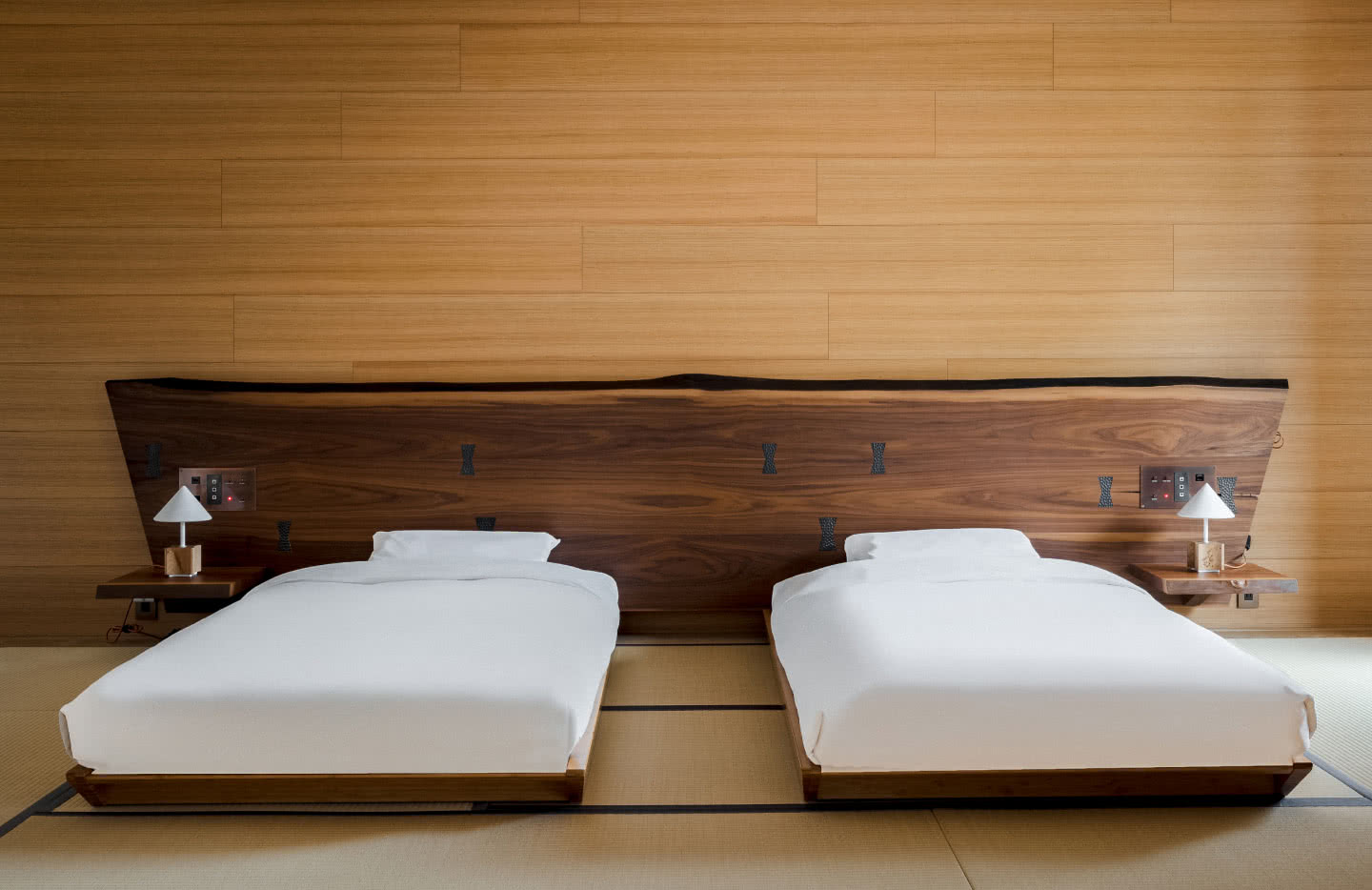
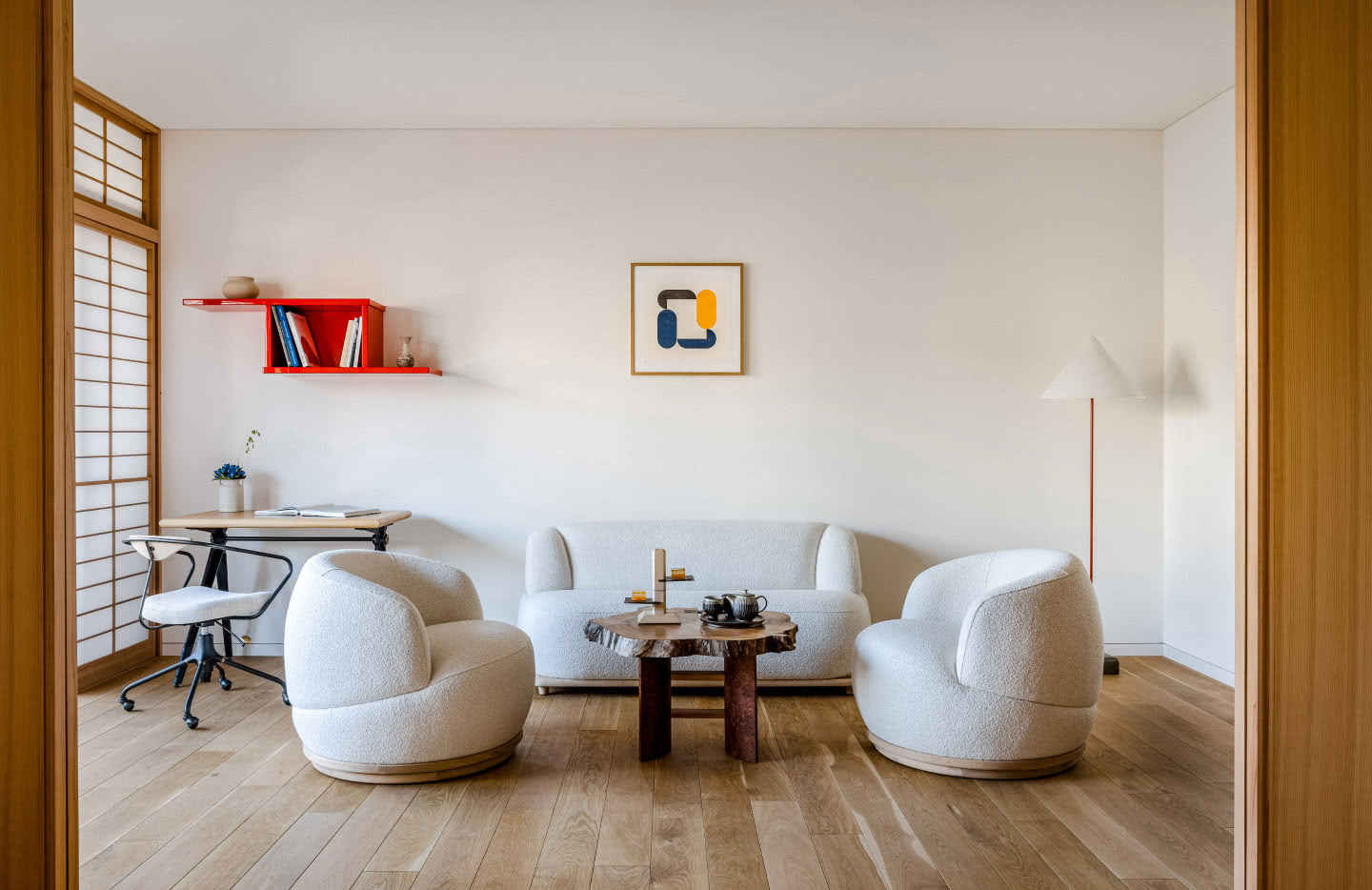
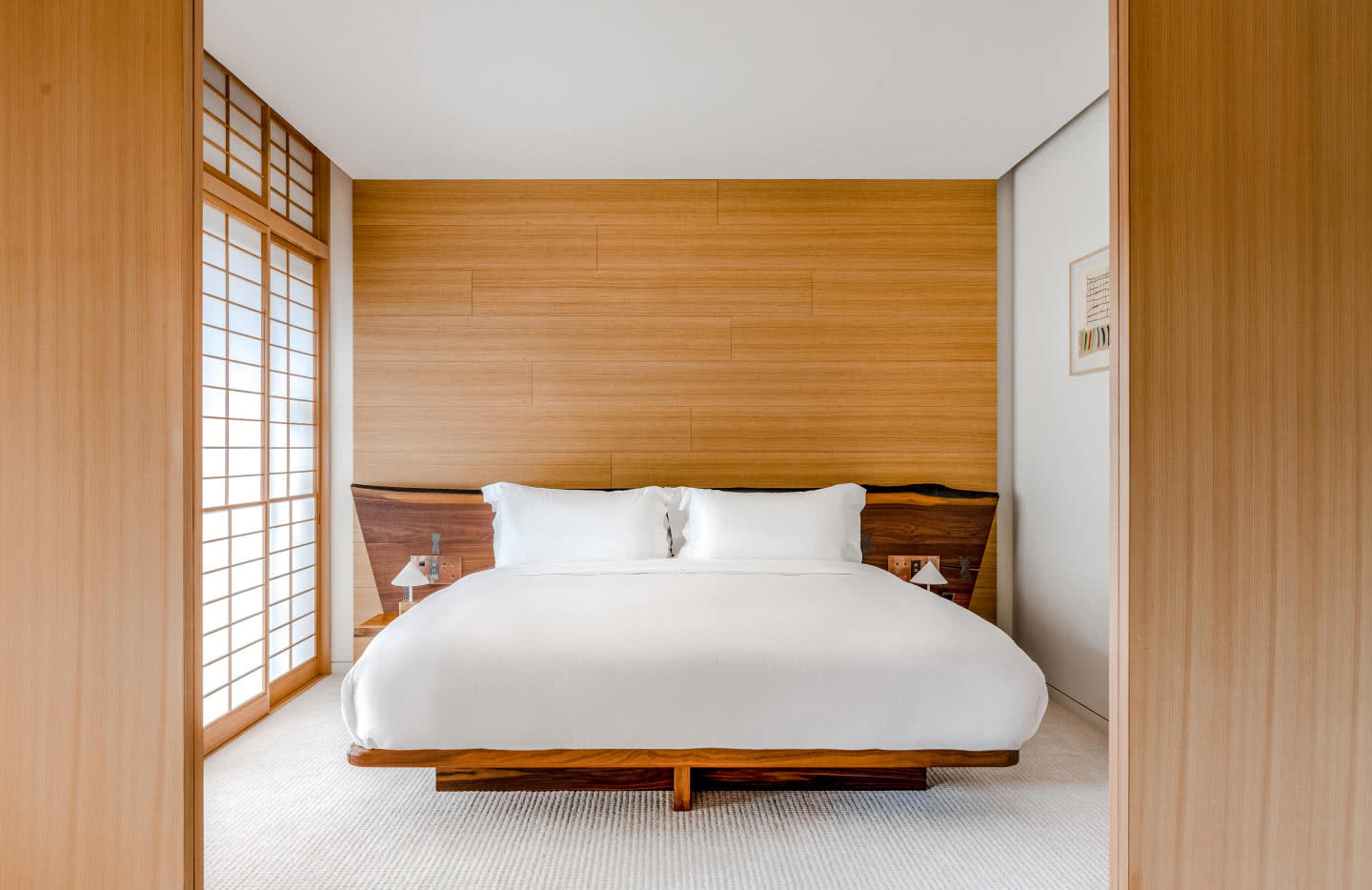
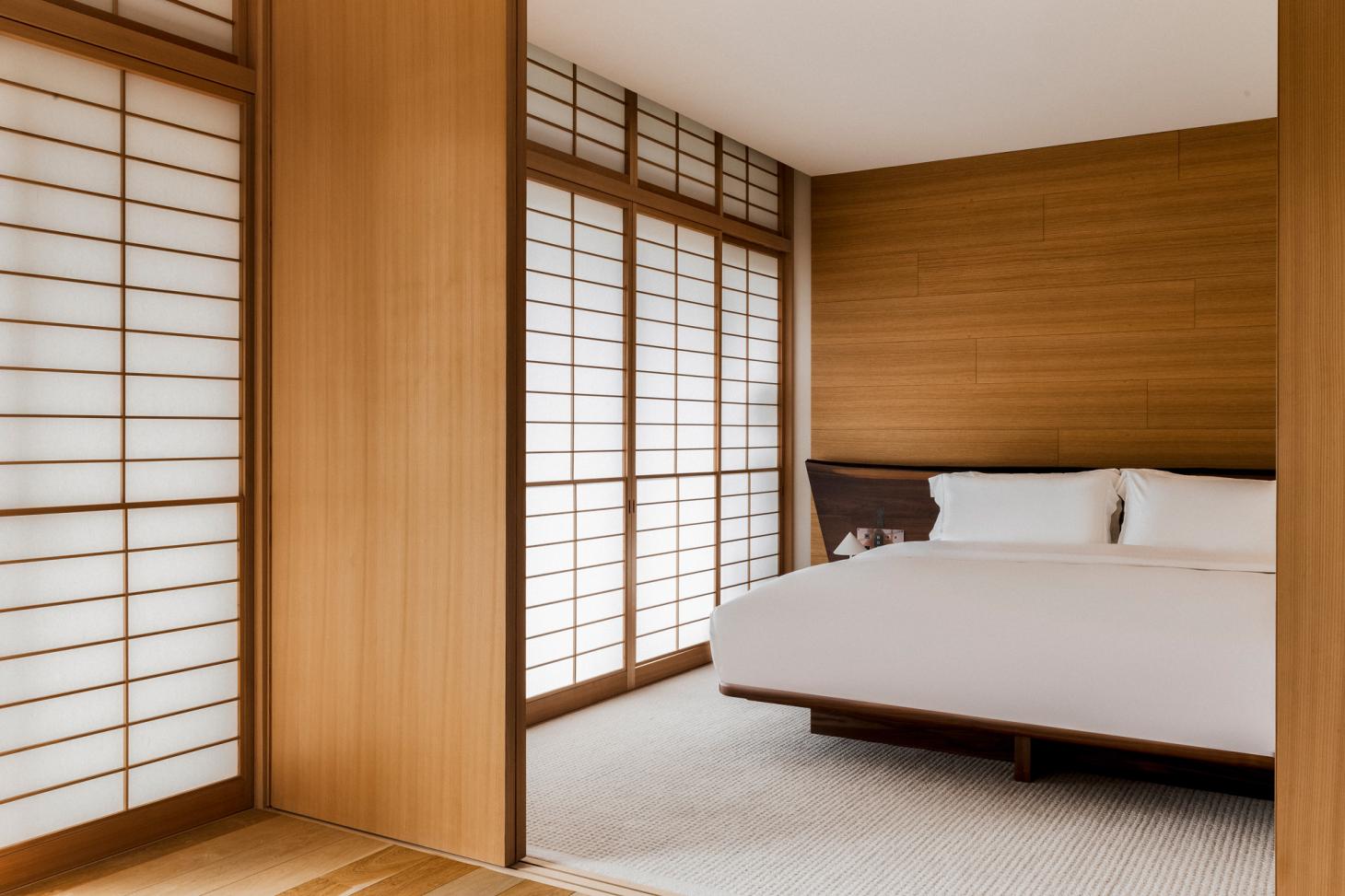
French designer Rémi Tessier takes over where Ando’s architecture leaves off. The nine suites combine European refinement with Japanese materials and craftsmanship: washi, timber, stone, tatami, bespoke furniture, handwoven textiles, and beautifully executed joinery. Each is different. Generous bathrooms and deep soaking tubs encourage the rituals of Japanese bathing, while carefully selected contemporary art gives every suite its own identity. But the defining feature lies beyond the glass. Private balconies overlook the Shirakawa Canal, where willow trees, traditional buildings, water, and changing light provide a scene no interior designer could improve upon. The rooms wisely let Kyoto do the decorating.
An Art Collector’s Hotel
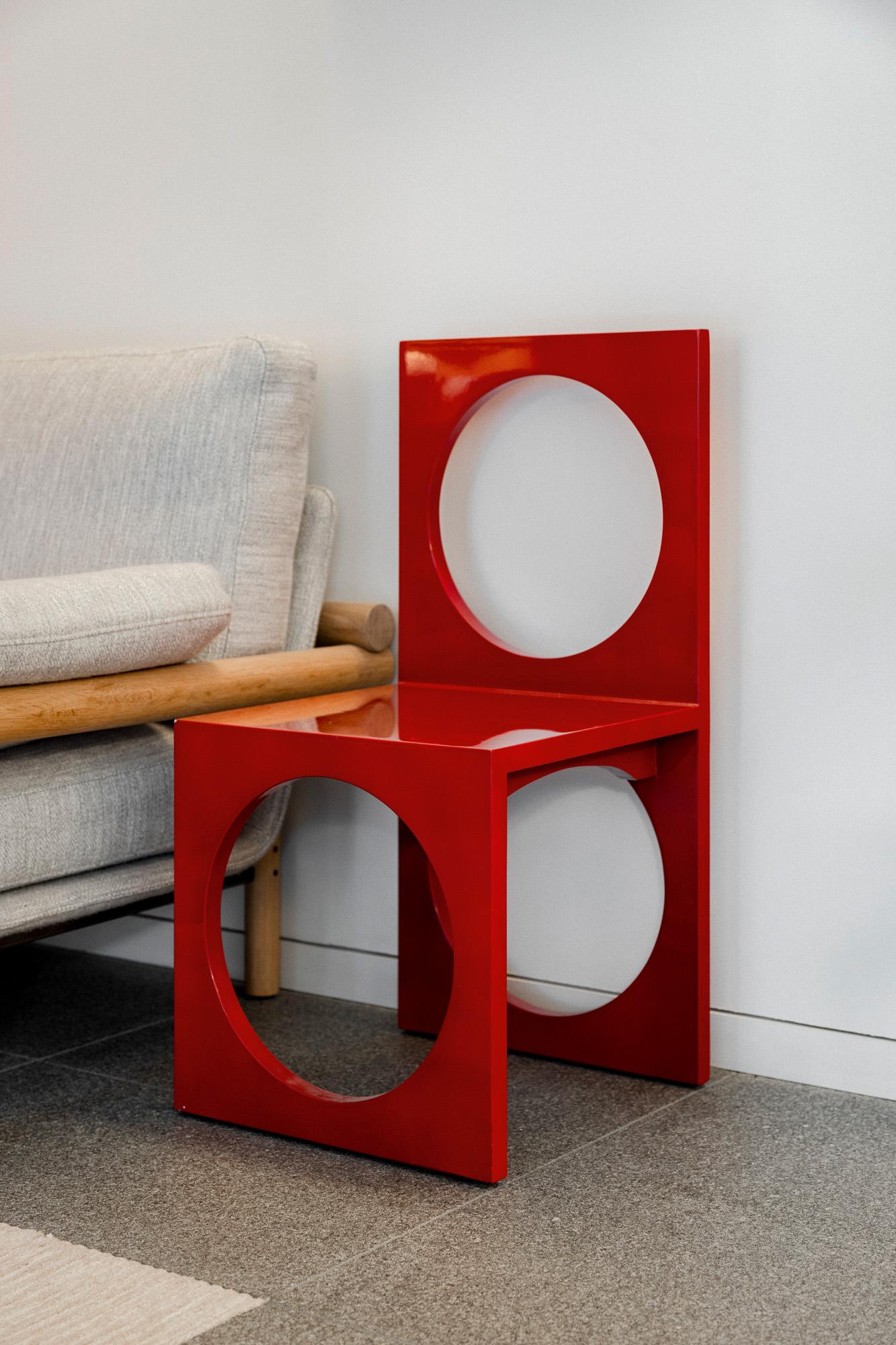
McKillen is one of the world’s most serious contemporary art collectors, and that changes the character of The Shinmonzen completely. Art isn’t used to make the hotel appear cultured. It belongs here. Works by major contemporary artists sit naturally within the architecture alongside ceramics, furniture, textiles, and pieces created by Japanese craftspeople. The relationship between art, architecture, and objects feels personal rather than commercially curated. There is no gallery atmosphere. You encounter art while walking to breakfast, returning to your suite, or sitting quietly with a drink. It’s culture integrated into daily life.
Jean-Georges Comes to Kyoto
Food introduces another international voice. Jean-Georges Vongerichten brings his culinary perspective to Kyoto while working with the exceptional produce and seasonality of the region. The restaurant, designed by New York architect Stephanie Goto, continues the hotel’s preference for intimacy over spectacle. The experience feels polished but residential. That matters in a hotel this small. Rather than creating a separate destination restaurant disconnected from the rest of the property, dining remains part of the rhythm of the house.
Gion Outside the Door
Then there is the address. Shinmonzen-dori runs beside the Shirakawa through one of Gion’s most atmospheric pockets. Traditional machiya, galleries, antique shops, stone bridges, willow trees, and narrow lanes surround the hotel. Walk a little farther and Kyoto opens around you. Yet some of the most memorable moments require going nowhere at all. Early morning light over the canal. Rain against the timber balcony. Lanterns reflected in the water after dark. With only nine suites, The Shinmonzen can make one of Kyoto’s most famous districts feel unexpectedly private.
Why It Works
The Shinmonzen is remarkable precisely because so many formidable names resist the temptation to show off. Tadao Ando’s architecture respects Gion rather than competing with it; Rémi Tessier’s interiors allow Japanese craftsmanship to breathe; Paddy McKillen’s art collection feels lived with rather than exhibited. Add nine suites overlooking the Shirakawa Canal and the result is one of Kyoto’s most complete expressions of contemporary luxury: intensely considered, deeply cultured, and almost impossibly discreet.